The Short Answer
Omega is a high-end luxury watch. But that answer hides a CA$40,000 gap that tells the story. A steel Seamaster Aqua Terra starts at CA$9,700 on Omega’s Canadian site. A Moonshine gold Speedmaster runs CA$50,600.
Same brand. Different conversations about what “luxury” means.
Omega belongs in the luxury category. But it sits in what collectors call “upper luxury” — comfortably above entry-level Swiss brands, a notch below the holy-trinity brands such as Patek Philippe, Audemars Piguet, and Vacheron Constantin. The guy dropping twelve grand on a Seamaster and the guy dropping fifty on a gold Speedmaster are both buying luxury, but they’re buying different kinds of it.
This article breaks down the criteria collectors actually use — heritage, movements, finishing, pricing, resale, and places Omega where the evidence puts it. By the end, you’ll know whether Omega is the right high-end for your money.
Key Takeaways
Omega’s official Canadian pricing spans from CA$9,700 (steel Aqua Terra) to CA$50,600 (Moonshine gold Speedmaster) — that range alone shows “luxury” is a spectrum within the brand.
The Speedmaster’s Apollo 13 story — a 14-second engine burn timed on the watch after an oxygen tank ruptured, earning the Silver Snoopy Award from NASA, is the kind of heritage you can’t buy or fake.
Omega’s Master Chronometer certification guarantees accuracy of 0 to +5 seconds per day and anti-magnetic resistance over 15,000 gauss, a spec Rolex’s Superlative Chronometer doesn’t match.
Table of Contents
What Defines a Luxury Watch? The Collector’s Framework
Luxury isn’t binary. Watch guys sort brands by heritage, in-house movements, finishing, and price. A useful bracket system from The Watch Scanner lays it out: entry luxury runs USD 800–3,000, core luxury USD 3,000–8,000, and high luxury (or haute horlogerie) starts above USD 8,000.
Omega’s steel sports models typically land in that core luxury band, USD 5,000–8,000 retail. Its precious-metal and complicated pieces cross into the high tier. That alone settles the “is it luxury?” question — yes. But where exactly?
The Watch Scanner places Omega, Breitling, and Tudor in the “upper luxury” class. That means they sit above brands like Longines or TAG Heuer but below Patek, AP, and VC. It’s not a demotion; it’s a precise positioning. Some collectors call Omega “entry-level luxury” because you can get a serious mechanical watch for less than a base Rolex. Others point to the in-house movements, the moon landing, and the METAS certification and say it belongs in the top tier. Both arguments have merit because luxury is about what you value.
One quick note: “Swiss Made” alone doesn’t mean luxury. You can buy a Swiss-made watch for a few hundred bucks. Omega clears that bar by a mile — the question is how far.
Omega’s Heritage: More Than Marketing
Omega was founded in 1848 by Louis Brandt in La Chaux-de-Fonds, Switzerland. That’s a real deal, not a story cooked up in a meeting. It became the official Olympic timekeeper in 1932, a job that demands precision under pressure.
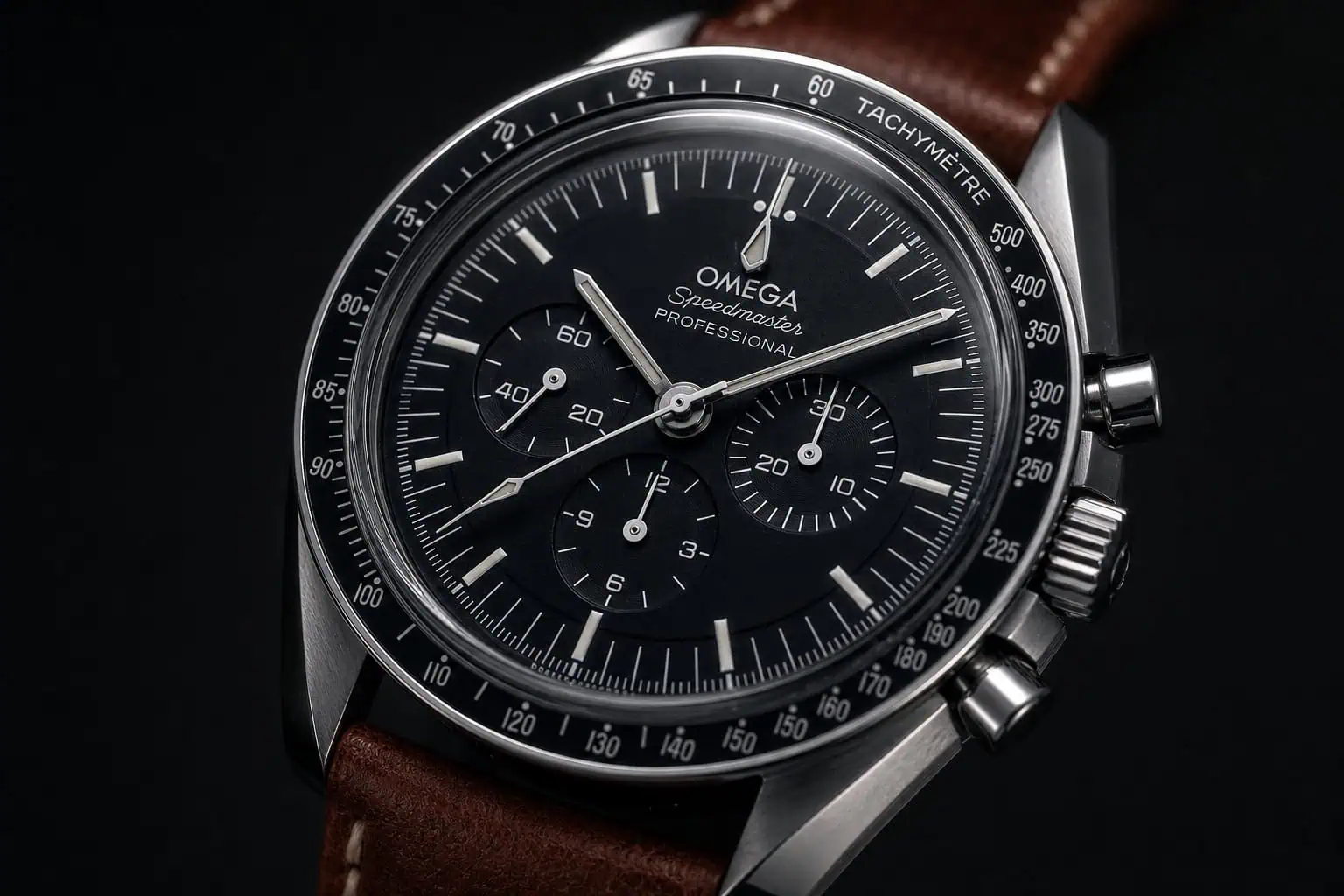
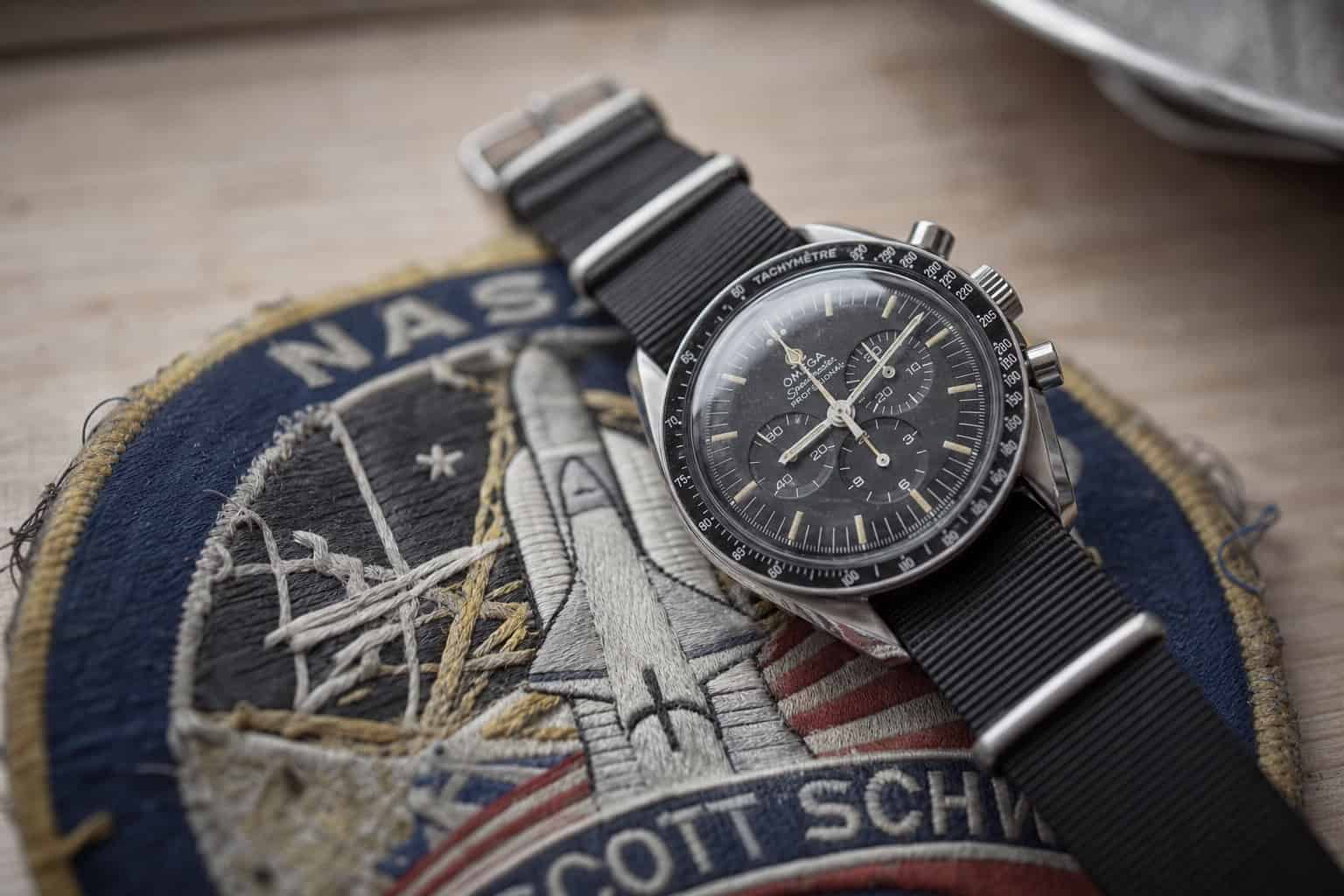
But the crown jewel is the Speedmaster. NASA selected it for Apollo 11 in 1969, making it the first watch on the moon. That would cement its legacy. Then came Apollo 13.
On April 11, 1970, the mission launched. Two days in, an oxygen tank ruptured. The crew needed to fire the engines for exactly 14 seconds to get back on a safe trajectory — no power, no electronics, just a mechanical chronograph. They used the Speedmaster on Jim Lovell’s wrist. The burn worked.
They splashed down safely on April 17. NASA gave Omega the Silver Snoopy Award for the watch’s role.
That’s not a tagline. That’s a watch that helped save lives.
Add James Bond strapping on a Seamaster since the mid-’90s, and you’ve got a heritage that spans exploration, survival, and pop culture. You can’t build that credibility with an ad campaign.
Craftsmanship and Innovation: Movements, Certifications, Materials
Omega uses in-house Master Co-Axial calibres across its core lines. The co-axial escapement was developed by George Daniels, a legendary watchmaker, and it reduces friction — meaning better accuracy and longer intervals between service.
The certification that matters is METAS Master Chronometer. A watch earns it by passing eight days of tests. Accuracy must fall within 0 to +5 seconds per day. Magnetic resistance must exceed 15,000 gauss.
For context, that means your watch won’t get messed up by your laptop, phone, or even an MRI machine. It’s an advantage if you work around electronics.
Rolex’s Superlative Chronometer certification is tighter on daily accuracy: -2 to +2 seconds per day. But it doesn’t test anti-magnetism to anywhere near the same degree. Neither certification is “better” — they emphasize different priorities. Omega prioritizes real-world durability.
Rolex prioritizes raw precision. If you’re choosing between them, know which tradeoff matters to you.
Omega also casts its own gold alloys. Moonshine gold is a paler, more durable yellow gold used in some Speedmasters. Sedna gold is a rose-gold alloy that doesn’t fade over time. Both are proprietary to Omega.
Finishing is consistent with the price point. Movements get Côtes de Genève stripes and perlage (circular graining). Cases have sharp transitions between brushed and polished surfaces. These details separate luxury from “nice enough.”
Pricing: What You Actually Pay
Here’s the range from Omega’s official Canadian site, in Canadian dollars. The Seamaster Planet Ocean 600M in steel with a 42 mm case and steel bracelet is priced at CA$ 12,100.
- Seamaster Aqua Terra 150M, steel case and bracelet — CA$9,700
- Seamaster Diver 300M, 44 mm steel case on NATO strap — CA$12,300
- Speedmaster Moonwatch Professional, steel case and bracelet — CA$11,800–CA$11,900
- Speedmaster Dark Side of the Moon, grey ceramic case on rubber strap — CA$21,500
- Speedmaster Moonwatch Professional in Moonshine gold on rubber strap — CA$50,600
Most steel sports models fall in the USD 5,000–8,000 range, which is core luxury. The gold pieces and limited editions climb higher. That CA$40,000 spread inside a single brand proves that “Omega is luxury” is a true but incomplete statement. The right question is which Omega, and examining the profiles of the typical Omega and Rolex owner helps the reader see which tribe they belong to.
Omega vs. Rolex: The Direct Comparison
Rolex was founded in 1905 by Hans Wilsdorf and Alfred Davis. Its Oyster Perpetual from 1926 was the first waterproof watch. That’s a big deal — waterproofing was an innovation. Rolex also owns the Superlative Chronometer cert and iconic models like the Submariner, Datejust, Daytona, and the Milgauss, which was designed for magnetic field environments.
The Speedmaster vs. Daytona matchup is the classic chronograph rivalry. The Speedmaster went to space; the Daytona is a motorsport icon worn by Paul Newman. Both are legendary, but they tell stories. Rolex also offers the GMT Master II, a favorite among travelers for its dual-time-zone function.
The Seamaster vs. Submariner comparison is about dive watches. The Submariner set the standard. It offers a helium escape valve, the Master Co-Axial movement, and a lower entry price.
The Aqua Terra vs. Datejust is about everyday versatility. The Aqua Terra is Omega’s modern take on a dress-sport hybrid. The Datejust is Rolex’s classic, unchanged in spirit for decades, and a daily like a Datejust 41 can factor into the 3-watch rule.
Resale: Rolex holds value better because the company limits production. Does Omega hold value as well as Rolex? Omega holds value well for a non-Rolex brand — the Speedmaster Professional and Seamaster Diver 300M are strong performers on the secondary market, but it’s not in Rolex’s league. If you care about investment, Rolex wins.
If you care about technical innovation per dollar, Omega wins. Rolex’s caliber 3235, for instance, is a modern in-house movement that delivers precision and a 70-hour power reserve.
Entry point: Omega lets you into serious luxury for less than a base Rolex. A steel Seamaster vs. a steel Submariner — the Omega costs thousands less for comparable build quality. That’s not a knock on Rolex; it’s a practical advantage for most buyers, but the real question is is Omega as luxury as Rolex?
Where Omega Sits in the Broader Luxury Landscape
Using The Watch Scanner’s tier system:
Upper luxury: Omega, Breitling, Tudor. Breitling uses its in-house B01 movement in many of its chronographs, while Tudor relies on its MT-series calibers.
- Breitling: pilot chronographs like the Navitimer, mix of in-house and third-party movements, similar pricing, softer resale.
- Tudor: Rolex’s sibling brand now with its own identity (Black Bay, Pelagos), in-house MT movements, strong build, priced USD 3,000–5,000.
Middle ground: TAG Heuer, Longines, Franck Muller. Many brands in this tier use COSC-certified movements, and TAG Heuer offers the T-fit clasp on some of its sports models for quick micro-adjustment. Vintage enthusiasts often seek out the TAG Heuer vintage Carrera and Monaco, as well as the Heuer Carrera, which defined the chronograph aesthetic in the 1960s.
- TAG Heuer: some in-house movements but heavy on quartz and mall presence. Purists debate whether it’s luxury or premium fashion.
- Longines: affordable luxury with ETA movements, rich heritage, sits below Omega in the Swatch Group.
- Franck Muller: high retail, big secondary discounts.
Premium / accessible: Rado, Tissot, Citizen, Victorinox.
- Rado: design-led ceramics, ETA movements.
- Tissot: gateway Swiss brand (PRX line), great value.
- Citizen: mass-market but luxury-grade lines like “The Citizen” and Chronomaster exist.
- Victorinox: tool watches, not luxury in the collector sense.
Omega sits confidently in the upper luxury tier, above Longines and Tissot within the Swatch Group, below Patek, AP, and Vacheron externally. It’s not competing with seven-figure grand complications — but it’s not supposed to.
Resale Value: A Practical Perspective
Omega’s core icons hold value decently for a non-Rolex brand, but they are not investment pieces. The Speedmaster Professional and Seamaster Diver 300M have strong secondary demand. You can sell them at sensible prices — better than most competitors like Breitling or TAG Heuer. But they still depreciate from retail.
Resale matters more if you rotate watches frequently, if you’re choosing between new and pre-owned (buying pre-owned sidesteps the biggest hit), or if the purchase stretches your budget. If you’re a buy-it-and-wear-it-forever kind of owner, resale is a nice bonus but not a core factor. Long-term satisfaction wins.
Omega is respected but clearly secondary in “investment” discussions compared to Rolex, Patek, and Audemars Piguet.
How to Choose: Practical Buying Advice
If you’re spending serious money on your first luxury watch, here’s what to look for:
- Movement and build over the logo. Mechanical movement (automatic or manual), solid bracelet links, a good clasp, sapphire crystal, sharp case finishing. Omega checks all these.
- Match the brand tier to your goal. First serious watch? Omega, Tudor, or Breitling. Swiss heritage under five figures?
Longines or TAG Heuer. Value-driven entry? Tissot or Seiko.
- Handle watches in person. Photos don’t show how a bracelet drapes or how a bezel turns.
- Buy for enjoyment, not speculation.
- Diminishing returns are real. A Tudor Black Bay might give you 90% of the enjoyment of a more expensive Omega. Spending more doesn’t always buy proportionally more satisfaction.
Omega’s iconic models — Speedmaster, Seamaster, Aqua Terra, are all excellent starting points. The Speedmaster gives you the moonwatch story. The Seamaster gives you a serious dive tool. The Aqua Terra gives you a versatile everyday piece. Pick the one that matches your lifestyle.
Conclusion: The Verdict
So is Omega a high-end luxury watch? Yes. But it’s a specific kind of yes.
The evidence: CA$9,700 to CA$50,600 in pricing, 1848 founding, the moon landing, Apollo 13, James Bond, in-house Master Co-Axial movements, METAS certification, Côtes de Genève finishing, solid bracelets, ceramic bezels. That’s not entry-level nice. That’s upper luxury.
But it’s not Patek. It’s not Vacheron. It’s not the tier where watches become seven-figure collectibles. Omega sits in the sweet spot for most buyers — serious heritage and craftsmanship at a price that doesn’t require a six-figure watch budget.
The best purchase matches the brand to your priorities. If you value technical innovation, real-world durability, and a story with teeth, Omega is a strong contender. If you value brand prestige and resale above all else, Rolex might fit better. Neither is wrong. Know what you’re buying for.
The CA$9,700 steel Aqua Terra and the CA$50,600 gold Speedmaster are both Omegas. Both are luxury. The difference is which version of luxury you want on your wrist.
Frequently Asked Questions
Where does Omega rank in luxury watches?
Omega sits in the ‘upper luxury’ tier, comfortably above entry-level Swiss brands like Longines and TAG Heuer but below the holy-trinity brands (Patek Philippe, Audemars Piguet, Vacheron Constantin). Collectors place it alongside Breitling and Tudor in that middle-high bracket.
Is Omega luxury or premium?
Omega is unequivocally luxury, not premium. With pricing from roughly CA$9,700 to CA$50,600, in-house Master Co-Axial movements, METAS certification, and a heritage that includes the moon landing and Apollo 13, it clears the luxury bar by a wide margin. It’s upper luxury, not entry-level.
What makes Omega’s Master Chronometer certification better than Rolex’s?
Omega’s METAS Master Chronometer certification guarantees accuracy of 0 to +5 seconds per day and anti-magnetic resistance over 15,000 gauss — meaning your watch won’t be affected by laptops, phones, or even an MRI machine. Rolex’s Superlative Chronometer is tighter on daily accuracy (-2 to +2 seconds) but doesn’t test anti-magnetism to anywhere near the same degree. Neither is objectively better; they prioritize different things.