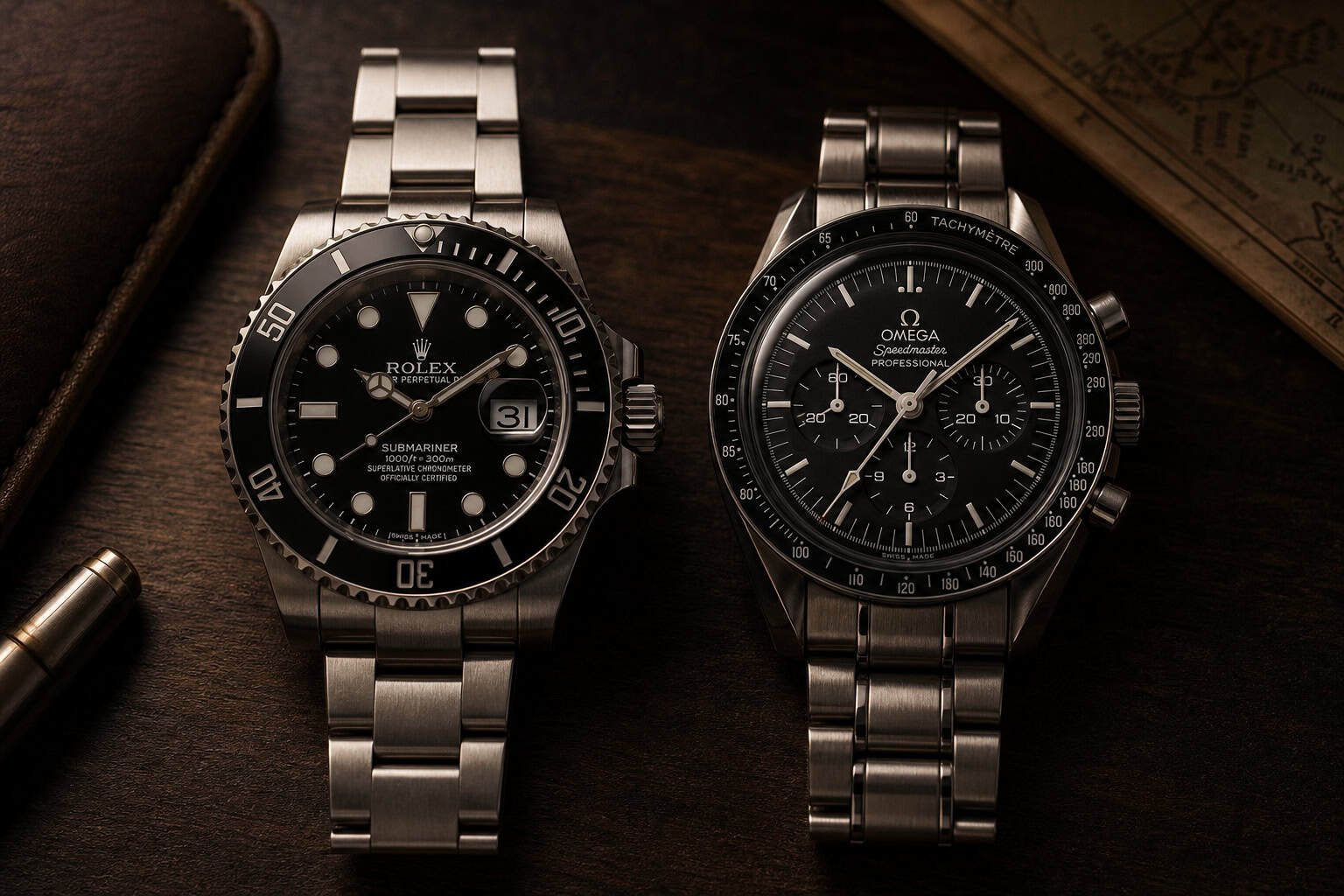
The Guy Who Buys a Rolex vs. the Guy Who Buys an Omega
You’re at dinner with two friends. One has a Submariner on his wrist. The other has a Speedmaster. Both watches cost about the same amount of money. But they’re having different conversations about why they bought them.
The Rolex guy talks about the wait. The phone call that finally came. The feeling of walking out of the authorized dealer. He’s proud of the hunt.
The Omega guy talks about the moon. He’ll tell you about the 15,000 gauss magnetic resistance. He’ll explain why the Co-Axial escapement matters. He’s proud of the engineering.
This isn’t a “which is better” article. The question is: which tribe are you in?
Key Takeaways
The Homeprotect study puts the average Rolex owner at 68 years old; the average Omega owner is 44 — that age gap shows what each brand means to the guy wearing it
At market prices, Omega is nearly three times cheaper for comparable specs: a Seamaster Diver 300M starts around $5,200 while a Submariner Date starts around $9,550, and you can actually buy the Omega today
The ownership experience is reversed: Rolex’s purchase process drives people away but its reliability keeps them loyal, while Omega’s easy buying experience brings people in but some owners worry about long-term durability
Table of Contents
Heritage that builds identity
These two brands tell very different stories.
The Omega story: innovation and exploration
Omega was founded in 1848 by Louis Brandt. It’s now owned by the Swatch Group, which also owns ETA and other movement manufacturers. That corporate structure matters because it gives Omega access to serious manufacturing resources.
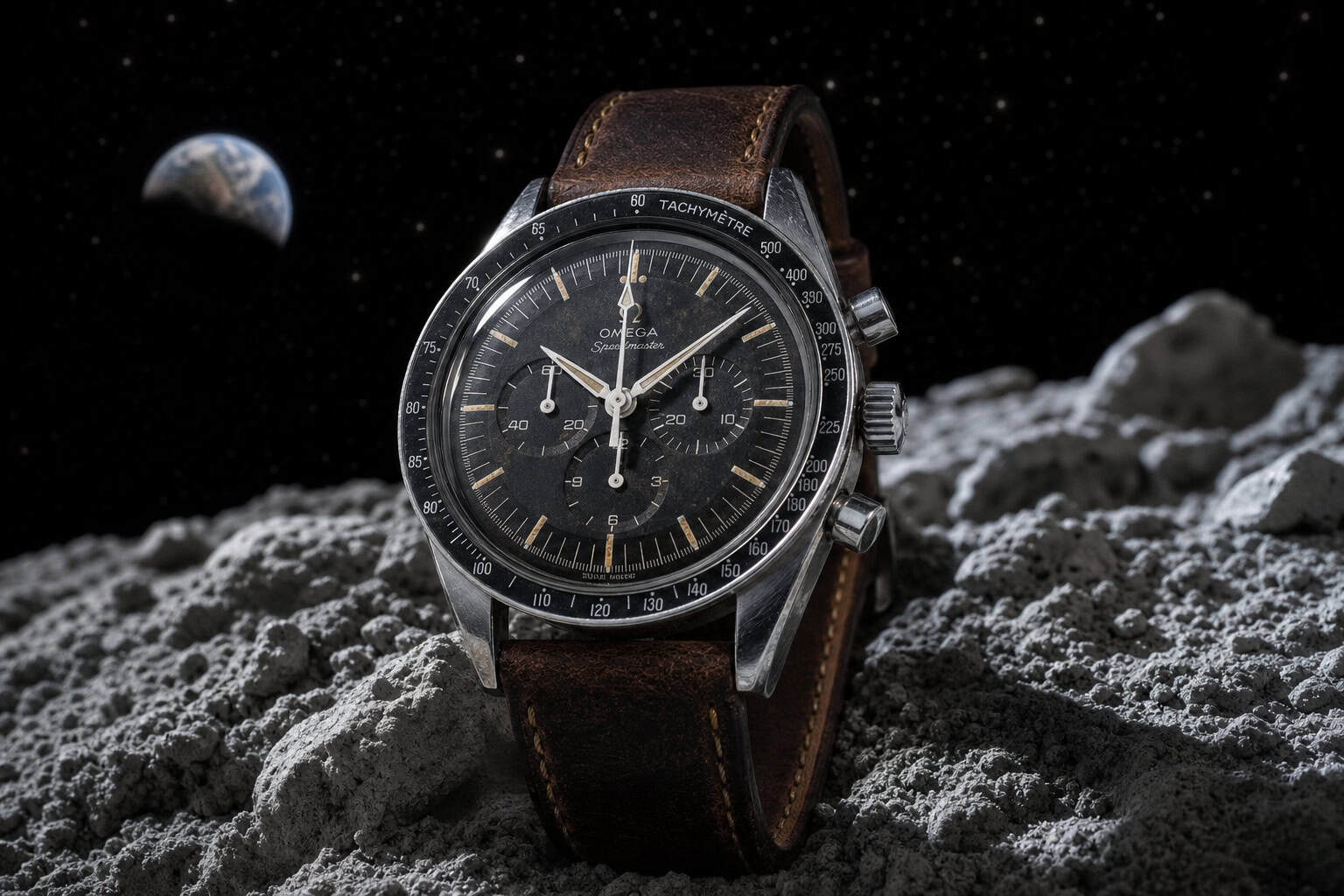
But what Omega did is the story. In 1965, NASA certified the Speedmaster for all manned space missions. It went to the moon. It’s the official timekeeper of the Olympics, a role it’s held since 1932. And since 1995, it’s been James Bond’s watch of choice.
These deliberate choices attract a specific kind of buyer: the guy who cares about what his watch has done, not just what it says about him.
The Rolex story: achievement and status
Rolex was founded in 1905 by Hans Wilsdorf in London before moving to Geneva. It’s privately held, which means they play the long game without quarterly earnings pressure.
The Oyster case, introduced in 1926, was the first waterproof watch case. The Perpetual rotor, a self-winding mechanism, came in 1931. The Datejust, the first automatic watch to feature a date window, arrived in 1945.
Rolex watches have been on the peak of Everest, at the bottom of the Mariana Trench, and on the wrists of presidents. Eisenhower wore one. That’s a different kind of hero story. It’s not about discovery — it’s about achievement.
What’s inside matters
Both brands make excellent movements. But they make different tradeoffs.
Omega’s technical story
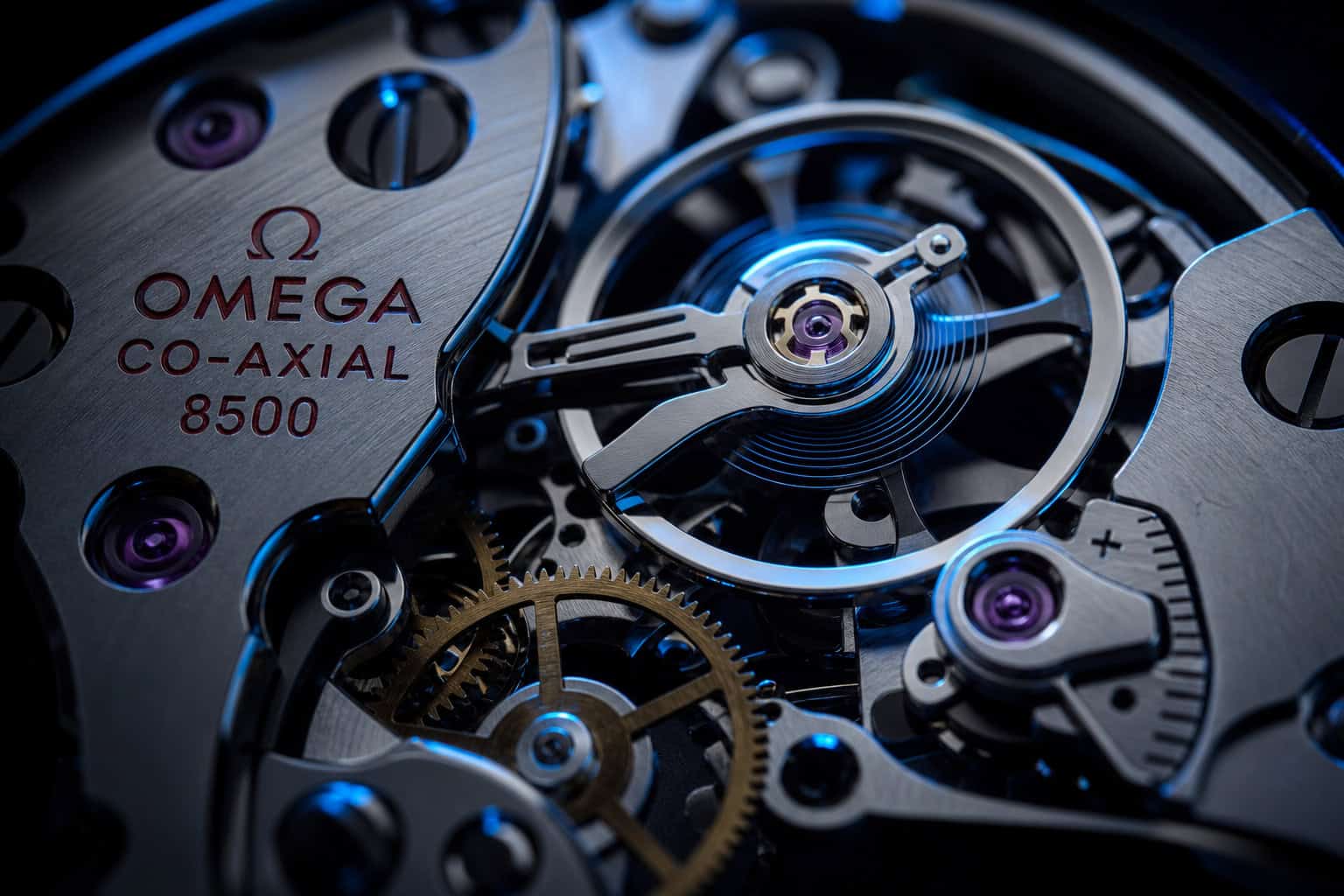
Omega’s Master Chronometer certification is rigorous. It’s tested by METAS, the Swiss Federal Institute of Metrology, in magnetic fields up to 15,000 gauss. That’s not marketing fluff — Argonne National Laboratory tested it.
The Co-Axial escapement, invented by George Daniels and launched by Omega in 1999, reduces friction in the movement. That means longer service intervals and better long-term accuracy. The Si14 silicon balance spring adds magnetic resistance and temperature stability.
Depth records matter here too. The Planet Ocean Ultra Deep Professional reached 10,928 meters in the Mariana Trench in 2019. That’s the deepest a watch has ever gone.
Power reserve runs 55 to 60 hours on most models. Solid, if not class-leading.
Rolex’s technical story
Rolex’s Superlative Chronometer certification guarantees -2/+2 seconds per day accuracy in the fully cased watch. That’s tighter than COSC alone, and it’s tested in the actual assembled watch, not just the movement.
The Cerachrom ceramic bezels, introduced in 2005, are scratch-resistant and fade-proof. The blue Parachrom hairspring, also from 2005, adds anti-magnetic and shock-resistant performance. The Syloxi silicon hairspring, from 2014, is used in some movements.
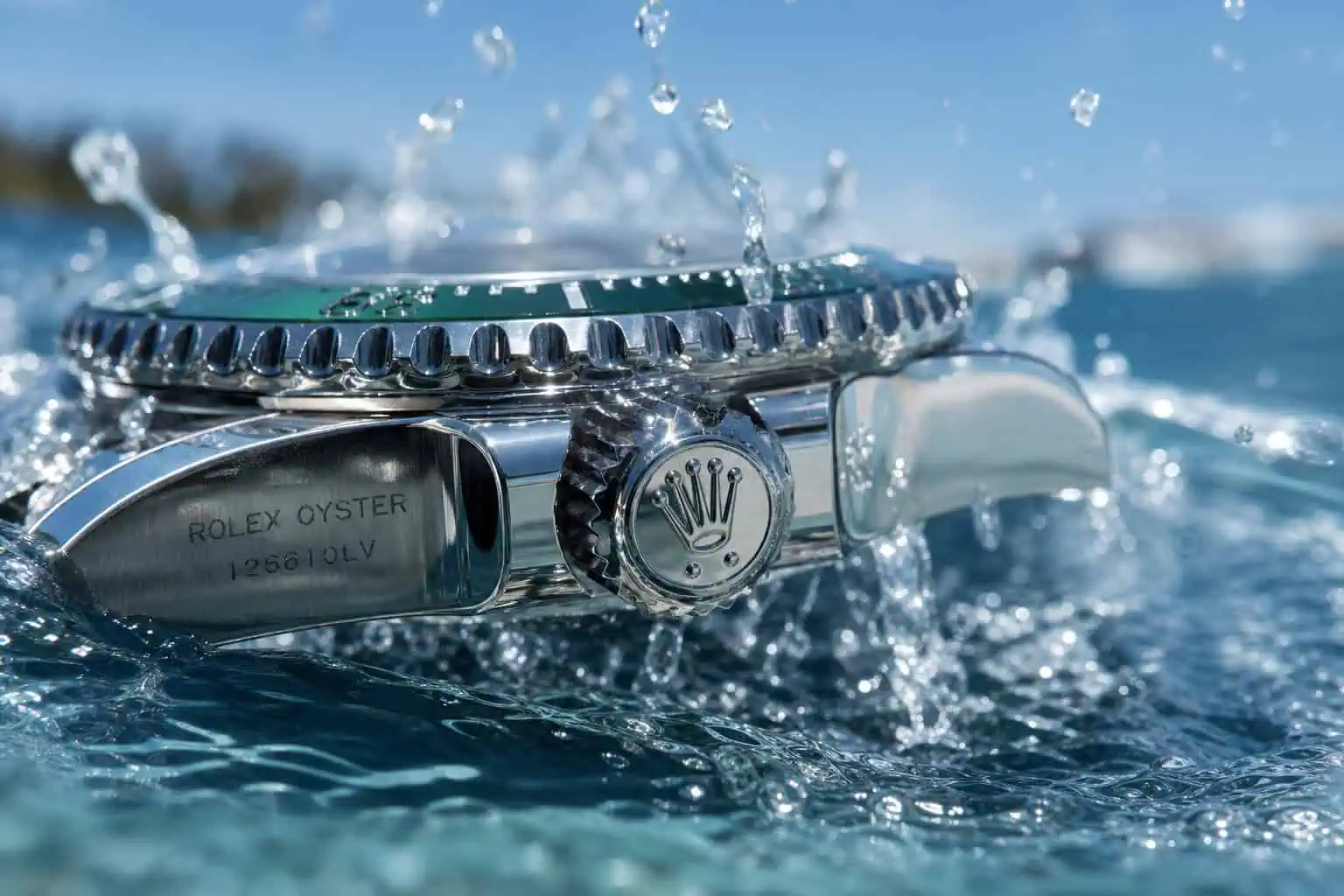
Rolex’s depth record is 10,916 meters, set by the Deepsea Special in 1960. The modern Deepsea Challenge, worn by James Cameron in 2012, matched that legacy.
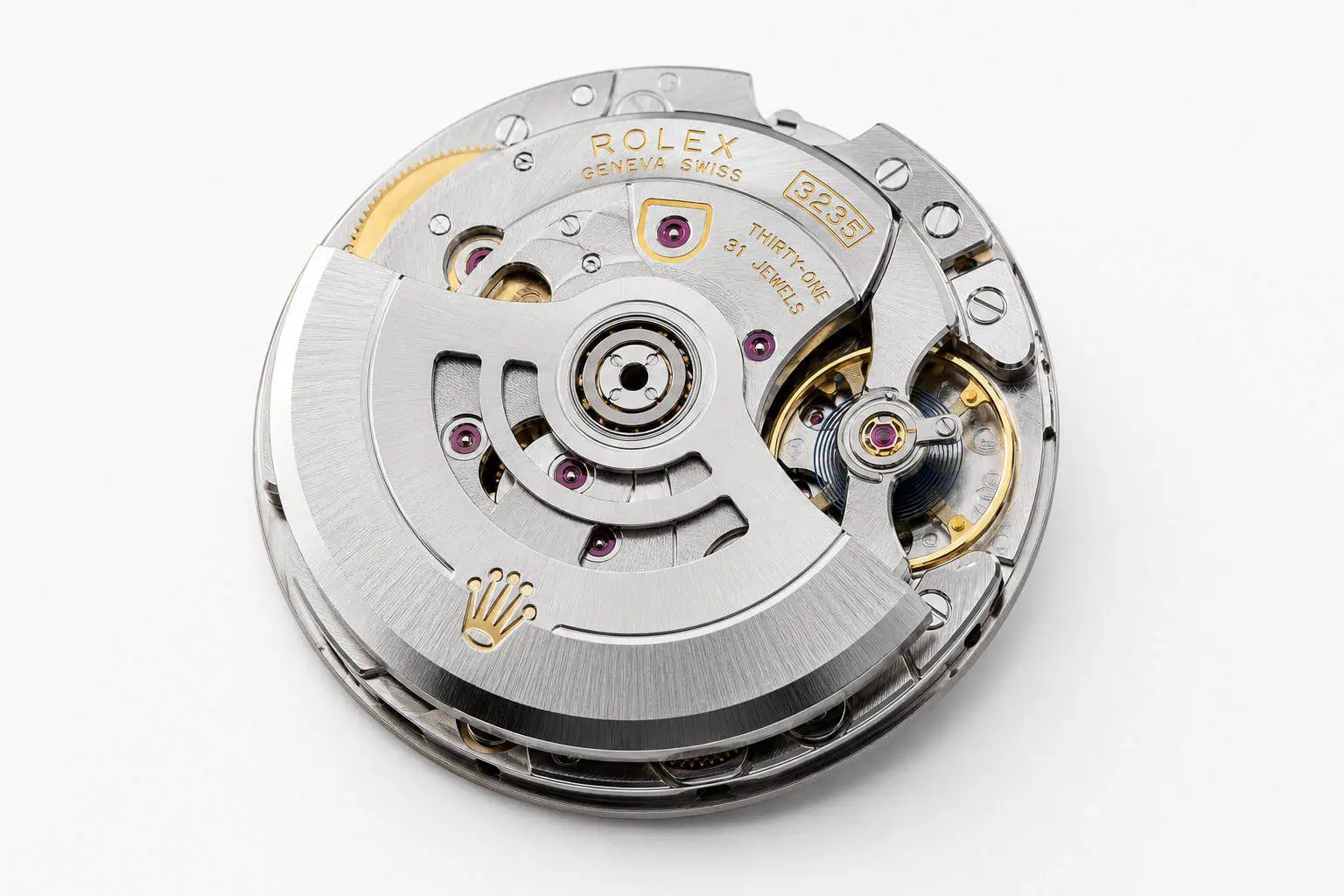
Newer calibers like the 3235 and 3255 offer 70 hours of power reserve. That’s an advantage if you take your watch off on Friday and don’t want to reset it Monday morning.
Omega will take more magnetic punishment and dive deeper. Rolex will be slightly more accurate day-to-day and last longer between winding.
The real cost of ownership
What matters is what you actually pay and what you get for it.
Buying an Omega
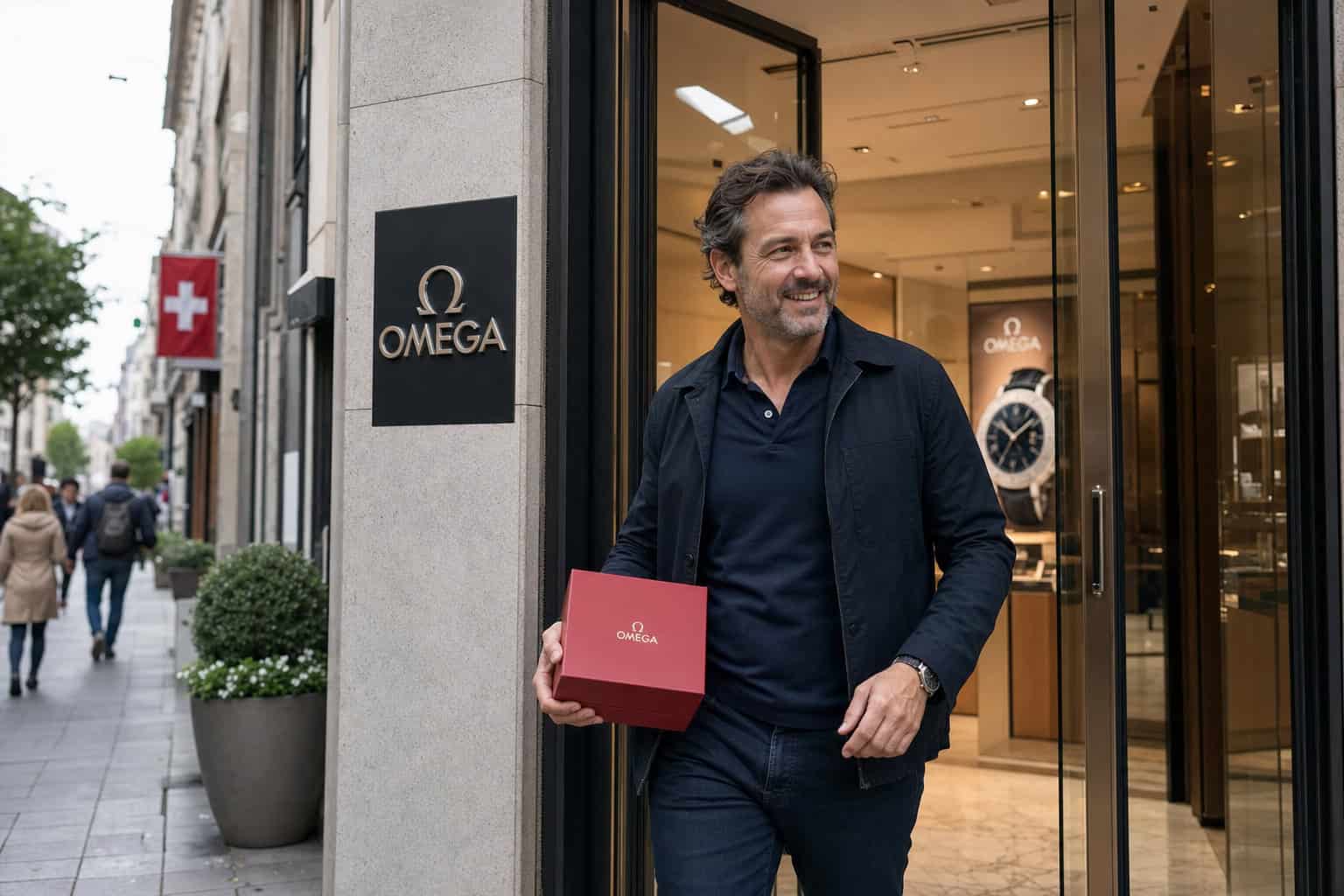
A Seamaster Diver 300M starts around $5,200. The Speedmaster Professional starts around $5,250. You can walk into almost any Omega boutique or authorized dealer and buy one today. No game.
No allocation. No “we’ll call you when we have one.”
The tradeoff is depreciation. Most Omega models lose 30 to 50 percent of their value after purchase. That’s the tradeoff of a brand that produces enough watches to meet demand.
Buying a Rolex
A Submariner Date starts around $9,550 MSRP. A Daytona starts around $13,150. Good luck finding either at retail.
Steel sports models come with years-long waitlists. You play the AD allocation game. You buy the Datejust you don’t want to build a relationship. Or you pay a premium on the grey market, which makes that $9,550 Submariner cost you $13,000 or more.
The upside: most sports models hold or exceed retail on the secondary market. A Submariner you buy today is likely worth what you paid for it tomorrow. That’s not true for every Rolex — two-tone and non-sports models depreciate too, but the iconic references are assets.
A guy walks into an AD asking for a Submariner, gets told no, tries on a Seamaster out of frustration, walks out with it, and never looks back. That happens enough that it’s practically a genre.
The two owner tribes
The Homeprotect study puts the average Rolex owner at 68 years old. The average Omega owner is 44. That’s not a coincidence — it’s a demographic signal that comes from each brand’s distinct Omega vs Rolex history, from Omega’s NASA and Olympic legacy to Rolex’s Everest and deep-sea milestones.

The Rolex owner
The typical Rolex buyer is wealthier and more established. He’s motivated by heritage, status, and the watch as an asset. The watch is a public symbol — a statement, not just a conversation starter.

The Omega owner
The typical Omega buyer is younger and more value-conscious. He’s technically informed. He’s motivated by innovation, design, and getting the best specs for the money. But the question remains: Is Omega considered a high-end luxury watch? The watch is a talking point.
Ma Jun, a 30-year-old Chinese businessman, told Bloomberg he chose an Omega Constellation over a Rolex because he wanted something more modern — which raises the question: Is Omega as luxury as Rolex? That person makes the tribe choice.
Forum user jimmbob switched to Omega and Grand Seiko after a bad AD experience. He ended up happier. That’s a pattern, not an outlier.
The daily experience
Both brands now offer a 5-year warranty — Omega since 2018, Rolex since 2020.
Forum user TKiteCD reported that his friends’ Omegas required factory returns, while Rolex owners often report decades of reliable use.
Omega’s Co-Axial movements are more complex. Some owners report earlier service needs.
The buying experience is reversed. The Omega buyer walks out of the boutique feeling like an insider who got good value. The Rolex buyer, if they manage to get one, wears it knowing it was a long hunt.
Model matchups
If you’re shopping specific watches, here’s how the head-to-heads shake out.
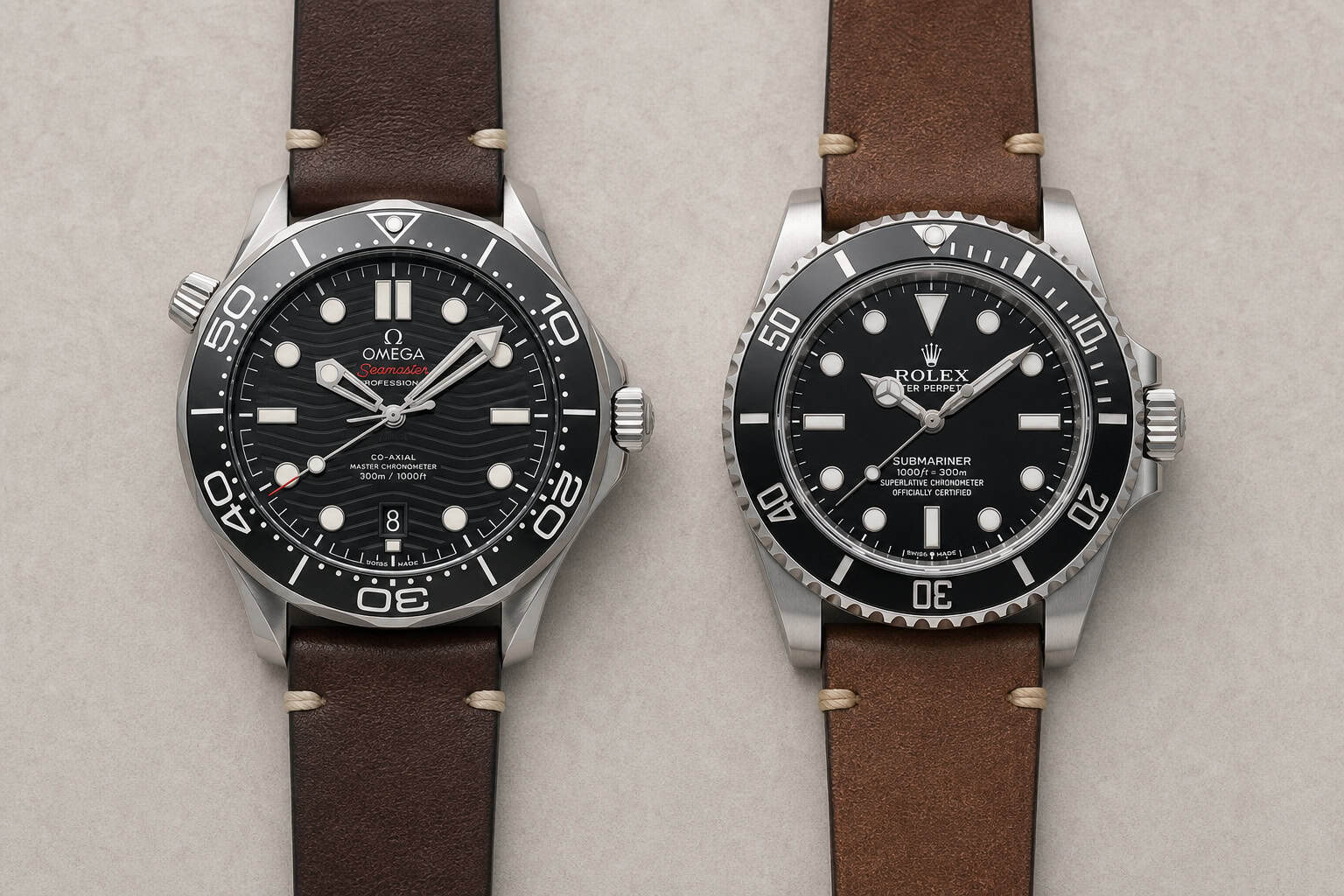
Seamaster Diver 300M vs Submariner Date
Both offer 300 meters of water resistance. The Omega has a helium escape valve for saturation diving. The Rolex has the undisputed icon status. The Seamaster costs about $5,200 and you can buy it today. The Submariner costs about $9,550 and you probably can’t.
Speedmaster Professional vs Daytona
Manual wind vs automatic. Moon legacy vs racing legacy. The Speedmaster runs about $5,250 and is available. The Daytona starts around $13,150 and is effectively unobtainable at retail.
Planet Ocean Ultra Deep vs Deepsea
Omega holds the modern depth record at 10,928 meters. Rolex held the original at 10,916 meters. Both are wildly over-engineered for anything any human will actually do. The Omega is the technical choice. The Rolex is the one with the heritage.
Ploprof 1200M vs Sea-Dweller
Two different philosophies of “too much watch.” The Ploprof is quirky and bold — that distinctive bezel lock is a cult classic. The Sea-Dweller is subdued and serious. The Ploprof is a statement. The Sea-Dweller is a tool.
The “poor man’s Rolex” question
Omega has been called the “poor man’s Rolex.” That label is dated and inaccurate.
The Speedmaster went to the moon. The Seamaster is James Bond’s watch. Omega timed the Olympics before Rolex was a wristwatch company. The Master Chronometer certification, the Co-Axial escapement, the 15,000 gauss magnetic resistance — these are objectively superior technical achievements at the same price point.
Omega has its own cultural cachet. Younger buyers see Omega as a smart choice, not a compromise.
Pick your tribe
Buy a Rolex if you want a status symbol with a long-established reputation, you’re willing to play the waitlist game, and you care about resale value. You want the crown.
Buy an Omega if you value technical innovation, you want a watch you can buy today, and you appreciate getting the best specs for the money, and you’d rather be the guy who knows why his watch is interesting. You want the moon, not the crown.
Plenty of guys end up with one of each. The article isn’t picking a winner. It’s helping you pick your lane.
Frequently Asked Questions
Is Omega more prestigious than Rolex?
Rolex carries more prestige as a status symbol, driven by its long-established reputation and scarcity. Omega is prestigious in its own right, but its cachet comes from technical innovation and exploration milestones like the moon landing, not from the same level of social signaling.
What kind of person wears Omega?
The typical Omega owner is younger, around 44 years old on average, and more technically informed. They value innovation, engineering specs, and getting the best performance for the money, and they see the watch as a talking point rather than a pure status symbol.
What is poor man’s Rolex?
The term ‘poor man’s Rolex’ has been applied to Omega, but it’s outdated and inaccurate. Omega offers comparable or superior technical specs at a lower price point, with its own rich heritage including the moon landing and James Bond, making it a smart choice rather than a compromise.
How does Omega’s warranty compare to Rolex’s?
Both brands now offer a 5-year warranty, with Omega starting in 2018 and Rolex following in 2020. However, some owners report that Omega’s more complex Co-Axial movements may require earlier service, while Rolex owners often cite decades of reliable use.