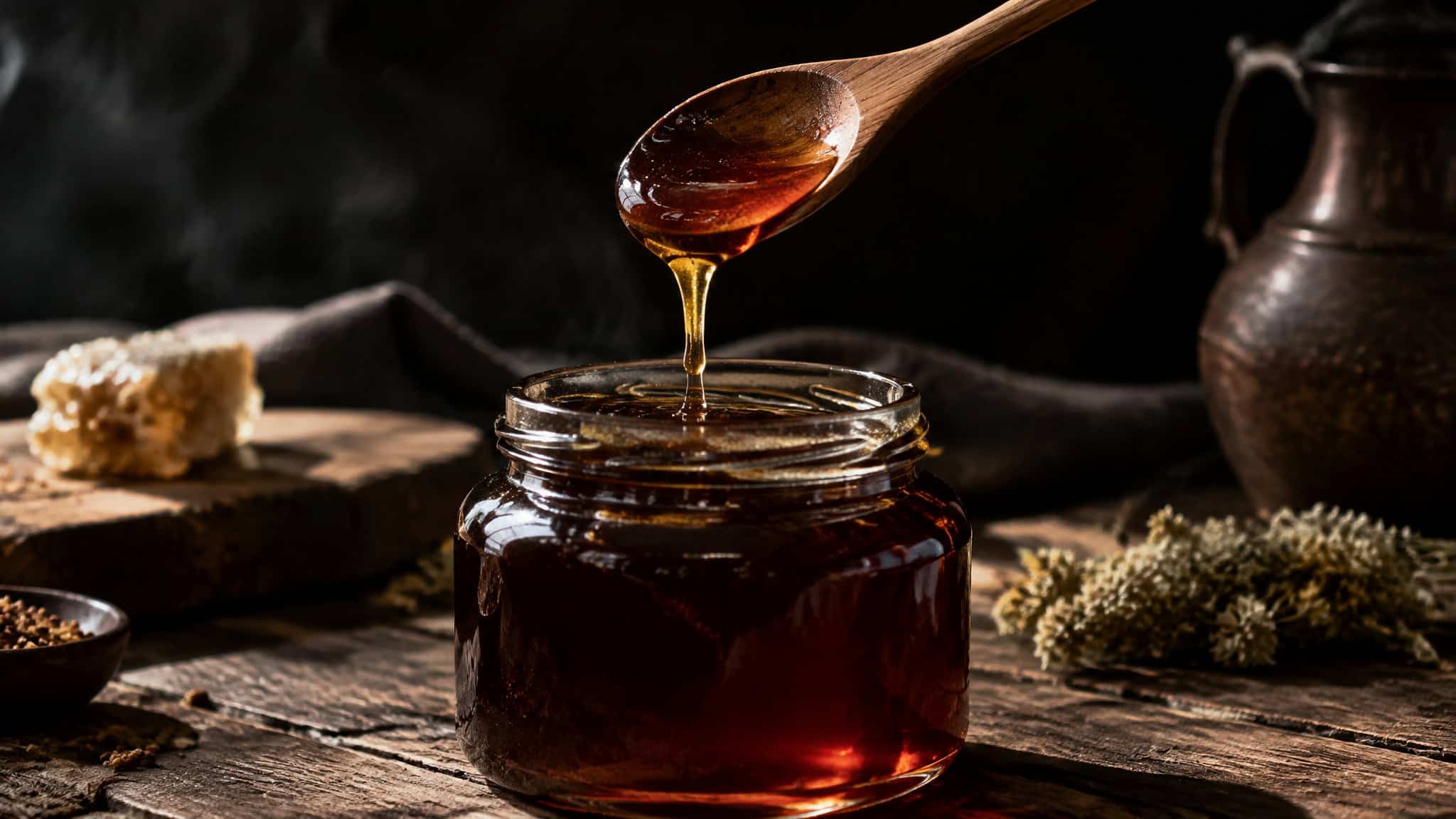
Every source you’ll find on mad honey dosage hands you a different number, usually some version of “a teaspoon,” and almost none of them tells you the part that actually matters: there is no single safe number. The same spoonful can be a completely different dose depending on the jar, the harvest season it came off the mountain, and the guy eating it. So instead of pretending otherwise, here’s a tiered starting framework, an explicit ceiling you shouldn’t cross, and an honest look at why the gap between a mild buzz and a hospital trip is about one spoonful wide.
How much mad honey is safe to take?
Mad honey dosage is vendor and safety guidance, not medicine, nobody has clinical trial data backing any amount. That said, the working numbers most sellers agree on break down by experience level:
Mad honey dosing breaks down by experience level: first-timers get a rice-grain-sized taste, once only, then wait several hours. Occasional users can take 1/8 to 1/4 teaspoon, rare use, only if they’ve tolerated it before. Experienced users top out at 1/2 teaspoon max, occasionally, don’t push past your tolerance. Sensitive individuals shouldn’t touch it at all, since the dizziness and low-blood-pressure risk runs higher. And the hard ceiling across vendors is about a teaspoon; a few tablespoons can be life-threatening.
That top number, roughly a teaspoon, is the safe-consumption limit you see repeated across vendors, and it’s the hard edge. More than that isn’t “more effect,” it’s more grayanotoxin circulating until your blood pressure drops and the room starts tilting. And since none of this is lab-tested, treat the table as the seller’s estimate, not a guarantee. Which number are you following, theirs or yours? Make sure you know, because they don’t always come with warnings attached.
Being blunt about it: this stuff is one click away online, sold as raw artisan honey with zero required warnings. Nobody’s checking IDs. The responsibility lands entirely on whoever holds the spoon.
How much mad honey should you take for the first time?
Start at rice-grain scale. Not a quarter teaspoon, grains. Here’s why the wait matters: a first taste is the cheapest possible test of whether this agrees with you. Waiting costs nothing; ignoring it can cost a hospital visit. Eat a dab, sit tight for a couple of hours, and let your body file its report before you consider going anywhere near a full serving.
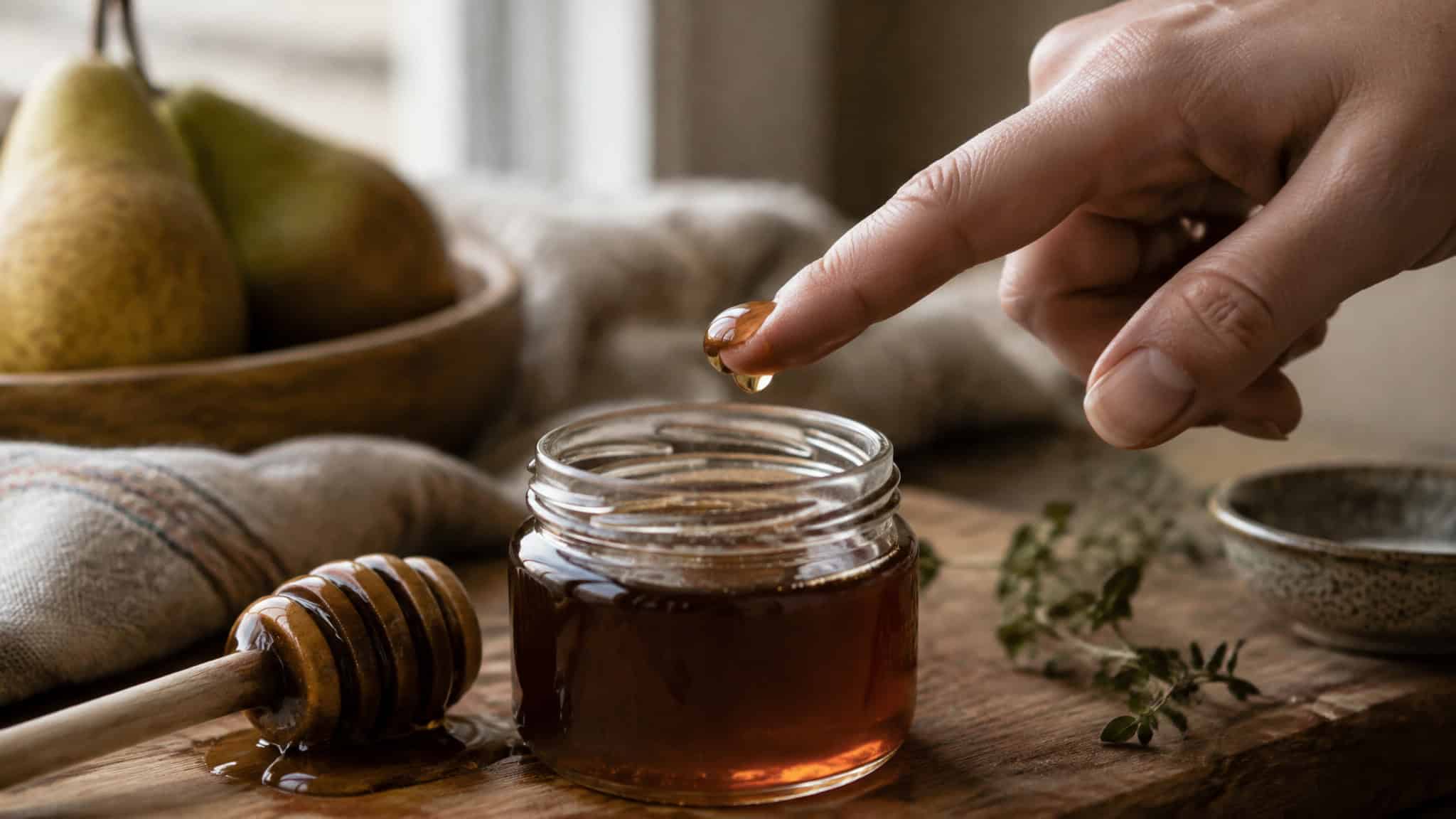
And once you’ve dialed in a comfortable amount, resist the urge to carry it forward. Vendors sell jars harvested months apart, and the two aren’t the same product chemically. The classic failure pattern goes like this: a guy’s first jar feels mellow, so next purchase he doubles the spoonful from a different batch, one carrying heavier toxin levels, and gets knocked sideways. New jar, new unknown. Dose accordingly.
Also, if you’re taking this hoping for traditional-medicine benefits, the Turkish Black Sea folk remedy tradition treats it as a tonic for hypertension and sexual performance, fair enough, that’s why anyone eats it. Just understand the folk reputation describes small traditional quantities taken occasionally, not modern scoops-on-a-cracker sessions. Vendors have their own routines, too: Necmettin Colak, whose shop in Cayeli sits 20 kilometres from Rize, recommends a soup spoon of honey on an empty stomach, stores his mad honey for months to let the problematic attributes dissipate, and sells it at 55 euros a kilo, steering older clients chasing a sexual pick-me-up toward chestnut honey as “more efficient.”
Why dose matters: what grayanotoxin does to the body
Grayanotoxin overstimulates sodium channels in nerve cells. The result is dizziness, nausea, sweating, lowered blood pressure, and slowed heart rate, which is why guys who overshoot describe feeling woozy and faint rather than pleasantly altered. Not all grayanotoxins hit equally hard: Grayanotoxin I is the most potent variant and can trigger severe reactions at small doses, while Grayanotoxin III has been linked to arrhythmias via effects on cardiac Purkinje fibers creating oscillatory after-potentials. At small doses, animal research suggests modest blood-pressure reduction, which tracks with the folk-use reputation. But the margin is brutal: the distance between a dose that nudges blood pressure down and one that crashes it is narrow, and everything we have measuring it comes from rat studies and poisoned-hospital-guest paperwork, not controlled trials on guys. It’s rats, not us, hold conclusions loosely.
Why a fixed dose doesn’t exist: batch and season variability
The bees make the dose, not the seller. Grayanotoxin concentration swings wildly based on which rhododendron species bloomed, the weather that year, when the combs were pulled, and how the honey sat in storage afterward. Spring harvest runs hottest, rhododendrons flower then, the big collection window opens, and toxin loads spike, which is exactly what makes mad honey so unpredictable, with a second smaller bump in autumn. Recorded poisonings follow that same calendar, clustering right along the spring bloom.
Practical translation: a teaspoon from a light autumn batch might barely register, while the identical teaspoon cut from a heavy spring jar could flatten you. Volume measures honey, not toxicity.
What happens if you eat too much mad honey: the overdose timeline
Take too much and symptoms typically kick in within minutes to a few hours, dizziness, nausea, heavy sweating, weakness, blurred vision, blood pressure sagging toward dangerous lows, a picture consistent with documented grayanotoxin poisoning cases. Bradycardia shows up in 90% of mad honey poisoning cases, hypotension often follows and can mimic acute coronary syndrome, and severe cases include AV block and seizures. Effects generally ride out within 24 hours, though bad cases stretch past that and sometimes require hospitalization. Get medical care promptly and say exactly what you ate; doctors treating grayanotoxin poisoning work with IV fluids, monitoring, and drugs to steady heart rate and blood pressure, atropine sulfate at 0.5-2 mg for severe cases, and a temporary pacemaker when AV block won’t settle, and the fix is supportive, they manage symptoms until the toxin clears.
Two Nepali patients landed at the same hospital on the same day in late October after sharing honey from the same comb, that’s how fast batch-to-batch reality bites.
Now kill the tolerance myth: no study demonstrates physiological tolerance to grayanotoxin. Your third jar is not gentler on your body than your first. “Experienced user” is a vendor-marketing phrase, not biology.
Who overdoses, and why “experienced” doesn’t mean safer
The poisoning data reads like our contact list: mostly adult men, deliberately self-administering for the buzz or the folk-health perks, not kids accidentally raiding a pantry. Take Alaattin Demirci, a Turkish beekeeper himself who ended up hospitalized after eating his own supply and posting drip-in-arm selfies on Facebook swearing “never again.” If a guy raised around the stuff misjudged it, your guess-and-check approach deserves less confidence, not more.
Straight-talk exclusion list: skip it entirely if you’re pregnant or breastfeeding, there’s no established safe dose for a developing baby, and think hard if you have heart conditions or low blood pressure, since grayanotoxin pushes both further in the wrong direction. Also on the no-go list: kids, anyone with a history of dizziness, fainting or neurological disorders, and guys prone to overdoing things, this honey punishes guess-and-check dosing. Sensitive individuals, this wasn’t built for you.
Is mad honey safe? What the evidence actually says
No, mad honey is not proven safe at any established dose, and that’s quantifiable: essentially every number floating around online is extrapolated backward from individual poisoning case reports, not derived from testing healthy volunteers. Producers push back, understandably. Beekeeper Bayram Demirciler, whose Rize hives produce up to 350 kilos in good years, says his honey has “never caused any problems.” Fine, but a producer’s track record isn’t a clinical dataset. Checked honestly: nobody’s run the proper tests. Most people who overdo it do recover fully within a day or two under treatment, which is reassuring-ish, but “usually survivable” and “safe” are different words.
On legality: it sells openly in Turkey and via international online shops, and whether mad honey is legal varies by country, this country-by-country legality rundown covers the US FDA stance and gray areas, so check where you live before ordering. The claimed traditional benefits, energy support from natural sugars, digestive support, anti-inflammatory and antioxidant properties, antimicrobial activity, antidiabetic claims, and stress and anxiety reduction, remain claims, not tested findings. The evidence base is thin, too: 27 published papers documenting 68 patients from 2009 onward, with records reviewed stretching from 1976 to 2026. And regulators have acted on the risk, South Korea banned mad honey in 2005 following a consumer death.
Does cooking mad honey change the dose?
Answer first: the only source-backed data is one YouTube experiment, a chef soaking steaks in mad honey for months in a dry ager, deep frying one at 350°F, and comparing it against a regular-honey steak and a control. Two hours after eating, his tasters reported no psychoactive effects, suggesting heating may knock out grayanotoxin activity. Interesting, promising even, but one kitchen video is nowhere close to proof. Until somebody runs real analysis on heated honey, assume cooked mad honey keeps whatever punch its raw form had. Cook with regular honey; save yourself the gamble.
A practical bottom line on mad honey dosage
There’s no universal safe amount, start at rice-grain scale your first time, never exceed about a teaspoon, and treat every new jar as a fresh variable because harvest season changes the toxin load. Check the avoid-list against your own situation before touching it, and remember most overtaken folks recover within days with treatment, but the truly safe dose is one measured against batch variability, not habit.
Frequently Asked Questions
What happens if you eat too much mad honey?
Symptoms typically start within minutes to a few hours: dizziness, nausea, heavy sweating, weakness, blurred vision, and blood pressure sagging toward dangerous lows. Bradycardia shows up in 90% of poisoning cases, and severe cases can include AV block and seizures. Effects usually ride out within 24 hours, but bad cases stretch longer and sometimes need hospitalization — get medical care promptly and say exactly what you ate.
Can mad honey kill you?
It can send you to the hospital, and regulators have treated it as lethal: South Korea banned mad honey in 2005 following a consumer death. Most people who overdo it recover fully within a day or two under supportive treatment, but ‘usually survivable’ and ‘safe’ are different words, and the margin between a mild buzz and a dangerous crash is about one spoonful wide.
Is mad honey safe?
No — it isn’t proven safe at any established dose. Essentially every number online is extrapolated backward from poisoning case reports, not tested on healthy volunteers, and the published evidence base is thin: 27 papers documenting 68 patients from 2009 onward, with records stretching back to 1976. Producers’ clean track records aren’t clinical datasets either.