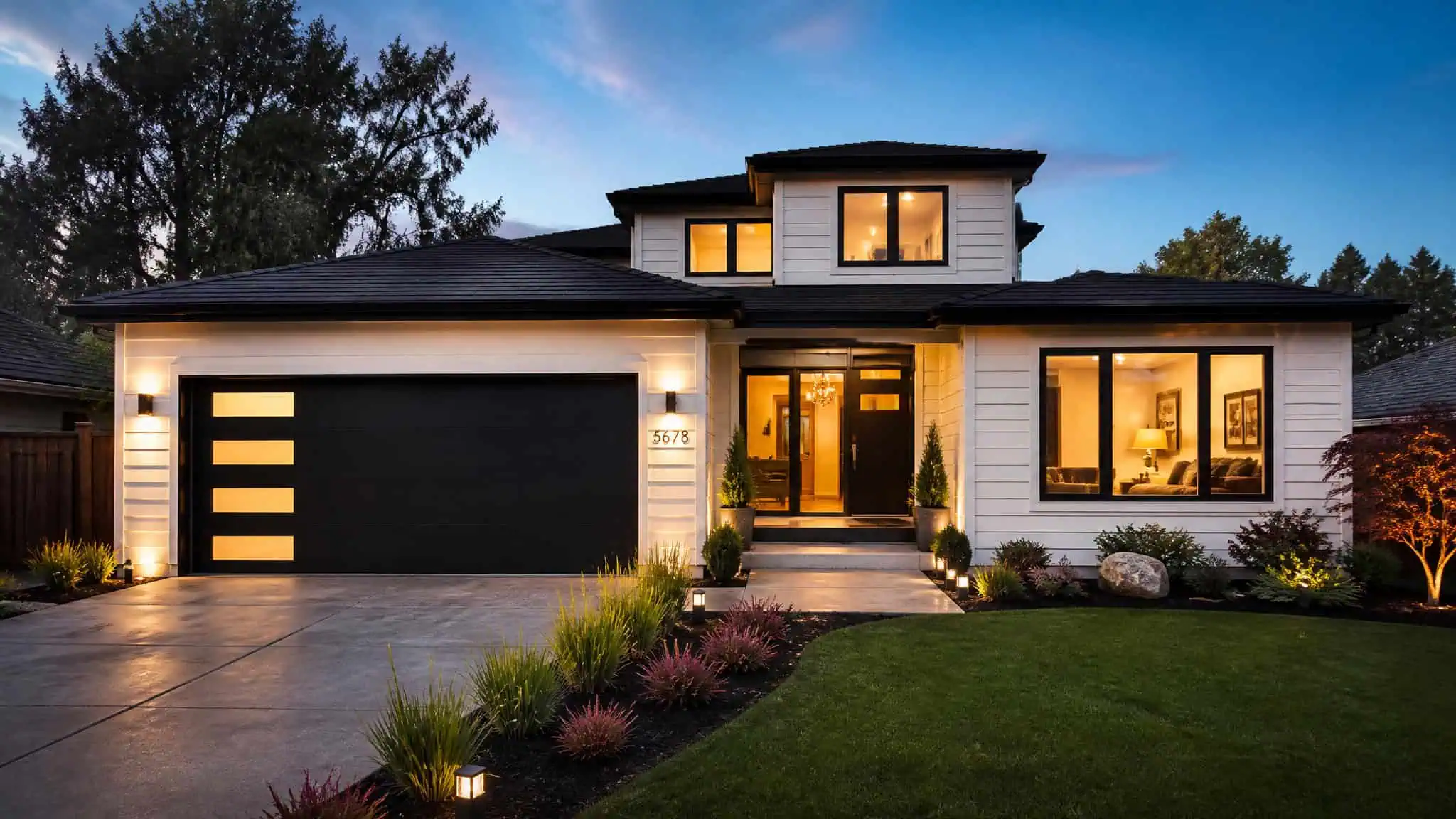
It starts in the front yard, because that’s the first thing a buyer sees and it sets the tone for the whole visit. But let’s be straight about the headline before we start throwing remodel numbers around: there is no magic button that adds exactly fifty grand to a house. No single project reliably does that. What works is a stack of moves, done in the right order for your market, then shown properly on the listing. And one layer of that stack is the one almost nobody talks about: climate-resilient features that appraisers are starting to price in.
Key Takeaways
A minor kitchen remodel is the best single-dollar return in home improvement: a $28,458 job adds $32,141 at resale per Zonda’s 2025 Cost vs. Value Report, where a full gut only recoups 40 to 60 percent.
Climate-resilient features like a sump pump, backwater valve, or Class 4 roof added 2.8 to 5.6 percent to Canadian resale values, over $50,000 on a median Toronto home, and municipal rebates can cover much of the $3,000 to $10,000 cost.
The appraisal mover is a finished interior: refinishing hardwood returns 147 percent, and new floors paired with refreshed cabinets and quartz is what reads as “done”, as long as your total spend stays under 10 percent of the home’s value.
Table of Contents
Two numbers set the table. First, from Zonda’s 2025 Cost vs. Value Report, a minor kitchen remodel costs about $28,458 and adds $32,141 to the sale price. A positive return, which almost nothing else in renovation does. Second, from Institute for Catastrophic Loss Reduction research, homes with climate-resilient features sold for 2.8 to 5.6 percent more, which on a typical Toronto home means north of $50,000. Stack those two together and you have your answer before you ever pick up a saw.
The other thing to know is that every source quotes different kitchen numbers, because every source measures a different market. American Home Shield says a minor kitchen remodel returns about 97 percent. Zonda says 112.9. Australian data says closer to 77.
That spread isn’t dishonesty, it’s the difference between geography and timing. Which is exactly why you should trust any single number less than the shape of the pattern.
So the honest way to approach “how to increase home value by $50,000” is not one project. It’s four or five well-chosen projects, each returning reasonably, priced to your neighborhood, and then documented. Here’s the order.
Step 1: Kitchen and bathroom remodels (the high-ROI foundation)
A minor bathroom remodel returns about 67 percent, meaning $13,717 back on $20,420 spent. The word “minor” is doing the work there: you refresh the vanity, the fixtures, the tile, the lighting. You do not move walls. A full bathroom redo recoups closer to 60 percent. The bathroom rule is light touch, decent finishes, half a week, done.
The kitchen is the real draw. A minor remodel runs $10,000 to $20,000 per Angi, around $15,000 per American Home Shield, and takes 6 to 10 weeks. You keep the footprint and replace the cabinets, counters, and appliances. That’s the project buyers’ eyes go to first, and the one that pays back at 97 to 112.9 percent depending on who’s measuring.
A full gut kitchen, the one with demolition and all-new cabinets everywhere, returns 40 to 60 percent. If you love cooking, do it for yourself. Do not do it to sell.
One legal note: any work that touches plumbing, electrical, or gas needs the right permits, because the inspector’s sign-off is part of the value on the title. In Australia, kitchen and bathroom renovations typically recover 50 to 80 percent, the same lesson in different currency: touch up, upgrade the surface, keep the bones.
Step 2: Floors, cabinets, and quartz (the finishing combination)
The fastest thing you control for an appraisal is a finished interior that reads as one space. New floors flowing into refreshed cabinets with a quartz counter reads as “done”, and done is what appraisers reward. Refinishing hardwood returns 147 percent, new wood flooring returns 118 percent per the 2022 National Association of Realtors data, and new flooring generally recoups 70 to 80 percent. Refinish before you replace, every time.
The people who know this cold are the floor guys. Blackburn’s Interiors, a family-run shop in Winter Haven, Florida that has been doing it since 1962, keeps it simple for a hot, humid climate: luxury vinyl plank for the rooms that see water and traffic, hardwood for the rooms where you want the value to show, tile in bathrooms, carpet in bedrooms. Warm neutral tones, medium plank width. And this is the part worth writing down: if your laminate is cupping or peeling, that’s a moisture problem, and you fix the moisture before you fix the floor. Otherwise you’re just decorating over damage.
Cabinets next. When the boxes are solid, repaint instead of replace. Neutral colors sell. Trendy colors fade, and so does their appraisal value.
Quartz is the counter of the moment and it earns it: engineered, non-porous, never needs sealing, running $50 to $150 per square foot. Stone countertops like quartz or granite are the surface that makes the refresh read as finished.
It sits at eye level and it’s the first thing people touch in the kitchen. Granite overlaps it on price if you want the natural stone look. Either way, this is the surface that makes the refresh read as finished.
Step 3: Curb appeal and the exterior moves that pay
Replacing windows returns about 73 percent at resale, and in major cities you may get back more than you paid, but the door is the better move: a new garage door runs 194 percent per current Angi data, against 97 percent in the older American Home Shield numbers, and a front door recoups roughly $1,368 of its $1,826 cost. Doors before windows, always, because the front of the house is the appetizer.
Randy Oliver will tell you the garage door dominates the front elevation. A modern glass panel or a clean wood-look door changes the whole face of the house, and nothing else on the exterior goes as far for the dollar.
The front yard is next. Joe Raboine, who designs outdoor spaces at Oldcastle APG, keeps the list short: a fresh walkway, shrubs, planters, mulch, and sometimes a small patio or a modest outdoor kitchen. But it’s often the tiny stuff that lands hardest: a new mailbox, exterior light fixtures, path lights, a legible house number. The yard studies put the return at 5.5 to 12.7 percent, with some Australian data at 15 to 20 percent, but before you commit, you’re wise to review the worst ROI home improvements, since a single well-placed tree can be worth real money by itself.
Siding is the next tier up: roughly $16,000 for 1,250 square feet, returning about 75 percent. Worth it when the current clapboard reads “tired”, because tired siding reads “leak” to a buyer. A functioning fireplace adds about 12 percent. A 16×20 deck recoups about 75 percent on average, but the regional story matters: around 100 percent in some Western markets, only 83 percent in the South. And a finished basement recoups about 70 percent on average, more where basements are rare, and skip it entirely in flood-prone areas.
Step 4: Low-cost quick wins that change the first impression
Interior paint is the best cheap move in the book: it returns up to 107 percent and costs as little as $135 if you do it yourself. A professional interior job runs about $2,022, an exterior runs $3,178, and returns about 50 percent, so treat exterior paint as maintenance rather than investment. For a roundup of top upgrades to increase home value, a mid-size living room can run up to $2,000; a bathroom runs $200 to $400. Australian pricing runs $10 to $25 per square meter for a pro and about $225 for a bedroom done solo.
Decluttering and a deep clean come next. A professional deep clean on a four-bedroom runs $200 to $225, hired decluttering runs $300 to $800, and a month of storage for the overflow runs $100 to $200. Free if you do it yourself, and empty space reads as square footage.
Then two small things that signal care. A smart thermostat runs $113 to $264, saves about 8 percent on the energy bill (roughly $50 a year), and installs in 30 to 45 minutes. And plants: $10 to $200 each, a curated trio of three to five for $100 to $500. Devil’s ivy, snake plant, peace lily, the three that survive actual humans. Plants signal care, and care is what gets buyers to trust the rest of the house.
Step 5: Climate-resilient upgrades (the hidden value layer)
The most reliable route to a $50,000 bump is stacking the positive-return projects on top of climate-resilience features, because that’s the combination where the market evidence actually exists.

Dan Sandink at the Institute for Catastrophic Loss Reduction put it plainly: he was surprised the data showed resilience moving resale prices, but it does. Homes with features like a backwater valve, a sump pump, or a Class 4 roof sold for 2.8 to 5.6 percent more. That was over $50,000 on a typical Toronto home, about $20,000 on a typical Calgary sale, and $27,400 in the Edmonton research.
The features themselves are boring, and boring is the point. A backwater valve stops sewage from backing up into the house. A sump pump with battery backup handles basement water when the power dies. Class 4 impact-resistant shingles survive hail.
Wind-exposed areas get reinforced roof-to-wall connections, upgraded nailing, and high-wind-rated doors. Wildfire country gets fire-resistant roofing and siding, ember-resistant vents, and a cleared zone. Most of these run $3,000 to $10,000. Most homeowners underestimate their risk exposure to natural hazards, which is why they hesitate to invest in these features.
The municipal rebates are what change the math. Toronto covers up to $1,250 for a backwater valve and up to $1,750 for a sump pump. Edmonton covers up to $800 plus a free backwater valve inspection. London covers 90 percent capped at $7,200.
Mississauga runs up to $7,500. Your own program will look different, but check it before you spend, because a rebate turns a thin return into something better.
Then the insurance angle: ask how the features are recognized on the premium, the deductibles, the sub-limits, and the eligibility. That’s a second return on the same money, every year.
And here’s the market inefficiency: 90 percent of people in high-risk flood areas don’t even know they’re exposed, and 86 percent believe extreme weather is a real risk, yet 59 percent have installed no protection. Which is exactly why the resilience layer stays underpriced. After a disaster, public attention to risks grows and buyers scrutinize protective features more closely. 56 percent of buyers said they’d pay more for a home if the protective benefit was explained to them. That line right there, “if it was explained to them”, is your job when you sell.
Step 6: Why a national ROI list will mislead you
The best move in your market is the one that solves your local problem: moisture in Florida, hail in Alberta, flooding in southern Ontario. Which is exactly why the national averages are a trap.

If you’re in Florida, the moisture play comes first, because water problems are what show up on the inspection. Blackburn’s Interiors will tell you the same thing they tell every Polk County homeowner: luxury vinyl plank where water lives, hardwood where you want the value to show, tile in bathrooms, carpet in bedrooms, and fix the drainage before you fix the finish. Hail country, like Calgary, is the Class 4 roof that survives storm season and moves the asking price 2.9 percent higher when it does. Flood country is the backwater valve and the sump pump, the features that moved prices 2.8 percent in certified flood zones.
The deck data says it too: about 100 percent return in some Western markets, 83 percent in the South. Same project, different regions, different math.
Australia runs the same play with a different script. Solar panels sit on roughly 40 percent of homes there and save about $1,500 per year on electricity bills, and a 6.6 kilowatt system runs about $5,400 after rebates. In much of Queensland and South Australia, solar is near as standard as a roof. And the second bathroom in Sydney is the project that adds $50,000 to $100,000 to a sale, because that’s what the local market rewards.
The rule underneath all three regions: an appraiser uses comparable sales from your own neighborhood. And that is why the next step matters.
Step 7: Know your ceiling (the 10 percent rule)
Keep your total project spend under about 10 percent of the home’s current value. On a $900,000 house, that’s a $90,000 budget for everything, kitchen included. That’s the discipline that stops you from overcapitalising, which is the polite word for spending more than the neighborhood will pay back. There’s a sibling rule for single rooms too: don’t spend more than about 30 percent of the home’s value on any one room, because no single room is worth that much to the sale. Worth reading alongside this: the 30 percent rule for how far a single room can reasonably go.
The money goes furthest in the kitchen, the main-floor flooring, and the bathrooms, in that order, and that’s true in almost every market. If you’re renovating to sell, do not be the nicest house on the block. The comps cap your ceiling no matter how good your finishes are. And before any serious job, get a measured in-home quote. Estimates are guesswork; a measured quote is a number you can build a budget on.
Step 8: How to pay for it without wrecking the math
Match the tool to the job and the timeline. A 0 percent APR credit card handles the quick wins: paint, plants, the smart thermostat, a weekend of decluttering. The window is typically up to 18 months, and the rule is simple: clear it before the offer expires. A home equity loan or HELOC offers lower rates and is secured by the house, which sounds risky but works well when the project returns positive, such as the kitchen. These loans require the home as collateral and may have tax-deductible interest for eligible improvements.

A personal loan covers unsecured mid-size work, often up to around $50,000, faster to get and priced accordingly. An FHA 203(k) loan is another option for larger projects, wrapping the renovation cost into the mortgage. And a cash-out refinance is for the big stuff, especially when you’re consolidating a mortgage anyway.
The data shows most people pay with what they have: 84 percent of renovators used cash, 29 percent used credit cards, and 13 percent used a secured loan. The discipline that keeps a project green is keeping the financing rate below the project’s return. A kitchen that returns 97 percent financed at 8 percent is still a win. The same kitchen financed at 18 percent barely breaks even. And every rebate from Step 5 is money you never borrow.
The last financing rule is the boring one: pay on time. Missed payments on any of these tools turn the financing cost into a wrecking ball for the whole project math.
Step 9: The projects that don’t pay (and the ones that hurt)
Three things to be honest about before you start. A swimming pool is usually a no for resale value, full stop. It is a magnificent summer hobby, buy it for yourself because you want it, not because it will pay you back, because the buyers who don’t want it see maintenance, insurance, and liability. Excessive DIY projects hurt more than any project helps: wobbly tile, paint lines that wander, trim that doesn’t meet.
A half-finished job scares off buyers and appraisers alike. And luxury finishes in a modest neighborhood will not come back at sale, because the comps cap the ceiling. That’s the overcapitalising trap from Step 7 wearing nicer clothes. For the full list of the traps, renovations that don’t pay back is worth a read.
The general rule is this: finish what you start, keep the finishes at the level of the neighborhood, and when you’re deciding between two projects, the one that pays back wins even if it’s less fun.
Step 10: The value only counts if it shows
Here’s the part most people skip: the premium only shows up in the selling price if the buyer and the appraiser can see the work. Resilience features almost never make it onto the listing, because they’re invisible and because most buyers don’t recognize the risk they solve. That’s the market inefficiency from Step 5 working against you, and you fix it by naming the work.
When you update the listing, say it plainly. “Class 4 impact-resistant roof, 2022.” “Backwater valve and sump pump installed, 2021.” “High-wind rated door.”
This is also where you want your agent to do the explaining, because the research says buyers who understand the protective benefit will pay more for it. The visible kitchen and the floors get the compliments; the protective layer is what gets the sale to close, and it belongs on Zillow, in the remarks, and in the showing notes.
Dan Sandink was surprised the resilience data moved prices, but that was after the research. The rest of the market hasn’t caught up yet, which is exactly why this layer is still a deal. Strategy, not guarantee: nothing in this list guarantees a number on the check, but the combination of a visible kitchen, a finished interior, and a documented protective layer is the stack the evidence supports.
The short version
The order matters. Front yard, quick wins, and staging cost almost nothing and change the first impression. The kitchen and the bathroom are where the high-return money goes. Floors, cabinets, and quartz are what make it all read as finished.
The resilience layer, the sump pump and the backwater valve and the Class 4 roof, is the part nobody sees, so you price it the right way and you document it. Then you stay under the 10 percent ceiling, you keep the financing below the return, and you name everything in the listing. Want to push toward $100,000 instead of $50,000? You scale the same stack: a finished basement, a second bathroom, a bigger kitchen, a proper renovation instead of a refresh.
The same discipline applies: stay inside the neighborhood ceiling, keep the work finished, and document every layer. For a quick cheat sheet on what pays back best, the ranked list of updates is a good place to start.
Remember the two numbers from the top. The kitchen returns its cost and then some. The resilience layer adds value the market hasn’t fully priced yet. Put your money in both, show both, and you’ve done the honest version of the job.
People Also Ask
What raises home value the most?
A minor kitchen remodel consistently delivers the best single-dollar return—about 113% at resale, meaning you get back more than you spend. Refinishing hardwood floors and adding a garage door also rank near the top. The key is to keep projects minor and within your neighborhood’s price ceiling.
What room adds the most value to a house?
The kitchen is the clear winner—buyers’ eyes go there first, and a minor remodel returns 97% to 113% depending on the market. Bathrooms come second, returning about 67%, followed by finished main-floor flooring and refinished hardwood, which returns 147%.
How much value does a new roof add?
A standard roof replacement typically recoups about 75% at resale, but a Class 4 impact-resistant roof can add 2.8% to 5.6% to the sale price—over $50,000 on a median Toronto home. The resilience features are still underpriced in most markets, making them a smart bet if you live in hail-prone areas.
Is a pool worth it for resale value?
Usually not. A swimming pool is typically a no for resale—buyers who don’t want it see maintenance, insurance, and liability. Build it for yourself if you love it, not as an investment. If you do have one, keep it in excellent condition, but don’t expect it to pay back.