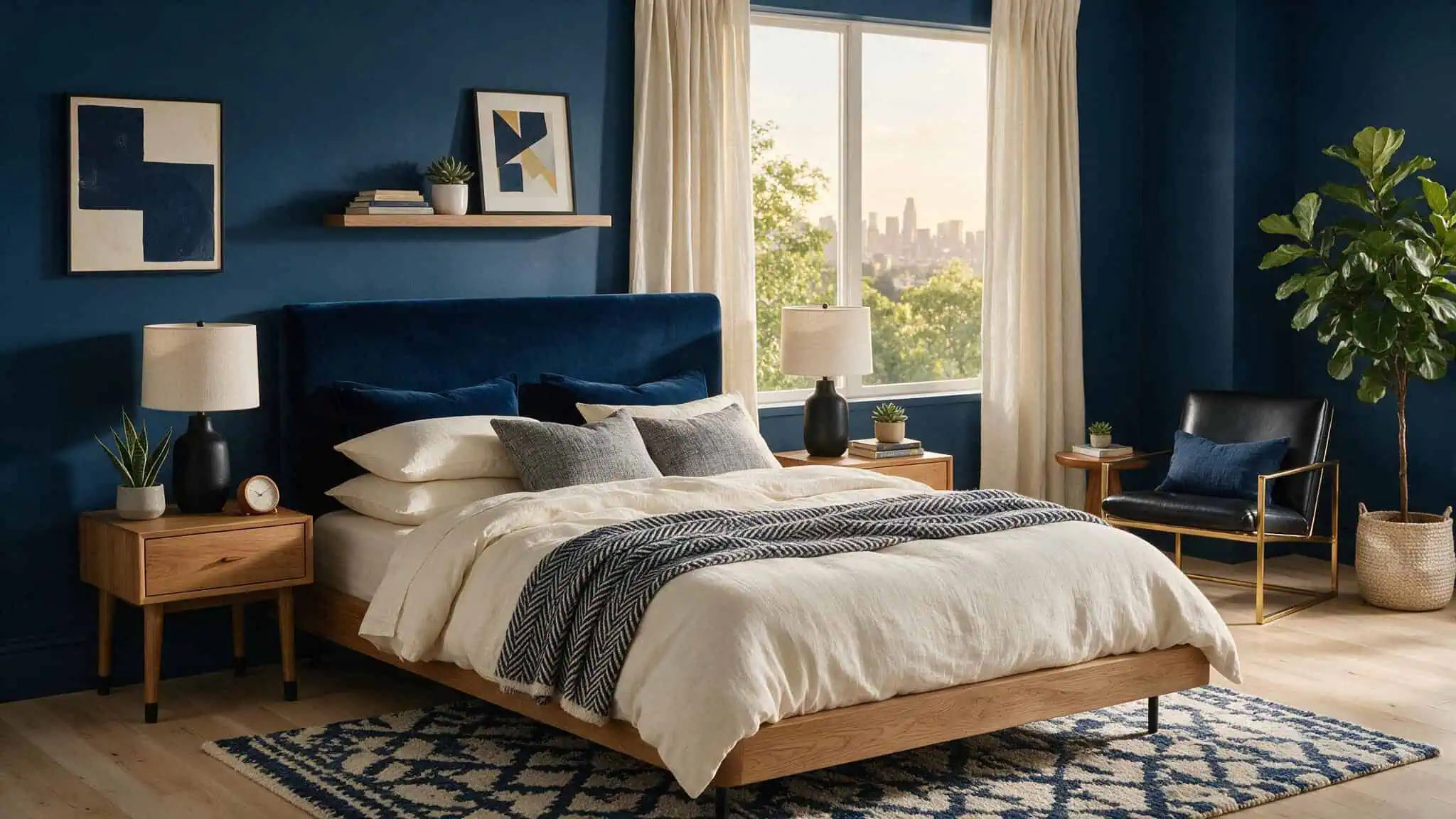
The old idea of a masculine bedroom—black sheets, a flat-screen TV, and a sad leather armchair—is dead. Good riddance. The modern version is more interesting: rich textures, moody palettes, clean lines, and actual comfort. It’s a room that feels like you, not a stock photo from a furniture catalog.
Guys buy a bed, then a dresser, then a lamp, and end up with a room that doesn’t fit together. We’ve gone through four major source collections—over 40 distinct styles, 27 trend-forward concepts, 11 designer-approved ideas, and 21 practical DIY tips—plus a real-world case study from a Decorilla client project. This is what we found works, what doesn’t, and where to start without wasting money.
Key Takeaways
Start with a single anchor—midnight blue paint, a rug with a pattern, or one concept like “Moody Olive Retreat”—and build the rest of the room around it, not the other way around.
The biggest mistake men make is going too dark without balance: designer Clark warns against it, and the fix is simple—light bedding, a large neutral rug, and natural wood accents.
Three solid starting paths exist depending on your budget and style: a DIY mood board (free), the Decorilla interactive design quiz (guided), or scrolling the 27 named concepts from The Coolist for visual direction.
Table of Contents
How to start: mood boards, quizzes, and inspiration galleries
The most common mistake is skipping the planning phase entirely. You walk into a store, see a cool bed frame, buy it, and then try to fit everything else around it.
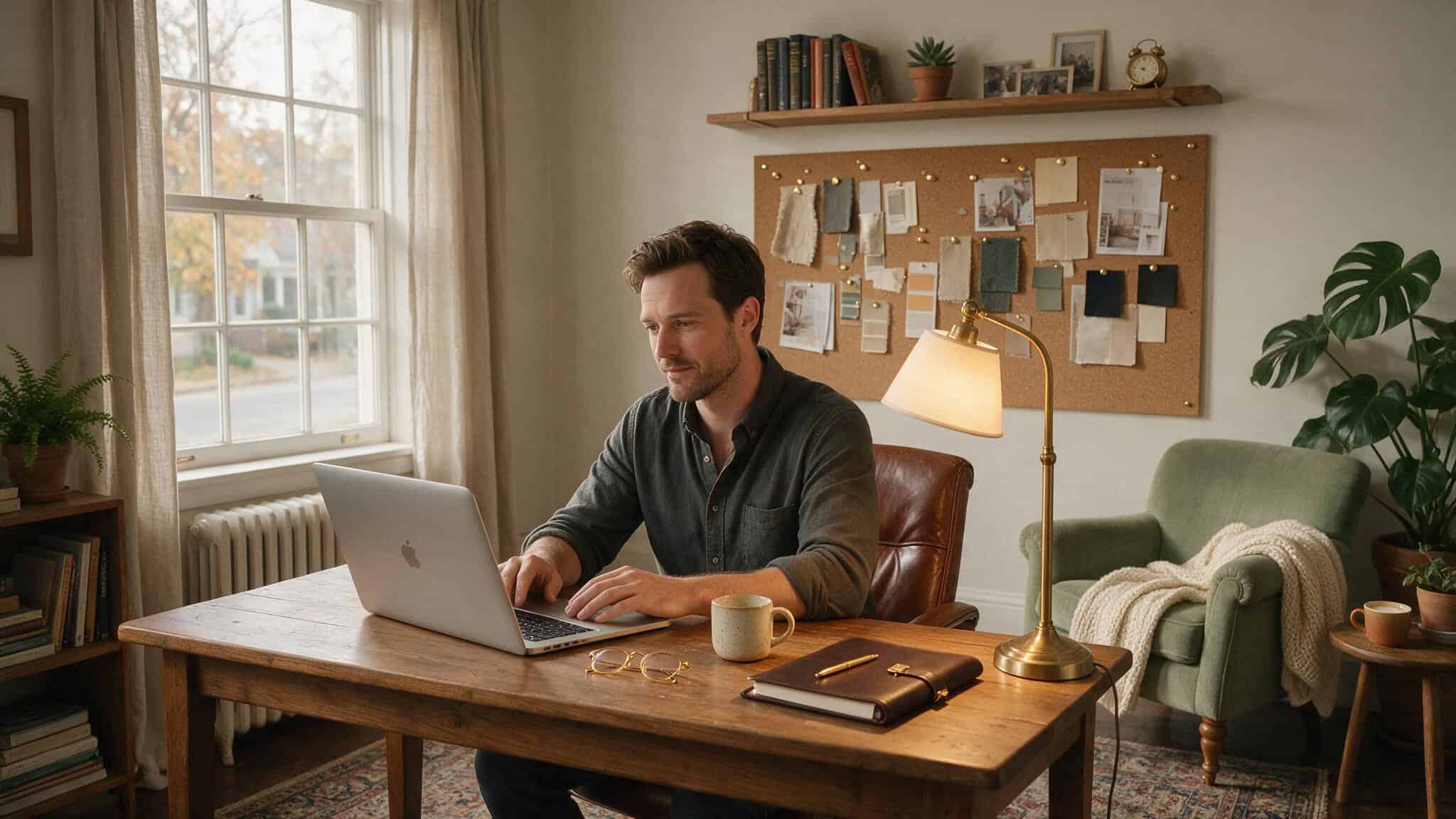
There are three ways to do it right, and they match different budgets and personalities.
The DIY route: Pull images from anywhere—Pinterest, magazine scans, screenshots of hotel rooms. Arrange them on a board (physical or digital). This is the Chalking Up Success approach, and it’s what the non-professional decorators who’ve helped their sons design rooms swear by. The trick is picking a color scheme first—two or three colors that work together—then letting everything else follow.
The pro-assisted route: The Decorilla client project started with their interactive design questionnaire. You answer questions about your space, tastes, and must-haves. Two designers get proposed. In this case, Ibrahim H. was the one who nailed the client’s vision.
You get a curated shopping list with step-by-step instructions. It costs more than DIY, but you skip the trial and error.
The inspiration gallery route: Look at finished rooms until something clicks. The Decorilla client provided an inspirational gallery featuring deep shades and rich, textured fabrics before the designer even started. That gave Ibrahim a clear direction. You can do the same with the 27 concepts we’ll cover later—just find one and say “I want that vibe.”
The point is: pick a method and commit. Don’t start buying furniture until you have a direction.
Color palettes: beyond navy and gray
Navy and gray are default for a reason—they work. But the best modern masculine rooms go further. They use color to create a specific mood, not just avoid looking feminine. The key is balance.
Interior designer Clark from Architectural Digest says it plainly: avoid an overly dark and heavy look. A room that’s all dark walls and dark furniture feels like a cave. You need light somewhere.
Here are the color families that show up across every source we looked at, along with what they actually feel like.
Navy
Navy is the column of trust. It’s sleek, hides wrinkles in the duvet, and pairs with almost everything. The Decorilla case study used it as the backbone: navy walls for tension and drama, sophisticated brown woods for warmth, and tan and cream shades to keep it from feeling like a nautical bar. That trio—navy, brown, cream—is foolproof.
The risk with navy is going too nautical. Avoid white-and-navy stripes unless you’re actually on a boat. And if your room doesn’t get much natural light, balance with light accessories and a large neutral rug.
Olive / deep green
This is the “Moody Olive Retreat” from The Coolist’s 2026 concepts. Olive walls, dark wood furniture, charcoal bedding. It’s earthy and calm, a bit dramatic without being depressing. The emotional signature is grounded calm—like a high-end spa that also has a whiskey decanter.
Works best with abstract artwork, a crisp lamp, and some greenery. Don’t pair it with bright white; go with cream or beige instead.
Charcoal / black
The edge. But only if you soften it. The Chalking Up Success tip #5 is the one to remember: if you use gray or black walls, add natural wood tones immediately. A dark gray wall with a walnut nightstand and a woven basket is moody but livable. A dark gray wall with black furniture and a metal lamp is a dungeon.
Charcoal works best as an accent wall, not all four. And use the softest bedding you can find—linen or washed cotton in light gray or cream.
Rust / warm neutrals
The heat. The simplest combo from the sources is a rust-colored duvet against a navy wall. That’s it. One pop of warmth in an otherwise cool room. Rust, burnt orange, terracotta—they break up the monotony without screaming for attention.
You can also do an entire warm-neutral palette: brown, beige, cream. Warm neutrals—brown, beige, cream—give you low contrast and high comfort, like a comfortable coffee shop. Hard to mess up.
The balance rule
Clark’s warning is the smartest single piece of advice across all sources: don’t go too dark or heavy. The practical fix is straightforward. If your walls are dark, use light bedding, a big neutral rug, and a mirror to bounce light. If your furniture is dark, add a warm-toned throw or a leather chair. The room needs contrast to breathe.
Materials and textures: leather, wood, metal, and velvet
The Decorilla case study used a curved bench at the foot of the bed specifically for texture and contrast. One piece, doing multiple jobs.
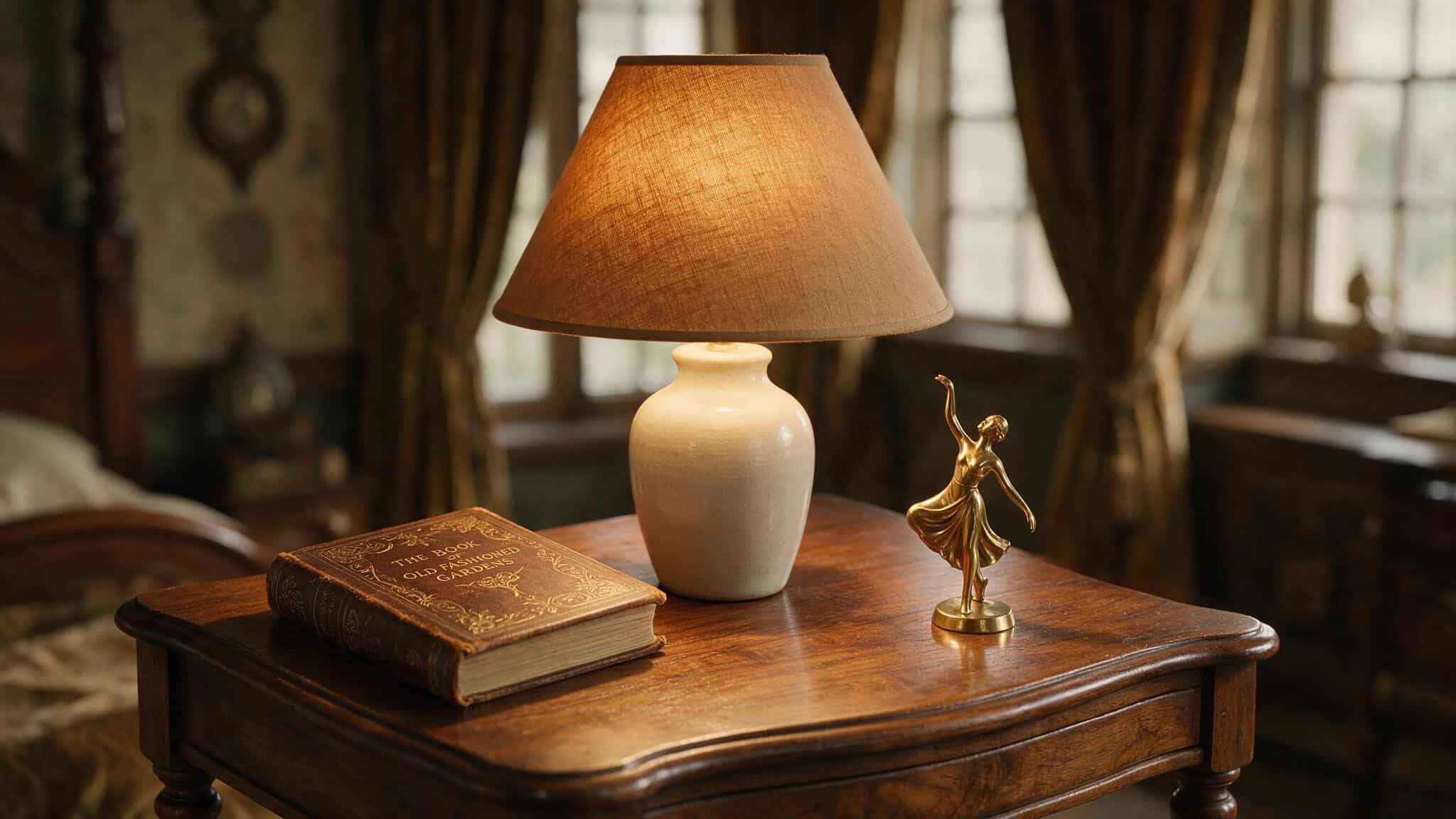
Here’s what the sources agree on.
Wood is the anchor. Warm wooden flooring grounds the Decorilla room. If you can’t change the floor, add wood through furniture. The finish matters: matte wood feels modern and understated; glossy wood feels traditional.
Metal is the accent, but the finish dictates the style. Hammered metal finishes suit cozy rustic-style bedrooms. Smooth brass finishes suit modern, clean rooms. Pick one and stick with it. Don’t mix brushed nickel and oil-rubbed bronze unless you really know what you’re doing.
Velvet and leather are the two texture players. Velvet works on a headboard or a small bench—it adds softness without looking feminine. Leather is the obvious masculine choice, but use it sparingly. Too much leather feels like a clubhouse. A leather headboard or a single leather armchair is enough.
Rugs tie it together. A subtly patterned area rug anchors the room. If your floor is plain, go with a patterned rug. If your floor is patterned (like a wood herringbone), use a plain rug. Don’t let them compete.
Lighting: sconces, floor lamps, and adjustable reading arms
The single most useful lighting tip across every source: wall lights or sconces free up bedside table space. That means room for your phone, book, drink, glasses, watch charger. It’s a small change that makes a big difference.
There are three layers of lighting to think about.
Ambient lighting is your general overhead or sconces. This sets the mood. Dimmer switches are worth the money.
Task lighting is for reading. If you read in bed, the lamps should be adjustable or have a reading arm. The Chalking Up Success tip #12 calls this out specifically. Don’t use a floor lamp that throws light everywhere—you want directed light.
Accent lighting is the floor lamp in the corner or the bespoke table lamp that complements your art. The Decorilla case used a sleek floor lamp as stylish task lighting and a bespoke table lamp to highlight the client’s decorative art.
Three layers, one room. Even on a budget, you can hit all three with a ceiling fixture, a reading lamp, and a cheap floor lamp.
Furniture and layout: clean lines with purpose
Masculine spaces should be unfussy. That’s the Chalking Up Success mantra, and it’s right. Clean lines, simple designs, no extra ornamentation. Each piece earns its spot.
The bed
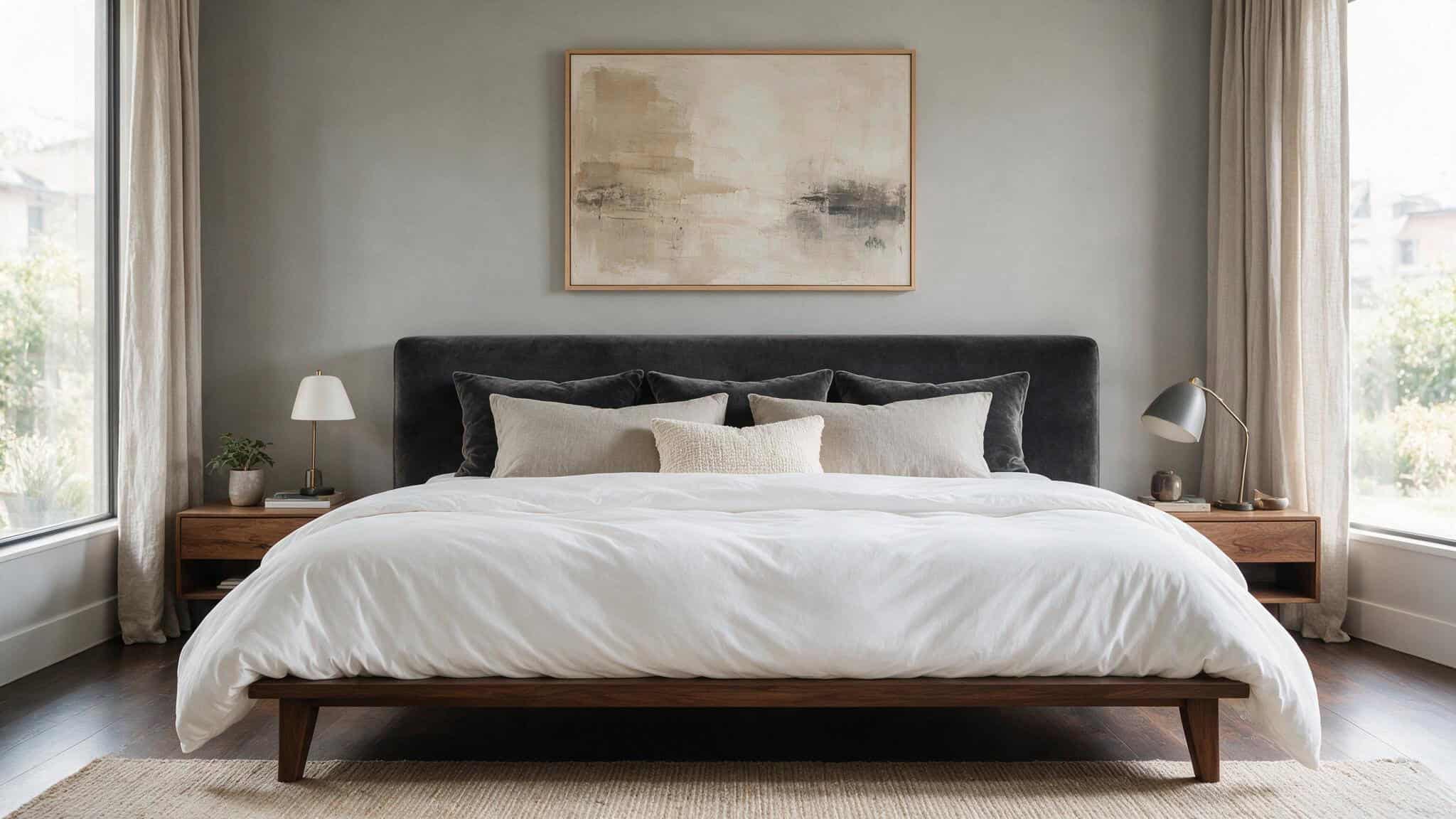
The Decorilla client’s final design used a king-size bed with a velvet upholstered headboard and a low platform frame. The velvet headboard is the texture anchor. The low frame keeps the room from feeling top-heavy.
Storage
Barn doors make perfect closet doors for a masculine-style bedroom. They save swing space and add character without adding furniture. Overhead storage (like high shelves above the closet or along the wall) is good for small rooms—keeps floor space clear but can make the room feel lower. Balance with low-profile furniture elsewhere.
Seating
The Chalking Up Success tip about adding a comfy chair is practical. It gives friends a place to sit without having to perch on the bed. Some chairs work for gaming too. You don’t need a whole seating area—just one chair in the corner.
The vignette
The Decorilla client had existing pieces—a mirror, a sculpture, a pedestal. The designer worked them into the layout rather than replacing them. Instead of buying all new furniture, take what you already own and rearrange it into a deliberate grouping.
A mirror above the nightstand, a sculpture on a pedestal by the window. It makes the room feel collected, not just furnished.
Wall treatments: paint, wallpaper, panels, and stencils
This is the highest-impact change you can make, and the range of options fits any budget and skill level.
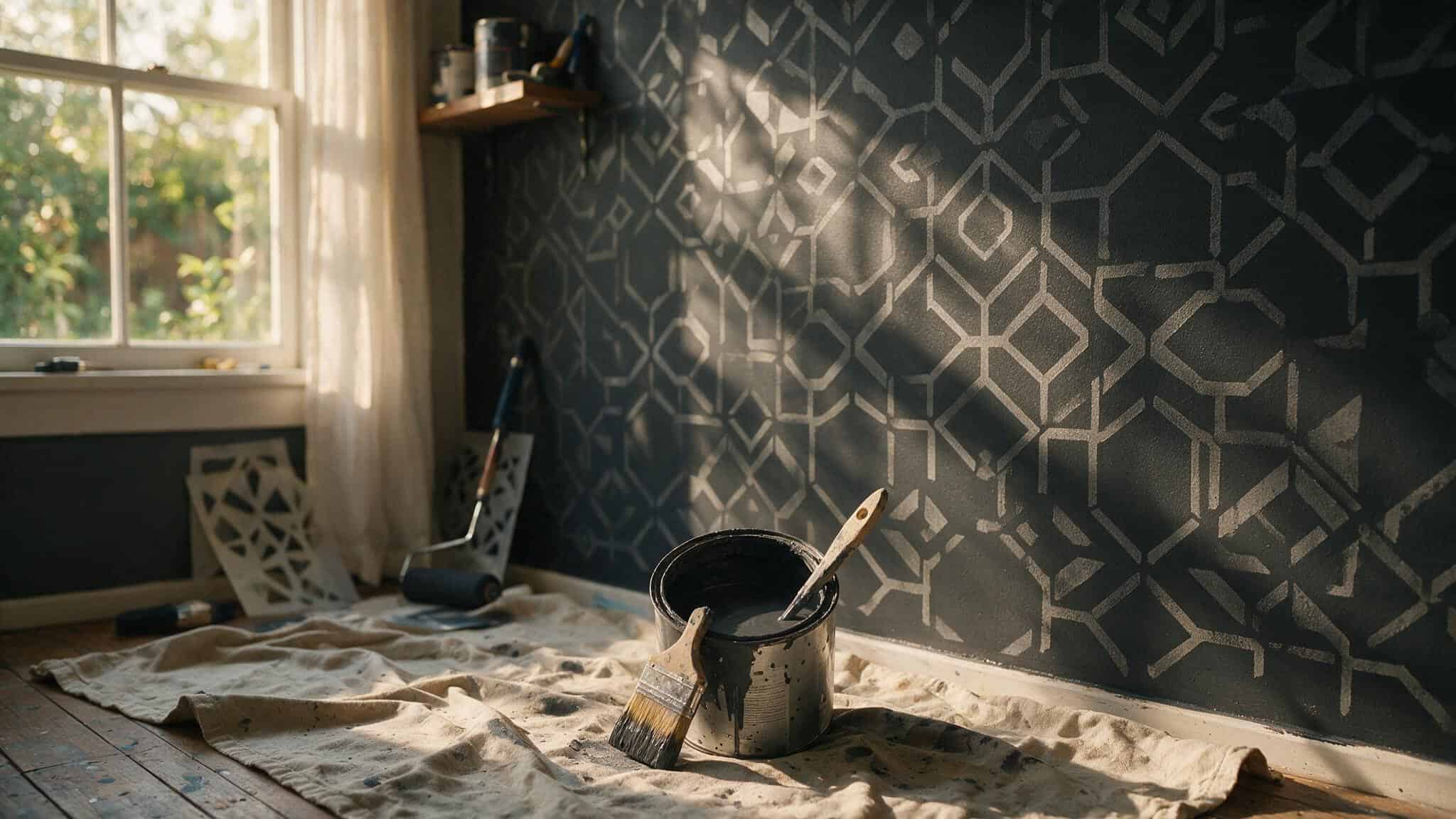
Paint is the cheapest. The Decorilla client started with midnight blue paint. That single decision set the whole room’s direction. If you do nothing else, paint one wall.
Peel-and-stick wallpaper is for renters. The Chalking Up Success source recommends realistic brick or wood designs. They look convincing, are easy to apply, and come off without damage. Under $50 a roll in most cases.
Ready-made wall molding kits are for guys who want custom paneling without the carpentry. You measure your wall, take a photo, choose a style, and the company sends custom-cut foam pieces. They’ll send a draft first so you can see the layout before you buy. Costs $100–$300 depending on the room size.
Wall stencils are the cheapest way to add pattern. Geometric designs work best for a masculine room—sharp lines, no flowers. A stencil costs under $20 and a can of paint. You can do a whole accent wall in an afternoon.
classic masculine bedroom styles
These come from a single collection, so think of them as starting points rather than gospel. Pick one that resonates and use it to guide your choices.
Grey Minimalist – Exactly what it sounds like. Clean, uncluttered, no fuss. The key is texture: a grey wool rug, a charcoal linen duvet, a concrete nightstand. Without texture, it looks like a prison cell.
Modern Industrial – Exposed brick, metal, concrete, but with modern furniture. The trick is not to overdo the rough stuff. One exposed wall, clean-lined bed, soft bedding — here’s the best ways to modernize your bedroom and reinvent your space into a fashionable, domestic place of rest you deserve.
Bright Boho – Opposite of austere. Patterns, colors, maybe a bit of clutter done intentionally. Good for guys who want energy in the room. Darker tones and leather keep it from feeling like a dorm, while modern silhouettes in lamps and fixtures add that sleek look every guy wants.
Luxury of Leather – Use sparingly. A leather headboard or armchair adds instant character. Too much leather feels like a clubhouse.
Hunter’s Lodge – Rustic, heavy on wood and leather. Campfire vibes indoors. Works with a plaid throw.
Urbane Gentleman – Dark walls, maybe a skyline print, structured furniture. Sleek and a bit serious. For a comprehensive guide to designing a masculine, functional, and personal space that reflects authentic masculinity, explore these room ideas for men. Good for a guy who likes structure.
Bachelor’s Retreat – Less seating, more storage for hobbies. Practical and intentional. Not trying to be a hotel.
Tamed Country – Barn doors, checked quilt, but no doilies. Country style without the frills.
Blue Glam – Deep blues, maybe navy walls, with metallic or silky accents. Surprising but works.
Coffee and Cream – Warm neutrals. Brown, beige, cream. Low contrast, high comfort. Hard to mess up.
Green Envy – Olive, forest, sage. A strong choice that feels natural. Needs careful balance with neutrals.
Industrial Allure – Dark walls, metal lights, soft bedding. The contrast between rough and soft is the appeal.
Wood Panels – Adds texture and warmth without paint. Real wood or convincing wallpaper.
Chic Vintage – One or two vintage pieces (mid-century lamp, retro armchair), rest modern. Balance is key.
Scandinavian Elegance – Clean lines, light wood, maybe a sheepskin rug. Minimal but cozy.
Mulberry Man – Deep purple-red as an accent or wall color. Bold but sophisticated.
Updated Four-Poster – Clean, simple frame, no heavy drapes. Adds height and drama without fuss.
Austere Sophistication – High-end minimalism. Each piece earns its place. Strict and intentional.
Shades of Grey – Multiple tones of gray layered together. Light walls, dark furniture, or vice versa.
Statement Walls – One wall that grabs attention. Paint, wallpaper, or paneling. The rest stays calm.
Minimalist Grandeur – One showpiece (big art, grand bed frame). Everything else simple.
Preppy Pastel – Light colors, classic stripes. Not for everyone but works in the right space.
Bright Cottage – White walls, natural light, simple decor. Avoid clutter.
Surfer’s Haven – Light woods, navy accent, coastal vibes. Works inland too if kept subtle.
Edgy Vibes – Graffiti, bold patterns, neon accents. For the guy who doesn’t want to look like everyone else.
Rustic Elegance – Rough-hewn table with a sleek lamp. The mix is the point.
Nerdy Zone – Framed posters, collectibles shelf, good gaming chair. Own it, just keep it from looking like a teenager’s room.
Touch of Red – A throw pillow, a lamp, a piece of art. Adds heat without overpowering.
Dramatic Lighting – Dimmer switches, character lamps, maybe a track light. Lighting as the star.
Rustic Minimalist – Live-edge shelf on a clean white wall. Natural materials, no fuss.
Updated Farmhouse – Clean metal bed frame with a rustic headboard. Modern lines, avoid Pinterest overkill.
Basic Colors – Black, white, gray, beige. Can’t go wrong, but needs texture to avoid looking like an office.
Vibrant Fascination – Bold and busy. Bright art, patterned wallpaper, statement headboard.
Private Gentleman – Sophisticated but private. Library vibes. Quality over quantity.
Tangerine Surprise – Just a pop of orange. A pillow, a small chair. Low risk.
Cool White – Crisp and clean. Add warm wood or metal to keep from feeling sterile.
Overhead Storage – Good for small rooms. Use low-profile furniture elsewhere to balance.
Velvet and Metal – Velvet headboard, metallic accents. Unexpected combo that works.
Leather and Wood – The classic pairing. A leather armchair next to a wooden bookshelf.
Dark and Light Contrast – Dark accent wall, lighter furniture. High impact.
modern room ideas for 2026
These are from The Coolist, and each is a named concept with a specific emotional register. They’re more trend-forward than the classic styles.
Moody Olive Retreat – Olive walls, dark wood, charcoal bedding. Abstract art, a crisp lamp, greenery. Earthy and calm.
Casual Cool Layers – Slate blue walls, gray throws, tan pillows, a guitar in the corner. Composed but lived-in. No pressure to be perfect.
Desert Modern Edge – Black paneled wall, graphic textiles, carved wood, patterned rug, sculptural wall decor. Curated but not fussy.
Classic Navy Framed – Deep navy walls, crisp white bedding, warm wood tones, symmetry. The timeless anchor.
Sculptural Dark Minimal – Vertical slats, dark palette, matte walls, hidden lighting. Boutique hotel vibes.
Warm Wood Retreat – Wood-paneled wall, soft lighting, creamy bedding. Cabin but cleaner.
Tailored Precision – Clean paneling, soft neutral palette, subtle lighting. Expensive-looking without the price tag.
European Calm – Paneled walls, soft lighting, curved headboard, muted palette. Refined and easy to relax in.
Light and Airy – Soft linen tones, gentle textures, natural light. Weekend morning feeling.
Earthy and Grounded – Vertical wood paneling in deep olive-brown, cream bedding, chocolate tones. Warm and solid.
Modern Structured – Clean lines, low-profile wood bed, graphic rug, built-in workspace. For the guy who works from home.
Dark Accent, Light Balance – Dark accent wall, lighter furniture, mix of velvet, wood, metal. High contrast.
Olive and Warm Neutrals – Simple, effective, low effort. Easy on the eyes.
Black and White Comfort – Dark curtains, crisp bedding, greenery, cozy chair. Timeless.
Burgundy Warmth – Deep burgundy walls, plaid bedding, natural light. Cozy and inviting.
Understated Luxe – Warm woods, soft upholstery, layered neutrals. Looks expensive without trying.
Slat Wall Backlight – Vertical slats with warm backlighting, hanging bulbs. Striking and dramatic.
City Vibes – Oversized city artwork, muted tones, wood finishes. Grounded and urbane.
Dark Corner Accent – One dark wall, soft cream layers, plush textures, mirrors, warm lighting. Cozy contrast.
Sculpted Beige – Tall upholstered panels behind bed, clean lines, chandelier. Elegant but not stuffy.
Neutral Blend – Upholstered bed, soft grays, clean lines, symmetry. Reliable.
Warm Contemporary – Wood tones, soft lighting, layered textiles, art. Inviting.
Rustic Modern – Mix of raw and refined. Live-edge furniture with clean lines.
Industrial Soft – Dark walls, metal accents, but soft bedding and warm lighting.
Boho Dark – Darker boho with leather, metal, and intentional clutter.
Minimalist Navy – Navy, white, wood. The simplest, most effective combo.
Black Edge – Charcoal or black walls, but balanced with warm wood and cream.
designer-approved ideas from Architectural Digest
Interior designers Clark and Stollar have specific opinions that cut through the noise.
Don’t go too dark. Clark says balance is key. Dark colors are inviting, but you need light accessories to keep the room restful. If your room lacks large windows, brighten it with light accessories and a large neutral rug.
Crisp white sheets. Clark prefers crisp white sheets for almost any bedroom. Avoid overly ornate details like scalloped edges. Straight, clean lines give it a polished, custom look.
Sparse and simple. Stollar says the form should be sparse, simple, and edgy. That doesn’t mean empty—it means every piece has a reason for being there.
Earthy and darker tones. Clark recommends earthy and darker tones for a masculine palette. Not black, not pure gray—think deep greens, navy, charcoal, rust.
Bedding with structure. Structured lines, subtle geometric designs. No frills, no ruffles. Bedding should be timeless but not frilly.
Wall art. Choose abstract or landscape pieces with muted colors. Avoid cliché motivational posters or generic landscape prints. One large piece above the bed does more than three small ones.
Texture over pattern. A textured throw or velvet headboard adds depth without the risk of a busy print.
Metallics in moderation. A brass lamp or chrome base. One accent, not a collection.
Natural wood. Wood tones warm up any scheme. Even a small wood shelf makes a difference.
Sheer curtains. If you want privacy without blocking light, go with linen or sheer. Heavy drapes work in dark rooms but can feel oppressive in small spaces.
Don’t over-accessorize. A few carefully chosen items—a ceramic vase, a sculptural object, a stack of books—are better than a shelf full of knickknacks.
Greenery and low-maintenance plants
The solution is hydroponic Sansevieria (mother-in-law’s tongue). No soil, no bugs, water every four weeks. The source claims no bacteria or fly infestations—that might be a stretch, but it’s still way less fuss than a potted fern.
If you want something else, go with a snake plant or a ZZ plant. Both survive neglect. Put it in a matte ceramic pot, not plastic. One plant in the corner is enough to add life without looking like a greenhouse.
Budget-friendly vs. splurge: comparing key items
Wall treatments – Budget: Peel-and-stick wallpaper. Under $50 a roll. Easy for renters.
- Splurge: Custom wall molding kits ($100–300). More permanent and substantial.
Plants – Budget: Hydroponic Sansevieria. $20–30. Water once a month.
- Splurge: Real plants with soil and a self-watering pot. Looks nicer but more maintenance.
Doors – Budget: Standard closet doors. Free if you already have them.
- Splurge: Barn doors. $200–500 for a kit. Adds character and saves swing space.
Furniture – Budget: Upcycled wooden chest from a thrift store. $50. Sand and paint it.
- Splurge: Custom wardrobe with built-in electric fireplace. $1,500+. The Decorilla client went this route.
Lighting – Budget: Wall sconces from IKEA. $30–60.
- Splurge: Bespoke table lamp from a designer. $300+. The Decorilla case used one to complement art.
Common mistakes to avoid
Going too dark or heavy. Clark’s warning is the one to remember. Dark walls need light bedding and a neutral rug. Dark furniture needs warm accents. Balance is everything.
Assuming all men prefer geometric patterns. That’s a generalization from a single source. Some guys do, some don’t. Pick what works for you, not what a blog says “men like.”
Overstating plant benefits. Hydroponic Sansevieria is low-maintenance, but claims of “no bacteria or flies” are optimistic. Still better than a fern.
Not involving the person the room is for. If you’re designing a shared space or a room for someone else, the Chalking Up Success author notes that men can be “difficult” in these conversations. The fix is simple: ask them what they want. Show them options. Don’t assume.
Skipping the plan. Buying a cool piece of furniture without a color scheme or layout is how rooms end up disjointed. Use a mood board, take the Decorilla quiz, or at least save one reference image.
Conclusion: from inspiration to action
The Decorilla client started with a single element—midnight blue paint. That was the entire beginning of their bedroom redesign. They didn’t buy furniture first. They didn’t scroll Instagram for weeks. They picked one color and committed.
You can do the same. Pick one style from the lists above. Find an image of it. Save it to your phone. That’s your starting point.
From there, decide your method: make a mood board (free, DIY), take the Free Interior Design Style Quiz (guided, professional), or book a consultation with someone like Decorilla (full service). Then make one change—paint a wall, buy a rug, swap a lamp. The room will follow.
People Also Ask
What are the 2026 bedroom trends?
The 2026 trends lean into moody, grounded palettes like olive green, charcoal, and deep navy, paired with warm wood tones and layered textures. Concepts like ‘Moody Olive Retreat’ and ‘Desert Modern Edge’ emphasize earthy calm and curated minimalism over stark minimalism. The key shift is moving away from all-dark everything toward balanced contrast with light bedding and natural accents.
What’s a good color for a man’s room?
Navy, olive green, charcoal, and rust are the strongest options because they create mood without feeling like a cave. Navy works as a backbone but needs warm browns and cream to avoid looking nautical. Olive green paired with dark wood and charcoal bedding gives a grounded, spa-like feel. The rule is: if your walls are dark, use light bedding and a large neutral rug to keep the room breathable.
What are some cool things for a man’s bedroom?
A velvet upholstered headboard adds softness without looking feminine, and wall sconces free up bedside table space for your phone and book. Barn doors for the closet save swing room and add character, and a single leather armchair gives friends a place to sit without perching on the bed. For wall treatments, peel-and-stick brick wallpaper or custom wall molding kits deliver high impact without a contractor.
What’s the biggest mistake men make when decorating a bedroom?
Going too dark without balance. Dark walls and dark furniture together turn a room into a cave. The fix is simple: light bedding, a large neutral rug, and a mirror to bounce light around. Another common mistake is skipping the planning phase—buying a cool bed frame first and then trying to fit everything else around it, which leads to a disjointed room.
How do I choose a color scheme for a masculine bedroom?
Pick two or three colors that work together and commit before buying any furniture. The foolproof trio is navy, brown, and cream—it’s sleek, warm, and hard to mess up. If you want something bolder, try olive green with charcoal and cream, or rust as a pop against a navy wall. The key is contrast: dark walls need light accents, and dark furniture needs warm wood or soft textiles to balance.
What kind of lighting works best in a man’s bedroom?
Three layers: ambient lighting from overhead fixtures or sconces, task lighting from adjustable reading arms or directed lamps, and accent lighting from a floor lamp or table lamp that highlights art. Wall sconces are the single most useful upgrade because they free up bedside table space. Dimmer switches are worth the investment for controlling the mood.