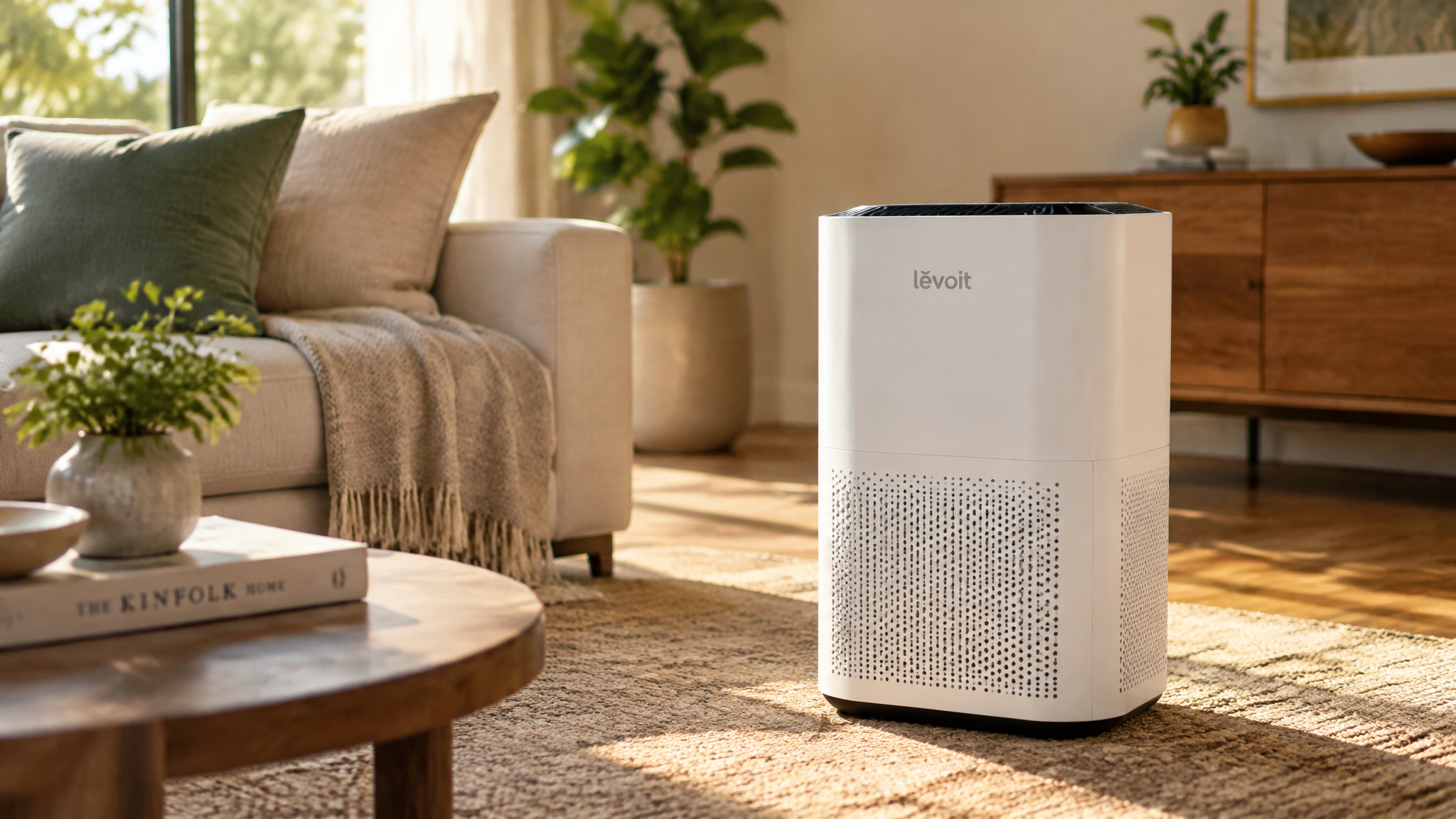
It took me a long time to realize that most homes have terrible air quality, and could desperately use an air purifier, especially for working-class people, myself included, who cook at home most nights. Indoor air is two to five times more polluted than outdoor air per the Environmental Protection Agency (EPA), a figure cited by COIT, Molekule, and the American Lung Association, while Molekule and Healthy Canadians note we spend 90% of our time inside.
Joseph Allen of the Harvard T.H. Chan School of Public Health told CNET on July 15 (covered by Karen Feldscher) that the Clean Air Act saved hundreds of thousands of lives outdoors, but we have no Clean Indoor Air Act, leaving wildfire smoke, exhaust, power plants, gas appliances, chemicals, off-gassing furniture, pollen, and mold spores to Jill Heins, the Lung Association’s Nationwide Senior Director of Indoor Air Quality on its October 16, 2026 Each Breath Blog, who spent 15+ years protecting her father, husband, and adult daughter from asthma and COPD.
Key Takeaways
Running a kitchen exhaust fan that vents outdoors and cracking a window three inches whenever a gas stove is on clears rapid spikes in carbon dioxide (CO2) and nitrogen dioxide (NO2) before they degrade lung function.
Keeping indoor humidity between 30% and 50%, encasing mattresses and pillows in allergen-proof covers, and washing bedding weekly in water at least 120 degrees F starves mold and cuts dust-mite asthma symptoms.
Testing for invisible hazards with a 2-to-90-day radon kit and a hallway carbon monoxide alarm comes before buying hardware like MERV-13 HVAC filters or room-sized HEPA air purifiers.
Table of Contents
What’s polluting your home’s air
Physical symptoms of bad indoor air quality are acute reactions like headaches, dizziness, eye, nose, and throat irritation, coughing, wheezing, shortness of breath, and worsening asthma or allergy flare-ups. Improving the air quality in your house comes down to increasing ventilation, filtering the air, and cutting indoor sources before these pollutants quietly accumulate, because children, older adults, and anyone with allergies, asthma, or respiratory conditions take the hardest hit when daily exposure adds up.
The EPA divides what you breathe inside into two buckets. The first is particulate matter: pet dander, pollen, dust, mold, viruses, bacteria, and dust mites that settle into rugs and float back up when disturbed. The second is gaseous pollutants: volatile organic compounds (VOCs) off-gassing from adhesives, paints, household cleaners, building materials, and furnishings, alongside combustion byproducts from tobacco smoke and gas stoves.
You don’t get a warning light when those two buckets fill up. Instead, you notice your throat feels scratchy in the morning, a headache rolls in after wiping down the counters, or someone’s wheezing gets worse the more hours they spend inside.
Cooking and combustion: the daily pollution spike in your kitchen
Yes, cooking with a gas stove makes indoor air unhealthy when combustion fumes build up without outdoor exhaust. While gas stoves, fireplaces, and attached garages all release nitrogen dioxide (NO2) that lowers lung function, worsens asthma, and raises the risk of breathing problems, Jill Heins’ indoor air quality monitor showed both CO2 and NO2 climbing fast the moment her gas stove went on, until running the exhaust fan and opening a window three inches brought the readings back down.
Run the range hood before the pan heats up
In my own kitchen, and in almost every house where people actually cook dinner after work, the range hood only gets flipped on after bacon smoke or seared onions set somebody coughing. By then, the pollution spike from the first minutes of high-heat burner use is already in your lungs. Worse, plenty of guys run the fan without checking whether their hood actually ducts outside or just blows grease through a mesh screen right back at their forehead. Run an outdoor-venting range hood every time the gas stove or oven is on, and add that three-inch window crack unless it’s ragweed season.
Other combustion sources to cut off
Keep that same rule for everything else that burns fuel. Vent all gas appliances outdoors, never smoke cigarettes inside, and never run a generator, light a barbecue, or idle your truck inside an attached garage.
Cleaning that removes particles instead of redistributing them
Damp microfiber cloths and a HEPA-filter vacuum remove settled indoor particles without launching them back into the air you breathe, whereas dry dusting just stirs allergens off blinds, ceiling fans, and baseboards. Vacuum carpets, rugs, and upholstery once or twice a week per COIT (weekly at minimum per the American Lung Association) to pull out dander, mold, and dust mites, mop hard floors to trap leftover dust, wipe surfaces with low-toxicity cleaners, and book a professional deep clean every 12 to 18 months because allergist Dr. James Sublett notes 1 in 4 Americans has allergies and two-thirds of them react to dust mites.
Bedroom air quality: dust mites, bedding, and where purifiers matter most
Bedroom air quality improvements are source-control and filtration habits that start with sealing your bedding and putting your first portable air cleaner where you sleep. Because a portable HEPA air purifier does its best work in frequently used rooms by capturing airborne dust, pollen, and dander over an eight-hour night, starting in the bedroom gives you the biggest health return before you spend a dime on whole-house hardware, while a New England Journal of Medicine (NEJM) study found that allergen-proof dust-mite mattress and pillow covers reduced asthma symptoms in children. Since pet dander is light and sticky enough to build up in bedding, furniture, and carpets, the American Lung Association notes that managing pet dander also means bathing pets regularly and keeping them off beds and furniture.
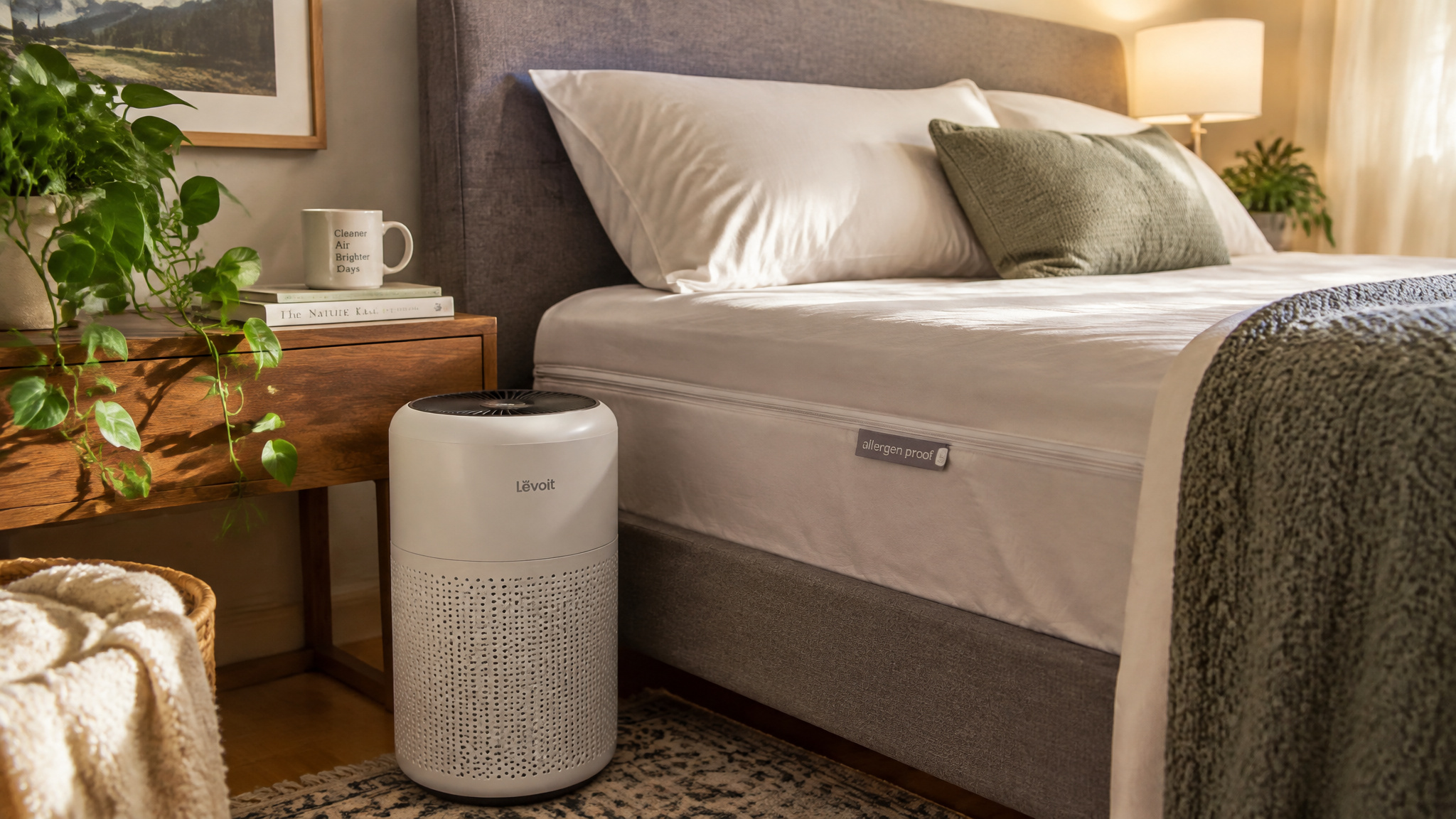
If you buy one air purifier for a room, put it next to the bed. That is exactly how Heins started her own setup, running a single room-sized unit in her bedroom for years before her budget allowed a whole-house unit near the stairwell.
Before a machine filters what’s floating, lock down the mattress where you spend a third of your life. The American Academy of Allergy, Asthma, and Immunology (AAAAI) lays out a three-part bedroom protocol that works as a single system:
- Encase the bed: Zip the mattress, box spring, and pillows inside allergen-proof fabric or airtight plastic dust-mite covers. Skipping the covers while washing the sheets leaves the main colony intact two inches below your nose.
- Wash hot every week: Strip the bed weekly and wash all sheets and blankets in hot water at 120 degrees F or higher. Cold or warm cycles clean sweat, not allergens.
- Keep bedroom humidity between 30% and 50%: Starve dust mites of the moisture they need to multiply.
Pet dander is the other bedroom wrecking ball. Because dander is microscopic, light, and sticky, it clings to bedding, curtains, and carpet fibers long after the animal leaves the room. You can’t rely on a filter in the corner to rescue a bed the dog sleeps on.
Heins’ husband has asthma triggered by dust mites, cats, cockroaches, pollens, and smoke particulates. Because his cat allergy is severe, they skipped cats entirely, got a dog, bathed her regularly, and kept her strictly off every bed and piece of furniture in the house. If you have pets indoors, keep the bedroom door shut, enforce the off-the-bed rule, and check your central HVAC filters monthly and change them at least every three months so sticky dander doesn’t keep riding through the ductwork.
Humidity control: stop mold and dust mites at the source
The ideal indoor humidity level to prevent mold and dust mites is a consistent range between 30% and 50% year-round. Both biological pollutants require moisture to survive, and keeping your house inside that 30% to 50% band starves dust mites and stops mold from taking hold in damp, warm rooms like kitchens, bathrooms, and basements, where it spreads on invisible spores long before you spot a dark patch on the drywall.
Most guys tackle mold backwards. They buy a jug of harsh spray and scrub the black spot on the bathroom ceiling, turn the exhaust fan off the second they step out of the shower while the mirror is still fogged, and set a basement dehumidifier by guesswork.
Fix the water first. Run the bathroom exhaust fan the entire time you shower and leave it running until the steam clears. Repair leaky pipes and water-damaged drywall immediately before moisture turns into an expensive rot problem, and put a dedicated dehumidifier in a damp basement. Because extreme heat and humidity also trap pollutants and trigger asthma and COPD, passive cooling helps too: Heins relies on oak shade trees planted over 30 years ago on the south and west sides of her house, paired with reflective window coverings on her west patio doors, to keep indoor temperatures down.
Ventilation as a decision: when to open windows and when not to
Winter indoor air quality improvements depend on mechanical fresh-air exchange and disciplined filter maintenance when cold weather keeps your house sealed tight. Installing a heat recovery ventilator (HRV) lets you bring fresh outdoor air inside while retaining your indoor winter warmth, provided you pair it with monthly HVAC filter checks during heavy-use heating months and run kitchen and bathroom exhaust fans to push moisture and odors directly outside.
When the weather warms up, opening windows for about 10 minutes a few times a day is the easiest way to dilute indoor pollutants, especially while you’re painting, cooking, or cleaning. Window fans, attic fans, or a window air conditioner running with its vent control open also move stale air out.
Treat open windows as a conditional decision, not a blind habit. Check your local outdoor air quality index (AQI) and pollen count before cracking a sash. While the reference material doesn’t establish a specific numeric AQI cutoff for keeping windows shut, any day with wildfire smoke or heavy seasonal pollen flips the math: keep the windows closed so you don’t trade kitchen fumes for smoke particulates and allergens.
VOCs and fragrances: the chemical layer you can’t smell as danger
Reducing VOCs and chemical fumes from paint and cleaning products requires switching to low-VOC formulas, using them sparingly, and ventilating heavily while they off-gas. Because indoor VOC concentrations run much higher than outdoor levels and irritate lungs over time, choosing low-VOC paints, finishes, and cleaners and opening windows during projects cuts your chemical load at the source, which is critical when building materials and pressed-wood furniture already off-gas formaldehyde, a chemical the EPA classifies as a likely carcinogen.
Pressed wood, paint, and formaldehyde
Formaldehyde hides in the glue holding together plywood, wall paneling, kitchen cabinets, and flat-pack furnishings. You can’t scrub it out, so when you buy new cabinets or paint a room, pick low-VOC options and keep fresh air moving through the space until the smell dies down.
Why “natural” scents still wreck your air
Fragranced products pack an unregulated mix of chemicals that trigger headaches, dizziness, eye, nose, and throat irritation, coughing, wheezing, and shortness of breath. COIT suggests essential oils as a “natural” air-freshener alternative, but the American Lung Association treats scented products broadly as chemical exposures worth cutting. As Heins put it:
“We don’t use room fresheners, plug ins, aerosols, strong cleaning products and I personally don’t use hairspray, scented bath products or perfume,”
Her household only allows candles on birthday cakes. Never burn wood in an indoor fireplace, candles, or incense, since indoor combustion traps harmful emissions and spikes particulate matter; use an electric fireplace or battery-operated candles instead to get the glow without polluting your air.
Test first: radon, carbon monoxide, and finding your home’s triggers
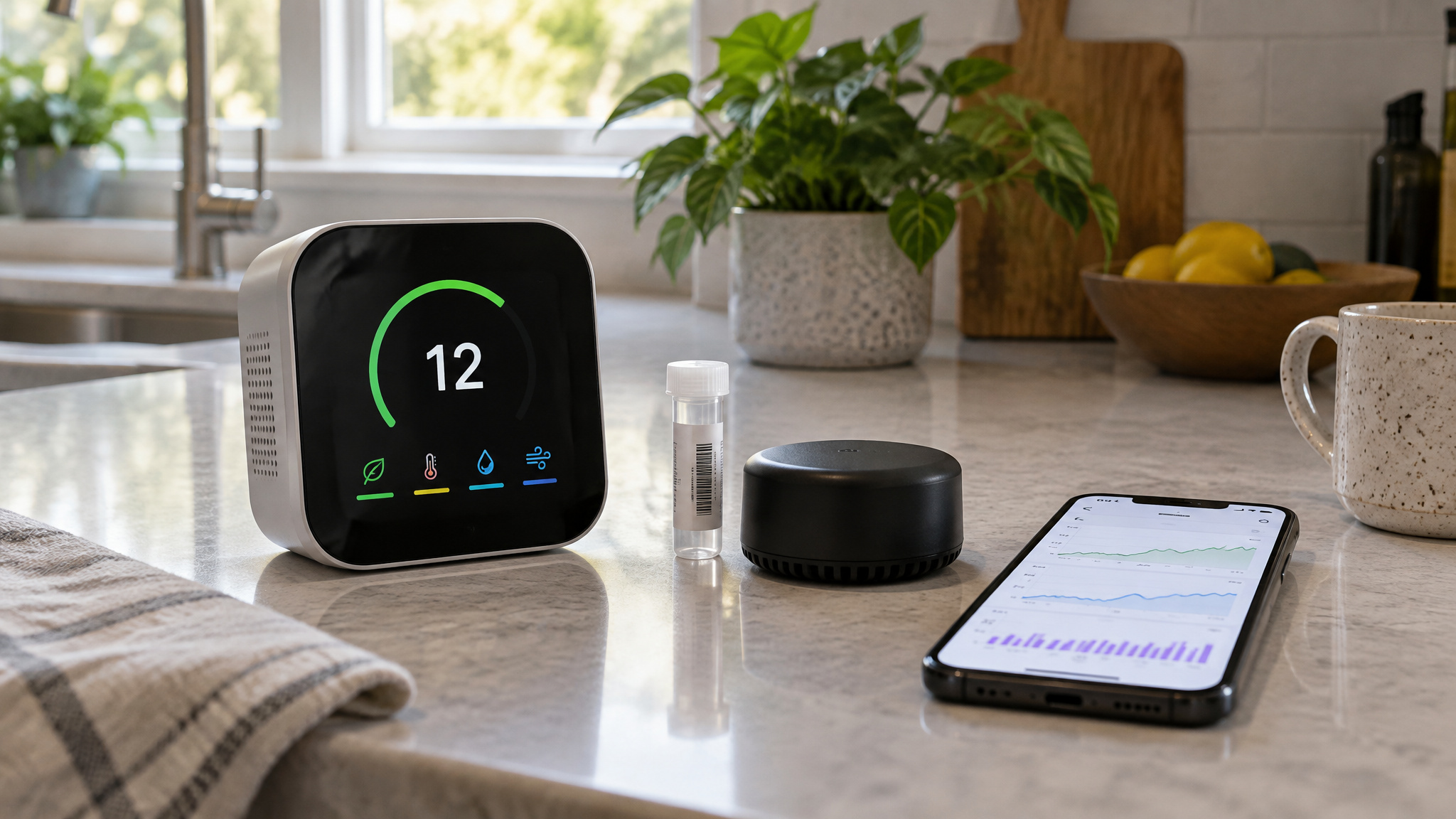
Yes, you should test your home for both radon and carbon monoxide, because radon is a colorless, odorless radioactive gas that causes lung cancer, second only to smoking, and the EPA estimates up to six million U.S. homes have elevated levels that only a test can detect. Before you shop for filtration hardware, run a three-step check: order an inexpensive short-term radon kit (which takes two to 90 days and tells you if you need a pro-installed mitigation system), install a certified carbon monoxide alarm in the hallways near your bedrooms, and pair them with an app-connected air quality monitor to track daily pollutant spikes in real time.
| Testing device | Target hazard | Detection window | Actionable fix when readings spike |
|---|---|---|---|
| Short-term radon test kit | Colorless, odorless radioactive ground gas | 2 to 90 days | Hire a certified pro to install a radon mitigation system |
| Certified CO alarm | Lethal combustion gas from appliances or garages | Continuous real-time alarm | Vent and service fuel appliances, clean chimneys, never idle cars inside |
| Real-time air quality monitor | Daily CO2, NO2, and particulate trends | Continuous real-time app tracking | Run outdoor-venting exhaust fans and crack windows 3 inches |
Radon: the 1988 warning people still ignore
Radon is a naturally occurring radioactive gas that seeps up from the ground. You can’t see or smell it, and it is the second-leading cause of lung cancer behind smoking. Both the EPA and the Office of the Surgeon General have recommended testing every home for radon since 1988. Buy a short-term test kit online or at a hardware store, leave it in place for 2 to 90 days, and mail it to the lab. If your house is one of the six million with high numbers, a certified contractor can install a radon mitigation system to vent the gas safely outside.
Carbon monoxide: bedrooms and attached garages
Put at least one certified carbon monoxide alarm in the hallway outside your bedrooms. An alarm is your last line of defense, so prevent the gas from building up in the first place: have your furnace, water heater, and fireplaces inspected regularly, keep chimneys clean, and never run a charcoal grill, camp stove, or generator inside the house or garage.
Real-time air quality monitors
A countertop air quality monitor works like an indoor version of the outdoor AQI, feeding real-time readings and trend graphs to a smartphone app so you can spot your house’s exact triggers. Heins used hers to prove that her gas stove was spiking both CO2 and NO2, and watching the numbers drop in real time confirmed that running the hood fan and cracking a window three inches actually solved the problem.
Air purifiers and HVAC filters: size before you buy
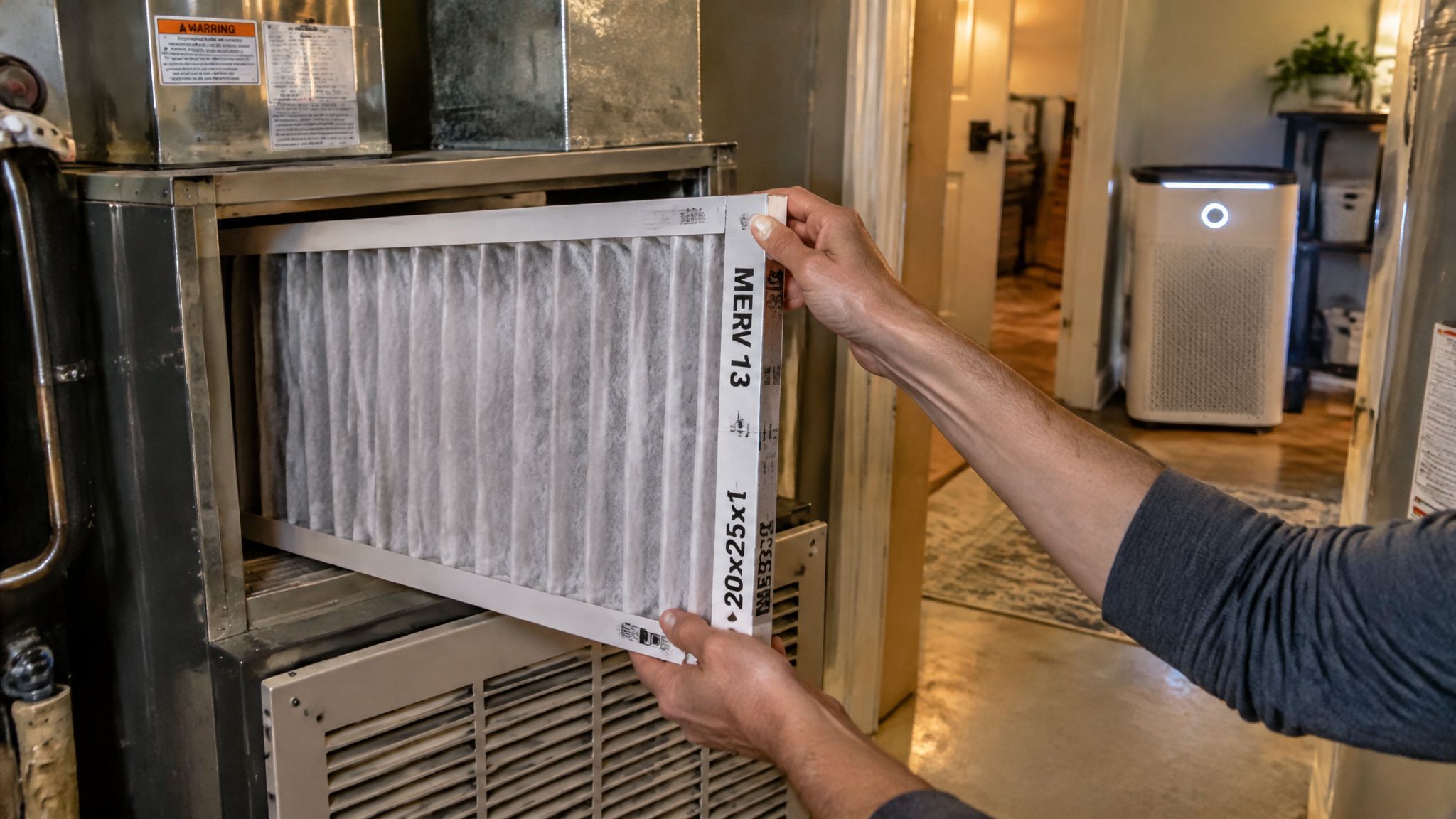
A HEPA air purifier is worth buying when you size it to the room, delivering a modest health boost for healthy adults and a major improvement for anyone with chronic lung disease or severe allergies. Upgrading your central furnace to a MERV-13 filter and putting a properly sized portable HEPA air purifier for home use in your main rooms traps fine airborne particulates, a distinction Harvard’s Joseph Allen emphasizes when recommending both MERV-13 HVAC filters and portable HEPA units.
Sizing a purifier to the room
Most guys buy whatever air purifier is on sale, stick it in the corner on low so they don’t hear the fan, and assume the whole downstairs is covered. Before you buy, run your room dimensions through the Harvard Healthy Buildings program’s free Portable Air Cleaner Sizing Tool, or use their free Do-It-Yourself Portable Air Cleaners guide to build a box-fan filter setup for cheap. If kitchen smells or chemical VOCs are your main headache, pick a HEPA unit that includes an activated carbon filter, since HEPA mesh only catches particles.
MERV-13 HVAC filters and UV duct lights
Swap standard fiberglass furnace screens for a MERV-13 filter. Energy Star recommends checking your filter monthly during heavy-use heating and cooling seasons and changing it at least every three months; a clogged filter wastes energy, and a damp, dirty one can grow mold and bacteria and blow spores through the house. Heins runs her central HVAC fan continuously with a MERV-13 filter and swaps it the day it stops looking white. COIT also states that installing ultraviolet (UV) lights inside ductwork kills mold, bacteria, and microbes on HVAC coils to cut maintenance and energy use, though that claim comes from a commercial service provider.
Paid services, renters, and what not to buy
Improving home air quality without an air purifier comes down to source control, moisture management, and scheduled cleaning that stops pollutants before they float. Renters and homeowners on a tight budget can get healthy indoor air without touching the ductwork or buying a machine by combining weekly HEPA vacuuming, damp microfiber dusting, 30% to 50% humidity control, and conditional ventilation, proving you can purify a room’s air naturally through daily habits long before you pay for a service truck.
- Vacuum and damp-dust weekly: Use a HEPA-filter vacuum once or twice a week, mop hard floors, and wipe blinds, ceiling fans, and baseboards with a damp microfiber cloth and low-toxicity cleaner.
- Ventilate on a schedule: Run kitchen and bath exhaust fans, and open windows for 10 minutes a few times a day when outdoor AQI and pollen counts are clean.
- Control moisture and chemicals: Keep indoor humidity between 30% and 50%, buy low-VOC paints and cleaners, skip fragrances, and never burn candles, incense, or tobacco indoors.
The renter and budget-friendly upgrade path
If you rent an apartment and can’t install an HRV or rip out carpet, those free habits plus a portable bedroom purifier and dust-mite bed covers do the heavy lifting. Even Heins built her clean-air house gradually over 15+ years as her family’s budget allowed, starting with free trigger cuts before eventually tearing out wall-to-wall carpet for hardwood floors and swapping fabric couches for leather and faux leather. And skip the “air purifying indoor plants” trend: none of the respiratory or building-health evidence here supports houseplants as a real fix.
Is professional air duct cleaning worth the cost?
Ductwork collects dust, pollen, pet dander, mold spores, bacteria, and mildew. COIT recommends paying for professional air duct cleaning every two to three years to restore HVAC efficiency, lower utility bills, and clear persistent odors, fast-re-dusting surfaces, or worsening indoor allergies. Keep in mind that COIT sells duct, carpet, upholstery, and tile cleaning (backed by a free written in-home estimate and a 100% satisfaction guarantee). If you do hire a crew, verify their technicians are trained to National Air Duct Cleaners Association (NADCA) standards.
Free planning tools
Instead of guessing what to fix next, grab the American Lung Association’s free, customizable Indoor Air Quality Action Plan and low-cost pollutant guide at Lung.org/Healthy-home.
Frequently Asked Questions
How to improve air quality in bedroom?
Lock down your bedding first, since you spend a third of your life breathing two inches above your mattress. Zip your mattress, box spring, and pillows into allergen-proof dust-mite covers, wash all sheets and blankets weekly in water at least 120 degrees F, and keep pets strictly off the bed with the bedroom door shut. If your budget allows for one portable HEPA purifier, put it right next to the bed so it captures floating dander, pollen, and dust across an eight-hour night.
How to improve indoor air quality in winter?
When cold weather keeps your windows sealed tight, rely on mechanical exhaust and strict furnace filter upkeep. Check your central HVAC filter monthly during heavy heating months, change it at least every three months, and always run kitchen and bathroom exhaust fans that vent directly outdoors to clear cooking fumes and shower steam. For whole-house fresh air without losing indoor heat, you can also install a heat recovery ventilator (HRV).
How to improve air quality in apartment?
When you rent and cannot touch the ductwork or rip out wall-to-wall carpet, lean on portable gear and daily source control. Encase your mattress and pillows in dust-mite covers, run a room-sized HEPA purifier where you sleep, and vacuum carpets once or twice a week with a HEPA-filter machine. You can also cut chemical and combustion triggers for free by ditching fragranced cleaners and plug-ins, mopping hard floors, and cracking a window while cooking.
Is a HEPA air purifier worth it for allergies and asthma?
Yes, a portable HEPA unit delivers a major benefit for anyone dealing with severe allergies or chronic lung conditions, alongside a modest boost for healthy adults. The catch is that you have to size the machine to your specific room dimensions—using a guide like the Harvard Healthy Buildings program’s free Portable Air Cleaner Sizing Tool—rather than sticking a tiny discount unit in the corner on low. Note that HEPA mesh only traps particles, so you will need a model with an activated carbon filter if chemical VOCs or kitchen odors trigger your symptoms.
How to purify room air naturally?
Skip the trendy houseplants, which do nothing meaningful for respiratory health, and rely on physical source control, moisture balance, and scheduled ventilation instead. Keep indoor humidity between 30% and 50% to stop mold and dust mites from multiplying, wipe surfaces with damp microfiber cloths rather than dry dusters, and air out rooms for 10 minutes when outdoor pollen and smoke levels are low. Cutting out scented products, tobacco, candles, and high-VOC cleaners keeps the air clean without buying a single piece of hardware.