The Best Home Improvements for Comfort, and the Ones That Pay You Back
Here’s what nobody tells you about making your house more comfortable to live in: it’s the boring projects that do it.
Not the kitchen gut. Not the bonus room with the custom bar. Attic insulation. Air sealing.
A garage door that opens without a fight. A front door that doesn’t drag cold air in every time the temperature drops.
And here’s the kicker, the boring projects are also the ones that pay.
Take the garage door. It’s the highest-return improvement in the Cost vs. Value report, the annual survey that tracks what renovations actually add to resale value. Average installed cost: about $4,317. Average value added at resale: about $15,081.
That’s a 349% return, the best number in the entire report. And it’s the door you open twice a day.
Meanwhile, American homeowners are on pace to spend $518 billion on renovations by the end of 2026, according to Harvard’s Joint Center for Housing Studies. A lot of it goes into the kitchen, the full gut, the one everyone assumes is the safe bet. A major kitchen remodel recoups about 51% of its cost. Barely half.
You don’t remodel your way to a comfortable house. You fix what annoys you weekly, and you spend money where it comes back. This is that list.
Key Takeaways
A $4,317 garage door replacement returns about $15,081 at resale, 349%, the highest-return project in the Cost vs. Value report.
A minor kitchen remodel recoups about 113%; a full kitchen gut recoups about 51%. Refresh beats gut.
Air sealing runs $500 to $1,000 and cuts heating and cooling costs by 15 to 20%. Best comfort-per-dollar on this list.
Hardwood refinishing averages $1,891 and returns about 147%. You already own the floor; you’re just paying for the labor.
Buyers decide within seconds whether a house reads as “maintained.” Take the $250 weekend seriously.
Table of Contents
Start Outside, the Stuff You Touch Twice a Day
You buy from the outside. So does everyone else. The rule for exterior work: anything at the front or back that you operate, or that protects the structure, comes first.
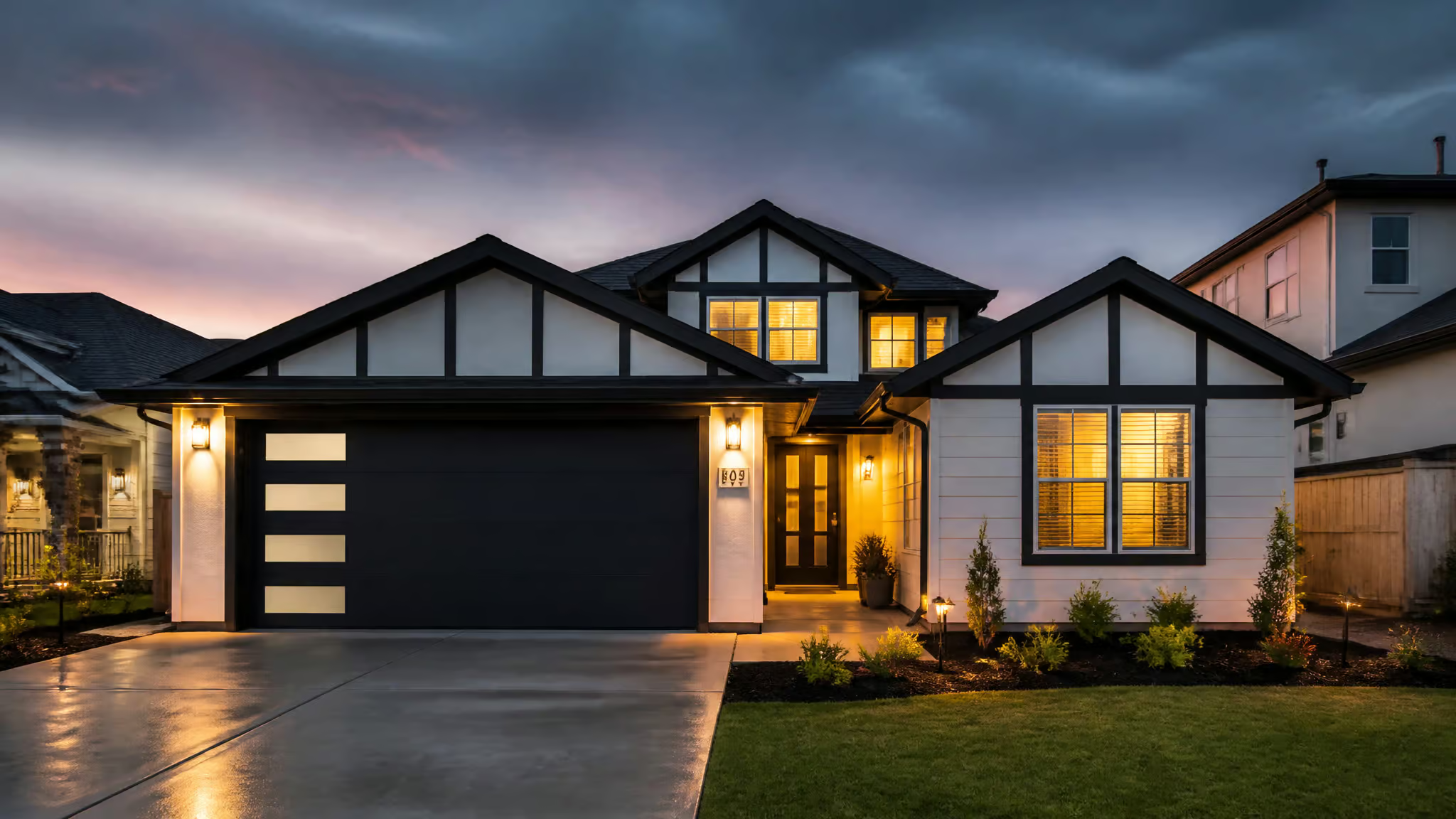
The garage door is the headline. $4,317 installed, $15,081 back, a 349% return. Buyers test the door when they come to look. A new one opens quiet and even; an old one rattles and sticks, and that reads as “what else does this guy not keep up with?” A mid-range door with a solid opener kills both problems the same week.
Steel entry doors are the other one buyers touch. They’re consistently among the highest-return exterior projects in the report, not garage-door territory, but close. And they fix something practical: an old wood door with cracked paint at the bottom lets a draft in all winter. A steel door swings level, closes tight, holds paint, and reads as “maintained” from the street.
Siding, if it’s at end of life, pays back most of itself. Vinyl runs about 94.7% back at resale; fiber cement about 88.5%, and it’s the one that holds paint and stands up to weather without rotting. If the wood siding is peeling every spring, that’s the tell, you’re not painting your way out of it.
Windows are the honest one. They’re a comfort project, not a numbers game. New windows kill drafts, cut street noise, and make the house feel tighter, and you do them because you live there, not because you’re running the math. Nobody ever finished new windows and regretted the winter that followed.
The Kitchen Rule: Refresh, Don’t Gut
If there’s one number to remember before you remodel anything, it’s this: a minor kitchen remodel recoups about 113% of its cost. A major kitchen gut recoups about 51%. Same room. Different math.
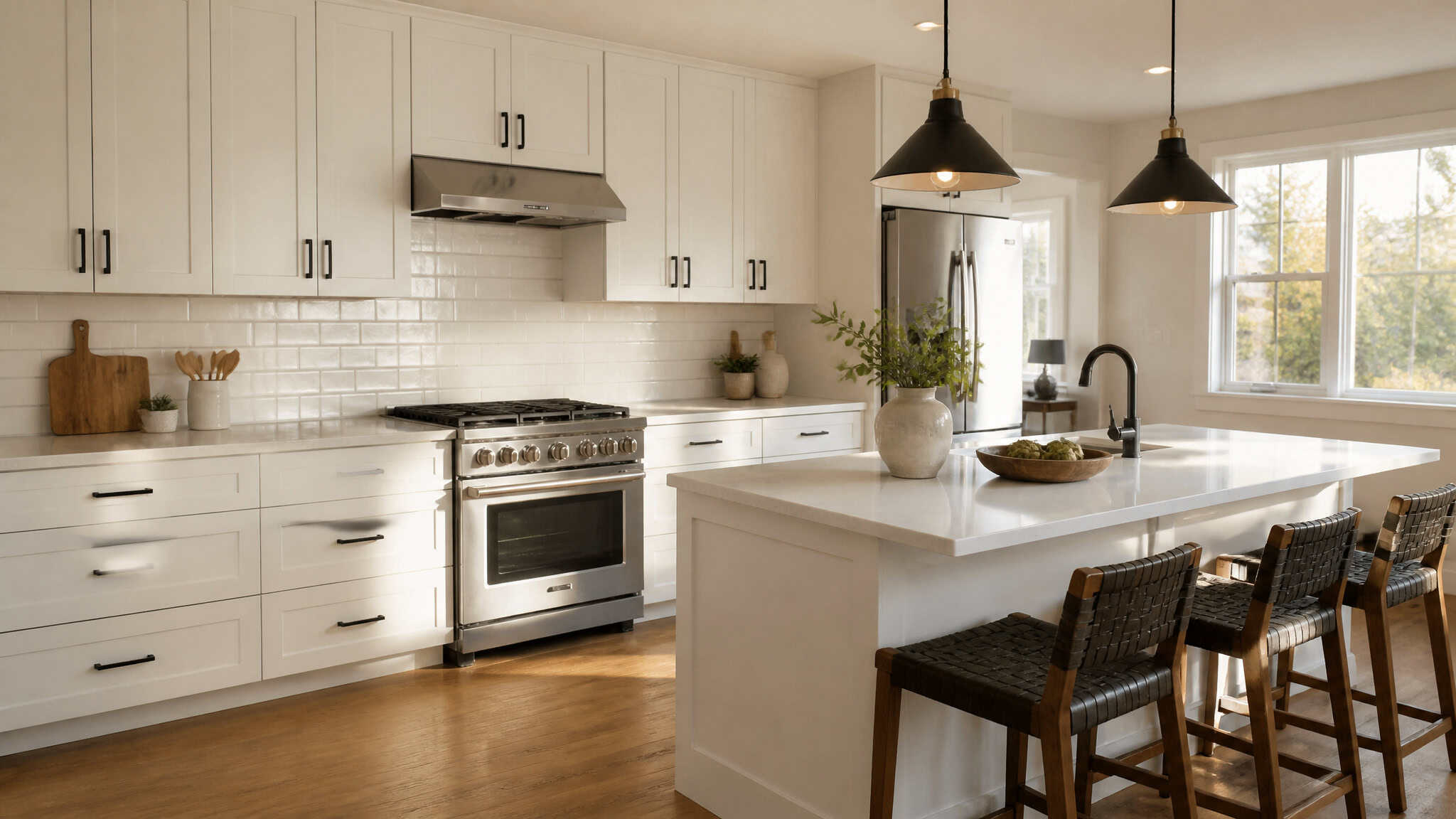
The $50,000 gut, new cabinets everywhere, island, restaurant-grade range, pays back half. The refresh, new hardware, painted cabinets, a tile backsplash, better lighting, maybe a new countertop on the same boxes, costs a fraction of it and returns more.
That’s before you consider the part that actually matters: you cook in it. Drawers that close properly, a backsplash you can wipe down, light you can see the pan with. A tile backsplash runs about $3,250 on average. That’s the whole project, and it fixes the room.
Color moves the needle more than people think. Zillow’s research found an olive green kitchen sold for about $1,600 more than comparable kitchens in more common colors. That’s a gallon of paint and a weekend, on the right house.
The bathroom is the same story with smaller numbers. The midrange remodel, new vanity, toilet, tile, fixtures, is one of the projects that consistently pays, and it pays better the more the original bathroom was ignored. The upscale bathroom, the one with the soaking tub and the rain shower head, recoups about 42%. At that point you’re building for the listing photos, not for the house.
Do the weekend version instead: a new vanity and faucet runs about $500 to $1,500, and low-flow fixtures run $200 to $500 each, they cut water use 20% to 60%, and they’re the kind of “efficiency” detail buyers actually notice now. About 61% of buyers list energy efficiency as a priority, so it’s smart to steer clear of the worst ROI home improvements like luxury pools and over-personalized spaces that drain value instead of adding it.
The rule across both rooms: match the neighborhood, not the magazine. The biggest ROI killer in renovations is overbuilding, putting a $120,000 kitchen into a $250,000 house. The neighborhood sets the ceiling, and if you want to know exactly which projects pay off best without overshooting it, check our ranked breakdown of the top upgrades to increase home value right here.
The Comfort Money: Air, Heat, and That Thermostat
If your budget is a thousand dollars and you want the biggest difference in how the house feels, it’s not in any of the aesthetics. It’s air sealing and attic insulation.
Air sealing is exactly what it sounds like: you find where the house is leaking, near pipes, recessed lights, the attic hatch with the gap you can feel from the hallway, and you plug it. It runs about $500 to $1,000 done properly, and it consistently cuts heating and cooling costs by 15 to 20%. That’s the average, and it’s the best comfort-per-dollar project on this list.
Attic insulation is the partner. If the attic has a few inches of tired pink fiberglass or nothing at all, you’re heating the sky. Proper insulation recovers about 100% of its cost at resale, one of the few improvements in the report that covers itself, and it makes the house quieter and the temperature even within the same week. It’s the rare project that pays you back immediately and eventually.
If the house handles all that and still has a furnace older than your kid, the conversation moves to the mechanicals. Switching from a gas furnace to an electric heat pump averages about 103.5% return in the Cost vs. Value report. And the Inflation Reduction Act has money on the table for it, amounts vary by state and income level, so it’s worth checking before you get quotes.
The thermostat is the canary. A smart thermostat is the cheap version: it fixes the house is freezing when I get home and overheated when I leave problem, and it’s the smart-home feature buyers now expect. Walk in the door to a house that’s already the right temperature every evening of the winter. That’s the whole pitch.
The luxury end: heated floors. They run about $8 to $15 a square foot installed, and Zillow found listings that mention heated floors get 2% more saves and 3% more shares. Which tells you the real answer: you install heated floors because walking into a warm bathroom at 6 a.m. is a gift to yourself. The extra eyes on the listing are just the bonus.
Curb Appeal: The $250 Weekend, and the Ones That Read From the Street
Buyers decide within seconds whether a house feels like someone takes care of it. Most of those seconds happen while the agent fumbles with the lockbox, which means the outside is doing the talking.
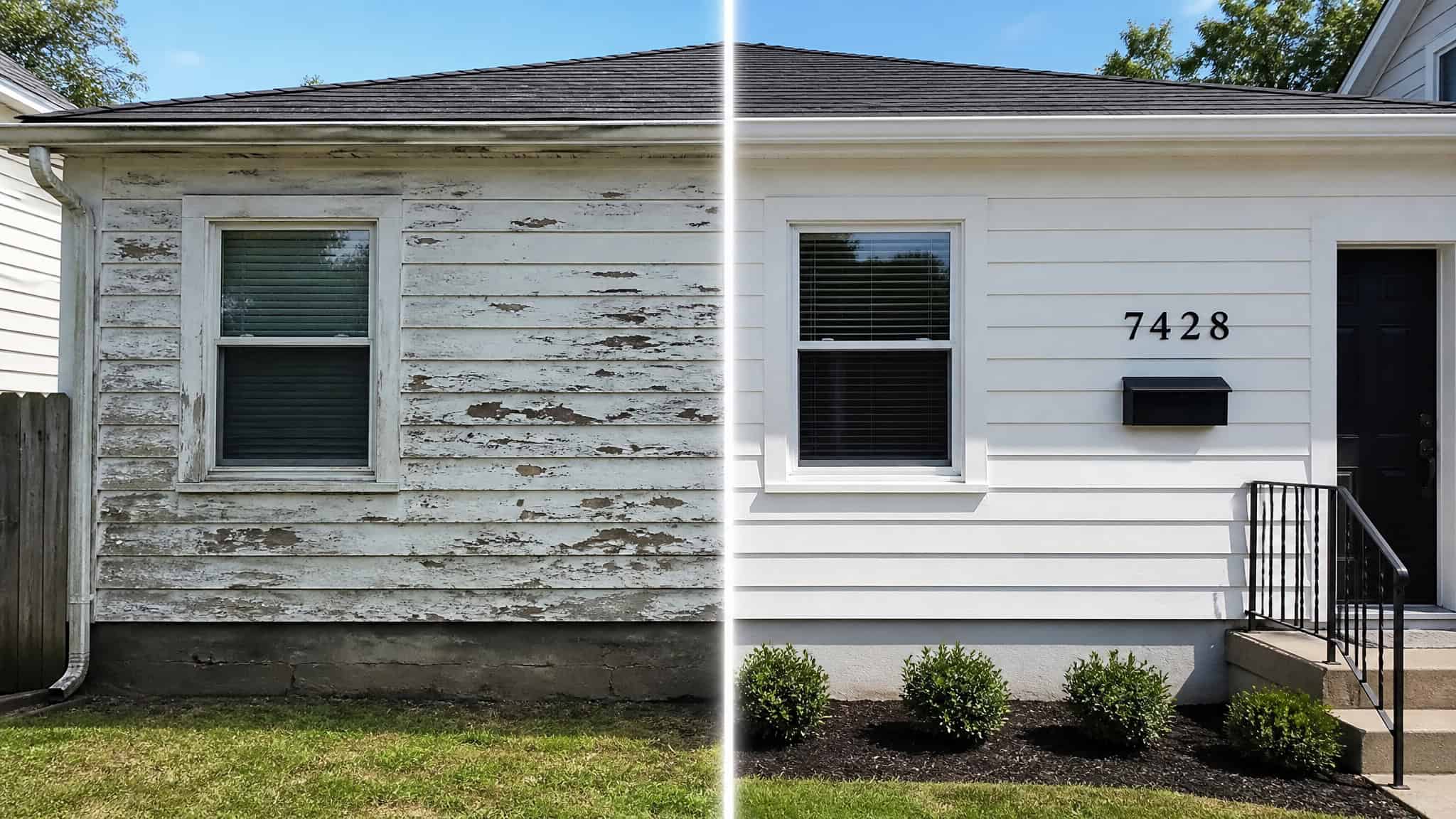
Start with the cheapest project on this entire list: the pressure wash. A proper one runs $241 to $418, or the rental at the hardware store if you want to do it yourself. Driveway, the siding where the south sun hits it, the front walk. A $250 wash day makes a 20-year-old house read as “cared for.”
The front door is the handshake. New hardware that lines up, a door that swings level, maybe a fresh coat on the trim. You can spend a little or a lot here, but it reads instantly.
Then the details people actually notice subconsciously. A new mailbox is $35. A Craftsman-style one that matches the house is about $69. House numbers in matching finish run about $3 per digit. That’s the cheapest emotional reset on the whole street.
A concrete parking pad runs about $1,200, and it does two things: it stops the lawn from becoming a mud pit where people park every day, and it tells buyers that parking was actually thought about. In older neighborhoods where street parking is a fight, that’s a closer.
If the front of the house is flat and boring, bare foundation slab staring at the street, manufactured stone veneer is the rare finish that returns more than it costs: about $10,925 average install, about $11,177 average back. It’s the cheapest way to make the front look like it wasn’t built in a hurry.
And the back gets the other half. Builders now put porches on 68% of new homes and patios on 64%, so buyers expect outdoor living space. A fire pit is one of the most-requested backyard features and the cheapest one, a couple hundred and a Saturday, and it extends the usable season by two months. That’s worth more than most landscaping you’ll pay for, especially when you consider must-have home features like these.
If you want the full playbook on the listing side, how the value gets assigned, what photos actually do, where the saves and shares come from, we’ve got that covered here.
Floors: Refinish What You Have Before You Replace It
If your floors are hardwood living under 15 years of “we’ll deal with it later,” the best money in the house might be a refinish. Average cost: about $1,891. Average return: 147%. One of the best numbers in the entire report, and it’s the same floor you already own. You’re not buying material; you’re paying for labor and a weekend of the house smelling like fresh finish.
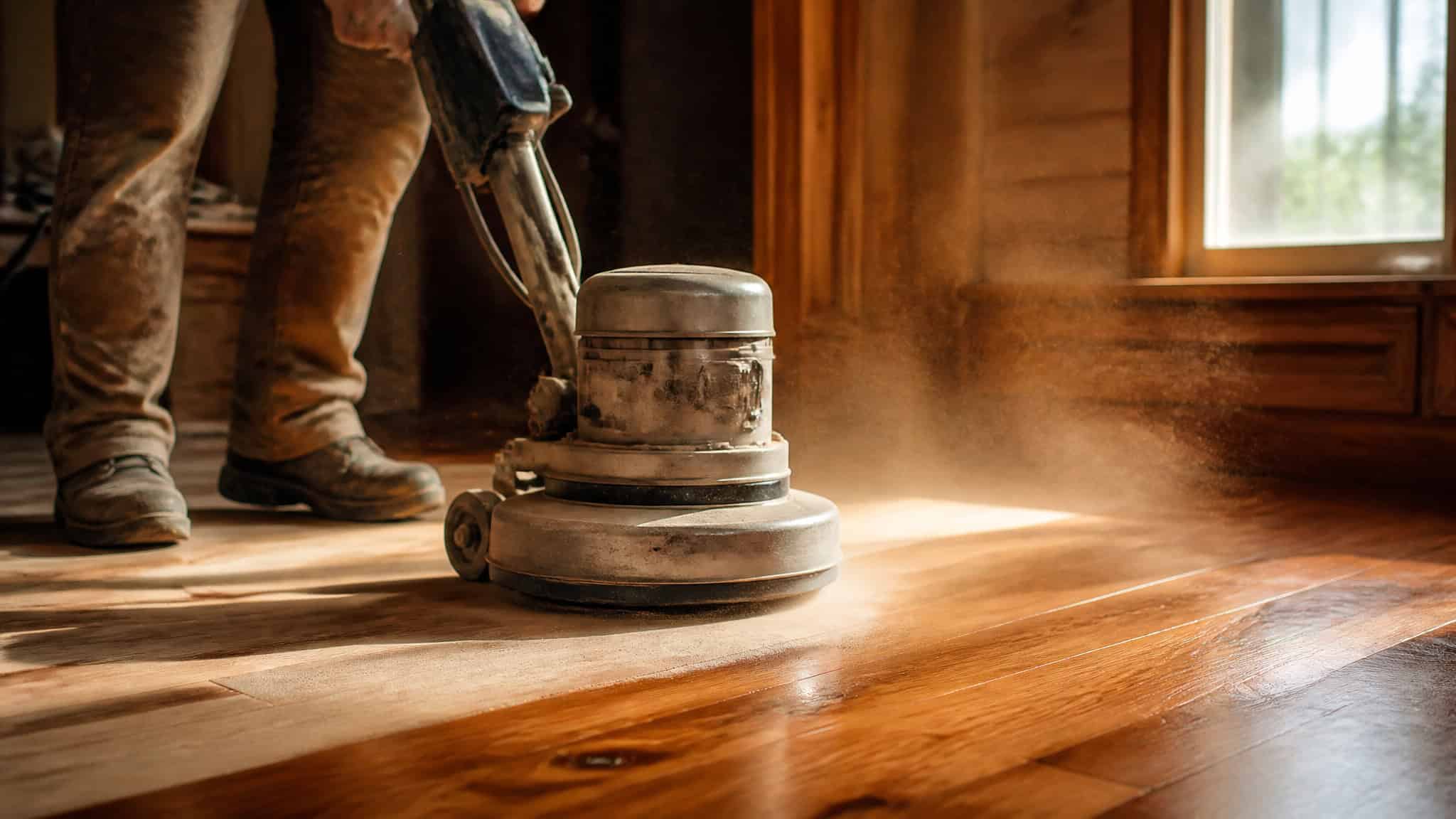
If the floors are genuinely beyond saving, new hardwood still averages about 118% back at resale, one of the few replacement projects that covers itself.
Carpet is the opposite. If the carpet is stained but structurally fine, spend $150 on a machine from the hardware store and a Saturday before you spend $8,000 ripping it out. A deep clean fixes 90% of what’s bothering you about the carpet, and you can make the replacement decision next year when it’s not the week before you list.
And for the spaces you’d never put real wood anyway, basements, laundry rooms, the room where the dog lives, luxury vinyl plank costs a fraction of hardwood and survives everything. It’s not the investment piece; it’s the product for places where you don’t want to cry about water.
The Rooms That Pay: Basement, a Real Office, and the ADU if It’s Allowed
The basement. If it’s a storage room you walk through to get to the washer, finishing it is the biggest single-room project you can do. It typically runs $30,000 to $50,000 depending on size, and it recoups roughly 70% to 86% depending on the market. Those are the numbers. What you’re actually buying is a rainy-Saturday room instead of a creepy storage room with a ceiling you hit your head on.
One hard rule: if any part of the finished basement becomes a bedroom, it needs a proper egress window that’s up to code. The market will check.
The office. Roughly a quarter of the workforce now works from home at least part of the week. That’s why a room with a door and a real desk has quietly become a fixture on buyer checklists. You don’t need a custom build, a proper bonus room conversion runs in the tens of thousands and recovers about 70% on average, but if there’s a room currently functioning as the room with the exercise equipment and the boxes, converting it into a workspace that looks intentional pays off daily, and it shows up at resale.
The ADU. The next level is an accessory dwelling unit, a finished garage apartment or a standalone unit in the yard. That’s $50,000 on the cheap end and up to $150,000 built from scratch. Two caveats. First: it only counts if your zoning actually allows it, check that before you draw anything.
Second: it pays its way by being rentable, not just by adding square footage. If you live somewhere you could actually rent it out, it’s one of the few projects that generates income while you live there. If it would sit empty, skip it.
The Money Pits: What Not to Do
The average homeowner recovers about 63% of what they spend on renovations. Some projects beat that by a mile. A few should come with a warning sticker.
The pool. The classic. It costs real money, recoups a fraction of it, and hands the next owner an insurance rider and a maintenance schedule they didn’t ask for. If you swim every day, it’s worth it as a lifestyle purchase, just don’t tell yourself it’s an investment.
The full kitchen gut. See above: about 51%.
The upscale bathroom. About 42%.
Over-personalized anything. A wine wall in a 1,300-square-foot ranch is a real thing people build, and it reads to the next buyer as somebody else’s dream I’m going to have to undo. The market pays for what the neighborhood expects, not what you love.
The garage conversion. Converting the garage into living space kills the thing that made the house work for the next buyer: parking and storage. Only do it if you have off-street parking elsewhere and the house is desperate for living space. Otherwise, leave the garage alone.
We went through the full list of the improvements that lose the most money here, if you want the all-time rankings.
Where to Start: The Actual Order
Zillow found that 72% of sellers did at least one improvement before listing. The ones who are happiest with the outcome are the ones who did the boring projects first, in this order.
This weekend, under $500. Pressure wash the whole exterior, swap in a new mailbox and house numbers, and set up a smart thermostat.
A deep clean on the carpet. New hardware on the kitchen cabinets. That’s the $250 weekend, and it changes more than you’d think.
Within the year, $500 to $5,000. Air sealing, attic insulation, and low-flow fixtures everywhere.
Refinish the hardwood if it’s wood. The garage door. A steel entry door. These are the projects that show up in the monthly utility bills and in how the house feels in February.
When the budget allows. Do the kitchen refresh, not the gut, plus the midrange bathroom and a proper deck or patio. The basement finish if it makes sense for the neighborhood.
When it’s time. The heat pump, which is a “when the furnace dies” decision, and the numbers say it’s the right one.
The rule that runs through the whole list is the same one the garage door taught us: fix what bothers you weekly, and choose improvements that read as “maintained” to the market. You live in the house before you sell it. The comfortable house, the one with no drafts, no rattling door, floors you don’t apologize for, is the same house that outperforms its neighborhood when the sign goes up. That’s not a coincidence. That’s the whole thesis.
People Also Ask
What are the most worthwhile home improvements to make?
The most worthwhile improvements are the boring ones: air sealing, attic insulation, a new garage door, and refinishing existing hardwood floors. These projects deliver the best comfort-per-dollar and some of the highest returns at resale, often outperforming flashy remodels like kitchen guts or luxury bathrooms.
What is the difference between a minor and major kitchen remodel?
A minor kitchen remodel—new hardware, painted cabinets, a tile backsplash, and better lighting—recoups about 113% of its cost. A major gut, with new cabinets, an island, and high-end appliances, recoups only about 51%. The minor refresh costs a fraction and returns more, plus it actually improves your daily cooking experience.
How much does air sealing cost and what does it save?
Air sealing typically costs $500 to $1,000 when done properly. It consistently cuts heating and cooling costs by 15 to 20%, making it the best comfort-per-dollar project on the list. It plugs leaks around pipes, recessed lights, and the attic hatch, making the house feel tighter and more comfortable immediately.