
The data backs it up — 83% of people spend no time relaxing during their day. That’s not a badge of honor. That’s a problem.
George Eastman, the Kodak founder, put it better than I ever could: “What we do in our working hours determines what we have; what we do in our leisure hours determines what we are.”
You feel guilty when you’re not “producing,” so you default to passive scrolling — which doesn’t restore you and doesn’t build anything. But the solution isn’t always to be more productive with your free time. Sometimes the fix is a nap. Sometimes it’s a yogurt party.
Here’s the simple framework: Match the activity to your energy level. If you’re drained, pick low-effort restoration. If you’re restless, pick active growth. The metric isn’t output — it’s felt restoration.
Key Takeaways
83% of people spend no time relaxing during their day, turning free time into an emergency, not a choice.
The most restorative activities match your energy level: low-friction recovery when drained, active growth when restless.
The real metric for good downtime is felt restoration, not what you produced — a poster reset in 5 minutes can beat a finished book you slogged through.
Table of Contents
When You’re Completely Drained — Low-Effort, High-Reward Activities
These require zero planning, zero gear, and zero mental effort to start. They’re not “lazy.” They’re recovery.
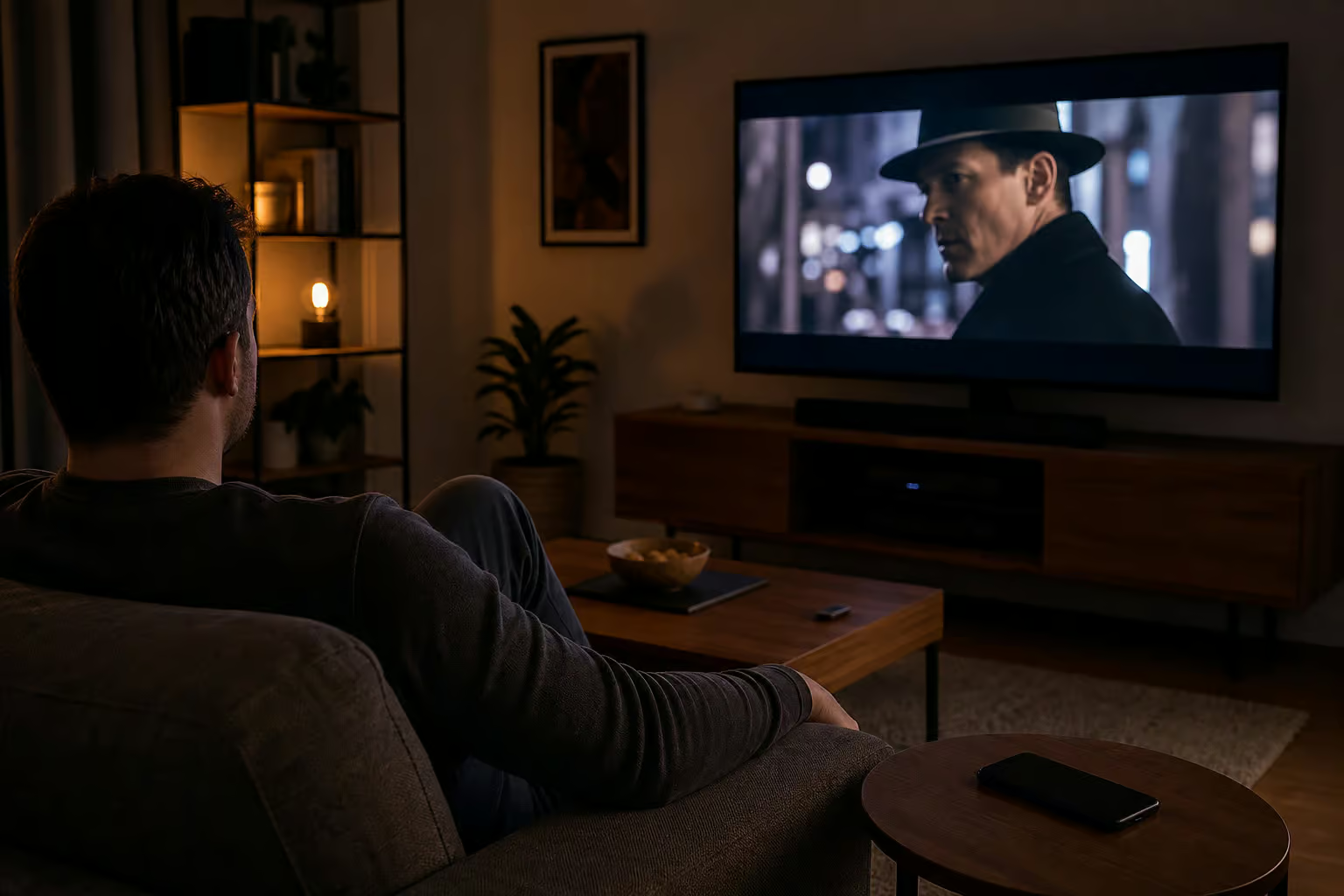
Watch movies with your phone off
Movies are the simplest thing that works. You get stress reduction, mood improvement, and your brain engages with something rather than drifting into doomscroll territory. The key caveat: phone away. Don’t be that guy. It ruins it for you and everyone else in the room.
If you want to get out, hit a local theater. You support the neighborhood and get a better experience than your couch.
Have a party for an arbitrary reason
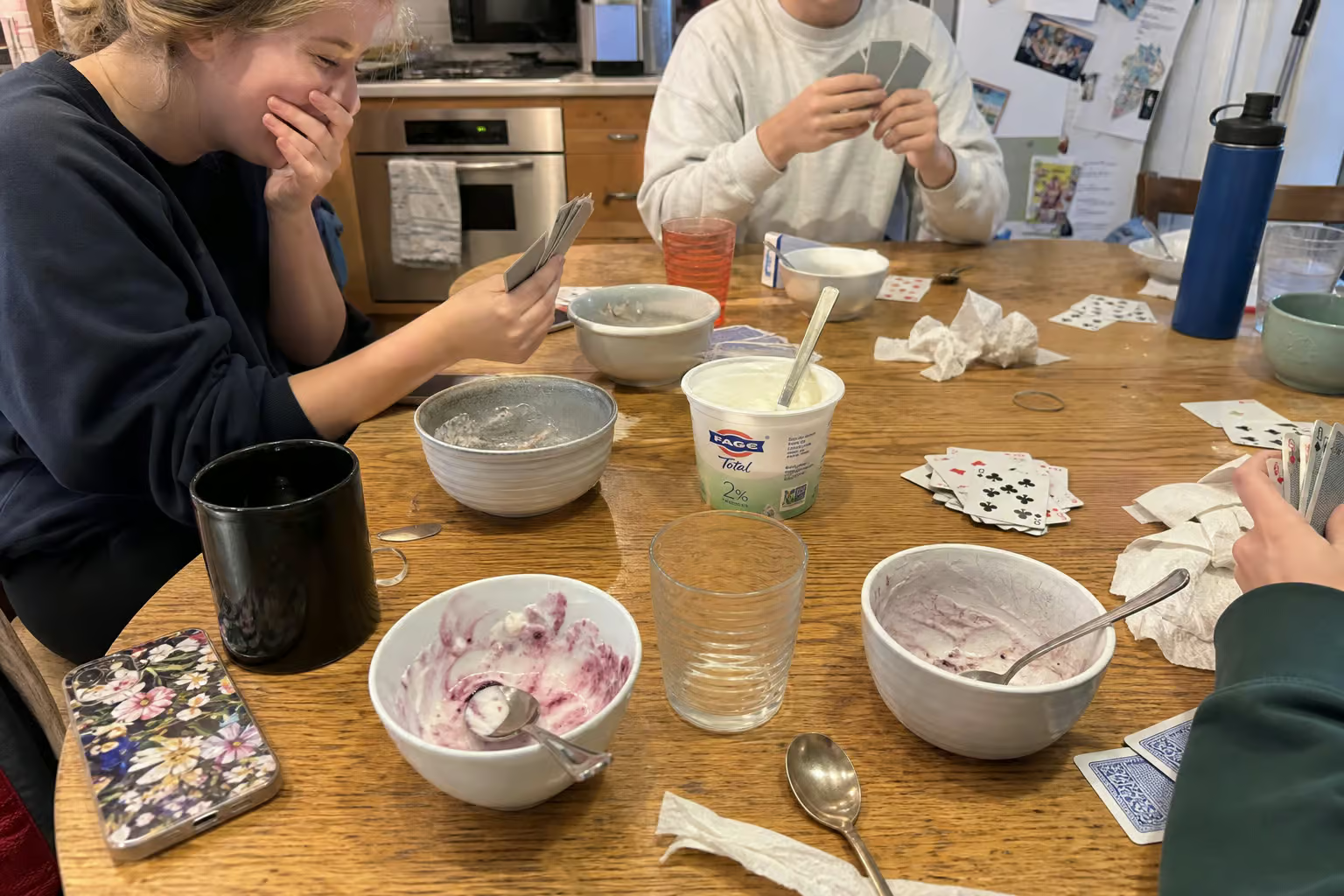
Throw a yogurt party. Yogurt bowls, the game of Spoons, zero reason required. Tuesday? Perfect.
Felt like it? Even better. That’s the point.
Not feeling social? Party for one — crank your music, eat junk food, do your thing. No shame in it.
Do crafts with what you already have
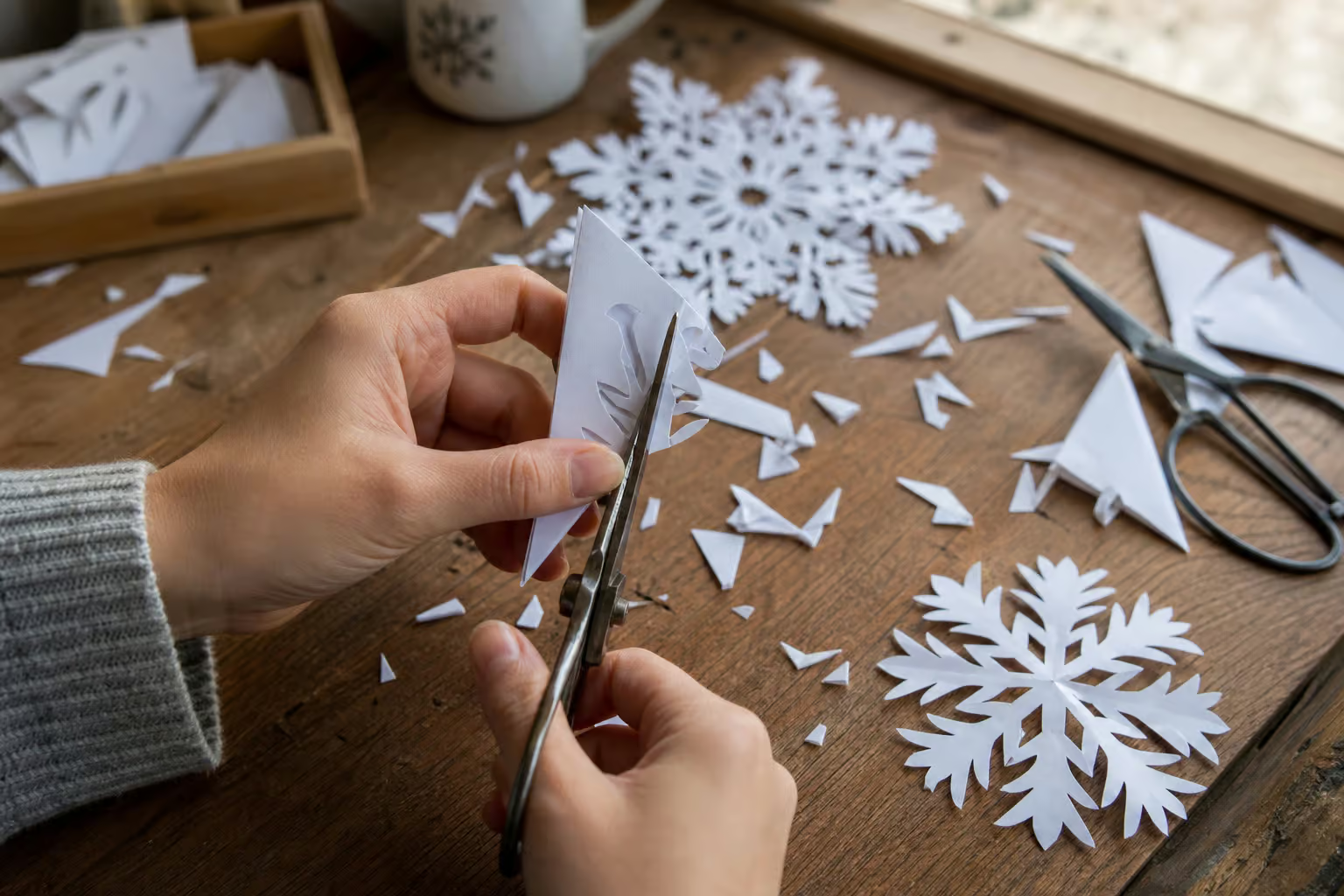
Use the boxes and paper scraps you’ve been hoarding. Paper snowflakes, homemade jewelry, handmade cards, a scrapbook. The improvisation is the point, not the materials. You don’t need new supplies. Follow a tutorial or wing it with scissors — the act of making something, even if it’s ugly, is the win.
Decorate your space for a five-minute reset
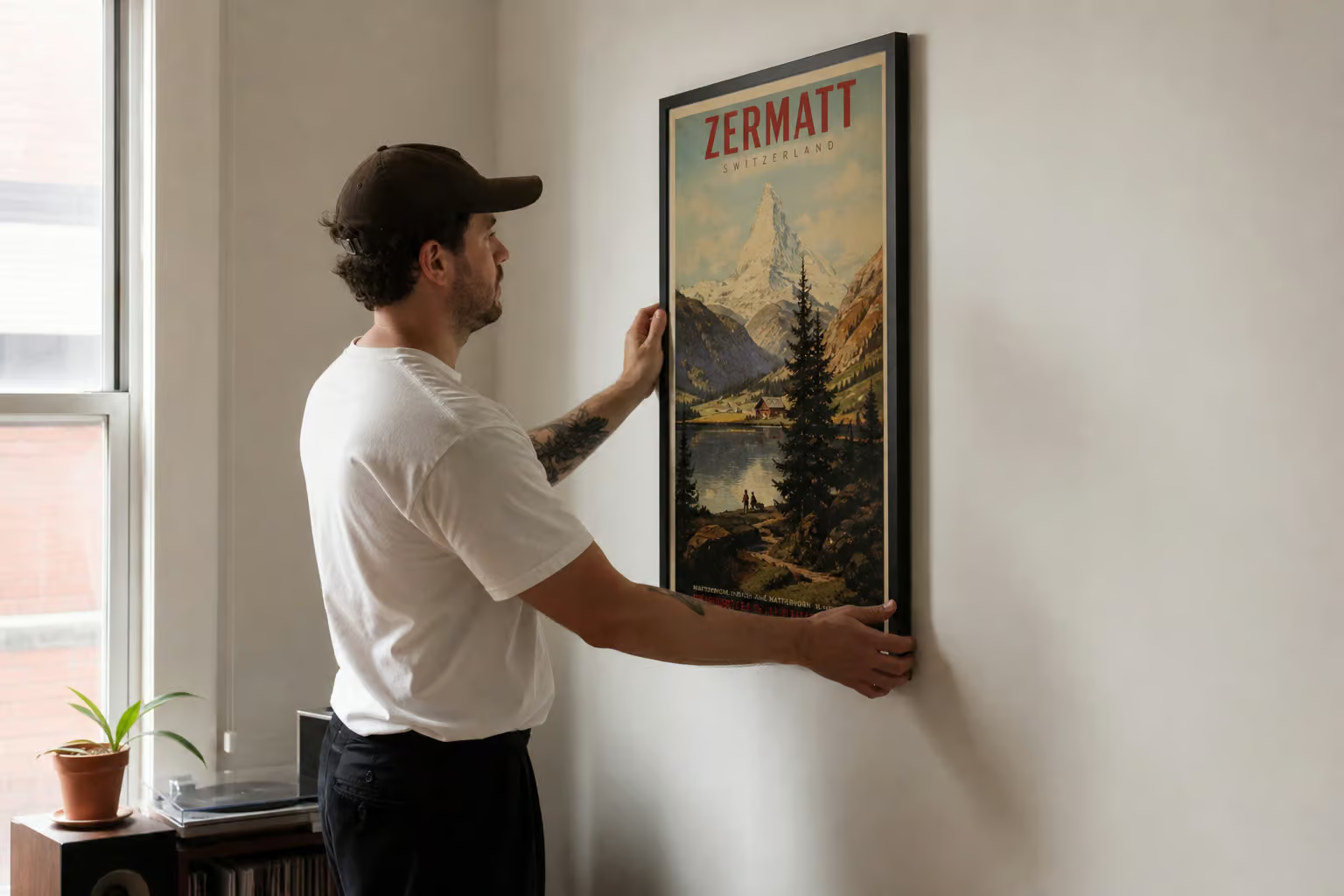
Putting up a poster takes five minutes and gives you a genuine mental reset. That’s a ridiculous return on effort. Rearrange your closet by color. Put stickers on your water bottle or laptop.
Bedazzle a speaker. Small, personal touches change how the room feels, which changes how you feel.
Read physical media
Physical books, magazines, records — they’re underrated in the digital age. The experience is different. Pair it with a hot drink and a candle if you want to make it feel intentional. Hit the library, trade books with a friend, annotate and swap. It adds a social layer to a solo activity.
Grow Without the Grind — Skill-Building That Feels Like Play
These require more energy but deliver lasting satisfaction. The difference between these and doomscrolling is intentionality.
Explore new technology
Look for gadgets and apps that simplify your life — not just cool stuff, but stuff that pulls its weight. A project management tool. Gen AI for automating tedious tasks. The right tool can save you time, protect your work, or even make you money. Frame it as “finding tools that work,” not “staying on top of trends.”
Learn new skills
Master new software, inbound marketing, photography, graphic design. It boosts your professional growth and makes you more versatile. But the main pitch isn’t career advancement — it’s becoming more interesting and more capable. The professional payoff is a side benefit.
Read or listen to podcasts
Podcasts work on your commute, during exercise, at home. You can learn something new or stay updated on industry trends without it feeling like work.
Learn a new language
Apps like Duolingo and Babbel are cheap, effective, and fit in your pocket. Fifteen minutes counts. It’s intellectually stimulating, practical for travel and business, and it’s free to start.
The Hobby You Already Love — Why Revisiting Old Interests Is the Best Use of Your Time
Here’s the insight: your most restorative hobby is probably the one you already know you love but abandoned.
Chess. Rubik’s Cube. Playing an instrument. Photography.
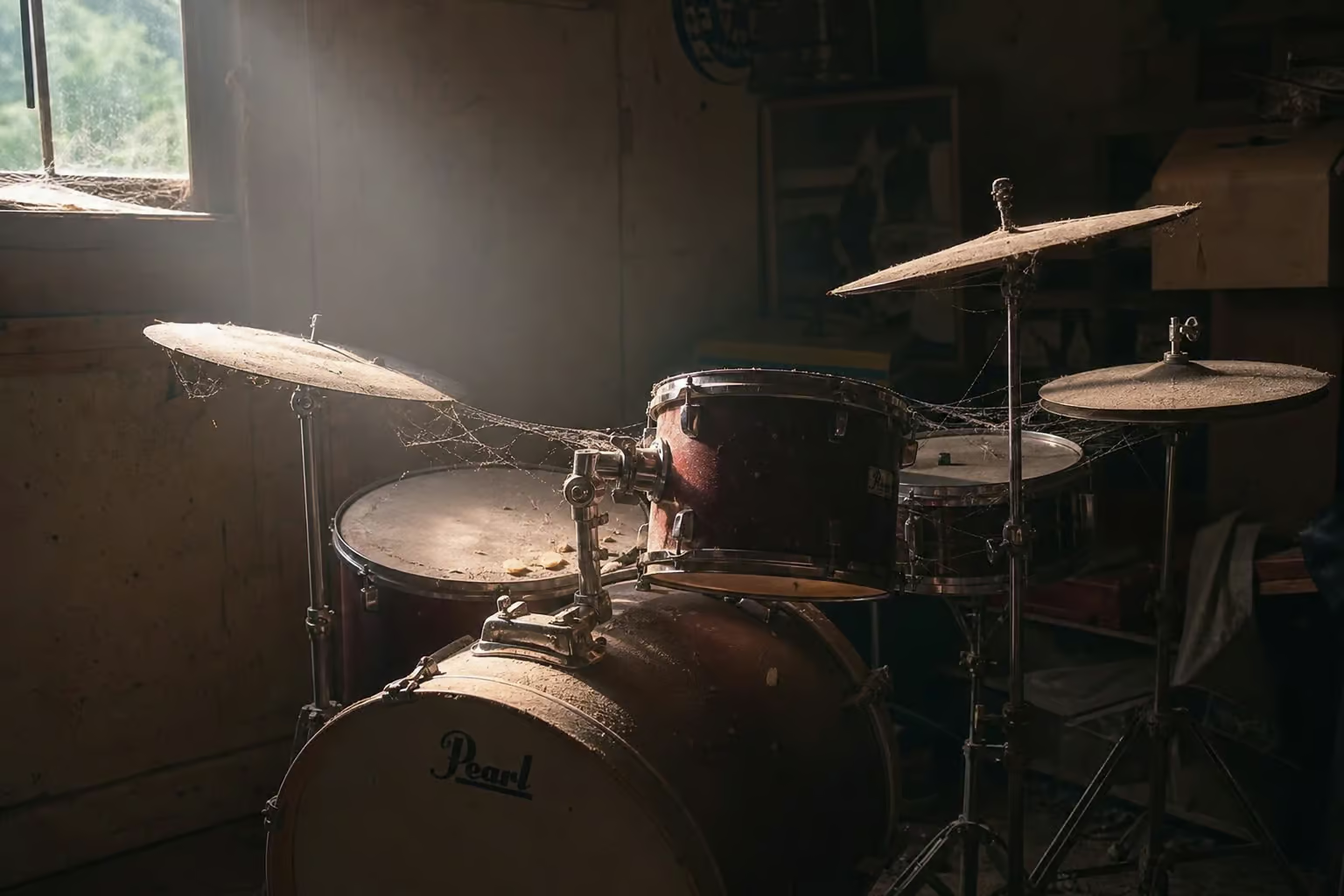
That old camera or dusty drum set — it’s still there. Use it or sell it.
The $2,000 camera sitting unused because you feel you need to “be good” before taking it out. The barrier is psychological, not material. You don’t need to be good. You need to start.
Socializing Without the Friction — Easy Ways to Connect
Connecting with others doesn’t have to mean elaborate plans or high-pressure socializing. Low-friction options let you build community without draining your energy.
Attend local events
Library events are often free. School plays or musicals (college or high school) are cheap and surprisingly good. You might see a future Broadway star. Or not. Either way, it’s a fun night out for a few bucks.

Ask people to do things
Brunch, a philosophical discussion about ethics in a fictional world, a fantasy football league, shopping for backpacks — the activity doesn’t matter as much as the company.
Use MeetUp.com and local recreation leagues
These are ready-made social activities that require zero planning from you. In Seattle, groups like the Center for Wooden Boats (sailing), Century Ballroom (dancing), Seattle Bouldering Project (indoor climbing), and Seattle Recreation Leagues offer structured, low-friction ways to meet people and do something.
Don’t isolate yourself
Even if you’re an introvert, some human contact is necessary. Prioritize talking to someone daily — FaceTime, phone calls, Marco Polo, text messages. Even five minutes counts. It doesn’t have to be a big deal. Reach out.
Move Without the Pressure — Physical Activities That Feel Like Play
This isn’t about a workout. It’s about unstructured, low-pressure movement that reduces stress and boosts creativity—and having a plan for what to do during downtime can help you make the most of those moments.
Brisk walks and light nature immersion
In Ann Arbor, parks, playgrounds, and lakes are free and open. Use them. It doesn’t have to be a hike. Get outside.
Pinecone bird feeders and outdoor crafts
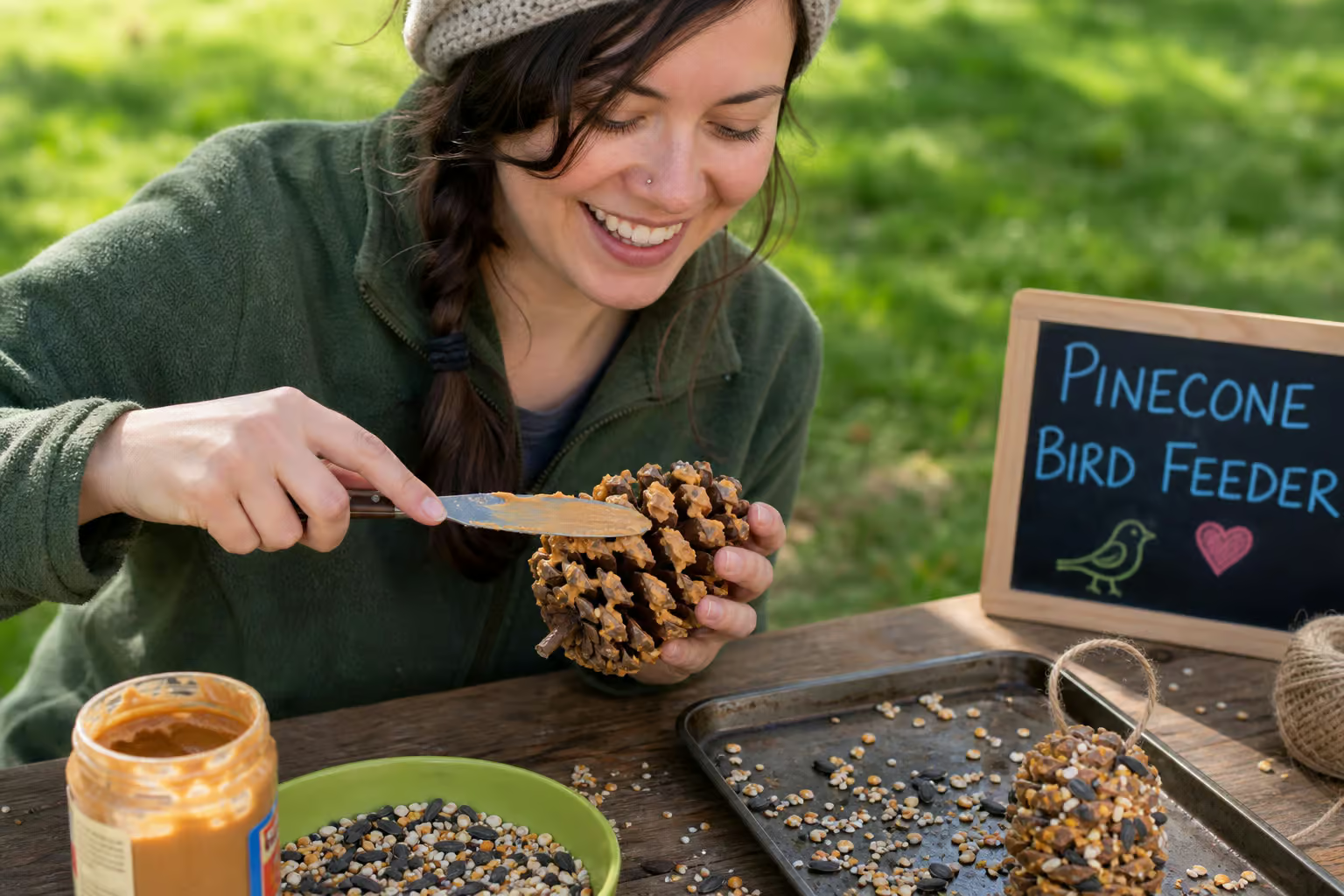
It’s a two-part activity: pack bird seed, find a pinecone on a scavenger hunt, spread nut butter, roll in bird seed, hang with twine. Simple, messy, satisfying. Try pairing this with other creative activities for chilling like watercolors afterward — it creates a calm, centering moment after being outside.
Digging, scavenger hunts, and active games
Digging is primal and satisfying. Use kitchen tools — a tea bag strainer, colander, mixing bowls, ladles. Improvise. Heavy work is calming.
Make a scavenger hunt with a brown bag and drawn pictures. Soft frisbee, sling-shot for pine cones, jump rope. Low-cost, high-fun.

The Lost Art of Doing Nothing — Mindfulness and Quiet as Downtime
We measure “good downtime” by what we produced, not by how restored we feel. Daydreaming is legitimate.
Embrace the quiet
I stopped watching morning TV and listening to NPR. Felt like an ostrich with my head in the sand at first. After two years, I feel more balanced. Small quiet activities like sitting with coffee are grounding. Don’t underestimate them.
Watch the clouds and bugs
Lie in the grass and look at cloud shapes. Dinosaur, chicken, dragon. It’s still fun. Drop crumbs to watch ants carry them off. It’s free, it’s calming, and we forgot how to do it as adults.
Create your own downtime through daydreaming
I generate article ideas during solitary neighborhood walks without music. Mundane repetitive tasks like gardening, cooking, folding laundry are springboards for mind wandering. Daydreaming is a lost art. Bring it back.
Party For One and the JOMO reframe
Social media posts are often not real-time. That person posting vacation photos might be home alone. Don’t compare your downtime to someone else’s highlight reel. Shift from FOMO to JOMO — the Joy of Missing Out. It’s a real thing, and it’s freeing.
Write Your Way to Clarity — Journaling, Letters, and Creative Writing
Writing is a conversation with yourself. It organizes thoughts that otherwise stay stuck in loops. And it costs nothing — just a notebook and a pencil.
Grocery list, short story, poem, letter, autobiography, screenplay. Whatever. The act of writing is what matters. Use a fun journal or decorate a notebook to make it feel less like homework. For kids: draw a picture, dictate a favorite memory, use a Polaroid camera for a photo journal.
You don’t need to be a writer. You need to write.

Clean Up Your Digital Life — How Organizing Your Inbox Declutters Your Mind
This isn’t busywork. It’s giving your brain less to worry about.
Create folders, archive old emails, delete the junk. It’s digital housekeeping. A clean inbox reduces stress and saves you time later. Inbox Zero is a mental health practice, not just productivity.
How to Choose the Right Activity for Your Energy Level
When you’re drained: choose low-friction recovery. Movies, daydreaming, cloud-watching, cozy crafts, or mindless activities to relax like casual gaming or slow outdoor strolls. No planning. No gear. No guilt.
When you’re restless: choose active growth. Learning, exercise, social plans, outdoor activities. You’ve got energy to spend. Spend it on something that pays back.
Sleep Hygiene as the Foundation of Restorative Downtime
- Avoid rigorous exercise 1 hour before bed.
- Stop eating 2-3 hours before bed.
- Stop drinking 3-4 hours before bed.
- Stick to the same routine every night to cue your subconscious. It’s like training a dog, but for sleep.
The Only Metric That Matters Is Felt Restoration
Measuring downtime by output — finished a book, ran 5k, learned 50 words of Spanish, is a trap. The real metric is how restored you feel.
George Eastman had it right: What you do in your leisure hours determines what you are.
Start with one activity from this list today. Measure success by how restored you feel, not by what you produced. Some afternoons, the best thing you can do is lie in the grass and watch the clouds.
Frequently Asked Questions
What activities are best for downtime?
The best downtime activities match your current energy level. When you’re drained, go for low-effort restoration like watching a movie with your phone off, doing a quick craft with materials you already have, or simply daydreaming. When you’re restless, choose active growth like learning a new skill, exploring new technology, or getting outside for a brisk walk.
What do people do in their downtime?
Most people default to passive scrolling, but that doesn’t actually restore you. More effective downtime includes things like reading physical media, decorating your space for a five-minute reset, having a party for an arbitrary reason (like a yogurt party), or revisiting an old hobby you already love. The key is choosing something that leaves you feeling restored, not just distracted.
What kinds of things do you do in your off-time?
Your off-time can include low-friction socializing like attending local library events or asking people to do simple activities together, unstructured movement like digging or scavenger hunts, and quiet mindfulness practices like cloud-watching or sitting with coffee. You can also clean up your digital life, journal, or write — anything that organizes your thoughts and reduces mental clutter counts.
What to do at a job with a lot of downtime?
Use that downtime for active growth that feels like play — learn a new language with an app, listen to podcasts on your commute, or explore gadgets and tools that simplify your work. If you’re drained, low-effort recovery like reading a physical magazine or doing a quick craft can reset your focus. The goal isn’t to be more productive; it’s to feel restored so you can show up better later.
How can you socialize without it feeling draining?
Low-friction socializing means choosing activities that require minimal planning and pressure. Attend free library events, join a local recreation league or MeetUp group, or simply ask someone to do brunch or a philosophical discussion. Even five minutes of daily contact — a FaceTime call, a text, or a Marco Polo message — counts. The activity matters less than the connection.