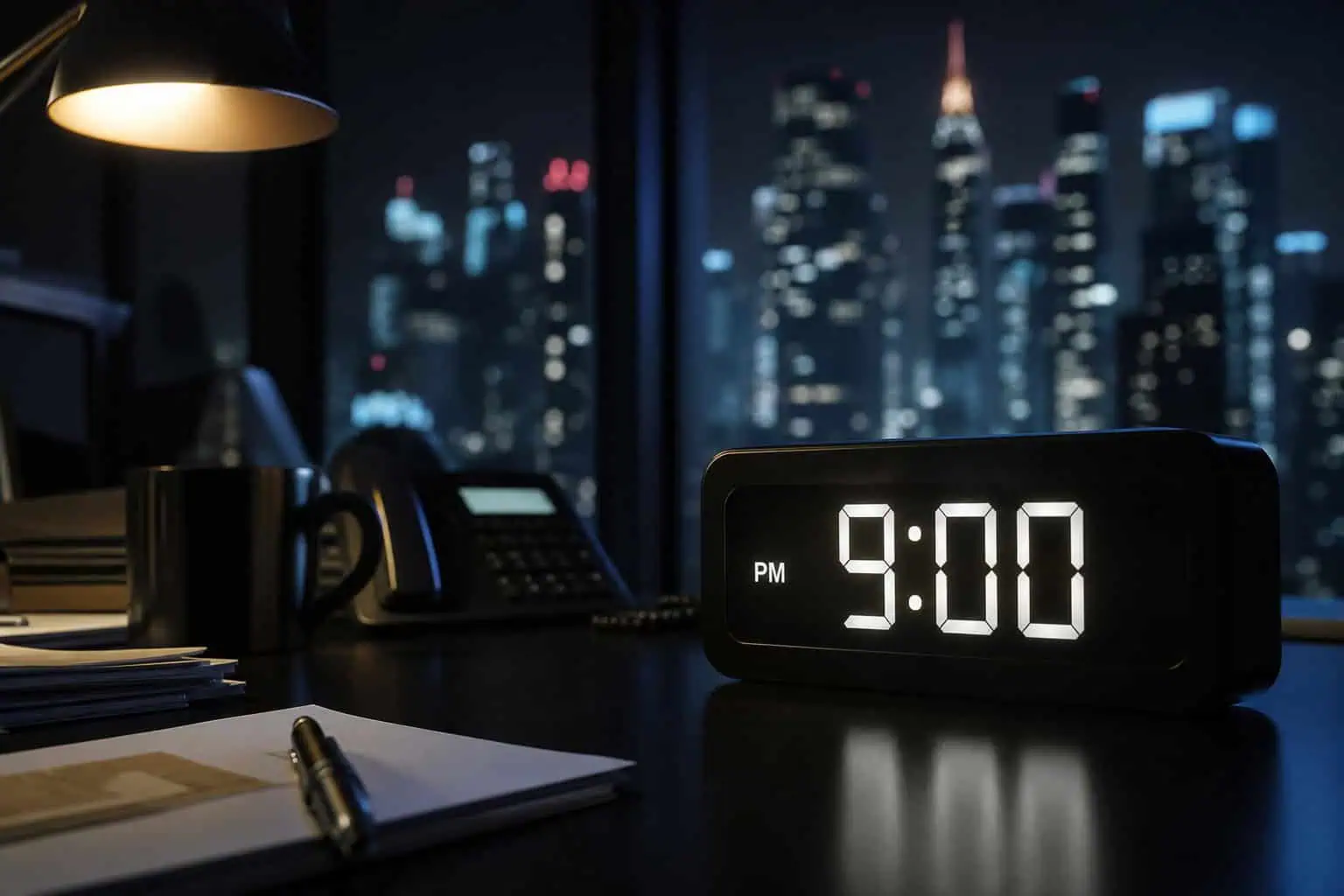
Let’s get the numbers out of the way first, because they’re the whole story.
72 hours per week. Twelve hours a day. Six days a week. That’s the 996 work schedule: 9 a.m. to 9 p.m., Monday through Saturday.
It sounds like a factory line, but it started inside Chinese tech companies—a numeric shorthand that became a cultural shorthand for the kind of grind that’s supposed to produce breakthroughs. It didn’t come from any philosophy or management theory. It came from a calculation: faster output and lower cost per head. If you can squeeze 72 hours of work from someone for the price of 40, you’ve cut your labor expense by almost half.
Here’s the catch that matters: the 996 schedule is technically illegal in China. It violates the Labour Law of the People’s Republic of China. The Supreme People’s Court declared it unlawful on 27 August 2021. But companies do it anyway.
Enforcement is spotty to nonexistent, and district courts have contradicted each other on how to handle it. So the rule exists, and the rule is broken, every single day.
And for anyone who thinks this is a China problem that doesn’t affect them, reports in 2025 of startup tech companies in San Francisco requiring ‘9-9-6’ schedules say otherwise. More on that later.
Key Takeaways
A 2013 survey of 350,000 Chinese IT workers found that 98.8% reported health problems—nearly universal damage from the schedule.
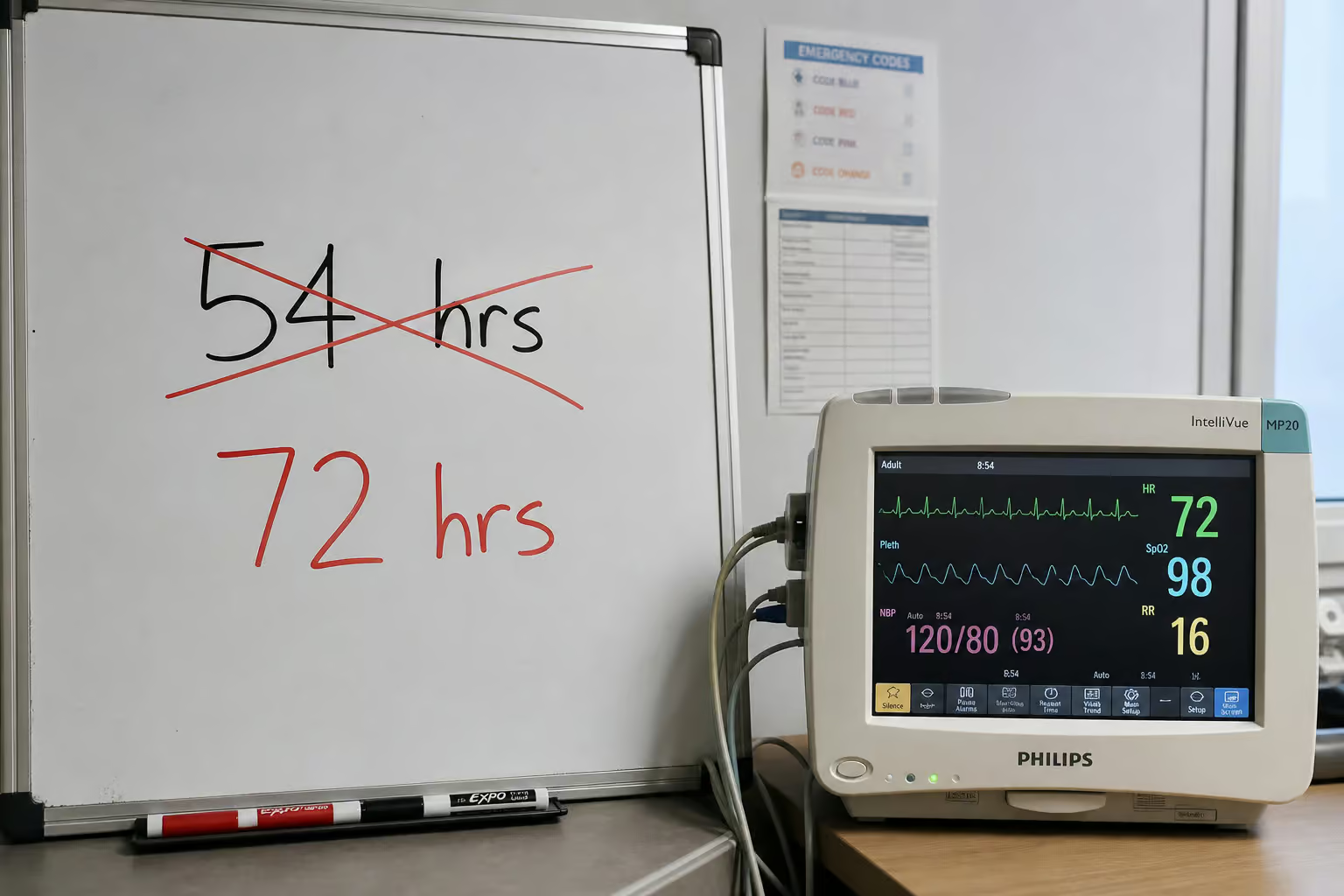
The karoshi (death from overwork) risk threshold is 54 hours per week. The 996 schedule runs 72 hours, putting workers 18 hours past the danger line.
California Labor Code §515.5 excludes software engineers from overtime pay, making it legally easy for US tech companies to demand similar hours without paying a premium.
Table of Contents
How 996 got normalized in Chinese tech
Overtime culture in Chinese IT wasn’t a sudden thing—it built up over years. The driving logic was speed and cost reduction, and the industry used concrete mechanisms to make the long hours feel routine. Taxi fare reimbursement was the most common example. Work past 9 p.m., and the company pays for your ride home.
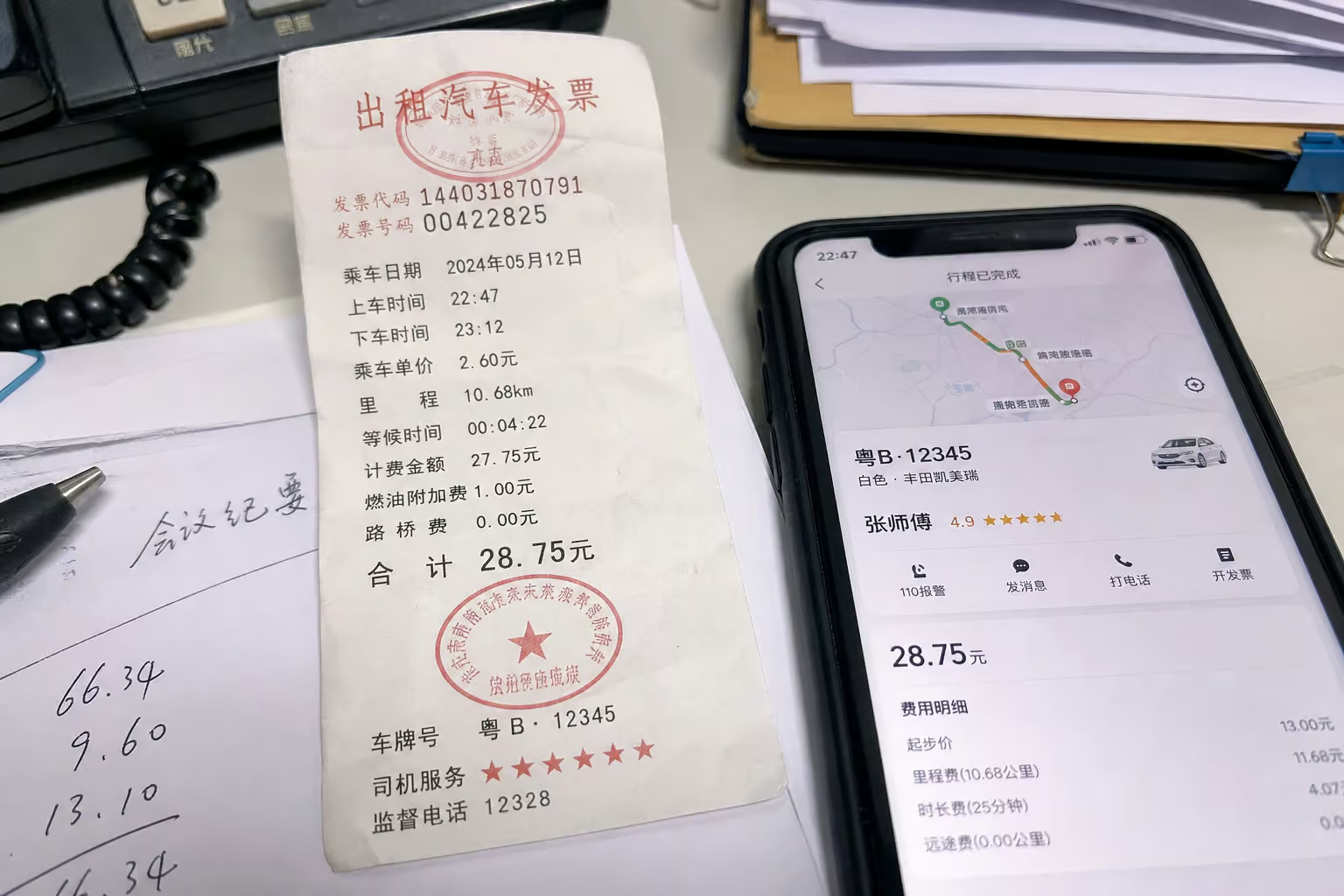
It sounds like a perk, but it’s a nudge. You don’t have to stay late. But the company just paid for your convenience if you do.
That kind of small structural pressure adds up. An academic study described the resulting system as “modern slavery,” arguing it emerged from a combination of unrestricted global capitalism and Confucian cultural hierarchy—obedience to authority, respect for the collective. The language is strong, but it gets at the core dynamic: the system isn’t a choice made by individual managers. It’s a feature built into the operating model of the industry.
There’s an even more extreme variant called the 007 schedule—running around the clock, seven days a week. Some companies, especially in high-tech, reportedly practice it illegally. Workers mostly use the term sarcastically, describing what’s actually expected when 996 isn’t enough.
The human cost: 98.8% and the karoshi line
If you want a number that stops you cold, here it is: A 2013 survey of 350,000 Chinese IT workers found that 98.8% reported having health problems. Cited by People’s Daily, of all outlets. That’s not a few people getting headaches from staring at screens. That’s nearly every single person in the workforce.
The British data matches. A 2019 study found that employees who work more than 11 hours a day have a 67% higher risk of having a heart attack. The 996 day is 12 hours.
And then there’s the karoshi threshold. The line for increased risk of death from overwork sits at 54 hours per week. The 996 week is 72 hours. You’re 18 hours past the danger zone before you even start.
The named deaths are grim but essential context. On 23 February 2022, a 28-year-old ByteDance employee died after posting on the career platform Maimai. The company’s statement said he felt dizzy after gym exercise.
Frequently Asked Questions
What is the 996 work rule?
The 996 work schedule means working from 9 a.m. to 9 p.m., six days a week—totaling 72 hours. It originated in Chinese tech companies as a way to maximize output and cut labor costs, not from any formal management theory.
Is 996 illegal in the US?
It’s not explicitly illegal, but it’s made easier by California Labor Code §515.5, which exempts software engineers from overtime pay. That means US tech companies can demand similar hours without paying a premium, though federal and state wage laws still apply to other workers.
Does 996 actually work?
It works for short-term output and cost reduction, but the human cost is severe. A 2013 survey of 350,000 Chinese IT workers found 98.8% reported health problems, and the 72-hour week sits 18 hours past the karoshi (death from overwork) threshold of 54 hours per week.
How do Chinese workers feel about 996?
Many resent it, but cultural pressures like Confucian hierarchy and obedience to authority make pushback difficult. Some workers sarcastically refer to an even worse variant called the 007 schedule—around the clock, seven days a week—when 996 isn’t enough.