You’re scrolling Amazon at midnight, and there it is: a $199.99 espresso machine with a built-in grinder, 44 grind settings, and temperature control. Your brain does the math. A decent burr grinder alone costs more than that. This has to be a trap, right?
Here’s what makes the decision hard. The AMZCHEF Espresso Machine sits at 4.3 stars from 251 ratings. That sounds fine. But when you dig into the breakdown, the picture gets weirder. 74% of buyers left five stars.
A full 10% left one star. That’s not a normal bell curve. That’s a machine that delights most people and infuriates a minority.
Both groups are probably right. This is a rare case where the hype and the horror stories coexist. It’s a $200 machine that promises grinder, temp control, and cold brew all in one box, and it delivers for a lot of guys. But there are specific, fixable issues hiding in that ten percent, and you should know what they are before you click buy. I read through the owner reports so you don’t have to.
Key Takeaways
The AMZCHEF Espresso Machine costs $199.99 (down from $299.99 list) and averages 4.3 stars from 251 ratings, but 10% of buyers left one-star reviews while 74% left five stars.
The 44 grind settings and 190°F-201°F temperature control are the real differentiators at this price, giving you actual control over extraction quality that rivals don’t offer.
The two most common complaints (coffee cooling too fast and finicky milk frothing) are traceable to user habits, not machine defects, and both have practical workarounds.
Table of Contents
What $200 Actually Buys You
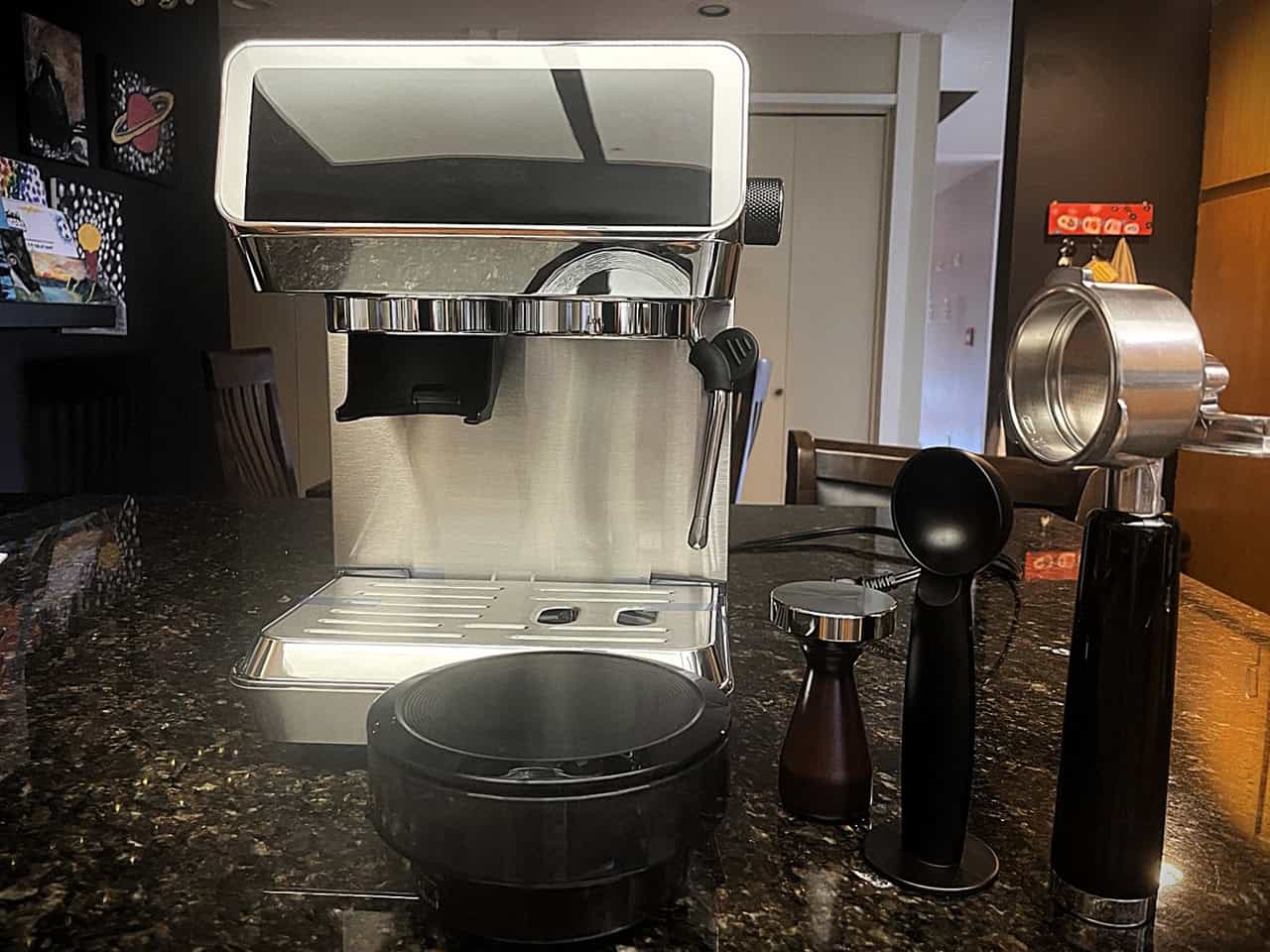
Let’s get the gamble out in the open. This is the AMZCHEF Espresso Machine, a silver all-in-one unit that measures 12.5 inches deep, 10.82 inches wide, and 13.38 inches tall. It weighs just 3.9 pounds. It’s not a heavy industrial beast. It’s a compact appliance that fits on a normal countertop and doesn’t dominate the space. That footprint is a selling point if you live in an apartment or share a kitchen.
The price is the hook. $200 right now, down from a $299.99 list price. That’s a 33% discount. The machine also has a 60-ounce removable water tank, which means you aren’t refilling it after every cup. More than 1,000 people bought it in the past month.
It’s not a niche product. It’s a volume mover.
So why the hesitation? Because one in ten buyers hates it. That’s not a rounding error. The reviews break down like this: 74% five-star, 6% four-star, 7% three-star, 3% two-star, and that ugly 10% one-star.
When you see that much polarity, it usually means the machine works great under specific conditions and fails under others. The rest of this review is about figuring out which camp you’d land in.
The safety net is decent. AMZCHEF offers a 30-day free return window and a 1-year warranty on most products. They also advertise 24-hour quality service. That makes the gamble more acceptable. If you get a lemon, or if it just doesn’t fit your routine, you have a month to figure it out and send it back.
Performance: Grind and Temperature Control
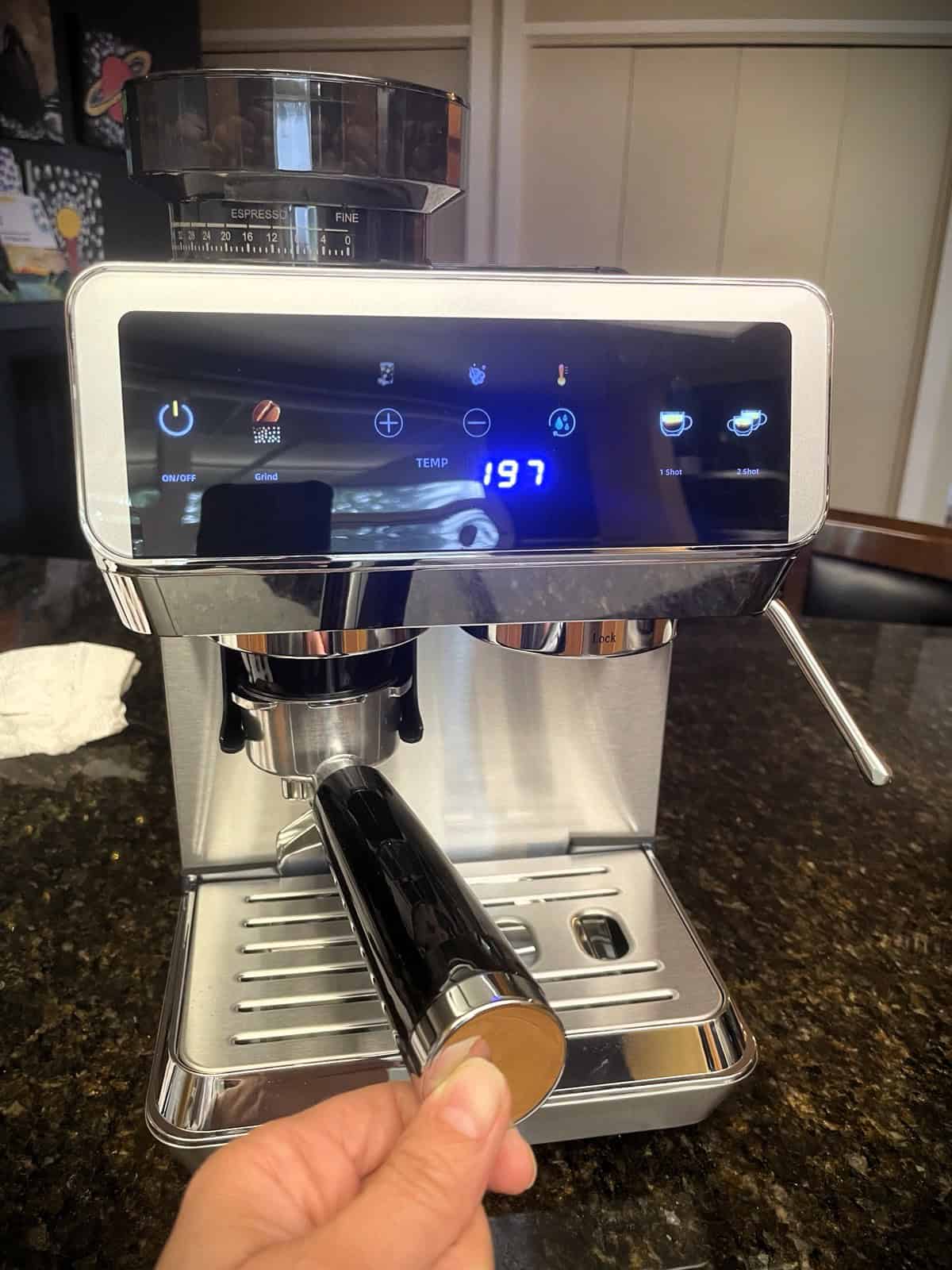
Yes, the AMZCHEF has a built-in grinder. That’s the headline feature, and it’s not a gimmick. You get 44 distinct grind settings, from ultra-fine for espresso to coarse for French press. That’s a serious amount of control for a machine in this price bracket.
In practice, you’ll probably find three to five settings that work for your regular beans. The other 39 are flexibility for when you switch things up.
The grind range matters because it makes the machine a multi-purpose tool, not just an espresso maker. You can dial in a fine grind for a proper shot, or go coarse for a pour-over or French press. That means the built-in grinder isn’t just a convenience. It replaces a separate piece of equipment and saves you counter space.
The second key spec is temperature control. The AMZCHEF adjusts brew temperature from 190°F to 201°F. That’s the kind of feature you usually have to pay double for. It matters because different roasts extract differently. Lighter roasts tend to benefit from higher temperatures, drawing out brighter, fruitier acidity. Darker roasts often taste better at the lower end of the range, bringing out rich, chocolatey notes without that burnt, bitter edge.
Owner reports back this up. A reviewer named Christopher gave it five stars and said the settings made dialing in easy. Other owners like Regina and Jack Wood noted consistent temperature and extraction across multiple brews. The takeaway here is that this machine gives you the tools to actually chase a balanced shot.
Grind too fine leads to bitter over-extraction. Grind too coarse gives you sour, weak espresso. Temperature that’s too high can scorch the beans. Too low and the shot comes out thin. The AMZCHEF lets you adjust both variables, which is rare at this price point.
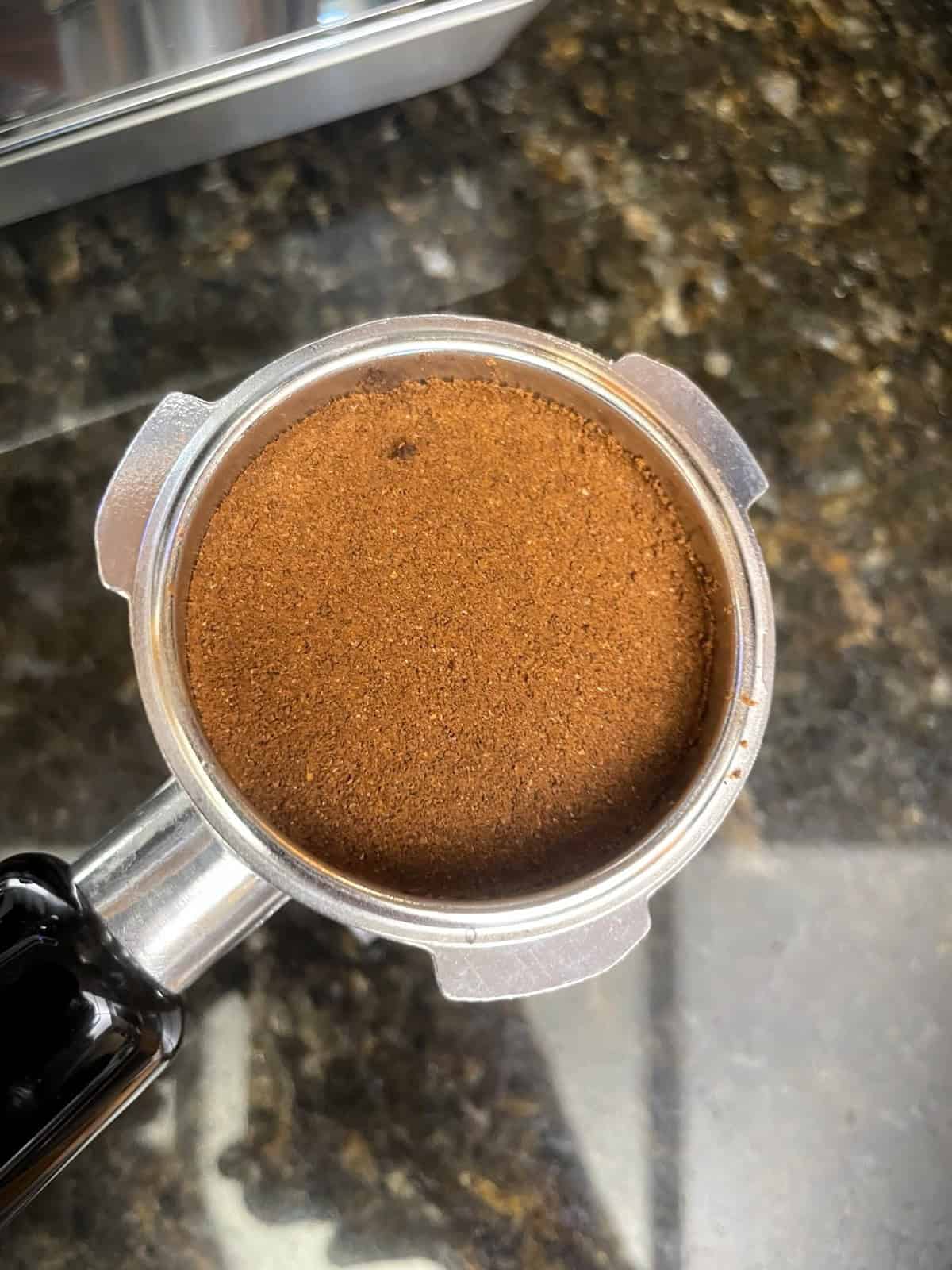
How 44 Grind Settings Actually Matter
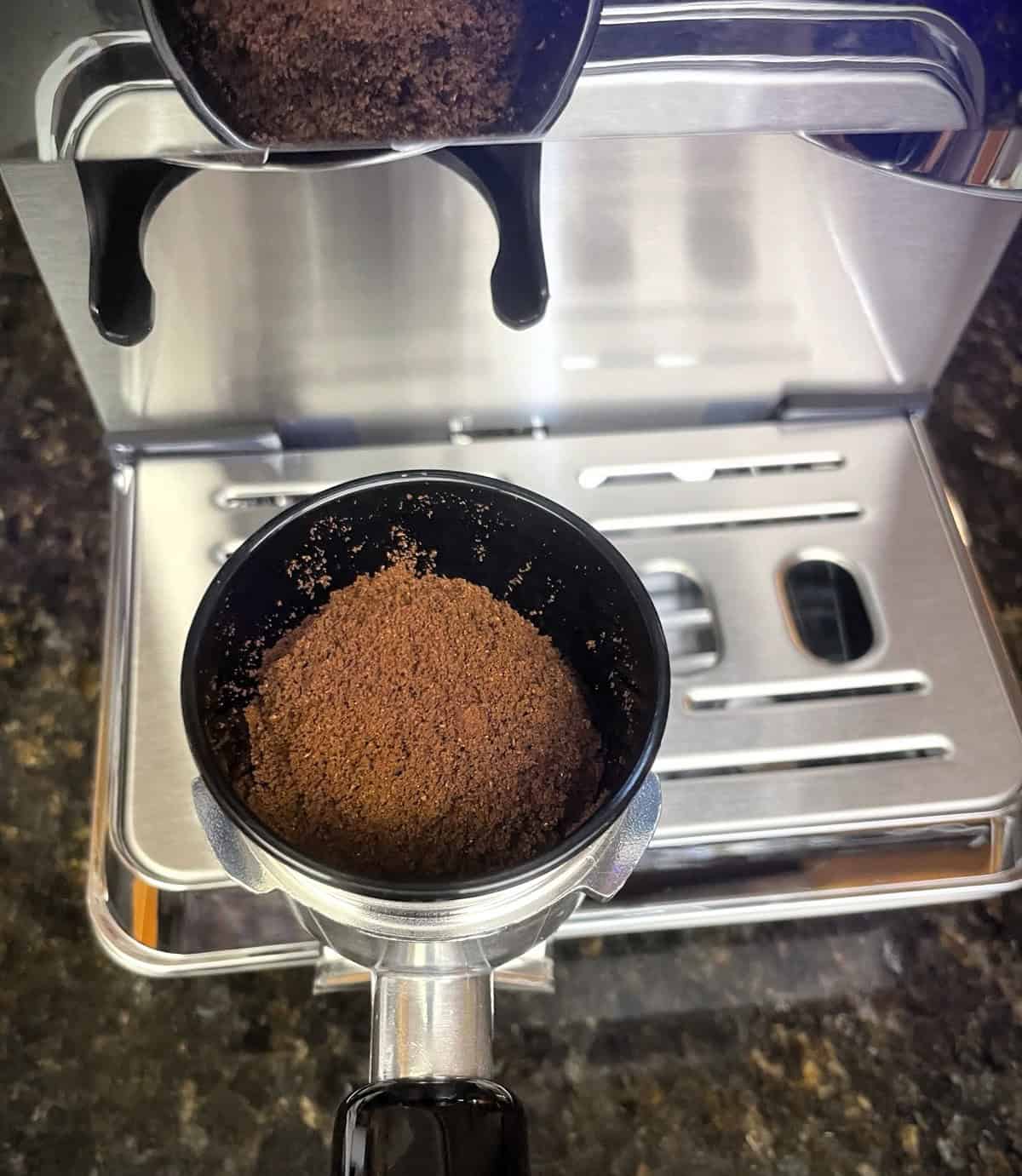
Here’s how dialing in works. Day one, you load your beans and guess at a setting. You pull a shot. It’s either too bitter or too sour. According to a review dated August 6, 2026, the grind settings provide enough range to correct this quickly.
You adjust the grind by a step or two. Pull another. Within a few shots, you find the sweet spot for those particular beans. That’s the whole game.
The catch is that the grind setting isn’t permanent. Switch from a medium roast to a dark roast, and you’ll need to re-adjust. That re-adjustment is normal on any espresso machine, but on the AMZCHEF the 44 settings let you fine-tune quickly without starting over. They just give you the resolution to find the right spot. Once you lock it in for a specific bag of beans, it’s repeatable. Until you change beans, and then it’s a few experimental shots again.
Temperature: The Real Dial-in Variable
Temperature control is where this machine separates itself from the cheaper competition. The 190°F-201°F range lets you match the water to the roast level. It’s not just a number on the spec sheet. It changes what ends up in your cup. Precise temperature control ensures consistent extraction, which is why reviewers keep mentioning the reliable flavor.
But there’s a counterpoint. A reviewer named Anabell gave the machine 3 stars. Her main complaint? The coffee doesn’t stay hot.
Even freshly brewed, it cools down faster than she expected. That’s an issue for some people.
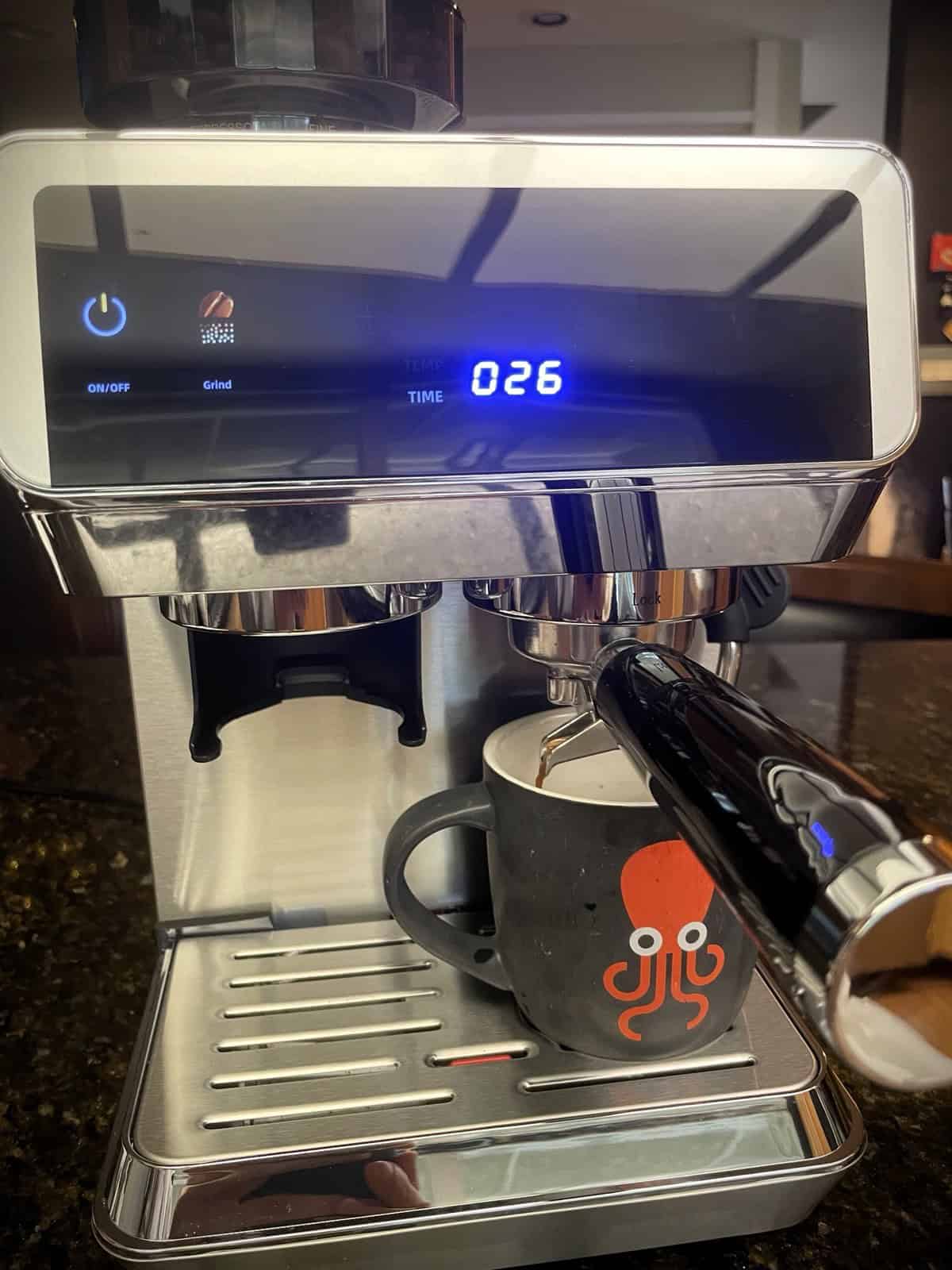
Here’s the likely cause, though. A cold cup will suck heat out of espresso almost immediately. The fix is simple: pre-warm your cup with hot water before you pull the shot. The machine has a hot water feature, so it’s not hard to do.
This won’t completely eliminate the issue, but it changes the experience. Anabell’s frustration is legitimate, but the root cause is probably the ceramic mug sitting at room temperature, not a defective warming element.
Versatility: More Than Just Espresso
Yes, the AMZCHEF has a one-touch cold brew mode. But let’s be clear about what that means: it’s fast cold coffee concentrate, not traditional 12-hour immersion cold brew. Don’t buy this thinking you’re getting a dedicated cold brew maker. What you’re getting is a quick-steeped, smooth concentrate that’s ready in minutes instead of overnight.
That’s a nice feature for summer, when you want iced coffee without waiting hours. A reviewer named Bin called it better than expected, and Christopher loves the option. For iced coffee drinkers who value speed over the traditional slow-steep process, this is a solid bonus. Just go in with the right expectation.
The machine also handles hot drinks easily. You get one-touch options for cappuccino, latte, americano, and flat white, all via the touchscreen. The 60-ounce water tank is plenty for several cups, so you’re not constantly refilling when you have people over.
A Hot Water Tap for Tea Drinkers (and Anyone Else)
Here’s the feature nobody talks about. Because the machine can deliver hot water on demand, it replaces an electric kettle for tea drinkers. Reviewer Rosalinda Z Webb uses it exactly that way, brewing hot water for afternoon tea. She’s not using the espresso function for that cup.
That makes the AMZCHEF a better deal for mixed households. If one person wants espresso and the other just wants a cup of tea, you need one appliance instead of two. It saves counter space and saves you from owning a dedicated kettle.
Milk Frothing: Tips for Silky Microfoam
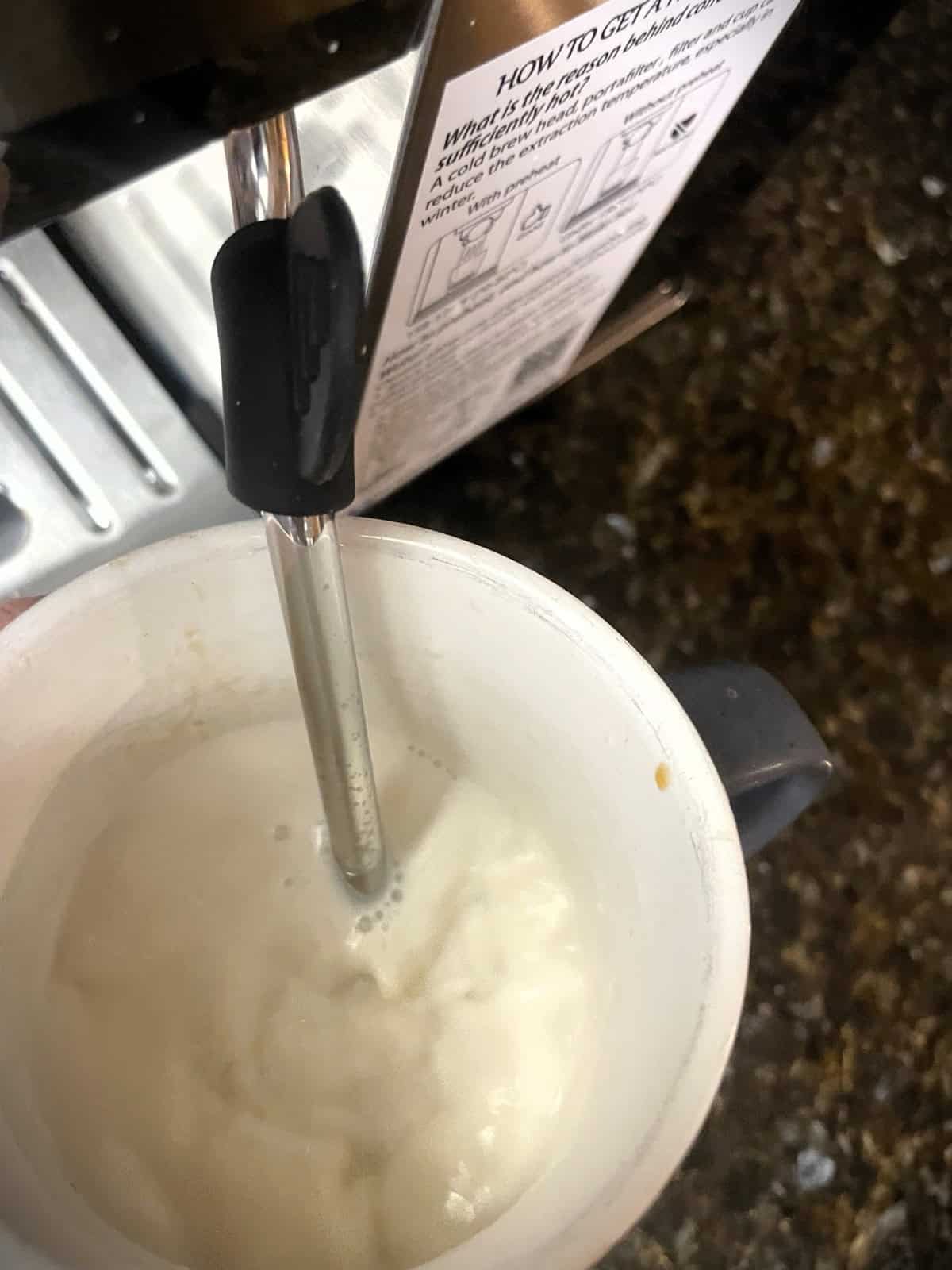
Most owners rate the frother well, but your results depend heavily on two variables: the pitcher you use and the fat content of your milk. The machine comes with an 8mm stainless steel steam wand and a 1350W heating system. That’s real hardware, not a flimsy plastic tube.
Jack Wood described the foam as velvety smooth. Christopher noted smooth foam, and Bin said the wand works well. You can absolutely get microfoam good enough for latte art. But there are caveats.
Sheila Davis, who otherwise gave the machine five stars, noted that the frother works with the included pitcher but not with her taller steel cup. The milk warms up nicely in the cup, but it doesn’t froth well. That’s a geometry problem, not a power problem. The pitcher’s shape and the position of the wand affect how the milk vortex forms. Use the included pitcher with whole milk, and you’ll get the best results. Switch to a different cup, and you might get warm milk instead of foam.
Ease of Use: From Unboxing to First Shot
Yes, this is a beginner-friendly machine. The touchscreen does the heavy lifting. It displays grind time, brew time, and temperature, so you always know what’s happening. One-touch brewing means you’re not juggling multiple switches and timers, and with 90-step adjustable grind settings, you can dial in everything from espresso to French press without guesswork.
Regina, Bin, Deny pena, and Rosalinda Z Webb all noted that setup was easy and the machine was intuitive to figure out. Regina’s review praised the clear touchscreen and easy setup process. For a deeper look at how the device performs in real-world use, this AMZCHEF ultra fine coffee grinder review covers grind tests, noise levels, and its handling of espresso and drip settings. The learning curve isn’t in operating the machine, it’s in adjusting the grind when you switch beans, and that’s a skill no manual teaches you.
The one knock comes from Sheila Davis again. The instruction sheet isn’t great, she said. But the buttons are self-explanatory enough that you won’t get stuck. You’ll pull your first shot with minimal fuss.
Design and Build: A Compact Powerhouse
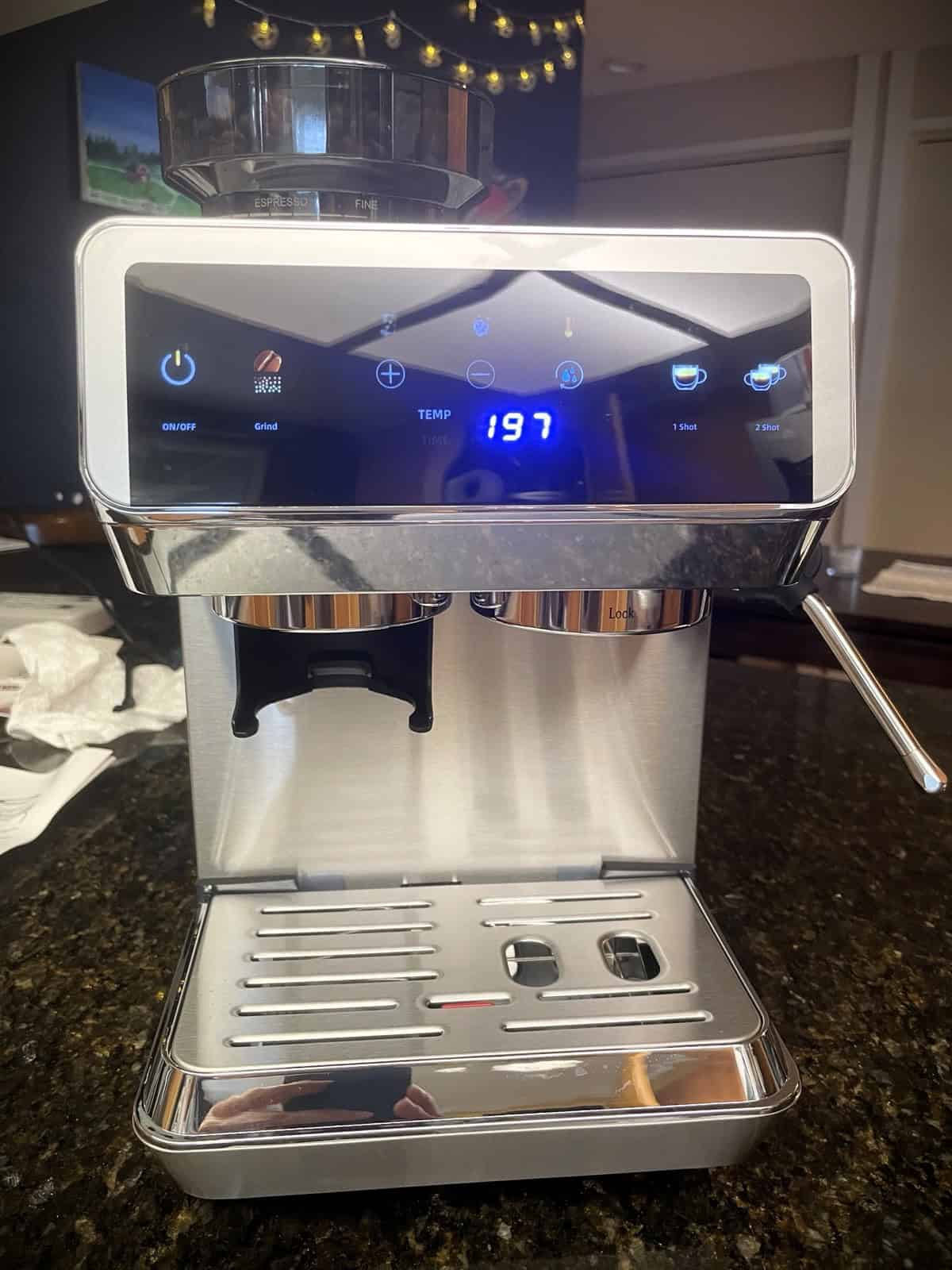
Does it feel cheap? No. Owners consistently comment on the build quality. Deny pena called it sturdy and well made. Christopher said it feels sturdy.
Dirk Ahldag, who reviewed the machine in Germany, said it has a very pleasant weight. Handlers repeatedly describe a solid feel. At 3.9 pounds, it’s light enough to move around but heavy enough to feel stable on the counter.
The silver finish looks sleek, and the touchscreen is clear and responsive. The trade-off is that the shiny silver shows fingerprints. It’s a minor aesthetic issue, not a functional one. If you’re the kind of person who wipes down the counter after every use, you’ll be fine.
The compact footprint is the real selling point here. It’s small enough to fit in a corner of a small kitchen without taking over. There’s no separate grinder taking up space next to it, so the AMZCHEF actually saves you space compared to a traditional setup, while still offering 24 exact grind settings for espresso, drip, or French press.
Cleaning and Maintenance: Keeping It in Top Shape
Daily cleaning is genuinely simple. The 60-ounce water tank and drip tray are removable and rinse easily under the tap. A quick wipe-down of the machine takes a few minutes. Regina, Jack Wood, and Bin all noted that cleanup was easy and not messy.
The long-term maintenance is where it gets interesting. The machine has a descaling function, and it requires you to empty the 60-ounce tank and run the cycle. That’s tedious enough that most owners skip it. That’s a mistake.
Skipping descaling degrades temperature stability over months, and inconsistent temperature leads to inconsistent shots. The machine doesn’t demand much of you on a daily basis, but it does demand discipline every so often. If you take care of it, it’ll keep producing consistent flavor.
Common Problems and Troubleshooting: What Owners Actually Report
The two recurring complaints are coffee cooling too fast and milk frother limitations. Both trace back to user habits, not machine defects. The machine isn’t perfect, but most issues have practical solutions, and knowing them beforehand can save you a lot of frustration. One owner noted the coffee doesn’t stay hot even when freshly brewed, and another found the frother struggles with a steel cup but still warms milk fine.
Other issues that show up in the FAQ and troubleshooting sections include no water flow, the grinder stopping, steam wand spraying water, leaks, and no froth. These are standard things that can happen with any espresso machine, and most have simple explanations like a blocked filter or a too-fine grind.
You’ve got a safety net if something does go wrong. The 30-day refund window and 1-year warranty cover you in the first year, and extended 3-year and 4-year protection plans are available if you want extra peace of mind.
The “Coffee Isn’t Hot” Complaint, and the Fix
Anabell’s 3-star review is the one that gives buyers pause. Freshly brewed coffee, she says, cools down faster than expected. I already mentioned the pre-warming trick, but let’s dig into why it works. Espresso is a small volume of liquid, maybe 36 grams for a double shot.
When that small volume hits a cold ceramic mug, the thermal mass of the mug siphons heat away from the coffee fast. You get a lukewarm cup within a minute. For a solution, the Nespresso Lattissima+ can brew espressos, cappuccinos, or lattes with a simple push of a button, and it’s available for $399.
Pre-warm the mug by filling it with hot water for thirty seconds before brewing. The machine’s hot water feature makes this easy. You dump the water, dry the cup, and pull your shot into a warm vessel. The coffee stays hot much longer. This is a real fix, and it’s a user-side variable, not a machine defect.
Milk Frother Limitations. Pitcher Matters
Sheila Davis’s experience with the steel cup is instructive. The frother works great with the included pitcher. It does not work as well with her taller steel cup. The difference is pitcher geometry.
A wider, shorter pitcher allows the wand tip to sit closer to the surface, creating the vortex needed to incorporate air. A taller, narrower cup keeps the wand tip too deep, so you just heat the milk instead of frothing it.
Stick with the included pitcher for consistent results. If you want to use a different cup, you’ll have to experiment with wand depth and angle. That’s true on every espresso machine, not just this one. The AMZCHEF’s wand is capable. The pitcher is the variable.
Value and Verdict: Is It Worth $200?
Yes, for most guys, this is worth the risk. But you need to understand what you’re buying. At $199.99, you’re getting a machine that undercuts direct competitors by 20% to 40% while offering features they don’t have at this price point. The 44 grind settings and precise temperature control are things you normally have to pay twice as much for.
Here’s my recommendation. Buy it if you want all-in-one convenience under $200. Use the 30-day return window to test your specific use case. If you’re going to keep it, buy the protection plan for peace of mind, and consider the tamper upgrade we’ll get to in a minute.
How It Stacks Up: AMZCHEF vs. the Competition
Here’s the short version of the comparison: the AMZCHEF is the only machine in this price range that emphasizes grind settings and temperature control over bar pressure. That’s the differentiator. Its direct competitors all play the “20 bar” marketing game, but raw pressure claims matter less than grind granularity and temperature stability for shot quality.
Here’s how the rest of the field looks:
- EUHOMY: $210.55, 4.3 stars, Amazon’s Choice
- Gevi: $287.96, 4.4 stars
- CUSIMAX: $161.99, 4.1 stars
- AIRMSEN: $179.99, 4.0 stars
When you stack them up, the AMZCHEF sits right in the middle on price but has a feature set focused on the two things that actually affect flavor. The cheaper machines save you money but dial you into a one-size-fits-all extraction profile. The more expensive ones cost significantly more without offering a better approach to grinding and temperature.
Why AMZCHEF Skips the “20 Bar” Marketing
Look closely at the AMZCHEF listing, and you’ll notice something missing: any mention of 20 bar pressure. Every direct rival, including EUHOMY, Gevi, CUSIMAX, and AIRMSEN, makes that a headline feature. The AMZCHEF listing instead focuses squarely on the 44 grind settings and the temperature control range.
That’s a deliberate positioning choice. It’s also arguably the more honest one. A 20-bar pump rating is mostly marketing fluff. The actual extraction happens in the standard 9-bar range, and anything beyond that is just headroom.
Grind size and water temperature do more to determine shot quality than a pump, and the AMZCHEF bets on giving you practical control over those variables. It’s not deception from the other brands, just marketing strategy. But the AMZCHEF’s focus on grind and temp is refreshing at this price tier.
The Honest Breville Caveat
If you’re cross-shopping against Breville, let’s set expectations. There is no head-to-head data in the sources, and pretending there is would be dishonest. Breville operates at a higher price tier with different quality expectations. Their machines are more expensive and typically offer better build refinement.
The AMZCHEF competes on value. It’s not trying to be a Breville workhorse that lasts a decade of daily commercial-grade abuse. It’s a budget-friendly machine that punches above its weight class. If you’re looking for a cheap way to get into espresso, the AMZCHEF makes sense. If you’re looking for a premium appliance that will consistently deliver café-level shots, save up for a Breville.
The 51mm Tamper: The One Upgrade That Actually Matters
Here’s the machine’s weak point: the included plastic tamper. It’s too light and too clumsy. If you’ve ever tamped with a cheap plastic tamper, you know the problem. It’s hard to apply even pressure, and inconsistent tamping leads to inconsistent shots. The portafilter basket fills unevenly, and your espresso suffers.
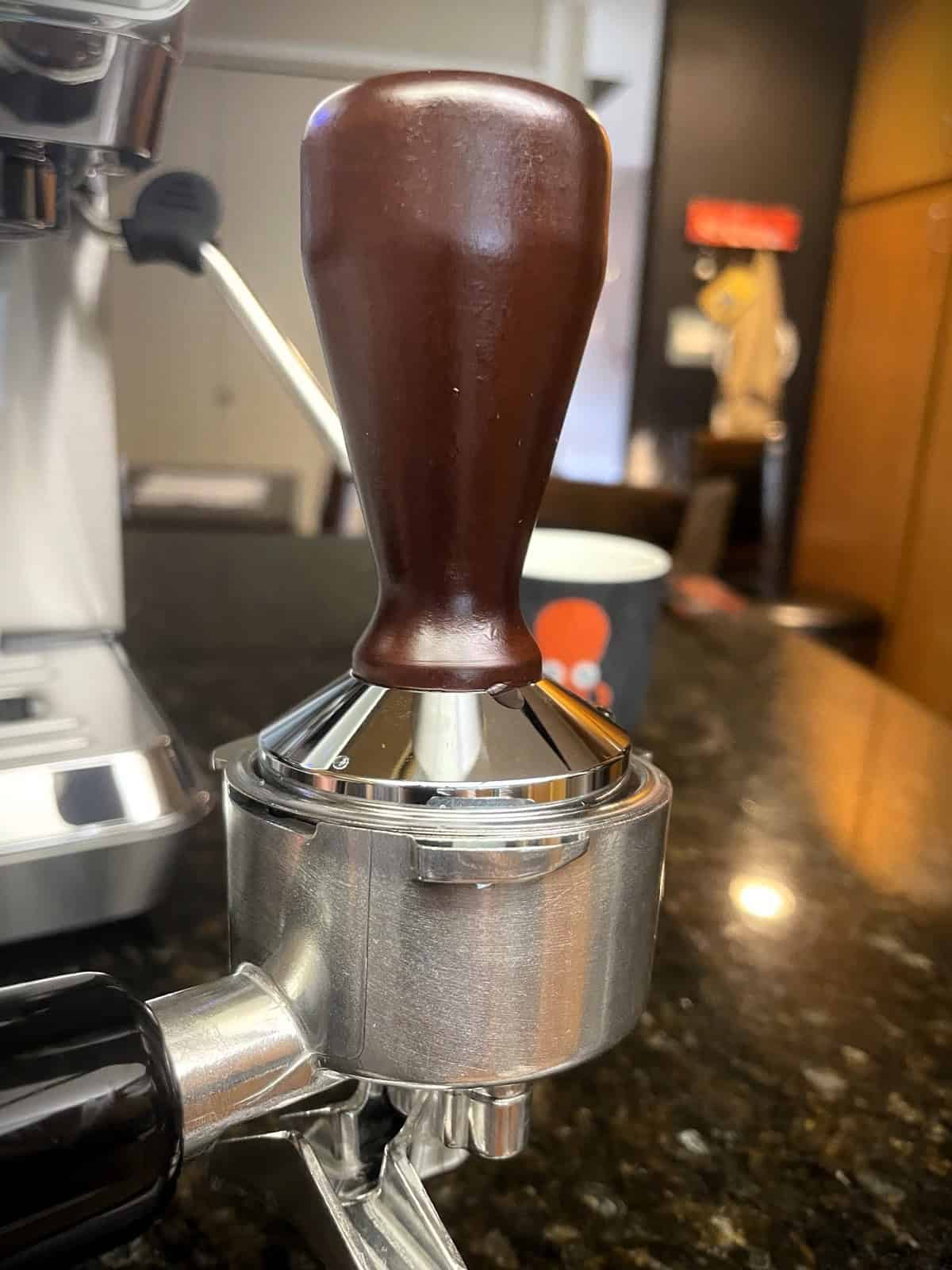
The fix is a 51mm walnut and stainless steel tamper. This is the highest-impact, lowest-cost modification you can make. It’s around $20 to $30, and the owner reviews are unanimous: it’s a significant upgrade. Jaybird9520 gave it five stars and said the extra weight made a huge difference.
J.D. also gave it five stars, noting that the real heft changes the tamping process. Jo Évalue, who gifted one to a friend who was starting to get into coffee, gave it four stars, saying the weight is pleasant and it tamps uniformly without forcing.
The physics are simple. The plastic tamper weighs almost nothing, so you have to press hard and guess at your pressure. The weighted tamper does the work for you, so you get even pressure without wrist strain.
Why the Plastic Tamper Holds You Back
Before the upgrade, you’re fighting the plastic tamper’s lightness. You press unevenly because you’re compensating for the lack of weight. The result is uneven extraction, especially if you’re pulling multiple shots back to back. Jaybird9520’s before-and-after story is typical. The upgrade gave him immediate, noticeable improvement in shot consistency.
The plastic tamper isn’t unusable. It’s workable. But it’s the weakest link in an otherwise well-designed system. Spending $20 to fix that weak link is the smartest money you can put into this machine.
Tamper Tips: Fit and Technique
Using a weighted tamper is simple. Grip it with four fingers, let the weight do the work, and press straight down. No learning curve, no moving parts.
One tip if the tamper feels slightly smaller than the basket: make a quick pass around the edges after your initial press. That ensures even tamping without leaving the outer edge under-packed. You don’t need to measure obsessively for most home machines. Just apply even pressure and move on.
The Bottom Line: Who Should Buy the AMZCHEF Espresso Machine
Let’s be decisive. This machine is best for beginners and intermediates who want one countertop machine that handles espresso, milk drinks, cold brew, and tea. The strengths are grind precision, temperature control, all-in-one convenience, and that fast cold brew option. You get a real grinder, real temperature control, and a legitimate steam wand for under $200. The rating distribution shows 74% five-star, 6% four-star, 7% three-star, 3% two-star, and 10% one-star.
The weaknesses are fixable. The coffee cools faster than you’d like unless you pre-warm your cup. The plastic tamper limits your shot consistency until you upgrade to a weighted one. The milk frother depends on using the right pitcher. None of these are dealbreakers if you know about them in advance.
Skip this machine if you’re an espresso purist who already owns a good grinder, or if you need piping-hot coffee over long sipping sessions without any user-side workarounds. For the rest of you, here’s the play: buy it at $189.99, grab the weighted tamper and a bag of Lavazza Gran Crema beans (the “frequently bought together” items), and test it hard during the 30-day return window. If it works for you, you just got an all-in-one espresso setup for less than the cost of a mid-range grinder alone. If it doesn’t, send it back.
Most guys who do this will keep it. That 74% five-star rating isn’t accidental. The machine delivers, as long as you’re willing to meet it halfway on the details.

