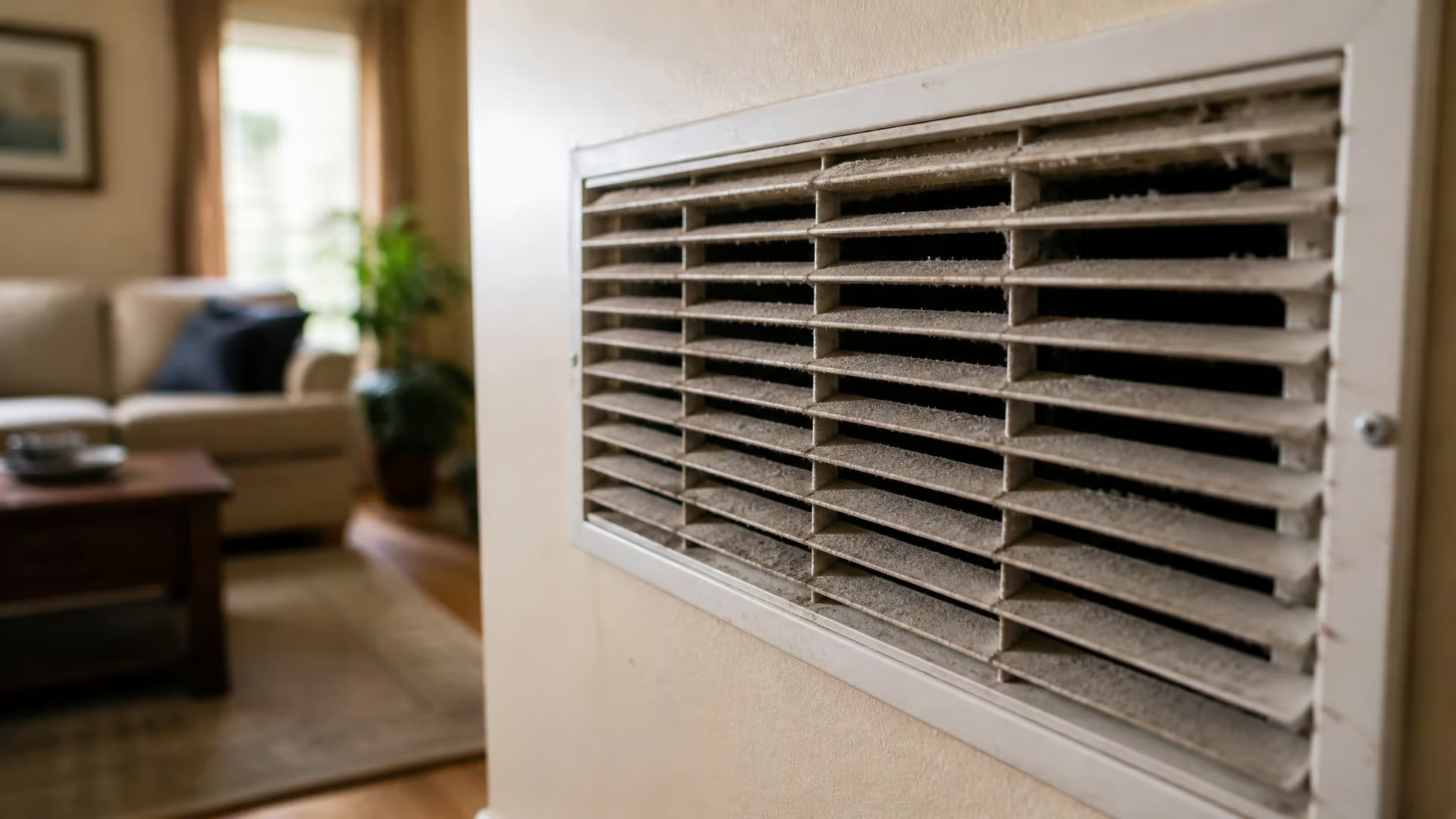
The first hot day of the season hits. You walk over to the thermostat, the AC kicks on, and thirty seconds later the living room smells like a damp gym bag. Or worse, like something burning.
That moment is confusing. Is this normal, or is it dangerous? Do you need to call someone, or is this a $15 fix at the hardware store?
I’ve been down this road, and I’ve done the homework so you don’t have to. Here’s the short version: your AC smell is a diagnostic code. Each odor points to a specific failed component, and the urgency depends on what’s actually in the air, not how bad the smell is. The musty one you’re most worried about is usually the least dangerous. The faint chemical one you might dismiss can be the one that hurts you.
Let’s break it down.
Key Takeaways
The dirty sock smell on first use of the season is mold or bacteria on the evaporator coil, not a mechanical failure, and a filter swap is the first fix to try.
Rotten eggs means a natural gas leak: turn off the unit, open windows, get out, and call the gas company. Burning or gunpowder means an electrical fire risk: shut it off and call the fire department first.
A faint burning smell that fades within 30 minutes of first seasonal use is usually just dust burning off. If it doesn’t fade, shut the system down and call a pro.
Table of Contents
Why Does My AC Smell Bad?
Here’s the full map. Bookmark this section.
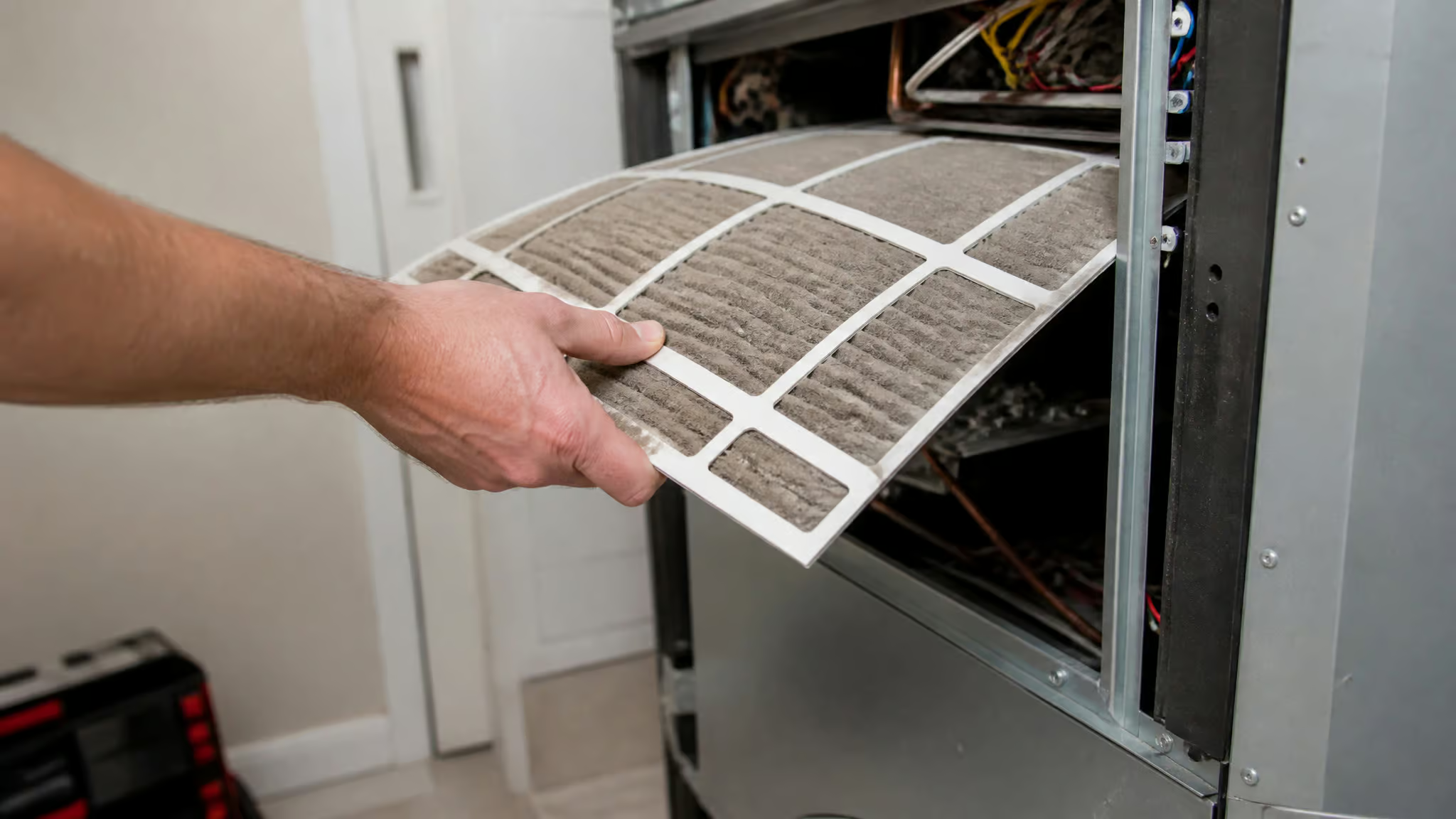
| Smell | Likely cause | Urgency |
|---|---|---|
| Musty, moldy, dirty sock | Mold or bacteria on the evaporator coil | Low, but address it |
| Burning, gunpowder | Electrical issue: frayed wiring, short, overheated motor | Emergency |
| Rotten eggs, sulfur | Natural gas leak | Emergency, evacuate |
| Chemical, acetone, paint thinner | Refrigerant leak | Call a pro now |
| Trash, garbage | Dead animal in the system | Call a pro |
| Exhaust | Fluid leaking onto a motor or hot component | Call a pro |
| Sour, stale | Bacteria on coils or in the drain pan | Low to medium |
| Cigarette smoke | Tobacco residue in filters or ducts | Low |
| Wet dog | Bacteria or mold in the system | Low to medium |
Musty, moldy, or dirty sock
This is the one you’ll run into first, and it’s the most common AC odor by a wide margin. The dirty sock smell is mold or bacteria growing on the evaporator coil. The system sat idle all winter, moisture collected on the coil, and warmth plus moisture did what it always does.
For most people, this isn’t dangerous. But mold spores can trigger allergies and respiratory issues, especially if you’re sensitive. The first fix is cheap: clean or replace the air filter. If the smell sticks around after that, the coil or ductwork likely needs a professional cleaning.
You can keep running the AC while you sort this out. It’s an air quality issue, not a safety one.
Burning or gunpowder
This one is not normal. In a home unit, a burning or gunpowder smell means electrical trouble: frayed wiring, an overheated motor, a short circuit. These are fire risks, not annoyances.
Shut the system off. If the smell is strong, call the fire department first, then an HVAC pro. This is not a DIY situation.
One exception: a faint burning smell that disappears within 30 minutes of the first use of the season is probably just dust burning off the heating element or coils. That’s normal. If it doesn’t go away, shut it down and make the call.
Rotten eggs or sulfur
Natural gas is odorless. The utility adds that sulfur scent so you can detect leaks. If you smell rotten eggs, that’s a gas leak near the HVAC system, and it’s a serious safety hazard.
Turn off the unit, open windows, get out of the house, and call the gas company.
Don’t flip light switches, don’t wait to see if it goes away. High gas levels reduce oxygen in your blood and can cause unconsciousness, and the gas is highly flammable and explosive.
Chemical, acetone, or paint thinner
That chemical smell is a refrigerant leak. Freon is usually odorless, but a leak can smell faintly sweet or chemical, sometimes like chloroform. Inhaling refrigerant is harmful. Prolonged exposure causes headaches, dizziness, nausea, and respiratory issues, and refrigerant can displace oxygen in an enclosed space.
Turn off the AC and call a pro immediately. Refrigerant is not a DIY fix.
Trash or garbage
That’s not mold. That’s something dead. Small animals like mice or squirrels crawl into AC units for warmth in colder months and get stuck. It happens more than you’d think.
Turn off the unit, open windows, and call a pro to remove it. This is not a filter-change fix.
Exhaust
An exhaust smell means fluid is leaking into the motor or a hot component. This can happen even in non-gas systems, and burning oil or other fluids release toxic gases. Shut it off and call a pro. No exceptions.
Sour, stale, wet dog, cigarette smoke
These are the low-urgency leftovers. Sour or stale is bacteria on the evaporator coils or in the drain pan, the same family as mold. Wet dog is bacteria or mold in the system. Cigarette smoke is tobacco residue in filters or ducts, and the AC just blows it through the house. Deep cleaning filters and ductwork helps with all of these.
When to Treat AC Smells as an Emergency
Here’s the triage ladder. Most articles say “call a professional” without telling you how urgent each situation actually is. This is the part that matters.
Rotten eggs: get out
If you smell rotten eggs, you’re dealing with a natural gas leak. Turn off the unit, open windows, evacuate, and call the gas company. This is not negotiable. Don’t touch light switches.
Don’t wait to see if it goes away. High gas levels can cause loss of consciousness, and the gas is flammable and explosive.
Burning or gunpowder: shut it down
Turn off the system immediately. If the smell is strong, the fire department is your first call, because this is a fire hazard. Then call an HVAC technician. Remember the 30-minute rule: a faint burning smell that fades within 30 minutes of first seasonal use is likely dust burning off.
If it doesn’t fade, shut it down and call a pro. If you’re hearing grinding or squealing along with the smell, our guide to AC making strange noises covers what those sounds mean.
Chemical or acetone: call a pro now
Turn off the AC and call an HVAC pro immediately. Prolonged refrigerant exposure causes headaches, dizziness, nausea, and respiratory issues, and refrigerant can displace oxygen in enclosed spaces. This is not something to tough out.
The musty health question
The musty smell you’re most worried about is usually the least dangerous. Mold and mildew release volatile organic compounds, which is what you’re smelling. For most people, it’s not a safety issue, but it’s not good air quality either. Mold spores can trigger allergies and worsen respiratory conditions, especially for people with asthma or weakened immune systems.
You can keep running the AC while you address it. But if you see visible mold on or inside the unit, that’s a different story. Don’t clean it yourself. Professional remediation is required.
Why Moisture Is the Real Culprit Behind Most AC Odors
Here’s the root cause that makes all of this make sense. Moisture is a natural byproduct of cooling. Humid air hits the cold evaporator coil, condenses into water, and that water has to go somewhere. When it doesn’t, because the drain is clogged or the filter is dirty or the coil froze, it goes stagnant.
Stagnant water grows mold, mildew, and bacteria. Those organisms release VOCs. That’s the smell.
Every odor problem in this article traces back to a failure in that chain.
Clogged condensate line
The condensate line runs from the drip pan to the exterior. When it clogs with dirt, sludge, or debris, water backs up and goes stagnant. That’s the swamp smell, and it’s one of the most fixable odor problems you’ll encounter. Clear the line and the smell usually follows.
Dirty filters and frozen coils
Filters trap dust, pet dander, and pollutants. When they don’t get changed, those particles emit odors. More importantly, a dirty filter restricts airflow, water droplets accumulate on the coils and freeze, and when they thaw, you’ve got the exact moisture environment mold loves. The dirty sock smell is specifically mold on the evaporator coil.
Drain pan and duct moisture
The drain pan sits under the evaporator coils. Over time, it can grow mold that produces the dirty sock smell. Ducts can trap moisture from high humidity or a drainage leak, which is the musty smell that seems to come from everywhere. AC unit sizing matters here too: a unit that’s too large cycles air too quickly and leaves excess humidity, and one that’s too small short-cycles and burns out. Sizing is a root cause of moisture problems.
If you’re dealing with water where it shouldn’t be, our guide to AC leaking water covers the drain line and frozen coil fixes in more detail.
Car AC Smells: The Parallel Diagnostic System
The smells in your car mirror the home system, with one critical difference: in a car, a sweet smell means coolant leak, not refrigerant.
Musty
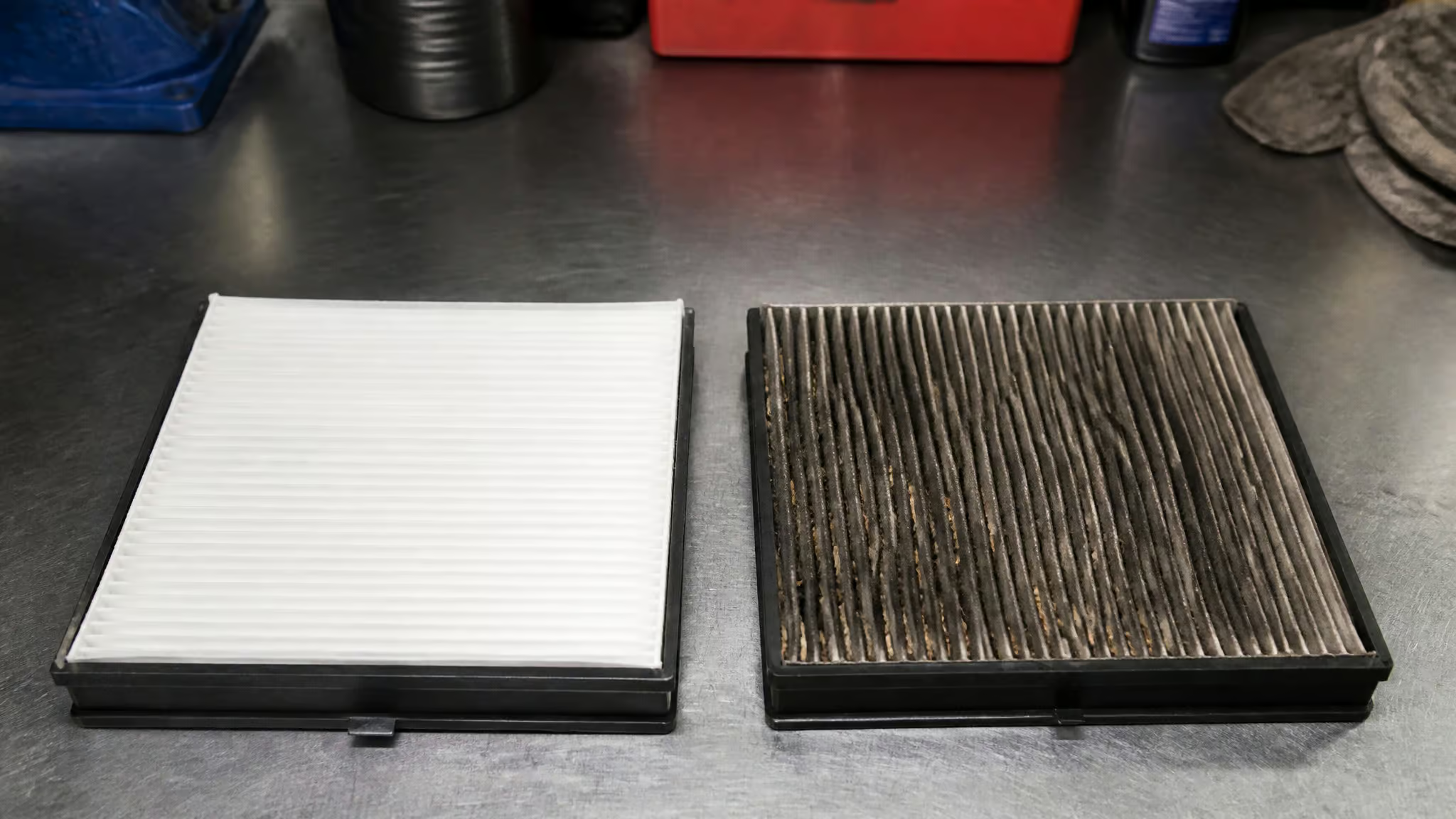
This is the big one. Jake Fisher, Consumer Reports’ senior director of auto testing, explains it simply: what you’re probably smelling is the condensation that comes from the evaporator inside your heating and cooling system. When that condensation doesn’t drain, it leads to bacteria and mold. Blocked drainage in the evaporator core is the classic cause, and a dirty cabin air filter makes it worse by trapping debris and moisture and restricting airflow.
The fix is professional A/C service and a cabin air filter replacement. Your local Jiffy Lube or equivalent offers A/C odor diagnosis and treatment, covering cabin air filter replacement, electrical fault repair, and radiator leak repair. Not all services are offered at all locations, so check before you go.
Vinegar
A vinegar smell is bacteria, mold, or mildew in the filters or vents. Moisture buildup creates the environment, and it’s more common in humid climates. A dirty cabin air filter restricts airflow and traps moisture. The fix is a cabin air filter replacement and a professional cleaning of the system.
Sweet
A sweet smell in a car’s AC is radiator fluid, also known as coolant or antifreeze. It’s toxic, it will damage your engine if you ignore it, and it requires a professional. Do not let this ride.
Burning
A burning smell in a car’s AC is an electrical issue: faulty wiring, short circuits, or overheated components like the compressor clutch. This one can lead to a vehicle fire. Get it inspected. For a quick AC servicing checklist, keep an eye out for burning smells near electrical parts, which could mean overheating. Jiffy Lube or a mechanic can handle electrical fault repair.
Why Poor Home Ventilation Makes AC Odors Worse
Here’s the angle most articles miss: your AC smell might not actually be an AC problem. It might be a whole-house ventilation issue.
Newer homes are built tightly and don’t breathe with outdoor air, as Andy Fox, filtration and indoor air quality specialist at 3M, puts it. The HVAC system is part of the ventilation solution, the V in HVAC, but if the filters are clogged and the exhaust fans aren’t running, the air goes stale and the moisture sticks around.
The signs of failing ventilation are easy to spot once you know them. Excess humidity, especially condensation on windows. Persistent odors, cooking, pets, must. Hot and cold spots because air isn’t circulating. Indoor allergies worse than outdoors.
A general stuffy feeling. And appliance failures: Denis David from Home Alliance notes that thermal fuses blowing on dryers and ovens often means no airflow around the appliance. He’s blunt about the stakes: bad airflow doesn’t just mess with air quality, it slowly wrecks your house and burns out your appliances. He once found a fan dumping steam into an attic, which caused rot, mold, and ruined insulation.
The fixes are simple. Run exhaust fans in bathrooms, kitchens, and laundry rooms. Run the bathroom fan while bathing and until the moisture is gone. Run the kitchen exhaust while cooking. Replace or clean air filters regularly.
Run the HVAC fan continuously on low or periodically throughout the day. And aim for 40 to 60 percent relative humidity, the sweet spot where mold growth is least likely.
How to Get Rid of AC Smells: The DIY Troubleshooting Checklist
Here’s the Saturday morning plan. Do these in order before you call anyone.
Replace the air filter
Every 1 to 3 months is the standard interval, and high-usage seasons and pets may require more frequent changes. This solves a surprising number of odor issues. It’s the cheapest fix on this list, so start here.
Clean the evaporator coils
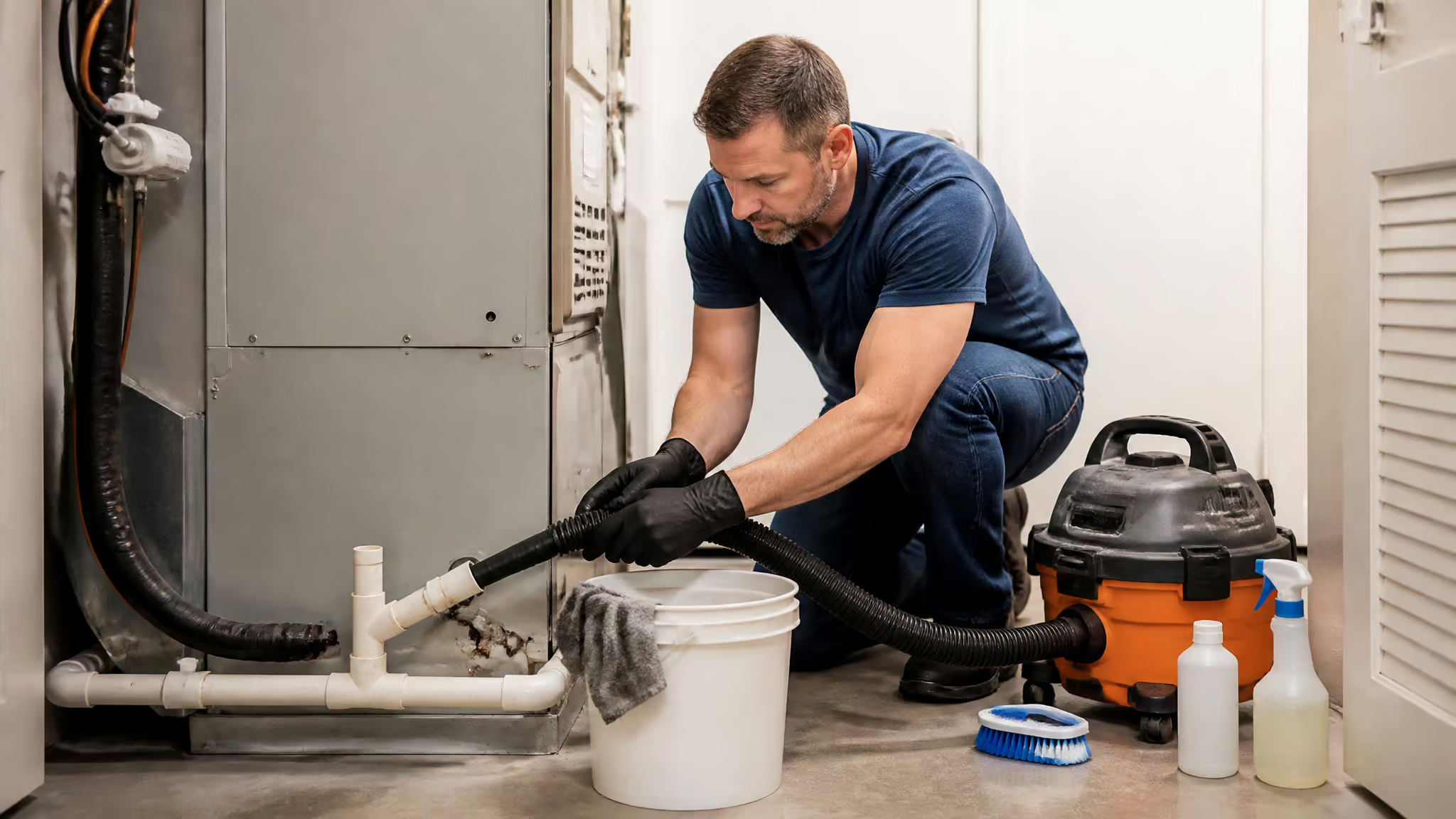
Turn off the system and disconnect power first. Remove the access panel. Use coil cleaner or warm water with mild detergent. Dry completely before reassembly. This is within reach for a reasonably handy person, but be religious about the power-off step. You’re working near live electrical components.
Clear the condensate drain line
Mold, mildew, and sludge build up and cause clogs. If the line is clear, water doesn’t back up, and you don’t get the swamp smell. This is one of the most fixable odor problems.
Improve ventilation
Keep vents unblocked. Furniture or curtains blocking vents messes with airflow. Run the AC in fan mode for a few minutes after the cooling cycle, which dries internal moisture and prevents mold growth. If it’s a recurring problem, consider a whole-home ventilation system. That’s a bigger investment, but it’s worth it.
When to call a pro
Persistent odors after cleaning and filter replacement mean there’s likely a deeper issue in the ductwork or internal components. Visible mold on or inside the unit is a professional job, don’t clean it yourself. Burning, plastic, ozone, or rotten egg smells are immediate calls, no debate. And if you can’t identify the source, a local dealer or technician can diagnose what you’ve missed.
On cost, I’ll be straight with you: I don’t have specific price figures for AC odor diagnosis or coil cleaning, and I’m not going to invent them. DIY fixes are cheap, tens of dollars for materials. Professional inspection and diagnosis varies by issue type and region, so get an estimate, and for major repairs like refrigerant leaks, get a second one.
How to Find a Reliable HVAC Technician
The source material is thin here, so here’s the honest version. The strongest recommendation is to start with a local dealer. A Trane Comfort Specialist is the recommended route for AC maintenance and odor diagnosis, and if you can’t identify the source of the odor, a Carrier dealer is the recommended contact for AC repair. These are the manufacturer-trained specialists. They know the systems.
Beyond that, the common-sense rules apply regardless of brand. Look for licensed and insured technicians, check reviews, and ask for estimates before work starts.
Get a second opinion on major repairs. The point isn’t that a particular brand is magical, it’s that a local dealer who specializes in your system type is the safest bet.
How Seasonal Maintenance Prevents AC Odors Before They Start
The cheapest fix is the one that happens before the smell appears. Annual maintenance prevents most AC odors, so don’t skip the tune-up.
The schedule is simple. AC service once a year, in spring before the heat hits. Furnace or heat pump service once a year, in late summer or fall, so your heating is ready for winter.
The annual tune-up covers the things that actually cause smells: cleaning coils, replacing filters, inspecting the drainage system, and checking wiring and refrigerant levels. Each one of those maps directly to an odor source. Coils mean mold. Filters mean trapped particles.
Drainage means the swamp smell, wiring means the burning smell, and refrigerant means the chemical smell. That’s why maintenance is odor prevention.
Filter quality matters too. The 1 to 3 month interval is the standard, but high-efficiency filters like Trane’s CleanEffects remove 99.98 percent of airborne particles, which is 100 times better than a standard 1-inch filter. Worth knowing when you’re shopping for filters, and worth an honest conversation with your HVAC pro about which filter your system needs.
The Bottom Line
Here’s the mental model to carry forward.
Musty or dirty sock means DIY. Change the filter, clean the drain, run the fan. Annoying, not dangerous.
Trash or exhaust means call a pro. Something died or something’s leaking.
Burning, gas, or chemical means emergency. Shut it off, get out, make the call.
The key reframe: urgency isn’t about how bad the smell is. It’s about what chemical is in the air. The musty one you’re most worried about is usually the least dangerous. The sweet or faintly chemical one you might dismiss can be the one that hurts you.
Keep the 30-minute rule, the 1 to 3 month filter interval, and the 40 to 60 percent humidity target in your head. That’s the practical stuff that separates this from a generic listicle. At Unfinished Man, that’s the whole game: knowing when something’s a $15 fix and when it’s a call to the fire department. And if you’re seeing other warning signs beyond the smell, our guide to AC warning signs covers what else to watch for.
People Also Ask
How do I get rid of the bad smell in my air conditioner?
Start by replacing the air filter every 1 to 3 months, then clean the evaporator coils and clear the condensate drain line. If the smell persists, improve ventilation by unblocking vents and running the fan after cooling cycles. For persistent odors, call a professional to inspect the ductwork or internal components.
Is bad AC smell harmful?
It depends on the smell. Musty or dirty sock odors are usually mold or bacteria and can trigger allergies, but they’re not immediately dangerous. However, rotten eggs indicate a gas leak, burning or gunpowder suggests an electrical fire risk, and chemical or acetone smells point to a refrigerant leak—all of which are emergencies that require immediate action.
Why does my AC smell like vinegar?
A vinegar smell in your AC is typically caused by bacteria, mold, or mildew in the filters or vents, often due to moisture buildup. This is more common in humid climates. The fix is to replace the cabin air filter (in a car) or the home air filter, and have the system professionally cleaned.
What does a sweet smell from my car AC mean?
A sweet smell from your car’s AC indicates a coolant or antifreeze leak, which is toxic and can damage your engine. This requires immediate professional attention—do not ignore it. Turn off the AC and have a mechanic inspect the system as soon as possible.
Can a clogged condensate line cause AC odors?
Yes, a clogged condensate line is a common cause of musty or swamp-like odors. When the line is blocked, water backs up and goes stagnant, promoting mold and bacteria growth. Clearing the line is one of the most fixable odor problems and usually resolves the smell.