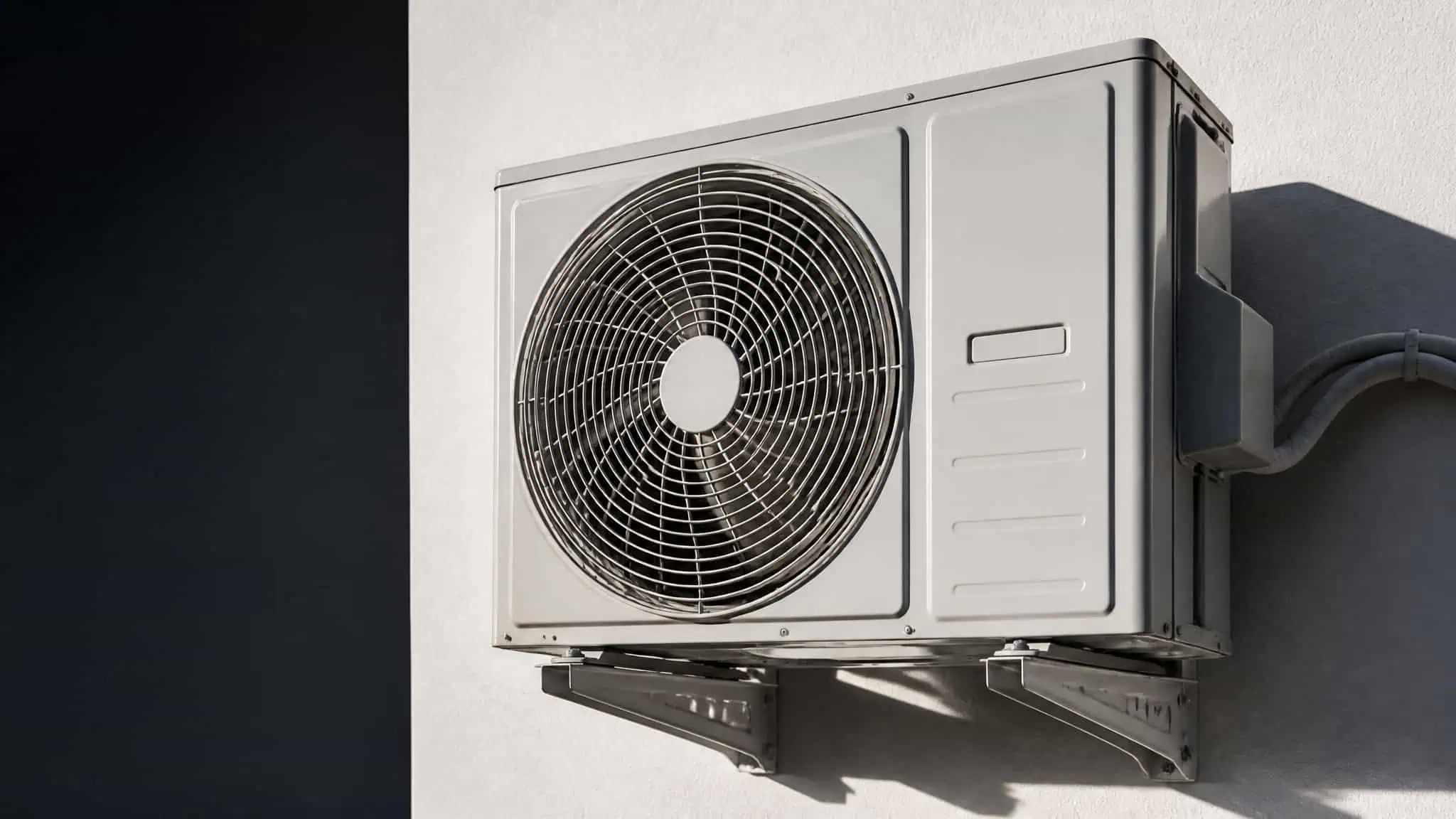
The faint hiss starts when you’re halfway through a movie. Or the rattling kicks in right as you’re falling asleep. Suddenly the machine you’ve trusted all summer feels like a ticking time bomb.
Severity isn’t determined by volume.
A loud rattle is often 90% minor. The faintest hiss can be a health hazard. This guide helps you tell the difference: which sounds demand immediate action, which can be safely monitored, and which you can fix yourself in minutes. By the end, you’ll be the guy who reads the manual so your friend doesn’t have to.
Key Takeaways
A hissing or bubbling sound from your indoor unit typically means a refrigerant leak. This is a health risk and requires EPA-licensed handling, so turn the unit off and contact a technician.
Banging, grinding, or screeching from your outdoor unit signals compressor or motor trouble; the high-pitched screech that lasts about 15 seconds at startup is a specific compressor pressure warning.
Roughly 90% of rattling noises are minor, often just debris or loose panels you can address yourself, while grinding almost always means motor bearing wear.
Table of Contents
What Your AC Should Sound Like: The Normal Baseline
Before we get into the scary stuff, let’s establish what “fine” sounds like.
A soft hum from the motor and the gentle whoosh of air through your vents? That’s your AC doing its job. Indoor units are designed to be quieter than their outdoor counterparts because they sit in living spaces. If you’ve got a quality wall-mounted unit, you might be surprised how quiet “quiet” can get.
Hitachi’s airHome wall-mounted AC runs as low as 19dB in silent mode. That’s quieter than a whisper in a library.
The real warning sign isn’t a sound itself. It’s a change.
When normal operating sounds get noticeably louder, or when the character of the sound shifts suddenly, something is developing. A smooth hum becoming a rough buzz. A gentle whoosh turning into a whistle. That’s your cue to pay attention.
Decoding Indoor Unit Noises
Here’s your lookup table for what’s coming from inside the house. For each noise, you’ll get the likely cause, the urgency, and whether you can handle it yourself.
Clicking
A single click at startup or shutdown? Totally normal. That’s your system engaging or disengaging.
Repetitive clicking is different. That points to a malfunctioning thermostat or a loose fan blade. Debris caught in the vent can also hit the fan as it spins, annoying, but not catastrophic.
The red flag version: continuous or loud clicking. That can indicate electrical issues with the control board or capacitor. If your AC is clicking repeatedly and not cooling, you’ve got an electrical problem brewing.
Hissing & Bubbling
A hissing noise typically means one of two things: refrigerant leakage or air escaping through a damaged duct. If it’s coming from the indoor unit, lean toward refrigerant.
Bubbling is in the same family, usually a refrigerant leak or water trapped in the system, often from a clogged condensate drain line.
Both of these require prompt professional repair. This isn’t a DIY situation. Refrigerant handling requires EPA licensing in the US, and for good reason: leaks can cause respiratory problems, vomiting, and headaches. If you hear hissing, turn the unit off and contact a technician.
Clanking & Popping
Clanking means something is loose, detached, or out of balance, typically the blower fan or fan blades. It’s not an emergency tonight, but ignoring it will cause further damage.
Popping can indicate low refrigerant levels, ice forming inside the unit, or a malfunctioning thermostat. Same playbook: get it looked at before it gets worse.
Whistling & Chirping
Here’s one of the few genuine DIY fixes on the indoor list. Whistling often means your air filter is dirty, full of dust and debris, restricting airflow. Cleaning or replacing it takes minutes and costs almost nothing.
Chirping is different. That points to dry bearings or friction between internal parts that need lubrication. Less serious than a hiss, but it means something’s wearing down.
Decoding Outdoor Unit Noises
The outdoor condenser has its own personality. Its noises skew more serious, and its compressor, often called the “heart” of the system, is the engine that circulates refrigerant. When something sounds wrong out there, it usually is.
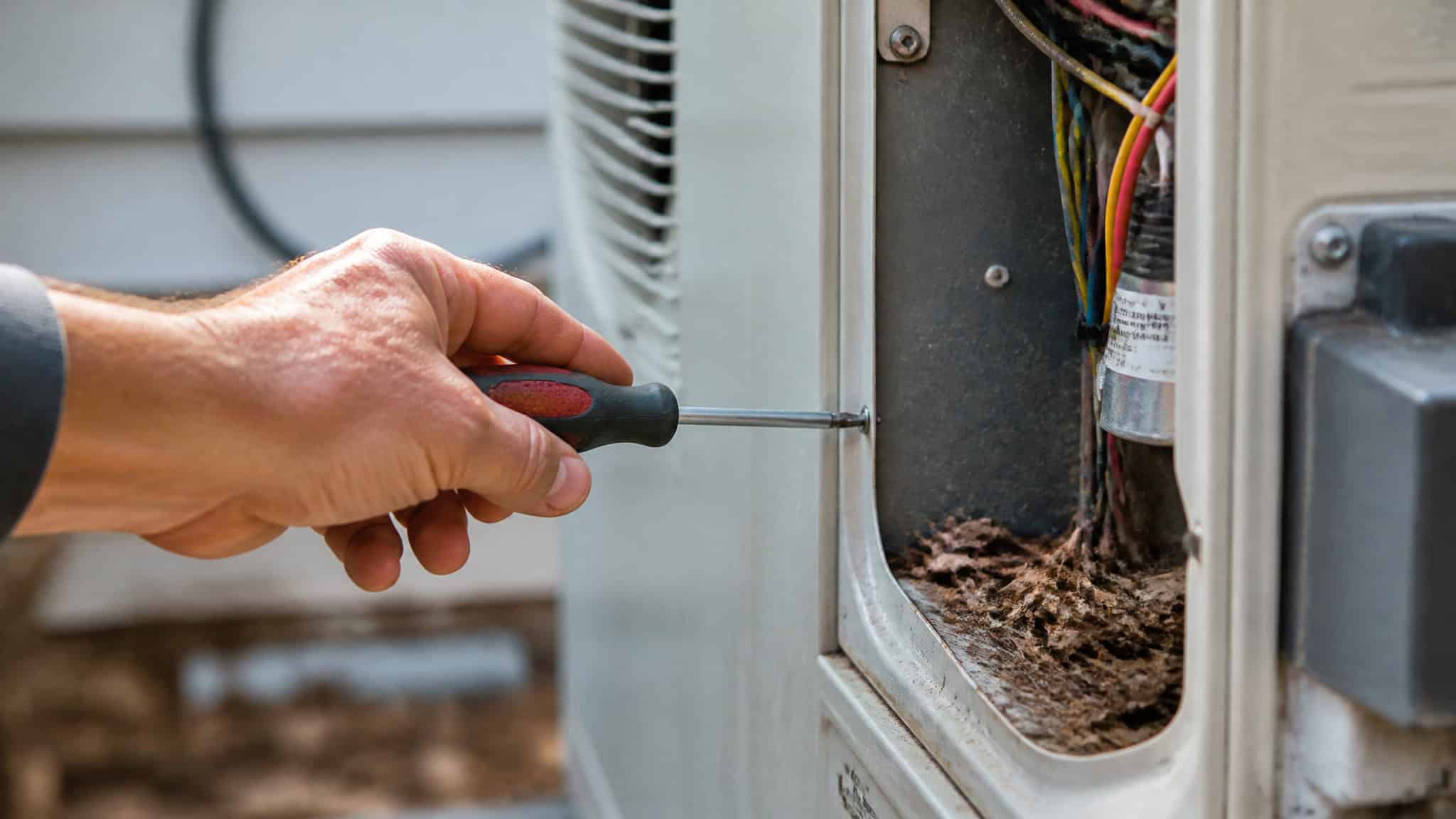
What does a bad AC compressor sound like? Banging, grinding, or high-pitched screeching. All three are cause for concern.
Here’s your outdoor noise decoder:
Banging & Grinding
Banging suggests a loose or broken compressor or fan part. Think broken or disconnected internal components, a loose compressor component, misaligned fan blade, or loose connecting rod. This needs a fix before further damage occurs.
Grinding almost always indicates mechanical wear or damage, most commonly, motor bearings. It often means serious trouble with the motor or other internal parts. This is not a “wait and see” situation.
Screeching
This points to fan motor or compressor issues. Could be worn parts, or high pressure inside the compressor when the AC starts.
Here’s the specific diagnostic clue most guides miss: a high-pitched noise lasting about 15 seconds at the start of a cooling cycle points to compressor pressure buildup. Time it. If it cuts off after 15 seconds and only happens at startup, that’s your signature.
Humming & Buzzing
A gentle hum is normal. A hum that’s getting louder? That’s a change worth noticing, potential electrical issues like loose wiring, motor problems, or a failing capacitor.
Buzzing may signal an electrical problem or a compressor issue. Causes include inadequate airflow to the compressor, a malfunctioning contactor relay, loose wiring, or debris in the outdoor unit.
A failing capacitor is a common culprit, and capacitors often fail within the first 1-2 years of system use. That’s not a “your system is old” problem. That’s just what capacitors do.
Rattling
Here’s your good news sound. Rattling may stem from loose components or debris lodged in the unit, leaves, twigs, or small rocks in the outdoor condenser.
Importantly, 90% of rattling noises are minor. Often, it’s just debris or loose panels. Easy fix. But it can also signal a worn-out fan motor, so don’t completely dismiss it.
Chirping
A chirping sound from an outdoor unit indicates friction between components. Not the scariest sound, but something’s rubbing that shouldn’t be.
When to Call a Professional Immediately: The Emergency Triage
Is it dangerous to keep running your AC if it’s making a loud noise? Yes, for certain sounds, shut it off now.
High-pitched screaming or hissing, loud banging, and grinding require emergency AC repair. Shut off the system and call a technician immediately, and if your AC smells bad, identify the source, musty, burning, or rotten eggs, and address it safely.
Here’s where the counterintuitive lens matters most: the loudest noise isn’t the most dangerous. A faint hiss from an indoor unit can be more dangerous than a loud clatter from outside. Refrigerant leaks cause respiratory problems, vomiting, and headaches. Electrical buzzing and humming risk fire if ignored. Loud buzzing, hissing, or electrical crackling sounds can indicate dangerous electrical faults.
Ignoring these signs leads to poor indoor air quality, bad smells, and more extensive system damage. Small issues escalate. That grinding sound? It can lead to motor failure or compressor damage.
That hiss? It’s a health hazard, and recognizing these AC warning signs early is the only way to avoid them.
Running the unit on a loud noise can itself cause more damage. Grinding, banging, or high-pitched screeches don’t fix themselves, they get worse.
DIY Fixes vs. When to Call a Pro
Can you fix a noisy AC yourself, or do you need a professional? Three things you can do yourself. But if the unit runs yet the house stays warm, the issue may be AC not cooling enough, and that usually needs a pro.
The homeowner-safe list:
- Clean or replace air filters. The #1 DIY fix for whistling and airflow issues. Takes minutes.
- Check for loose screws and tighten loose panels. If your rattle is 90% minor, this is likely why.
- Clear debris from the outdoor unit. Leaves, twigs, rocks, they get caught in the condenser and make all kinds of noise.
Tightening panels or replacing dirty filters is reasonable, low-risk DIY work. That 90% of rattling being minor? This is where it pays off.
But draw the line here: motor repairs, refrigerant handling, electrical work, and compressor repair are professional-only territory. Refrigerant handling requires EPA licensing in the US. DIY fixes are not recommended for banging or clanking noises, those are the sounds of internal parts doing things they shouldn’t.
What Does a Grinding Noise Mean? Motor Trouble Explained
Grinding deserves its own section because it’s specific, common, and serious.
A grinding noise from an AC unit almost always indicates mechanical wear or damage, usually motor bearings. Full stop.
Here’s the progression: bearings wear → they grind → they fail → motor fails. Early replacement of bearings might suffice. Let it go, and you’re looking at full motor replacement.
Grinding can also indicate compressor breakdown, which is more severe, and more expensive.
If the grinding continues, it will lead to complete motor failure or compressor damage. Turn the unit off and contact a professional. This isn’t a maybe.
What to Do About Banging or Clanking Noises
Banging or clanking noise? Turn it off and call a professional. DIY is not the play here.
These sounds indicate compressor issues or loose internal components. Specific causes include a broken piston pin or connecting rod inside the compressor, loose parts in the blower assembly, or unbalanced fan blades.
Remember the compressor is called the “heart” of the AC system because it circulates refrigerant. If the heart is banging around in there, that’s a serious problem. Banging noises can signal broken or disconnected internal parts, a loose compressor component, misaligned fan blade, or loose connecting rod.
Banging and clanking are not debris problems. They’re not filter problems. They’re internal mechanical problems, and they require a professional.
Repair or Replace? The Financial Decision
How much does it cost to fix a noisy air conditioner? Repairs can run from hundreds to thousands of dollars. Here’s the rule for knowing when to stop repairing.

The math is simple: If the repair quote is more than half the cost of a new system, and your unit is over 10 years old, replacing it is usually the more financially sound choice.
Here are your real cost anchors:
- Complete residential HVAC replacement: $12,000, $16,000
- Furnace-only replacement: $6,500, $9,000
- Heat pump installation: $12,000, $15,000
- Standard central AC split system: $13,000, $16,000
- Gas furnace + AC combo: $13,000, $16,000
- Ductwork repair: $2,800, $4,000
One caveat before you call the first number you see a scam: two quotes for the same home can differ by thousands of dollars. That’s typically due to equipment tier, efficiency rating, install complexity, and what’s included in the work, not overcharging.
Joey Dooley, a general manager at ARS with 23 years of HVAC experience, puts it well: in some cases, an eight- or nine-year-old system makes sense to replace. In other cases, a 15-year-old system still makes sense to keep. Age isn’t the only factor, it’s age combined with repair cost.
Preventive Maintenance: The Cheapest Fix You’ll Ever Skip
Most noise problems come from preventable neglect. The fix is boring, but it works.
Schedule maintenance twice a year, spring and fall. It extends system lifespan. And here’s the kicker: many manufacturers effectively require it to protect the warranty. Skip maintenance, and you might void the coverage you’re counting on.
What regular maintenance covers:
- Checking electrical connections
- Lubricating moving parts
- Replacing worn components
- Cleaning coils and fans
- Ensuring correct refrigerant levels
The capacitor detail matters here. Capacitors often fail within the first 1-2 years of use, that’s not an old-system problem. Proactive electrical checks catch these before they become emergency breakdowns.
Dirty filters and clogged drains are the leading DIY-preventable noise causes. Remember that 90% of rattling is minor? Most of it traces back to regular maintenance you skipped.
Tom Berner, owner of Berner Air Conditioning & Heating, puts it simply: many air conditioning problems begin as small, unnoticed changes in sound or performance that gradually worsen over time. Identifying these early warning signs allows homeowners to catch problems before they cause significant system damage or unexpected breakdowns.
Quiet Technology: The Proactive Solution
If you’re shopping for a replacement and noise is your primary complaint, here’s the thing to know: quiet operation is a purchasable, measurable feature, not a marketing guess.
Hitachi offers a range of residential ACs designed for quiet operation, including the airHome 400, airHome 600, 8kW S-Series, airHome Multi-Pro, and Set Free Mini. The wall-mounted airHome units have a silent mode running as quietly as 19dB, that whisper-in-a-library spec we mentioned earlier.
Many Hitachi residential ACs also come with FrostWash technology, which keeps the indoor unit cleaner and improves performance over time. That’s not just a convenience feature, it reduces the buildup that causes noise over a unit’s life.
If you’re replacing a system anyway, quiet operation is worth paying for. You’ll notice it every single day.
The Bottom Line: Listen to What Your AC Is Telling You
Every noise is a signal. Now you know how to read them.
Three categories to remember:
DIY fixes: Dirty filter, loose panels, debris in the outdoor unit. The 90% of rattling that’s minor. Fix it yourself, save the service call.
Professional diagnosis: Everything else. Most noises need a trained ear. That’s not a scam, that’s how you avoid turning a small problem into a breakdown.
Emergency shutdown: Grinding, banging, hissing, or electrical buzzing. Shut it off and call someone now.
The most expensive mistake? Ignoring a sound until it becomes a breakdown. The second most expensive? Overpaying for a repair you didn’t need by not understanding the cost picture.
Small issues inside an air conditioning system escalate if left unaddressed. Catching a problem early can save you hundreds of dollars, and prevent the kind of damage that turns a repair into a full replacement.
That hiss that scared you out of your movie night? It might be nothing. Or it might be a refrigerant leak. Now you know the difference. And that’s the entire game.
People Also Ask
What does a blown AC compressor sound like?
A failing compressor often produces banging, grinding, or a high-pitched screech. A screech that lasts about 15 seconds at startup is a specific sign of compressor pressure buildup, while banging can indicate loose or broken internal parts.
Which is the most common source of abnormal noises in an air conditioner?
The most common source is usually minor: debris like leaves or twigs in the outdoor unit, loose panels, or a dirty air filter. These account for roughly 90% of rattling noises and are often easy DIY fixes.
What does a bad AC fan motor sound like?
A bad fan motor often produces grinding, which almost always indicates motor bearing wear. You might also hear rattling if the fan blades are loose or misaligned, or a loud hum that’s getting progressively louder.
Why does my AC make a hissing noise?
A hissing noise from your indoor unit typically means a refrigerant leak, which is a health risk and requires EPA-licensed handling. It can also indicate air escaping through a damaged duct. Turn the unit off and contact a technician.
What’s the difference between a hiss and a rattle from my AC?
A hiss is often a refrigerant leak, which is a health hazard and needs immediate professional attention. A rattle is usually minor—debris or loose panels—and is safe to investigate yourself. The loudest noise isn’t always the most dangerous.