It starts with a sound you can’t quite place. A wheeze from the vents, maybe, or the low hum of a compressor that’s working twice as hard as it should. You check the thermostat. The house is warm, the AC is running, and the best it can do is a lukewarm breeze.
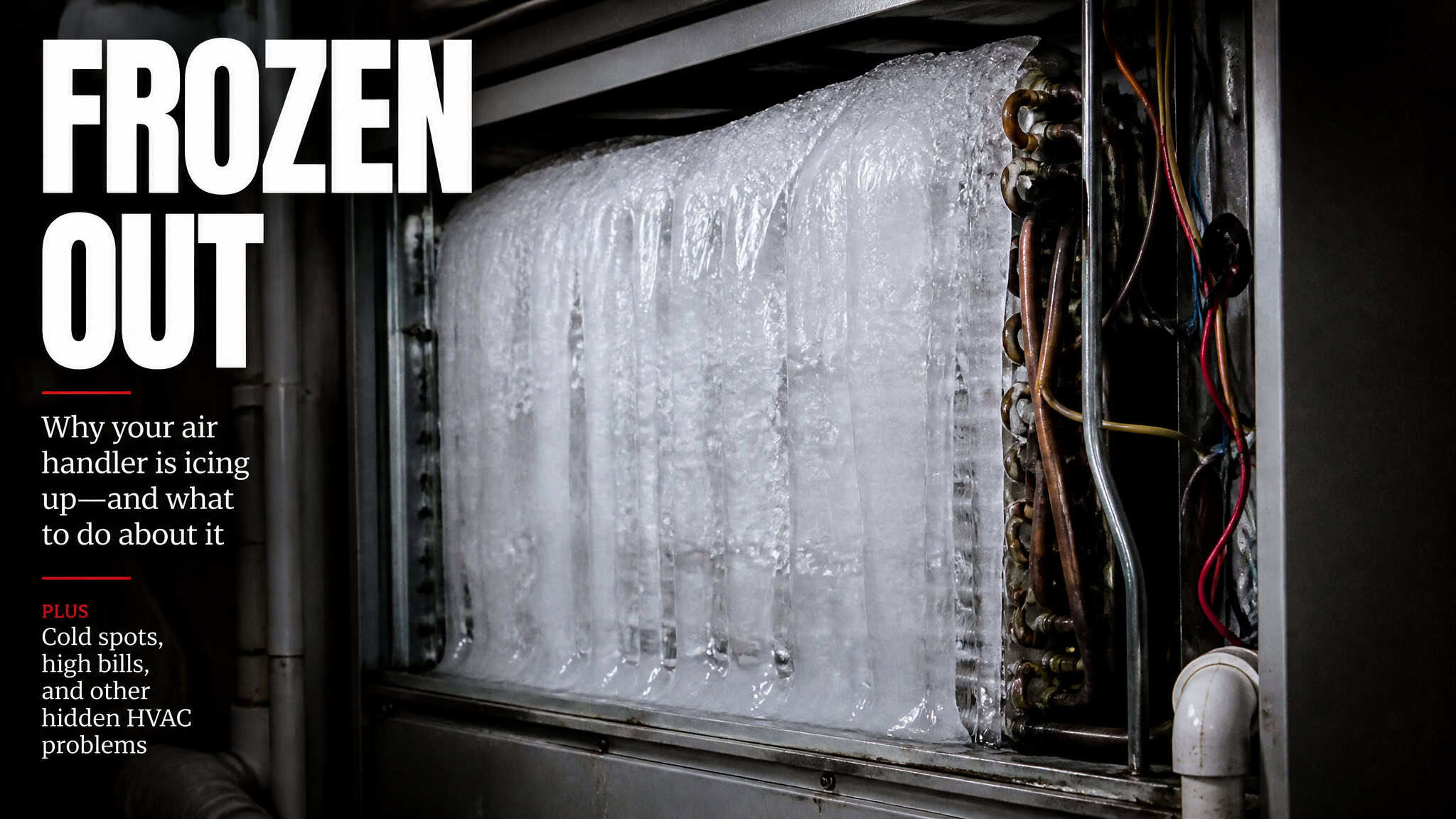
Then you find it: a block of ice wrapped around the copper lines and coils inside the air handler. In the middle of summer. On the thing that’s supposed to make you cold.
It doesn’t make sense, and that’s exactly why it feels like a crisis. Your first instinct is to grab a screwdriver and start chipping. Stop. That ice isn’t the problem, it’s the symptom. And how you handle the next thirty minutes determines whether this is a $300 service call or a $5,000 replacement.
Why Ice on the Coils Is Bad News
Your AC works by moving heat from inside your house to the outside. The evaporator coil, the indoor one, gets cold because refrigerant is boiling off inside it. When humid air blows across that cold surface, moisture condenses and drains away. That’s normal. That’s the system doing its job.
Ice is different. Ice means that coil temperature has dropped below freezing, which means something is off balance. Either not enough warm air is crossing the coil, or there isn’t enough refrigerant pressure in the system. Both conditions drop the coil temperature until the condensation freezing on it faster than it can melt.
Here’s the part that matters: running the system with a frozen evaporator coil can cause permanent damage to your condenser unit. That’s the outdoor box with the compressor, the most expensive single component in the whole system. The compressor is engineered to pump vapor, not liquid. When ice melts and refrigerant floods back to it, you risk turning that expensive part into a boat anchor.
And about that screwdriver you were reaching for? Don’t. Chipping ice off the coil can puncture the metal, which turns a simple airflow problem into a refrigerant leak. That’s a costly mistake. Let the ice melt on its own.
Evaporator Coil vs. Condenser Coil: Know What You’re Looking At
Before you start diagnosing, you need to know which coil you’re dealing with.
The evaporator coil is indoors. It lives inside the air handler, usually mounted right on top of the furnace. This is the coil that provides the actual cooling, and it’s the one that freezes when you’ve got an airflow or refrigerant problem in cooling mode.
The condenser coil is outside. It’s the one in that big metal box next to your house, with the fan blowing warm air out of the top. It’s hot in the summer because it’s rejecting heat. It usually doesn’t ice up while you’re cooling.
There’s one important exception: if you have a heat pump and you’re running it in heating mode during the winter, the outdoor coil can freeze. Cold air and humidity will do that. Heat pumps have a defrost mode specifically for this, and unless that defrost cycle fails, a little frost out there is part of normal operation. That’s a winter issue. The summer freeze-up we’re talking about is your indoor evaporator coil.
The Top Causes of a Frozen Evaporator Coil
Now let’s figure out why it happened. These are ranked by how often they actually turn up.
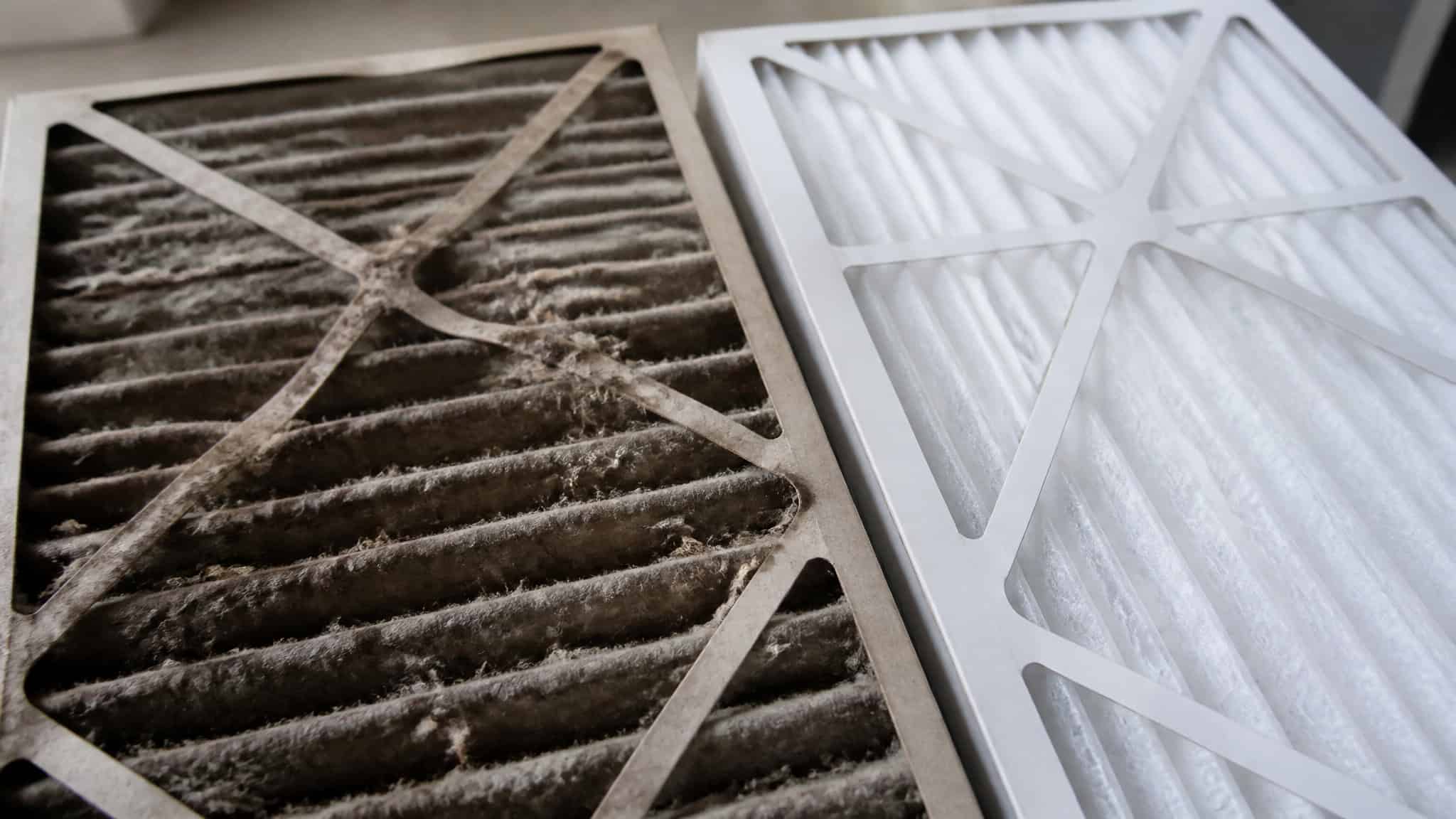
Dirty air filter. This is the big one, especially if you live somewhere dusty. A clogged filter restricts airflow, and less air moving across the coil means the coil gets colder than it should. Ice forms. The fix is a $15 filter and two minutes of your time. Change it every 30 to 90 days, and lean toward the shorter end of that range if you have pets or live in a dusty area.
Dirty evaporator coil. A dirty filter ignored for too long leads to a dirty coil. Dust and grime build up on the fins, acting like a blanket. It traps cold and blocks airflow.
This is a chain reaction that starts with the filter, but the coil cleaning itself is a pro job. They have the tools and won’t bend the fins or damage the refrigerant lines.
Blocked return vents. Low airflow starves the system. The classic scenario: you moved the couch to watch the game and unknowingly covered the return vent. Now the system is trying to pull air through a sofa.
Keep every return vent clear of furniture, rugs, and debris. It’s a check that takes ten seconds and prevents a headache.
Faulty thermostat. If you’re only seeing ice in the morning, the thermostat might be the culprit. It’s not telling the AC to shut down when temperatures drop overnight, so the system runs too long and overcools. A thermostat that’s allowing the AC to run when it shouldn’t will freeze a coil just as fast as a clogged filter.
Refrigerant leak. Low refrigerant reduces pressure, which makes the coil too cold. This is not a DIY fix. It requires gauges, certification, and a torch.
Look for oily residue around the indoor coil or a hissing sound near either coil. Those are signs of a leak, but knowing these AC warning signs early is key. If it’s a leak, regular maintenance is the only way to catch it early before it becomes a big repair.
Clogged condensate drain line. The system produces a lot of condensation, and it has to drain somewhere. If that drain backs up, excess moisture can sit there and freeze onto the coils. This is worse in humid weather. The good news is you can clear it yourself with a wet/dry vacuum to pull the clog out.
Broken fans or components. The indoor blower motor or the outdoor condenser fan can fail. If they’re not moving enough air, the system starves and the coils freeze. Same result as a blocked vent, different cause.
Oversized AC or faulty expansion valve. If the system is too big for the house, it cycles on and off too quickly, which can cause freezing. A faulty expansion valve disrupts refrigerant flow, leading to uneven cooling and ice, and is one of the most common causes of AC blowing warm air. These are technical issues that require a professional.
Rare causes. Water intrusion or dense filters can plug the coils, but these are outliers. Most freeze-ups are airflow problems.
If you’ve been diligent about filters and your vents are clear but the ice keeps coming back, the tell is almost always something else moving the air flow numbers: a failing blower bearing, a return that’s not actually open to the system, or a refrigerant leak that’s been dying slowly. Before chasing those, though, rule out AC thermostat problems, a faulty thermostat can mimic a system failure by misreading temperatures and cycling the compressor in a way that invites freezing.
Quick test: After changing the filter and clearing vents, run the AC. If ice reforms within 24 hours, skip further DIY and book a pro with gauges.
What to Do Right Now: Safe Thawing Steps
Here’s your move, in order.
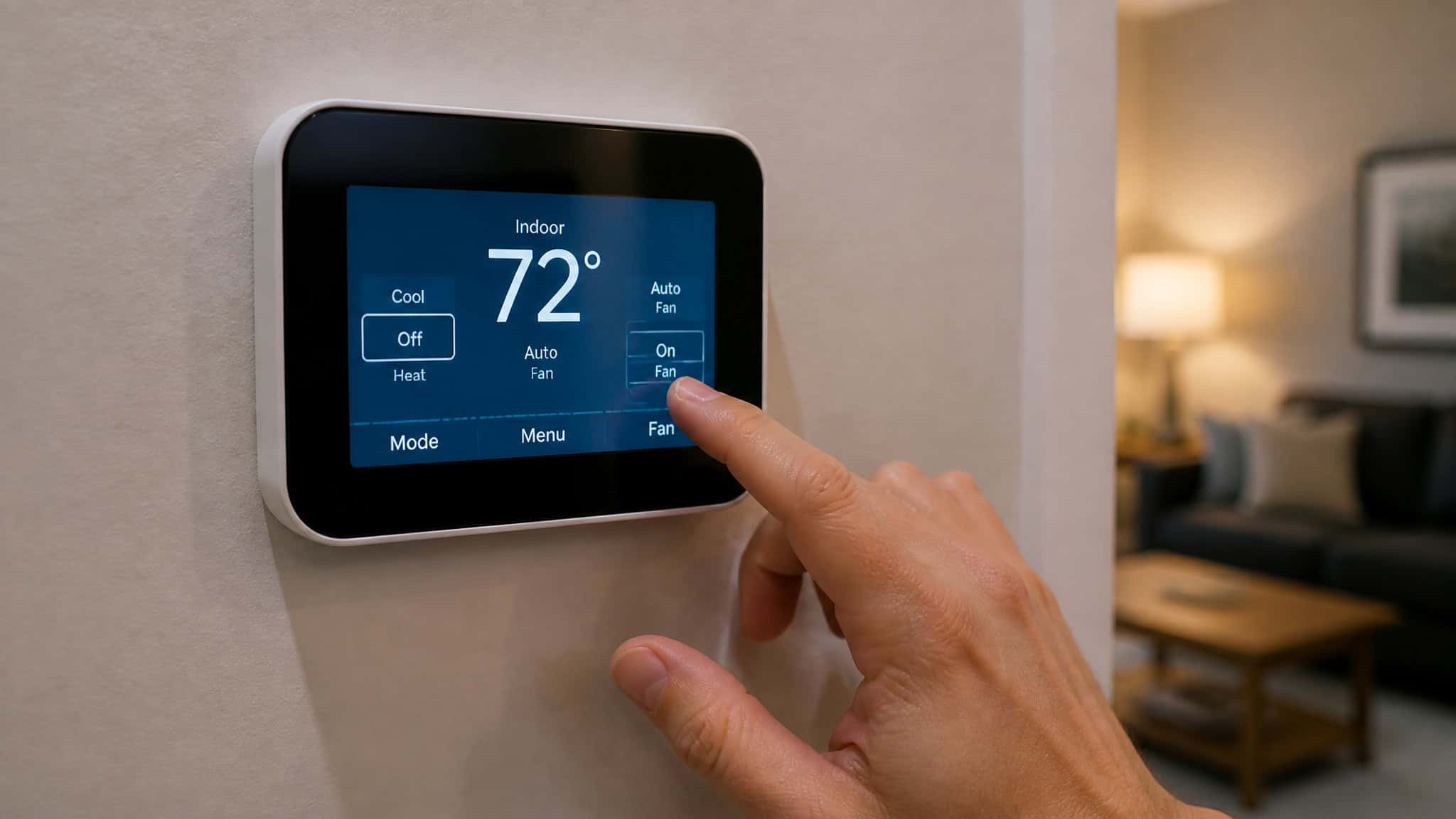
First, turn the AC off at the thermostat. Switch it from Cool to Off entirely. If you have a heat pump, avoid using defrost mode when the indoor coil is frozen. Defrost mode only removes ice from the outdoor coil during heating. It won’t help the indoor coil, and it can make things worse.
Next, set the fan to On instead of Auto. This pushes air across the ice and speeds up the thaw. It can take a few hours. Be patient.
If you have stubborn ice on an accessible coil, a blow dryer on low to medium is fine. Hold it about six inches away and keep it moving. Don’t concentrate the heat on one spot.
The hard rule: do not chip at the ice. Chipping can harm the coil and lead to a refrigerant leak. That’s not a gentle caution, it’s a stop sign.
Now assess the situation. If it’s peak heat wave and you’re without AC, call for emergency service. If it’s evening and temperatures are moderate, you can schedule a repair for a day or two out. You don’t have to panic.
And here’s the restart rule: do not turn the system back on until the coil has fully defrosted and you’ve changed the air filter. If you skip the filter change, you’ll just freeze it all over again. Running that system with a frozen coil risks the compressor, and that’s the bottom line.
When to Call a Pro: What a Real Diagnosis Looks Like
You’ve changed the filter. You’ve cleared the condensate drain with a wet/dry vacuum. You’ve moved the couch off the return vent. The system freezes again within a day or two. At this point, the DIY road is over.
You need a technician, but you need the right kind of technician. The difference between a guess and a diagnosis is whether they connect gauges to the system. A thorough professional analysis should include:
- Connecting refrigerant gauges to measure pressures and temperatures
- Checking superheat and subcooling to verify the refrigerant charge and expansion valve operation
- Testing airflow with anemometers
- Measuring static pressure to reveal duct restrictions
- Checking humidity levels
- Inspecting filters, coils, fans, valves, thermostat, sensors, and drain lines
What this gets you is a systematic elimination of airflow, refrigerant, and mechanical causes. You’re not paying for a guy to look at the ice, shrug, and suggest a new compressor. You’re paying for a process that rules things out.
The common pattern that signals the need for a pro is the homeowner who has done the basic checks and the system still freezes. That pattern points to a refrigerant leak or a component failure, and neither is a DIY fix. Refrigerant work is for pros. That’s not a sales pitch, it’s a safety issue.
Red flag: If a tech recommends a new compressor without first connecting gauges and checking pressures, get a second opinion.
Repair vs. Replace: What’s Worth It?
Here’s the money conversation, and it’s a real one.
Replacing just the AC coil runs anywhere from $500 to $2,500, with an average around $1,500. That’s roughly a quarter of the price of a full unit replacement, which averages $5,860. The coil fix is cheaper, but only if the rest of the system has life left in it.
Several factors affect the price: the size of the coil, the cabinet type, whether it’s under warranty, labor costs in your area, and the type of refrigerant. If it’s under warranty, you’re in luck. If not, you’re eating the full cost.
Here’s the rule of thumb that makes sense: if your system is 12 years old or less and in otherwise good shape, replacing the coil is worth it. If it’s older than that, or if the compressor is compromised, you’re better off replacing the whole system. As one contractor put it, if your unit is older or in poor condition, replacing the entire system is recommended and will be more cost-effective over time.
HVAC systems and coils typically last 10 to 15 years. If your system is near or past that range, a full replacement is the smarter money. You’re not throwing good money after bad.
And a practical note: if the system isn’t cooling at all, replacement may be urgent. You don’t get to choose the timing. But if you have options, don’t rush into the first quote. Get multiple estimates.
Preventing Frozen Coils: The Cheap Stuff First
Most freeze-ups are preventable with habits that take five minutes and cost almost nothing.
Change your filters every 1 to 3 months. This is the single highest-impact habit. In high-dust areas or with pets, lean toward the shorter end. Regular filter changes prevent a dirty coil and restricted airflow. That’s the key to prevention.
Keep vents and registers clear. Check for furniture, rugs, or anything else blocking return vents. Rearrange furniture if you have to. It’s a simple fix that prevents a headache.
Schedule annual professional maintenance. Have a pro inspect and clean the system each spring. Regular maintenance catches issues early and helps prevent refrigerant leaks. It’s worth the money.
Clear the condensate drain line periodically with a wet/dry vacuum, especially in humid climates. It prevents excess moisture from freezing on the coils.
Keep the outdoor unit clean and clear of debris, leaves, and snow. Give it good clearance, don’t crowd it. And don’t overcool your home. Don’t set the thermostat below 70°F in hot weather.
Monitor for issues. Weak airflow or unusual noises are early warning signs. Address them promptly instead of assuming they’ll go away.
One last timing tip: schedule HVAC work during cooler months, October through April. It’s generally cheaper and techs are more available. And get multiple quotes before committing. A little planning beats an emergency call every time.
People Also Ask
How to get ice off AC coils?
Turn the AC off at the thermostat and set the fan to ‘On’ to push air across the ice and speed up the thaw. You can also use a blow dryer on low or medium heat, holding it about six inches away and keeping it moving. Never chip at the ice, as this can puncture the coil and cause a refrigerant leak.
How long does it take for AC coils to unfreeze?
It typically takes a few hours for AC coils to fully thaw. Setting the fan to ‘On’ instead of ‘Auto’ helps speed up the process. Be patient and don’t turn the system back on until the coil is completely defrosted and you’ve changed the air filter.
How do I keep my AC coils from freezing?
The most effective way to prevent frozen coils is to change your air filter every 1 to 3 months, keep all vents and registers clear of obstructions, and schedule annual professional maintenance. Also, clear the condensate drain line periodically and keep the outdoor unit clean and free of debris.
What causes an AC evaporator coil to freeze up?
The most common cause is restricted airflow from a dirty air filter, but a dirty evaporator coil, blocked return vents, a faulty thermostat, low refrigerant from a leak, or a clogged condensate drain can also cause freezing. These issues drop the coil temperature below freezing, causing condensation to freeze on the coil.
Is it worth replacing an AC coil instead of the whole system?
Replacing just the coil is worth it if your system is 12 years old or less and in otherwise good shape. If the system is older than that or the compressor is compromised, replacing the whole system is more cost-effective in the long run. Coil replacement averages around $1,500, while a full system replacement averages about $5,860.
What’s the difference between an evaporator coil and a condenser coil?
The evaporator coil is indoors, usually in the air handler, and it’s the one that freezes when you have airflow or refrigerant problems in cooling mode. The condenser coil is outdoors in the big metal box and is hot in the summer because it’s rejecting heat. It usually doesn’t ice up while cooling, except in heat pumps during winter heating mode.
When should I call a professional for a frozen AC coil?
If you’ve changed the filter, cleared the condensate drain, and made sure vents are unblocked but the system freezes again within a day or two, it’s time to call a pro. A proper diagnosis involves connecting refrigerant gauges, checking superheat and subcooling, and testing airflow. If a tech recommends a new compressor without doing these checks, get a second opinion.