You walk over to the thermostat, crank it down a few degrees, and wait for that first rush of cold air. Instead, you get a lukewarm breeze that feels like it’s coming from a hair dryer set on low. The AC is running. The fan is spinning. But the air coming out of the vents is anything but cold.
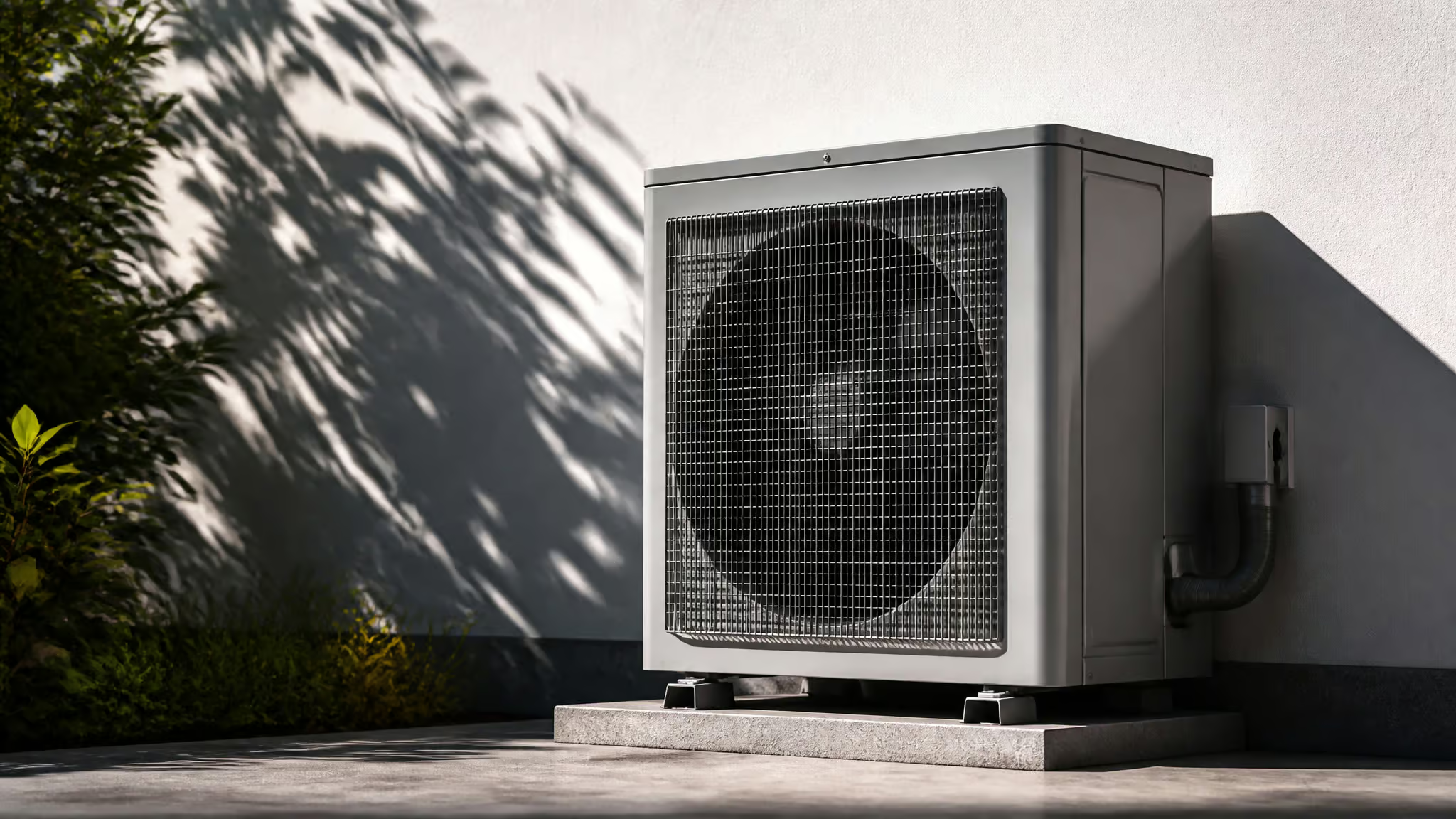
Before you start mentally budgeting for a new system, here’s the thing that changes how you should think about this: according to Coolray, an Atlanta-area HVAC company that’s been at this since 1966, about 90% of hot-air issues trace back to the outdoor condenser unit. If air is moving but it’s not cold, your indoor blower is doing its job. The problem is almost certainly outside the house.
That’s counterintuitive, and it’s also good news. It means most warm-air problems fall into a handful of categories, and the fix could be a $15 filter or as involved as a $2,000 compressor. Here’s how to work through them, from easiest to hardest, and know exactly when to stop DIY and call a pro.
Key Takeaways
If your AC is running but blowing warm air, the indoor blower is fine; the problem is likely the outdoor condenser unit, which Coolray attributes to 90% of hot-air issues.
A dirty air filter is the number one cause of an AC that runs but doesn’t cool, and a severely clogged one can freeze the evaporator coils and block cool air entirely.
Most “compressor failures” are actually electrical problems, so don’t accept a compressor replacement recommendation without asking about the capacitor, PTC relay, or hard-start kit first.
Table of Contents
How an AC Works, and Why Warm Air Means Something Failed
You don’t need a thermodynamics lecture. You need a mental model.
Your AC works on a simple loop. The compressor pumps refrigerant through the system. The condenser coil outside releases heat. The expansion valve drops the pressure.
The evaporator coil inside absorbs heat from your home’s air. Then the blower pushes that cooled air through your vents, but if airflow is blocked, you’ll feel warm air instead.
The compressor is the heart of the system, as Lennox puts it. If it fails, the whole cycle stops. But here’s the key: warm air means one step in that loop isn’t completing. Either airflow is blocked, the refrigerant can’t absorb heat, or the compressor isn’t running at all.
If the fan runs but the air isn’t cold, the issue is likely the outdoor compressor or refrigerant levels, not the indoor blower. That single fact narrows your troubleshooting dramatically.
Dirty Air Filters: The Number One Cause
Dirty air filters are the usual suspect when your AC runs but doesn’t cool. Check this first. It’s the cheapest fix on this list, and it’s the most common culprit.
Here’s what happens. Dust accumulates on the filter and blocks airflow. The system has to work harder, and it starts blowing warm air. But it gets worse.
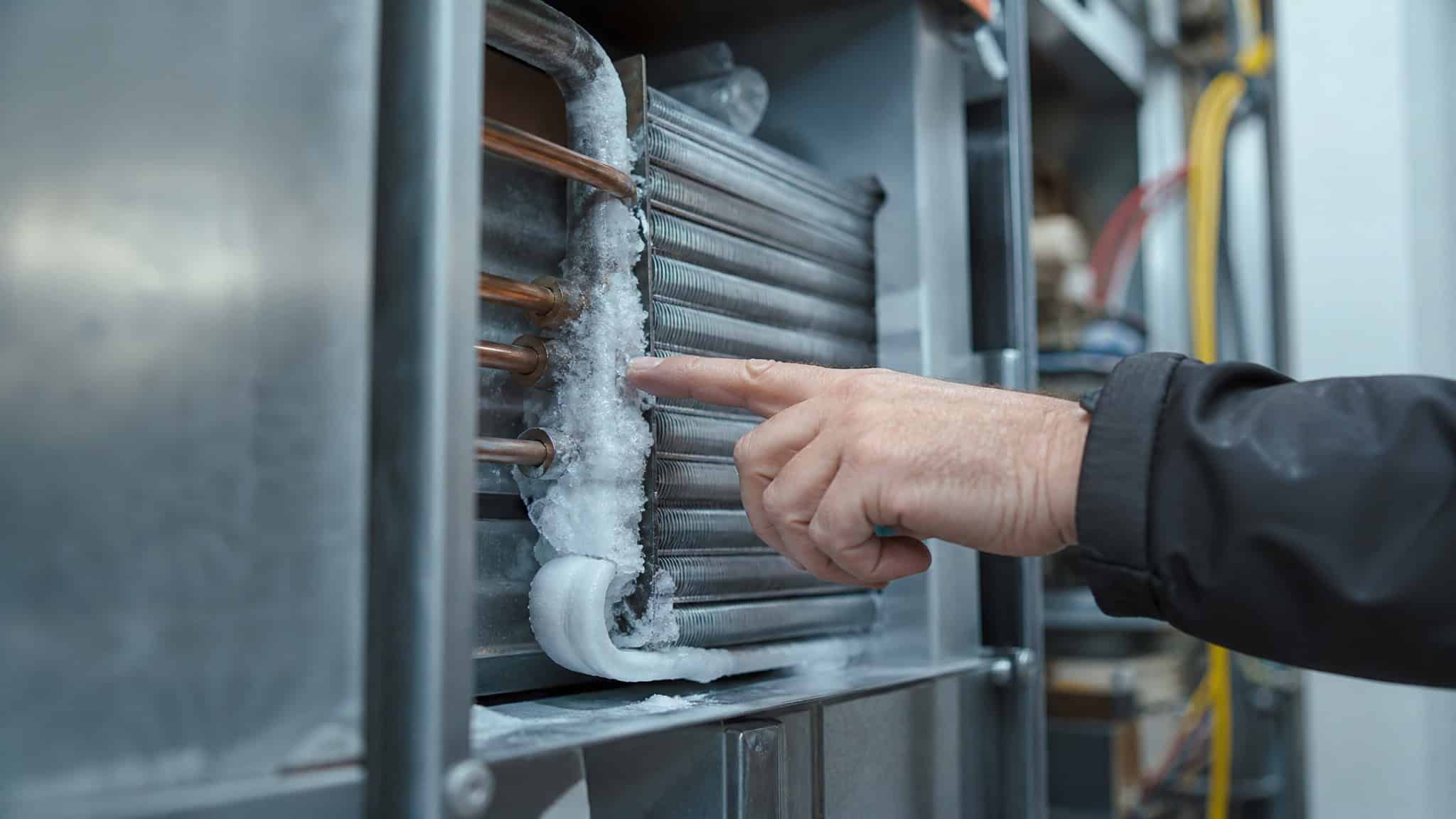
A severely clogged filter can cause the evaporator coils to freeze. The ice then blocks cool air entirely, which Carrier notes is a risk.
The freeze-up loop works like this: restricted airflow makes the coil temperature drop below freezing. Ice forms on the coil, which blocks airflow even further. Homeowners see ice and immediately assume it’s a refrigerant problem. It’s not. It’s a $15 filter that should have been swapped a month ago.
Turn off the system before you remove the filter. Then replace it. The general rule is every 1 to 3 months, depending on the filter type. Monthly for basic fiberglass filters, quarterly for higher-end pleated ones.
Jennifer Fletcher, owner of Modern Air Solutions in Gurnee, Illinois, suggests asking your HVAC professional which filter works best for your system. That’s a fair question to ask during a tune-up.
Bottom line: If the coils are frozen, the fix is likely a $15 filter, not a $2,000 refrigerant repair.
Refrigerant Leaks: Low Freon Means No Heat Absorption
Refrigerant is what absorbs heat from your indoor air. If there’s a leak, the level drops, and the system can’t absorb heat properly. That’s why you’re getting warm air.
This is the first “call a pro” moment, and it’s non-negotiable. A licensed technician has to locate the leak, repair it, and recharge the system. This is never a DIY job.
How do you recognize it? Ice buildup on the indoor unit or the copper line is a red flag. So is a hissing or bubbling noise from the system. Low refrigerant can cause ice to form on both indoor and outdoor units.
Here’s the misdiagnosis trap worth understanding: low refrigerant and dirty filters both produce ice on the coil, but the remedies are completely opposite. One is a filter swap. The other is a professional repair. If you know that, you can avoid paying for an unnecessary refrigerant recharge when all you needed was a new filter.
Thermostat Issues: Sometimes the AC Is Fine, the Thermostat Isn’t
There’s a field pattern here that HVAC techs see constantly. A homeowner hasn’t touched the thermostat in weeks. The AC starts blowing warm air. They’re ready to call for service. Then someone notices the thermostat is set to “Fan Only” or “Heat.”
No one touched it. It got bumped, or the display is confusing, or a kid pressed a button. It happens.
The fix is embarrassingly simple. Make sure the thermostat is set to “Cool” and the fan is set to “Auto,” not “On.” If the fan is on “On,” it runs continuously, and you’ll feel uncooled air from the vents even when the compressor isn’t running.
If the settings are correct, check the batteries. Low batteries can prevent the thermostat from communicating with the system. Swap them out. If the thermostat is misreading the room temperature, it might need recalibration. Test it each season to make sure it’s responding correctly.
Electrical Problems: Breakers, Capacitors, and Contactors
If the outdoor unit is completely silent while the indoor blower runs, you’ve got an electrical problem. The indoor fan is circulating uncooled air because the compressor never kicked on.
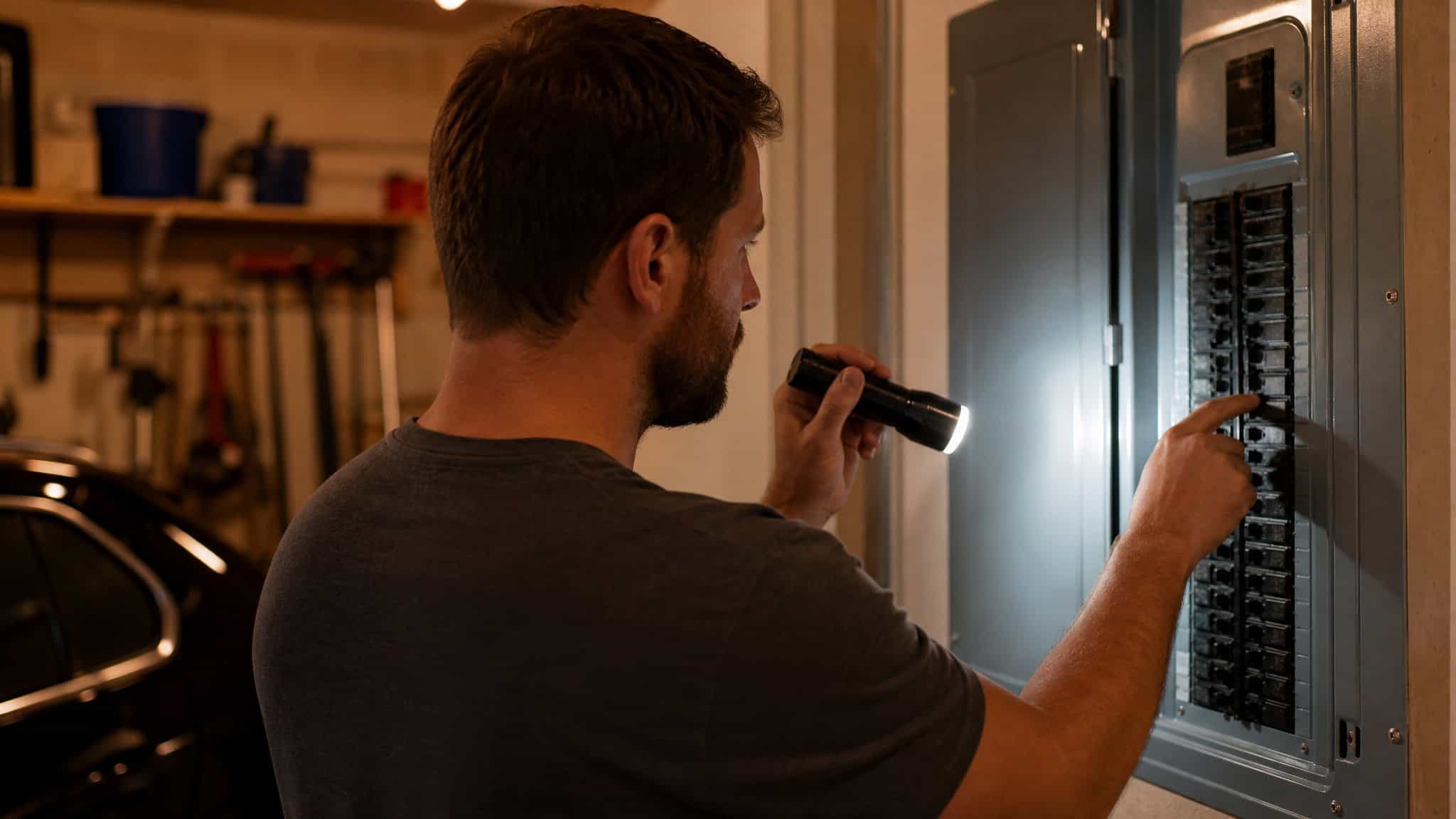
Start with the breaker. A tripped breaker can cause hot air. Reset it once. If it trips again, call a technician.
Don’t keep resetting it. Repeated tripping means something is drawing too much current, and that’s a problem you shouldn’t ignore.
Tripped Breakers and Power Supply
Check the circuit breaker for the AC unit. If it’s tripped, reset it and see if that helps. Also check that the outdoor unit’s power switch is on. Sometimes it gets flipped off and no one notices.
If the breaker trips again, it could be a compressor or wiring issue. That needs a licensed electrician or HVAC tech.
Capacitors and the Reddit Cautionary Tale
A faulty capacitor can prevent the compressor from starting or running properly. The capacitor is what gives the compressor the jolt it needs to start and keeps it running. If it’s bad, the compressor won’t work.
Here’s a real-world example from r/hvacadvice. A homeowner had their capacitor replaced, and three days later, the AC was blowing warm air again. The suspected culprit was a loose outdoor disconnect pullout. Commenters suggested calling the tech back and inspecting the disconnect for loose metal pieces. One commenter put it plainly: pull it out and inspect it, the metal pieces could be loose.
The lesson here isn’t that every repair is shoddy. It’s that even recent professional work can leave a loose connection. If you just had work done and the AC fails shortly after, mention that when you call. It’s the single most useful piece of information you can give a technician.
The cost dynamic matters too. A capacitor is roughly $20. A compressor is roughly $2,000. Most compressor failures are actually electrical, so don’t let anyone talk you into a compressor replacement without checking the cheap parts first.
Clogged Condensate Drain Line: The Silent Shutdown Trigger
This one is counterintuitive. A clogged drain line doesn’t cause a visible leak. It trips a safety switch that shuts down cooling while the fan keeps running.
Here’s the mechanism. Your AC produces condensation as it cools. That water drains through a PVC pipe near the outdoor unit. If the line clogs, condensation backs up and can freeze, blocking airflow.
A float switch in the drain pan detects the rising water and shuts off the compressor to prevent flooding. The blower keeps running, so you get warm air.
The signs are subtle. A leak around the air handler, a float switch that’s off, a full drain pan, and the AC warning signs are easy to miss. A simple check: your AC should drip while running. If it’s running but not dripping, that indicates a clog somewhere in the line.
You can fix this yourself. Turn off the AC, drain the pan, and wet-vac the drain line. That clears most clogs. If it doesn’t, call a pro.
Blower Motor Issues: Weak Airflow, Frozen Coils
Here’s a concrete test you can do with a regular thermometer. Measure the temperature of the air going into the return vent and the air coming out of the supply vent. A 15 to 20 degree Fahrenheit difference indicates proper cooling. Below 15 degrees means problems in airflow or the refrigerant circuit.
If the blower motor is failing or clogged, it can’t push air over the evaporator coils effectively. That means warm air. It can also cause the coils to freeze up, which restricts cool airflow even further. It’s a double whammy.
Before you assume the blower motor is bad, check the basics. Make sure supply vents are open and not blocked by furniture or clutter. Weak airflow from the vents can indicate a serious issue, but sometimes it’s just a vent that’s been blocked for months.
Compressor Problems: When the Heart Stops
This is the expensive one. The compressor is the heart of the system. If it fails or overheats, the refrigerant cycle stops and you get warm air.
The warning signs are specific. Grinding noises. A sound like coins in a dryer. A breaker that pops repeatedly, which may indicate the compressor is overamping as it tries to run, a hallmark of AC short cycling, when the system turns on and off rapidly and needs quick attention.
But here’s the reframe: most compressor failures are electrical in origin. A hard-start kit, a PTC relay, or a capacitor issue can all mimic compressor failure. A PTC relay is a $20 part. A compressor is $2,000. Don’t accept a compressor replacement recommendation without asking about the electrical components first.
Give yourself the language to be a smarter consumer. When a tech says “compressor failure,” ask whether they checked the capacitor and the relay. That question could save you nearly two grand.
Dirty or Blocked Coils: Evaporator and Condenser
There are two coils in your system, and they do opposite jobs. The evaporator coil is inside, absorbing heat. The condenser coil is outside, releasing it. Both can get dirty, and both can cause warm air.
Clean the Evaporator Coil (Indoor)
A dirty air filter can lead to a dirty evaporator coil. The chain is simple: restricted airflow means less cooling, which means the coil gets dirtier over time. You can carefully brush dust off the indoor coils with a soft brush. Be gentle. Deep cleaning is a professional job.
Clean the Condenser Coil (Outdoor)
The condenser coil outside helps release heat from the refrigerant. If it’s covered in dirt and debris, airflow is restricted and cooling capacity drops. This is the one you can maintain yourself. Remove vegetation or anything blocking the outdoor compressor.
Clear away visible debris. Clean the condenser coil regularly, especially during summer.
Incorrect Wiring or Shorted Wires
If you just had a new thermostat or system installed and the AC is blowing warm air, wiring mistakes could be the culprit. Loose thermostat wiring can cause intermittent cooling. A shorted wire is difficult to diagnose and typically requires a trained HVAC technician.
This is firmly professional territory. Don’t try to DIY wiring repairs. But do mention the recent installation when you call. It’s the context clue that can save a technician hours of diagnostic time.
Outdoor Unit Maintenance: The 90% Rule
Let’s come back to that Coolray statistic. 90% of hot air issues are attributed to the outdoor condenser unit. If air is moving but not cold, the indoor air handler is likely doing its job. The issue is in the condenser.
That means your first move should be outside. Inspect the outdoor unit for debris, ice, and unusual noises. Trim vegetation and clear debris to maintain airflow. Blocked condenser coils from dirt and debris impact cooling ability, and if you spot frost forming, AC ice on coils signals a problem you shouldn’t ignore.
This isn’t complicated. It’s a five-minute walk around the house. But it’s where most problems live.
DIY Troubleshooting Checklist: From First Check to Final Resort
Here’s the order to work through. Each step takes a few minutes, and each one resolves a real percentage of warm-air calls.
- Check air filters. Replace clogged filters immediately. Turn off the system before removing the filter.
- Verify thermostat settings. Set to “Cool,” fan to “Auto.” Replace batteries if needed.
- Check power supply. Confirm the breaker hasn’t tripped. Reset once, then call if it trips again. Check the outdoor unit’s power switch.
- Inspect condenser coils and outdoor unit. Remove vegetation and debris. Check for ice or unusual noises.
- Clean evaporator coils and check for frozen coils. Open the air handler panel and inspect the evaporator coil and copper line for ice. If frozen, turn off the AC and switch the fan to “On” to help thaw them.
If those steps don’t resolve it, you’re into professional territory: refrigerant leaks, drain line issues, compressor problems, wiring issues.
One more thing: turn off the AC immediately if it’s blowing warm air. Running a malfunctioning system can overheat the compressor and cause permanent damage. Don’t let it run while you troubleshoot.
When to Call a Professional, and What It Will Cost
Call a pro if the DIY steps fail, the AC never blows cold air, it runs constantly, you hear loud noises, you see visible ice, or the breaker keeps tripping.
Repair costs typically range from $200 to $1,500 depending on the cause, according to Carrier. Simple fixes like a thermostat or capacitor are at the low end. Compressor or refrigerant work is at the high end.
When you call, share what you’ve already tried. Fletcher advises homeowners to share their troubleshooting steps with the technician to save time. A list of what you’ve checked and ruled out is useful. It tells the tech where to start looking.
Preventive Maintenance: Avoiding Warm Air Entirely
The single most cost-effective habit is filter replacement. Swap filters every 1 to 3 months. That one habit prevents the most common cause of warm air.
Beyond that, schedule an annual tune-up. Have a professional inspect refrigerant levels and electrical connections once a year. Keep coils clean and the outdoor unit unobstructed. Test the thermostat each season.
Spring maintenance prevents summer breakdowns. It’s that simple. Companies like Mechanical One offer yearly maintenance programs, like their Fan Club, that bundle these checks into a single visit. If you’re in Florida, they’re at 407-404-4000.
But you don’t need a specific company. You need the habit.
Long-Term Solutions: When Repairs Feel Endless
If you’ve had repeated repair calls, there may be a pattern. Homeowners with recurring cooling problems may benefit from exploring a more efficient system.
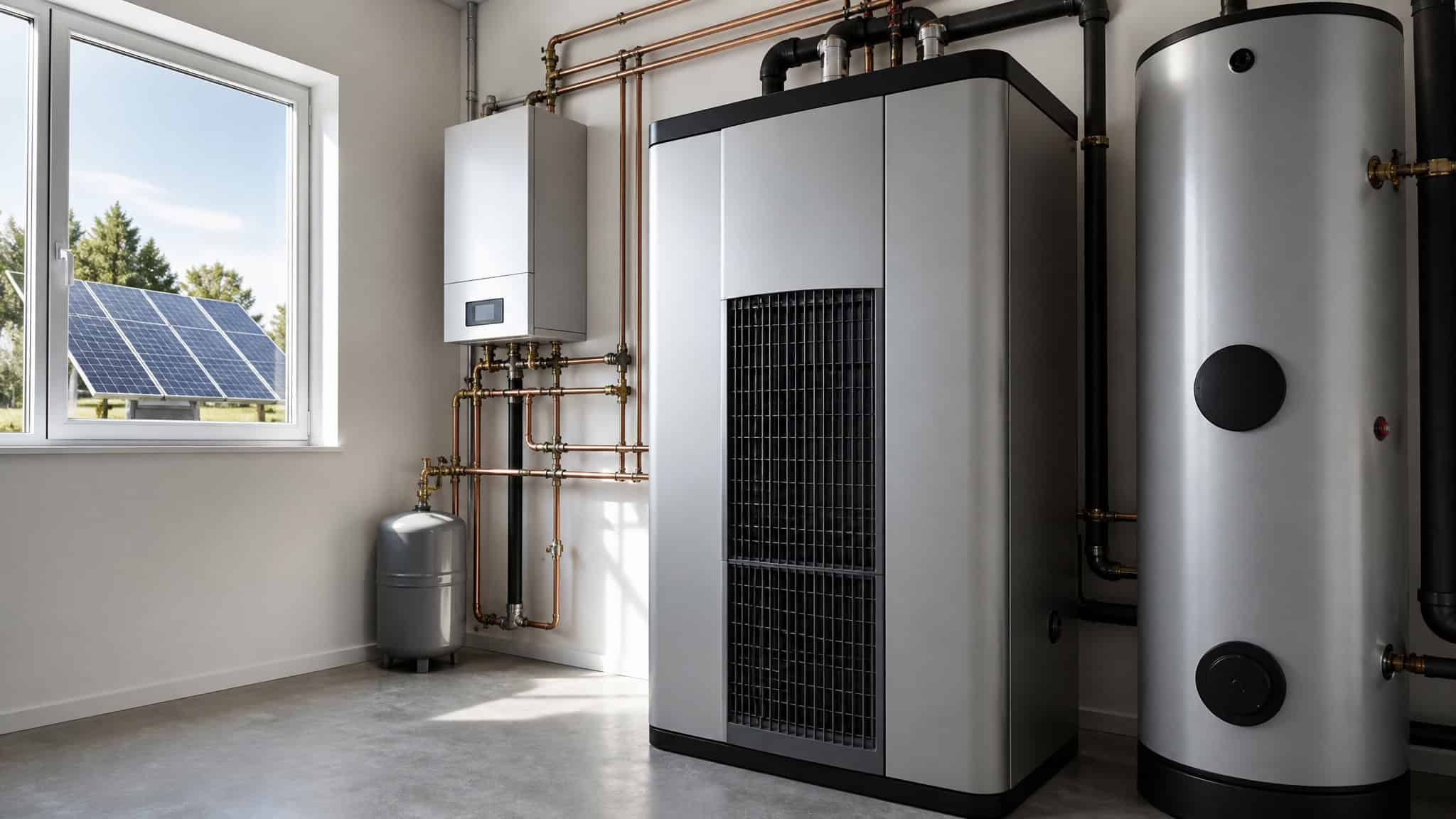
There are options worth researching. Palmetto offers a $0-down HVAC leasing program if you can’t pay upfront. Merino makes single-room ultra-efficient HVACs if you only need to cool one space. EnergySage helps you compare efficient options and find trusted installers. Pairing solar panels with efficient HVACs can lower utility costs, though that’s a bigger investment.
Also consider whether your AC is properly sized for your home. An oversized AC short-cycles and under-delivers. That’s a design problem, not a repair problem.
The 10-Minute Rule and When to Stop
Most warm-air problems fall into four categories: airflow, refrigerant, thermostat, or electrical. The first three checks, filter, thermostat, and breaker, take about 10 minutes total. Add the outdoor unit inspection, and you’re at maybe 15.
If those checks don’t resolve it, it’s a professional call. Budget $200 to $1,500 and bring your troubleshooting notes.
This is common, diagnosable, and usually fixable. Ten minutes of DIY, a clear decision point, and a maintenance routine to prevent recurrence. That’s the whole game.
People Also Ask
Why is my window AC or split AC blowing warm air?
Same core causes: filter, refrigerant, or fan issues. Check the filter first, then the settings, then call a pro for refrigerant or electrical problems. A clogged filter is the most common culprit and the cheapest fix.
What is the most common cause of an AC blowing warm air?
A dirty air filter is the number one cause. It restricts airflow, which can lead to frozen coils and warm air. Replacing a clogged filter is a $15 fix that resolves a large percentage of warm-air calls.