
Handing over about $15 at the box office to sit in the dark for two hours and get emotionally wrecked sounds like a terrible deal on paper. Yet people line up for three-handkerchief tearjerkers on purpose, and plenty of guys walk out to the parking lot feeling unexpectedly lighter than when they walked in. That strange return on investment is the real answer to why sad movies sometimes make people feel better.
As Cathie Glenn Sturdevant observed, “The best movies transport us beyond time. We hitch a ride on the emotional roller coaster of the main character’s quest.” Researchers call the payoff at the end of that ride the tragedy paradox, which was tracked in a March 2012 study carrying the subtitle Feeling Low on Fiction Leads to Feeling High on Life. First covered by Susan Perry in a March 22, 2012 MinnPost Second Opinion piece and later analyzed in Lauren Suval’s April 13, 2014 medically reviewed Psych Central article, the data points to a specific mental shift that triggers the mood lift and puts a strict clock on how long that boost lasts.
Key Takeaways
In a March 2012 Communication Research study of 361 Ohio State University undergraduates watching a 30-minute cut of Atonement, viewers who thought about their own loved ones during the tragedy reported higher happiness afterward.
The mood boost comes from counting your own relationship blessings or purging stress chemicals through catharsis, though researchers note the lift is as short-lived as the spike from winning the lottery.
Real viewers in The Mighty‘s 25-movie depression roundup match specific films to six distinct emotional jobs, using Harry Potter for escapism or Remember Me for a scheduled cry. Anyone facing an unlifting crisis should call or text 988 or text HOME to 741-741.
Table of Contents
The tragedy paradox: why sad movies can leave you happier
Under the tragedy paradox, sadness from watching tragic movies pushes you to reflect on your close personal relationships. That reflection builds gratitude, boosts personal happiness, and makes you enjoy the sad movie more, though some viewers still appreciate a lighthearted Pusoy game online after an emotionally heavy film. In the March 2012 Atonement study published online in Communication Research, investigators concluded that the more an individual focused on their loved ones during the viewing experience, the happier they felt afterward.
Ohio State University researcher Silvia Knobloch-Westerwick, Ph. D., led the team behind the paper, subtitled Feeling Low on Fiction Leads to Feeling High on Life. Watching a story about a one-and-only love go off the rails forces you to take stock of the people waiting for you at home.
That quiet gratitude is what drives the mood boost and makes you rate the brutal movie higher when the lights come up.
Inside the experiment: 361 students, one abridged ‘Atonement’
To see if the effect held up under measurement, the Ohio State team put 361 undergraduates in front of a screen. The group included 211 women and 150 men with an average age of 20.5 years.
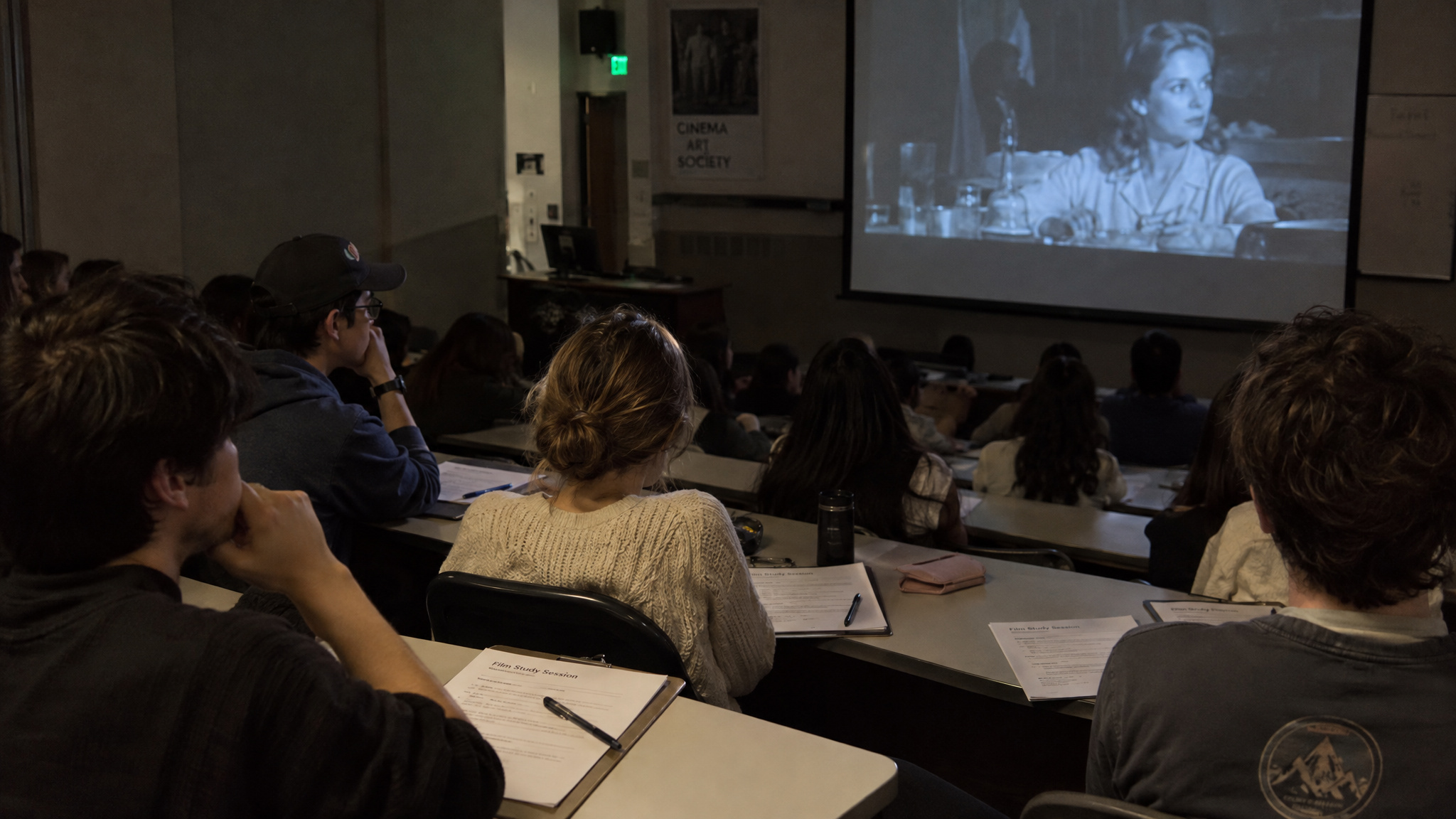
Instead of a full two-hour theatrical cut, the students watched an abridged 30-minute version of the 2007 British tearjerker Atonement. Adapted from Ian McEwan’s Booker Prize-winning novel and starring Keira Knightley, James McAvoy, and Saoirse Ronan, the plot follows a teenaged girl named Briony who accuses her sister’s lover of a rape he didn’t commit, permanently wrecking every life in the story. About two-thirds of the students had never seen Atonement before, keeping spoiler fatigue out of the results.
Researchers checked each student’s mood with questionnaires before the movie, during three mid-film pauses, and right after the credits. At the end, participants typed out reflections on how the story made them look at themselves, their goals, their relationships, and life in general, averaging 216 characters, which MinnPost noted was just a bit longer than a standard tweet.
Gratitude, not the crying, does the work
Sad movies make you think about your own relationships because watching fictional heartbreak triggers an automatic inventory of the people you can’t afford to lose, meaning gratitude rather than the physical act of crying does the actual work. Viewers who felt the saddest during the screening still walked away with the happiness boost because that sharp drop in mood pushed them to count their own close bonds with a partner, family member, or old friend.
In an Ohio State News interview, Knobloch-Westerwick explained that people use tragedies to reflect on the important relationships in their own lives and to count their blessings. She pointed to a war-separation scene where a woman watches her partner ship out for combat as a particularly gutting moment in a film that mixes a war backdrop with a romance. That bittersweet tension between eternal love and watching characters die in war redirects your head straight toward the people you care about most.
The students’ 216-character notes show that shift happening in real time. One undergraduate wrote that the film got him thinking about how lucky he would be once he found someone worth that level of love and commitment. Others got even more specific in their post-movie notes:
- “It also made me hope to have a connection like the two main characters did that could overcome distance and any difficulty in a romantic relationships, even war and false accusations”
- “This movie demonstrated that true love does exist and when you find it, it is so powerful that you will go to the ends of the earth to hold onto it,”
A fourth student wrote that the movie made him appreciate what he already had in life.
Catharsis and the safe-distance effect
Catharsis from crying at a sad movie lifts your mood by purging built-up stress chemicals from the body, temporarily lifting your spirits, letting energy drained by depression reemerge, and making real-world grief and unresolved traumas easier to process from a safe distance on screen. Real life rarely gives you a clean, protected environment to confront deeply sad feelings because there’s no two-hour runtime limit when things go wrong. According to the therapeutic framework at cinematherapy.com, cited in Psych Central and echoed by experts in Jason Chaney’s August 30, 2024 Madras Pioneer column, sad films generate stress chemicals in the body while the cathartic cry acts as an antidote that flushes buried feelings, sharpens self-awareness, and gives a depressed viewer a brief break to explore and heal underlying causes.
What catharsis does in the body
Cinematherapy.com notes that discharging accumulated tension at the credits lifts your spirits for a little while as overwhelming emotion drains away. The release lets energy drained by depression reemerge temporarily, makes grief easier to process, and gives a depressed viewer a brief break to explore and heal underlying causes. The catch is that the chemical relief fades within hours rather than days.
Confronting real feelings at a safe distance
Cinematherapy.com also argues that sad films let you confront deep, real sadness inside a protected boundary. Because the emotional reaction is genuine while the catastrophe stays on the screen, you experience the wreck from a safe distance and gain an outsider’s perspective that helps combat unresolved traumas and adversity.
The comedy inversion and why we choose feel-bad media
Other research cited by the Ohio State team in their March 2012 Communication Research paper shows that while dark genres sharpen empathy or excitement, comedy can actually dull compassion.
Comedy can discourage compassion
Unlike tragedy, comedy “discourages compassion and encourages viewers to laugh about mishaps that are often extremely unfortunate if not devastating for the affected characters,” a pattern Psych Central writer Lauren Suval dubbed the Seinfeld effect for comedies that end with characters’ lives in ruins.
Horror and the benign-risk effect
In his August 30, 2024 Madras Pioneer column, comedy fan Jason Chaney admitted he prefers Dumb and Dumber over The Exorcist and can’t grasp horror’s pull, but experts he cited explain that fear acts as a potent stimulant that leaves viewers elated once it drains off, delivering a novel rush with zero real danger.
The music nobody notices
Experts cited in the Madras Pioneer point out that a movie’s musical score, rather than its script or cast, does the quiet work of shaping your emotions, your memory of the film, and even its perceived genre. Imagine if the shower-stabbing scene in Psycho “would pack the same terrifying punch if you replaced the music with … oh, I don’t know,” Chariots of Fire, or ask yourself, “What if a gut-wrenching death scene was backed by the classic circus song” Entry of the Gladiators? Searching YouTube for recut movie trailers proves the score is driving the bus: simple audio swaps turn Dumb and Dumber into a tense thriller, Mrs. Doubtfire into a horror film, and The Shining into a light-hearted comedy.
What the evidence can and cannot say
Treat the mood boost from a sad movie as a brief perspective reset rather than a lasting fix, because the uplifting effect doesn’t last long even for viewers who connect with the story, and the research still can’t explain why some people cry at tearjerkers while others hate them. As the Ohio State authors pointed out, you should interpret the findings with caution, even winning the lottery fails to produce permanent gains in happiness.
In Susan Perry’s March 22, 2012 MinnPost report, the researchers stressed that their findings must be interpreted with caution. The entire tragedy paradox rests on a single experiment, using a single fictional movie (Atonement), tested on a single population of young college students averaging 20.5 years old.
Why one guy gets a solid reset from a sad film and another guy walks out annoyed remains open. The only gender theory in the coverage came from a single MinnPost reader comment titled Chick Flicks 101, an anecdote pointing out that the sample had 60 more women than men (211 to 150) and calling the finding the basis of every chick flick.
Can sad movies trigger depression or make it worse?
No, sad movies don’t have direct research showing they trigger or worsen clinical depression, though no study in the evidence has tested vulnerable viewers and any mood boost is temporary. Watching a heavy film when you’re already low can feel like an internal match that confirms your feelings are human and shared rather than isolating. Even so, the Ohio State Atonement experiment only measured 361 college students during a single 30-minute screening and compared the resulting lift to the fleeting spike of a lottery win.
The difference between a healthy two-hour cry and a clinical downturn is whether your low mood lifts afterward. Another study on sad movies noted in MinnPost found that “Some of the people who felt sad [while watching the movies] had a pattern of activity in the front and medial areas, areas that have been associated with continued thinking and ruminating,” and that “People who had those reactions were more likely to become depressed again over an 18-month period“. No study so far shows whether a sad movie can actively trigger or deepen depression in someone who’s already vulnerable.
Keep the difference between the lab data and therapeutic claims clear:
- Ohio State Communication Research study (March 2012): Tested 361 undergraduates (average age 20.5) on a 30-minute cut of Atonement in one session; found a short-lived gratitude boost that fades like a lottery win.
- Cinematherapy.com framework: Claims a cathartic cry flushes stress chemicals, temporarily lifts spirits, briefly restores energy drained by depression, and opens a window to examine underlying causes, none of which is a treatment or cure for clinical depression.
- Brain-activity rumination finding: Viewers whose sadness triggered front and medial brain activity linked to rumination faced higher relapse rates into depression over 18 months.
When a low mood refuses to budge or movies stop giving you even a brief break, a screen is no substitute for real backing. In the U.S., anyone dealing with depression or a mental health crisis can call, text, or chat 988 to reach the Suicide & Crisis Lifeline, or text HOME to 741-741 to connect with the Crisis Text Line (resources via The Mighty).
Comfort movies in the real world: matching the film to the emotional job
The best movies to watch when depressed are the ones matched to the specific emotional job you need done that night, making the debate over whether comfort movies are better than sad movies a false choice. People use film to either validate a rough internal state or pry themselves out of it depending on what the day took out of them. When the mental-health community site The Mighty (themighty.com) asked readers for the movies that help with depression, contributors returned 25 films spanning six distinct jobs: escapism, nostalgia, relatable characters with mental illness, uplifting music, hope narratives after hitting rock bottom, and a scheduled cathartic cry.
Pitch Perfect
Emma H. picks it as a funny, uplifting, and empowering watch whose music lifts her mood and makes her smile.
Harry Potter
Hannah P. uses the series to transport herself to another world and take a time out from her own life.
Moulin Rouge
Hope G. relies on the costumes, sets, songs, and dances to take her mind off things.
Finding Dory
Alicia C. likes seeing proof that someone with mental illness can accomplish great things when backed by a strong support system.
Bridesmaids
Xavier A. points to how the story shows Annie’s depression and loneliness before she comes through at the end as the hero.
The Hunger Games
Danielle S. watches to remember things could be worse and hope stays on the table, saying bipolar depression is her Hunger Games and she’s the victor every day she chooses to fight.
Ratatouille
Tasha B. calls it a cozy, comforting staple that got her through rough patches.
Elizabethtown
Kimberly E. connects with the main character hitting rock bottom and then finding things worth living for, reminding her there’s always hope.
The Princess Bride
Jennifer T. uses it to head back to a simpler time and stay calm.
Christmas Vacation
Kim G. leans on it for perspective: “Because no matter how hard life gets, at least it’s better than the many crappy things that happen to Clark in that movie”.
Freedom Writers
Daisy T. says, “It makes me feel like you can truly make something from nothing and rise against your circumstances”.
Walk the Line
Kristi S. finds Johnny Cash’s battles with depression, addiction, and redemption beautiful and inspiring.
Pride and Prejudice
Tiff K. pairs the calming music with the plot and simpler-time setting to make herself happy.
Moana
Rachel S. gets a lift from the bright colors and catchy songs, plus watching a strong woman learn to rely on herself.
The Sound of Music
Kaitlin R. has seen it 1,000 times and loves the nostalgia of having watched it on repeat with her mom and grandma.
Twilight
Lacie J. runs through the whole saga when depressed because the love story cheers her up.
Girl, Interrupted
Amie L. watches for relatable characters who reassure her that what she’s feeling is real and she isn’t alone.
Harold and Maude
Emily S. fell in love with it after her mom rented it for her when she was depressed in high school.
Prince Caspian
Amy B. escapes into another world where imperfect characters teach never giving up hope, pulling her back up when she’s low.
The Fault In Our Stars
Jessica S. calls it sad but tragically beautiful, reminding her of a simpler time.
Mile
Elise L. says Eminem’s story and freestyles get her blood racing and make her feel alive.
Silver Linings Playbook
Mary J. takes away the lesson that we can overcome anything and find true love with a positive attitude.
Mamma Mia
Courtney B. lets the love and songs lift her mood because she can’t resist singing along to Dancing Queen.
The Emperor’s New Groove
Kristy H. gravitates toward its light-hearted, familiar tone when depressed because it never feeds negative feelings.
Remember Me
Erica L. uses it for the cry she needs to let everything out before going back to being a boss.
The takeaway from The Mighty‘s list is practical: the same guy might need The Emperor’s New Groove to avoid heavy thoughts on Tuesday and Remember Me to blow off steam on Friday.
Why we’re drawn to sadness in the first place
People gravitate toward sad movies and music when they’re feeling down because fiction offers a zero-risk simulation of dark emotions and satisfies a deep curiosity about human resiliency. Just like horror fans chasing a safe spike of fear, tearjerker fans are testing what it looks like to take a hit and keep moving.
In her April 13, 2014 Psych Central essay, Lauren Suval wrote that like Jason Chaney, she’d pick a comedy like Dumb and Dumber over a horror movie like The Exorcist any day. Yet when she feels the pull toward dark stories, she chooses a tearjerker out of curiosity about resiliency, wanting to watch characters survive devastation and navigate to the other side.
She also sees beauty in letting yourself fully absorb what an artist built. Her go-to move is putting on Beaches with a box of Kleenex staged within arm’s reach, giving yourself permission to cry when the story earns it.
Frequently Asked Questions
Why do people like sad movies?
Viewers seek out tearjerkers for a mix of biological stress relief, emotional validation, and a quick reset on their own perspective. Watching fictional characters endure heartbreak prompts you to appreciate your real-life relationships, leaving you lighter and happier once the credits roll. It also offers a protected boundary to process heavy feelings without any actual catastrophe happening in your own living room.
Why do I like sad things like movies and music when I’m feeling down?
Sad fiction and music act as a zero-risk simulation for dark emotions while feeding a natural curiosity about human resiliency. Watching characters take a brutal hit and navigate to the other side lets you test what survival looks like without taking on real-world damage. Plus, matching a heavy internal mood with a tearjerker like Beaches confirms that your pain is shared and human rather than isolating.
What are the best movies to watch when you’re depressed?
The right pick depends entirely on the emotional job you need done, which contributors to The Mighty break down into six distinct categories: escapism, nostalgia, relatable characters with mental illness, uplifting music, rock-bottom hope stories, and a scheduled cry. Depending on the night, that might mean escaping into Harry Potter, singing along to Pitch Perfect or Mamma Mia, seeing relatable struggles in Girl, Interrupted or Silver Linings Playbook, or using Remember Me to let everything out.