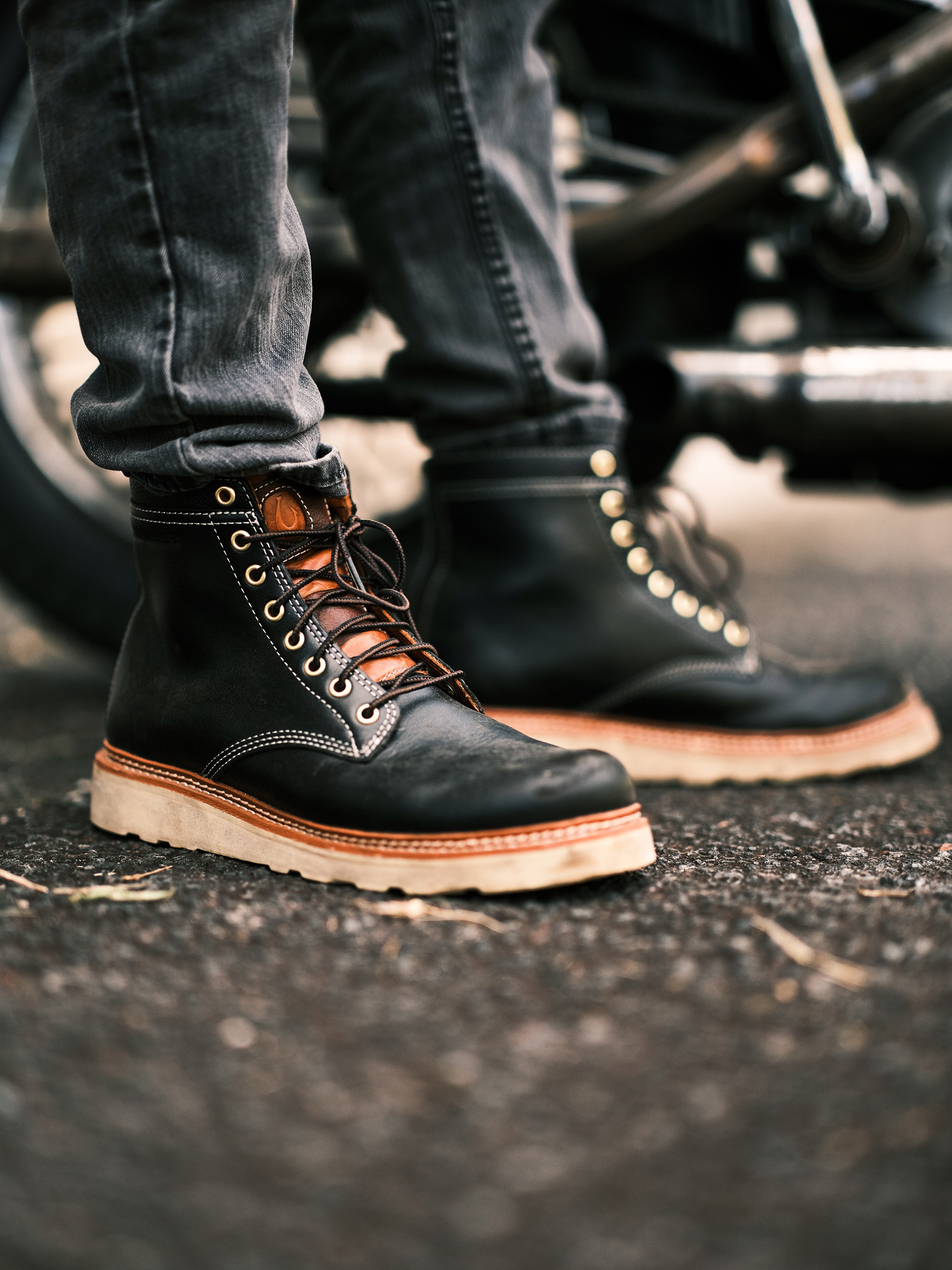
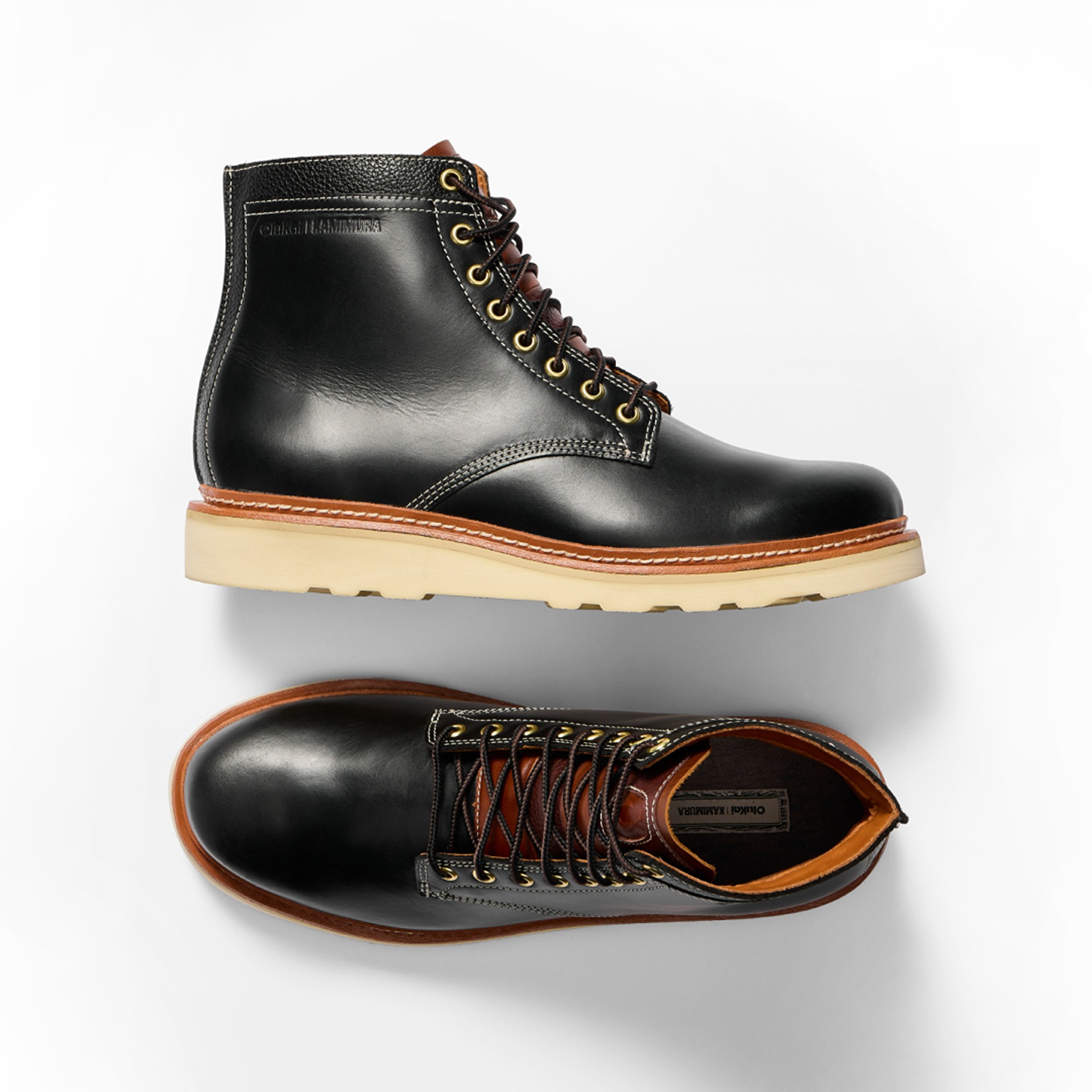
The OluKai x Neil Kamimura Pāhi is a $300 limited-edition boot built to be resoled rather than replaced, combining generational craftsmanship and durability with premium pull-up leather saturated in dense waxes and oils. Announced today, October 19, 2026, out of Irvine, CA, the collaboration with the master bladesmith opens for early access tomorrow on October 20 before its October 22 sitewide launch. I love finely crafted knives and boots, so seeing a bladesmith and a bootmaker team up is the ultimate crossover for me to evaluate.
Key Takeaways
The OluKai x Neil Kamimura Pāhi retails for $300 in a limited “while supplies last” run, with early access opening tomorrow, October 20, and sitewide sales starting October 22 at OluKai.com, select Boot Barn stores, and OluKai retail locations.
Built around Big Island blacksmith and Forged in Fire winner Neil Kamimura’s workshop needs, the boot uses heavy wax- and oil-saturated pull-up leather that resists water and cracking while aging into a multi-tonal patina.
A resoleable traction outsole with added cushioning and rebound makes the Pāhi a rebuildable workshop-to-street hybrid, though it carries no safety-toe or motorcycle-protection ratings.
Table of Contents
Neil Kamimura: the bladesmith behind OluKai’s Pāhi
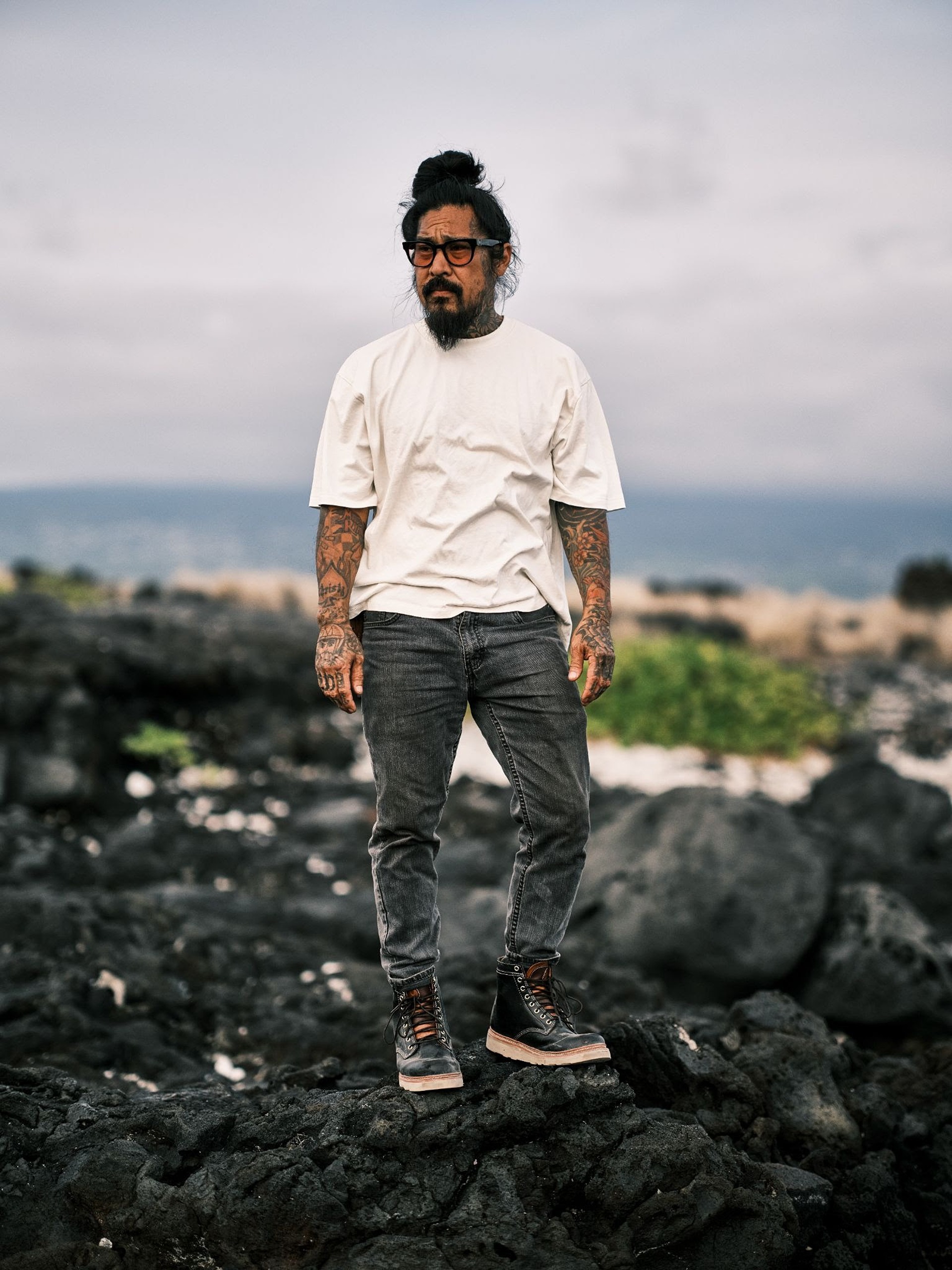
Neil Kamimura is a self-taught Big Island Hawai’i blacksmith and master bladesmith who gained international recognition after winning the History Channel competition show Forged in Fire, and OluKai partnered with him after a multi-year relationship to build a boot that matches his hands-on approach to durable, story-driven tools. He didn’t come up through a formal apprenticeship or trade school. Instead, he taught himself how to move hot steel at the anvil, eventually building a reputation that put his custom knives and swords in the hands of celebrities and serious collectors around the world.
When you spend your days grinding steel and standing over a forge, your opinion on footwear stops being theoretical. Kamimura’s income depends on hand tools and long hours on his feet. That practical reality is what separates this drop from the usual celebrity licensing deal where someone picks a colorway over Zoom and collects a check.
According to OluKai Chief Marketing Officer Kerry Kondrady, the brand has worked with Kamimura for many years. Kondrady pointed to the bladesmith’s unabashed approach to building unique, top-quality products that tell a story as the spark for the project. Because the two sides already had history together, designing a boot around his daily routine was a natural next step rather than a cold marketing pitch.
Away from the anvil, Kamimura spends his downtime restoring vintage motorcycles. A guy who rebuilds old bikes and forges steel from scratch prefers fixing good machinery over throwing things away. That off-hours garage work explains why OluKai pitched the Pāhi for life inside and outside the shop. It’s a piece of gear meant for someone who gets his hands dirty all afternoon and still wants a boot that looks sharp enough to wear out afterward.
Kondrady noted that the team designed the Pāhi to feel timeless, handling hard work while staying clean and stylish. If you appreciate a clean plunge line on a custom chef’s knife, you’ll probably notice good stitchwork on leather boots too. Good steel and heavily waxed leather both look better after five years of honest use than they did in the box.
The bladesmith’s design brief: all-day workshop support
The Pāhi was built directly around Kamimura’s daily requirement for a single boot that supports him through long hours on concrete and holds up once he steps outside. Kamimura calls the collaboration a natural extension of his bladesmithing: the boot is built deliberately, the same way he’d build a blade. Because he spends long stretches on his feet in the shop, he needed work boots that deliver all-day support, withstand the elements, and handle his needs in or out of the workshop in one well-crafted pair.
Pull-up leather and how the Pāhi ages
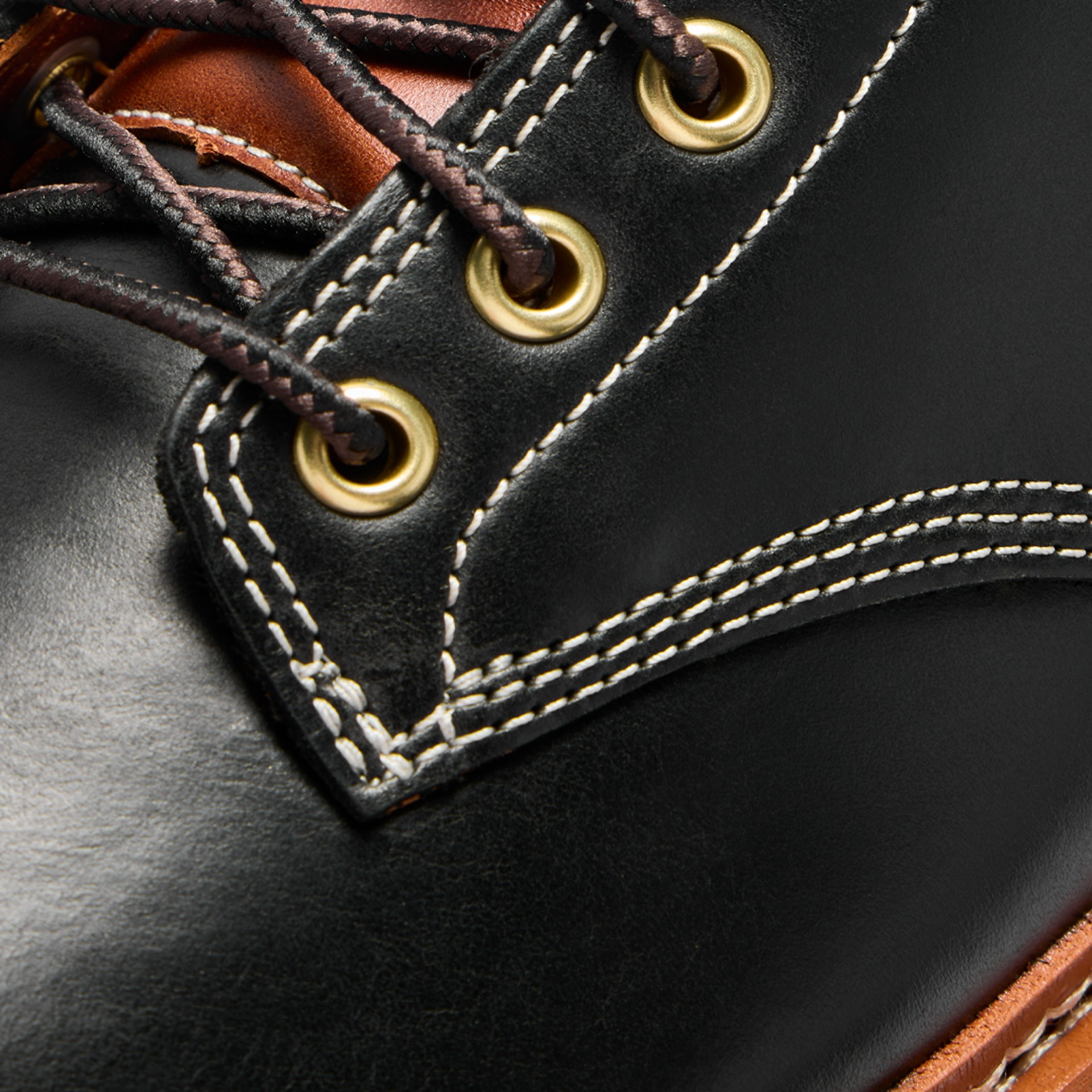
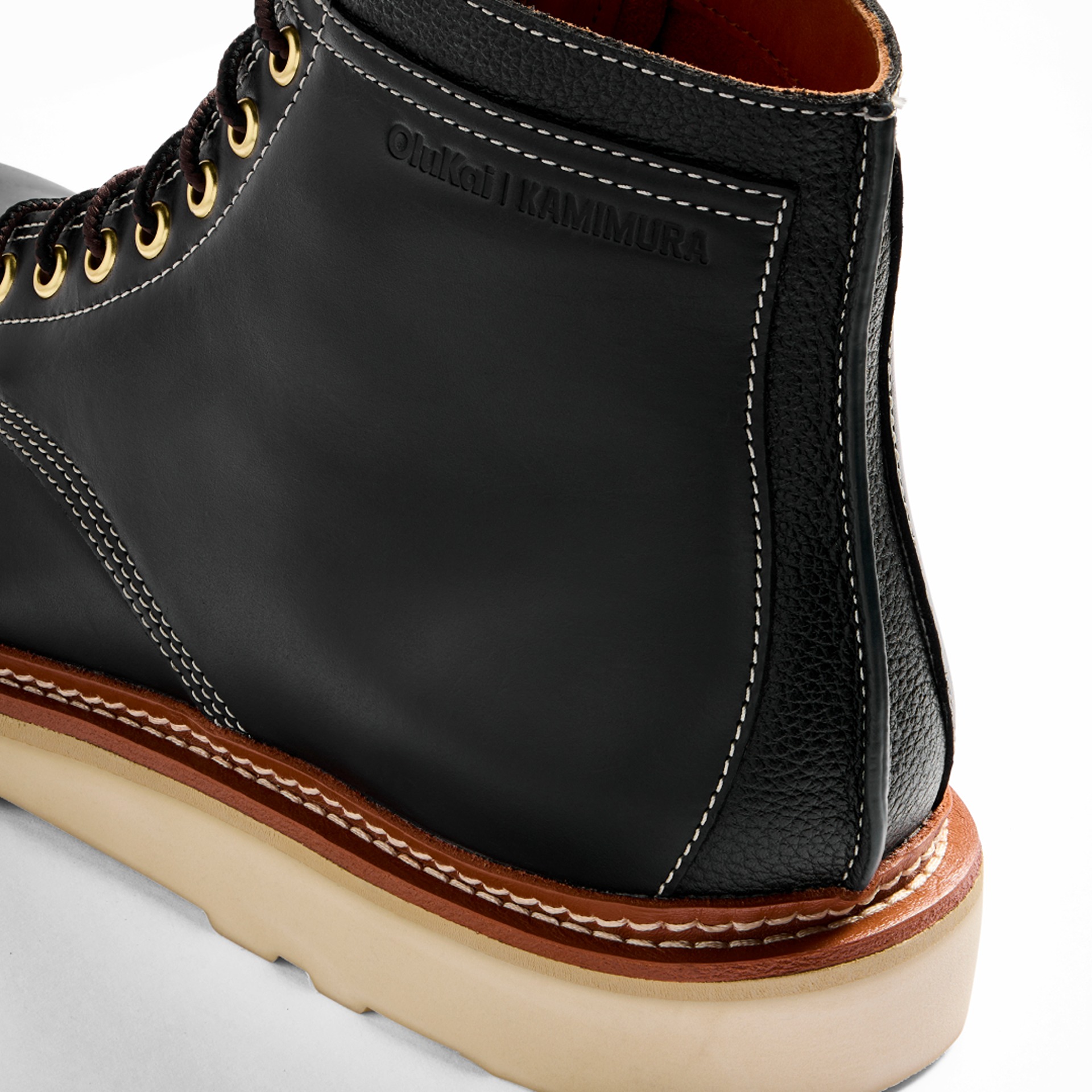
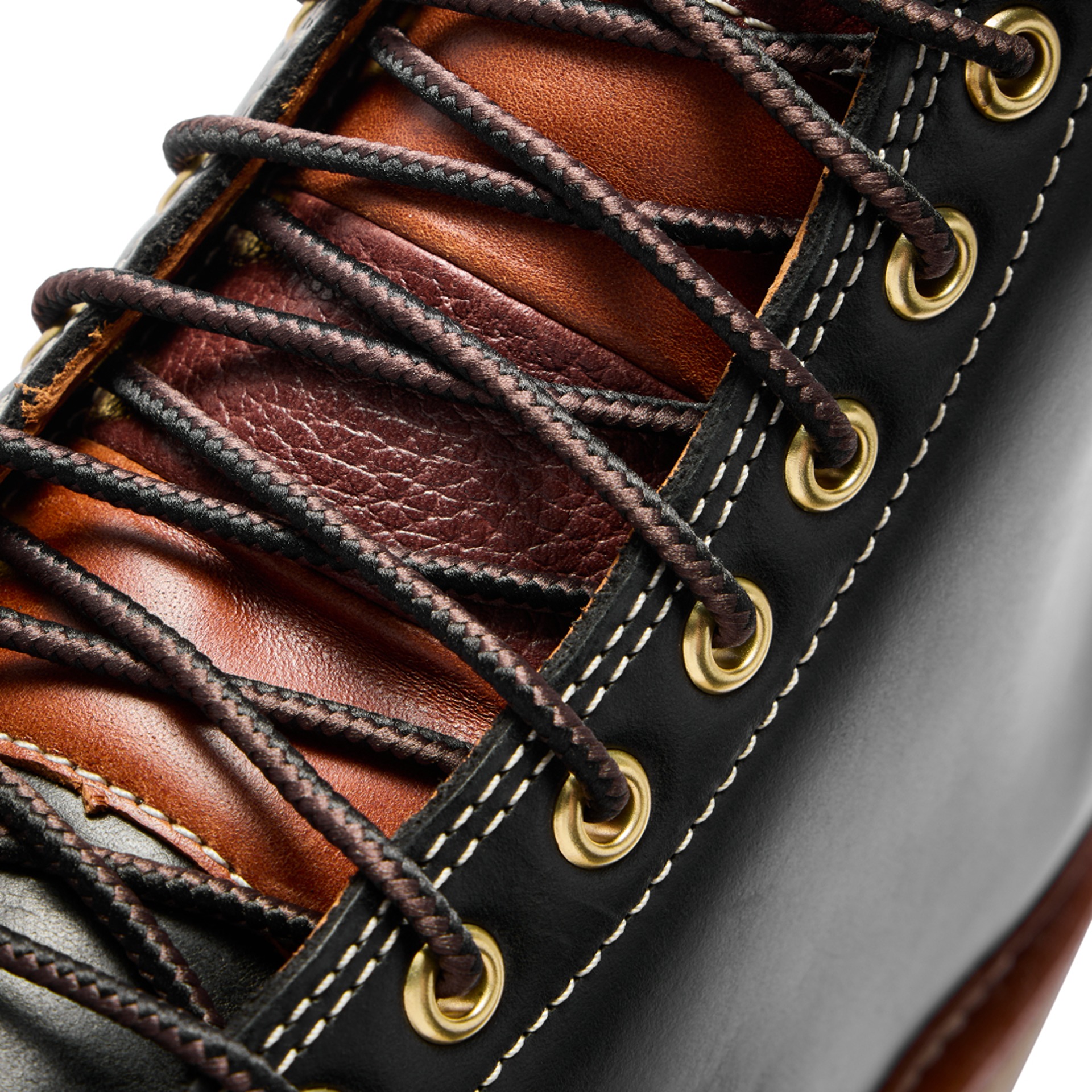
On the Pāhi, pull-up leather is a premium hide saturated with dense waxes and oils that shifts color as it creases and scuffs, developing a distinctive multi-tonal patina so the boots wear in, not wear out. As for weather protection, the boot offers natural water resistance rather than a sealed waterproof membrane, making it a strong fit for damp shop floors and light rain, though it isn’t built for standing water.
If you’ve never broken in waxed pull-up leather, the first week can catch you off guard. When the hide bends across your toes or catches a scrape against a workbench, the displaced oils and waxes briefly lighten along that crease. On cheap, painted leather, a scratch looks like permanent damage. Here, those marks rub back in with your thumb or blend into a darker, richer hide over a few months of wear. Beyond water resistance, OluKai states that this heavy wax and oil treatment naturally keeps the leather from drying, cracking, and hardening over time.
The resoleable outsole and the case for $300
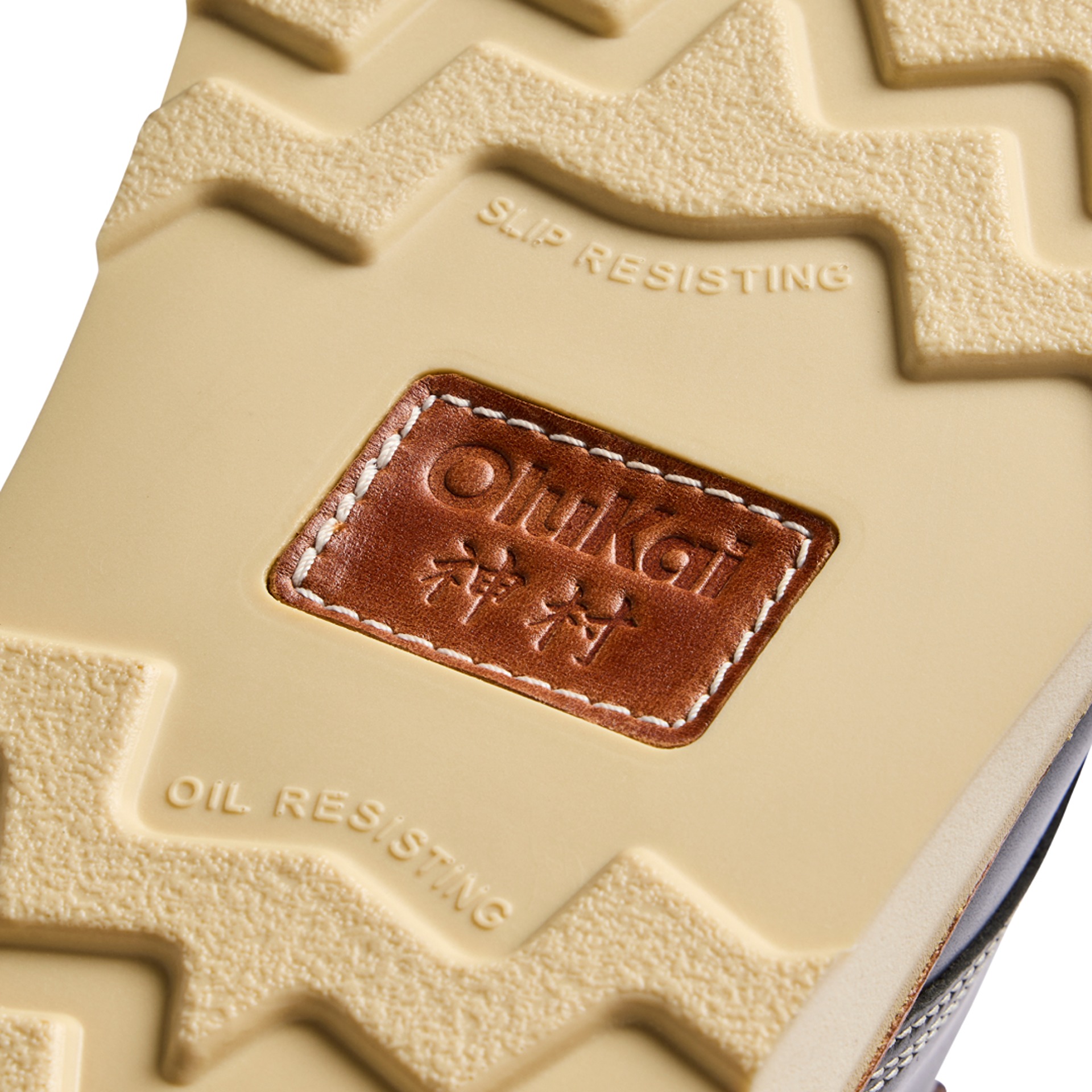
Yes, the Pāhi can be resoled to add years to its lifespan, and it’s durable enough for all-day shop and outdoor work as long as your job calls for underfoot rebound and weather-resistant leather rather than heavy industrial armor. OluKai built the boot around a resoleable outsole that is designed to be rebuilt once the original tread wears flat. Underfoot, the traction outsole pairs dependable grip with enhanced cushioning and rebound, backing up the water-, crack-, and hardening-resistant leather upper Kamimura asked for.
For me, that rebuildable construction is what makes a $300 price tag make sense. A cemented boot is a disposable consumable; once the heel drags down, you toss the whole thing, even if the leather upper finally molded to your foot. Resoling turns that $300 outlay into a multi-year purchase and fits OluKai’s push toward longer-lasting gear. In practice, getting a branded boot resoled usually means tracking down a cobbler comfortable with its specific build or using a factory service, and the launch announcement doesn’t list resole pricing, turnaround times, or factory program details.
How to buy the Pāhi: price, dates, and availability
If you want a pair of the Pāhi boots, you’ll need to navigate a two-step release window this week and a split between online and brick-and-mortar stock. Because this collaboration is a limited-edition run sold strictly while supplies last, timing matters more here than on a standard catalog boot.
Pāhi price and the two-phase release
The OluKai x Neil Kamimura Pāhi costs $300, a straightforward price that fits guys willing to pay heritage-boot money for a limited-edition pair with pull-up leather and a resoleable sole, without tiered editions or markup games. Following today’s October 19, 2026 announcement, the rollout splits into two dates: early access opens tomorrow, October 20, and the sitewide launch follows on October 22.
Where the Pāhi is sold, and the scarcity reality
Buyers who wear common middle-of-the-bell-curve sizes should aim for the early access window on October 20 rather than waiting for the sitewide October 22 release, because limited-edition drops with a two-day head start regularly thin out before general availability begins. Once the full release opens on October 22, you can buy the boot online at OluKai.com or track down a pair in person at select Boot Barn locations and OluKai retail stores. Every channel carries the boot only while supplies last, and OluKai has not made the total production run public.
If you miss out online when the early window opens tomorrow, checking local stock at Boot Barn or an OluKai store on Thursday is your best backup plan.
- Announcement date: October 19, 2026
- Retail price: $300
- Early access: October 20, 2026
- Sitewide release: October 22, 2026
- Where to buy: OluKai.com, select Boot Barn locations, and OluKai retail stores (while supplies last)
OluKai’s Hawaii roots, B-Corp status, and giveback
Yes, buying a pair of OluKai boots directly supports Hawaiian community programs, making the brand an easy choice for buyers who want their gear budget to back local philanthropy and verified manufacturing standards. Every pair sold funds the Ama OluKai Foundation in Hawai’i, a registered 501(c)(3) nonprofit that handles the company’s community giveback work. OluKai is also one of fewer than 4,000 brands worldwide to earn Certified B-Corporation status.
Founded as a Hawaii-inspired premium footwear label built around comfort, style, and craftsmanship for the coastal lifestyle (#AnywhereAloha), the brand operates its own retail locations in Hawai’i. On the factory floor, OluKai works to cut waste water, reduce hazardous substances during manufacturing, and build products that stay in rotation longer. Pairing a Big Island native who restores vintage motorcycles with a Hawaii-rooted brand that pitches resoleable boots is the same longevity argument told from two angles. A boot you can resole is a boot you keep out of a landfill.
Pāhi limitations: fit, safety toe, and work-boot comparisons
At $300, the Pāhi lands in Red Wing and Thorogood territory, though it’s built for light shop duty and daily wear rather than heavy jobsite abuse. The Pāhi fits guys who want one handsome, rebuildable boot for light shop days and everyday wear, provided you accept its main tradeoffs: limited-edition scarcity, wax-and-oil water resistance instead of a waterproof membrane, and no safety-toe protection. For motorcycle riding and road trips, it works well as a tough casual boot once you park, though it isn’t a certified riding boot.
Kondrady’s framing of the boot as built for hard work while staying clean and stylish tells you where the boundaries sit. The launch announcement lists no steel or composite toe, and even with Kamimura’s vintage bike background, the Pāhi carries no motorcycle abrasion or impact ratings. Detailed fit, width, and boot weight specs aren’t part of the announcement either, so check the live product page on OluKai.com before locking in your size.
Frequently Asked Questions
How much does the OluKai x Neil Kamimura Pāhi boot cost?
The collaboration carries a flat $300 retail price with no confusing tier upgrades. For me, that figure makes sense because you are paying for heavily waxed pull-up leather and a sole that can actually be rebuilt down the road. Every purchase also sends funding straight to the Ama OluKai Foundation, a 501(c)(3) nonprofit supporting community programs in Hawai’i.
Is the OluKai Pāhi boot durable enough for all-day workshop and outdoor work?
It handles long days in the shop and outdoor elements well, provided your work requires underfoot cushioning and tough leather rather than industrial safety ratings. The upper uses dense oil- and wax-treated leather to fight off drying, cracking, and hardening, while the traction outsole focuses on grip and rebound over concrete floors. Just keep in mind that it is built for garage projects and daily wear, not heavy construction sites that mandate protective armor.
What are the downsides or tradeoffs of the OluKai Pāhi limited-edition boot?
The biggest compromises are the lack of a steel or composite safety toe, the absence of certified motorcycle impact or abrasion ratings, and limited stock that will vanish once sold out. You also get natural water resistance from the waxed hide rather than a fully sealed waterproof membrane, and OluKai did not release weight or width specs ahead of the launch.
Is the OluKai Pāhi boot waterproof or just water resistant?
It is water resistant, not fully waterproof. Instead of relying on an internal waterproof membrane, the Pāhi uses pull-up leather packed with heavy oils and waxes to shed light rain and handle damp shop floors. That treatment develops a great multi-tonal patina as it scuffs and bends, though you will still want to avoid stepping into deep, standing water.