
It’s 1 a.m. and you’re replaying a text from six hours ago. She took four hours to reply, then sent something short. She was quiet all evening, and when she did talk, it wasn’t the same. Somewhere in there she said she loved you, and it didn’t match anything else.
So you did what any guy does now: you searched it, and you landed on a blank Imgflip template titled “Women are so hard to read.” Template ID 400476122, if you want to check. There’s no article behind it, no data, nothing. As of October 3, 2026, that page is just the joke, and the results around it are forum threads full of guys asking the same thing with no answer attached.
Here’s the actual one. The frustration is real, but the meme’s implied answer, that women are illegible by nature, is exactly what this piece dismantles. Opacity has causes. Most of them are readable.
Key Takeaways
Most of what gets called “hard to read” is an expectation mismatch: you expected a blunt, always-legible signal system and got a context-dependent one instead.
“Mixed signals” bundles three different problems with three different responses: genuine misreading, fear-driven indirectness, and actual concealment, all three visible in a single letter published on silentbeads.com.
Reading cues better, patterns over time and initiative over isolated signals, reduces uncertainty but never eliminates it, because some opacity is real concealment.
Table of Contents
Why women seem hard to read: the expectation mismatch
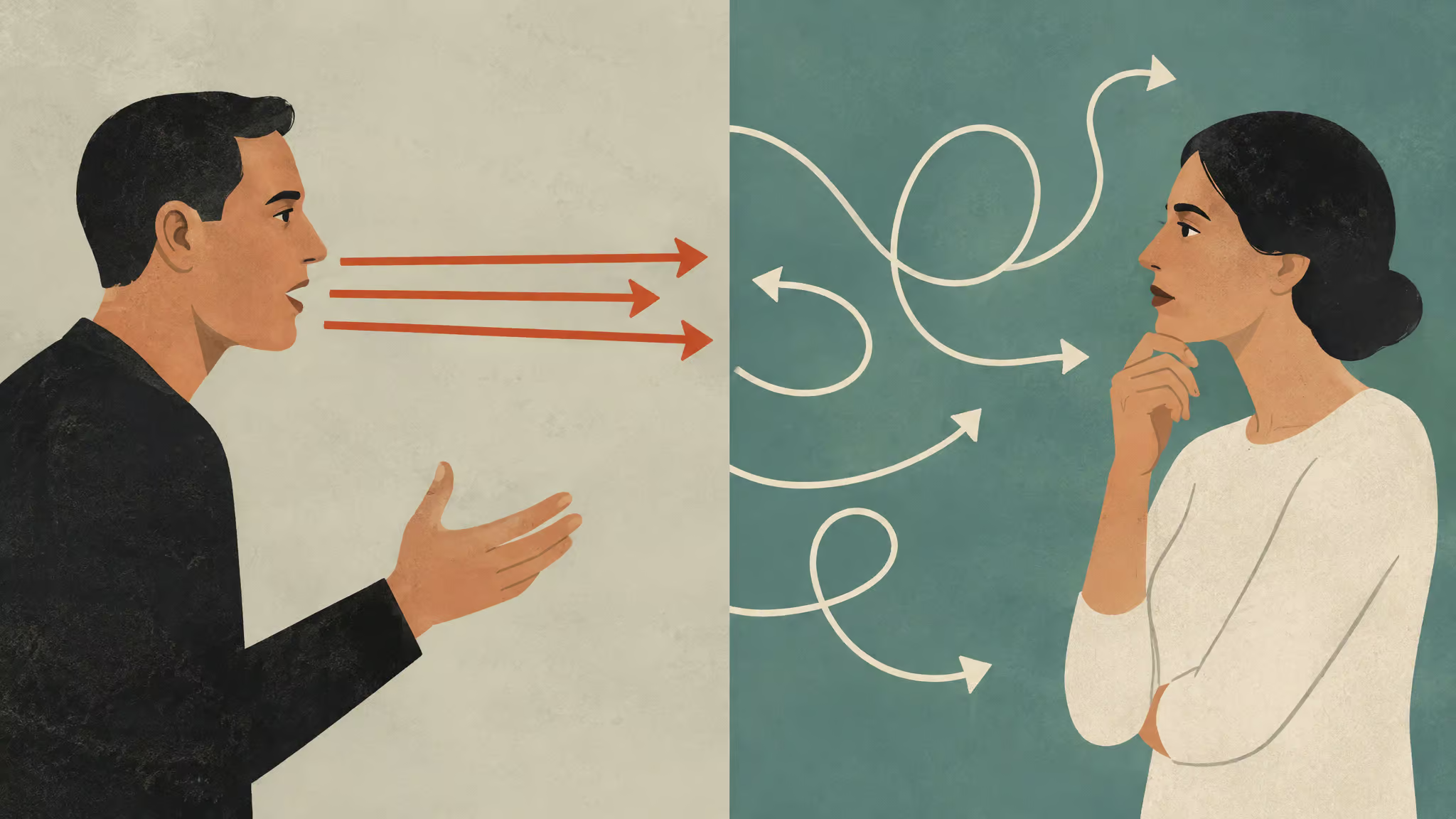
Plenty of women find men just as illegible, and if you’ve ever wondered why is dating so hard for guys, these same communication differences and mixed signals are usually the reason. Women are often perceived as hard to read not because they’re mysterious, but because of a mix of communication differences, social conditioning, and self-protection. The perception runs both ways, too.
The cleanest picture of how this works comes from a book. Glamour UK made the argument about Wuthering Heights ahead of Emerald Fennell’s adaptation with Margot Robbie and Jacob Elordi, which releases February 13: the novel Emily Brontë published in 1847 is routinely argued to be among the easiest classics, largely plot-driven, the kind of thing handed to 16-year-olds. But readers who arrived off the movie trailer expecting a romance found class, inequality, abuse, and generational trauma instead. So “hard” really meant “not what I expected.”
The BookTok reading guides, people sharing annotation tips that treat the text as something to mark up on nearly every page, prove the same thing. The difficulty was the expectation, not the book.
She isn’t opaque. She’s communicating in a context-dependent system when you expected something bluntly legible. If I were sorting out a suddenly distant girlfriend, here’s the test I’d run: write down what signal system you expected, then check whether the actual behavior is merely context-dependent rather than unreadable. Half the time the problem fixes itself right there.
Three things “hard to read” actually describes
“Mixed signals” is a collapsed category. It bundles three different problems that have different causes, different remedies, and different risks. The case that shows all three at once is a letter published on silentbeads.com from a man named Mike, who met a woman named Seli while still in a relationship with Eunice, during a rough patch when Eunice had gone withdrawn. Both women are teachers, and Mike met Seli through a university distance-education course.
Genuine misreading
Eunice’s withdrawal read to Mike as lost love. When he pushed, she answered firmly that she didn’t want them to break up, that she loved him, and that she had a lot on her mind.
Mike’s move was to escalate to “Should we break up?” instead of asking what changed. That’s a misreading, and it’s his.
Risk-managed indirectness
Seli disclosed her six-year-old son before accepting Mike’s proposal. That part was upfront. The rest came out gradually, one piece at a time, including a second child, a girl of about four, whom Seli admitted only after Mike discovered herout of fear of rejection.
Actual concealment
Then the discovery scene. Seli’s son leading a girl of about four by the hand, announcing that their grandmother had turned them out of her house and told them to go to Mike. Seli’s confession was that she feared rejection if he learned she already had two children.
That’s real opacity. No reframing dissolves it.
Confusing the three types is why readers stay stuck. Each demands a different response.
Indirectness as risk management: the cost of directness
Indirectness isn’t mystery or manipulation. It’s what signaling looks like when directness carries social cost. That single sentence also settles why someone would say one thing and mean another: when asking directly invites judgment, people under-signal.

The mechanism has two moving parts. First, social conditioning toward people-pleasing makes outright rejection and firm boundaries hard to voice. The accommodating style is produced, not chosen, which matters, because it means the person softening every answer isn’t running a strategy. She’s running a reflex she was trained into.
Second, caution with strangers, screening for hidden motives, managing personal safety, can look from the outside like aloofness or mixed signals. A woman who doesn’t immediately open up to a new guy isn’t necessarily sending a puzzle. She may be doing exactly what you’d do with a stranger who wanted something from you.
The clearest non-dating example I’ve found is Korea’s pregnancy badge program. Korea Times reporting from June 10, 2026 documented how women used the badges, and how often they didn’t: hiding them, clipping them to bags, apologizing before asking for a seat. That pattern is the whole argument in miniature:
- hiding the badge entirely
- clipping it to a bag instead of wearing it
- apologizing before asking for a seat
- early-pregnancy women hesitating to ask at all
The badge exists to make asking easy. The women who qualified for it treated it as a liability, because wearing one invites commentary, sympathy, and scrutiny from strangers on a train. Directness had a price, so they signaled sideways. A late-pregnancy woman apologizing before requesting a seat she’s entitled to is indirectness in its purest form: the need is real, the ask is softened, and the softening is the cost of the environment, not a flaw in the person.
One high-risk pregnant woman wore the badge so emergency responders would know her situation in an accident. In that case the badge earns its keep. Same object, two different calculations, and both rational.
Be clear about what this is: an analogy showing the mechanism of socially costly directness, not dating research. It doesn’t explain women in dating, and I’m not claiming it does. It explains why anyone, in any setting where a direct ask invites judgment, would rather apologize before asking than ask plainly. Once you see it that way, a lot of “mixed signals” stop looking like signals at all. They look like someone negotiating a price you couldn’t see.
Fear of vulnerability and self-protection
Guardedness in early dating is a default self-protection strategy, not a deception strategy. Early-stage openness is risky for either party, so people hold back. That’s the short answer to why someone hides feelings in a relationship, and it doesn’t require a hidden second self to explain it.
Selective disclosure is the part that stings. Seli’s concealment of her daughter came from fear of rejection, per her own words on the letter. When the hidden daughter surfaced, it landed as betrayal, and it would have landed as betrayal whenever it surfaced. That’s the trap of gradual disclosure: each later reveal reads as proof of earlier dishonesty, even when the driver was fear rather than malice.
Those two things need separating. Fear-driven concealment is still concealment, and Mike is allowed to be angry about it. But the cause matters for what happens next, because you respond to a scared person differently than to a calculating one.
There’s also the gap between what a person feels and what they say out loud under social pressure. That’s her editing herself in the moment, not a buried personality. Someone who says “I’m fine” while clearly not being fine isn’t running a decoy operation. She’s editing in real time because the unedited version costs something she can’t afford yet.
The reader’s own demand for instant legibility can be part of what produces the opacity he resents. Pressure for full disclosure early makes disclosure riskier, so people disclose later and in pieces. Demand everything now and you get it in installments you’ll experience as lies.
Mike’s own history makes the symmetry hard to miss: he met Seli while Eunice had gone quiet and withdrawn, which is to say he started something new because the current thing felt unreadable. Both people in that letter were managing risk. Neither was reading the other clearly.
Red flag: If every disclosure arrives late and every answer breeds new suspicion, you’re past misreading and into real concealment. Respond to a scared person differently than a calculating one.
I can’t tell you where fear ends and malice starts in your situation, and the letter can’t either; it ends unresolved. What it does show is that the two feel identical from the outside and are not identical from the inside. That difference is the whole game.
Reading cues better, and knowing the limits
Cue-reading improves when you weight patterns over time and initiative over isolated signals. It also has a hard limit, because some opacity is real concealment and no technique guarantees certainty.
Treat reduced attention as data, not a verdict
Mike’s escalation turned a single data point into a crisis. The trustworthy move was asking what changed, not litigating whether love remains. I love you, I have a lot on my mind is information, not rejection. The same logic covers overthinking texts: one delayed reply is noise.
Consistency and initiative over weeks are the signal. That’s also the honest answer to telling interest from politeness, because initiative over time is the tell, not any single gesture. How much weight a single cue deserves depends on context, the more informative what she actually says or does, the less you need to lean on reading subtle signals, so don’t build a theory off one gesture.
Ask directly or observe behavior
Direct asking buys clarity at the cost of possible awkwardness or pressure. Observation keeps pressure low but carries higher misreading risk and slower resolution. Neither is free; I’d choose by situation, not temperament. And the limit stands: the same letter that shows misreading also shows real concealment, so better decoding reduces uncertainty. It never eliminates it.
When opacity is real: words vs. actions and the stay-or-leave call
Everything above assumed the opacity could be decoded with better reading. Some of it can’t. This section is about the remainder: when the mismatch between what someone says and what they do is real concealment, and how to tell the difference before deciding whether to stay.
Words vs. actions
“I love you” paired with withdrawal needs a framework, not a verdict. Check whether the reassurance comes with initiative and follow-through over time. Words repeated under pressure, on their own, don’t tell you much.
Normal ambiguity vs. chronic opacity
Situational ambiguity resolves with a conversation or a change in circumstances. Chronic opacity means every disclosure arrives late and every answer breeds new suspicion. Mike’s closing line, in which he says staying would mean permanently doubting whatever she tells him, marks the point where doubt itself becomes the relationship’s condition, and that’s the honest line for when confusion stops being a rough patch and becomes a reason to walk. The stakes from the letter are concrete: Seli earns more than Mike but is always broke, Mike supports her, and school fees run GHC1200 per term per child.
The letter ends with Mike asking readers whether to stay or leave, and whether that ambiguity is resolvable or structural is something you’ll have to sit with yourself.
What the meme gets wrong
The joke still circulates as a blank Imgflip template with no substantive answer attached. It assumes opacity is the punchline about women. The documented answer is that opacity is mostly mismatched expectations plus rational indirectness, with a small honest remainder of genuine concealment, three different causes, three different responses. The frustration behind it is real precisely because it describes a solvable communication problem rather than a mystery.
Frequently Asked Questions
Why are women so hard to read?
Because you’re probably expecting a blunt, always-legible signal system and getting a context-dependent one instead. Most of what gets labeled ‘hard to read’ is an expectation mismatch, not mystery — the same way readers called Wuthering Heights ‘hard’ when it simply wasn’t the romance they expected. The perception runs both ways, too: plenty of women find men just as illegible.
What do mixed signals from a woman actually mean?
‘Mixed signals’ is a collapsed category bundling three different problems: genuine misreading on your part, fear-driven indirectness on hers, and actual concealment. Each has a different cause, remedy, and risk. Confusing the three is why guys stay stuck — you respond to a scared person very differently than to a calculating one.
Why do women say one thing but mean another in dating?
Because directness carries a social cost. When asking plainly invites judgment, people under-signal — social conditioning toward people-pleasing makes outright rejection and firm boundaries hard to voice, so answers get softened. That softening is a reflex she was trained into, not a manipulation strategy.