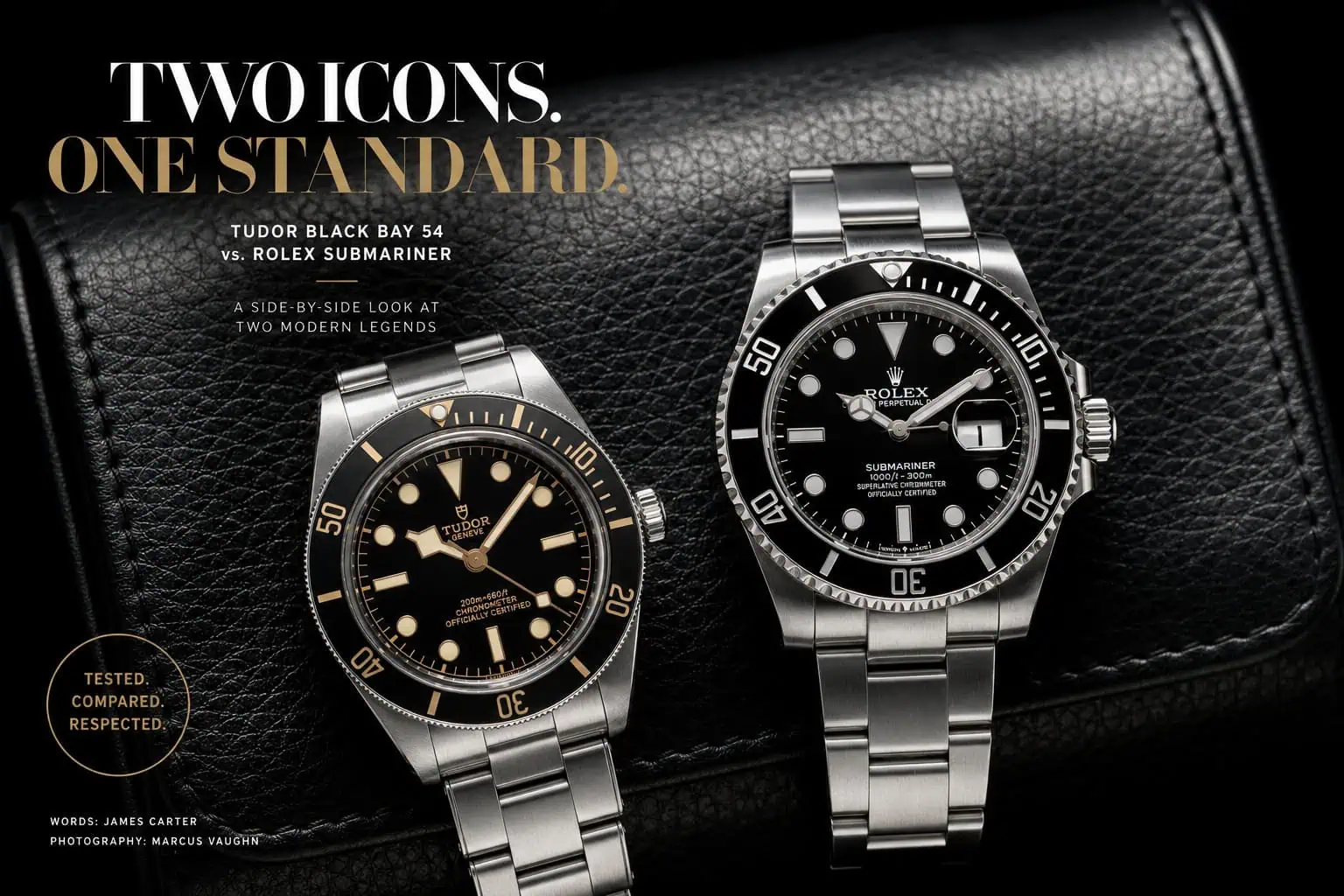
You’ve heard the phrase. Maybe someone called a Tudor a “poor man’s Rolex” in a YouTube comment. Maybe a salesperson tossed it out while showing you a Black Bay. Or you saw it on a forum and thought: is that a real category, or just a way to put down a watch you can actually buy?
Here’s the short answer: the term describes high-quality watches that share Rolex’s style, craftsmanship, or prestige but cost less. Tudor was founded by Rolex’s creator, Hans Wilsdorf, as a more affordable sibling. But the label is a mess — it’s useful for beginners, insulting to enthusiasts, and outdated for some of the brands it gets slapped on.
This article walks through what “poor man’s Rolex” means, why people fight over it, and whether any of the usual suspects — Tudor, Seiko, Grand Seiko, Panerai, Omega, deserve the name. You’ll leave knowing which camp you’re in and whether the smart move is saving up or buying the alternative today.
Key Takeaways
The label originated with Tudor, founded by Rolex’s own Hans Wilsdorf as a cheaper line, and 1980s-1990s Tudors even carried Rolex branding on crowns and case backs — but modern Tudor has its own movements and identity.
On WatchUSeek, a thread debating the term drew 24,000 views, 226 replies, and 145 participants in less than two months; forum members called it “insulting,” “complete and utter bollocks,” and a sales tactic.
Alternatives like Grand Seiko and Omega aren’t budget copies — Grand Seiko’s Spring Drive has no Rolex equivalent, and Omega’s Moonwatch carries NASA heritage Rolex can’t claim.
Table of Contents
What “poor man’s Rolex” actually means — and why it’s complicated
The straightforward definition: a watch that looks, feels, or signals like a Rolex but costs less. That’s it. The term sits right where admiration for Rolex’s design meets the reality of a $10,000+ price tag.
But here’s where it gets messy. It’s not a neutral description. Saying “poor man’s Rolex” can mean different things depending on who’s talking. Some people use it as a genuine recommendation — “you get 80% of the look for 40% of the price.”
Others say it to cut down a brand or the person wearing it. The tension is baked in from the start: Tudor was created by Hans Wilsdorf in 1926 as a more affordable alternative to Rolex, sharing cases, bracelets, and even dial layouts. So the original “poor man’s Rolex” was made by the same guy who made Rolex. But that was nearly a century ago, and the brands have drifted apart.
Why the label stings: community backlash
Head into any watch forum and search “poor man’s Rolex.” You’ll find a firehose of opinions — and anger. On WatchUSeek, the thread ran from June 6 to July 23, 2023, 24,000 views, 226 replies, 145 participants. The debate isn’t settled.
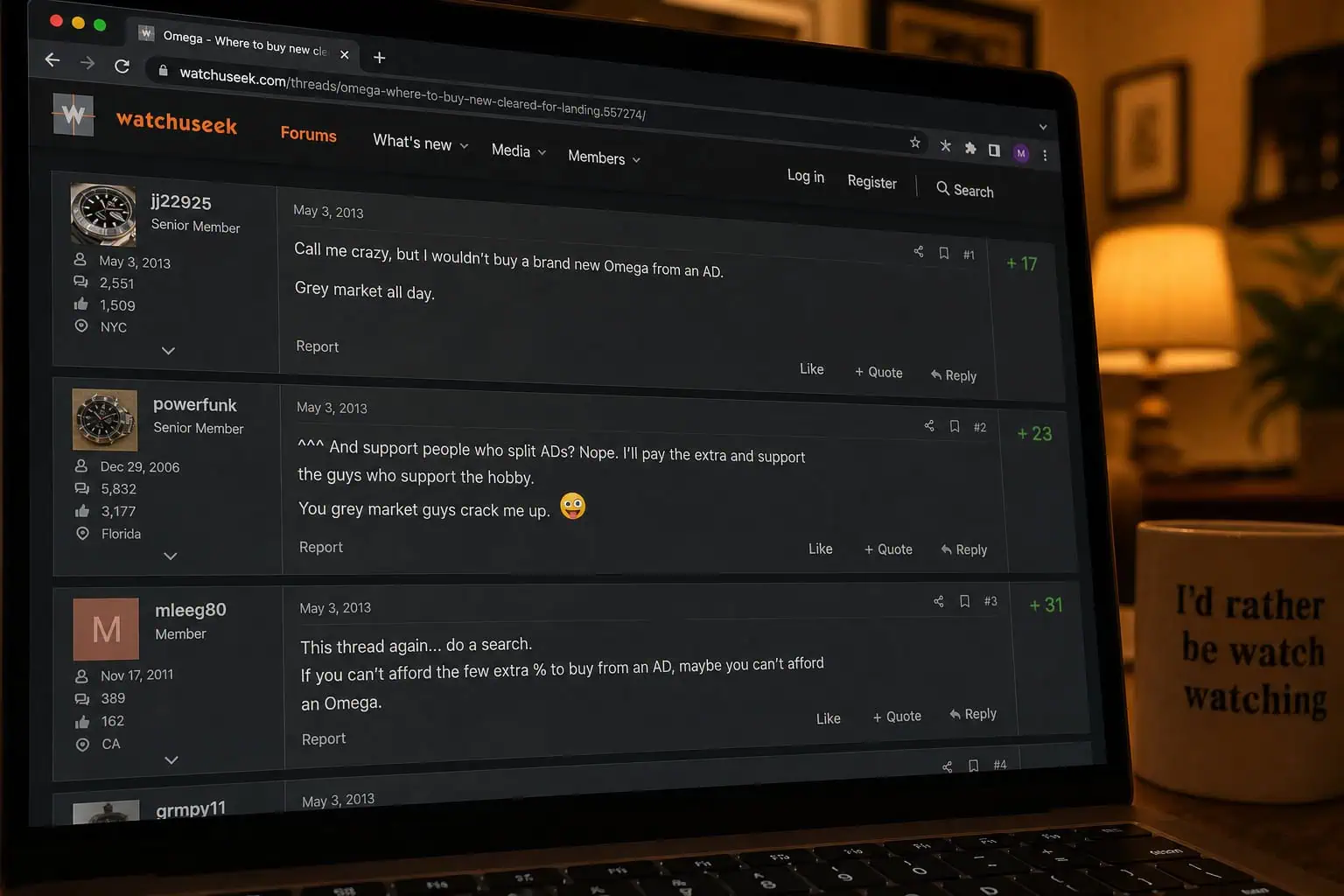
User HappyDad said the description insulted both the brand and the buyer. His post got 19 reactions. DaveH777 went further: “complete and utter bollocks.” His argument?
Choosing a Tudor, Seiko, Casio, or Timex makes you a “Smart Man,” not a “Poor Man.” Another member, Shatterstate, proposed an alternative label emphasizing affordability.
Then there’s the sales-tactic angle. Bird-Dog pointed out that associates use the phrase deliberately to remind customers of the Rolex connection, steering them toward Tudor without saying “this is the cheaper one.” It’s a nudge, not a put-down, but the effect is the same: it frames the cheaper watch as a consolation prize.
And PaulB73 made a blunt counterpoint: A Tudor Black Bay runs $3,500 or more — that’s not a poverty watch. That’s not a poverty watch, it’s a real purchase. So the label doesn’t even hold up economically.
The takeaway here: this isn’t a settled term. It’s a battlefield. If you use it, expect someone to push back.
Tudor: the original and most direct alternative
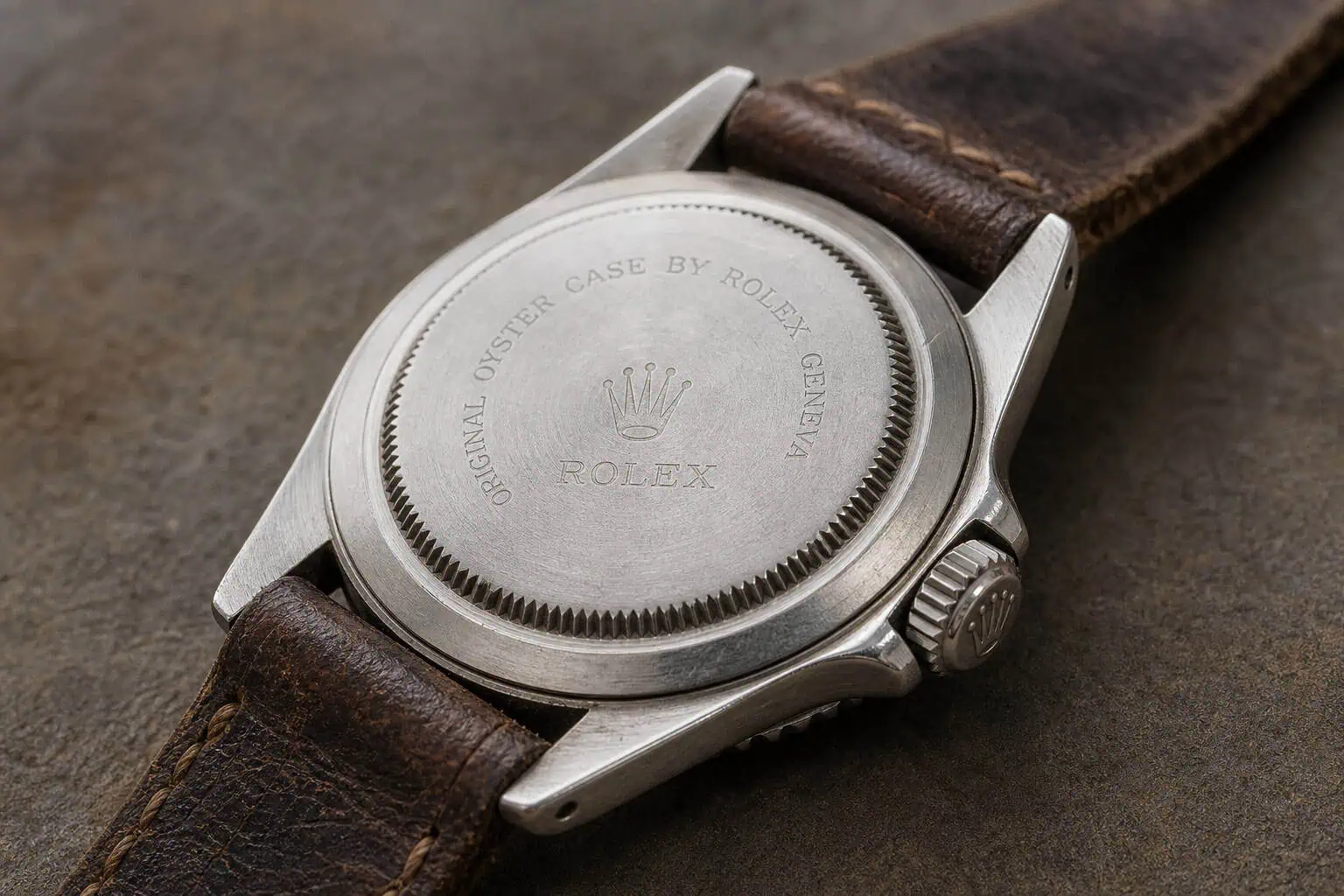
If any brand owns the “poor man’s Rolex” label, it’s Tudor. Hans Wilsdorf founded Tudor to offer Rolex reliability at a lower price. For decades, that was the deal. In the 1980s and 1990s, Tudor watches had Rolex stamped on their crowns, bracelets, and case backs.
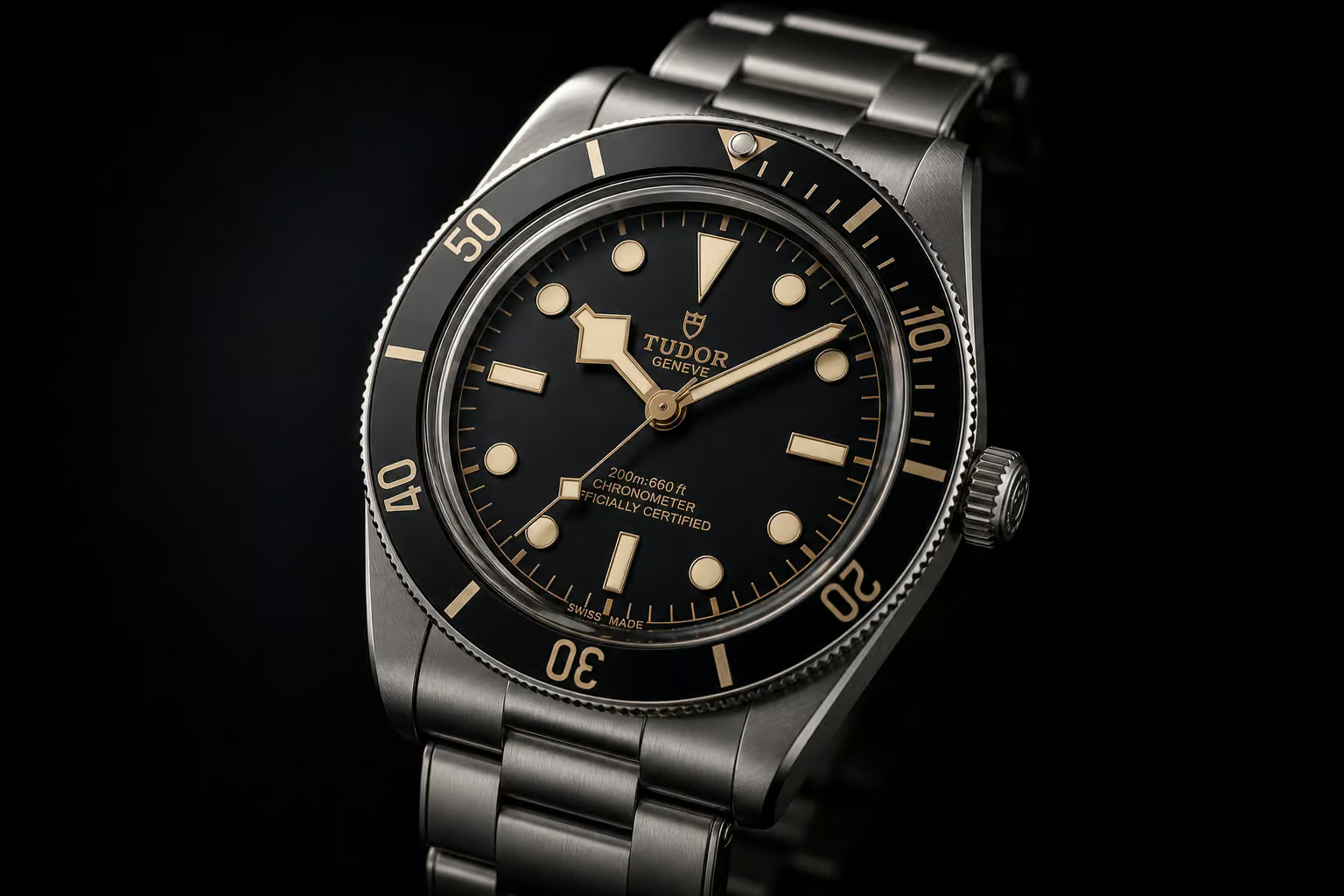
They shared Oyster cases and similar dial layouts. If you bought a Tudor Submariner in 1990, you got a watch that looked almost identical to a Rolex Sub but cost half as much. The Tudor Prince OysterDate echoed Rolex’s Datejust, while the Ranger offered a field-watch alternative. More recent models like the Black Bay 54 and the Rootbeer GMT continue this lineage with modern in-house movements and distinct styling.
But the label is outdated. Modern Tudor is not a budget Rolex — it’s its own brand with its own manufacturing, its own in-house movements, and its own design language. Forum member marcstang, who owns both brands, says Tudor has “carved its own identity.” MarkCO is more direct: Not a poor man’s Rolex since the 21st century.
For buyers considering resale value, Tudor holds its own, certain models like the Black Bay 58 or Pelagos retain 70–80% of their value on the secondary market, while Rolex typically holds or appreciates. That gap matters if you view the watch as an investment rather than a pure purchase.
Another user, Guvnor64, put it well: Tudor occupies the space Rolex left vacant. Rolex moved upmarket into dressier, more expensive territory. Tudor kept making rugged tool watches with dive bezels, bold markers, and military heritage. The WatchesOfEspionage logo metaphor captures the shift: the shield protects the crown. Tudor’s shield logo isn’t a lesser version of Rolex’s crown — it’s a different mission.
Pricing and models at a glance
- Typical range: $2,500 to $6,000
- Notable models: Black Bay, Pelagos, Heritage Chrono
- Wild card: A Tudor Submariner 79090 in excellent condition was listed at $8,999 and later $6,999 on the secondary market — higher than some Rolex models at retail. MarkCO points out that some Tudors cost more than entry-level Rolexes.
So if you’re looking at a Tudor, you’re not buying a compromise. You’re buying a legitimate tool watch that happens to share a founding family. Whether that’s worth the “poor man’s” baggage is up to you.
Seiko and Grand Seiko: value and precision from Japan
Seiko sits at the other end of the price spectrum. A basic Seiko 5 can run you $300. A Grand Seiko Snowflake will set you back $4,000 to $8,000. The range is wide, and so is the value proposition.
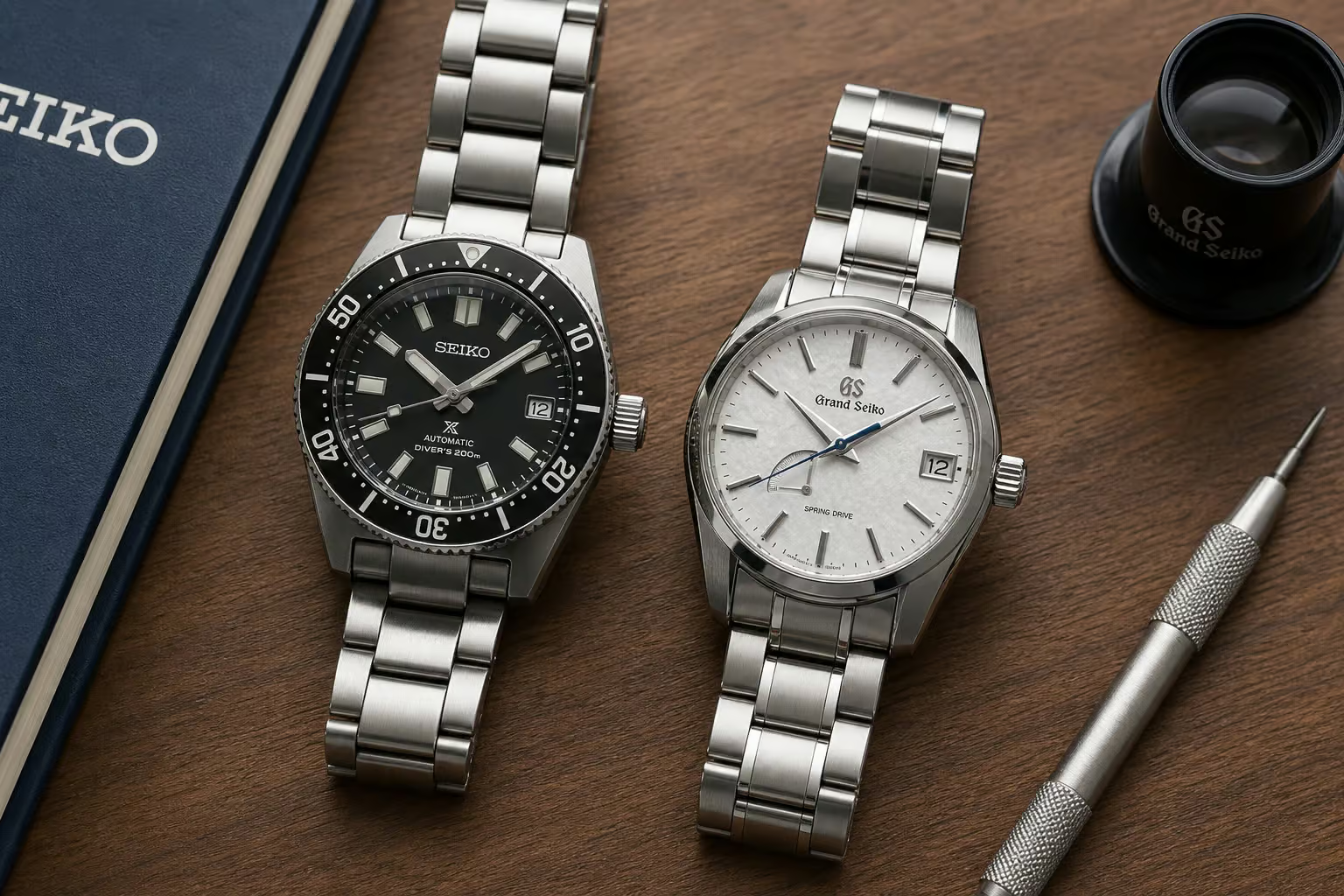
Seiko’s Prospex line gives you dive watches that look the part — bold bezels, chunky cases, excellent lume. Presage and Cocktail Time offer dressier options. Seiko has its own design language, sharp hands, distinctive bezel fonts. None of these are copies. But if you want a black dive watch on a steel bracelet that says “I’m serious about this,” a Seiko can scratch the itch for 5-10% of a Submariner’s cost.
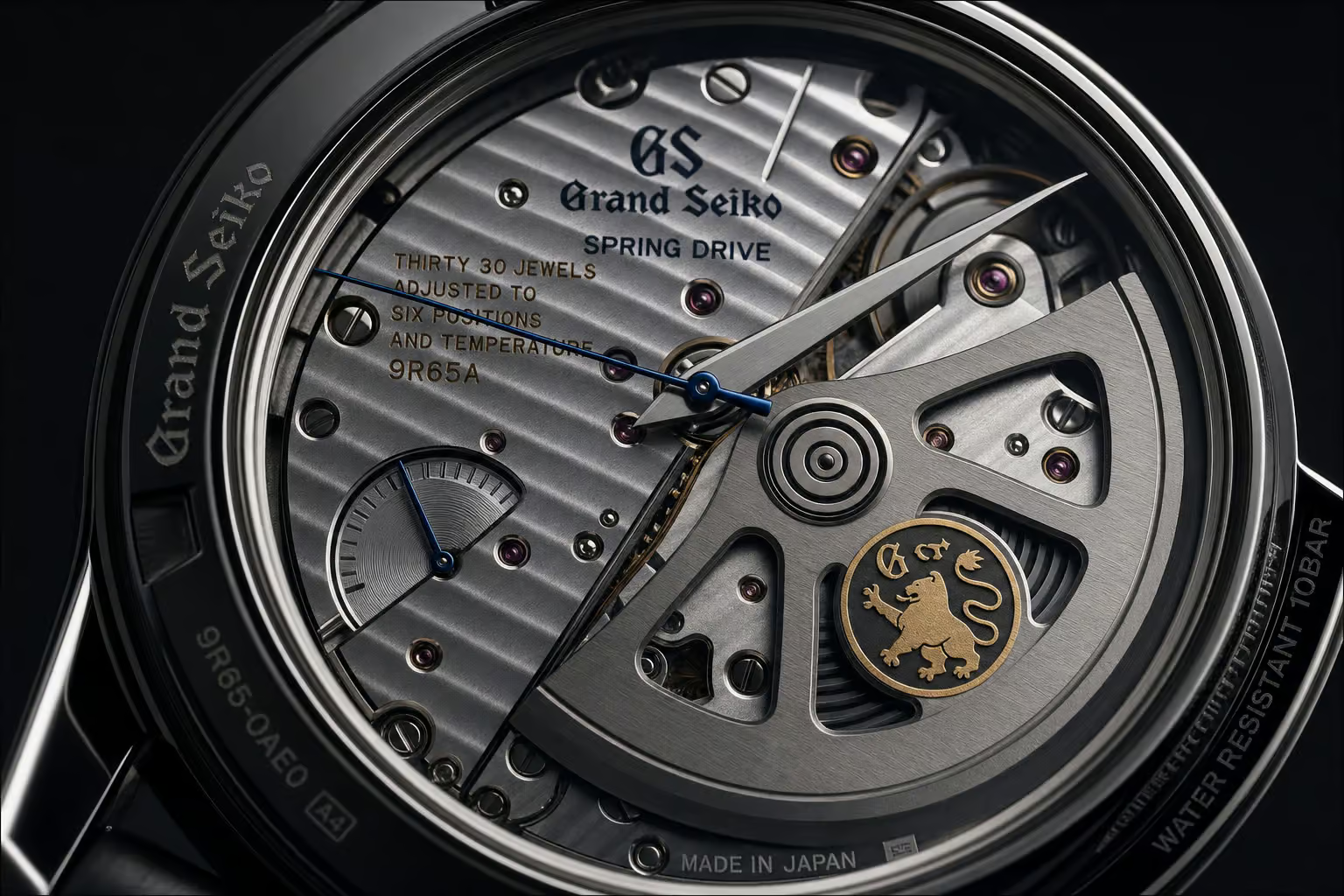
Grand Seiko is a different animal. It’s a luxury competitor, not a budget alternative. The Spring Drive movement is unique — a hybrid of mechanical and quartz that delivers a smooth sweeping seconds hand and accuracy within a second per day. Rolex doesn’t offer anything like it. And the finishing on Grand Seiko dials is considered by many collectors to be superior to Rolex at comparable prices.
Forum member rpitts57 shared a telling anecdote: People tell me they like my Submariner while I’m wearing a Grand Seiko SBGA231. The watch was mistaken for a Rolex because the casual observer sees a high-quality steel dive watch and assumes. But the owner knows the difference.
Quick model highlights:
- Seiko: Prospex, Presage, Cocktail Time ($300-$5,000)
- Grand Seiko: Snowflake, Heritage Collection, Elegance GMT ($4,000-$8,000)
- Key differentiator: Spring Drive technology — not found in any Rolex
If you want the look without the hype, Seiko delivers. If you want precision and craftsmanship that rivals — and sometimes beats. Swiss luxury, Grand Seiko is a genuine alternative, not a “poor man’s” anything.
Panerai: a distinct military-inspired luxury alternative
Panerai doesn’t get the “poor man’s Rolex” label much, and that’s by design. The brand has a completely different aesthetic — crown guard, sandwich dial, military history. You don’t buy a Panerai Luminor because you want a Rolex. You buy it because you want a giant, legible, Italian-designed tool watch that looks like nothing else.
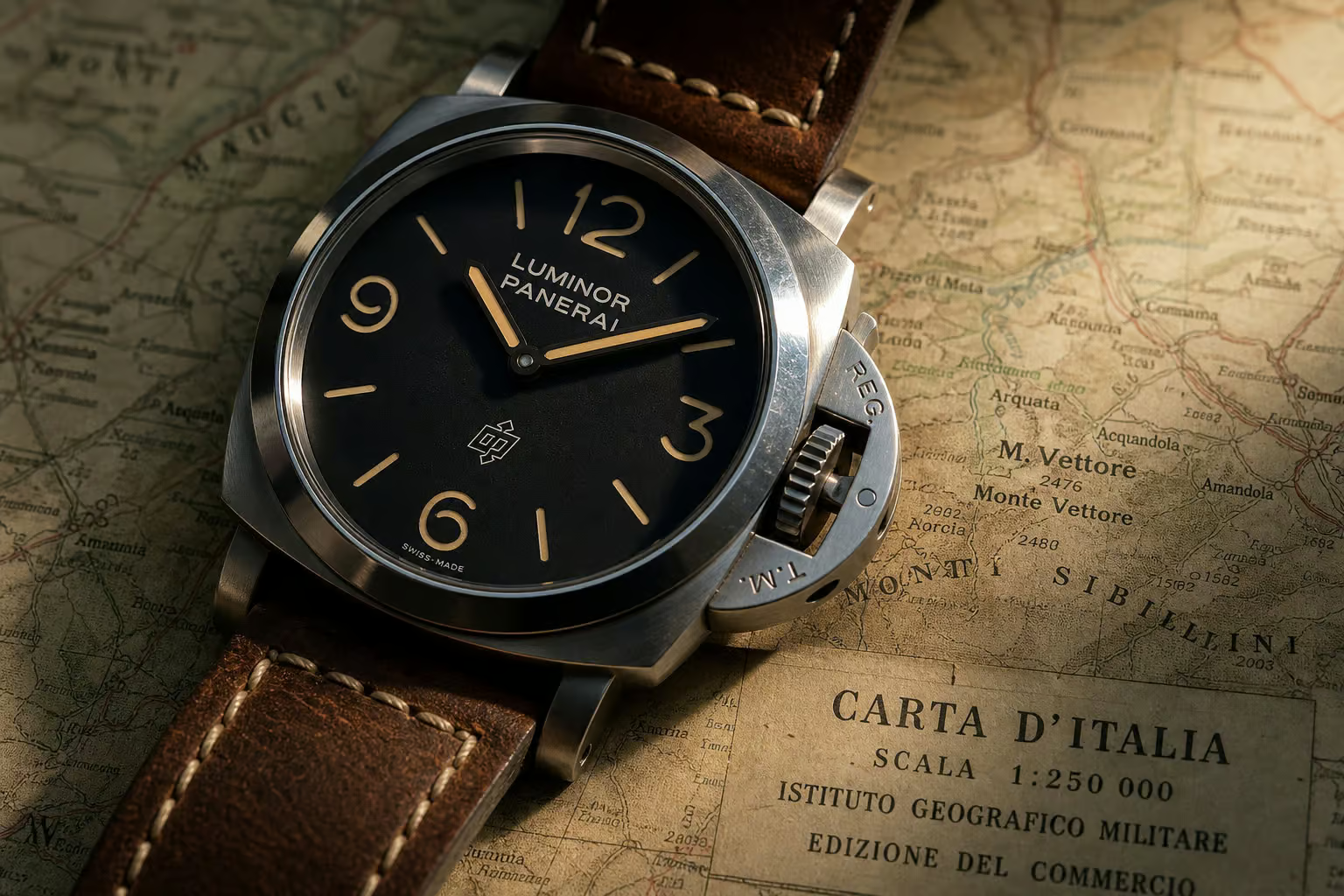
Typical range: $5,000 to $10,000 (some limited editions go higher) Notable models: Luminor, Radiomir, Submersible
Panerai exists in the same price bracket as Tudor and Omega. It’s not a cheaper alternative to anything — it’s its own thing. If you’re looking for a Rolex alternative because you want the crown on the wrist, Panerai won’t scratch that itch. But if you want a luxury watch that doesn’t scream “I couldn’t afford a Sub,” it’s worth a look. The point here is simple: not every alternative is a substitute.
Omega: the prestigious brand that doesn’t fit the label
Omega’s Speedmaster landed on the moon in 1969 and retails for $3,000–$10,000 — yet it’s still called a poor man’s Rolex. Walk into an Omega boutique and you can probably walk out with a Speedmaster that same day. Try that at a Rolex AD, which raises the question: Is Omega as luxury as Rolex?
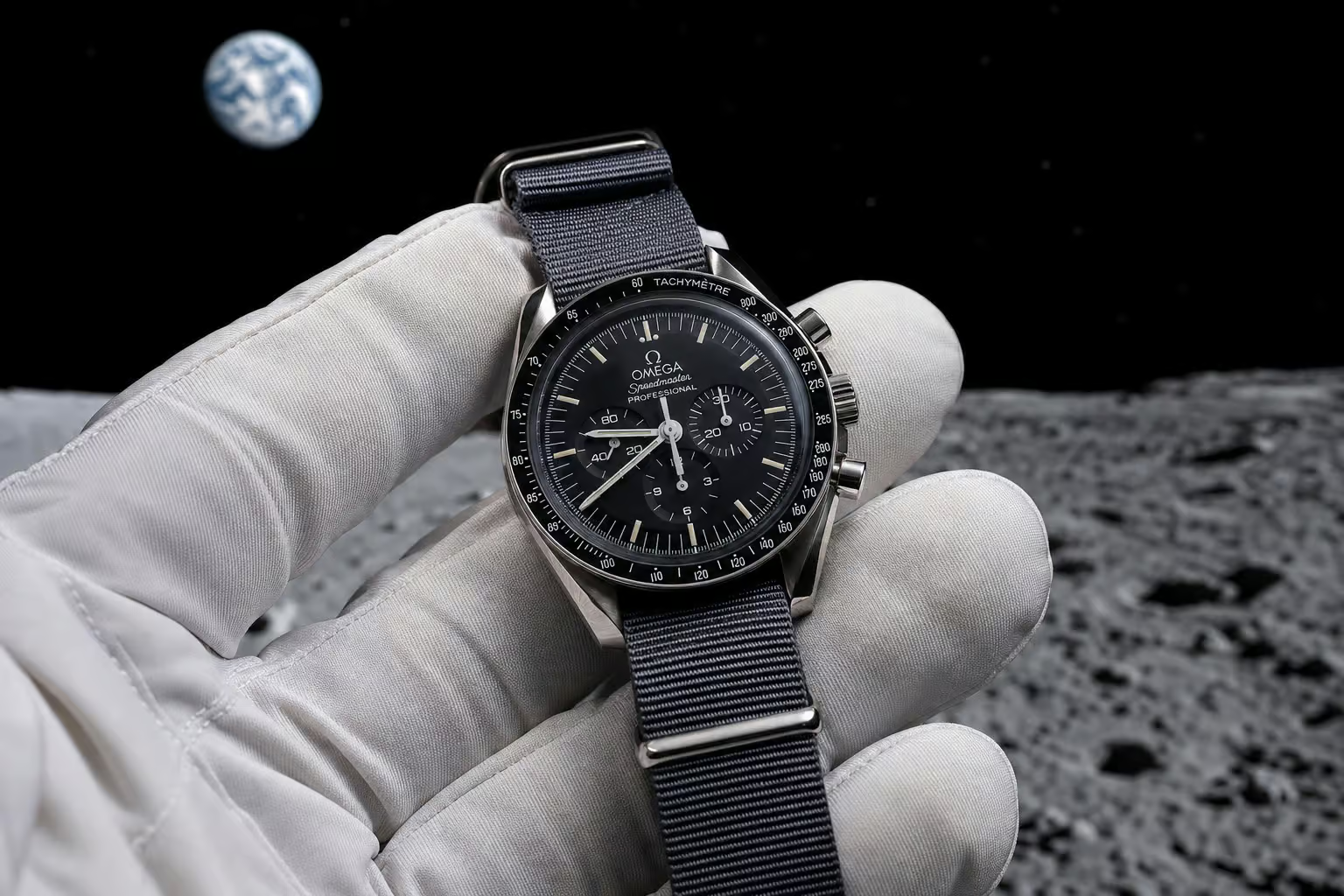
But Omega is not a budget brand. It’s a luxury watchmaker that competes for the same customer as Rolex. The price range is $3,000 to $10,000 (some models go higher), and the heritage is arguably stronger in one specific area: the Moonwatch. The Omega Speedmaster was on the moon.
Rolex wasn’t. That’s not a footnote — it’s a credential that no amount of crown logo can match.
Forum member HiggsBoson owns both a Rolex Submariner and multiple Omegas. To him, they coexist as equals. The Seamaster is James Bond’s watch. The Constellation is a classic dress piece. The Speedmaster is one of the most famous chronographs ever made.
Key models:
- Speedmaster: Moonwatch legacy, NASA-qualified
- Seamaster: James Bond association, dive capability
- Constellation: Dress watch refinement
Omega’s sin, in the eyes of the “poor man’s” label, is that it’s usually cheaper than a comparable Rolex and more available. That’s not a compromise — that’s a value proposition. But the status signal is different. If you need people to know you spent $12,000, Omega won’t do that. If you want a great watch with real history, it’s a no-brainer.
Why the “poor man’s Rolex” market exists in the first place
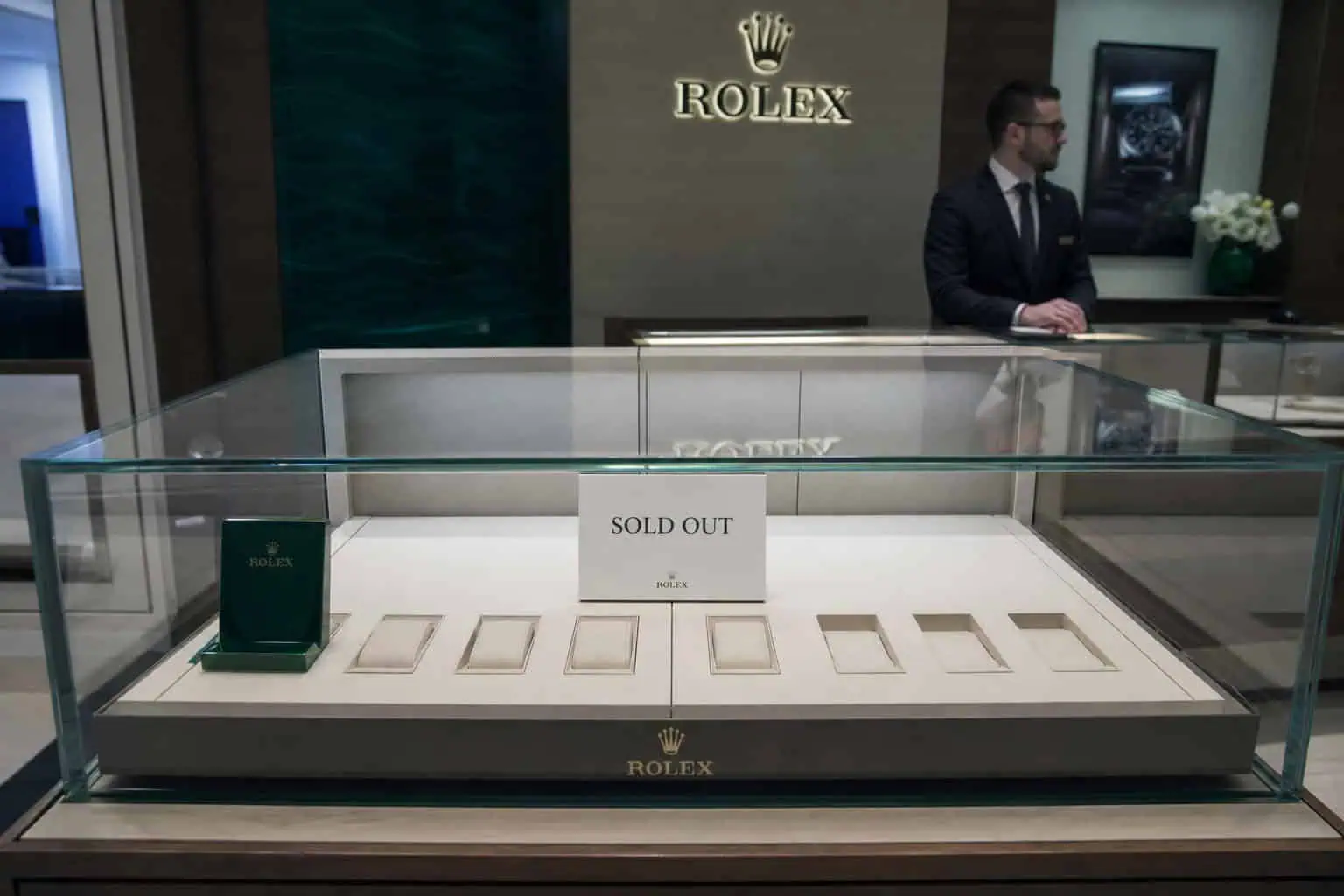
You don’t need a “poor man’s Rolex” if Rolex is easy to buy. But Rolex has made itself hard to buy. Hype from YouTube and Instagram created artificial scarcity. Authorized dealers often have empty cases and attitude to match.
The secondary market charges a premium — roughly $3,000 over retail for a GMT, sometimes more. You can walk into an Omega store and get a Moonwatch. You can’t walk into a Rolex AD and get a steel Submariner without a relationship, a waitlist, or luck.
This drives people to alternatives. It’s not just about money — it’s about availability and dignity. Some influencers have stopped wearing Rolex Day-Dates publicly to avoid alienating their audience. The brand has become a wealth flex, and not everyone wants to participate in that. One forum member, Hvydriver, recalled being drawn to Rolex after seeing car wheel-shots on Facebook groups, the imagery planted the aspiration long before a purchase was feasible.
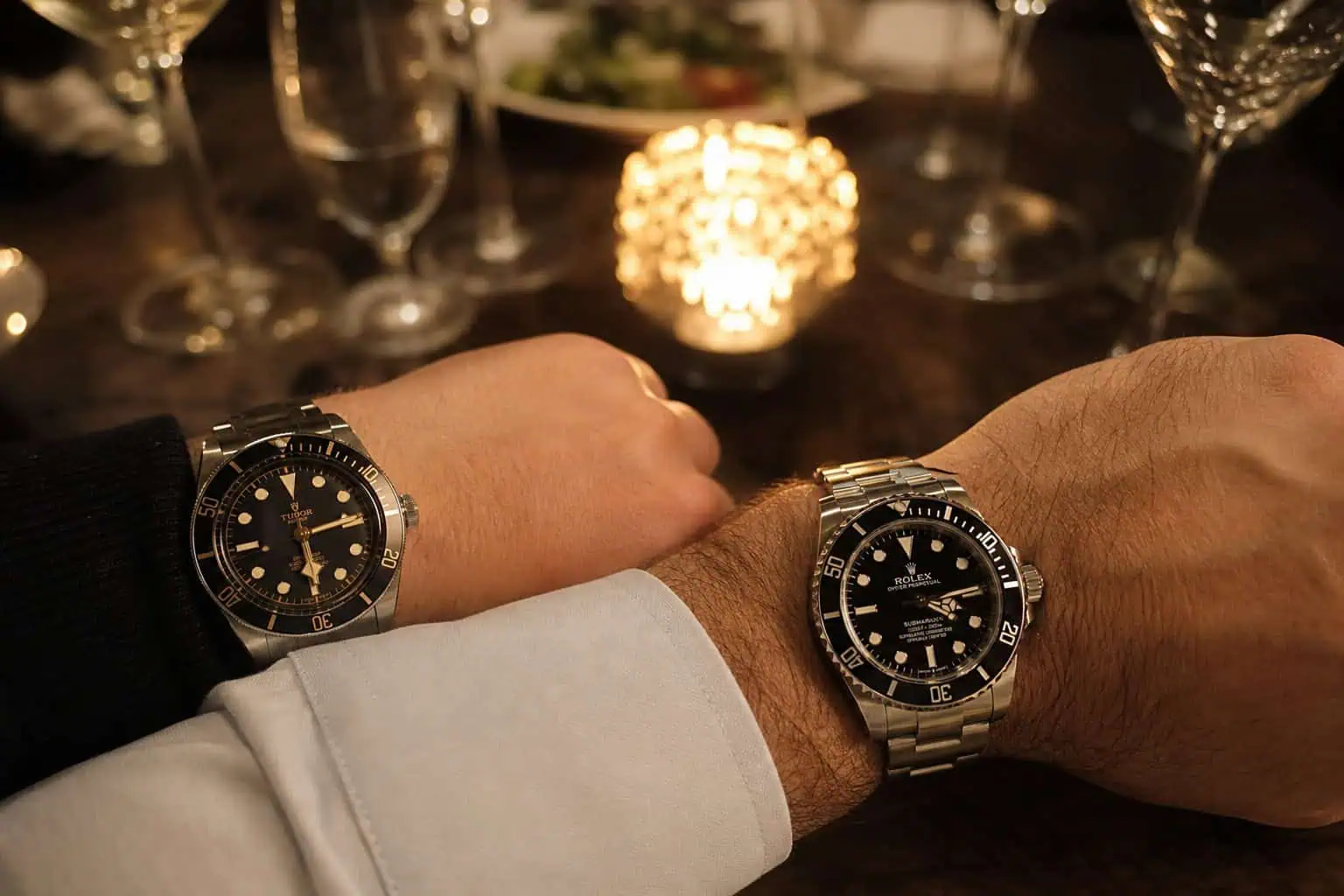
But the trade-off exists. Part of what makes Rolex desirable is the price tag as a status symbol. A cheaper alternative loses some of that. You save money, you get a great watch, and you can buy it without begging.
You also don’t get the same nod at a business dinner. That’s the calculus.
Who buys a “poor man’s Rolex”? Two very different motivations
The label obscures two very different buyer profiles.
Pragmatic connoisseur: This buyer values the quality-to-price ratio. They like the tool-watch philosophy — the shield, not the crown, to borrow the WatchesOfEspionage metaphor. They might own a Tudor Black Bay and a Grand Seiko and feel no need for a Rolex. koolpep owns both Rolex and Tudor and sees insecurity on both sides. Rolex owners looking down, Tudor owners overcompensating.
The pragmatist doesn’t care. They buy what works.
Aspirational buyer: This buyer wants the Rolex status but can’t justify the spend yet. They may buy an homage watch to test the waters — some forum members like Santo1953 wear homages to see if they like the size and weight before buying the real thing. Others buy a Tudor as a stepping stone. The label fits here, but it’s not an insult; it’s a stage. Forum member rjich reflected on caring about brand validation as a teenager versus as an adult, noting how priorities shift over time.
Neither motivation is wrong. The question is which one describes you.
The bottom line: smart choice or status compromise?
Is the “poor man’s Rolex” a smart buy? It depends on what you want from a watch.
If you want the brand cachet — the feeling of wearing a crown on your wrist, the resale value, the nod from other enthusiasts, save for the Rolex. Mooselook’s hypothetical says it all: if a Rolex and a Tudor were the same price, most people would choose the Rolex. The brand power is tangible. Waiting a year or two won’t kill you.
But if you want a great watch — accurate, well-made, available now, with no games at the counter, buy the alternative. Modern Tudor, Grand Seiko, and Omega are not “poor man’s” options. They are competitors that often surpass Rolex in specific areas: Spring Drive innovation, Moonwatch heritage, tool-watch ruggedness. The “smart man’s Rolex” perspective is a legitimate take, and our view at Unfinished Man is that it’s usually the right one for most guys.
The label is a relic. It made sense in 1985 when a Tudor literally said Rolex on it. Today, it’s a shortcut that doesn’t capture what these watches are. Ignore the label.
Look at the watch. Buy what makes you want to check the time.
Frequently Asked Questions
What is considered the poor man’s Rolex?
The term traditionally refers to Tudor, which was founded by Rolex’s own Hans Wilsdorf as a more affordable sibling brand. Today it’s also loosely applied to watches like Seiko, Grand Seiko, and Omega that share Rolex’s style or prestige but cost less, though many enthusiasts consider the label outdated and insulting.
Which watch is known as poor man’s Rolex?
Tudor is the original and most direct answer — early models even carried Rolex branding on crowns and case backs. But modern Tudor has its own in-house movements and identity, and many collectors argue the label no longer fits, especially since some Tudor models cost more than entry-level Rolexes.
What is the low end brand of Rolex?
Rolex doesn’t have a low-end brand, but Tudor was created by Rolex’s founder as a more affordable alternative. Seiko also fills that role at a much lower price point — a basic Seiko 5 can run you $300 and still deliver a dive-watch look that scratches the Submariner itch for a fraction of the cost.
Is a $4k Rolex real?
A $4,000 Rolex is possible on the secondary market for certain older or less popular models, but most steel sports models like the Submariner or GMT retail for $8,000–$10,000 and trade above that. At that price point, you’re more likely looking at a Tudor Black Bay or a Grand Seiko, which offer comparable quality without the Rolex markup.
Why do people get offended by the term ‘poor man’s Rolex’?
Enthusiasts see it as insulting to both the brand and the buyer, implying the watch is a consolation prize rather than a legitimate choice. Forum debates have called the label ‘complete and utter bollocks,’ arguing that choosing a Tudor or Seiko makes you a ‘Smart Man’ who values quality over status games.
Can you buy a Rolex alternative without the waitlist hassle?
Yes — brands like Omega, Tudor, and Grand Seiko are readily available at authorized dealers, often with same-day purchase. Omega’s Speedmaster Moonwatch has NASA heritage Rolex can’t claim, and you can walk out of the store wearing it, unlike a steel Submariner that typically requires a relationship, a waitlist, or luck.