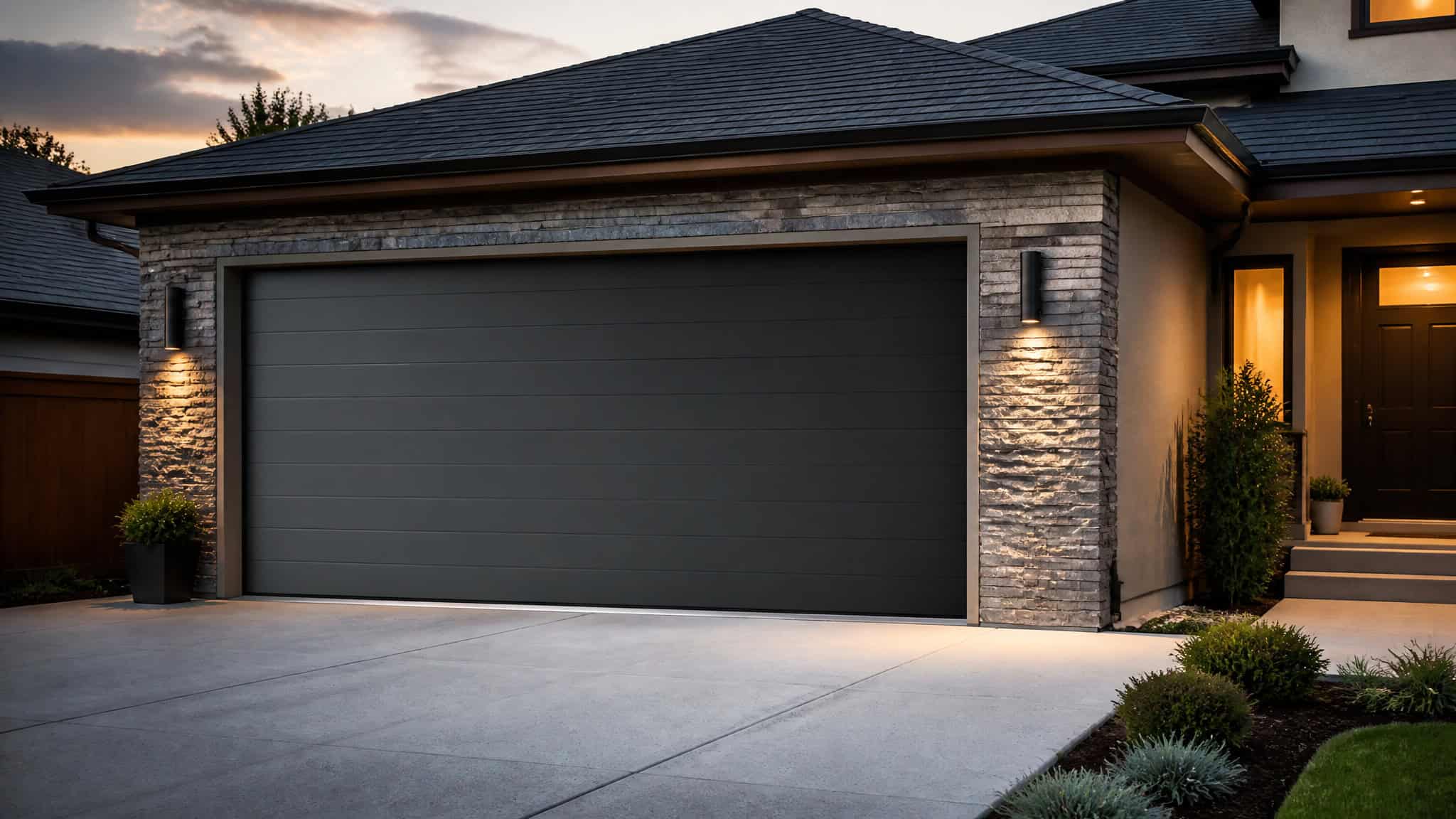
The most reliable resale project in the 2025 data isn’t the kitchen remodel. It’s the garage door. Spend about $4,672 on a new one, and the math says you get back $12,507 at sale. That’s 267.7% of your cost, and it’s the second year in a row the report crowned it king.
Costs are moving: Canada’s Residential Renovation Price Index shows renovation prices climbed 0.9% in Q2 2025 following a 0.3% rise in Q1, and homeowners are steering budgets toward smaller, high-impact updates and efficiency work instead of full gut jobs.
So here’s the deal. This is a ranked, value-first guide to the top 10 things that add value to your home, built on the 2025 Cost vs. Value report from Zonda along with what appliance, energy, and resilience data say underneath it. The quiet rule running through the whole thing comes from Cameron Forbes, a broker with RE/MAX Realtron in Markham, Ontario. He puts livability and functionality first, then treats ROI as a good secondary consideration.
That framing keeps you from spending big on something that looks impressive but makes your life worse. We’ll hold that standard through every project below.
Key Takeaways
A garage door replacement is the best resale bet in the 2025 data, recouping 267.7% of its roughly $4,672 cost (about $12,507 at sale), and it’s held the top spot two years running.
Eight of the top 10 ranked projects are exterior work; a minor kitchen remodel, recouping 112.9%, is the only interior project that cracks the first five.
Those percentages are U.S. national averages from 119 markets, so your local number can differ. Check recent comps with an agent before committing to any big spend.
Table of Contents
Why exterior projects lead the 2025 rankings
Which home improvement projects have the highest return on investment? Exterior replacements do, and by a wide margin. Garage doors, steel entry doors, and manufactured stone veneer sit at the top of the 2025 pricing, and the only interior project that makes the first five is a minor kitchen remodel. Eight of the top 10 projects are outside work, because large interior remodels are so subjective that buyers rarely pay their full cost back.
Zonda’s Cost vs. Value project answers one question: what a remodeling project adds to a home’s sale price relative to its cost. It’s the 38th annual edition, tracking 28 projects across 119 local U.S. markets, built from surveys of real estate professionals plus Zonda’s data collaboration with Verisk’s XactRemodel. That’s a lot of data behind the three headliners: garage door at 267.7%, steel door at 216.4%, stone veneer at 207.9%.
Those percentages are U.S. national averages. A lot of the cost and financing context you’ll read here is Canadian. Your market may land somewhere entirely different, and the report itself proves why. The overall cost-value ratio hit 34.8% in 2023, the lowest in report history, driven by Q4 2022’s rising rates and inflation.
Zonda’s Todd Tomalak notes 2025 demand shifted the way it did in other adjustment periods like 2012. Treat these figures as current snapshots, not fixed truths.
Garage door replacement: the top-ROI upgrade two years running
The best single investment on the list is a garage door replacement, and it isn’t close: roughly $4,672 in, $12,507 back at sale, for 267.7% recouped. It’s topped the report two straight years, which matters more than the headline number. In 2023 it still broke even at 102.7%, and Ramsey’s numbers land at over 93% back on a $4,041 average cost. Three sources, same conclusion: this project pays.
A new door signals care from the street, which is where a buyer forms the first impression of your house. The standard setup is nothing fancy: galvanized steel tracks and a motorized opener. That’s the baseline the ROI assumes, not a luxury add-on.
Field note: The garage door’s ROI assumes the standard galvanized steel track and motorized opener — not a premium custom door.
Steel entry door replacement: first impressions that pay back
Right behind the garage door is the steel entry door: $2,435 in, $5,270 back, 216.4% recouped. In 2023 it returned 100.9% on a $2,214 job, so it’s not a one-report fluke.
The same project cost $1,471 and returned 91% in 2018, then cost $2,206 and returned only 63% in 2022. The market, not the door, set the number. Returns shift.
Steel outlasts wood, helps insulate, and won’t crack or splinter. The 2023-spec unit was just a 20-gauge steel door with glass, same color both sides.
Michael Winn of Winn Design + Build in McLean, Virginia keeps it simple: “I tend to recommend spending more on a front door, one that feels sturdy.” His reasoning is psychological. “Even if it’s not something that’s observed consciously by the buyer, I think on a subconscious level, the quality of the door shapes their decision.” A typical replacement runs $2,000 to $3,000.
Manufactured stone veneer: curb appeal at 207.9%
Manufactured stone veneer holds the third slot at 207.9%: $11,702 in, $24,328 back at sale. It returned 102.3% in 2023, and it’s the third straight year an exterior curb project has held a top-three spot. The house reads as more expensive than it is, and buyers pay for that read.
The condition that makes the number work is the one most guides bury: the veneer has to go on at least half the exterior. A partial facing doesn’t carry the same weight with buyers, so a scaled-back job just eats the cost without the payoff.
Buyer rule: Stone veneer only earns its 207.9% return if it covers at least half the exterior — a partial facing won’t move buyers.
Fiber-cement siding: 113.7% and improving
Fiber-cement siding lands at 113.7%, with $21,485 in and $24,420 back at sale. It improves on the 2023 number handily, when it recovered 88.5% of its $19,361 cost. The appeal is the read: a premium, durable exterior that protects the structure and doesn’t ask for much upkeep. Set it and forget it, and you get your money back plus a little.
Minor kitchen remodel: the one interior project that pays
Same room, opposite math. A minor kitchen remodel recoups 112.9%, while a high-end version runs about $78,000 for roughly 41% back. That gap is the whole point of this section.
The minor job is the only interior project in the top five, returning $32,141 on a $28,458 spend in the 2025 data. The 2023 report found 85.7% on $26,790, and Ramsey puts it at 71.2% on $28,279. Different sources, same conclusion: minor kitchen work is among the best interior returns you can get.
What makes it “minor” is the scope: replacing outdated appliances, refacing cabinets, new hardware, a laminate countertop and sink, and flooring. No structural moves. That scoping is the ROI decision itself. Winn’s point applies here too: a dated kitchen drops the perceived caliber of the whole house, so a light refresh signals care without the banker’s frown.
Vinyl siding: the honest near-breakeven
Vinyl siding is an honest near-breakeven: $17,950 in, $17,313 back, 96.5% recouped. It was 94.7% in 2023 on $16,348. Call it what it is: exterior protection that holds its value and refreshes the appearance. It’s not a profit generator, but you’re not eating much either, and the house looks cared for.
Backup power generator: resilience enters the top 10
The freshest name in the top 10 is a backup power generator: $13,534 in, $12,902 back, 95.3% recouped. It’s the first time it’s cracked the list at all, and the reason is straightforward. Buyers in storm country want the lights to stay on.
In hurricane-prone and storm-hit regions, ROI runs north of 100%. In those markets, buyers treat backup power as near-necessity, not luxury, and they’ll pay for it.
Wood deck addition: a classic in the middle
Wood decks sit at 94.9%, with $18,263 in and $17,323 back. You’ll run into older numbers floating around, including a 50.2% reading from the 2023 report. That’s a different year and different market conditions. Prefer the current data, which shows a deck close to paying for itself while you get to use it in the meantime.
Composite deck addition: the upkeep trade-off
Composite decks trade years of maintenance for a softer return: $25,096 in, $22,199 back, 88.5% recouped. You pay more up front than wood and get less back at sale, but you also get decades without sanding, staining, or sealing. That’s the trade, and it’s a legitimate one if your weekends are worth more than the difference.
Fiberglass grand entrance: the top of the curb ladder
Fiberglass grand entrances round out the top 10 at 84.7%: $11,754 in, $9,995 back. It’s the weakest of the curb projects and still respectable. Think of the three entry projects together as a ladder: the steel door opens the sale, the grand entrance sets the visual tone, and the stone veneer frames the whole house. Each one steps up the return from the street.
Midrange bathroom remodel: about two-thirds back
A 2023 midrange bathroom remodel cost $24,606 and brought $16,413 back, a 66.7% ROI. The sharper distinction is remodeling your existing bath versus adding one. An addition returns only about 50%. So refresh what’s there, which buyers notice in inspections, and skip the second bathroom unless you’re the one who’ll use it.
Vinyl vs. wood windows: which ROI wins
On ROI and maintenance, vinyl wins, and it’s not close. Vinyl returned 68.5% on a $20,091 job in 2023, and Ramsey’s numbers land at nearly 68% of $20,482. Wood returned 61.2% on $24,376. You’re paying more for looks and getting less back.
The real value isn’t resale. New frames cut heating and cooling costs and long-term maintenance, which makes window replacement the best maintenance-reducing upgrade you can do, not a curb-appeal play. Energy-efficient windows also sit in buyers’ top-10 most-desired features in recent survey data. Winn sums up the buyer mood: People are weighing energy efficiency heavily when they’re buying. With interest rates so high, folks are looking at every cost, including utility bills, to make sure they are staying within budget.
Energy efficiency: the buyer priority that pays twice
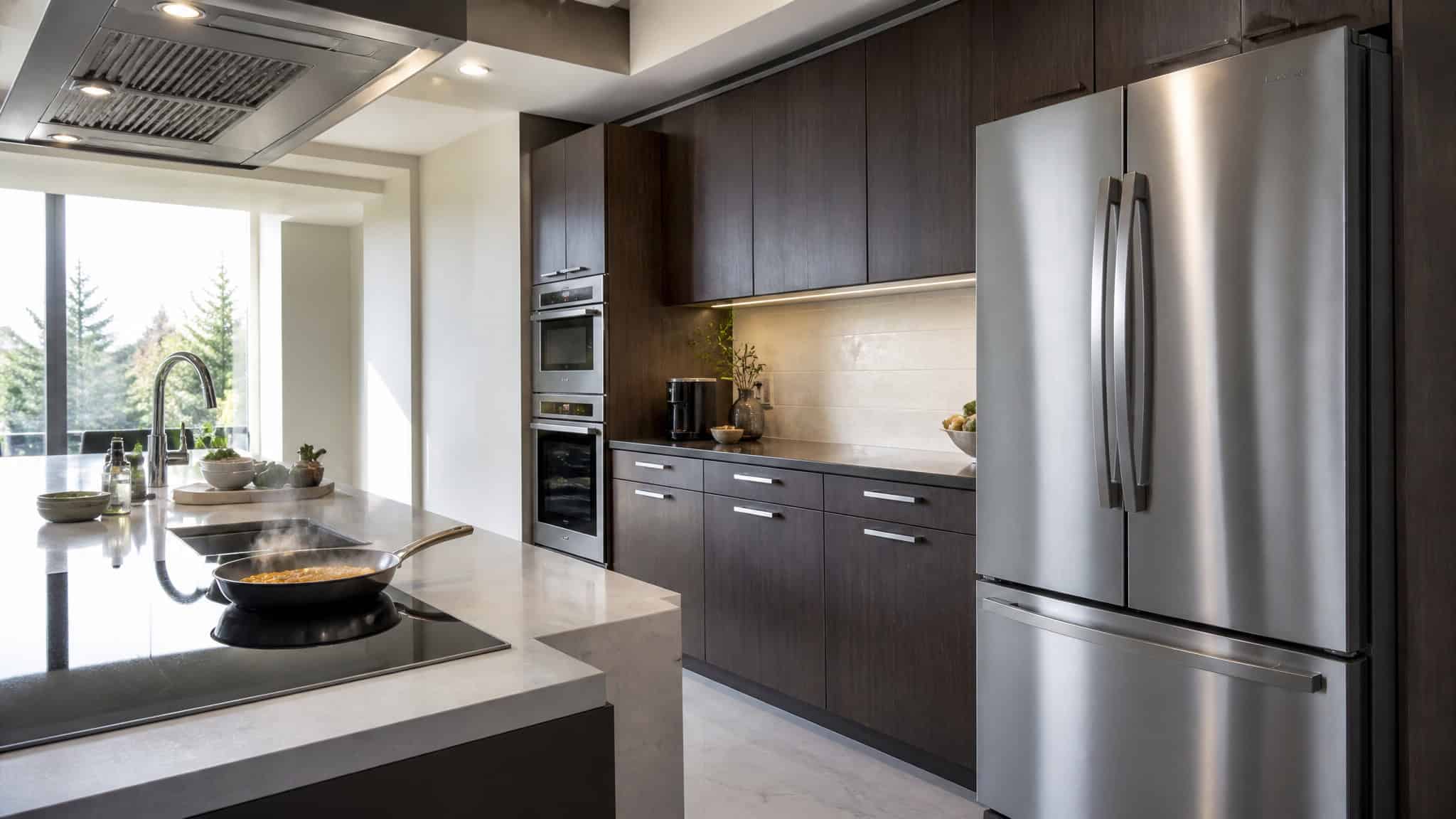
Do energy-efficient upgrades raise value enough to justify the cost? The honest answer is yes, but mostly through lower operating costs over time plus a demand tailwind, not a big one-time resale markup. The demand is real and durable: a 2024 CHBA survey put high-efficiency windows, energy-efficient appliances, HRV/ERV air-exchange systems, and an overall energy-efficient home in the top-10 most-desired features, and energy efficiency has held top must-have status for nine straight years. That’s not a fleeting fad.
How the payback works
The Appraisal Institute of Canada says energy-efficient renovations deliver among the highest paybacks relative to investment, because operating costs drop over time. That’s the double win: it pays once in monthly bills, then again at resale. The mechanism shows up in four places. High-efficiency windows (see the vinyl-versus-wood math above).
Energy-efficient appliances, which we’ll get to shortly. HRV/ERV air-exchange systems, which keep the air fresh and moisture controlled without wasting heat. And the holistic “energy-efficient home” framing, which is what buyers actually ask for by name.
The upgrades that qualify for help
Insulation and air sealing fit here too. They qualify for financing support, cut operating costs, and make the house more comfortable every single day. Rooftop solar is new to the 2025 report with varying payoffs, so don’t expect a guaranteed win, but it does qualify for financing assistance.
What’s out there to fund it
Named programs include the City of Toronto’s Home Energy Loan Program, BC’s BetterHomesBC heat pump rebates, Ontario’s Home Renovation Savings program run through Enbridge Gas and Save on Energy, Quebec’s Rénoclimat plus Hydro-Québec heat pump assistance, and Manitoba Hydro’s Home Energy Efficiency Loan. Brendan Charters of Eurodale Design + Build notes that future-proofing against rising utility costs and carbon pricing is a big driver for homeowners right now. These are regional programs, so check what your province actually offers.
Cost check: Toronto’s Basement Flooding Protection Subsidy covers up to $3,400 per property, and several provinces offer heat pump rebates — check your region before budgeting.
Electrification: heat pumps, HVAC conversion, and the panel gotcha
For comfort that still pays at sale, start with HVAC electrification, which returned 103.5% on a $17,747 job in 2023, the top-ROI project in that report. Heat pumps improve comfort and efficiency, carry rebates like BetterHomesBC, and pair naturally with heat-pump water heaters. If you’re upgrading how you live now and want it to pay back later, this is the lane.
Here’s the gap most plans skip: electrification upgrades often require an electrical panel upgrade first. That’s a hidden cost homeowners rarely budget for, and it can kill the math before you start. Plan for it, then enjoy the upgrade. This is also where Forbes’s livability-first rule earns its keep. A house that’s comfortable to live in is the goal; the resale number is the bonus.
Resilience upgrades: flood protection and indoor air
These projects rarely wow anyone in a listing photo, but they preempt the exact problems that kill deals in inspections and negotiations. A buyer will notice a damp basement or a sewage smell a lot faster than they’ll notice a nice backsplash.
Flood and sewer protection
The flood trio is straightforward: backwater valves stop sewage backing up into your plumbing during storms, sump pumps move water off the foundation when groundwater rises, and drainage or grading improvements direct water away from the house. Toronto’s Basement Flooding Protection Subsidy Program covers up to $3,400 per property for qualifying devices and associated work, which makes this cheaper than most people assume.
Indoor air quality
For wildfire smoke, Health Canada’s guidance is practical: seal windows and doors where smoke can enter, maintain HVAC filters with the right filters for your system, and consider a portable air cleaner sized for the room, since a small unit in a big room won’t do much. Public-health evidence reviews back these as effective interventions. None of this shows in a photo, but all of it shows up in how a house feels and holds up.
Basement remodels, attics, and ADUs: adding livable space
Basement remodels proved the most consistent new project nationwide in the 2025 report, and they can add 50 to 100% livable floor area. Returns aren’t guaranteed, but the upside is real, which is why Charters calls them a serious play for more usable space.
The honest counterweight comes from Forbes: basements stay darker and colder regardless of premium finishes, so set expectations. And the sequencing rule is non-negotiable: code-compliant waterproofing and moisture control come before any cosmetic finishes. Premium finishes on a damp basement erode the value faster than anything else. The standard finish scope runs insulation, drywall, windows, closets, flooring, and an HVAC connection.
Attic and basement conversions yield better ROI than other square-footage additions, per Ramsey. Accessory dwelling units are newly added to the 2025 report with varying payoffs, and they involve permits and code compliance. Bathroom additions only return about 50%, so they’re a convenience play if you’re staying, not a resale win. If you’re the family with four kids and one bathroom, that’s a different conversation entirely.
Appliance upgrades: small signals that move buyers
Appliances don’t drive value the way location or square footage does, but they do one important job: clean, consistent, working appliances make buyers feel the whole house was cared for. Sander Scott’s principle is the right frame here. It’s often less about name-brand or brand new appliances and more about their appearance and whether they function properly. Each item below earns a spot on that logic.
Panel-ready refrigerators
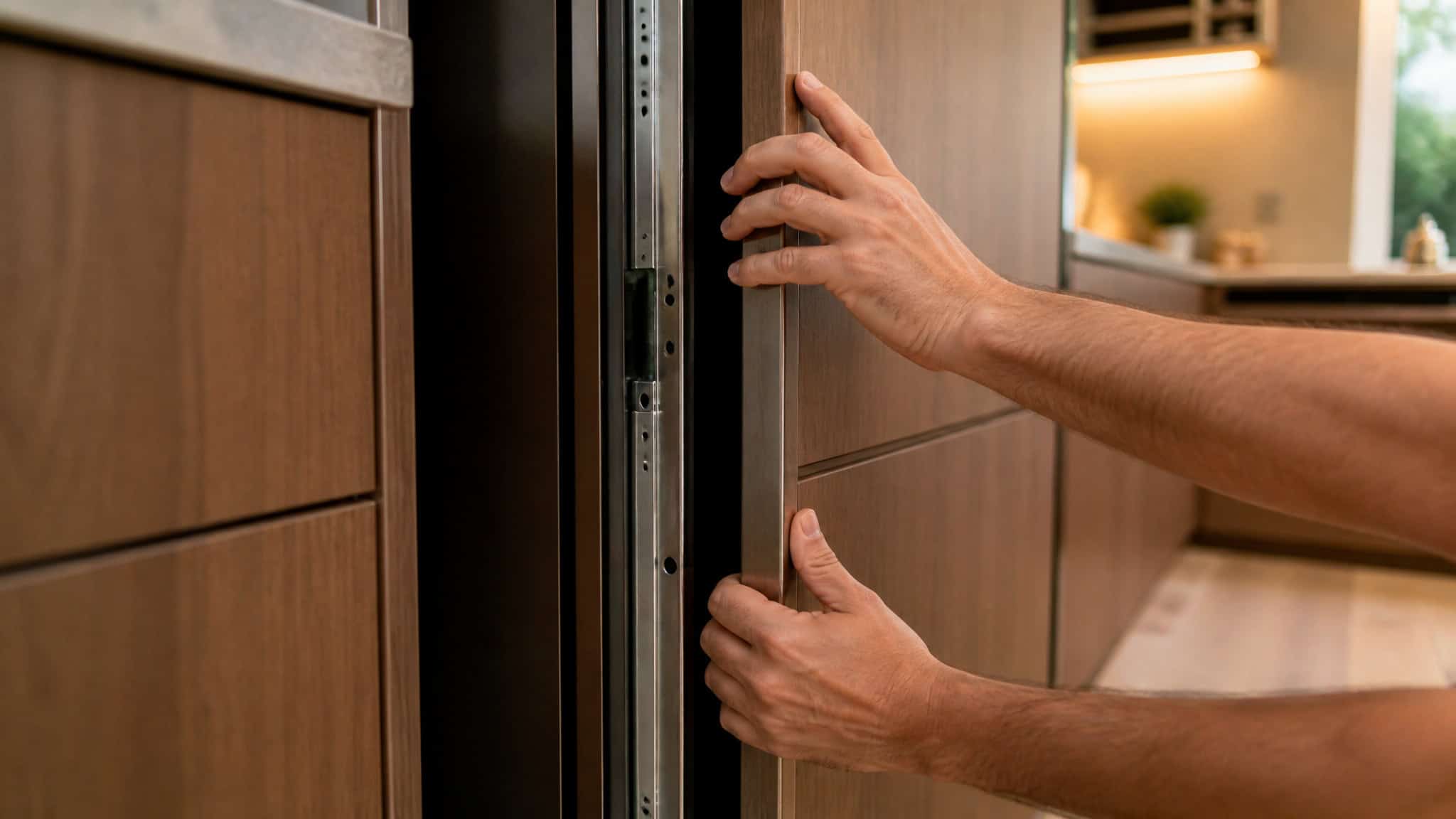
Panel-ready refrigerators sit flush with your cabinetry, which is the whole point. They signal a high-end kitchen upgrade and can pay off when done right. The catch is matching the house. Catherine Day warns that a $15,000 fridge in a modest home may not pay off, because buyers simply won’t pay for it.
ENERGY STAR dishwashers with a third rack
A stainless, quiet ENERGY STAR dishwasher with a third rack uses about 12% less energy and 30% less water than older units. The third rack is the detail that actually gets used, for cutlery and small stuff, and quiet operation means you’re not yelling over dinner dishes.
Induction cooktops
Induction heats the pan directly with electromagnetic fields, so there’s no glowing coil and less wasted heat. It’s faster, safer, and more efficient than a traditional stove. The numbers followed: listing “induction cooktop” can help a home sell for about 1.9% more, and high-end kitchen appliances, including induction, can return 70 to 100% at resale.
High-efficiency front-load washers and dryers
The modern laundry setup brings smart integration, Wi-Fi, large capacity, and ENERGY STAR certification. It saves $25 to $67 a year on energy, which isn’t huge, but it adds up across the life of the machine. Buyers care more about condition and appearance than brand, so keep what you have clean and working before you trade it in for a fancier name.
Smart ovens and ranges
Smart ovens and ranges let you schedule, adjust, and check status from your phone, which is a real convenience. They help sell the house when they’re part of a bigger kitchen upgrade, not as a standalone add-on. Smart kitchen appliances overall can bump home value by up to 5.3%.
Undercounter wine and beverage coolers
An undercounter wine cooler is the little touch that can tip a fence-sitting buyer over the edge. It’s often part of a minor kitchen remodel rather than a standalone project, and in some regions the ROI can exceed 100%. The best rule: don’t trade necessary storage cabinets for a wine fridge. That’s the one sure way to make it a net negative.
Simpler renovations: painting, lighting, and low-cost wins
The best cheap upgrades to increase home value are painting, lighting swaps, and small visible fixes, not big remodels. Painting is always the priority. Lighter neutral colors make rooms look larger and brighter, and a fresh coat covers scuff marks and everyday wear instantly. The greige palette, that gray-beige blend, is the safe trending pick right now.
Forbes’s rule applies everywhere: “Painting and general maintenance work will always be a priority for homeowners. Regular upkeep is essential to preserve their home for the long term.” Small visible fixes signal a cared-for house at resale, which is a lot of what you’re actually selling.
Lighting is the other cheap win. A modern chandelier or hanging fixture lifts the whole room’s appeal, and energy-efficient lighting saves the buyer money, which is a selling point with actual numbers behind it.
Smart home upgrades: thermostats, offices, and security
Yes, smart home upgrades add value, mainly as signals of a modern, low-maintenance home, and the strongest plays are thermostats and home offices. A smart thermostat costs around $200, plugs into your existing heating and cooling system, and lets you adjust the temperature from your phone. That’s a small bet with immediate utility.
Home offices are increasingly sought by buyers because of remote work. The simple version: set up a spare room with a desk and a computer, and make sure the internet connection is strong. An in-wall ethernet line provides a direct, reliable connection to the home office and other rooms, taking pressure off Wi-Fi where it counts.
Security cameras add protective value, and the evidence is concrete: surveillance footage helped Massachusetts police identify a burglary suspect. But they carry real scrutiny. Flock Safety cameras have drawn public attention in real-estate contexts, so privacy is a genuine buyer consideration. A camera system is a selling point only if it reads as sensible, not surveillance-state.
Room-by-room upgrades that boost appeal
Different rooms reward different upgrades, and ROI varies by location. The rule is a targeted, visible refresh, not a gut job. Here’s what works where.
- Foyer and entry: upgrade stairs and banisters, and replace or refinish the flooring.
- Living room: replace or refinish flooring, add a fireplace, or deep-clean the existing rockwork.
- Kitchen, beyond the minor remodel: repaint or refinish cabinets, add an island, replace old appliances, upgrade countertops, swap sink hardware and the garbage disposal, and update the backsplash.
- Bedroom: upgrade closet shelving and replace or refinish flooring.
- Bathroom, beyond the midrange remodel: replace flooring, add storage cabinets, change showerheads and hardware, upgrade the vanity, and recaulk or re-glaze the tub.
- Garage, beyond the door: install shelves and add storage areas.
Invisible improvements: protect value instead of adding it
Buyers won’t pay a premium for new HVAC, hot water heaters, or septic systems, because they expect these to work. But a broken one will hit your value hard and surface in inspection. These projects stop value from leaking; they don’t add it.
The cost reality is worth knowing before an inspection surprises you. A septic system runs several thousand dollars or more, and a full replacement can cost much more. A new furnace’s cost includes the unit, labor, and any ductwork replacement. Plan for the systems you know are aging.
The quiet cost-cutters live in the maintenance lane: insulating hot water pipes, patching leaky windows and doors, swapping in LED bulbs, staining and sealing a wood deck, and choosing climate-appropriate landscaping. In the Southwest, that means converting lawn to desert landscaping, which cuts water use and maintenance hard. AC maintenance during heat waves keeps a system running efficiently, and crawl space encapsulation regulates humidity and protects the structure. None of this makes a listing photo pop. All of it keeps the house from becoming a negotiation problem.
Roof replacement: shingled vs. metal returns
The 2023 numbers are plain: shingled roofs returned 61.1%, metal returned 48.9%. Neither is a value play on its own. But roofs matter anyway, because they’re expected-to-function systems, and in storm regions, code-compliant roofs are increasingly a condition of reasonable homeowners insurance. Florida’s wind-mitigation reports and rising insurance costs are the example. Metal’s tradeoff is a lower resale recoup for decades of service, which is a staying-home decision, not a selling decision.
Weak-ROI traps: what to skip before selling
Some upgrades deliver real enjoyment but weak resale, and ROI varies by region, so none of this is a hard no. But recognize what you’re buying.
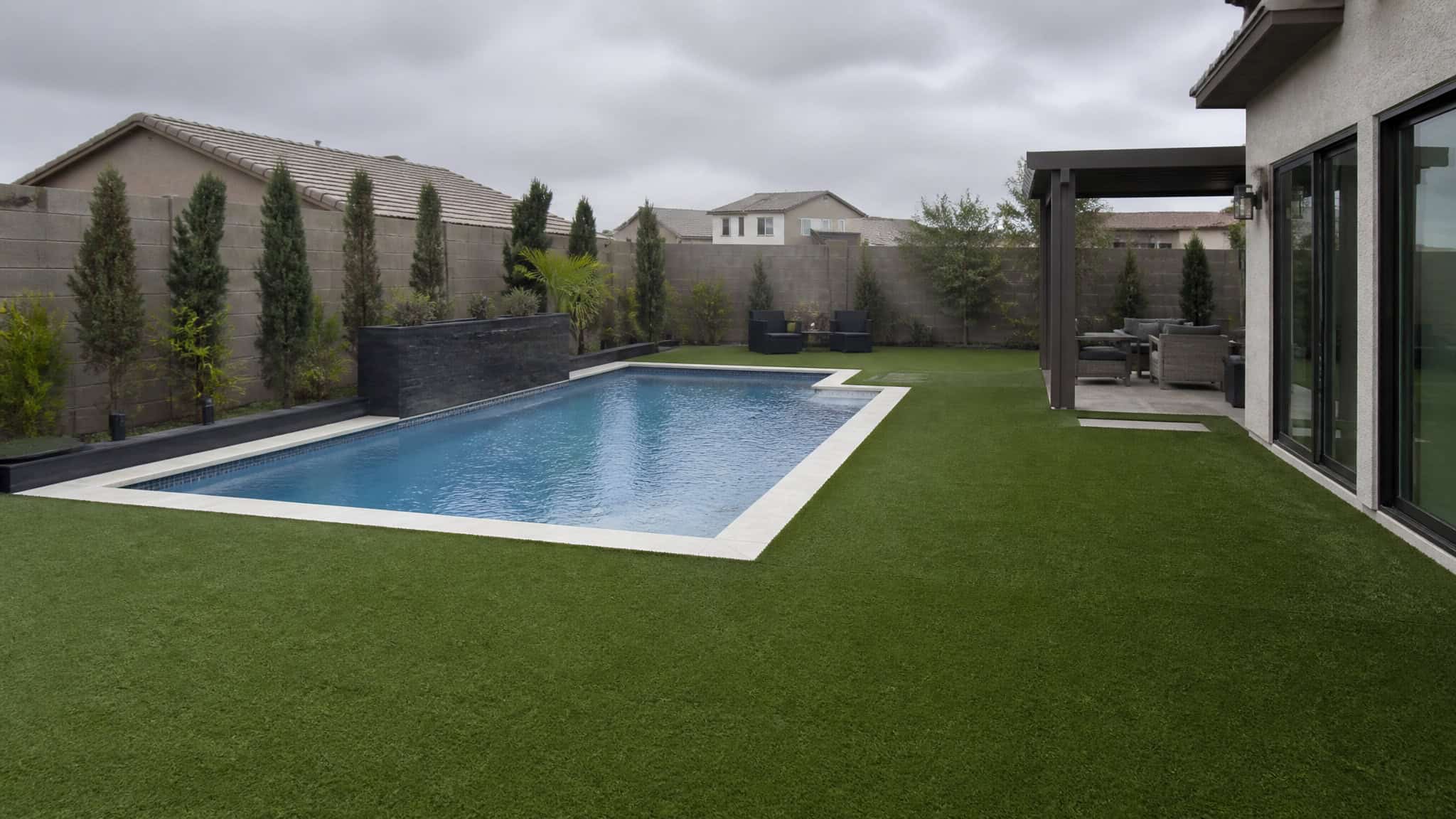
Landscaping carries a lot of common pitfalls. Brick replacement of cement or asphalt, new trees, driveway heating, and artificial turf often come back lower at sale, according to Forbes, even though curb appeal shapes first impressions. Keep the yard clean, add live plants, re-seed the lawn, and lay paver stones if you want the visible win without the sunk cost.
Ultra-custom finishes are the taste trap. Niche built-ins, bold tile, and luxury features that are uncommon in your area are hard to recover if buyers don’t share your taste. Pools are the classic example. Charters calls them an “energy sink,” costly to maintain and rarely in regular use after the first few years. But he’s honest about the flip side: if you’ll actually use it, the enjoyment value is its own legitimate ROI. Same logic applies to the high-end kitchen remodel, roughly $78,000 for about 41% back, and stamped concrete driveways, which upgrade appearance and value but carry downsides to weigh first. Some projects simply recover about half their cost. Know which ones those are before you write the check.
Matching upgrades to your market
ROI is a moving target, so the only number that matters is local. The Pacific and West South-Central regions reported the strongest 2025 returns, and neighborhood norms override national averages every time. Check comps before committing. A local agent knows the trends and which homes with similar features actually sell, and what they sell for.
The over-improvement evidence is specific. That $15,000 fridge in a modest home is one example. The steel door’s trip from 91% return in 2018 to 63% in 2022 shows returns shift with markets. Tailor the project menu to the house, too. Energy projects like windows, insulation, and HVAC hold more value in older homes than in newer ones.
Regional realities matter. In places like Florida, Charles Fischer, an investor and broker on the state’s Space Coast, notes that many buyers “are looking at the cosmetic upgrades, but are ultimately leaning towards houses that have the four main systems upgraded including HVAC.” Code-compliant roof, plumbing, electrical, and HVAC increasingly matter for wind-mitigation reports there. For context: starter homes at $1M or more have nearly tripled in six years and are no longer coastal-only, and Carmel, Indiana topped the 2026-2027 Best Places to Live list. Local beats national, always.
Before any exterior work, confirm your property lines. Understand the appraisal’s role, and know that houses sell faster with good photos, real curb appeal, and the right price. The demand is there; the trick is matching it to the street.
Build the plan, not the wishlist
If you’re selling soon, the short list is exterior replacements (garage door, steel door, stone veneer), a minor kitchen remodel, and energy-efficiency work, with over-improvement the main risk. Forbes puts the split cleanly: “We continue to see exterior improvements drive the most value for owners selling their homes, while interior projects make the most sense for residents planning on staying in their homes for longer periods of time.”
Forgetting that distinction is where people lose money. If you’re staying, renovate for livability and treat ROI as secondary. Forbes’s advice is to dream, plan and implement renovations that make life easier, and that’s the right north star. Bathroom additions and living-space expansion are enjoyment plays. Pools carry the same caveat: they’re a lifestyle purchase, not an investment.
The closing rule is simple. Run any shortlist past a local agent’s comps, sequence by current market data, and use 2025 figures rather than older ROI numbers that no longer apply. If you want the wider look at how to sequence a full set of top upgrades to increase home value, or how appraisers think about the upgrades that increase home value for appraisal, those guides fill in the details. And if you’re specifically optimizing for a fast, premium sale, the best home upgrades for resale value walkthrough is your lane.
For deeper planning, Zonda’s Building Products Forecast Webinar on October 23, 2025 covers industry shifts worth knowing. The honest through-line from all of it: the smartest money move is the one that makes the house better to live in today and still pays its own way when you hand over the keys.
People Also Ask
What adds the highest value to a house?
The highest value-adding projects are exterior replacements: a garage door returns 267.7% of its cost, a steel entry door 216.4%, and manufactured stone veneer 207.9%. These curb-appeal upgrades signal a well-maintained home and consistently outperform interior remodels in resale value.
What are 10 home upgrades that are not worth the money?
Low-ROI upgrades include high-end kitchen remodels (about 41% back), bathroom additions (about 50% back), and pools, which are costly to maintain and rarely recoup their cost. Landscaping extras like brick replacement, new trees, and artificial turf also tend to return less than their cost. Ultra-custom finishes and niche built-ins are risky if they don’t match buyer taste.
Why does a garage door replacement have such a high ROI?
A garage door replacement is the top-ROI project because it dramatically improves curb appeal, which shapes a buyer’s first impression. The standard galvanized steel door with a motorized opener is relatively inexpensive, yet buyers perceive it as a sign of a well-maintained home, leading to a return of 267.7% on average.
Is a minor kitchen remodel worth it before selling?
Yes, a minor kitchen remodel is the only interior project in the top five for ROI, recouping 112.9% of its cost. The key is keeping it minor: replace outdated appliances, reface cabinets, add new hardware, and update countertops and flooring—avoid structural changes. This refresh signals care without the high cost of a full remodel.
What’s the difference between vinyl and wood windows for resale value?
Vinyl windows offer a better return on investment, recouping about 68.5% of their cost compared to 61.2% for wood. Vinyl also requires less maintenance and provides similar energy efficiency. The real value of any window replacement is lower energy bills, which is a top buyer priority, not just the resale markup.
Can energy-efficient upgrades increase home value enough to justify the cost?
Yes, energy-efficient upgrades like high-efficiency windows, insulation, and heat pumps pay off through lower operating costs over time and are in high demand among buyers. They may not add a huge one-time resale markup, but they reduce monthly bills and make the home more attractive, with some projects like HVAC electrification returning over 100% of their cost.