Tattoos have been woven into the fabric of human culture for thousands of years, and Spain is no exception. With a rich history and a vibrant modern art scene, getting tattoos in Spain offers a fascinating mix of tradition and trend.
In recent years, the visibility of tattoos has exploded, thanks in part to influential figures like soccer player Sergio Ramos, who proudly displays his extensive body art. This has helped push tattoos firmly into the mainstream.
But before you book a flight to Madrid or Barcelona for your next piece, it’s helpful to understand the culture, the symbols, and the legal aspects of getting a tattoo in Spain. This guide will walk you through everything you need to know.
Key Takeaways
Deep Cultural Roots: Traditional tattoos in Spain can be traced back to pre-Roman times, often featuring religious icons, symbols of family loyalty, and powerful animals.
A Blend of Old and New: The contemporary Spanish tattoo scene is a vibrant fusion of classic artistry with global styles. You’ll find everything from Japanese-inspired sleeves to the minimalist geometric patterns popular today.
Know the Law: Understanding the legal requirements is crucial. Anyone under 18 needs written consent from a parent or guardian. Always choose a licensed professional in a registered studio that meets strict hygiene standards.
Popular Spanish Symbols: Common and meaningful designs include the Lauburu (a Basque cross), the Giralda tower of Seville, and regional insignia. The word “familia” is also a popular choice, reflecting the deep importance of family in Spanish culture.
Table of Contents
The History And Culture Of Tattoos In Spain
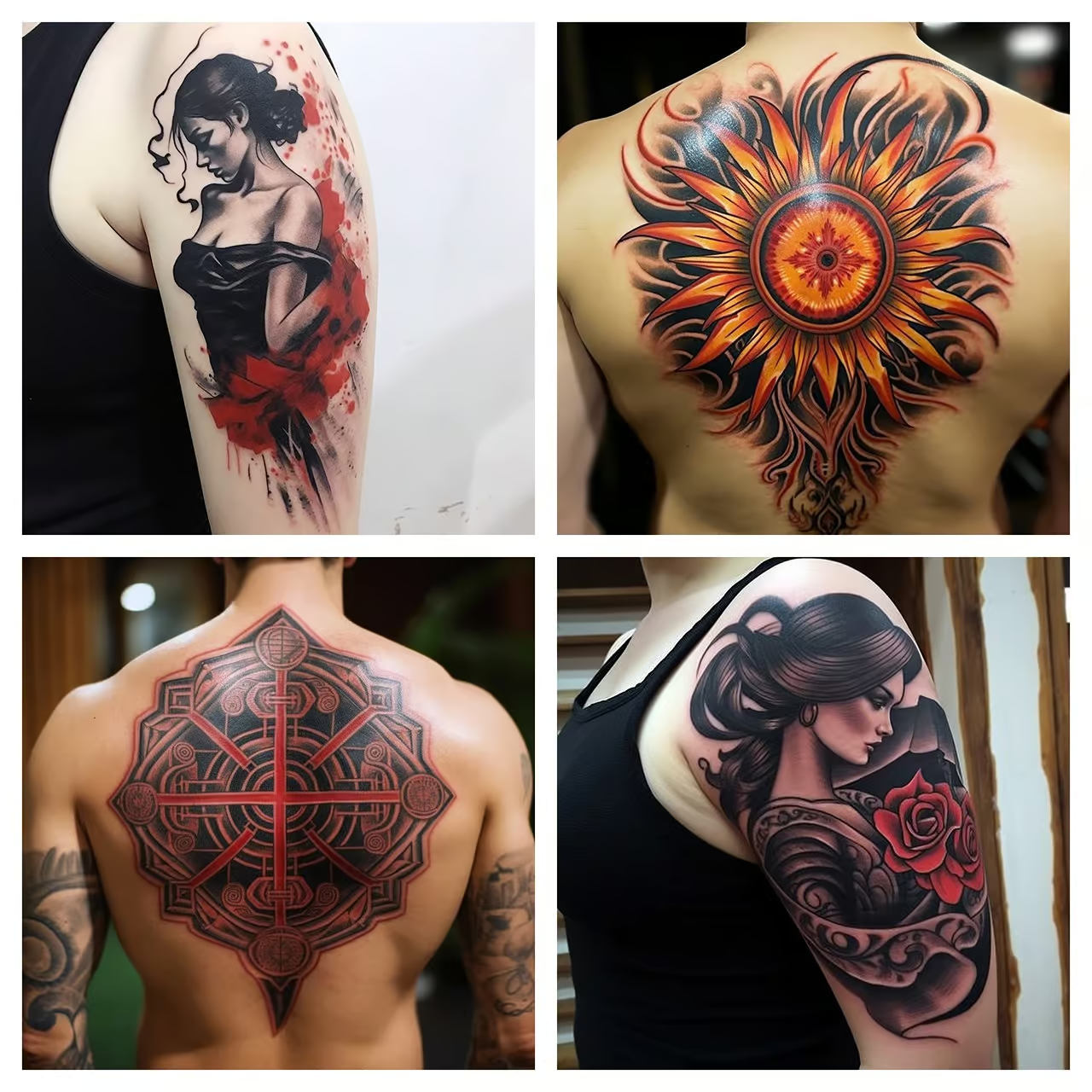
For centuries, Spanish culture has embraced tattoos, with designs featuring everything from religious icons and family emblems to animals. This rich history continues to influence the country’s vibrant tattoo scene today.
Traditional Tattooing Practices And Techniques
The roots of tattooing in Spain run deep, stretching all the way back to the Pre-Roman period. In ancient times, tattoos served as a form of identification or a marker of belonging to a specific tribe.
Early methods were simple but effective. Artists often used a mix of soot and ash with water or oil to create ink. They would then puncture the skin using sharp tools like bone fragments or needles to create the design.
Over the centuries, Spanish tattooing has evolved dramatically, but it still holds onto its traditional elements. Many classic designs feature religious symbols like crosses and angels, reflecting the country’s strong Catholic heritage. Others draw from cultural imagery to represent family pride or ancestral roots.
Modernization And Emergence Of New Trends
The modernization of tattoos in Spain has led to a major shift in both style and societal acceptance. Spanish artists are now celebrated for blending traditional elements with global styles, creating a unique and dynamic tattoo culture.
Many of today’s top artists draw inspiration from Japanese, Polynesian, and Thai designs, integrating them with classic Spanish symbols. For example, you might see the Lauburu (a Basque cross) or the Giralda (Seville’s famous bell tower) tattooed in a modern, international style.
This fusion of old and new has given rise to a new generation of tattoo artists in Spain who are pushing the boundaries of the art form. Artists like Madrid’s Jesús Cuesta, known for his unique psychedelic imagery, showcase how Spanish tattooing has become a hub of creativity and innovation.
Attitudes Towards Tattoos In Spanish Society
In Spanish society, attitudes toward tattoos have changed dramatically. What was once seen as taboo or linked to criminality is now widely accepted as a form of personal expression.
Recent data shows just how popular tattoos have become. According to a Dalia Research study, Spain is the sixth most tattooed country in the world, with 42% of the population having at least one tattoo. This puts Spain ahead of countries like the UK, Brazil, and France.
Despite this widespread acceptance, some conservative attitudes remain, especially regarding placement. Visible tattoos on the face or hands can still be viewed critically in certain professional settings.
One of the most popular tattoo choices, “Familia,” highlights the enduring importance of family values in Spanish culture. This simple word speaks volumes about what many Spaniards hold dear.
Tattoo Regulations In Spain
Spain takes tattooing seriously, with clear regulations covering everything from age restrictions to hygiene standards. It’s important to know these rules to ensure your experience is safe and legal.
Age Restrictions And Legal Requirements
If you’re thinking about getting a tattoo in Spain, the most important rule to know is about age. Here’s a simple breakdown:
- The Magic Number is 18: In Spain, you must be 18 or older to get a tattoo without any restrictions.
- Under 18 Requires Consent: While the national age is 18, the rules can vary slightly by autonomous community. Most regions allow minors, typically aged 16 or 17, to get a tattoo, but only with the express written permission of a parent or legal guardian.
- No Exceptions for Tourists: These rules apply to everyone, including visitors from other countries. Artists are required by law to verify your age and obtain the proper consent forms for minors.
- Professional Studios Only: It is illegal to get a tattoo in an unlicensed establishment or from an artist who isn’t certified. Always choose a registered studio.
By following these legal guidelines, you can ensure a safe and positive tattoo experience while respecting local laws.
Licensing And Hygiene Standards For Tattoo Artists
In Spain, tattoo artists and studios must follow strict health and safety rules to protect their clients. This ensures a professional and safe environment for everyone getting inked.
Here are the key standards you can expect from any reputable studio:
- Official Certification: All professional tattoo artists must have a specific certification known as the “Título de Higiénico Sanitario.” This proves they have completed mandatory training in hygiene, sterilization, and blood-borne pathogens.
- Studio Registration: Every tattoo studio must be registered with its regional health authority. Health inspectors can and do perform unannounced visits to ensure compliance.
- Strict Sterilization: All equipment, especially needles, must be single-use and disposable. Non-disposable tools must be sterilized using an autoclave before every use.
- EU-Approved Inks: Since January 2022, all tattoo inks used in Spain must comply with the EU’s REACH regulations, which restrict over 4,000 hazardous chemicals to make tattoos safer.
- Clean and Safe Practices: Artists are required to use disposable gloves and maintain an aseptic environment to prevent any risk of cross-contamination.
Restrictions On Tattoo Placements
While tattoos are very common in Spain, certain professions still have rules about visible ink. It’s a good idea to be aware of these, especially if you plan on working in the country.
Generally, private-sector jobs have become very relaxed about tattoos. However, some government and public-facing roles have specific guidelines:
A major change recently came to law enforcement. As of 2022, both the Policía Nacional and the Guardia Civil have relaxed their strict tattoo policies. Visible tattoos on the arms, neck, and legs are now permitted as long as they are not offensive or disrespectful.
However, tattoos on the face and head remain largely prohibited for these roles. It’s always best to check the specific requirements for any field you’re interested in, as some corporate or conservative industries may still prefer tattoos to be covered during work hours.
Popular Tattoo Designs And Styles In Spain
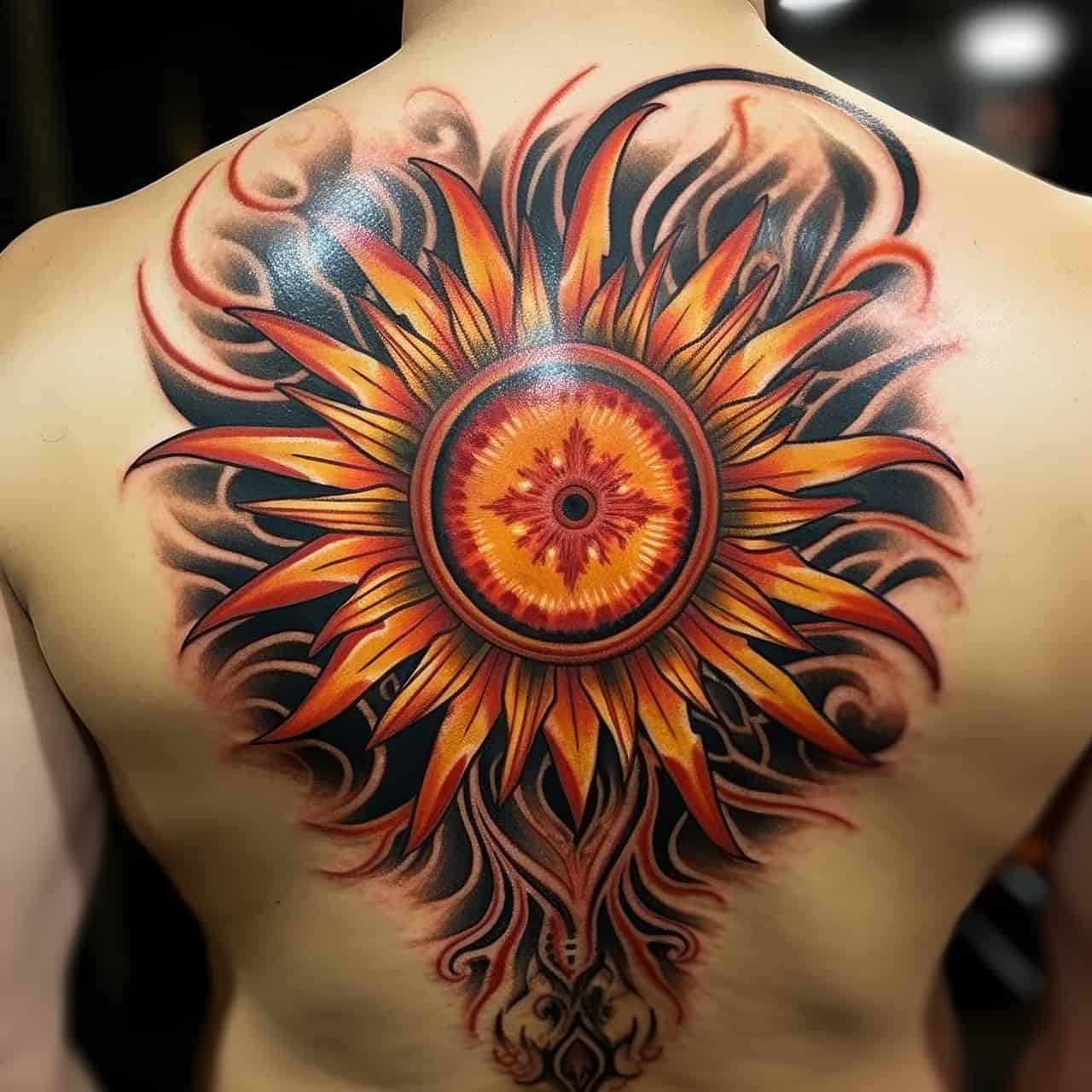
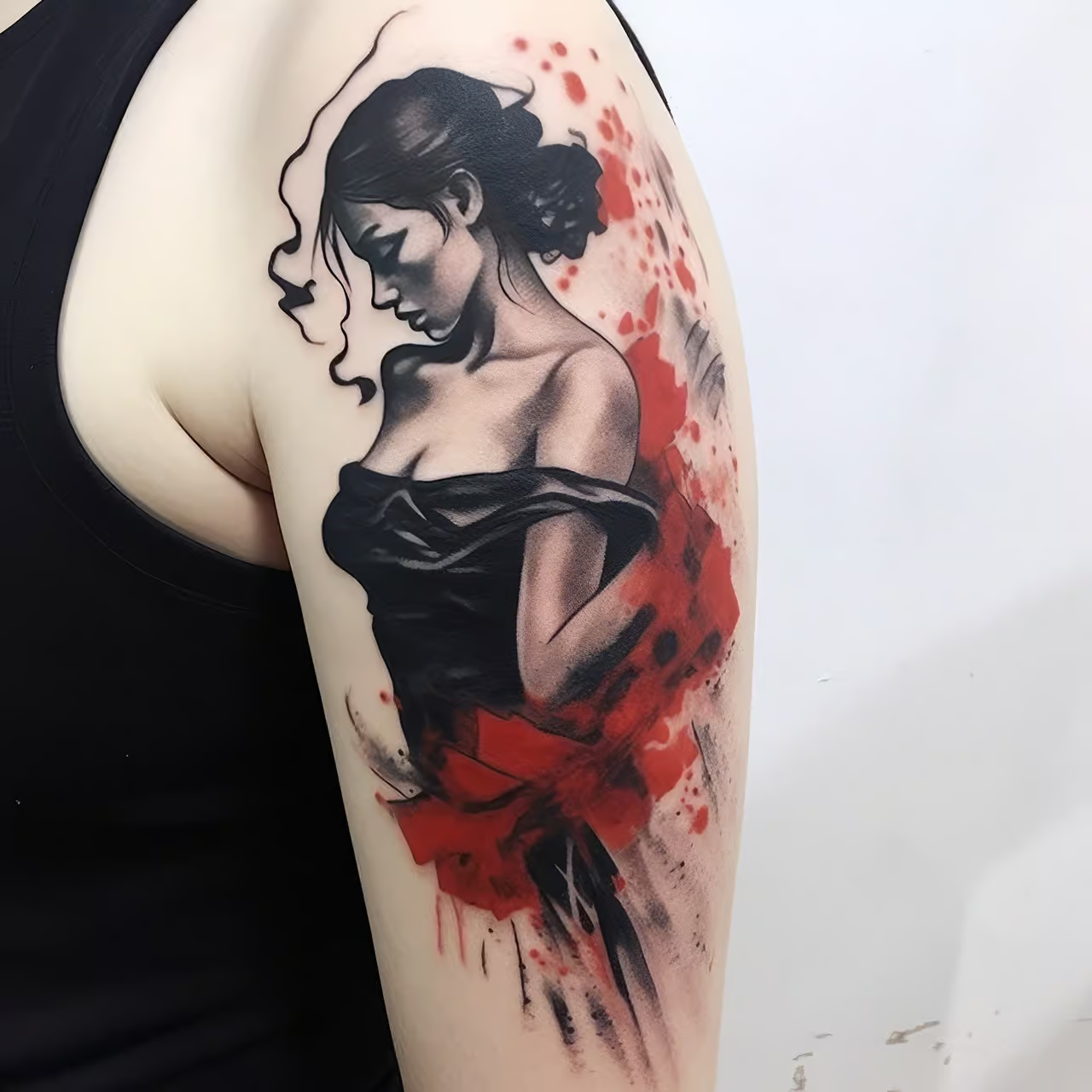
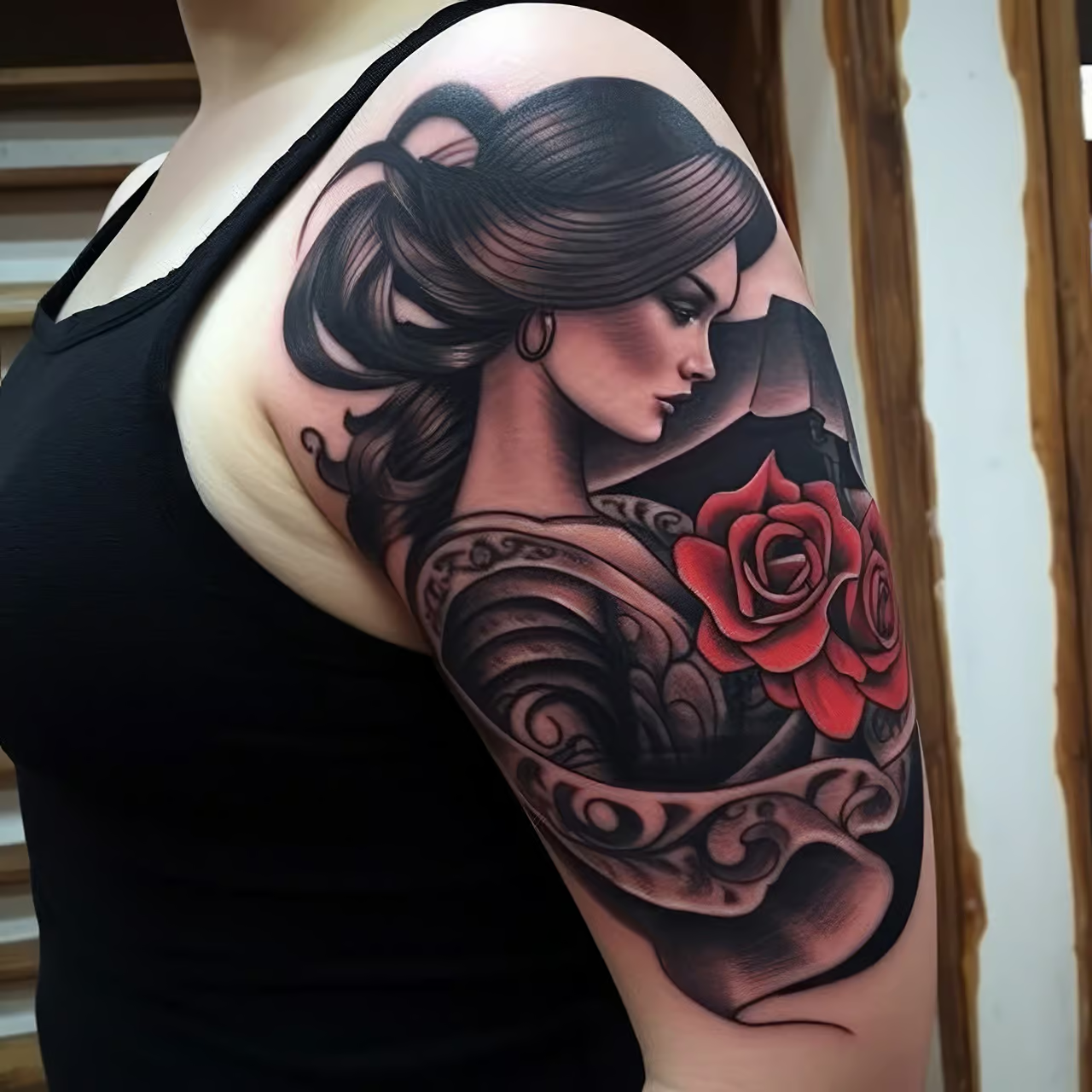
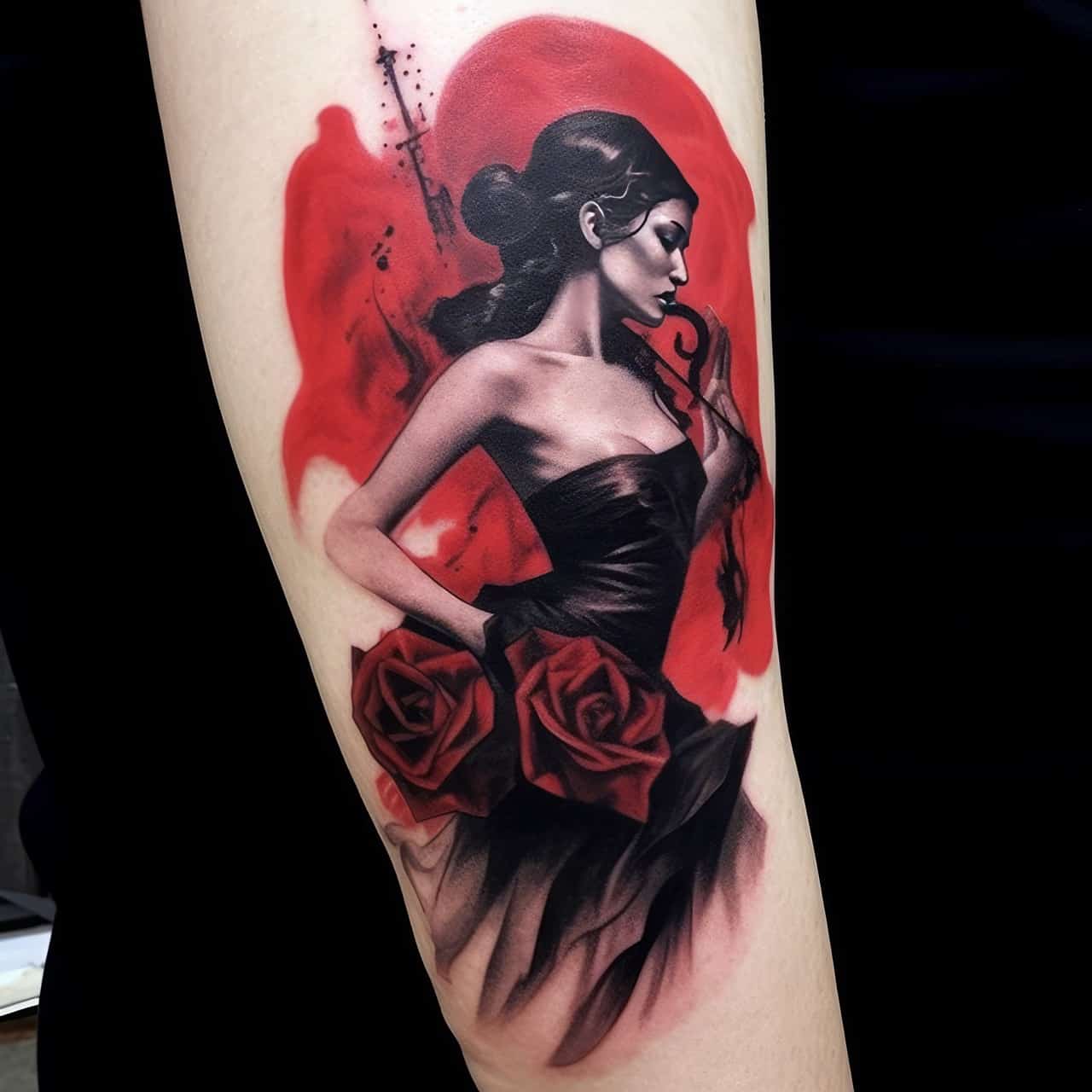
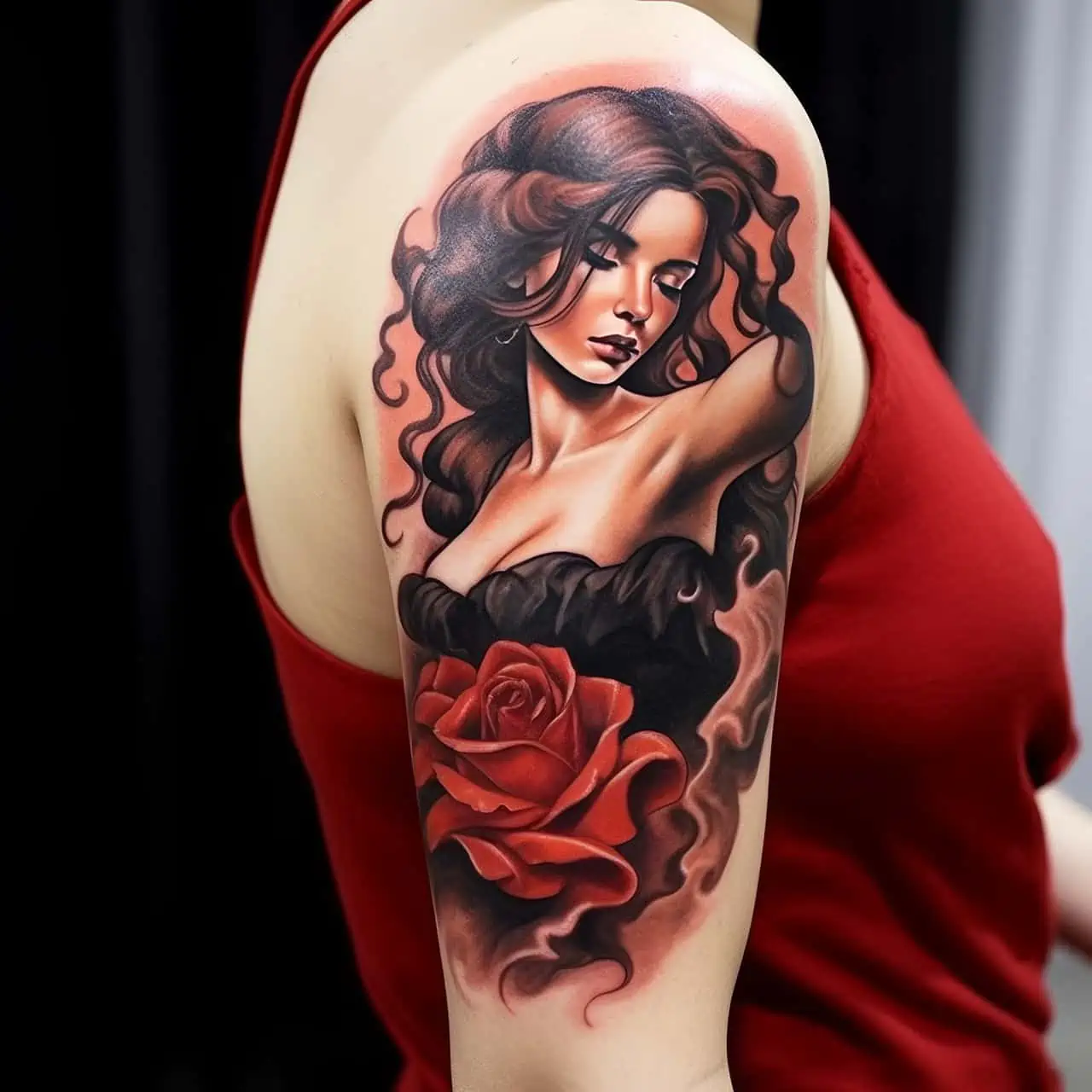
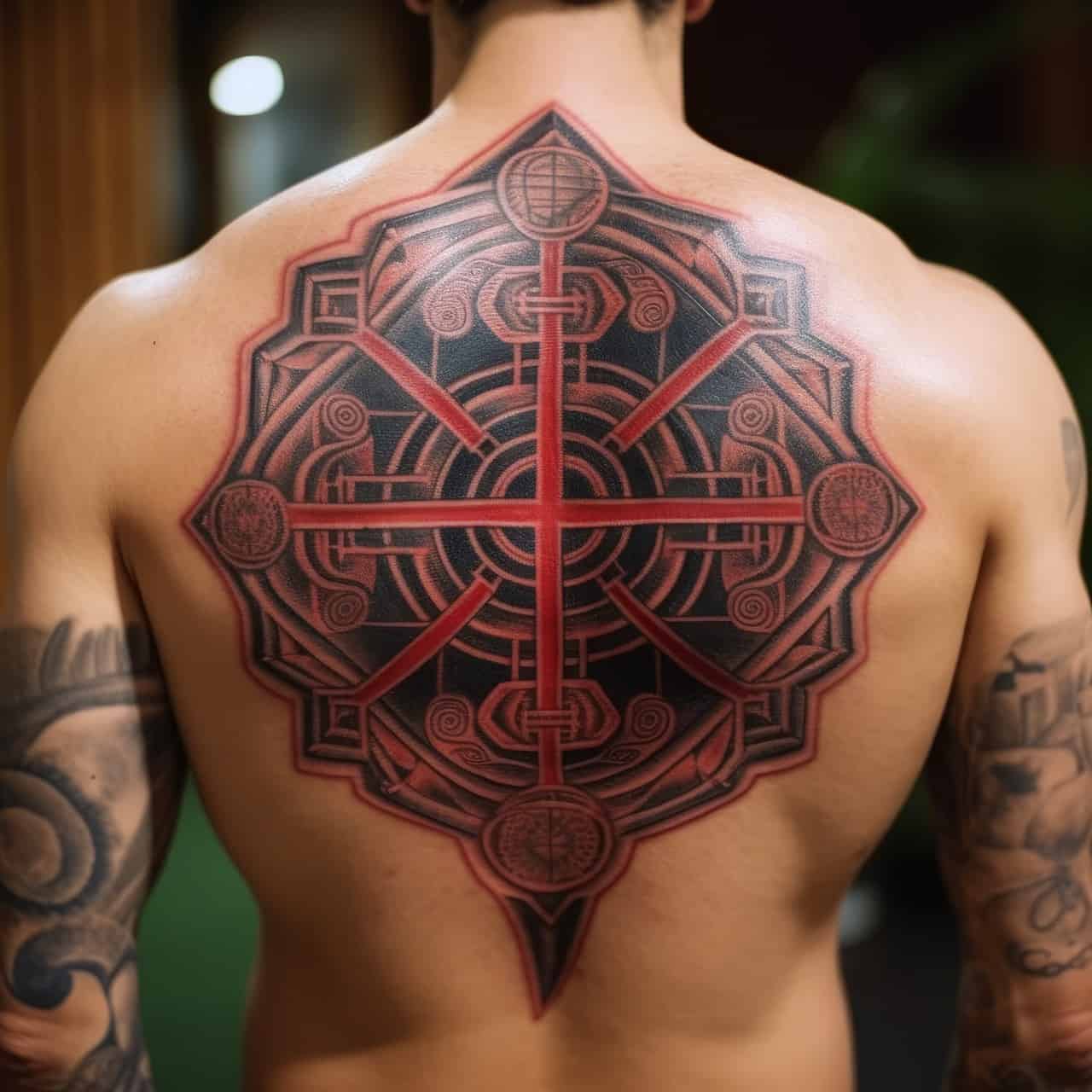
From timeless, Spanish-inspired designs to cutting-edge contemporary styles, the tattoo scene in Spain has something for everyone. Symbolism plays a huge role here, with many people choosing designs that carry deep personal or cultural meaning.
Traditional Spanish-inspired Designs
Traditional Spanish-inspired designs are a popular choice for those looking to connect with the country’s rich culture. Here are some of the most powerful symbols you’ll see:
- The Bull: A powerful symbol of strength, courage, and Spanish identity, tied to festivals like San Fermín.
- Flamenco Dancer: This design represents the passion, emotion, and soul of traditional Spanish dance.
- Matador: A symbol of bravery and grace under pressure, representing the classic art of bullfighting.
- Galleon Ship: These historic sailing vessels symbolize Spain’s age of exploration, adventure, and discovery.
- Rosary Beads: A deeply personal symbol of faith for Spanish Catholics.
- Coat of Arms: Many families in Spain have their own coat of arms, making it a powerful tattoo representing heritage and lineage.
These designs are perfect as standalone pieces or as part of a larger, more intricate tattoo that tells a personal story.
Contemporary Styles And Trends
The contemporary tattoo scene in Spain is buzzing with fresh styles and trends. While tradition is respected, many artists are known for their modern and innovative work. Some of the most popular styles include:
- Blackwork: Using only black ink, artists create bold, intricate patterns and designs. Kike Esteras from Madrid is a recognized master of this and dotwork styles.
- Watercolor: Inspired by Impressionist art, these tattoos feature soft, blended colors that look like they were painted on the skin.
- Geometric: This style uses clean lines, shapes, and symmetrical patterns to create visually stunning and modern designs.
- Micro-Realism: A huge trend in cities like Madrid and Barcelona, this style involves creating incredibly detailed, realistic images on a small scale. Artists like Matias Noble are famous for their black and grey realism.
- Minimalist/Fine-Line: Delicate and subtle, fine-line tattoos are perfect for those who want a more understated piece of art.
Top studios like Mao & Cathy in Madrid, one of the oldest in Spain, and LTW Tattoo in Barcelona are great places to find artists specializing in these modern styles.
Symbolism And Meanings Behind Spanish Tattoos
Spanish tattoos are rich with the country’s history and culture, and many designs carry deep, traditional meanings. Religious symbols, like the cross or images of patron saints, are common choices that represent faith and devotion.
Symbols like the matador and the bull are also incredibly popular, representing courage and strength. These designs often serve as a nod to Spain’s historic bullfighting tradition.
For those looking for a modern twist, many artists blend traditional symbols with contemporary styles. A classic rose, for example, might be reimagined with bold, blackwork lines for a minimalist look that is both stylish and meaningful.
Getting A Tattoo In Spain: Tips, Considerations, And Recommendations
Ready to get inked in Spain? To make sure you have the best experience, it’s a good idea to research reputable artists, understand the costs, and know what to expect during and after your session.
Researching And Finding A Reputable Tattoo Artist
Finding the right artist is the most important step in getting a tattoo you’ll love forever. Here’s how to find a great one in Spain:
- Use Instagram as a Portfolio: Search hashtags like #tattoomadrid, #barcelonatattoo, or #spanishtattooartistto see a wide range of work. Artists use Instagram as their primary portfolio.
- Look for Specialists: Do you want traditional, realism, or watercolor? Find an artist who excels in the specific style you’re looking for. For example, Tom Petucco at Dharma Tattoo in Barcelona is renowned for his black and grey realism.
- Visit Local Studios: If you’re in the city, stop by a few high-rated shops. You can get a feel for the studio’s cleanliness, professionalism, and the artists’ styles. Well-known studios include True Love Tattoo in Madrid and Family Art Tattoo in Barcelona.
- Check for Convention Winners: Many top artists compete at events like the Barcelona Tattoo Expo. An artist with awards from major conventions is often a safe bet for high-quality work.
- Understand the Cost: A reputable artist in a major city like Madrid or Barcelona typically charges between €80 and €150 per hour. While you might find cheaper options, remember that quality and safety are worth the investment.
By taking the time to research, you can find an artist who not only creates beautiful work but also prioritizes hygiene and professionalism.
Communication And Language Considerations
When getting a tattoo in Spain, bridging the language barrier is key to getting the design you want. While many artists in major cities speak some English, it’s always a good idea to be prepared.
Bringing a bilingual friend or using a translation app can be a lifesaver, especially during the consultation. To make things easier, here are a few helpful Spanish phrases:
- “Quisiera hacerme un tatuaje.” (I would like to get a tattoo.)
- “¿Cuánto cuesta por hora?” (How much does it cost per hour?)
- “Tengo una cita.” (I have an appointment.)
- “Más pequeño/grande.” (Smaller/Bigger.)
Spanish culture values direct and clear communication. Be polite but specific about what you want. Providing clear reference images is a universal language that will help ensure you and your artist are on the same page.
Consultation, Pain Management, And Aftercare
Once you’ve chosen your artist, the process of consultation, tattooing, and aftercare begins. Knowing what to expect will help make everything go smoothly.
- The Consultation: This is where you’ll finalize your design, placement, and size. Don’t be afraid to ask questions about the process, hygiene, and anything else you’re curious about.
- Pain Management: Tattoos can be uncomfortable, but you can manage the pain by staying hydrated, getting a good night’s sleep, and eating a meal before your appointment. Some people take an over-the-counter pain reliever beforehand, but avoid anything that thins your blood.
- Proper Aftercare: This is critical for making sure your tattoo heals perfectly. Your artist will give you specific instructions, which usually include washing the tattoo with gentle soap and applying a specialized cream. A hugely popular and effective aftercare ointment in Spain is Bepanthen Tattoo, which you can find in almost any pharmacy.
- Watch for Infection: Keep an eye on your new tattoo for any signs of infection, such as excessive redness, swelling, or pus. If you notice anything unusual, contact your artist or a healthcare provider right away.
An important “insider” tip: The Spanish sun is incredibly strong. To protect your investment and prevent fading, it is crucial to keep your new tattoo completely out of the sun for the first few weeks and to use a high-SPF sunscreen on it for life.
Cultural Awareness And Respect
Just like anywhere else, it’s important to be mindful of cultural context when choosing a tattoo design in Spain. Certain symbols can have deep-rooted meanings that should be respected.
For example, while bullfighting imagery is a classic Spanish theme, it’s also a controversial topic. Be prepared for strong opinions if you choose a design related to it.
It’s also wise to be aware of regional identities. Spain is made up of diverse communities with their own unique symbols and histories. Avoid using potent national symbols in fiercely independent regions like Catalonia or the Basque Country unless you fully understand the context. When in doubt, have a thoughtful conversation with your artist about the meaning behind your chosen design.
People Also Ask
Is it legal to get a tattoo in Spain?
Yes, it is legal for anyone aged 18 and over to get a tattoo in Spain. Minors, typically 16 or 17, can often get tattoos but require written parental consent. All tattoos must be done by a licensed artist in a registered studio.
What are some popular tattoo styles in Spain?
Popular styles include traditional Spanish imagery like bulls and flamenco dancers, as well as modern trends like blackwork, watercolor, and micro-realism. Fine-line and minimalist tattoos are also very common, especially in larger cities.
Can I donate blood after getting a tattoo in Spain?
Yes, but you have to wait. The Spanish Red Cross requires a waiting period of at least 4 months after getting a new tattoo before you can donate blood. This is a standard safety precaution to prevent any risk of cross-contamination.
Should I tip my tattoo artist in Spain?
Tipping is not mandatory or generally expected in Spain for tattoos. Unlike in the U.S., the price you are quoted is the final price. However, if you had an exceptional experience and want to show extra appreciation, a tip of around 10% or rounding up the bill would be a kind gesture.


Hello Jared,
When was the law regarding the tattooing of minors passed in Spain? When did it become law?