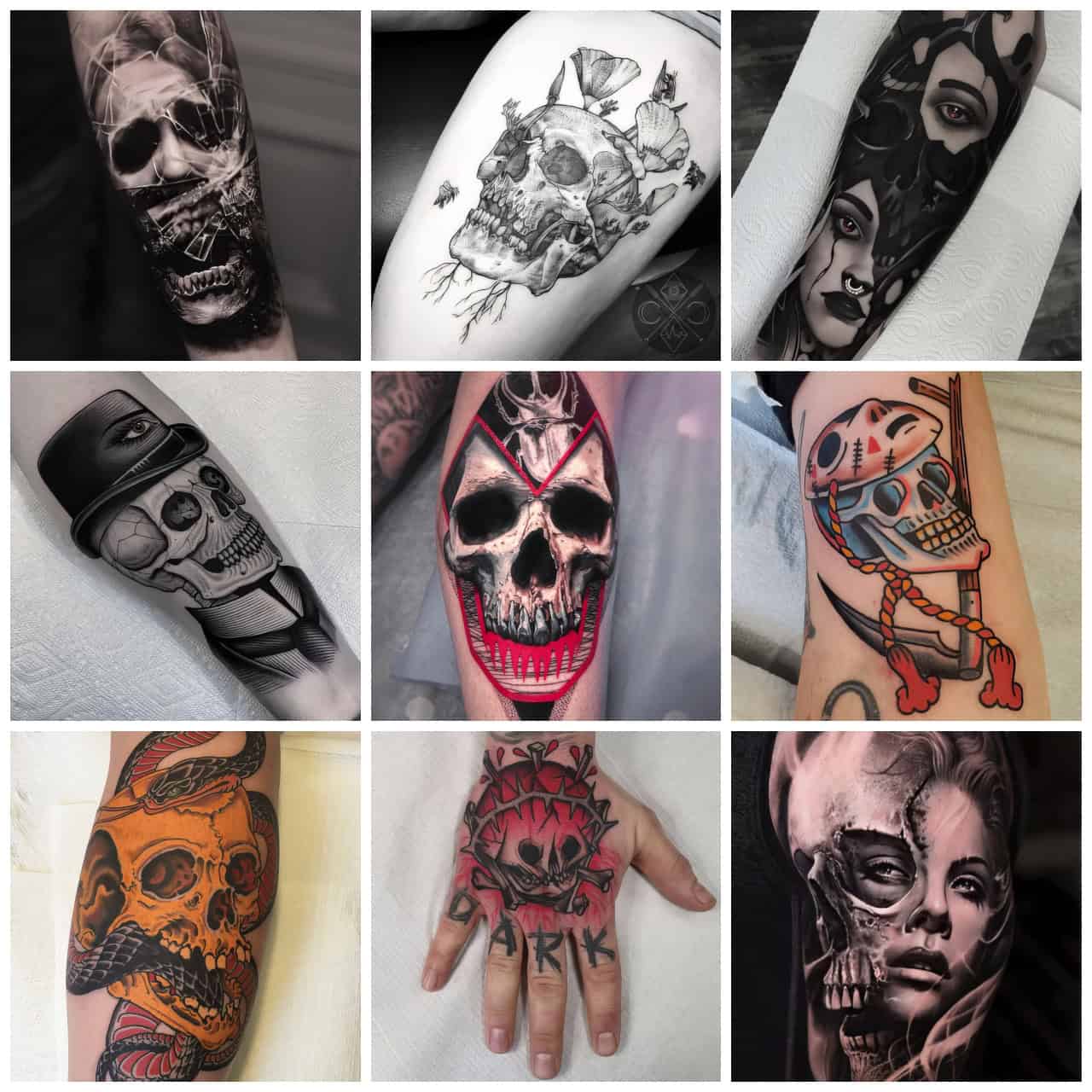
A skull tattoo can make perfect sense to a man at 26 and feel like a complicated story to tell at 46. Not because the skull changes, but because placement and visibility age differently than the buzz of the design session suggests. That’s the real territory of skull tattoo ideas for men. The three decisions around it, where it lives on your body, how long the ink holds up, and what the spot says about you in ten years, determine whether a skull reads as a thoughtful piece or an accident you’re explaining to a hiring manager.
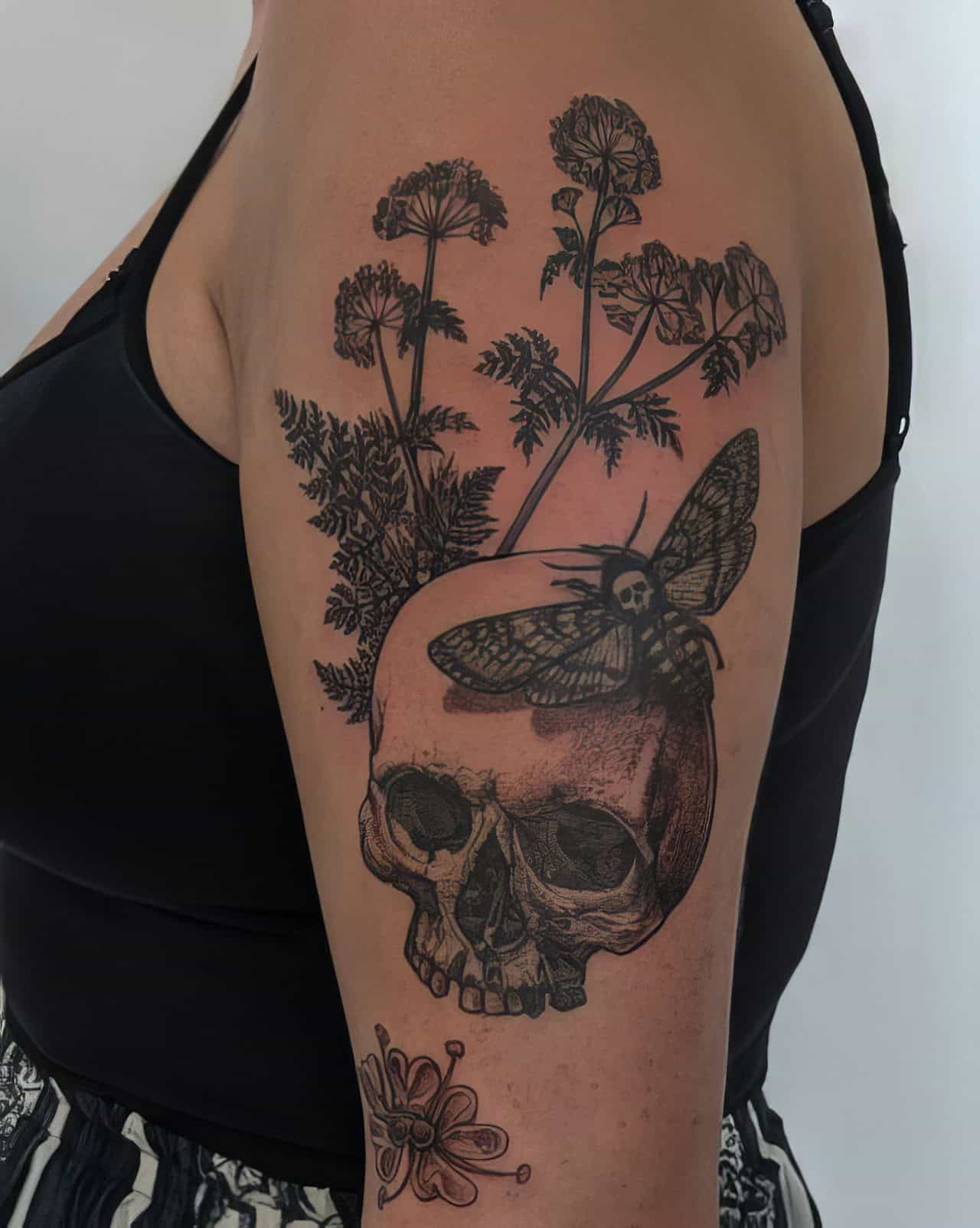
Done well, the skull endures as a masculine motif because it strips away ornamentation to raw power and biological reality. It’s a symbol of protection and a declaration of toughness, not just a memento mori. The 2026 direction tilts large-scale: full sleeves and chest panels designed so the skull appears to sit 3D against the actual muscles and bones underneath. The skull, it turns out, is a reason to make bigger, bolder choices, not smaller ones.
Key Takeaways
Deep black eye sockets and nasal cavities create the contrast that keeps a skull legible from across a room even two decades after the needle stops.
Hand and neck tattoos without daily SPF fade to a grey wash in about five years, which is why the high-contrast black-and-grey palette is the smart longevity play.
Budget five to twenty hours of session time and expect the most pain on hands and necks; the spots that read boldest are the ones that demand the most commitment.
Table of Contents
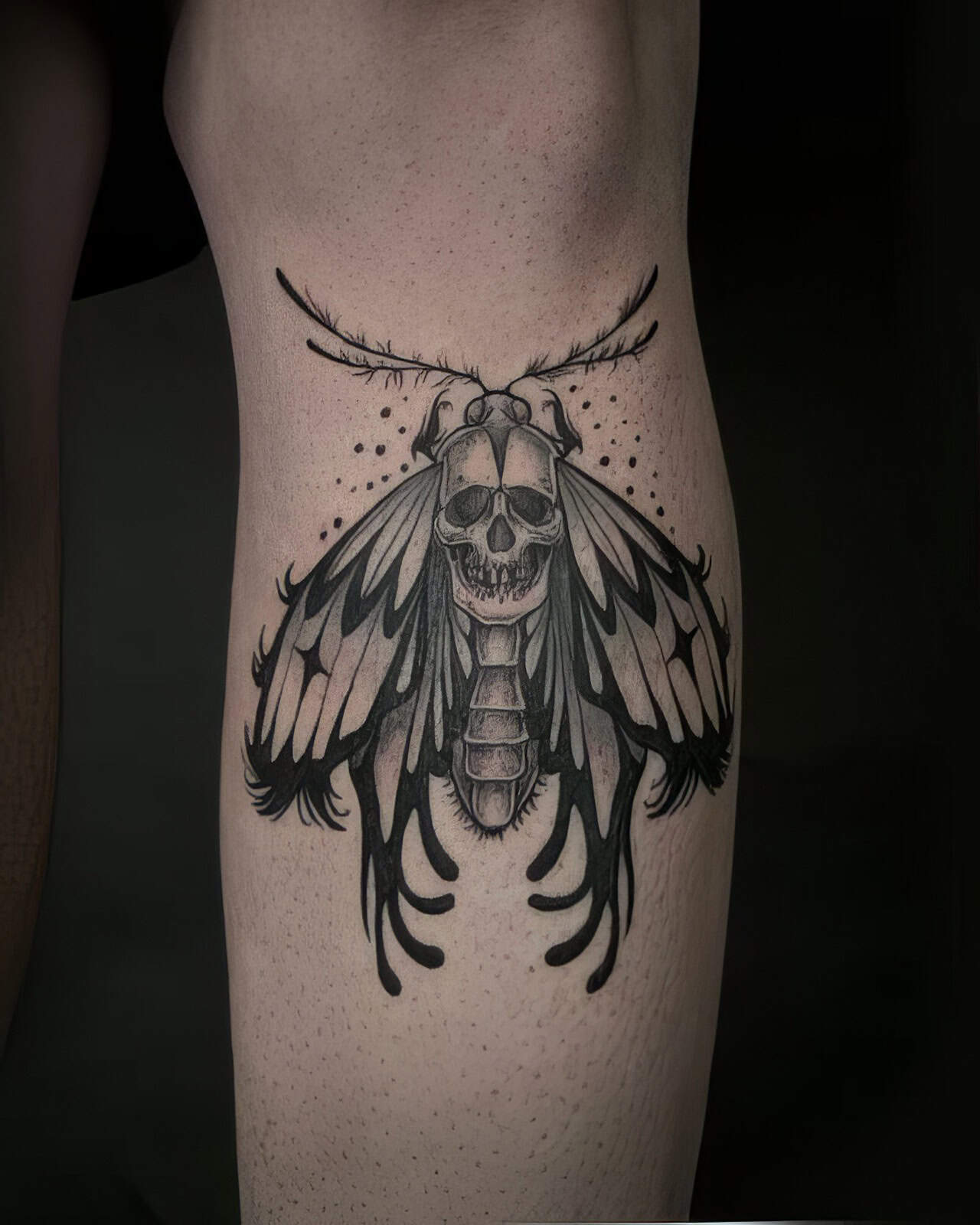
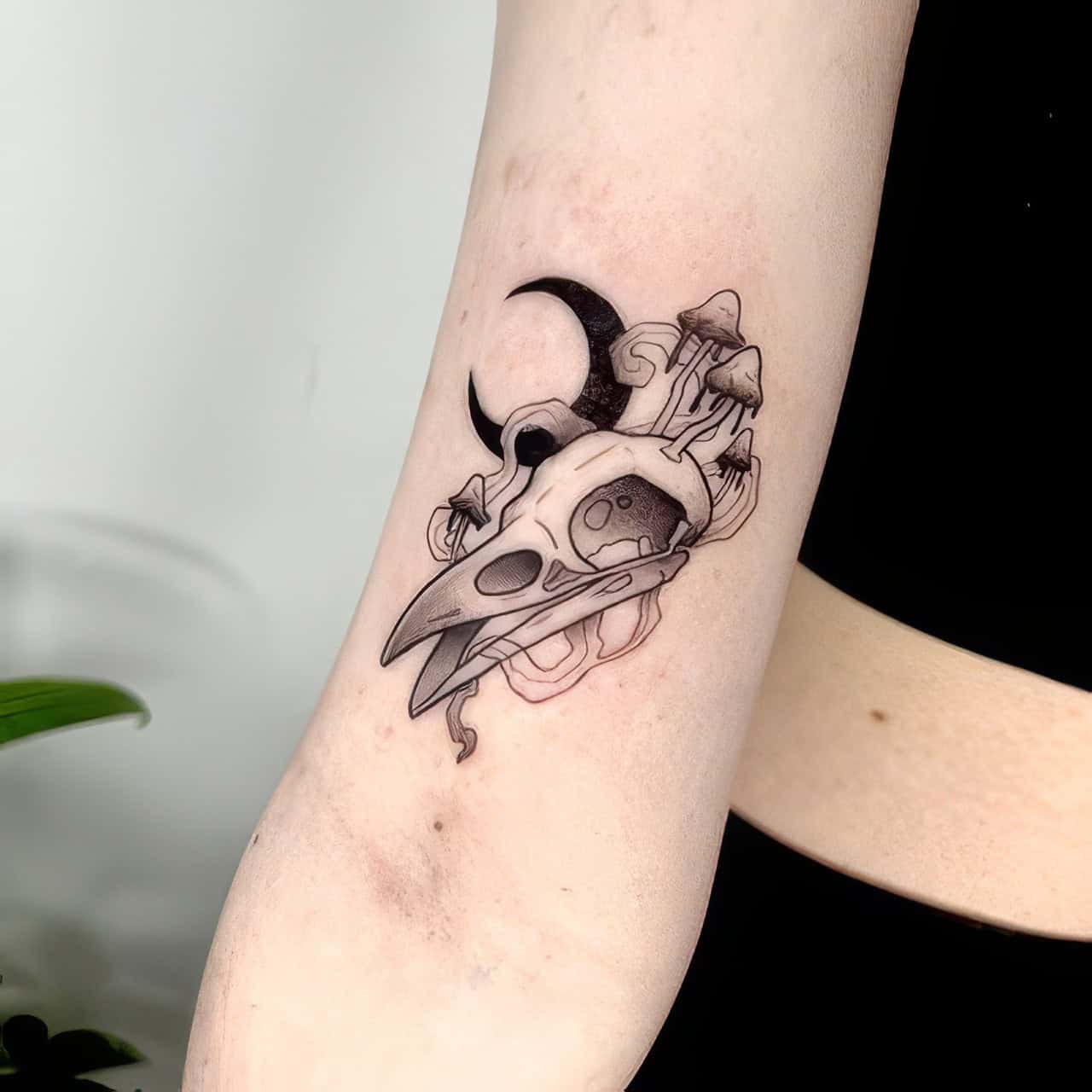
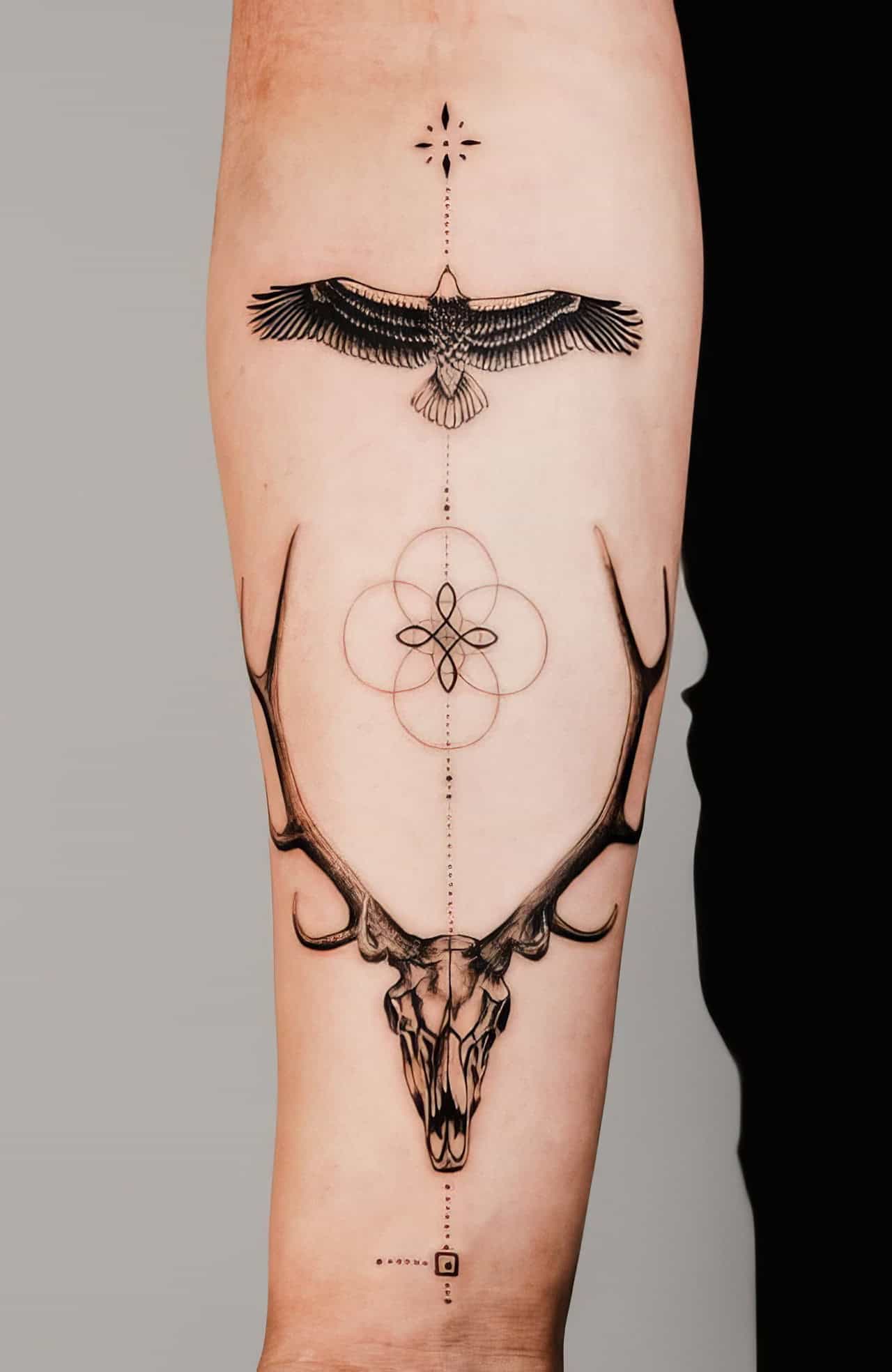
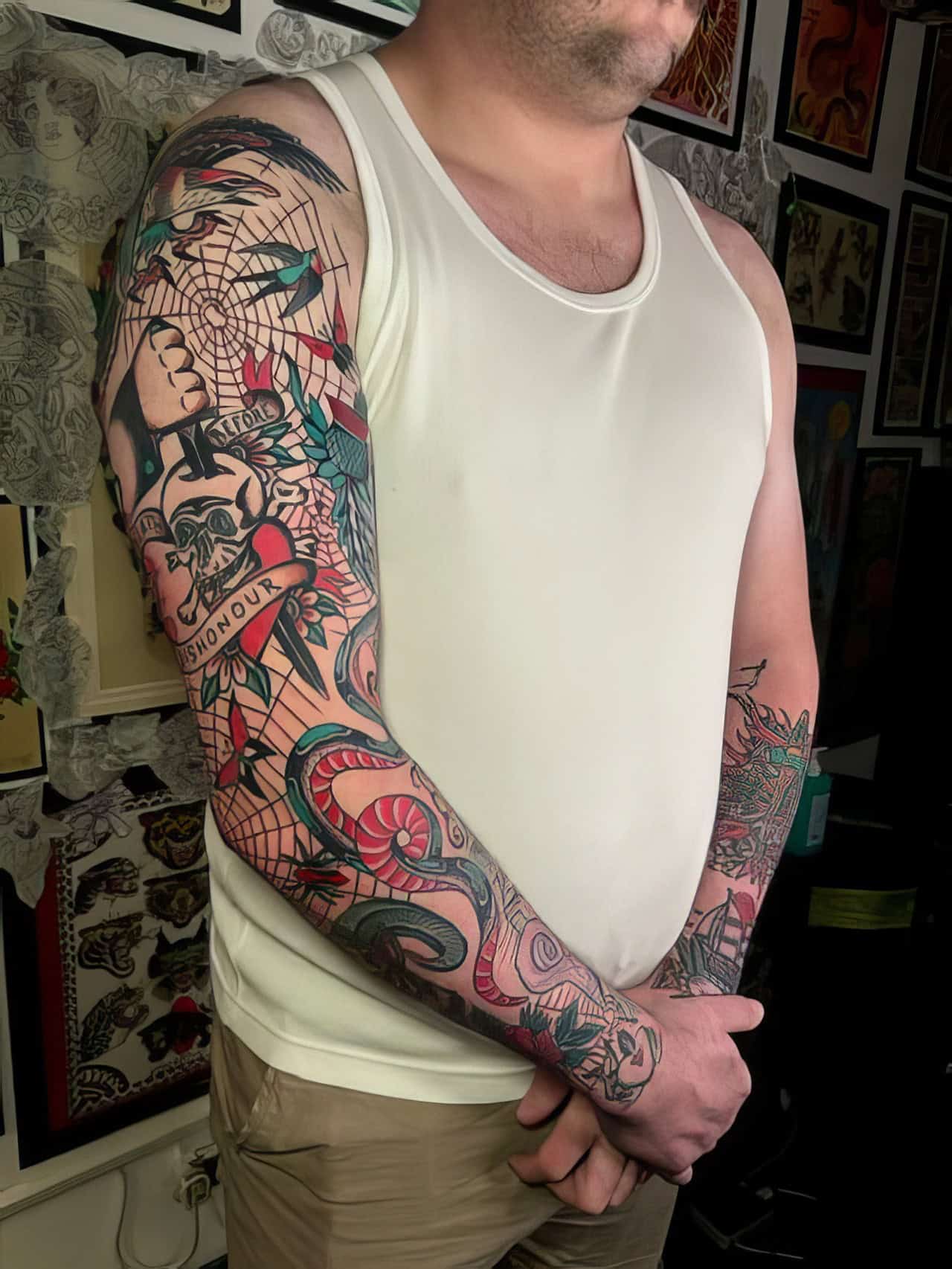
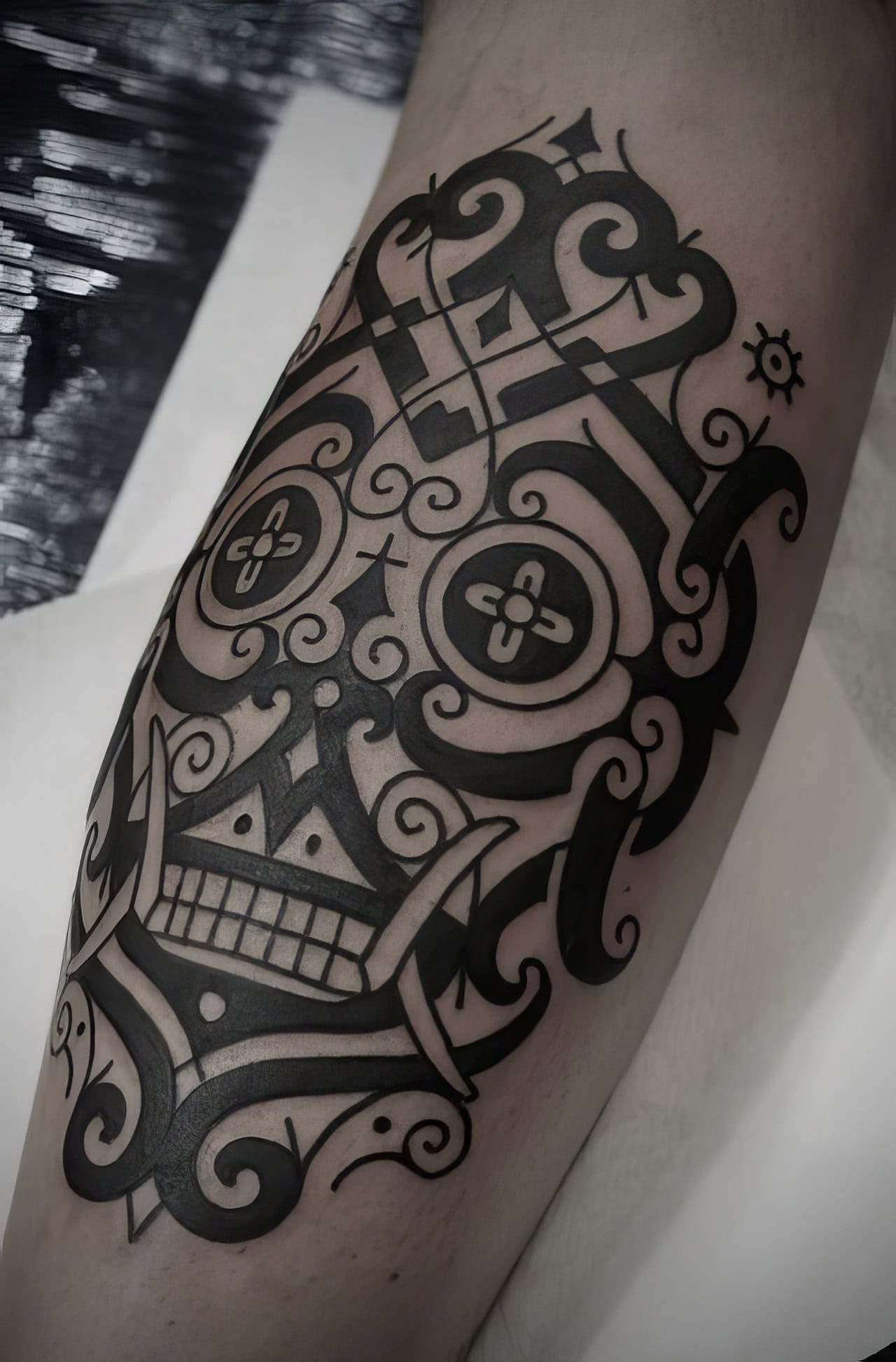
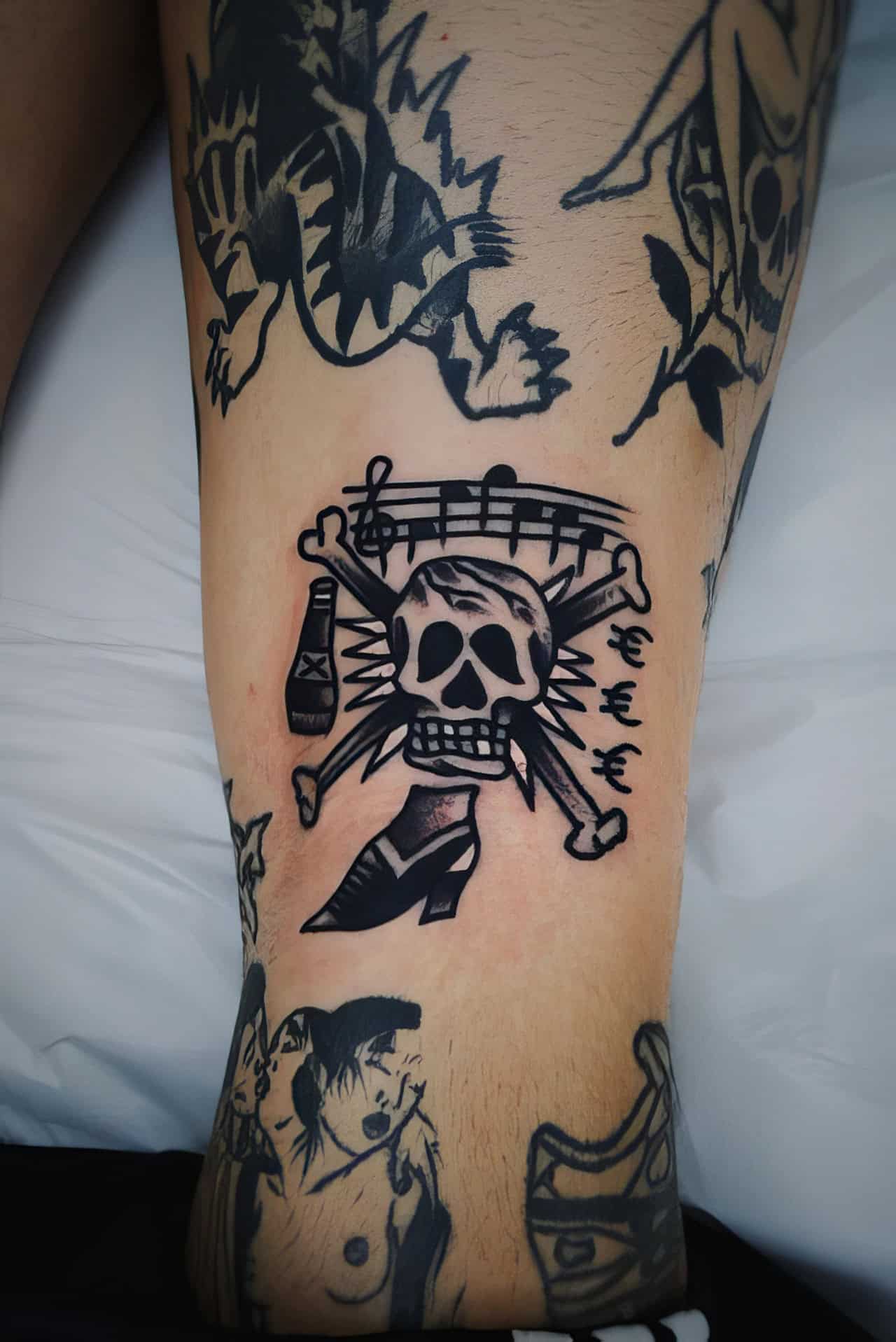
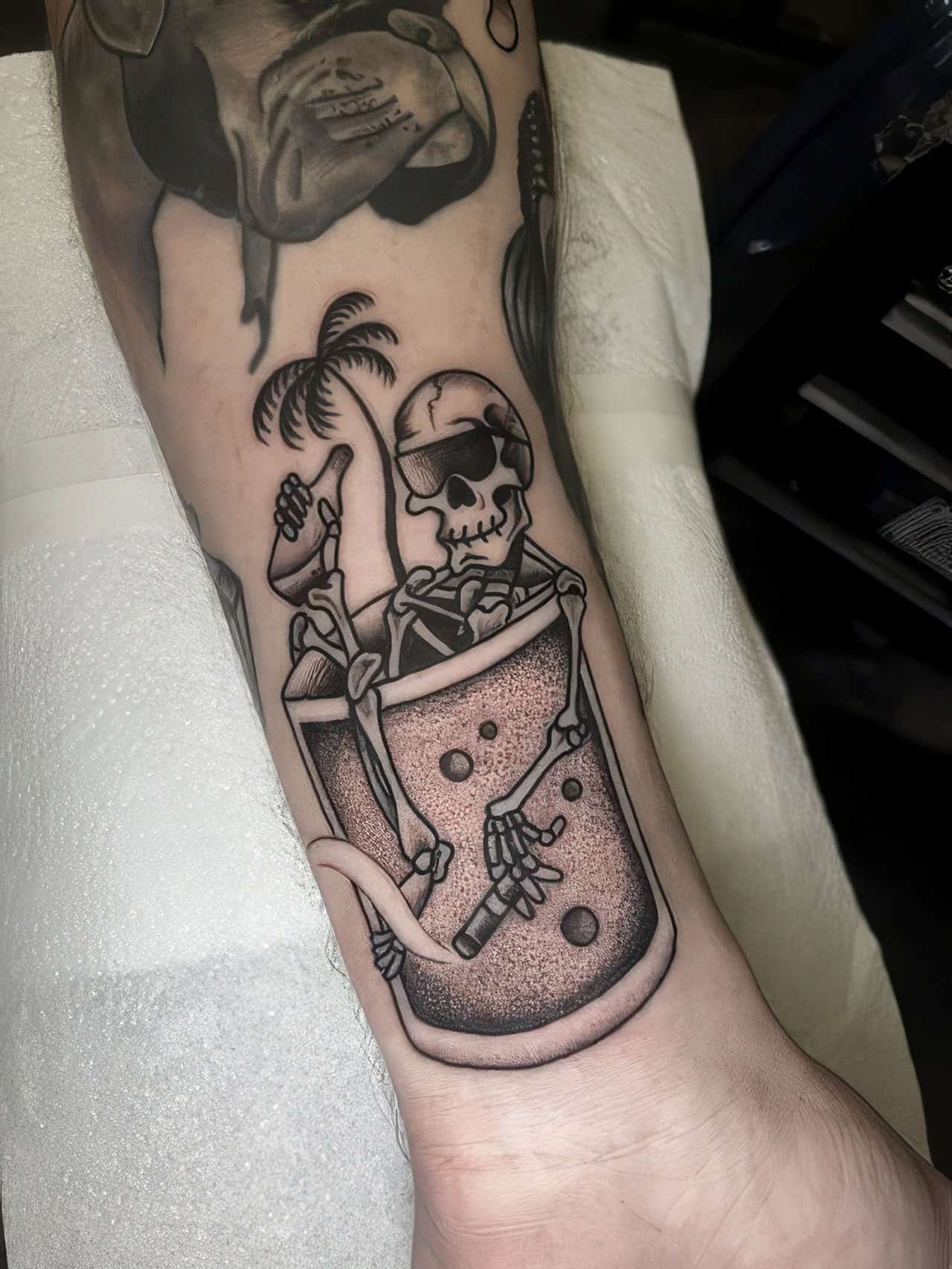
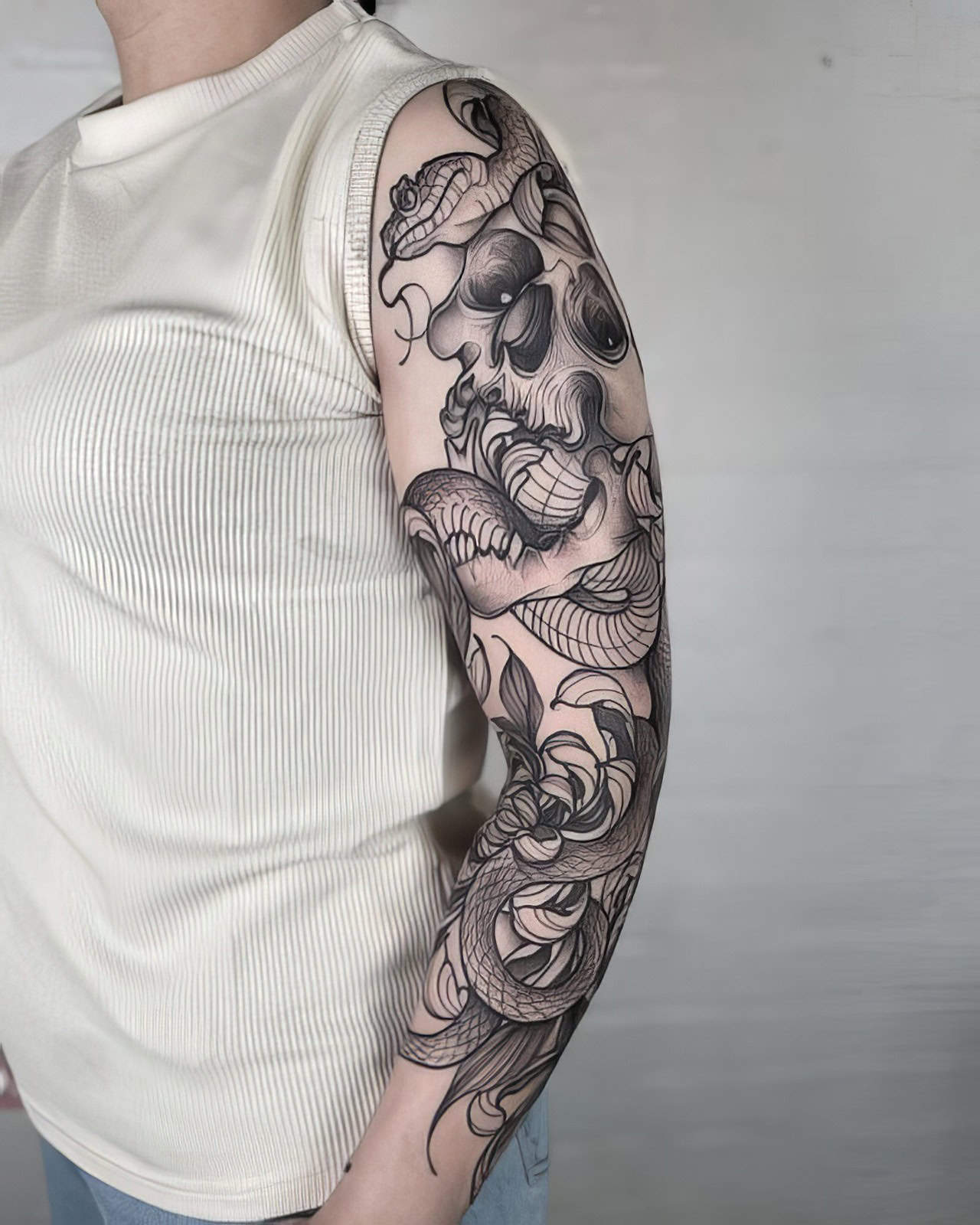
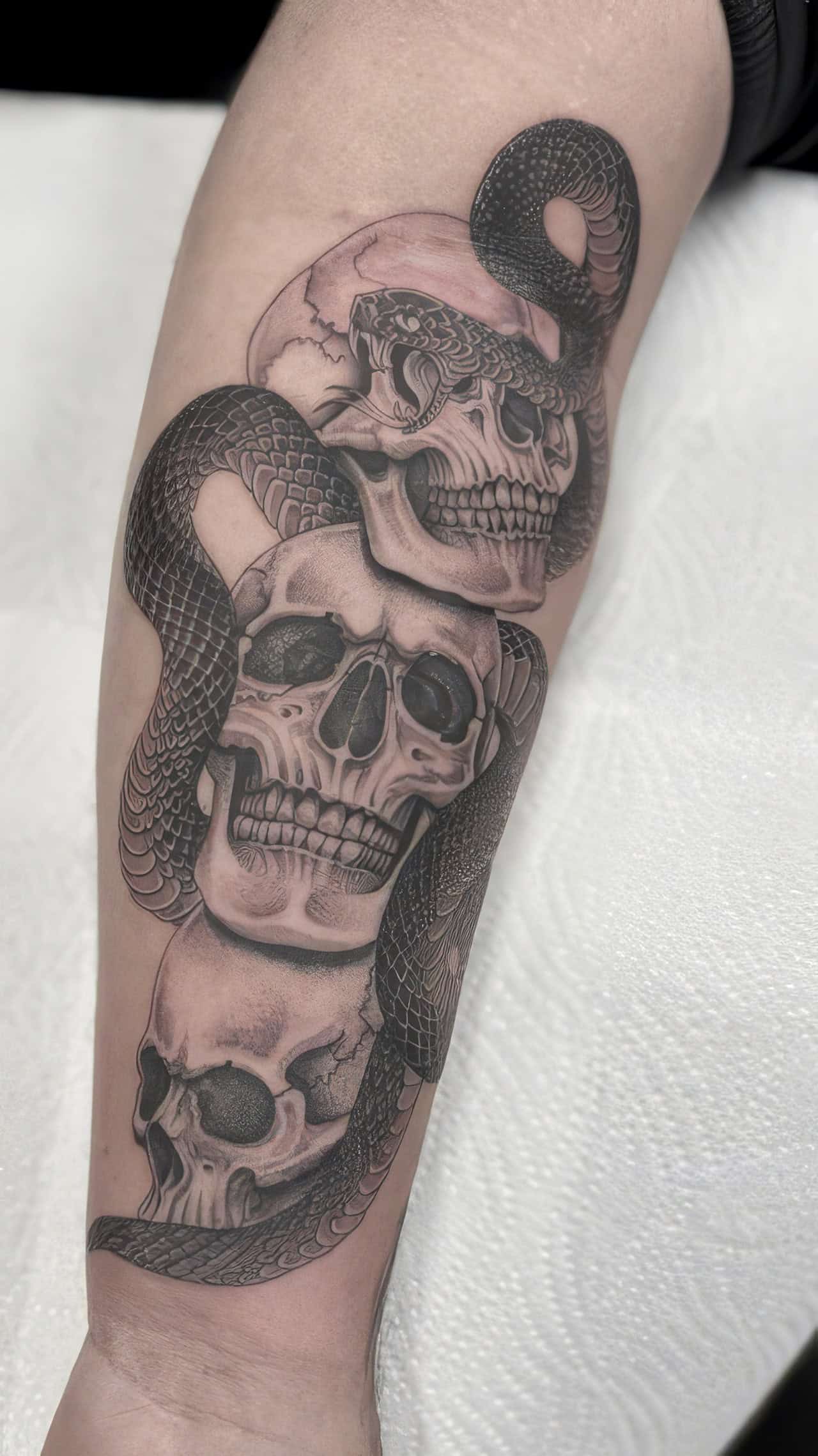
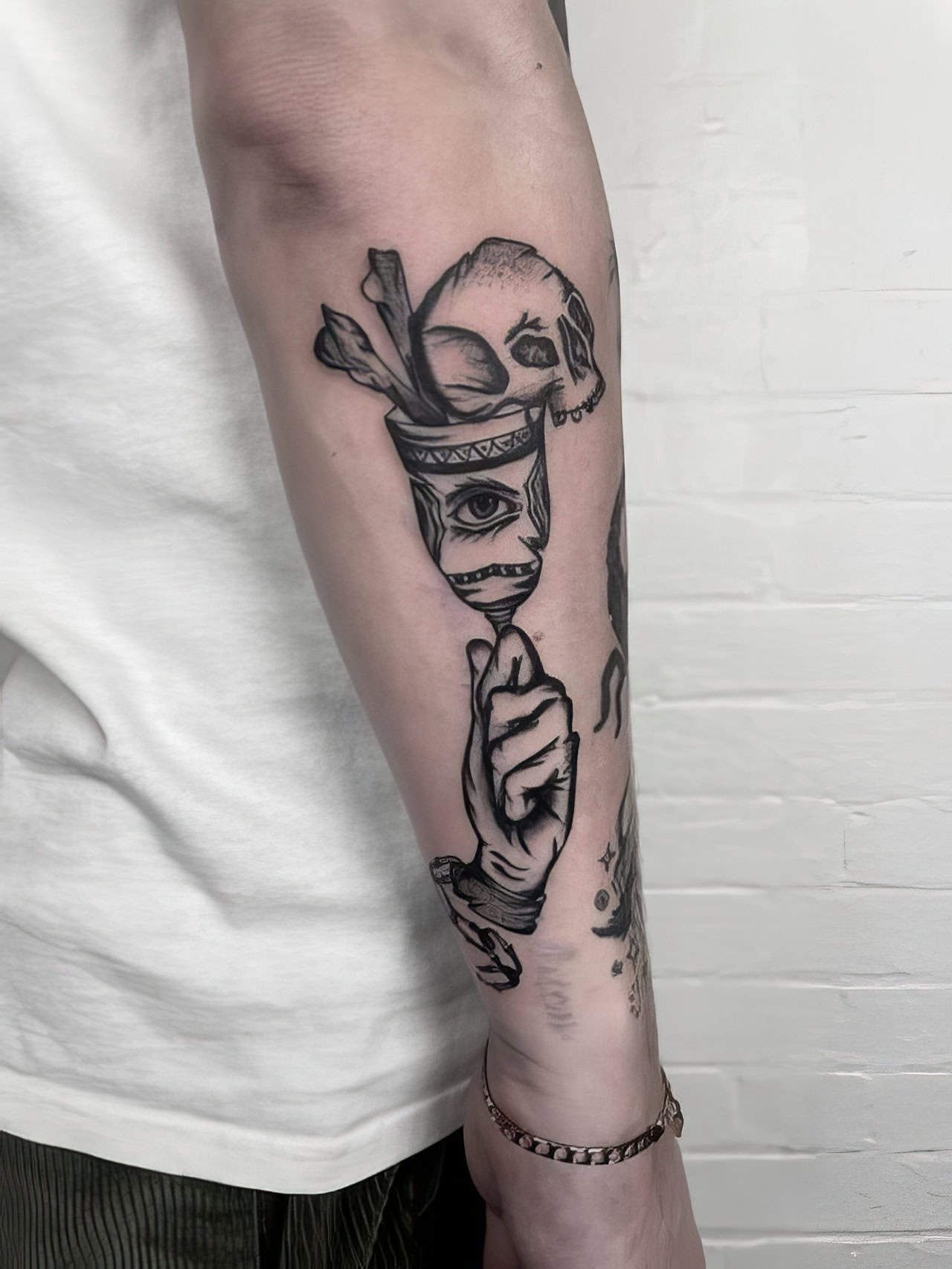
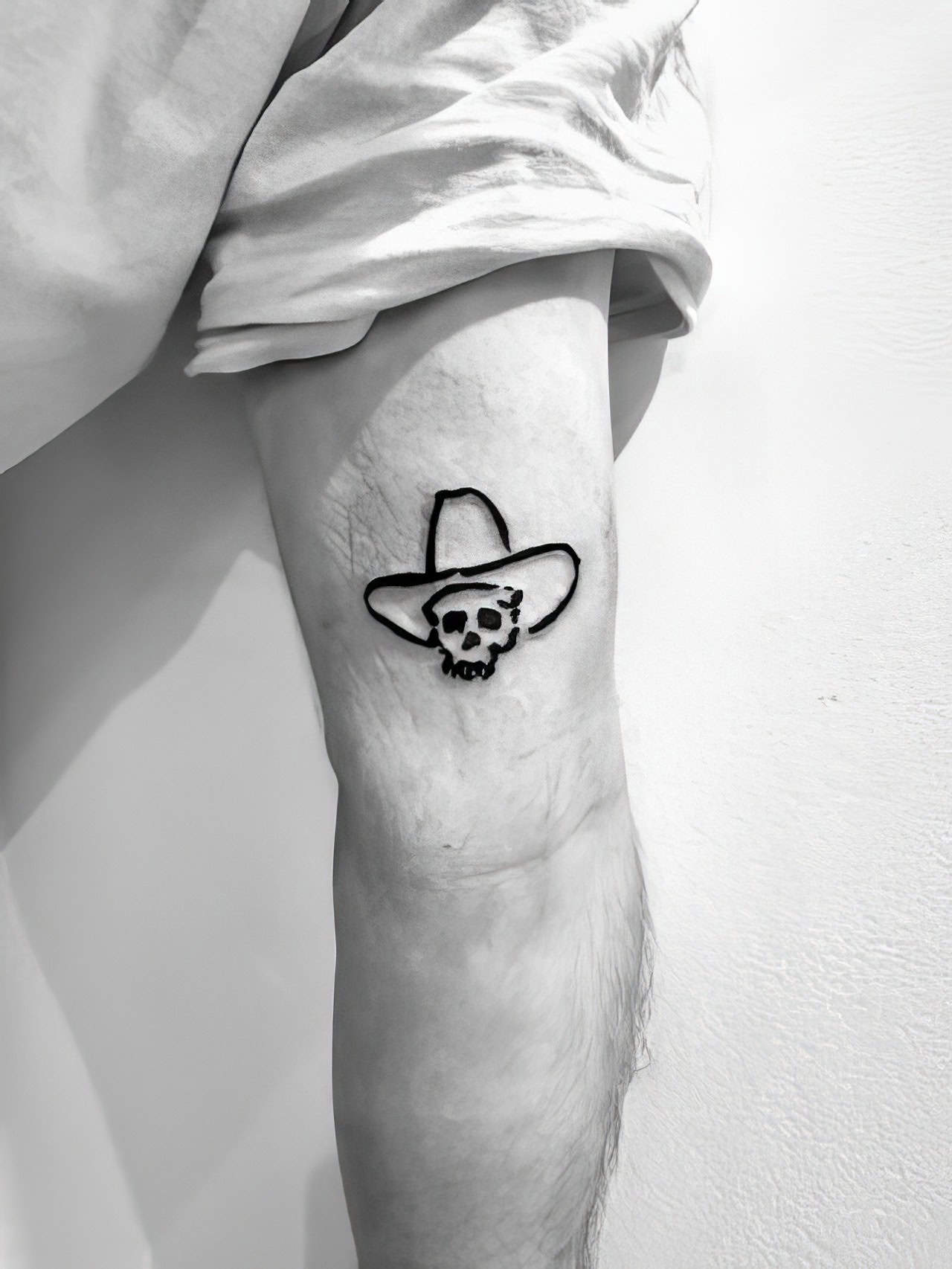
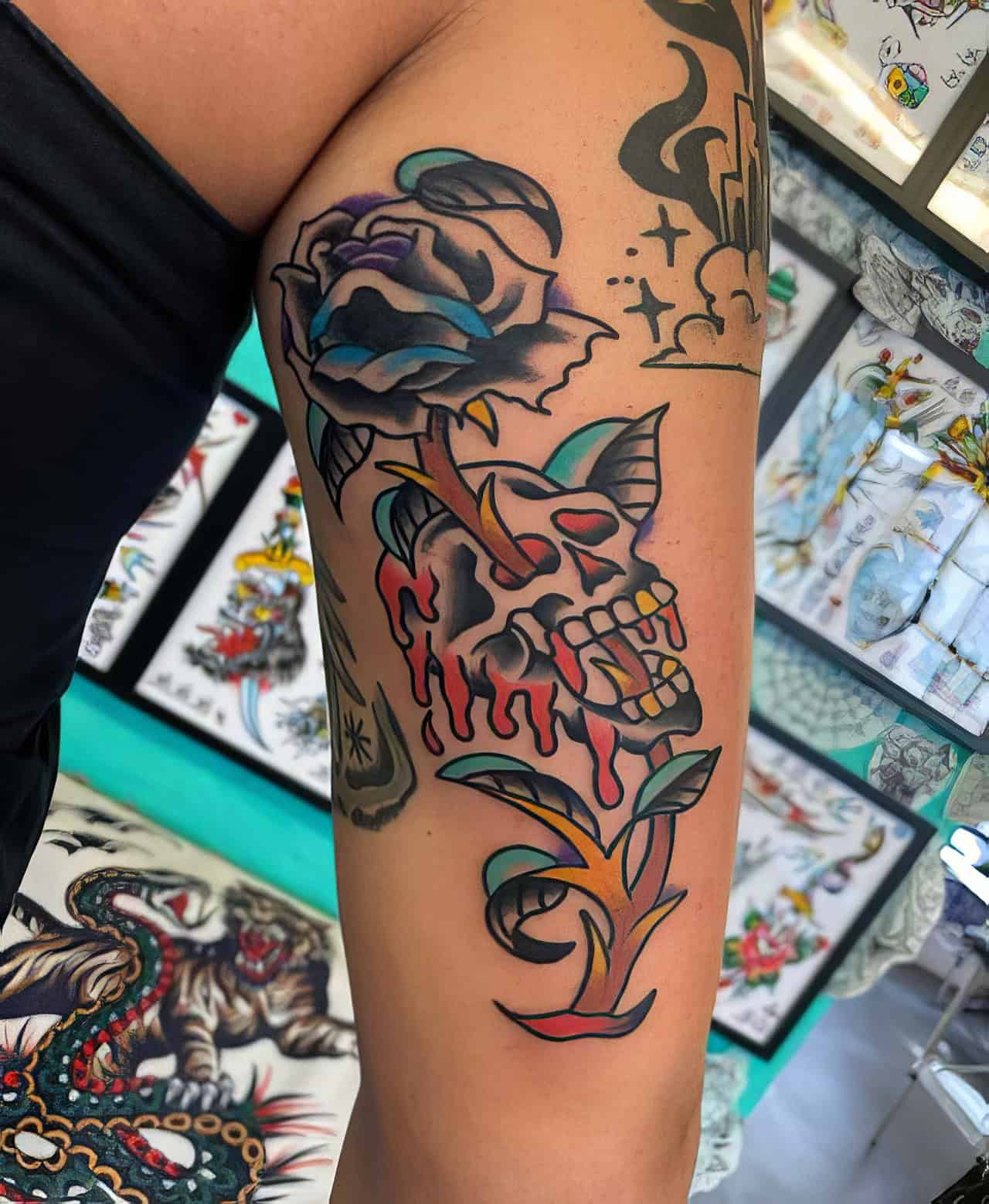
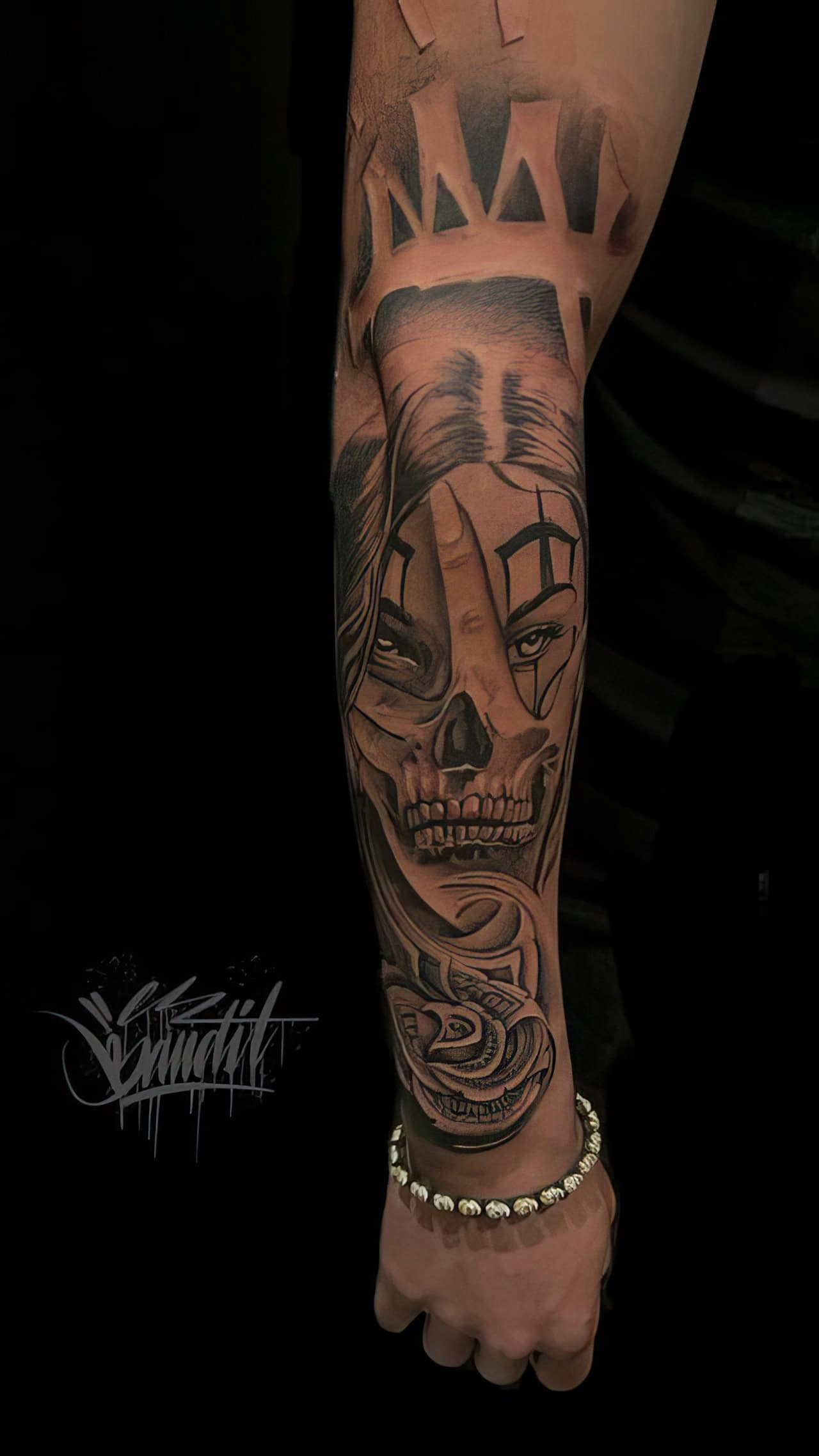
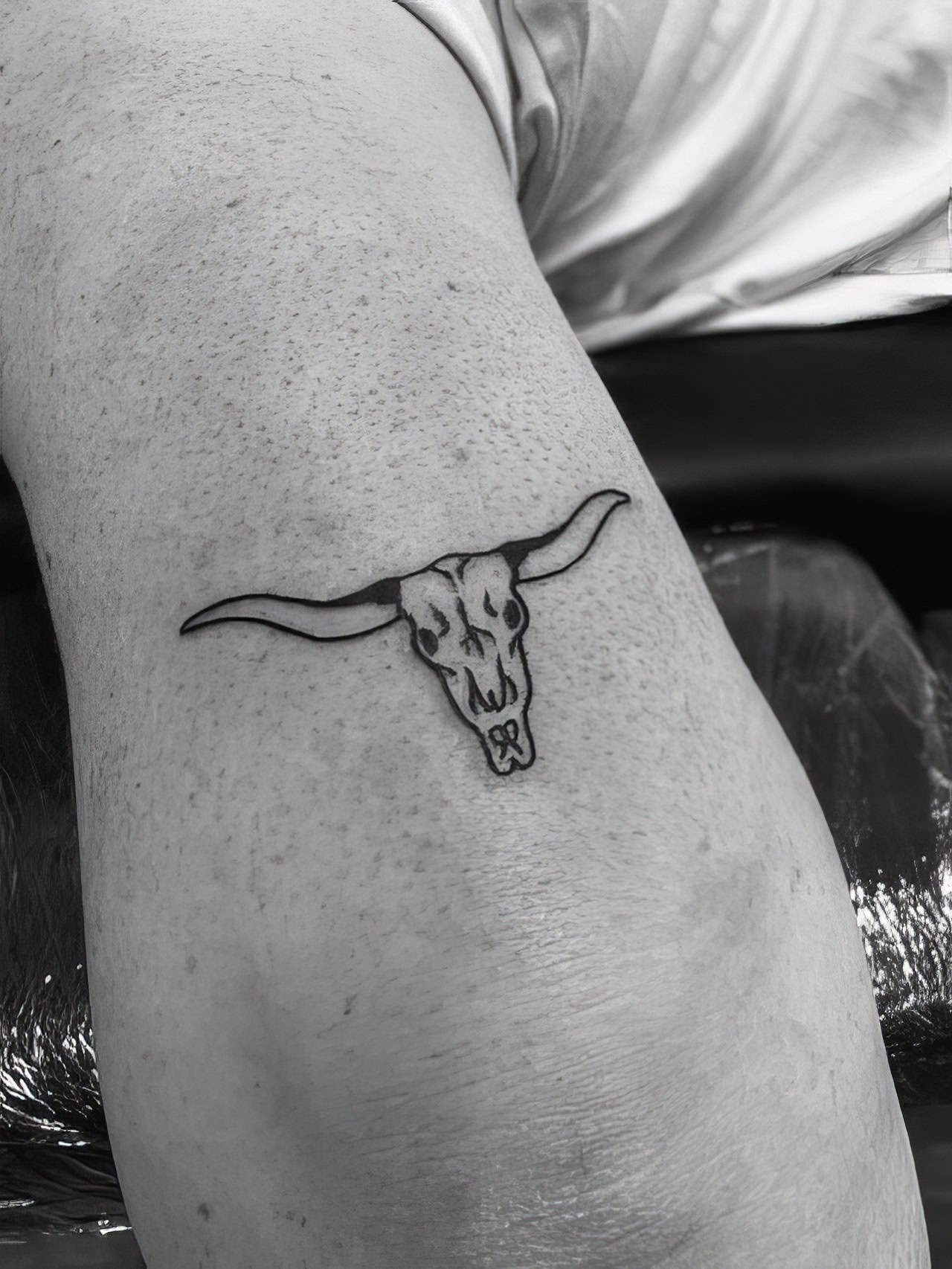
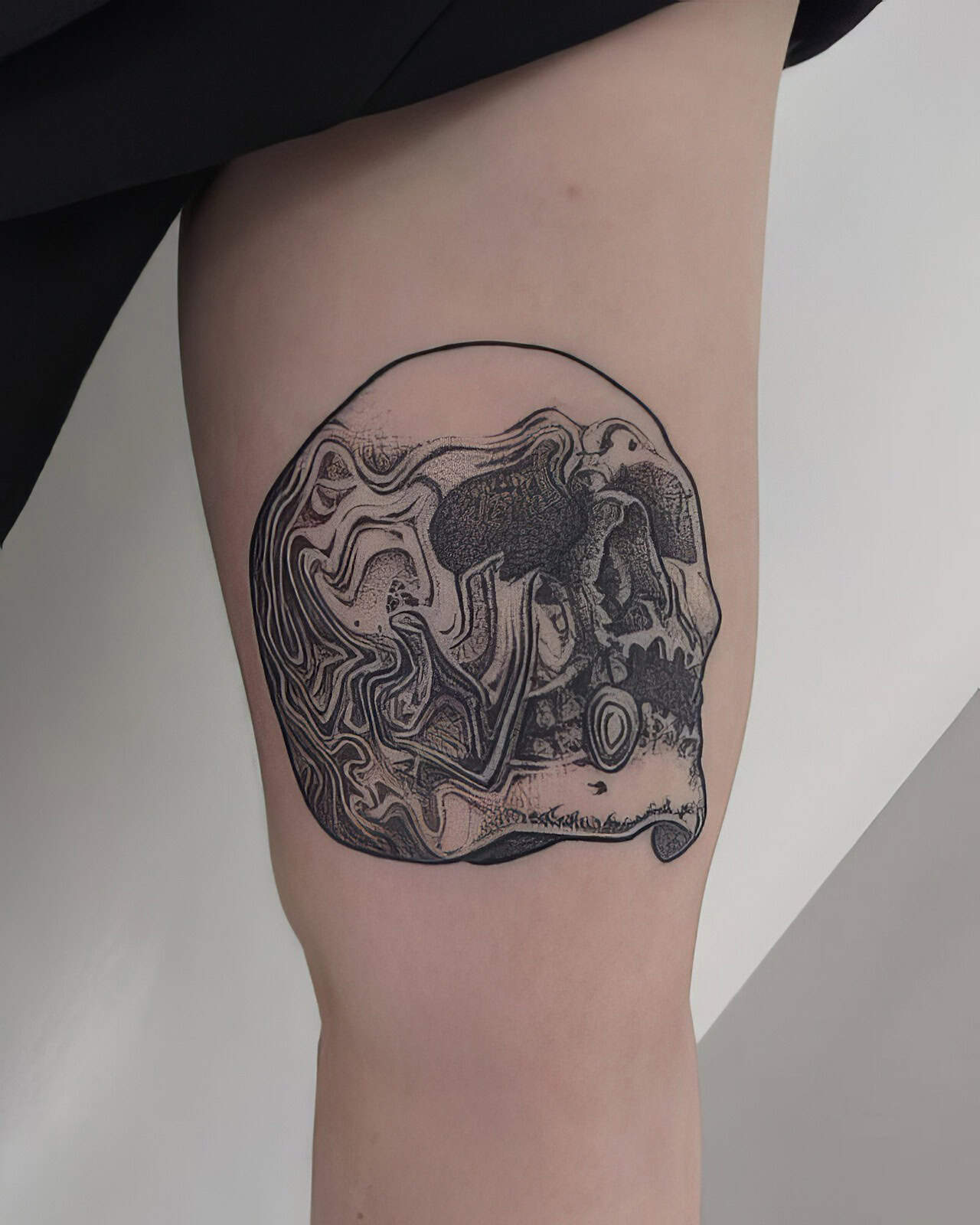
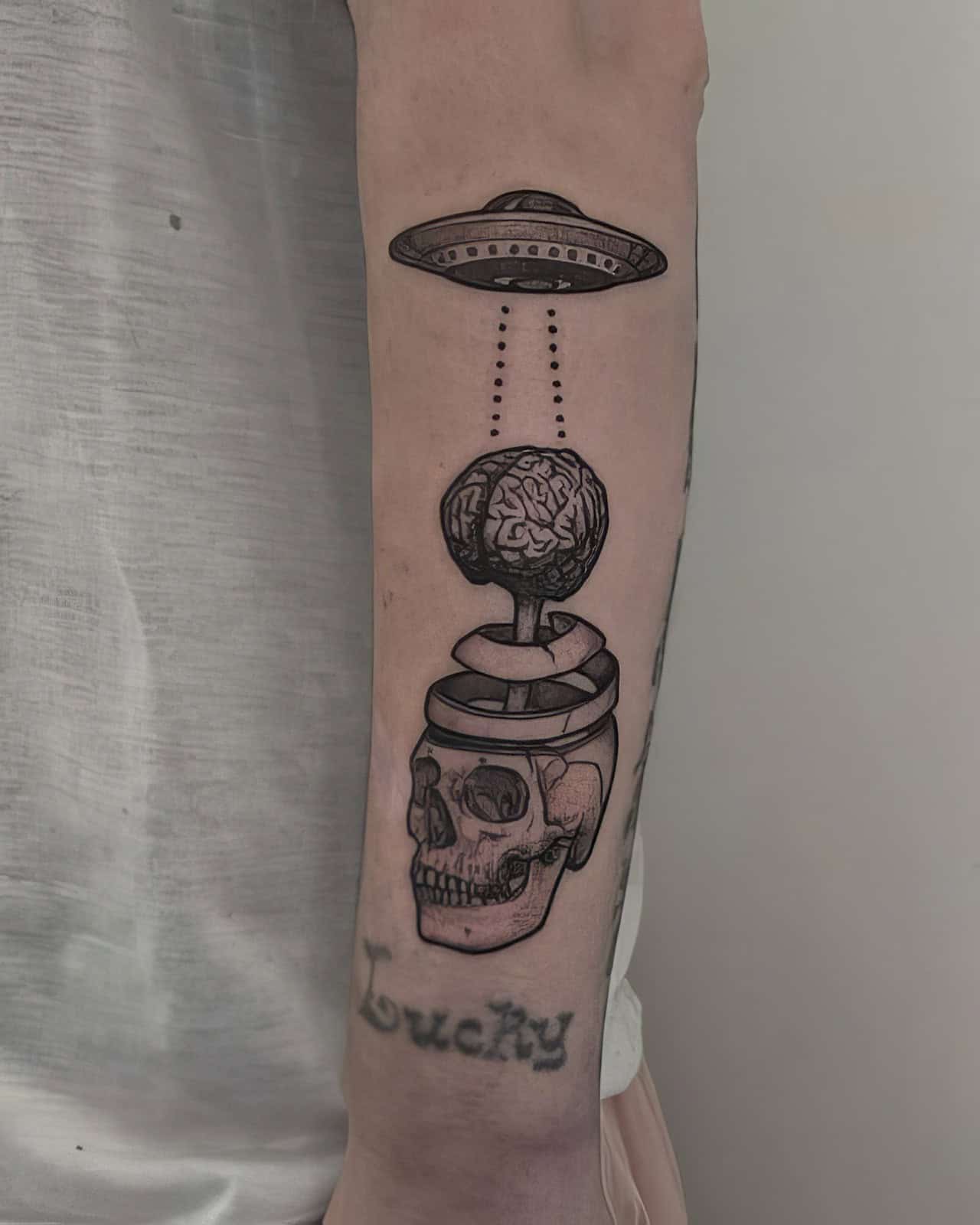
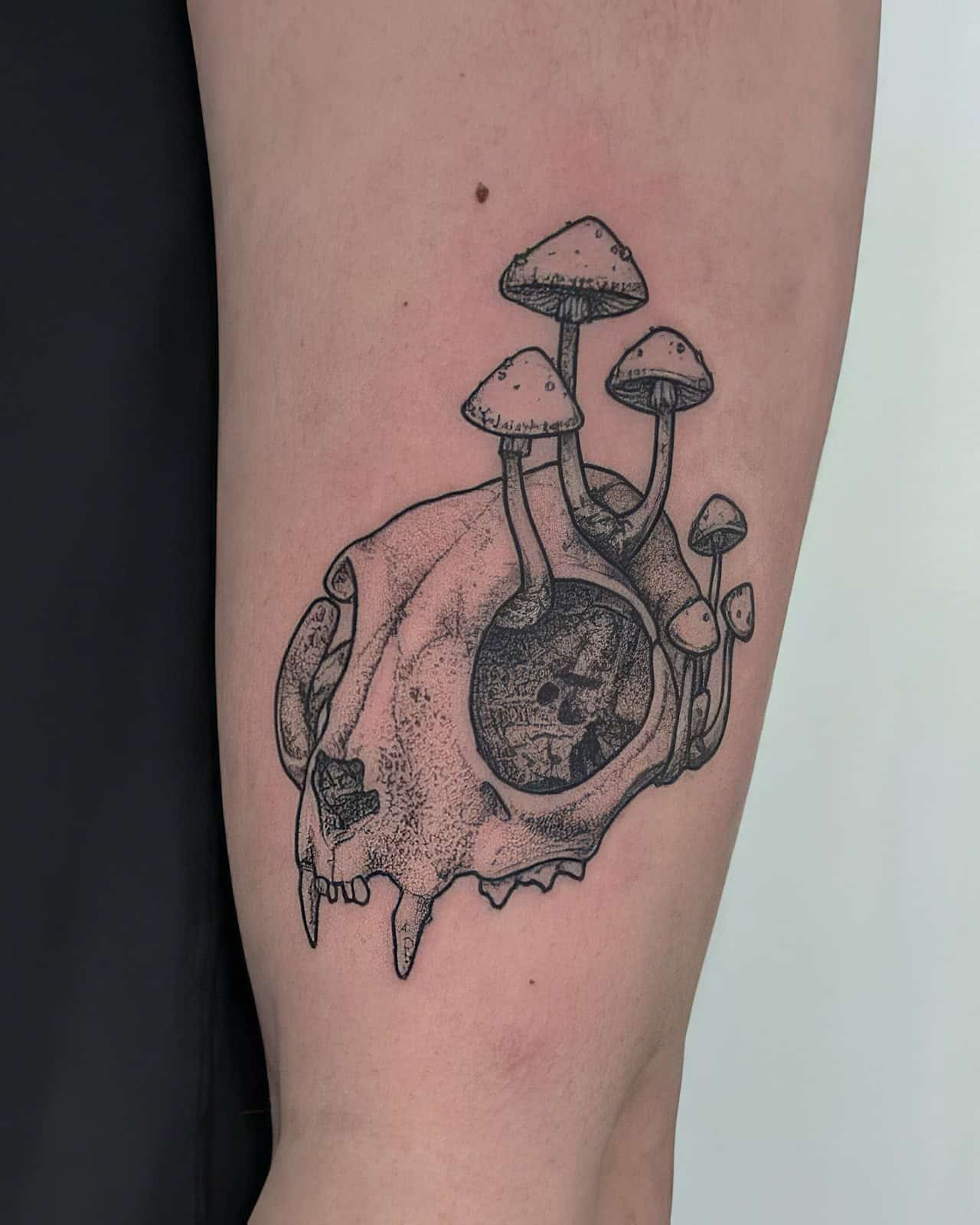
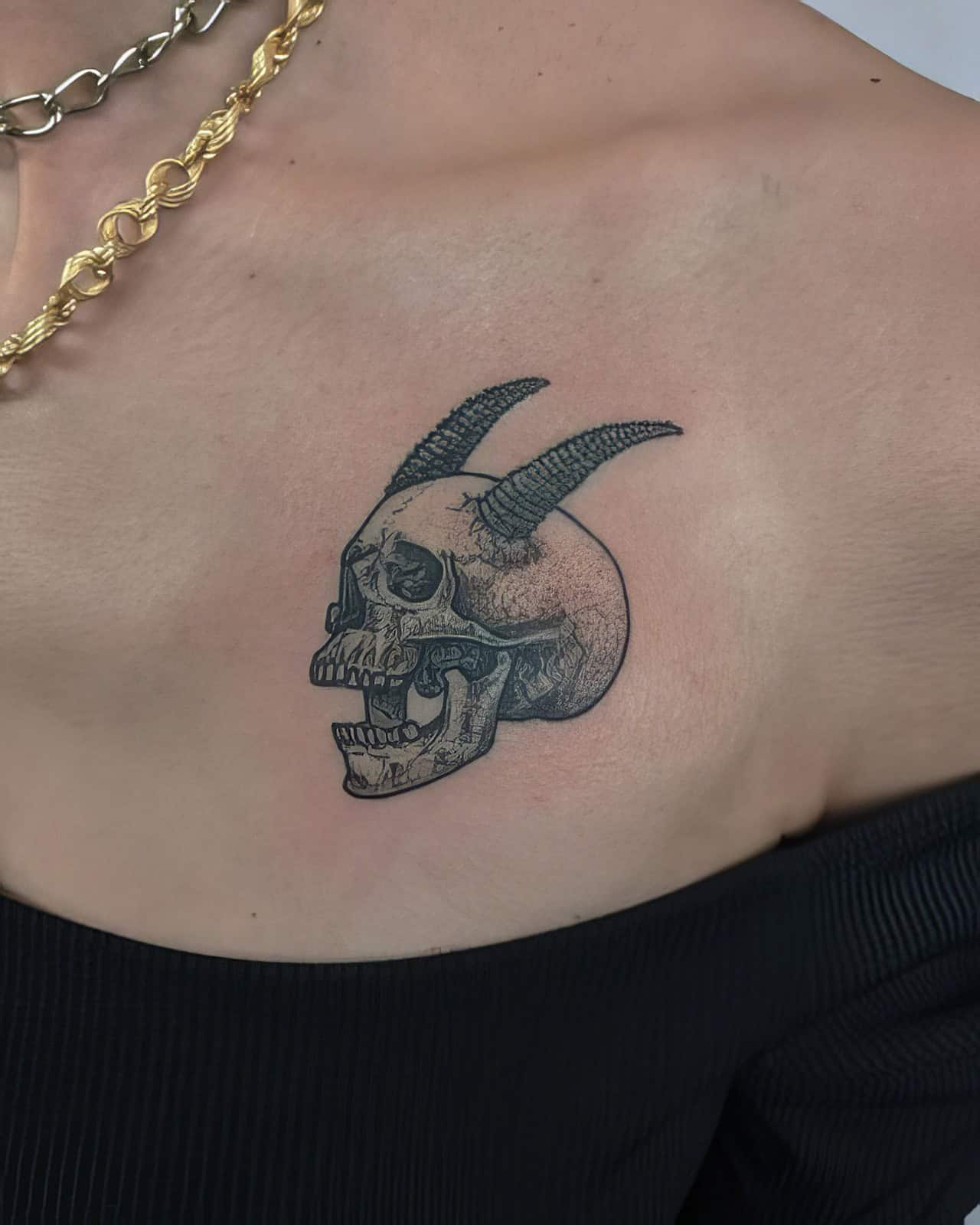
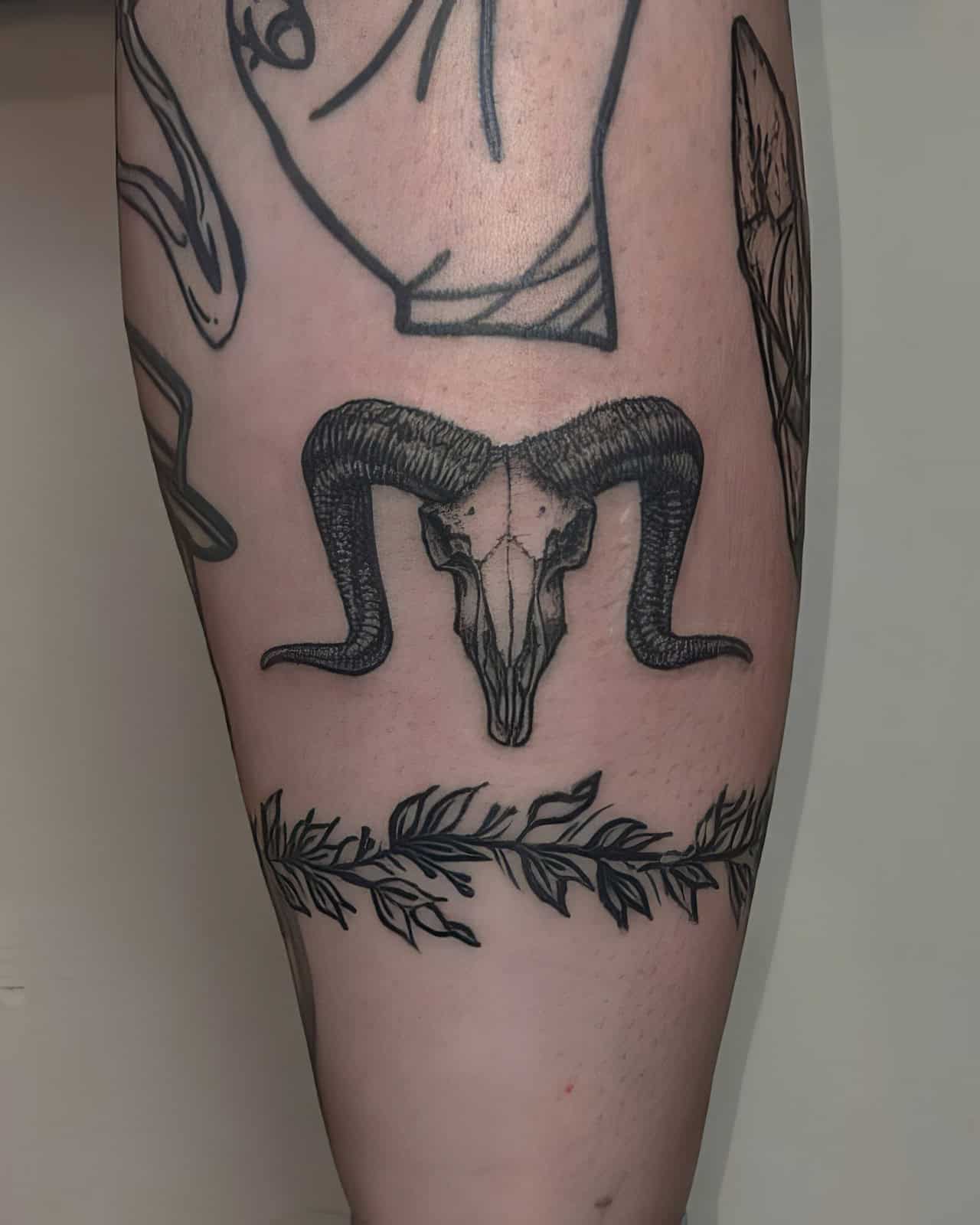
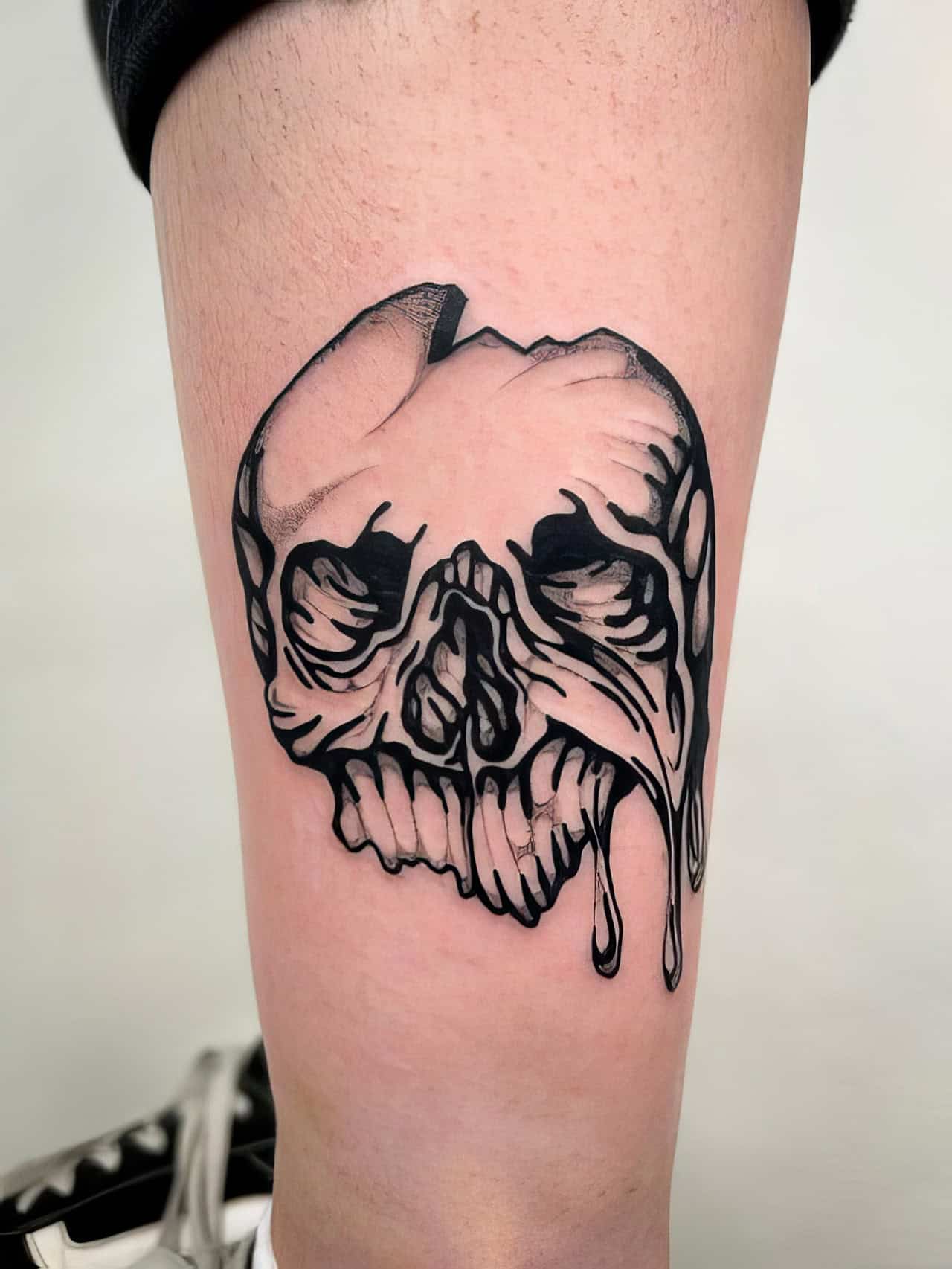
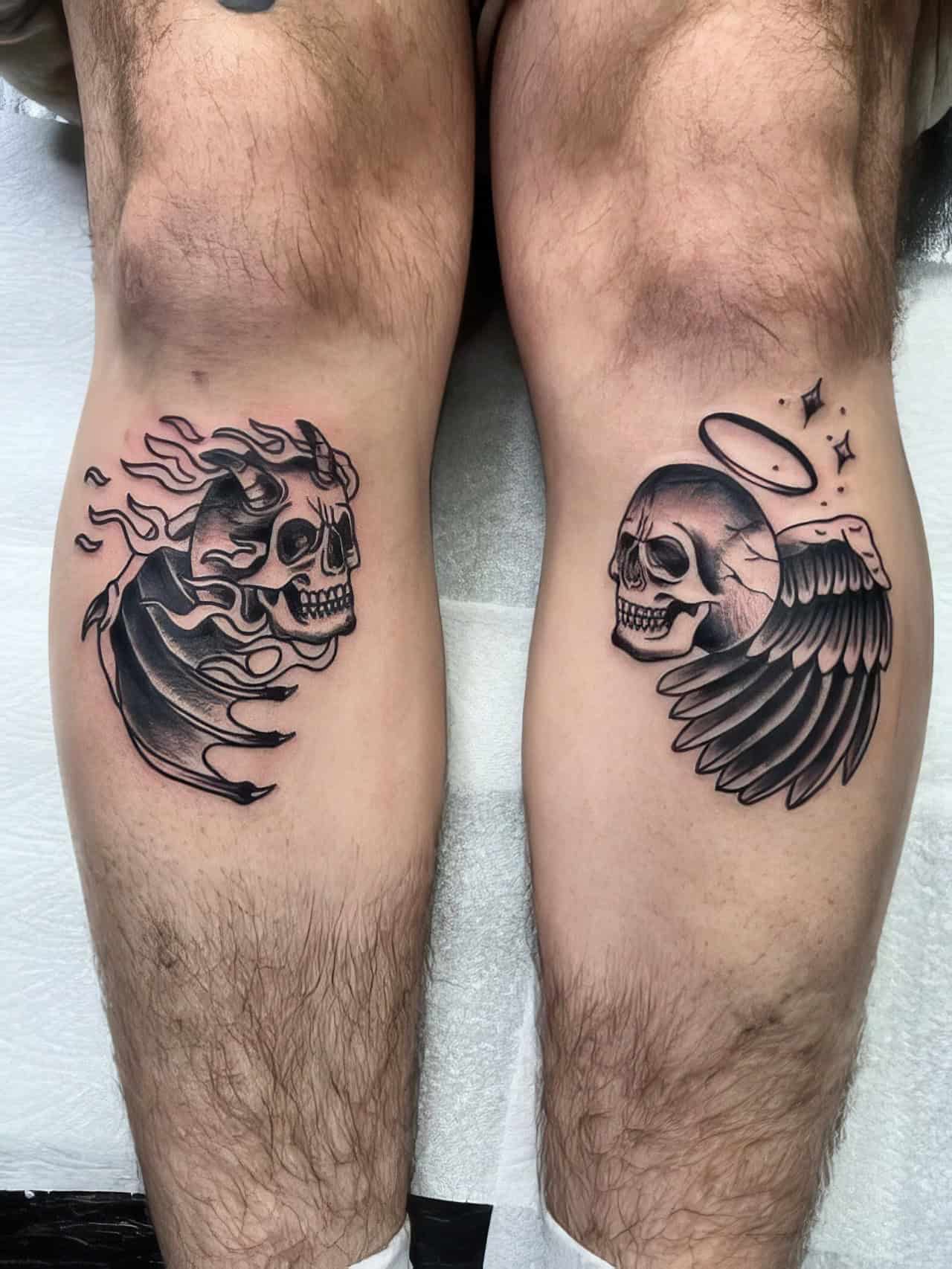
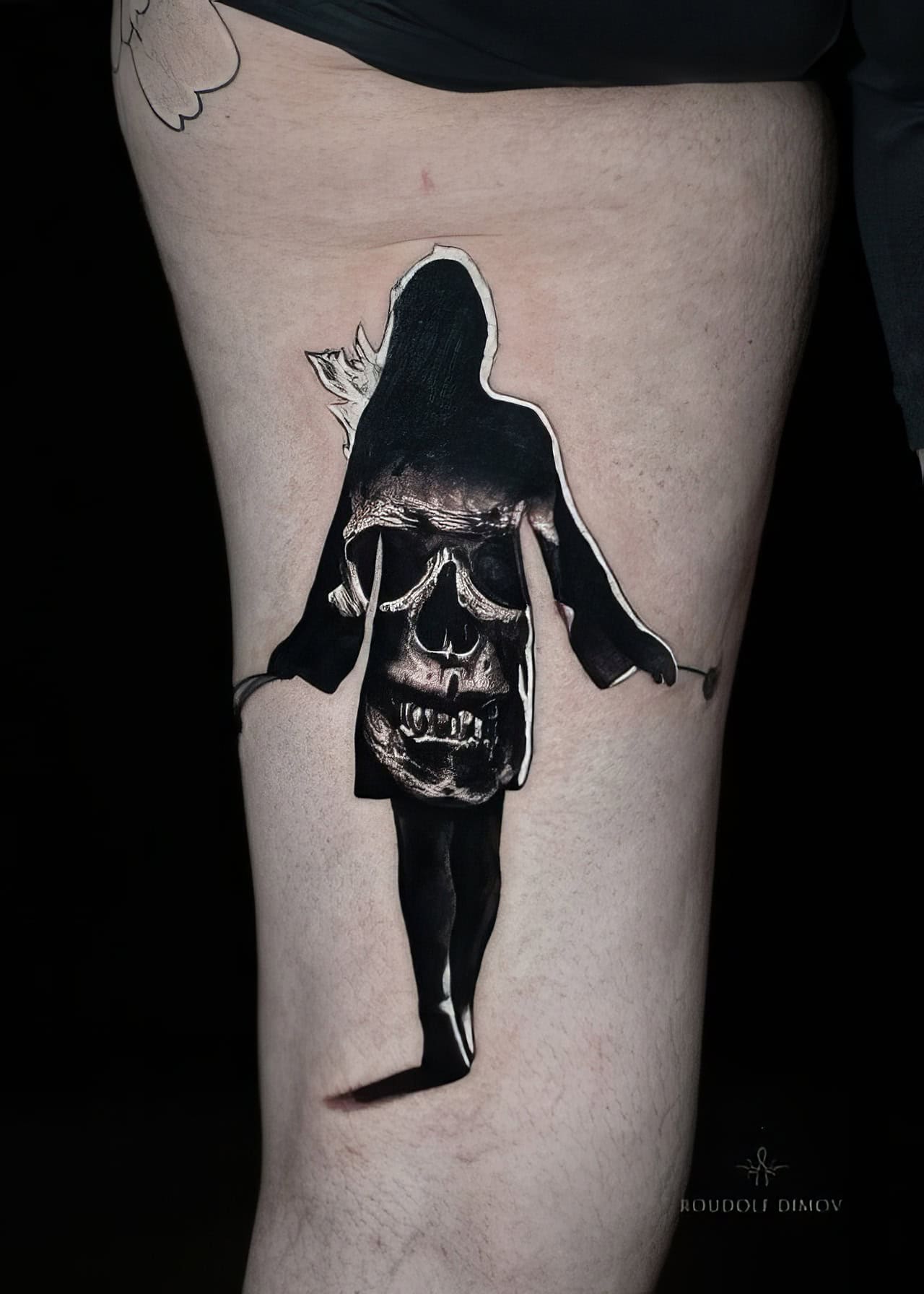
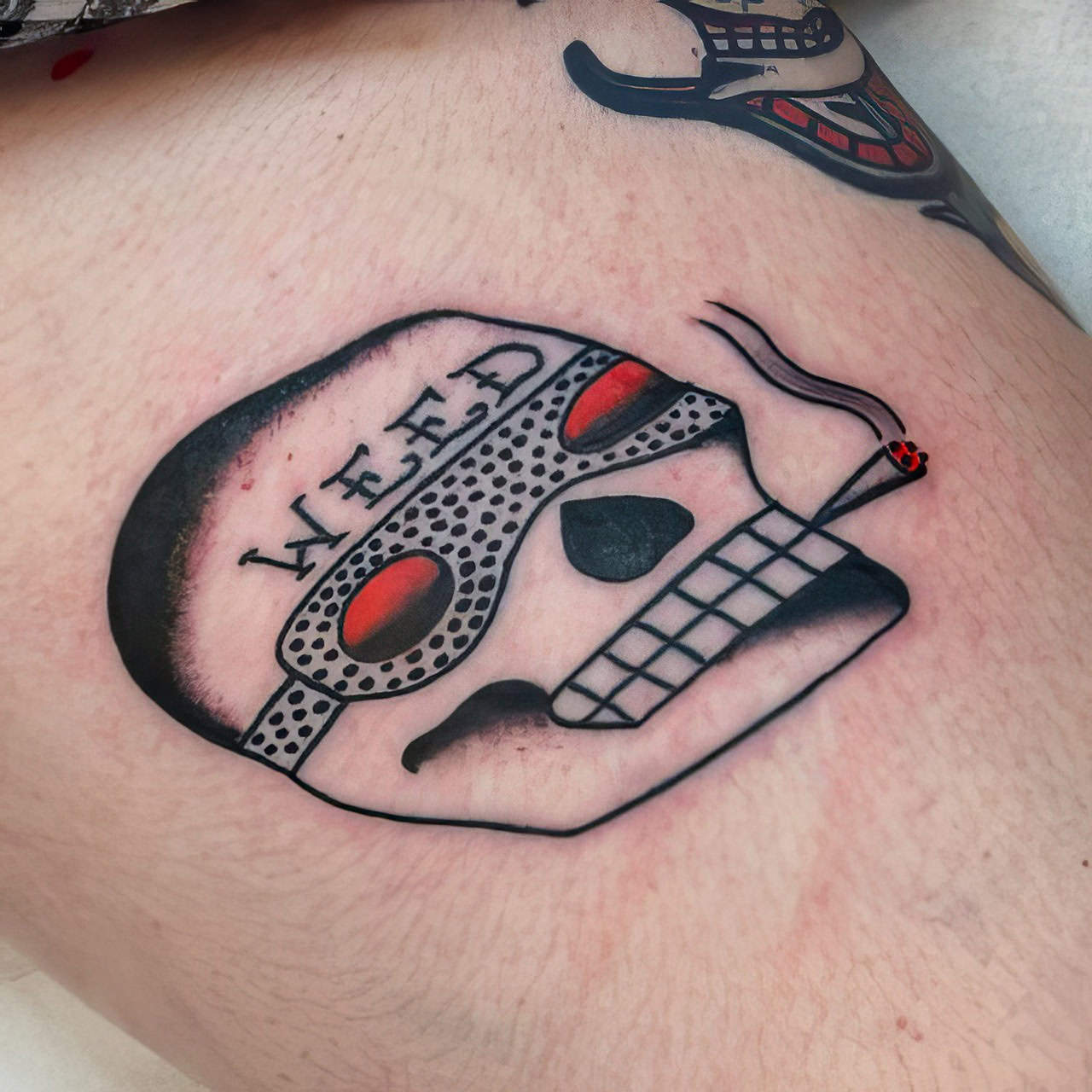
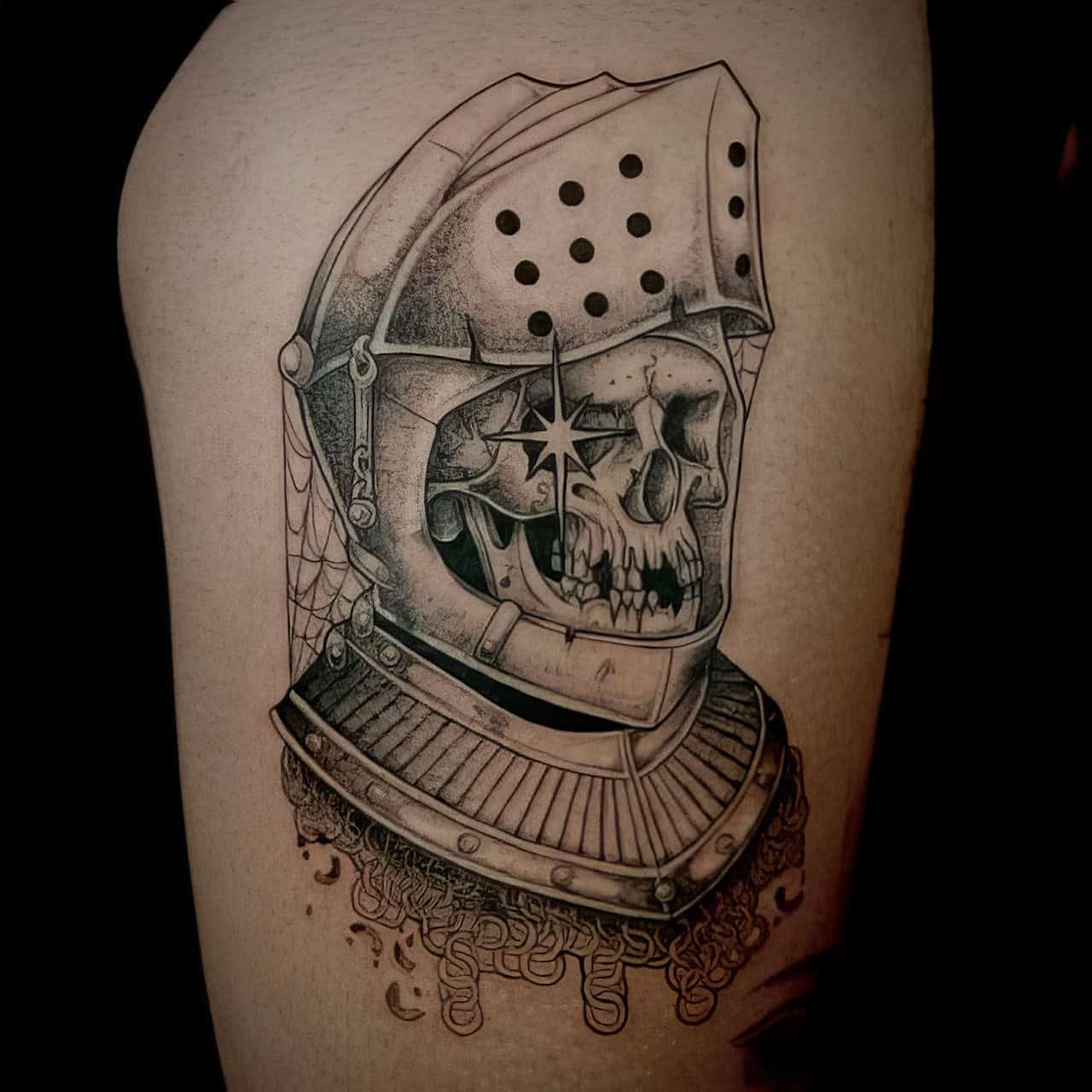
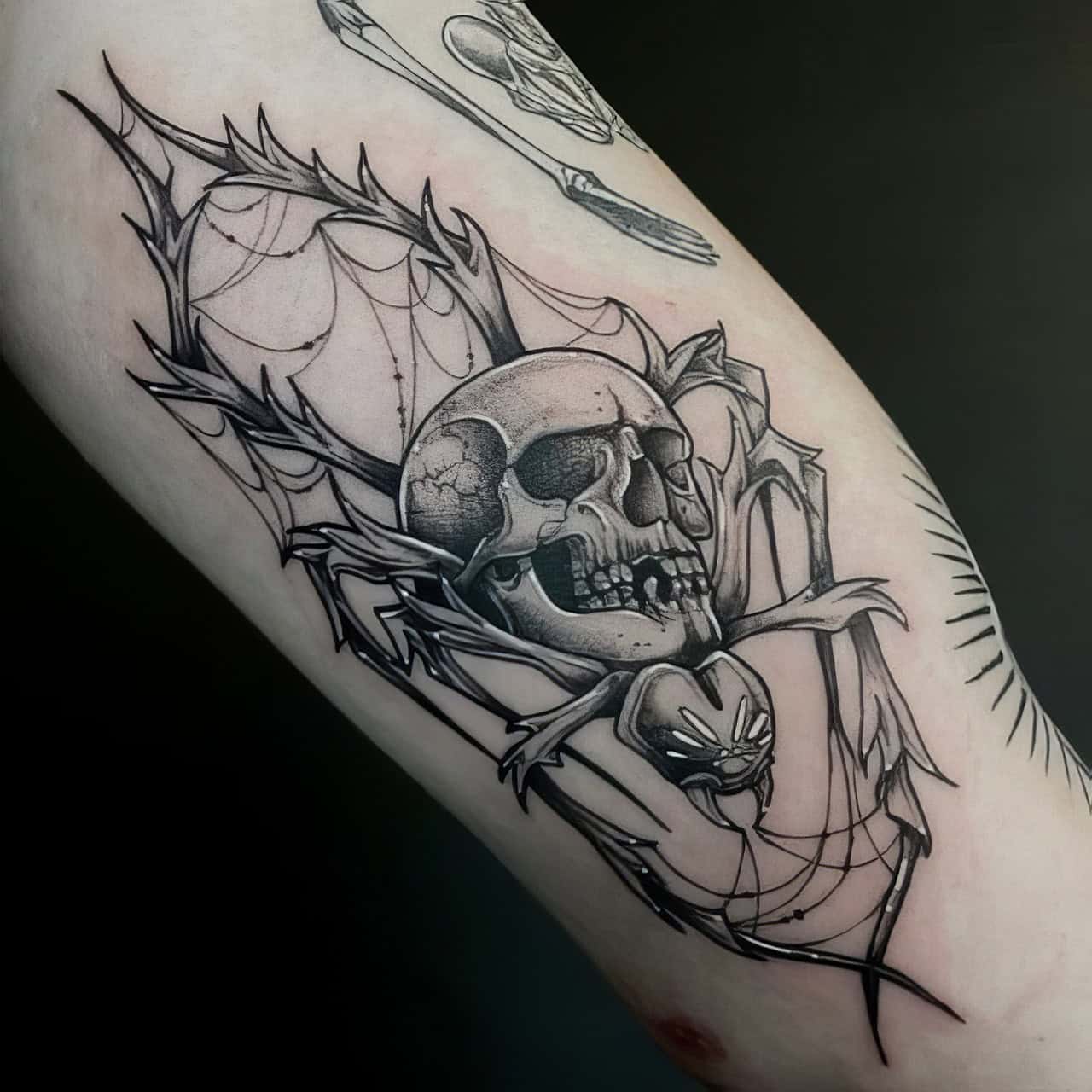
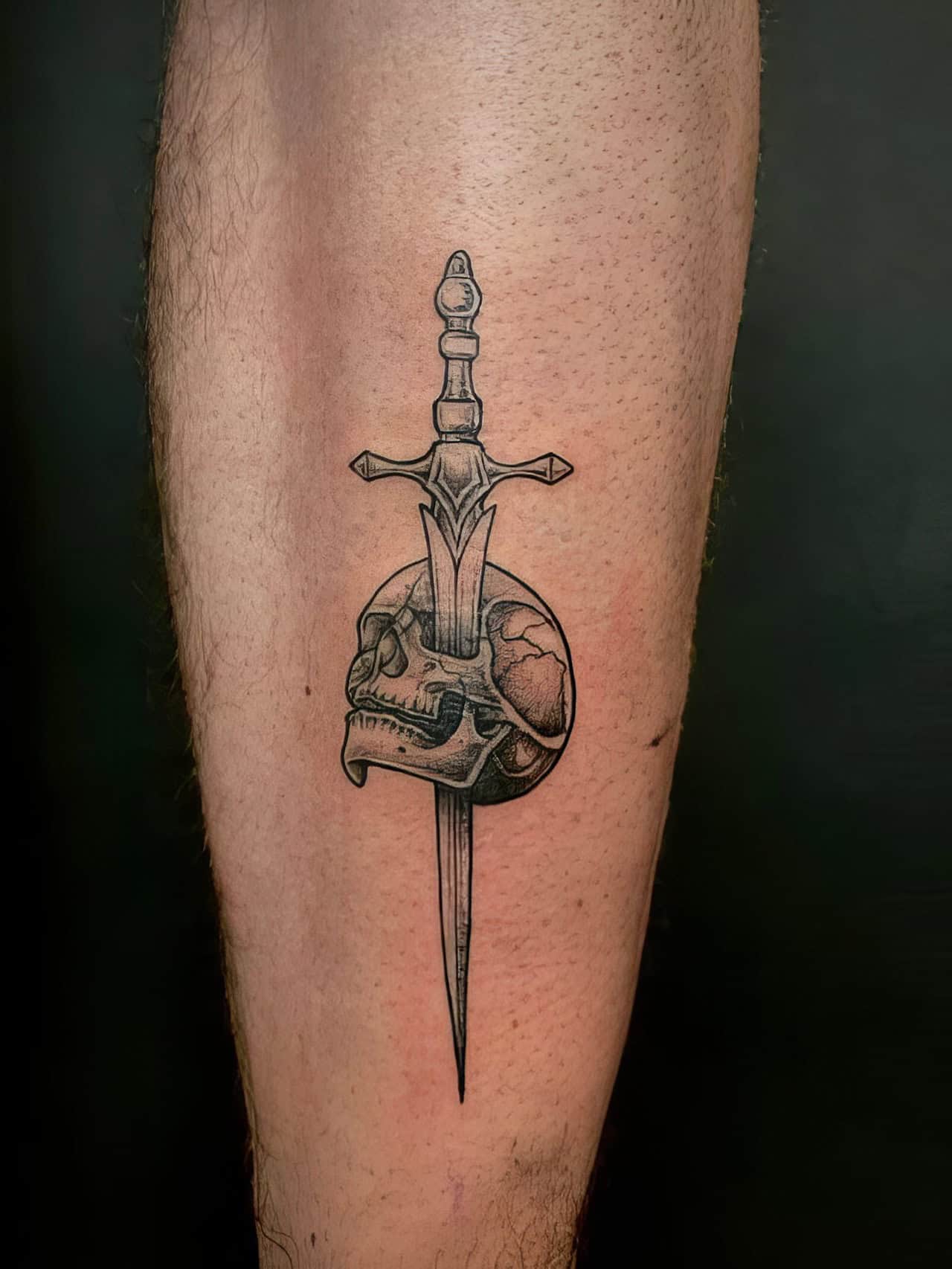
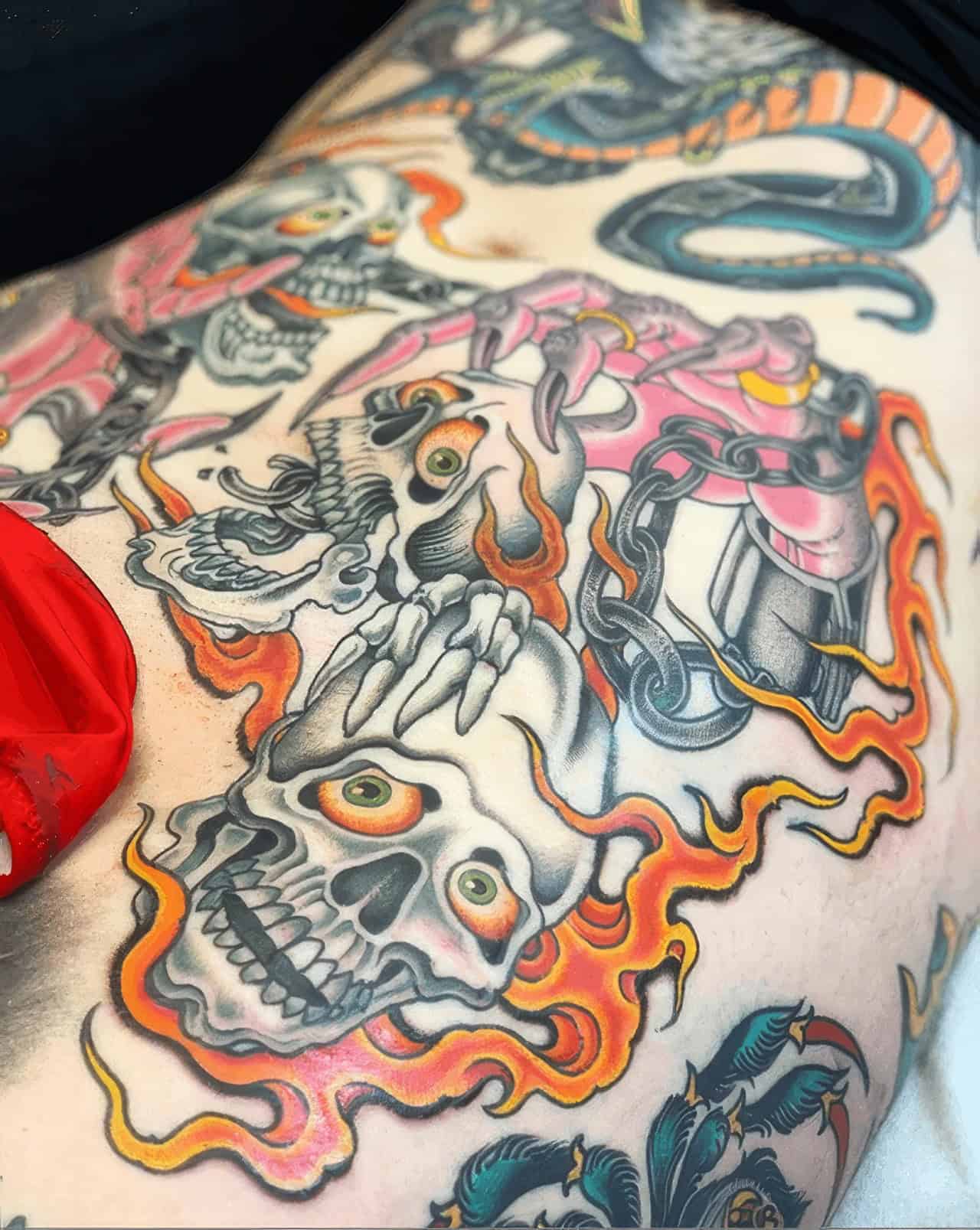
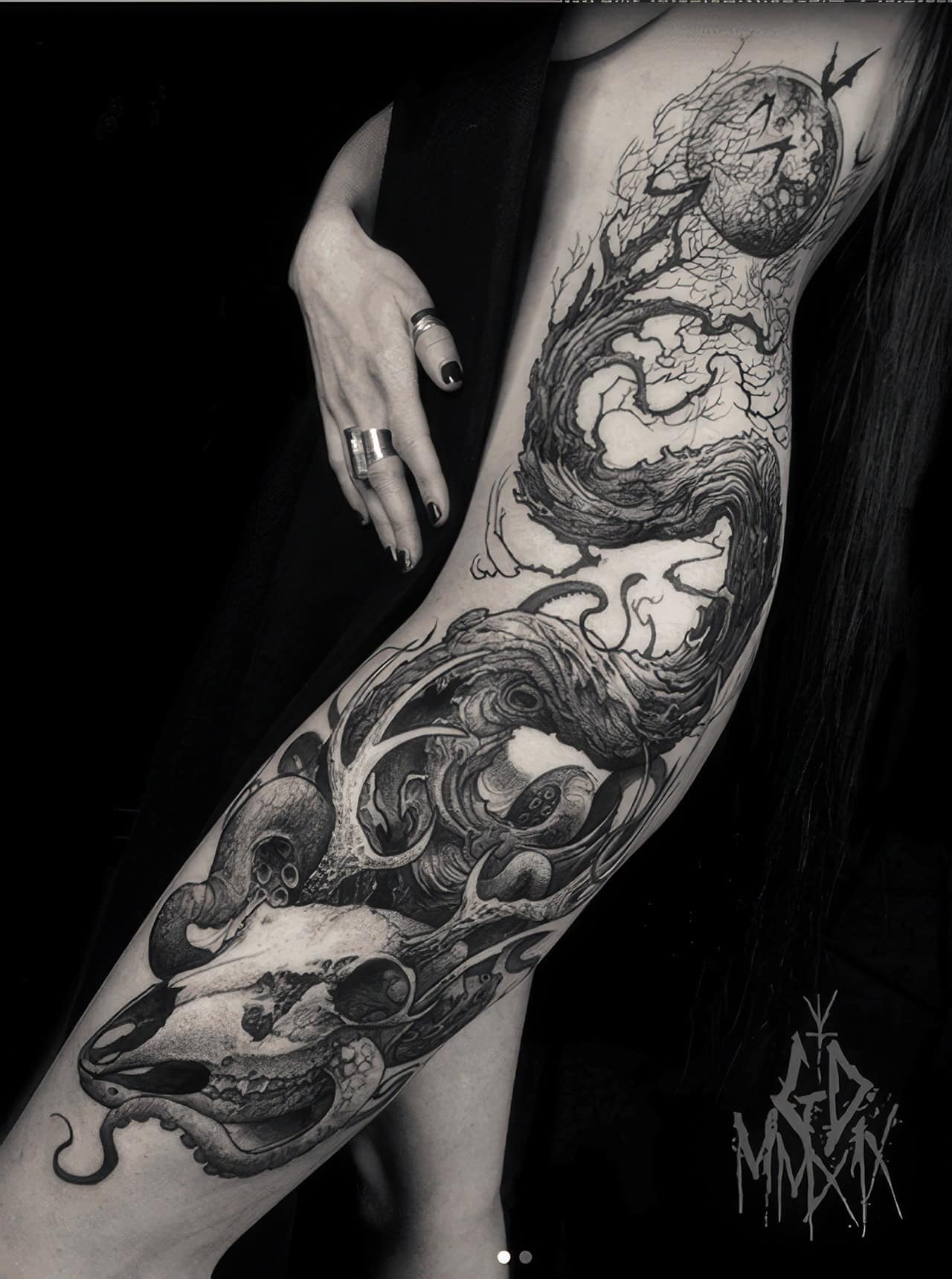
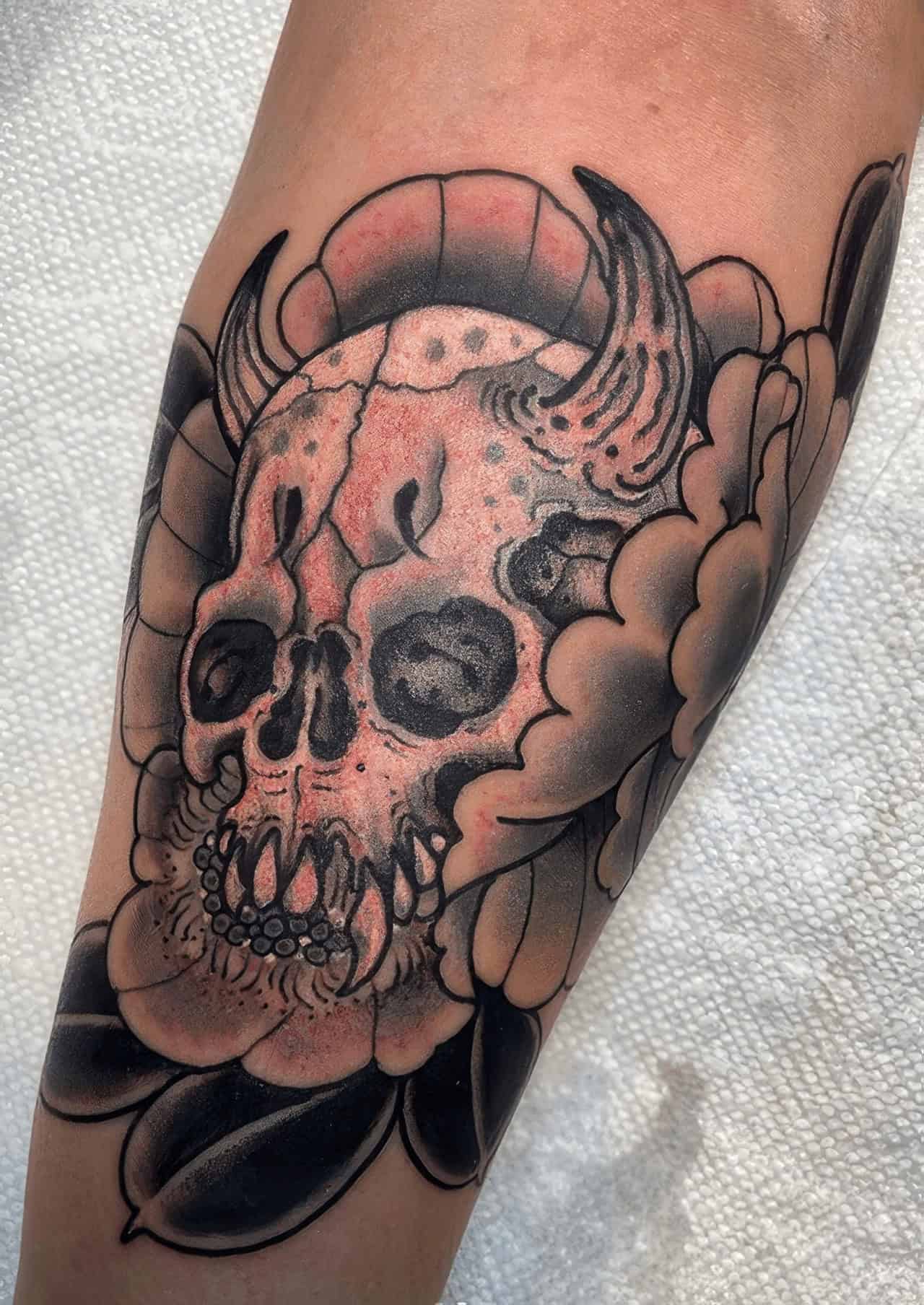
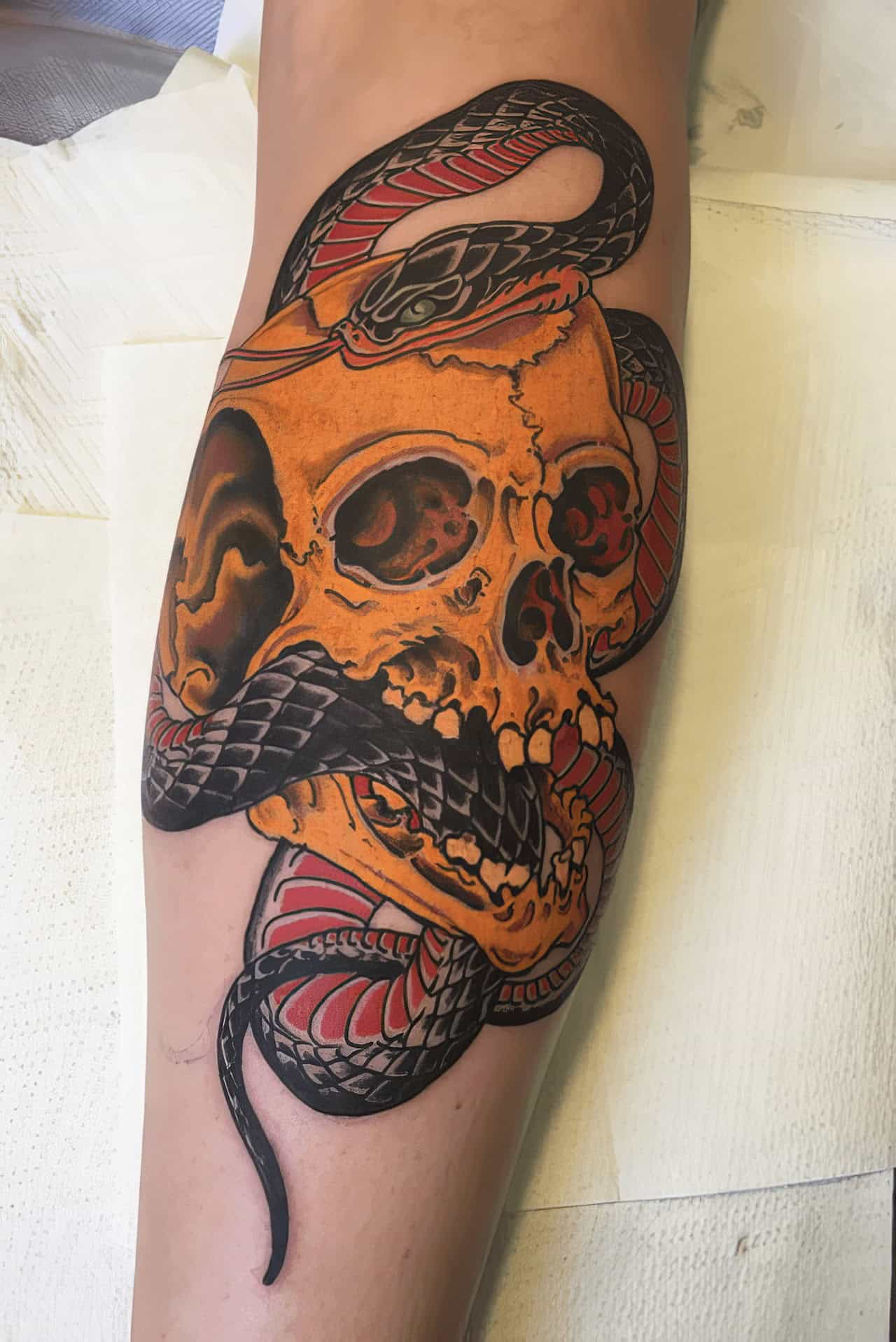
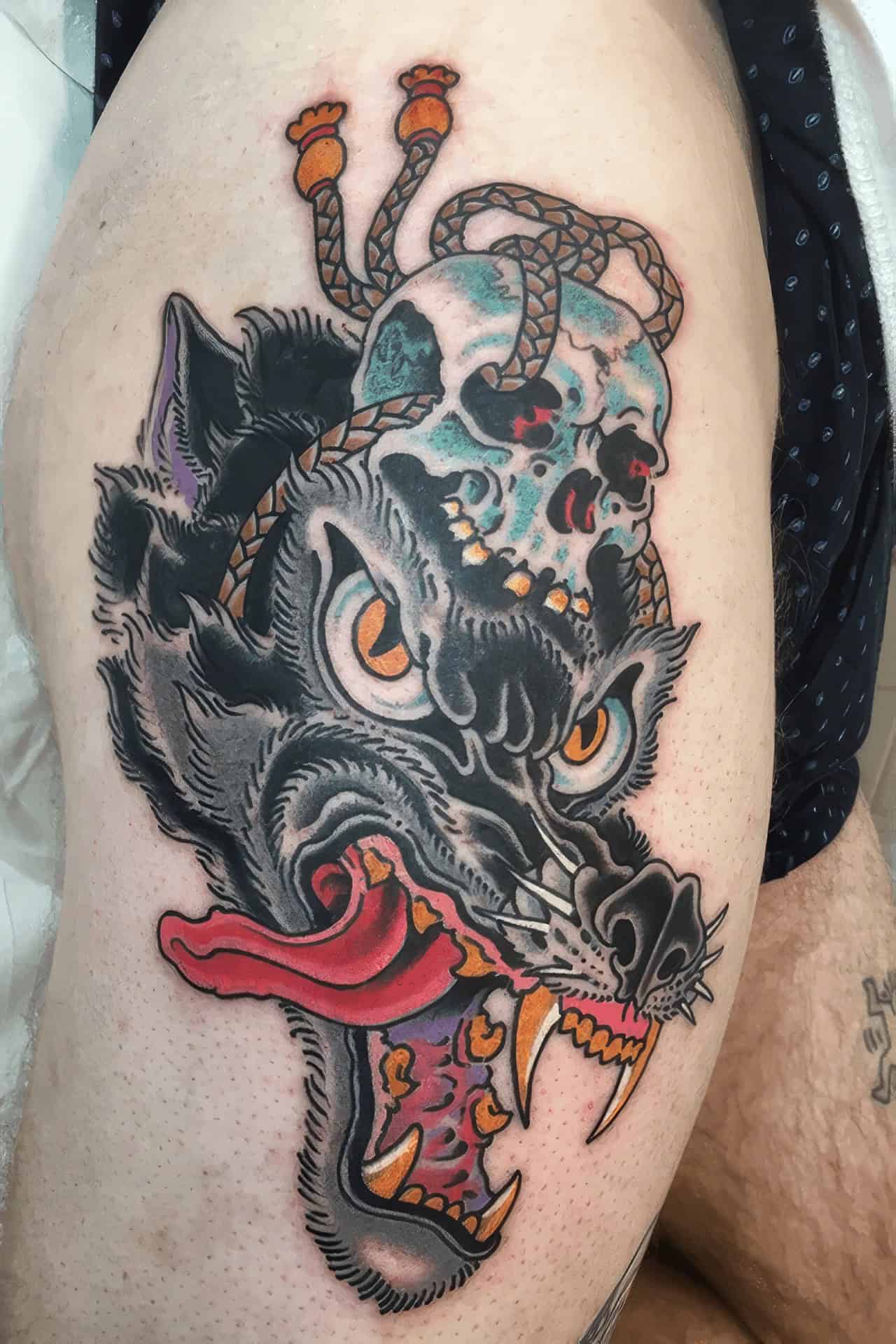
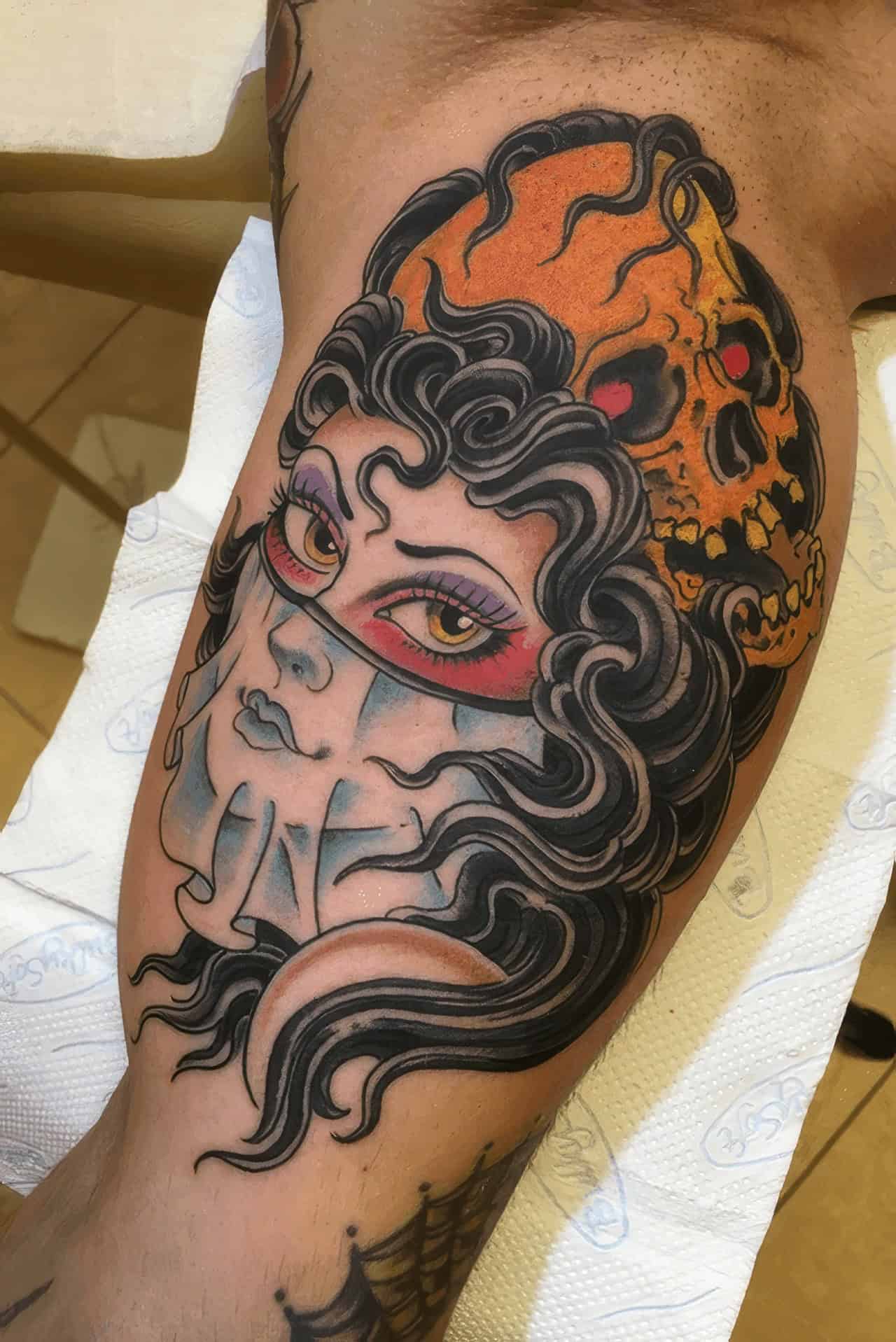
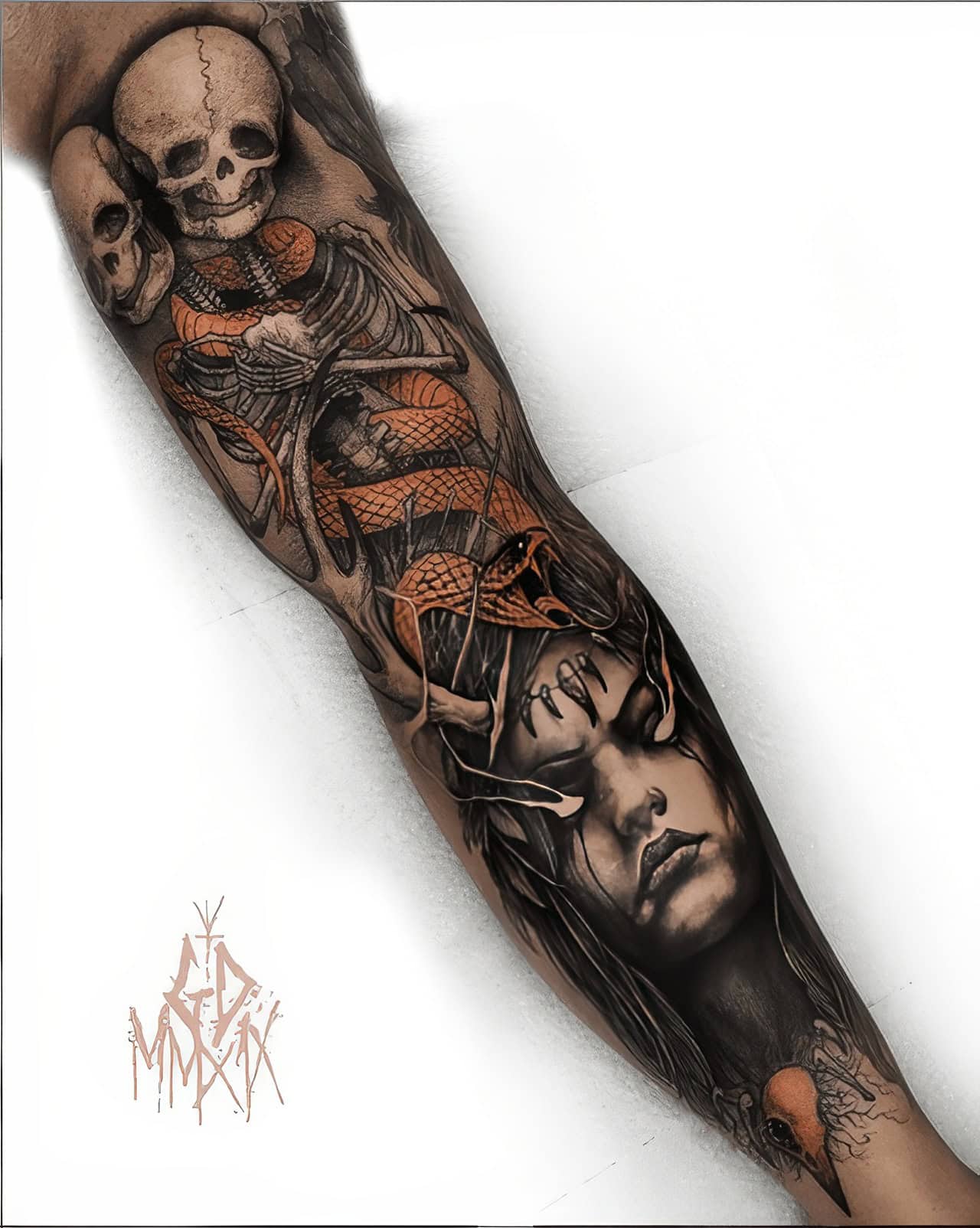
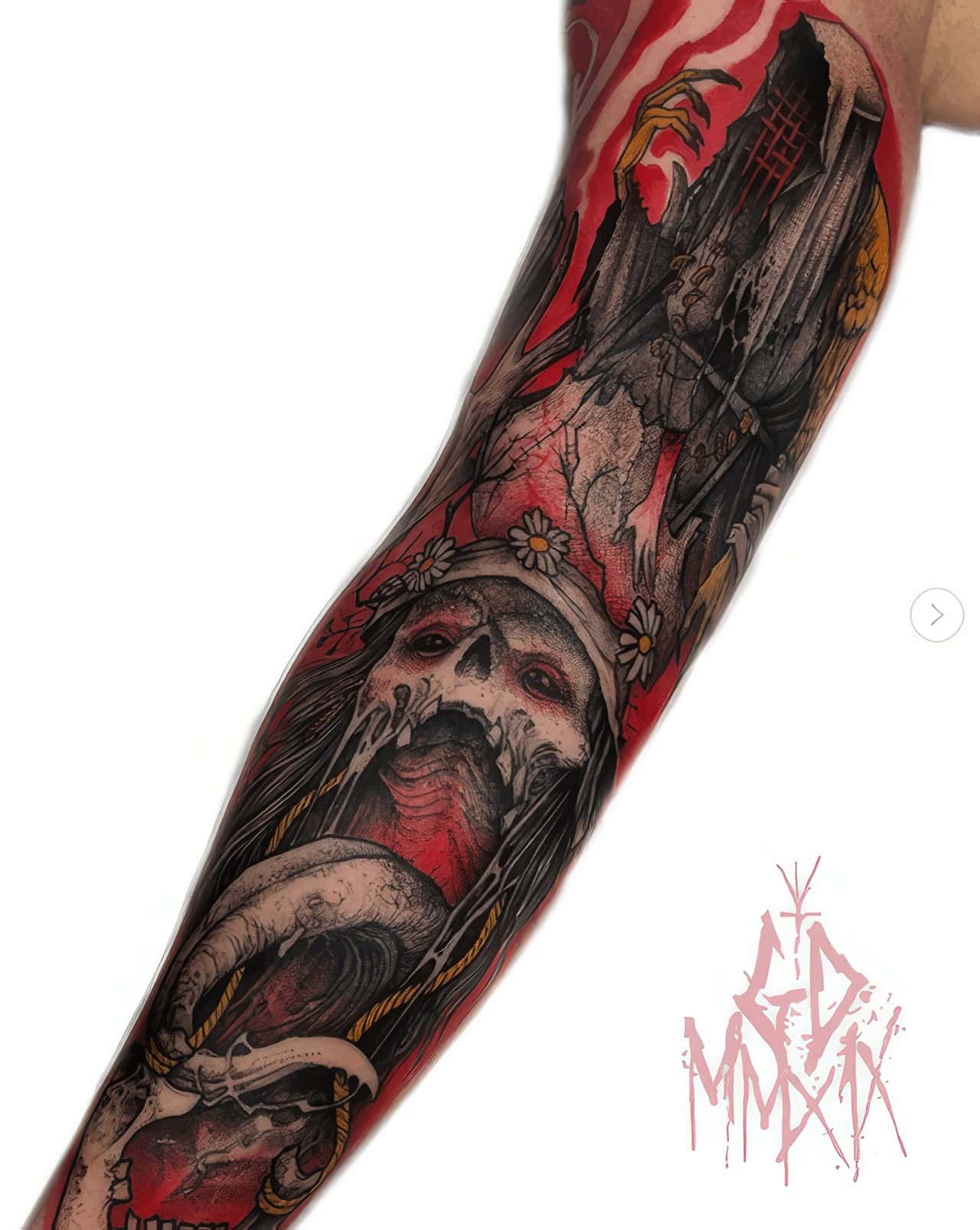
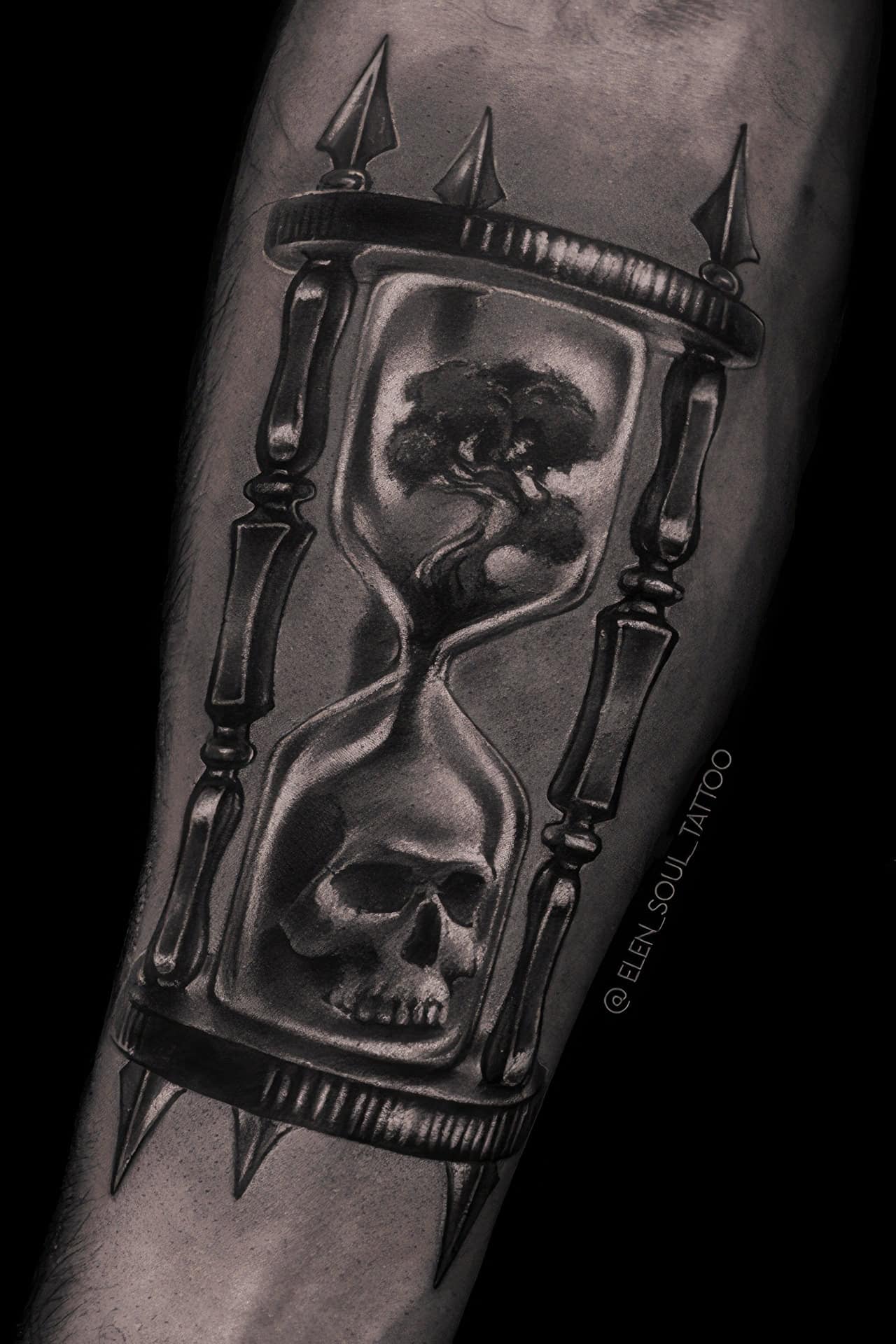
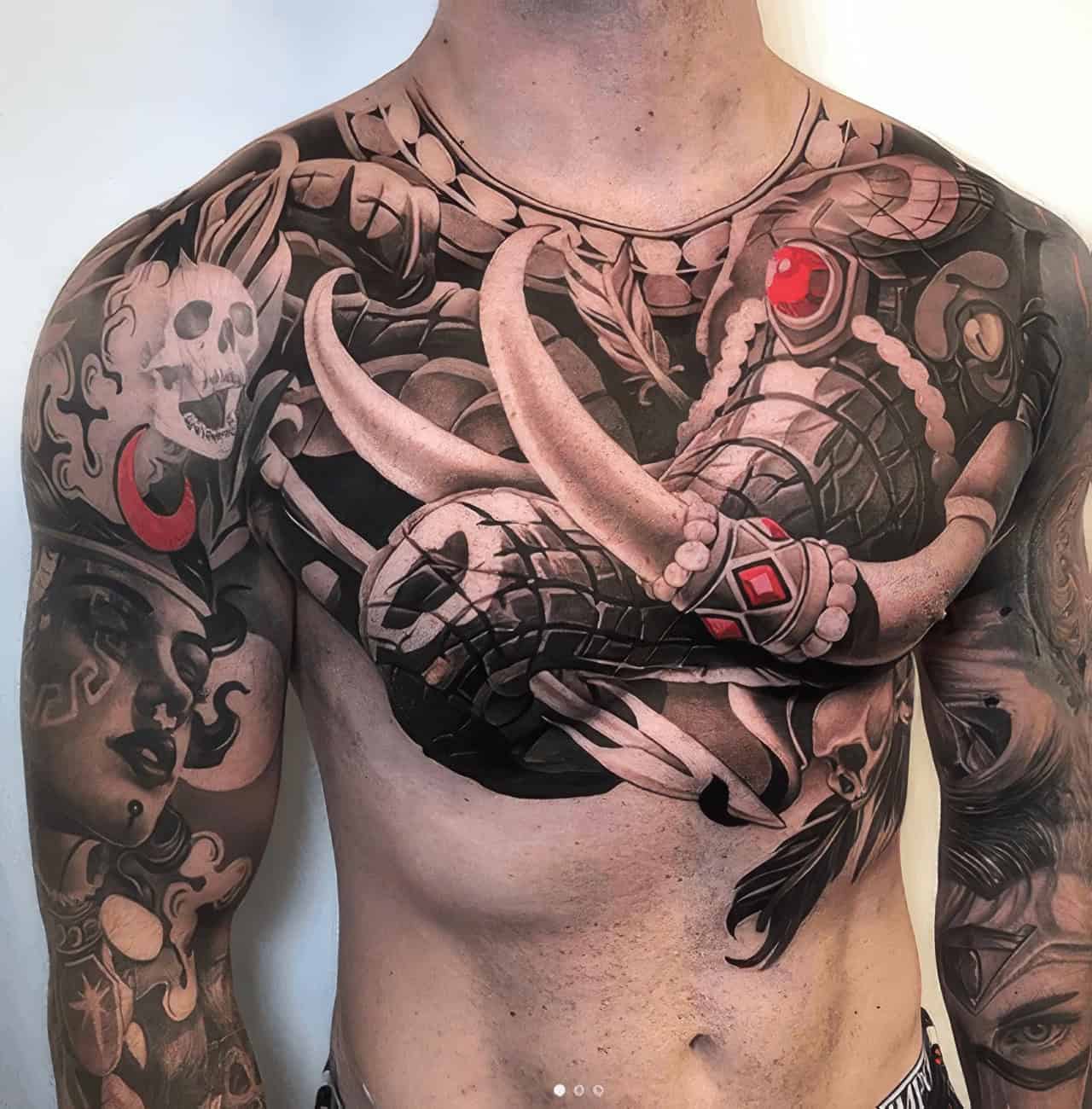
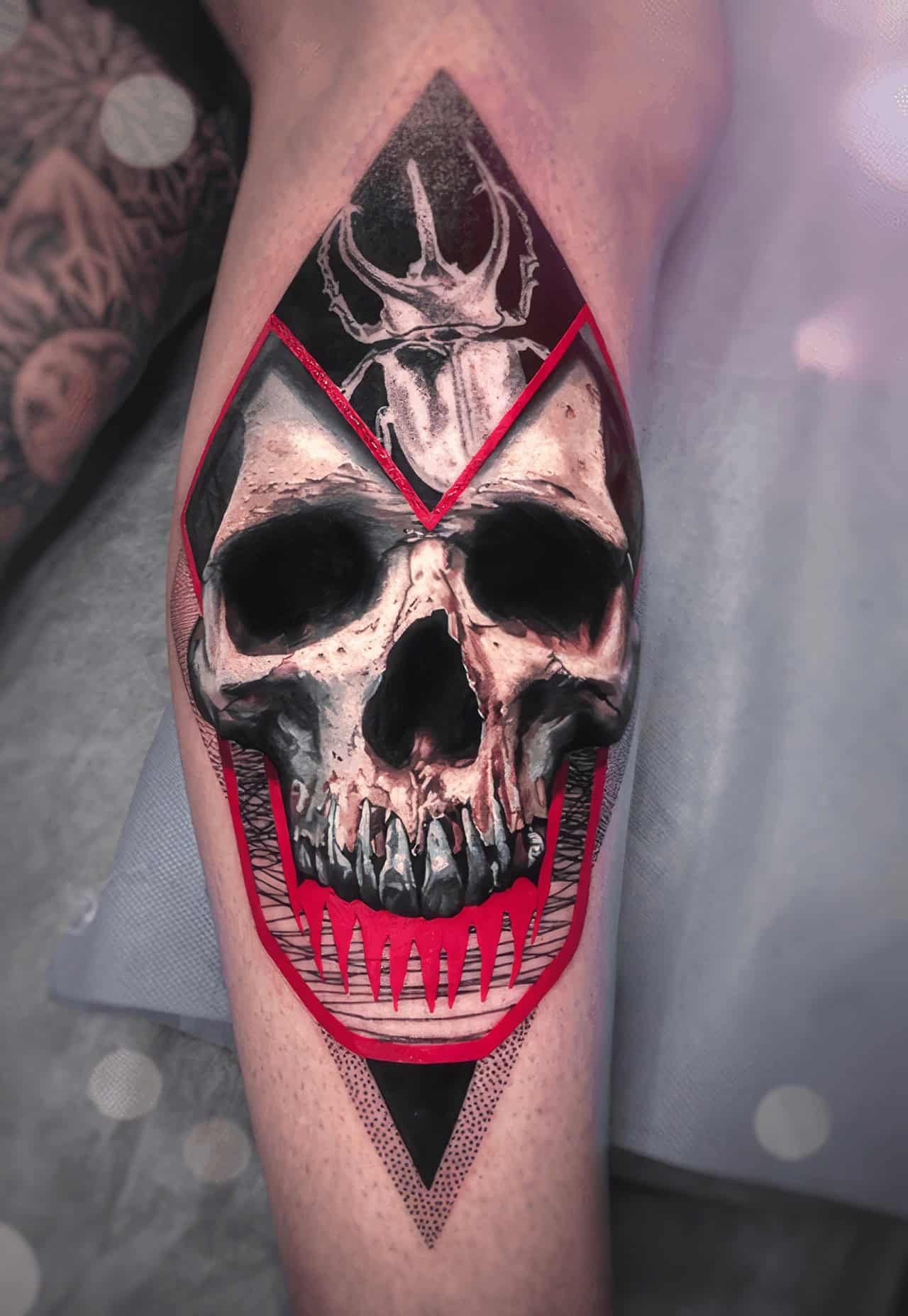
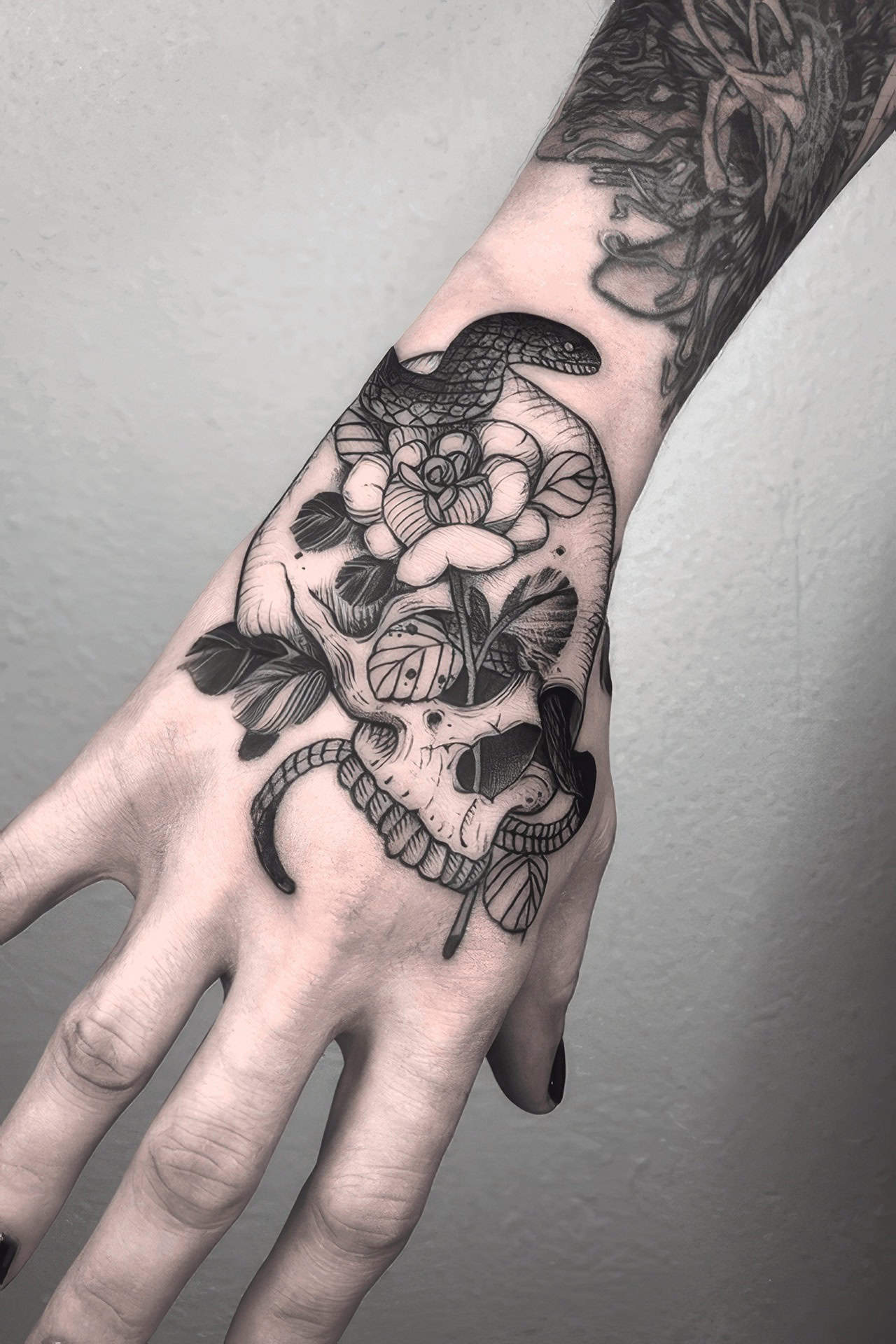
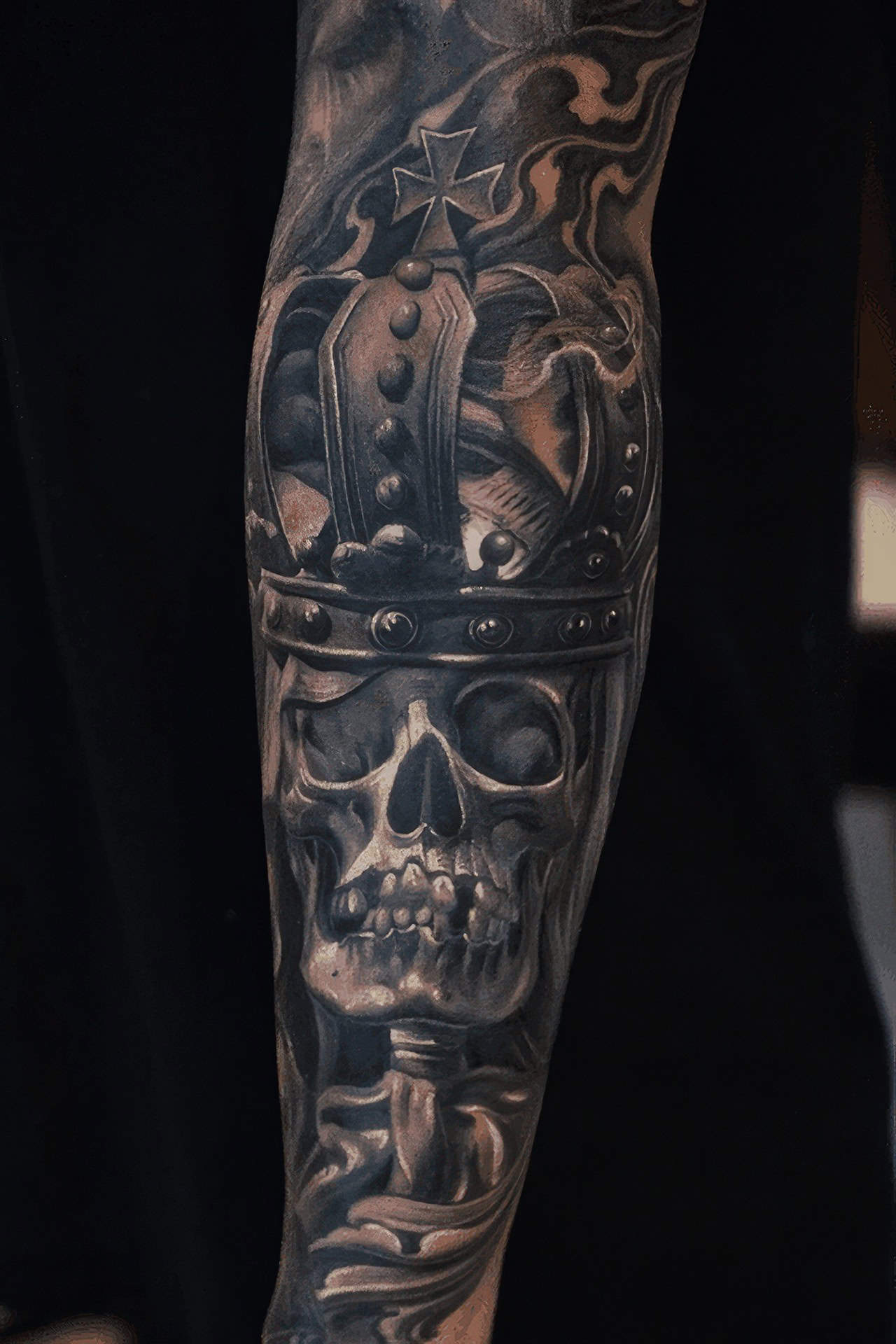
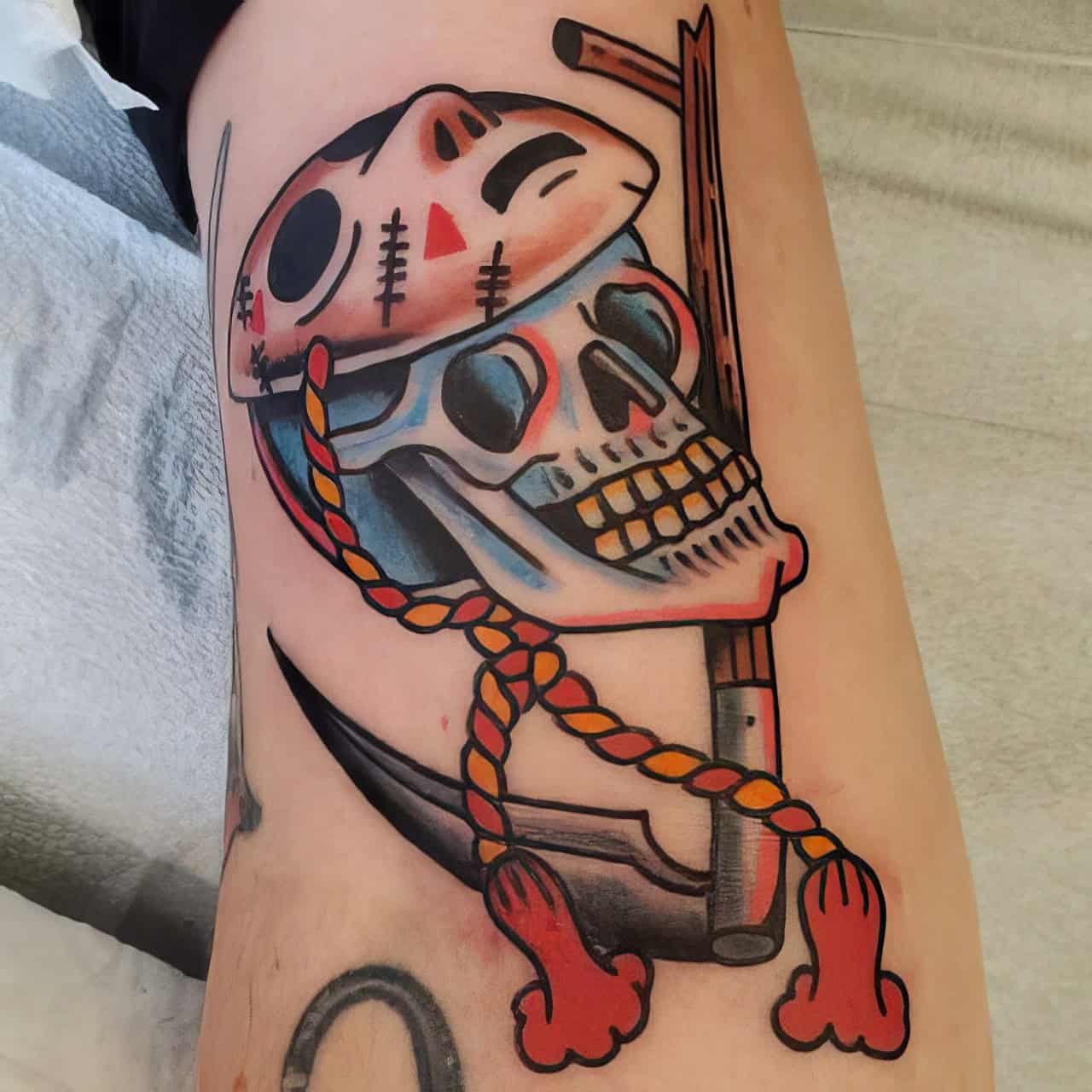
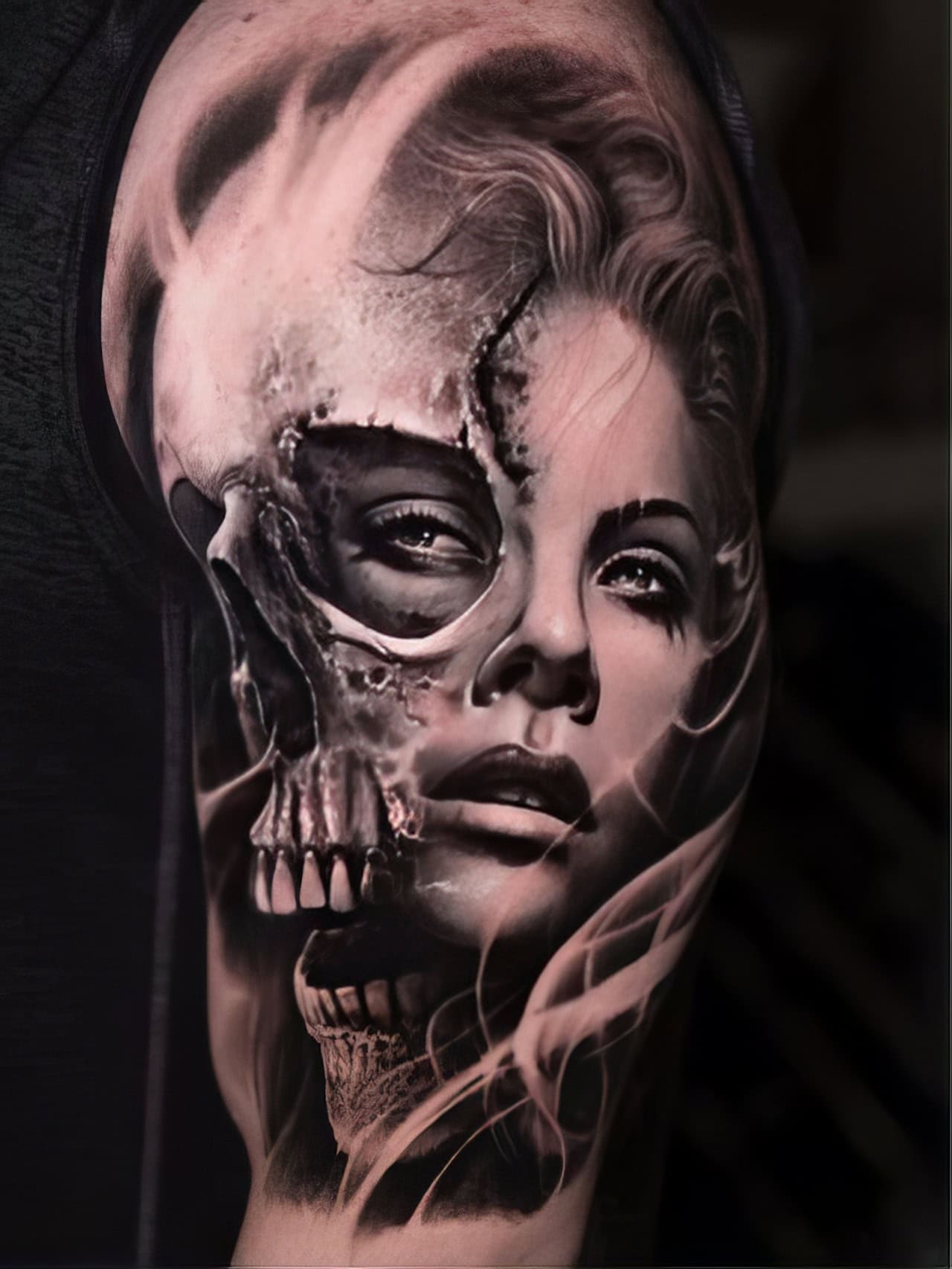
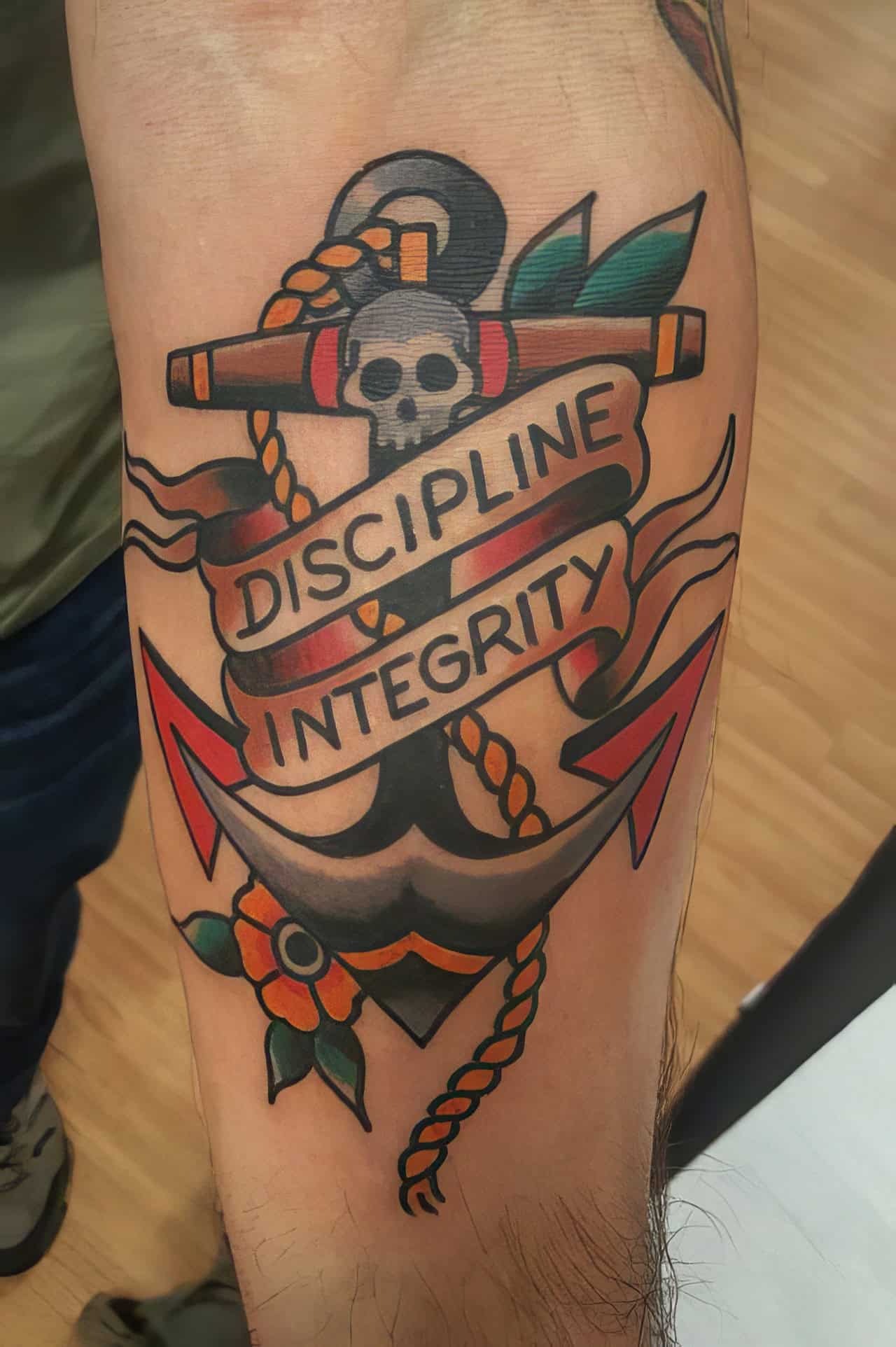
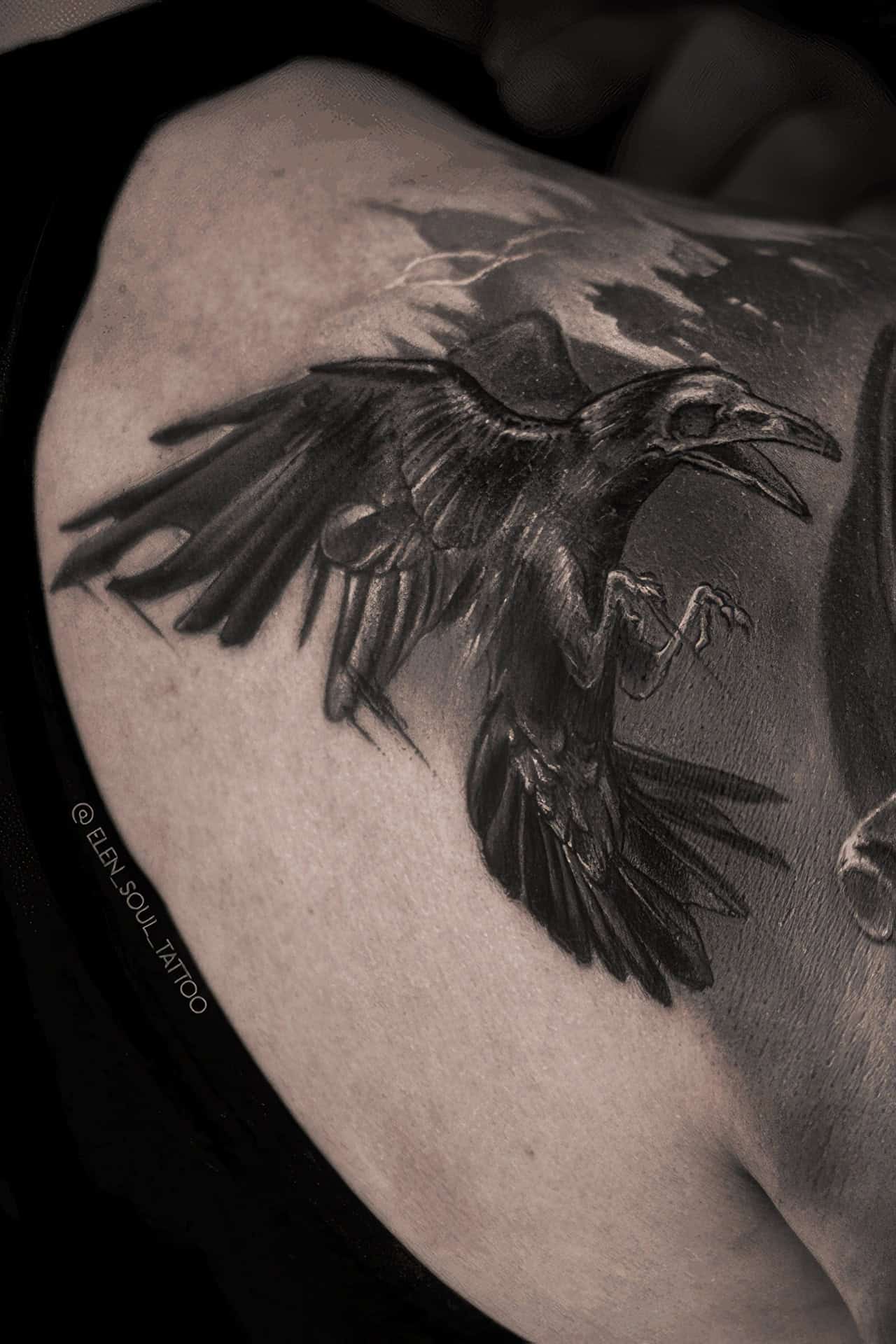
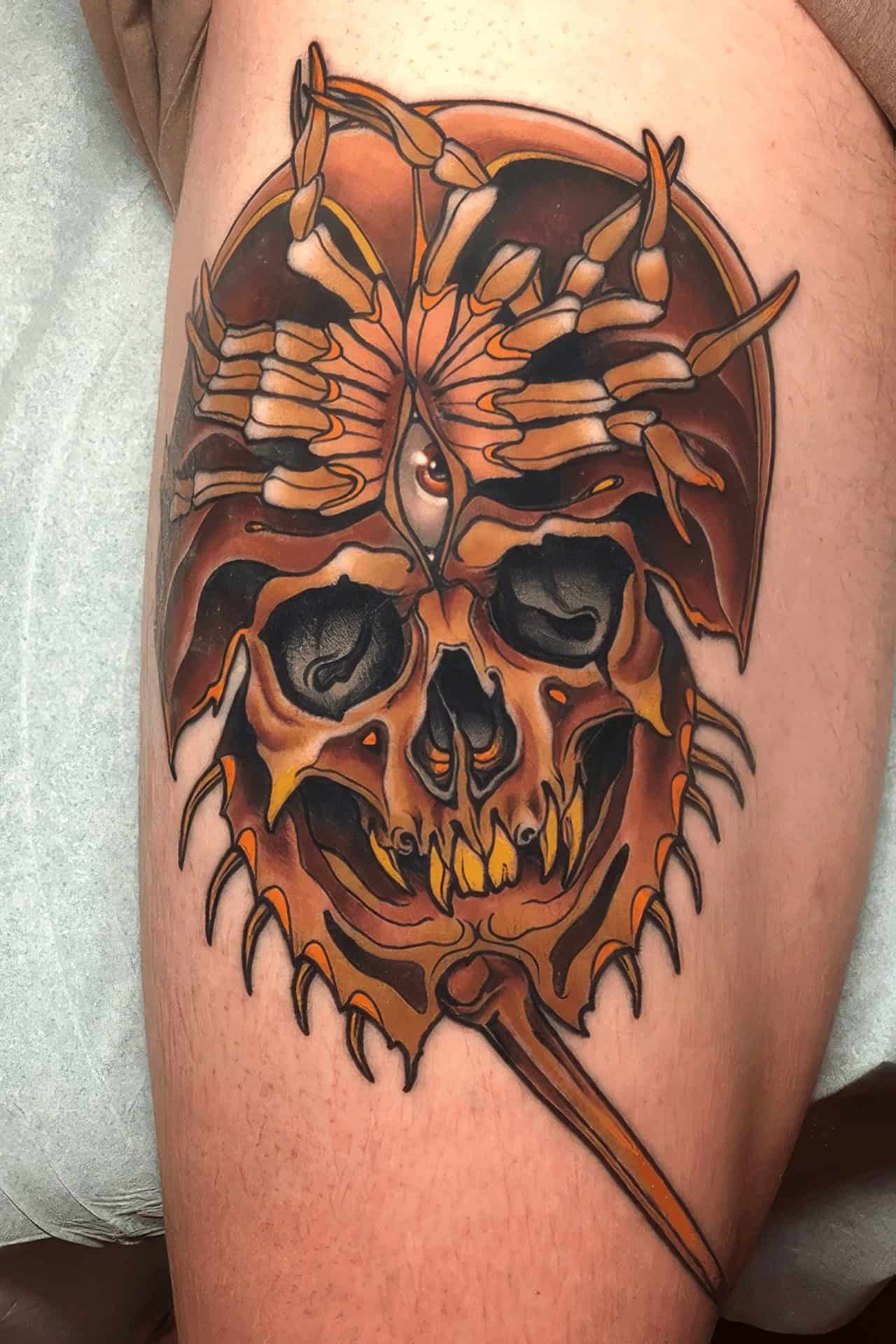
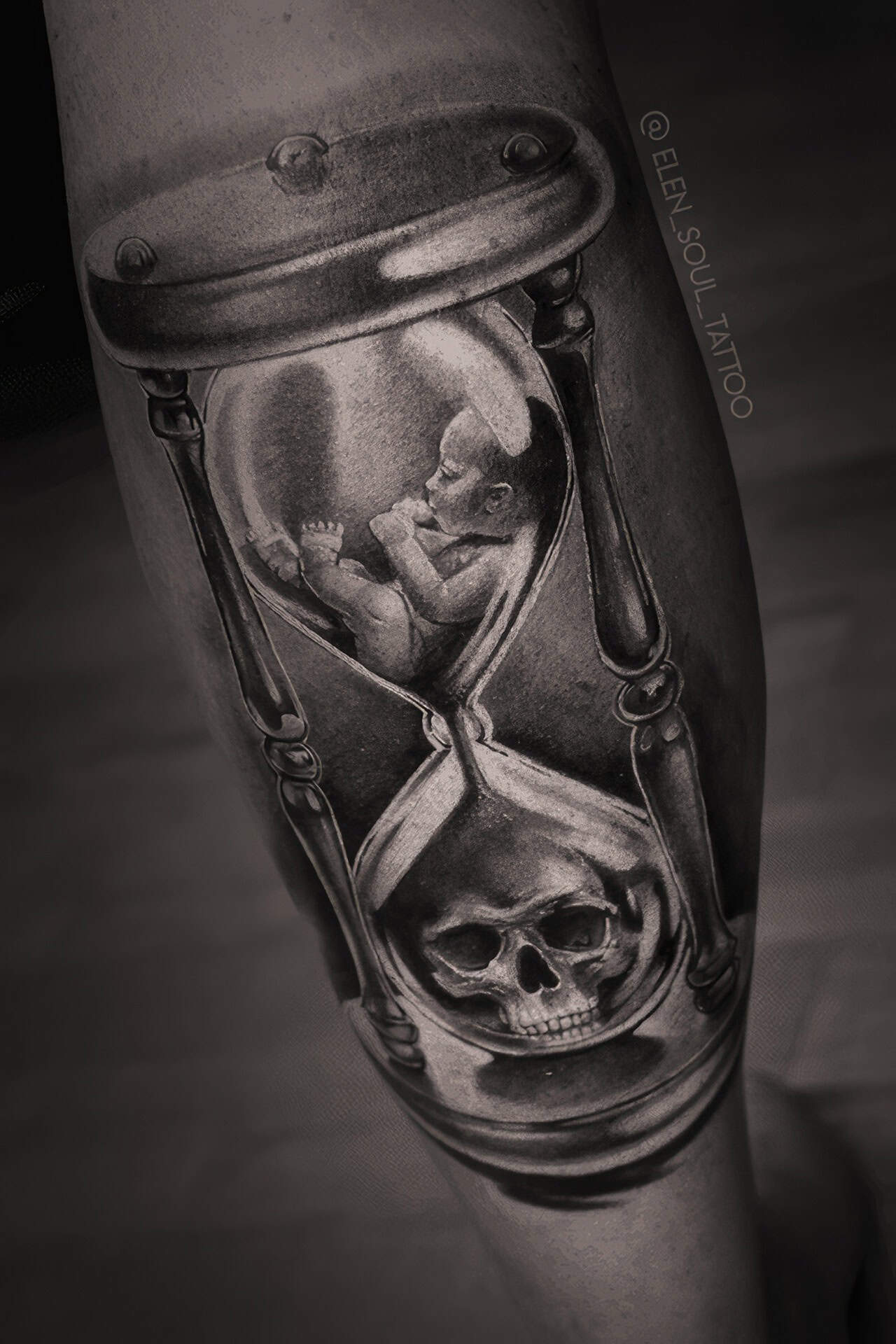
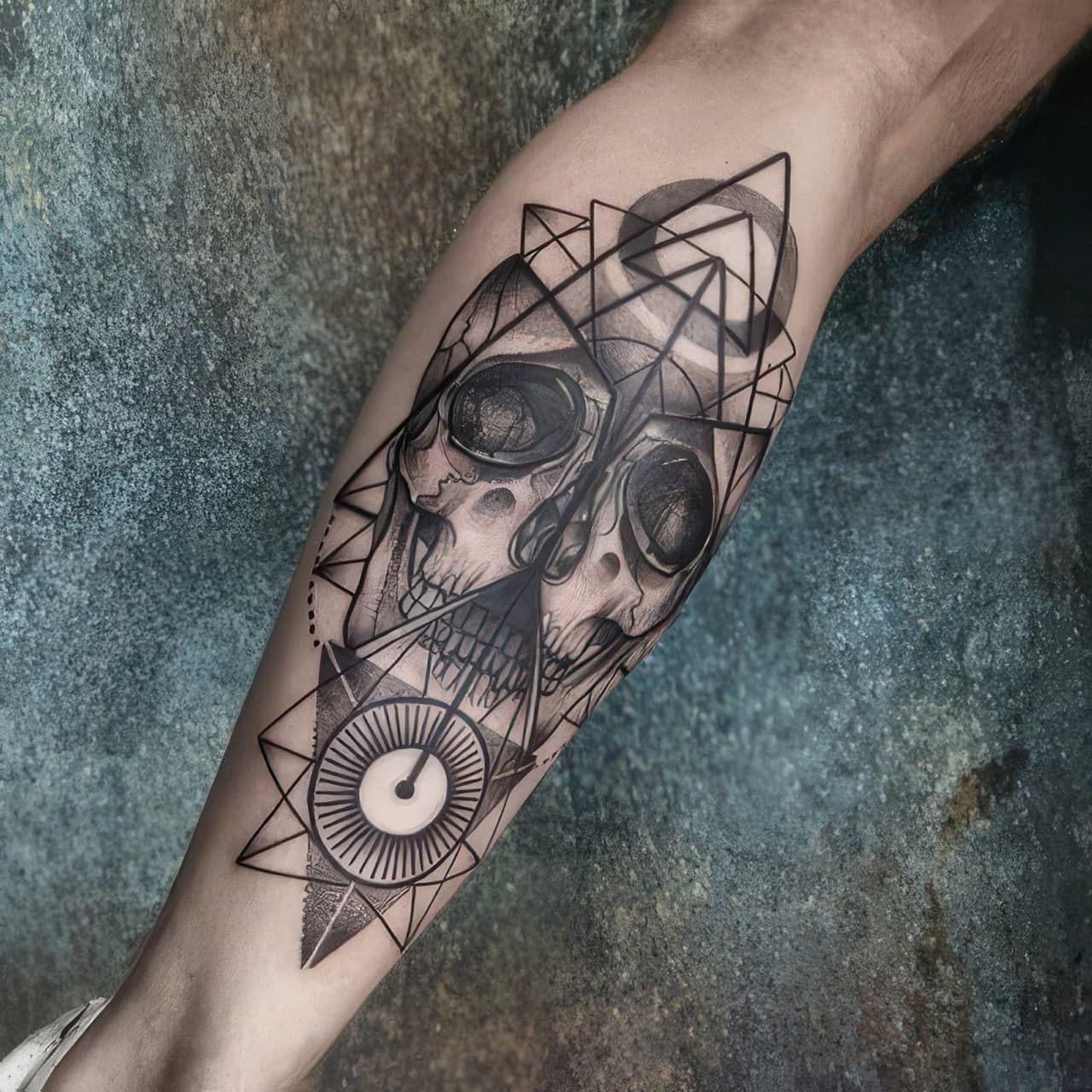
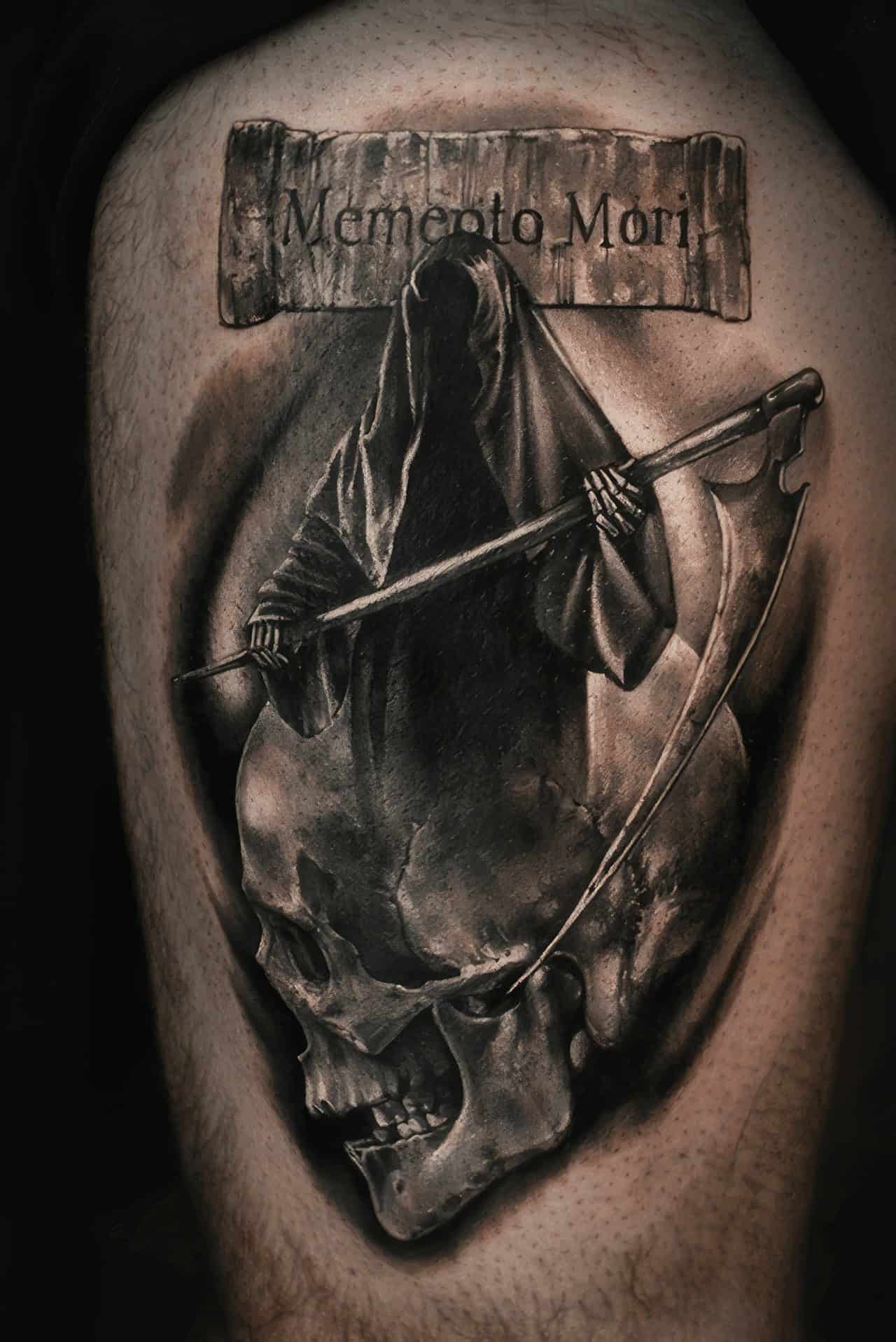
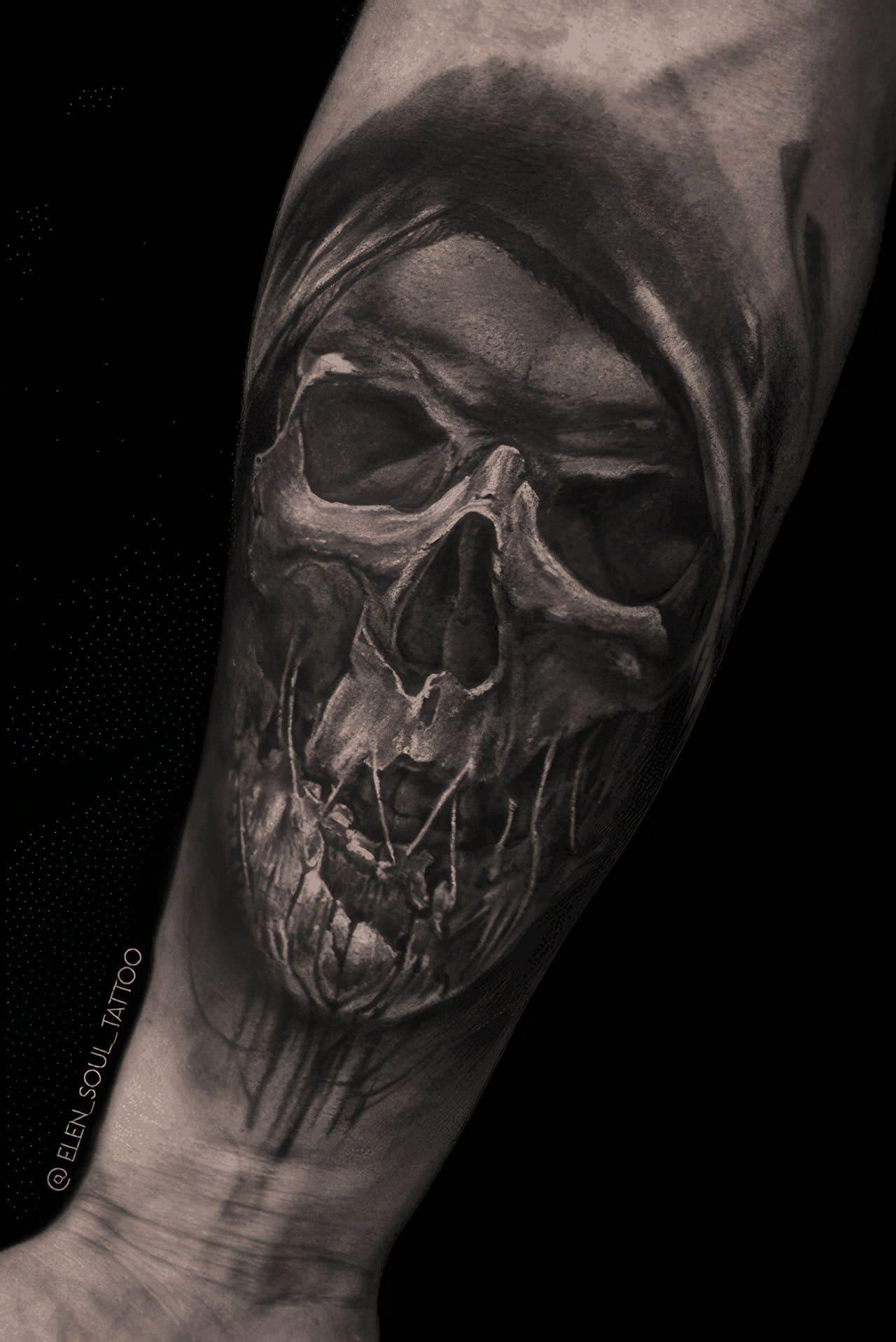
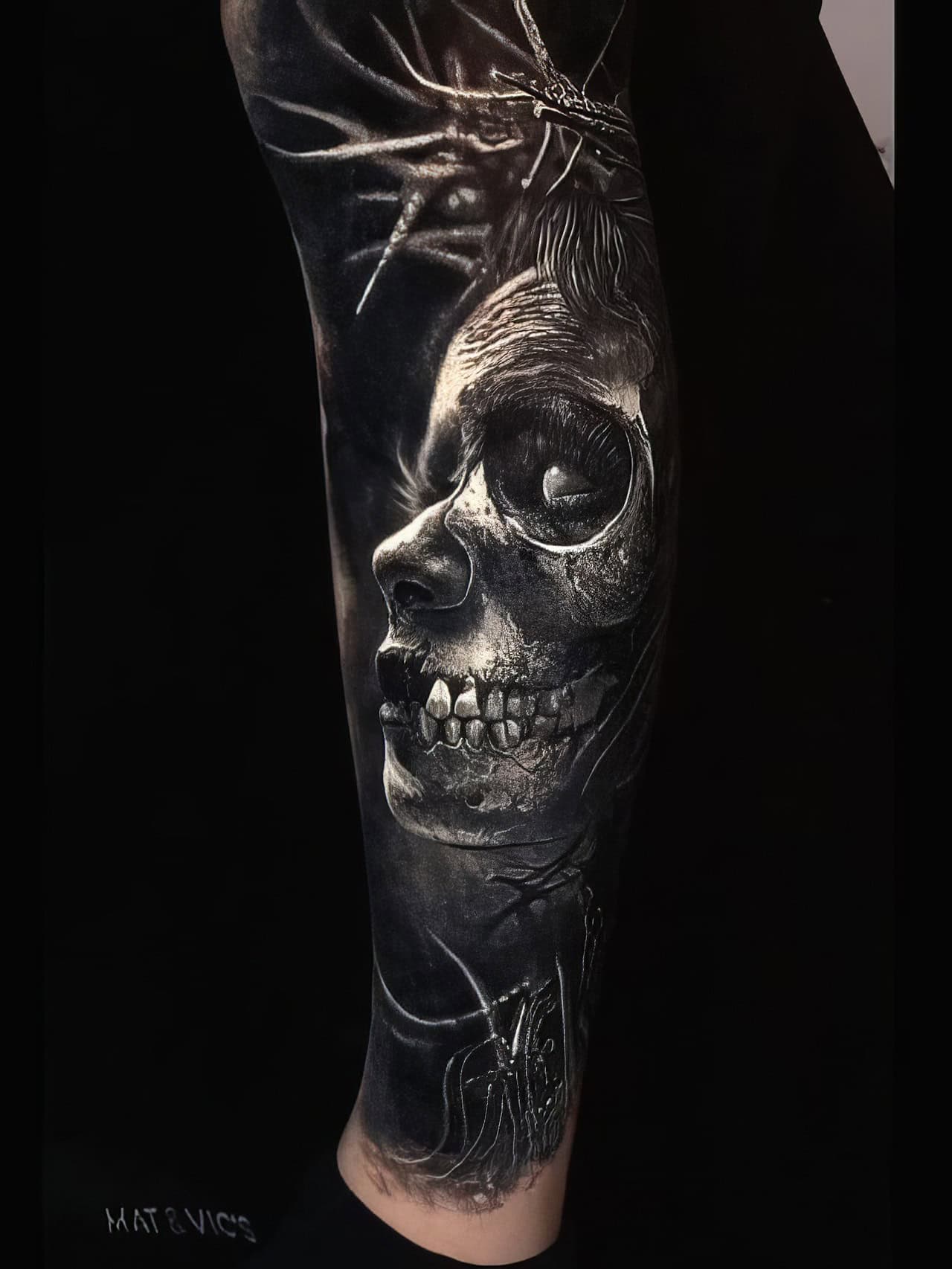
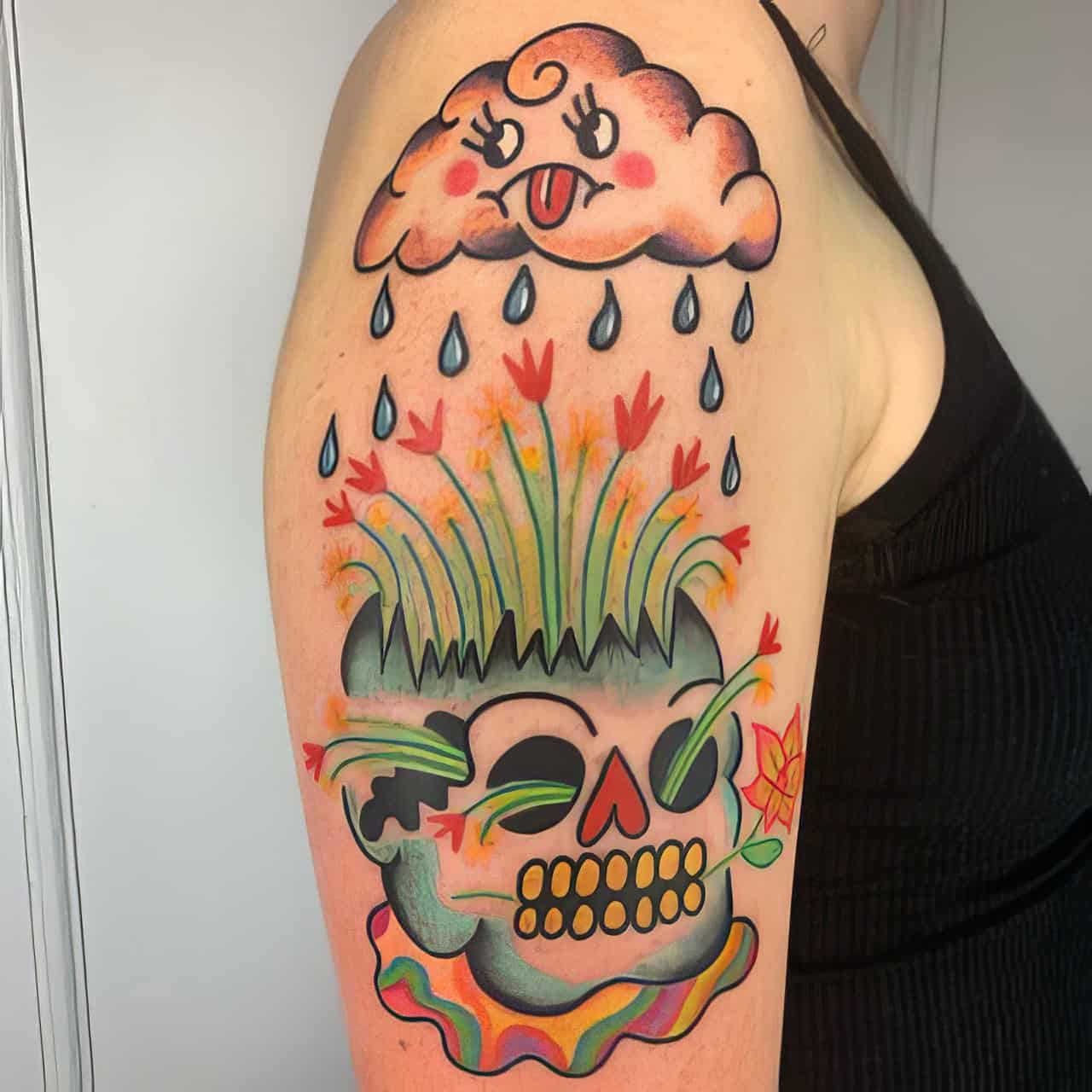
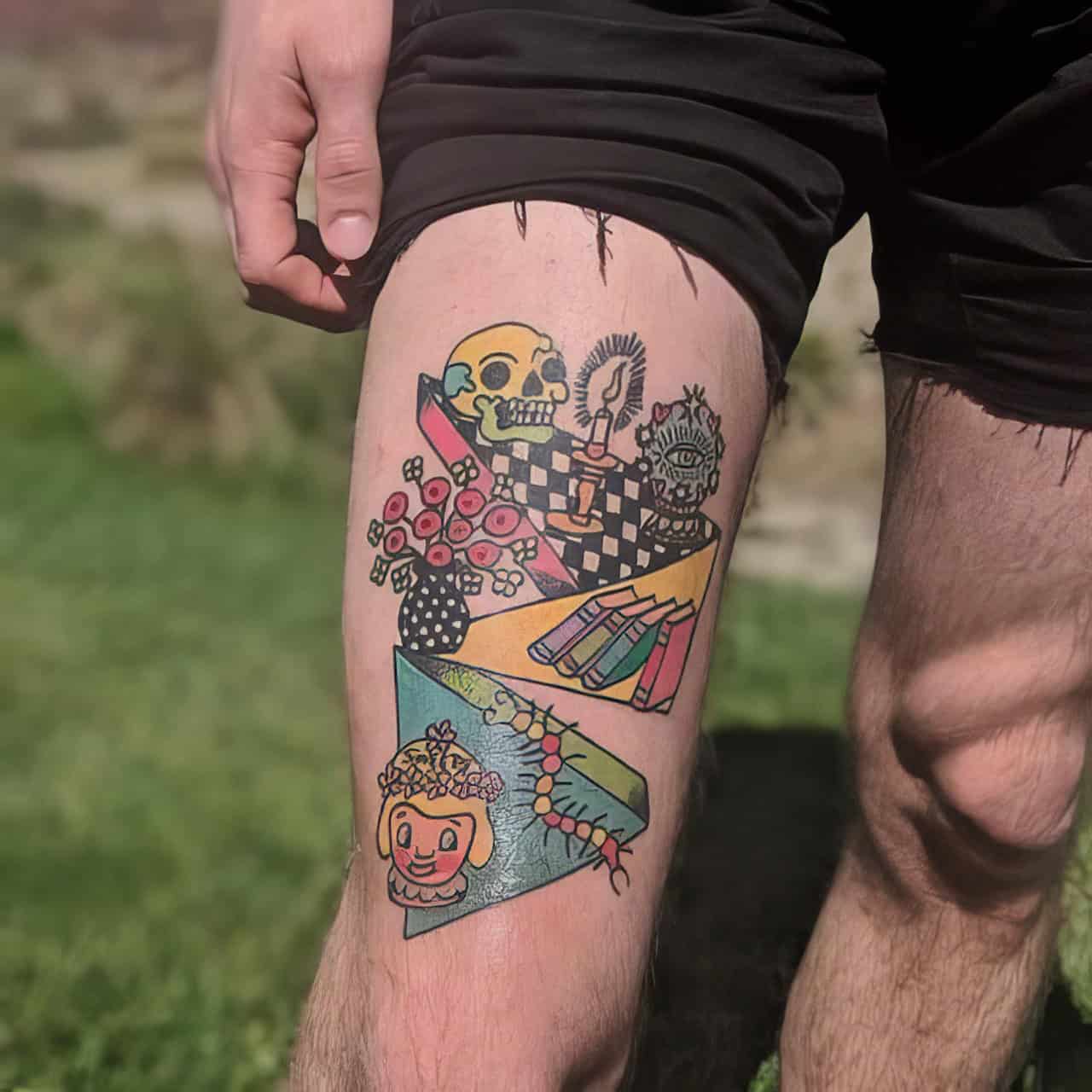
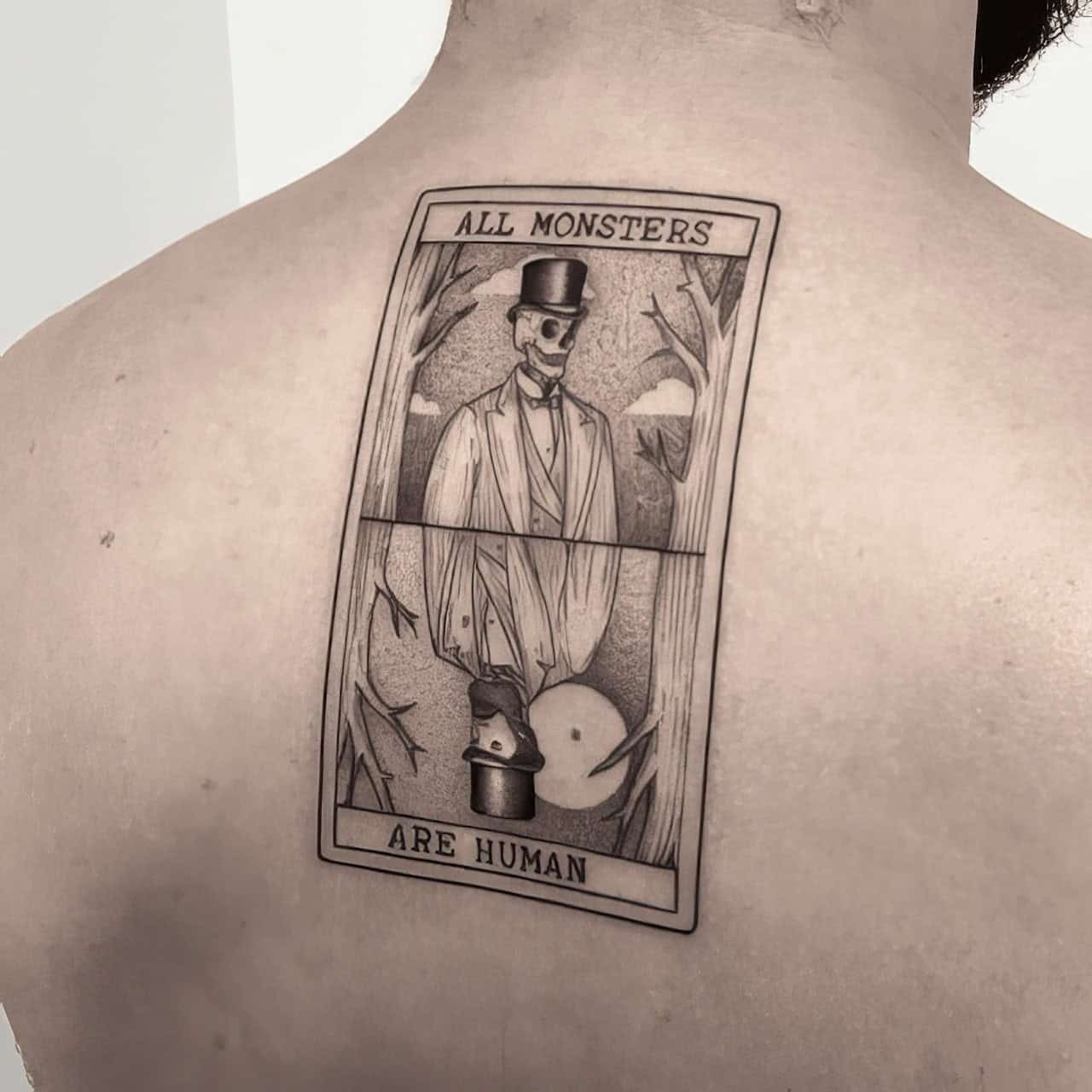
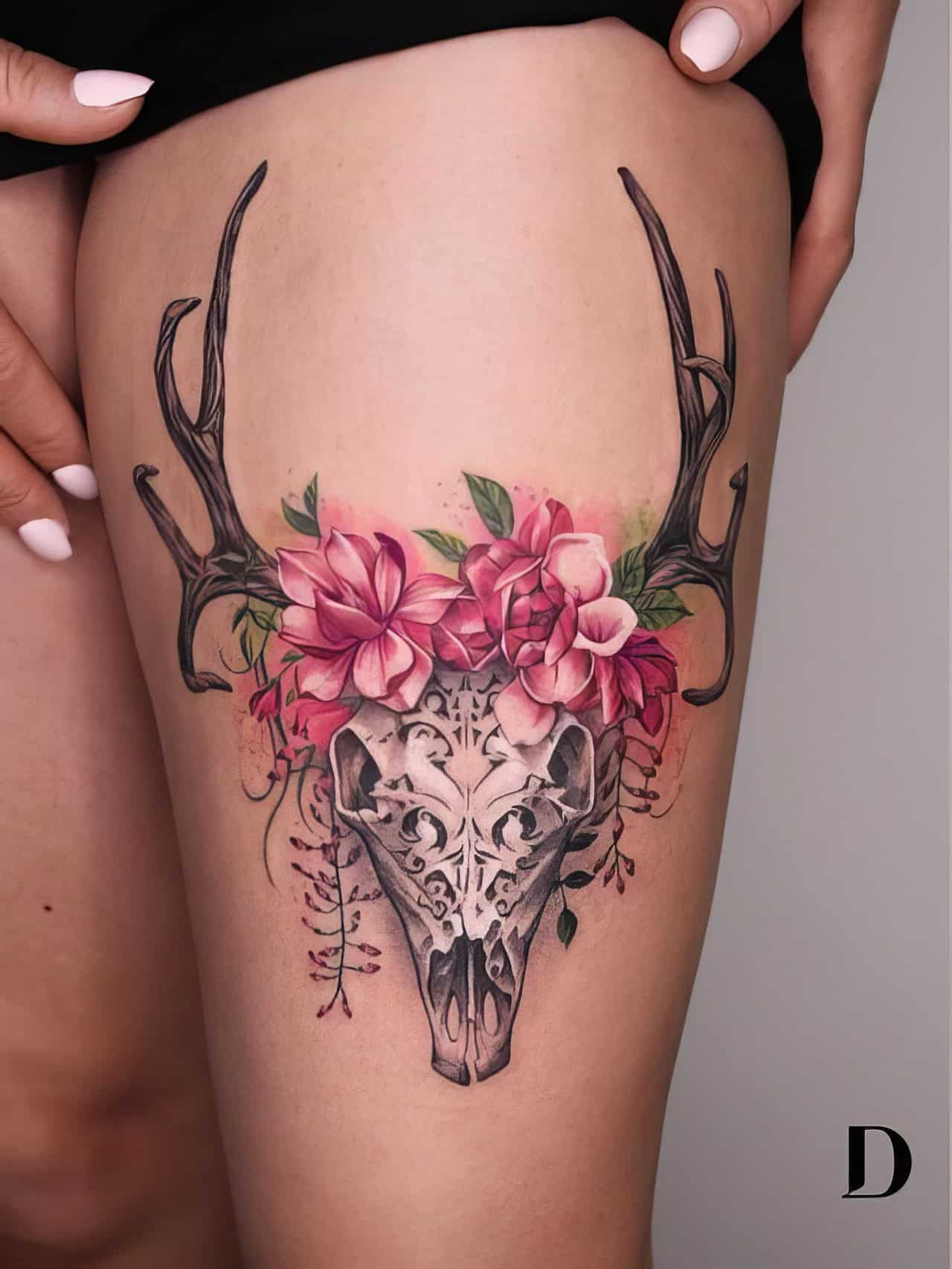
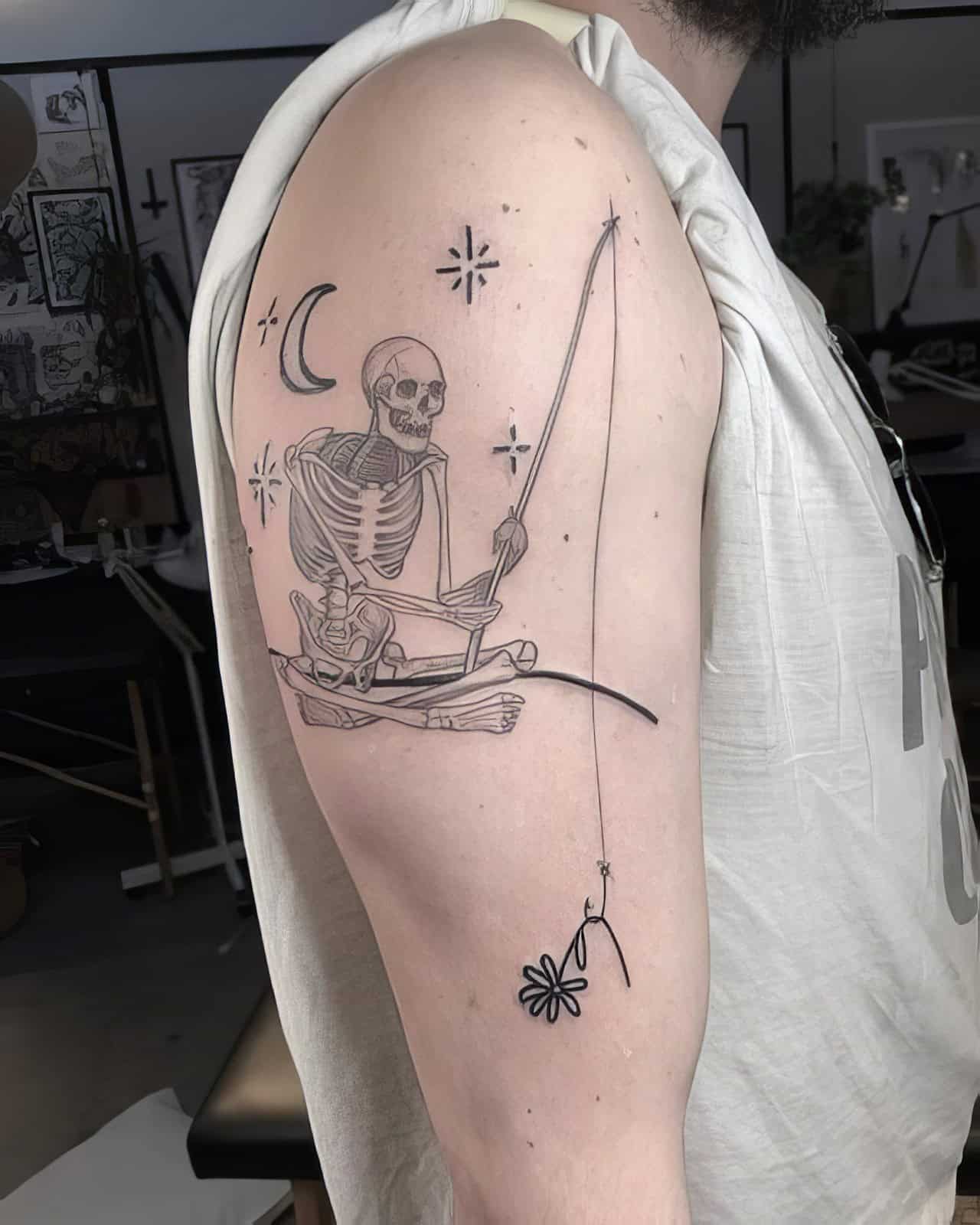
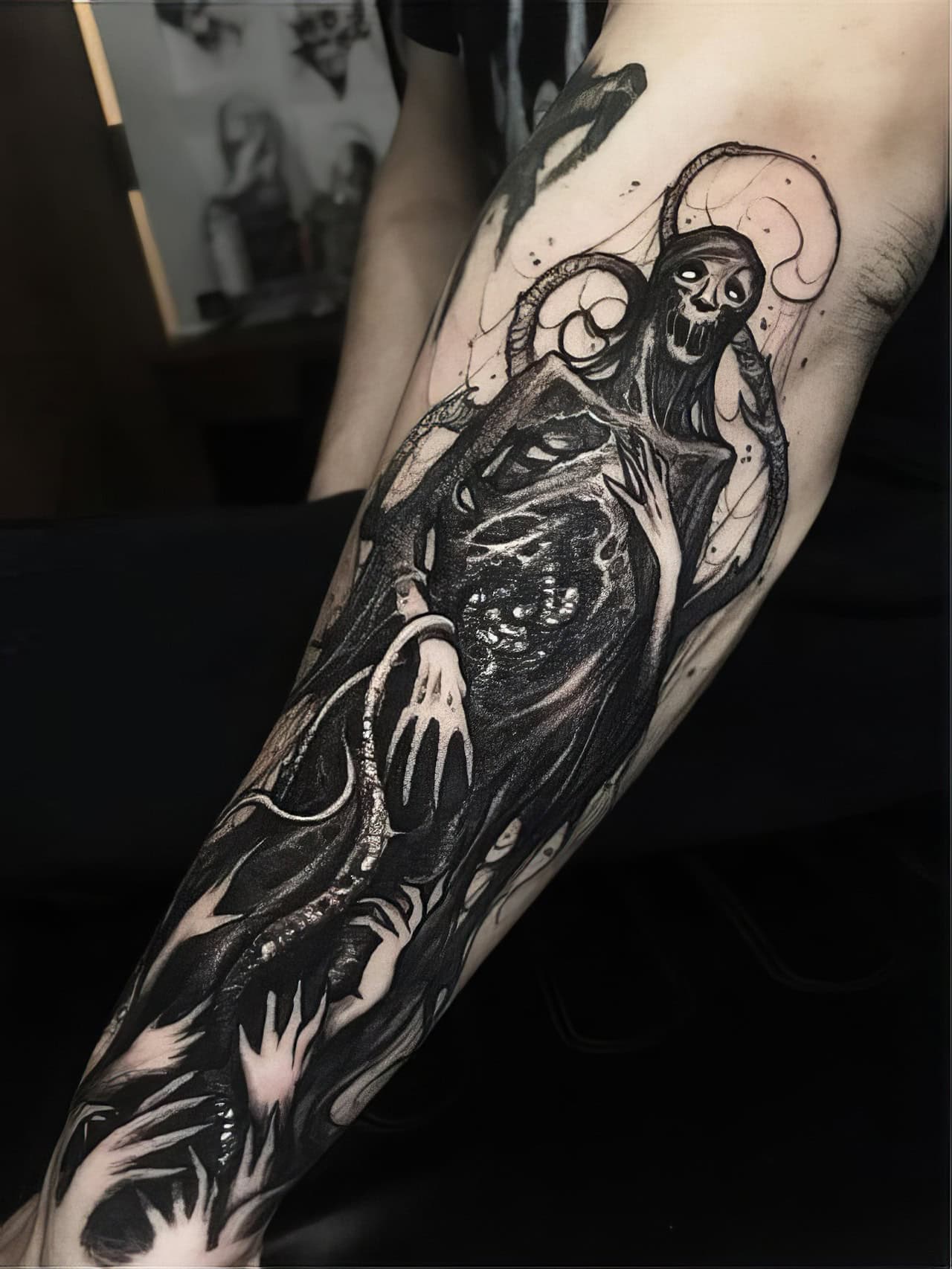
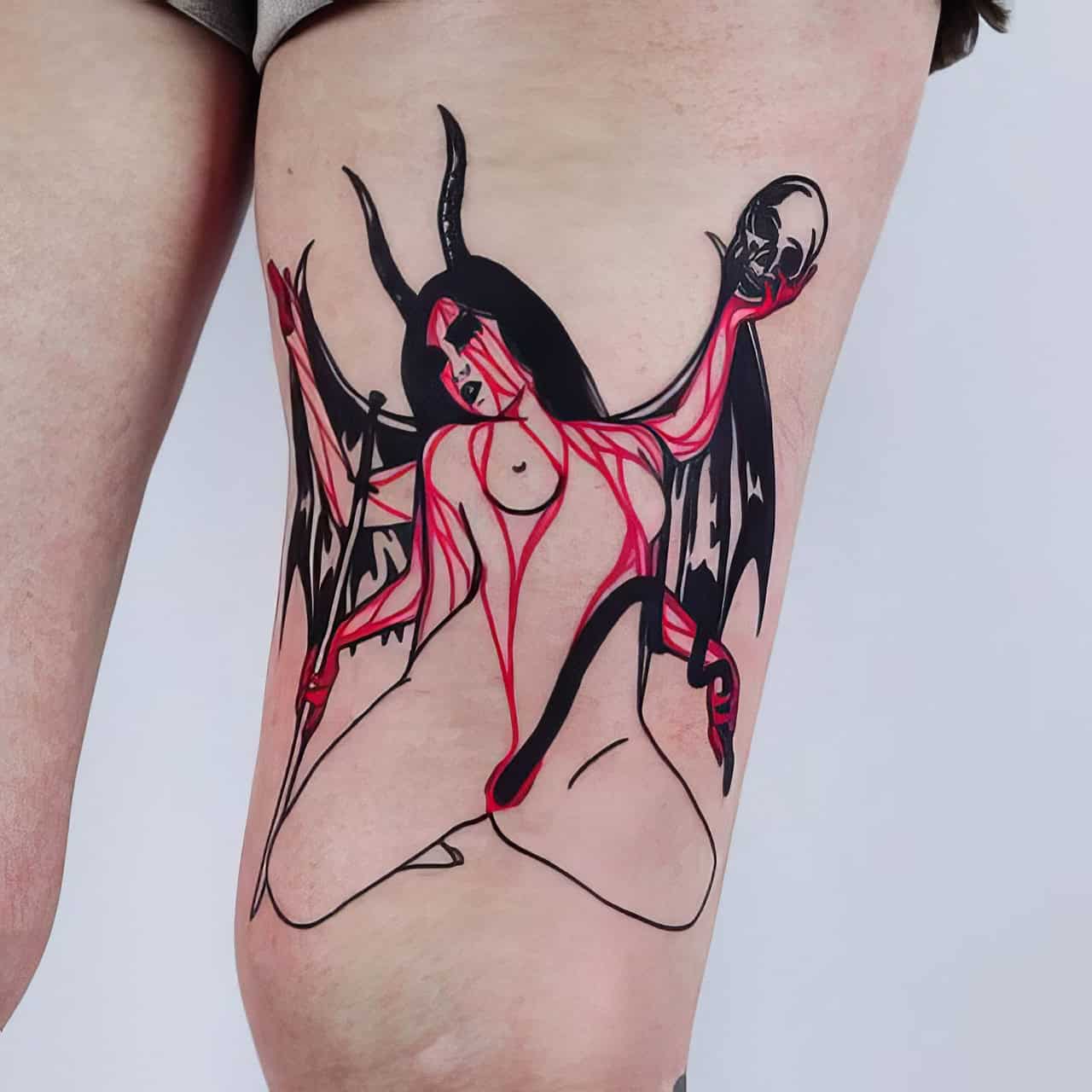
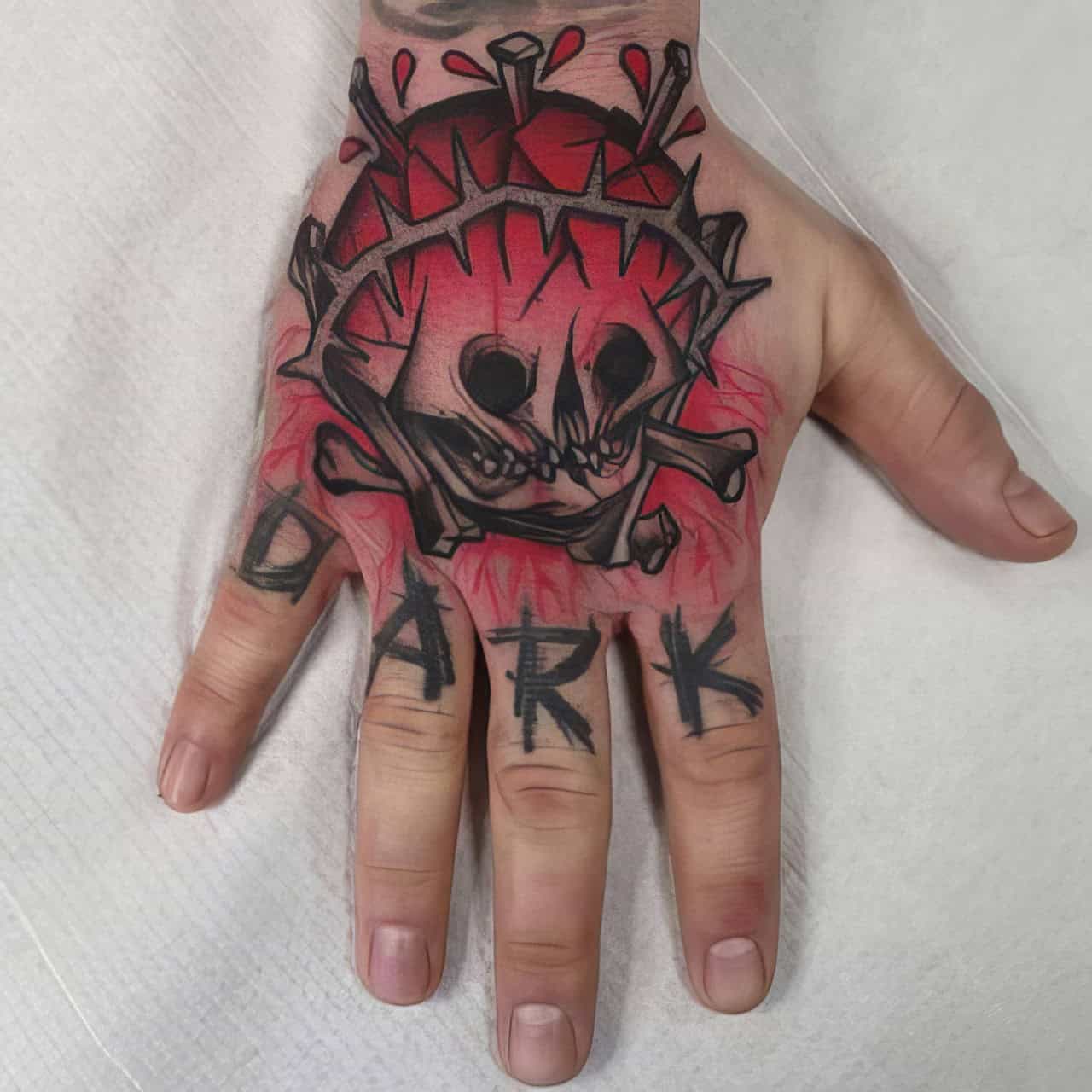
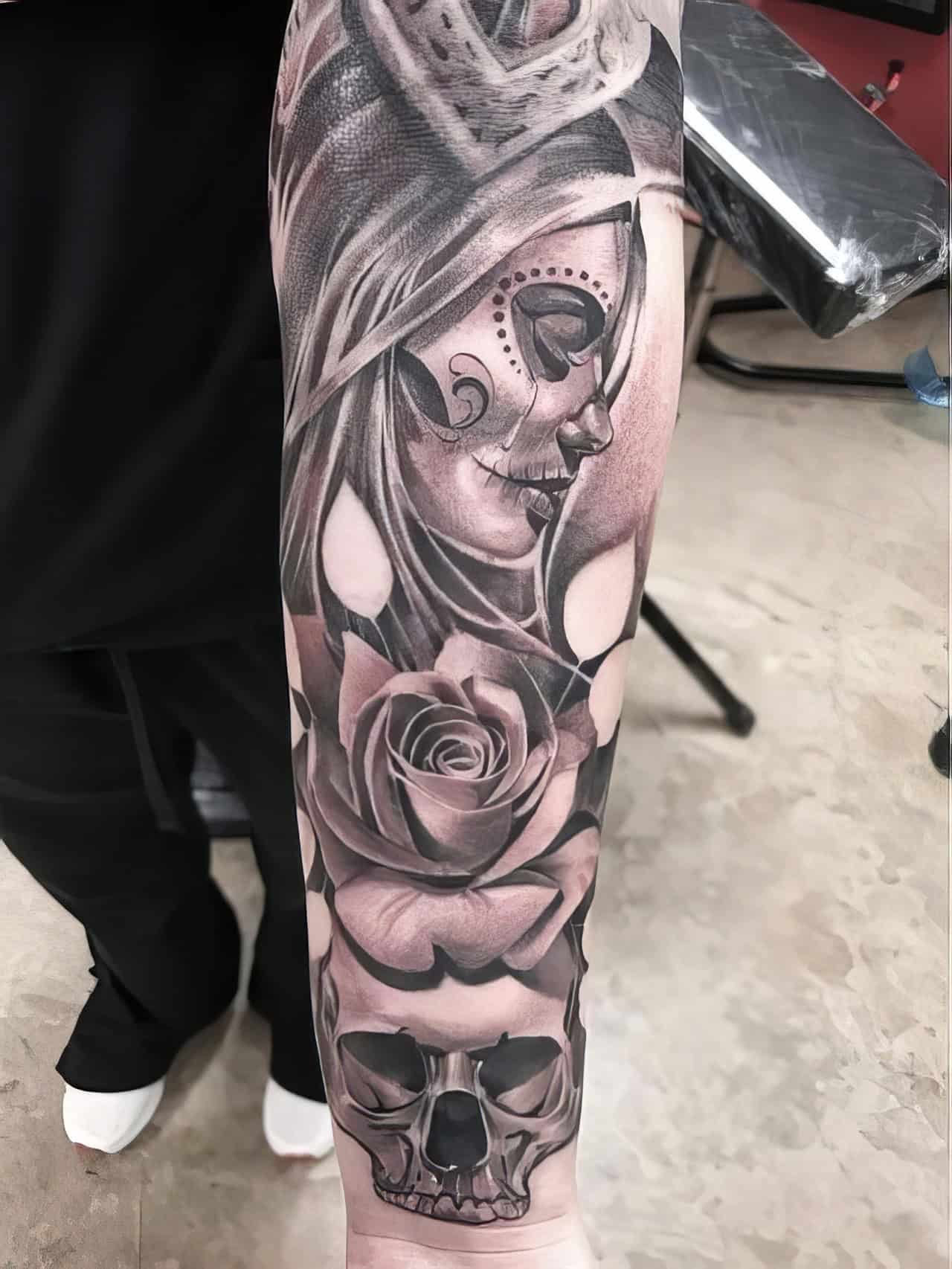
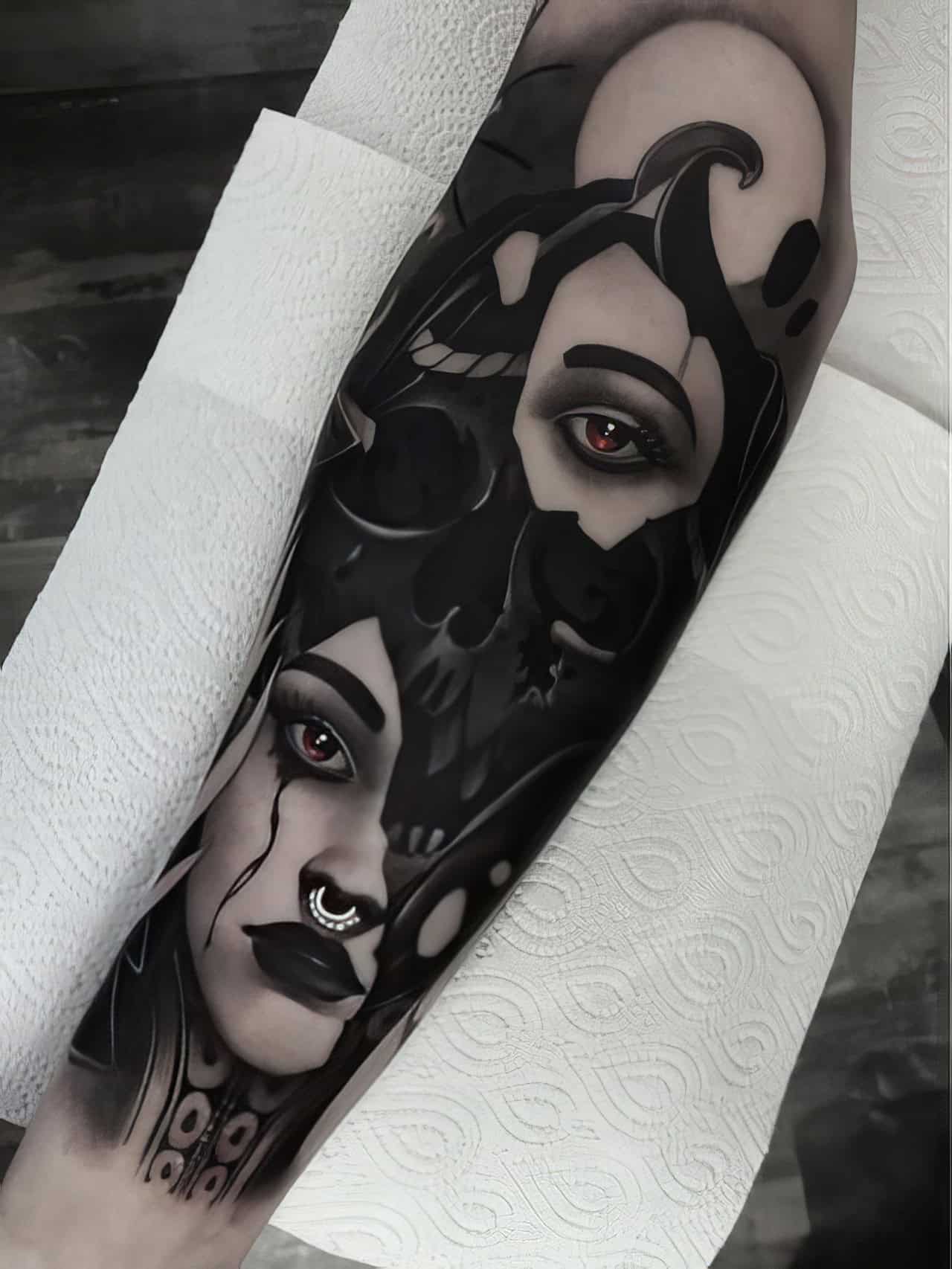
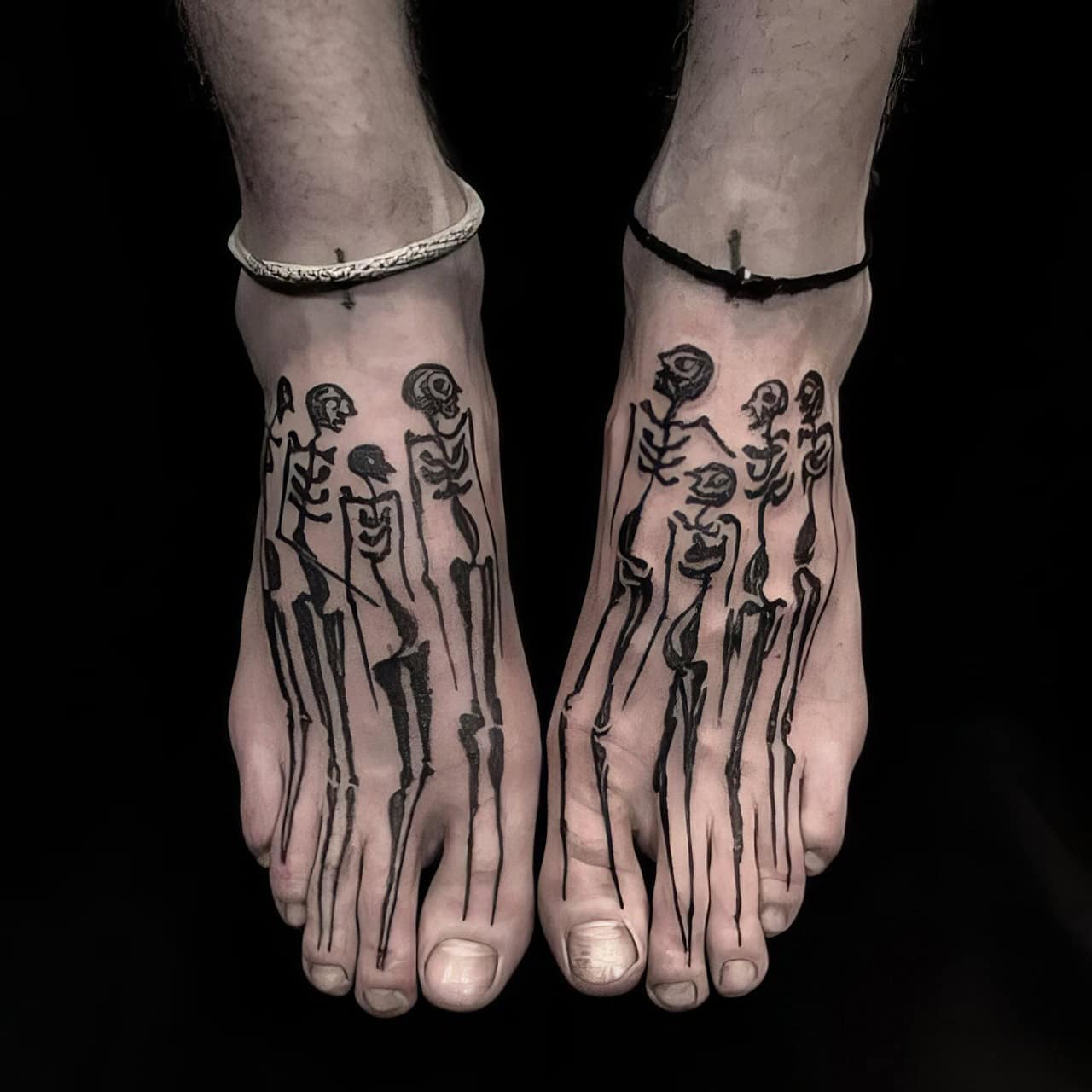
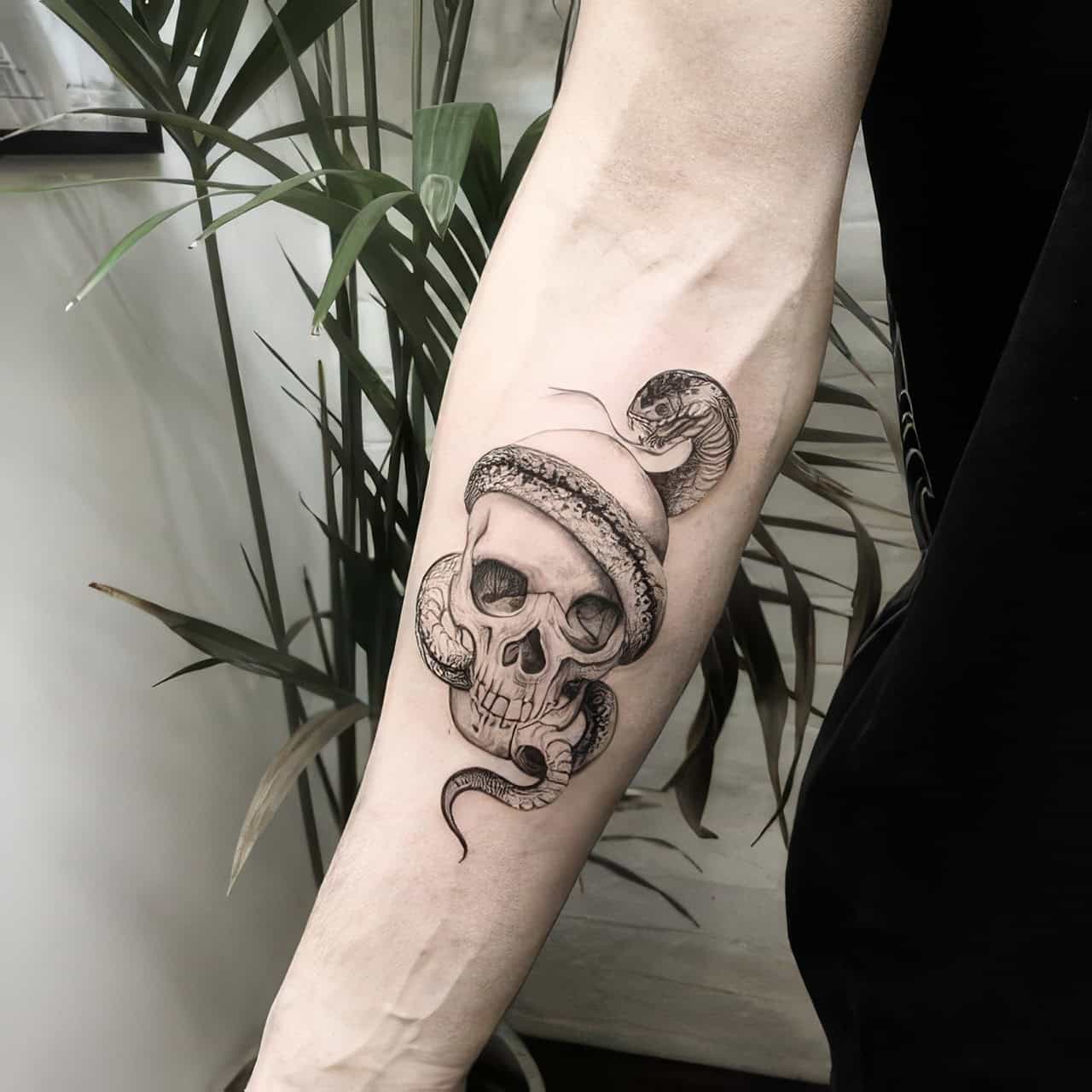
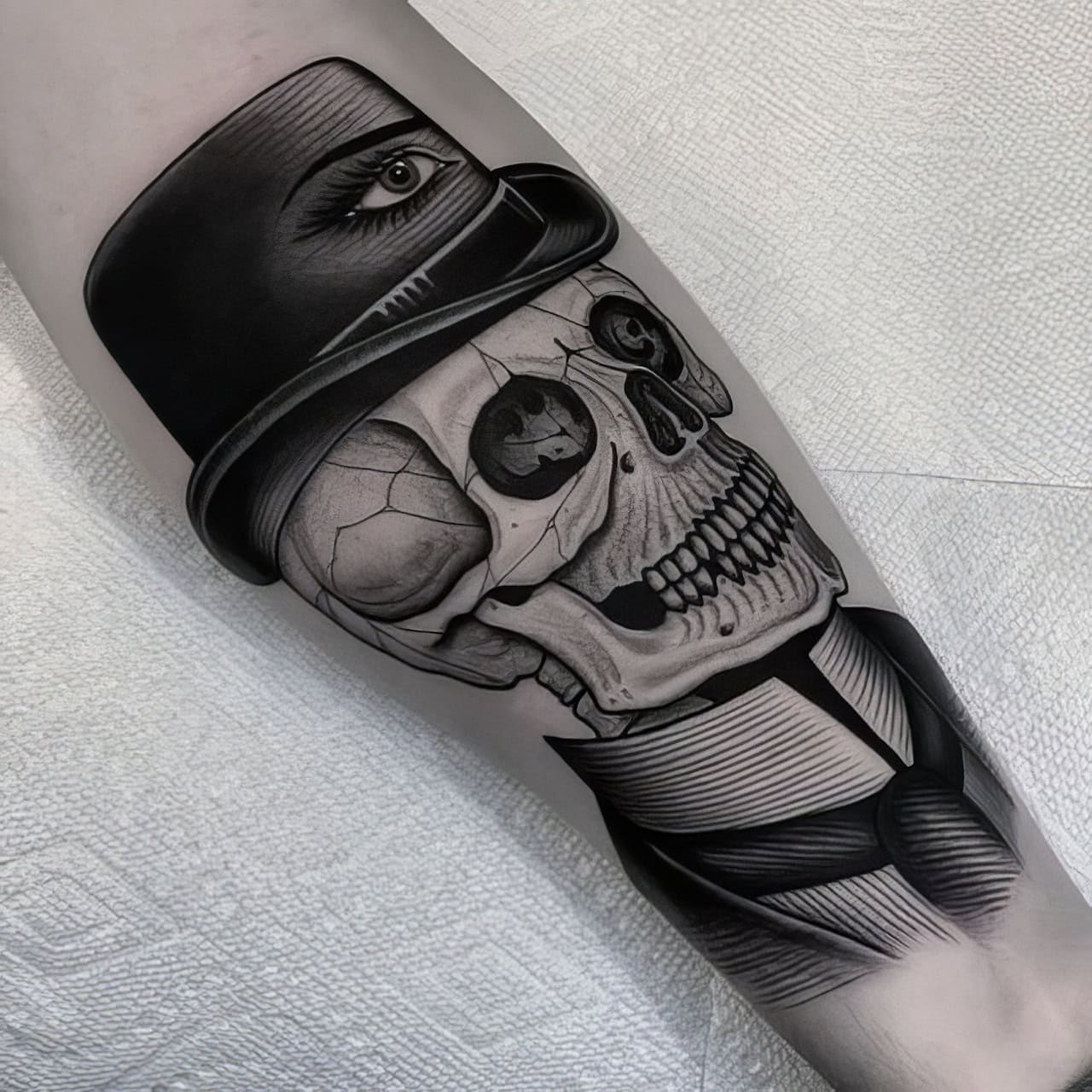
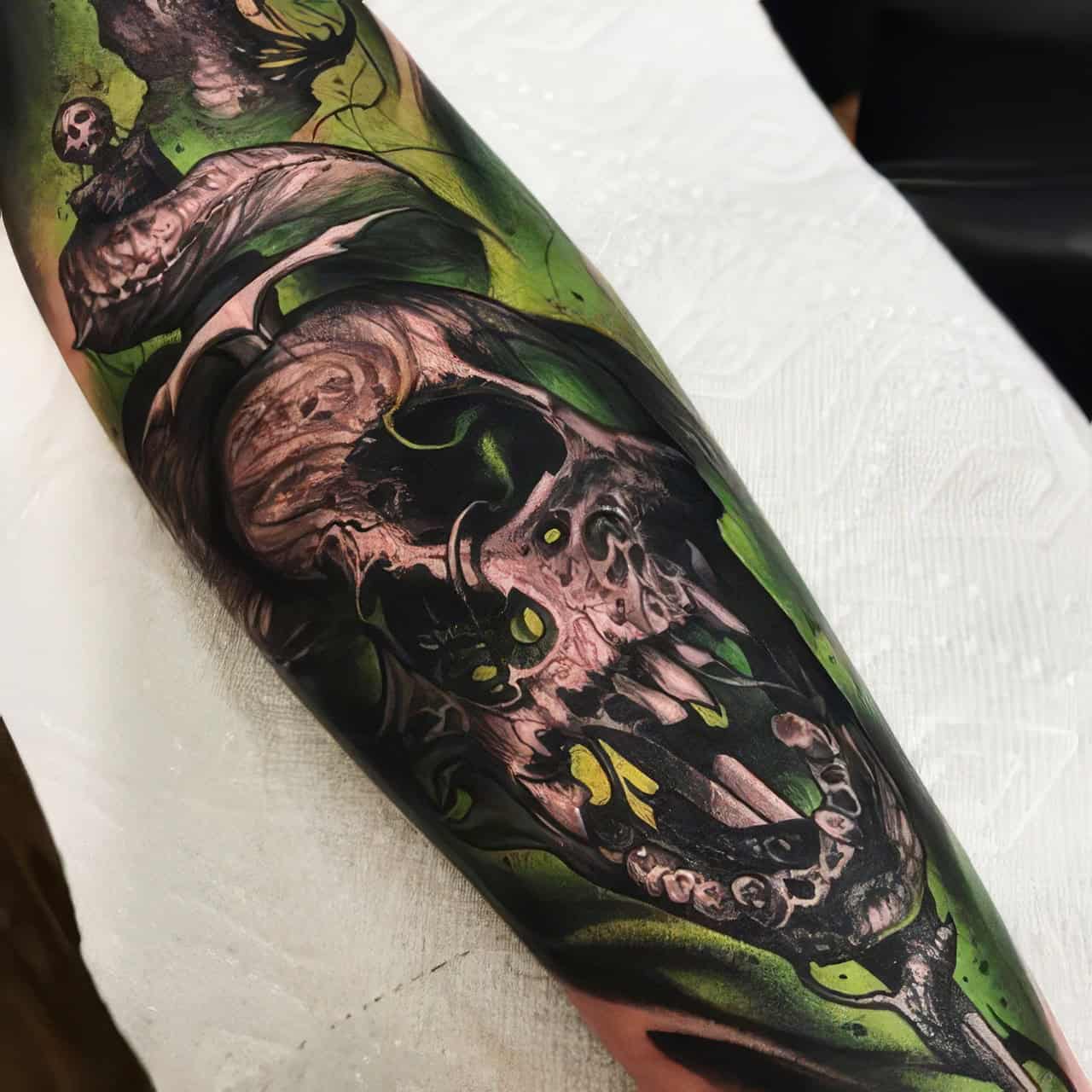
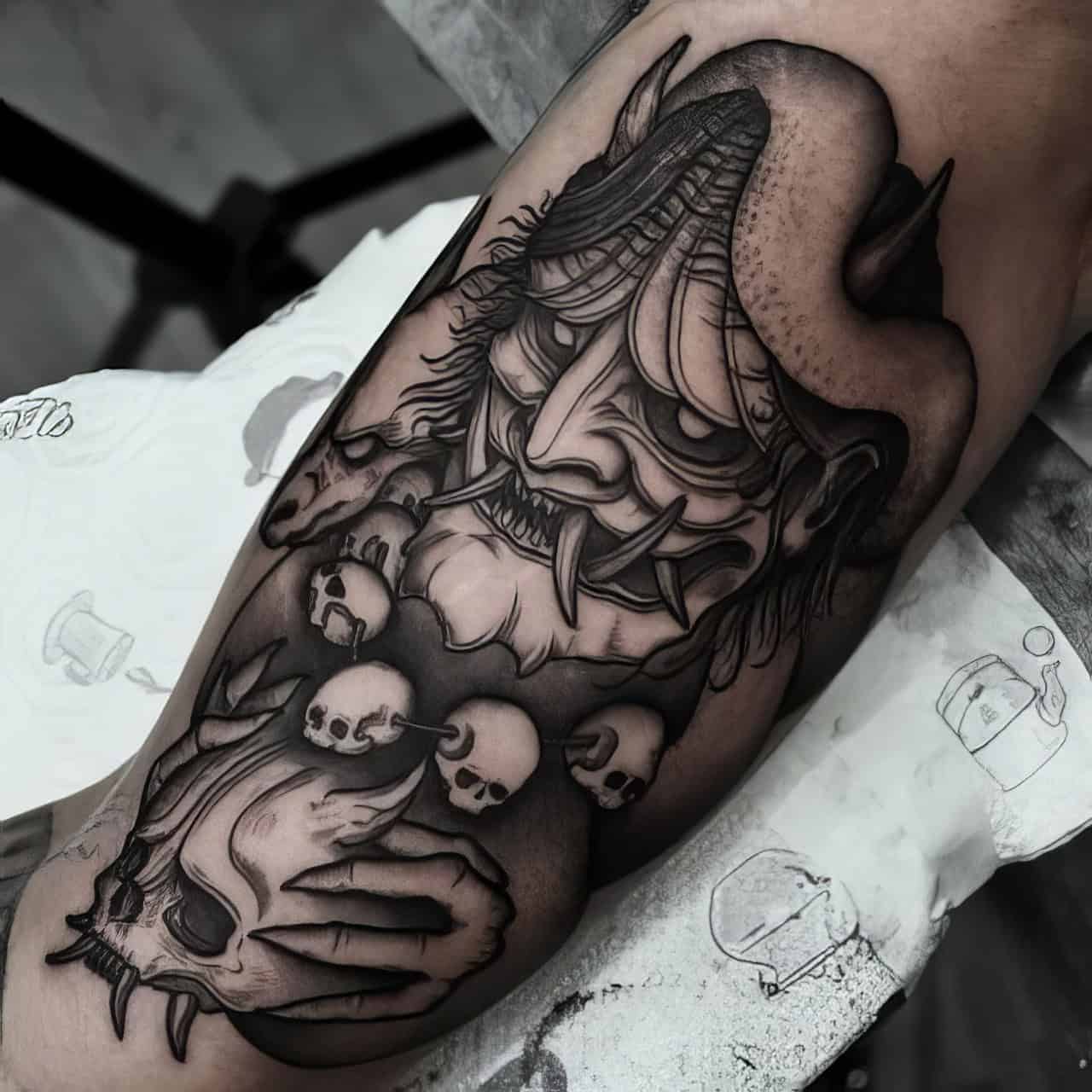
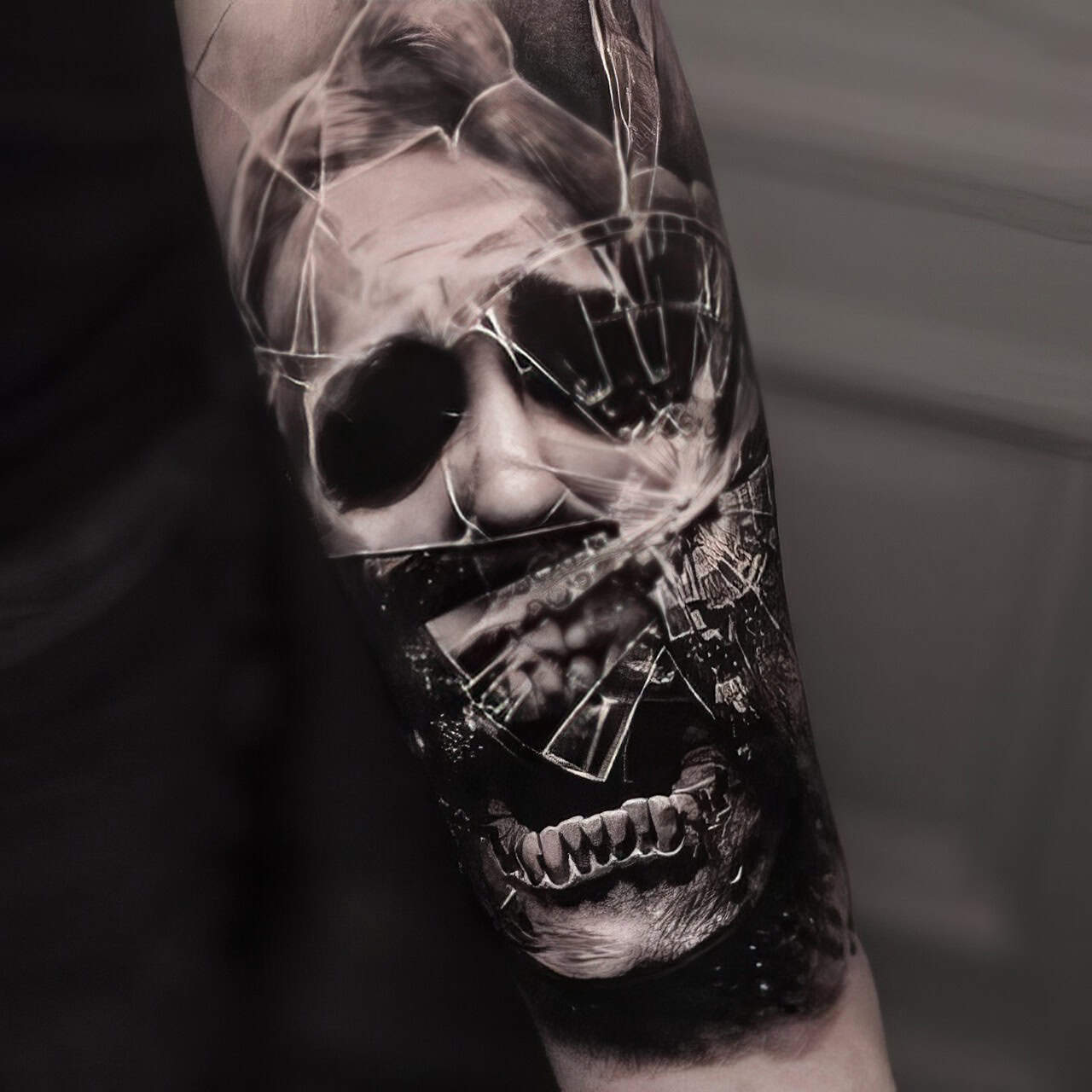
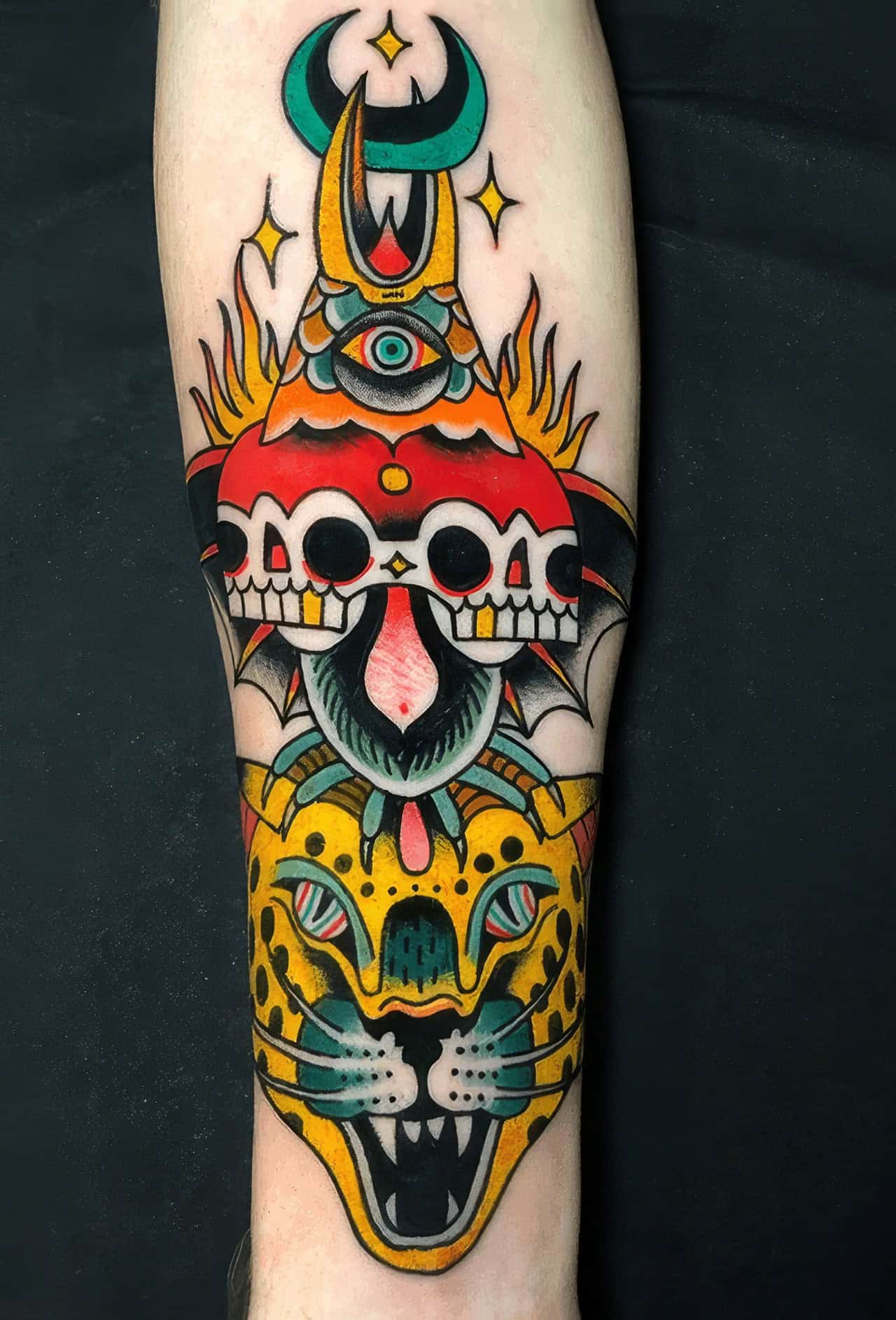
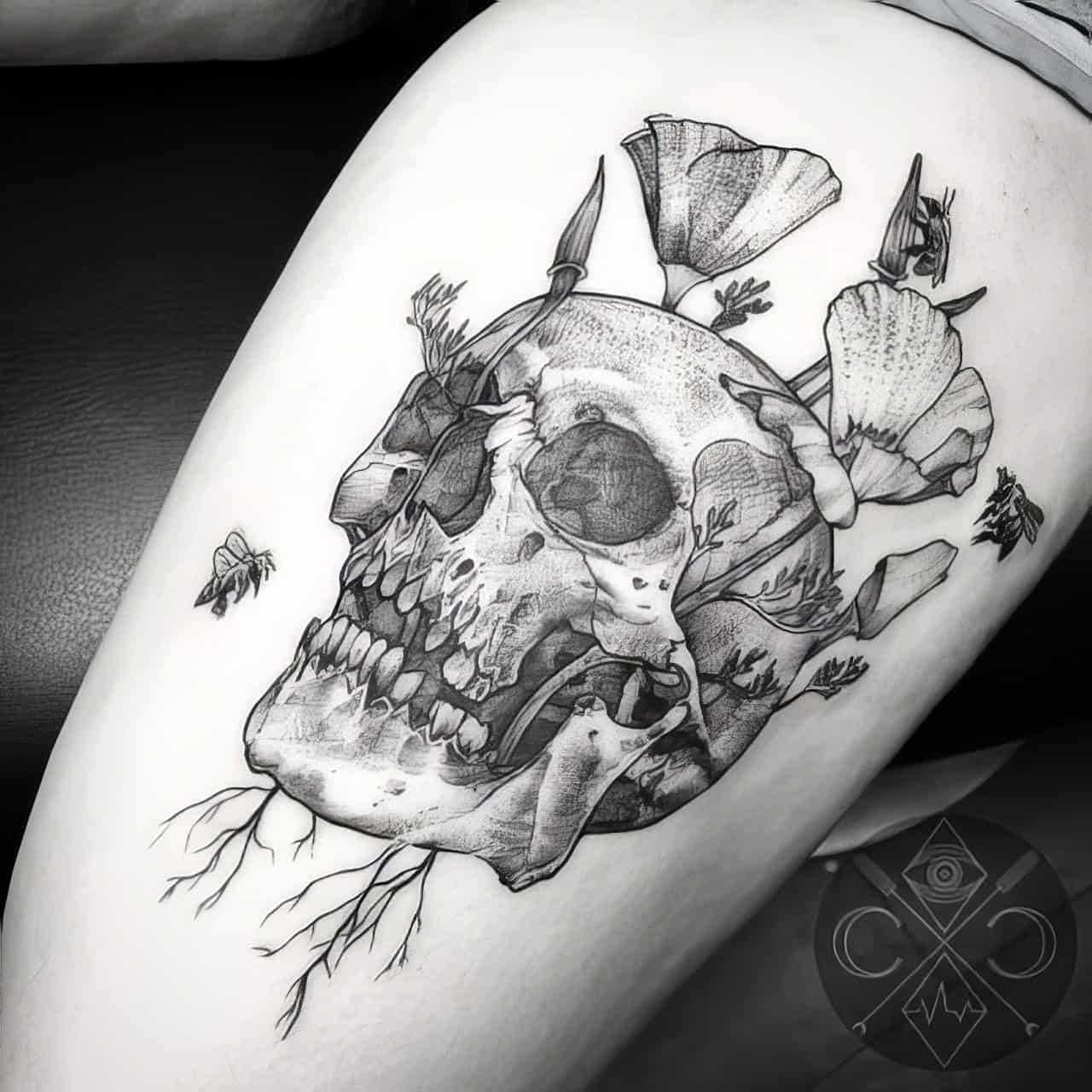
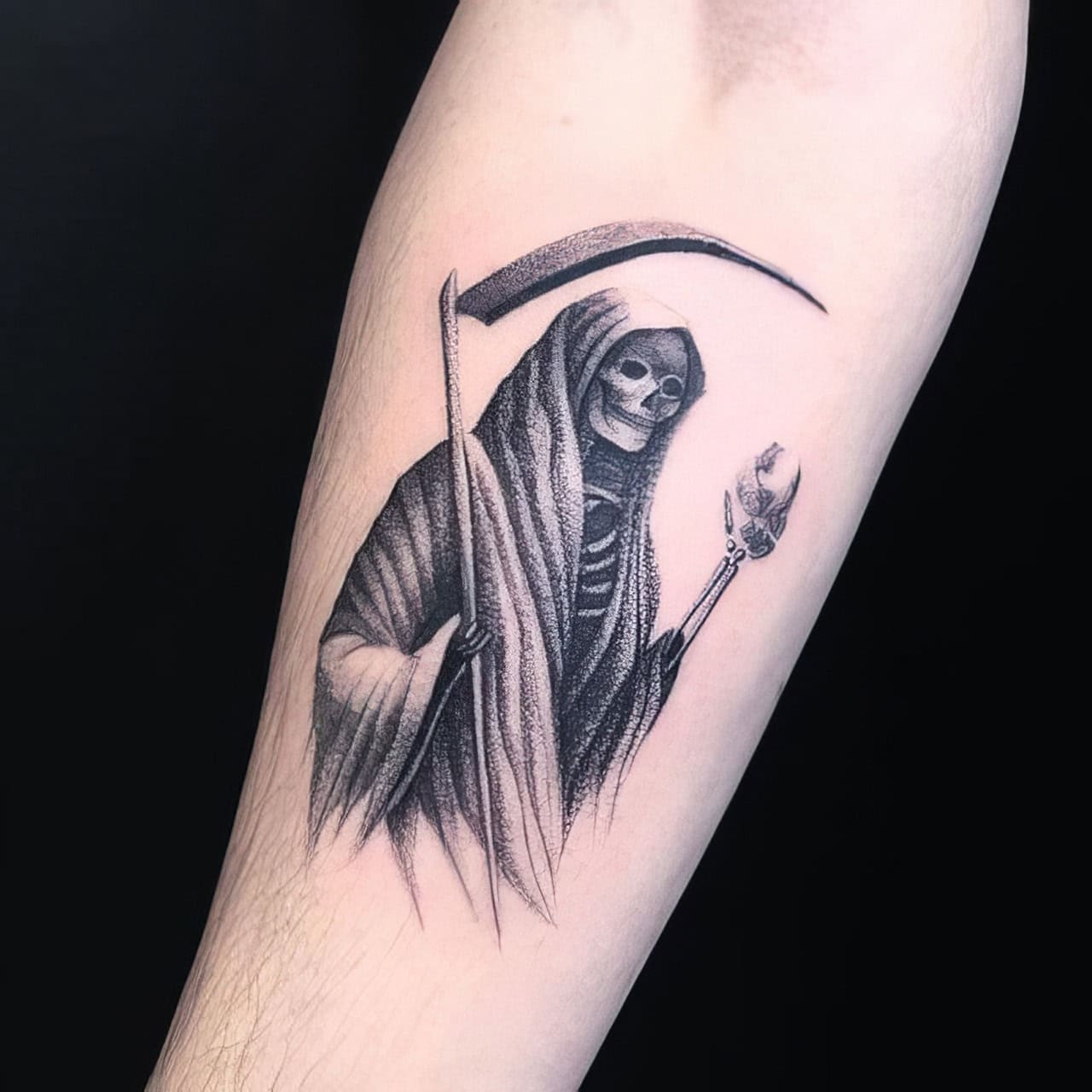
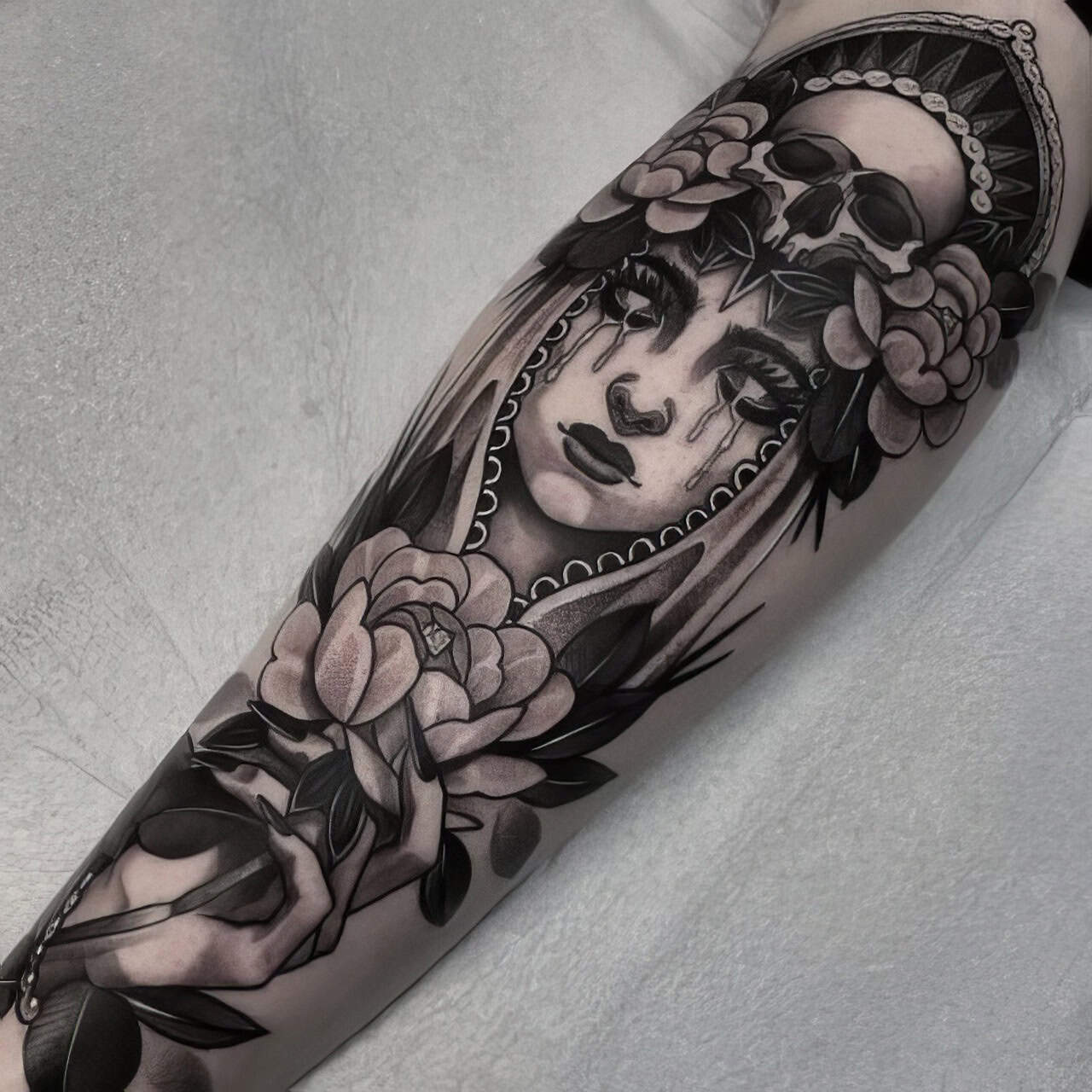

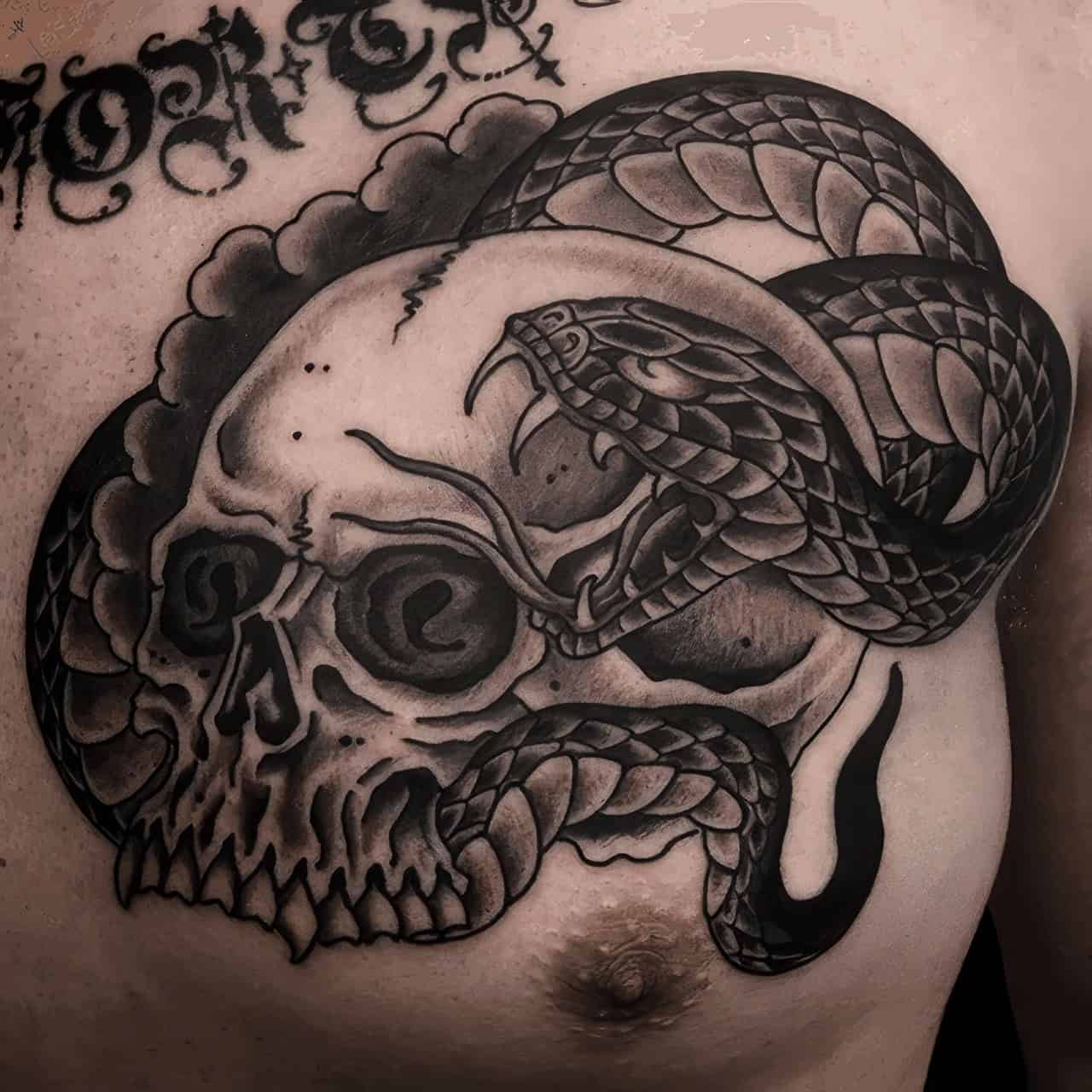
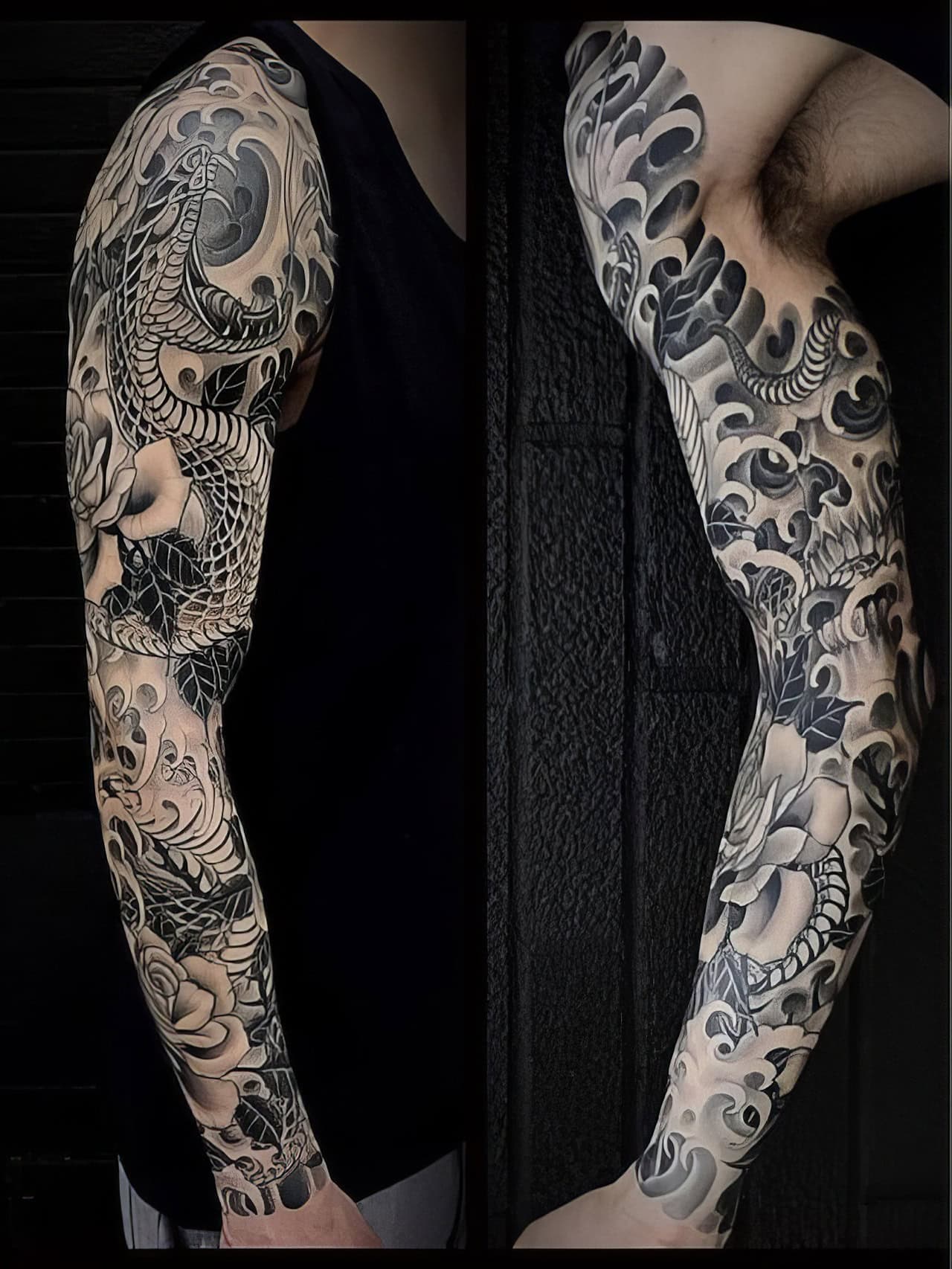
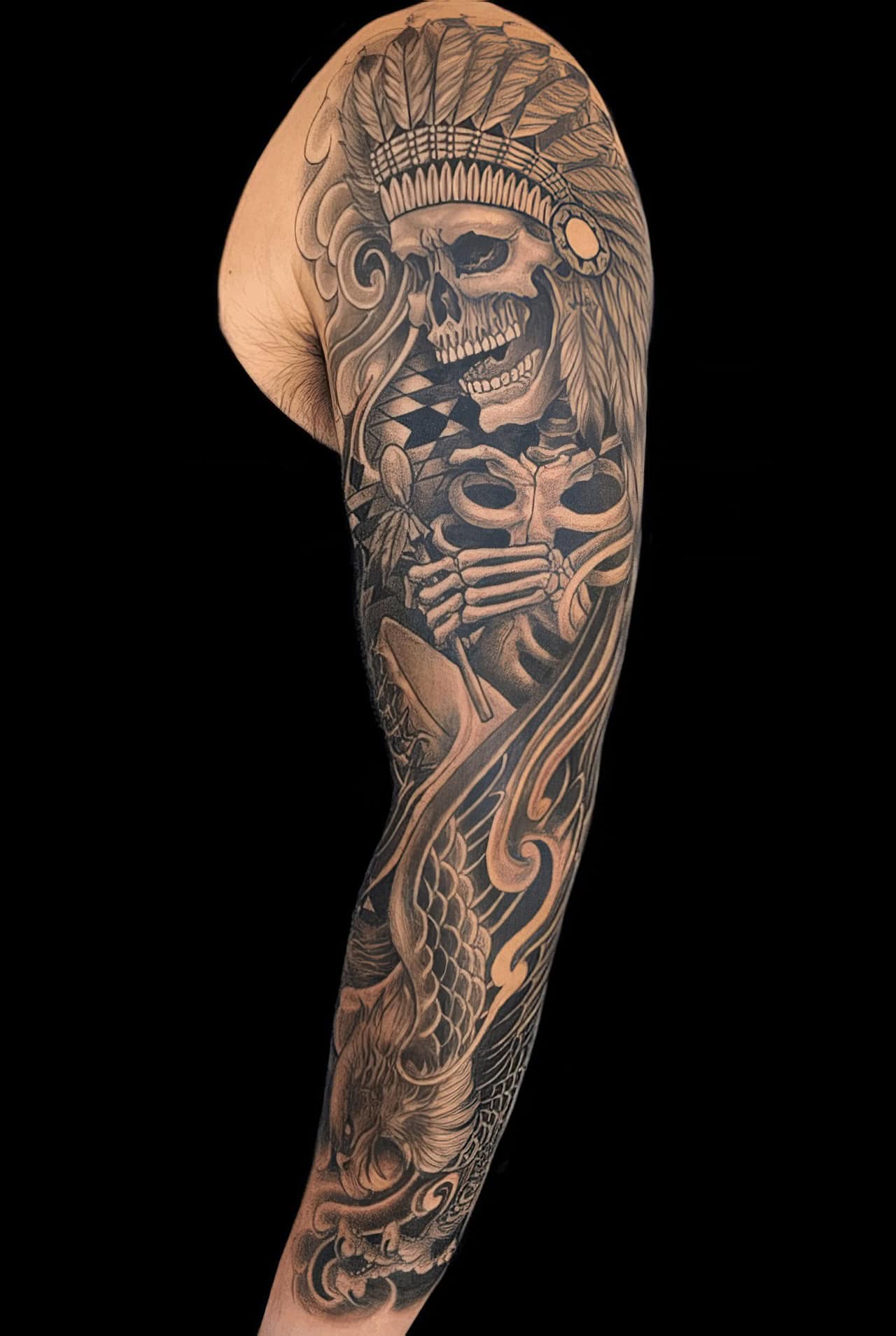
The hand skull: knuckles as the design’s teeth
The hand is the boldest placement open to you. It’s the design equivalent of saying “I have nothing to hide,” and it announces that from every handshake forward. But the secret that separates a great hand skull from a generic one lives in the knuckles. Ask your artist to place the skull so the knuckles double as the teeth or the jawline. When you make a fist, the tattoo animates, the jaw moves, and the skull suddenly feels alive in a way no flat image manages.
That kinetic moment comes with tradeoffs. The hand sees heavy sun, it gets washed constantly, and it’s the first thing someone looks at when they meet you. Pain is high, and this is the spot that will put you in a job-interview bind you can’t avoid forever. We’ll get to that placement problem in a second, but know this now: the hand is not where you start your collection. It’s where you graduate to after you’ve sat through a few sessions and learned whether you can handle the itch, the healing, and the guy at work who won’t stop asking if it hurt.
The chest and sternum skull: built for width and armor
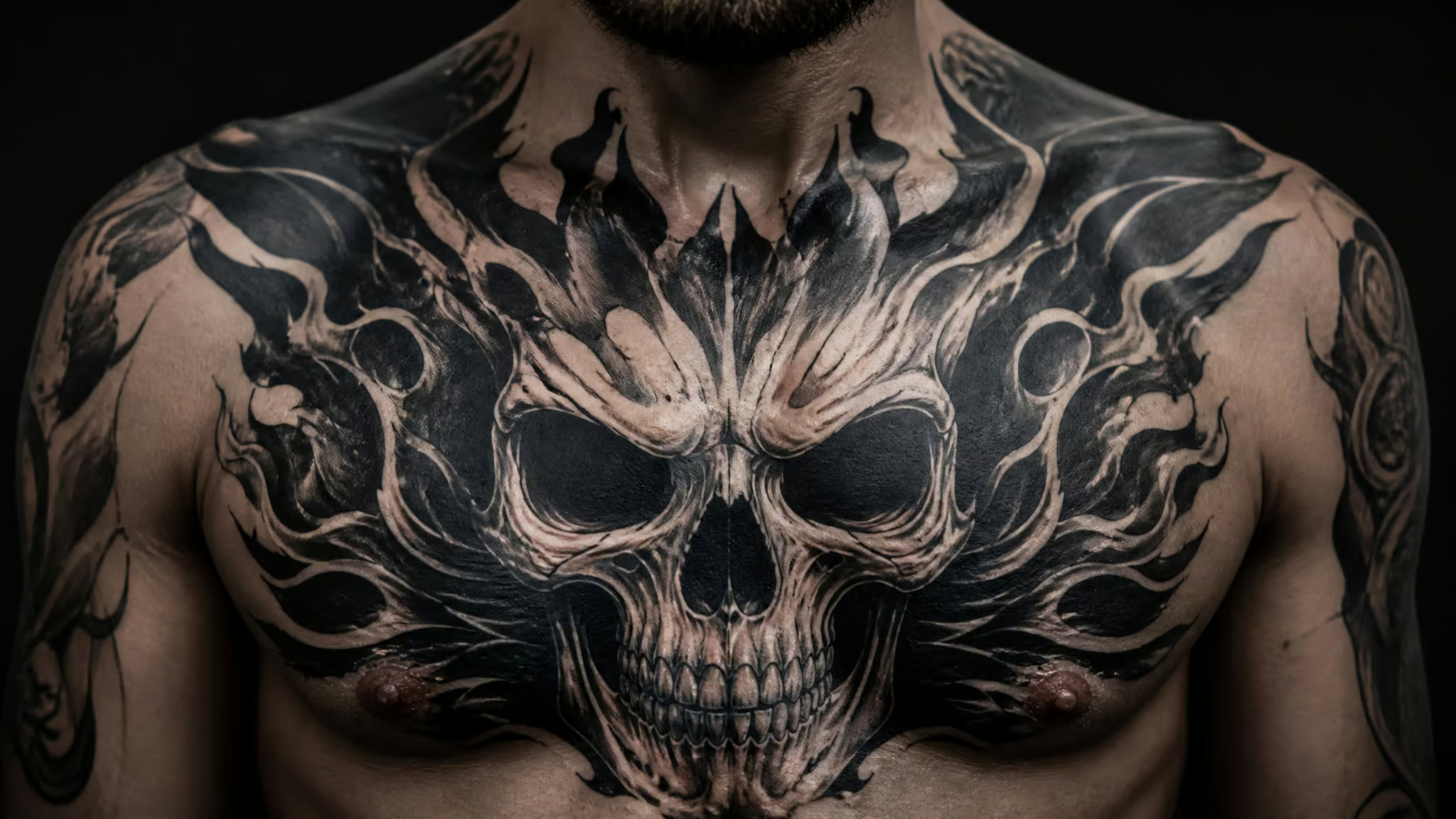
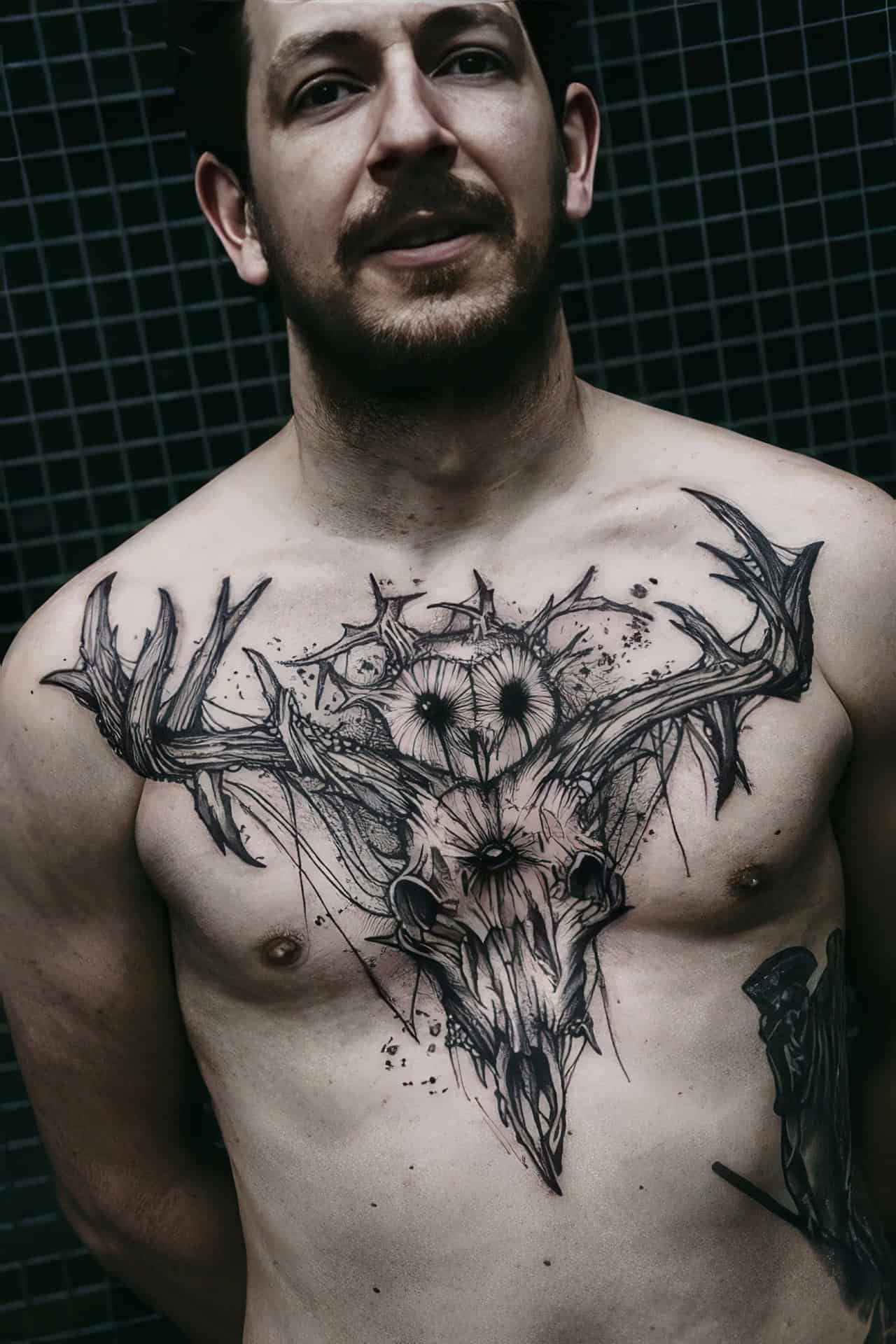
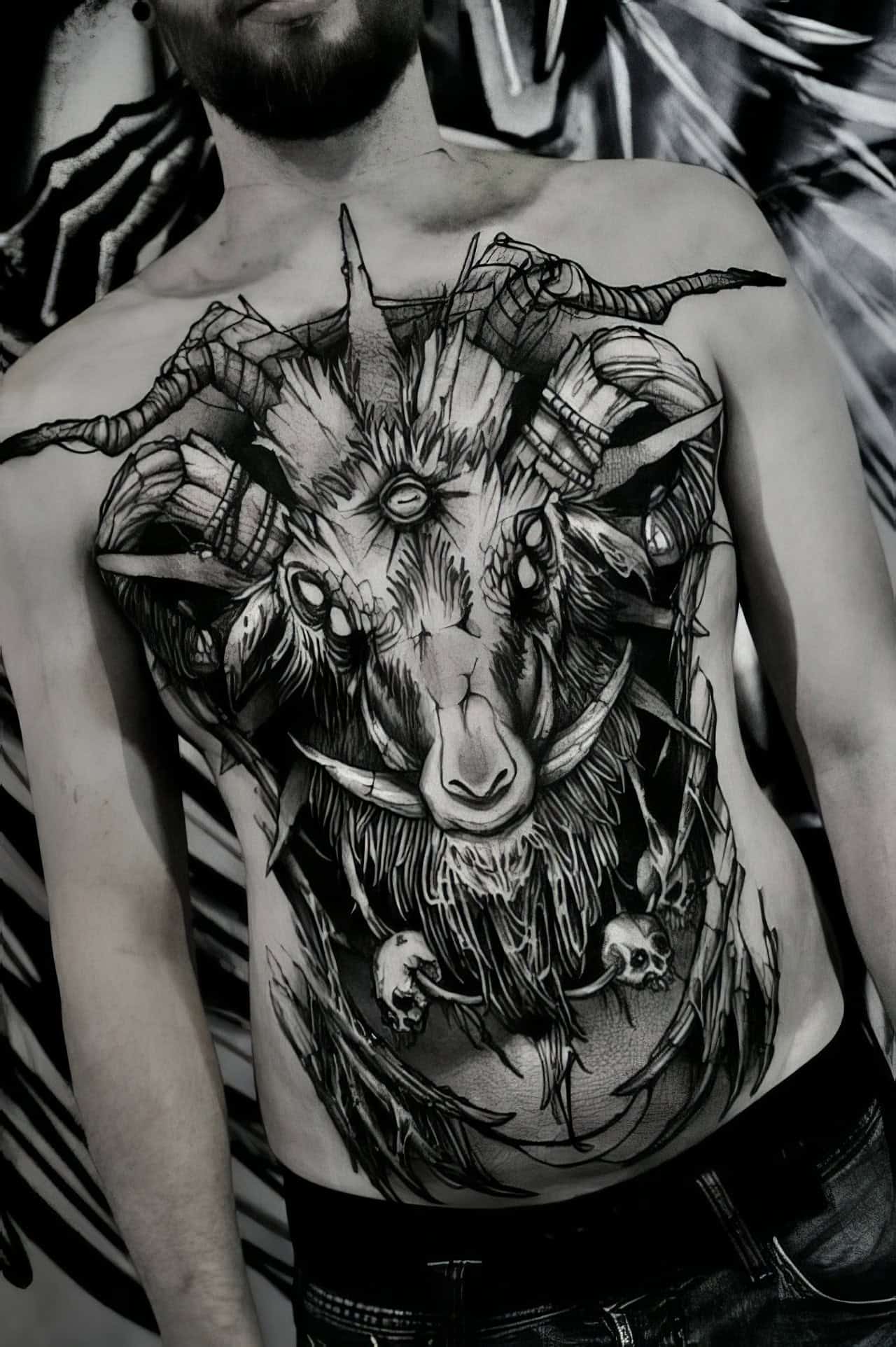
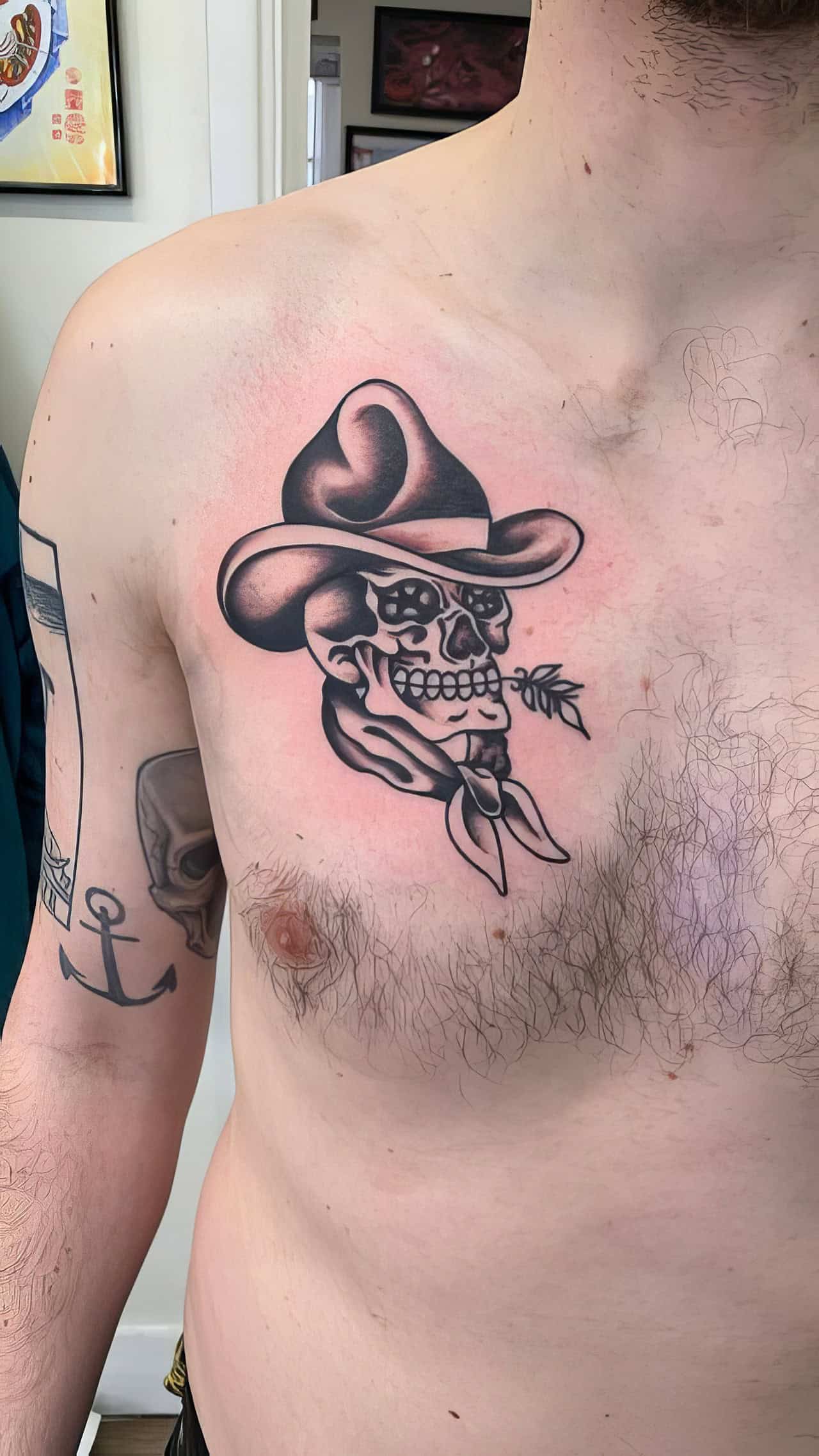
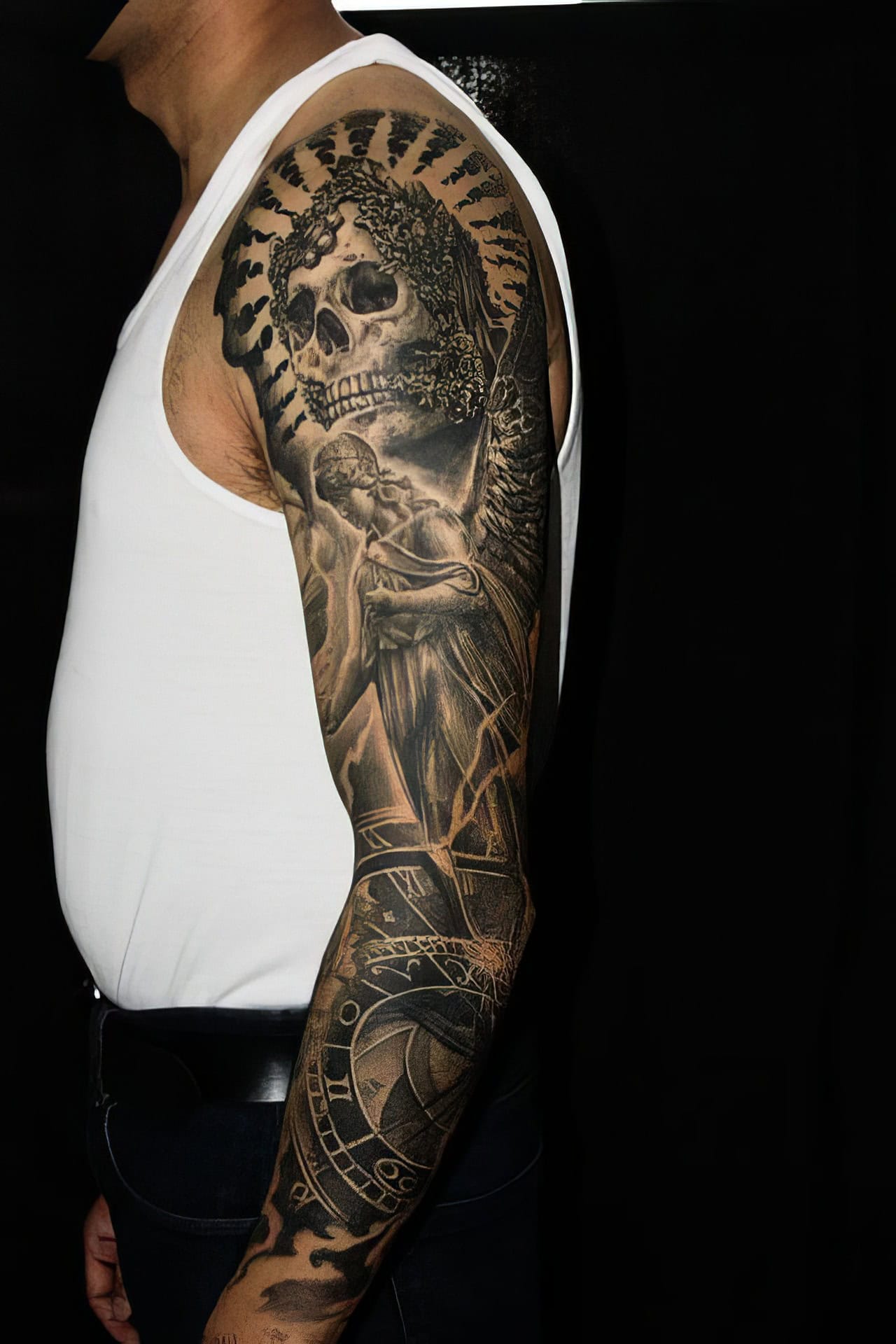
Where the hand says “I have nothing to hide,” the chest says “I have something to protect.” A large skull centered on the sternum, with wings or bones extending toward the deltoids, creates an armored, broad-shouldered look that’s genuinely striking. This is the placement that makes a guy look like he’s wearing his skeleton on the outside, which is exactly the point.
The sternum is the design’s best friend. That flat frontal bone provides a stable surface for the intricate detail work of a nasal cavity and the delicate curves of the eye sockets. The tradeoff? It hurts.
A lot. The sternum is one of the most sensitive spots on the body, and you’ll feel every line once the adrenaline fades. But that discomfort buys something real: a large canvas that, because it’s typically covered by a shirt, tends to age better than exposed skin. The wings-to-deltoid flow also naturally follows the body’s lines, which is why this spot consistently produces some of the best 3D effects when done right.
Biomechanical skulls: man and machine fused
Somewhere between the gears of a fine watch and the plating of a fighter jet sits biomechanical. This style blends organic bone with machinery, think exposed pistons, metal plates, and the occasional gear, to suggest a man-machine fusion or a hardened exterior.
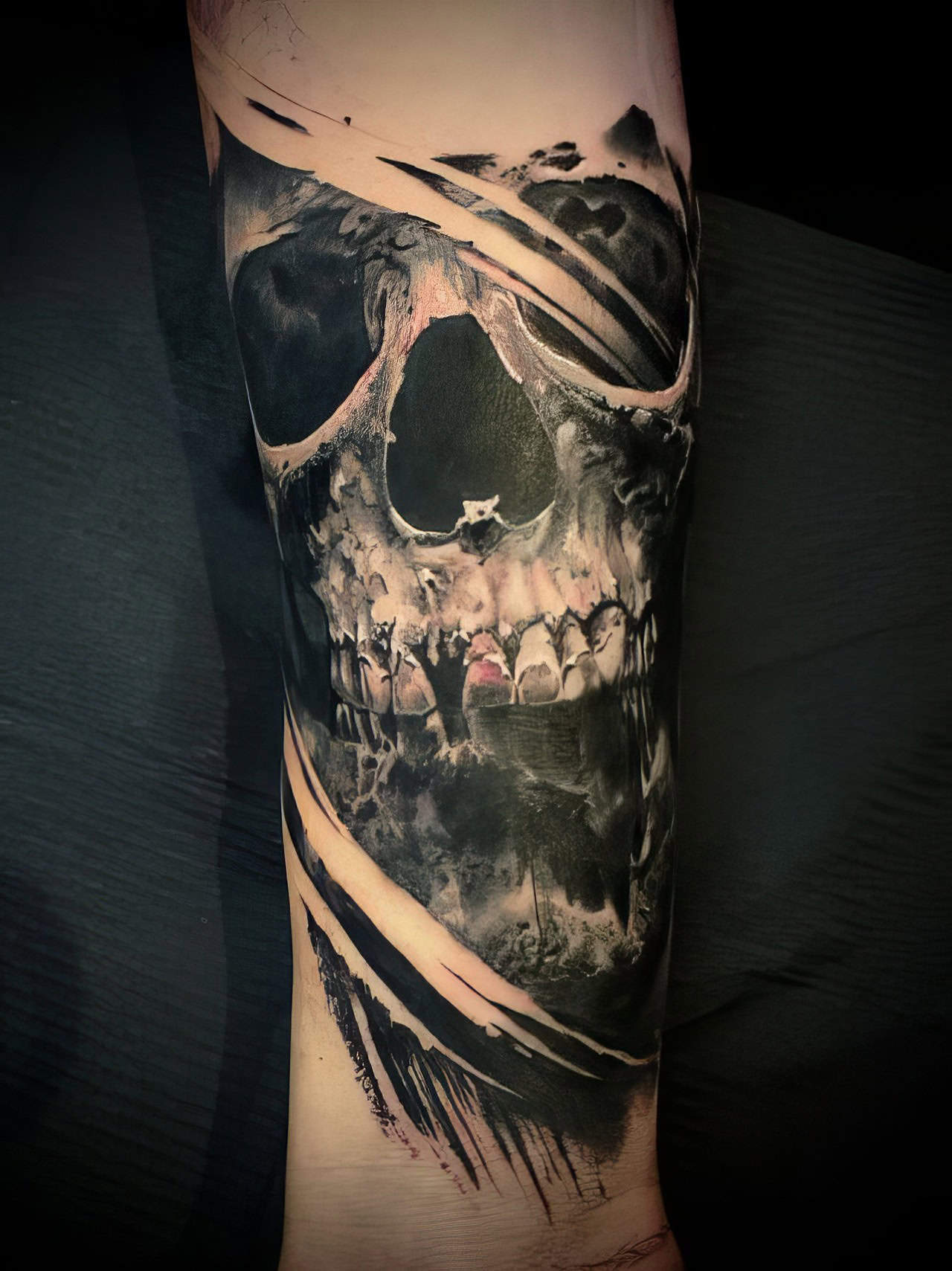
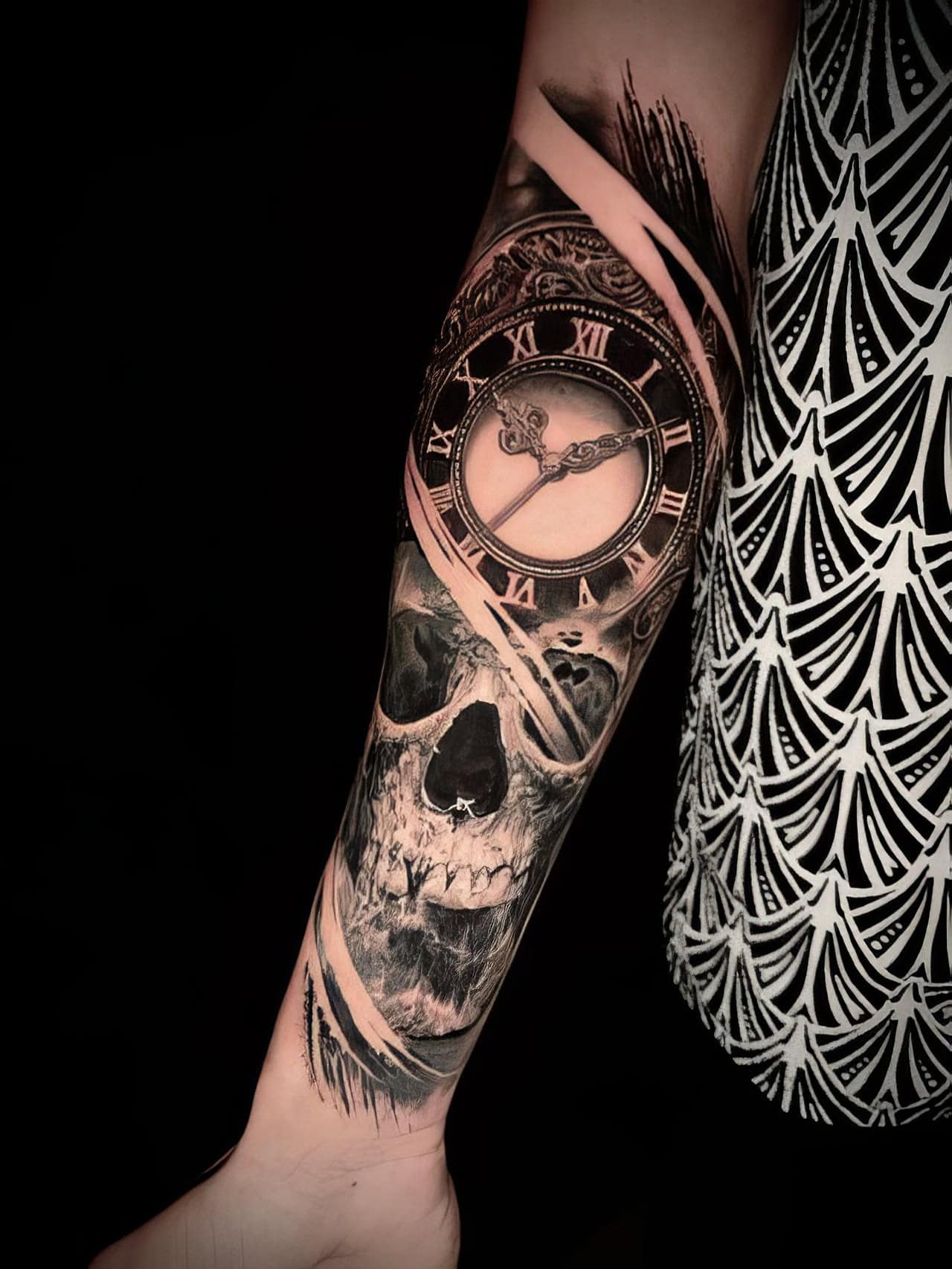
This style lives or dies on the artist’s skill with depth and lighting. The illusion of the skin “ripped open” to reveal the machinery underneath only works if the artist nails the rendering. Get an artist who can’t sell the depth, and you end up with a flat sticker on your arm instead of a portal into your own mechanics. It’s the highest-quality risk in the skull world. Vet their shading work hard, because once that ink is in, you’re married to the 3D illusion they built.
Trash polka skulls: Germany’s ordered chaos
Born in Germany, Trash Polka is the anarchic cousin of the tattoo world. Imagine a realistic skull colliding with a Jackson Pollock painting, all of it drenched in chaotic black and red brushstrokes, sharp geometry, and the occasional typography thrown in for good measure. It’s gritty, it’s modern, and it’s pitched squarely at guys who wouldn’t touch a traditional anchor-and-rose with a ten-foot pole.
The honest tradeoff? That red-and-black palette is bold, and it doesn’t blend in with everyone’s skin tone or existing ink. While biomechanical’s greys and silvers read fairly neutral, Trash Polka makes a commitment to red, and it will clash with your favorite t-shirt. A lot of guys pick between the two styles before realizing, halfway through, that the chaos of the red isn’t what they pictured on their own bodies. Make sure you actually like crimson before you book.
Bold blackwork is a longevity strategy, not just a style
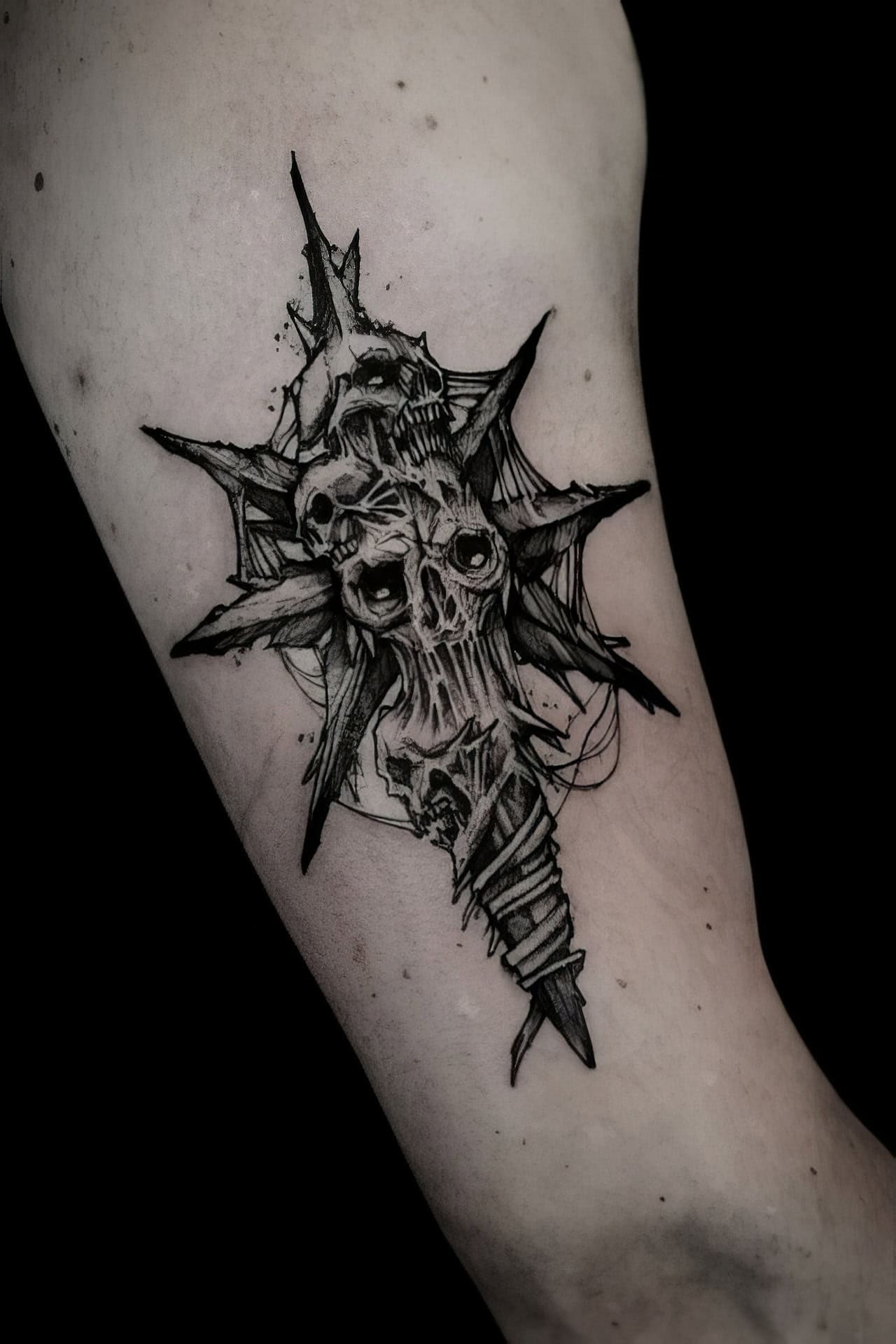
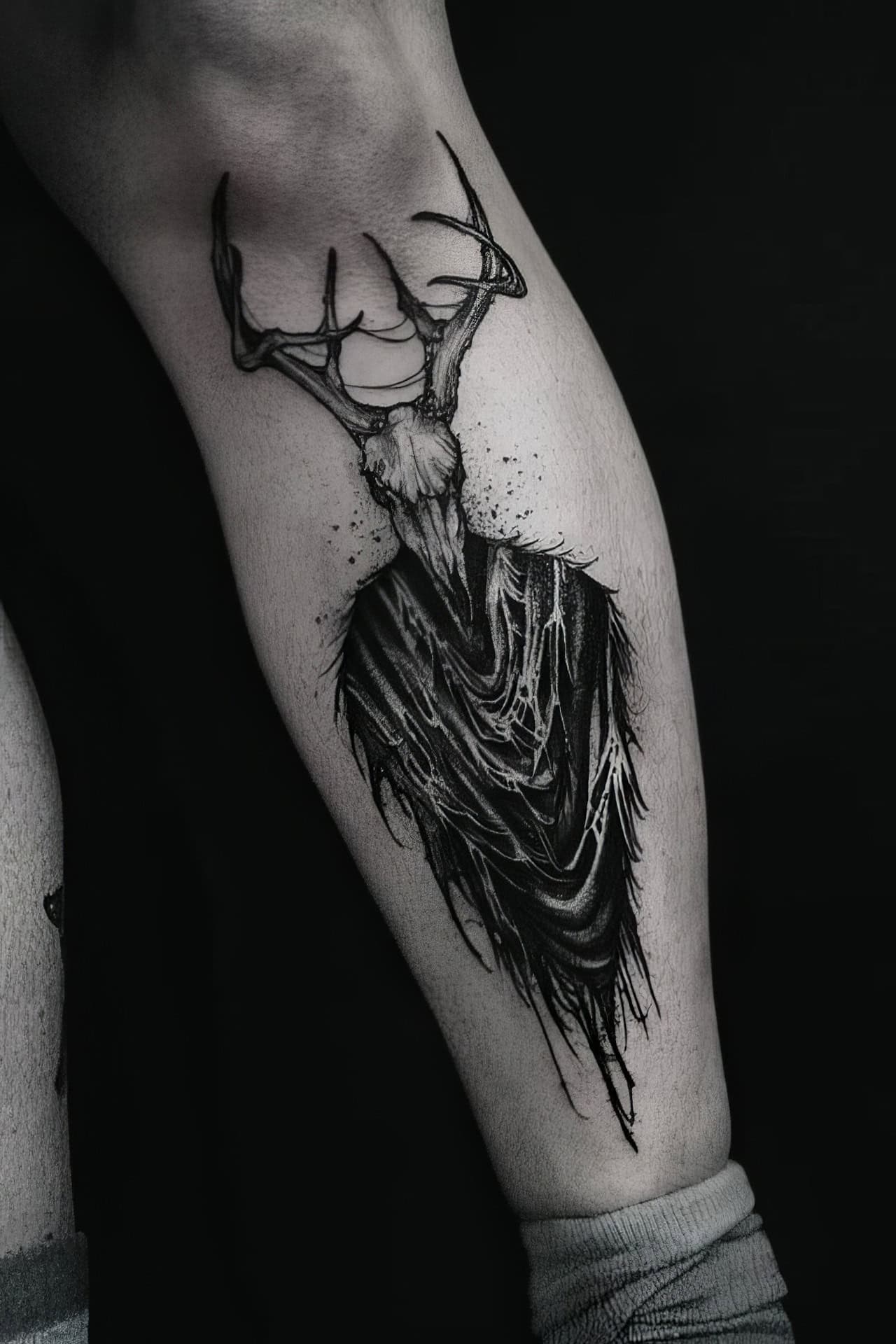
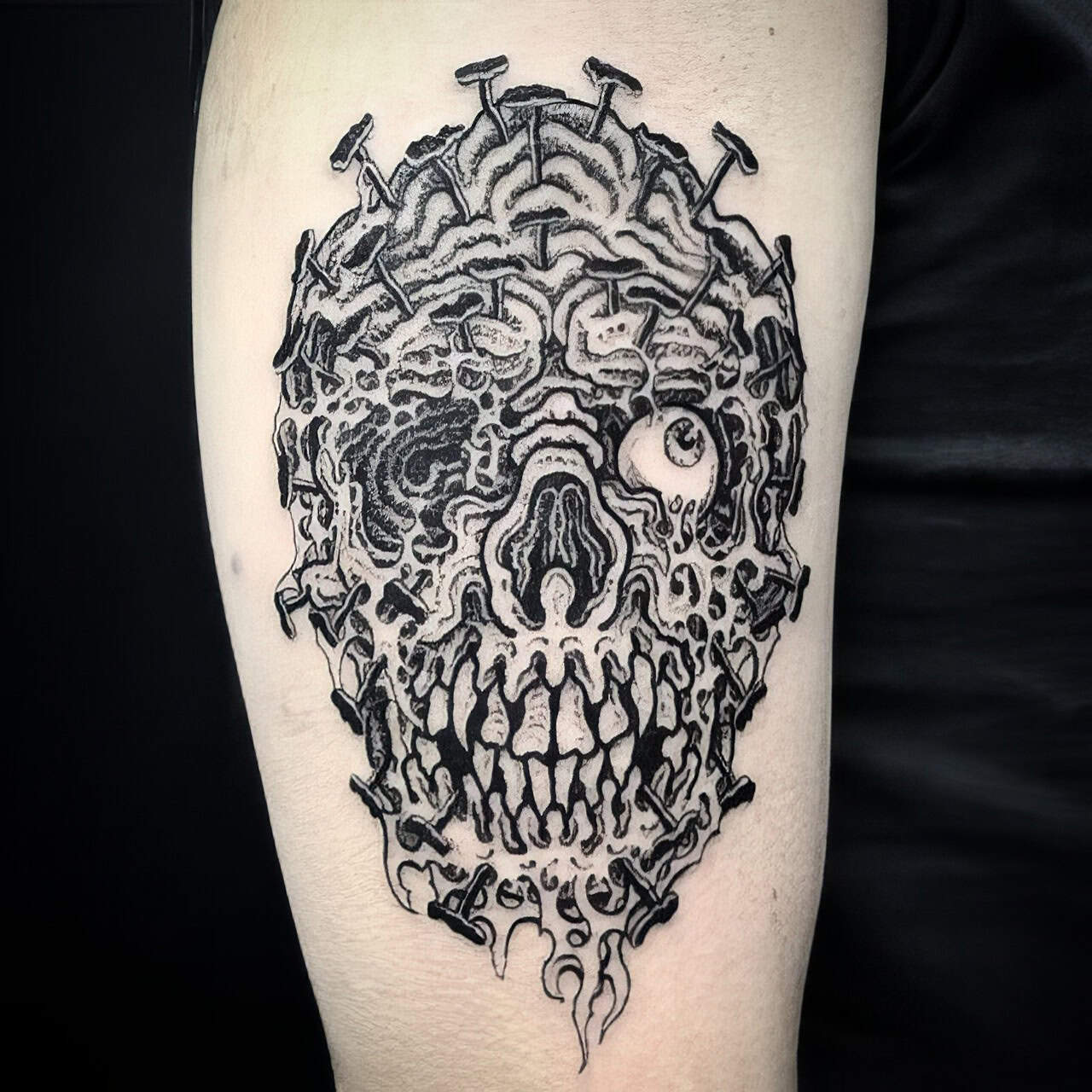
The deep black sockets and nasal cavities aren’t just spooky detail, they’re the unsung heroes of tattoo longevity. That high contrast is what keeps a skull readable from across a room twenty years from now. It’s a design decision you make up front, not an afterthought you tack on for drama.
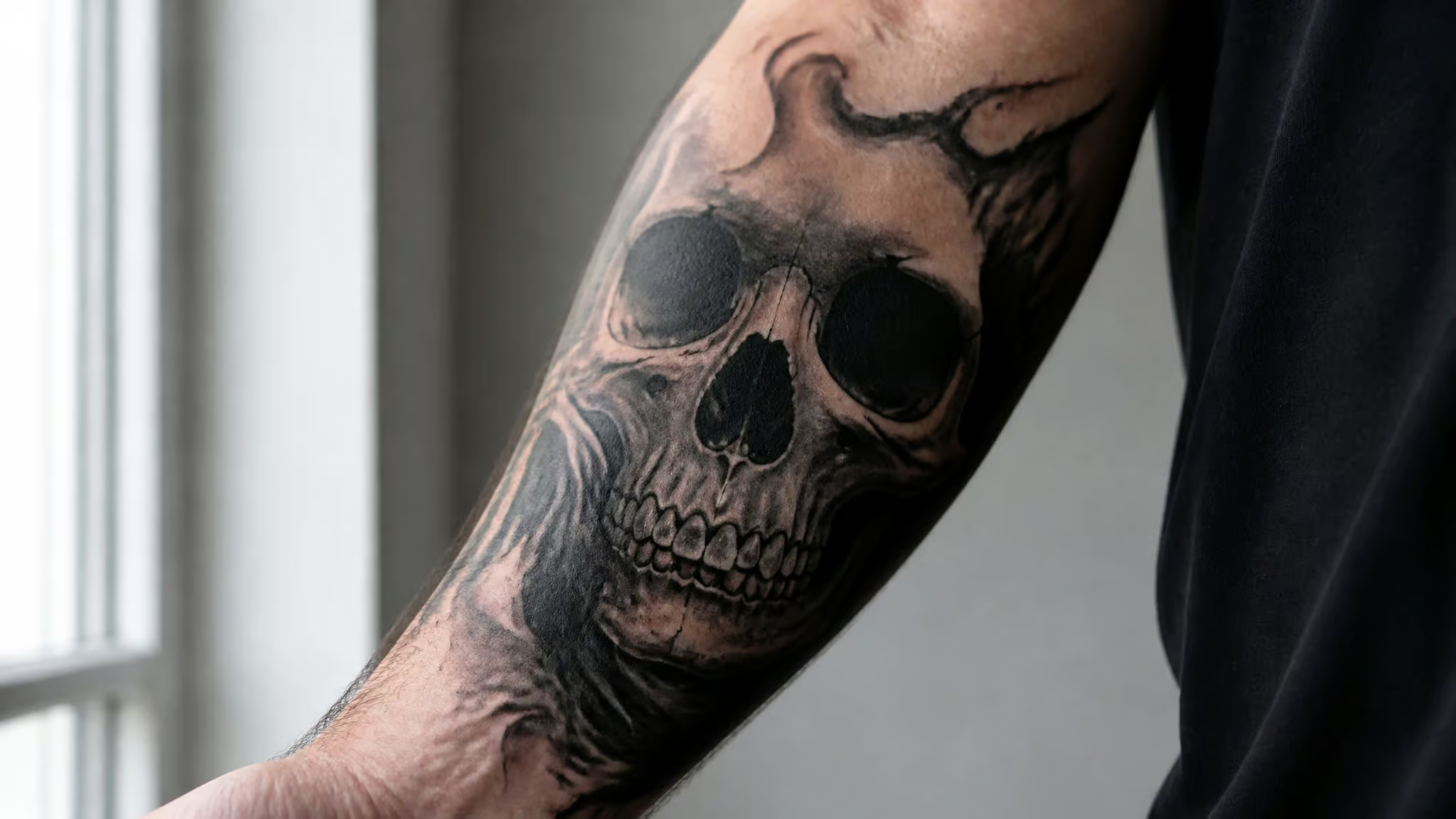
Think about it this way. A hand or neck tattoo that’s babied with daily sunscreen might hold its black for five years before it blurs into a grey wash. Contrast that with a chest or arm piece that gets periodic sun and regular wear: the deep blacks and clean outlines keep their shape and impact. The 20-year design payoff comes down to that initial commitment to contrast. It’s the difference between a tattoo that looks like you just got it and one that looks like you’re telling stories about a past life.
Hand and neck skulls: a career decision in disguise
Let’s cut to the chase. A hand or neck skull is a career decision disguised as a design decision. These are the classic “job-stoppers,” and while the stigma has faded, they’re still read as extreme in a lot of workplaces. You might be the guy who works construction your whole life and doesn’t care, and that’s fine, but you should walk in with eyes open.
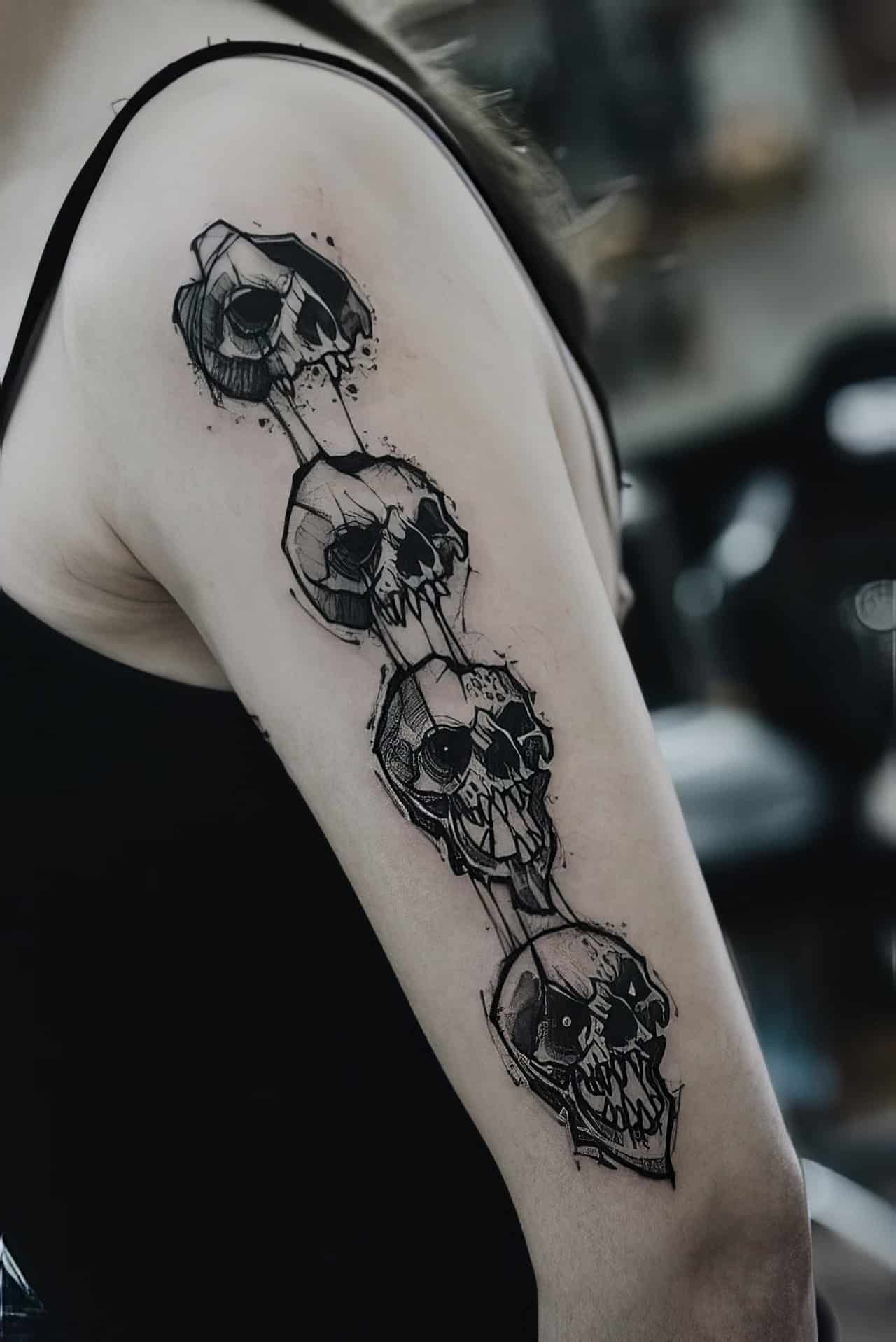
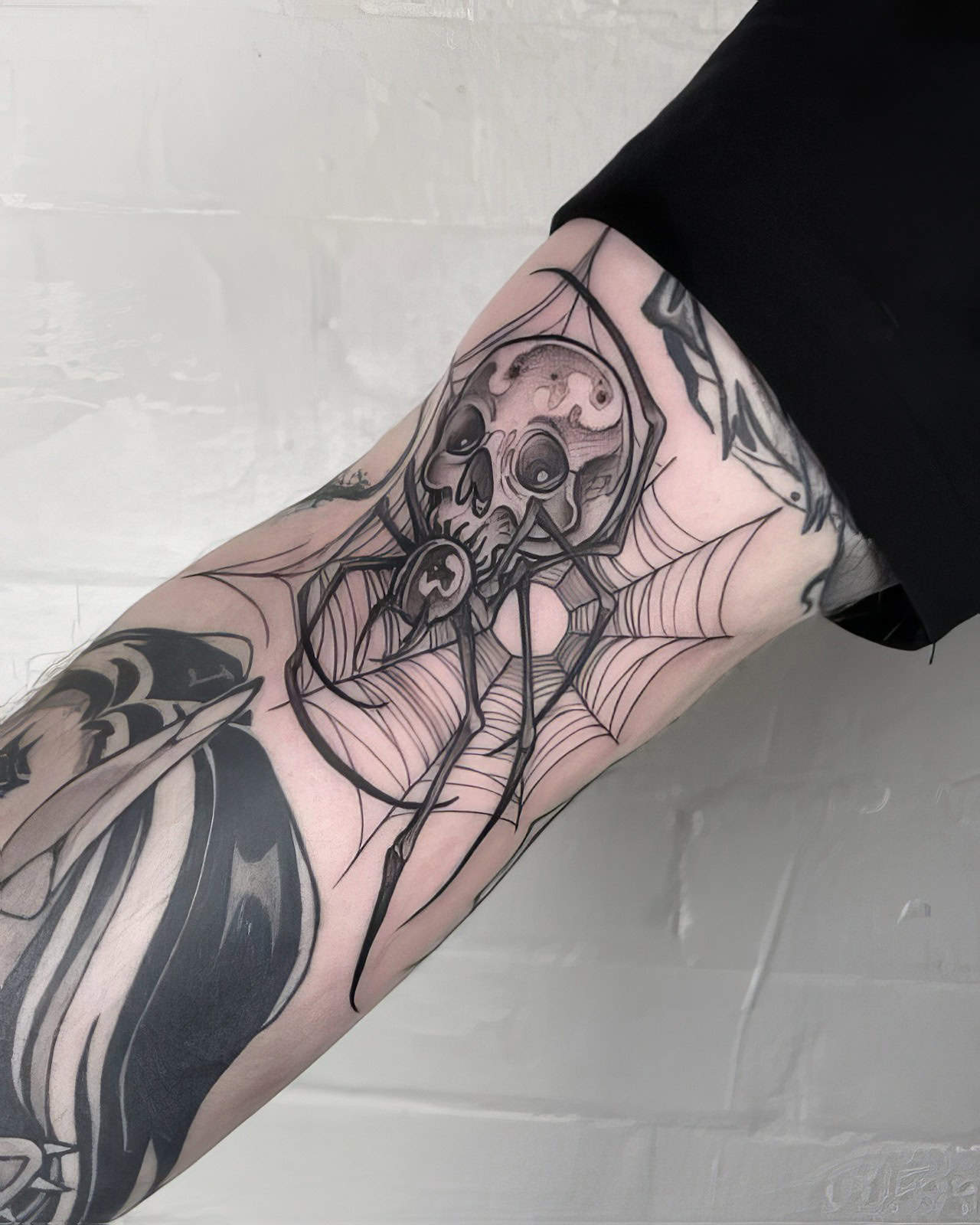
The smart middle ground? A skull on the bicep or forearm gives you the same visual impact but disappears under a shirt sleeve. Think about your industry and your ladder of advancement. Do you want to be the guy who has to think about long sleeves at every interview for the next twenty years?
Because that’s the reality for a lot of guys I’ve talked to. They love the tattoo, hate the negotiation.
Skull tattoo meanings and pairings
The skull is a modular motif. The core image stays the same, but it gets tuned to very different statements depending on what you pair it with. It’s one of the oldest symbols in the tattoo canon, from the amulets of ancient warriors that promised protection and status, to the medieval memento mori that served as a stark reminder of mortality, to the Jolly Roger that flew over the Age of Exploration as a flag of rebellion.
From there, the meanings split by culture. In the West, it’s often somber, a quiet meditation on our shared fate. In Mexico, the Day of the Dead skulls burst with color and flowers, a joyful, loving celebration of ancestors and departed souls, a reminder that death is a part of life, not the opposite of it. But we don’t need to launch into an anthropology lecture to use these pairings well.
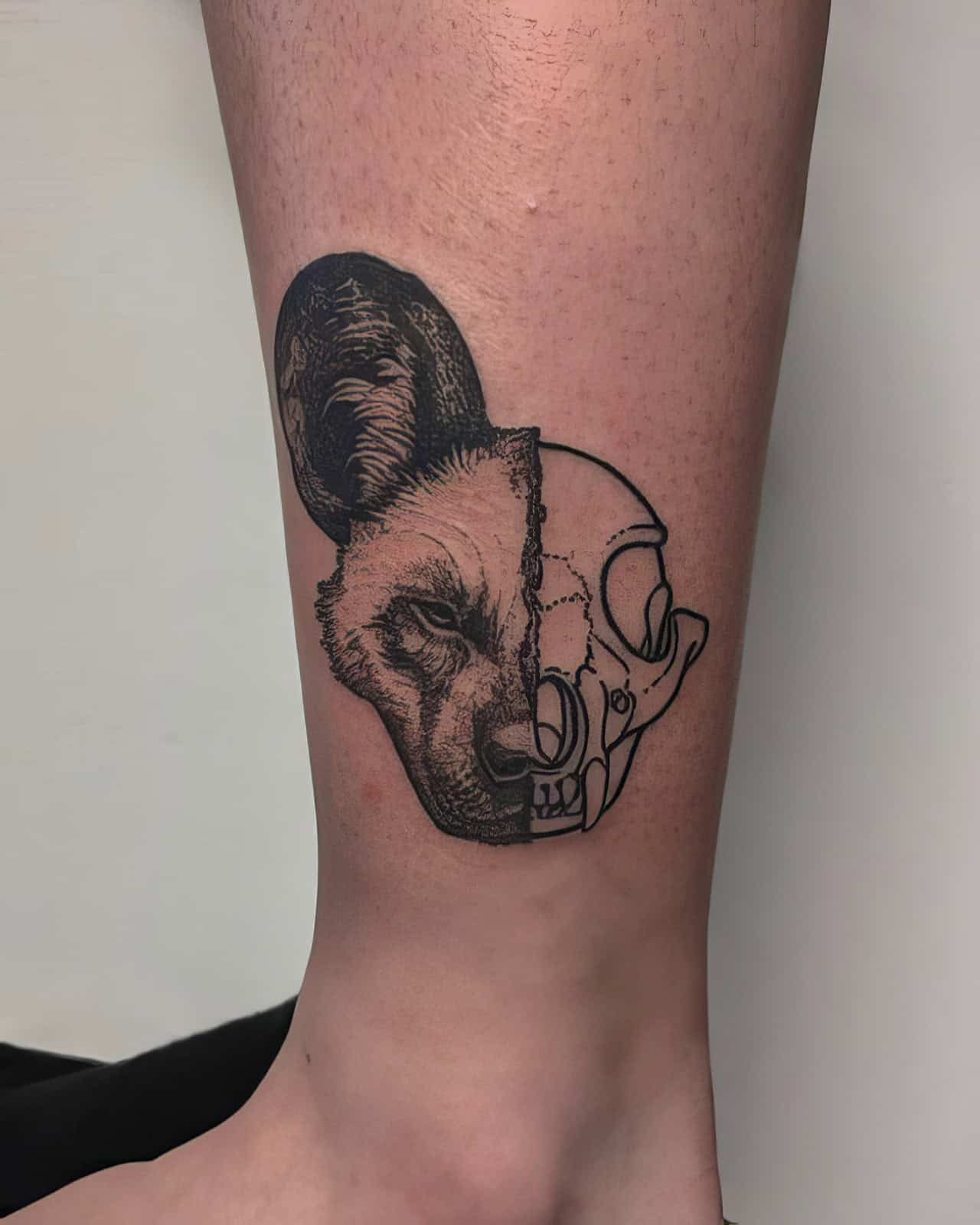
Skull and wolf
Pair your skull with a wolf, and you’re layering in loyalty, instinct, and a sense of the untamed. It’s the classic lone-wolf energy, but with the depth of a pack animal underneath.
Skull and flowers
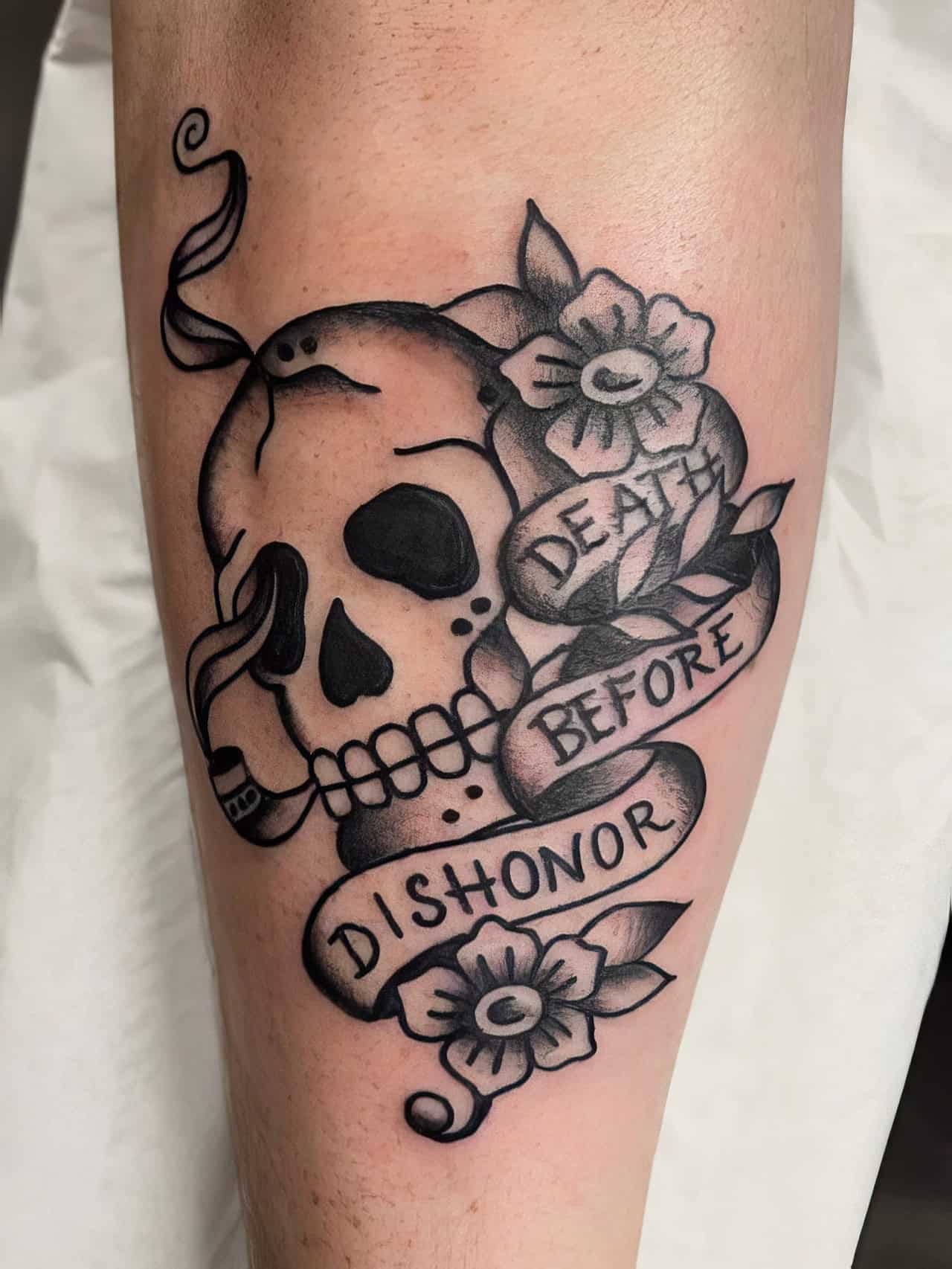
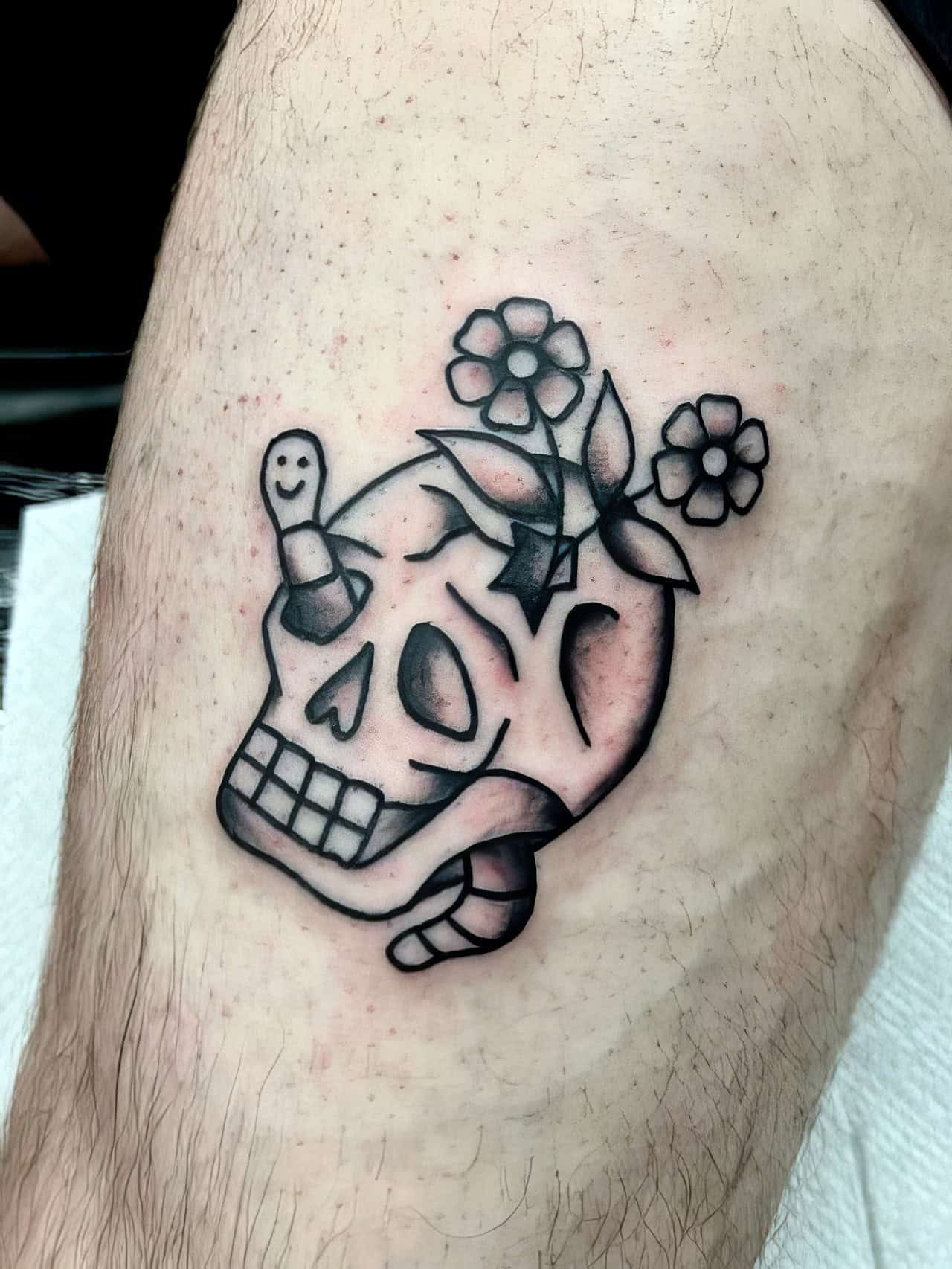
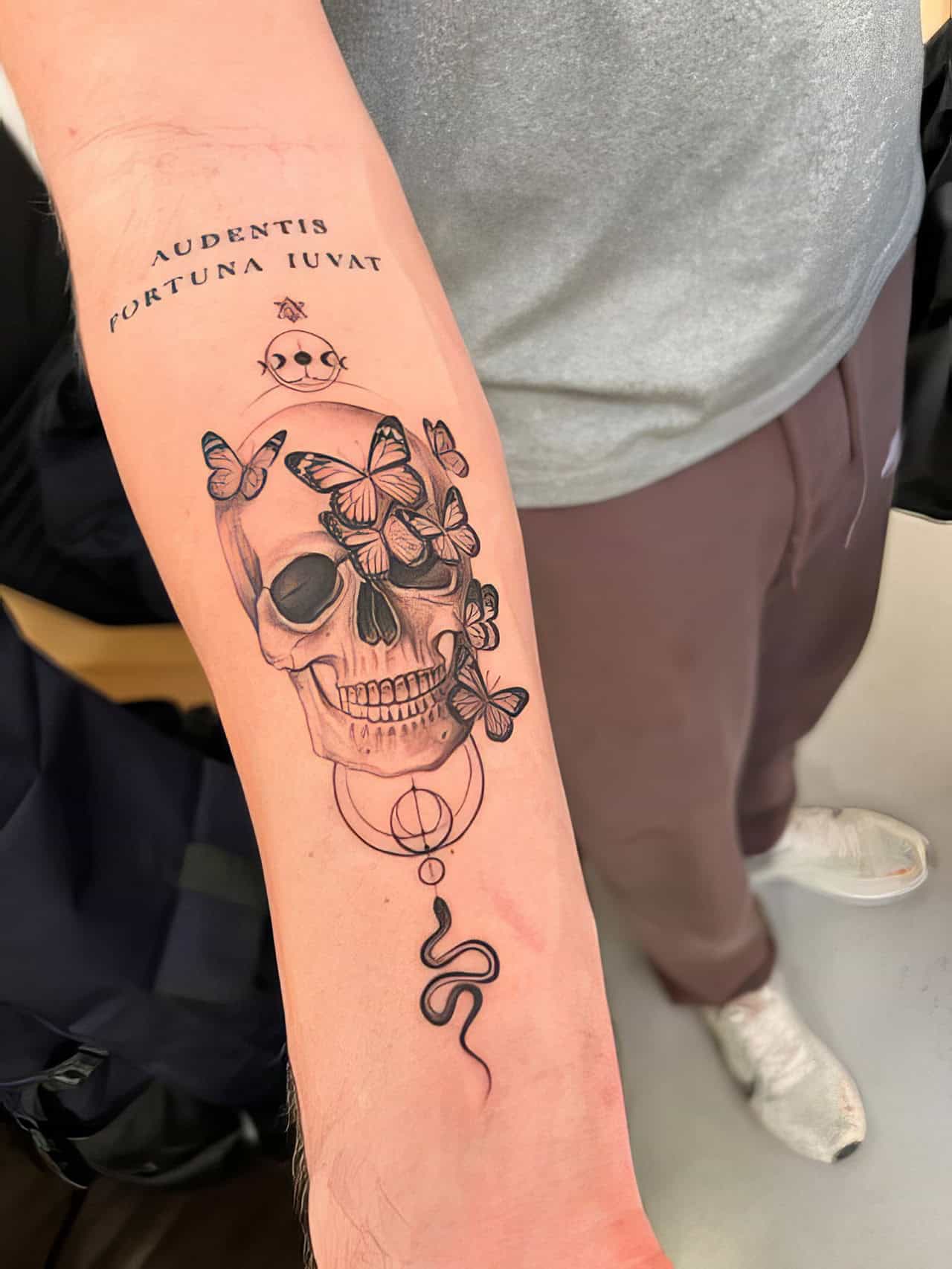
For pure visual tension, nothing beats a skull rendered in stark black against a cascade of delicate, flowering petals. The menacing-versus-delicate contrast is the entire point. It’s death and rebirth, hardness and softness, all in one frame.
Grim reaper
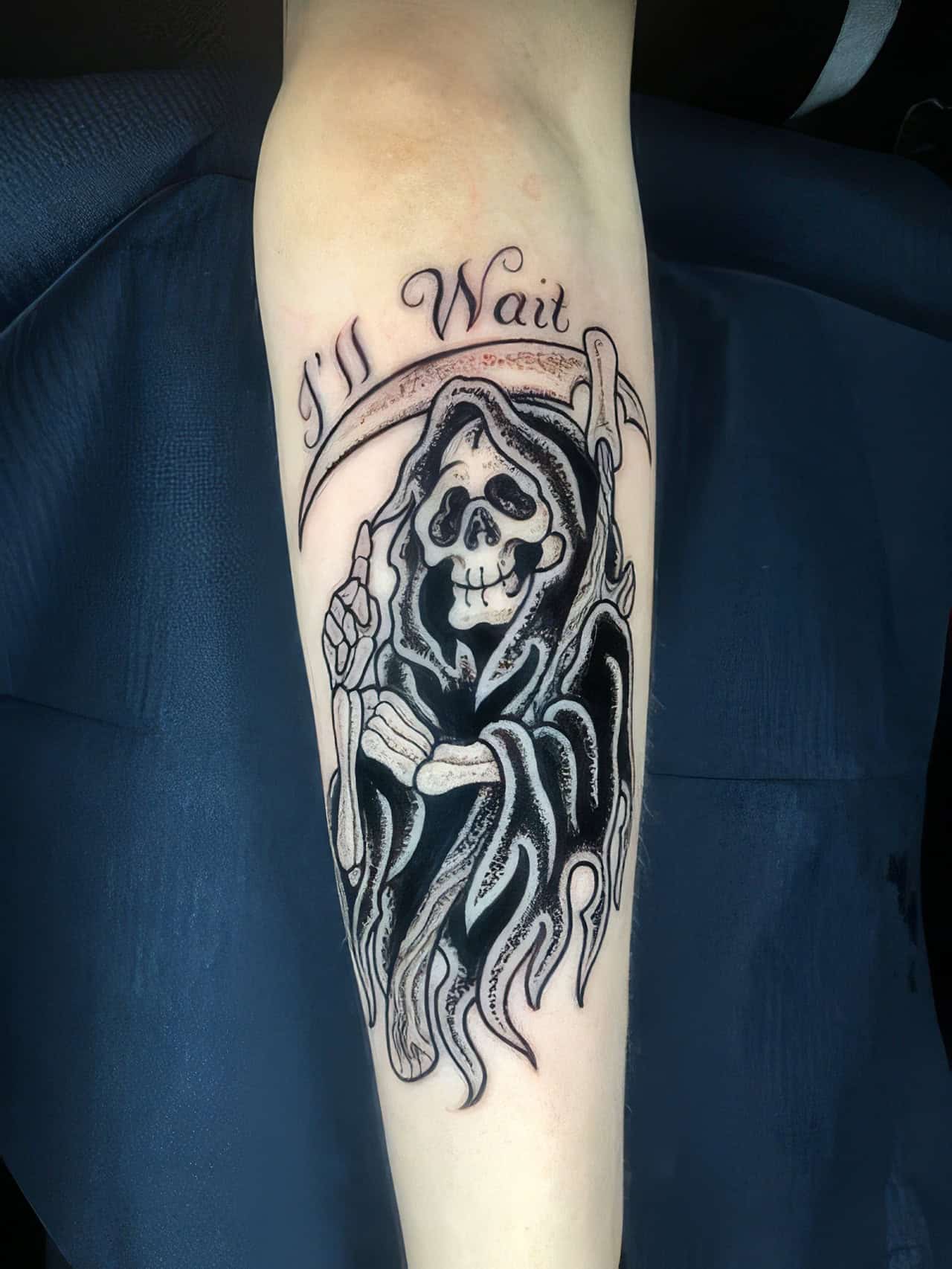
This one leans hard into the mortality angle. The reaper, complete with scythe and tattered robe, is the messenger. It’s straightforward, a bit punk, and leaves little to the imagination. Pair it with a broken smile if you’re feeling cheeky.
Sugar skull / Day of the Dead
The sugar skull is a colorful, unique interpretation. It’s a specific style, not a costume, and it’s a joyful, loving remembrance of those who came before. If you want color and cultural depth, this is where it lives, but come correct and understand the tradition behind the paint.
Simple skull tattoos: small ideas with big contrast
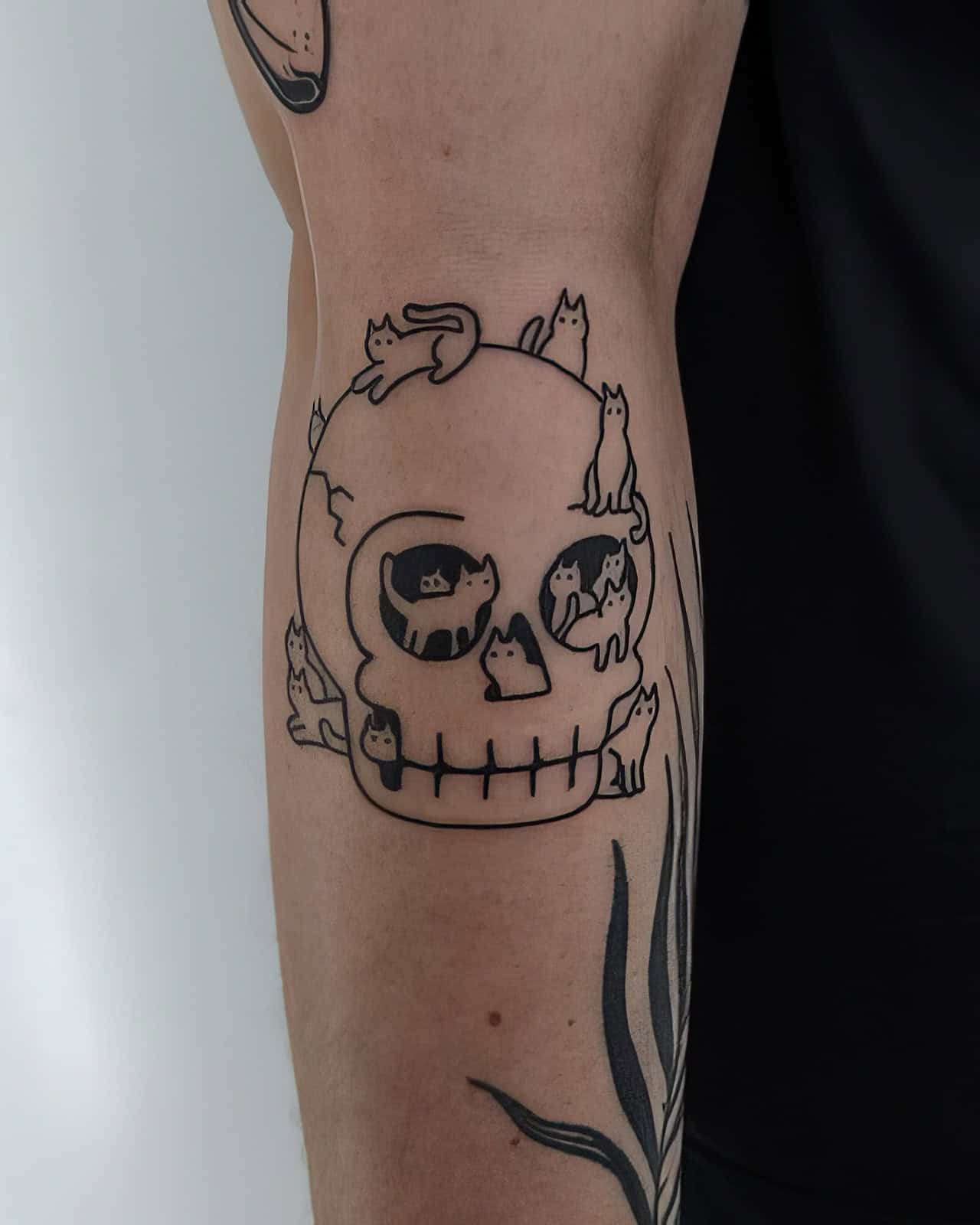
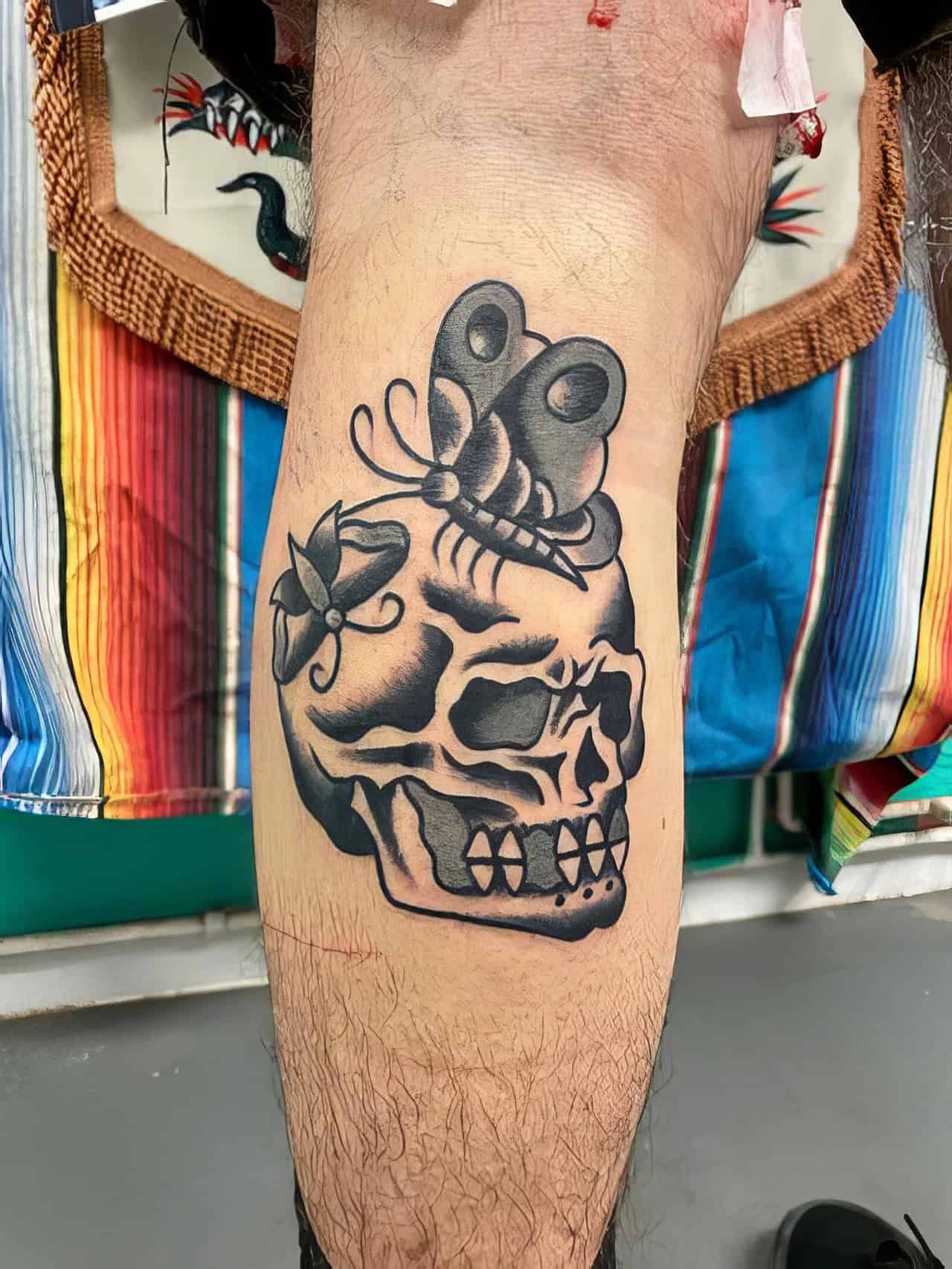
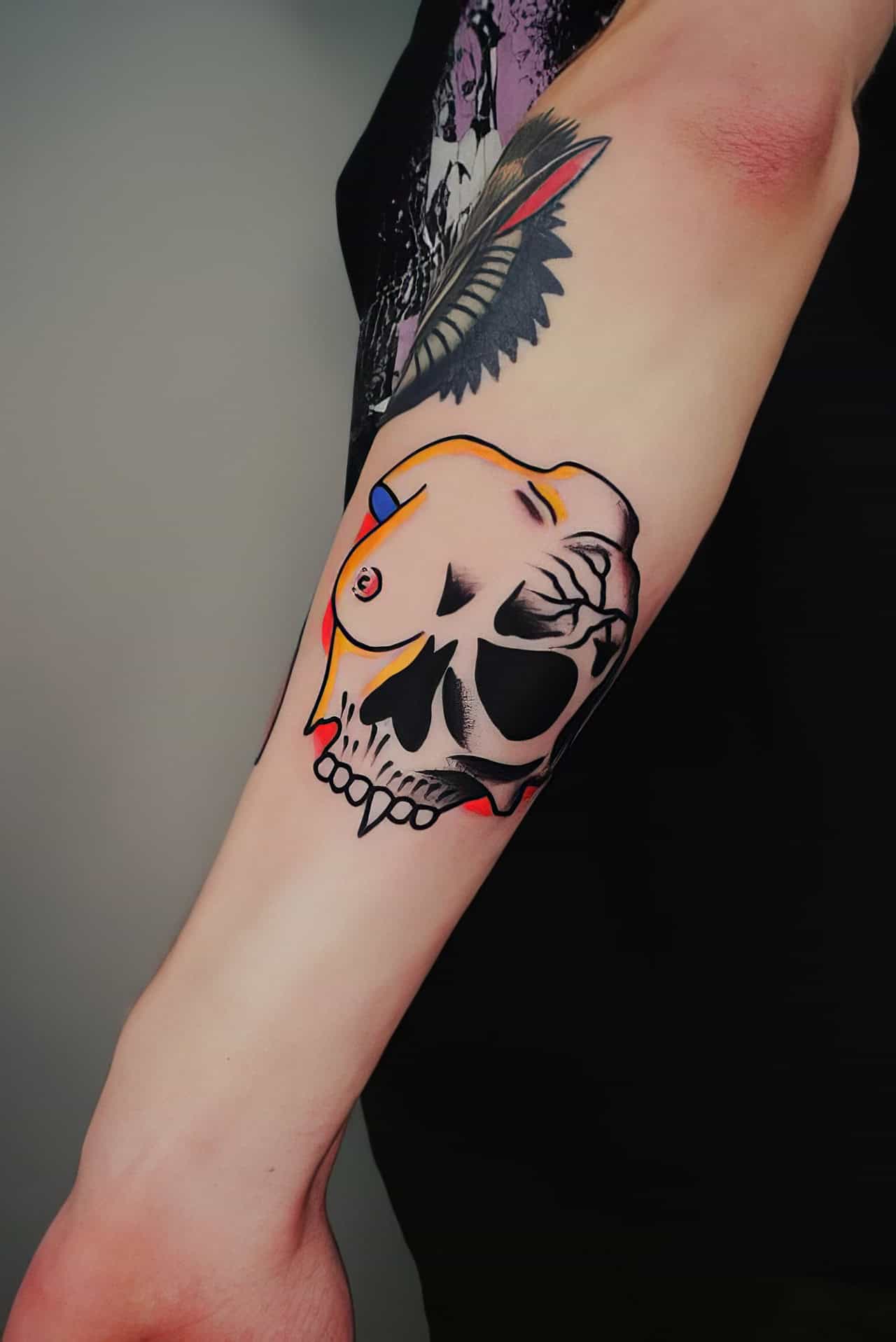
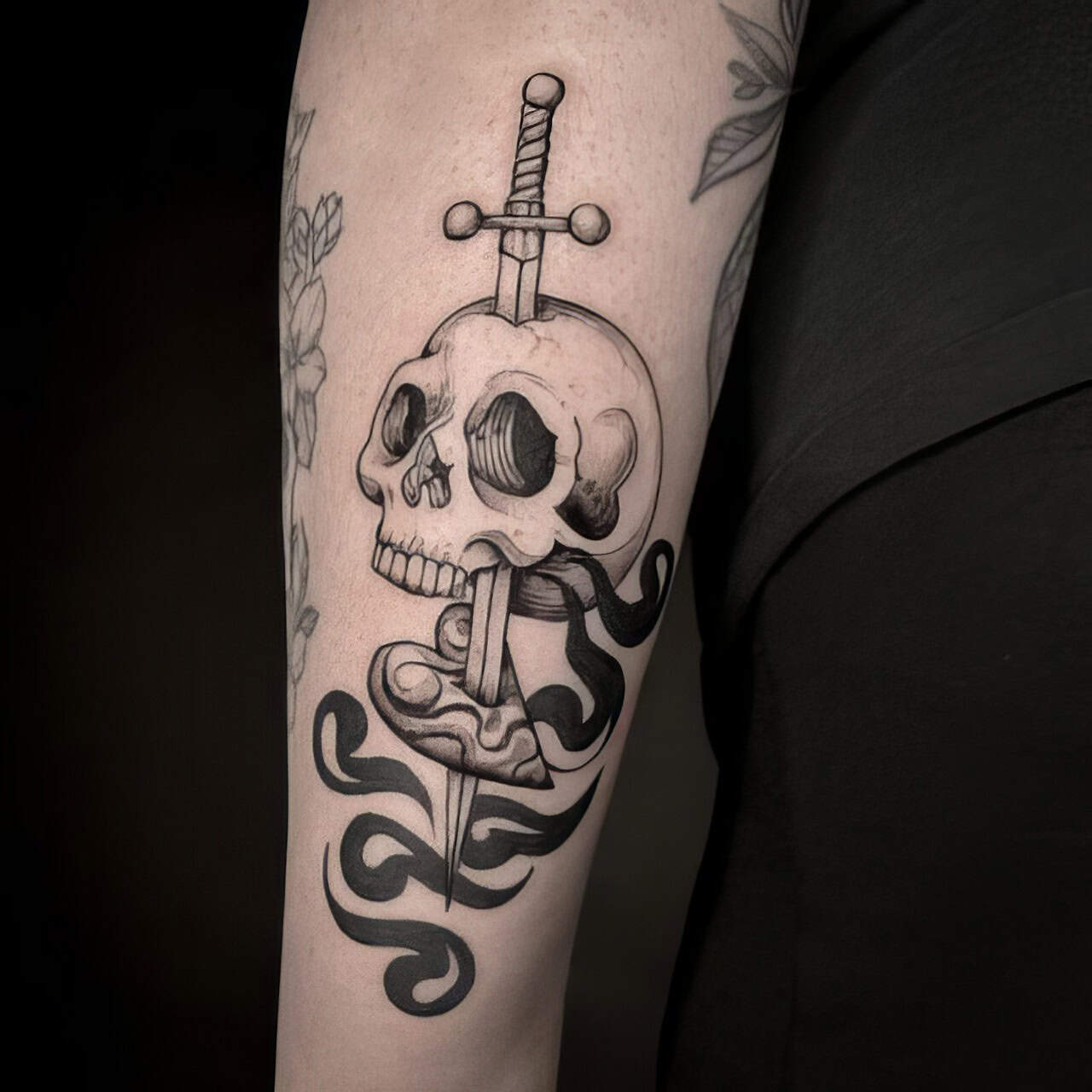
Not every skull has to be a chest-plate centerfold. A lot of guys want the ink without the real estate, and that’s fine. Simple doesn’t mean weak on durability, either. A small, bold-black skull with a clean outline and solid eye sockets holds its contrast precisely because it isn’t crowded with fine detail that spreads and blurs with age.
The natural homes for this are the forearm, inner bicep, upper arm, and ribs. These read as deliberate choices, not afterthoughts. And here’s the sharp point: small skulls scale better than shrunken big designs. A simple, frontal or side-profile skull at a small size stays perfectly legible, while a detailed piece scaled down to match just becomes a blurry mess of lines. When in doubt, go bolder, not busier.
Planning your skull tattoo: time, pain, and cost
Let’s talk logistics, because the fantasy of the design session and the reality of them are two different things.
Session time scales with size
A simple piece could be done in a couple of hours, but if you’re looking at a full chest panel or a sleeve, be prepared to clear your weekend. Most realistic timelines for that kind of commitment run five to twenty hours, spread across multiple sessions.
Hand and neck are the painful spots
Fair warning: hands and necks are among the most sensitive areas to get tattooed. We’re talking deep, bruising pain that radiates and won’t quit. The sternum, for what it’s worth, is no picnic either, though ribs are in a league of their own. If you’ve got a low pain tolerance, budget for more breaks and consider whether that tiny piece of skin is worth the agony.
Honest cost ranges
Here’s where things get real: there are no firm prices in this game. As a rough ballpark, expect to pay a couple of hundred for a small piece, several hundred or more for something medium, and a large chest panel or full sleeve that runs well into the thousands. Costs vary wildly by artist, city, and complexity. The golden rule remains: you get what you pay for, and a bad tattoo isn’t a bargain at any price.
Finding an artist who specializes in skulls
The single most useful filter is healed-work photos. Artist-search tools and Instagram hashtags will only get you so far. You need a specialist. Artists are amazing at showing you fresh ink with that perfect sheen, but the real test is how it looks a year later, after the sun and skin have had their way with it. Any good artist will have healed pieces to show.
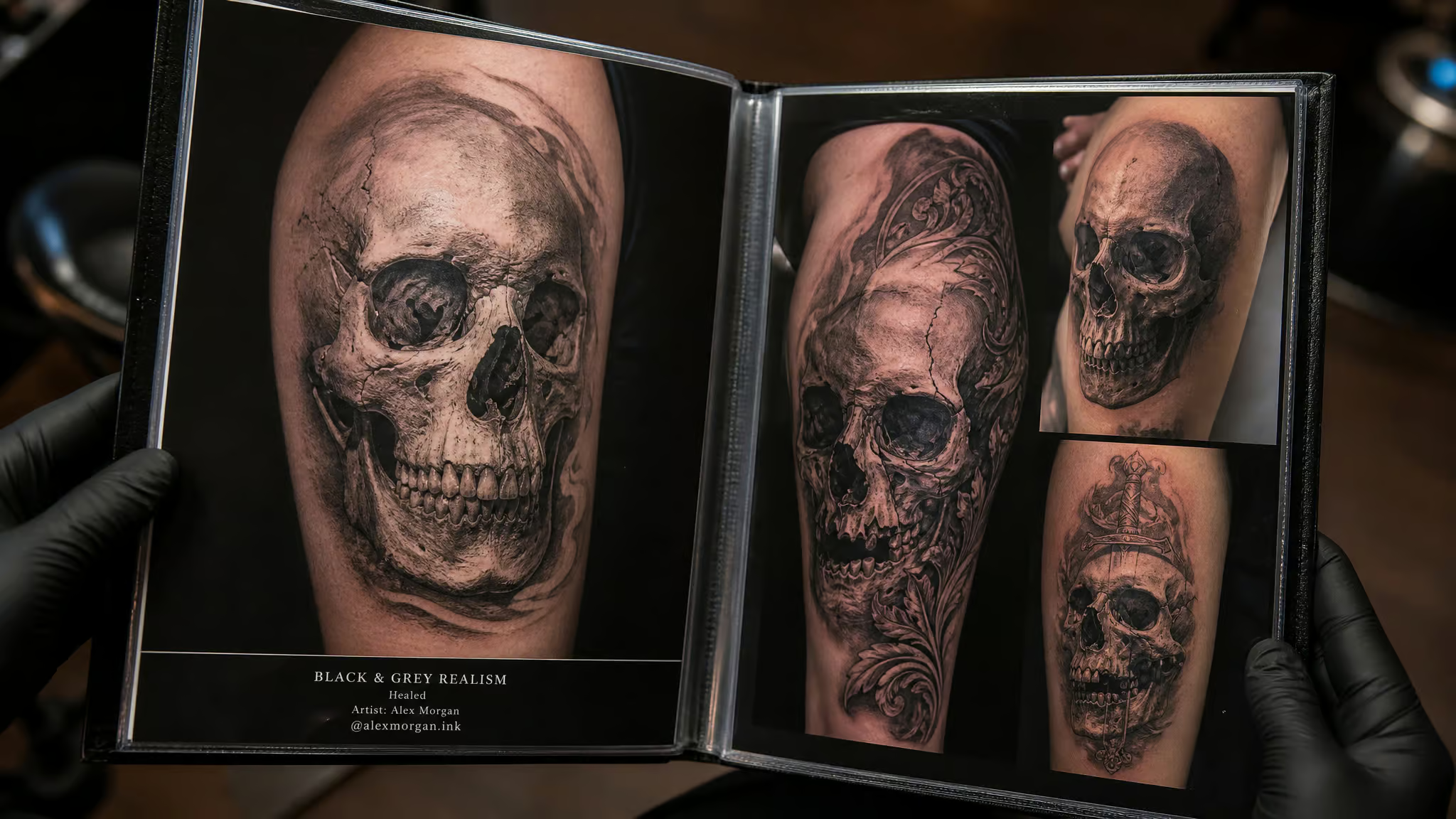
From there, ask about experience with blackwork and realism. Skulls live or die on solid black shading and anatomy-correct bone structure. Ask how many large skull pieces they’ve done recently, chest panels and hands are specialist territory, and get a feel for their comfort level. Finally, book a consultation and come with questions.
A good artist is happy to talk shop, explain their process, and talk through your specific piece. And absolutely, ask about their touch-up policy, because a skull will need a refresh eventually. It’s a permanent mark on your body; don’t be shy about interviewing them like you would any other professional.
See it on your body first: 3D try-on and temporary ink
You’ve done the research, you’ve seen the flash, and you think you’ve found the design. Before you commit to permanent ink, there’s a low-stakes path between “I like this” and “I booked the session.” Many studios and apps now offer 3D virtual try-on, which projects the tattoo onto your actual muscle structure. You can move around, see it in real-time from different angles, check the shading in natural light, and get a rough sense of scale and flow. It’s a game-changer for placement decisions.
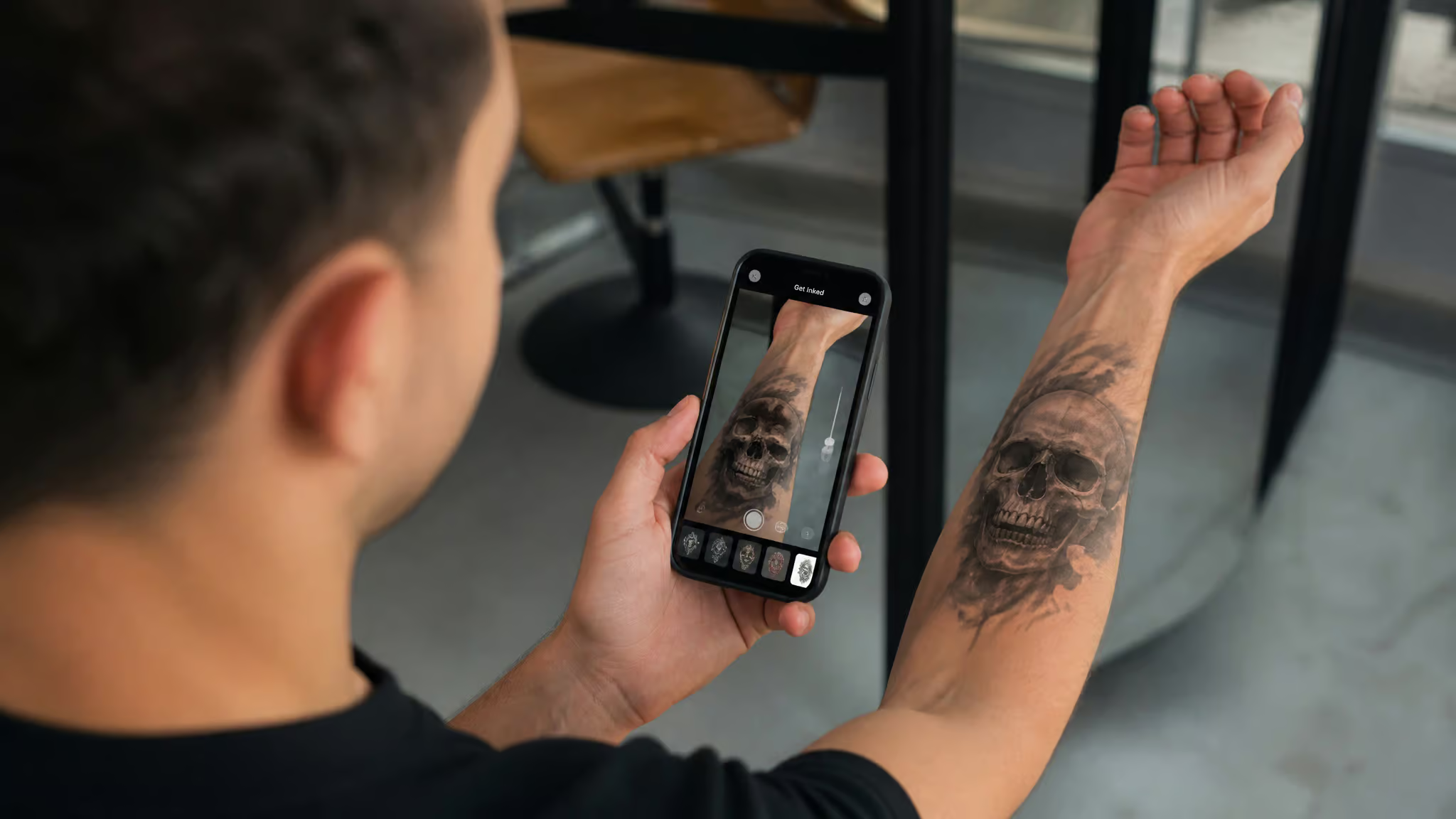
But the true test-drive is the temporary tattoo. Wear a high-quality temporary version for 48 to 72 hours. Judge it against your real anatomy and daily life. Does it feel like you, or does it feel like a costume?
Does it catch on your gym shirt every time you reach for something? This is the time to be honest with yourself. Trends are for inspiration, not for your skin. Don’t treat your body like a trend cycle you have to live in for the next two decades.
Making the call
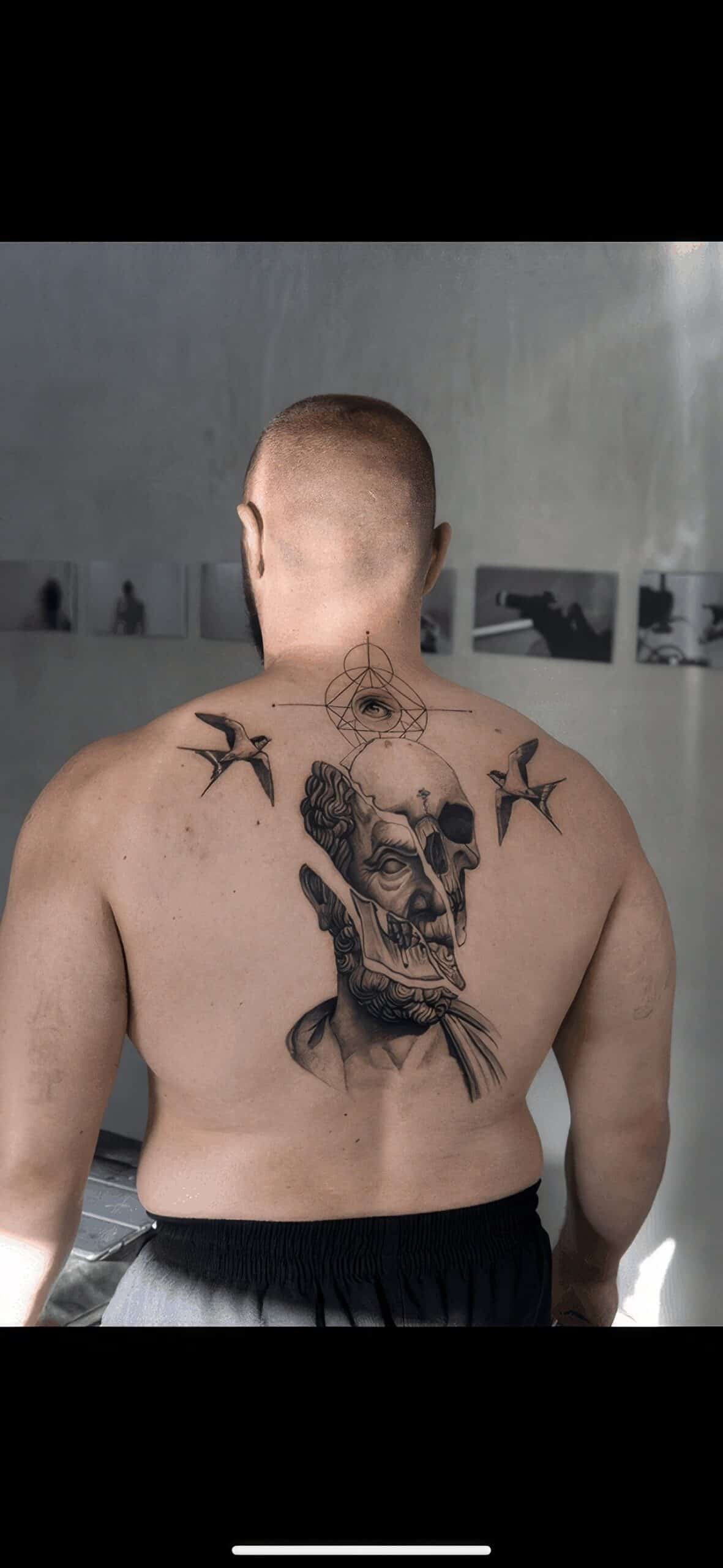
The skull that serves a man for twenty years isn’t the boldest option in the flashbook. It’s the one where the deep-black contrast was a decision made early, the placement on coverable or armor-like anatomy was deliberate, and the artist’s depth work got verified before a single needle touched skin.
If any single factor gives you real pause, the pain, the cost, the visibility at work, or the daily SPF commitment, that’s information, not weakness. Test-drive it and wait. Commitment is only the right answer once all three of those first decisions survive the scrutiny. The skull will be there when you’re sure.