
Many people sense something is off long before they have proof but don’t know what to look for.
This article isn’t a paranoid checklist or a therapist’s diagnostic manual. It’s a research-backed, expert-informed guide to the behavioral patterns that can indicate a wife is cheating — organized into 11 categories. The key word there is patterns. No single sign proves infidelity. A woman can work late, buy new clothes, or guard her phone for a dozen innocent reasons.
A 2021 study found financial problems are a predictor of marital infidelity. Not just a symptom — a predictor. Money stress can push people toward affairs, and affairs create financial stress. That’s the kind of concrete data you’ll find in this guide, alongside observations from licensed therapists and a family law attorney who sees the fallout daily.
A few ground rules before we dive in:
- Patterns over individual signs. One weird charge on a credit card? Probably nothing. Five weird charges plus phone secrecy plus a new gym routine? That’s a pattern.
- Innocent explanations exist. Stress, depression, menopause, work pressure, midlife reflection — all can cause behavior changes that look like cheating.
- Constant accusations of cheating can be emotional abuse. If you’re the one being accused regularly and you’re faithful, that’s a separate problem regardless of whether she’s having an affair.
- This isn’t a substitute for professional help. If you’re worried, talk to a therapist — alone or together.
Key Takeaways
A 2021 study found financial problems are a predictor of infidelity
Research shows people can identify cheaters by their lower voice pitch, and cheaters themselves become better at detecting lies in others
The sign, according to family law attorney Christine Powers Leatherberry, is your gut feeling — your brain processes patterns you haven’t consciously cataloged
Table of Contents
Changes in Communication
Communication breakdown is a common early sign, but it’s not just about talking less. It’s how she stops talking.

What stonewalling and avoidance look like in practice
The behaviors are concrete and easy to spot once you know what to look for:
- She stops sharing details about her day — not just the boring parts, everything
- She won’t say “I love you” or returns it in a flat, automatic way
- You bring up a concern and she changes the subject, walks away, or picks a fight
- She gives one-word answers to questions about where she’s been or what she did
- Passive-aggressive stalling: “I’ll tell you later” and later never comes
- Dismissive body language — eye-rolling, turning away, sighing
This isn’t about one bad conversation. It’s a persistent pattern where you feel like you’re talking to a wall.
The voice as a cheater detection tool
Here’s a research finding that most infidelity articles miss: in one study, participants could more accurately identify which people had cheated — just by listening to their voices. Lower voice pitch was the marker. The researchers concluded ‘the human voice can be of value as a cheater detection tool.’
You should not analyze the pitch of your wife’s voice. Something as subtle as vocal tone can carry information about deception.
There’s also a flip side: studies show that people who have cheated are better at detecting lies in others. So if your wife suddenly starts calling you out for small lies or exaggerations, it might be projection from someone who’s gotten good at spotting deception.
One client story: a husband used to call his wife every night on his way home from work. Then he stopped. His parents were the first to notice something was wrong — not his wife, not his coworkers. His parents saw the routine change from the outside. Sometimes the people closest to you are too emotionally invested to see what’s obvious to others.
Increased Interest in Appearance
A new gym membership and a couple of new outfits aren’t red flags by themselves. Lots of people get motivated to improve themselves. The difference is who she seems to be improving for.
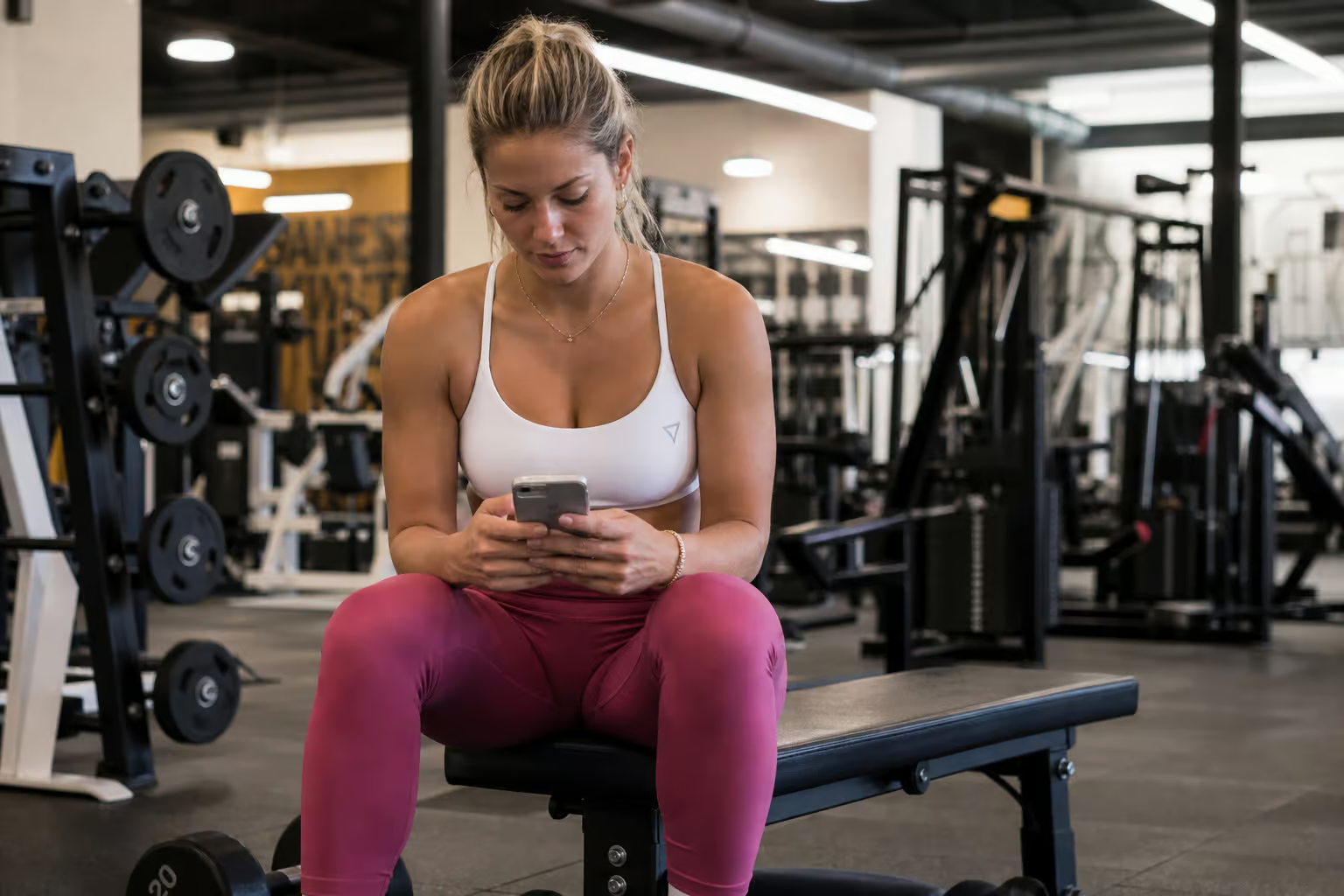
When self-care becomes a red flag
Pay attention to these specifics:
- She’s wearing clothes you’ve never seen before, or a style that’s noticeably different from her usual
- She’s suddenly fixated on grooming — new hair color, different makeup, perfume she’s never worn
- She’s working out more, but not talking about it or inviting you to join
- She puts visible effort into her appearance right before she leaves the house — as if she’s dressing for someone she’ll see when she gets there
Psychotherapist Angela Ficken says the key is motivation. If she’s putting in that effort for someone else’s benefit or is fixated before leaving the house, that’s a data point. Combined with other signs, it becomes a stronger one.
The money angle: new wardrobe, gym memberships, salon visits — these add up. If you notice spending on appearance that doesn’t match your budget or your conversations about shared expenses, that’s worth noting.
More Time Spent Away From Home
This one sounds obvious, but the red flag isn’t just “she’s gone a lot.” It’s the quality of the absence and the explanations that go with it.
The difference between normal busyness and suspicious absence
Normal busyness looks like: a known schedule, advance notice, reasonable explanations. Suspicious absence looks like:
- She picks up a new hobby that requires hours a day — and gets vague or annoyed when you ask about it
- Work hours “just happen” to keep expanding, with new business trips or “client dinners” you never heard of before
- She brushes off your interest in what she’s been doing
- She makes excuses to avoid weekend plans: book club, client in town, “I just need some time to myself”
- The excuses sound rehearsed or change when you ask for details later
One cheater claimed to be at a board meeting and committee meetings — classic cover. The spouse later found out those meetings didn’t exist.
Angela Ficken points out that big, unexplained schedule changes are one of the first things partners notice. If the time away keeps increasing or stays consistently high for weeks, it’s not just a busy season.
Attitude Changes and Defensiveness
This is where psychological shifts show up — and they’re hard to read because they can also point to stress, depression, or any number of life challenges. She may have low self-esteem, seem confused about herself, want danger or thrills, become more negative or critical, pick fights, or get defensive if infidelity is mentioned.

Defensiveness as a deflection tactic
Watch for:
- She’s more negative or critical than usual, picking fights over small things
- You mention infidelity and she immediately gets defensive — not hurt, but angry
- She gives evasive, unsatisfying answers to simple questions about her day or schedule
- She accuses you of being jealous, paranoid, or controlling when you ask normal questions
- She seems to be picking a fight to avoid a deeper conversation
Christine Powers Leatherberry, a Dallas family law attorney, sees this pattern regularly: cheaters deflect focus onto the non-cheating spouse. They’ll say things to make you feel like you’re the problem, that you’re imagining things, that you’re the one acting suspicious.
The danger here: if this happens constantly, it can become emotional abuse — regardless of whether she’s actually cheating. Being told you’re crazy for noticing changes is its own kind of damage.
Lying and Secrecy
Dishonesty in a marriage is a red flag. It doesn’t matter if she’s lying about an affair or lying about something else — lying erodes trust.

When friends and family seem uncomfortable
Signs of lying go beyond what she says directly:
- She lies about small things — what she ate for lunch, who she talked to, what time she got home
- She gets nervous or flustered if you ask follow-up questions
- Her friends seem anxious or uncomfortable around you — they know something you don’t
- She’s more secretive about her plans, her phone, her computer
There’s a research paradox: people who have cheated tend to be better at detecting lies in others. So if she’s suddenly calling you out on every little white lie, it might be because she’s become more attuned to deception herself.
Accusing You of Cheating
This one’s a psychological projection, and it’s surprisingly common.
Projection as a psychological defense mechanism
The therapist Rychel Johnson puts it plainly: “A major red flag is when your partner vehemently accuses you of cheating out of nowhere … that baseless projection often stems from their own guilt.” Recognizing these warning signs early is crucial, and a comprehensive guide to red flags in dating can help you spot them before they become bigger problems.
The pattern looks like:
- She accuses you of cheating without any real evidence
- You question her about something and she flips it: “Why are you so suspicious? Unless you’re the one hiding something?”
- She insists you’re “being shady” when you’re just living your normal life
- She can’t let go of the idea that you’re unfaithful, even when you’ve done nothing wrong
Important caveat: if she constantly accuses you of cheating and you aren’t, that’s a form of emotional abuse. It’s a problem regardless of whether she’s having an affair. But when the accusations come out of nowhere and are combined with other signs, projection is a real possibility.
Indifference and Apathy
Apathy is often a louder signal than anger. When a wife stops caring about things she once loved — including you, the emotional energy has to have gone somewhere.
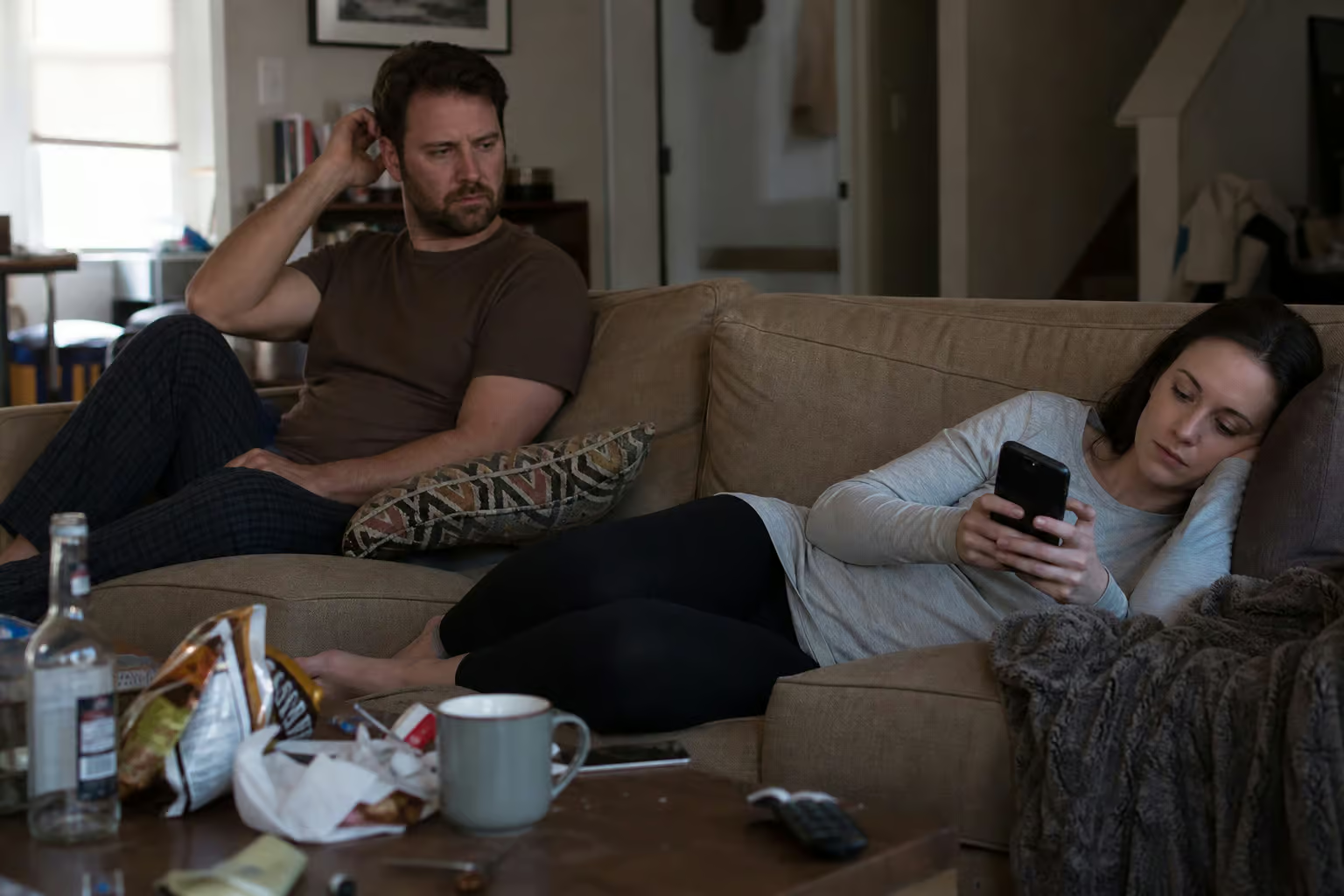
When boredom signals something deeper
The specific behaviors:
- She seems bored with you, your relationship, and the things you used to enjoy together
- She’s indifferent to family events, holidays, or plans you make
- There’s no jealousy — she doesn’t care who you’re with or where you go
- She’s lazy around the house, but not in a depressed way — it’s more like she’s checked out
- She stops caring about shared financial goals or planning for the future together
This isn’t a normal relationship rut. You can usually tell the difference between a couple going through a rough patch and a spouse who has emotionally moved on. The emotional flatness — the lack of any investment, is what makes apathy telling.
Changes in Your Sex Life
This is the category where conventional wisdom often gets it wrong. People assume a cheating wife withdraws sexually. Sometimes she does. Sometimes she does the opposite.
The intimacy paradox explained
Too little or too much interest in sex can be linked to infidelity. The key is disruption of your established pattern.
Signs to watch:
- Considerably less intimacy — sex tapers off or stops entirely
- She shows no interest in physical affection of any kind
- Or the opposite: she wants to try new things in bed that feel out of character
- She introduces sexual acts or interests you’ve never discussed
- A serious sign: you discover you have an STI even though you haven’t been with anyone else. If you discover you have an STI and have not been unfaithful, this is one of the strongest possible indicators — but false positives from past infections are possible; consult a doctor.
If your sex life has always been minimal, a continued low level isn’t necessarily a sign. But a sudden shift in either direction — especially if it’s accompanied by other behavioral changes, is worth paying attention to.
Money Issues and Financial Secrecy
Remember that 2021 study: financial problems are a predictor of infidelity, not just a result. The stress of money trouble can push people toward affairs. And affairs create their own financial secrets.
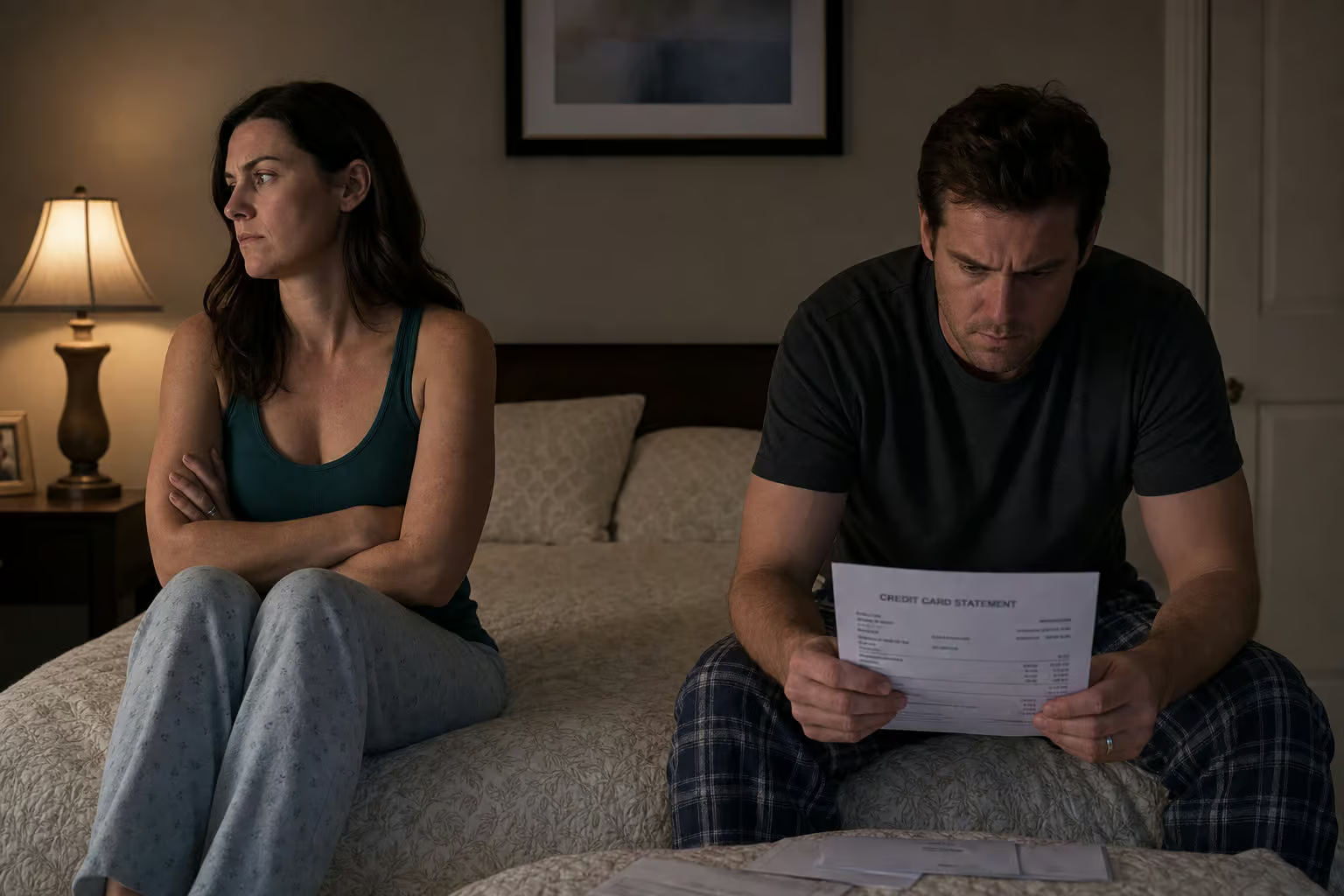
What to look for on credit card statements
Christine Powers Leatherberry sees these patterns repeatedly in divorce cases:
- Charges for flowers, especially around Valentine’s Day, that you didn’t authorize
- Subscriptions to dating sites: Match, ChristianMingle, AshleyMadison — yes, they show up on statements
- Large meal charges at restaurants that aren’t work-related
- Refusal to show you the credit card statement when she used to share it freely
- Cash withdrawals with no explanation
- A secret credit card you didn’t know about — or the extreme version: a burner phone
As Leatherberry notes, While you might assume a cheater would avoid charging gifts, hotel stays or fancy dinners for a lover on a shared credit card, it happens all the time.
If she’s suddenly protective of financial information, or you notice expenses you can’t account for, that’s a red flag. You’re not being paranoid — you’re being observant.
A Change in Technology Use
Infidelity is often discovered through digital traces. The way your wife uses her phone, computer, and other devices can tell you a lot.

Suspicious phone behavior
The legal source Christine Powers Leatherberry lists specific signs:
- She spends noticeably more time on her phone, and it’s clearly not work
- She grabs her phone immediately when a text comes in, or angles the screen away from you
- She won’t share her passcode, or changes it frequently
- She’s overly eager to show you her phone records and messages — just because your spouse shows you phone records, texts and emails, that doesn’t mean they are faithful, Leatherberry says
- The extreme example: one of her clients found a burner phone hidden in his wife’s car
Digital secrecy patterns
Beyond phone behavior, look for:
- She’s unreachable at certain times of day — no answer when you text or call, then a vague excuse later
- Her location finder (Find My iPhone, Google Maps sharing, etc.) is suddenly disabled
- Her fitness tracker shows exercise at odd hours — late night workouts that you didn’t know about
- She stops using shared devices (shared iPad, family computer, etc.)
- She reduces her social media presence or clears browsing history constantly
Jennine Estes Powell, a licensed therapist, says a cheating partner often becomes unreachable at times they were previously available, and then has excuses when contact is re-established.
The Gut Feeling and External Observations
This is the category that doesn’t get the respect it deserves. But according to Christine Powers Leatherberry’s list of 21 signs, one is number 21: “Your gut tells you so.”
Why your gut feeling matters
Intuition isn’t magic. It’s pattern recognition that your conscious mind hasn’t assembled yet. Your brain has been processing all those small behavioral changes, inconsistencies, and emotional shifts — and it’s telling you something is wrong.
If you have a persistent feeling that something is off, and you can point to several of the signs in this article, trust yourself. That doesn’t mean you’re right — it means you should pay attention and investigate further.
When others notice before you do
Colleagues, family, and friends sometimes see the changes before the spouse does. They’re not emotionally invested in the same way. They notice when your wife stops talking about you, or when her stories don’t add up.
The client story — the husband who stopped calling his wife every night on the way home, his parents saw it first. Sometimes an outside perspective is the clearest.
What to Do Next: Coping and Next Steps
Once you have identified potential red flags, the next step is deciding how to respond thoughtfully rather than reactively.
Gathering evidence without crossing lines
Most people will not admit to infidelity unless you have hard evidence. That doesn’t mean you should hack her phone, install tracking software, or invade her privacy. Those actions can backfire legally and morally.
Instead:
- Document patterns, not individual incidents. Write down dates, times, and what you observed
- Focus on observable changes you can discuss openly
- Consider speaking with a therapist about your concerns before confronting your wife
- If you find evidence on shared accounts (credit card statements, shared device calendars), that’s fair game — it’s your information too
Counseling, therapy, and legal options
- Couples counseling works when both people genuinely want to save the relationship. If she’s willing to go, that’s a positive sign.
- Individual therapy can help you process your emotions and gain clarity, regardless of what she does.
- Talking to a divorce attorney in your county is a practical step if you think ending the marriage may be best. You don’t have to file — just understand your options.
- Self-care matters. This is stressful. Stay hydrated, sleep when you can, eat decent food, and exercise. Don’t let the worry destroy your physical health.
Online therapy platforms like Talkspace, Betterhelp, and Regain make it easy to talk to someone without the logistics of in-person appointments.
There are no guaranteed signs of infidelity. Only direct evidence or a confession can provide certainty. Every behavior in this article has possible innocent explanations. But when you see a cluster of these signs — when the patterns don’t add up and your gut keeps whispering, it’s time to pay attention, not to panic.
If you’re wrong, you’ve noticed and had a conversation. If you’re right, you’ve given yourself a head start on the hard decisions ahead. Either way, taking care of yourself and seeking professional support is the smartest move you can make.
For more on this topic, check out our comprehensive guide to dealing with a cheating wife, practical methods to find out if your wife has ever cheated, and a playbook for what to do after being cheated on.
People Also Ask
How does a wife act when she is cheating?
A cheating wife often shows a pattern of behavioral changes rather than one single sign. Common patterns include increased secrecy with her phone, defensiveness when asked simple questions, sudden changes in her appearance or schedule, and emotional withdrawal or apathy toward the relationship. These behaviors can also have innocent explanations like stress or depression, so it’s the cluster of changes that matters.
What are the behavior of a cheater?
Cheaters frequently exhibit defensiveness, lying about small things, and projecting their own guilt by accusing their partner of cheating. They may become unreachable at certain times, guard their phone or computer, and show sudden disinterest in shared activities or future planning. Some cheaters also become better at detecting lies in others, which can show up as them calling you out on minor exaggerations.
How to deal with a cheating wife?
Start by documenting patterns rather than reacting to individual incidents, and consider speaking with a therapist before confronting her. Couples counseling can help if both partners are committed to saving the relationship, while individual therapy can give you clarity regardless of her choices. If you’re considering separation, talking to a divorce attorney to understand your options is a practical step, and prioritizing self-care is essential throughout the process.
What are the psychological effects of being cheated on?
Being cheated on can lead to anxiety, depression, loss of trust, and a damaged sense of self-worth. The emotional impact often includes feelings of betrayal, confusion, and hypervigilance — constantly scanning for signs of deception in future relationships. Professional support through therapy is strongly recommended to process these effects and rebuild emotional stability.
Can a wife cheat and still love her husband?
Infidelity is complicated, and some people do have affairs while still feeling love for their spouse. However, the emotional energy invested in a secret relationship often leads to withdrawal, apathy, or defensiveness at home. The key is that love and infidelity can coexist, but the betrayal typically damages trust and requires serious work — often with professional help — to repair.
How much does a cheating wife spend on an affair?
Affairs often leave financial traces like charges for restaurants, hotels, gifts, or new clothing that don’t match your shared budget. A 2021 study found that financial problems are actually a predictor of infidelity, not just a result — money stress can push people toward affairs, and affairs create their own financial secrets. Look for unexplained cash withdrawals, secret credit cards, or subscriptions to dating sites on statements.
Why does a cheating wife accuse you of cheating?
This is a psychological defense mechanism called projection, where a person attributes their own guilty behavior to their partner. A cheating wife may suddenly accuse you of being unfaithful without evidence, flip your questions around, or insist you’re being shady when you’re just living normally. If these accusations are constant and baseless, they can also be a form of emotional abuse regardless of whether she’s having an affair.