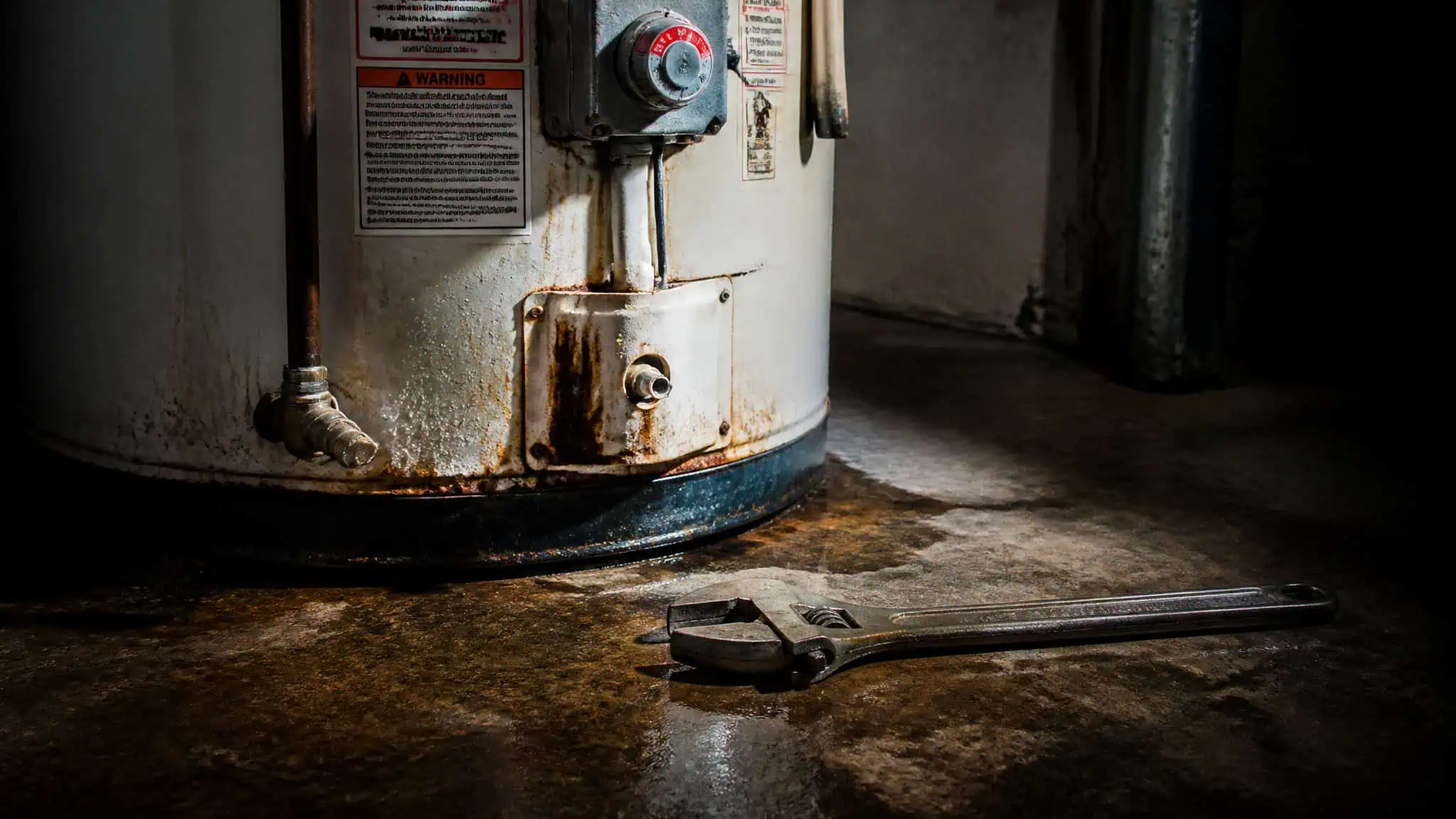
You’re standing in the hardware store, staring at a water heater. The price tag is half what a plumber quoted. The YouTube video made it look simple — disconnect two lines, drain it, swap it out. I’ve seen this exact moment play out dozens of times in the home improvement community I moderate. And I’ve also seen the panicked messages that come later.
Here’s what nobody tells you in the plumbing aisle: in Maryland, doing that work without a license can cost you $100 a day or up to $5,000 per violation. You can also go to jail for six months. Per day. Let that sink in before you start wrenching on your gas line.
The truth is, there’s no universal answer to what plumbing work can be done without a license. Every state draws the line in a different place. But Maryland’s rules are strict and well-documented, and they make a good case study for understanding the real stakes. This article walks through what those rules look like, where the DIY boundary actually sits, and what happens if you cross it.
Key Takeaways
Maryland fines unlicensed plumbing work up to $100 per day or $5,000 per violation, with possible six-month jail time — and offering to do the work counts as a violation.
Even apprentice plumbers in Maryland must be licensed and supervised on-site by a master or journey plumber; they cannot work alone.
Master plumbers in Maryland must carry at least $300,000 in bodily injury and $100,000 in property damage liability insurance — those numbers tell you how serious the state expects the damage to be.
Table of Contents
License vs. Permit: The distinction most state rules are built on
Most articles use “license” and “permit” like they’re the same thing. They’re not. A license is a personal credential that says you’re qualified to do plumbing work. A permit is authorization for a specific job, tied to local building codes. You can have a licensed plumber who still needs a permit for the job, and you can have a permit pulled for work that only a licensed plumber can touch.
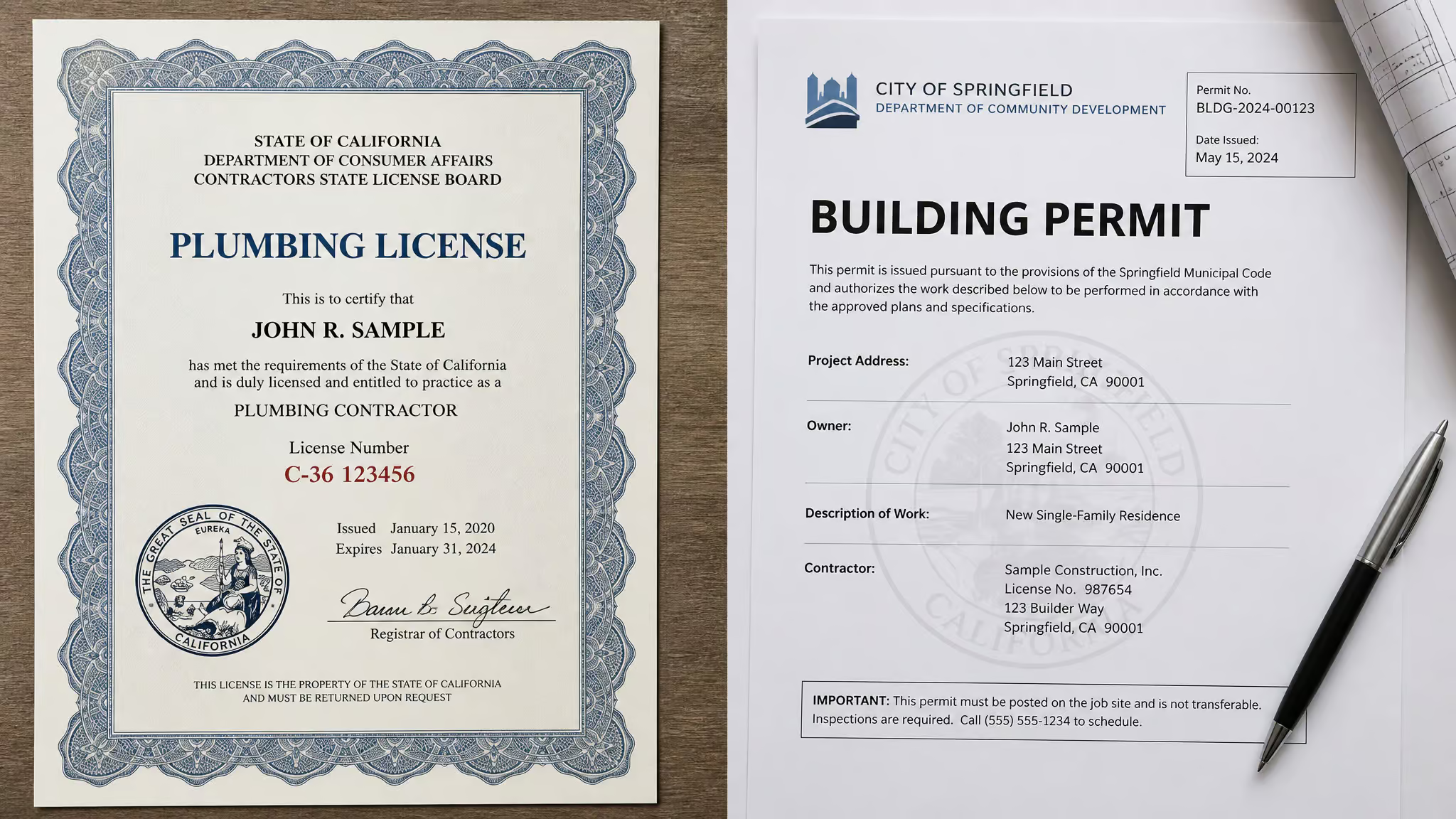
In Maryland, the licensing system is a three-tier ladder: apprentice, journey, master. Each rung defines who can do what and who has to be watching.
What a plumbing license actually is (and who needs one)
An apprentice holds a license, but they can’t do any plumbing or gas work alone. State law says a master or journey-level plumber must be on-site, supervising. Period. So even the guy who’s been learning the trade for two years isn’t allowed to swap your toilet solo.
A journey plumber has more experience — they’ve passed the exam and have the hours, but they still can’t work independently. They operate under the supervision and authority of a master plumber. They’re not taking your contract.
Only an insured master plumber can enter into contracts for plumbing work. And Maryland makes it easy to spot a legit operation: the master’s license number must be displayed in their place of business and on every vehicle they use for the job. No number on the van? Red flag.
Why a permit is different from a license (and why both matter)
A permit is job-specific. Even if you hire a master plumber, that water heater installation might still need a permit from your local building department. Some plumbers skip it — it’s not right, but it happens. If they do and the work is wrong, you’re on the hook for fixing code violations. That gets expensive fast.
The takeaway: don’t confuse “the guy has a license” with “the job has a permit.” Ask about both.
What tasks are typically DIY-legal — and where the gray areas start
You can probably unclog a drain with a plunger or snake without calling a pro, but can you diy plumbing? Replacing a faucet washer, swapping a toilet flapper, tightening a loose pipe connection — these are generally considered maintenance, not construction. Most states leave those alone.
The problem is the word “minor.” It means different things in different places. Replacing a toilet involves connecting to a water supply line and shut-off valve. Some codes classify that as work requiring a license.
Replacing a faucet does the same thing. In Maryland, even an apprentice can’t do those jobs without a licensed plumber standing there. So “minor” isn’t really a category.
The safest rule: any work that connects to your water supply or gas line potentially triggers licensing requirements. Check your local code before you touch a shut-off valve.
Bottom line: If your repair connects to a supply line or gas pipe, assume it needs a licensed plumber until you confirm otherwise.
What work absolutely requires a licensed plumber
Some jobs are pro territory everywhere. Gas lines top the list — any connection requires a licensed plumber or gas fitter. Maryland’s law actually separates propane gas and natural gas services, because different fuels mean different risks. If you’re touching a gas line, stop. That’s not a DIY project.
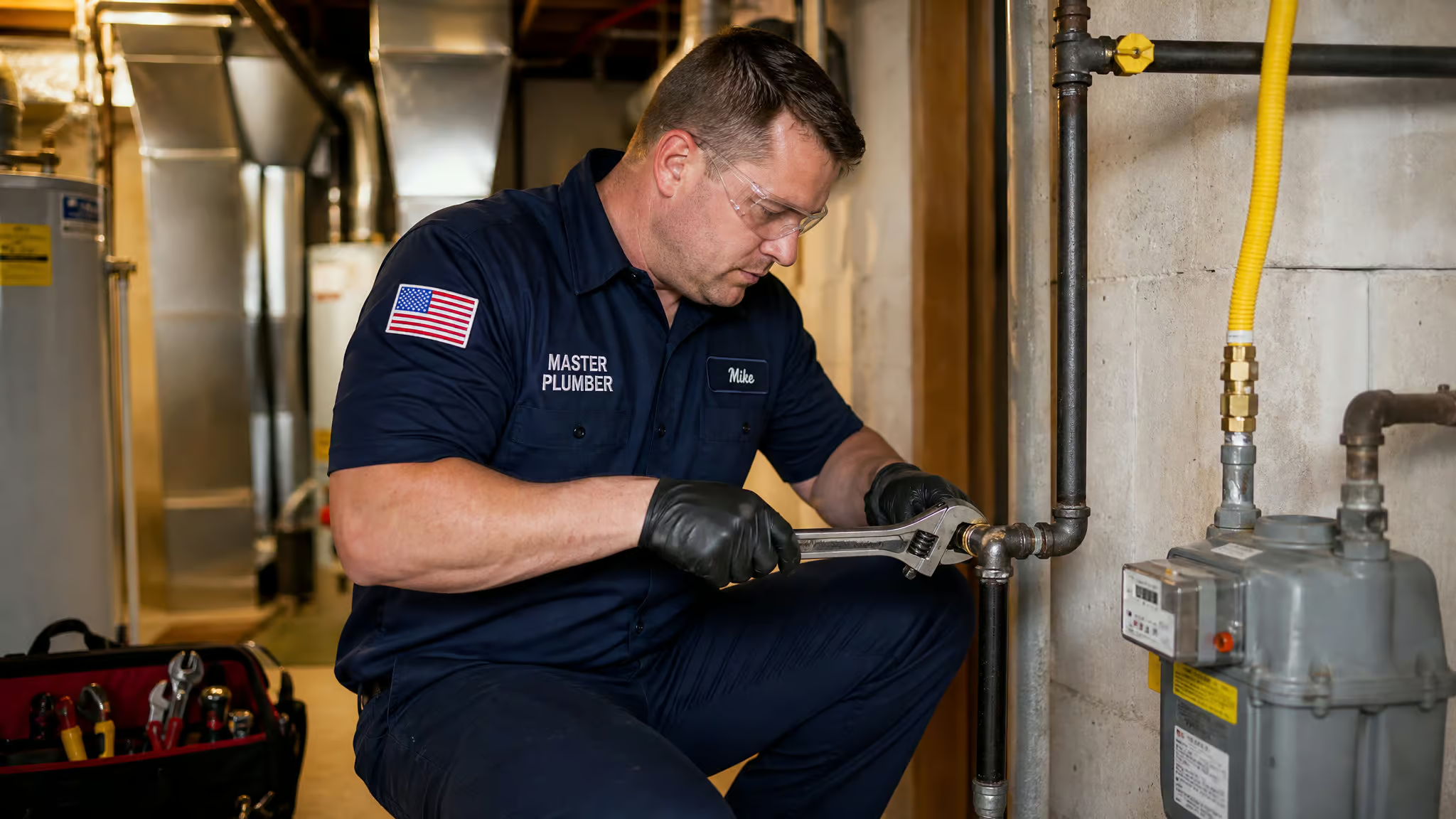
Same for your main water supply line — the pipe from the street to your house. That’s not a Saturday-afternoon job. Water heater installation, especially gas heaters, ties into water, gas, and code compliance. Sewer line replacement means excavation, connection to the municipal system, and health code issues.
Maryland requires master plumbers to carry liability insurance of $300,000 for bodily injury and $100,000 for property damage. Those are minimums. The state sets those numbers because the risks are real. A burst pipe can flood your basement, damage your foundation, and create safety hazards. That’s not a minor leak — it’s a disaster that costs tens of thousands to fix.
The handyman loophole: What a handyman can (and cannot) do
I’ll just hire a handyman instead of a plumber — it’ll be cheaper. I hear this one all the time. Here’s the problem: Maryland’s licensing ladder makes it clear that even a journey plumber can’t work independently. If a guy with years of experience and a state license still needs a master plumber calling the shots, how can a handyman with no license legally do that work, even if they have the right DIY plumbing tools?
Some states have handyman exemptions that cap work at a dollar amount or limit it to certain tasks. Texas, for example, allows unlicensed handymen to do work under a certain threshold. But many states don’t. In Maryland, if you need a license to do plumbing for hire, then a handyman without a license can’t legally do it. Offering to do it — even posting an ad on Craigslist, is already a violation.
If you hire an unlicensed handyman to replace your toilet and something goes wrong, you’re assuming all the risk. No insurance, no recourse.
Beyond fines: What actually happens if you do unlicensed plumbing work
The $100-a-day fine is bad. But the real hit comes later.
Insurance voiding — the hidden financial risk
Homeowner insurance policies often exclude damage caused by unlicensed work. You fix a small leak, it fails three months later, floods your kitchen. You file a claim. Insurance asks who did the work.
You say “I did it” — or “my buddy did it.” They deny the claim. Now you’re paying for all that water damage out of pocket. Maryland’s requirement that master plumbers carry $300,000 in bodily injury coverage tells you the state expects serious damage. You’re taking that risk on yourself if you DIY things that should be done by a pro.
Home sale complications, liability, and criminal record
When you sell your house, the home inspection will catch code violations from unlicensed work. You’ll have to fix them — with permits and licensed plumbers, or discount the house. That can easily eat up any money you saved by doing it yourself.
If an unlicensed plumber gets hurt on your property, they can sue you. A licensed plumber’s insurance covers that. Without it, you’re liable. And a misdemeanor conviction for unlicensed work follows you around — it can affect your ability to get licensed in other trades.
How to check your local regulations (using Maryland as a model)
Maryland’s system is strict, so it’s a good benchmark. But your state might be different. Here’s how to figure out your exact boundaries.
Start with your state licensing board. Search “[your state] plumbing licensing board.” Look for the same categories Maryland uses — apprentice, journey, master. Most states have similar tiers. Check whether your state has a “homeowner exemption” that lets you do work on your own house.
Check for handyman exemptions. Search “handyman exemption [your state] plumbing.” Some states cap handyman work at a dollar amount. Some don’t allow it at all. Look for specific language around “minor repairs” and see if it’s defined in the code.
Contact your local building department. Even if you don’t need a license, you might need a permit for specific work. Call or visit the website. They’ll tell you what requires a permit and what doesn’t.
In Maryland, you can verify a plumber’s license through the Department of Labor, division of occupational and professional licensing — reachable at 410-230-6231. Your state will have a similar number.
This takes some digging, but it’s worth it. One phone call can save you thousands in fines and repair costs.
The safe boundary between DIY and calling a pro
I get the appeal. You watch a video, it looks straightforward, you want to save the money. I’ve been there. But here’s the honest truth: plumbing is a skilled trade that takes years to learn.
One mistake — a wrong fitting, a joint that isn’t tight enough, a sewer line you accidentally hit, can cost you everything you saved. In Maryland, even connecting a toilet supply line can trigger the $5,000 per violation penalty if done without a license.
Here’s the single question that helps you decide: Does this task involve connecting to a water supply line or gas line? If the answer is yes, stop. Check your local regulations before you do anything. If you live in a state like Maryland, even small tasks might require a licensed plumber.
For minor maintenance — unclogging drains, replacing washers, tightening connections, you’re probably fine. But the moment you start messing with supply lines or gas, call a licensed master plumber. It might cost more upfront. It costs a lot less than the alternative.
Frequently Asked Questions
What plumbing work can a handyman do without a license?
It depends entirely on your state. In states like Maryland, there is no handyman exemption for plumbing — if a job requires a license, a handyman without one can’t legally do it, and even offering to do the work counts as a violation. Some states cap handyman work at a dollar amount or limit it to specific minor tasks, so you need to check your local code.
What happens if you do plumbing work without a license?
Penalties vary by state, but in strict states like Maryland, you can face fines up to $100 per day or $5,000 per violation, and even six months in jail — and offering to do the work counts as a violation. Beyond fines, unlicensed work can void your homeowner’s insurance, create liability if someone gets hurt, and cause problems when you try to sell your house.
Is it worth hiring a handyman instead of a plumber?
It might seem cheaper upfront, but if your state requires a license for the work, a handyman without one can’t legally do it — and you assume all the risk. No insurance, no recourse if something goes wrong, and a burst pipe from bad work can cost tens of thousands to fix. The money you save often gets eaten up by repairs, fines, or home sale complications.