A shelf of $70 longevity powders and a routine of not smoking, moving daily, and sleeping in a cool room both promise extra time, yet only one of them shrinks a three-decade sickspan. About 60% of Americans carry at least one chronic disease, and with a median US age of roughly 38, counting the end of healthspan at that first diagnosis means most people spend 30-plus years unwell. Compressing those sick decades is the real target when ranking not smoking, exercise, diet, sleep, and relationships against overhyped pills.
Key Takeaways
Practicing the Harvard five-habit bundle (not smoking, eating a healthy diet, exercising 30 minutes daily, drinking moderately, and keeping a normal weight) adds an average of 13 years to life expectancy, gaining 14 years for women and 12.2 years for men at age 50.
Measurable physical outputs like VO2 max, total muscle mass, and walking pace predict all-cause mortality better than logging weekly workout minutes, while social isolation raises early-death risk by as much as smoking 15 cigarettes a day.
Popular anti-aging supplements and off-label drugs lack proven human lifespan benefits: resveratrol’s mouse result was a 60% coconut-oil diet artifact, oral NAD precursors break down into niacin in the gut, and metformin fails to enter muscle tissue.
Table of Contents
How much longer do you live with healthy habits?
The most effective ways to increase life expectancy are daily habit bundles that drive longevity far more than expensive medical interventions, adding up to 14 years for women and 12.2 years for men at midlife. These headline numbers measure combined lifestyle routines rather than single isolated actions, because no long-term study breaks out an exact year count for one habit practiced in a vacuum. In the first comprehensive US analysis of a low-risk lifestyle, Harvard University researchers tracked 30 years of data (reported via WPLG Local 10) and found that five daily habits added an average of 13 years to life expectancy.
The Harvard five-habits number
The Harvard team tracked five specific behaviors: never smoking, eating a healthy diet, getting 30 minutes of daily exercise, drinking alcohol in moderation, and keeping a normal body weight. People who practiced all five lived an average of 13 years longer than those who did none.
At age 50 in that US population analysis, women who adopted the low-risk routine added 14 years to their life expectancy, moving from a baseline of 79 to 93. Men at age 50 gained 12.2 years, moving from 75.5 to 87.5.
What the four-factor study found
A separate study titled “Healthy Living Is the Best Revenge,” cited by NutritionFacts.org, tracked four overlapping habits: never smoking, not being obese, getting roughly 30 minutes of daily exercise, and eating a healthy diet. Compared to people practicing none of the four, people who hit all four cut their overall risk of developing a chronic disease by nearly 80%, alongside a four-fold difference in total mortality that was equivalent to being 14 years younger.
Those four habits directly target the chronic conditions that actually shorten men’s lives. The bundle dropped diabetes risk by 93%, heart attack risk by 81%, stroke risk by 50%, and cancer risk by 36%.
| Study / Cohort | Core Habits Tracked | Total Lifespan / Mortality Payoff | Specific Disease Reductions |
|---|---|---|---|
| Harvard 30-Year US Analysis | 5 (no smoking, healthy diet, 30 min daily exercise, moderate drinking, normal weight) | +13 years average (+14 years women, +12.2 years men at age 50) | No (tracked life expectancy) |
| “Healthy Living Is the Best Revenge” | 4 (never smoking, non-obese, ~30 min daily exercise, healthy diet) | 4-fold total mortality difference (equivalent to 14 years younger) | Yes (78-80% overall chronic disease; 93% diabetes, 81% heart attack, 50% stroke, 36% cancer) |
Not smoking: the anchor habit at the top of the ranking
Reaching the double-digit year payoffs in major longevity studies depends on including smoking abstinence and alcohol moderation inside the habit bundle. Avoiding or quitting smoking sits at the top of the ranking as the single most powerful behavioral step for adding years to your life, paying off even when a person quits at age 65 or 75. Smoking abstinence shows up in every high-effect bundle, including both the Harvard five-habit analysis and the four-factor chronic-disease study.
Moderate drinking counts as one of the five Harvard habits, but alcohol pulls in two directions. A drink might help you fall asleep faster, yet it wrecks restorative deep sleep.
That same logic of keeping damaging compounds out of your body extends to everyday environmental exposures. You can’t live in a bubble, but cutting back on air pollution and common plastics that leach chemical toxins like BPA and phthalates lowers your daily toxic load over time.
Exercise: strength, cardio, and tracking what you can do
Neither training style wins on its own: combining strength training and cardio gives the best longevity results because regular aerobic movement and lifting weights at least twice a week defend against heart disease, diabetes, and Alzheimer’s while preserving muscle and bone. Rather than counting hours in the gym, measurable physical outputs like VO2 max, muscular strength, and walking pace act as the real-world proxies for biological resilience and predict all-cause mortality far better than weekly minutes logged. Total muscle mass is a primary predictor of lower early-death risk, preventing age-related muscle loss (sarcopenia), while midlife exercisers who moved the most had up to a 45% lower risk of dementia than the least active.

Strength training vs cardio
- Strength training (2 to 3 times per week): Lifting fights sarcopenia, strengthens bones to cut osteoporosis risk, and boosts metabolism and insulin sensitivity. Carrying more muscle mass directly lowers your risk of dying early.
- Cardio (3 to 5 times per week): Aerobic work improves heart and lung function, supports mitochondrial health, lowers chronic inflammation, and fights depression.
- Brain protection: Aerobic exercise raises brain-derived neurotrophic factor (BDNF) and strengthens the brain regions Alzheimer’s hits first, driving that 45% lower dementia risk in active midlife adults. As Melanie Burke at Leeds University noted in a BBC report, internal lifestyle factors weigh heavier on how you age than external ones.
Track outputs, not minutes
- The compliance trap: Counting weekly gym minutes without testing your cardio capacity or strength leads straight to a plateau. Guys routinely feel compliant just for showing up, never track actual performance, and then assume the program failed.
- What actually predicts survival: Output measures, specifically how much weight you can move and your VO2 max, predict all-cause mortality better than input logs. Even your natural walking pace tracks with your biological brain age.
Daily movement beyond the gym
- The sitting penalty: Prolonged sitting harms your health even if you work out regularly. People in Blue Zones don’t do formal gym workouts; they stay naturally active all day and lean on purpose and social connection.
- All-day movement targets: Aim for 10,000 or more daily steps broken into smaller walks, take stairs instead of elevators or escalators, stretch and move every hour at your desk, and use yoga or foam rolling for mobility.
How diet affects lifespan: food as cellular information
Diet affects lifespan through whole-food, nutrient-dense eating patterns that act as genetic-level instructions for your cells. Plant-forward Mediterranean and Blue Zone diets rich in legumes, nuts, fruits, vegetables, and olive oil consistently lower cardiovascular, metabolic, and cancer risk, while ultra-processed foods, processed meats, and refined sugars accelerate cellular aging. The brain stakes are immediate: saturated fats in processed meats cause the liver to produce ceramides tied to heart disease and Alzheimer’s risk, whereas Karen Scott at the University of Aberdeen noted that taking a daily dietary fiber supplement improved brain function within three months.
Foods that extend life
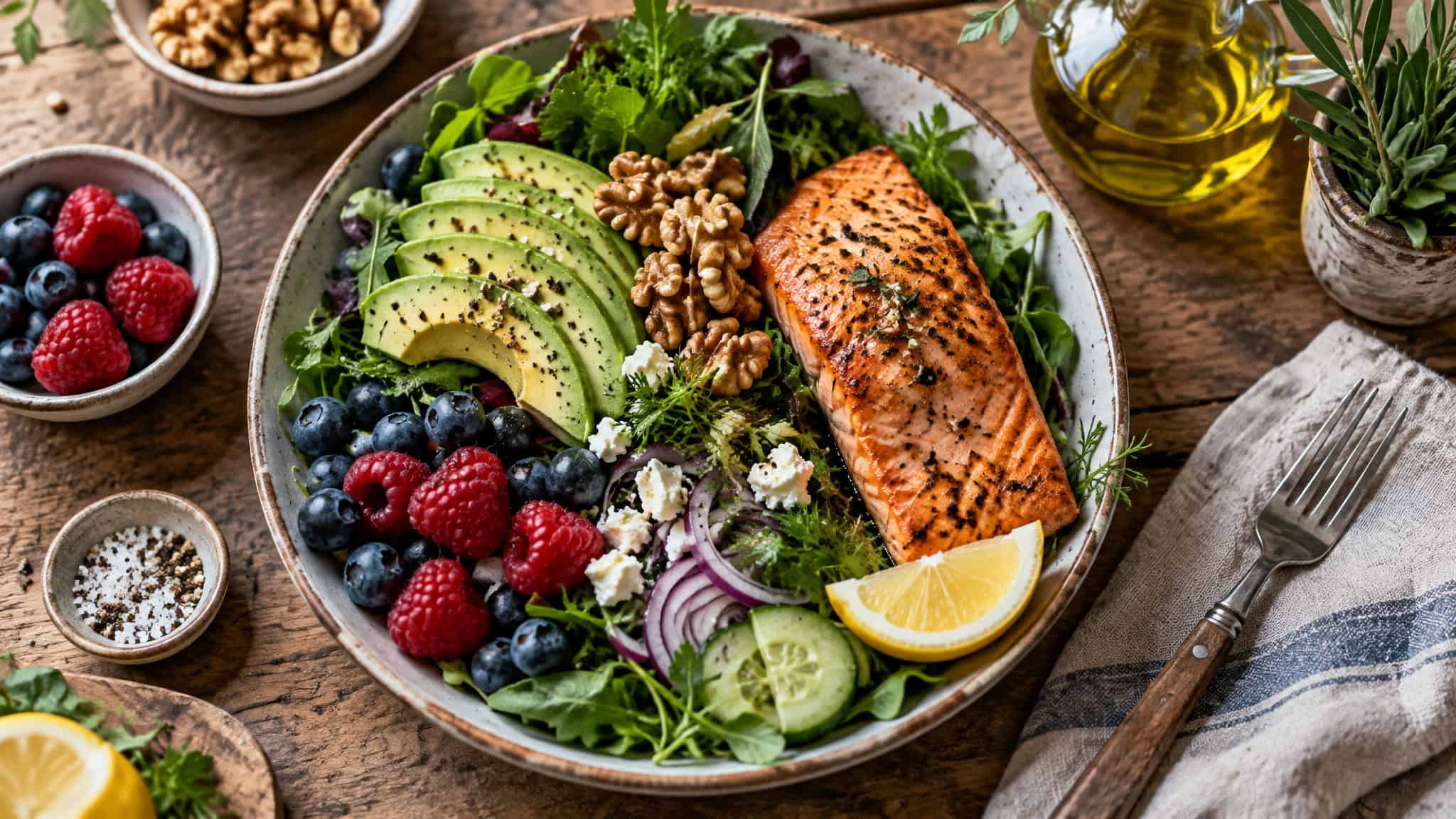
Six food groups carry the weight here. Antioxidants (berries, dark chocolate, leafy greens) fight oxidative stress, while healthy fats (avocados, nuts, olive oil) cut inflammation and omega-3s and polyunsaturated fats (salmon, sardines, trout, walnuts) protect against heart disease and dementia. On the structural side, high-quality protein (grass-fed meat, eggs, legumes) maintains muscle, polyphenols (green tea, dark chocolate, coffee) aid cellular repair, and colorful, fiber-packed fruits and vegetables feed gut and immune health.
Foods that accelerate aging
Four categories speed up damage: ultra-processed foods loaded with additives, refined sugars and heavy carbs that spike insulin resistance, processed meats tied to inflammation and cancer, and trans fats and seed oils in margarine, fast food, and packaged snacks.
The brain-specific stakes of fat and fibre
Increasing fiber is one of the highest-impact cognitive moves you can make. Eggs also supply choline to support memory, while lower choline intake links to Parkinson’s, Alzheimer’s, and higher depression risk.
Sleep: when the repair work actually happens
Getting enough deep sleep on a consistent schedule, going to bed and waking up at the same times every day to regulate your circadian rhythm, is how sleep drives longevity, rather than chasing a single magic hour count. Consistent, high-quality rest drives cellular repair, immune balance, and brain toxin clearance because the physical recovery triggered by your diet and exercise depends on deep sleep to actually run. Hitting deep sleep requires specific daily boundaries: keeping your bedroom at 16 to 19°C, limiting blue light 1 hour before bed to allow natural melatonin production, cutting back on alcohol, and cutting off caffeine in the afternoon since it stays in your system for up to 10 hours.

Why sleep outranks its reputation
Poor sleep speeds up cellular aging, raises inflammation, and drives up the risk of heart disease, obesity, and cognitive decline. Deep sleep is when your body repairs damaged muscle and tissue, clears brain toxins to lower dementia risk, and regulates metabolism, cortisol, and insulin.
Sleep hygiene parameters that matter
Skip the afternoon coffee and wake up at the same time every day to anchor your circadian rhythm. Cut blue light from screens at least an hour before bed so melatonin can rise, swapping scrolling for reading, meditation, or deep breathing. Cut back on alcohol so it doesn’t wreck your deep sleep, and consider a wearable like an Oura ring to spot what actually disrupts your recovery.
Stress: train resilience, don’t eliminate stress
Short bursts of stress from exercise, cold exposure, sauna use, or red light therapy act as beneficial hormetic stressors that train resilience. Chronic stress does the opposite: it keeps cortisol elevated and drives up your risk of heart disease, high blood pressure, cognitive decline, insulin resistance, inflammation, weakened immunity, and wrecked sleep. Those heat, cold, and light tools only complement foundational habits and never replace them. To lower chronic cortisol and break the stress-sleep cycle, use daily movement, box breathing, mindfulness, journaling, time in nature, firm boundaries against toxic environments, and consistent sleep.
Loneliness carries a smoking-sized mortality risk
Loneliness raises early-death risk by an amount comparable to smoking 15 cigarettes a day. With isolation climbing worldwide, a World Health Organization Commission labeled social connection a global health priority, putting your social network on the same tier as an exercise routine. Strong relationships lower cortisol and cut depression and cognitive decline. As a BBC health report put it, they “influence everything from our immune system’s strength to our chances of dying from heart disease.”
You don’t fix isolation by forcing awkward small talk. The practical route is connecting over shared interests where conversation is a byproduct of doing something else. Join a running group, sign up for a language course, or pick up a group hobby. BBC Future writer David Robson points to his own routine of a weekly 5km run and regular meetups with friends as a simple way to lock both habits in at once.
Fasting and metabolic health: benefits with hard boundaries
Intermittent fasting triggers cellular clean-up and improves metabolic markers, though direct human lifespan extension is not established and the practice is off-limits for several groups. People who are pregnant, have a history of disordered eating, or manage certain medical conditions should skip fasting entirely.
What fasting does in your cells
Fasting triggers autophagy, clearing out damaged cells and proteins. It also lowers insulin resistance and chronic inflammation to cut diabetes and metabolic disorder risk, while raising BDNF to protect the brain.
Protocols, safety limits, and how to start
Standard setups include time-restricted eating like the 16:8 method (fasting 16 hours, eating within an 8-hour window) and the 5:2 diet (normal eating five days a week, restricting calories on two). Some protocols also use 24-hour or 48-plus-hour fasts once or twice a week, though those longer windows require real caution. Guys routinely make the mistake of jumping straight into an aggressive fasting window without screening themselves first, burning out in days. If you qualify, start small by pushing breakfast back an hour or finishing dinner earlier before stretching the window.
Cognitive decline is not inevitable, and stacking is the proof
For at-risk adults over 60, stacking diet, exercise, cognitive training, and vascular monitoring can slow cognitive decline and deliver up to 25% greater cognitive improvement. Aging is inevitable, but how you age is in your hands: transitions in the way our brains are wired aren’t the same for everyone, nor are they set in stone. As Alan Gow at Heriot-Watt University told the BBC, echoing Alzheimer’s Research UK’s “never too early and never too late” campaign:
“We do have opportunities to protect and promote our brain health at every age and stage of the life,”
Cognitive reserve: how the brain protects itself
Early childhood builds over a million neural connections per second, and brain wiring shifts at distinct epochs around ages nine, 32, 66, and 83. Education, work, socializing, and leisure build cognitive reserve so the brain can route around damage. Learning a new language delays Alzheimer’s symptom onset by up to five years, and gardening preserves cognition enough that doctors integrate it into healthcare.
The Finger study: what stacking actually delivered
The Finnish Geriatric Intervention Study (Finger study) tracked 1,260 at-risk adults aged 60 to 77 over two years. Stacking diet, exercise, cognitive training, and cardiovascular management produced up to 25% greater cognitive improvement than the control group.
What are the top 3 supplements for longevity? An evidence audit
No longevity supplement currently has compelling human evidence, as the three most famous candidates, resveratrol, NAD precursors, and senolytics, each fail on specific mechanistic or replication grounds. As Google search interest in “longevity” climbed like a Bitcoin chart (a word researchers avoided 30 years ago in favor of “healthspan”), supplement companies rushed untested capsules to market long before laboratory replication caught up. The gap is glaring: resveratrol’s mouse lifespan claim was an artifact of a 60% coconut-oil diet, NAD precursors failed in the National Institute on Aging’s Interventions Testing Program (ITP), and seven blinded attempts failed to replicate a landmark senolytic study.
Resveratrol
A mouse study gets a headline, capsules hit the shelves, and the products stay on sale long after scientists debunk the paper. Mice on a 60% coconut-oil diet died of lung compression from fatty livers, which resveratrol only temporarily delayed; researchers uniformly reject the lifespan claim, yet roughly 100 resveratrol products remain on Amazon (retail prices and product counts vary).
NAD precursors
Sold around $70 a bottle, NR, NMN, niacin, and nicotinamide have negative ITP results and appear to break down into plain niacin in the gut when taken orally. Their best positive study in Johan Auwerx’s lab relied on short-lived control mice started around 20 months, and high-dose NMN caused kidney inflammation in aged mice.
Senolytics
Despite roughly $600 million in NIH network funding and some animal benefits, senolytics have no human evidence of removing senescent cells or slowing aging. One geroscience speaker’s seven blinded attempts (starting treatment at 18 months, including blinded p16 measurements with Judy Campisi’s lab) failed to replicate a Nature cover study on p16-positive cells. Meanwhile, Jan van Deursen admitted not measuring senescent cell counts, and Darren Baker admitted dosing and timing were never characterized. Even the catch-all terms “senescent cell” and “SASP” lump together distinct cell states instead of targeting specific cytokines from specific cells.
Are anti-aging pills like rapamycin and metformin ready for humans?
No, anti-aging pills like rapamycin and metformin are not proven for extending human lifespan. Although geroprotective drugs extend mouse lifespan and healthspan by 20 to 30% and cut age-adjusted mouse cancer incidence by a factor of 10 (mostly by postponing cancer), human translation lags by about a decade roughly 15 to 16 years after the first replicated ITP publication. That gap persists because metformin cannot even enter human muscle tissue and the roughly 8-year-old TAME trial is only enrolling at small scale, while over 80 early clinical trials dating back to around 2017 are mostly small phase 1 safety studies held back by patent barriers, commercial hype, and cultural skepticism.
Rapamycin: the strongest mouse evidence
Rapamycin extended mouse lifespan in the ITP regardless of start age or co-administration (and the diabetes drug canagliflozin also cut all-cause mortality in male mice). However, rapamycin is dual-use, slowing aging biology while failing as chemotherapy once cancers bypass the mTOR brake, and intermittent human regimens have never been dose-optimized for longevity.
Metformin and the unresolved verdicts
Metformin lacks the organic cation transporter needed to enter muscle and concentrates in the liver and gut. The Bannister paper claiming diabetics on metformin outlived non-diabetics was judged methodologically flawed, leaving one researcher’s intuition that it slows aging in diabetics but not non-diabetics untested while TAME (which picked metformin over rapamycin for cost, safety, and FDA optics) enrolls slowly, even though human all-cause mortality drops steadily as hemoglobin A1c falls from 6.0 to 5.5 to 5.0 below the 6.5 diabetes cutoff. Whether four generations of GLP-1 drugs up to tirzepatide slow aging is also unresolved, because trials only enroll obese or diabetic patients, confounding drug effects with calorie restriction, and the ITP has not tested injectable GLP-1s.
Lifespan vs healthspan: why the gap is widening anyway
Targeting aging biology in a lab makes total lifespan and healthy years rise together, yet at the population level the gap between the two is widening, fastest in the United States and among women.
What healthspan means and why it’s contested
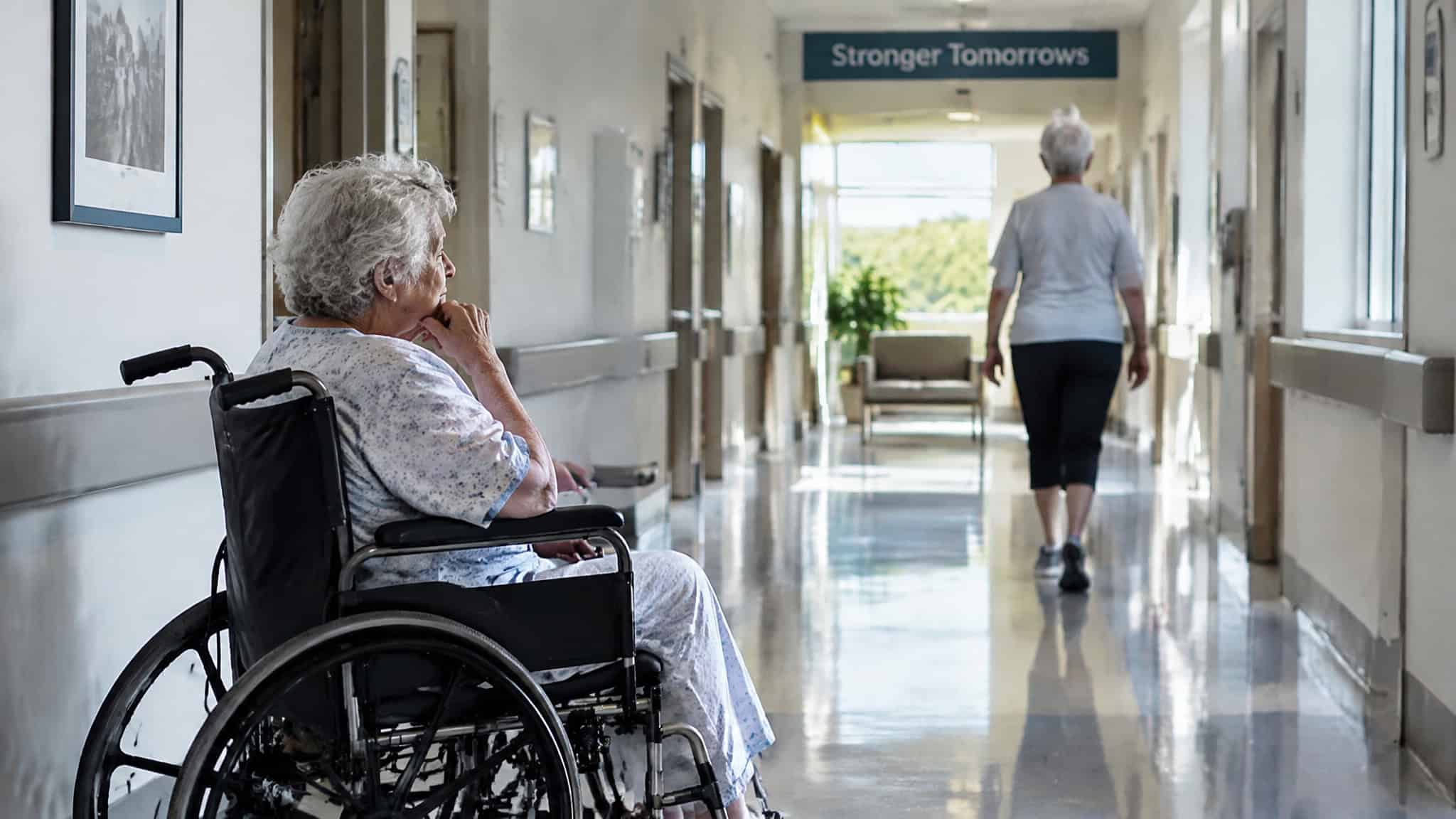
Lifespan is the total number of years you live, while healthspan is the portion lived free of chronic disease, though geroscience researchers debate whether “healthspan” is too vague to measure and often replace it with concrete goals for your final “marginal decade.” In mice given anti-aging drugs and in tiny dog breeds, aging slows across cancer, neurodegenerative, digestive, and joint diseases all at once. For a human, planning the physical and mental pillars of aging well means naming the exact activities you want to do in your last decade: skiing, gardening, running a hedge fund, or doing crosswords.
Why the national picture worsens as lifestyle works
Population life expectancy increases when countries fix basic public-health and hygiene risks and reactive medical care keeps people alive with chronic illnesses, though ignoring lifestyle causes leaves the US with the lowest life expectancy in the OECD (ranked 31st worldwide in 2015) despite spending the most on healthcare. A World Health Organization Global Health Risk Report (covered by Voice of America) examined 24 factors and found that five, poor childhood nutrition, unsafe sex, alcohol, bad sanitation and hygiene, and high blood pressure, cause a quarter of global deaths. Fixing those five adds nearly five years to global life expectancy, while eight factors drive over 75% of coronary heart disease, leaving developing nations with what Stephen Morrison at the Center for Strategic and International Studies called a double burden of infectious and chronic diseases.
Reactive “Medicine 2.0” tools (stents, chemotherapy, cholesterol drugs, titanium knees) keep Americans alive after they develop the four chronic diseases causing 80% of deaths. Per Sam Sutaria, the US spends roughly 80% more (up to double) on healthcare than other OECD nations yet ranked 31st in world life expectancy in 2015. American life expectancy sits at the bottom of the OECD due to middle-age deaths from overdoses, gun violence, suicide, and maternal/infant mortality, even though Americans who reach 65 jump to the top of post-65 life expectancy lists.
Starting at 50: the stacked action plan
Starting the core daily basics at 50 is well worth the effort for any guy who’s put them off, cutting four-year mortality risk by 40% without requiring a perfectionist overhaul.
The evidence on midlife change
You don’t need a lifelong track record to cash in on the compounding effect. Adults who adopt four basic habits in midlife, eating five or more servings of fruits and vegetables daily, walking about 20 to 30 minutes a day, maintaining a healthy weight, and not smoking, drop their four-year mortality risk by 40%.
Believing that change is still possible comes before any protocol works. Once you drop the all-or-nothing mindset, small daily adjustments start stacking in your favor.
Paired micro-steps that compound
Skip the total life overhaul and pair two friction-free habits today. First, add one longevity-boosting food while cutting one aging-accelerating food at a single meal. Second, add 10 minutes of daily movement, a quick walk, a set of squats, or stretching by your desk, because the best exercise is the one you actually do. Keep extras like cold plunges, saunas, and red light therapy in their proper lane as optional add-ons that never replace the daily foundations.
Frequently Asked Questions
How much longer do you live with 5 healthy habits?
Combining five core habits—not smoking, eating well, exercising 30 minutes a day, keeping a healthy weight, and drinking only in moderation—adds an average of 13 years to your life compared to doing none of them. In Harvard’s 30-year analysis of US adults at age 50, that routine pushed life expectancy up by 14 years for women (from 79 to 93) and 12.2 years for men (from 75.5 to 87.5).
Is strength training or cardio better for living longer?
Neither wins solo; you need both in the rotation to cover all your bases. Lifting weights two to three times a week builds the muscle mass and bone density that prevent sarcopenia and lower early mortality, while three to five weekly cardio sessions support heart, lung, mitochondrial, and brain health. What matters most isn’t the hours you log, though—it’s measurable outputs like your VO2 max, total strength, and natural walking speed.
Does intermittent fasting actually extend your lifespan?
Direct lifespan extension in humans hasn’t been proven yet, even though protocols like 16:8 and 5:2 clearly improve metabolic markers. Fasting triggers cellular cleanup (autophagy), lowers insulin resistance and chronic inflammation, and raises BDNF to support brain health. It also comes with hard safety boundaries: anyone who is pregnant, manages specific medical conditions, or has a history of disordered eating should skip it entirely.
How does loneliness compare to smoking for early death risk?
Chronic social isolation carries an early-death risk on par with smoking 15 cigarettes a day, which is why a World Health Organization Commission put social connection on the same priority tier as exercise. Strong relationships keep cortisol down and protect against depression, cognitive decline, and heart disease. The easiest fix isn’t forced small talk—it’s joining a running club, language class, or group hobby where conversation happens naturally alongside a shared activity.
Can cognitive decline be prevented with lifestyle changes after 60?
Yes, how your brain ages is heavily shaped by how you live rather than set in stone. In the two-year Finnish Geriatric Intervention Study (Finger study) of 1,260 at-risk adults aged 60 to 77, stacking diet, exercise, cognitive training, and vascular monitoring delivered up to 25% greater cognitive improvement than the control group. Even standalone habits build cognitive reserve—gardening helps preserve cognition, and learning a new language can delay Alzheimer’s symptoms by up to five years.
What is the difference between lifespan and healthspan?
Lifespan is simply the total number of years you stay alive, whereas healthspan is the years you spend completely free of chronic disease. Because about 60% of Americans carry at least one chronic illness and the median US age is roughly 38, reactive medical care often stretches out a three-decade “sickspan” rather than adding healthy time. Many geroscience researchers prefer skipping the vague label altogether and defining exact physical and mental activities—like skiing or gardening—you want to be able to do in your final decade.
Do longevity habits work without quitting smoking and alcohol?
You won’t hit the double-digit year payoffs seen in major longevity cohorts without addressing smoking and alcohol. Avoiding or quitting smoking sits at the very top of the habit rankings and still adds time even if you quit at 65 or 75, which is why every major longevity bundle requires it. Moderate drinking is included in the Harvard five-habit routine, though alcohol is a double-edged sword that wrecks restorative deep sleep even when it helps you nod off faster.
How does diet affect lifespan?
Food works like genetic-level instructions for your cells, either funding cellular repair or speeding up damage. Plant-forward Mediterranean and Blue Zone patterns rich in legumes, nuts, olive oil, fatty fish, and colorful produce cut cardiovascular, metabolic, and dementia risk, and even adding a daily dietary fiber supplement has been shown to improve brain function within three months. On the flip side, ultra-processed foods, refined sugars, seed oils, and processed meats drive insulin resistance, inflammation, and liver ceramides tied to heart disease and Alzheimer’s.