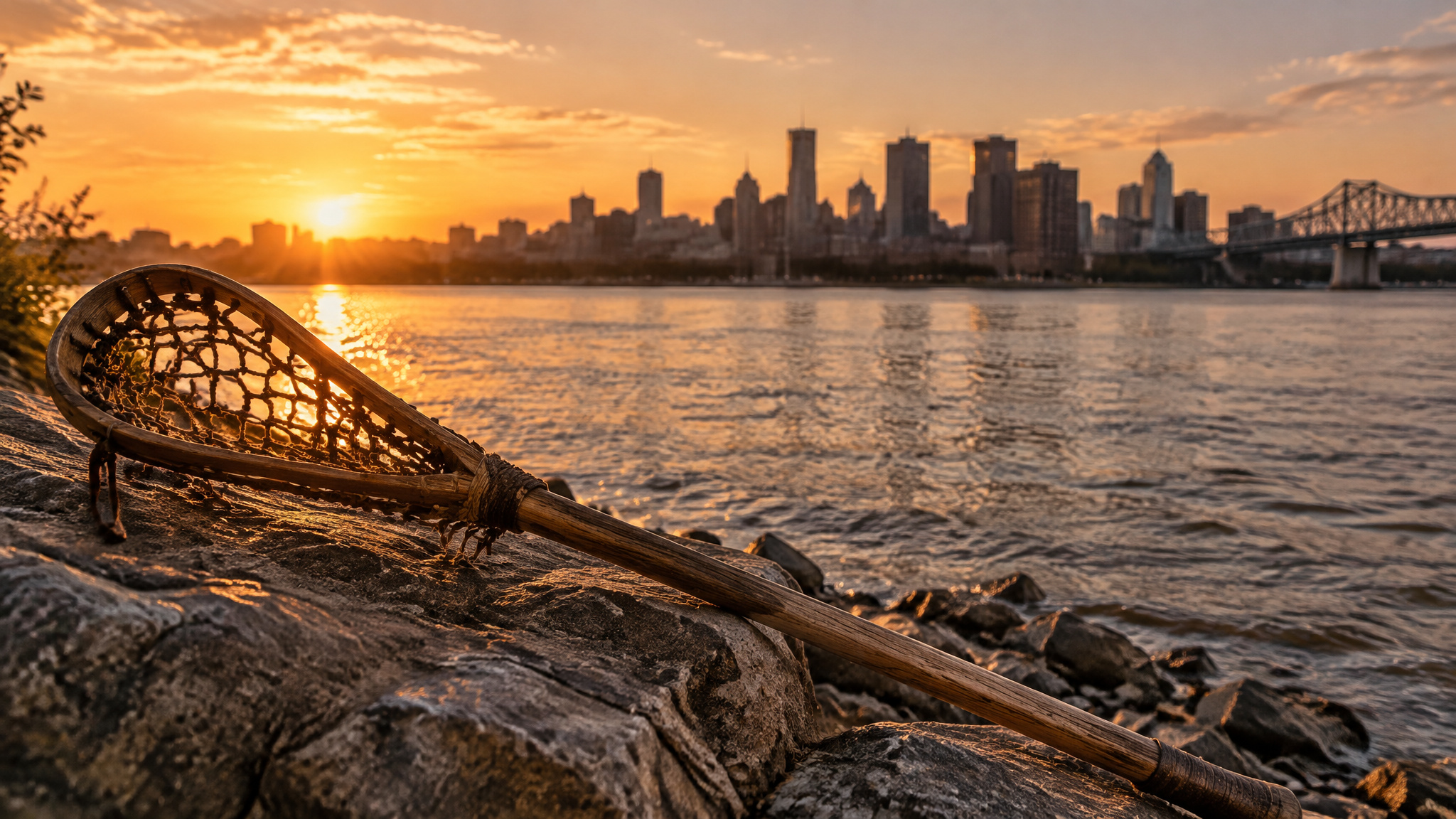
I was recently hiking in Quebec, putting a Helly Hansen jacket through its paces for Unfinished Man, when I hit a classic travel fork in the road. I love First Nations culture, and Kahnawake (Kahnawá:ke), a Mohawk (Kanien’kehá:ka) territory sitting roughly 10 kilometers from Montreal, was right across the water. I had to decide whether pulling a half-day away from Montreal’s standard sights was actually worth it. My verdict is a flat yes.
Still, it’s not a turn-key tourist strip, and going in blind will waste your afternoon. A good day trip here holds a lot: the Saint Kateri Tekakwitha Historical Shrine, the Kanien’kéha language, Kahnawake Brewing Company, and the 78-day 1990 Oka Crisis. It fits travelers who care about real history and living culture, while guys looking for velvet-rope attractions and corner cafés should skip it. Timing matters too, especially if you want to catch the Echoes of a Proud Nation Pow Wow in the second week of July or the Kahnawà:ke Cultural Arts Center & Museum.
Key Takeaways
Kahnawake is a self-governing Mohawk First Nation reserve of close to 9,000 residents on the Saint Lawrence River’s south shore roughly 10 km from Montreal, known for Haudenosaunee Confederacy roots, Kanien’kéha language revitalization, lacrosse, and the 1990 Oka Crisis.
Visitors can orient themselves at the Kahnawake Welcome Center at 1 River Road (phone 450-635-2929, open weekdays 8:30 to 4:00 except 12:00 to 1:00, weekends 10:00 to 3:00) right beside the Saint Kateri Tekakwitha Historical Shrine and St. Francis Xavier Mission.
Deep cultural stops like Kanien’kéha lessons at the Kahnawake Survival School, the Kahnawà:ke Cultural Arts Center & Museum (scheduled for a May 2026 launch), the Echoes of a Proud Nation Pow Wow in the second week of July, and dinners at Kahnawake Brewing Company reward booking or timing ahead.
Table of Contents
What Kahnawake is: a Mohawk nation 10 km from Montreal
Kahnawake Mohawk Territory is a self-governing Mohawk (Kanien’kehá:ka) reserve in Quebec along the Saint Lawrence River’s southern bank, roughly 10 kilometers from Montreal. It’s known for its Haudenosaunee Confederacy roots, Kanien’kéha language revitalization, lacrosse heritage, and the 1990 Oka Crisis. As Fused Magazine reported in a May 9, 2020 visit, this Mohawk reserve outside Montreal is home to close to 9,000 inhabitants.
According to Kahnawà:ke Tourism, the community is one of eight communities that make up the Mohawk Nation. Through those roots, the Mohawks of Kahnawake hold historic, political, and cultural ties to the Oneida, Seneca, Onondaga, Cayuga, and Tuscarora Nations across northeastern North America.
If you visit, get the everyday terminology right. Most residents call themselves “Indian,” and the word “tribe” isn’t used here. Use “nation” instead, and remember that Mohawks in Canada are referred to as First Nation.
Is it worth visiting Kahnawake?
Yes, Kahnawake is worth visiting for travelers who want living Mohawk culture and history within a half-day of Montreal rather than a conventional, signposted tourist attraction like Old Montreal or the Lachine sites. For visitors interested in Indigenous history just outside the city, Kahnawake delivers far deeper cultural encounters per hour than standard sightseeing, provided you plan ahead for stops like the Saint Kateri Tekakwitha Historical Shrine, local artisan shops, and the cultural center.
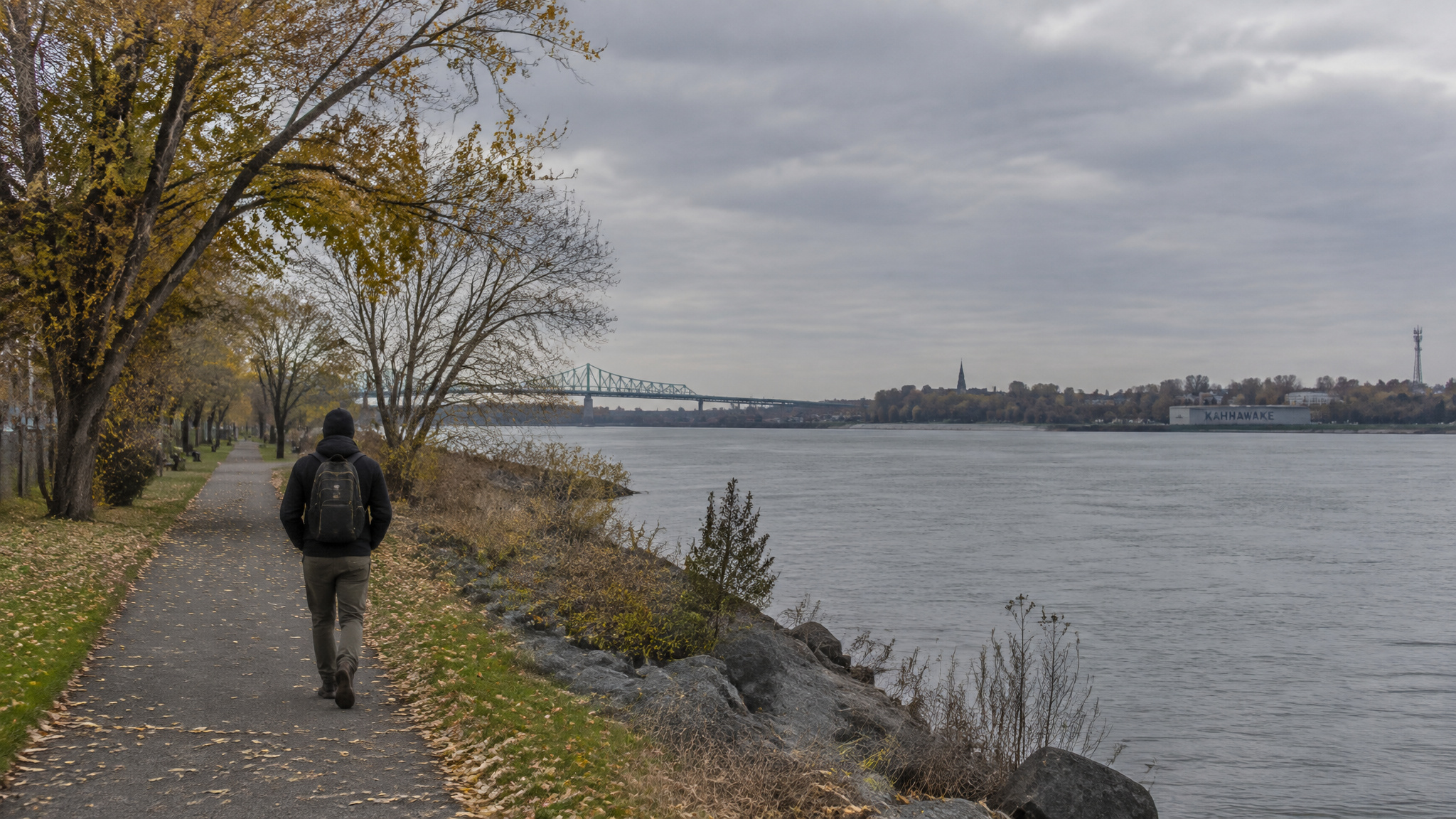
Compare that with staying on the island of Montreal. The Lachine Canal National Historic Site is an iconic spot in southwest Montreal, and The Fur Trade at Lachine National Historic Site covers the history of Indigenous trappers, French-Canadian voyageurs, and Europeans. Those parks give you easy walk-up signage and cafés nearby, whereas Kahnawake is a residential community that rewards advance coordination. A travel blog published on February 7, 2026 by Deerfield Academy students Max Pang ’26 and Rich Zhou ’26 shows what one arranged day holds: they grabbed Montreal bagels in the morning, then spent the day inside a Kahnawake Survival School language lesson, touring the Saint Kateri shrine and mission church, browsing artisan shops, and previewing the new museum. Your mileage also shifts with the calendar, since catching the July powwow feels different from rolling in on an unarranged Tuesday afternoon.
Can you visit Kahnawake? The Welcome Center and getting there
Yes, you can visit Kahnawake as a tourist, even if you only know the name from online gaming regulation in Kahnawake. Start at the Kahnawake Welcome Center, which is about 10 kilometers from Montreal and is the official first stop for visitors. Kahnawà:ke Tourism (also listed on HistoricPlacesDays.ca) runs the center at 1 River Road, Kahnawake, QC. It’s open weekdays 8:30 to 4:00 (closed 12:00 to 1:00 for lunch) and weekends 10:00 to 3:00, or you can call staff at 450-635-2929. While anyone can drive in to visit the Welcome Center and the adjacent shrine, deeper experiences like school visits or guided tours require booking ahead.
First-time visitors often pull up expecting ticket booths and aren’t sure if they’re allowed to just drive into the neighborhood. Starting at 1 River Road solves that awkwardness immediately. The center sits right next to the St. Francis Xavier Mission and the Shrine of Saint Kateri Tekakwitha, and its whole job is orienting guests.
- Address: 1 River Road, Kahnawake, QC (beside St. Francis Xavier Mission and the Saint Kateri shrine)
- Hours: Weekdays 8:30 to 4:00 (closed 12:00 to 1:00); weekends 10:00 to 3:00
- Phone: 450-635-2929
- On-site amenities: Parking, plus food and drinks
- Visitor services: Welcomes guests, points you toward key destinations, coordinates scheduled visits, and steers you to local shopping, dining, and accommodations
Why does Kahnawake sit right here along the Saint Lawrence River’s southern bank? As the fur trade expanded, the Kanien’kehá:ka near Montreal called on their brothers to the south to come north and reinforce their numbers. That resettlement opened up a major trade route carrying furs and goods down to Albany.
Getting there today is a quick half-day drive across the river from Montreal. If you prefer moving under your own power, a riverside service-road footpath connects the neighboring town of Sainte-Catherine directly into Kahnawake for walkers and cyclists, and an ambitious 34-kilometer walking trail runs all the way from Old Montreal. Just keep your expectations straight: walking into the Welcome Center or the church is easy, but sitting in on classes at the Survival School or getting guided institutional tours takes advance coordination.
The journey to Kahnawake: 10 loaded kilometers from Montreal
The 10-kilometer gap between Montreal and Kahnawake carries centuries of cultural separation that a quick highway drive hides.
The 34-km walk from Old Montreal
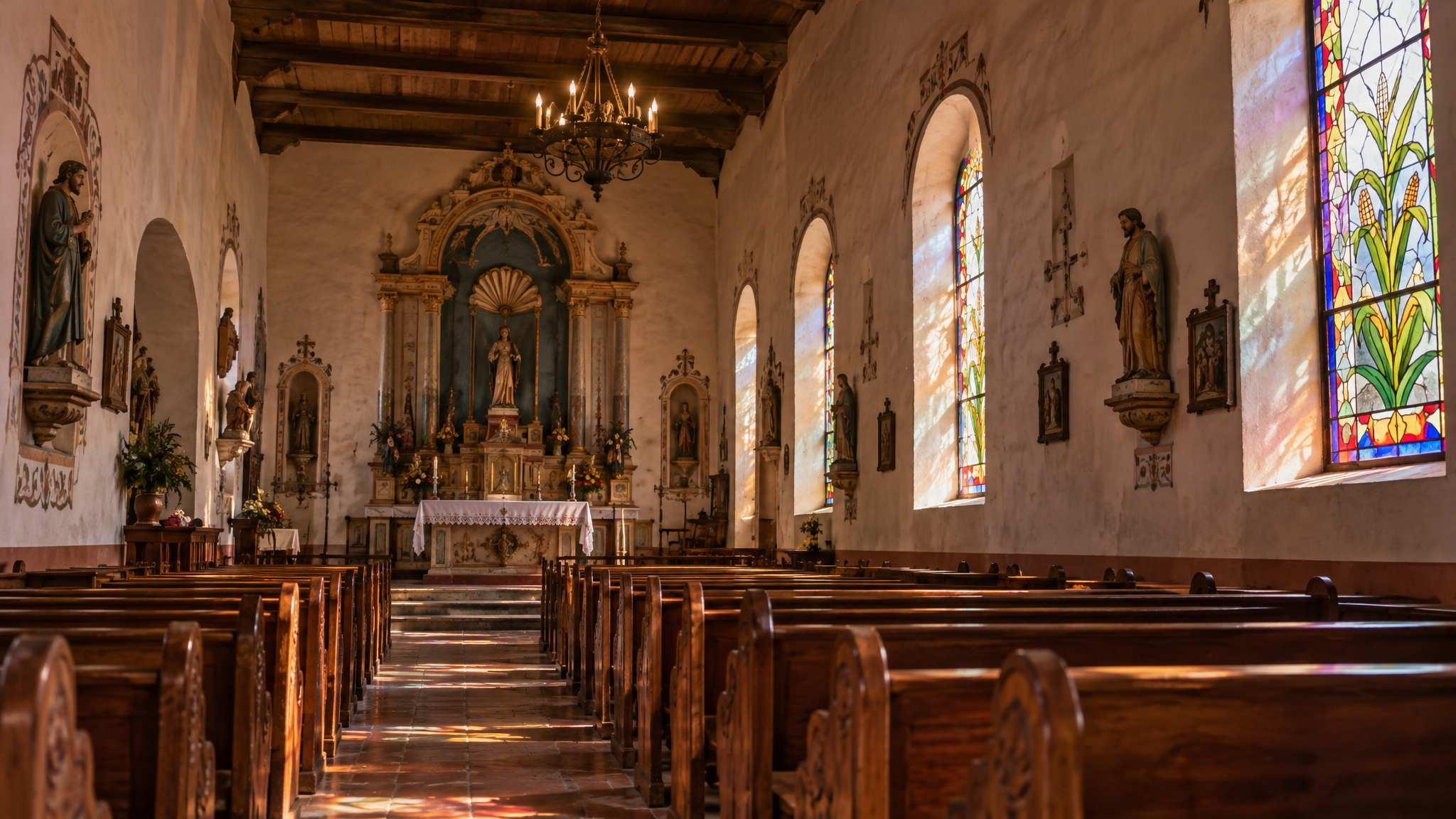
In June 2014 (covered by Concordia NOW on June 18, 2014, and by somethinggrand.ca the following day, June 19, 2014), Concordia University theological studies assistant professor Matthew Anderson (also of Loyola College for Diversity and Sustainability) and lecturer Sara Terreault led students on a 34-kilometer public-outreach walking pilgrimage from 17th-century Notre-Dame-de-Bon-Secours Chapel (built for St. Marguerite Bourgeoys in early Ville-Marie), trekking 23 kilometers Saturday across urban, suburban, industrial, and park zones to sleep downstairs at Église Sainte-Catherine d’Alexandrie in its church basement, 10 kilometers Sunday into Kahnawake, and walking back Monday.
Blank maps at the border
A 30-year Sainte-Catherine city hall clerk told the walkers reaching Kahnawake on foot was impossible without police stopping highway traffic just minutes before they found a riverside service-road footpath, while Sainte-Catherine municipal maps ended in blank space at the Kahnawake border, a cartographic erasure showing how benign ignorance turns into suspicion during crises like the 1990 Oka Crisis.
What the pilgrims found in Kahnawake
Framing the trek through pilgrimage theory and communitas (spontaneous fellow-feeling across social divides, presented by Anderson at the July 2014 Sacred Journeys conference at Mansfield College, Oxford) as a bodily voyage between two cultural self-understandings driving can’t replicate, the group learned about Tekakwitha from Concordia PhD alumna Orenda Boucher, visited the Saint Kateri shrine and traditional Kahnawake Longhouse, toured the Kahnawake Cultural Centre with cultural liaison officer Tom Deer, and met Kahnawake journalist and UN Permanent Forum on Indigenous Issues educator Kenneth Deer.
Things to do in Kahnawake: what each site holds
Things to do in Kahnawake center on living history, religious syncretism, and local craftsmanship rather than commercial tourist traps, giving visitors who plan ahead a tight circuit of historic and cultural sites across the territory. The main stops for a morning or full-day trip from Montreal cluster around the riverfront mission, the cultural center, and small First Nations-owned businesses.
- Saint Kateri Tekakwitha Historical Shrine and St. Francis Xavier Mission: Houses Saint Kateri’s remains, bead artworks, portraits, sculptures, and colonial-era church artifacts right beside the Welcome Center.
- Kahnawà:ke Cultural Arts Center & Museum: A new museum space (scheduled to launch in May 2026) covering pre-Colonial village maps through the 1990 Oka Crisis. The Welcome Center also lists Île Tekakwitha nearby.
- Artisan handicraft shops and Kahnawake Brewing Company: First Nations craft shops near the Survival School and the first Native-owned brewery on First Nation territory in Canada.
Saint Kateri Tekakwitha shrine and St. Francis Xavier Mission
Saint Kateri Tekakwitha is the first Indigenous North American saint, canonized in 2012 after her second miracle, and you can visit her remains inside the St. Francis Xavier Mission Catholic Church and the adjoining Saint Kateri Tekakwitha Historical Shrine. Born a Mohawk child who was the sole survivor of smallpox in her family, Kateri traveled north to the Jesuit mission at Kahnawake, converted to Catholicism, and died young. Inside the shrine museum, you’ll find bead artworks, religious artifacts, portraits, and sculptures. On the Deerfield visit, tour guide Bronwyn pointed out the corn stalks worked into the church windows as a clear example of religious syncretism. Bronwyn also shared the story of Eunice Williams’ life among the Kahnawake Mohawks and recounted how the Kahnawake church bell was commissioned by the French before being stolen by the English and John Williams.
Kahnawà:ke Cultural Arts Center & Museum
During the February 2026 Deerfield visit, the Kahnawà:ke Cultural Arts Center & Museum was under construction and scheduled to launch in May 2026, with exhibits spanning pre-Colonial settlements and village maps up through the 1990 Oka Crisis. Even while the building was being finished, the previewed exhibits held serious weight: corn husk dolls, the Five Nations Wampum Belts, a recovered wooden canoe, and artwork explaining how the “bundle of arrows” imagery still printed on US dollar bills actually originated in Mohawk and Iroquois Confederacy culture.
Brewery, crafts, and day-trip texture
If you want to buy authentic Mohawk art and crafts near Montreal, head to the First Nations artisan handicraft shop near the Kahnawake Survival School or ask the Welcome Center staff to point you toward local makers selling beadwork and traditional goods. For food and a pint, Kahnawake Brewing Company is the first Native-owned brewery on First Nation territory in Canada. Small local spots and the brewery fill up fast, though. The Deerfield group showed up for a planned dinner at Kahnawake Brewing Company only to find it full, forcing them to fall back to their hotel restaurant, Stanley (where their teacher Mr. Jan ran a Family Feud-style trivia game that ended in a tie, broken by guessing which country had the highest female representation in parliament).
They also squeezed in their first stop at a Canadian Tim Hortons near the school. If the brewery is on your list, book your table ahead of time.
A living language: Kanien’kéha at the Survival School
Visitors get by easily speaking English in Kahnawake rather than worrying about Quebec French, because the community’s fierce linguistic priority is revitalizing Kanien’kéha, the Mohawk heritage language. You see that priority in action if you arrange a cultural visit to the Kahnawake Survival School. In a morning lesson before the visiting students sat down to corn soup and meat pie in the dining hall, teacher Tewenhni’tatshon broke down Kanien’kéha command phrases. The grammar changes based on who you’re talking to: one person, two people, or three or more. English doesn’t have that structure, and hearing it taught makes it clear you’re looking at a living worldview, not a museum relic.
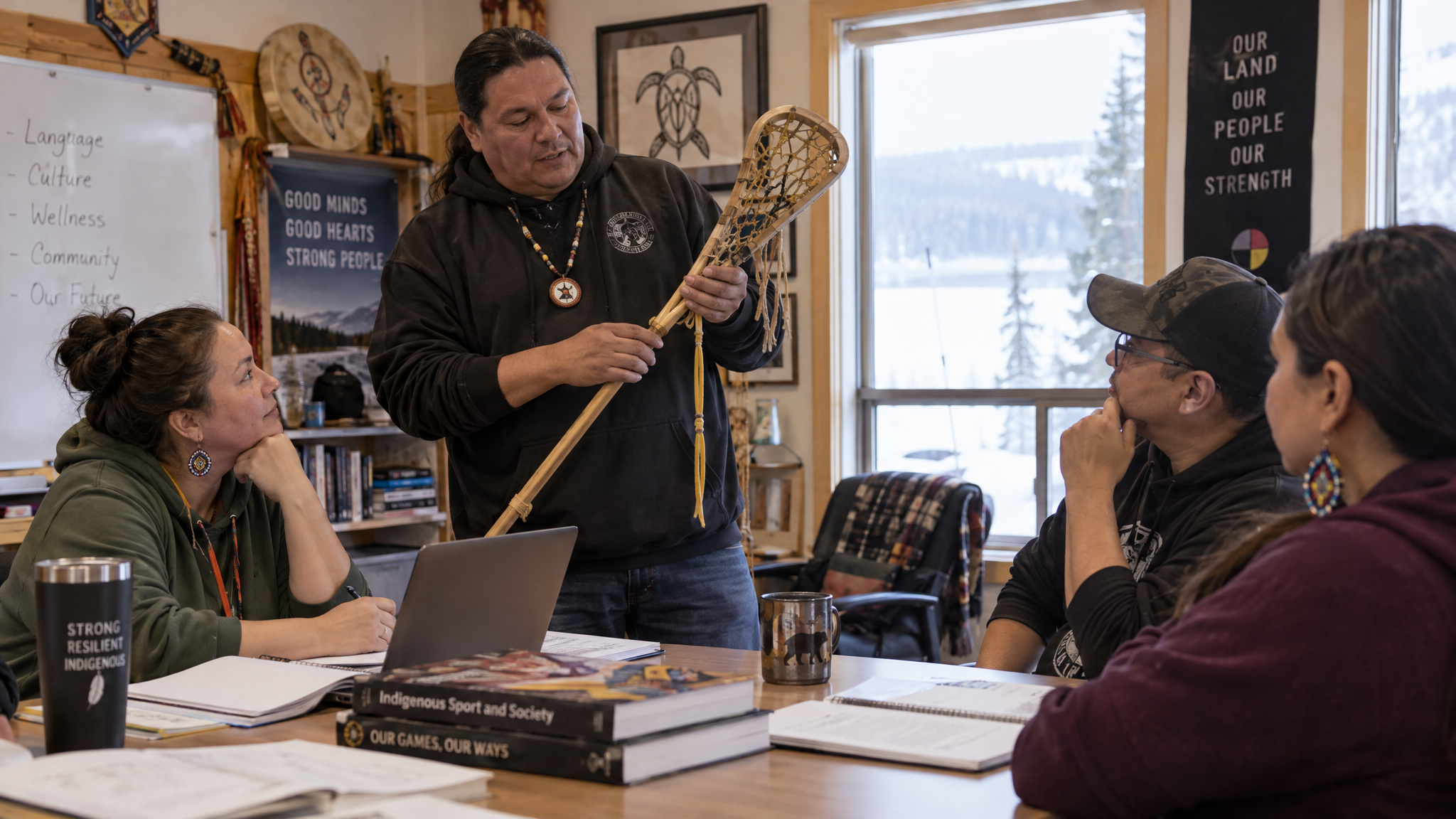
Tewenhni’tatshon is also a 2025 Canadian Lacrosse Hall of Fame inductee and a former player and coach. During the visit, he brought out his lacrosse stick and told the story of praying to the Creator with it before a friend’s terminal cancer went into remission.
That classroom sits inside a broader language push across the territory. At the Kanien’kehá:ka Onkwawén:na Raotitióhkwa Language and Cultural Center, the Language Immersion Center helps adult community members relearn their heritage tongue. The center even films Tóta tánon Ohkwá:ri, a Sesame Street-style children’s TV show in Kanien’kéha whose characters are local celebrities and whose episodes you can pull up on YouTube.
Haudenosaunee roots: Confederacy, diplomacy, and the Indian Act
Centuries before Canadian federal law tried to control the reserve, the Mohawks of Kahnawake operated as a major diplomatic and military power anchored by the Haudenosaunee Confederacy’s Great Law of Peace, one of world history’s rare democratic unions of nations built for peace alongside the Creation Story, the Seventh Generation principle, and the Two Row Wampum Treaty. Across the 17th and 18th centuries, the Kanien’kehá:ka leveraged their geography between French fur posts at Quebec City and British posts at Albany for political and economic gain, and in the War of 1812 they helped repel the US army at the Chateauguay River in 1813 before joining Akwesasne, Kanesatake, and Six Nations at the 1814 Battle of Beaver Dam, where British Lieutenant Fitzgibbon reported that Indigenous fighters alone fired every shot, terrifying the American detachment into submission. Canada’s 1876 Indian Act then ravaged a thousand years of political and economic growth in under a century: authority moved to external ministers, land shrank, language and governance were banned, and legal definitions of “Indian” were imposed. The community pushes back today, rebuilding on the Great Law and the Two Row Wampum, and joining grassroots movements like 2013’s Idle No More protests against pollution and inequality.
The Oka Crisis from the classroom window
The 1990 Oka Crisis matters for visitors to Kahnawake because the 78-day armed standoff isn’t distant textbook history here, but a lived memory that unfolded right outside the windows of the community’s daily institutions. It started in 1990 when the town of Oka tried to expand a golf course over a Native cemetery. That triggered a siege where authorities escalated from the Quebec Provincial Police to the Royal Canadian Mounted Police (RCMP), and finally to the Canadian Armed Forces.
When Tewenhni’tatshon and his language students discussed the standoff at the Kahnawake Survival School, he added: during the 78-day siege, military tanks were parked right across the street, directly visible through the window of the classroom where students now sit learning Kanien’kéha. Sitting in the school dining hall afterward over bowls of corn soup and meat pie, the visiting students talked through the gap between politicians’ public statements of support and actual concrete benefits for First Nations, and how easily those struggles get ignored in national politics.
Visiting respectfully: Kahnawake as a living nation
Yes, visiting Kahnawake is respectful when non-Indigenous travelers arrive as guests in a self-governing First Nation rather than treating the reserve like a human zoo or photo safari. Because Kahnawake runs its own Kahnawake Welcome Center to orient outsiders alongside its own schools, galleries, and businesses, the community actively invites visitors who respect local sovereignty and spend money at Mohawk-owned spots.
A self-governing community, not an attraction
Most of Kahnawake’s roughly 9,000 residents grew up here and moved back. Governed by the Mohawk Council of Kahnawà:ke, the territory runs its own nursery, school, fire station, art galleries, two longhouses for traditional ceremonies, K 103 radio station, Eastern Doors newspaper (edited by Steve Bonspiel), and its own police force, the Peacekeepers.
Identity and law here are concrete political realities. Under Blood Quantum rules, registration in the Mohawk register requires four generations of traceable inheritance with a blood relation above 50% (often recorded by nations that use it on a US-issued CDIB card, though rules vary by nation). Legal jurisdiction on the territory depends on who commits the offense: Peacekeepers handle minor offenses between Indians on the reserve, while federal authorities step in for non-Indians or major crimes. And forget Hollywood stereotypes about who looks “Indian.” When Fused Magazine writer Jannica Honey spent two days here, she met blonde, blue-eyed, and red-haired Mohawks alongside fluent speakers: Kenneth John Montour (whose father and grandfather were both Peacekeepers), a 20-year-old punk fan into the band Exploited, a woman who was a quarter Swedish, and Leteronni, who explained an all-night eating and dancing ceremony that feeds the dead.
Respectful visiting in practice
- Use the right words: Say “nation” or “First Nation,” never “tribe.”
- Act like you’re in a neighborhood: Skip the voyeuristic street photography; people live and work here.
- Start at 1 River Road: Check in at the Welcome Center and book institutional or school tours ahead of time.
- Buy from local owners: Put your money into First Nations businesses like Kahnawake Brewing Company and the artisan shops near the Survival School.
- Talk like a normal human: Honey connected with locals by sharing Lucky7 cigarettes and trading stories as a Swedish expat and second-generation immigrant, rather than acting like an interviewer on safari.
Timing your visit: the July powwow and the museum window
Planning your visit around the second week of July for the annual Echoes of a Proud Nation Pow Wow gives you Kahnawake’s biggest cultural celebration, though the territory is worth visiting any time of year because its core riverfront sites run year-round and the new museum adds a major indoor stop. The Welcome Center lists the Echoes of a Proud Nation Pow Wow as a premier draw, bringing together dancing, food, and cultural sharing every July.
If you can’t make it in July, your main timing question is the Kahnawà:ke Cultural Arts Center & Museum. When the Deerfield students visited in February 2026, the museum was scheduled to launch in May 2026 with exhibits running from pre-Colonial village maps to the 1990 Oka Crisis. Going in July gives you the high-energy spectacle of the powwow, while visiting in the quieter months trades crowds for unhurried conversations at the Welcome Center, the Saint Kateri shrine, St. Francis Xavier Mission, and Kahnawake Brewing Company. Before you drive over from Montreal, call the Welcome Center at 450-635-2929 to confirm the museum’s current operating hours and lock in a dinner reservation at the brewery.
Frequently Asked Questions
What is Kahnawake known for?
Kahnawake is best known for its deep roots in the Haudenosaunee Confederacy, its fierce commitment to revitalizing the Kanien’kéha language, its lacrosse heritage, and its role in the 78-day 1990 Oka Crisis standoff. Visitors also know the territory for the Shrine of Saint Kateri Tekakwitha—the first Indigenous North American saint—and for hosting Kahnawake Brewing Company, the first Native-owned brewery on First Nation territory in Canada.
Can you visit Kahnawake as a tourist?
Yes, tourists are welcome to drive right in, and the smart move is starting at the Kahnawake Welcome Center at 1 River Road (open weekdays 8:30 to 4:00 except 12:00 to 1:00, and weekends 10:00 to 3:00). Staff there orient guests, point out local dining and craft shops, and sit right next door to the Saint Kateri shrine. While you can walk into the Welcome Center and church on the fly, deeper visits like touring the Kahnawake Survival School require calling 450-635-2929 to schedule ahead.
How far is Kahnawake from Montreal and how do you get there?
Kahnawake sits roughly 10 kilometers across the Saint Lawrence River from Montreal, making it a quick half-day drive. If you prefer traveling on foot or by bike, a riverside service-road footpath links the neighboring town of Sainte-Catherine directly into the territory, and a 34-kilometer walking route stretches all the way from Old Montreal.
When is the Kahnawake powwow and is it worth planning a trip around?
The annual Echoes of a Proud Nation Pow Wow takes place during the second week of July and is the territory’s biggest cultural celebration, packed with dancing, food, and cultural sharing. It is well worth building a summer trip around if you want high-energy spectacle, though visiting in quieter months still gives you unhurried access to the riverfront shrine, the museum, and local businesses.
Is it respectful for non-Indigenous visitors to tour a Mohawk reserve like Kahnawake?
Yes, as long as you show up as a respectful guest in a living neighborhood rather than treating the territory like a photo safari. Check in at the Welcome Center first, skip voyeuristic street photography, use the term “First Nation” or “nation” instead of “tribe,” and put your money into Mohawk-owned spots like the local craft shops and Kahnawake Brewing Company.