
Pulling the Helly Hansen Men’s LIFALOFT™ Insulator Jacket out of the box, my first instinct was that I’d paid winter-coat money for a windbreaker with ambitions. A 340 g synthetic layer carries a CA$270 sticker, which begs the question: does three-quarters of a pound of synthetic fill actually justify that price when the weather turns, or does it only look good on a spec sheet?
I’ve been wearing the updated design in size Medium and Grey Fog for three weeks across shifting, dynamic weather. For something this thin and light, it’s surprisingly warm. Across cold starts and breezy afternoons, I haven’t had a single stretch where I felt cooked on an incline or chilled when the sun dropped. I’m also an avid winter cyclist, and while my miles in it so far have been on foot, I plan to press it into rotation as a winter-cycling layering piece once the roads freeze and update this review as those rides stack up.
Key Takeaways
At a listed weight of 340 g (~12.0 oz) and a CA$270 price tag, the updated Helly Hansen Men’s LIFALOFT™ Insulator Jacket (model 63457) delivers steady warmth without bulk, holding a 4.8/5 rating across 191 customer reviews.
The LIFALOFT insulation uses a 70% polypropylene and 30% polyester blend inside a 100% polyamide ripstop shell with a DWR finish, making it water-repellent rather than waterproof.
Sizing runs true to size from S to 2XL. You get enough room for a layer underneath, and the cut stays trim enough to slide under a hardshell for hiking or skiing.
Table of Contents
LIFALOFT Insulator Jacket verdict: three weeks in

The Helly Hansen Men’s LIFALOFT™ Insulator Jacket is worth buying for high-output cold-weather use if you want low bulk and steady warmth across changing conditions. Positioned as a lightweight, packable, warm synthetic mid-layer or standalone jacket for hiking, skiing, and changing weather, it backs up that role with a 340 g (~12.0 oz) listed weight, a 70% polypropylene and 30% polyester insulation blend, a CA$270 price tag, and a 4.8/5 customer rating across 191 reviews, all housed in a 100% polyamide ripstop shell with a wind-blocking interior front placket.
My test sample is the updated design (model 63457) in Grey Fog (colour 853), listed at CA$270 on Helly Hansen’s Canadian product page when checked on October 18, 2026 (prices may vary). In practical Unfinished Man gear testing, the goal is figuring out whether daily and trail performance matches a CA$270 sticker. Over my first three weeks with it, the payoff has been temperature regulation. Heavy puffy jackets trap heat until you’re sweating through your base layer, then leave you clammy the moment you stop moving. This piece avoids that trap, holding a comfortable middle ground through shifting wind and sun while disappearing into a daypack when you don’t need it.
- Model: Helly Hansen Men’s LIFALOFT™ Insulator Jacket, updated design (model 63457)
- Price and colour tested: CA$270 in Grey Fog (colour 853)
- Listed weight: 340 g (~12.0 oz)
- Insulation: 70% polypropylene, 30% polyester LIFALOFT fill
- Shell and lining: 100% polyamide ripstop shell (bluesign® main material) with a DWR finish; 100% polyamide lining
- Hardware and draft control: Full-length interior front placket, elastic cuffs, adjustable hem, hanging loop, printed branding, and one listed zippered pocket
- Sizes and customer rating: S to 2XL; 4.8/5 across 191 customer reviews
The trade-offs are straightforward. This specific model has no hood, lists a single zippered pocket for secure storage, and relies on a water-repellent DWR coating rather than a waterproof membrane. If you want a heavy static parka for standing around in a January deep freeze, spend your money elsewhere. If you move fast in the cold and hate feeling like the Michelin Man, it earns its keep.
How warm is the LIFALOFT Insulator Jacket in real use?

Yes, the Helly Hansen Men’s LIFALOFT™ Insulator Jacket delivers enough real-world warmth for active cold-weather use that layering underneath it quickly becomes unnecessary once you’re moving. Built for variable conditions where a 340 g listed weight creates a strong warmth-to-weight ratio, it proved its insulation on a recent hike when I wore an extra layer underneath out of worry about getting chilled in the shade, realized within minutes that the second layer was overkill, and stripped back to the jacket alone, matching the 191 customer reviews that consistently praise its warmth.
Helly Hansen claims its revised LIFALOFT insulation improves warmth and loft without increasing weight. While the brand doesn’t publish a temperature rating for this jacket, that claim tracks with how it behaved on the trail. Buyers picking up a thin synthetic insulator for the first time almost always make the same mistake I did: you feel how light the fabric is in your hands, assume you’ll freeze once you hit a shaded valley, and over-bundle at the trailhead. Ten minutes into the climb, the backup midlayer goes into the pack. Across days of shifting weather, the jacket held steady comfort without cooking me on the uphills or letting the chill in on the flats.
What LIFALOFT insulation is made of
The Helly Hansen Men’s LIFALOFT™ Insulator Jacket uses a 70/30 polypropylene-polyester fill for its LIFALOFT insulation, whereas standard PrimaLoft-style synthetic fills rely on polyester-dominant fibers. Helly Hansen is an established technical outdoor and ski brand, and this CA$270 mid-layer pairs a bluesign® approved main material with a design the company says incorporates input from outdoor and ski professionals.
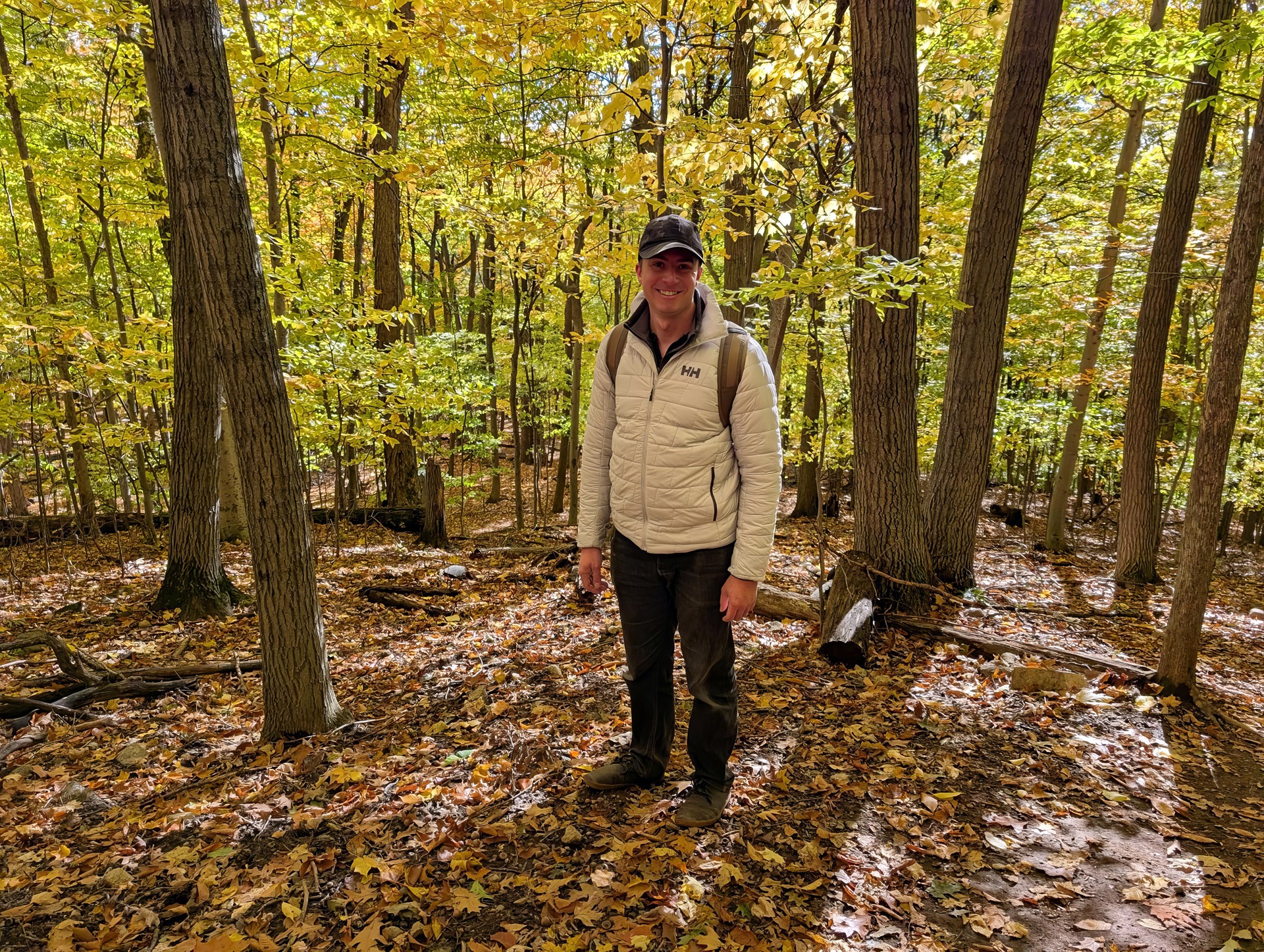
That material split is the whole story behind how the jacket wears. Like standard polyester fills, LIFALOFT traps warm air in fine synthetic fibers without collapsing in the wet like goose down. Polypropylene, which forms the backbone of Helly Hansen’s long-running LIFA base-layer fiber technology, is naturally hydrophobic and lighter than polyester. By making polypropylene 70% of the blend and using polyester for the remaining 30% structure, the fill manages moisture and traps heat at noticeably lower bulk than a traditional all-polyester batting. You get the packability and light feel on your shoulders without giving up heat retention.
Weather resistance: the DWR finish and warmth when wet
Yes, the Helly Hansen Men’s LIFALOFT™ Insulator Jacket stays functional in damp conditions when light precipitation hits, though its outer shell is built to shed passing moisture rather than block a downpour. The polyamide ripstop shell carries a DWR finish that makes it water repellent (not waterproof), while Helly Hansen claims the hydrophobic synthetic insulation retains warmth when wet.
That distinction matters when you’re looking at a dark sky two hours from the car. A durable water-repellent (DWR) treatment causes light mist, drizzle, or dry snow to bead up and roll off the surface fabric. It has no waterproof membrane, no taped seams, and no waterproofness rating. My own testing window over the past three weeks stayed dry, so the wet-insulation behavior remains a manufacturer claim rather than something I’ve wrung out in a storm.
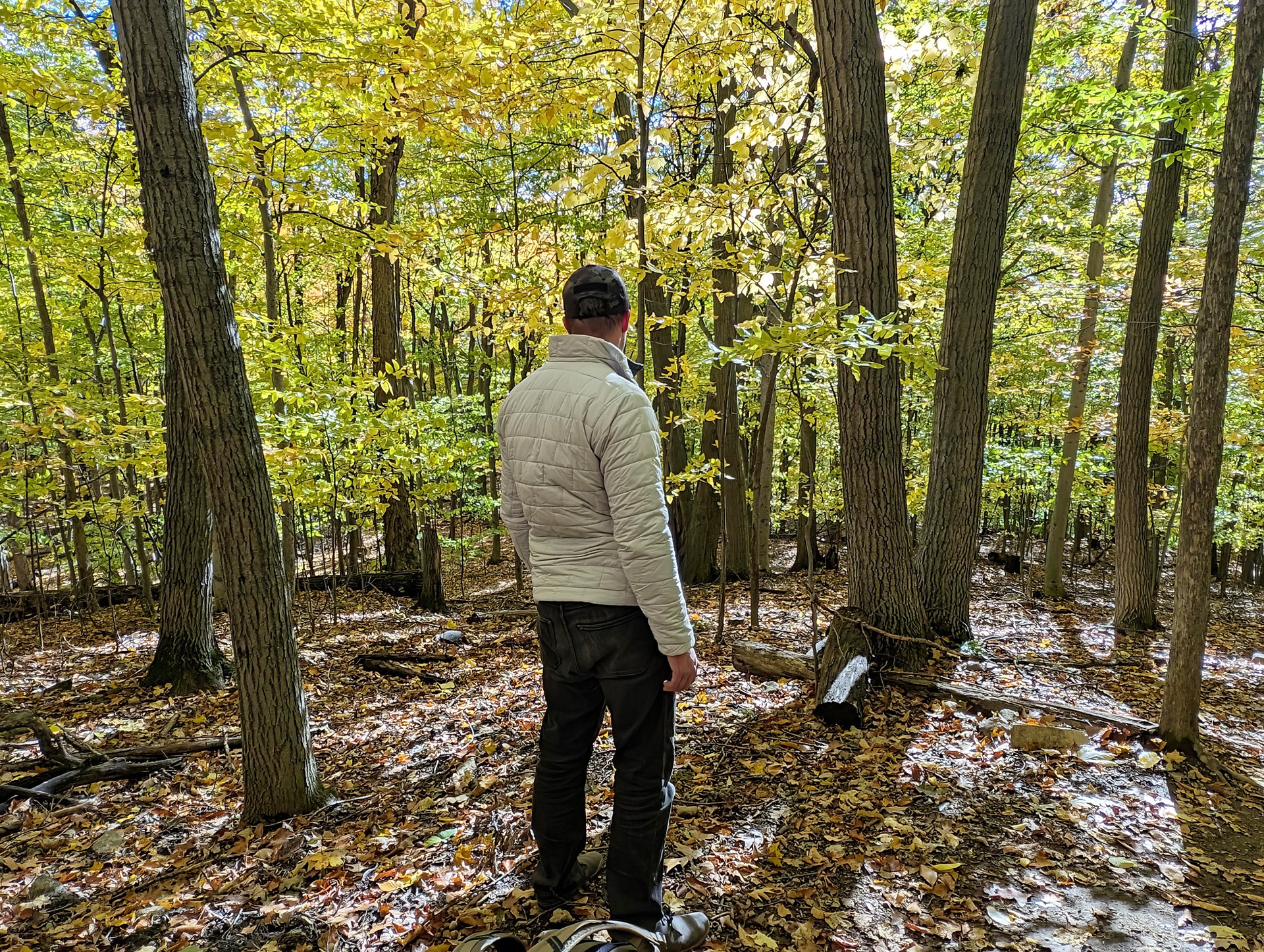
Still, the physics behind a 70% polypropylene fill make sense for damp misery, since polypropylene fibers don’t absorb water. In real heavy rain, throw a proper hardshell over top instead of treating this like a rain jacket.
Weight and construction: what 340 g means in practice
At a listed weight of 340 g (~12.0 oz), the Helly Hansen Men’s LIFALOFT™ Insulator Jacket is light enough to stuff into a pack and forget until the wind picks up, relying on a 100% polyamide ripstop shell made with bluesign® main material and a full-length interior front placket for wind resistance. A 100% polyamide lining slides cleanly over sleeves, while elastic cuffs, an adjustable hem, a hanging loop, printed branding, and a single zippered pocket seal out drafts without adding hardware weight.
Does the LIFALOFT Insulator Jacket run true to size?
Yes, the Helly Hansen Men’s LIFALOFT™ Insulator Jacket runs true to size with enough built-in room to handle a light layer underneath while still fitting cleanly under a shell. For guys ordering an insulated jacket online who aren’t sure whether to size up for midlayers, buyer consensus across the S, M, L, XL, and 2XL range confirms a standard fit, and my own size Medium fit as intended on the trail even with an extra piece underneath.
Getting the cut right on an active insulator is tricky. Cut it too boxy and it bunches up inside your ski shell; cut it too slim and the armholes pinch the second you wear a heavier base layer. My Medium nailed that middle ground, giving me enough layering room during my hike to fit that backup layer underneath without binding at the shoulders, yet staying trim through the torso once I stripped back down. Listed sizes on the product page don’t guarantee live stock at any given moment, and if you’re between sizes or worried about chest room, Helly Hansen’s 30-day return window covers the exchange risk.
Layering under a shell: hiking, skiing and winter cycling
The Helly Hansen Men’s LIFALOFT™ Insulator Jacket is warm enough for active skiing and hiking and works cleanly as a low-bulk layer under a shell for riders and skiers who keep moving. Designed for shifting mountain and road conditions where a jacket has to switch between a standalone outer layer and a mid-layer under a shell, Helly Hansen positions the 340 g build for hiking, skiing, and variable weather, a role backed by 191 customer reviews praising its easy layering and my own hikes plus planned use as a winter-cycling layering piece.
Standalone outer layer vs. mid-layer under a shell
On foot in dry, changeable weather, the jacket works best on its own. During my hikes over the past three weeks, the polyamide ripstop shell and full-length interior front placket blocked enough breeze that I didn’t need a windshell over top, and the insulation breathed well enough that I wasn’t constantly working the main zipper up and down.
When the wind howls or wet snow starts falling, its low profile pays off under a hardshell. Thick baffled puffies fight your outer jacket, restricting elbow bend and bunching around the collar. Because this piece skips a hood, uses a slick 100% polyamide lining and shell, and finishes the sleeves with simple elastic cuffs, it slides inside a rain or ski shell without catching. That trim profile is exactly why I plan to run it for winter cycling.
Cold-weather riding wrecks most jackets: you freeze for the first ten minutes, then roast once your heart rate climbs under a windproof cycling shell. A low-bulk 340 g insulator that fits under a tailored cycling shell without flapping is hard to find, and I’ll update this review once I’ve put real winter miles on it.
If the collarless, hoodless jacket cut doesn’t match your kit, Helly Hansen makes the same LIFALOFT family in three other configurations: a vest for keeping your core warm with unrestricted arms, a hybrid jacket for higher breathability, and a hooded jacket if you want head coverage without carrying a separate beanie or shell.
Customer consensus vs three weeks of wear
Across 191 reviews on Helly Hansen’s Canadian product page, the jacket holds a 4.8/5 rating, and my three weeks of wear line up directly with buyer praise on warmth, low weight, and easy layering under a shell. Customers also consistently highlight the styling and clean look of the printed branding, though how the cut and Grey Fog colourway look on you comes down to personal build and taste rather than trail performance.
Is CA$270 a fair price for the LIFALOFT Insulator Jacket?
The Helly Hansen Men’s LIFALOFT™ Insulator Jacket is a fair buy at CA$270 for men who want a hoodless, 340 g active synthetic insulation piece that moves easily between trail and town, whereas shoppers cross-shopping the Patagonia DAS Light Hoody are choosing between Helly Hansen’s trim mid-layer cut and a hooded belay-style design. When weighing price and versatility in active synthetic insulation, the LIFALOFT pairs its 70/30 polypropylene-polyester fill with free standard shipping above CA$99, 1-3 business day dispatch, and 30-day returns (subject to terms, with exclusions for Pro customers).
At CA$270, you’re paying a premium over entry-level polyester puffies for the weight savings and the polypropylene blend. Because the jacket clears the CA$99 threshold on its own, standard shipping is free, and the 30-day return window lets you test the fit over a base layer and under your own shell at home. If you’re comparing it against the Patagonia DAS Light Hoody, we don’t have independent head-to-head lab numbers on warmth between the two, so the decision comes down to architecture: pick the LIFALOFT if you want a 340 g hoodless layer that disappears under a ski or cycling shell without hood bulk at the neck.
Care, limits and what this review can’t tell you yet
The Helly Hansen Men’s LIFALOFT™ Insulator Jacket is limited by its hoodless cut, single listed zippered pocket, water-repellent rather than waterproof shell, and lack of a published temperature rating, meaning it isn’t warm enough to replace a heavy static belay parka in extreme sub-zero cold. Built as a 340 g active layer for moving in variable weather or sliding under a hardshell, it trades deep-freeze standing warmth and storm protection for low bulk and packability.
Care: protecting the DWR and the loft
Wash this jacket more carefully than a cotton hoodie if you want the DWR finish to keep shedding water and the synthetic loft to stay uncompressed. I haven’t put my sample through the laundry yet, as most owners wreck technical synthetics early by tossing them in with regular detergent and dryer sheets. Follow Helly Hansen’s five-step sequence: fasten all zippers before washing, wash dark colours separately, skip fabric softener completely, never iron over the printed branding, and remove the jacket promptly from the machine after tumble-drying.
Beyond the spec sheet
Beyond the missing temperature rating, Helly Hansen doesn’t publish the insulation weight in g/m², the polyamide fabric denier, the packed dimensions, or which garment size was used to measure the 340 g weight. Once winter arrives and I’ve logged real rides using this Medium as a winter-cycling layering piece, I’ll update this review with how it holds up on the bike and after its first wash.
Frequently Asked Questions
Is Helly Hansen a high-end brand for outdoor jackets?
Helly Hansen is an established technical ski and outdoor brand that develops gear with input from outdoor and ski professionals. At CA$270, the LIFALOFT Insulator Jacket sits above entry-level polyester puffies by pairing a bluesign® approved 100% polyamide ripstop main material with its proprietary 70/30 polypropylene-polyester insulation. That build quality is reflected on Helly Hansen’s Canadian product page, where the jacket holds a 4.8/5 rating across 191 customer reviews.