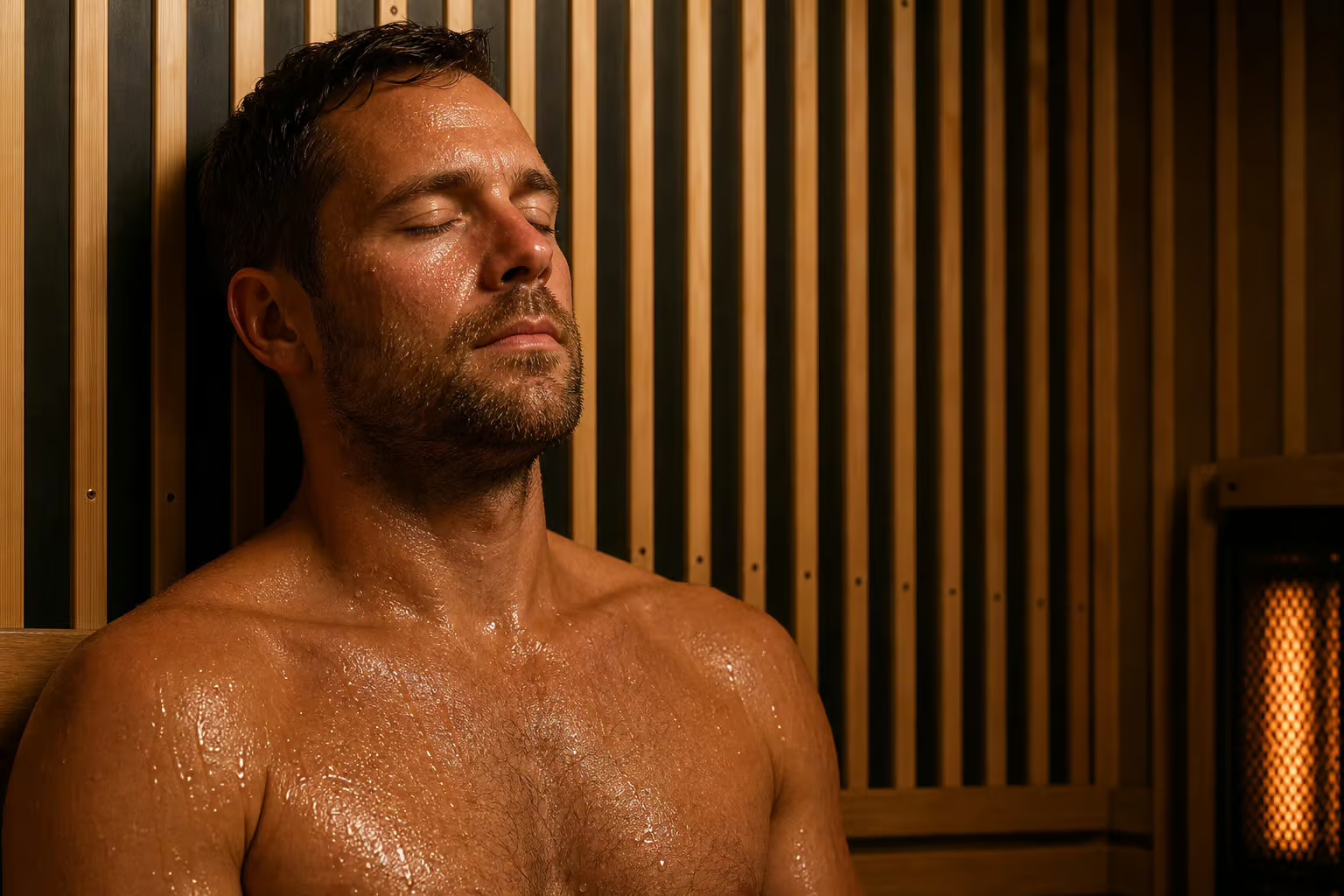
I fell into the infrared sauna rabbit hole on Reddit about a year ago. Read too many threads, got curious, tried one, and now I’m hooked. But every time I mention using it in July, I get the same look: “You’re sitting in a hot box when it’s 90 degrees outside?”
Fair question. Here’s what I found.
Key Takeaways
Infrared saunas warm your body directly with invisible light, keeping air temperature around 120-140°F instead of the 180-200°F you’d get from a traditional sauna — no suffocating hot-air feeling
A typical 30-minute session burns about 60 calories (compared to 40 resting), increases circulation to reduce water retention and sluggishness, and supports recovery from summer activities
2-3 short sessions per week is enough to build heat tolerance so 90°F days feel mild afterward, especially when you time them for evening and follow with a cold plunge or cool shower
Table of Contents
How infrared sauna heat is different from summer heat
The reason this isn’t as insane as it sounds comes down to one thing: infrared doesn’t heat the air.
It warms you directly
Traditional saunas crank the air around you to 180-200°F. That’s the oppressive, stuffy feeling most people picture. According to SaunaCloud, infrared saunas use invisible light waves that penetrate your skin and warm your body directly, while the air stays in the 120-140°F range. It’s breathable, not suffocating.
The best description I’ve heard: it feels like standing in warm sunshine, not a blast furnace.
Why that matters in summer
What makes July miserable is humidity. That wet, sticky heat that clings to you. Infrared saunas are dry heat. You’re not layering wet air on top of an already humid day. Lots of guys I’ve talked to find it less oppressive than standing outside in August. The temperature inside is controlled, there’s no sunburn risk, and you can breathe normally the whole time.
Field note: Dry infrared heat at 120°F feels noticeably more breathable than humid outdoor air at 90°F — the key difference is you’re not fighting moisture.
Summer detox for the stuff you put in and on your body
Summer is great. Summer also involves backyard BBQ leftovers, beach drinks, sunscreen layers, and pool chemicals. That stuff accumulates. Not a guilt trip — it’s what happens when you’re enjoying the season.
Why infrared sweat is different from gym sweat
When you work out, you sweat from the outside in. Your muscles generate heat, your skin cools you down. Infrared saunas work from the inside out — the heat penetrates deeper, stimulating a cellular-level sweat that flushes out heavy metals, alcohol metabolites, and environmental gunk more efficiently than surface-level sweating.
Feels different too. The sweat comes on steady rather than in bursts, and it doesn’t leave you with that sticky residue that makes you want another shower immediately.
Supporting your body’s natural process
Your body already sweats to get rid of junk. The infrared sauna stimulates a deep, cellular-level sweat that flushes out heavy metals, alcohol, and environmental toxins more efficiently. Think of it as giving your built-in detox system a turbo button, not some magical cleanse.
Beat that summer sluggish feeling
High humidity causes water retention. Water retention causes that heavy, can’t-move feeling that makes you want to nap through the afternoon.
What actually happens inside
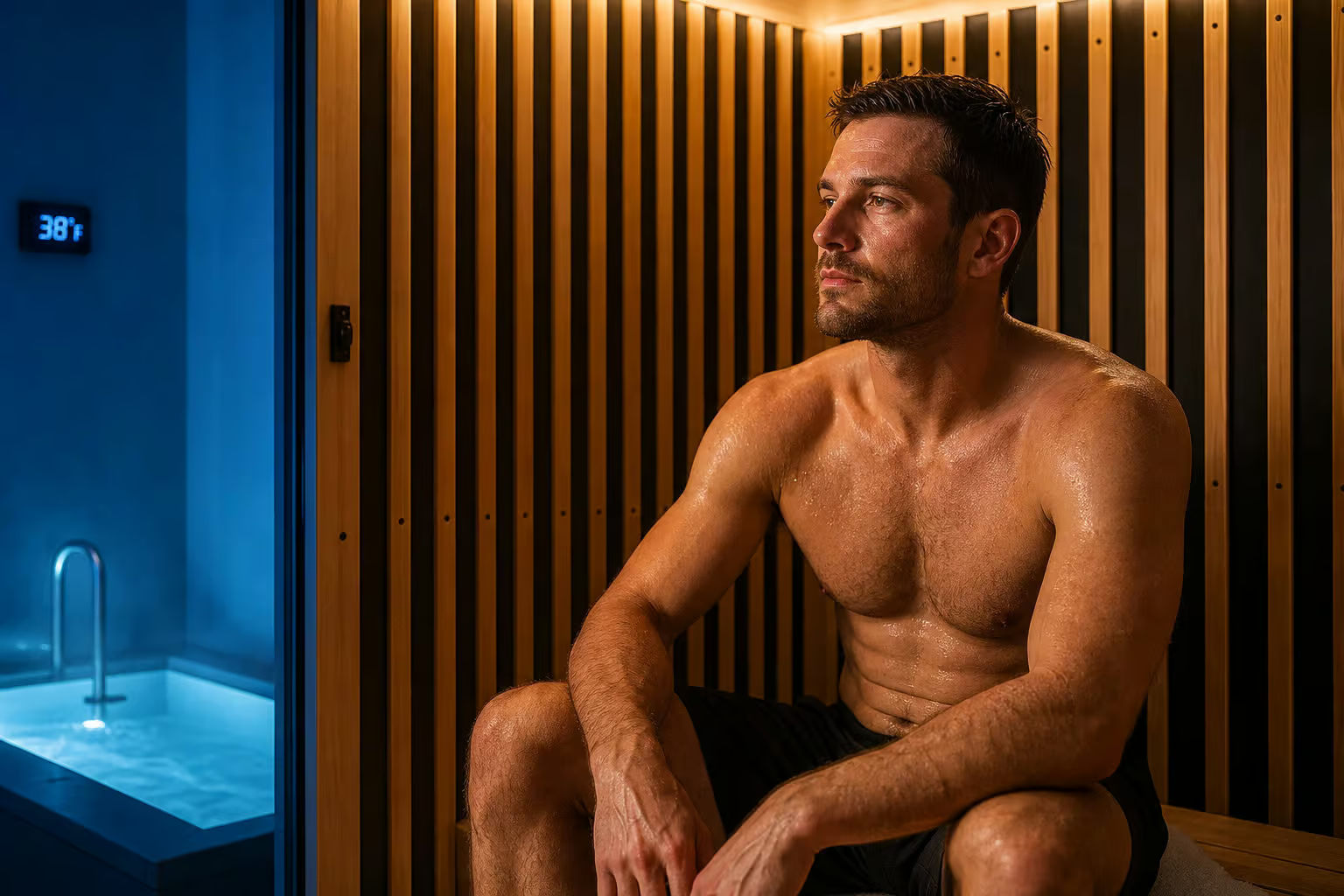
Infrared sauna sessions increase blood flow, reduce water retention, rev up metabolism, and re-energize tired muscles. Infrared heat increases heart rate and boosts metabolic rate, burning approximately 1.5 times regular calorie burn. Example: resting burn 40 calories in 30 minutes, sauna burn 60 calories in 30 minutes.
That’s not life-changing. But it’s a boost, especially when combined with improved circulation that moves waste products out of tired muscles. The bloated feeling drops off, and the afternoon slump feels more manageable.
Not a weight loss hack
The calorie burn is modest. Anyone promising weight loss from sitting in a sauna is selling something. But as a small daily bump that also makes you feel less physically dragged down? That’s where the value is.
Strengthen your summer glow without damaging your skin
Summer takes a toll on your skin — sunscreen layers, chlorine, sweat buildup, environmental gunk. Most guys don’t think about it until their face looks tired and dull.

How the sweat cleans deep
Sweat helps remove deeply embedded impurities and dead skin cells, while infrared heat improves skin tone, texture, and elasticity. Not surface-level stuff you’d wash off in the shower. Increases circulation and promotes collagen production, which may reduce appearance of blemishes and fine lines. That’s why guys who use them regularly say their skin looks better — it’s not skincare bullshit, it’s better blood flow and cleaner pores.
Pairing with HALOONE halotherapy generator and red light therapy is a natural way to cleanse pores and eliminate blemishes. The salt helps with breathing and skin clarity; red light targets collagen and recovery. Both are optional, but worth knowing about if you want to go deeper.
The catch nobody talks about
Here’s the honest piece: infrared heat can worsen hyperpigmentation or melasma for some people. Doesn’t happen to everyone. But if you’re prone to dark spots, it’s worth knowing before you make it a daily habit. Most articles skip this entirely. Consult a dermatologist if that’s a concern for you.

Support athletic recovery from summer activities
Summer means more daylight, which means more activity. Hikes, beach volleyball, yard work, bike rides, weekend sports. That stuff adds up.

How it helps
Infrared sauna sessions reduce muscle soreness and inflammation, helping the body recover faster and avoid burnout. The heat itself relaxes tight muscles, and pro athletes and weekend warriors alike turn to Reddit for infrared therapy insights and recovery advice to optimize cardiovascular health and recovery. Think of it as giving your body a dedicated window to repair itself, which it might not otherwise get between the work week and weekend plans.
What it’s not
It’s not a replacement for rest or proper recovery. If you’re beat, sleep is still the answer. But for that regular wear and tear from being more active than usual, it helps you bounce back faster than hoping your body figures it out.
Train your body to handle the heat better
This one sounds backwards, but it works.
How heat conditioning works
Regular infrared sauna use may improve your body’s heat tolerance. You’re training your internal cooling system to be more efficient. The sauna runs between 180 and 220°F — but because an infrared sauna uses specialized light panels to warm your internal tissues directly, bypassing the need to superheat the air, the dry heat is bearable. After sitting in that for 20 minutes, stepping into 90°F feels like a mild breeze.
That’s the point.
How to do it right
Start with shorter sessions and add 5 minutes at a time. Let your body acclimate gradually. Over a few weeks, many people notice they handle hot days better. It’s not a guarantee, but it’s an effect that regular users report. Beats suffering through August.
Reset your mind through summer chaos
Summer isn’t all relaxation. Travel, social obligations, disrupted sleep, packed calendars. That’s when you need a reset.
The 20-minute pause
20 minutes in soothing warmth helps lower cortisol levels and calm the mind, while sweating releases endorphins. The numbers are real, but the experience is simpler than that: it’s 20 minutes with no phone, no screen, nothing to do but sit in the warmth and breathe. That forced pause is valuable on its own.
Using aromatherapy with AROMAONE portable essential oil diffuser can enhance the calming experience. Worth trying if you’re into that. If not, the plain version works fine.
Not therapy
This isn’t a mental health treatment. But as a practical way to cut through the noise of a busy season? Hard to argue with feeling calmer after 20 minutes of quiet heat.
Why summer is the best time for contrast therapy
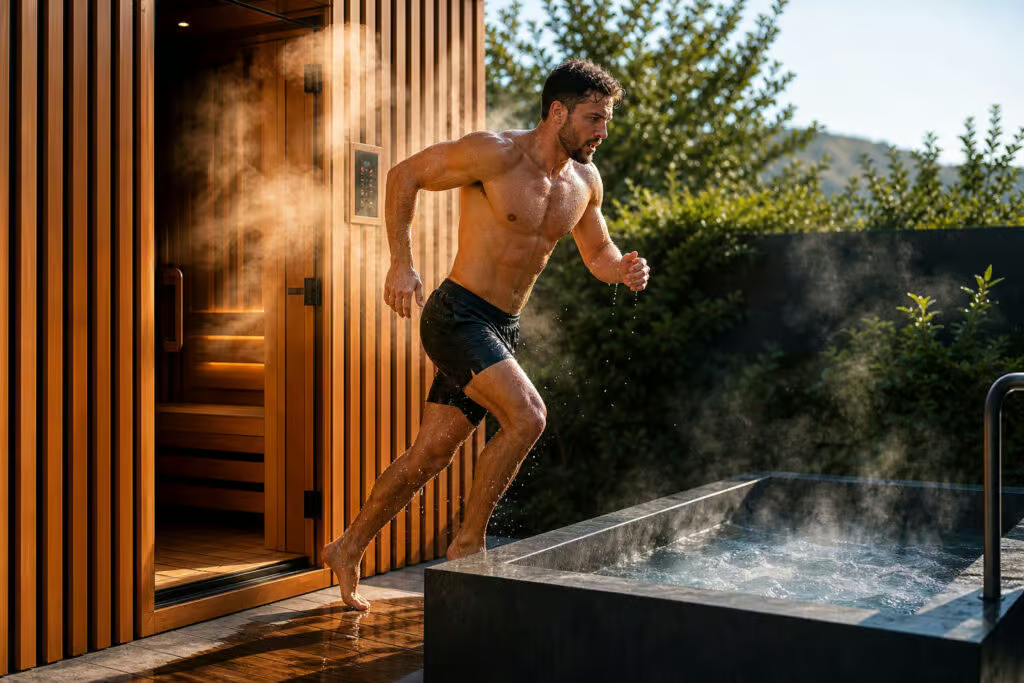
Contrast therapy — hot sauna, then cold plunge, alternating, gets a lot of buzz. Summer is when it makes sense.
The summer advantage
In summer, cold water is refreshing. The sauna opens up your circulation, then the cold snaps it the other way. The result is a clear-headed, energized feeling. In winter, talking yourself into a cold plunge takes commitment — it’s punishing.d, energized feeling.
This seasonal flip makes contrast therapy more accessible. After a hot day, a cold plunge feels like the best possible way to cool down. The cycle feels less like a chore and more like a reward.
Not for everyone
Cold plunges aren’t universal. Some people hate them. But if you’re curious about the hot-cold thing, summer is the season to try it.
Support your immune system against summer colds
Summer colds are real. Air conditioning, more social contact, travel — they all contribute.
How the sauna helps
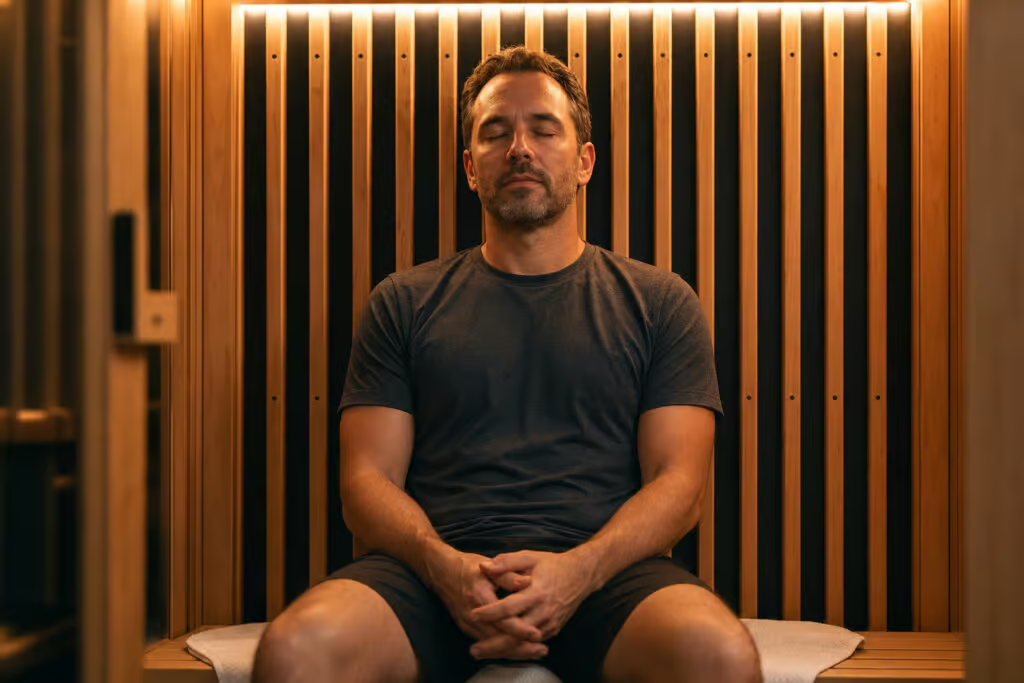
When your body temperature rises above 98.6°F, some viruses and bacteria can’t survive. The sauna creates a controlled fever. It also stimulates white blood cell production and improves circulation, which helps your immune system work more effectively.
Pairing with salt therapy (halotherapy) may help with respiratory symptoms from summer allergies or mild colds.
Not a cure
The sauna doesn’t prevent or cure illness. It supports your body’s existing defenses. Think of it as giving your immune system a better environment to do its job, like an engineered infrared sauna with red light therapy that supports your health from the inside out.
How often to use an infrared sauna in summer
Finding the right frequency helps you maximize benefits without overdoing it, especially in warmer months.
The frequency sweet spot
Pro tip: 2–3 short infrared sessions per week for best results. That’s enough to get the benefits without overdoing it. Consistency matters more than how long each session lasts.
Session length: 20 vs 30 minutes
Here’s where the sources disagree slightly. One recommends 20 minutes as ideal for cortisol reduction and mind-calming. Another says 30 minutes is typical for summer sessions. Both are valid — it depends on your tolerance and how you feel that day. A common adjustment pattern is to start with 20 minutes and gradually extend to 30 as your body acclimates, especially in summer when heat sensitivity is higher.
Especially effective when combined with float therapy or cold plunge. If you’re doing sauna, 20 minutes is plenty.
The real rule
Don’t be a hero. If it feels like too much, cut it short. There’s no shame in a 15-minute session.
How to use an infrared sauna in summer without overheating
Using an infrared sauna in summer requires a few adjustments to stay comfortable and safe.
Hydration is non-negotiable
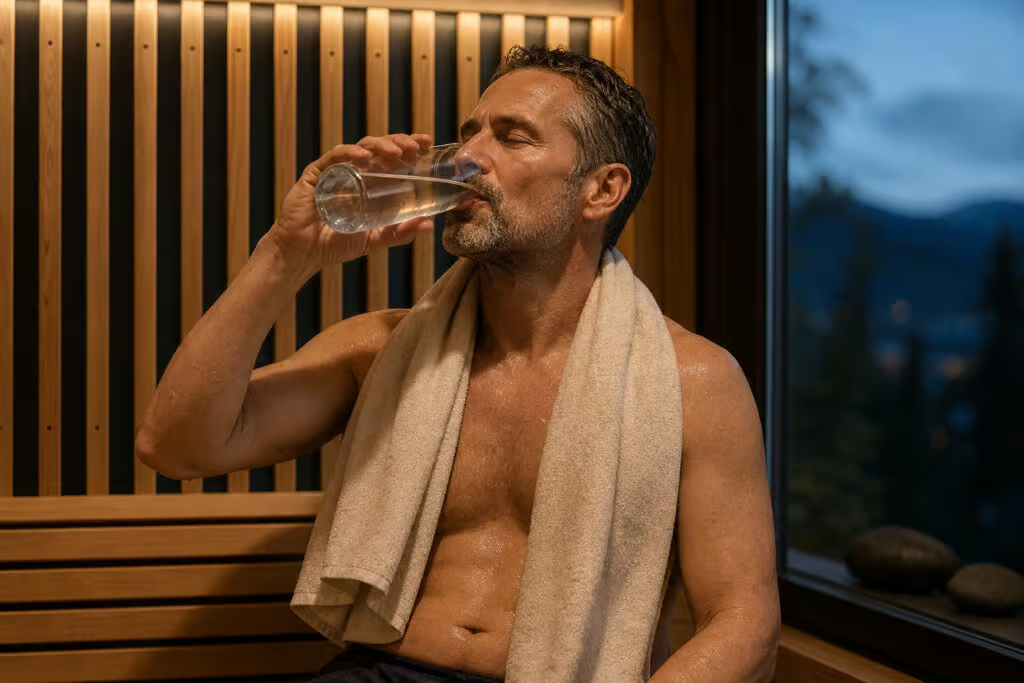
Hydrate well before, during, and after. You’re already losing fluids in the summer heat. The sauna adds to that. Don’t wait until you’re thirsty — by then you’re already behind.
Timing matters
Evening sessions are smart. The sun is down, the day is cooling off, and the sauna helps you wind down for better sleep. Avoid mid-afternoon, when outdoor heat is already peaking.
When to shorten or skip
If you’ve been out in the sun all day, cut the session shorter. If you’re already feeling heat-stressed, skip it. A cold plunge or cool shower right after helps prevent overheating. Listen to your body — if it feels like too much, it probably is.
What to wear
Shorts and a t-shirt. It’s not a formal event.
What to do after an infrared sauna session in summer
Most articles skip this part. Here’s what works.
Cleanse your face after sweating. Sweat plus sunscreen plus impurities can clog pores if left on. A quick rinse prevents that.
Rehydrate thoroughly. Not a sip — drink enough that you’re not thirsty.
A cool shower or cold plunge is the best way to continue cooling down. Rest for a bit before going back into outdoor heat. Don’t jump straight into a hot car or direct sun.
The post-sauna cooldown period is part of the benefits. Don’t rush it.
Enhancements that upgrade the experience
You don’t need any of these, but they exist if you want to go deeper.
- Halotherapy (salt therapy): Good for respiratory symptoms from summer allergies or mild colds
- Red light therapy: Boosts collagen and skin recovery when paired with infrared
- Aromatherapy with essential oils: Makes the experience more relaxing
- Float therapy (sensory deprivation): Sauna plus float is a powerful combo
Kairos in Greenville, NC offers the trifecta — sauna, float, and cold plunge. Flow Spa in Peterborough, Ontario keeps sauna going year-round. Both are worth knowing about if you’re in those areas.
Common concerns most articles ignore
While infrared saunas offer many benefits, there are some risks that rarely get discussed.
Hyperpigmentation and melasma
Infrared heat can worsen these for some people. Doesn’t apply to everyone, but if you’re prone to dark spots, consult a dermatologist before making it a regular habit. Most sauna content skips this.
Multiple sclerosis
Heat sensitivity is common with MS. Short, cooldown sessions may be tolerated, but this requires a doctor’s guidance. Not a blanket recommendation.
Adrenal fatigue
Mild use may support recovery. Overdoing it can stress your adrenals. Start slow, keep sessions moderate, and pay attention to how you feel. If you have diagnosed adrenal issues, talk to your doctor.
The “200 rule”
The 200°F for 20 minutes rule comes from traditional sauna culture. It doesn’t apply the same way to infrared because infrared runs at lower air temperatures. Your body still gets hot, but the experience is different. Don’t feel pressured to hit that metric.
Why summer is the season to start
The core thesis is simple: infrared sauna in summer is not safe — it’s beneficial. Pairing it with a walk outside or light exercise can amplify the benefits, and eating spicy food beforehand may help you sweat more effectively.
Three biggest reasons: detox from indulgences, heat tolerance training, and contrast therapy that feels good. Start with 2-3 short sessions per week and adjust based on how you feel. Support your body’s natural detox process with infrared sauna, and boost circulation to beat that sluggish feeling.
I was skeptical too. Now I’m the guy telling other people it’s worth trying. If you’re curious, this is the season.
Frequently Asked Questions
How does infrared sauna heat differ from summer heat?
Infrared saunas warm your body directly with invisible light, keeping air temperature around 120-140°F instead of the 180-200°F of traditional saunas. The heat is dry and breathable, unlike humid summer air, so it feels less oppressive than standing outside in August.
How often should I use an infrared sauna in summer?
The sweet spot is 2-3 short sessions per week. Consistency matters more than session length. Start with 20 minutes and adjust based on how you feel; don’t be a hero and cut it short if needed.
What should I do after an infrared sauna session in summer?
Cleanse your face to remove sweat and sunscreen, rehydrate thoroughly, and take a cool shower or cold plunge. Rest before going back into outdoor heat. The cooldown period is part of the benefits, so don’t rush it.