
You’re riding down a familiar stretch, maybe crossing a busy intersection, and then it happens. You hear the screech of tires, feel the sudden, violent impact of a bumper against your frame, and realize you were hit by a car on a bike. People often wonder what the common legal rights of cyclists in traffic accidents actually are; on paper, you maintain the right to occupy a full lane, the right to a guaranteed safe passing distance, and the right to seek full financial restitution.
In an instant, however, your theoretical right of way assumption is shattered by the brutal, heavy-metal reality of automotive dominance. You’re on the asphalt, adrenaline is spiking, and the driver is stumbling out of their vehicle looking panicked—a jarring sight that is ultimately better than them speeding away and leaving you scrambling for a hit-and-run accident lawyer.
What you do in the next ten minutes dictates your health and legal standing for the next ten years. A collision is an adversarial evidence-gathering mission where your default male instinct to brush off the hit and say “I’m fine” will be weaponized against you. Here at Unfinished Man, we don’t buy the polite “accidents happen” narrative. You need a cold, calculated response when your life gets upended by a collision involving emergency medical services or insurance adjusters.
Key Takeaways
Recording a driver’s raw post-crash reaction via phone secures vital leverage, as experts at Velosurance warn that your natural instinct to de-escalate will be manipulated by insurers later.
You must forcefully advocate for accurate police reporting, because community accounts show officers will frequently minimize severe injuries like a broken arm just to save paperwork.
Anticipate an 11-week or longer recovery timeline for severe crash trauma, and rely on consumer radar tech like the Garmin Varia to safely reclaim your confidence in traffic.
Table of Contents
Secure the Scene and Start the Voice Memo Protocol
First things first. Get out of the road so you don’t get run over by a second vehicle. Ensuring your physical safety is the only action you take before treating the scene like a crime scene.
The Politeness Trap
Your brain is going into shock. Your deepest instinct is going to be standing up, dusting off, and telling a panicked driver not to worry about it. This is a catastrophic mistake. The politeness bias is a psychological trap that opposing insurance adjusters will deliberately translate into an adversarial positioning strategy against you.
If you assure a driver you’re okay, an adjuster will argue you weren’t hurt. If you say “I didn’t see you,” they’ll argue you were legally inattentive. Give them nothing.
Capturing Spontaneous Guilt
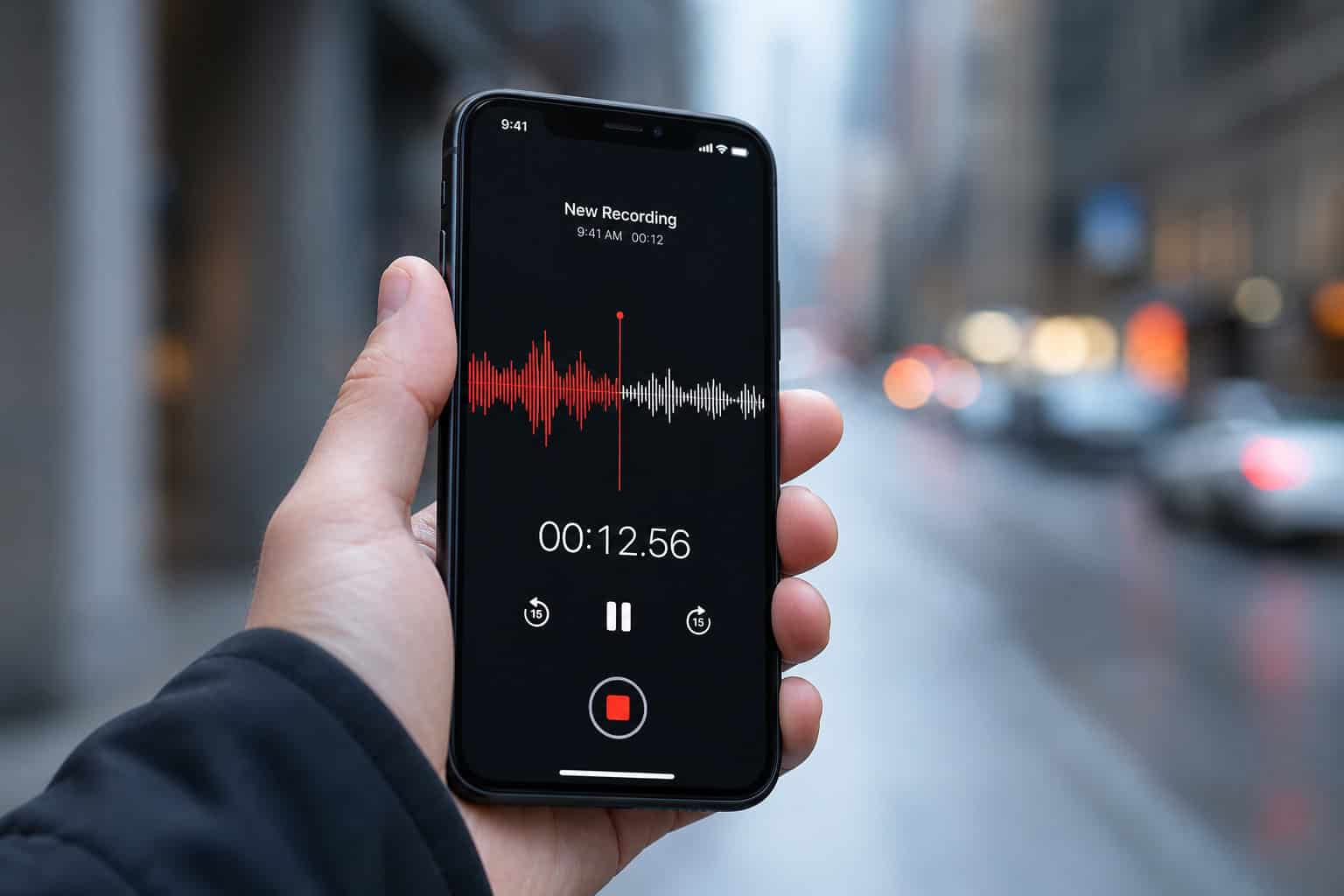
Instead of shaking hands, pull out your phone and hit record. A driver’s spontaneous admission of guilt at the accident scene is fleeting, which is why activating your voice memo protocol immediately is non-negotiable. Don’t beg them to apologize. You actually want their raw panic, or better yet, a distinct lack of remorse. Over on Reddit, users widely agree that an unprompted, chaotic audio recording is practically bulletproof compared to a polite but entirely fake apology negotiated after the fact.
Gathering Forensic Evidence Against Shifting Stories
If you find yourself googling, “I got hit by a car on my bike what should I do,” know that aggressive photography is your best weapon. But you aren’t photographing your bent wheels or scratched carbon frame, nor are you checking the right of way or witnesses. You are locking down the driver’s identity before they can vanish.
Securing Absolute Vehicular Identification
Drivers lie. A guy who is weeping and promising to buy you a new bike will completely change his story two hours later after consulting his insurance agent. Worse, he might drive off. A community anecdote highlighted a fatal hit-and-run incident in Texas where the driver fled the scene and faced no legal repercussions.
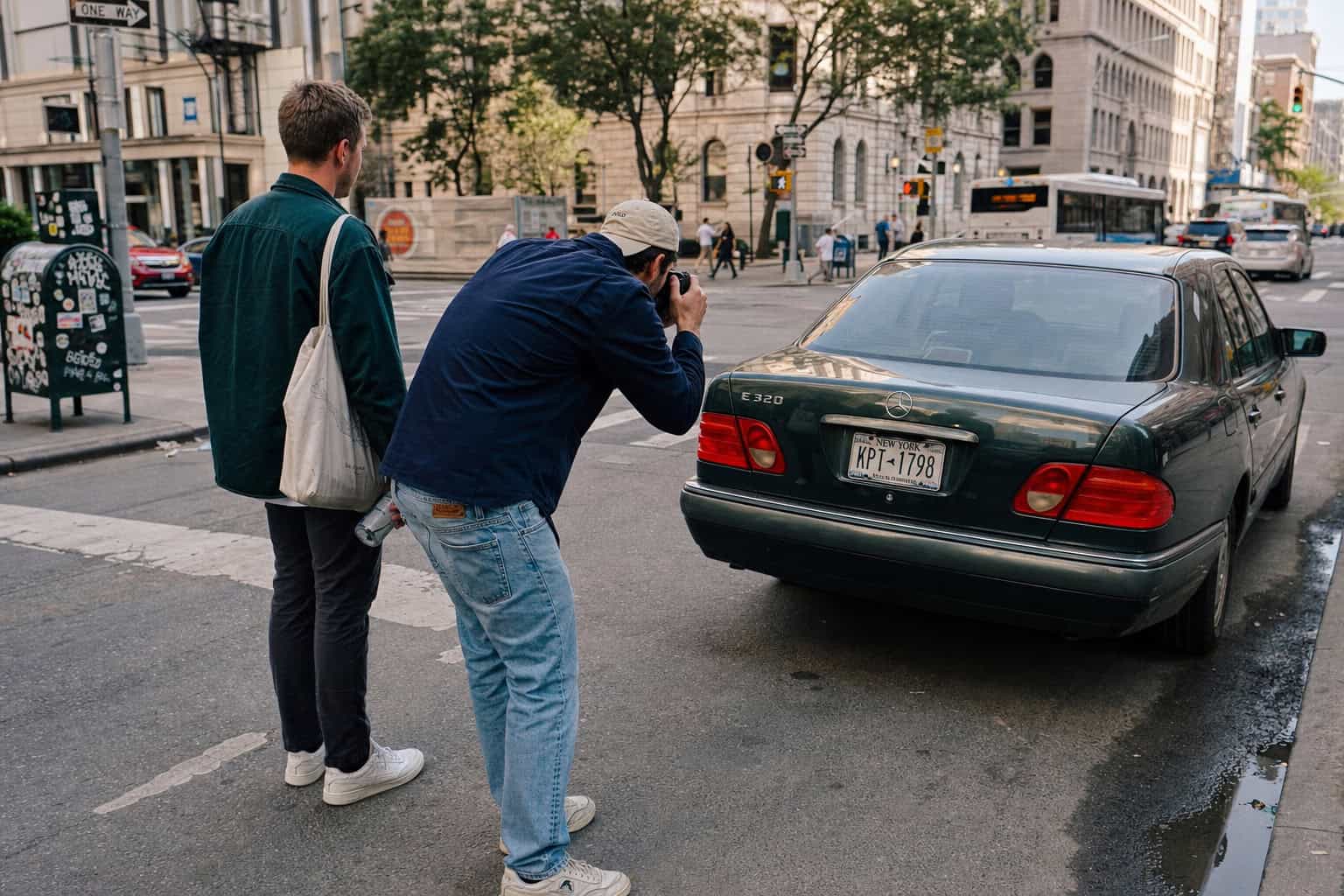
Prevent this by taking clear photos of the driver’s face and their license plate the second you are upright. Strip them of the opportunity to walk away from the wreck.
If the vehicle successfully flees the scene unseen, you must immediately pivot to a fallback protocol. Scan the surrounding area for commercial security cameras that may have recorded the impact, and preserve any distinct vehicle debris left on the asphalt. Finally, report the hit-and-run promptly to ensure you can claim against your own uninsured motorist policy.
Anchoring Independent Witnesses
You also need third-party backup. Grab the contact info of anyone standing nearby or watching from the sidewalk. If witnesses saw that a car hit a bike at the crossroads, get their name and phone number on the spot. Witnesses disappear fast once the flashing sirens arrive, and their statements are the only thing stopping a he-said-she-said stalemate.
Bypassing the Adrenaline Mask With Immediate Medical Care
A car and bike accident triggers an adrenaline dump. Right after a heavy hit, you might believe you have a scraped knee and a bruised ego.
You don’t. That biochemical rush easily hides severe fractures and internal trauma. Because of this delayed symptom onset, demanding an immediate medical evaluation from arriving emergency medical services is a hard requirement. If you casually tell an EMT “I feel fine,” that statement enters your medical records and chemically severs the legal link between the crash and the agonizing pain you’ll wake up with tomorrow.
Velosurance specifically advises telling responders, “I was struck by a car and require a thorough examination.” Create an ironclad medical paper trail from minute one.
Beyond capturing immediate trauma, you must also secure yourself financially against emergency medical billing. Route your initial ER and ambulance invoices directly through your personal health insurance to manage the shock, rather than waiting for out-of-pocket settlement money from the at-fault driver’s policy. A specialized attorney will subrogate these costs later, protecting your credit from aggressive medical collections while the legal battle plays out.
Aggressively Managing the Police Report on Site
Assuming the cops are your objective, thorough allies is a rookie mistake. Police officers are guys doing a demanding job, and like anyone in public administration, they want to clear their queue quickly.
Overriding Administrative Shortcuts
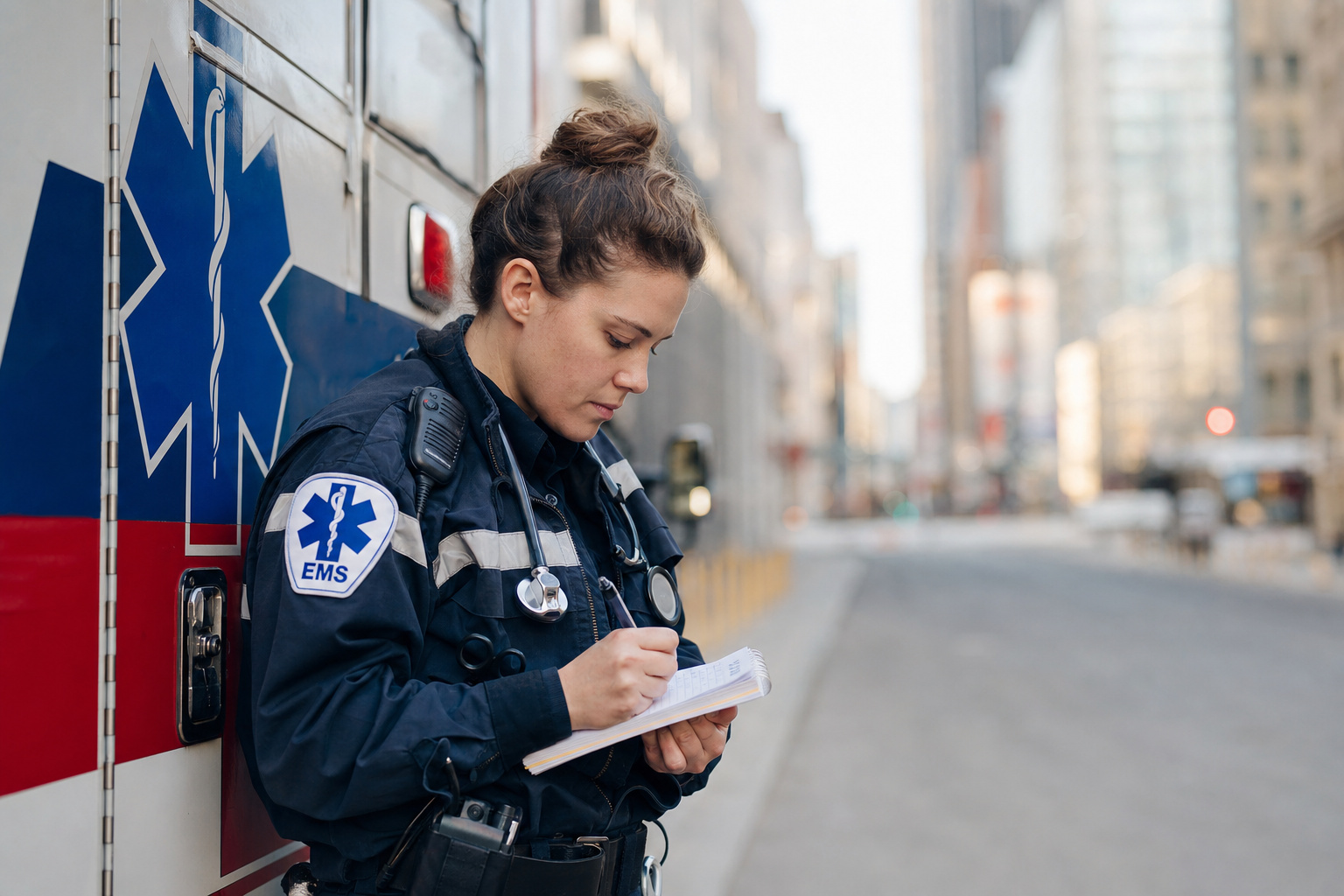
When most law enforcement responds to someone on a bike hit by a vehicle—an ordeal that often leaves the cyclist stuck at home searching for things to do when injured—they see a mountain of property-damage paperwork. You must actively block a tired officer’s attempt at an administrative shortcut by firmly insisting they establish complete, accurate forensic documentation right there on the shoulder. Don’t let them tell you to exchange info with the driver.
Forcing Accurate Injury Logs
Do not let responders downplay the violence of what happened. In a widely discussed Reddit thread documenting police negligence, a cyclist watched responding officers falsely log his broken arm injury as a simple solo fall, solely to minimize their reporting burden. You have to aggressively advocate for yourself, or have a bystander do it for you, to ensure your physical trauma is accurately documented by the state.
Demanding a Citation
Be explicit about the law. Tell the officer that the driver clearly violated vulnerable road user statutes—like the safe passing distance or yielding right of way—and request that they issue a ticket on site. You want that citation formally logged on the police report before the tow trucks even arrive to collect the wreckage.
Blocking the Adversarial Tactics of Opposing Insurers
The second a driver’s insurance company is notified, they flip a switch. Their adjuster isn’t calling you later that week to make sure your injuries are healing; they are conducting a hostile investigation.
Total radio silence with them is mandatory. Insurance claim mitigation is a rapid process, and the only way to neutralize it is to maintain a strict legal counsel shield until you have representation. Experts at Velosurance explicitly warn about these psychological traps, quoting how adjusters weaponize standard politeness: “saying ‘I didn’t see the SUV coming’ is translated by the adjuster into ‘The cyclist admits they were inattentive.’” Give the at-fault driver’s insurance nothing, as every interaction is a calculated attempt to devalue your recovery. It is far too easy for an unrepresented cyclist to talk themselves out of a significant settlement.
Physical Recovery Realities and Proactive Tech Buffers
Cyclists suffering orthopedic trauma in a collision face extensive recovery timelines often stretching past 11 weeks.
The Protracted Orthopedic Timeline
Cyclists routinely underestimate how deeply a localized impact shatters the body. Let’s look at the actual orthopedic trauma reality: one injured rider on r/cycling cited an 11-week stretch to relearn how to walk properly, setting grim but realistic baseline recovery expectations. Deep soft tissue damage and bone fractures sideline you for months. Outsource the exhausting legal fight to an attorney so you can concentrate purely on healing.
Reclaiming Road Agency
When you do eventually ride again, your psychology will be altered by the trauma of systemic infrastructure failure. The naive confidence you enjoyed before is replaced by hyper-defensive routing and perpetual anxiety. To manage this and reclaim your agency, smart riders are adopting high-end consumer radar solutions to bridge the urban safety gap.
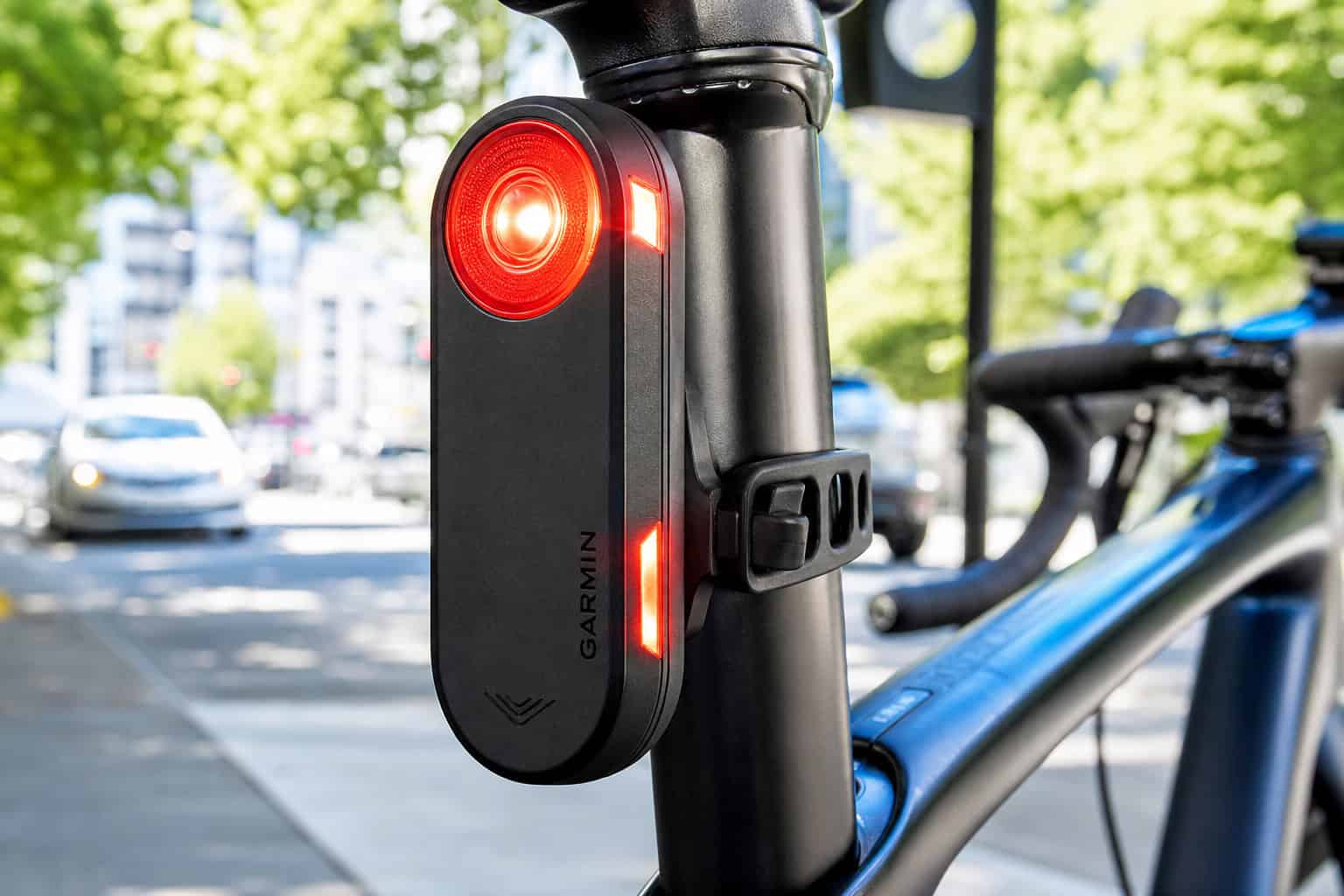
Equipping tools like a Garmin Varia, especially when paired with Wahoo cycling computers, shifts your defense entirely from reactive to proactive. They act as technological prosthetics, pinging you exactly when heavy metal is creeping up on your shoulder.
Frequently Asked Questions
What happens if you get hit by a car while on a bike?
Beyond suffering immediate physical trauma, you enter an adversarial process where your actions in the first ten minutes dictate the legal and financial outcome for years. Your body may mask severe internal injuries with an adrenaline dump, while insurance adjusters work immediately to invalidate your claim should you show signs of politeness or admitting fault.
What to do after being hit by a car on a bike?
First, move to safety and hit record on your phone to capture the driver’s raw, spontaneous reaction before they compose a story. Secure the scene by photographing the driver’s face and license plate, collect witness contact information, and demand a thorough medical evaluation from EMS while refusing to downplay your pain or injuries.
Is the tailgater always at fault?
While laws regarding safe passing distance support cyclists, insurance adjusters will look for any opening to reassign blame. If you suggest you were inattentive or didn’t see the vehicle, they will use it to argue against your right of way regardless of the movement prior to impact.
Who is at fault if you hit a cyclist?
Fault is determined by the specific traffic violation, which is why it is critical to demand the police issue a formal citation at the scene. Do not let officers treat the incident as a minor property matter; specify that the driver violated vulnerable road user statutes to ensure the report reflects the driver’s liability.
Should I apologize to the driver after a bike accident?
Absolutely not. The politeness trap is a psychological mechanism that insurance adjusters will weaponize to characterize your behavior as an admission of fault or lack of injury. Maintain a cold, calculated silence regarding your own state to ensure you do not inadvertently devalue your future legal position.
How do I handle police trying to minimize my bicycle accident report?
You must advocate aggressively for accurate documentation, as officers may seek to minimize paperwork by characterizing injuries as trivial or mislabeling the cause. Insist on a formal forensic record of the trauma and explicitly request that the officer cite the driver for violating specific road safety laws.
Why is it important to use a Garmin Varia after a crash?
After a collision, chronic anxiety often replaces your previous confidence, making it difficult to feel safe in traffic. Using radar technology like the Garmin Varia shifts your defensive strategy from reactive to proactive, providing you with sensory awareness of approaching vehicles and helping you reclaim your agency on the road.