
If you’ve followed bodybuilding for more than a few years, you’ve seen the headlines. Dallas McCarver died at 26, George Peterson at 37, Bostin Loyd at 29. In 2021 alone, over two dozen professional and national-level bodybuilders died from non-accidental causes. Ages ranged from 27 to 58.
Causes included heart attack, suicide, kidney failure, diuretic abuse, and COVID-19. More people are competing than ever, and doctors are paying closer attention to bodybuilder health, according to a 2023 review in Sports Medicine (Volume 53, Issue 5, page 933, DOI: 10.1007/s40279-022-01801-0, PMCID: PMC9885939, PMID: 36715876).
The media usually lands on a simple answer — steroids kill, but the full picture is messier than that. A 2023 study in the European Heart Journal tracked 20,286 male bodybuilders who’d competed in at least one IFBB event between 2005 and 2020. There were 121 deaths. Average age at death: 45.
Sudden cardiac death accounted for 38% of those, and professionals had more than five times the risk of amateurs. That’s a signal.
Bodybuilders seem to be the exception. And the more you dig into the individual cases, the more you realize there’s no single villain. It’s a combination of anabolic steroids, extreme dieting, contaminated supplements, injection practices, mental health struggles, and a competitive system that submitted only 171 samples for over 6,000 competitions in 2018.
This article walks through the people we’ve lost, the science we have, and the gaps we still need to fill.
Key Takeaways
The largest study on male bodybuilders (20,286 participants) found 121 deaths, with an average age of 45 and 38% due to sudden cardiac death; professionals had over five times the risk of amateurs.
Anabolic steroids are a risk factor — they lower HDL, raise LDL, thicken heart walls, and impair pumping function, but some damage may be reversible 3–12 months after cessation, according to the HAARLEM study.
Extreme dieting, supplement contamination, and a near-total lack of drug testing (171 samples for over 6,000 competitions in 2018) create a system where athletes are self-experimenting with multiple drugs at once.
Table of Contents
Dallas McCarver: Severe Concentric Left Ventricular Hypertrophy at 26
Dallas McCarver was a rising star in the open division. Big, young, and seemingly unstoppable. In 2017, at age 26, he was found dead in his Florida home. The autopsy report is one of the most detailed on record.
The official cause of death: severe thickening of the left ventricle along with coronary artery atherosclerosis. In plain English, his heart muscle had thickened pathologically, and his arteries were clogged at the same time. The coroner listed the coroner listed long-term use of external steroid and non-steroid hormones as contributing factors — not the sole cause, but part of the equation.
McCarver also had a family background of early-onset atherosclerosis and hypertension. That’s the part that gets overlooked. Genetics loaded the gun; the lifestyle may have pulled the trigger. His heart was working overtime for years, and eventually it couldn’t keep up.
George Peterson: Died One Day Before Mr. Olympia
George Peterson was found dead on October 6, 2021. He was 37 years old. The gut punch: he was scheduled to compete at the Mr. Olympia the next day.
The coroner ruled the cause: sudden cardiac dysrhythmia from hypertensive cardiovascular disease. The autopsy showed an enlarged heart (cardiomegaly) and thickened ventricular walls. The steroids boldenone and stanozolol were listed as contributory factors.
Peterson’s death is the example of the acute danger of peak week. You don’t just die from years of accumulated damage — you can die right at the finish line, when your body is at its most dehydrated, electrolyte-depleted, and stressed. The timing is the detail that sticks.
Bostin Loyd: Open PED Use, Kidney Failure, and Aortic Dissection at 29
Bostin Loyd was unusually public about his drug use. He documented his health decline on social media, including a kidney failure diagnosis in 2020. He was 29 when he died on February 22, 2022.
The official cause of death wasn’t released, but the autopsy told a brutal story: retrograde aortic dissection (his aorta tore) and stage 5 kidney failure. The autopsy also found thickened heart walls, severe liver damage, and the presence of stimulants and opioids. It wasn’t one thing — it was everything.
Loyd’s case is a textbook example of polypharmacy. He wasn’t just using steroids; he was stacking multiple compounds over years, and his organs paid the price. He knew the score and kept going. That’s not a judgment — it’s a fact.
Rich Piana: Enlarged Organs and a Coma at 46
Rich Piana was one of the first bodybuilders to bring the behind-the-scenes reality of the sport to a mainstream YouTube audience. He was larger than life — in size and personality. He died at 46 after a coma.
The autopsy showed enlarged organs — his body had been growing beyond what it could support. The exact cause of death was never fully resolved, but the message: when you push the human body that far, something eventually gives.
Cedric McMillan: Heart Attack on a Treadmill at 44
Cedric McMillan won the Arnold Classic in 2017. He was a big name, respected, and seemed to have it together. In March 2022, he died of a heart attack while on a treadmill. He was 44.
His death is a reminder that cardiovascular risk in bodybuilding isn’t just at rest — it can strike during routine training.
Luke Sandoe and Mikayla Kingman: Suicide in the Bodybuilding Community
Luke Sandoe was a UK pro bodybuilder. He died by suicide at age 30. The Arnold Sports Festival paid respects — a sign of how much he meant to the sport. Days later, Mikayla Kingman, a 23-year-old female bodybuilder, also died by suicide.
The proximity in time and the young ages suggest something bigger than individual struggle. Steroid cessation causes a crash in natural testosterone, leading to prolonged depression. The culture of bodybuilding discourages admitting weakness, even as the toll of bodybuilder deaths mounts. Dr. Thomas O’Connor, who works with bodybuilders, put it bluntly: All professional bodybuilders suffer from steroid-related health issues, including anxiety and depression. They suffer quietly.
Franco Columbu, Ed Corney, Shawn Rhoden, and Other Notable Deaths
Not every bodybuilder death is gym-related. Franco Columbu — Mr. Olympia winner, Arnold’s training partner, died while swimming off Sardinia. Drowning. Ed Corney, the posing legend from Pumping Iron, died from a brain aneurysm.
Shawn Rhoden, another Mr. Olympia winner, left too early. Tom Prince, John Meadows, Erik Markov — the list keeps growing.
Craig Licker, Hayley McNeff, Jodi Vance, and Other Recent Deaths
Craig Licker was a 57-year-old IFBB pro from Massachusetts. No official cause of death was given. Dave Palumbo recalled that Licker’s discipline was so extreme he’d “eat dirt if told to.” Hayley McNeff died unexpectedly at 37. Licker placed 12th at the Chicago Pro in 2015 and 16th at the Tampa Pro that same year.
Jodi Vance died at 20 from severe hydration — the most extreme example of what peak-week dehydration can do. Vittorio Pirbazari had a fatal heart attack on a treadmill at 44. Zunilda Hoyos Mendez was beaten to death with a hammer on vacation at 43, a different kind of tragedy, not related to the sport itself.
But the pattern of young people dying while pursuing extreme physical performance is real.
The 2021 Spike: 25 Bodybuilders Who Died in a Single Year
2021 was a brutal year. A table compiled by the community lists 25 national or international-level bodybuilders who died from non-accidental causes, raising questions about the bodybuilder average age of death. Ages ranged from 27 to 58. Causes included heart attack, COVID-19, suicide, pulmonary embolism, renal failure, stroke, diuretic abuse, colon cancer, seizure, and unknown.

Notable entries: a 27-year-old woman who had a heart attack while preparing for competition; a 46-year-old woman who died from diuretic abuse hours before a show; and George Peterson, one day before Mr. Olympia.
The pattern: peak week is dangerous. The combination of extreme dehydration, electrolyte shifts, and stimulant use can kill you fast. But the range of causes also shows that the problem isn’t just one thing.
How Anabolic Steroids Damage the Heart: The Evidence
Let’s get into the mechanics. Anabolic-androgenic steroids (AAS) reduce your good cholesterol (HDL), raise your bad cholesterol (LDL), and increase homocysteine — a marker for heart disease. That’s a direct hit to cardiovascular health. AAS use is also linked to left ventricular hypertrophy (thickened heart walls) and problems with how the heart pumps.
Many studies don’t report statistical adjustments for multiple comparisons, and there isn’t enough data to determine how much AAS actually contribute to cardiovascular problems. For example, Baggish et al. studied 12 AAS users and 7 non-users, Ismail et al. studied 15 AAS users and 8 non-users, and Dickerman et al. studied 8 AAS users and 8 non-users — all small samples that limit the strength of conclusions.
The heart changes in AAS users resemble hypertrophic cardiomyopathy but with key differences. Only AAS users showed signs of subclinical dysfunction, and the severity was related to cumulative dose. One study even found heart dysfunction in users whose heart structure looked normal on ultrasound — the damage isn’t always visible.
But here’s the nuance: some of these changes appear to be reversible. The HAARLEM study followed 111 male AAS users and found that multiple cardiovascular changes reversed to baseline 3–12 months after stopping. That’s the hopeful part. On the other hand, a different study found that some systolic dysfunction persisted even 30 months after stopping. So recovery isn’t guaranteed for everyone, and years of use can cause progressive, irreversible damage — hardened arteries, kidney damage, liver tumors.
The Testing Gap: Why Polypharmacy Is the Norm
The IFBB has drug testing policies on paper that conform to the WADA Code. In practice, they’re barely enforced. The IFBB and its affiliates host over 6,000 competitions annually. In 2018, they submitted only 171 samples for analysis. For comparison, the International Powerlifting Federation submitted 787, and the International Weight-Lifting Federation submitted 3,238.
When there’s no deterrent, athletes self-experiment. Bodybuilders openly use cocktails of AAS, human growth hormone, insulin, diuretics, and stimulants.
Extreme Dieting, Weight Cycling, and the Acute Risks of Competition Prep
Male bodybuilders typically lose 5–7 kg for a show; women lose 3–6 kg. That’s a lot of weight in a short time. The prep cycle has three phases: bulking, cutting, and peak week. Each has its own risks.
Peak week is where the acute danger lives. There are documented cases of sudden death from rapid weight loss using dehydration and thermal stress. One case report describes a 28-year-old bodybuilder who lost 19 kg pre-contest, then gained 10 kg in a four-day binge, leading to life-threatening hypokalemia and rhabdomyolysis. That’s refeeding syndrome — your body can’t handle the sudden electrolyte shift.
Diuretics are the instant killer. Dr. George Touliatos says that diuretics pose an immediate danger and can cause death quickly. Not down the road — right now. A case report describes a bodybuilder who used furosemide to lose 5–6 kg of water 48 hours before a competition, ending up with hypokalemic paralysis.
The Supplement Minefield: Contamination, Black Market, and Hidden Drugs
Supplements are a minefield. An analysis of 24 dietary supplements targeted at bodybuilders in the UK found that 23 contained AAS, including 12 with controlled substances.
SARMs, banned by WADA, have been sold online as “green tea extract” and face moisturizers. Tamoxifen, a breast cancer drug, has been found in commercial supplements. US supplements have contained stimulants DMBA and DMAA — DMAA has been linked to cardiomyopathy, stroke, and death. A 2004–2013 multi-state registry study identified 44 patients with severe liver injury from bodybuilding supplements.
Aaron Singerman, founder of Blackstone Labs, got 4.5 years in prison and a $2.9 million fine for selling anabolic steroids under the guise of supplements.
Injection Risks: Infections and Complications
Injecting stuff comes with risks beyond the drugs themselves. Case reports from the 1980s and 1990s describe bodybuilders infected with HIV from sharing needles for AAS injections. In a survey of 395 men who used injectable performance-enhancing drugs, 1.5% had HIV and about 5–10% had viral hepatitis antibodies.
Users reported not sharing needles, but they shared multi-dose vials and employed used syringes to divide drugs. That’s still a risk. Injectable oils and AAS can also cause severe abscesses, pain, myositis, and compartment syndrome. The needle-sharing rate is at least ten times lower than IV drug users, but it’s not zero.
What the Data Says: Epidemiological Studies and Counterexamples
The strongest epidemiological evidence comes from two large studies. A 2019 Danish cohort study of 545 male AAS users versus 5,450 controls found a threefold higher all-cause mortality in the AAS group, a threefold increase in non-ischemic heart disease, and a fivefold increase in thromboembolic conditions. A Swedish study found that men who tested positive for non-therapeutic AAS had double the cardiovascular morbidity and mortality and approximately 18 times greater all-cause mortality.
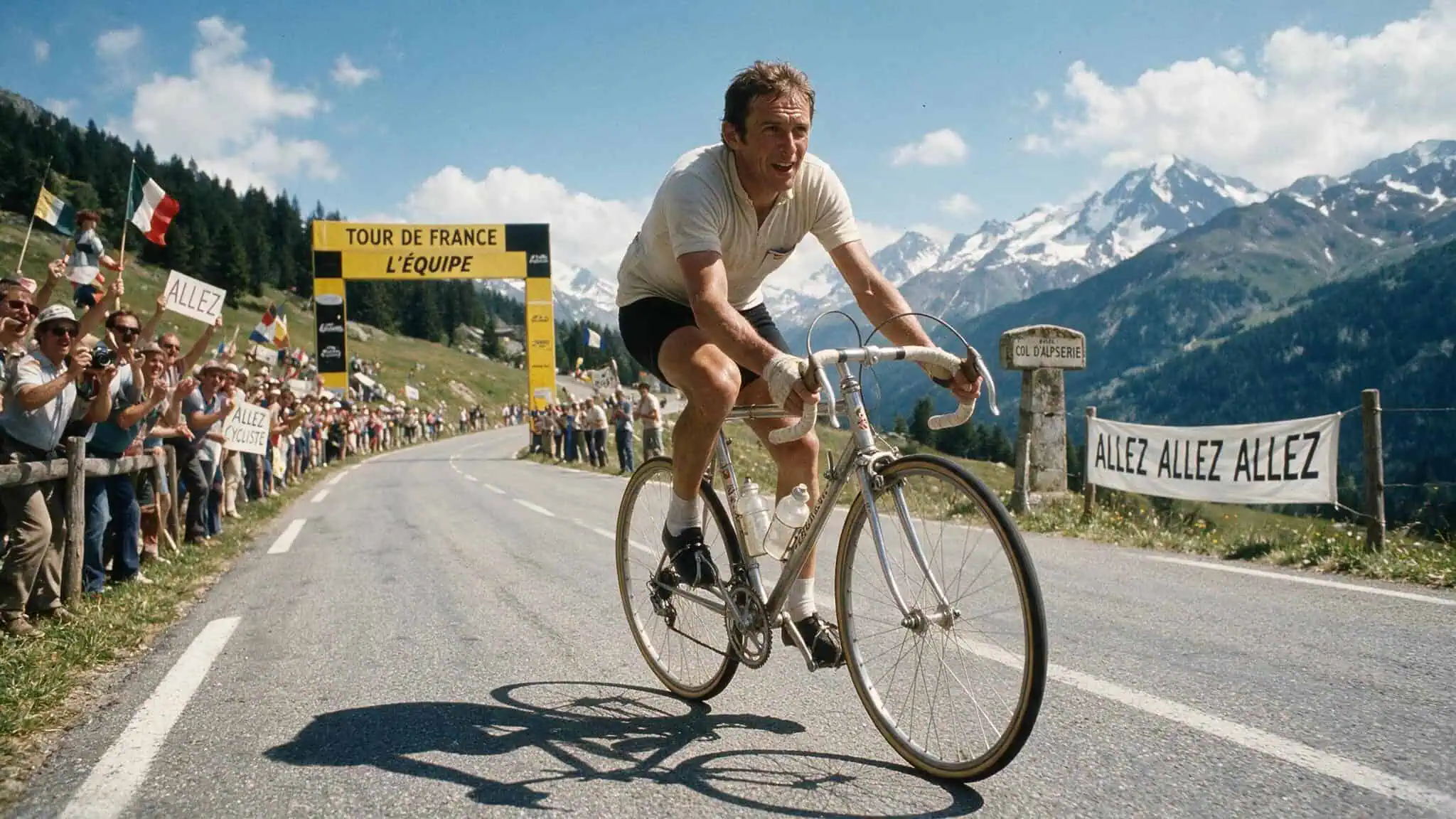
Those numbers are stark. But then you have the curveball. Tour de France cyclists from the 1970s — when AAS were commonly used, had lower mortality than the general population. That doesn’t mean AAS are safe; it means the problem isn’t just the drugs. It’s the combination of drugs, extreme diet, and the specific practices of bodybuilding.
Jerry Brainum, a longtime bodybuilding writer, analyzed the death rates of 60 deceased bodybuilders. He found 42% died from cardiovascular events, 10% kidney-related. But the overall death rate was 12.6%, compared to 13.5% for the average male. That’s actually slightly lower — but the devil’s in the details. The guys who died were disproportionately young.
And then there are the counterexamples. Jack LaLanne lived to 96. Arnold Schwarzenegger and Lou Ferrigno are in their 70s and still going. Dave Draper died at 79, Chris Dickerson at 82. These athletes competed in an era with less extreme drug use and different training and dieting norms, which may explain their longevity.
It’s not inevitable. The question is what’s different about them.
The Psychological Toll: Anxiety, Depression, and Suicide
Steroid cessation can cause prolonged hypogonadism — your natural testosterone production crashes, leading to depression, reduced sexual performance, and anxiety. We’ve already touched on Sandoe and Kingman, but the mental health dimension deserves its own section. The culture of the sport discourages admitting weakness. Dr. Thomas O’Connor says all his bodybuilding patients suffer from steroid-related mental health issues, and they suffer quietly.
The suicides are the visible part of this, but the underlying struggle is widespread.
What We Still Don’t Know: Research Gaps and Methodological Pitfalls
We don’t know enough. Most studies on bodybuilder health are case series or small cross-sectional samples. There’s no longitudinal study that has tracked natural versus AAS-using bodybuilders over decades. The studies that exist are full of confounders — polypharmacy, extreme diet, genetics, that are rarely controlled.

Cardiac mass is often normalized to body surface area, but those formulas weren’t validated for bodybuilders. In a cross-sectional study of 27 bodybuilders, fat-free mass was calculated using eight different methods, and the means ranged widely. When your measurement tools are that inconsistent, the conclusions are shaky.
What researchers want to do: survival analysis of elite bodybuilders, case-control studies comparing drug users to natural athletes, and long-term studies tracking physiologic parameters to see what predicts risk.
Conclusion: The Bodybuilding Paradox
The “died young” narrative is real but not universal. AAS use is a clear risk factor, but so are extreme dieting, supplement contamination, injection practices, and the lack of medical oversight. The evidence is conflicting and incomplete. The same factors that make bodybuilding effective — pushing the body to extremes, also make it dangerous.
The sport isn’t going away. More people are competing than ever.
People Also Ask
Which famous bodybuilder died?
Several well-known bodybuilders have died young, including Dallas McCarver at 26, George Peterson at 37, Bostin Loyd at 29, Rich Piana at 46, and Cedric McMillan at 44. The causes range from heart attacks and kidney failure to suicide and complications from extreme dieting.
What did Dave Draper pass away from?
Dave Draper died at age 79, which is well above the average for competitive bodybuilders. His cause of death is not detailed in the available data, but he is often cited as a counterexample — a top-level bodybuilder who lived into his late 70s, unlike the many who die in their 30s and 40s.
Why do so many bodybuilders die of heart attacks?
Anabolic steroids lower good cholesterol (HDL), raise bad cholesterol (LDL), thicken heart walls, and impair pumping function. Combined with extreme dieting, dehydration during peak week, and stimulant use, the cardiovascular system gets hammered from multiple angles. One study found that 38% of bodybuilder deaths were from sudden cardiac arrest.
How does peak week kill bodybuilders?
Peak week involves extreme dehydration, electrolyte depletion, and stimulant use to get shredded for competition. This combination can trigger sudden cardiac dysrhythmia or kidney failure. One documented case involved a 20-year-old who died from severe hydration, and another involved a bodybuilder who lost 19 kg pre-contest then gained 10 kg in a binge, leading to refeeding syndrome.