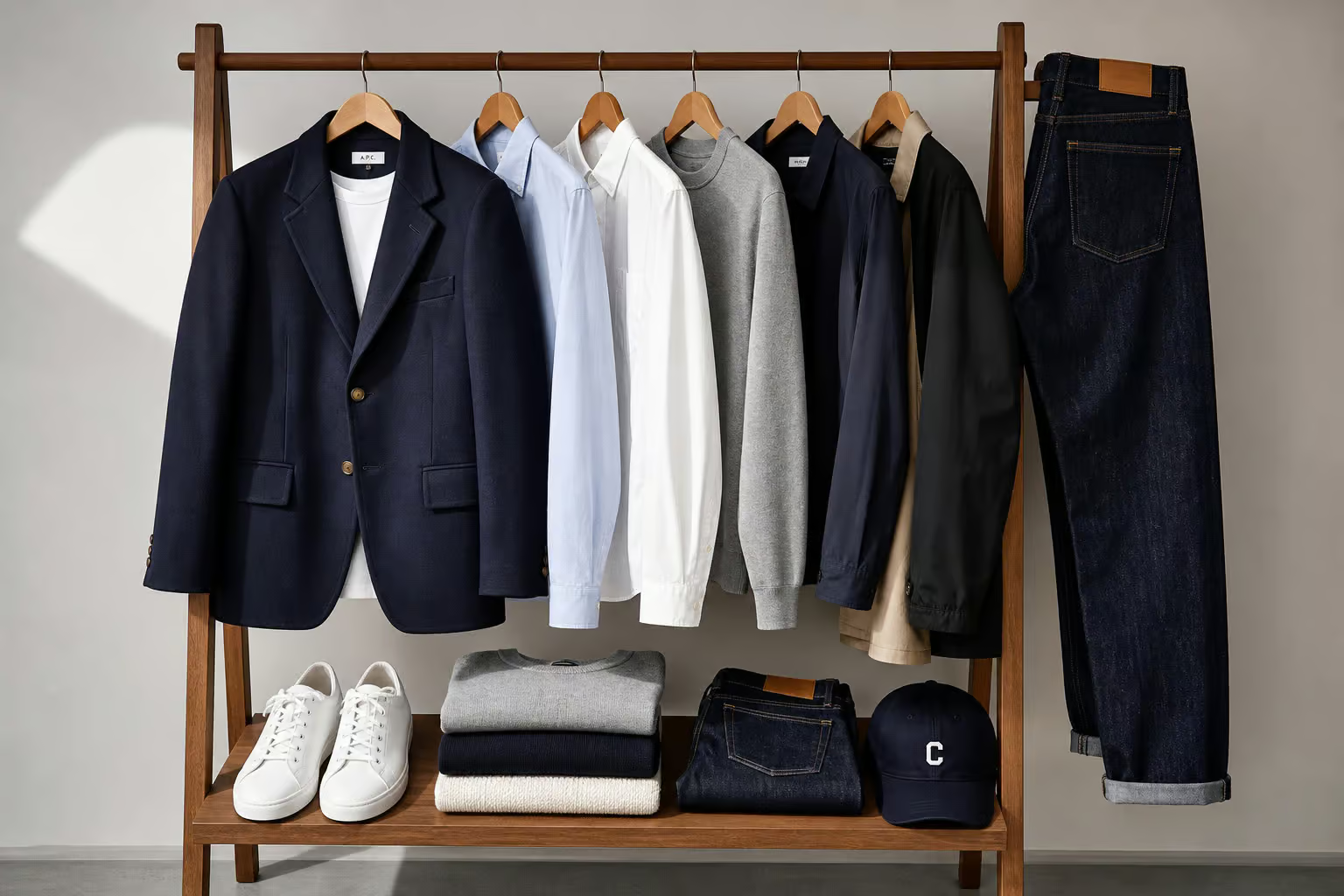
How to dress better is a question most guys overcomplicate. We’re told style is some innate, artistic gift you’re either born with or have to spend thousands of dollars to acquire. That’s a myth. Whether you are Investing in tailored suits or just building a casual weekend wardrobe, dressing well is a learnable, logistical skill—like maintaining a car, cooking a meal, or hitting the gym.
You don’t need to “feel” confident to start wearing better clothes; confidence is a lagging indicator. You show up, run the steps, dial in the basics, and the confidence follows.
Developing style is a habit-based skill, not an innate talent. Just as with cooking or sports, you can master your wardrobe through daily practice and focus on classic recipes rather than spending years studying runway trends. It’s about building repeatable habits, not trying to pull off dramatic overnight makeovers.
Key Takeaways
A ruthless closet edit typically cuts wardrobe volume by 55%, instantly curing morning decision fatigue.
The “Pull 3” dressing room strategy bypasses sizing confusion by requiring you to take your baseline size, one up, and one down into the booth.
Under the 20x Price Nullification Rule, a $150 off-the-rack jacket shaped by a $20 local dry-cleaner tailor looks exponentially better than a $3,000 designer suit that fits poorly.
Table of Contents
Phase 1: Clear the Clutter and Master the Psychology of Change
Resetting your wardrobe baseline means stripping away the distractions before you buy anything new. Here is how to clear the decks so you can see what you’re working with.
Aggressively purge your closet to reset your baseline
An overstuffed wardrobe is a trap that causes daily decision fatigue. If a garment fits poorly, is worn out, or hasn’t been worn in a year, get rid of it. Aggressively purge your closet to reset your baseline, as a thorough professional closet edit typically results in a 55% reduction in total volume. A lean, organized closet lets you see your options every morning.
Curate your digital environment to normalize style
Your daily scrolling patterns shape what you believe is normal. If your Instagram feed is cluttered with trendy streetwear or runway nonsense, clean it up. Start following accounts that showcase classic, clean tailoring lines instead. Once you see well-dressed guys in your feed everyday, wearing a raw denim jacket or a sharp blazer will start to feel like a baseline standard rather than an occasional, stressful event.
Bar external enablers from your initial styling sessions
When you start upgrading your wardrobe, go shopping alone. Well-meaning friends, long-time buddies, or romantic partners often act as “External Enablers” of terrible style. It’s not out of malice; they’re accustomed to your old visual baseline and will pressure you to regress to maintain relational comfort. Keep your initial styling experiments private until you’ve locked down your new habits.
Phase 2: Train Your Aesthetic Eye and Find Safe Blueprints
Developing a style eye has nothing to do with creative genius. It’s a research exercise where you identify what works on other men, ignore the noise, and adopt those rules as your own.
Develop your style eye by deconstructing role models
Use the excuse that you “don’t have an eye” for clothing. Identify three men whose style you admire—whether it’s classic icons like Steve McQueen and Yves Saint Laurent, or modern blueprints like Ryan Gosling and Tony Stark. Isolate one repeating classic garment they share, like a clean jacket or a specific boot, and observe how they wear it.
Seek expert help from vetted, proven style sources
Don’t waste time on forums or listening to hype-chasing influencers who don’t look like anyone you’d want to copy. Turn to vetted experts who prioritize timeless principles over rapid consumer cycles. Look up style sources like Dan Trepanier (The Essential Man), Barron Cuadro (Effortless Gent), Jeanne Yang, or the editors at Style Girlfriend. Digging into their archives is free, though it takes time to digest the principles.
Avoid the ‘Neo Trench Coat’ trap by mastering basics first
On my first paycheck from an early warehouse job, I bought a long, sweeping trench coat to try and look like Neo in The Matrix. I wore it once on my walk to work, where a passing delivery driver commented that my outfit looked like I was attempting to commit a crime.
That’s the “Neo Trench Coat” Trap. Beginners fail when they try to jump straight to theatrical, cinematic statement garments before they even know how a baseline t-shirt is supposed to drape. Keep it simple.
Prioritize classic style rules over short-term trends
Fast-fashion trends die quickly, leaving you with clothes that are hard to pair and expensive to replace. Timeless silhouettes—like deep indigo raw denim, fitted leather jackets, and clean brown leather boots—have been cool since before you were born. Sticking to classic cuts insulates your wallet from the rapid obsolescence cycles engineered by cheap apparel chains.
Understanding how to navigate different social environments is simple once you define the basic spectrum of menswear. Casual style is built for daily, off-duty utility, utilizing high-quality t-shirts, raw denim, and clean casual footwear. Business style introduces structure, replacing tees with collared shirts and adding chinos or an unstructured blazer. Formal style shifts strictly to structured tailoring, matching suits, and dress leather shoes where the margin for fit error is razor-thin.
Phase 3: Decode the Mathematical Physics of Fit
Fit is the foundation of dressing well, especially when learning how to dress more masculine. If your clothes don’t fit your anatomical frame correctly, no brand name or price tag can save you.
Solve 90% of your style issues by fixing garment fit
Proper fit is the foundational element of style, resolving 90% of all common aesthetic issues. Bad fit makes athletic builds look sloppy, and it makes average builds look shorter or out of shape. Getting the fit right is the closest thing to a style cheat code.
Stop falling for the comfortable comfort trap
A common mistake guys make is conflating comfort with buying garments that are one or two sizes too large. These tent-sized shirts create excess fabric pooling at your shoulders and hems, destroying your vertical lines. You can be comfortable and still have clothing that fits the shape of your frame.

Use the Pull 3 dressing room hack to calibrate physical sizes
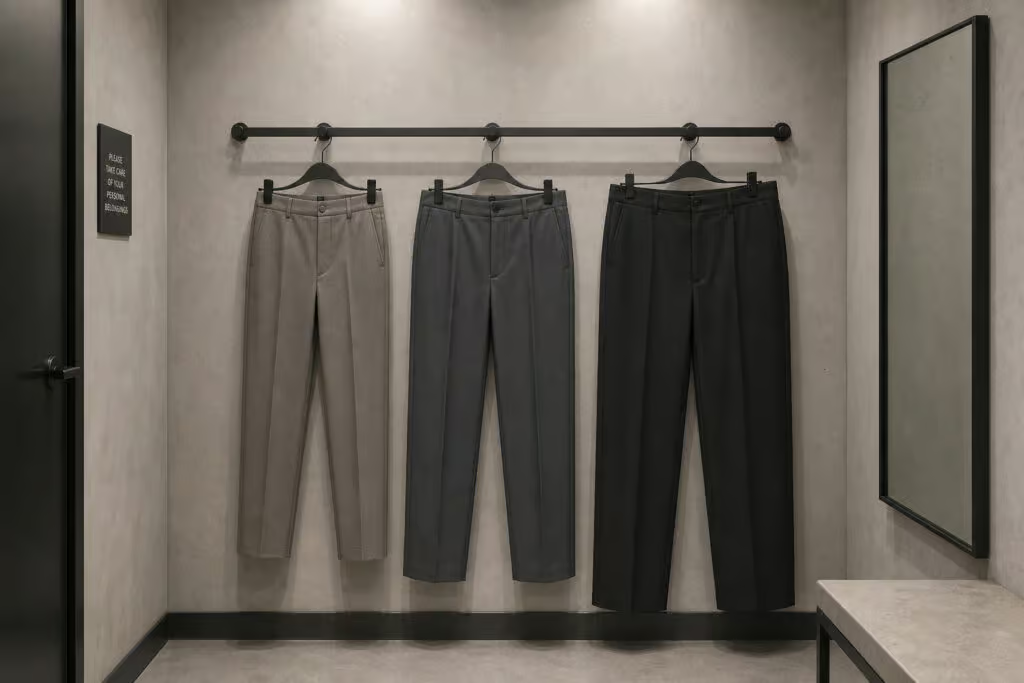
Different brands have wildly different ideas of what “Medium” or “Large” actually means. Never grab one hanger. Use the “Pull 3” hack: take your baseline size, one size up, and one size down into the dressing room. Comparing them side-by-side breaks the habit of purchasing baggy, sloppy clothes because they’re familiar.
Keep your dynamic physical measurements on file
Stop guessing your size when shopping online. Next time you drop gear off at the dry cleaners, ask them to take your actual measurements. Save your chest, drop, sleeve, waist, and inseam specs inside your phone’s notes app. This makes buying off brand-specific sites like Bonobos seamless and error-free.
No matter your physical build, dressing a non-standard body type follows the identical structural rules found in any timeless men’s style guide. If you carry extra weight or have a shorter or taller stature, do not try to hide your body under billows of baggy fabric. This only adds visual weight and destroys your clean lines. Instead, focus on anatomical drape—ensuring shoulder seams sits squarely on the edge of your shoulders—and maintain vertical color harmony, using similar tones on your top and bottom halves to create an uninterrupted silhouette.
Phase 4: Construct a High-Yield Core Wardrobe
Instead of hoarding clothes, you want a tight, high-yield collection where every single piece—from your favorite tailoring to versatile men’s ascot ties and cravats—works with everything else. This is how you automate your morning.
Leverage the Chef Method starting with basics first
Think of wardrobe building like learning to cook. Under the Chef Method, you must master simple “recipes”—like a high-quality white tee, raw denim, and clean leather sneakers—before trying to throw in complex, individual flair. If your daily life revolves around hoodies and t-shirts, those baseline items need to be the best-fitting, high-quality iterations you can afford.
Build a plug-and-play neutral color palette
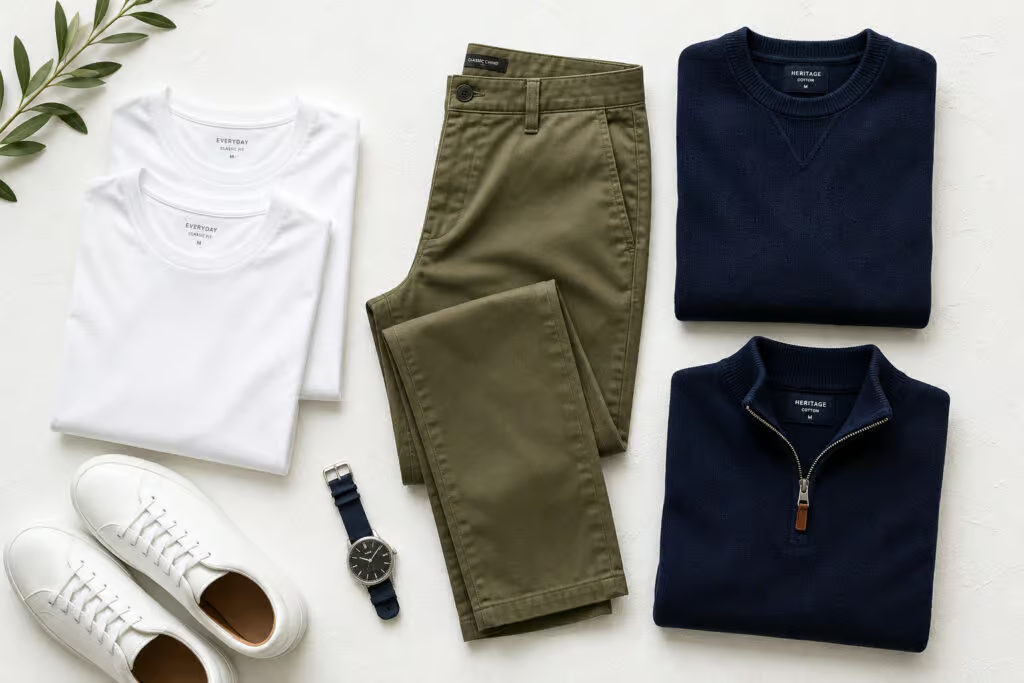
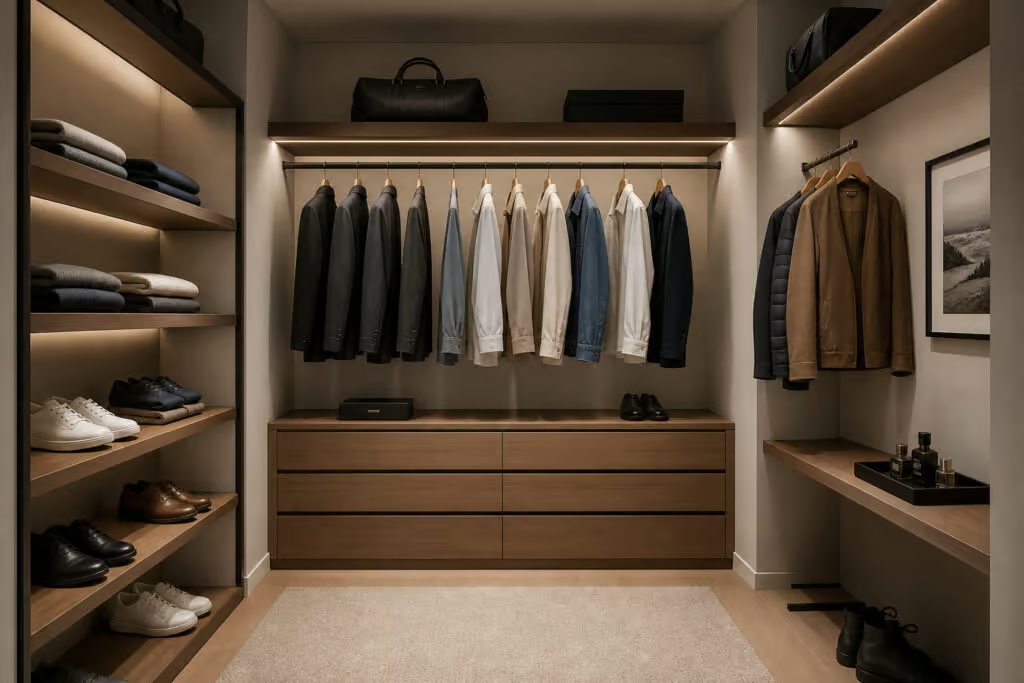
Keep your primary closet restricted to a cohesive palette of navy, olive, gray, khaki, brown, black, and white. This ensures any shirt-and-pant pairing works in the dark without clashing. To elevate this clean baseline without adding visual noise, incorporate classic, subtle accessories like a clean metal Timex watch or a timeless pair of Ray-Ban sunglasses.
Maintain a strict 3:1 ratio of solids to patterned garments
For every single pattern or print item in your rotation, keep three solid, textured neutral options. Utilizing a 3:1 ratio of solid-colored garments to patterns makes a guy look mature and professional, which is standard for professionals 30+.
Reduce decision fatigue with a personal daily uniform
Ditch the daily stress of putting together wild outfits. Establish a personal daily uniform—a small, highly reliable rotation of your favorite high-quality basics. This automates your morning routine and frees up valuable mental bandwidth for the rest of your day.
If you want to build a highly versatile daily capsule wardrobe step-by-step, start with the absolute essentials. First, lock in three heavyweight crewneck t-shirts in neutral white, heather grey, and navy. Second, bag one pair of dark indigo raw denim jeans and one pair of slim-fit grey chinos. Third, add a high-quality grey crewneck sweatshirt and a clean, unstructured navy jacket.
Finish the setup with a pair of clean white leather sneakers, a popular anchor for contemporary streetwear fashion. This foundational layout yields dozens of classic combinations without a single color clash.
Phase 5: Elevate Your Look with Tailoring and Quality Discernment
You don’t need deep pockets to look like you wear custom clothing. Garment literacy and smart, targeted micro-tailoring will make a budget wardrobe look expensive.
Understand construction quality through tactile comparison
To train your eye for quality, walk into a high-end department store just to touch the garments. Feel the weight of cashmere, study the density of the stitching, and inspect the hardware. You’ll quickly learn to spot the difference between cheap, thin fast-fashion items with flimsy plastic pieces and robust garments built with heavy metal RiRi zippers.
Focus garment economics on quality over absolute volume
Fast fashion is a financial trap. Buying three cheap t-shirts repeatedly because they pill or shrink in the wash is far more expensive over a three-year window than paying a higher initial price for one robust, beautifully constructed t-shirt. Quality gear develops character and lasts for years, while cheap garbage looks like trash after two cycles in the dryer.
Exploit vintage buys and estate sales for cheap heirloom fabrics
Don’t overlook vintage shops and estate sales when building your look. You can often score heavy wool coats, classic leather jackets, and premium outerwear for pennies on the dollar. With minor dry-cleaning or a quick seam repair, you’ll walk away with a durable, heirloom-quality piece for a fraction of new retail costs.

Neutralize bad silhouettes with basic local micro-tailoring
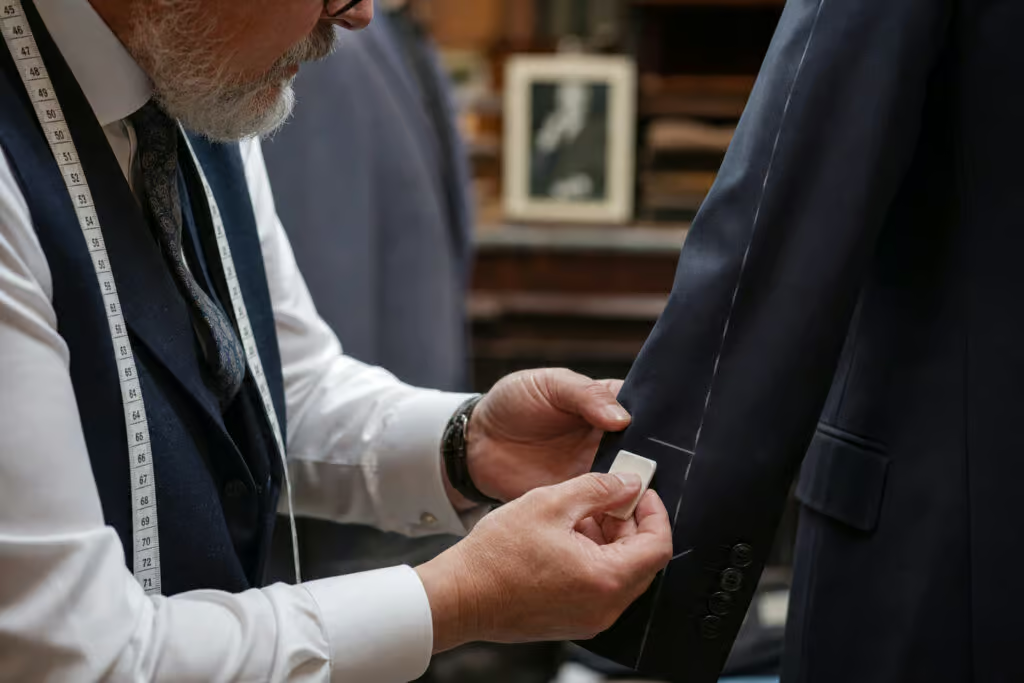
This is where the 20x Price Nullification Rule changes the game. A $150 off-the-rack jacket shaped by a $20 local dry-cleaner tailor will look better than a $3,000 designer suit hanging off you like a wet sack. Learn to ask for basic micro-tailoring—like shortening sleeves or hemming trousers—to instantly eliminate sloppy fits.
Upgrade small physical hardware on low-cost pieces
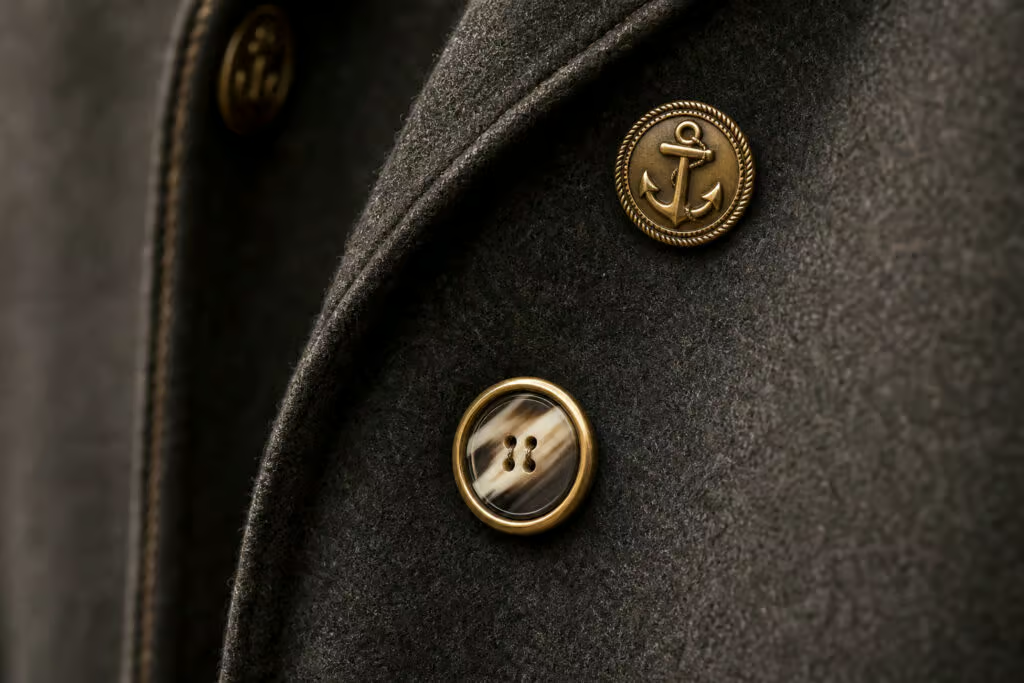
A great DIY budget hack is to look at the details. Cut the cheap, shiny plastic buttons off a budget blazer, shirt, or jacket. Take the garment to your local tailor and pay them a few dollars to sew on premium horn, bone, or brass fasteners. It’s an inexpensive tweak that makes a basic garment look custom-made.
If you are wondering whether upgrading your wardrobe has to be expensive on a tight budget, style is cost-effective when prioritized correctly. By focusing your funds on a few mid-tier essentials, leveraging local micro-tailoring (or the 20x price nullification rule), and swapping cheap factory buttons for high-quality fasteners, you can look sharp for a fraction of the cost of high-fashion labels.
Phase 6: Integrate Bold Styles Slowly – The Swap Method
When you’re ready to experiment with bolder colors or textures, do not attempt to jump straight into a runway outfit. Take baby steps so your clothes still feel like you.
Deploy the Swap Trick to expand your comfort limit
Do not throw out your entire closet and start over. Use the Swap Trick instead: keep your outfit safe, but swap out one bland neutral item (like a grey t-shirt) for a subtle color or an unfamiliar texture (like sage green or a waffle-knit fabric).
Let exactly one item do the talking in your outfit
Keep the rule of single aesthetic focus in mind. If you’re wearing one bold or textured piece—like a bright jacket or unique boots—the rest of your layers must remain dead silent. Overcomplicating your outfit with multiple loud pieces is a quick path to looking like you’re wearing a costume.
Incorporate a signature go-to pop of color
Adding a quiet, deliberate splash of color projects comfortable, unforced confidence. Whether it’s a knit texture, a subtle accessory, or an understated layer, a single pop of color shows you put some thought into your look without trying too hard.
Use low-stakes everyday test-runs to kill self-consciousness
Never debut a brand-new style move on a first date, job interview, or speech. Wear it on a Saturday run to the grocery store, while cleaning the house, or doing everyday errands. This “grocery store” wear-test molds the fabric to your natural movements and kills any self-conscious edge before you wear it when it actually matters.
Phase 7: Own Your Style with Long-Term Authenticity and Care
Style is meant to enhance your life, not consume your mind with obsessive over-analysis. True style maturity means dressing intentionally, stepping out the door, and then completely forgetting what you are wearing.
Practice baseline self-care to set an organic physical foundation
Your clothes are merely an amplifier of your physical frame. Proper sleep, hydration, decent posture, and basic grooming are the master drape that your garments rest on. Even the fine wool or cashmere cannot hide a neglected physical foundation.
Treat clothing hunting as style networking
If you see another guy who has his style dialed in, don’t be afraid to ask where he gets his gear. Treat finding great apparel brands like getting a solid trade referral. It saves you time and keeps you from wasting cash on low-quality hype.
Buy only garments you love—never buy under pressure
Avoid the clearance rack trap. Buying a garment you don’t love just because it’s on sale is a net-negative financial loss. If the clothing doesn’t make you feel good and fit off the rack (or via your local tailor), leave it behind.
Own your look and stand by brands that fit your anatomy
Once you find a specific label that naturally patterns its garments to fit your shoulder slope, height, and bone structure, stick with them. Lock on to their collections and ignore seasonal competitor hype. Brand loyalty saves you endless hours in the fitting room.
Avoid obsessive analysis and don’t take style too seriously
It’s clothing, not a mission to Mars. Don’t over-analyze your wardrobe to the point of daily stress. Dress with intent, walk out the door, and get on with your day. True style is about making your daily life easier, not more complicated.
Frequently Asked Questions
How to start dressing better man?
Start by purging your closet of ill-fitting or unworn items to reduce decision fatigue, then focus on building a core wardrobe of high-quality basics like neutral t-shirts, raw denim, and chinos. Transition from chasing trends to identifying classic style icons and adopting their timeless, reliable aesthetics. The key is to view style as a learnable skill involving fit, habit, and simple garment maintenance rather than innate talent.
What is the 1/3 2/3 rule of dressing?
While the specific 1/3 2/3 phrasing is rare, the equivalent principle is the 3:1 ratio rule for maintaining a professional appearance. For every one patterned or printed garment you own, you should have three solid, textured neutral options to ensure your wardrobe remains versatile, cohesive, and easy to pair without clashing.
What is the 3-3-3 rule for men?
The most effective way to address sizing confusion in the dressing room is the ‘Pull 3’ strategy. Always bring your baseline size, one size up, and one size down into the booth so you can compare how they actually sit on your frame rather than relying on inconsistent brand labels.
What is the 20x Price Nullification Rule?
This rule proves that an affordable garment tailored to your body will always look better than an expensive, designer item that fits poorly. By spending a small amount on local micro-tailoring—such as adjusting sleeve length or trouser hems—you can make an inexpensive jacket look like a custom-made piece.
How much does a professional closet edit impact my wardrobe?
A ruthless, professional-level closet edit typically results in a 55% reduction in total volume. By removing clothes that no longer fit or serve your current style baseline, you eliminate daily decision fatigue and create a lean collection where every piece is functional.
Can I hide a non-standard body type by wearing looser clothes?
No, wearing baggy or billowy fabric to hide your shape actually adds unnecessary visual weight and ruins your silhouette. Instead, focus on ‘anatomical drape’ by ensuring shoulder seams hit the edge of your shoulders and using consistent color tones to create an uninterrupted vertical line.
Is it worth buying expensive clothes if I am on a budget?
Yes, through ‘garment economics,’ focus your limited funds on a few mid-tier, high-quality essentials rather than volume-heavy fast fashion. Cheap items often pill, shrink, or require frequent replacement, whereas robust, well-constructed garments last for years and can be elevated further by swapping out cheap plastic buttons for brass or horn fasteners.