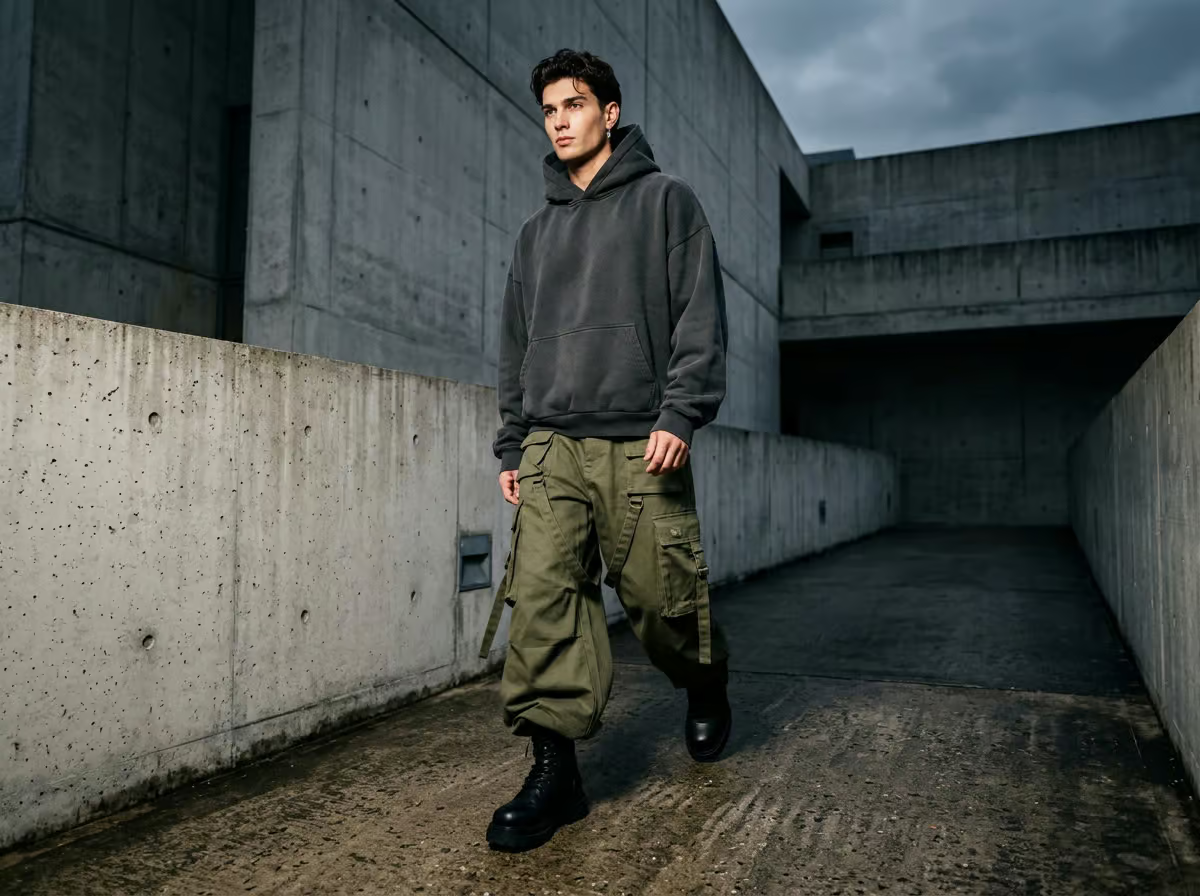
What is streetwear? Streetwear is a subcultural fashion movement born from 1980s hip-hop and skate rebellion that has evolved into the dominant global style paradigm. I have been into this culture for about as far back as I can remember. In fact, I was so obsessed at one point that I was manually importing raw, high-craft Japanese denim directly just to get the leg drape right. But you do not have to navigate international proxy shipping to figure out how to find your style as a man.
Today, the movement has transitioned from regional underground scenes into an accessible framework embraced by modern apparel catalogs like mnml. Recognize this: it is not merely a loose clothing category. It is an architectural movement centered entirely around fit, proportion, and attitude. To truly understand how this global uniform took hold, you have to look at the unique collision of subcultures that sparked it.
Key Takeaways
Streetwear originally fused East Coast hip-hop tracksuits with West Coast skate culture, elevating items like $88 cargo pants into functional daily staples.
Modern silhouette mastery relies on structured, wide bottoms like B484 Flare Denim—regularly priced around $74 but available on sale for $58—to purposely guide the eye downward over footwear.
The culture is actively rejecting logo-heavy designs, utilizing unbranded basics like simple heavy tees and oversized hoodies to prioritize how a garment is cut rather than the badge isolated on the chest.
Table of Contents
How the Streetwear Fashion Movement Originally Started
The streetwear fashion movement originally started as a rebellious synthesis bridging tracksuits and sneaker dominance in New York’s 1980s hip-hop culture with the raw, anti-establishment utility of Southern California’s surf and skate scenes.
The Birth of Sartorial Rebellion
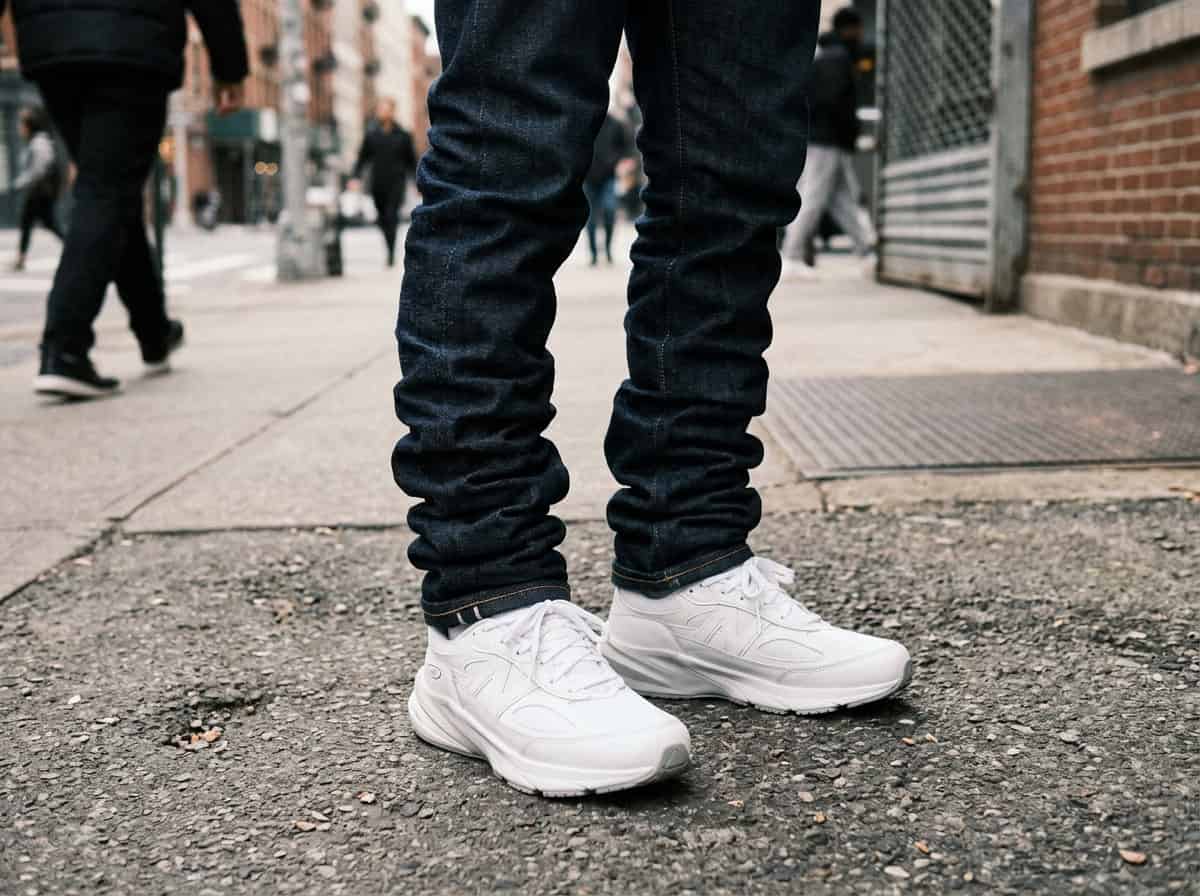
Early adopters rejected off-the-rack luxury brands. Because it was fundamentally a sartorial rebellion, pioneers turned to do-it-yourself (DIY) customization—using spray paint, localized patches, and aggressive distress techniques to destroy strict manufacturing norms. Skateboarders wore wide skater jeans meant for durability against concrete, not runway appeal. They utilized independent manufacturing capabilities similar to The Print Shop to screen-print crude graphics that signaled community dissent. As the aesthetic matured over the decade, visual markers transitioned from custom basement prints to specific brand loyalties.
Think of Shawn Stüssy scrawling his surname on surfboards in Laguna Beach, or Dapper Dan remixing high-end luxury logos into custom pieces for hip-hop royalty in Harlem, long before figures like Russell Simmons fully commercialized the aesthetic. It was a clear shift where tribal affiliation became intrinsically tied to statement sneakers, helping outsiders easily identify which micro-subculture or geographical era the wearer belonged to on sight.
The Japanese Denim Pipeline
The turning point for intense fabric obsession came via the Ura-Hara movement in Japan. These designers revered high-grade, vintage Americana and combined it with meticulous material production. This specific historical pivot officially bridged the gap between American vintage workwear and modern apparel releases. The obsession with importing heavy Japanese textiles shifted the movement from just throwing loud graphics on cheap cotton blanks to actually caring about the structural integrity of the fabric.
I remember ordering raw selvedge explicitly because nothing domestic stacked properly over my boots. As the culture expanded far beyond its regional origins, the primary focus naturally evolved from localized custom graphics to the physical shape and fall of the garments themselves.
Silhouette Manipulation and Architectural Fits
Street fashion differs from basic Casual configurations, Smart casual office standards, or the rigid tailoring rules of Formal environments by prioritizing silhouette manipulation and geometric fabric volume over logo placement and strict dress codes.
Shifting From Logos to Structure
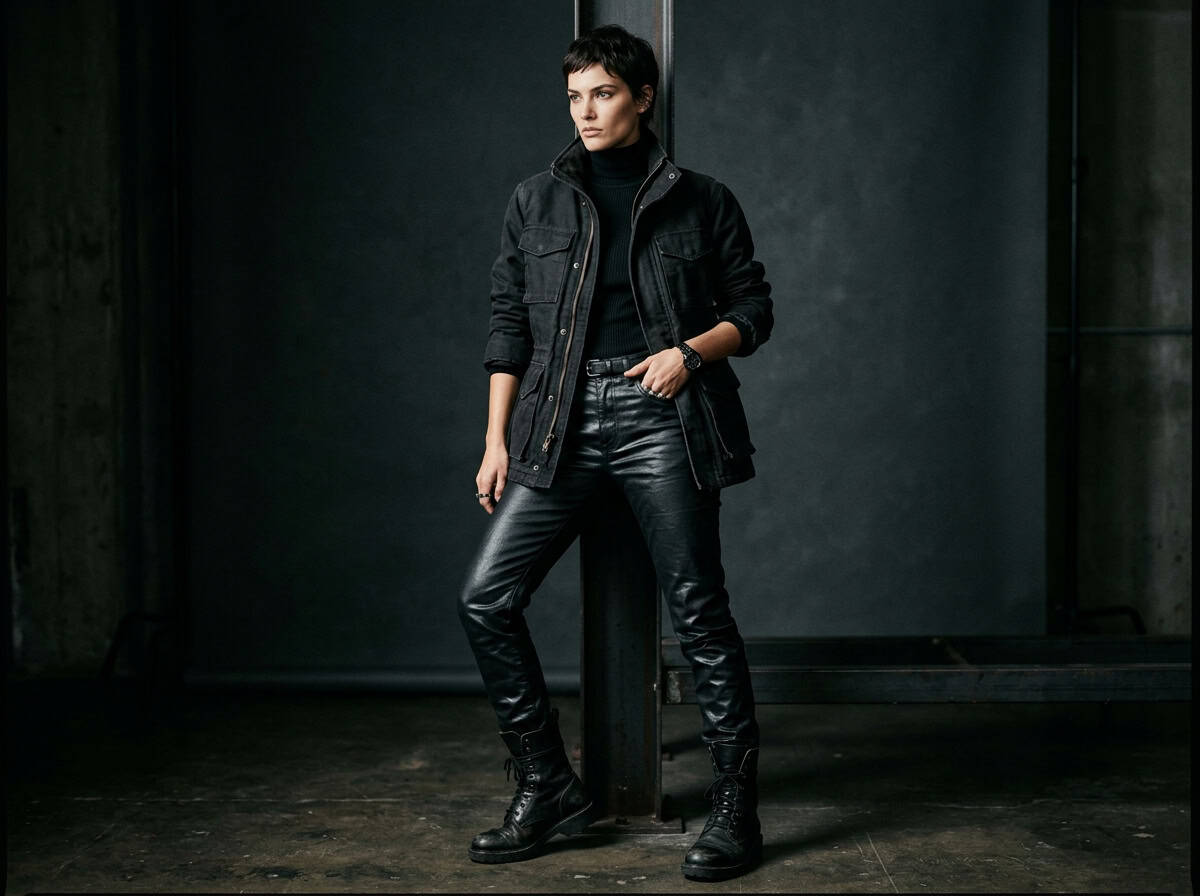
The modern apparel landscape is actively moving away from loud, saturated branding. The new status symbol in men’s fashion is the sophisticated control of garment architecture. You achieve this through intentional silhouette tension. The standard approach involves balancing a relaxed, out-of-the-box comfort fit on the upper body with meticulously structured bottoms. For example, wearing a heavy oversized hoodie up top anchored by precisely cut B484 Flare Denim on the bottom guides the eye cleanly downward over your footwear.
The drape does the talking. It creates a striking silhouette that feels intentionally polished, without inching into the stuffy, heavily tailored territory of Semi-formal styling. It proves complete subcultural literacy without needing a designer badge stamped on the chest to validate the outfit to anyone passing by.
The Lower-body Flex
Lower-body volume is where the most aggressive daily experimentation happens right now. Exaggerated fabric stacking demands precise geometric proportions rather than traditional slim tailoring. The clearest example of this modern silhouette manipulation is Super Stacked Denim, which uses extra inseam length to create an aggressive, calculated bunching around the ankles.
It alters your lower-body shape entirely to emphasize and highlight your choice of footwear. Mastering this drape means utilizing flared or stacked cuts to build a defined, heavy shape from the waist down. This structural emphasis marks the fundamental divergence from generic mass-market jeans. Executing an authentic look daily requires anchoring your closet with functional items.
Foundational Primitives and Utilitarian Garments
The essential clothing pieces needed to build a streetwear wardrobe include an oversized hoodie, a heavy graphic tee, statement sneakers, and specialized structural bottoms like wide cargo pants or waxed denim.
Elevating Working-class Utility
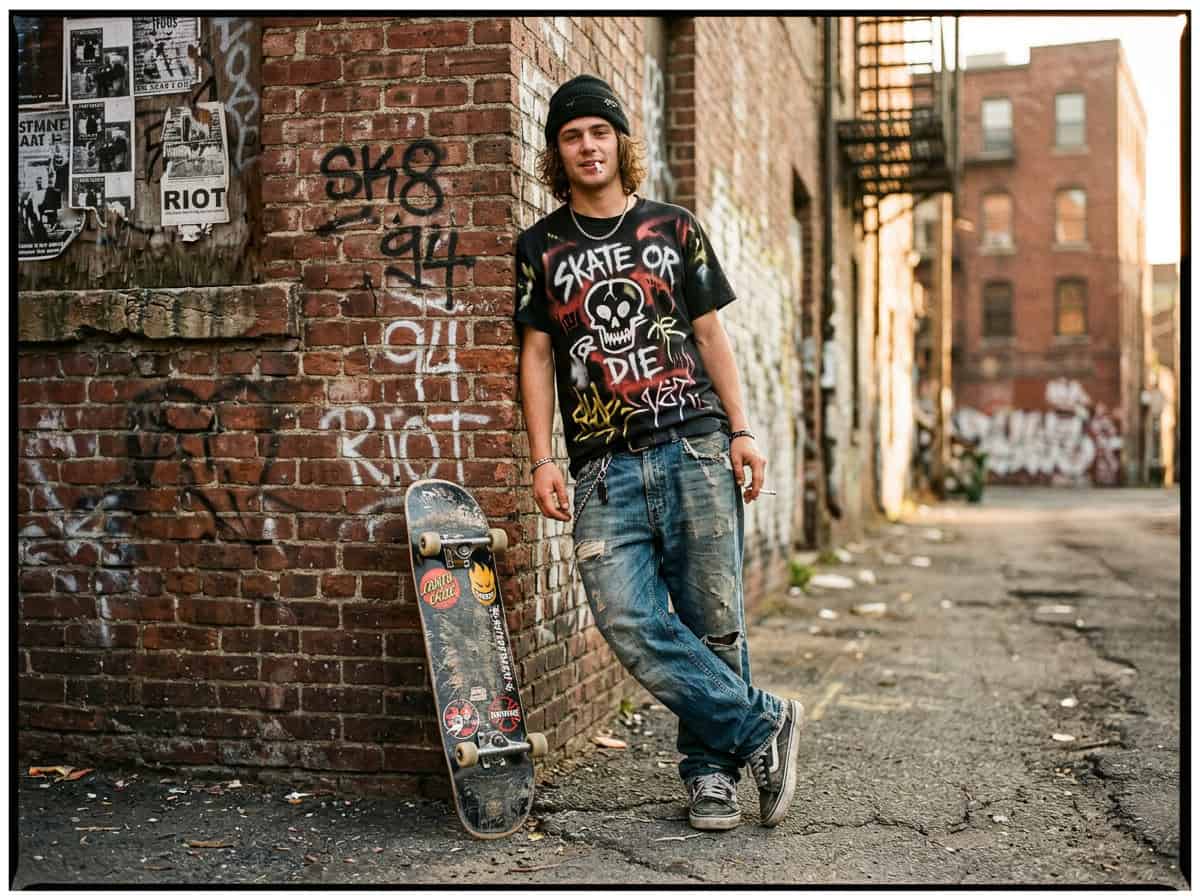
Street style historically co-opted working-class staples—such as the rugged canvas of a heavy Carhartt jacket—alongside athletic Sportswear and military elements into its daily rotation. It proved that extreme comfort and urban durability could coexist seamlessly with avant-garde styling as a new form of high-end Informal wear. Upgrading a basic outfit formula requires introducing one high-utility, visually heavy bottom to serve as the aesthetic focal point.
As a practical example, the hardcore utilitarian aesthetics of the Rave Double Cargo Pants embody how functional, pocket-heavy military gear was completely adopted for daily urban fashion. Sitting at a functional price point around $88, these specific pieces maintain a distinct utility edge while successfully providing the necessary structural volume to visually balance a heavy, oversized torso.
Introducing Tactile Depth
A fundamental rule of dressing well is that when you strip away loud neon colors, you have to replace them with deep texture. If you wear an all-black outfit made entirely of standard flat cotton, it looks lifeless and uninspired. Monochromatic fits require varying physical materials to succeed. You can instantly inject tactile depth into an outfit by swapping standard black jeans for B729 Waxed Denim.
The heavy waxing process gives the cotton a weather-resistant, leather-like sheen that adds immense tactile complexity to an otherwise standard foundational uniform. This reliance on oversized cuts and heavy materials quickly broke down traditional slim tailoring rules, leading to a much broader cultural shift. Wearing this aesthetic effectively transitioned from an underground statement into a daily habit meant to replace the stiff constraints of full dress or corporate uniforms.
Post-gender Styling and Oversized Proportions
You properly style baggy cargo pants and oversized hoodies by coordinating loose, heavy matching fabrics to create a continuous, unrestrictive silhouette that ignores traditional gender tailoring norms. The subculture inherently rejects traditional menswear and womenswear binaries. Long before European haute couture broadly embraced androgyny on the runway, this scene was quietly pioneering the post-gender fashion movement. The primary trick is to prioritize the gender-neutral drape produced by oversized proportions, which naturally obscure rigid, traditional body lines.
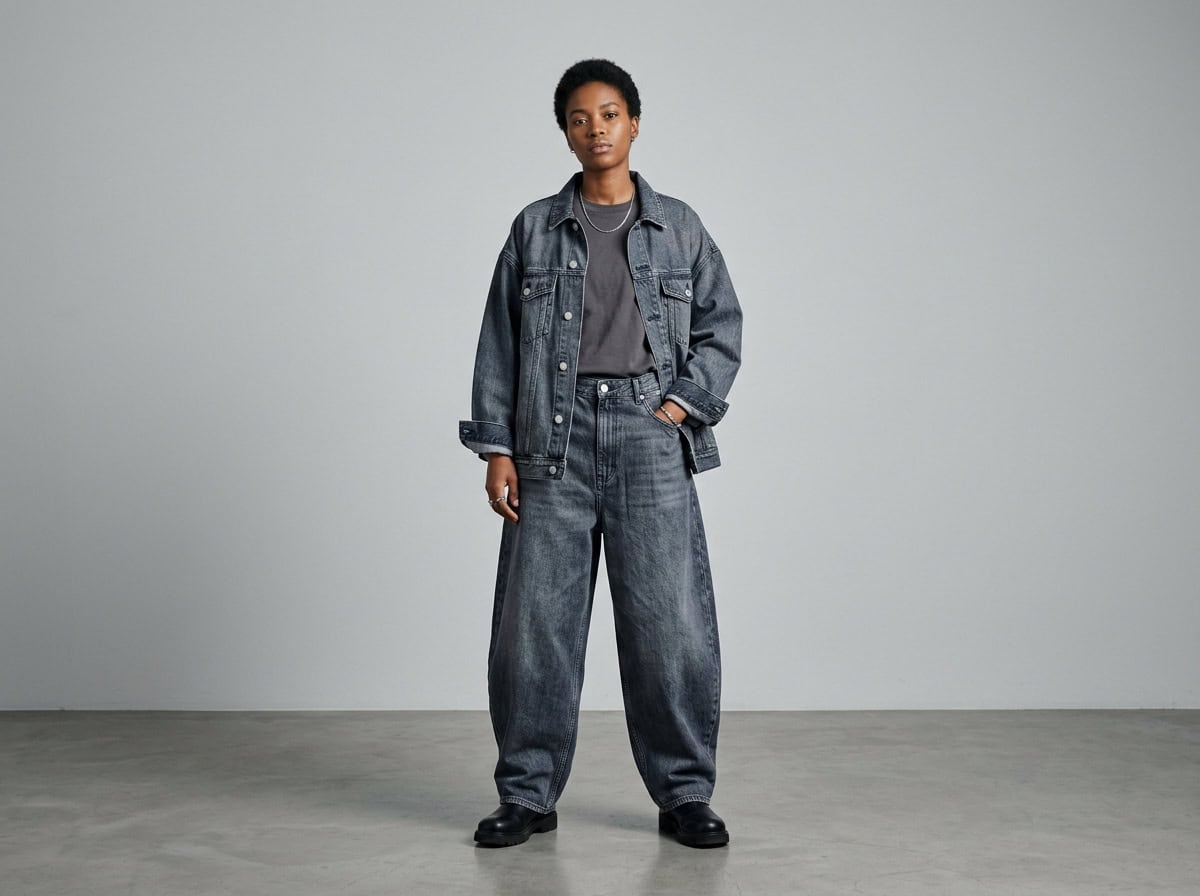
For example, pairing loosely cut Baggy Moto Denim with a matching Moto Denim Jacket creates an ambiguous, modern shape that prioritizes attitude and structural volume over conventional expectations of dress. It provides an entirely inclusive canvas where the architecture of the fit matters infinitely more than the gender of whoever is wearing it. Assemble a matching heavy denim or wide cargo set using generous cuts to test this visual approach yourself. But as these loose silhouettes gained massive global traction, the underlying economic engine delivering them began to fundamentally change.
The Economics of Hype Versus Accessible Cuts
Certain hype apparel items and exclusive sneaker drops cost so much money because brands use a drop-based economic model to manufacture artificial scarcity and drive up secondary market resale value.
The Drop Model and Scarcity
The secondary market fundamentally altered how average fans interact with the clothing culture. Supported heavily by automated checkout bots and digital storefront platforms like Shopify, independent labels began utilizing deliberately limited-quantity drops to create massive consumer demand. This digitally manufactured artificial scarcity pushed teenagers and collectors to unregulated secondary markets, wildly inflating prices and severely alienating historical fans who simply wanted affordable clothes to wear, not financial investments.
You can easily avoid the premium markups of these aggressive sneaker and apparel resale markets by refusing to play the hype game and building a core rotation out of consistently available pieces.
The Luxury Convergence
This scarcity model eventually fueled a massive luxury convergence, leading to endless high-profile brand collaborations where traditional fashion houses and street-level labels merged their distinct visual identities to cross-pollinate global audiences. Paradoxically, underground anti-fashion movements ended up securing the financial future of struggling heritage luxury houses by injecting them with vital youth culture. Today, there is a strong contrarian pivot pushing back against this highly expensive cycle.
Savvy buyers are moving entirely away from hyped seasonal drops, instead relying on accessible, permanent staples like the Everyday Basics Collection. These core rotations prioritize consistent sizing availability, quality craftsmanship, and basic affordability over engineered exclusivity. Ultimately, surviving the rapid trend cycle means ignoring the noise.
“Paradoxically, underground anti-fashion movements ended up securing the financial future of struggling heritage luxury houses by injecting them with vital youth culture.”
Beyond the Hype: What is Streetwear Today?
A beginner can start dressing in an authentic street style everyday by purchasing one perfectly cut, unbranded foundational pant or heavy hoodie rather than chasing expensive graphics or hyped limited sneaker drops. The culture has matured significantly, shifting from its highly rebellious, logo-saturated origins into a much more refined, post-hype era defined primarily by subtle, calculated draping. Start your own transition into aesthetic urban wear by focusing strictly on long-term wardrobe architecture instead of fleeting Social Media trends.
If you look closely at progressive, concept-driven seasonal drops like the Pre-Spring 2026 Collection or the stripped-back styling of the Void Collection, the industry trajectory is obvious. The emphasis has squarely landed on cut-first design, where minimalist cuts completely replace overt chest branding as the main indicator of quality and insider status. Focus on your proportions first. Invest in a heavy, structured pant, secure a thick blank hoodie, and let the way the garments physically fall communicate your entire style.
Frequently Asked Questions
What exactly is u0022super stackedu0022 denim?
Super stacked denim uses calculated extra inseam length to create aggressive, intentional bunching around your ankles. This deliberately alters your lower-body shape to emphasize and highlight your choice of footwear. Mastering this heavy drape builds a distinct silhouette that separates authentic street styling from generic, mass-market jeans.
Why are modern streetwear brands ditching giant logos?
The culture point-blank rejects paying for a designer badge isolated on the chest just to prove subcultural literacy. Today, the ultimate status symbol is the sophisticated control of garment architecture and silhouette tension. True style is now communicated through how a cut-first item falls and drapes, completely replacing loud graphics with quiet structural dominance.
How much should a good pair of functional streetwear pants actually cost?
You do not need to pay premium bot markups on unregulated secondary markets to secure an authentic fit. High-utility staples like the pocket-heavy Rave Double Cargo Pants sit at a highly accessible $88, while pieces like B484 Flare Denim hover between $58 and $74. Savvy buyers ignore expensive hype and build core rotations out of consistently priced, permanently available basics.
How do I make an all-black streetwear outfit look good instead of lifeless?
Monochromatic fits require tactile depth, meaning you must vary the physical materials you are wearing. If you strip away neon colors and rely entirely on standard flat cotton, your outfit will look completely uninspired. Instantly inject complexity into your uniform by swapping standard black jeans for B729 Waxed Denim, which provides a rugged, leather-like sheen.
What is the u0022drop modelu0022 and why does it ruin clothing prices?
The drop model is a digital sales tactic where brands release deliberately limited quantities of apparel to manufacture massive artificial scarcity. This bottleneck allows automated checkout bots to scoop up inventory and rapidly flip it on secondary resale platforms. It wildly inflates consumer prices and actively alienates people who just want affordable clothes to wear rather than volatile financial investments.
Can I wear baggy and oversized proportions without looking sloppy?
Yes, provided you understand how to utilize intentional silhouette tension rather than just buying standard shirts two sizes too big. The proper technique balances a relaxed, heavy upper body with meticulously structured bottoms—like flared denim—that guide the eye cleanly downward. It creates a continuous, post-gender drape that prioritizes undeniable attitude and architectural volume over traditional rules of tailoring.