Roughly 30% of Americans have a tattoo, and about 25% of them admit to regretting at least one. We make impulsive aesthetic choices in our twenties. That blown-out tribal band or blurry joke tattoo is a reality for millions of guys. At Unfinished Man, we believe in owning your fuck-ups and fixing them.
A bad tattoo is just a mechanical failure. Fixing it isn’t about hiding in shame; it is a calculated, tactical upgrade to match who you are today. If you’re looking for visual inspiration and are finally committing to a Tattoo Cover Up, you’ve probably realized that slapping lighter ink over a dark mistake just creates mud under your skin.
The process is an exercise in optical illusion and biology, not playing with an opaque eraser. Here is a gallery-style breakdown of how the actual physical realities of cover-ups work, categorizing the concrete design techniques you’ll need to finally reclaim your skin.
Key Takeaways
Successful cover-ups deposit heavy color into the dermis layer directly over old ink, demanding strategic pigment blending rather than opaque masking.
Laser tattoo removal is increasingly used as a strategic prep phase to reduce original ink density, expanding the canvas for complex color theory.
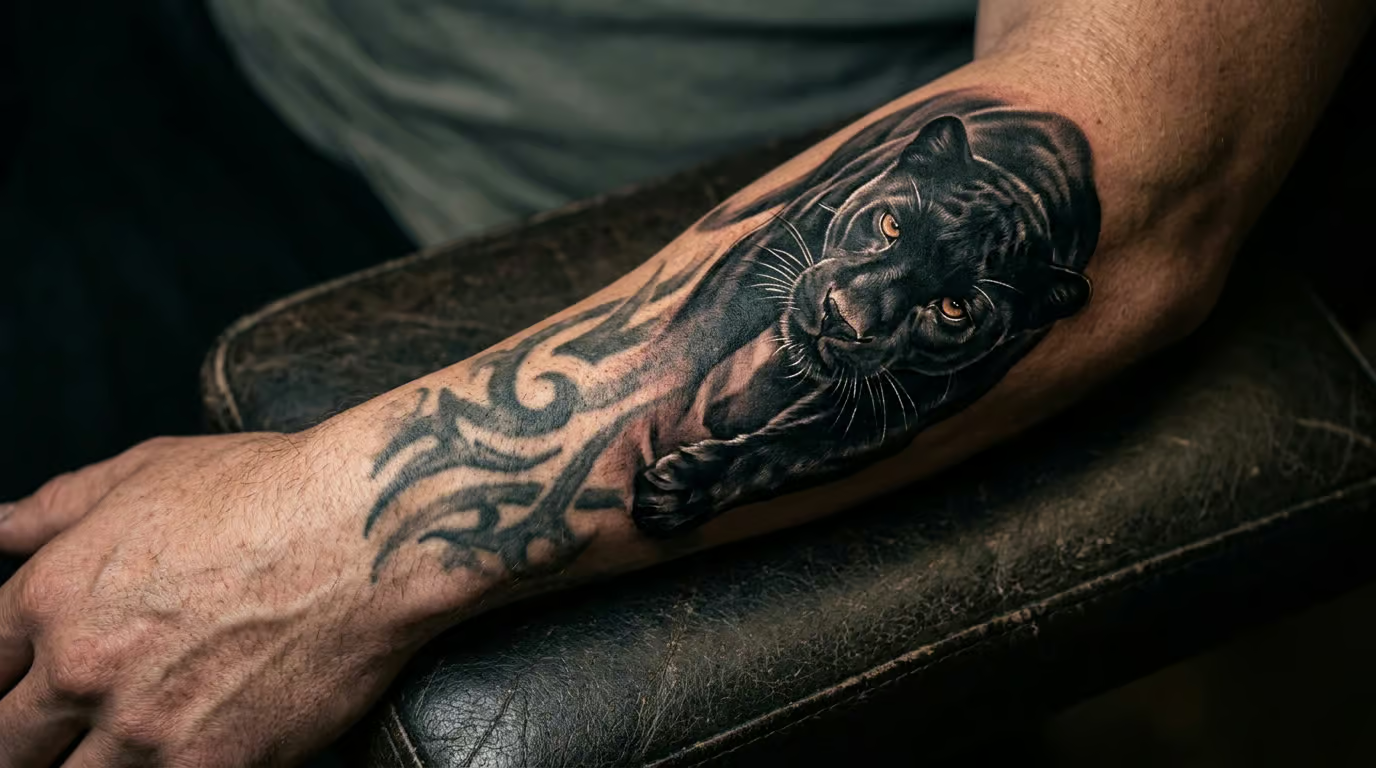
Specialized heavy texture designs, including blackout cover-ups and the Sick Ass Panther, structurally trick the eye by hiding rigid lines within highly saturated organic shapes.
Table of Contents
Transformative Cover up Tattoo Ideas and the Physiology of Ink Blending
Yes, specific dark ink colors are nearly impossible to completely cover up with lighter shades. Heavily saturated black original ink will always dominate lighter cover-up pigments in the skin. This reality dictates the strict color palette available for your new design.
Roughly a quarter of Americans regret at least one tattoo, usually due to impulse decisions they planned for less than a week. Resolving that regret requires understanding a harsh biological reality. A new tattoo does not function like an opaque eraser over an old mistake.
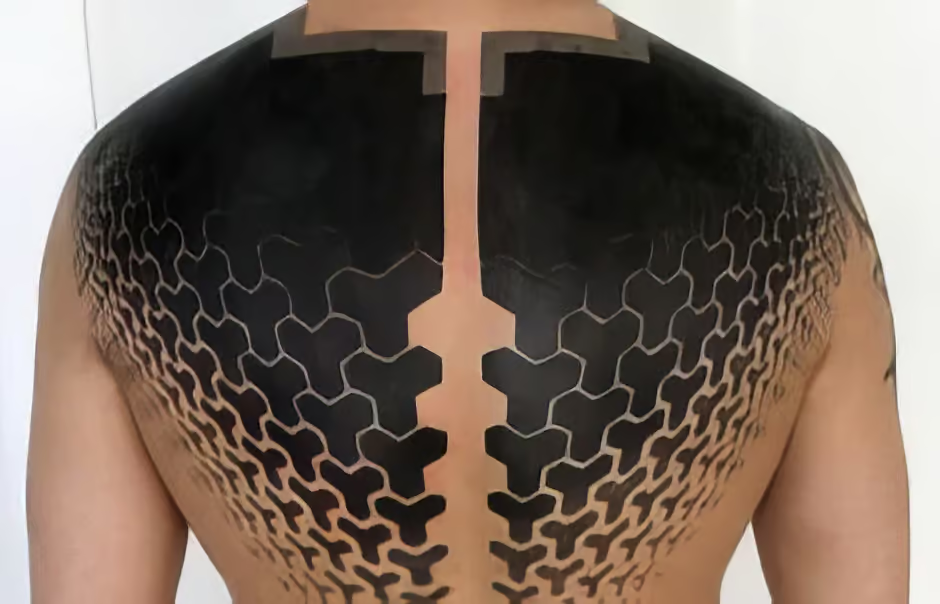
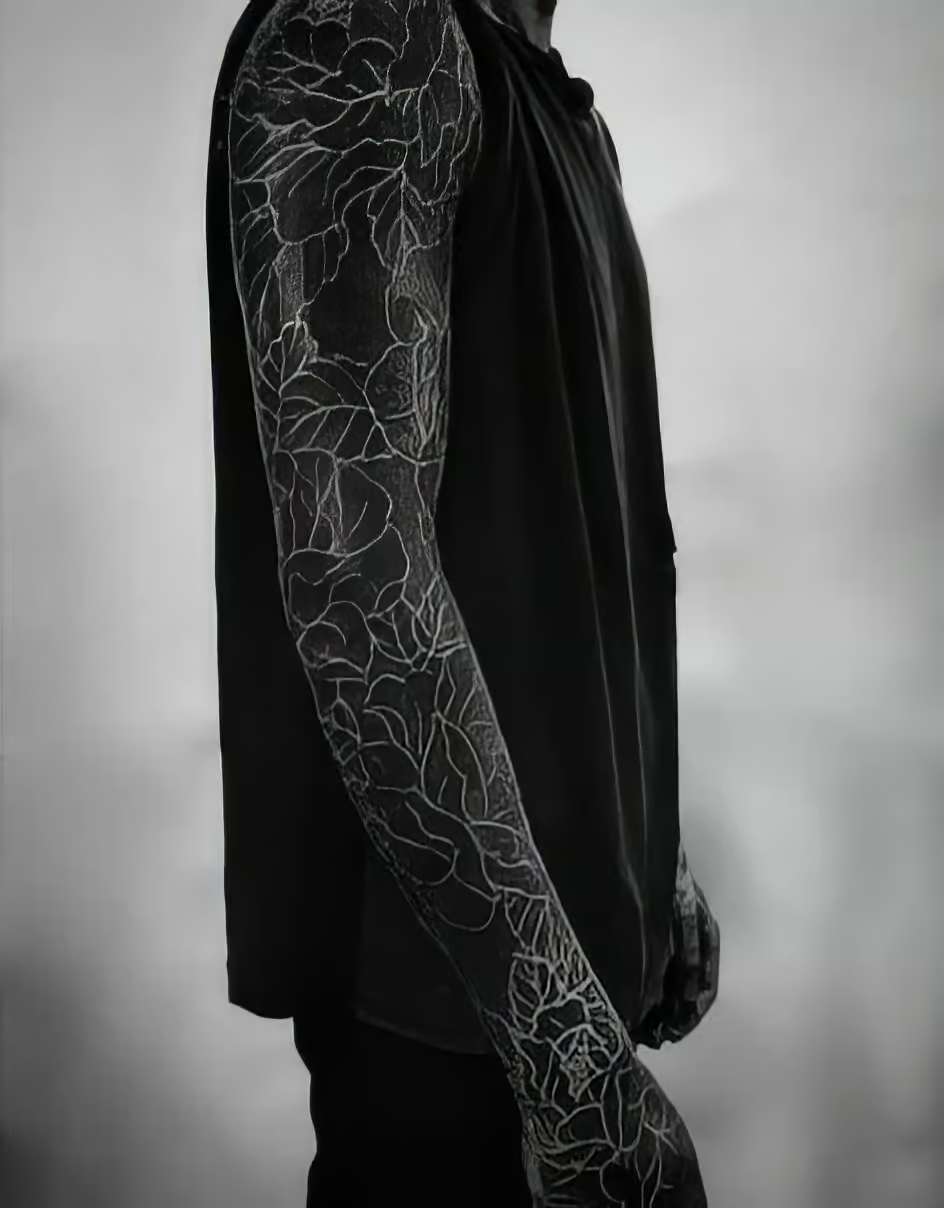
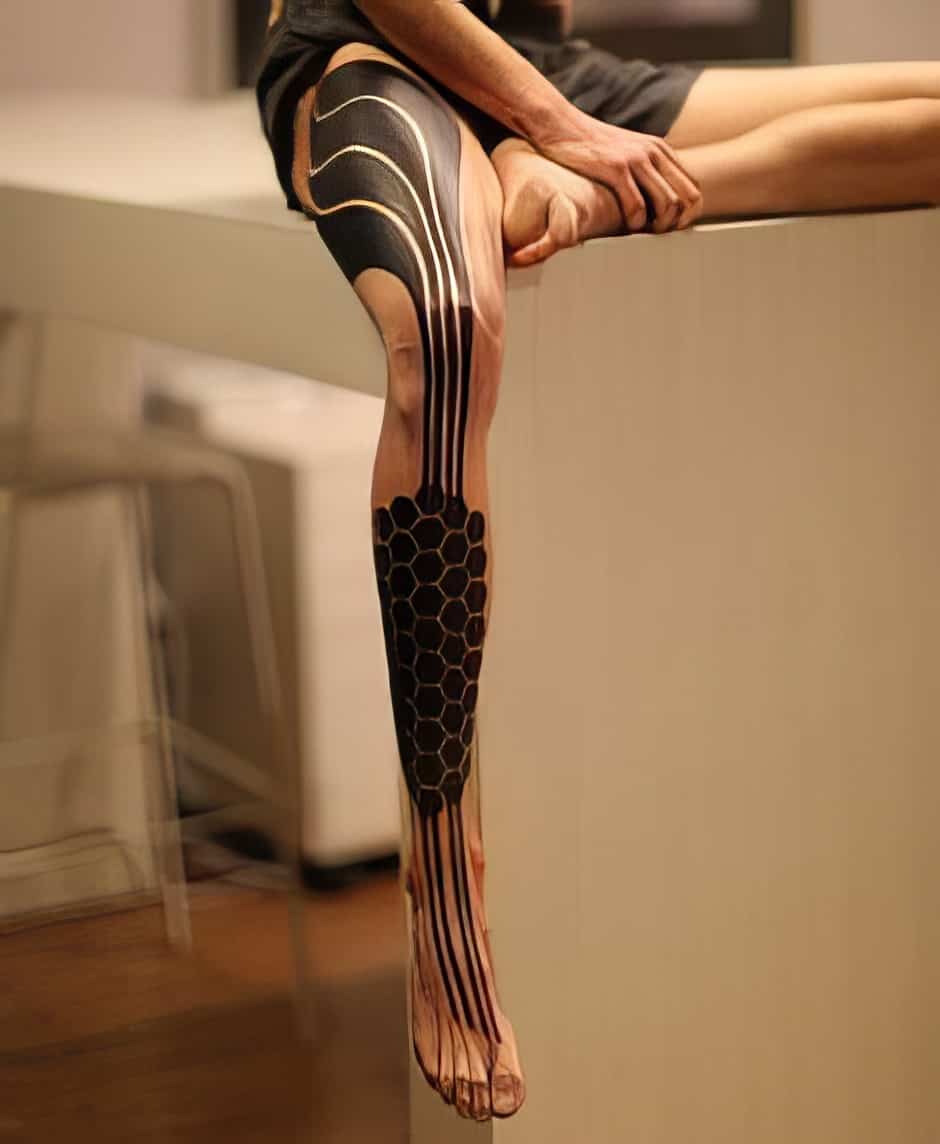

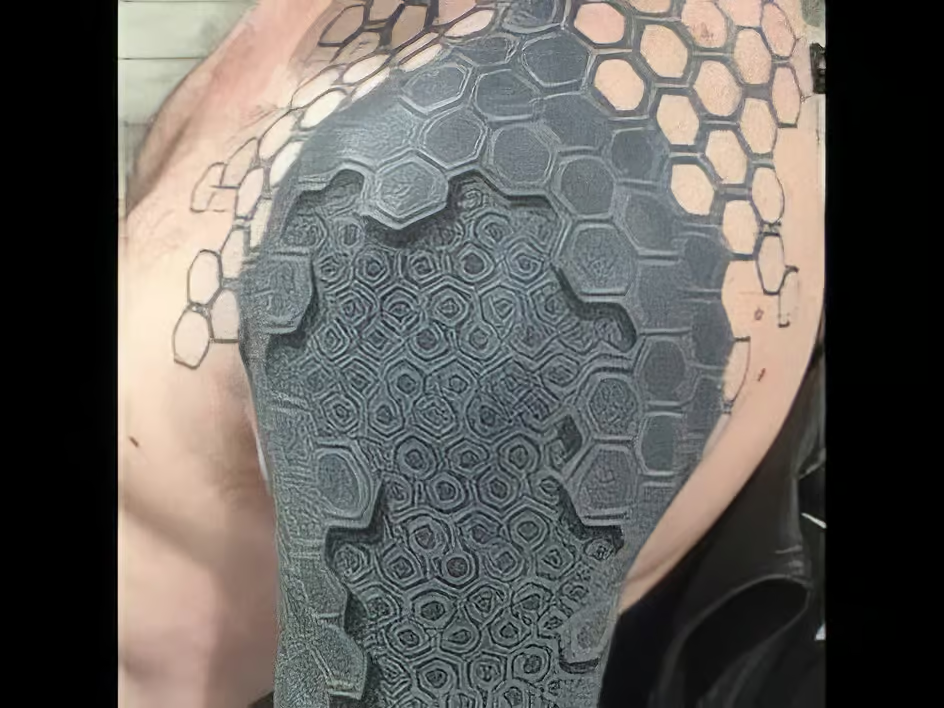
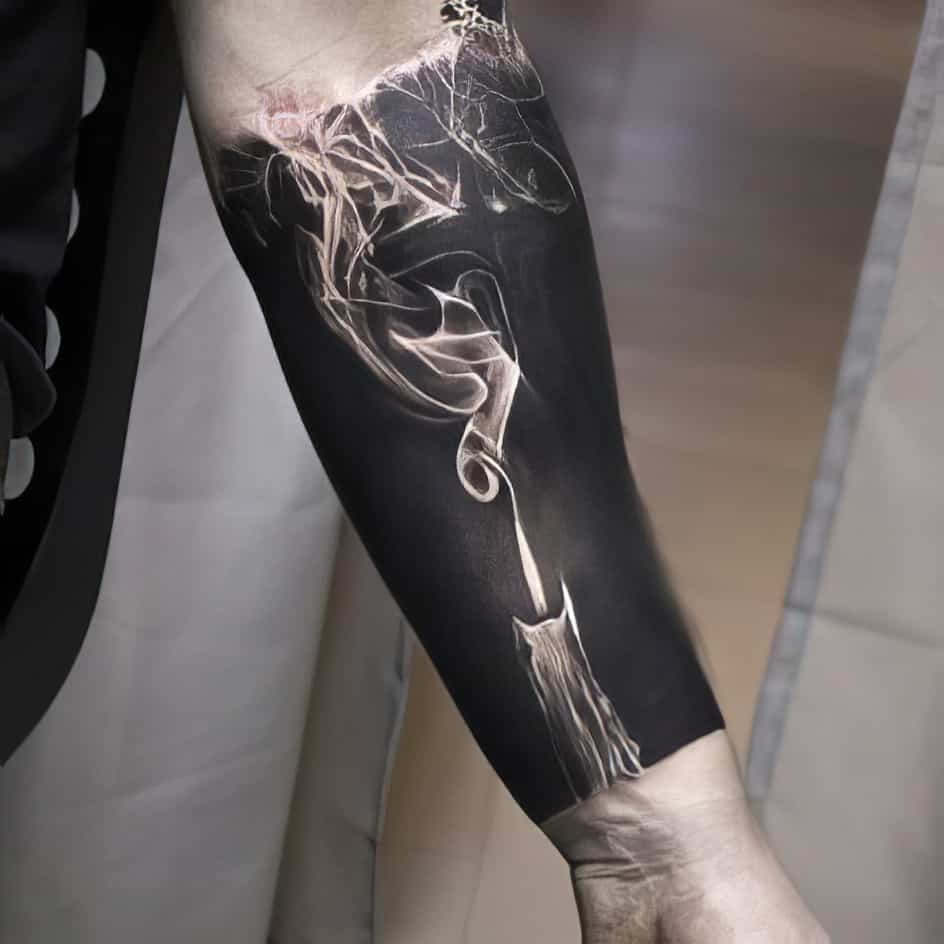
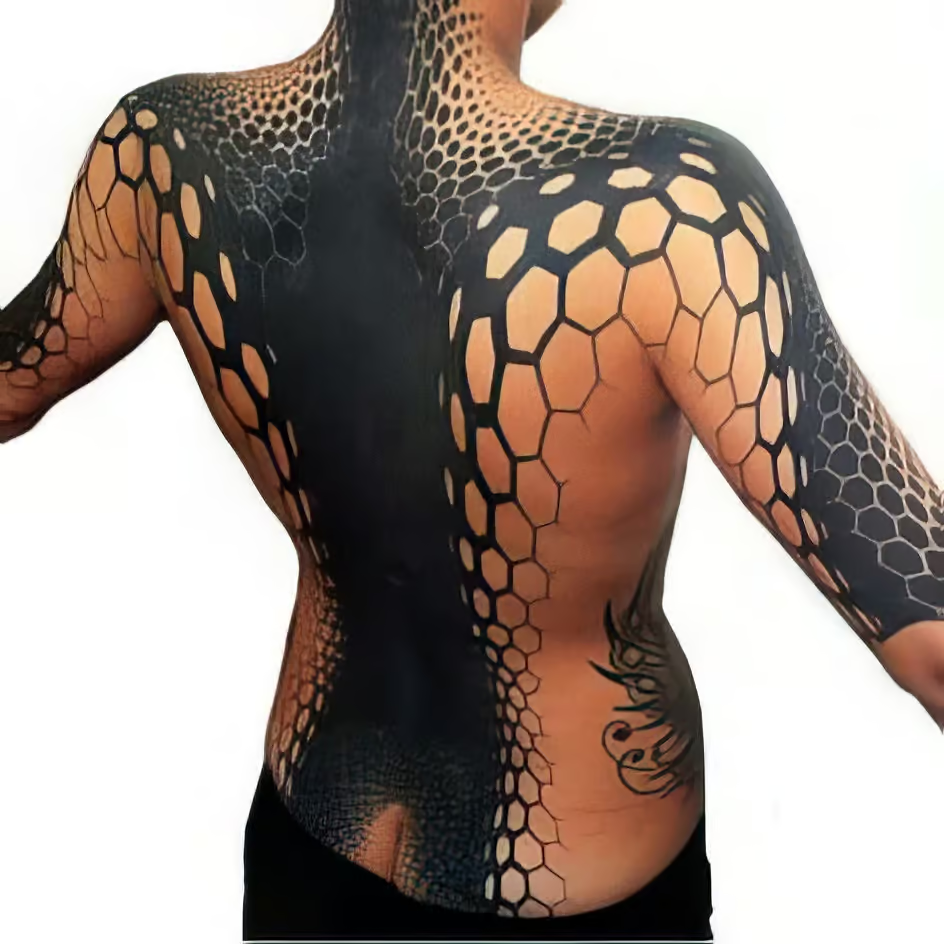
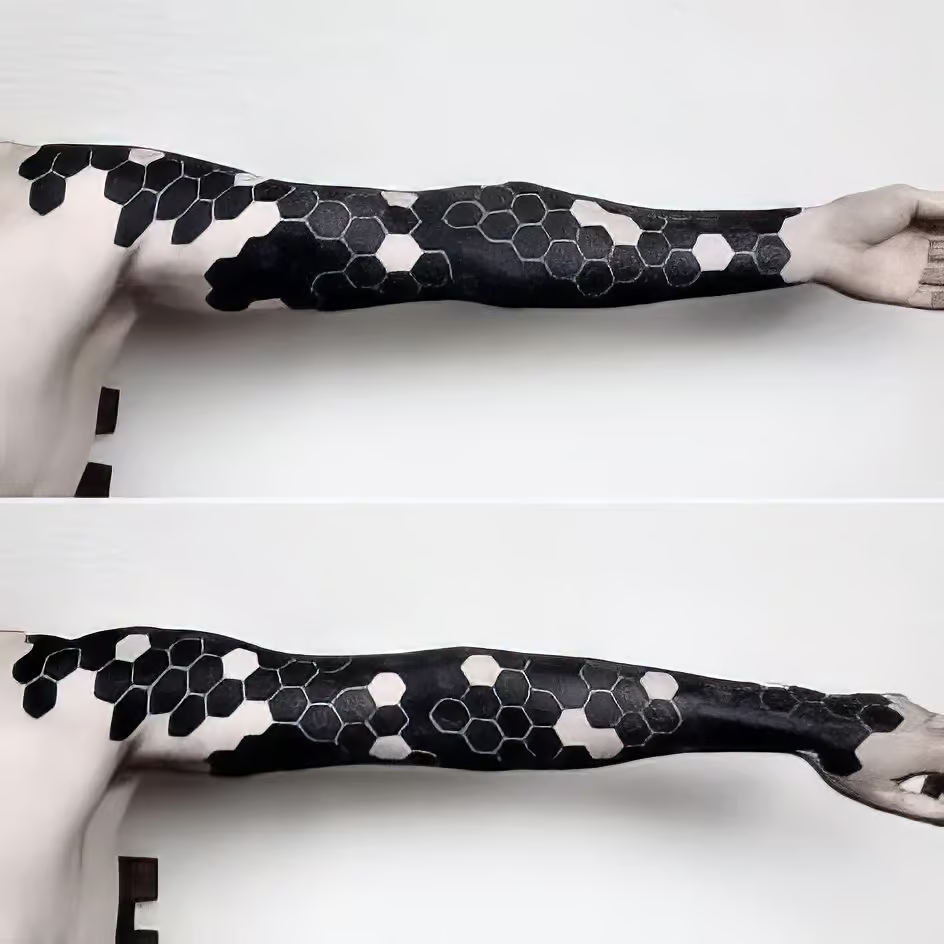
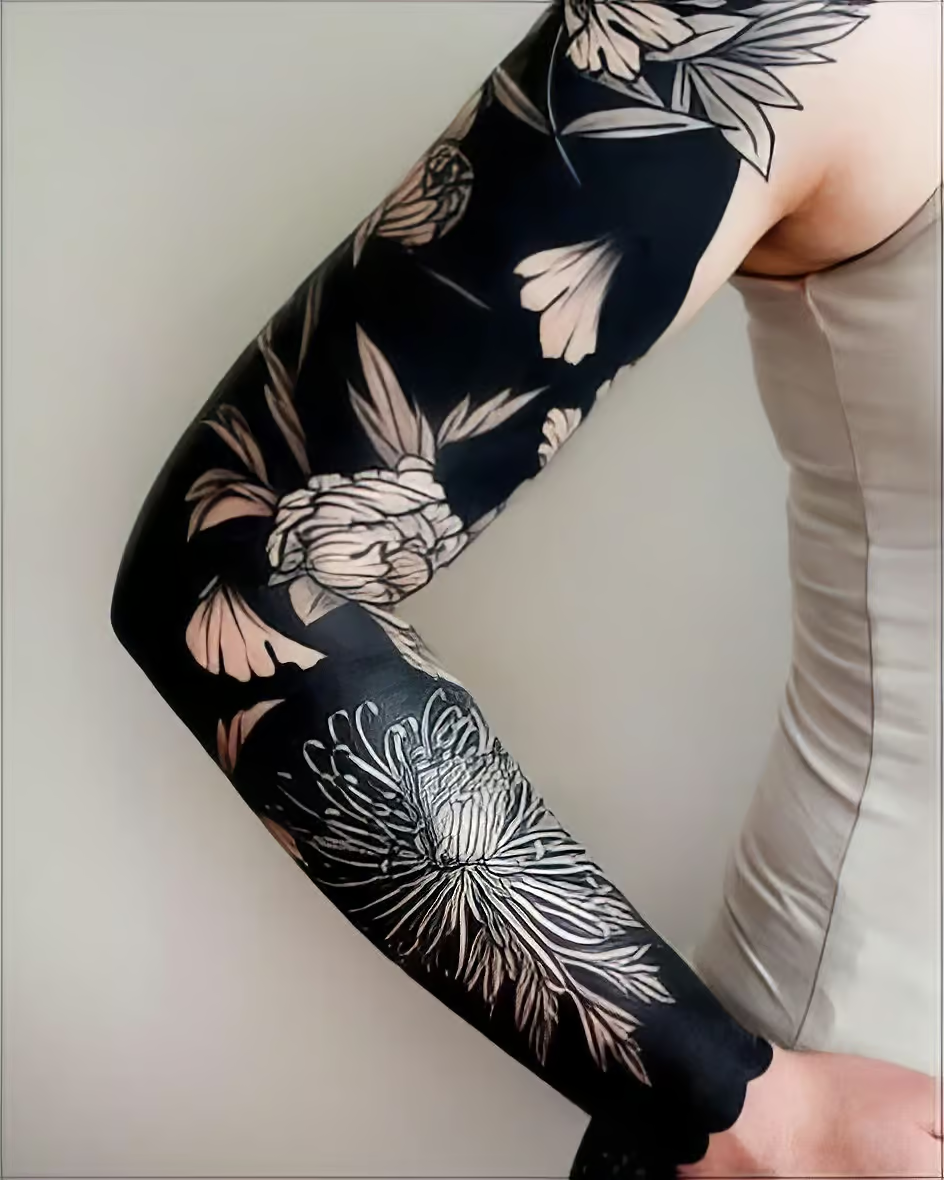
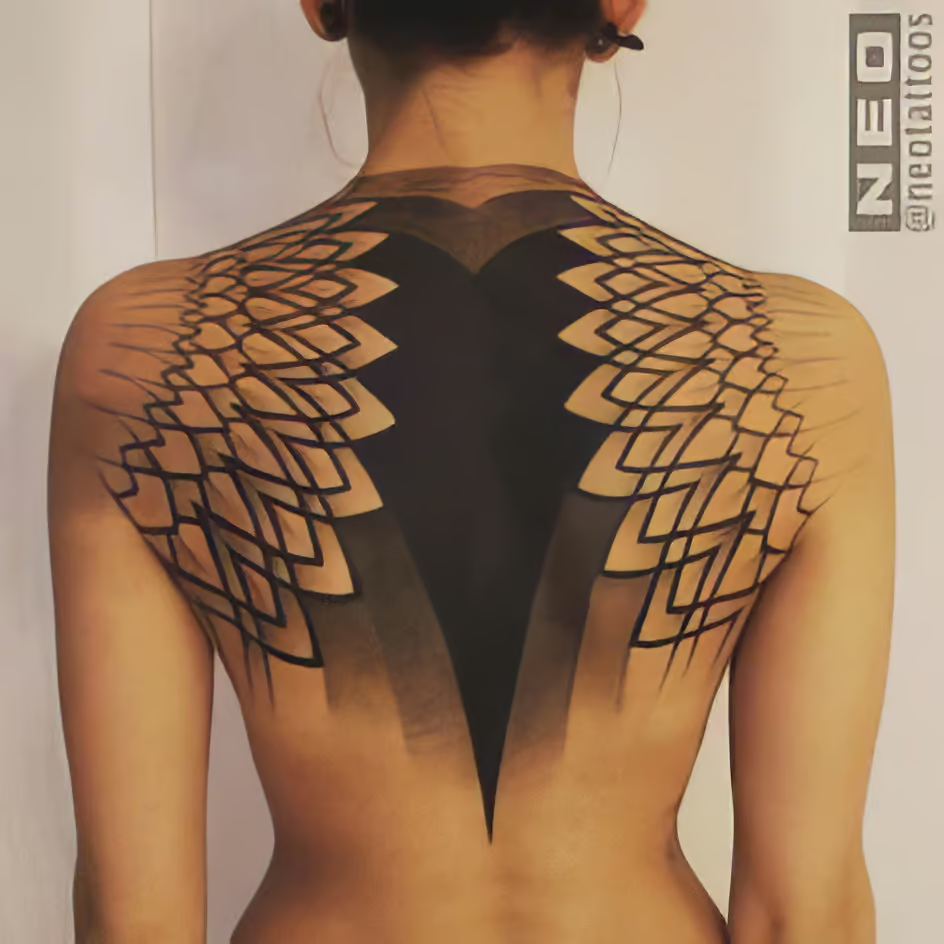
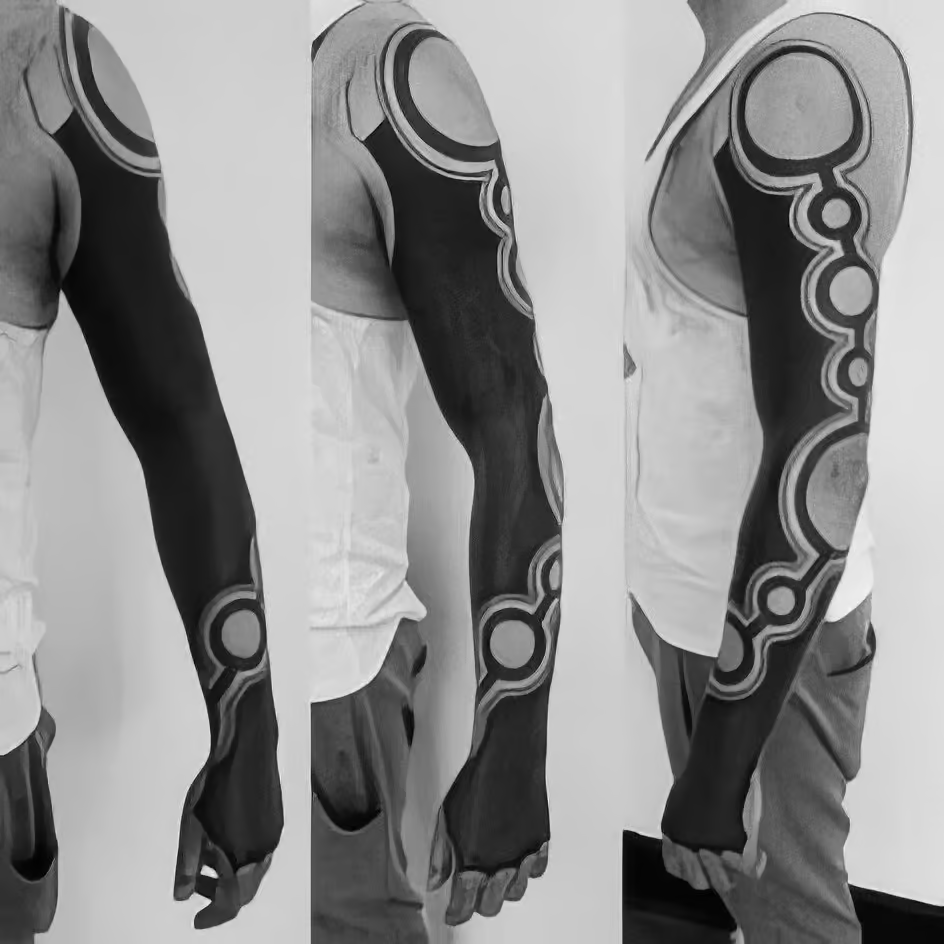
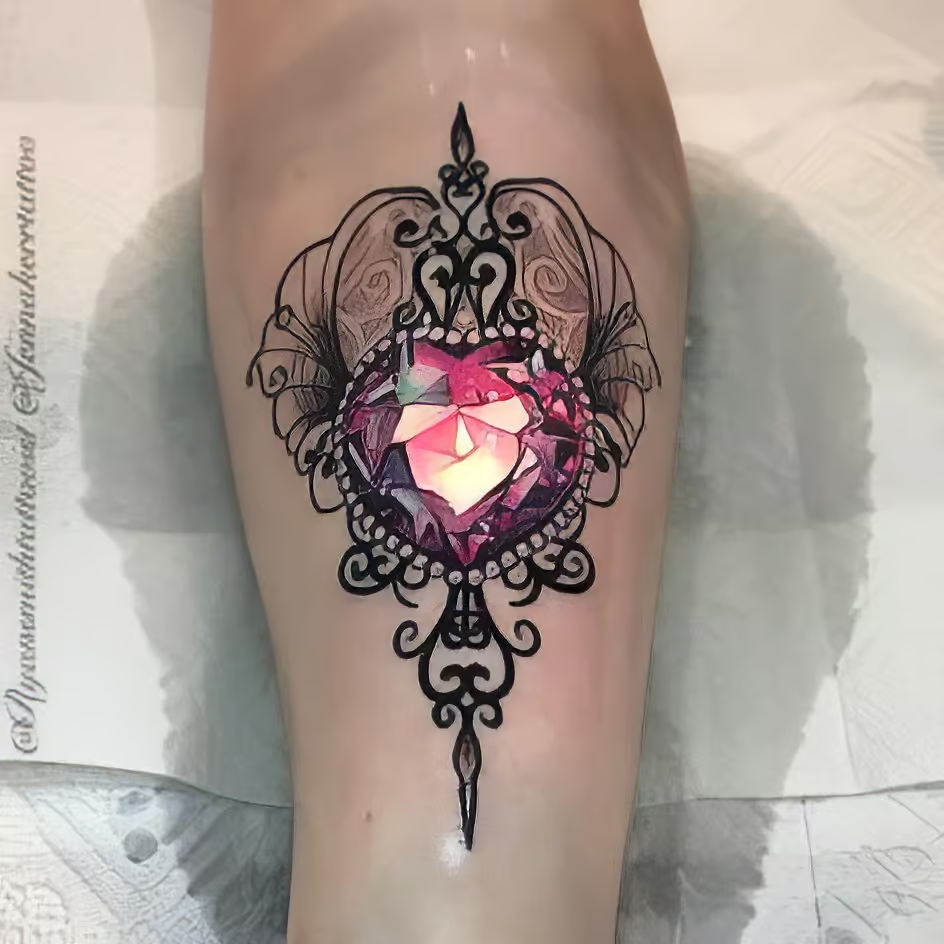
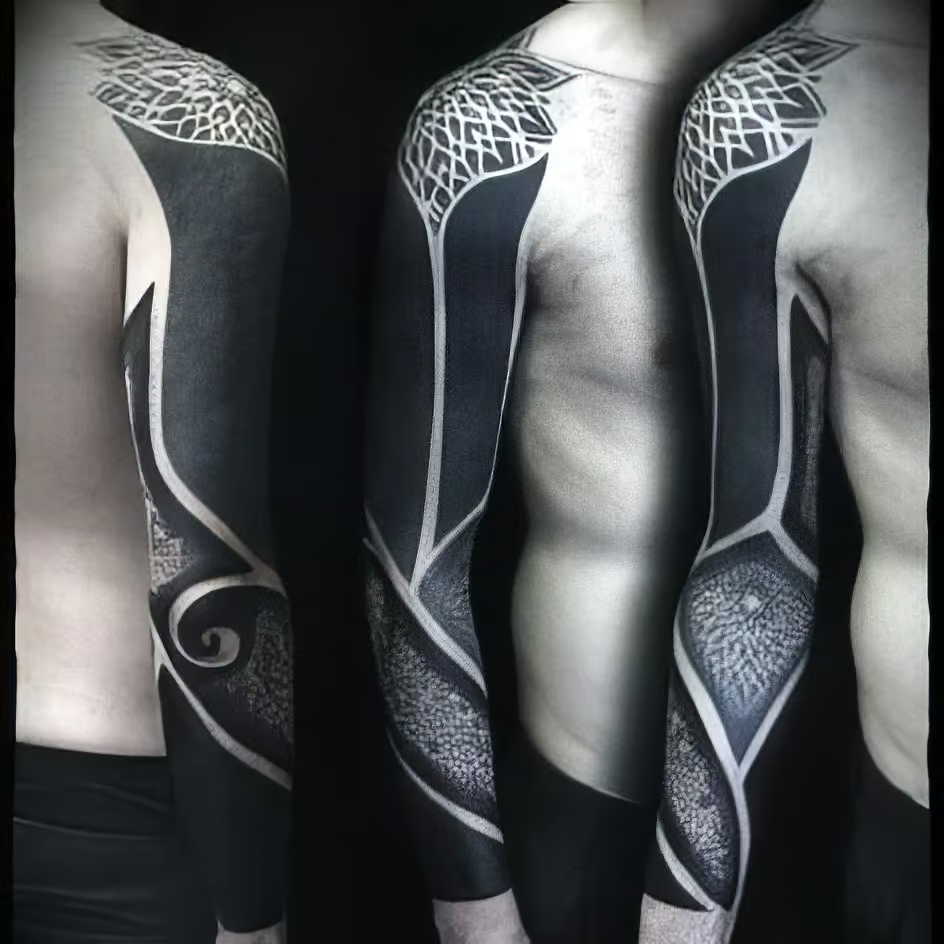
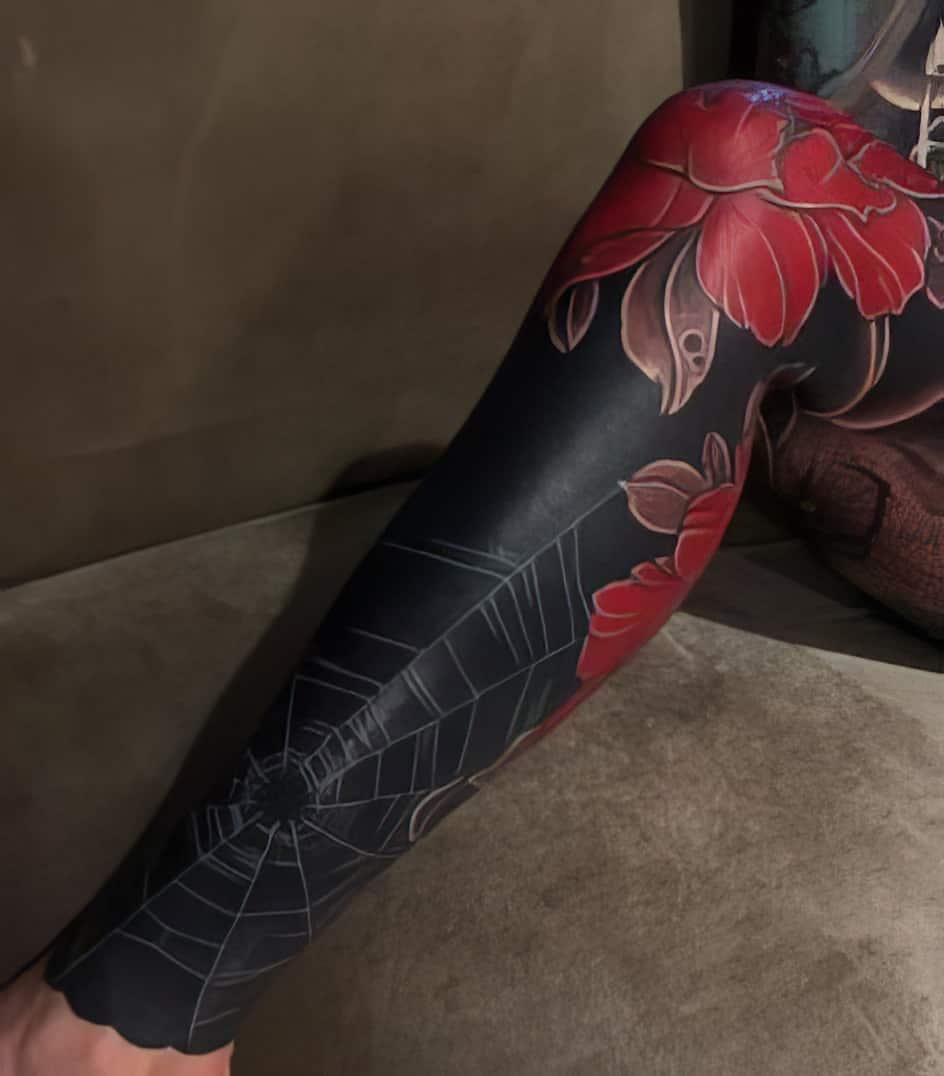
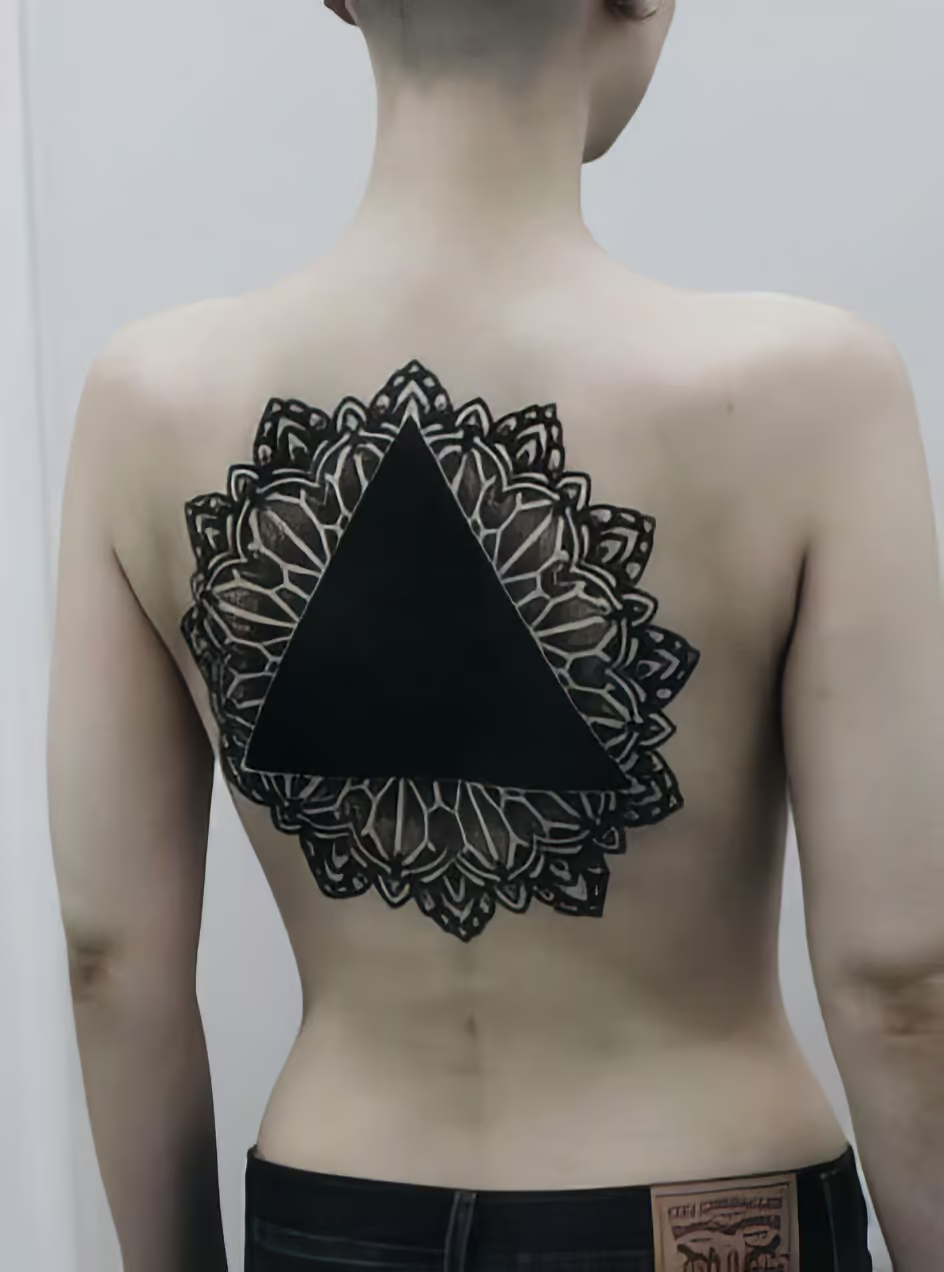
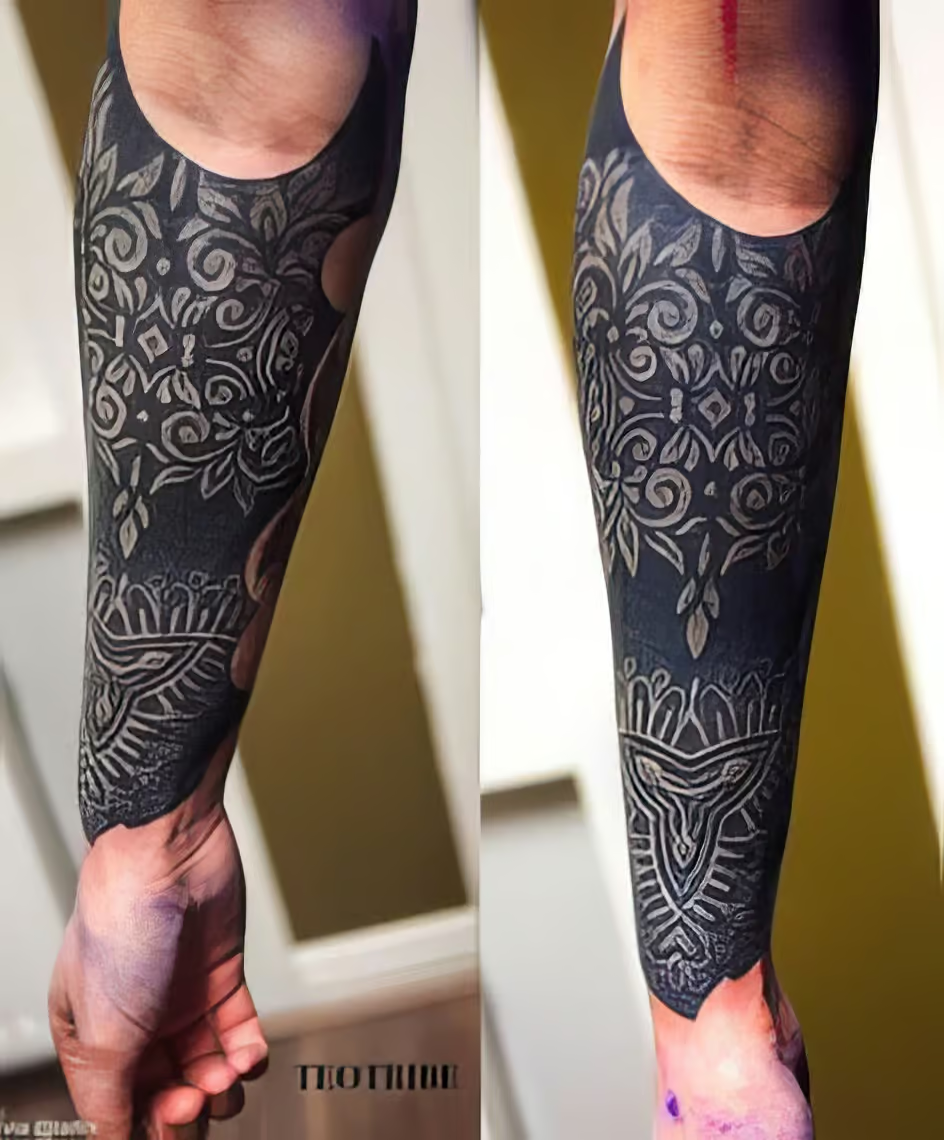
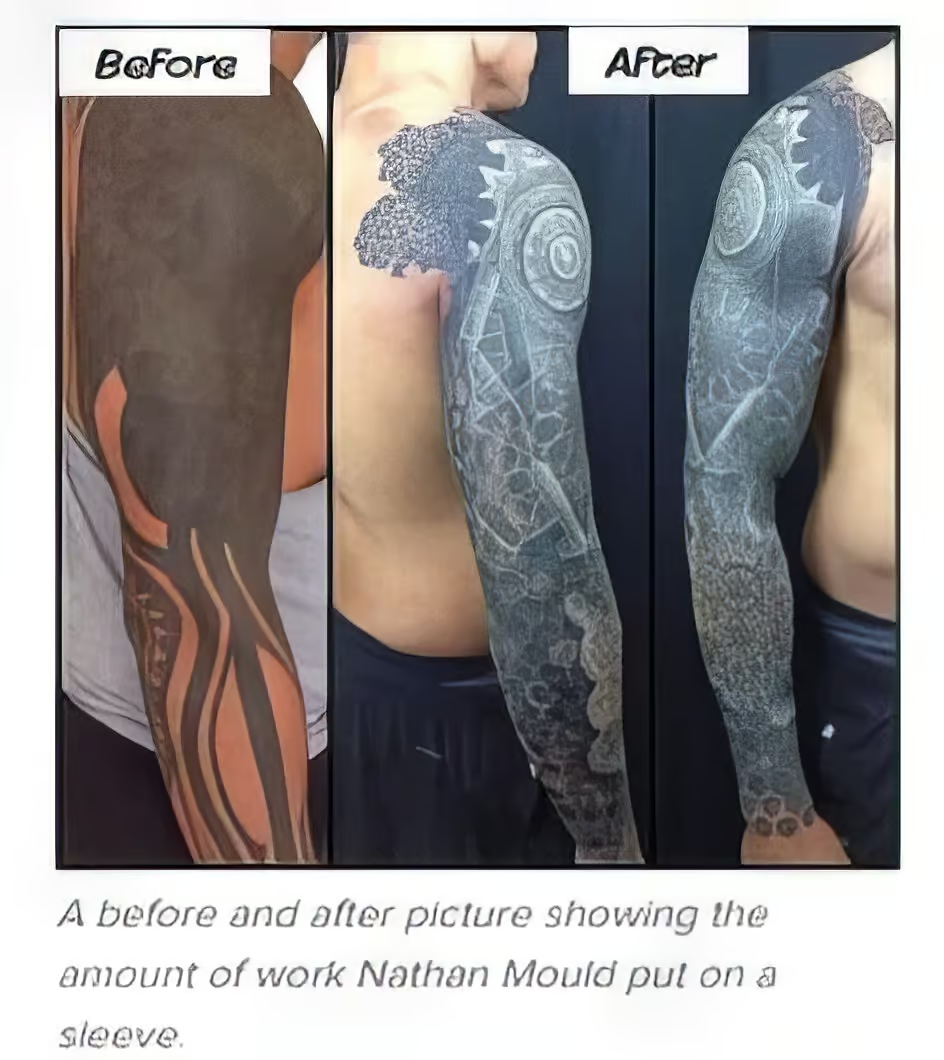
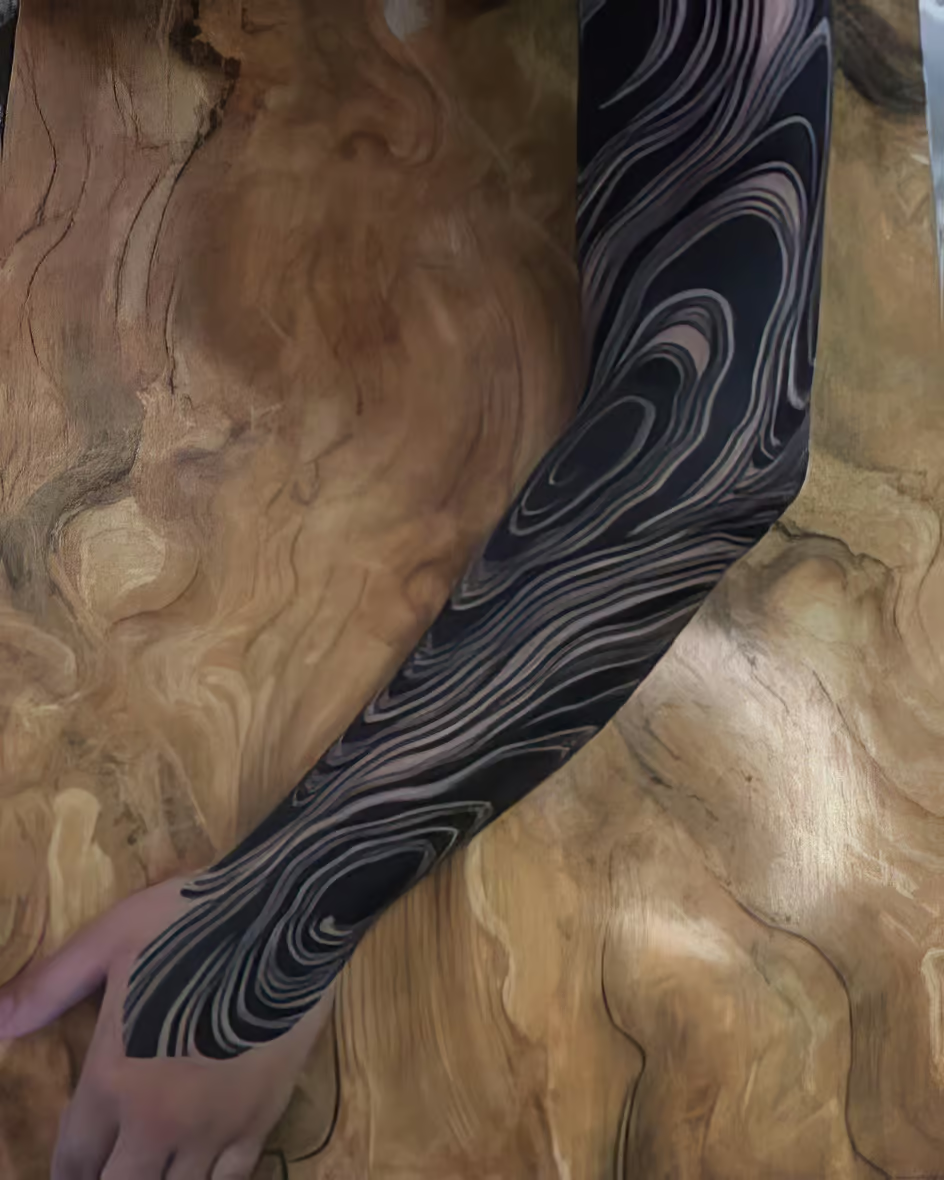
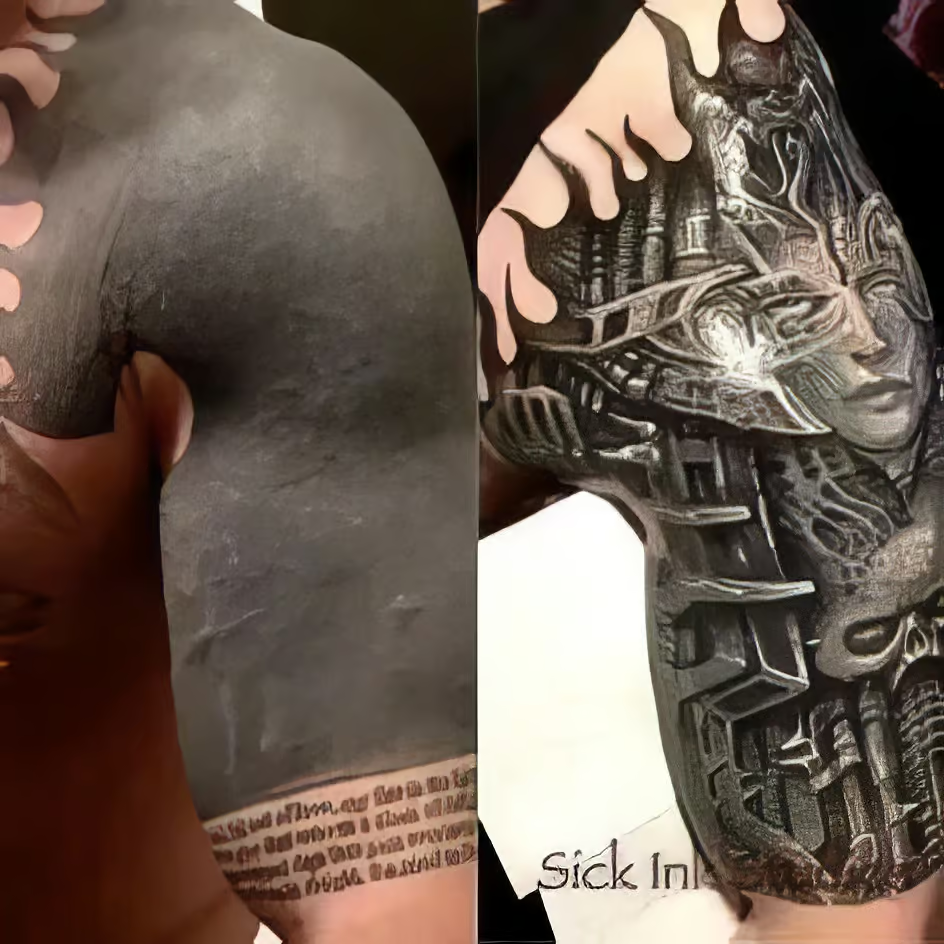
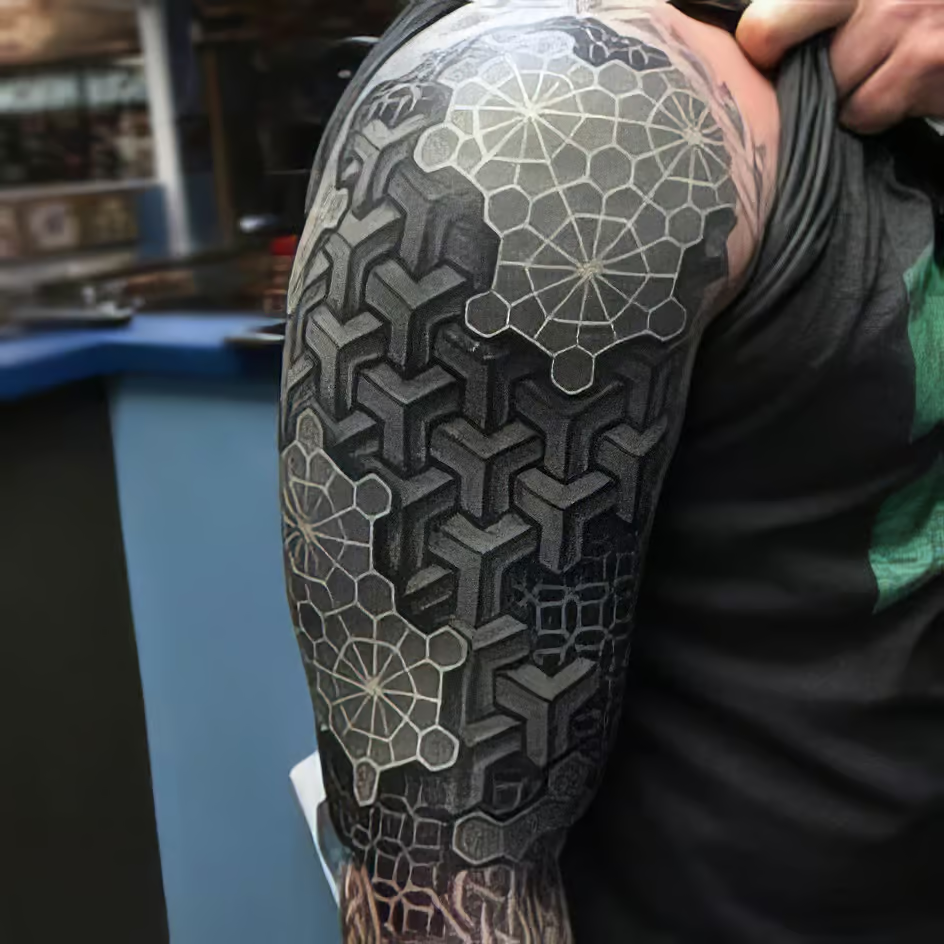
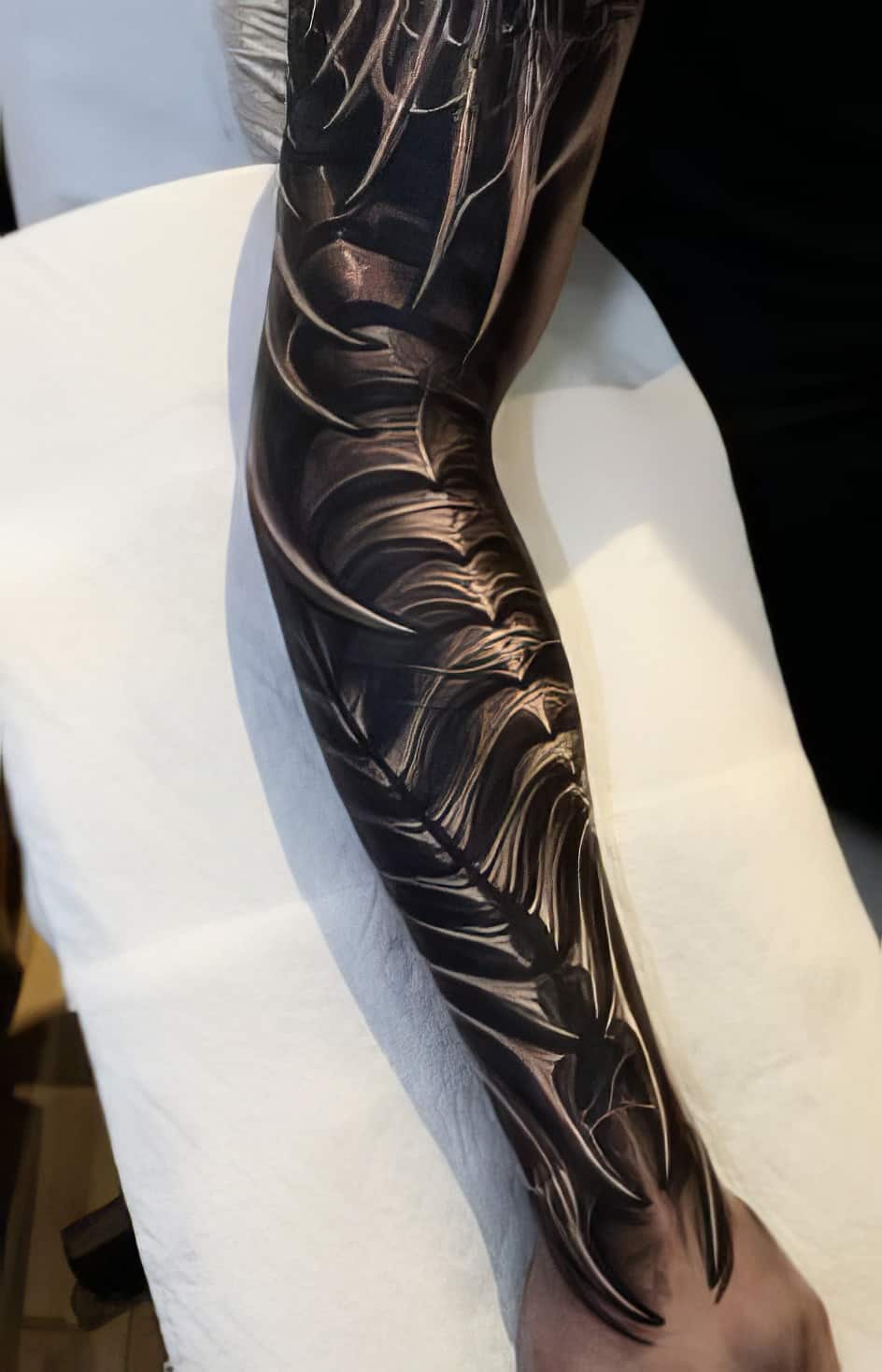
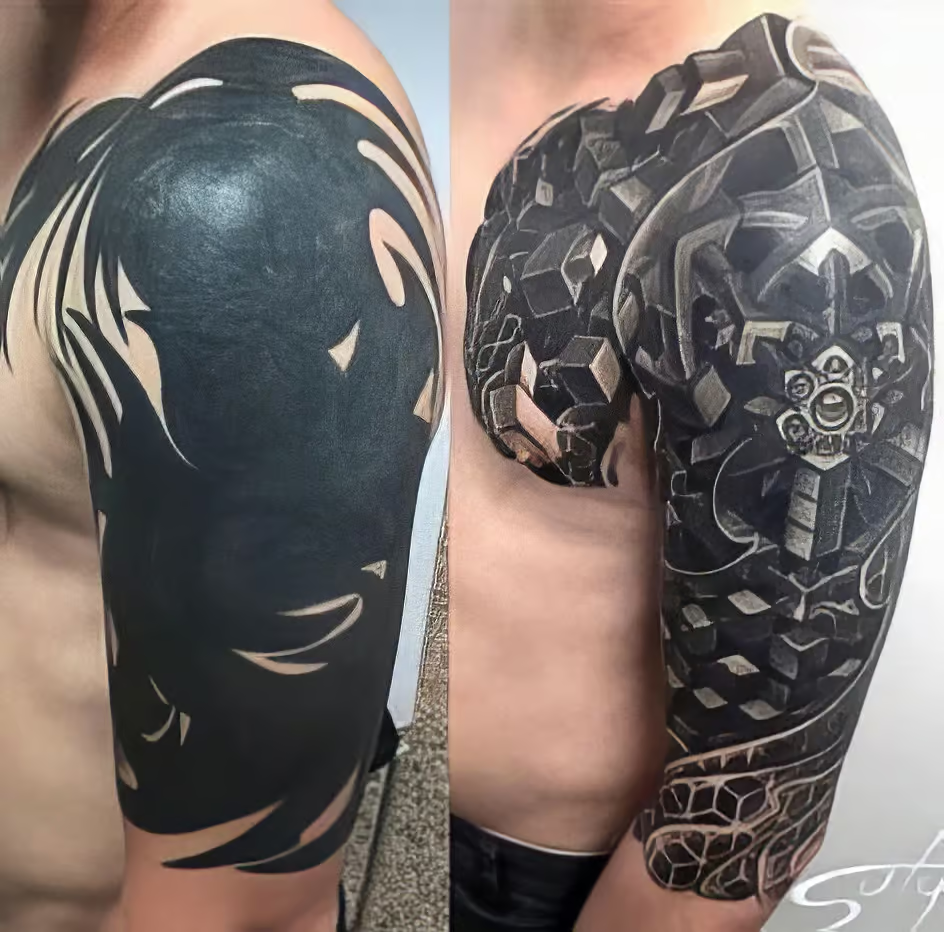
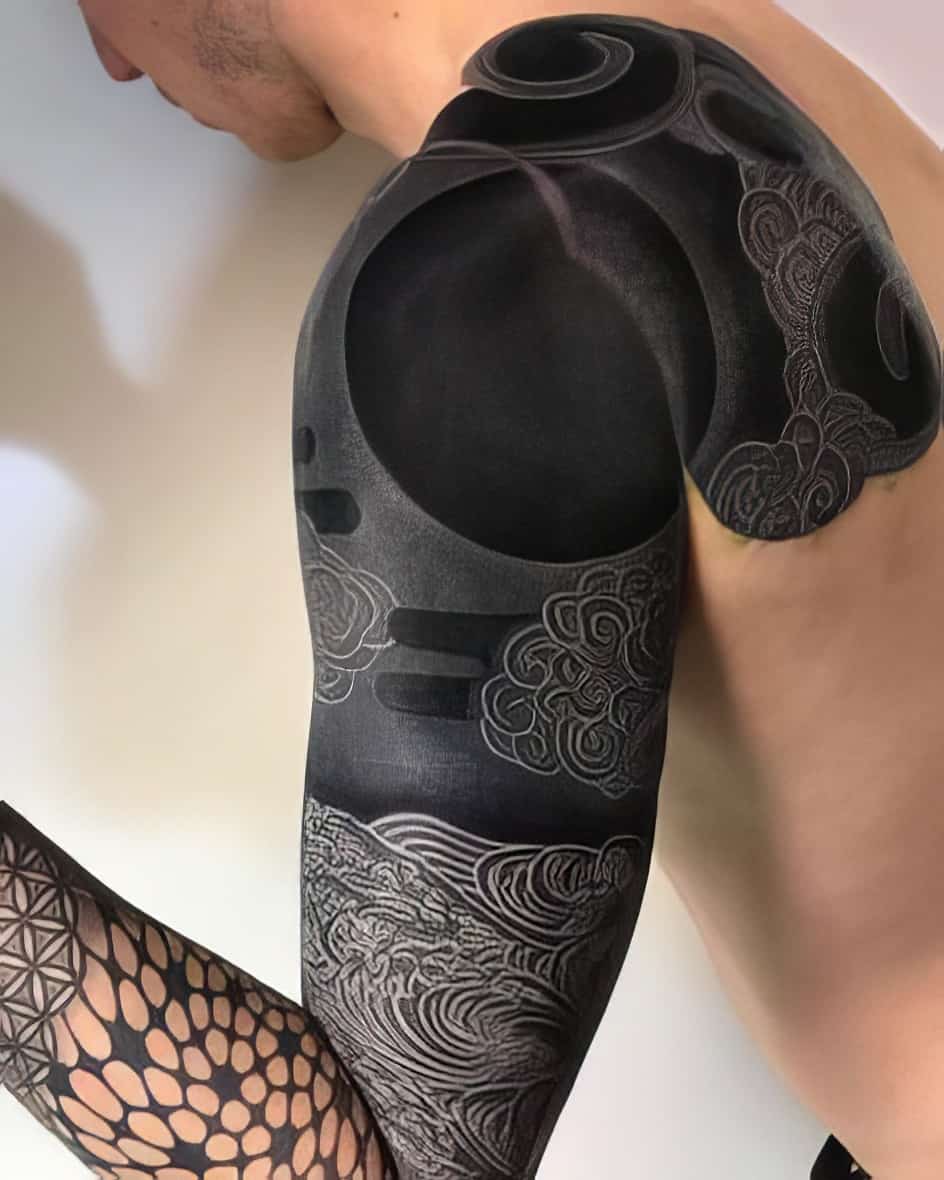
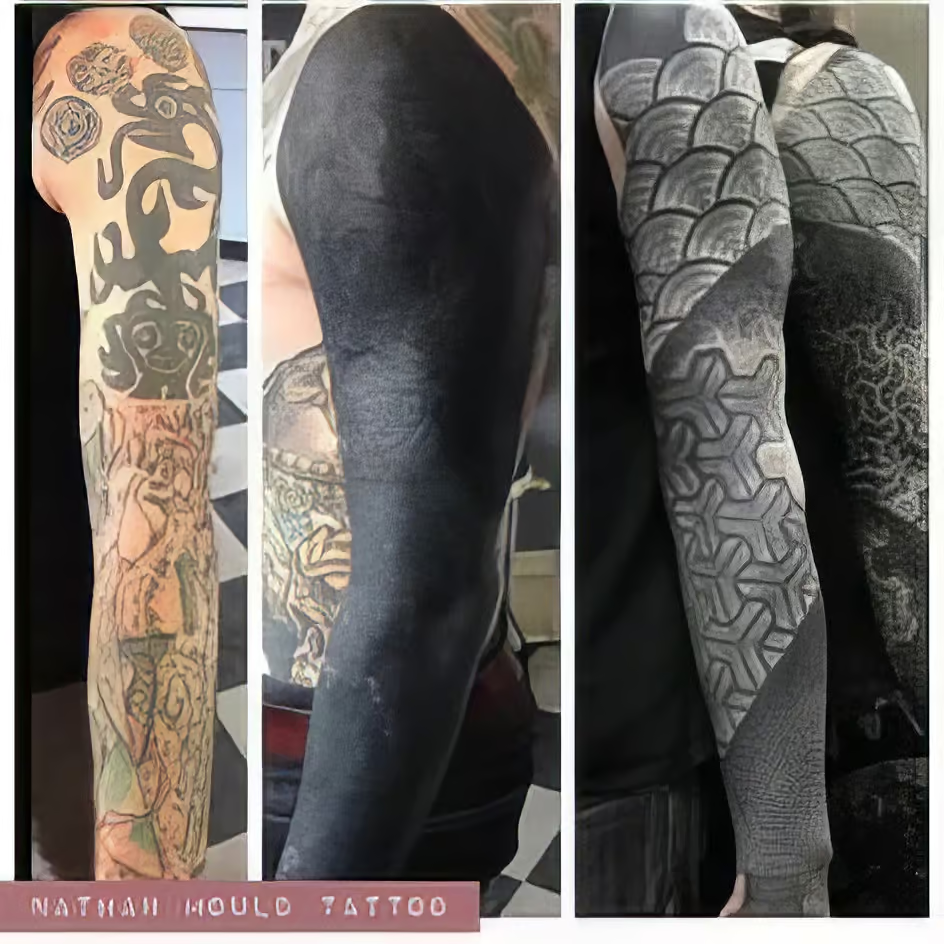
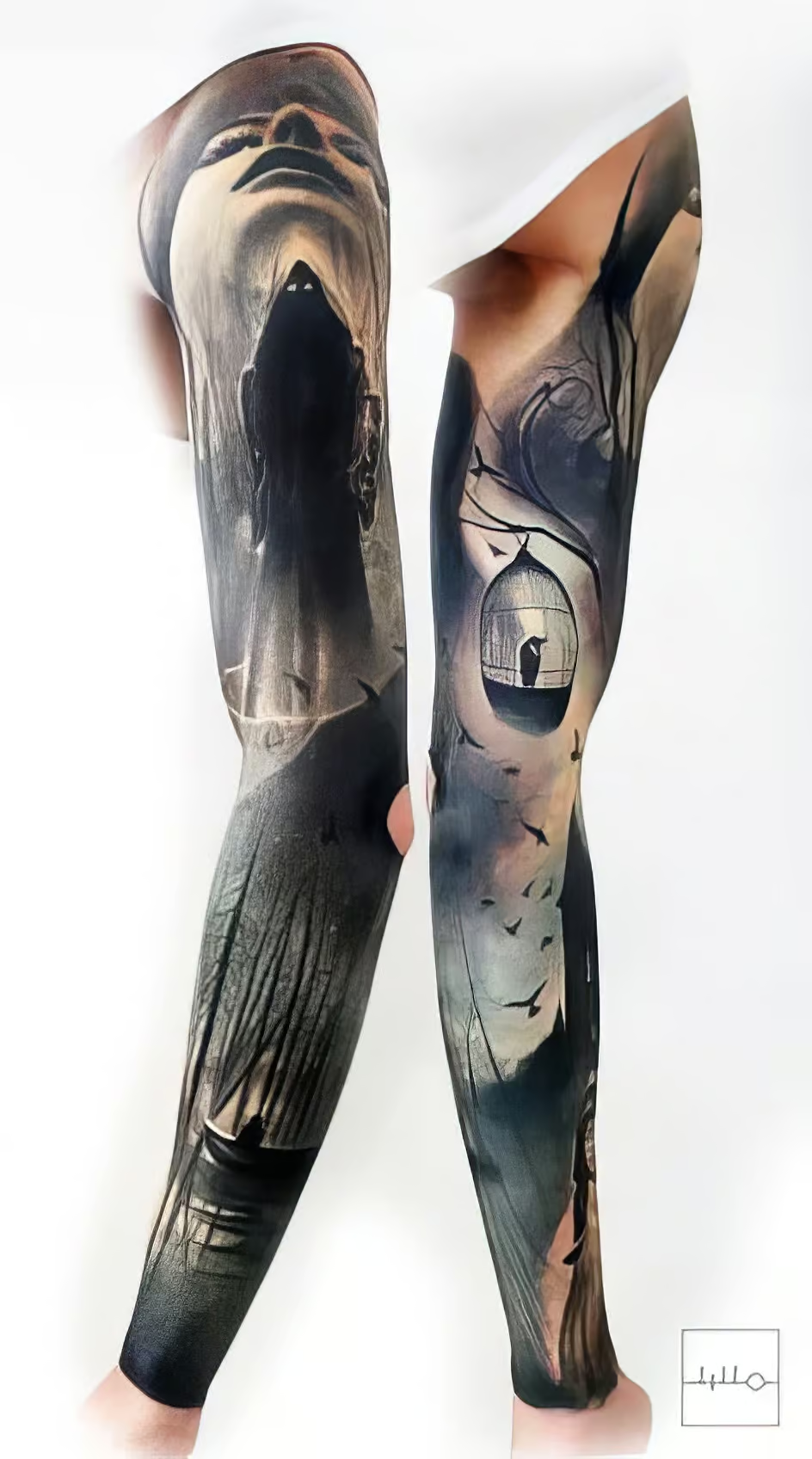
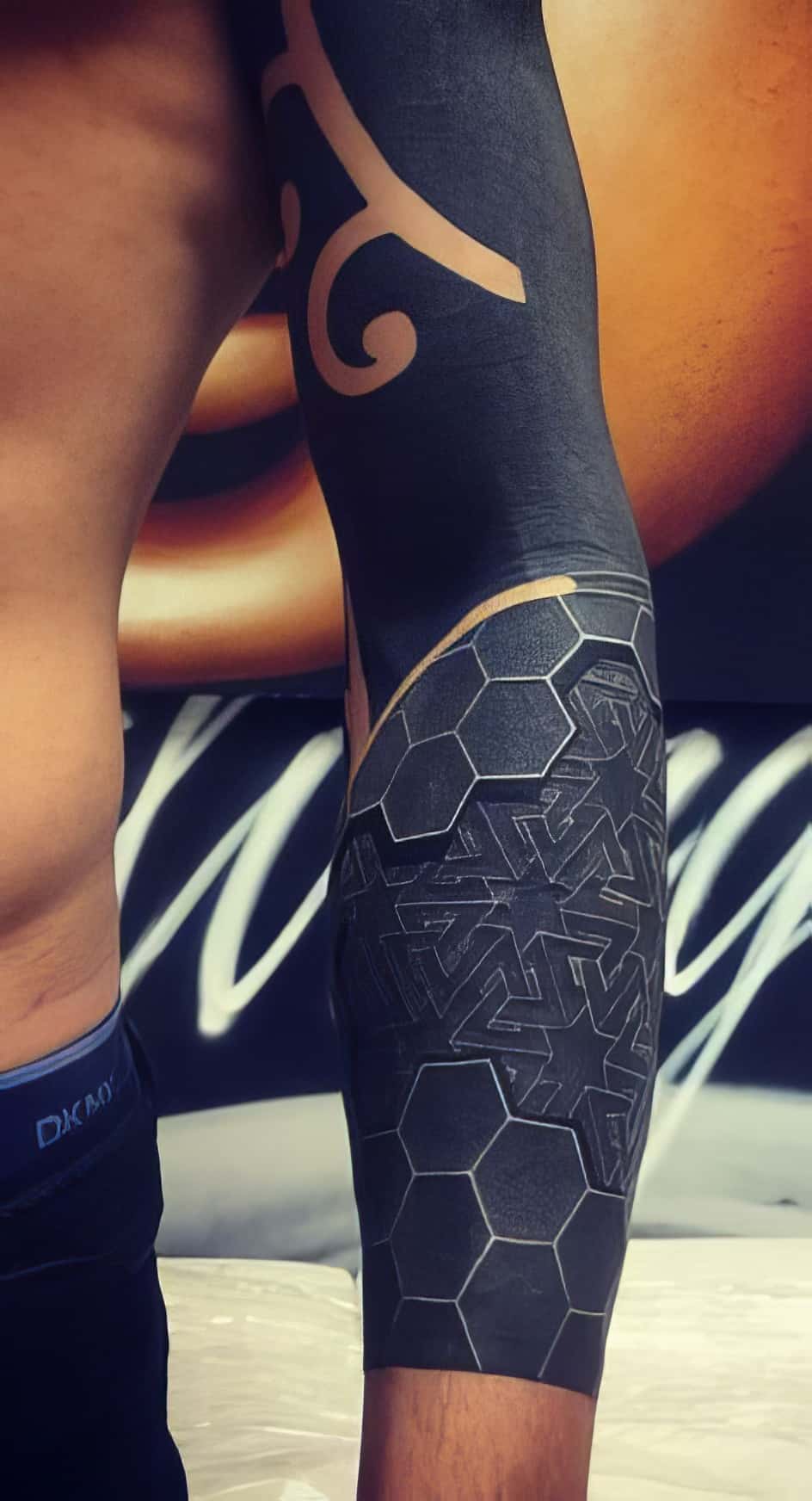
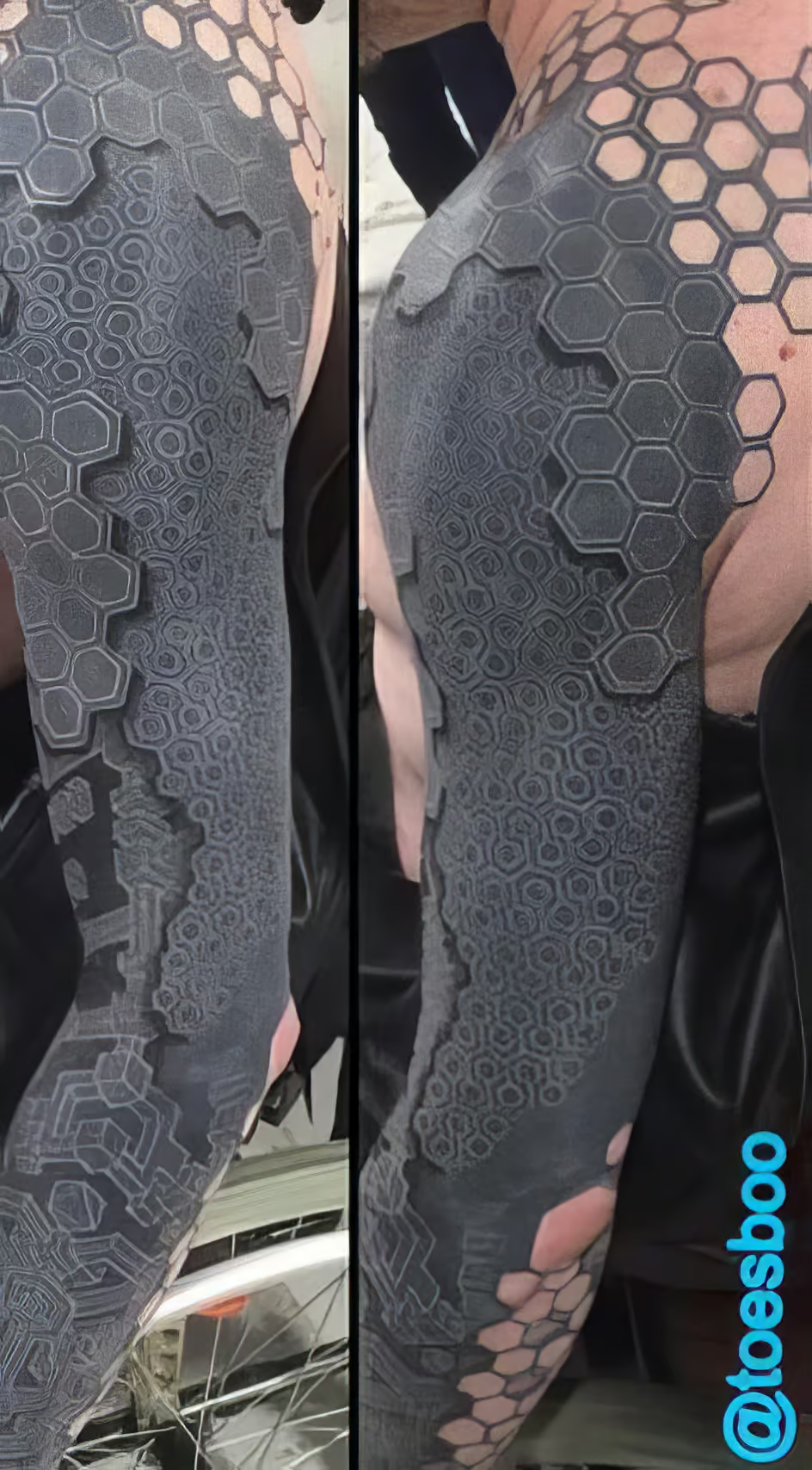
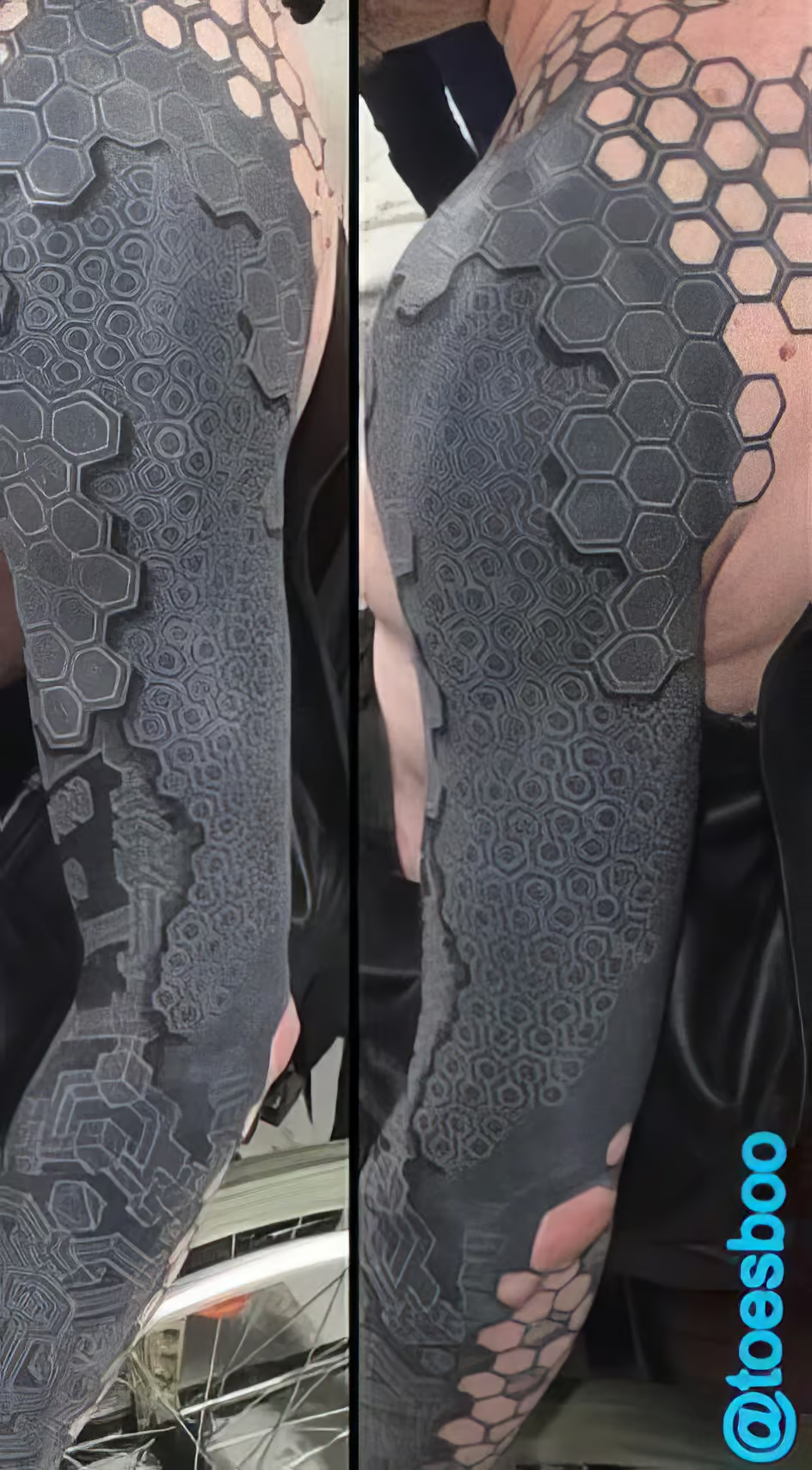
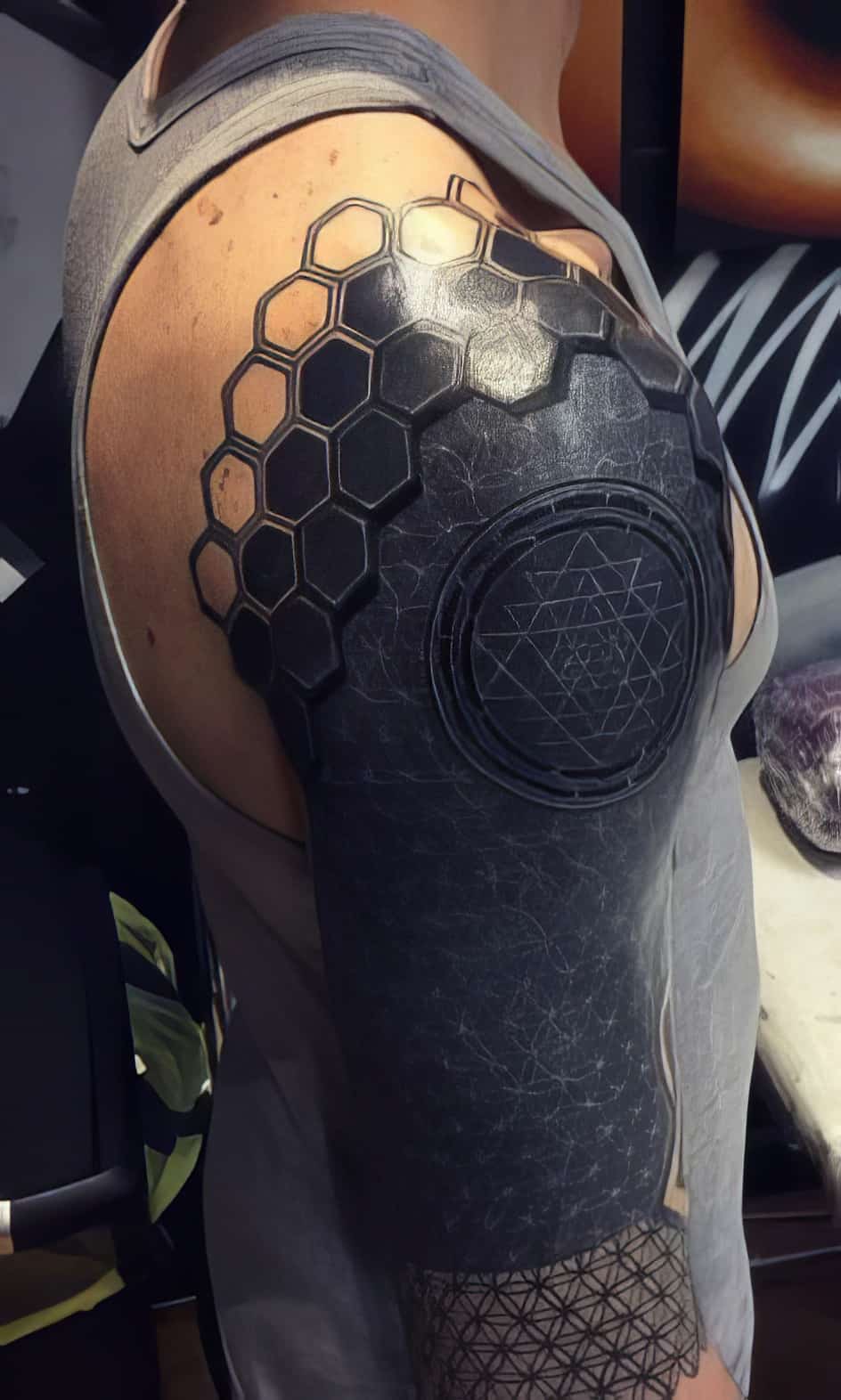
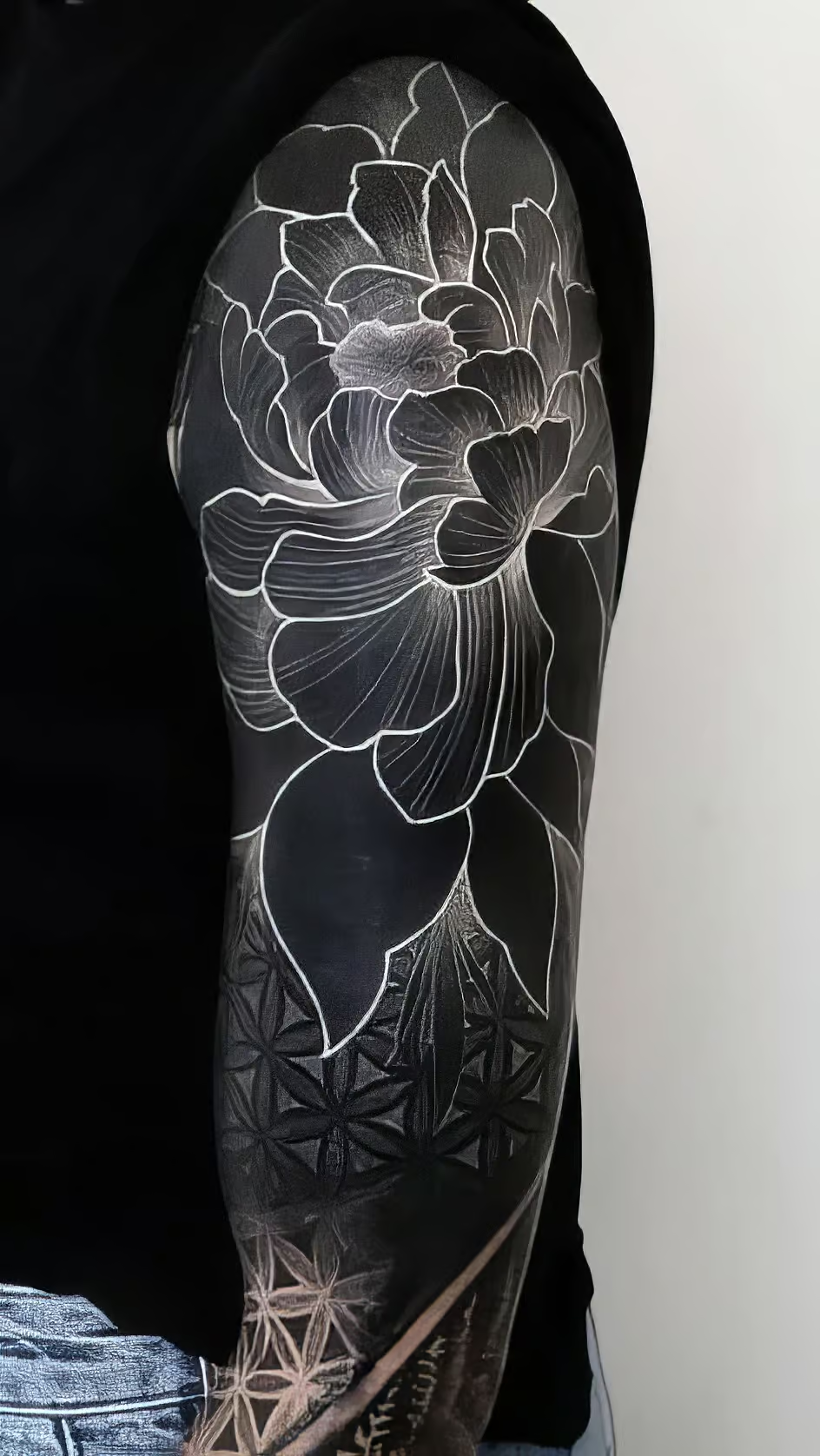
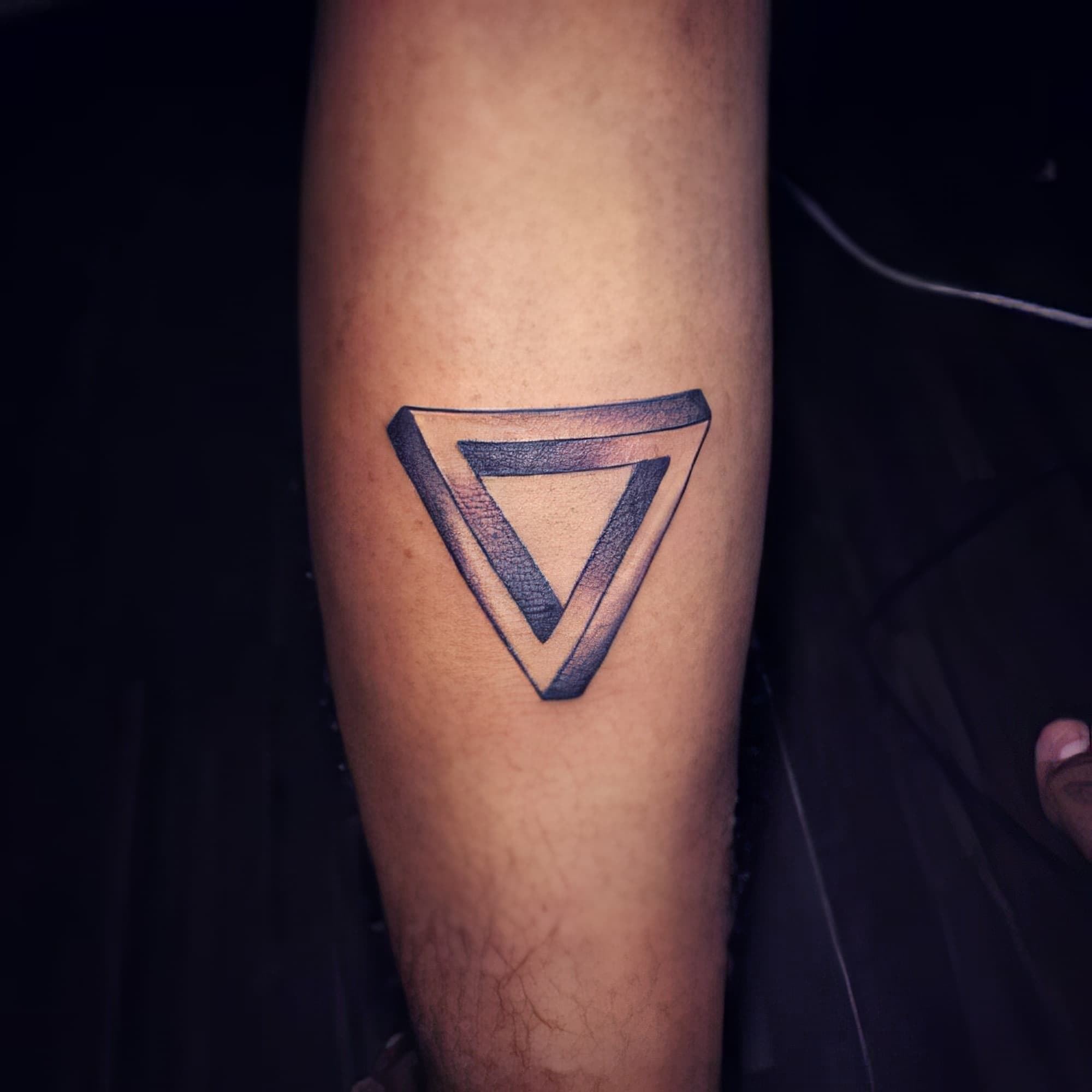
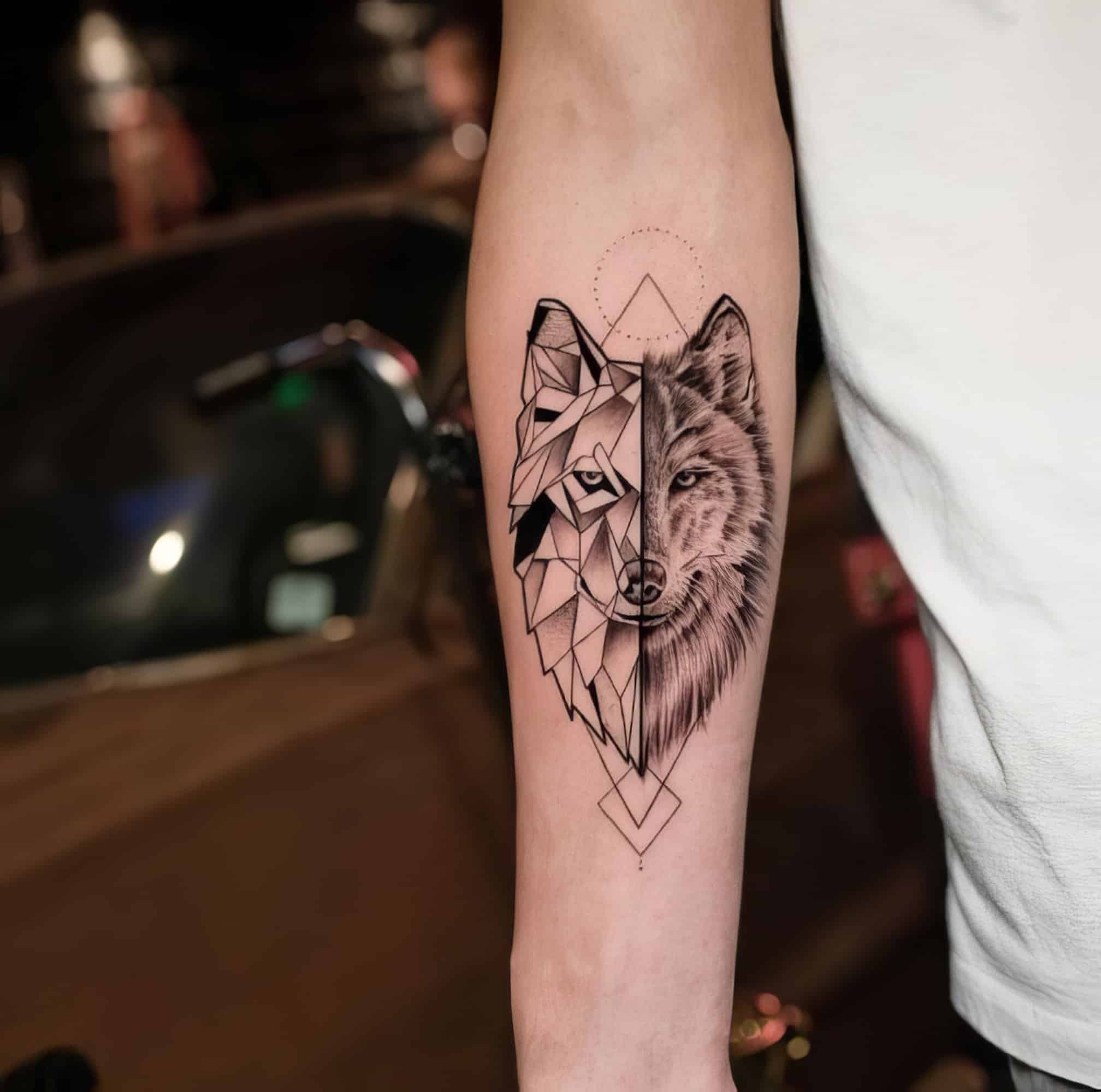
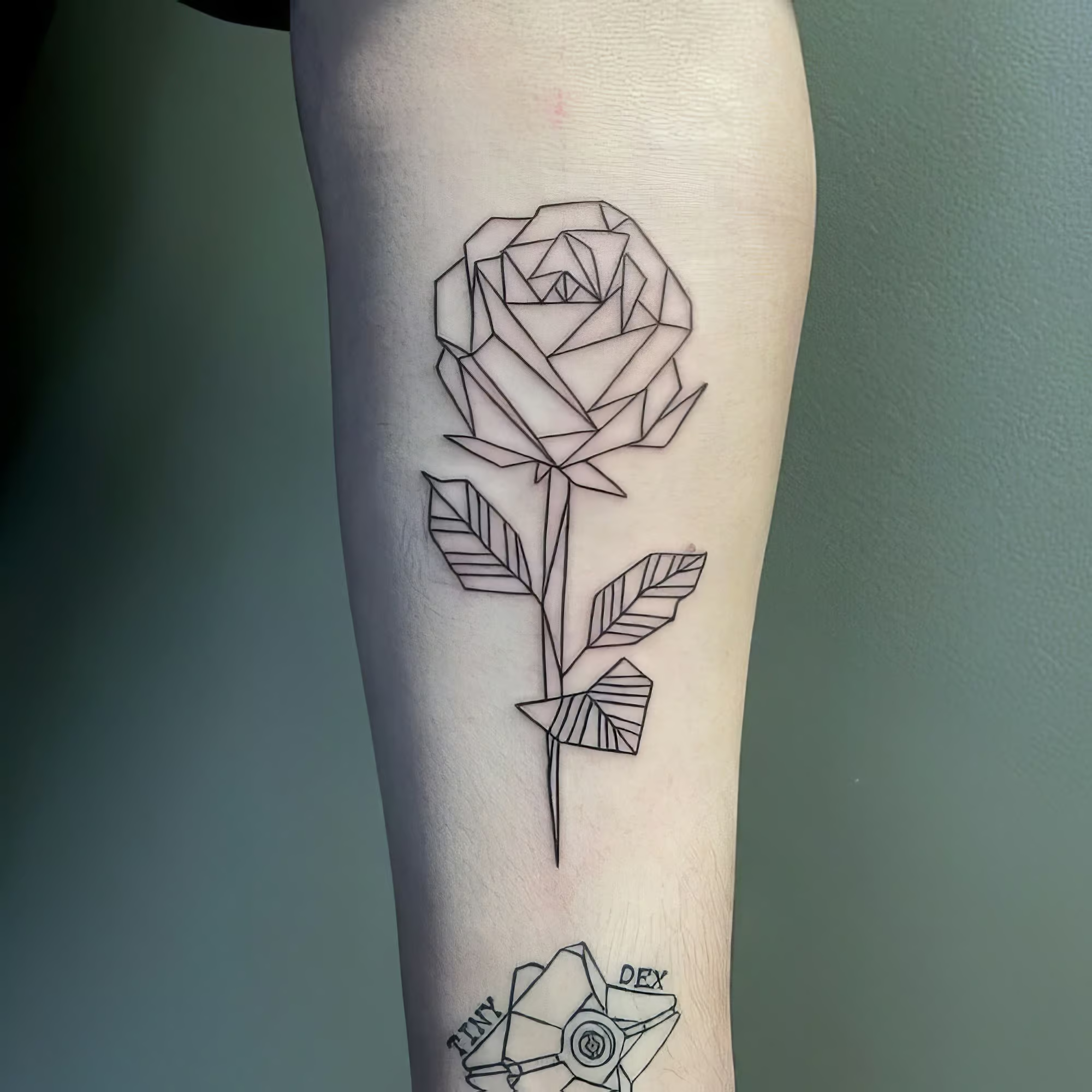
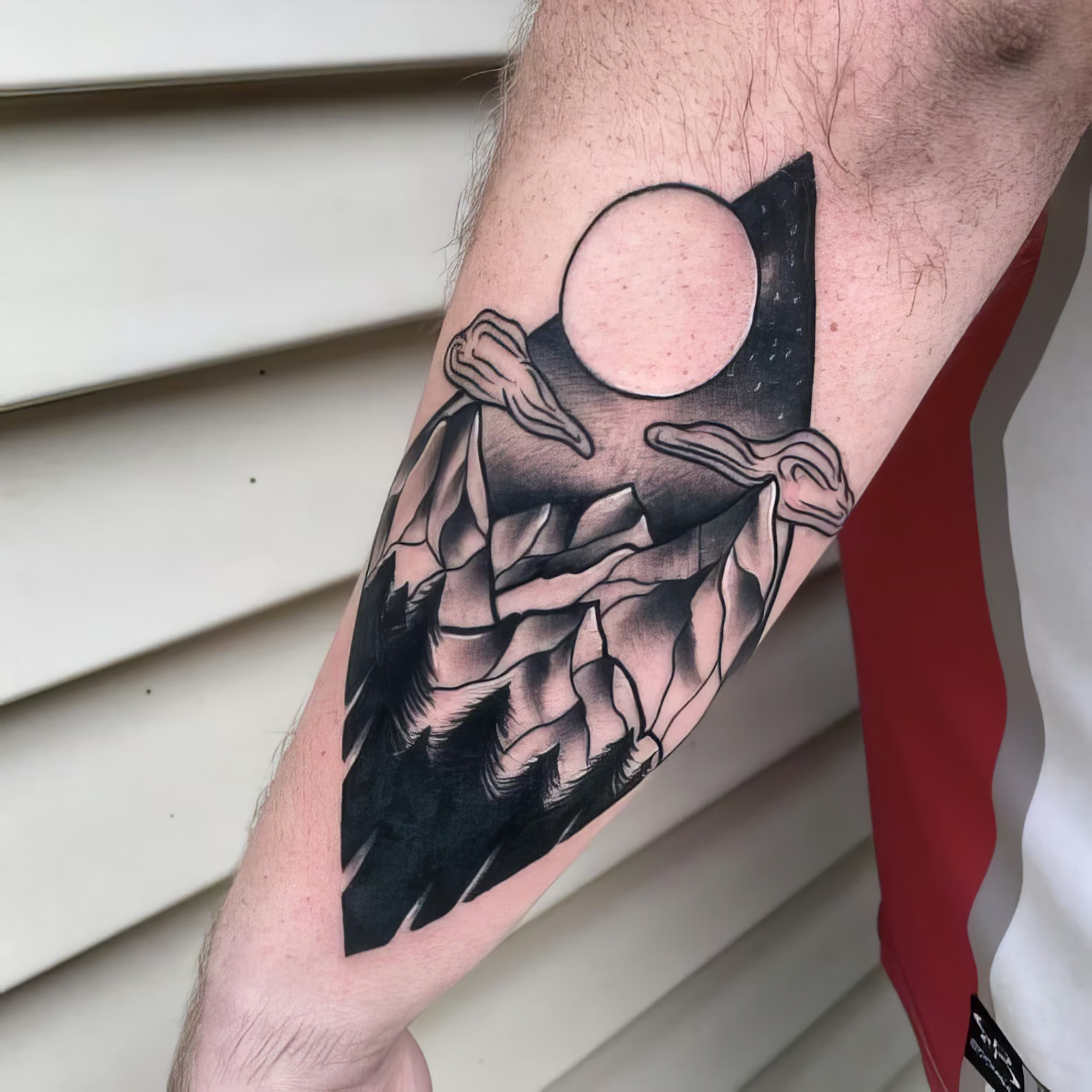
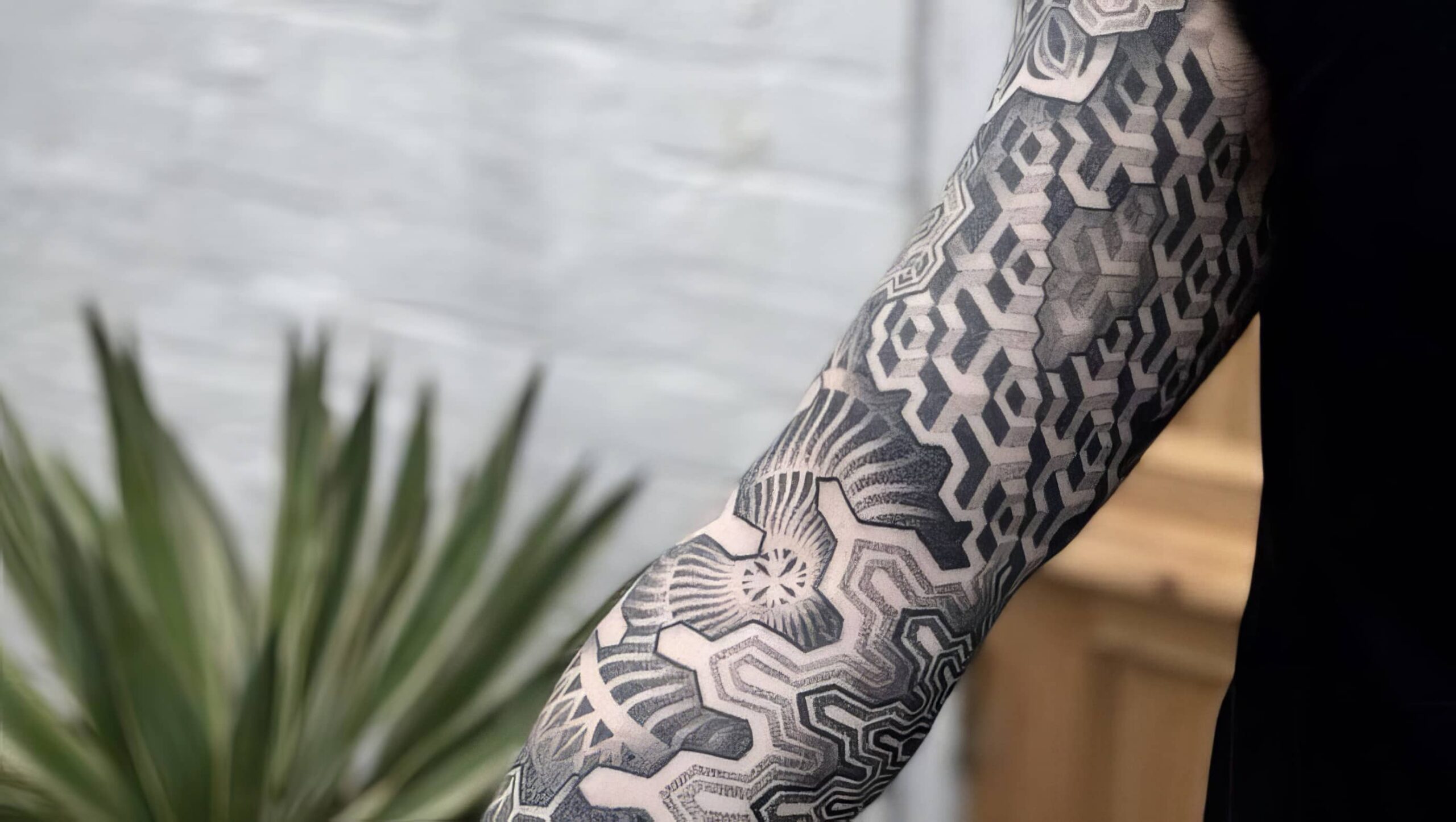
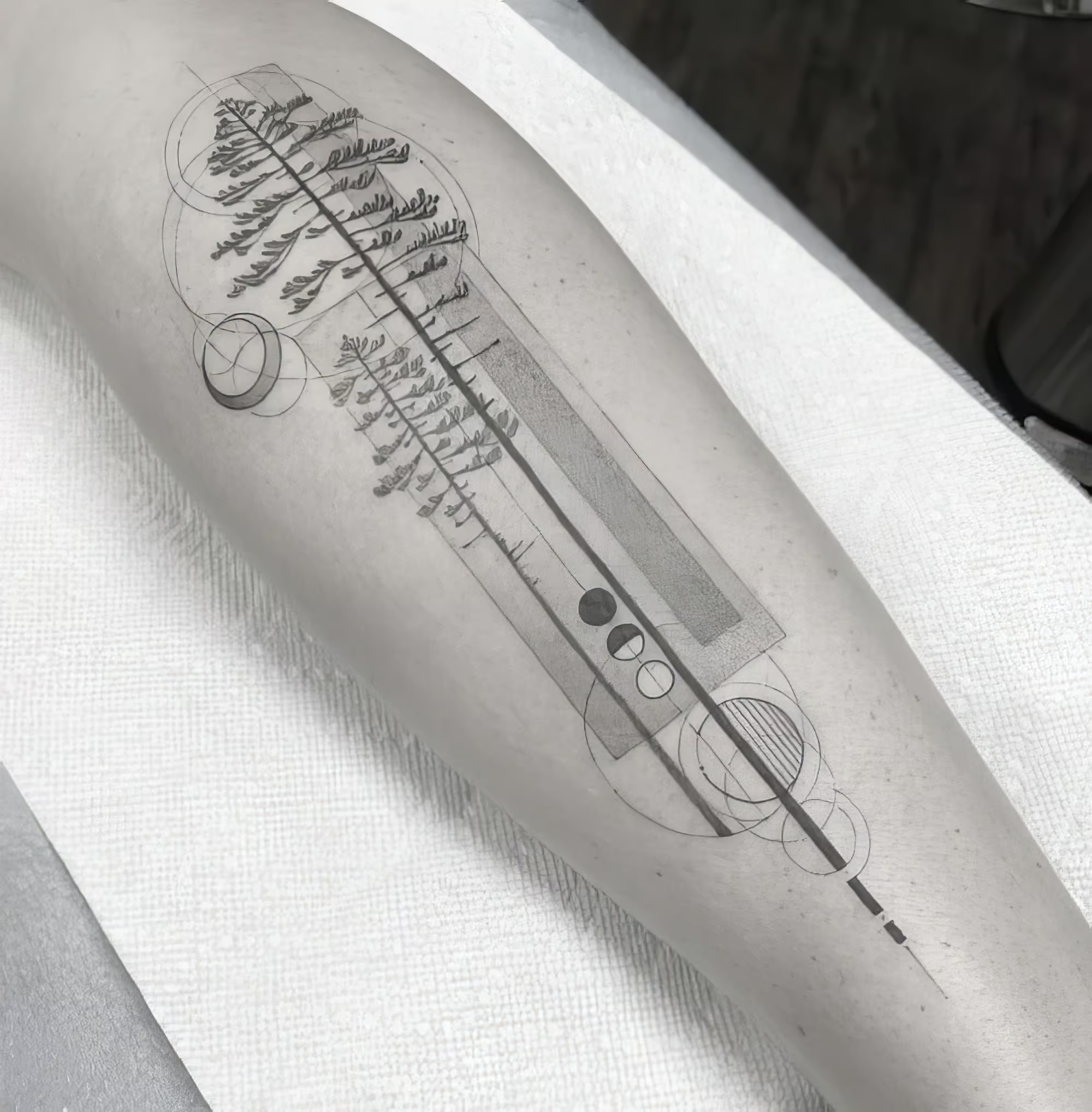
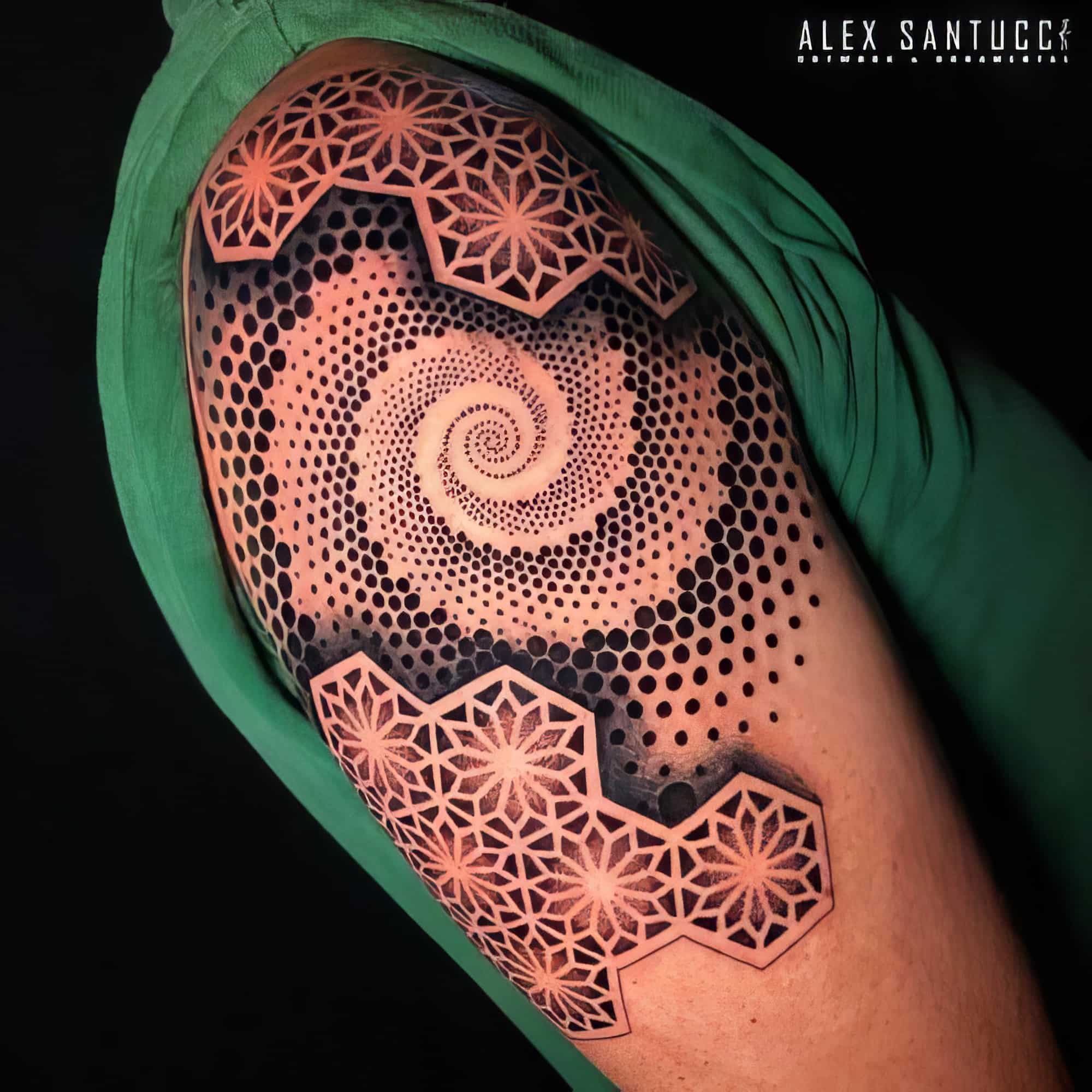
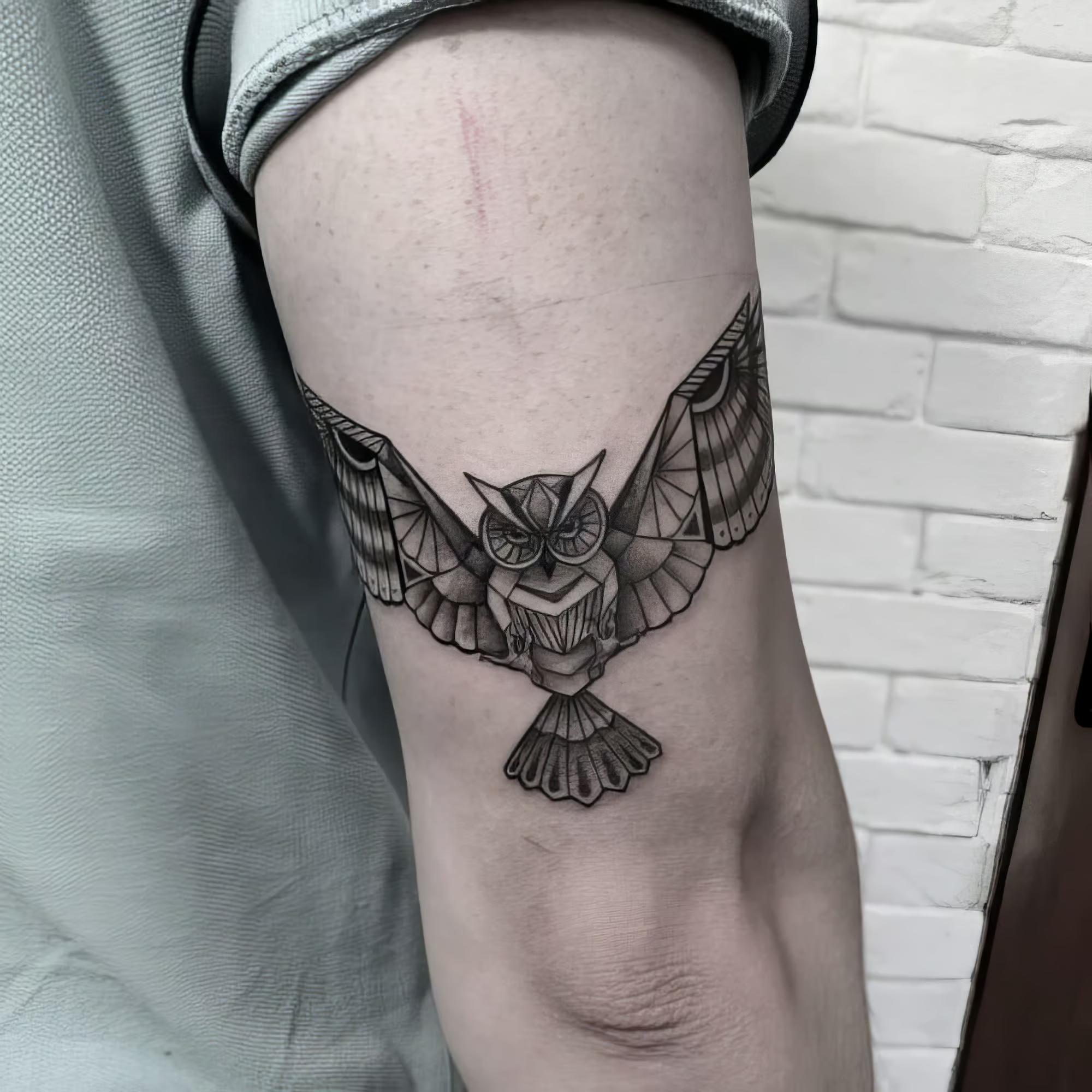
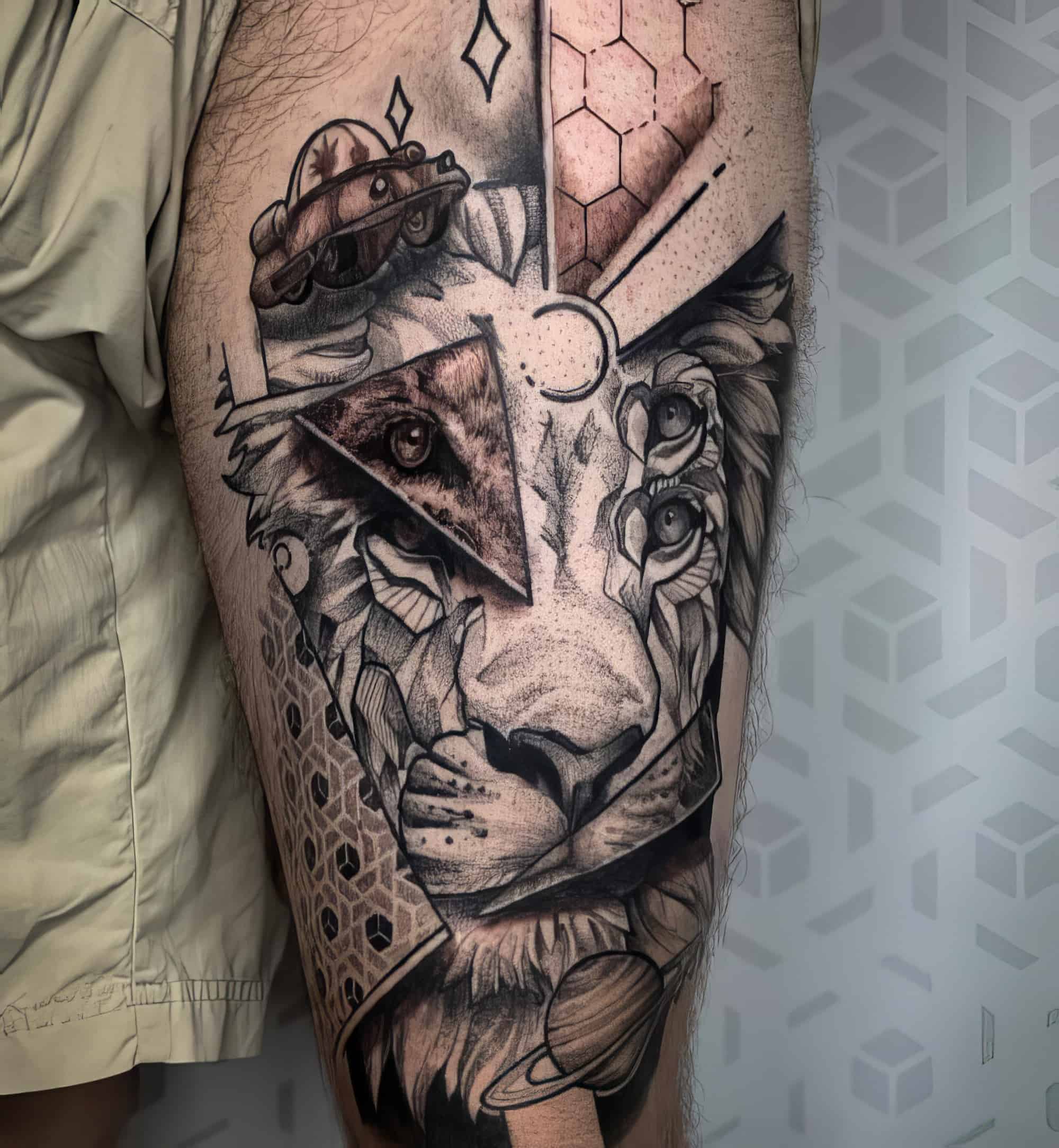
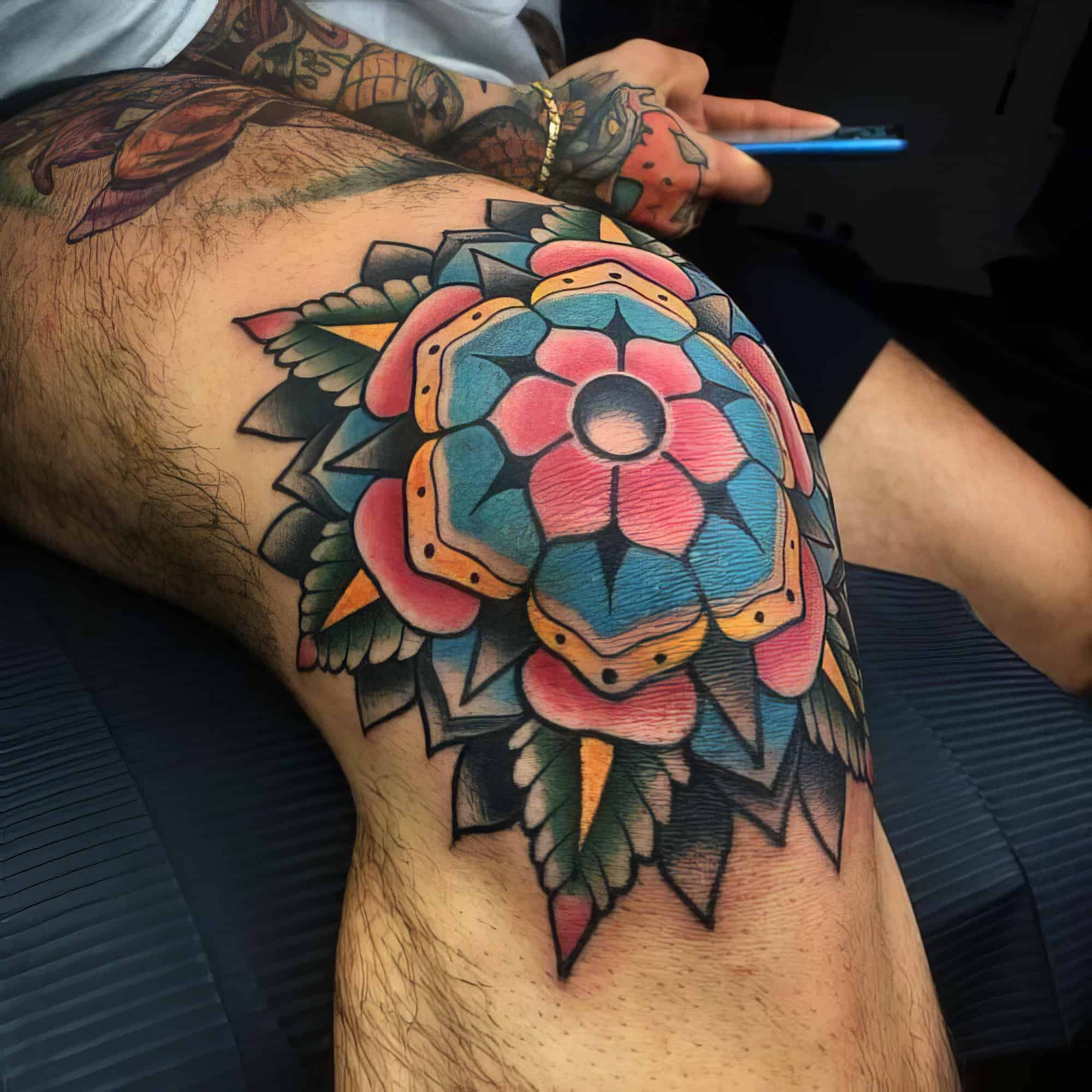
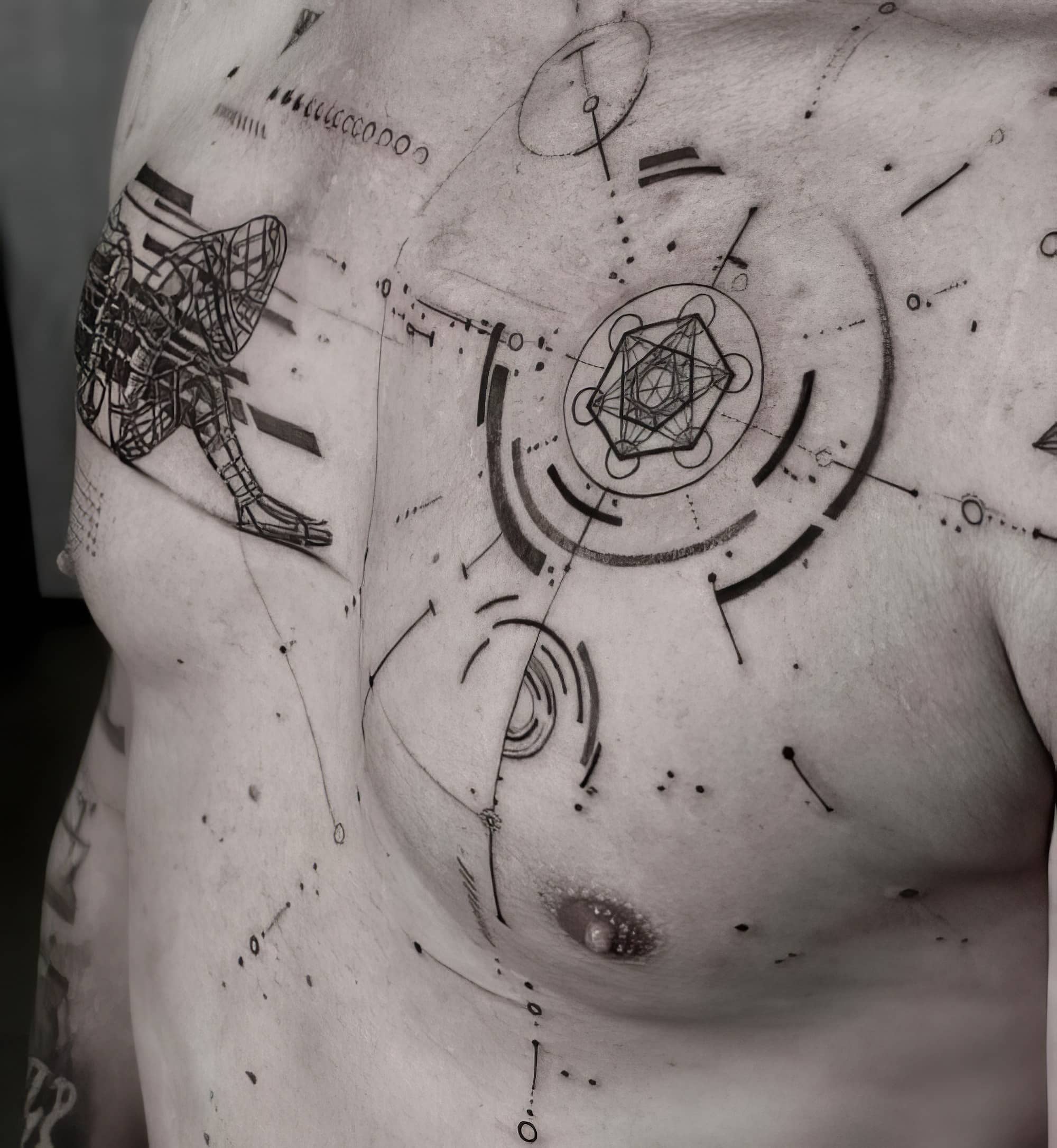
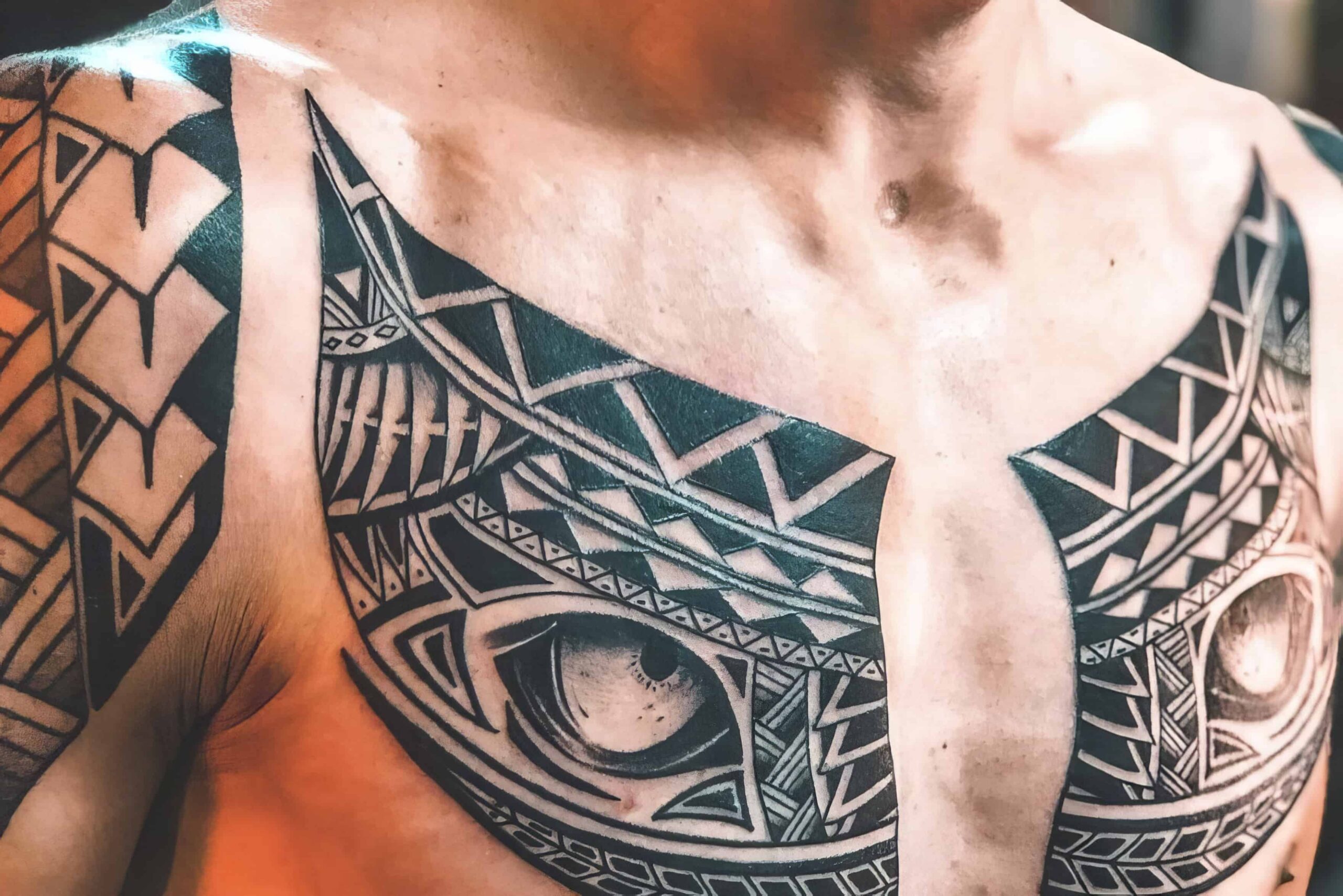
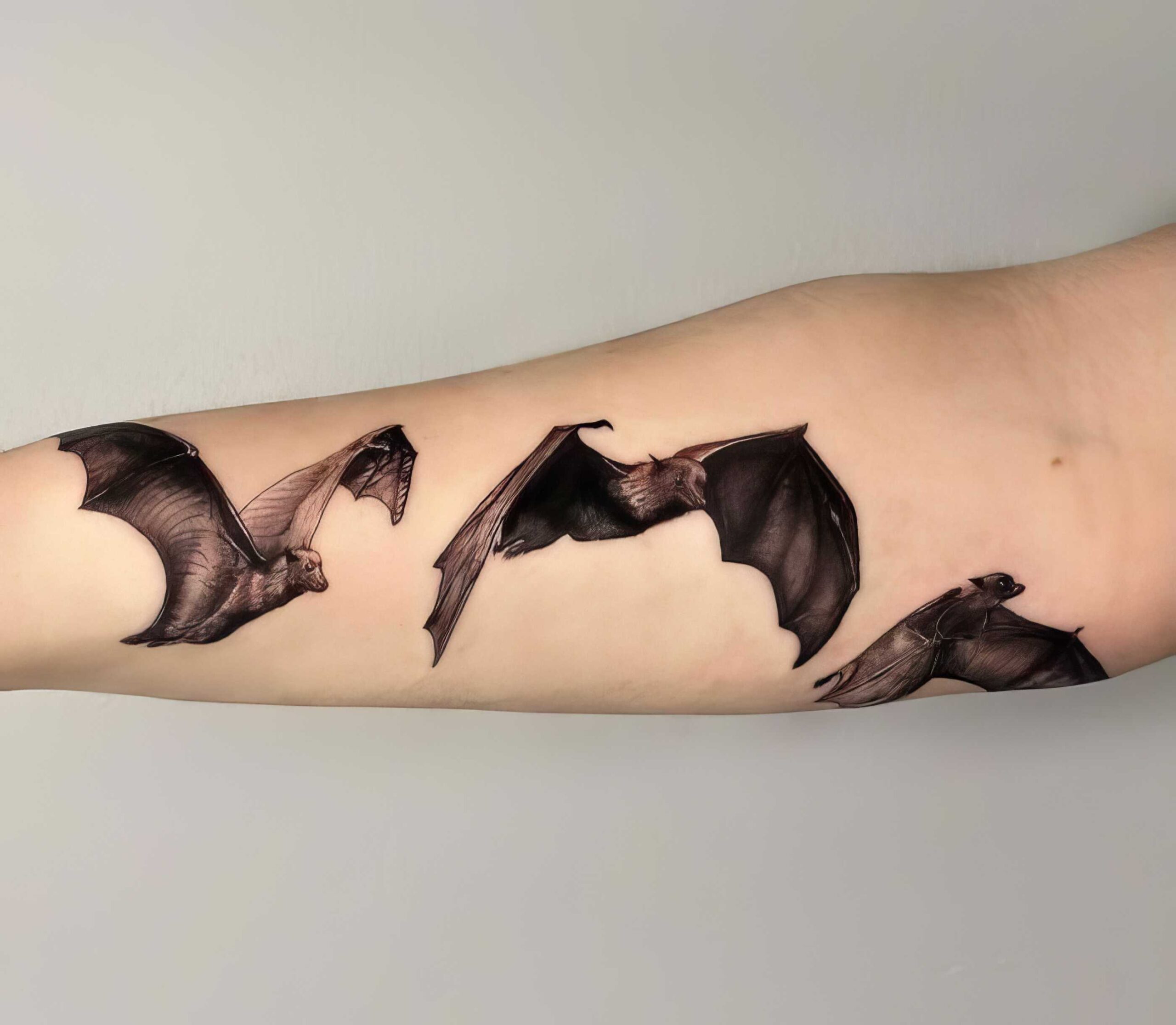
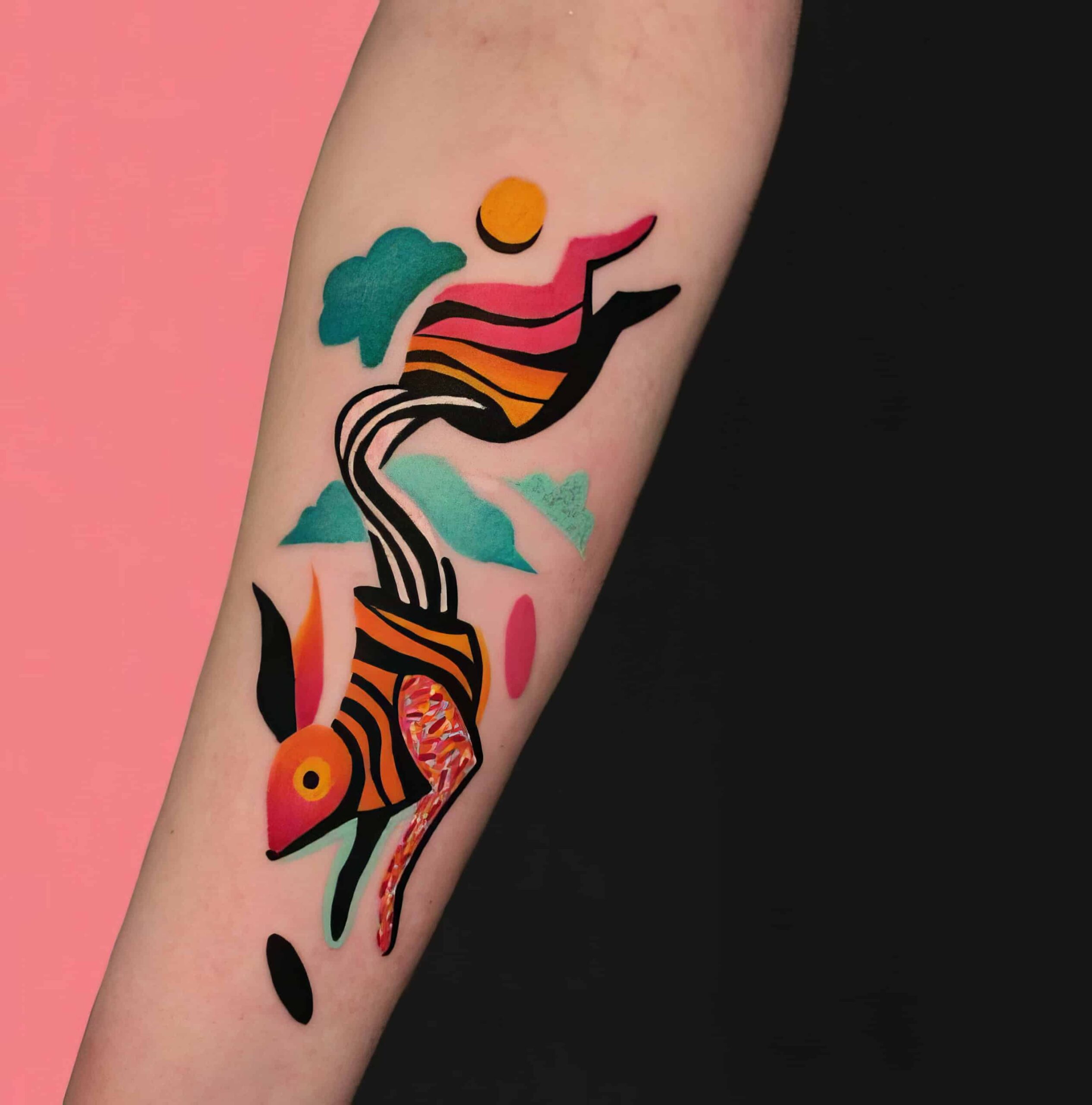
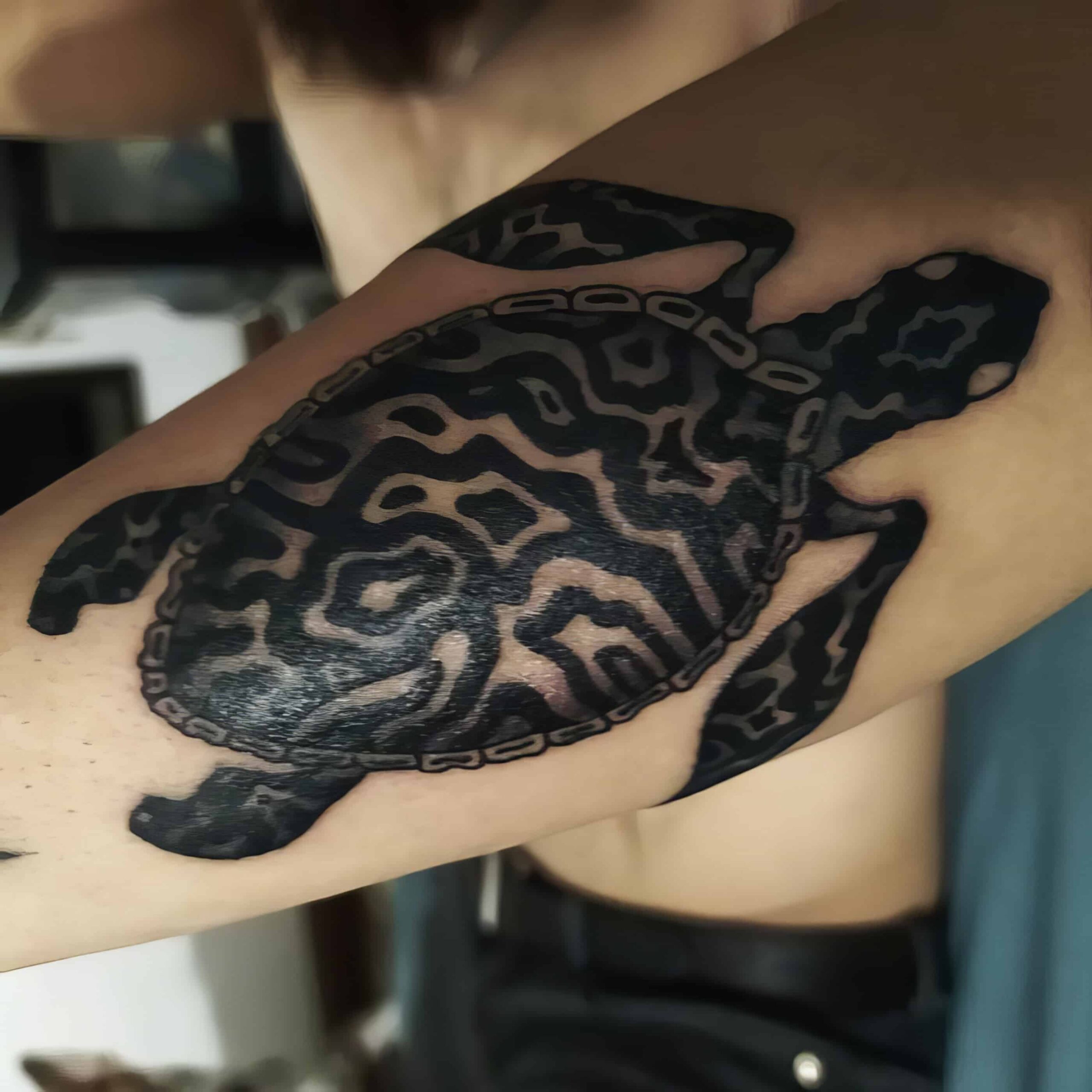
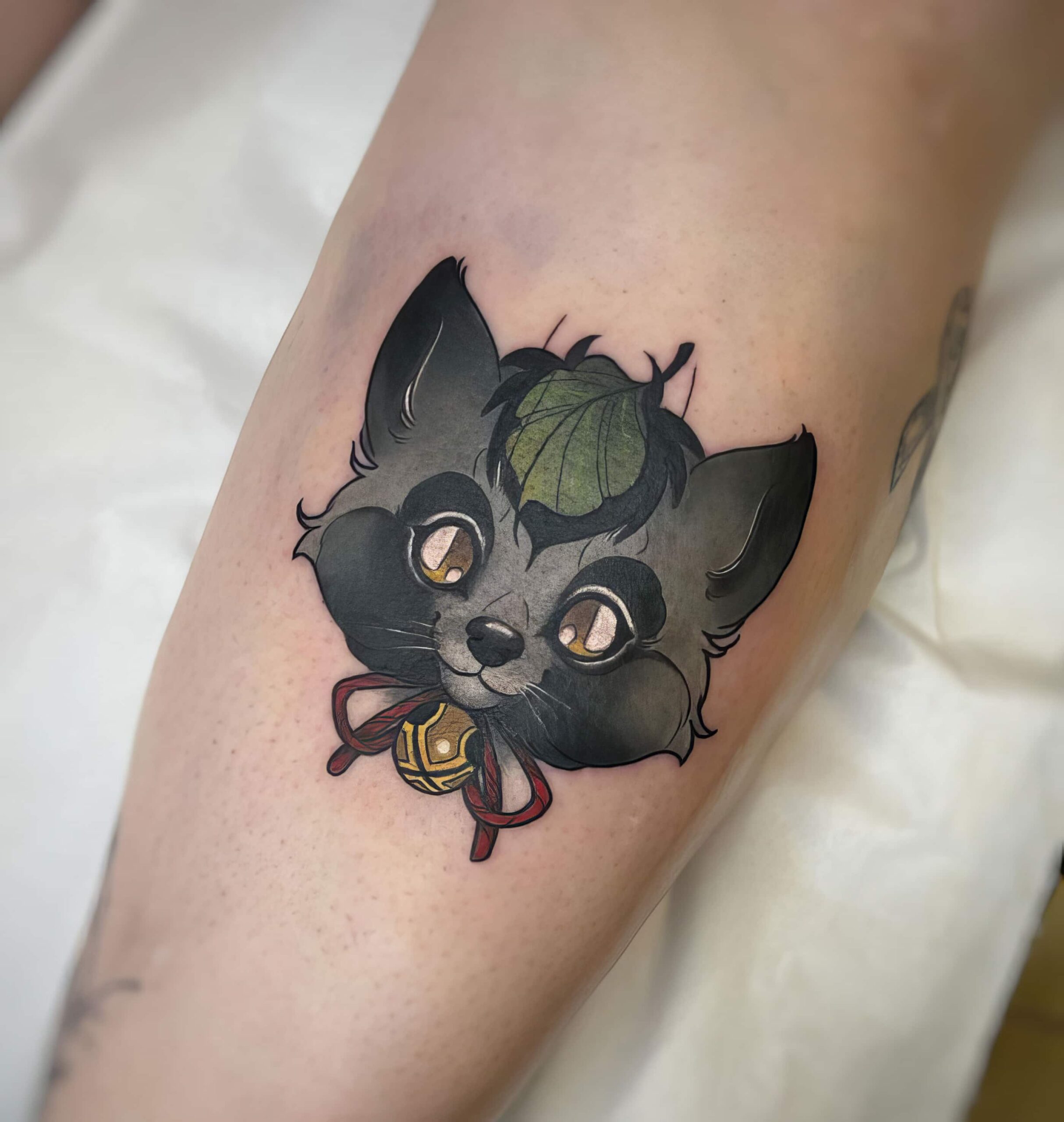
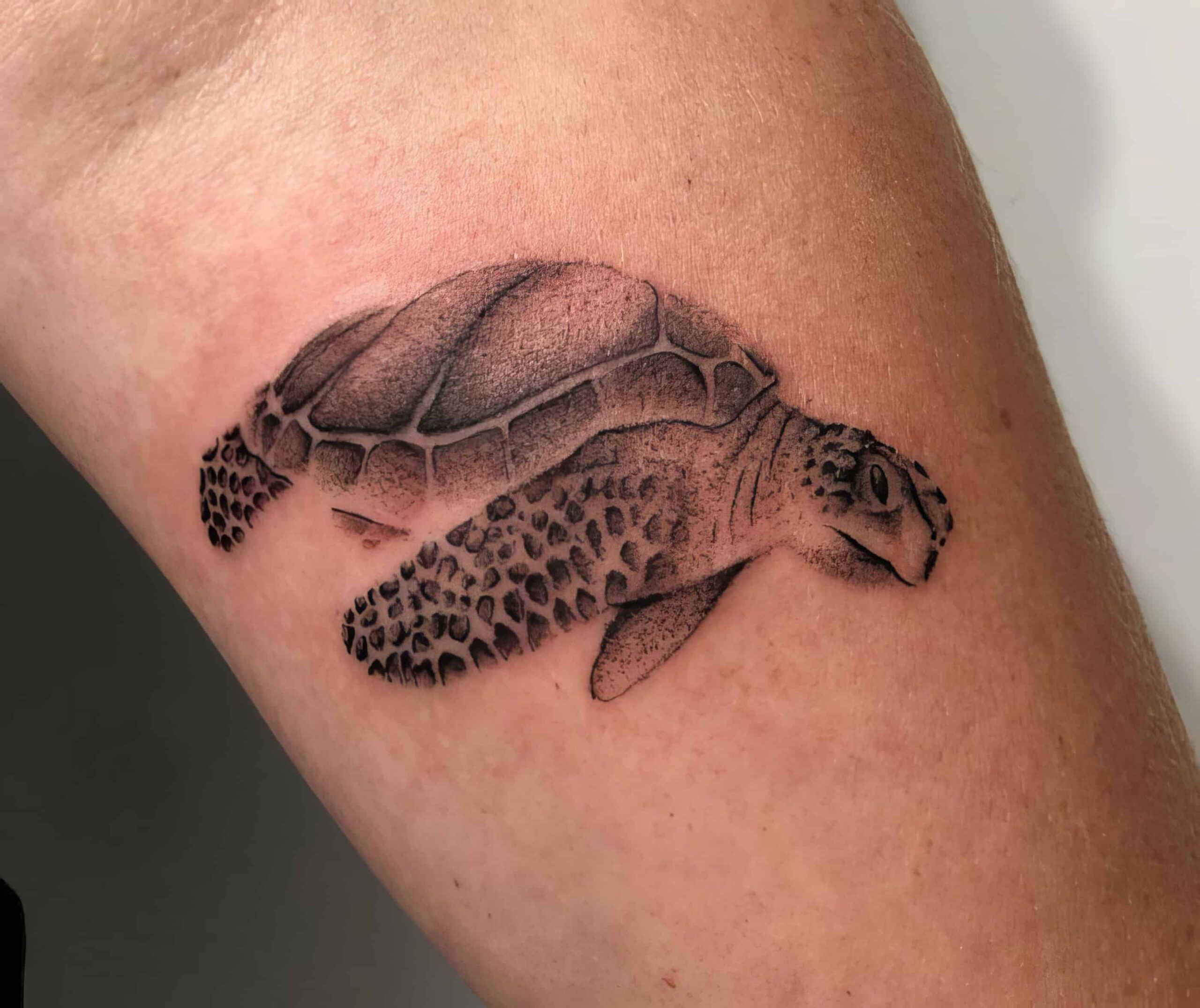
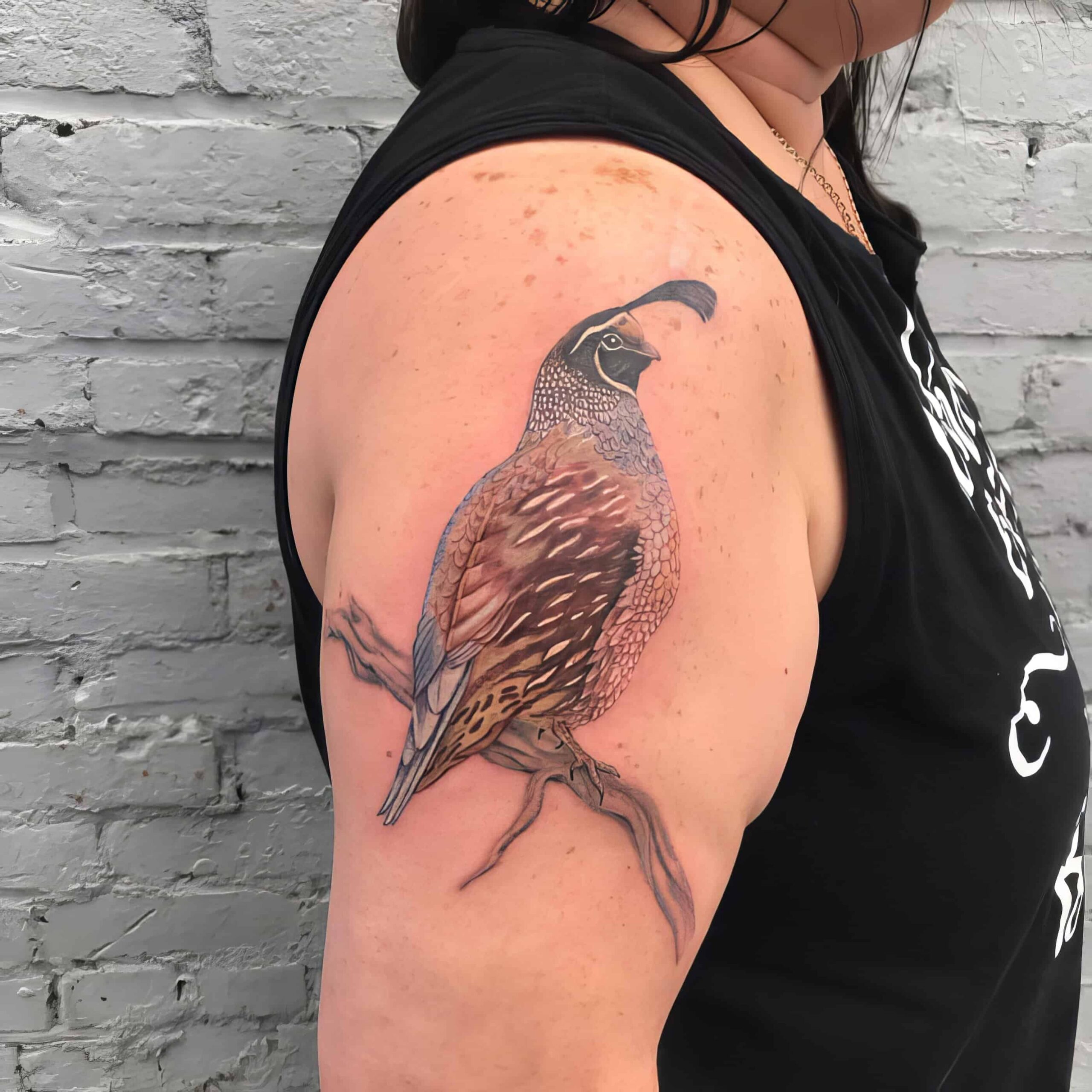
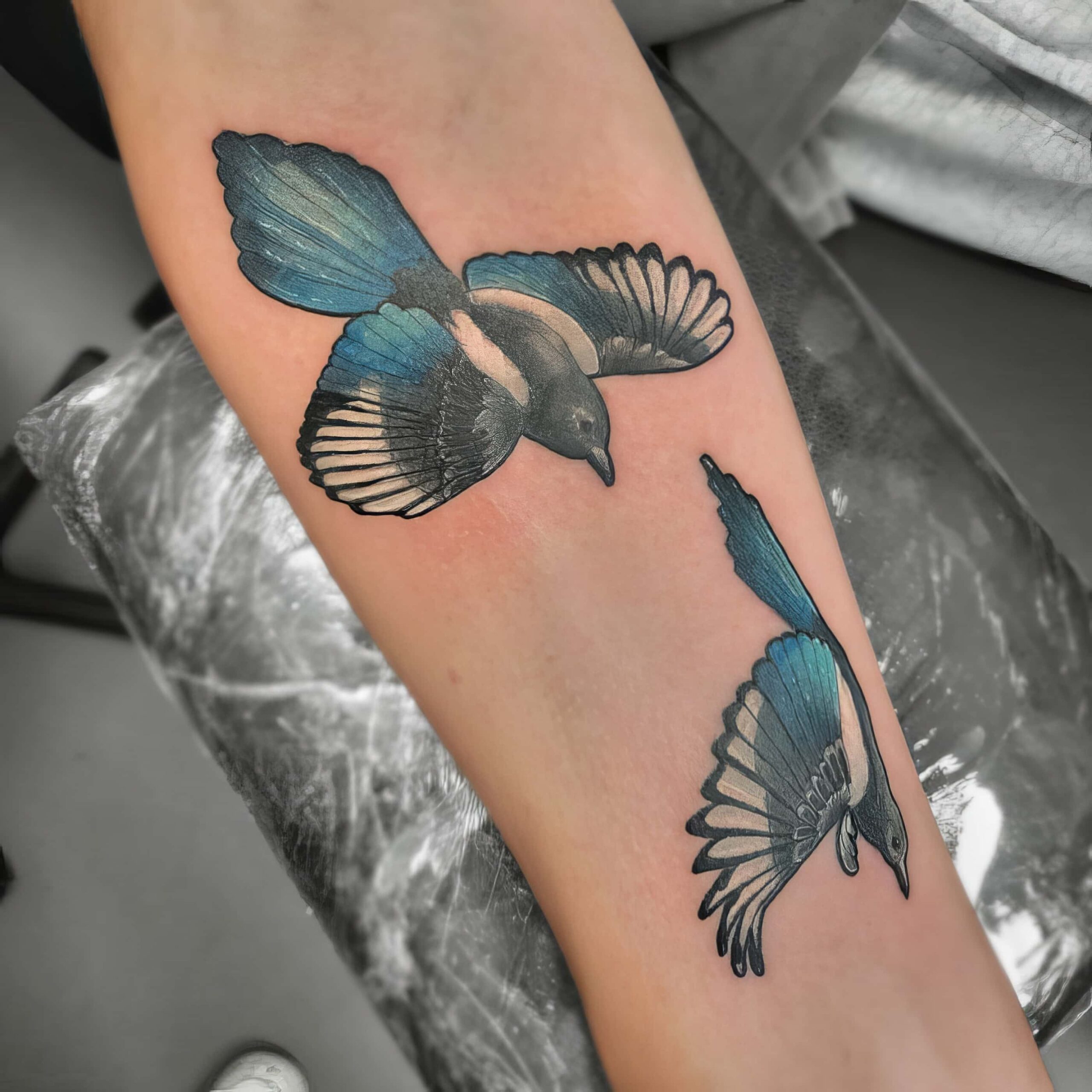
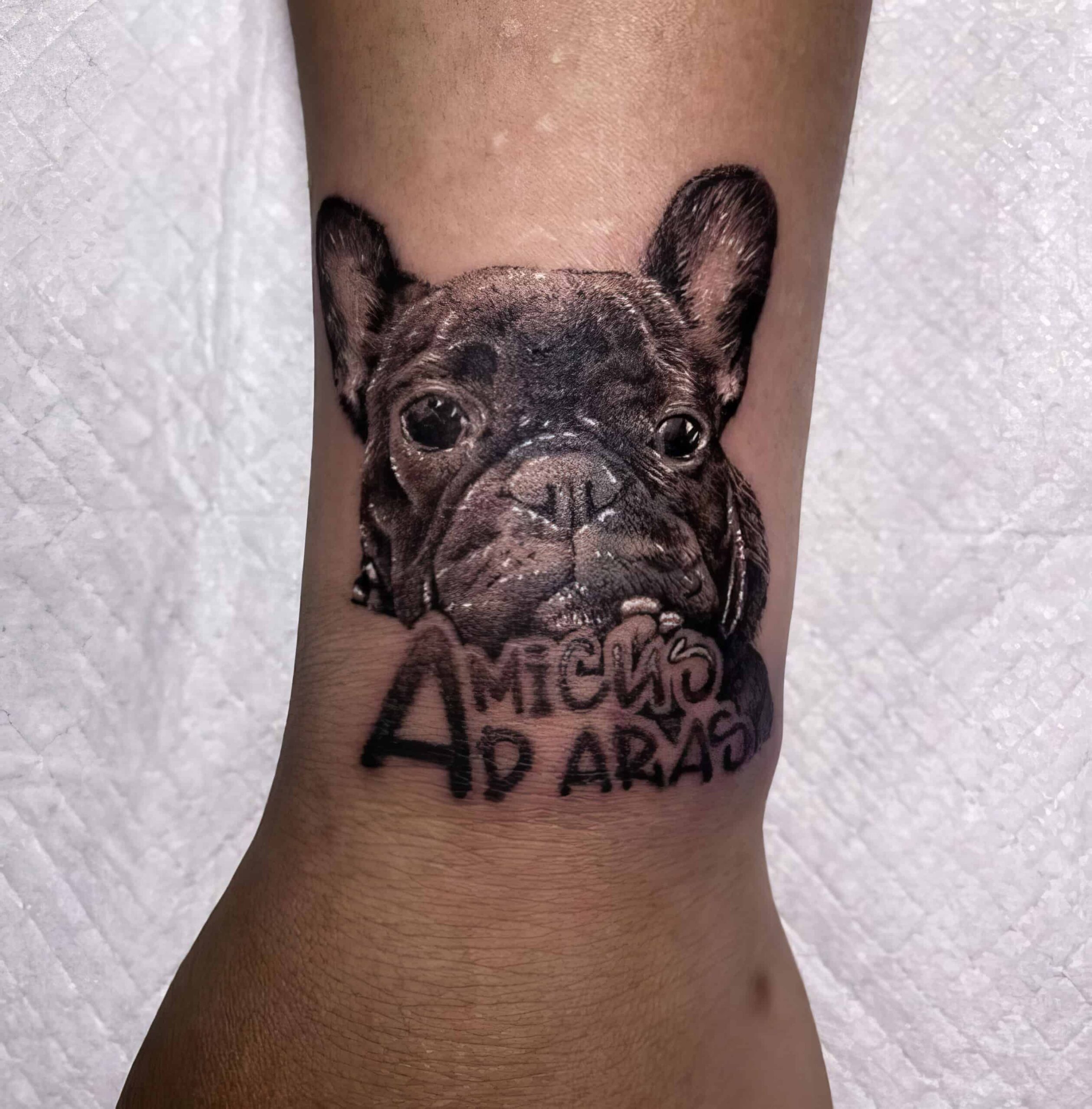
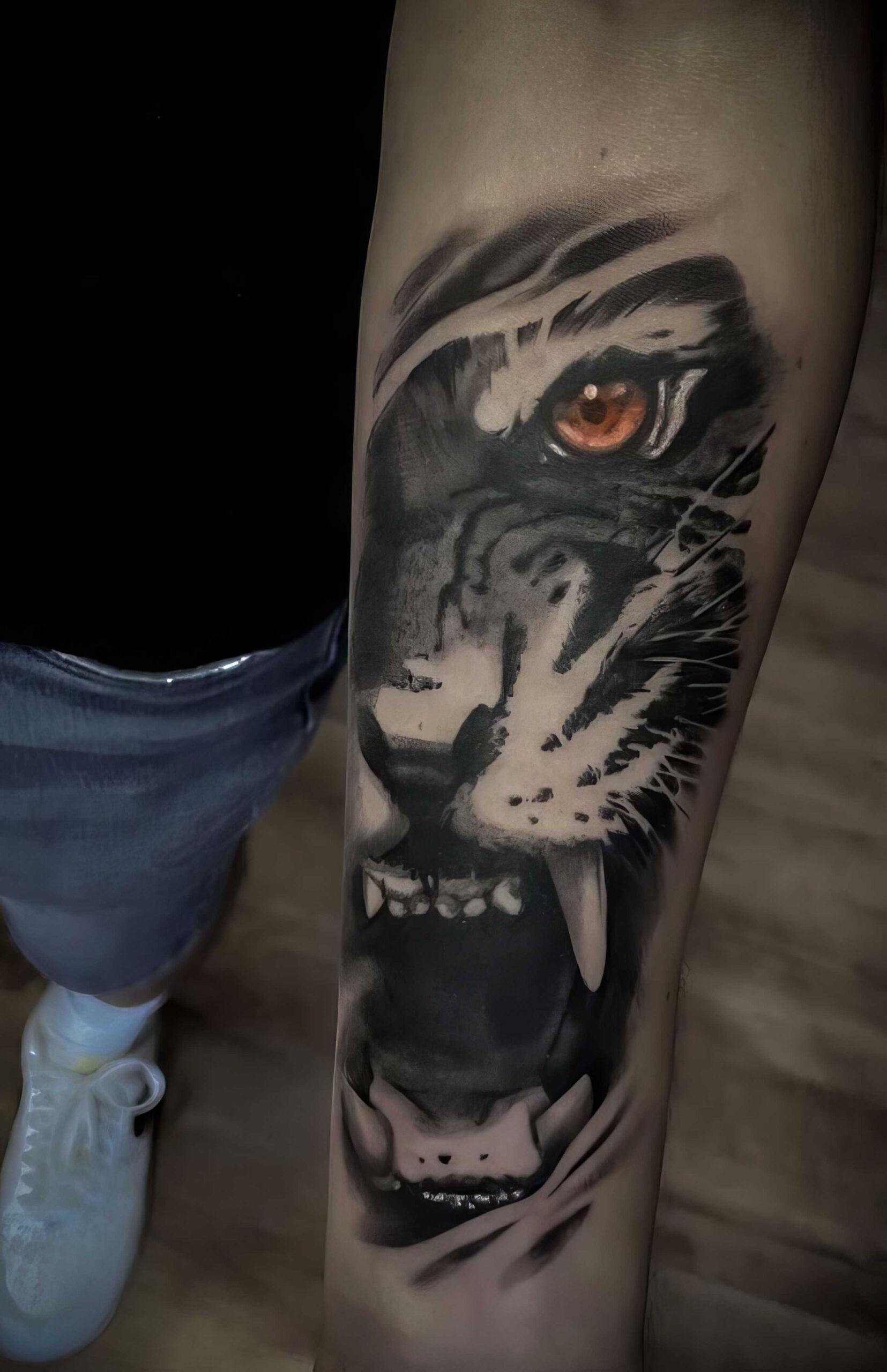
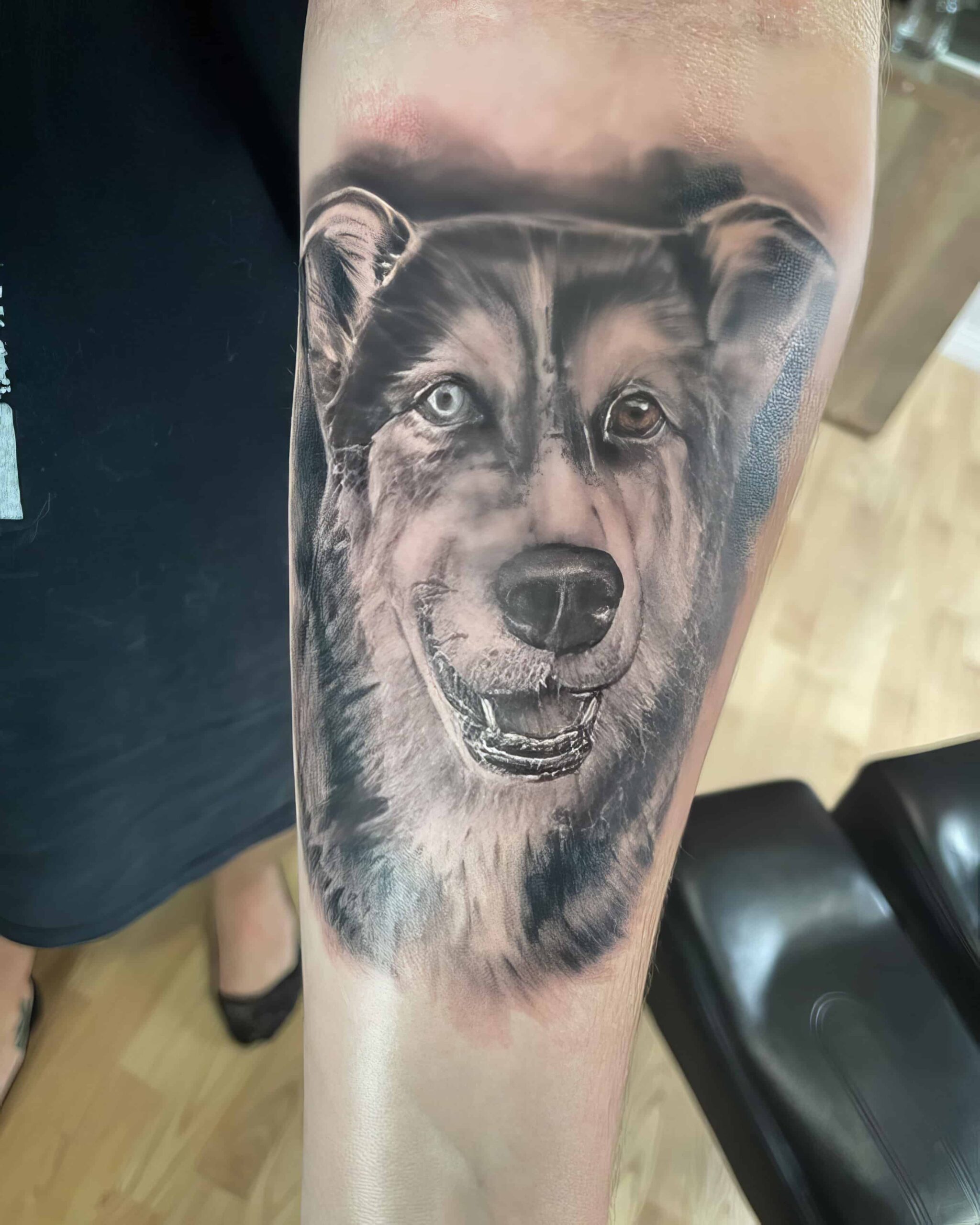
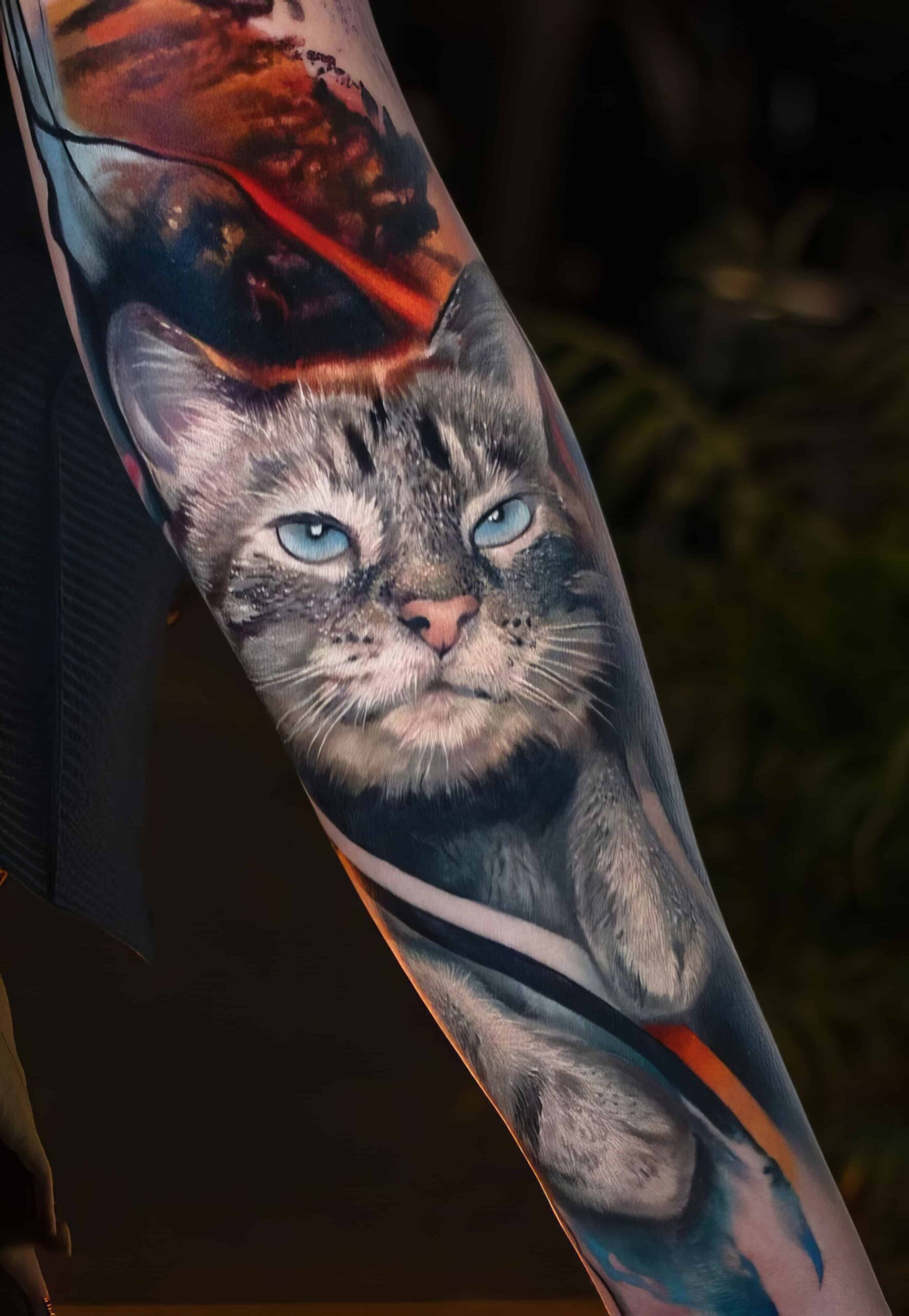
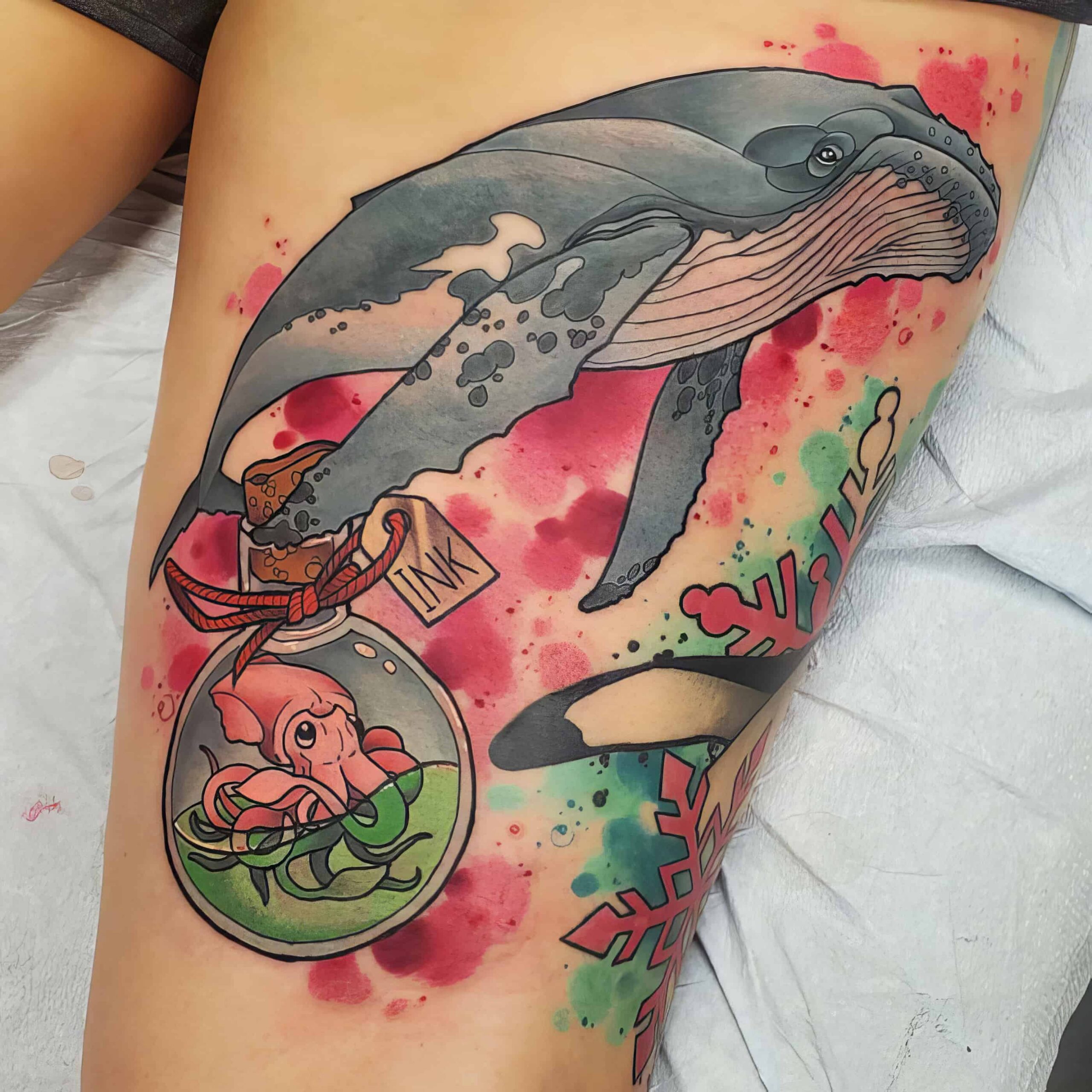
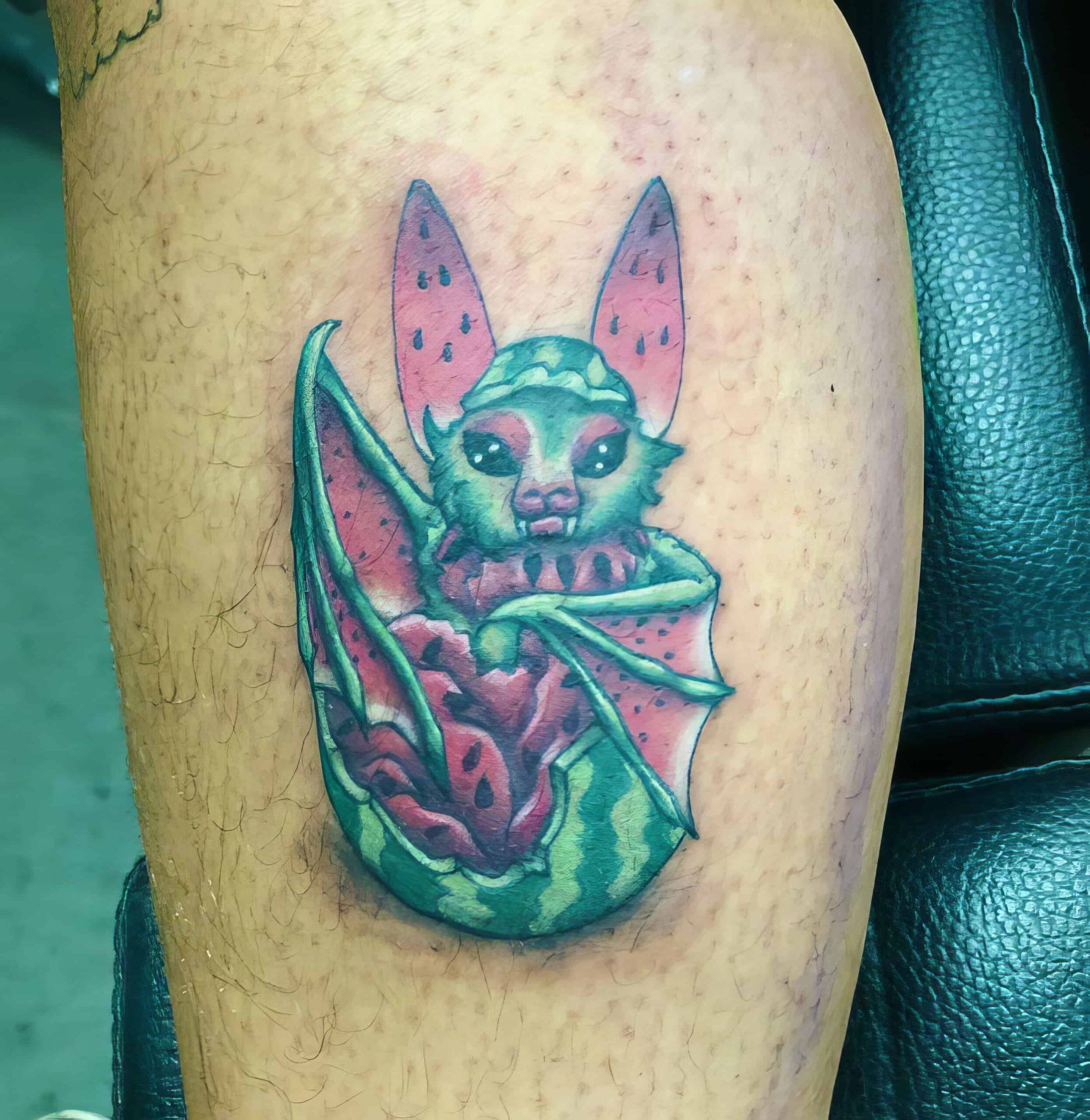
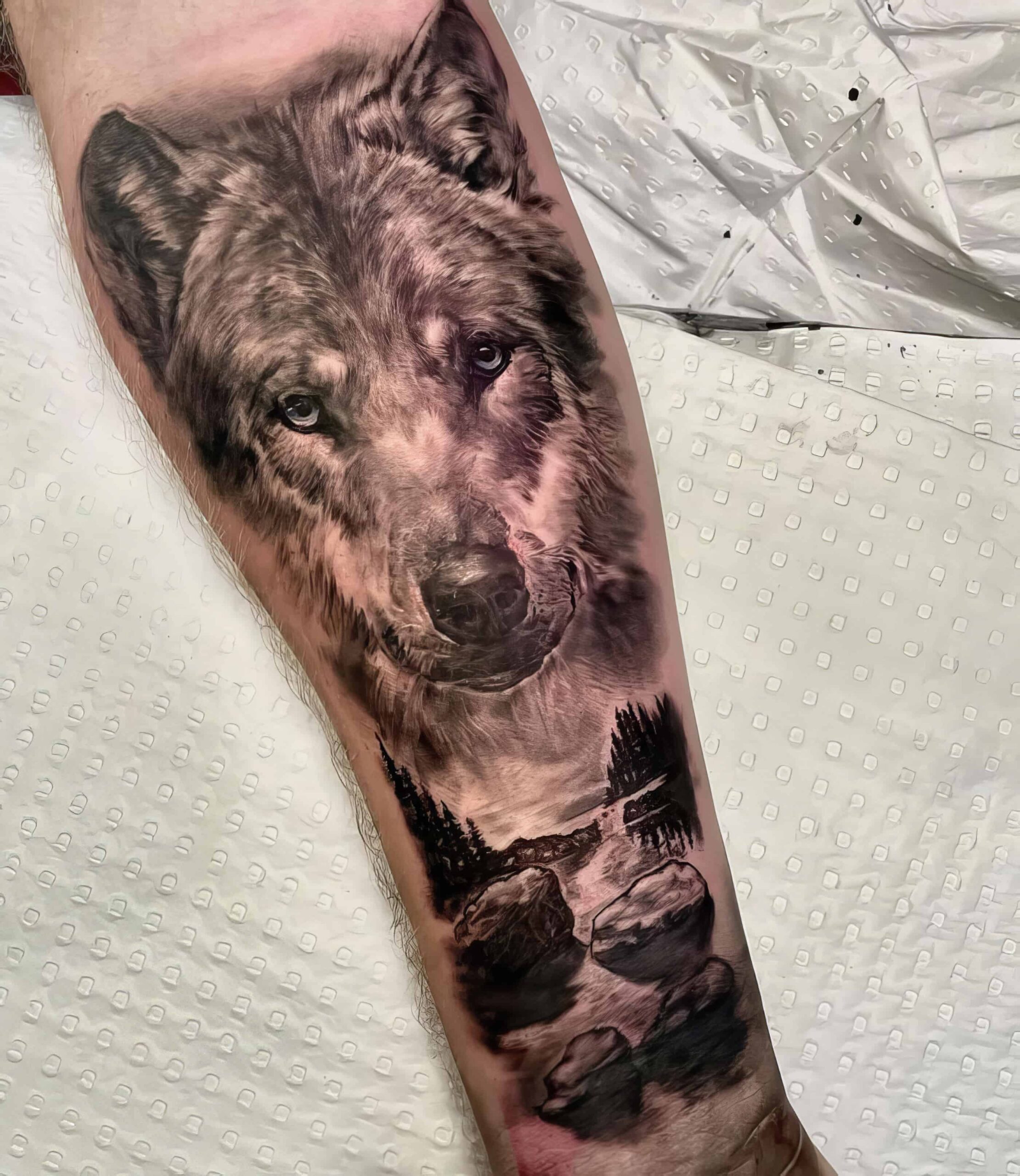
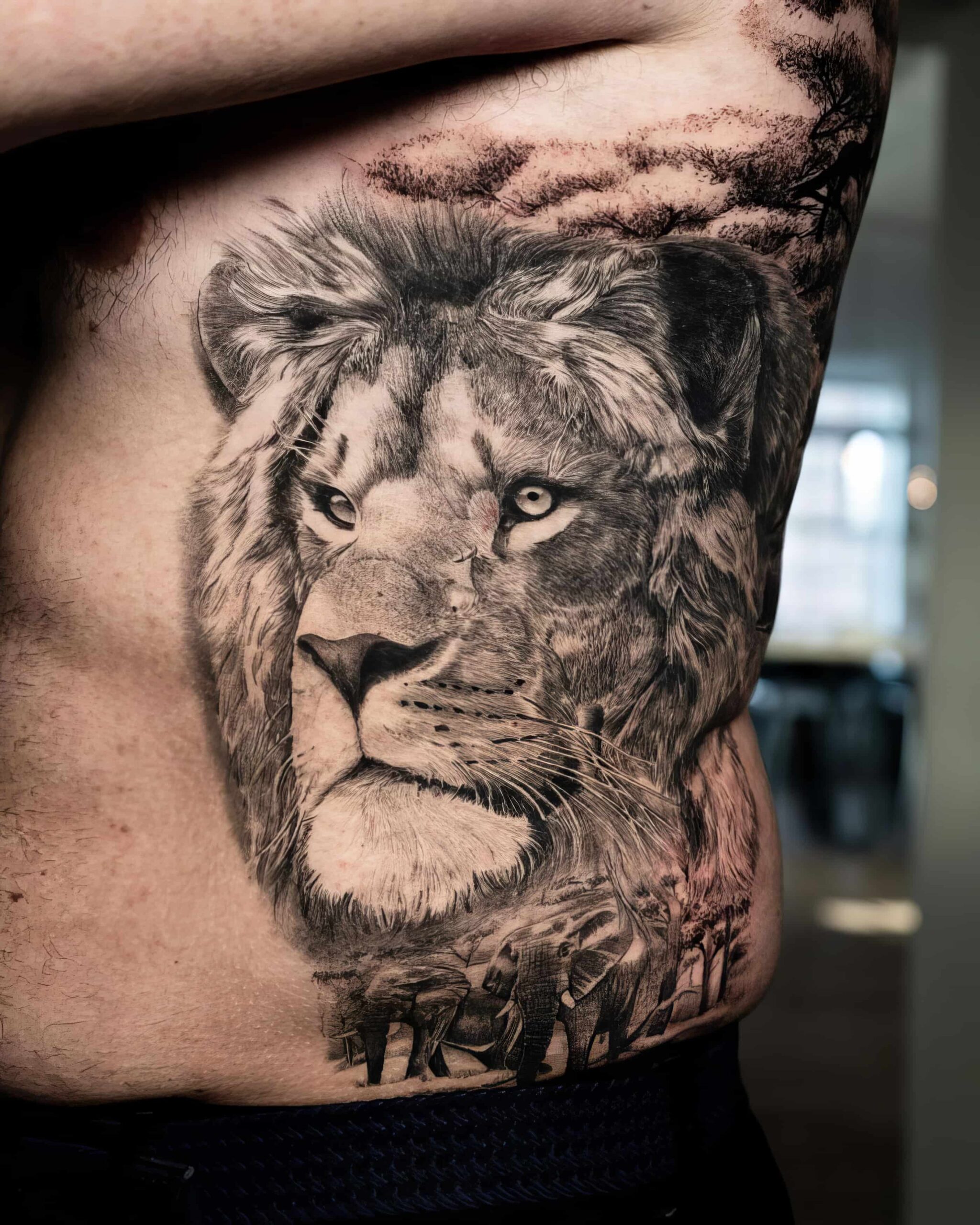
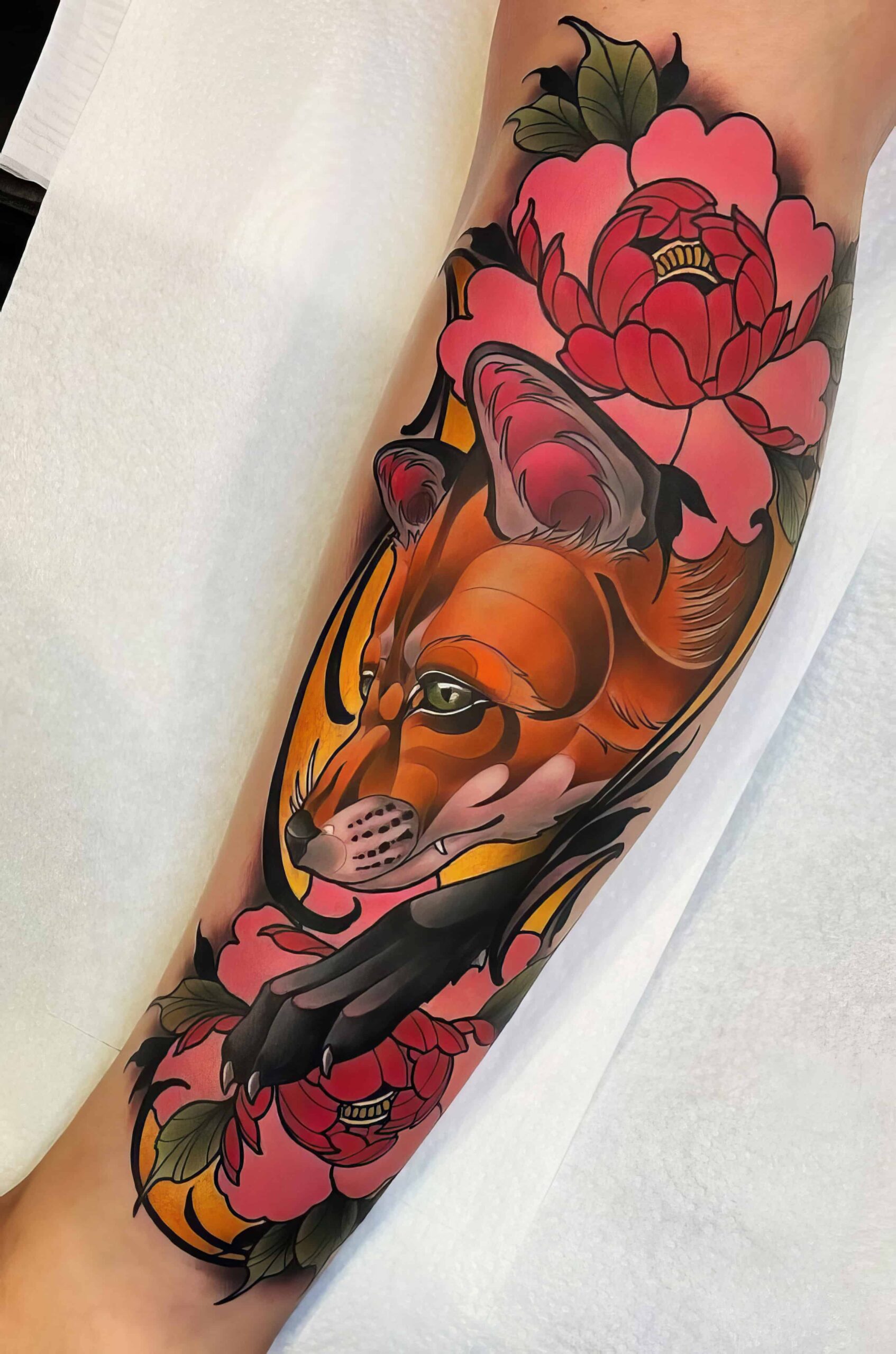
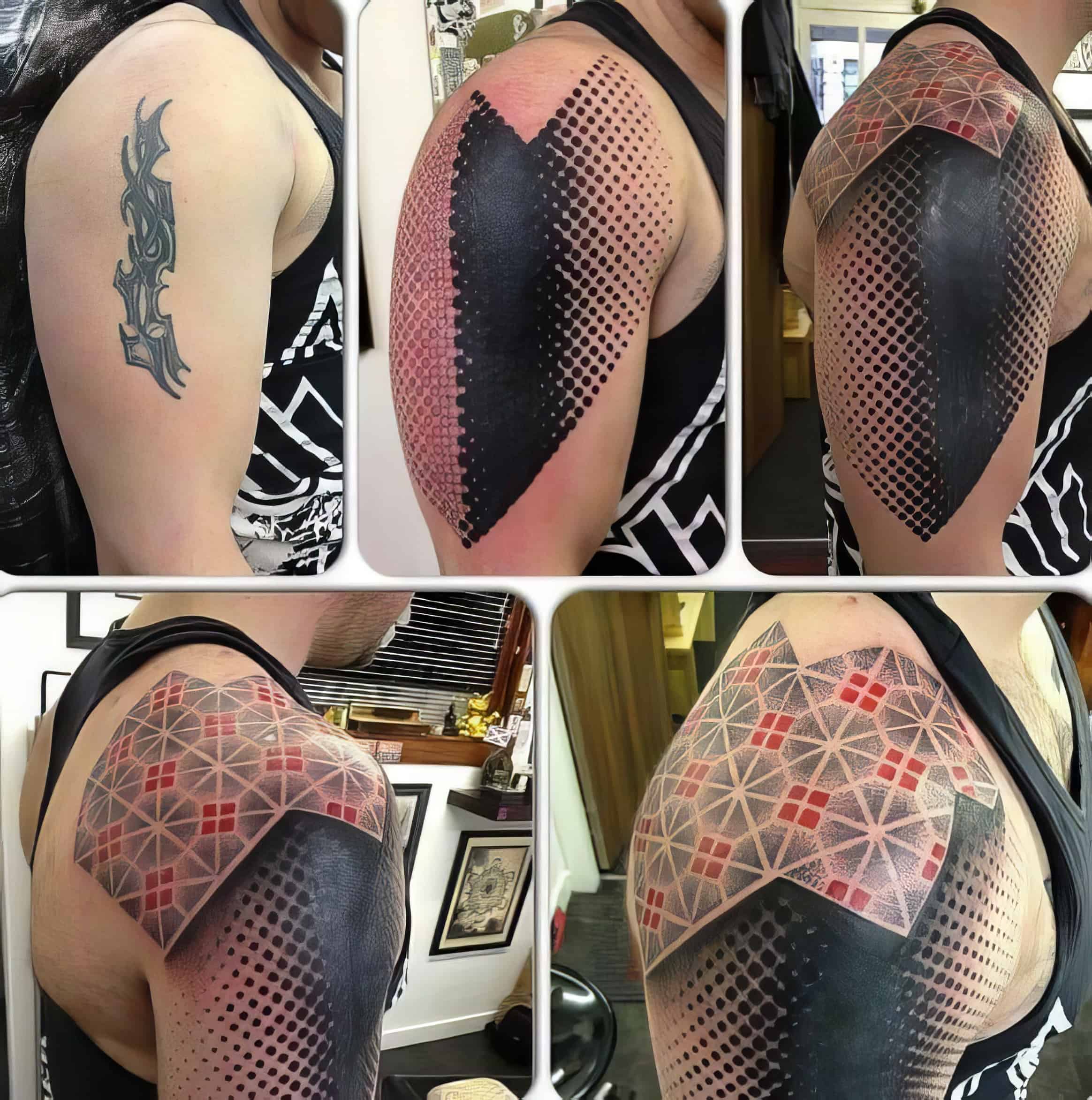
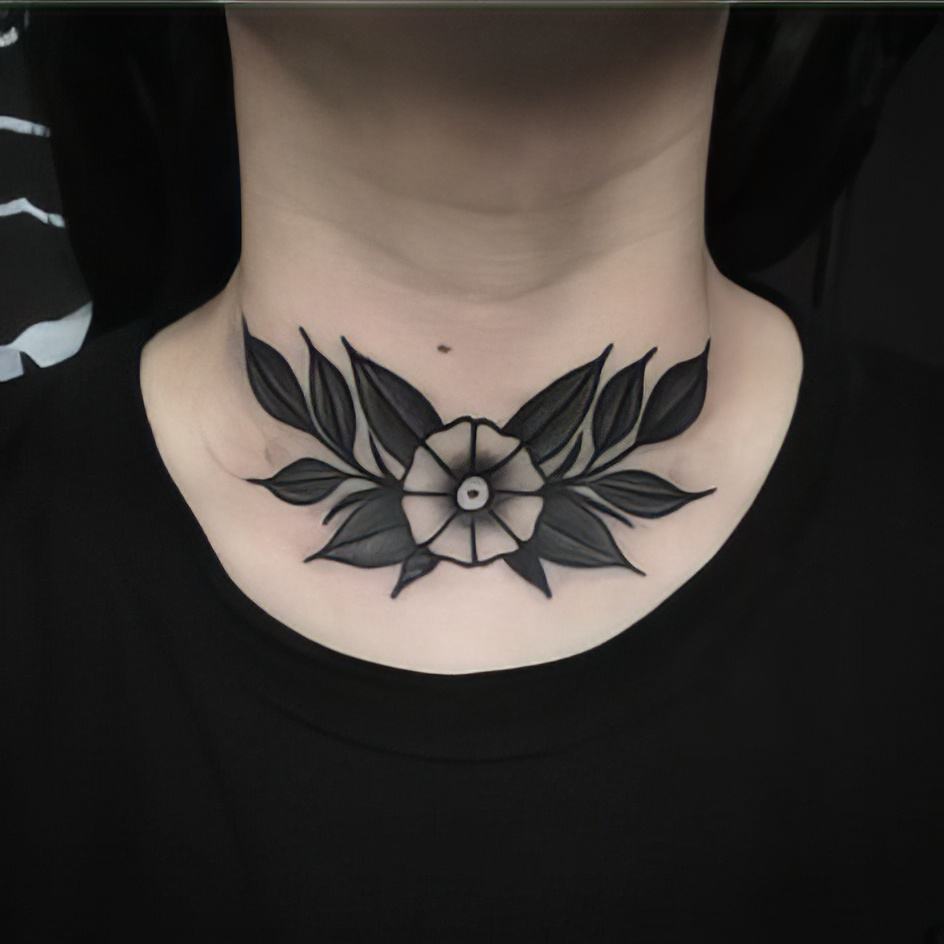
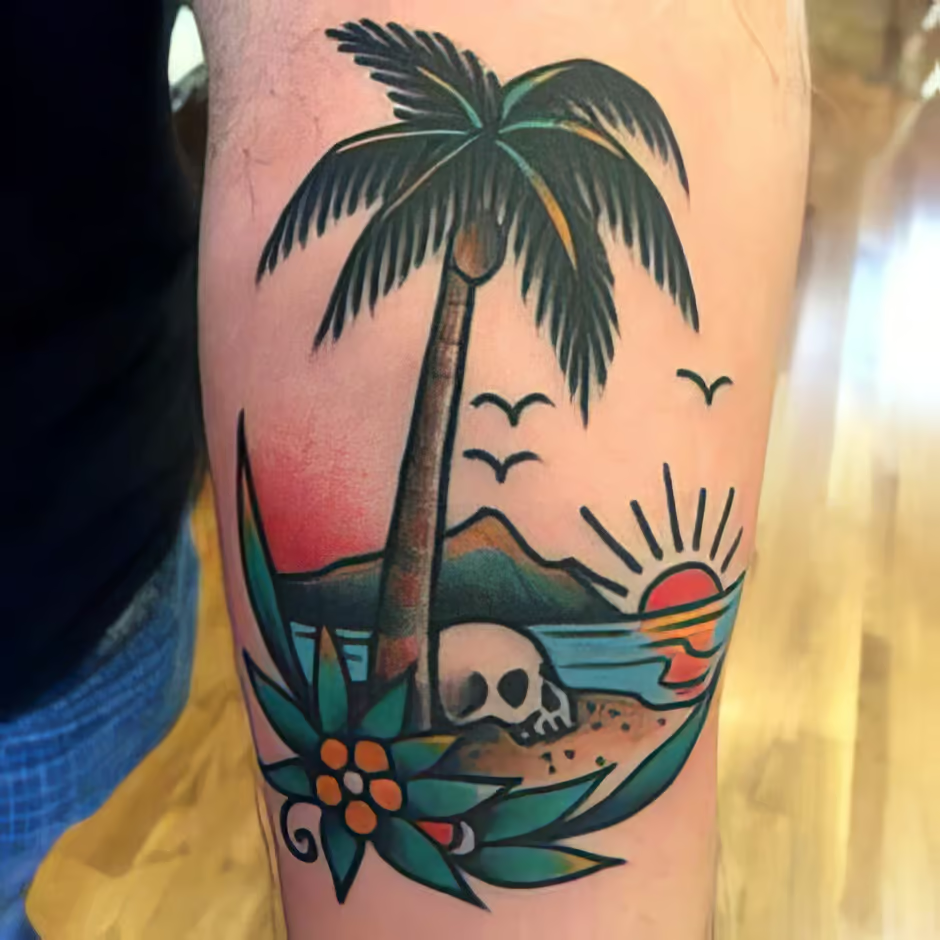
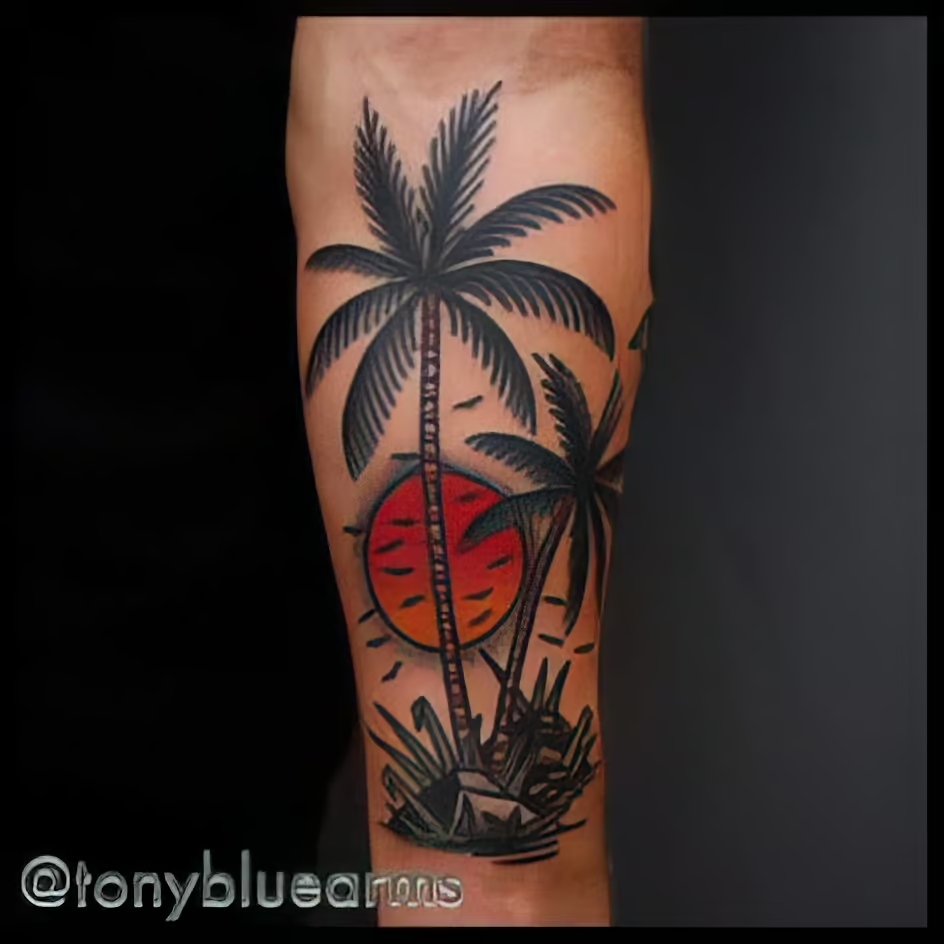
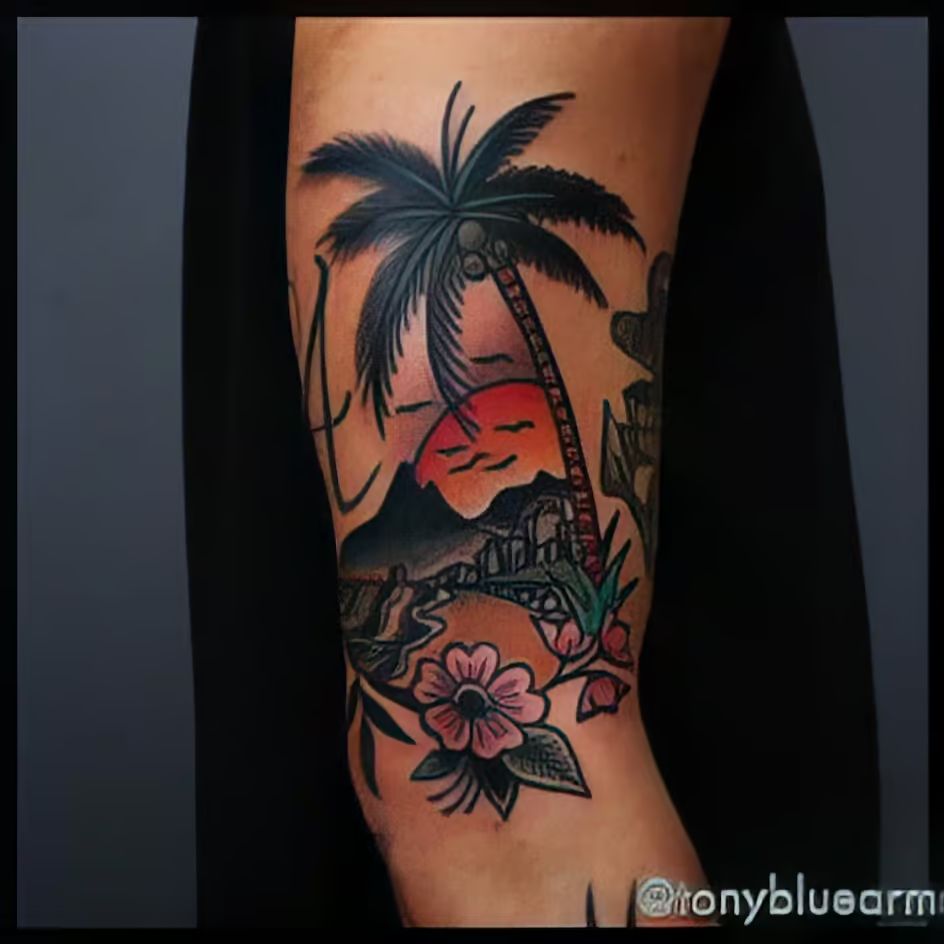
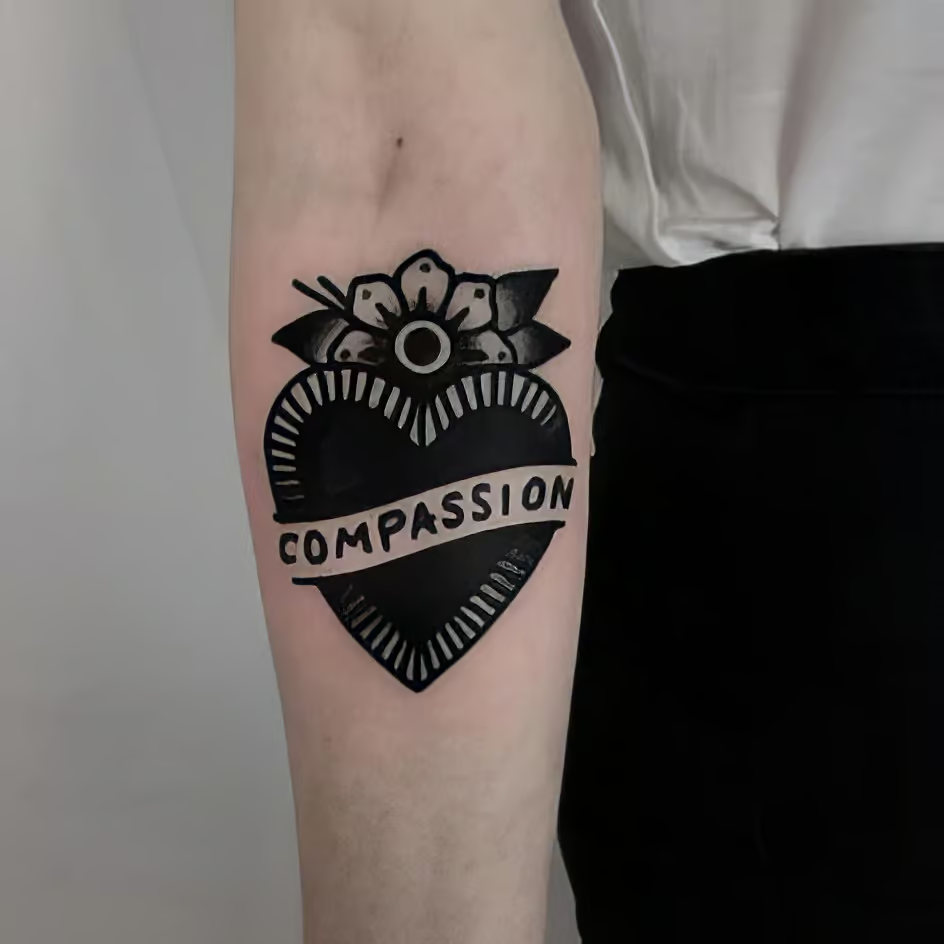
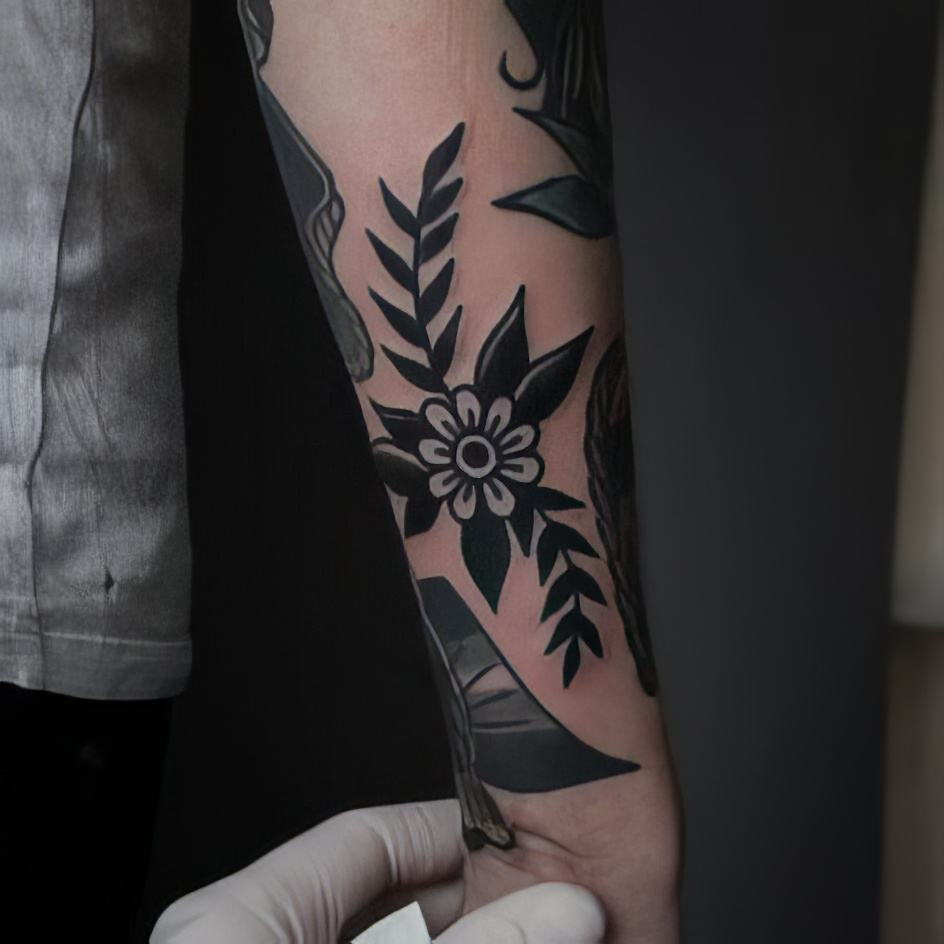
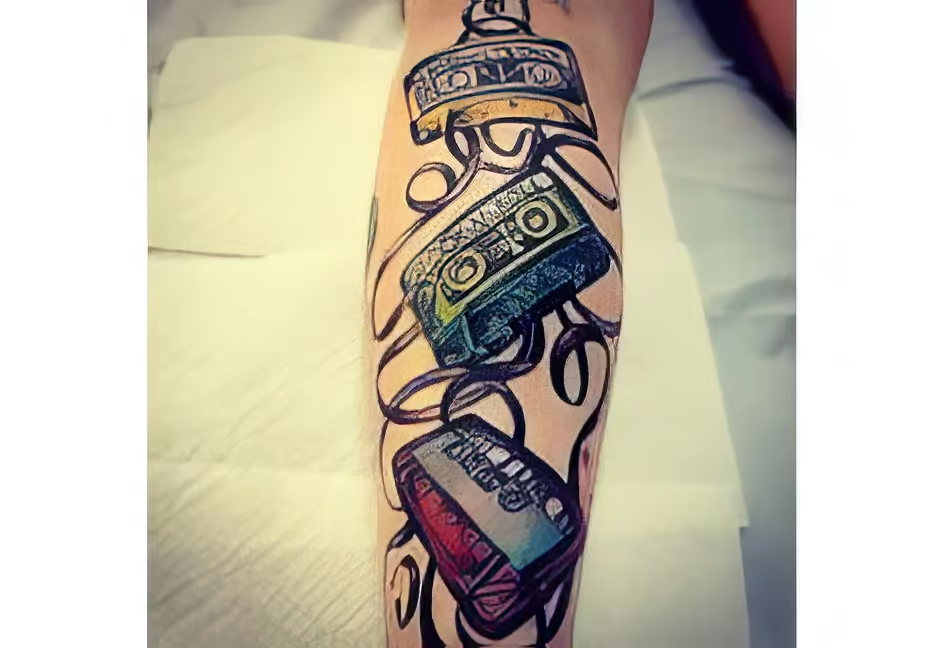
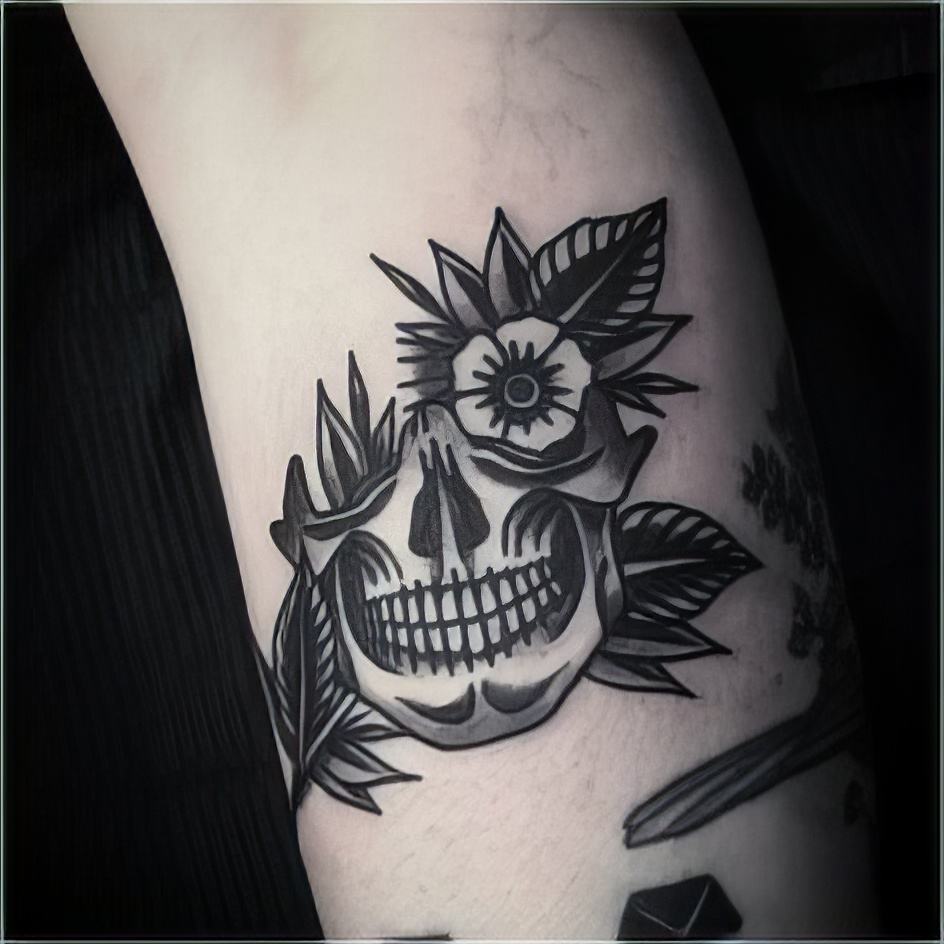
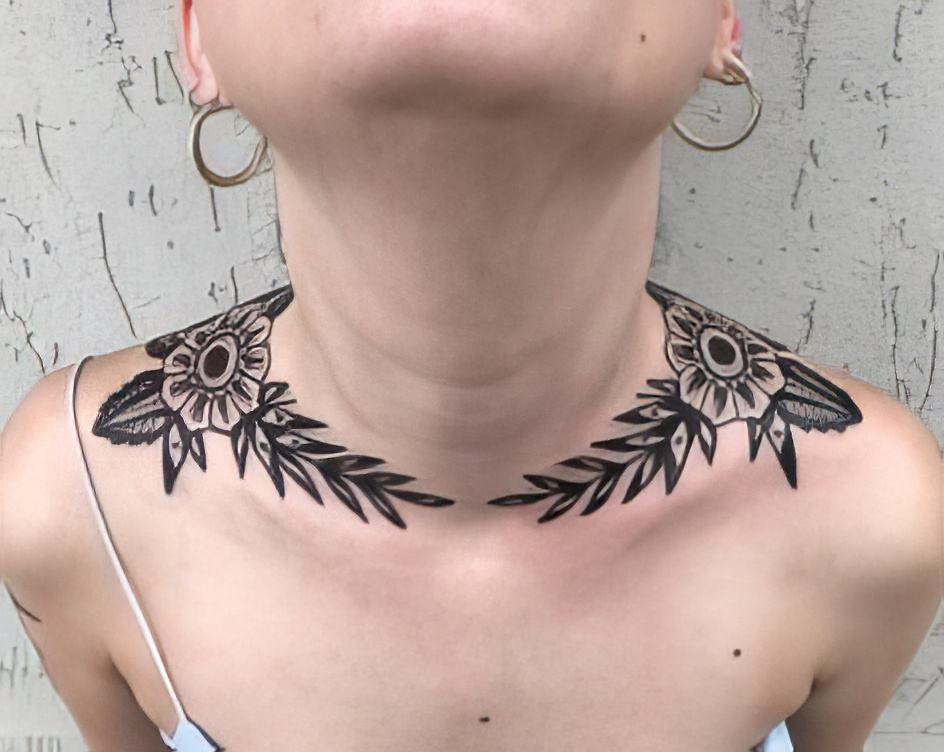
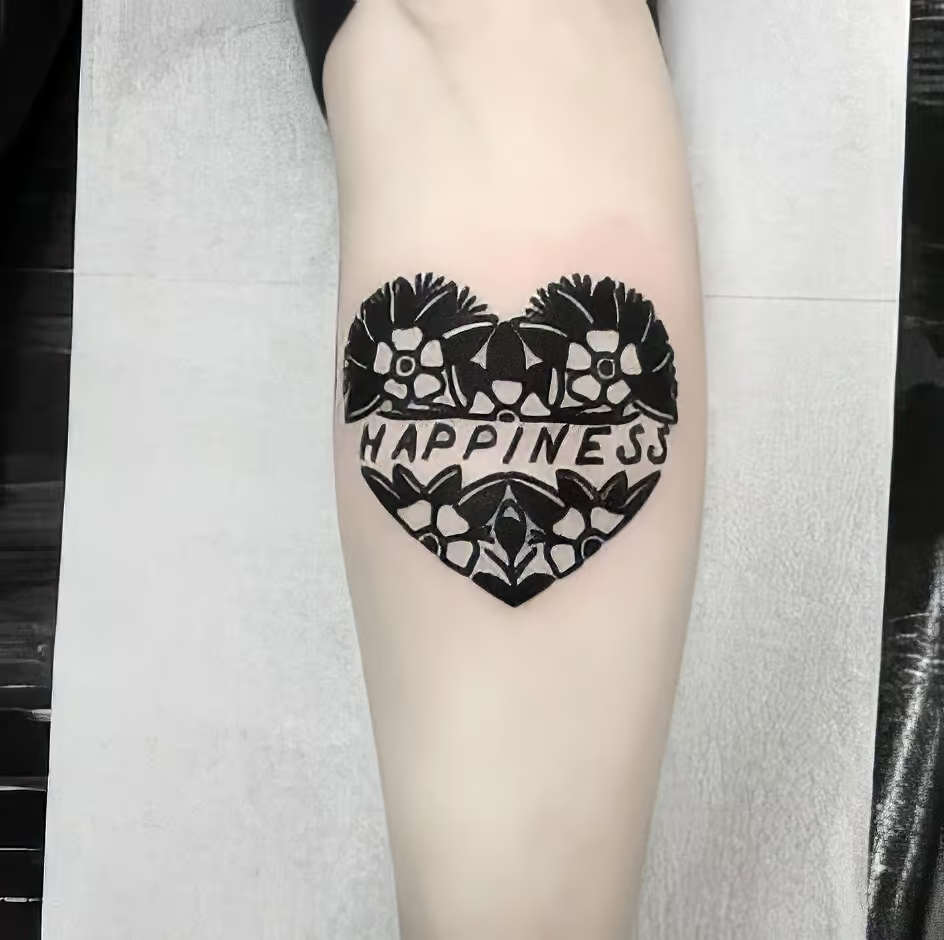
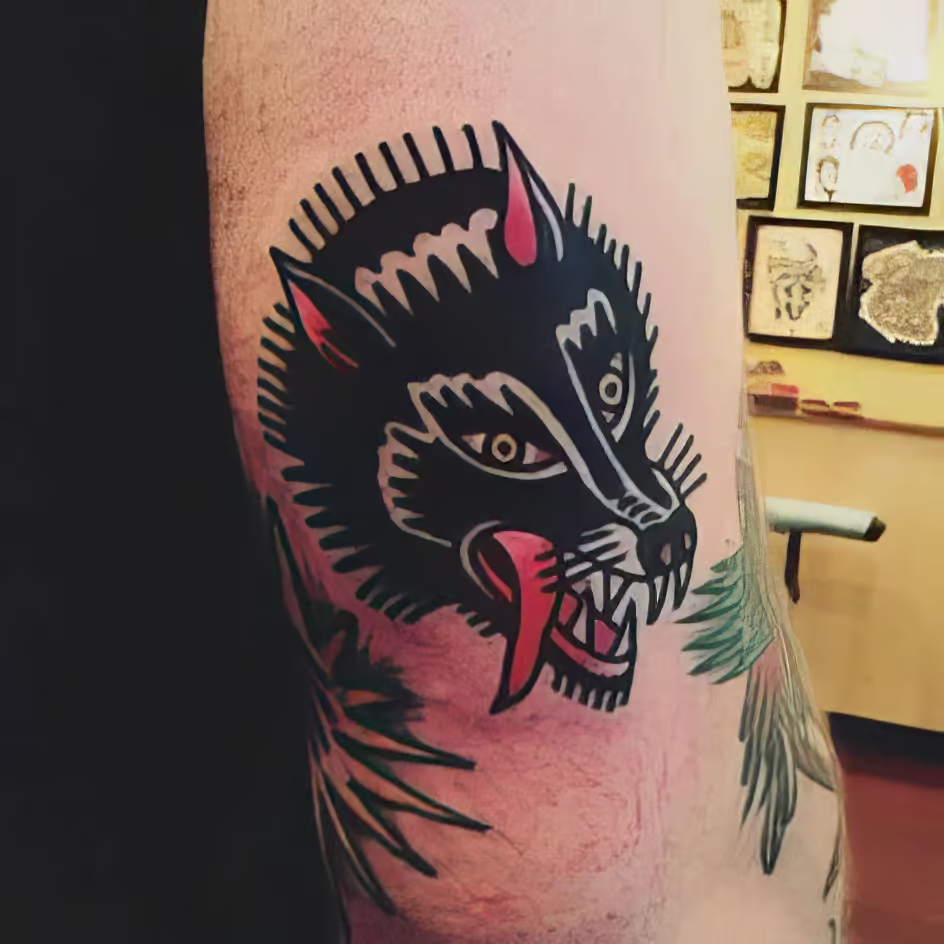
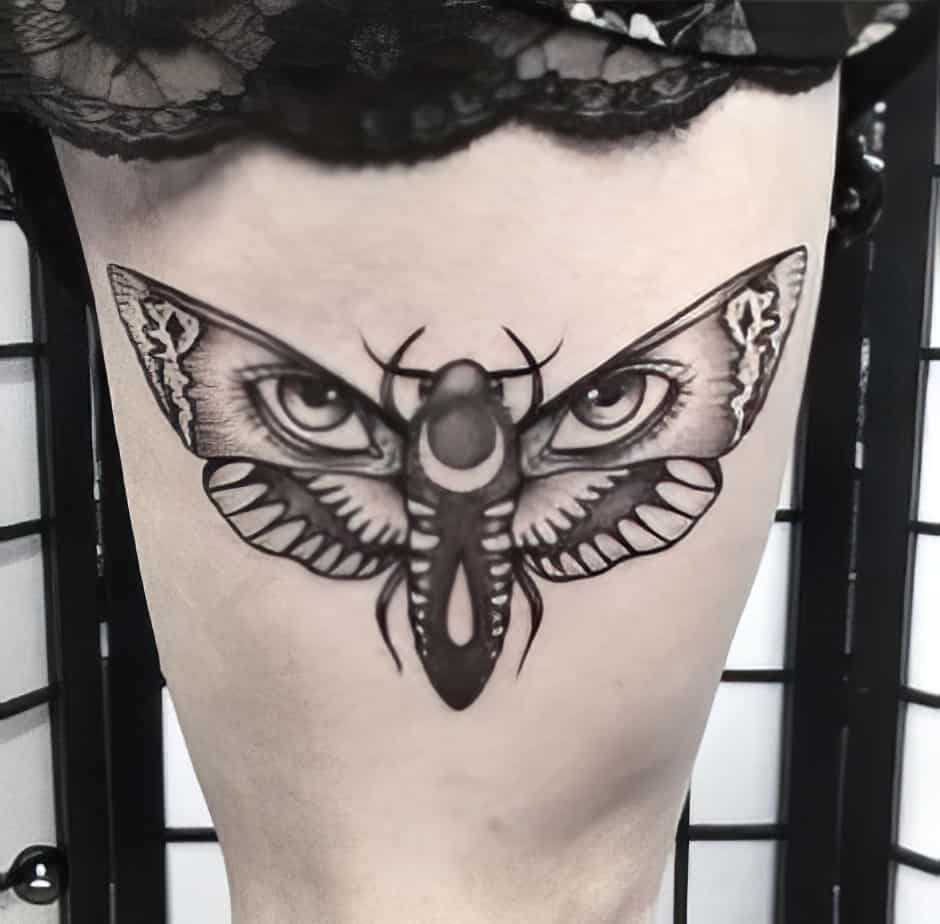
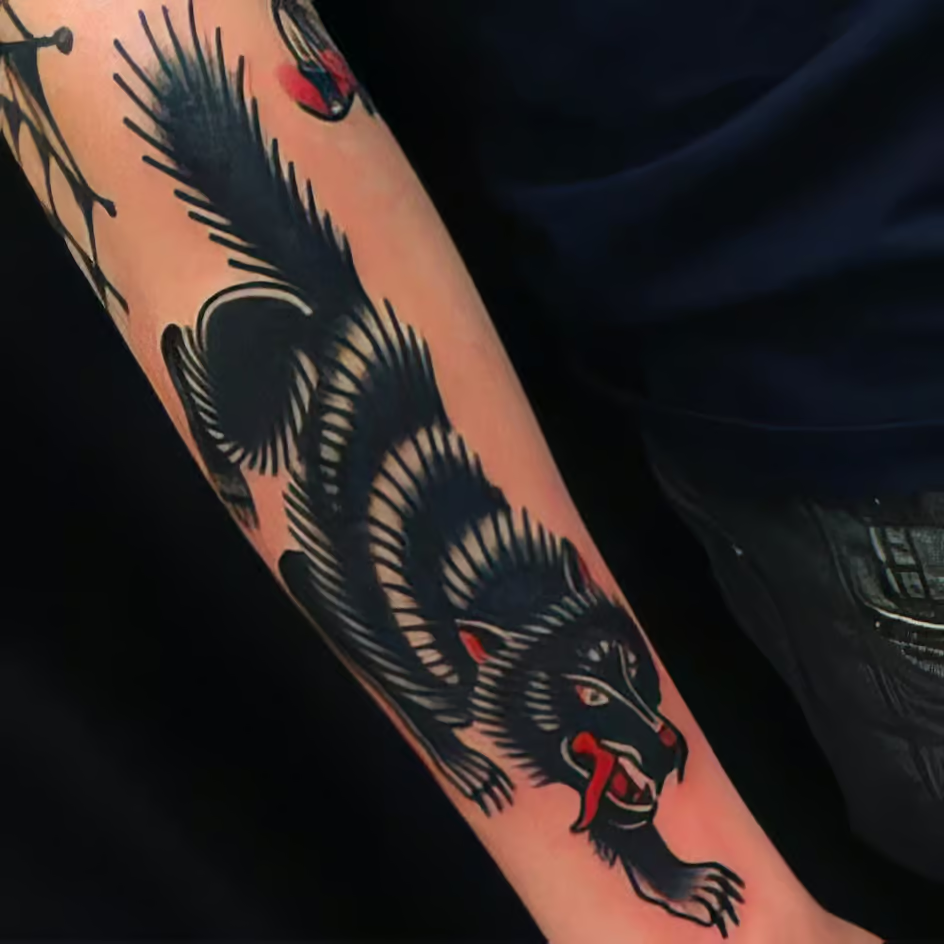
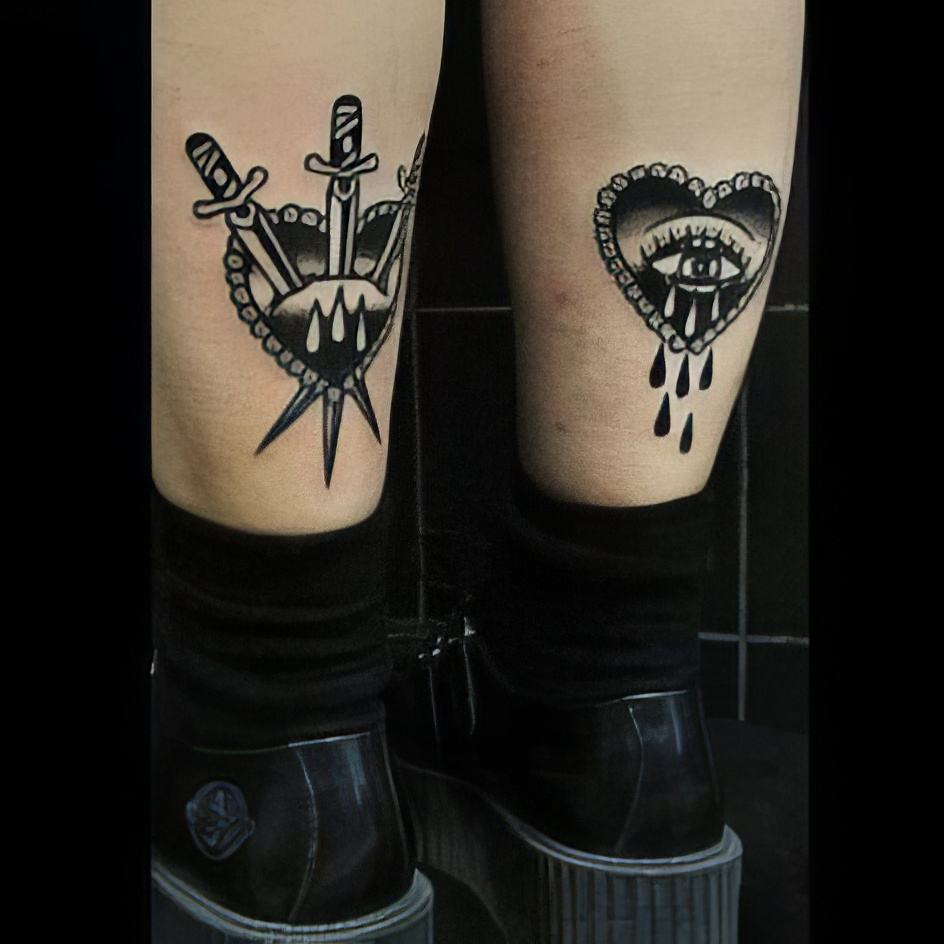
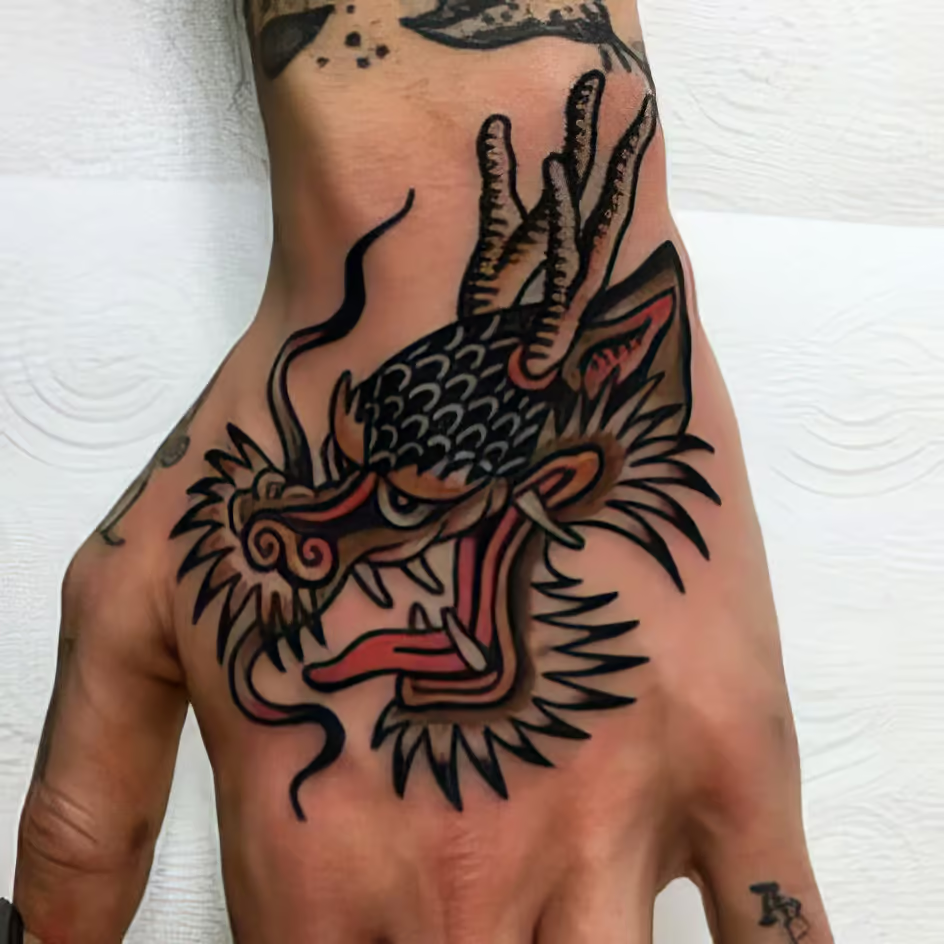
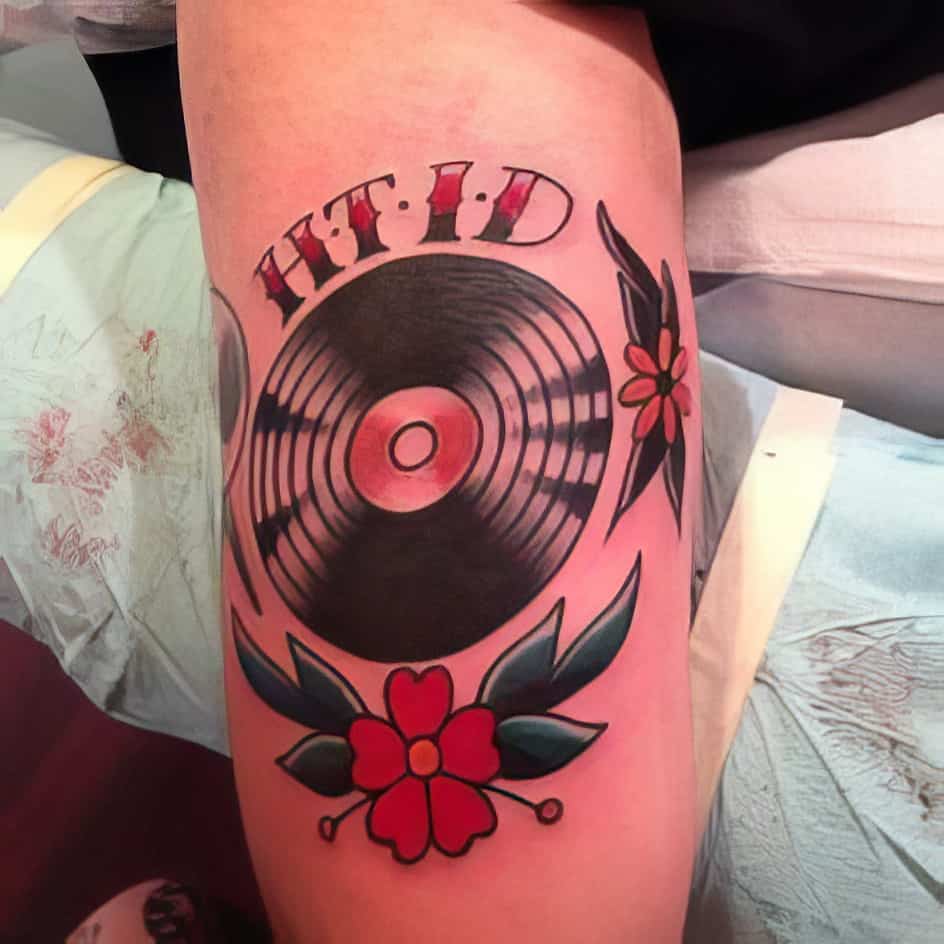
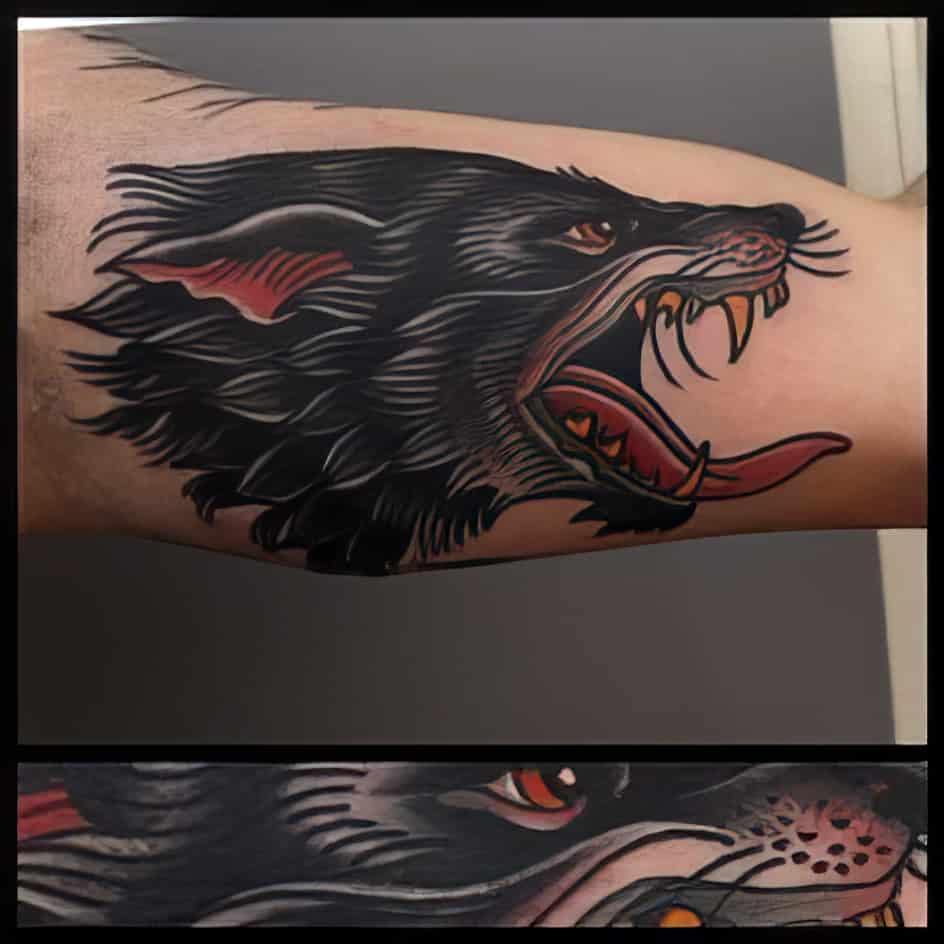
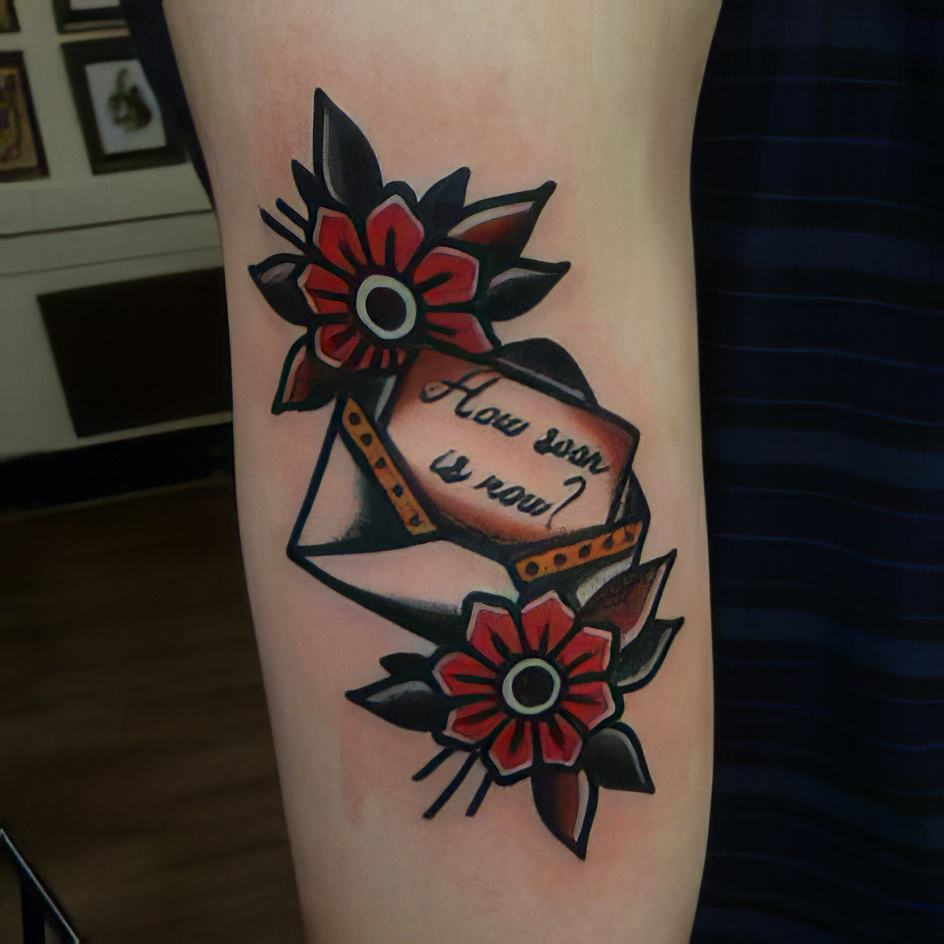
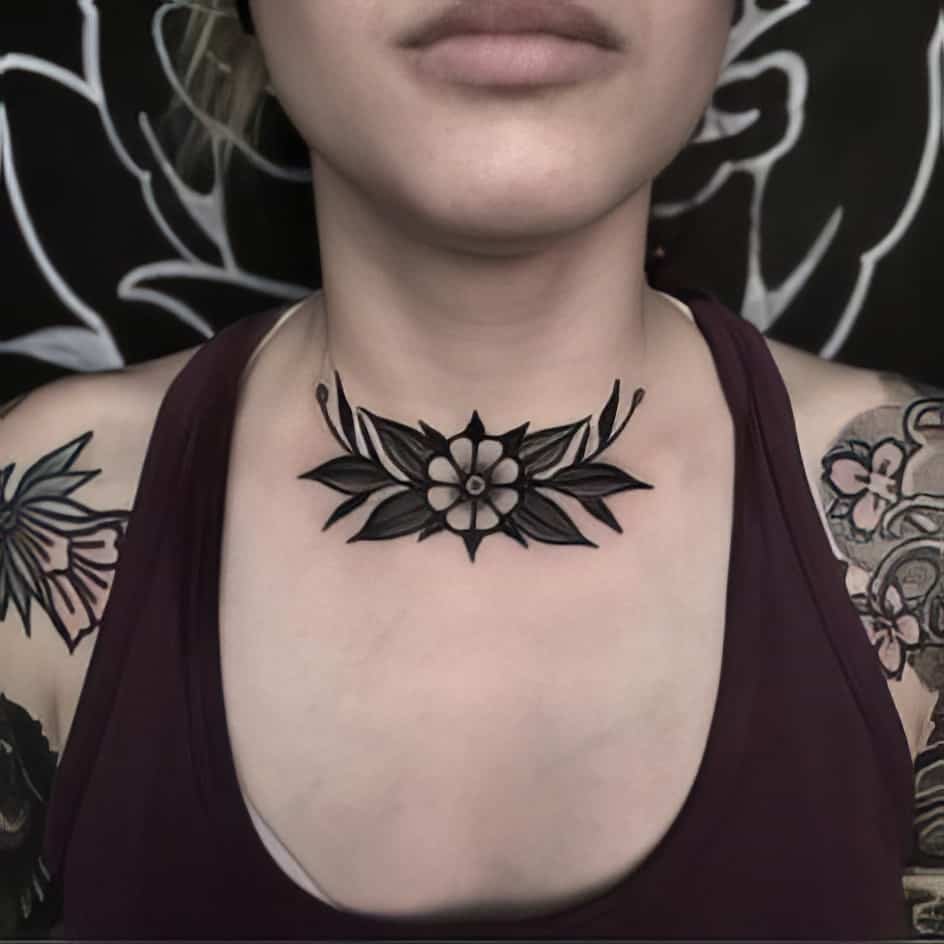
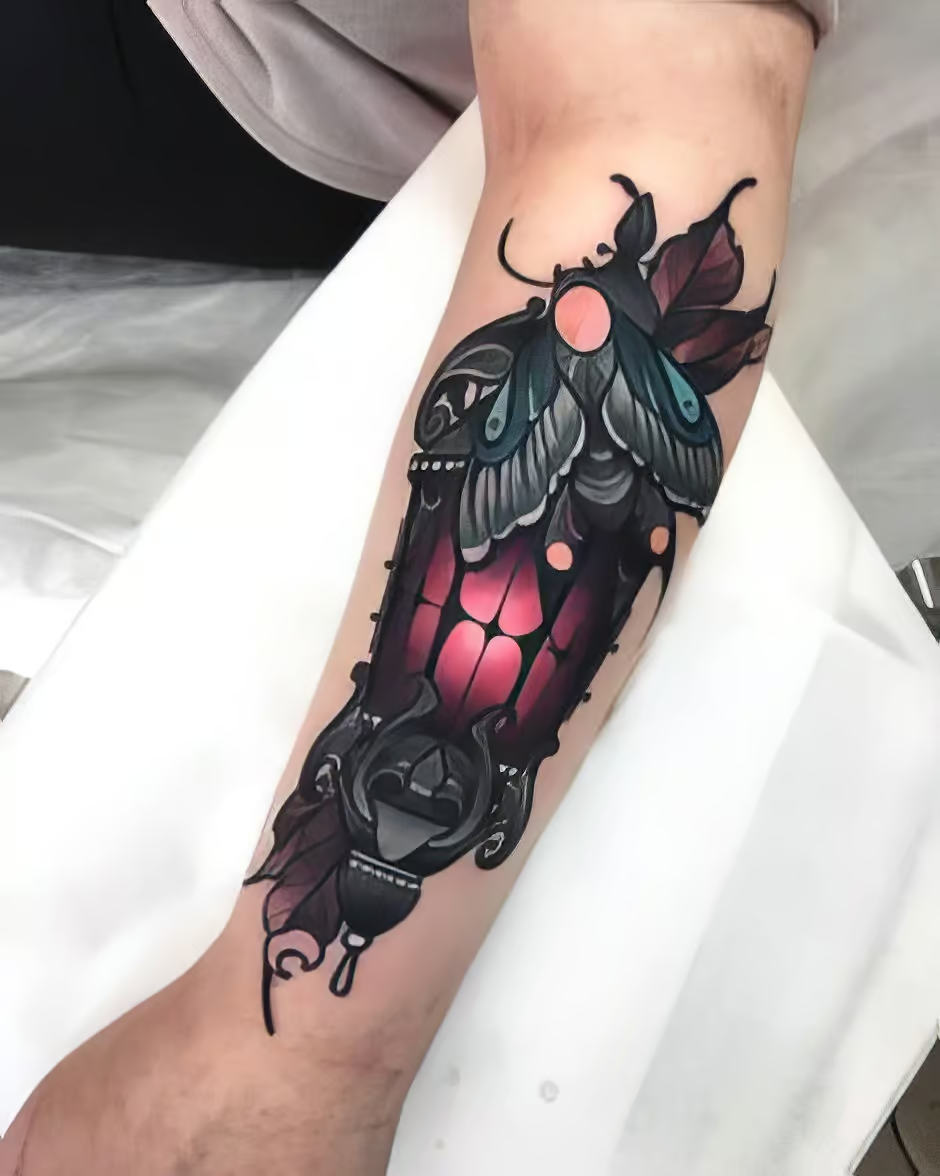
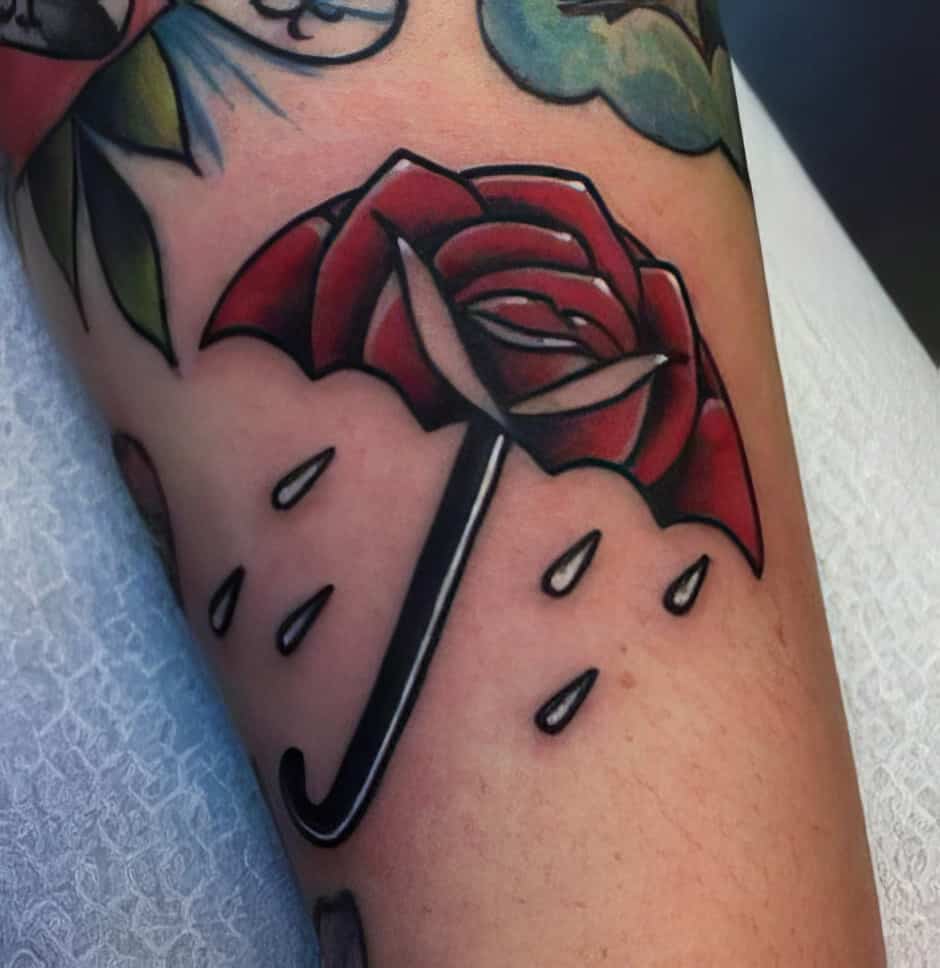
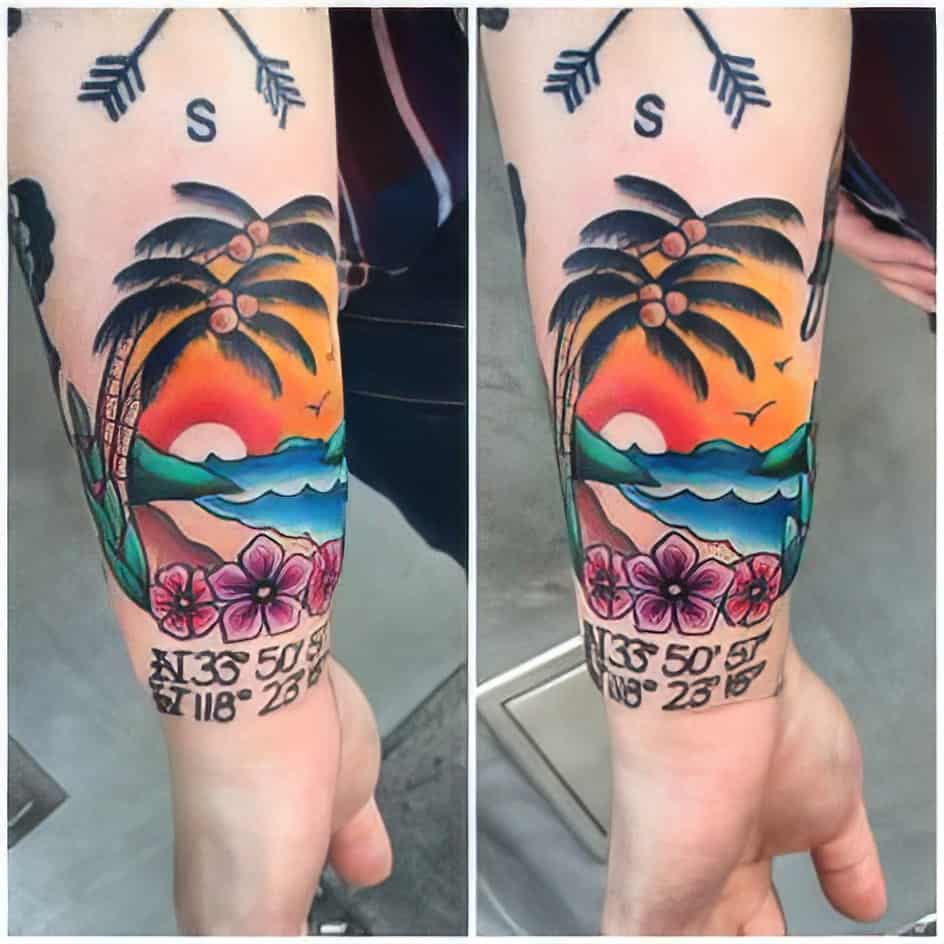
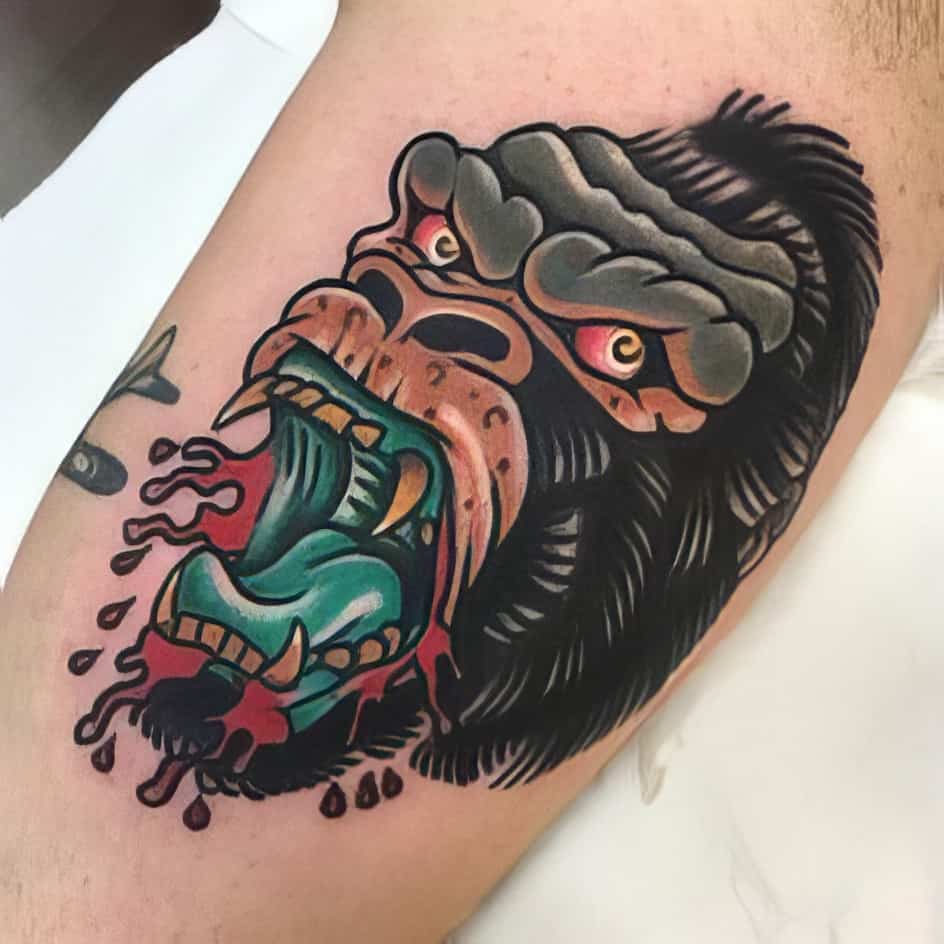
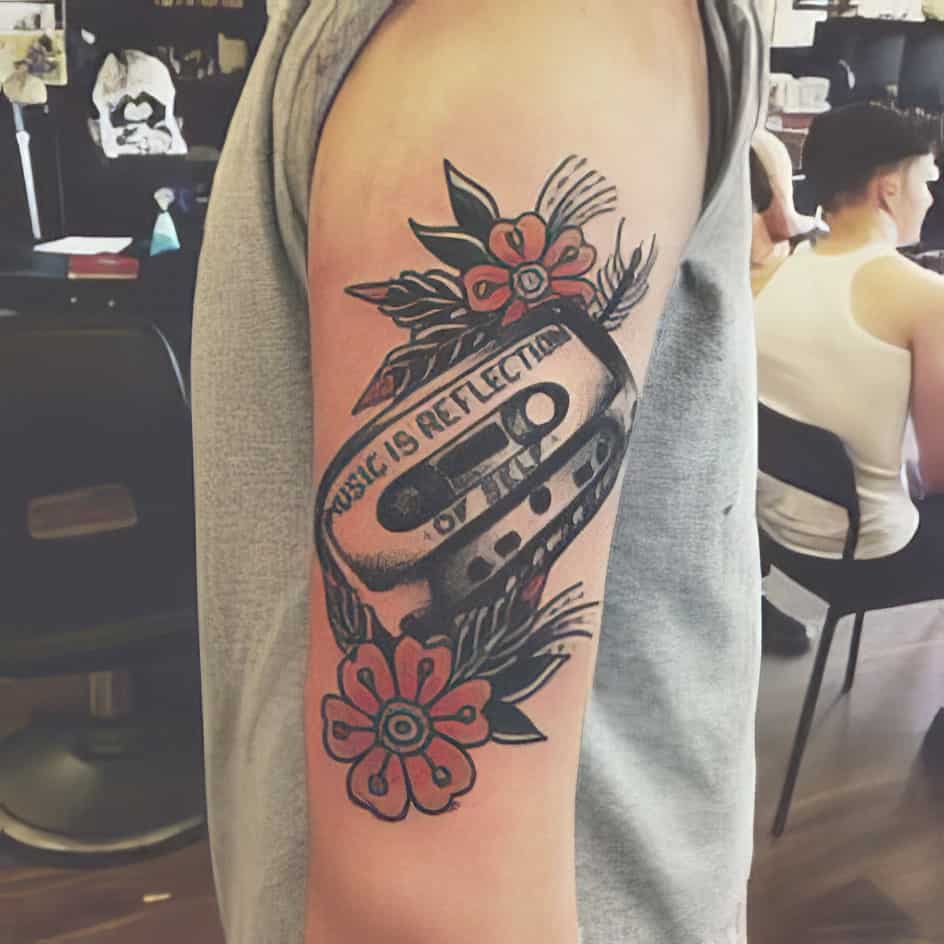
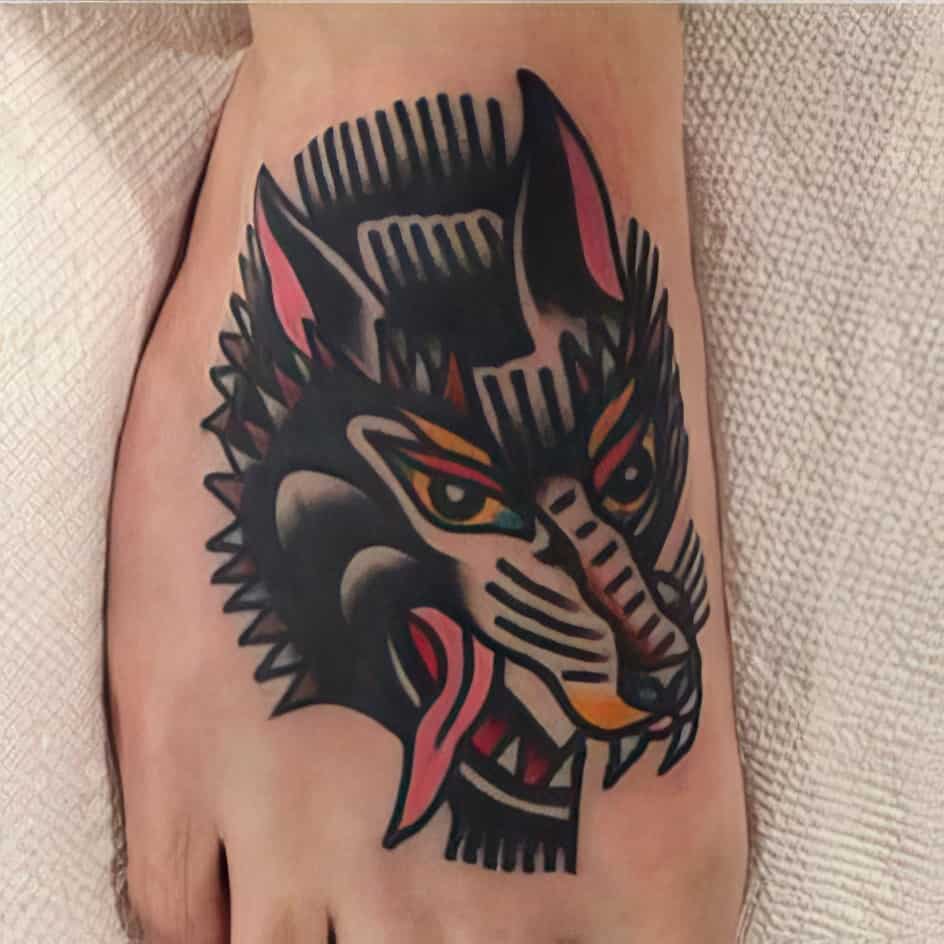
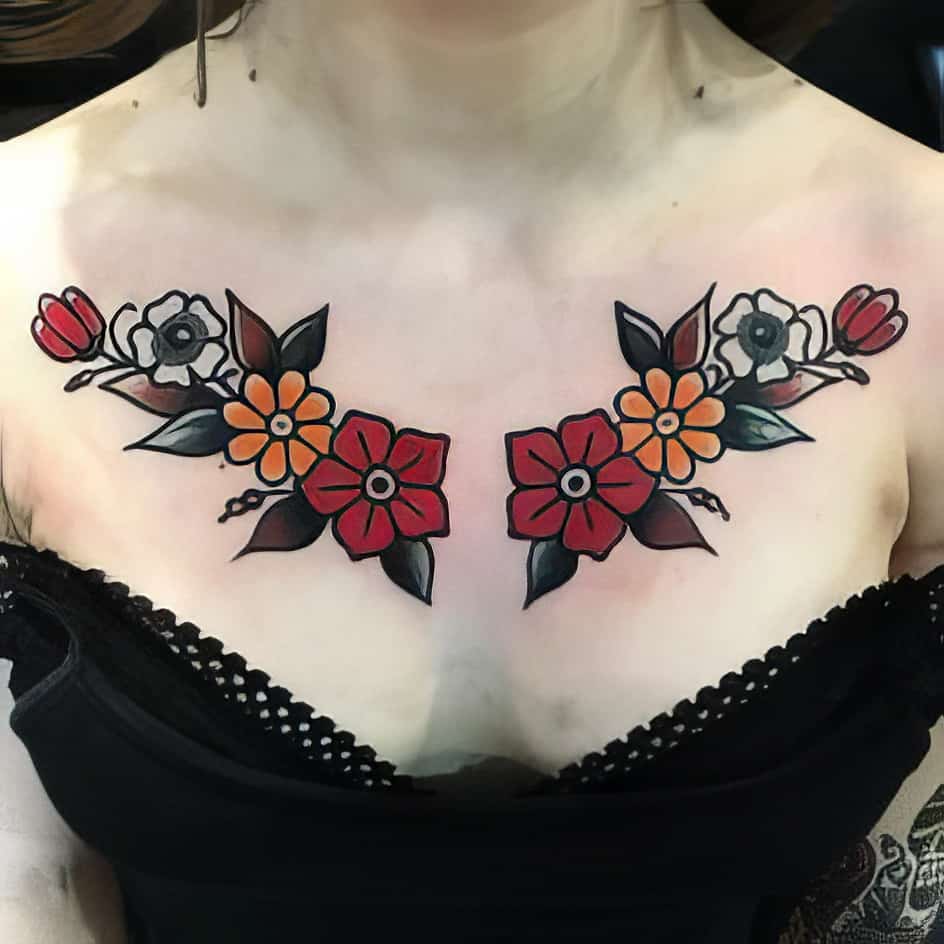
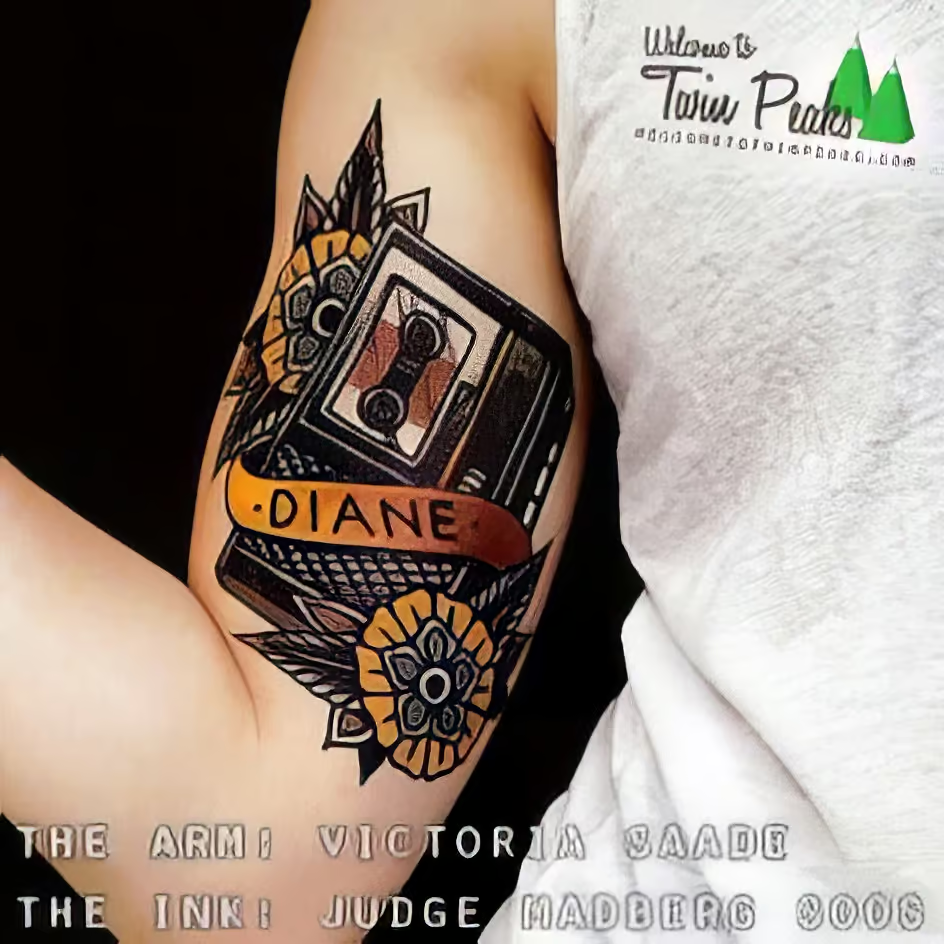
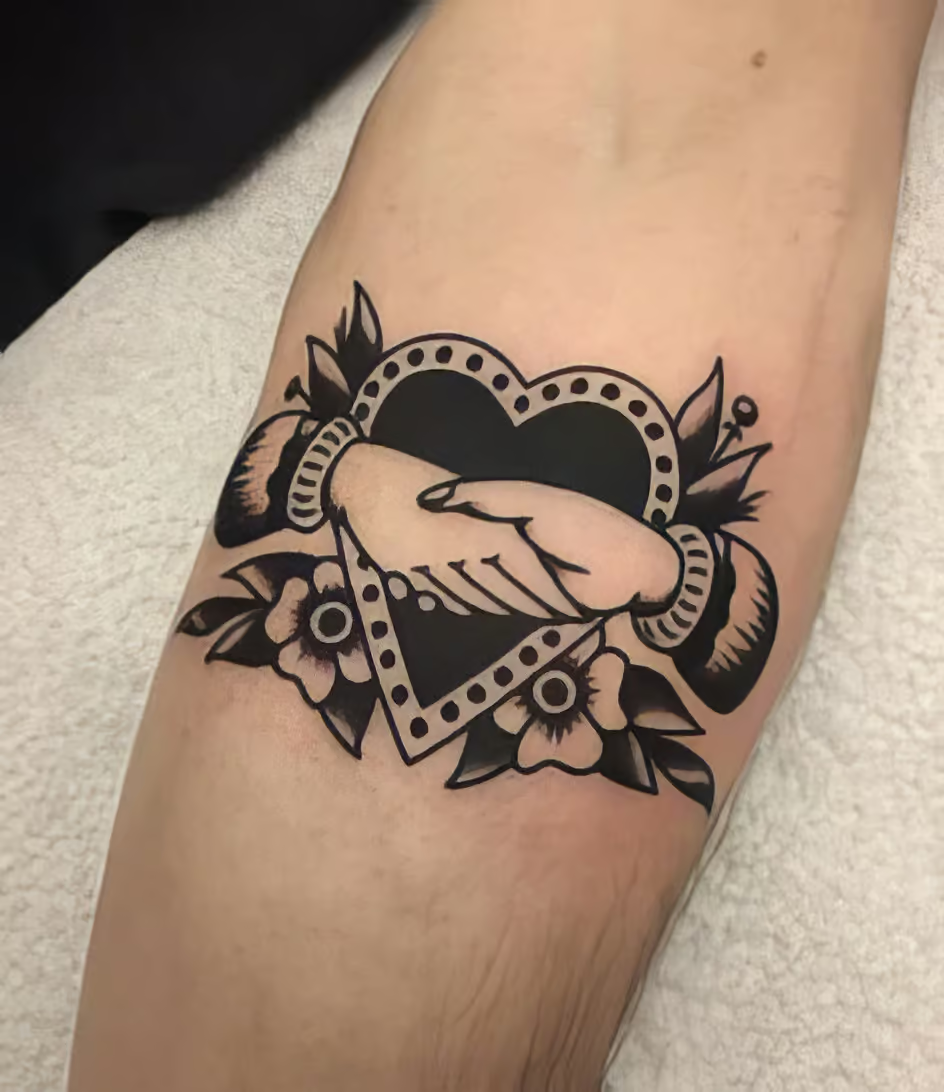
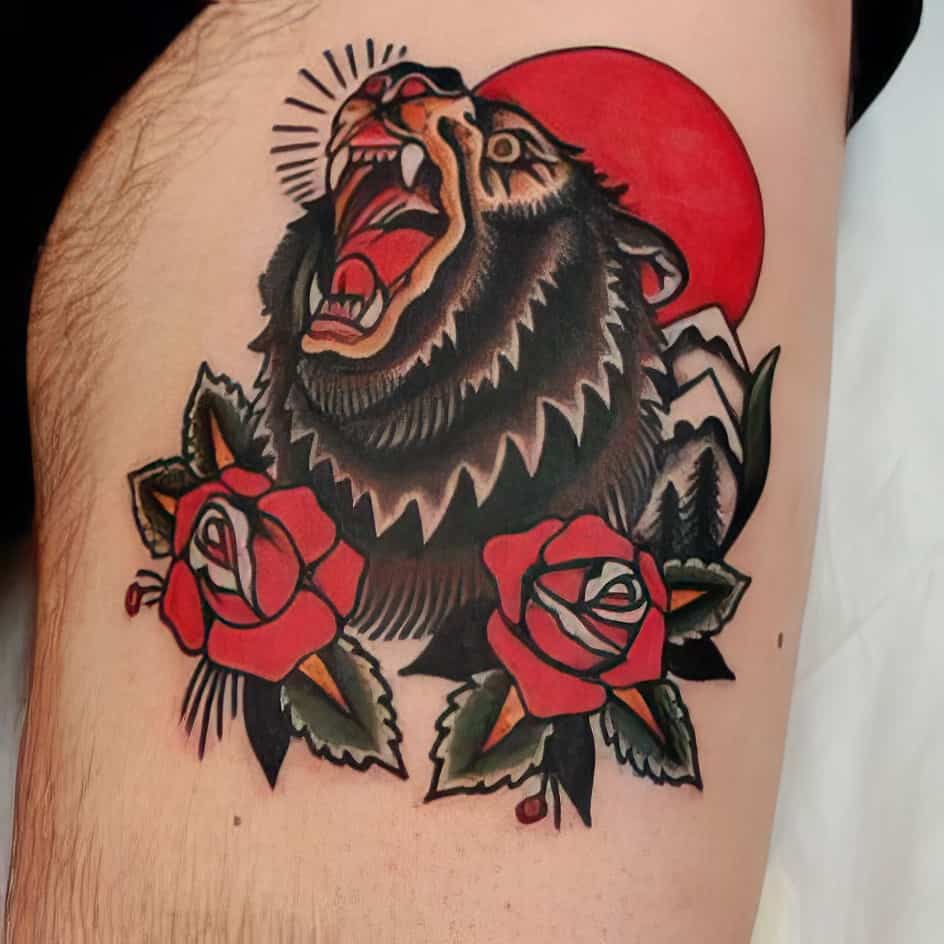
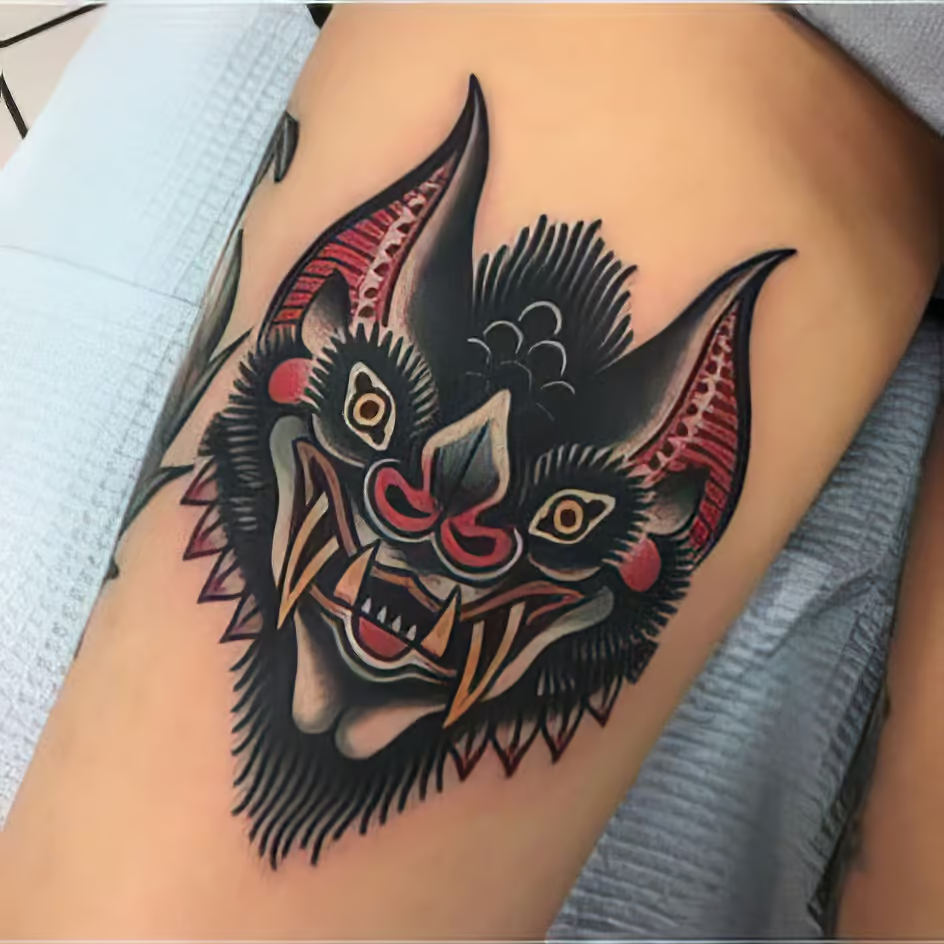
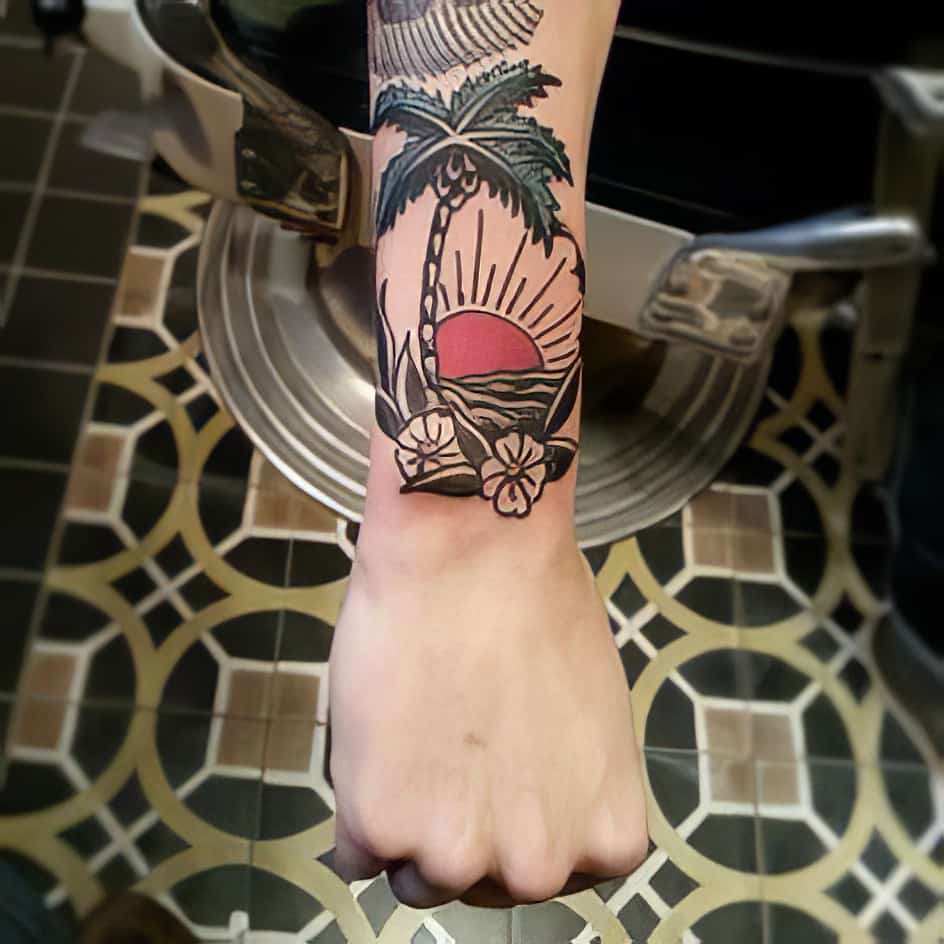
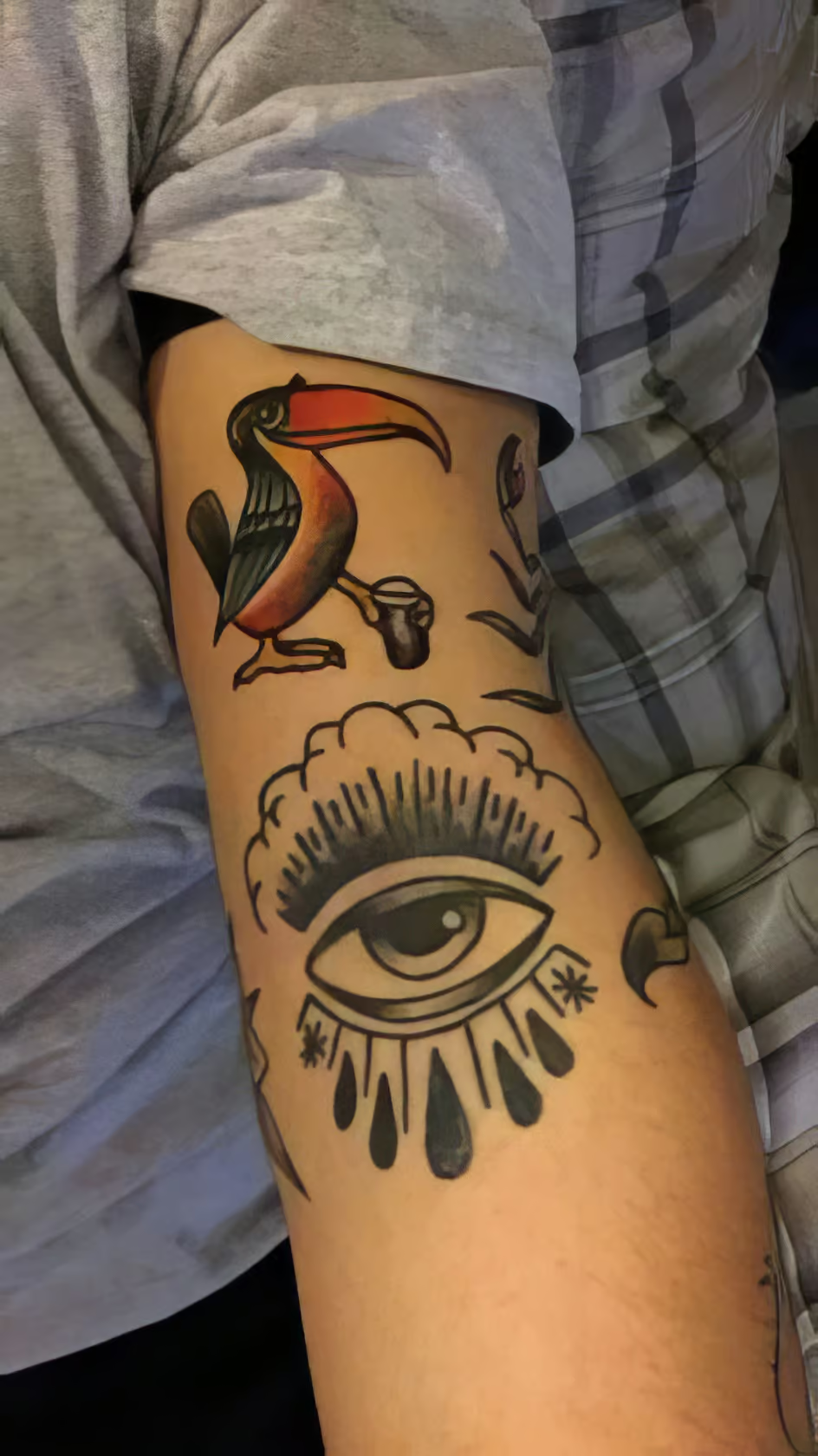
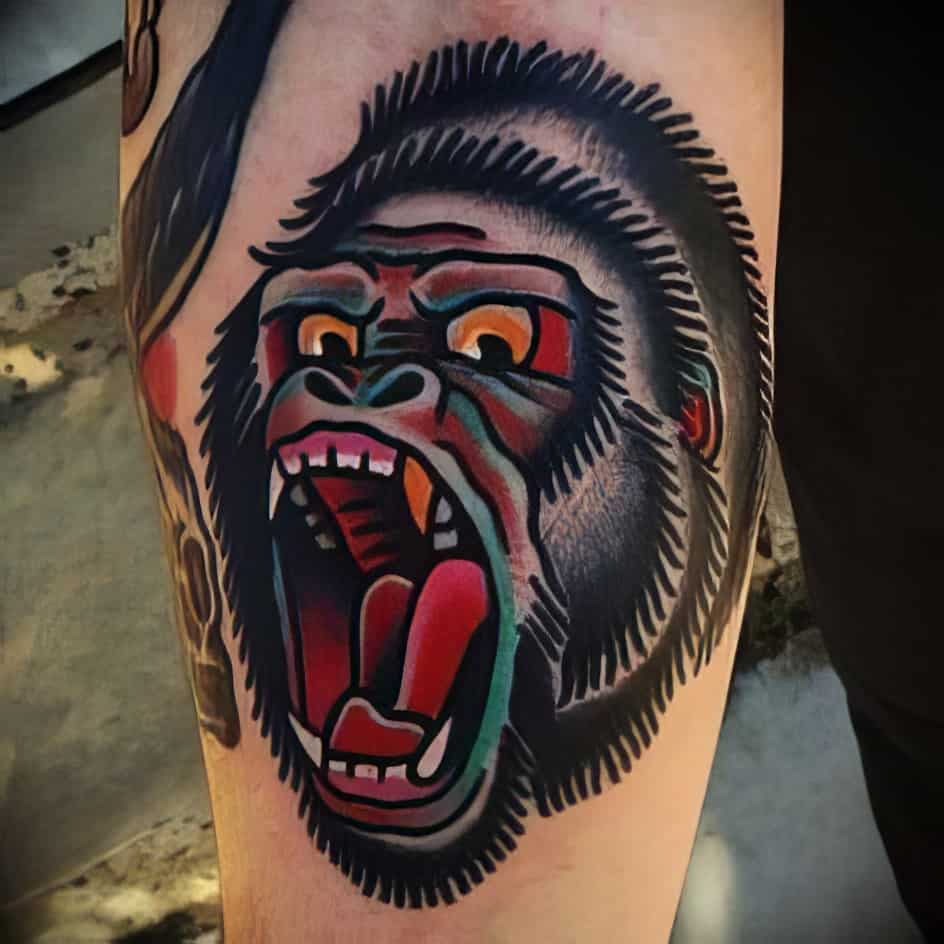
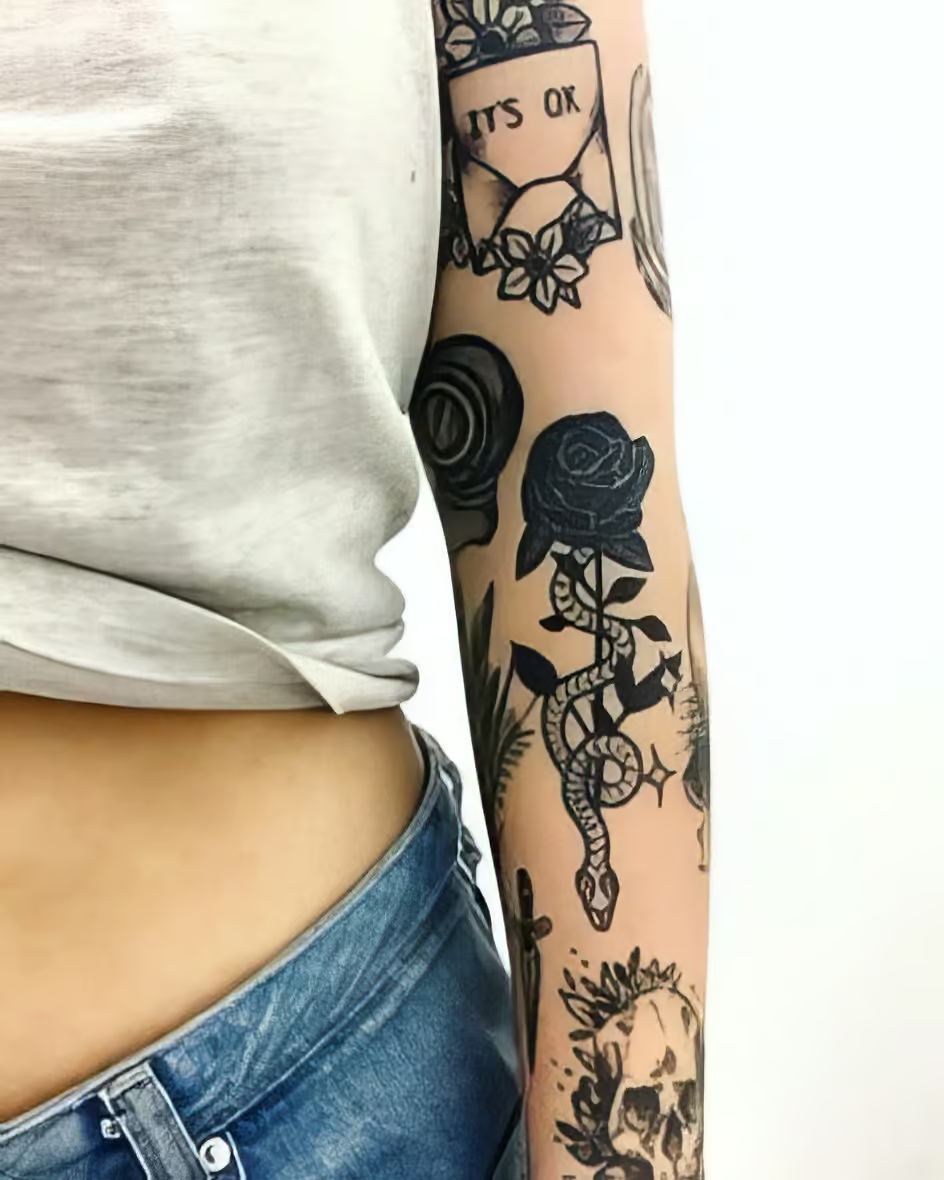
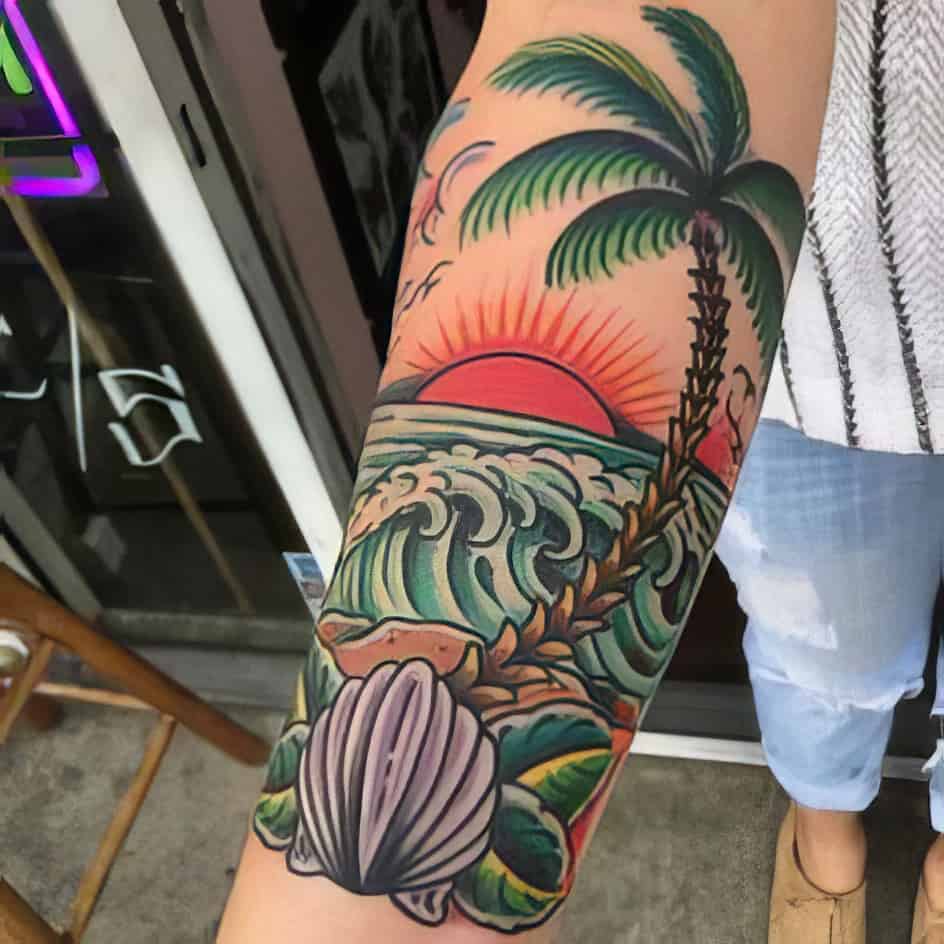
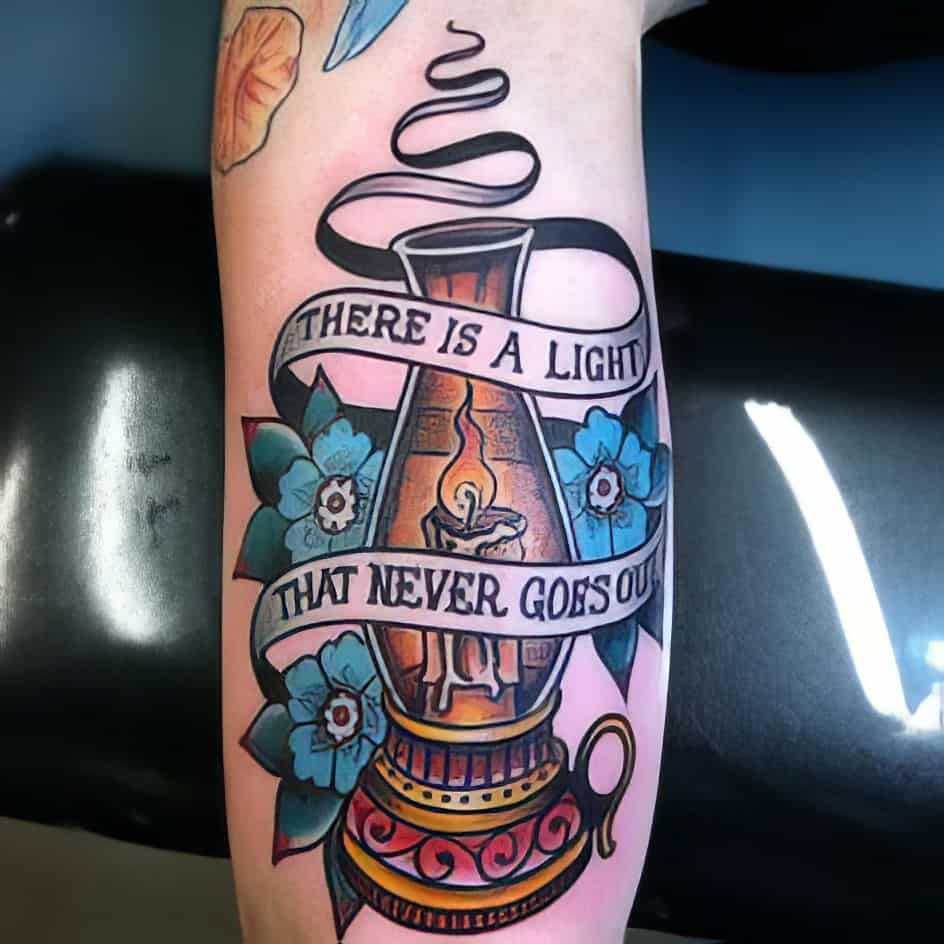
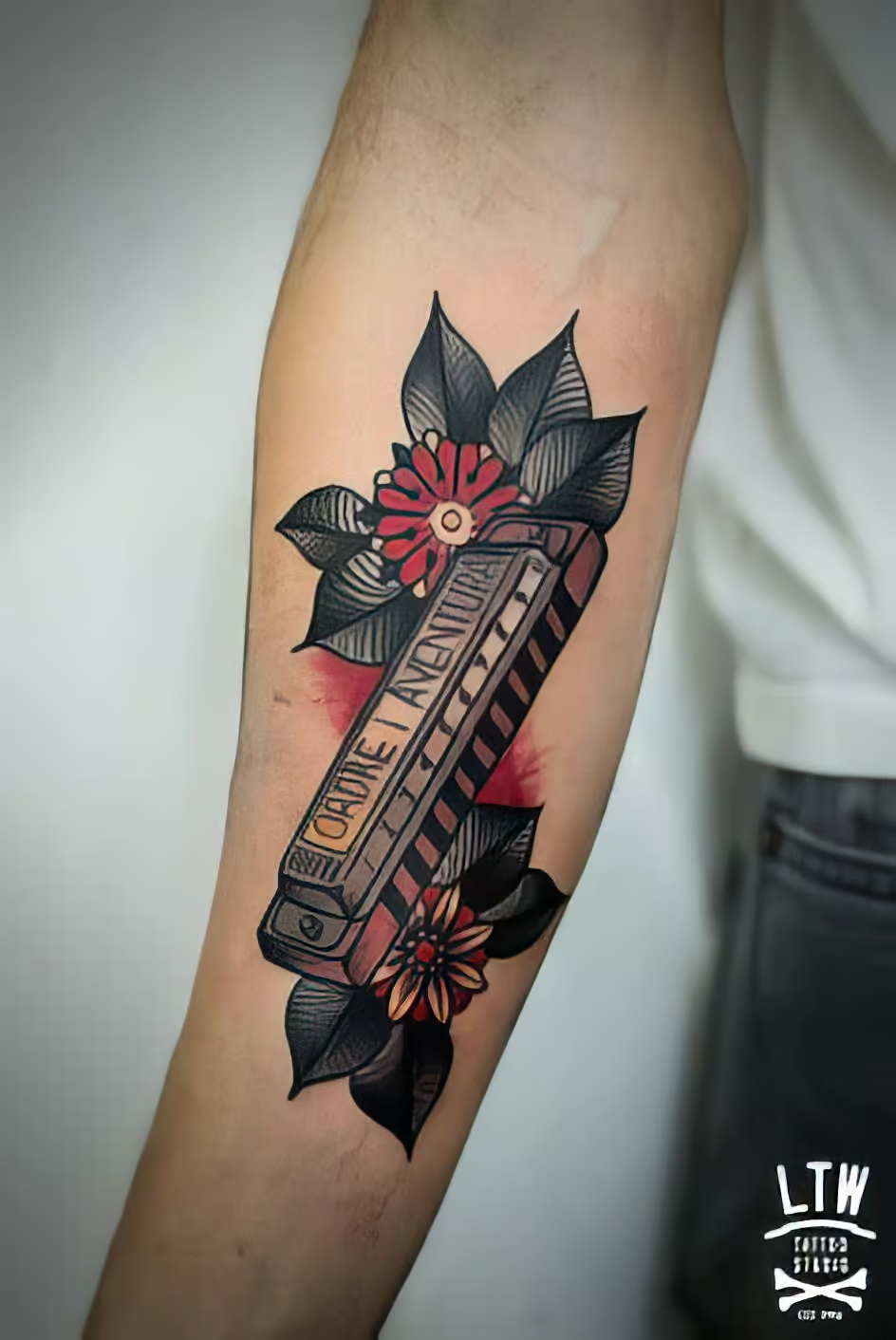
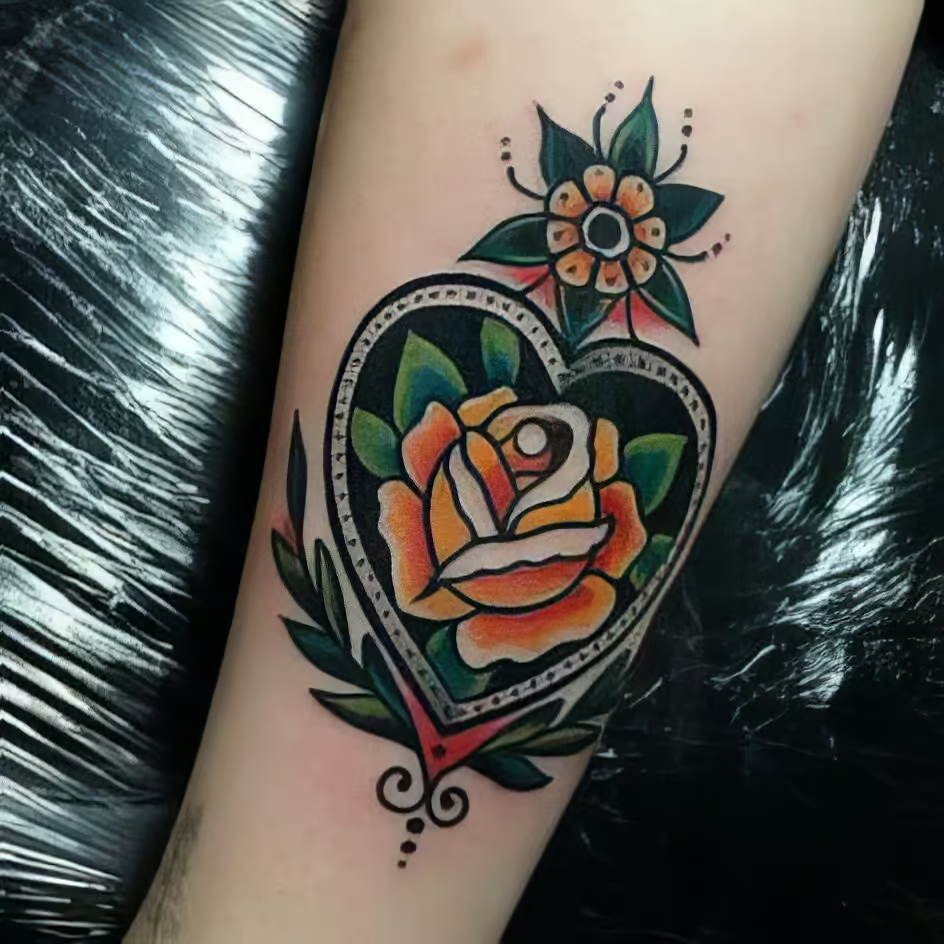
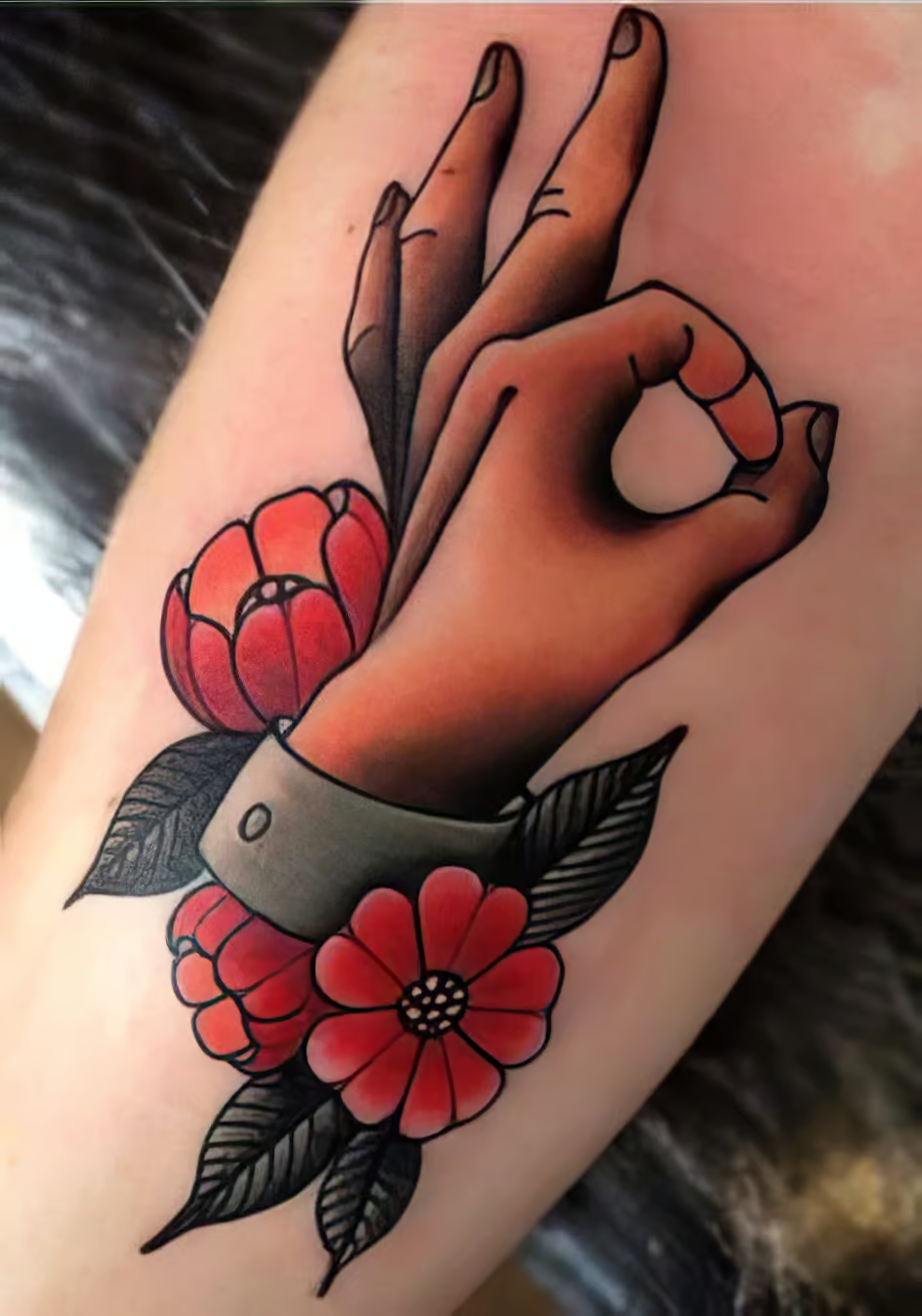
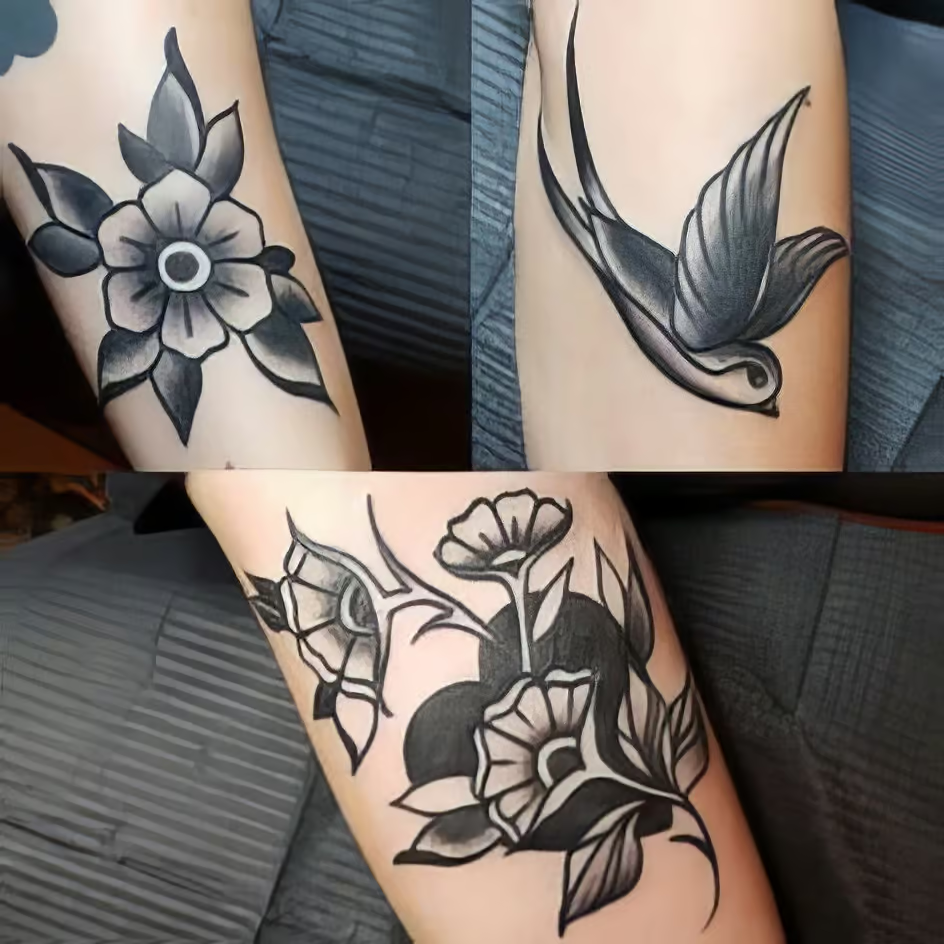
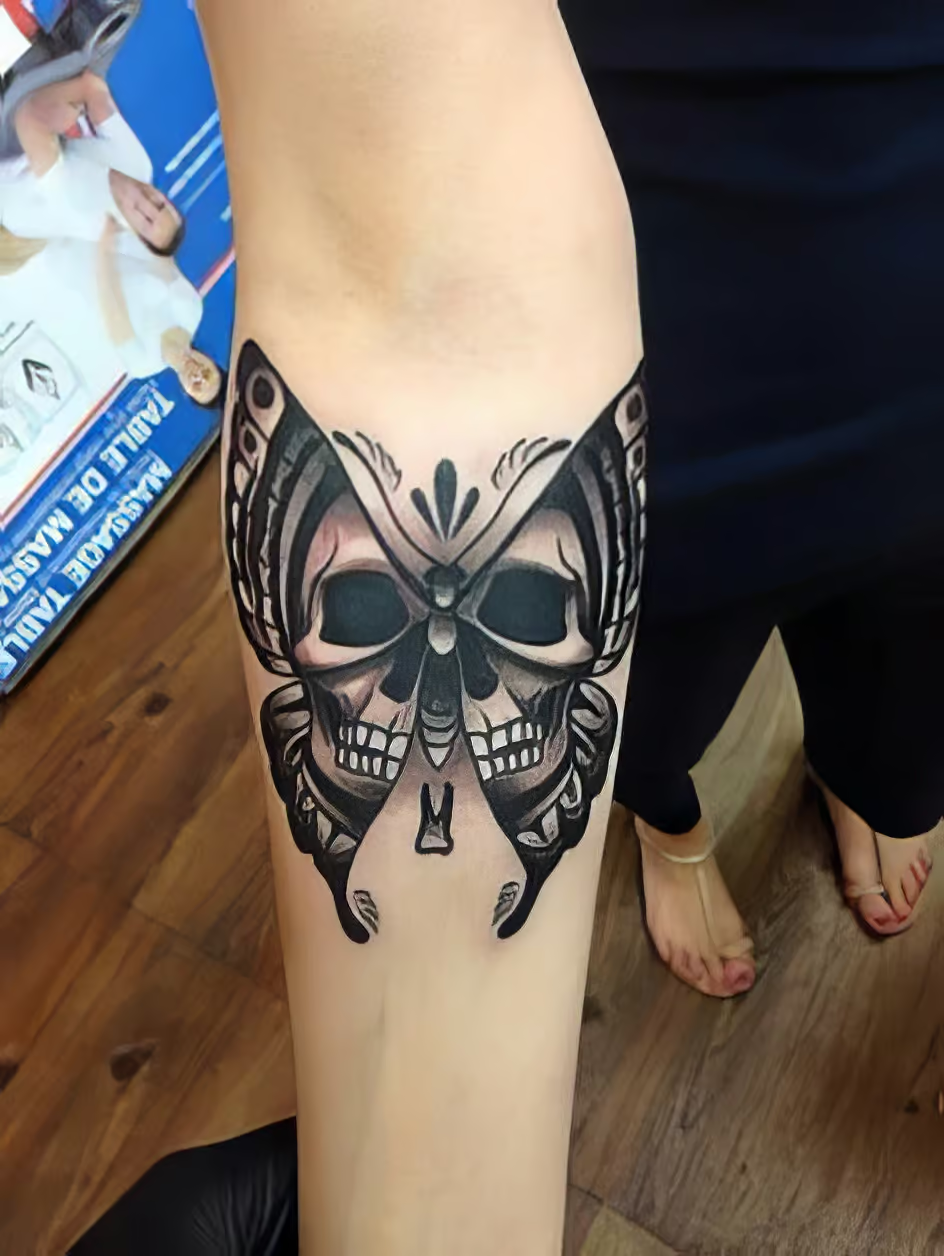
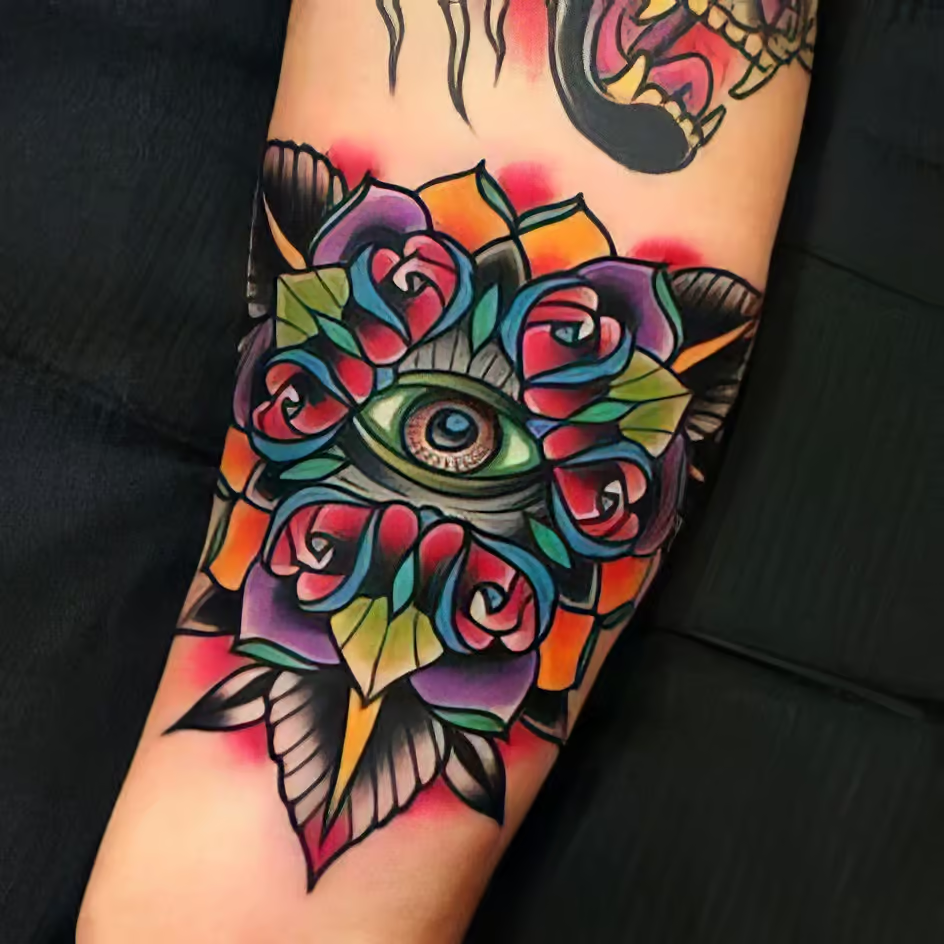
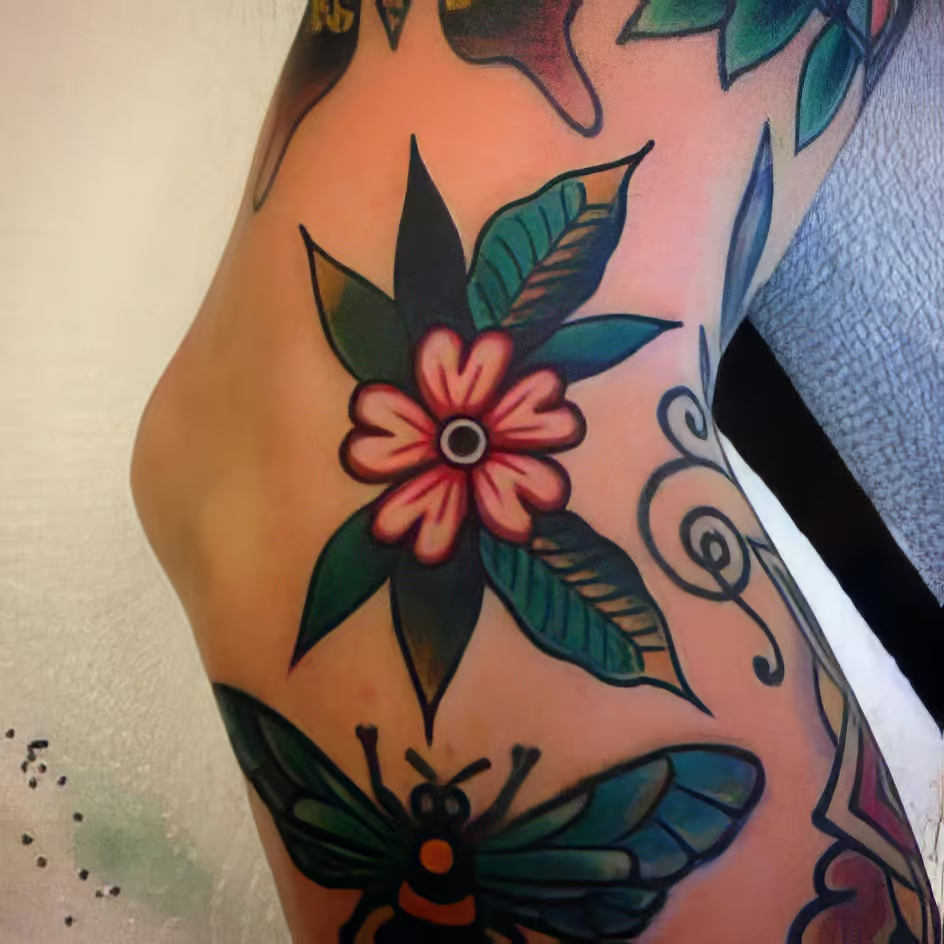
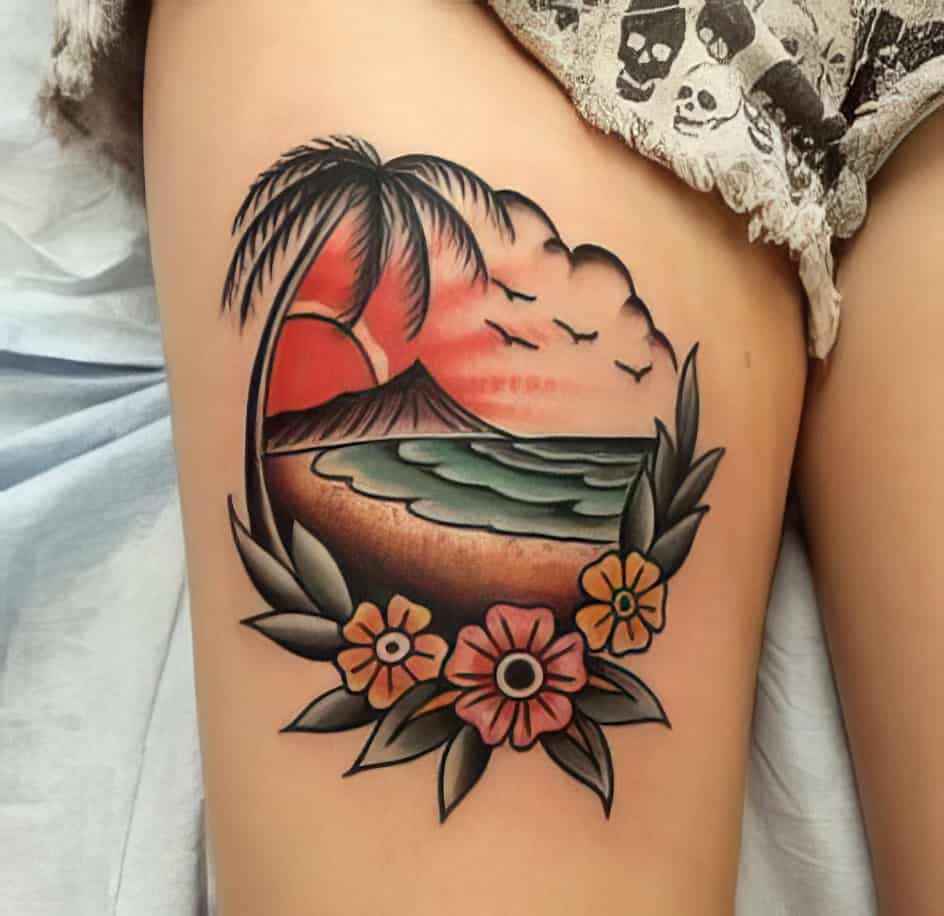
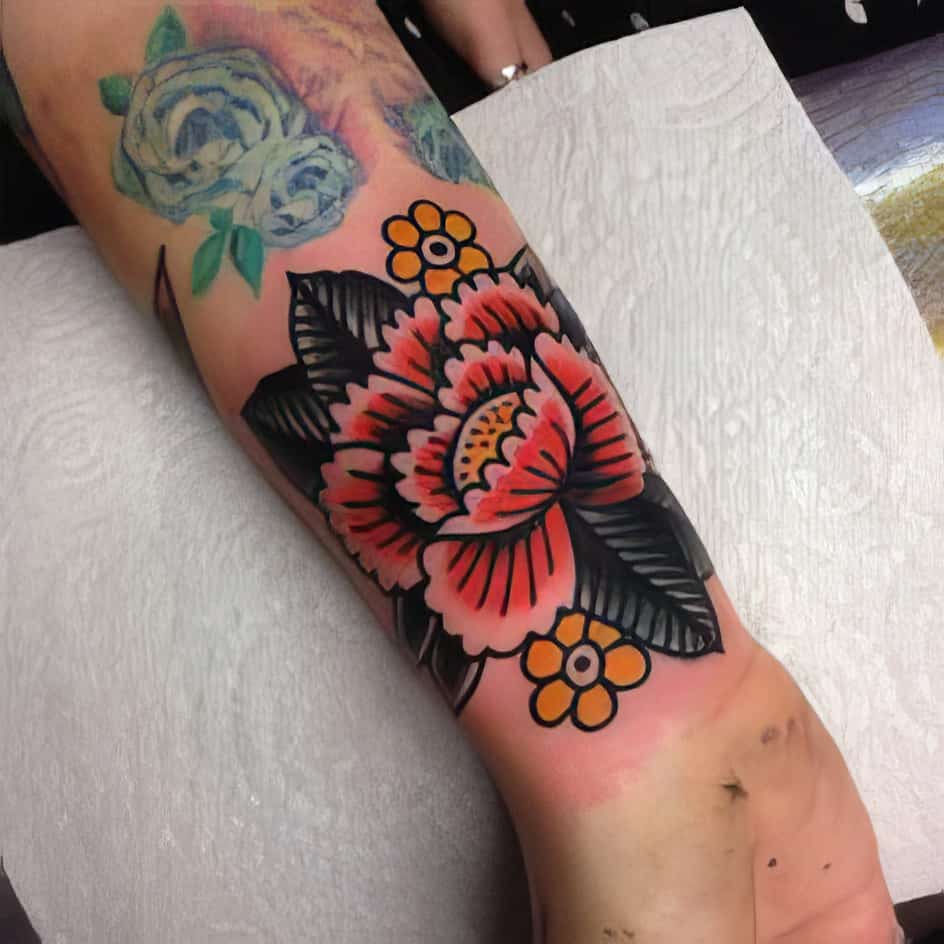
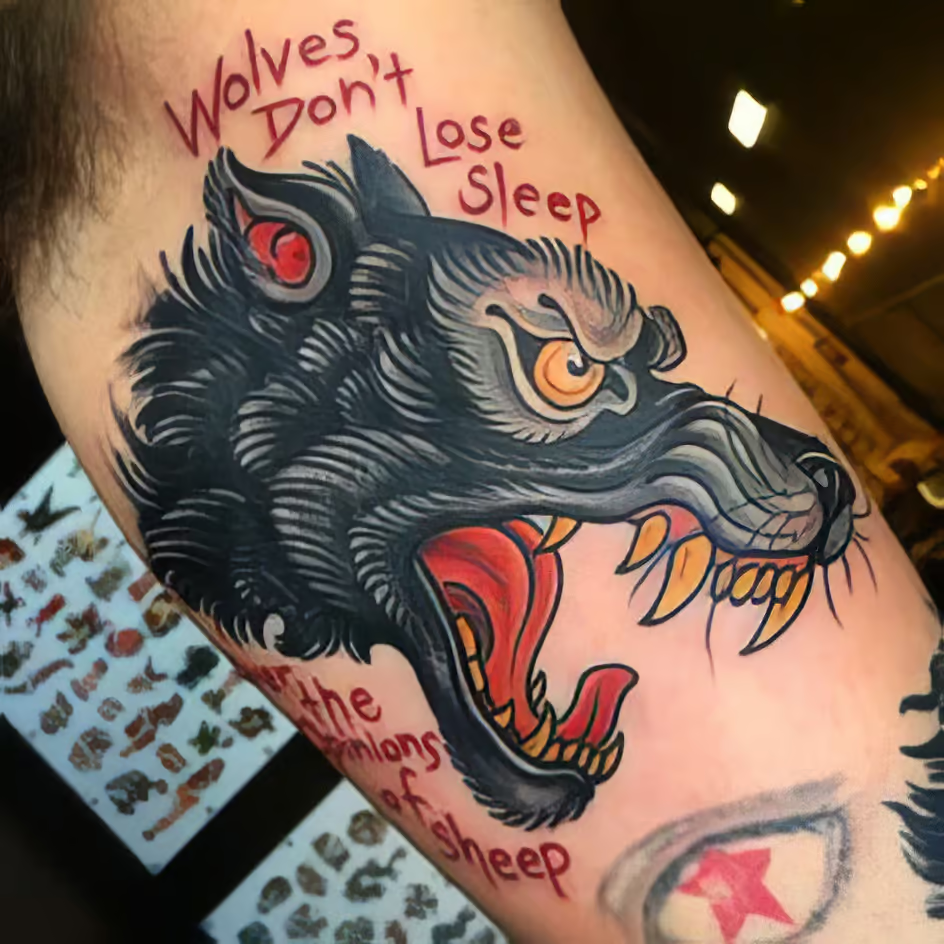
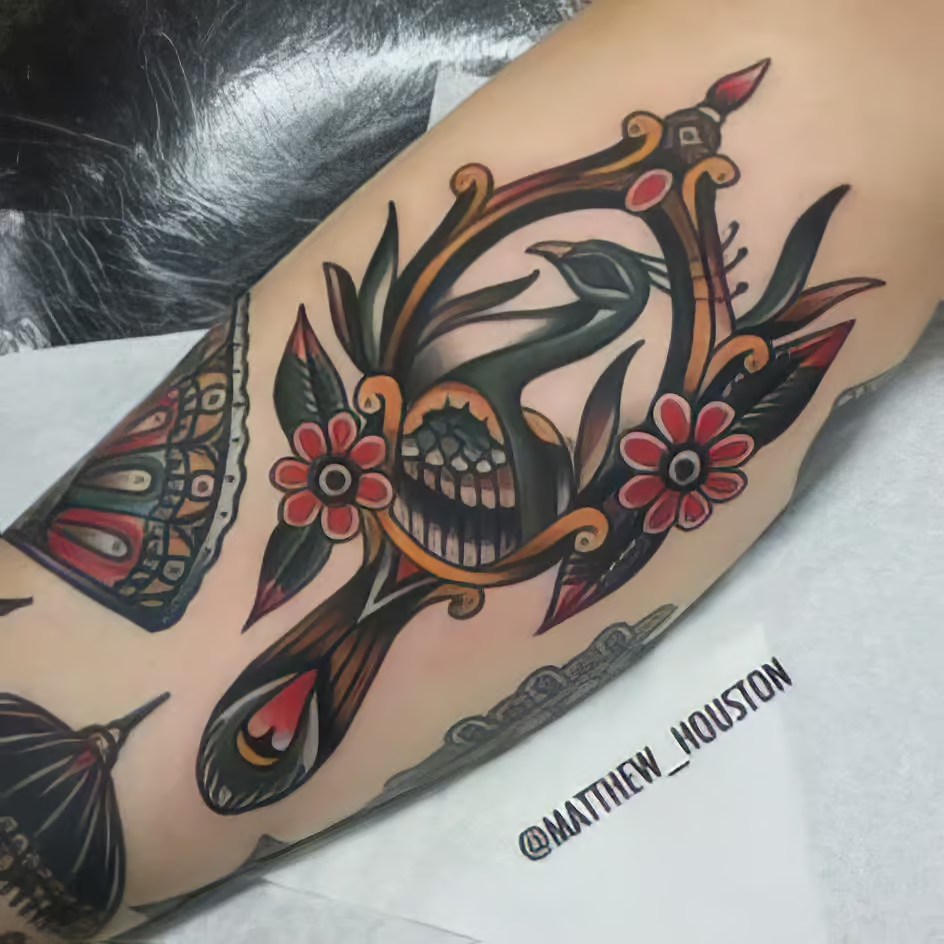
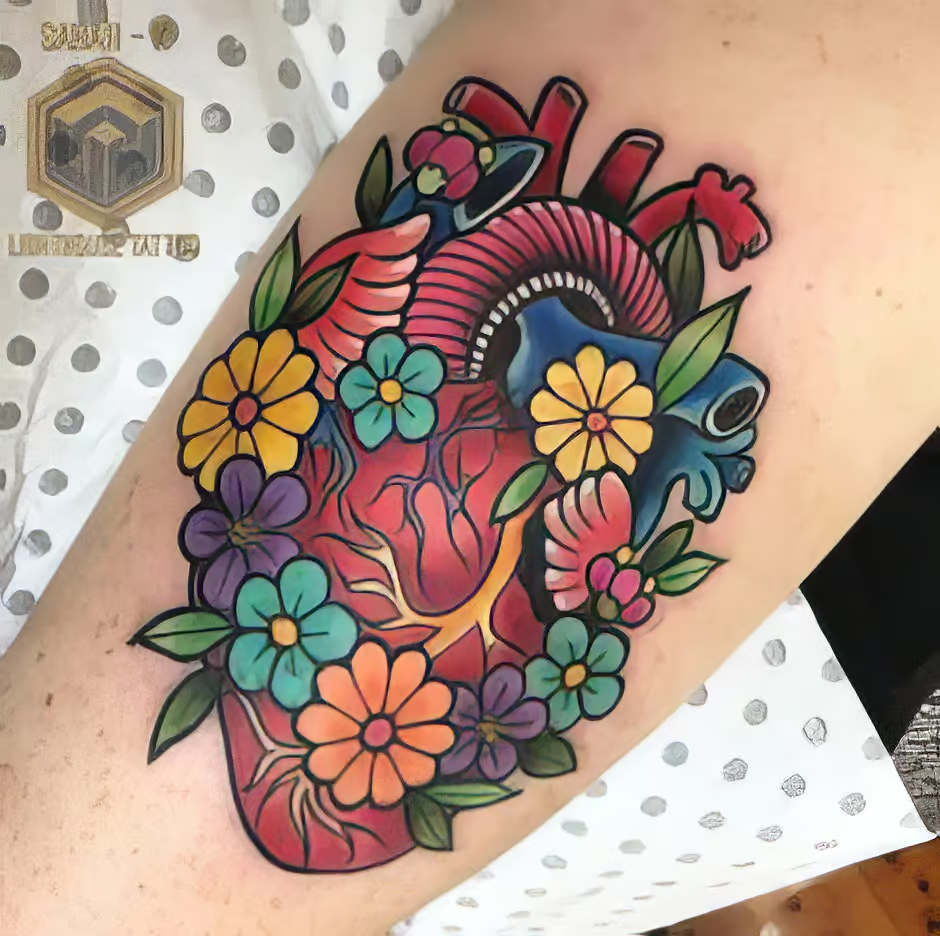
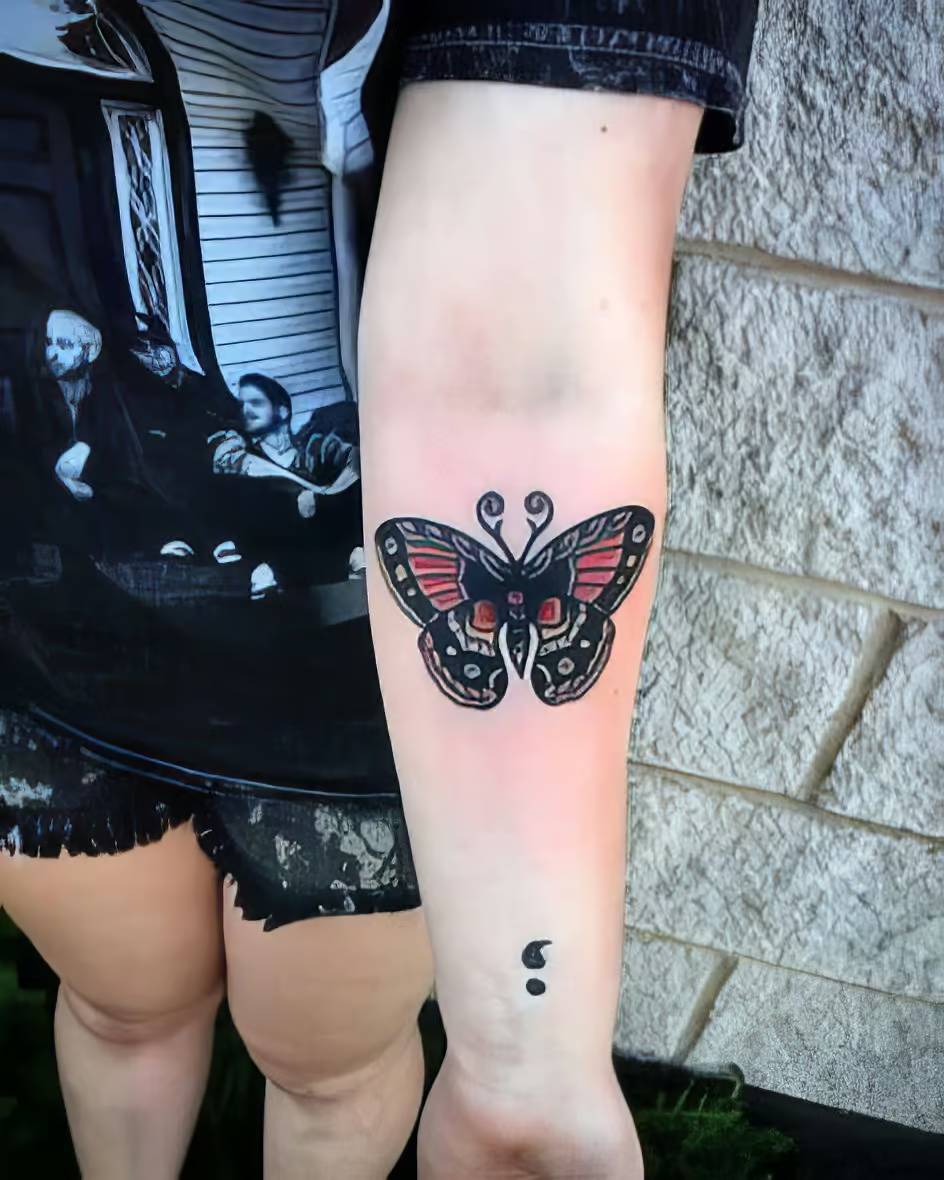
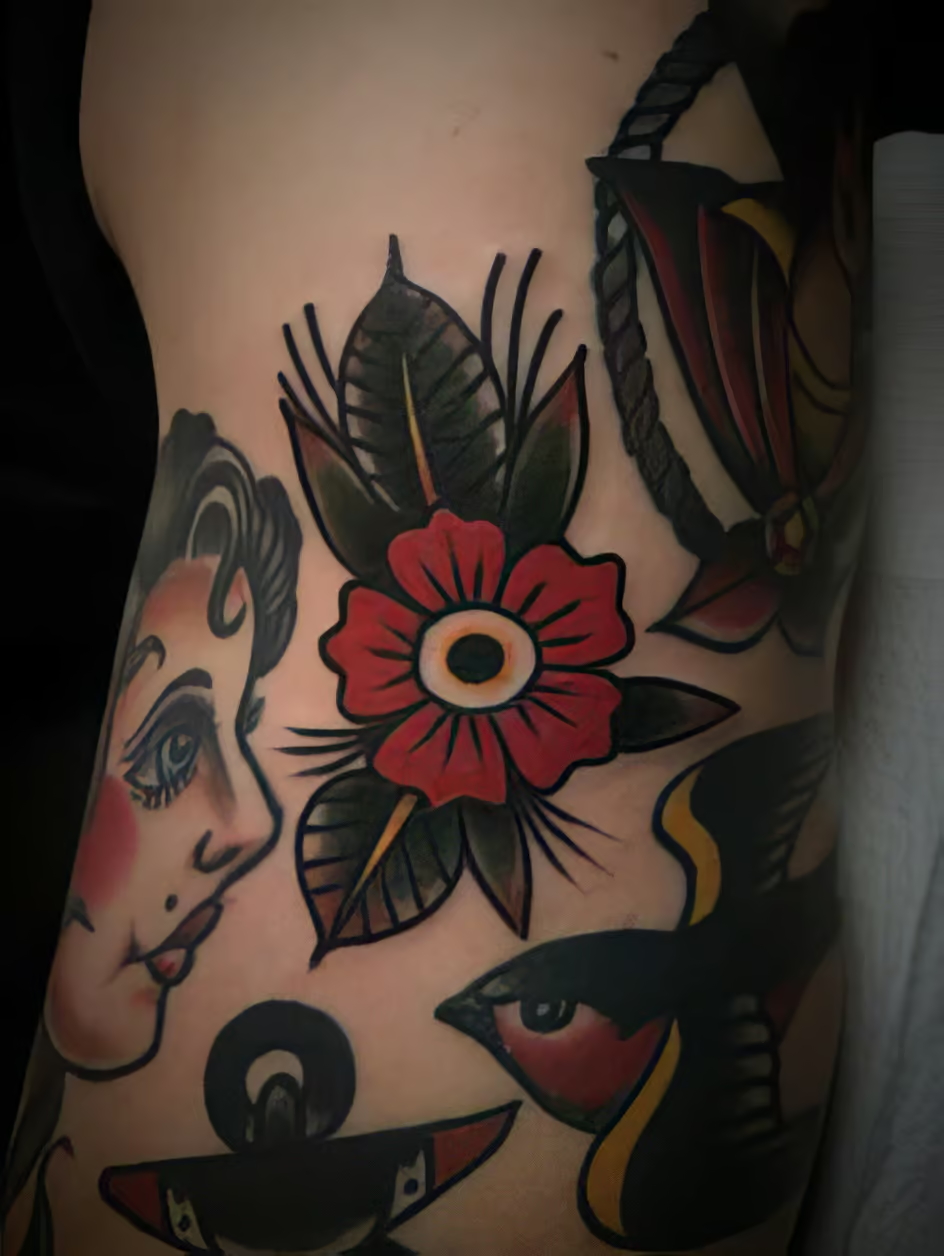
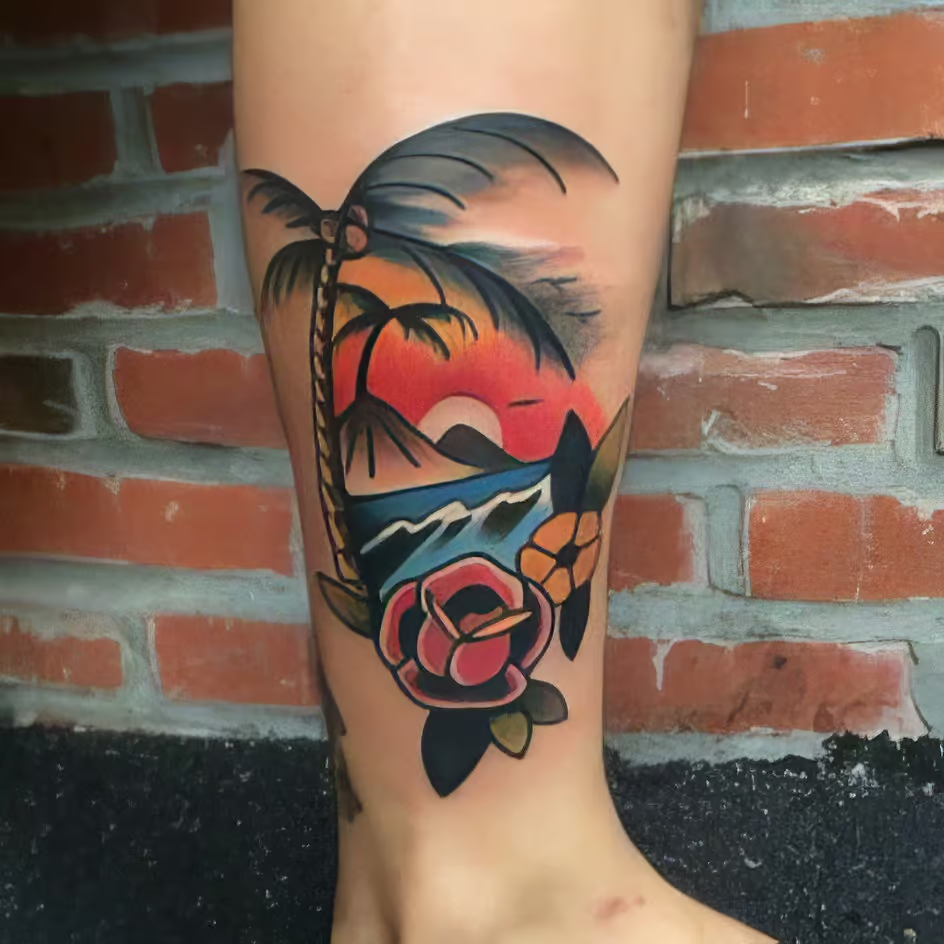
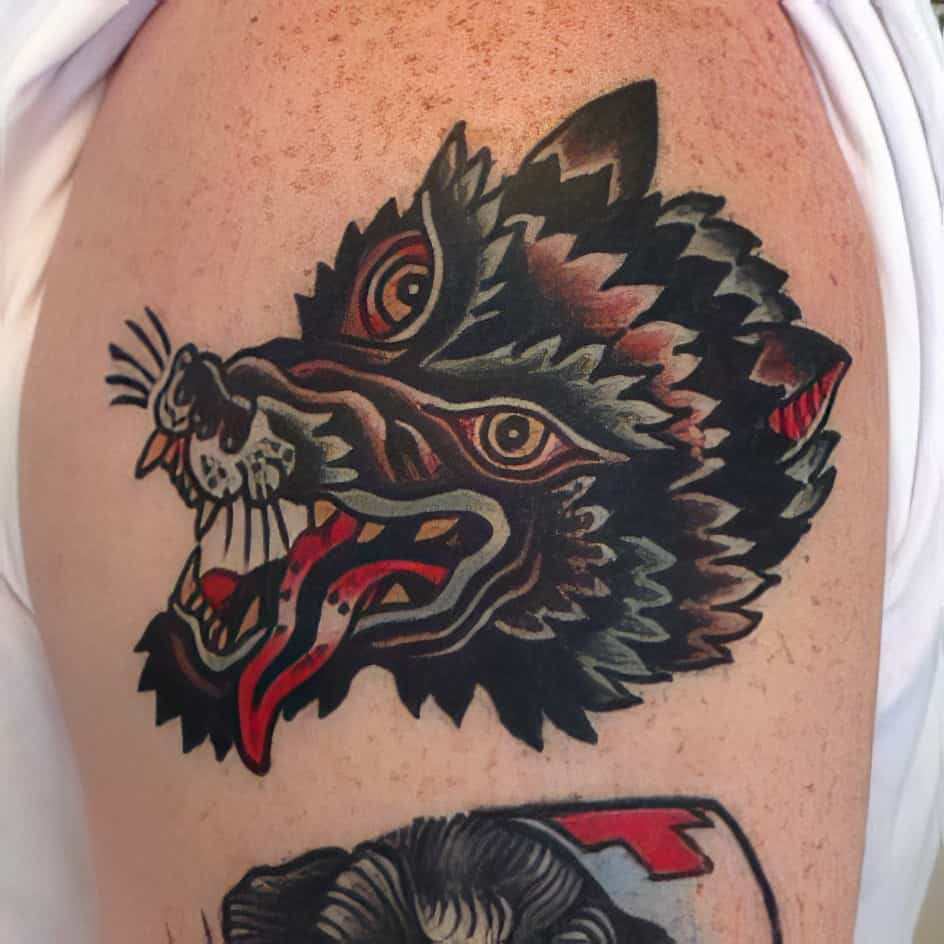
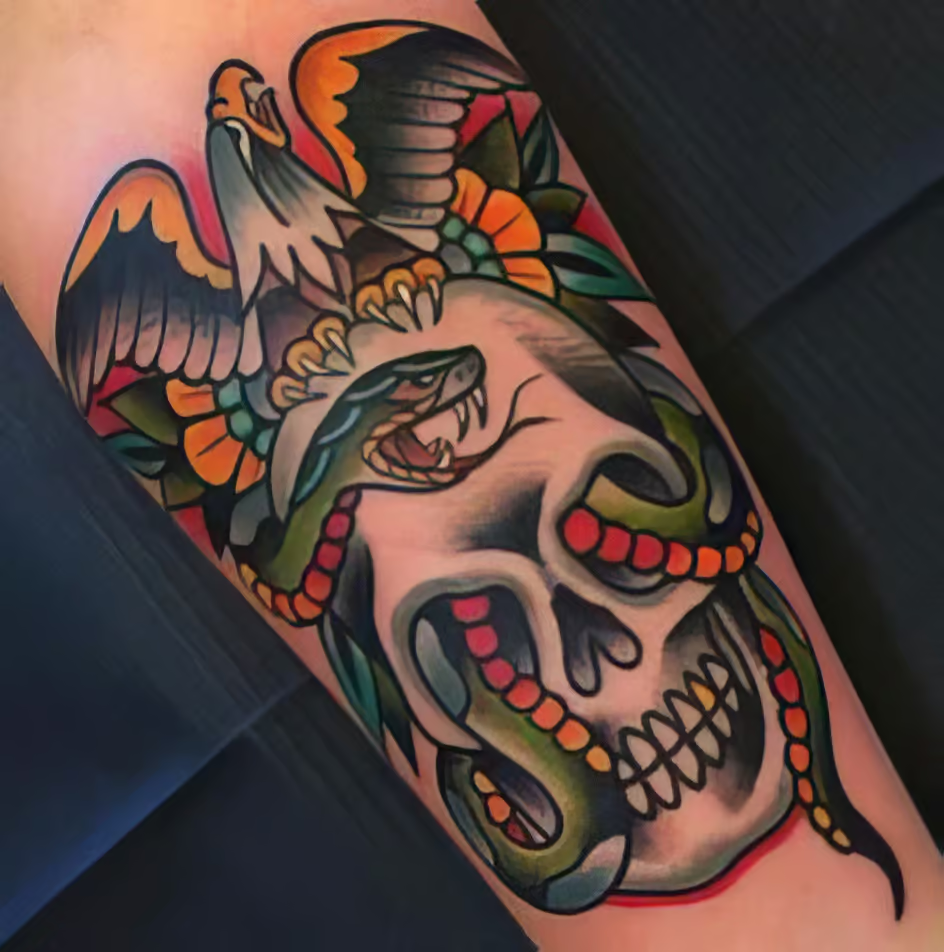
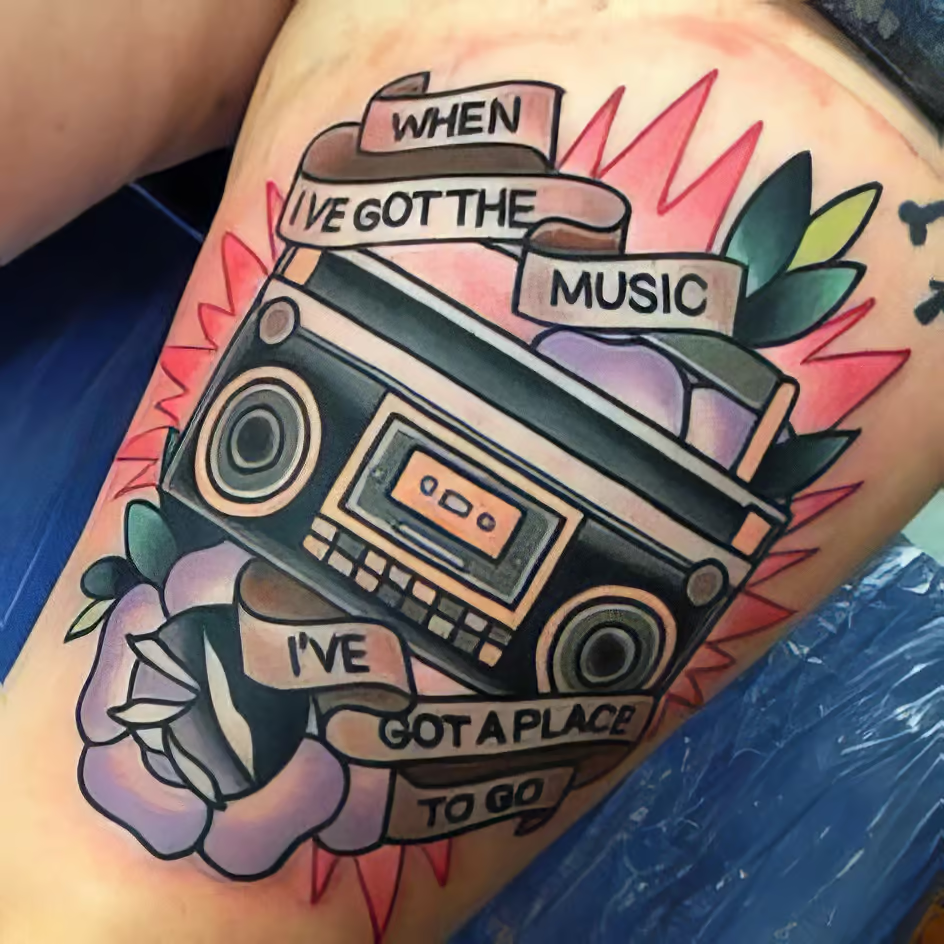
As Redemption Tattoo Studio explains, tattoo ink settles about 1 millimeter beneath the skin’s surface in the dermis layer, meaning new ink permanently mixes with old pigments through pigment blending. Think of it exactly like mixing red and blue paint to make purple. If you are hunting for Cover Up Tattoo Ideas, you need to recognize this anatomical limitation. Pale pinks and yellows over dark blue just turn muddy because the resulting coloration physically combines both layers.
“Because of this anatomical reality, covering up a hopelessly dense, dark mistake often requires an equally commanding artistic approach.”
High-density Concepts and Blackout Cover-ups
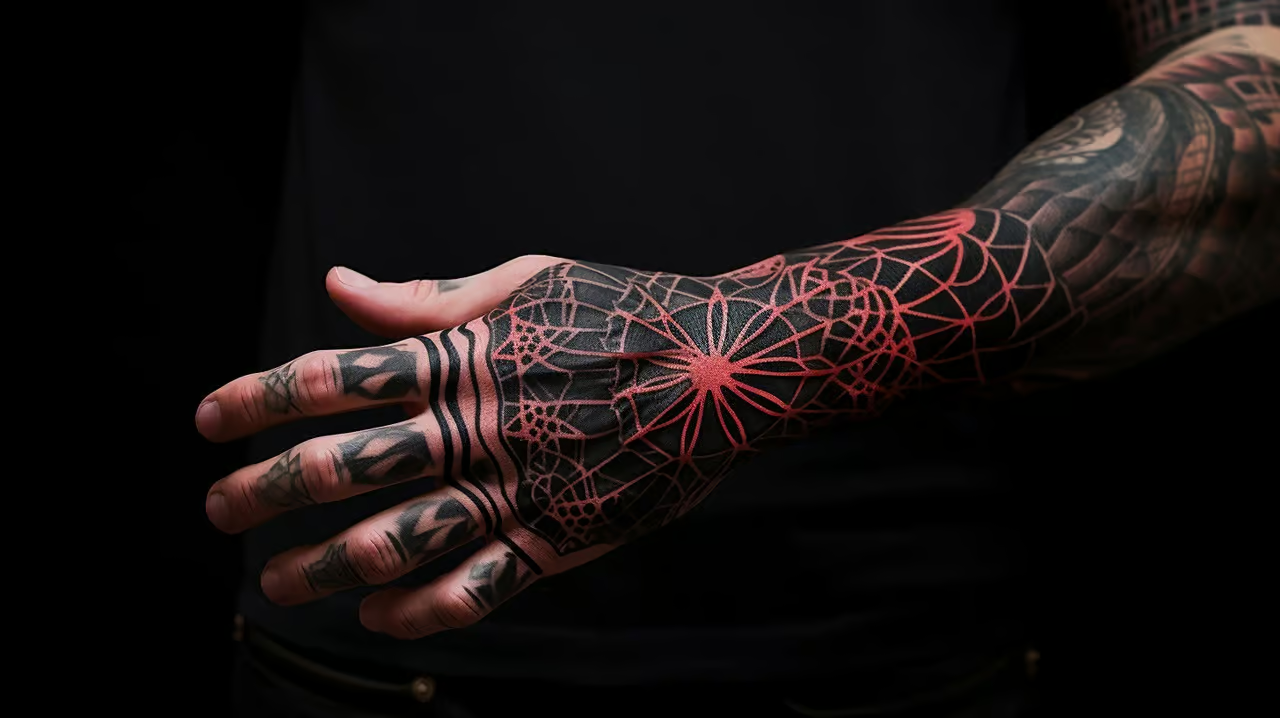
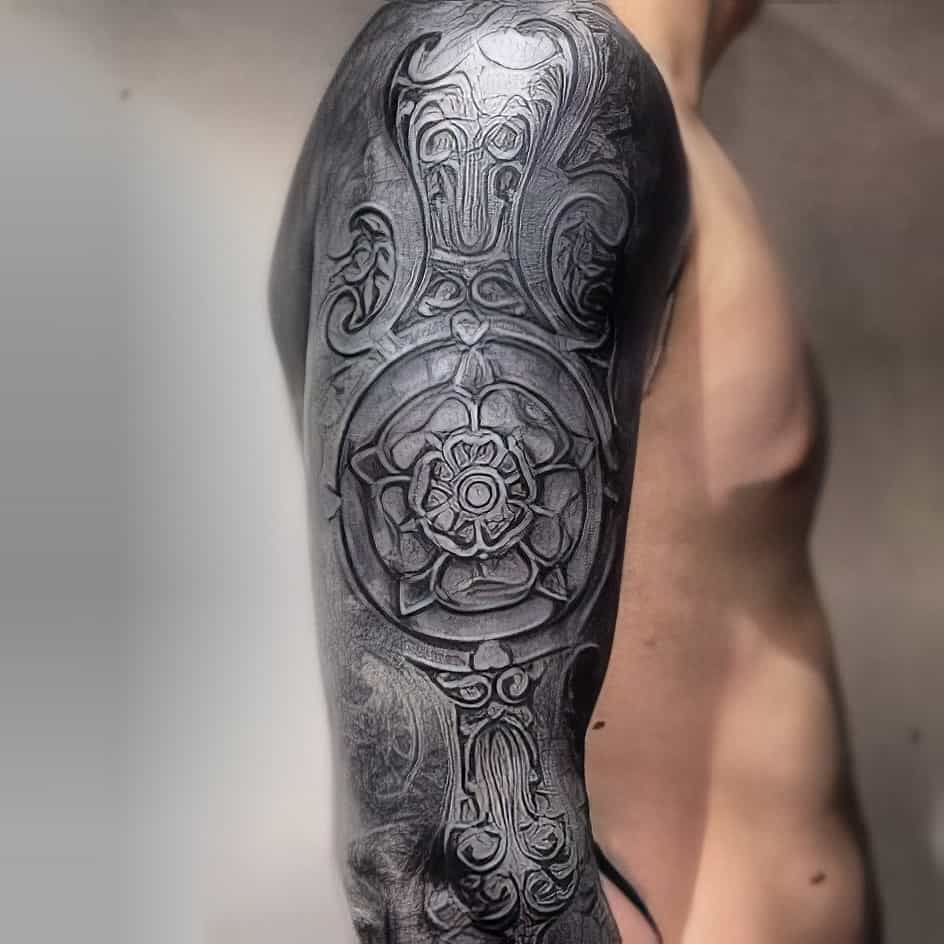
Opt for heavy blackout cover-ups or high-contrast dotwork if your old ink is hopelessly dense. If your original tattoo features deep, un-faded black linework that cannot be realistically blended into lighter colors, these heavy texture methods work best.
The Blackout Canvas Approach
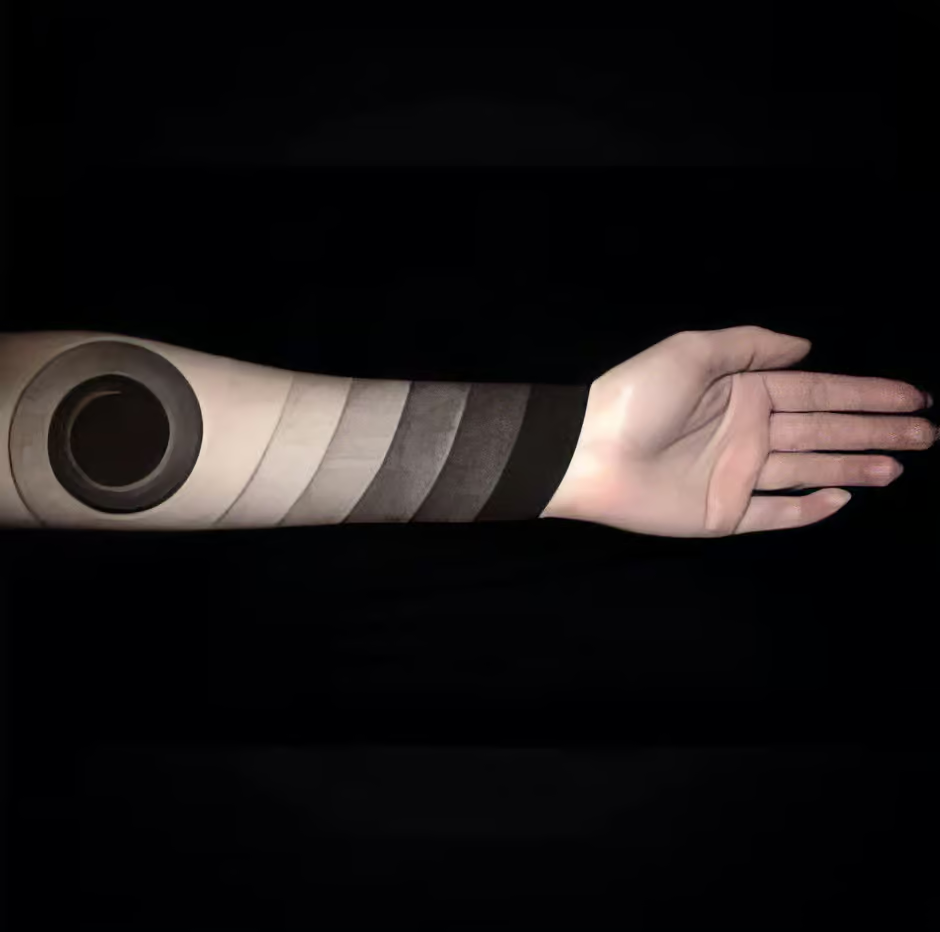
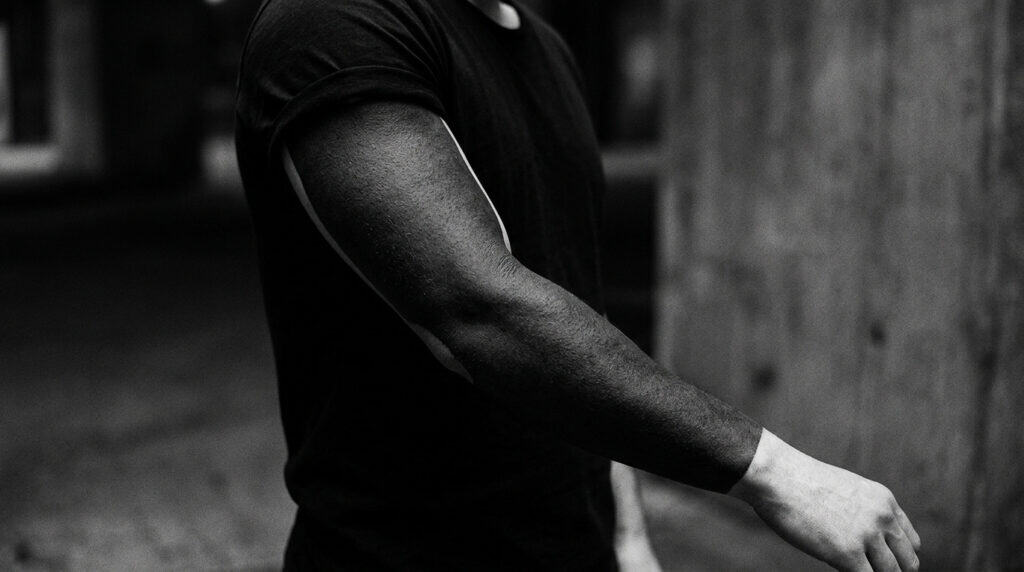
Sometimes an old blowout is just too dense for any traditional design. Covering heavy, dark, blob-like mistakes sometimes requires entirely blanking out the skin to start over. Blackout cover-ups use thick, rich black ink to blanket the old piece in solid saturation, giving the artist an entirely untouched slate.
Studios like Tattoo Asylum utilize this extreme method to completely erase past regrets. It is a highly deliberate artistic tool. The result completely eliminates the visual noise of the original piece. A larger, darker tattoo is actually a more conservative, safe choice than trying to keep the correction small. It replaces a muddy error with stark, undeniable intent.
Dotwork and Optical Illusions
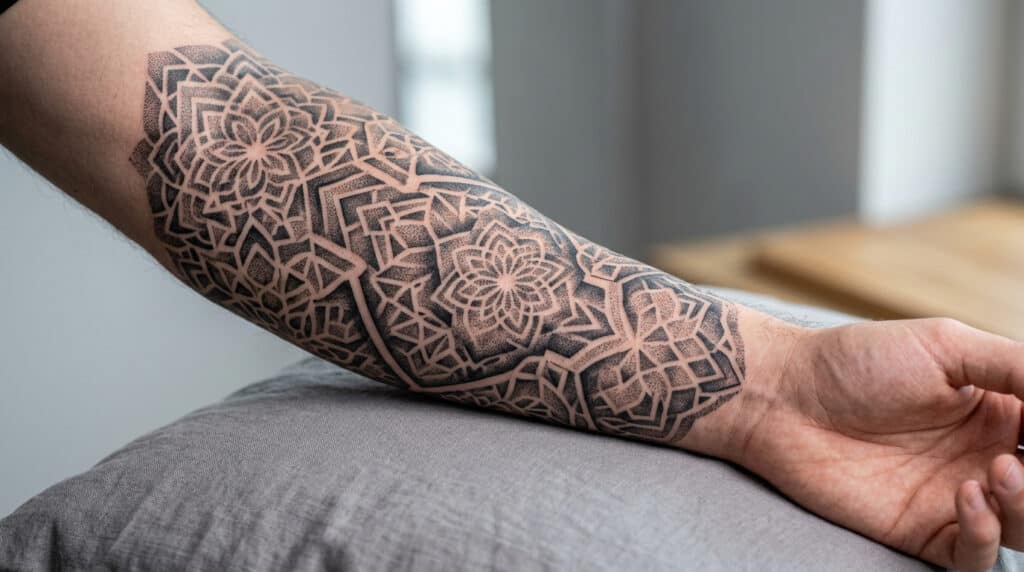
If solid black is too heavy, artists use geometry to fool the brain. Complex geometric stippling and dotwork patterns pull the viewer’s eye away from the underlying faded lines. This creates a highly effective optical illusion.
Instead of burying the old ink in darkness, this method relies entirely on cognitive distraction. It works. An artist maps sweeping geometric textures over the old linework. They often use negative space within these high-density pieces to build entirely new dimensional designs.
Heavy geometric texture isn’t a last resort—it actively tricks your eye away from underlying shapes. If stark geometric shapes and solid black feel too harsh for your style, nature provides the perfect asymmetrical distraction.
Organic Textures and the Iconic “Sick Ass Panther” Method
Choose subjects with high natural texture to structurally hide the straight lines of an unwanted older tattoo. If you have a rigid, symmetrical mistake—like an ex’s name or a blocky symbol—trading it for organic elements like florals, leaves, and trees is highly effective because it seamlessly camouflages the rigid linework beneath.
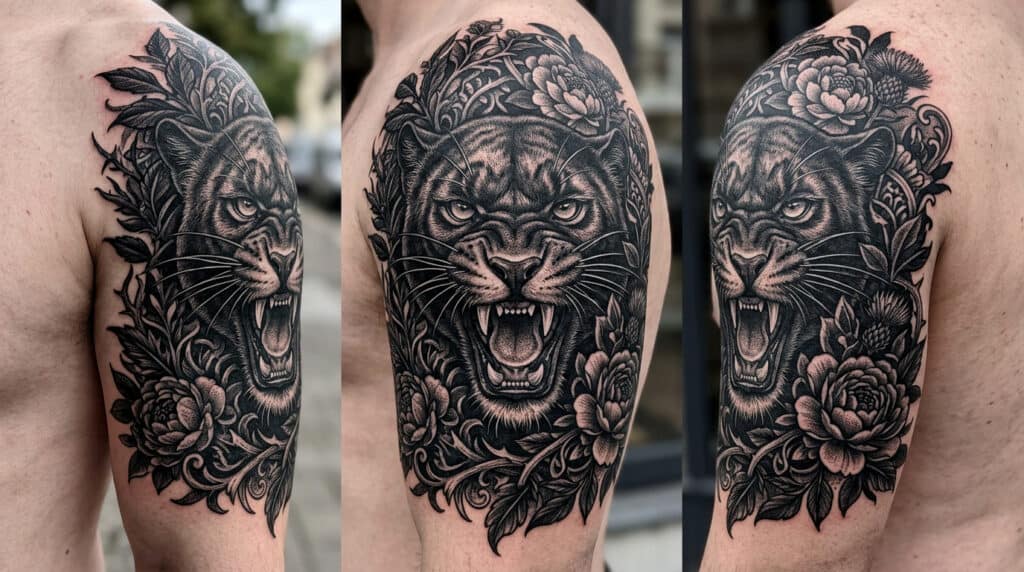
Nature is brilliantly asymmetrical. That chaos leaves room for an artist to manipulate the new design to perfectly absorb odd underlying shapes. This natural camouflage explains the internet-famous Sick Ass Panther (SAP) trend. The dense, heavily shaded organic texture of dark fur maps beautifully over blocky old tattoos.
Much like traditional subjects in American Traditional tattooing with bold linework, the panther’s shape commands the viewer’s attention while swallowing the original mistake whole. The asymmetry of a roaring panther or an intricate bed of roses utilizes deep shading to completely eliminate the visual geometry of bad tattoos. While dark fur and organic artwork work wonders, achieving a brightly colored pop culture piece requires an entirely different approach.
High-fidelity Pop Culture Reworks: Zelda and Ghibli Upgrades
Consult with an artist to evaluate your old piece before committing to a bright, full-color character portrait. Turning faded, poorly executed fan art into high-definition masterpieces requires matching the existing ink density against advanced color theory. Your natural melanin levels drastically limit or alter the final coloration of newly blended pigments once they heal.
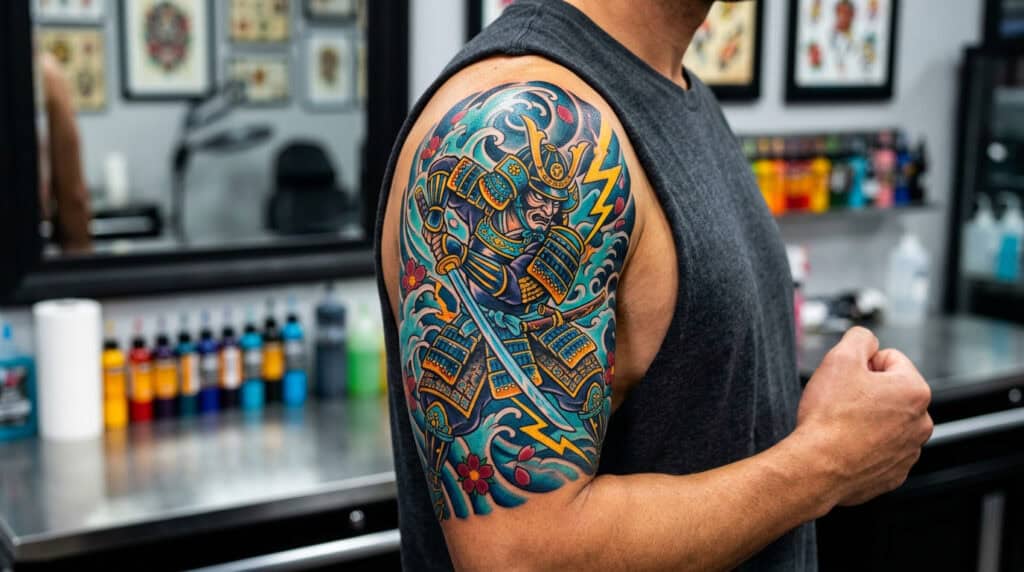
Artists achieve vibrant Zelda and Ghibli-themed cover-ups by using a technique called color blasting. This involves forcing highly saturated, vibrant tones into the skin to physically dominate the older, washed-out hues. Studios like Chronic Ink excel at this method.
They analyze your natural skin tone to determine exactly which lively colors will remain opaque once fully healed. A bright yellow Triforce simply won’t stick if the skin underneath is choked with dark green ink. Sometimes the primary challenge for the artist isn’t the pigment trapped in the skin, but the severe physical trauma to the skin itself.
Scar Tissue Concealment and Post-top Surgery Masking
Yes, you can tattoo over surgical scars, but patience is required. You must wait until the scar tissue is completely settled, flat, and lightened—often one to two years post-surgery. Doing it sooner risks the new ink blowing out in the delicate tissue.
Tattooing Over Surgical Scars
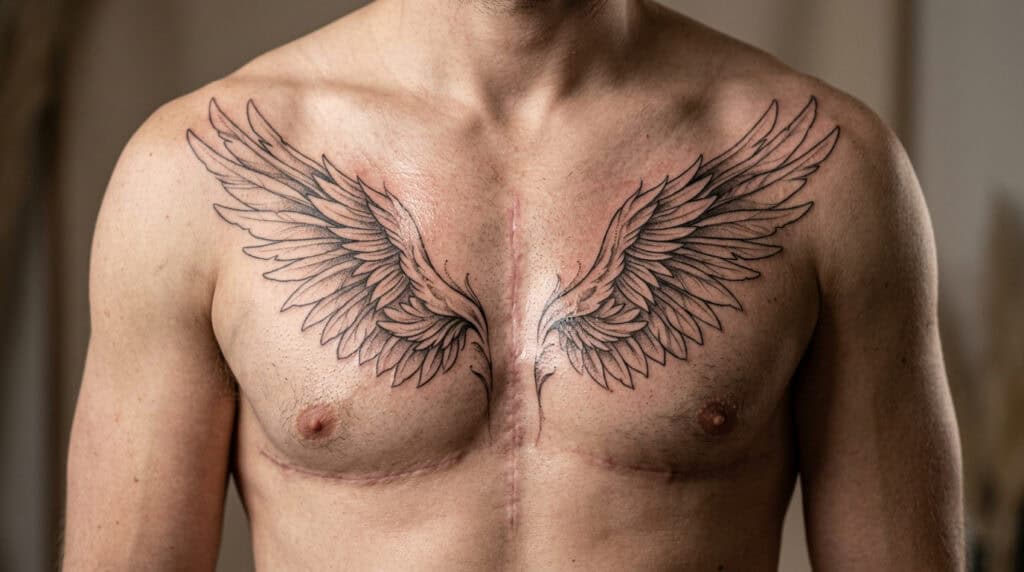
For a highly specialized demographic, cover-ups aren’t about hiding bad decisions. They are about concealing heavy medical scars and surgical lines. Working with scar tissue after major medical procedures, like post-top surgery, demands incredible technical precision.
Artists like Adam Sky specialize in turning these healed scars into canvases. One brilliant example includes scar cover-ups for post-top surgery using intricate bird themes, overlapping wings, and sweeping organic patterns to distract from the parallel incisions. The skin here is physically thicker and takes pigment differently. The technique dramatically reduces the visual weight of the scars, helping guys reclaim their chests.
Rehabilitating Chewed-up Skin
Sometimes the scars come straight from a heavy-handed, amateur tattooer who went entirely too deep. Rehabilitating severely traumatized, chewed-up skin requires artists to drastically adjust their machine speed and needle depth. They have to literally punch through uneven ridges.
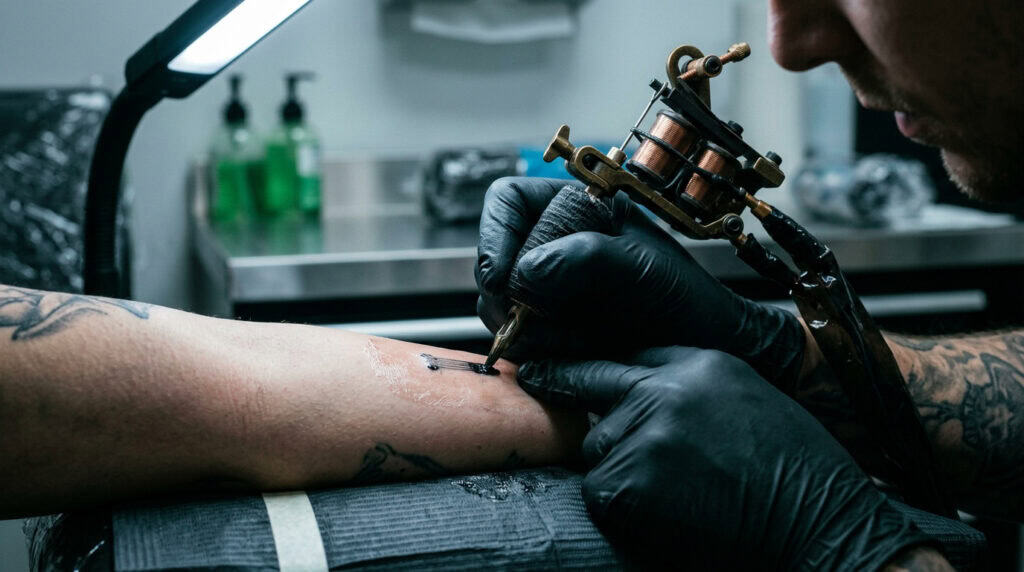
Cover-up specialists like Daryl Watson and Mike Eaton must navigate the varied textures of raised scars versus virgin skin within a single pass. Covering compromised skin is an entirely different technical skill set, making your choice of studio the ultimate fail point. If the skin is too thick with old, dark ink to safely cover immediately, the most responsible artists will mandate a specialized preparatory step.
Laser Tattoo Removal as a Strategic Fading Phase
You often need both laser preparation and new ink, as they are not competing alternatives. Booking one to three laser removal sessions simply to lighten a dark tattoo expands your viable design options into brighter artwork.
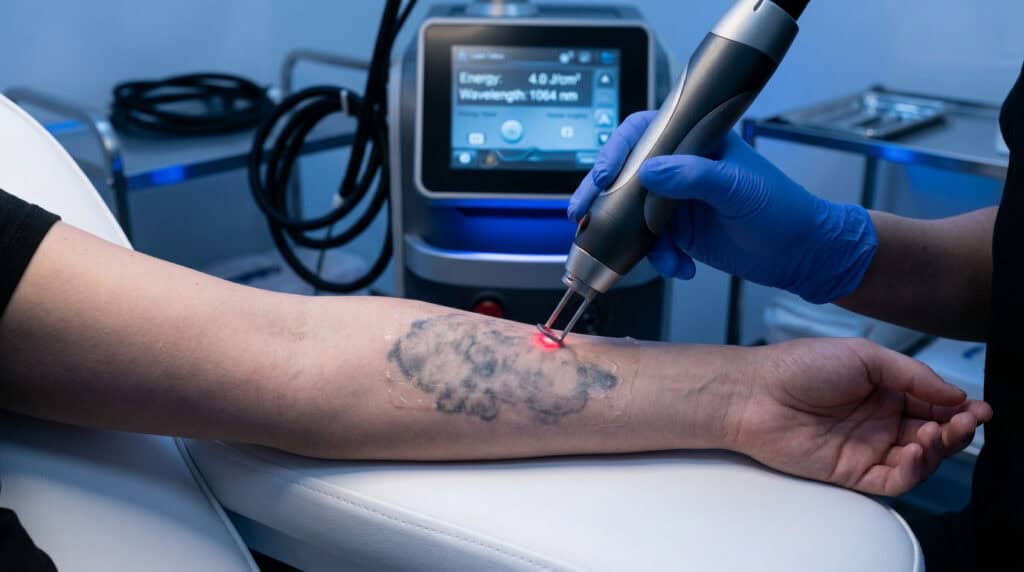
When you attempt to cover a dense, dark ink blob, your options are initially restricted to solid blackout. Breaking down that heavy pigment by just a few shades through laser tattoo removal introduces a crucial fading phase into the process. This lightens the overall saturation. That opens the door for vibrant colors, complex geometry, and intricate shading to actually stick without turning into a bruised mess.
It takes immense patience. You must endure a strict waiting period between your final laser session and the application of new ink to let the skin fully heal from the thermal blast. Regardless of whether your journey starts with laser fading or a direct cover-up session, preparing for the aftermath is the final hurdle.
Artist Selection and the Cover-up Healing Process
Look specifically for heavily saturated, dark transformation work in their portfolio, rather than just art on fresh skin. You have to find a specialist. Once you book them, prepare for a noticeably rougher healing phase with increased swelling and soreness compared to your original tattoo.
When searching for the right studio, look closely at artists who show healed before-and-after photos. A fresh cover-up always looks opaque in the shop. The real test is whether the old ink bleeds through six months later. If you’re leaning toward masking a mistake with a small tattoo, realize that it simply will not work. Cover-ups generally need to be three times the size of the original piece.
Expect the healing process to suck. Your artist is repeatedly drilling into previously scarred dermal layers. That results in significantly more intense swelling, weeping, and tissue trauma than your first time in the chair. Whether you book locally or plan on getting a destination tattoo during a trip, trusting the professional is non-negotiable. Listen to them when they guide the size, darkness, and placement of the new piece.
Frequently Asked Questions
Can I simply tattoo a new, lighter design over an existing dark tattoo?
No, this will almost always result in a muddy, unattractive mess. Because tattoo ink sits in the dermis layer, new ink mixes with old pigment like physical paint; if you don’t use sufficiently dark or heavy coverage, the old tattoo will inevitably bleed through.
How much bigger does a cover-up tattoo need to be than the original?
As a general rule, a successful cover-up needs to be at least three times the size of your original piece. Smaller designs simply lack the spatial real estate required to mask the underlying ink effectively.
Why is the ‘Sick Ass Panther’ a common choice for cover-ups?
The panther is an ideal cover-up subject because its high-density, dark fur provides a massive, naturally textured surface area. This organic, asymmetrical shape is perfect at camouflaging rigid, blocky lines from older tattoos that would otherwise be impossible to hide.
Is laser tattoo removal necessary before getting a cover-up?
It depends on the density of your current ink, but it is often a strategic advantage. Laser sessions aren’t necessarily for total removal; they are used to ‘fade’ the base layer, which expands your design options to include brighter colors and more complex patterns.
What is the difference between a blackout cover-up and other methods?
A blackout cover-up uses solid, intense areas of black ink to completely blank out the old design, creating a clean slate for new work or a bold aesthetic statement. Unlike blended designs that try to hide ink through shading or optics, blackout methods replace the old tattoo entirely with pure saturation.
Is it safe to get a tattoo over surgical scar tissue?
Yes, but you must be patient and wait until the tissue is fully healed, flat, and lightened, which typically takes one to two years post-surgery. Tattooing over premature scar tissue is risky and can lead to major imperfections like ink blowouts.
Why does the healing process for a cover-up feel more intense?
A cover-up often requires the artist to work over previously traumatized skin, which involves deeper needle penetration and more labor-intensive pigment packing. This results in significantly more swelling, soreness, and weeping compared to getting a tattoo on fresh, untouched skin.


Can a colored upper arm tattoo be covered up with a black and white new design?