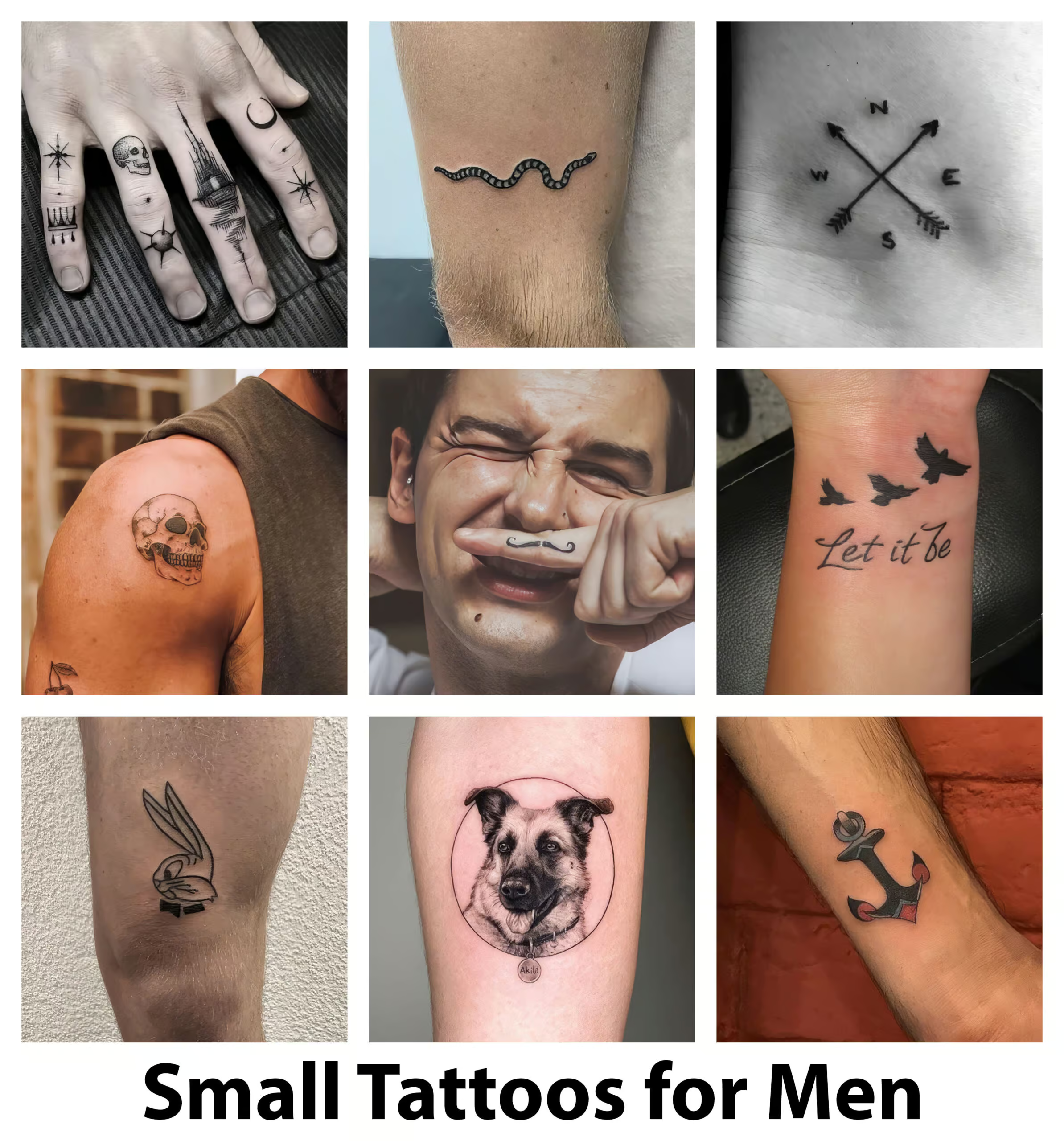
I noticed there weren’t many good collections of small tattoo inspiration aimed at men. Most of what I found was either generic Pinterest dumps or galleries with a different aesthetic sensibility. So I decided to create this curated gallery of 208+ small tattoos for men.
The frustration was real — I’d scrolled through about 400 screenshots of wolves, skulls, and Roman numerals trying to find small ink that looks good on male skin. Small tattoos get a feminine reputation, and that perception isn’t entirely wrong when you look at how a lot of them are executed. Thin linework and delicate styling will read that way. But that’s a technique problem, not a size problem.
Tattoos aren’t inherently gendered, and the perception of masculinity vs. femininity is driven by fashion and trends, not by some quality of the design. What matters is how you and your artist approach the piece.
Ahead: how to make small tattoos read masculine, what works at micro-scale, where to put it, what it costs, and 35 specific designs worth your time.
Key Takeaways
Small tattoos typically run $200–$300; forgiving first-timer spots include the forearm, upper arm, shoulder, and calf.
Masculine perception in small tattoos comes down to three things artist Chang at West 4 Tattoo identifies: sizing, line thickness, and the actual image — not the subject matter.
Keep designs simple at micro-scale: compressing a full Norse mythology scene to the size of a 10-cent coin won’t read, but a single clean visual idea holds up for years.
Table of Contents
How to make small tattoos look masculine
Chang at West 4 Tattoo breaks it down to three components: sizing (larger tends to read more masculine), line thickness, and the actual image. That’s the whole framework. Everything else — blackwork, shading, angles — falls under those three buckets.
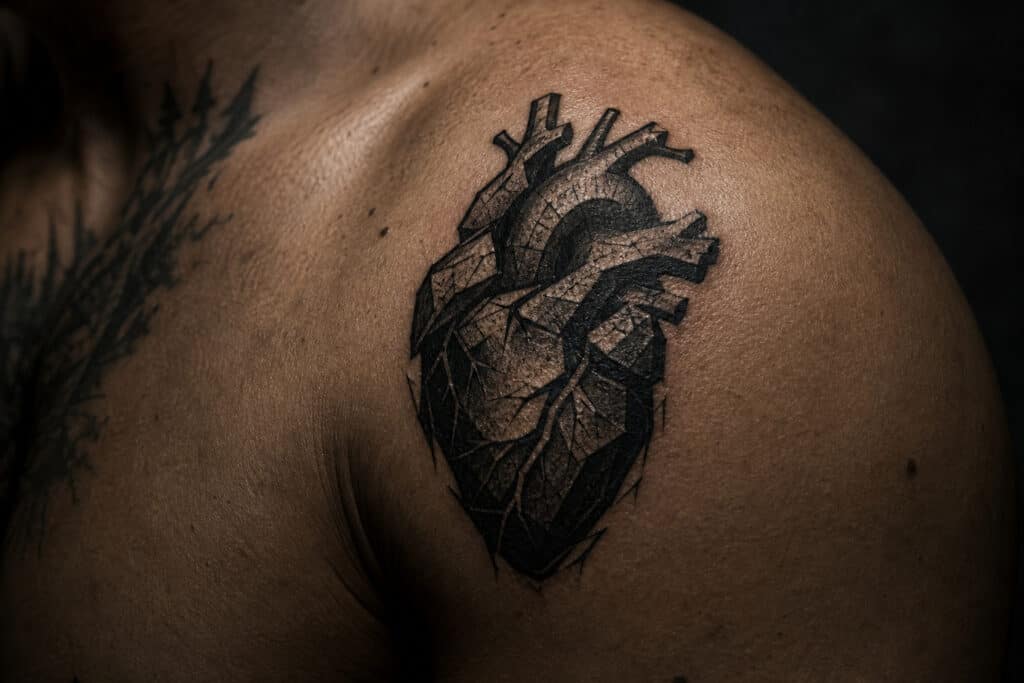
Take the anatomical heart as the prime example. A thin outline of a standard heart reads feminine. But an anatomically correct, black-shaded heart with extra linework and sharp angles? That carries weight because anatomical correctness subverts the feminine expectation, not romantic.
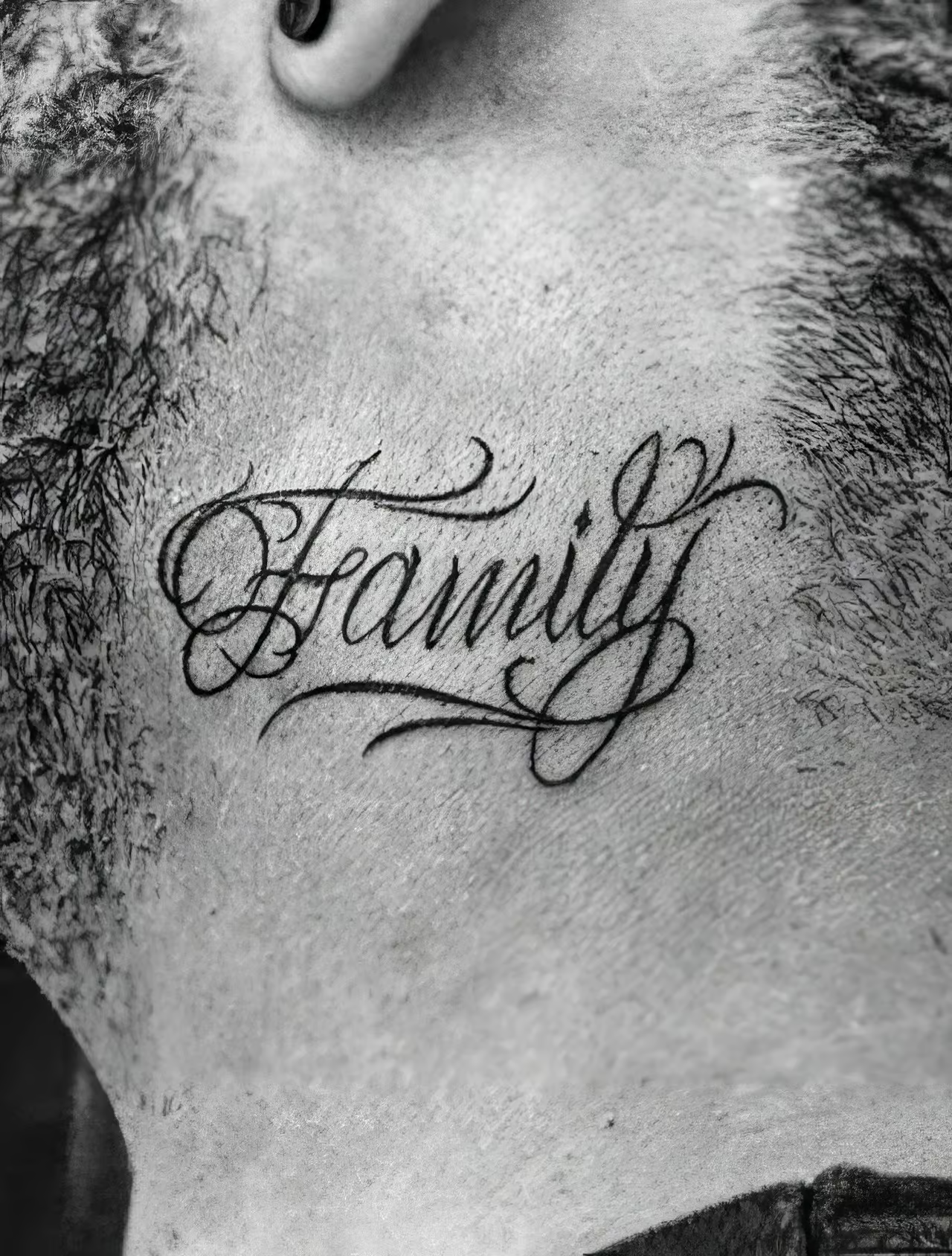
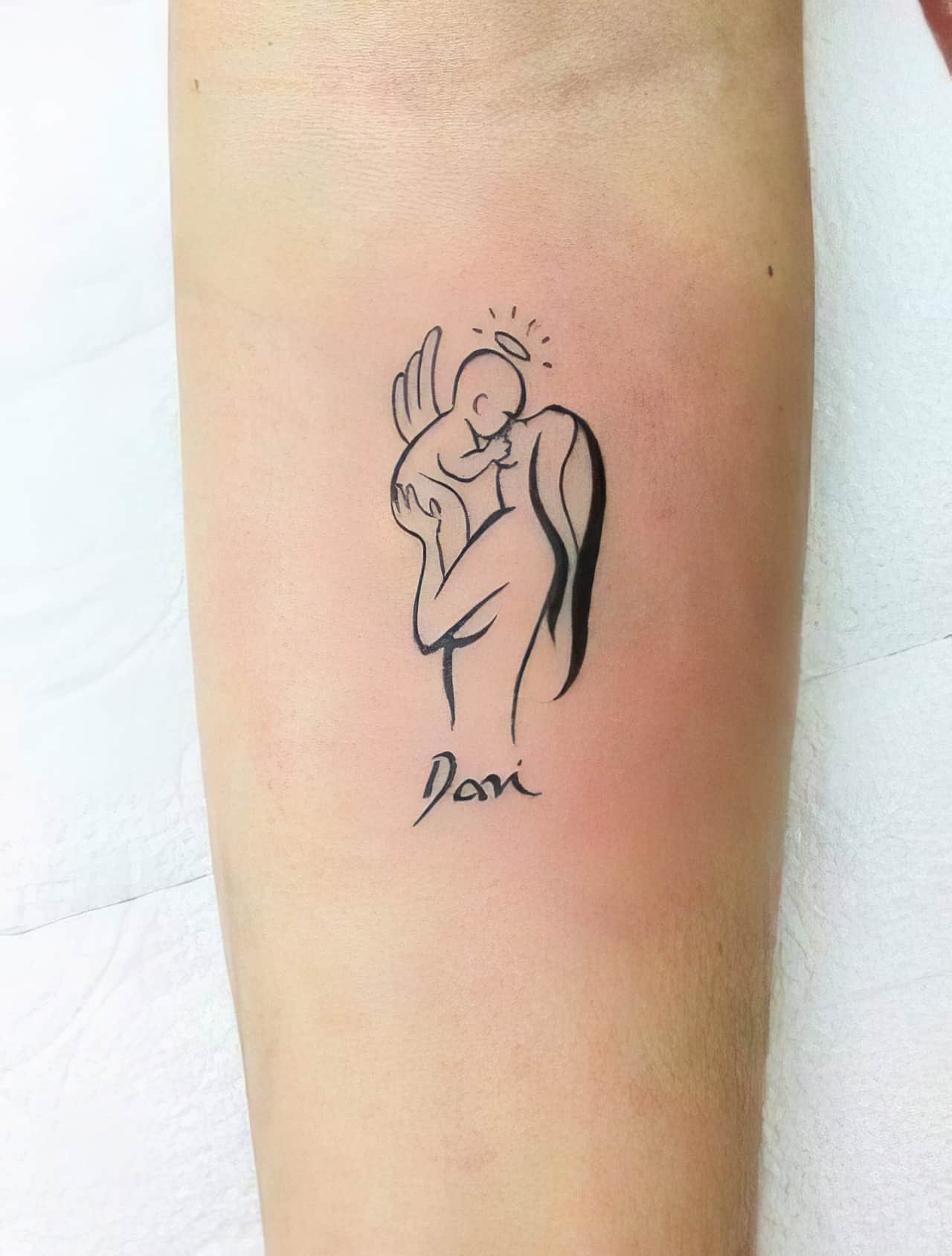
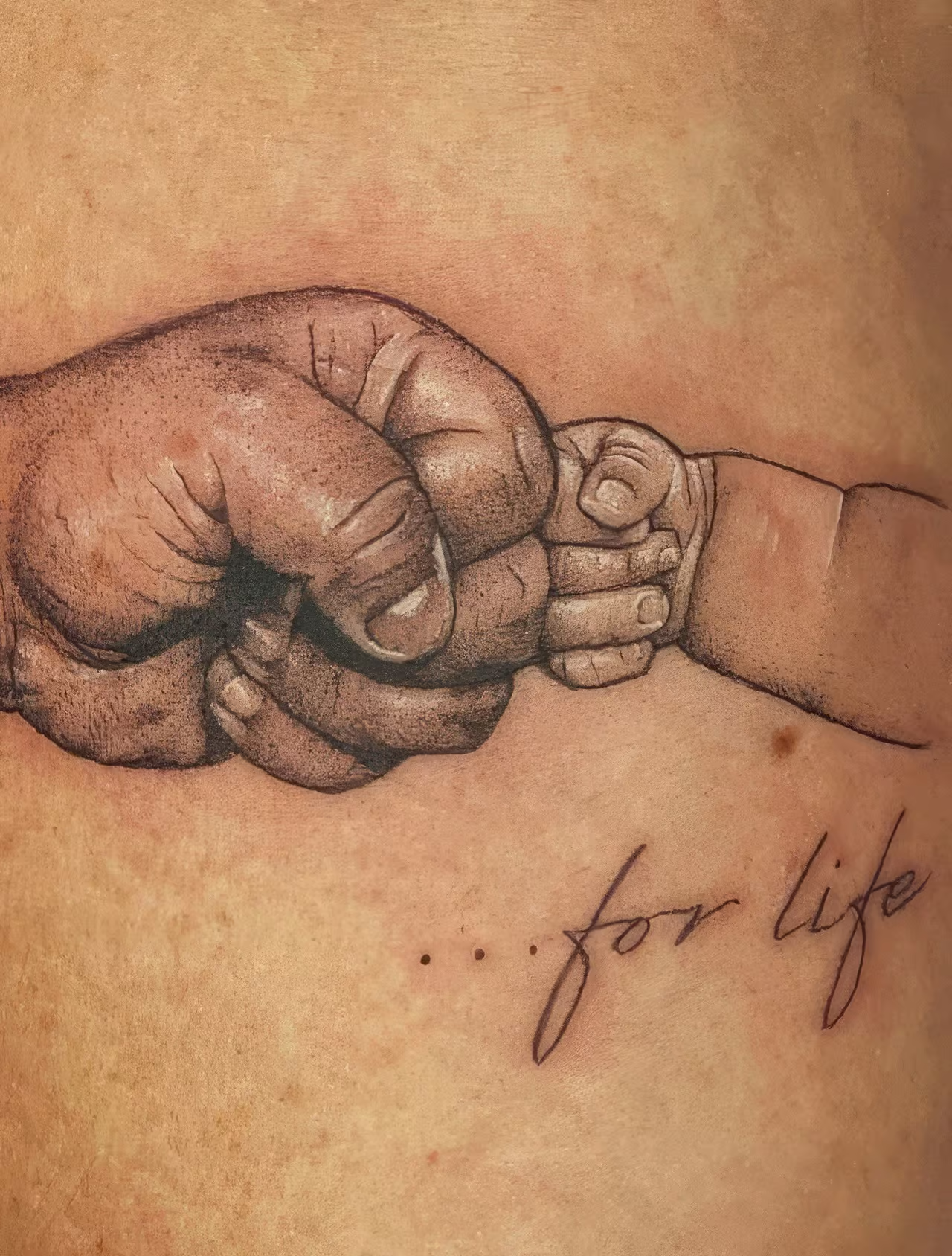
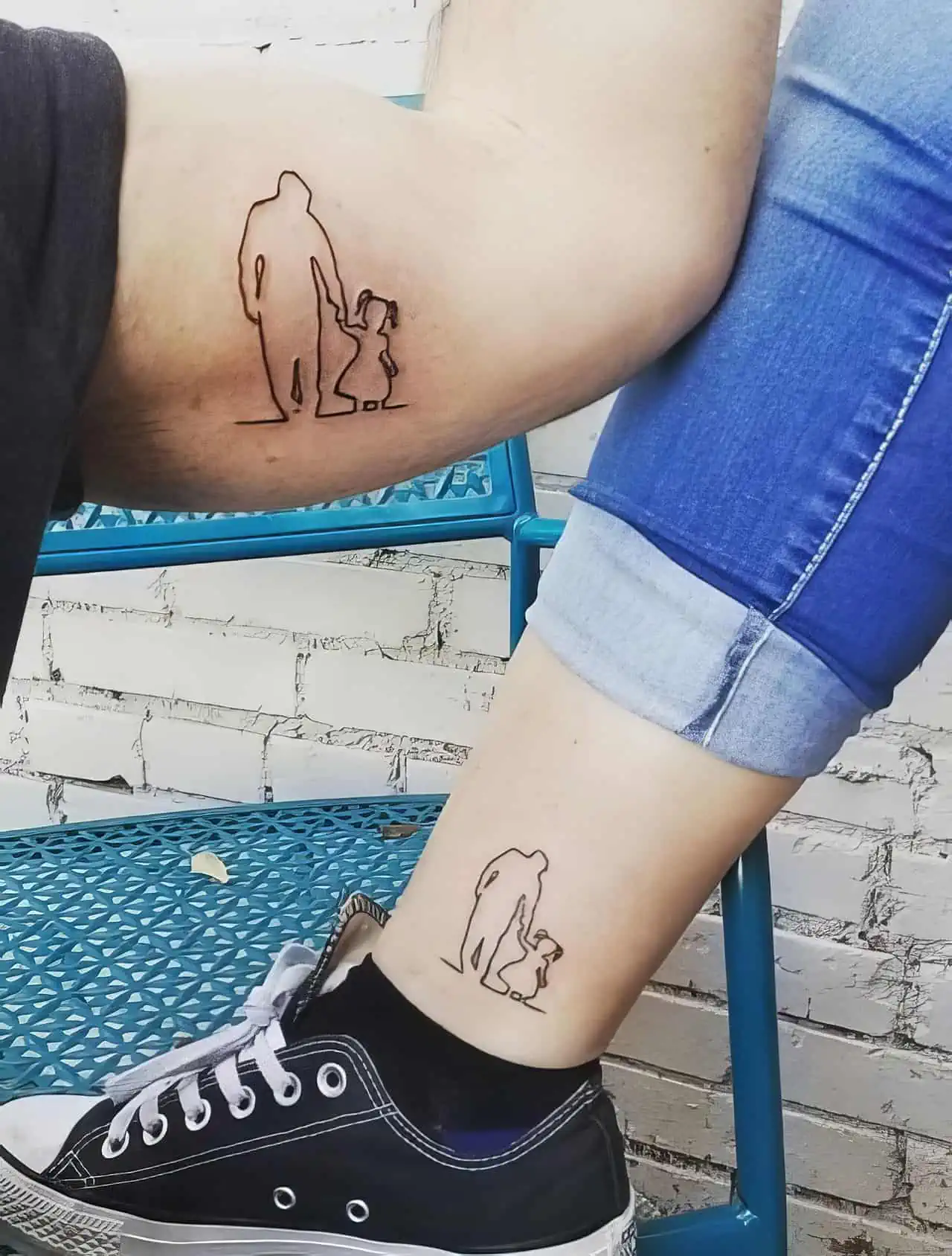
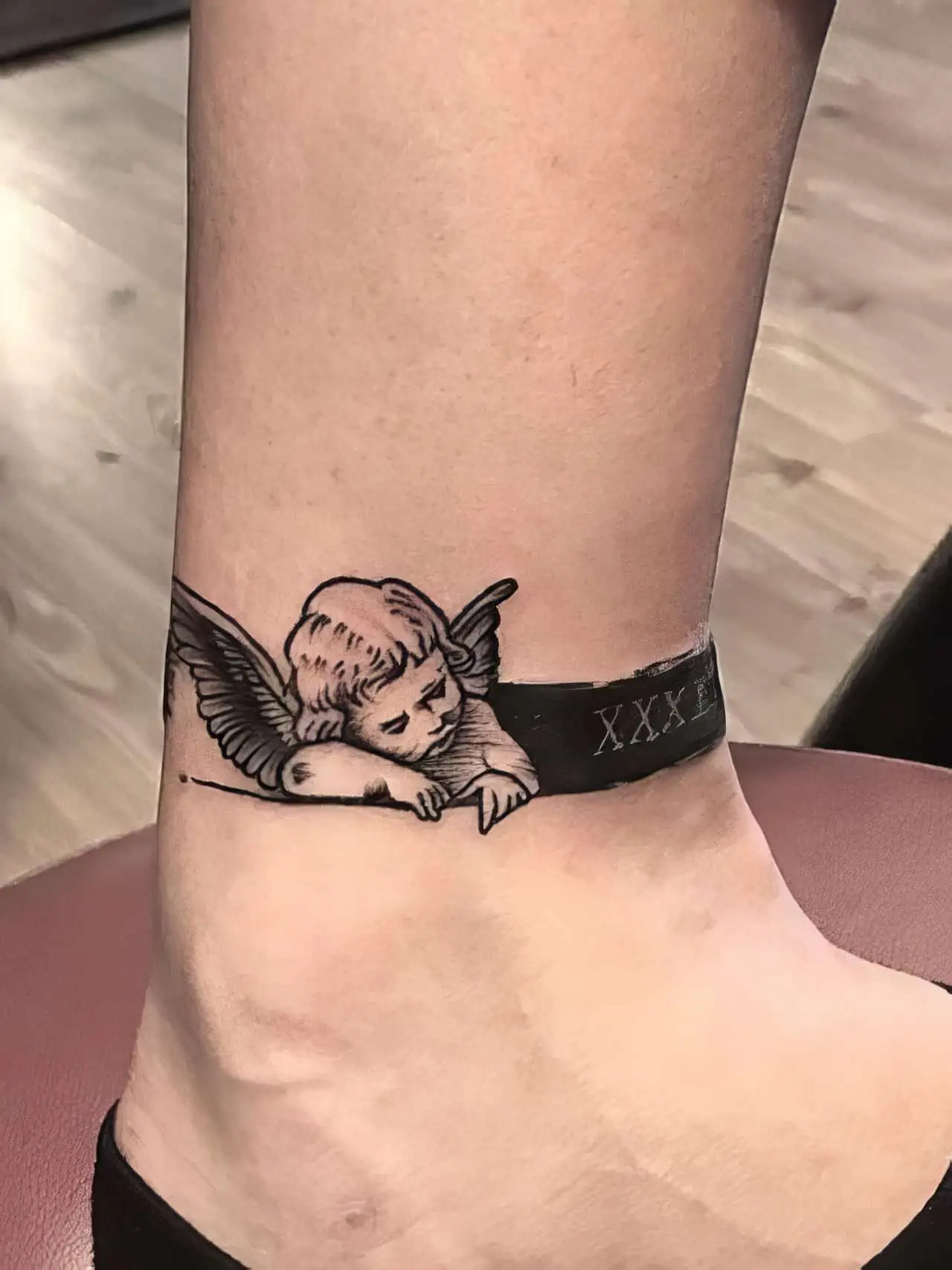
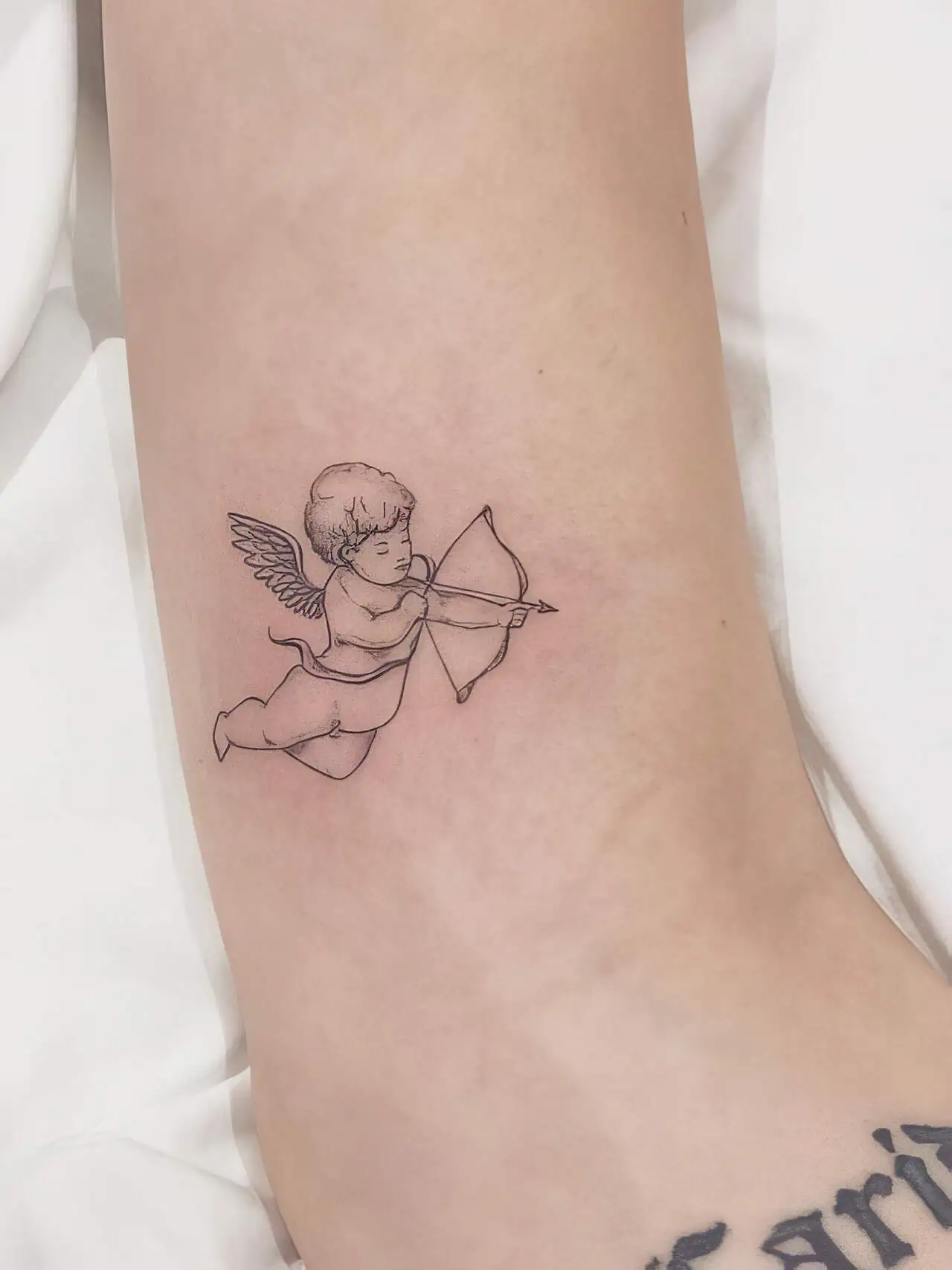
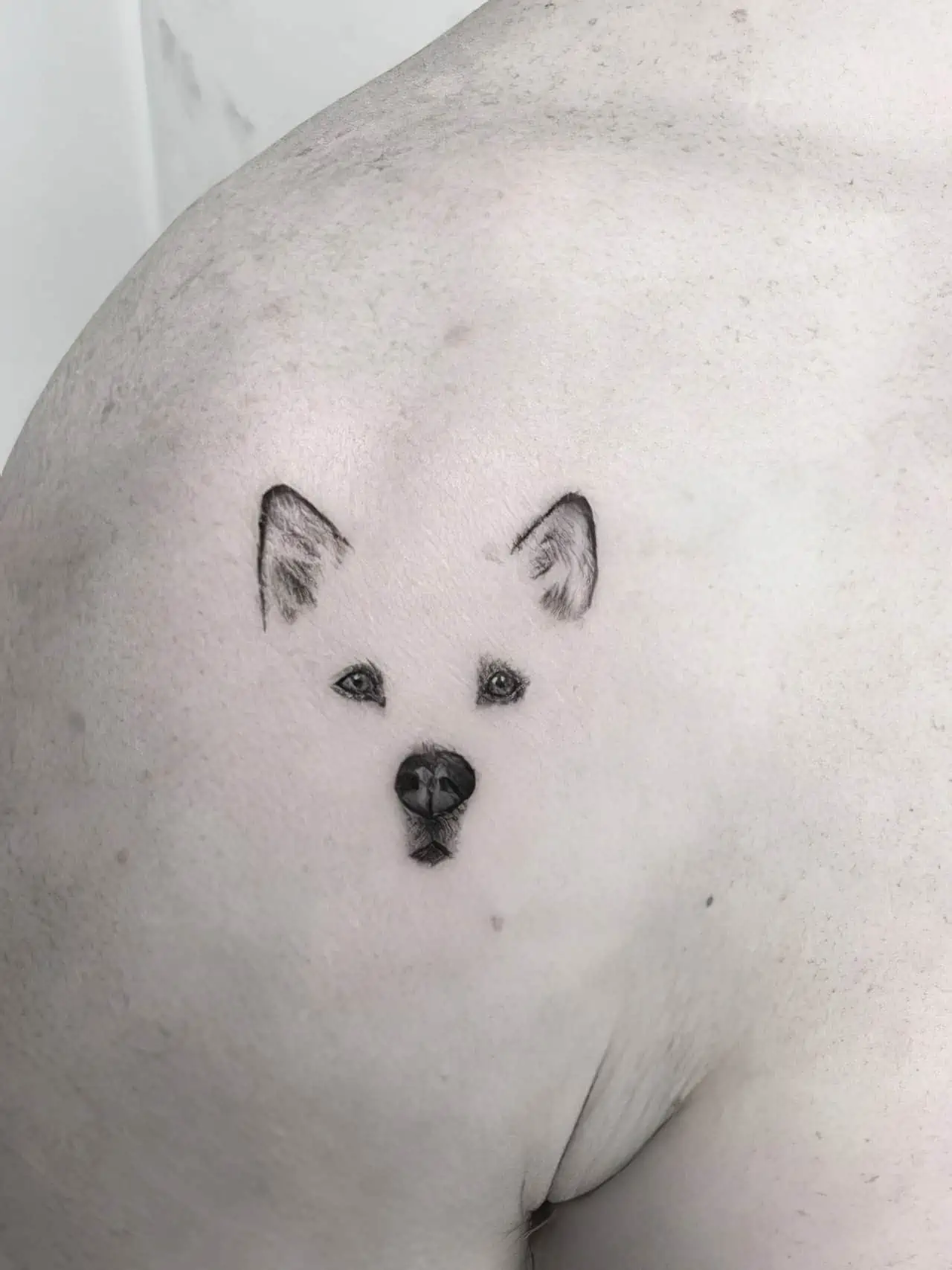
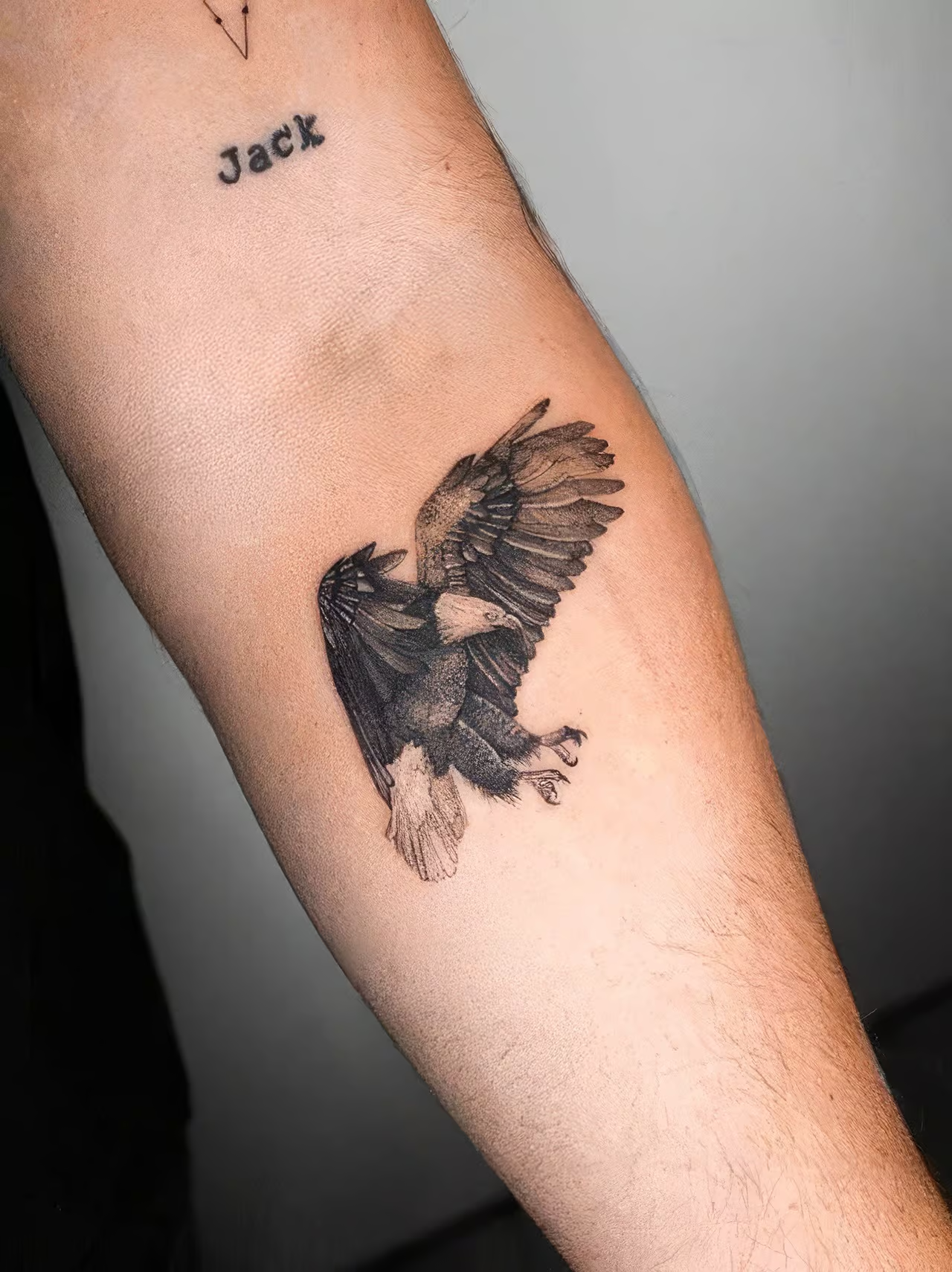
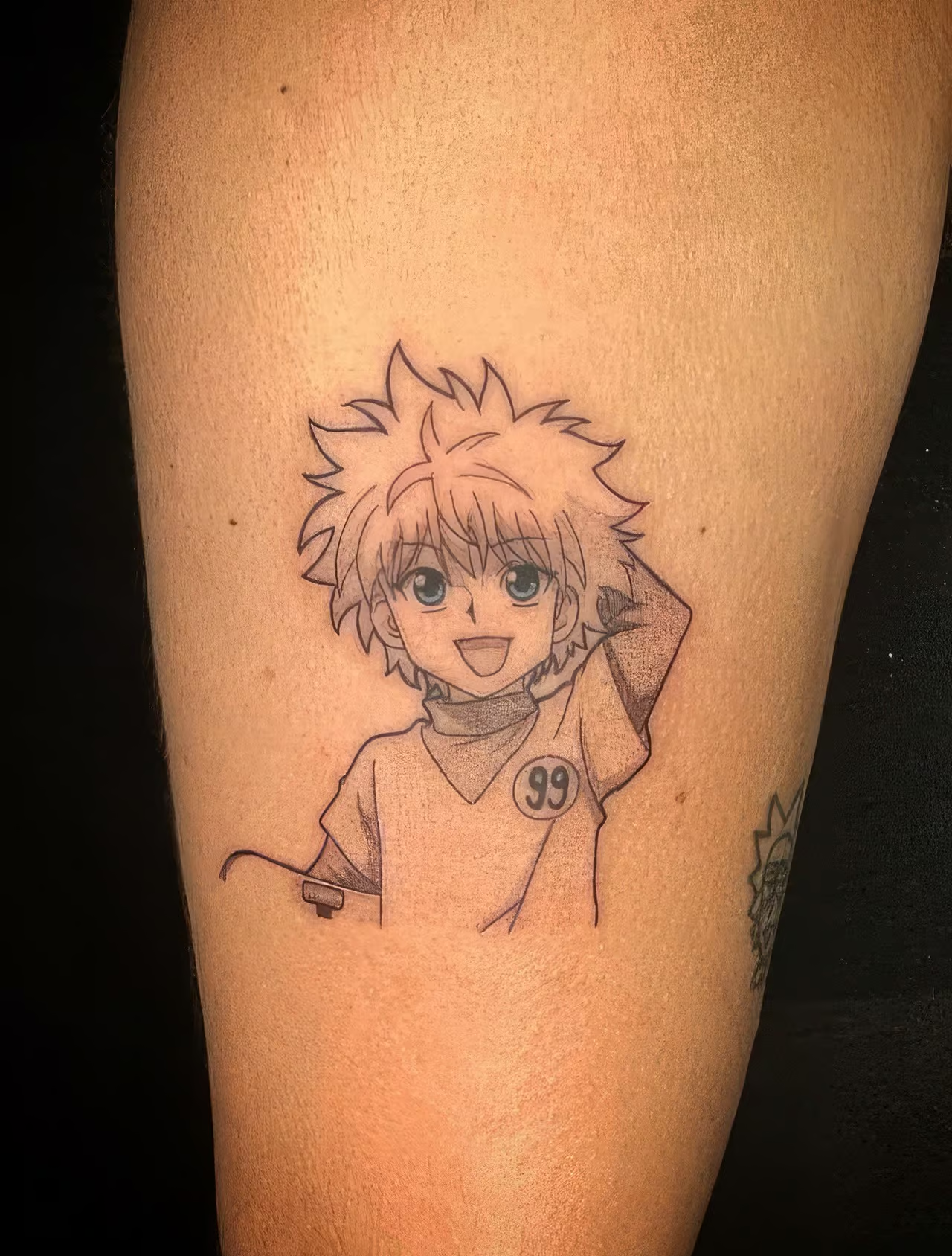
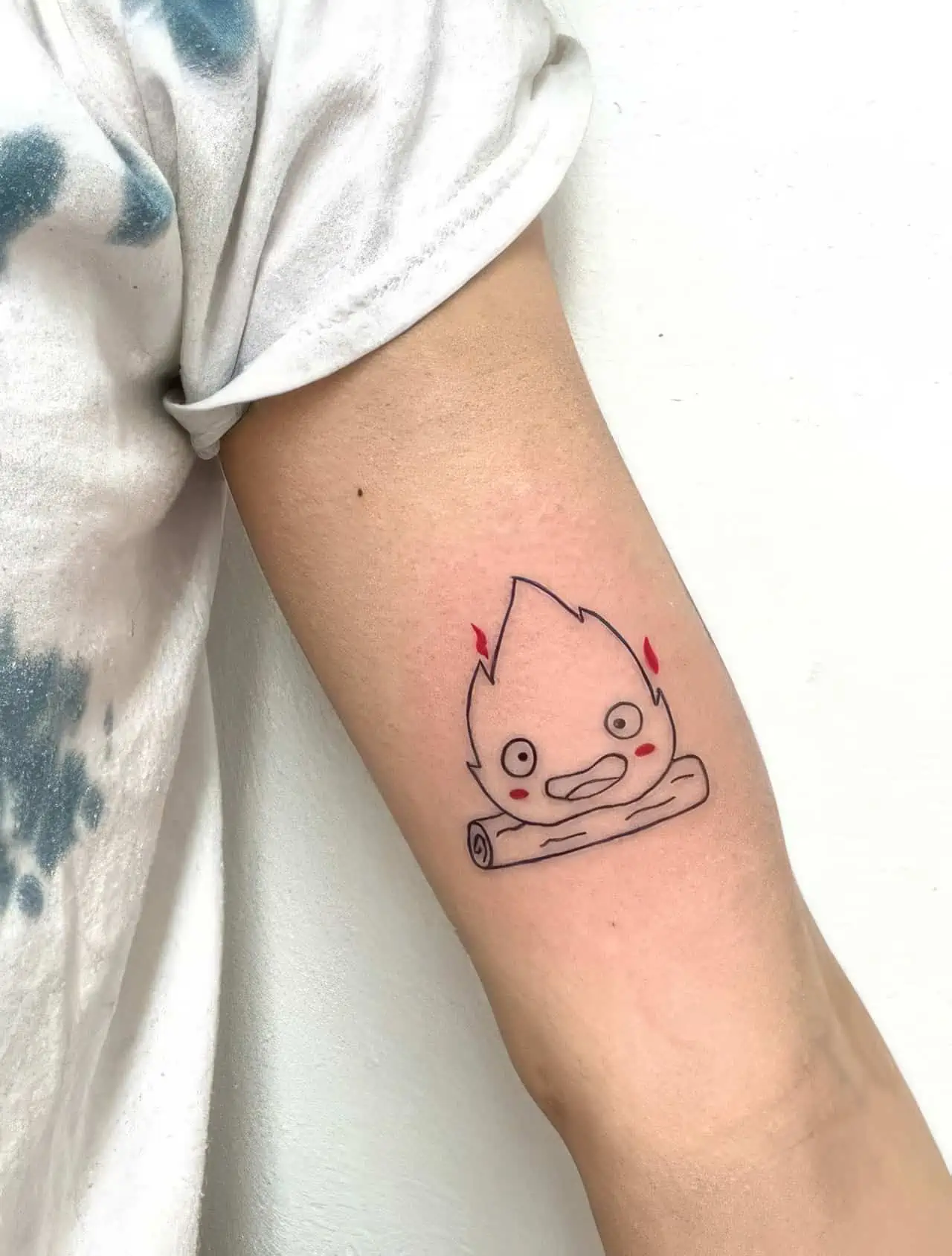
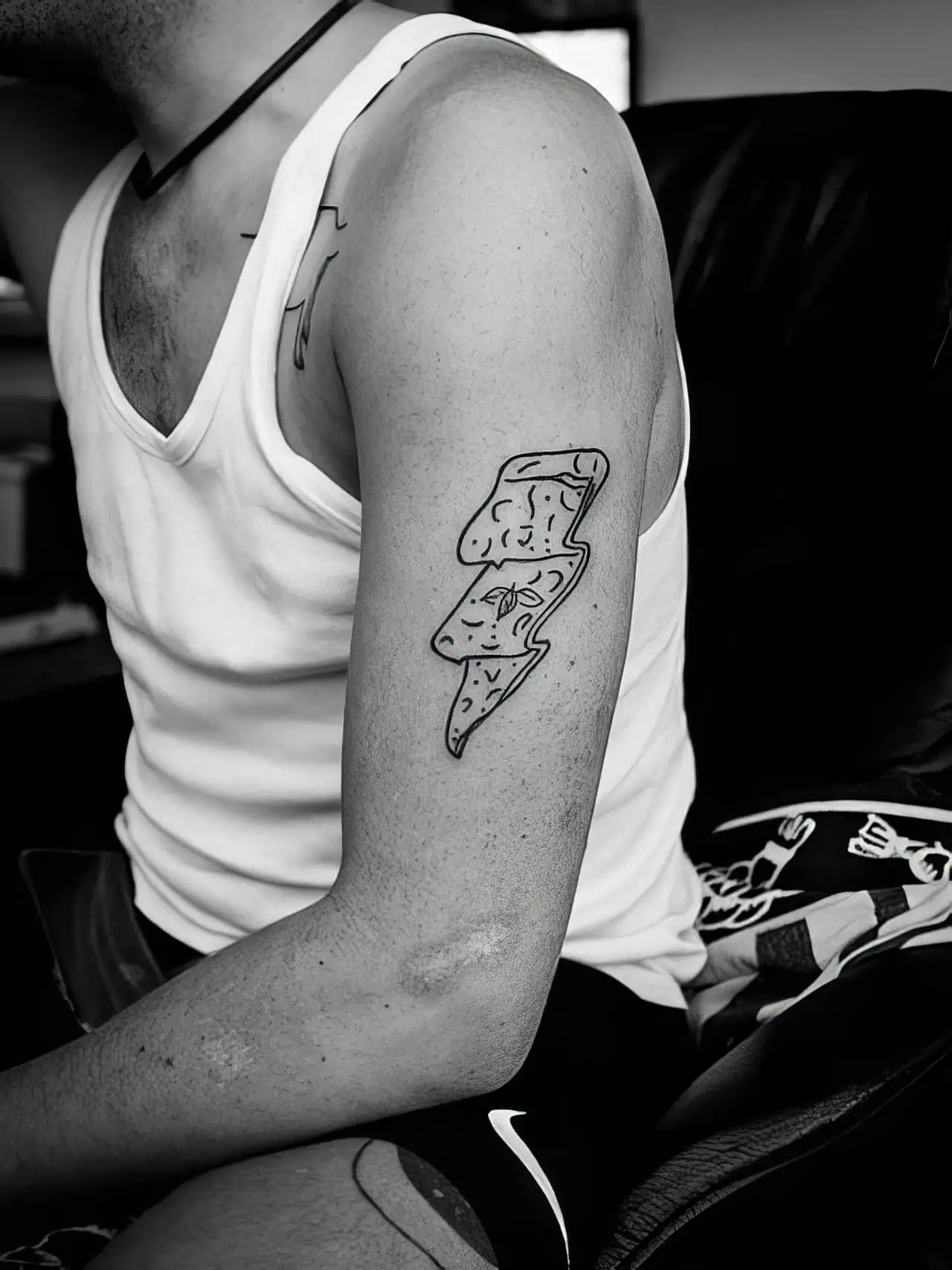
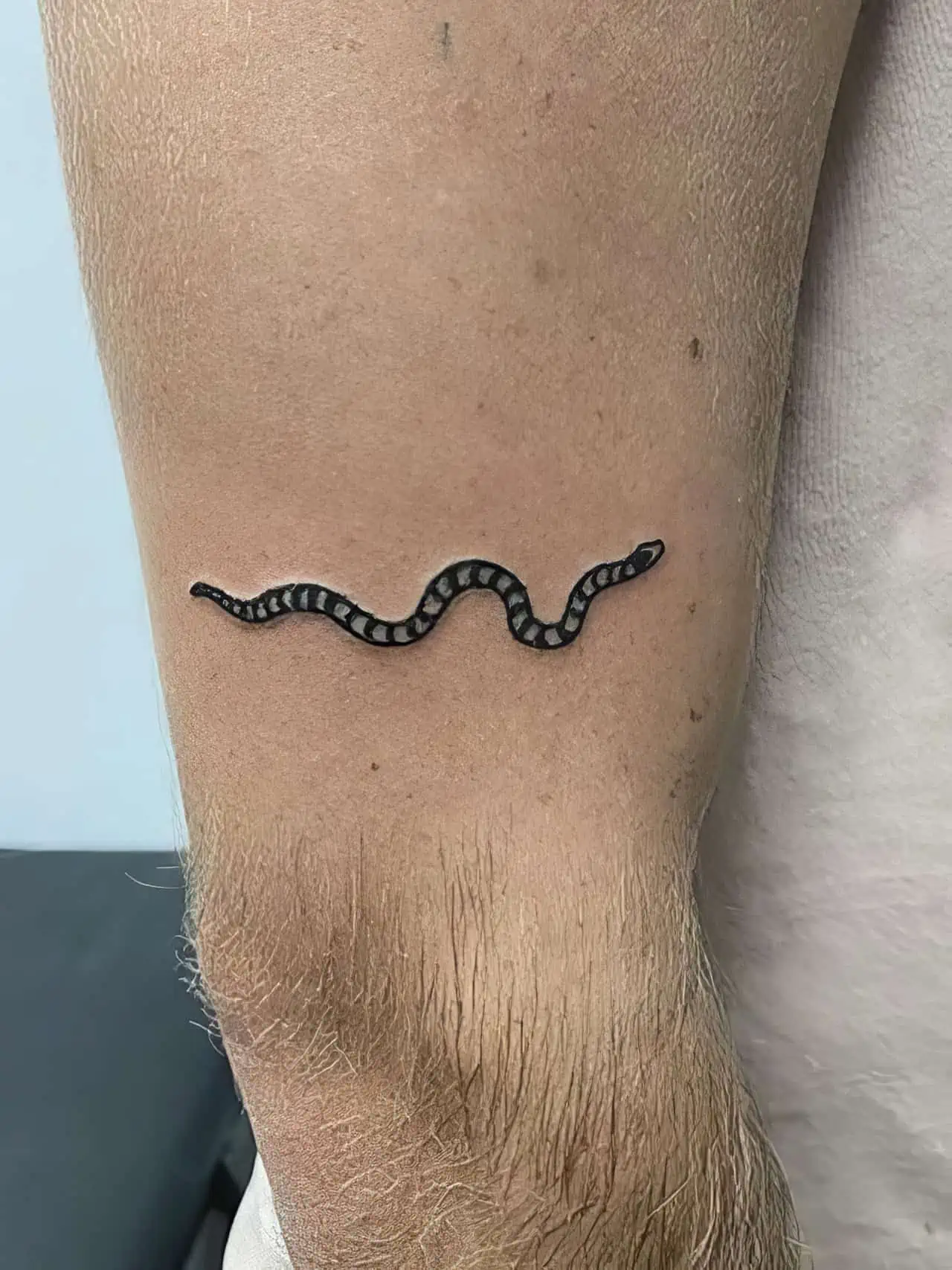
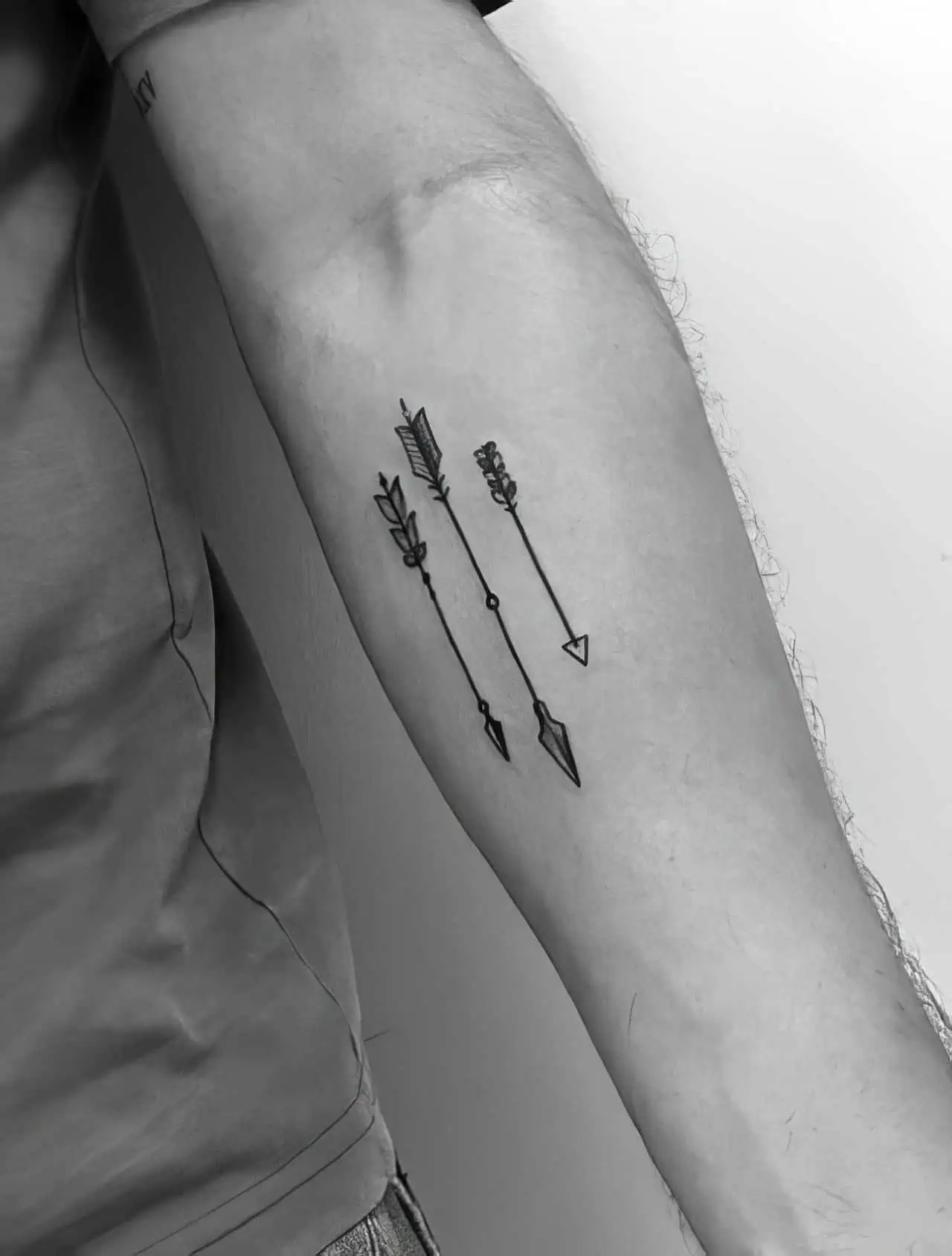
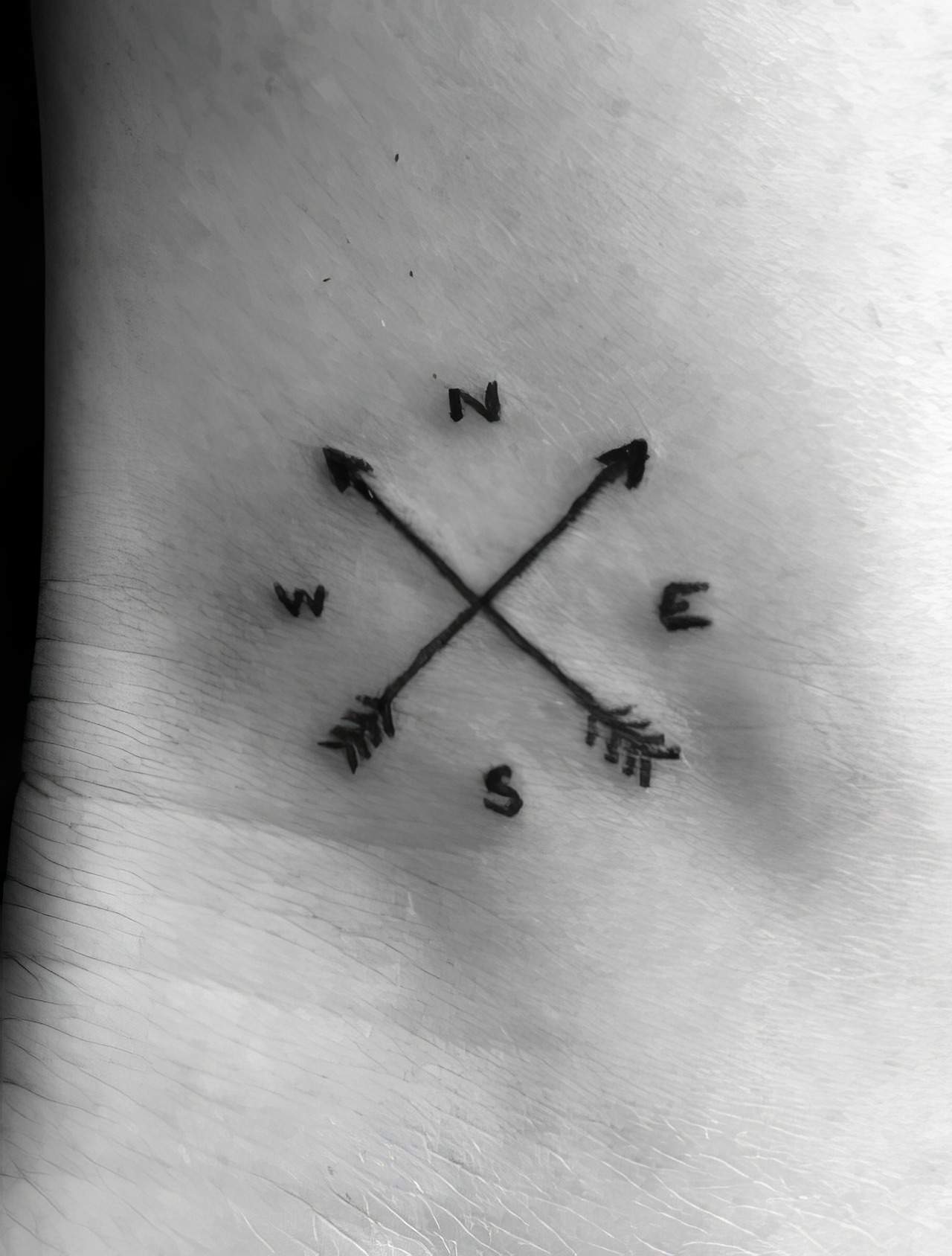
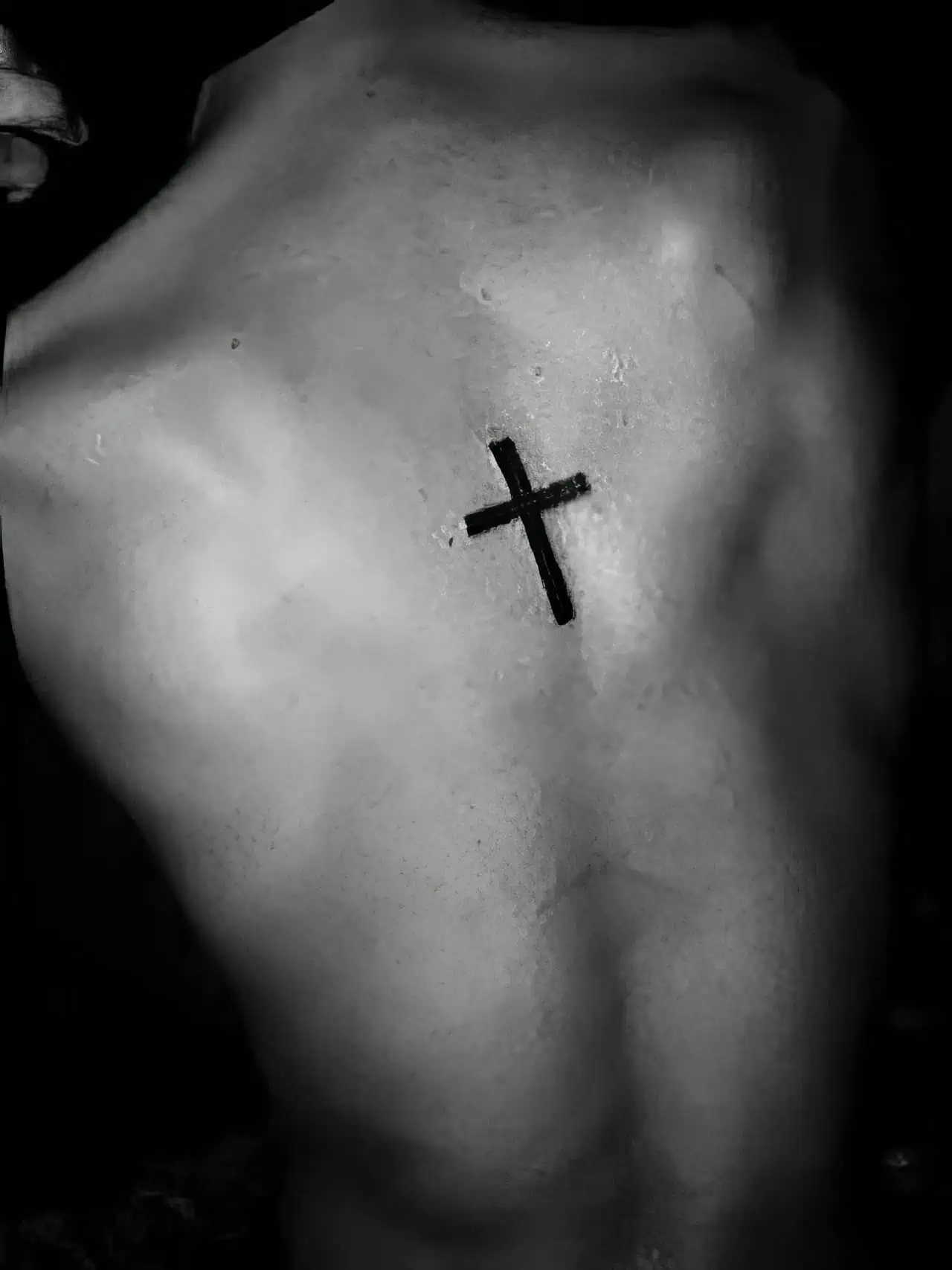
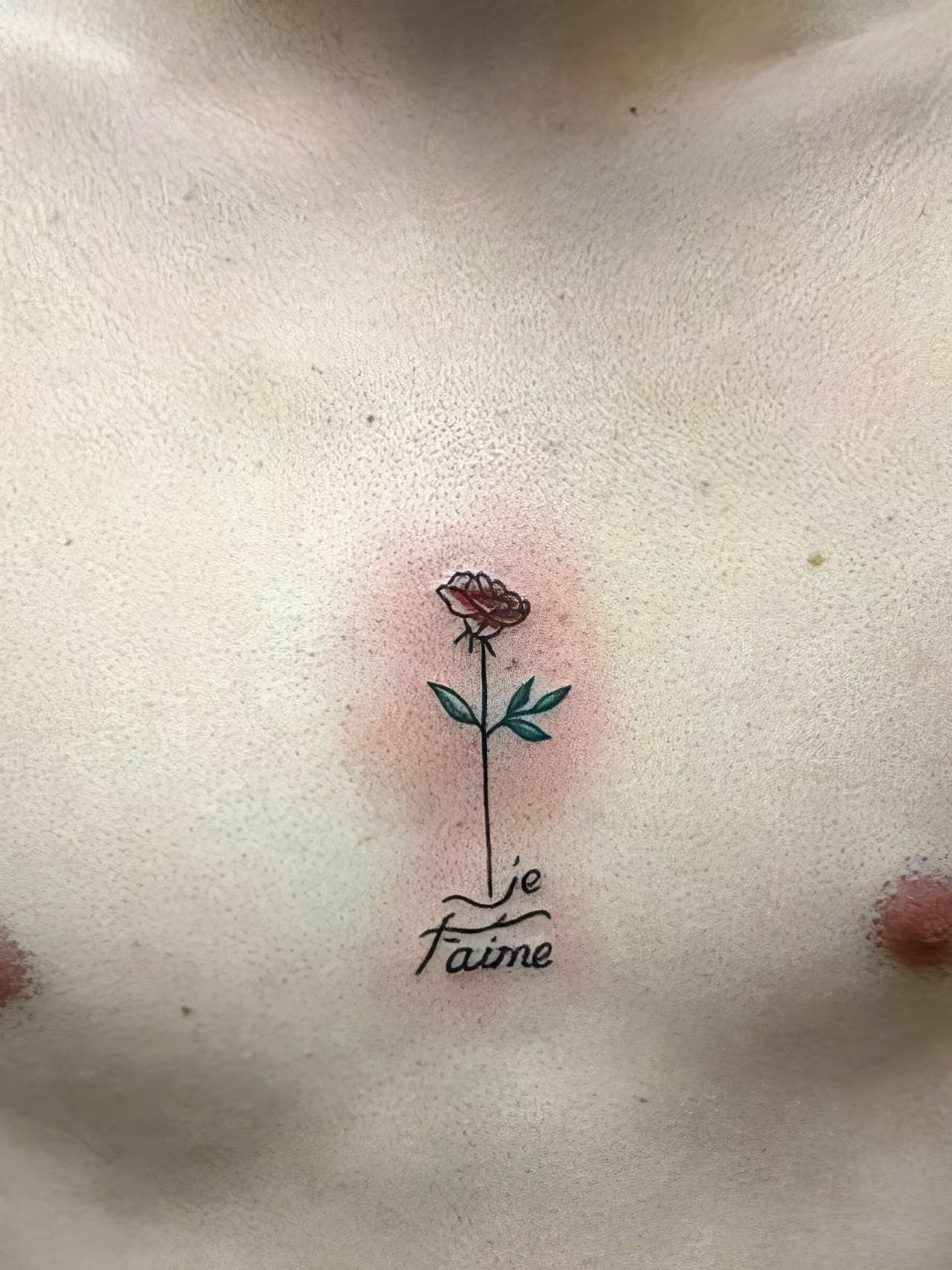
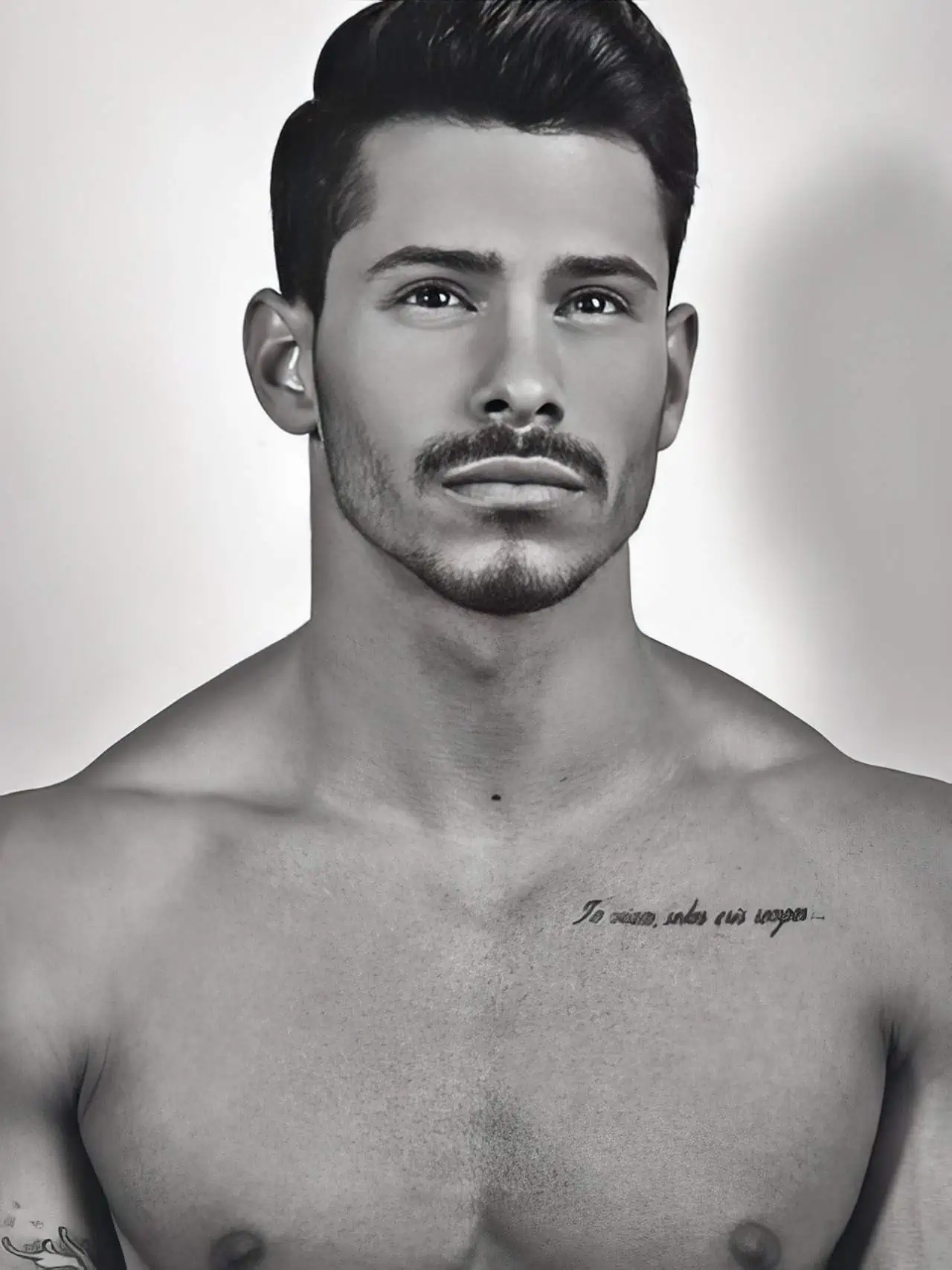
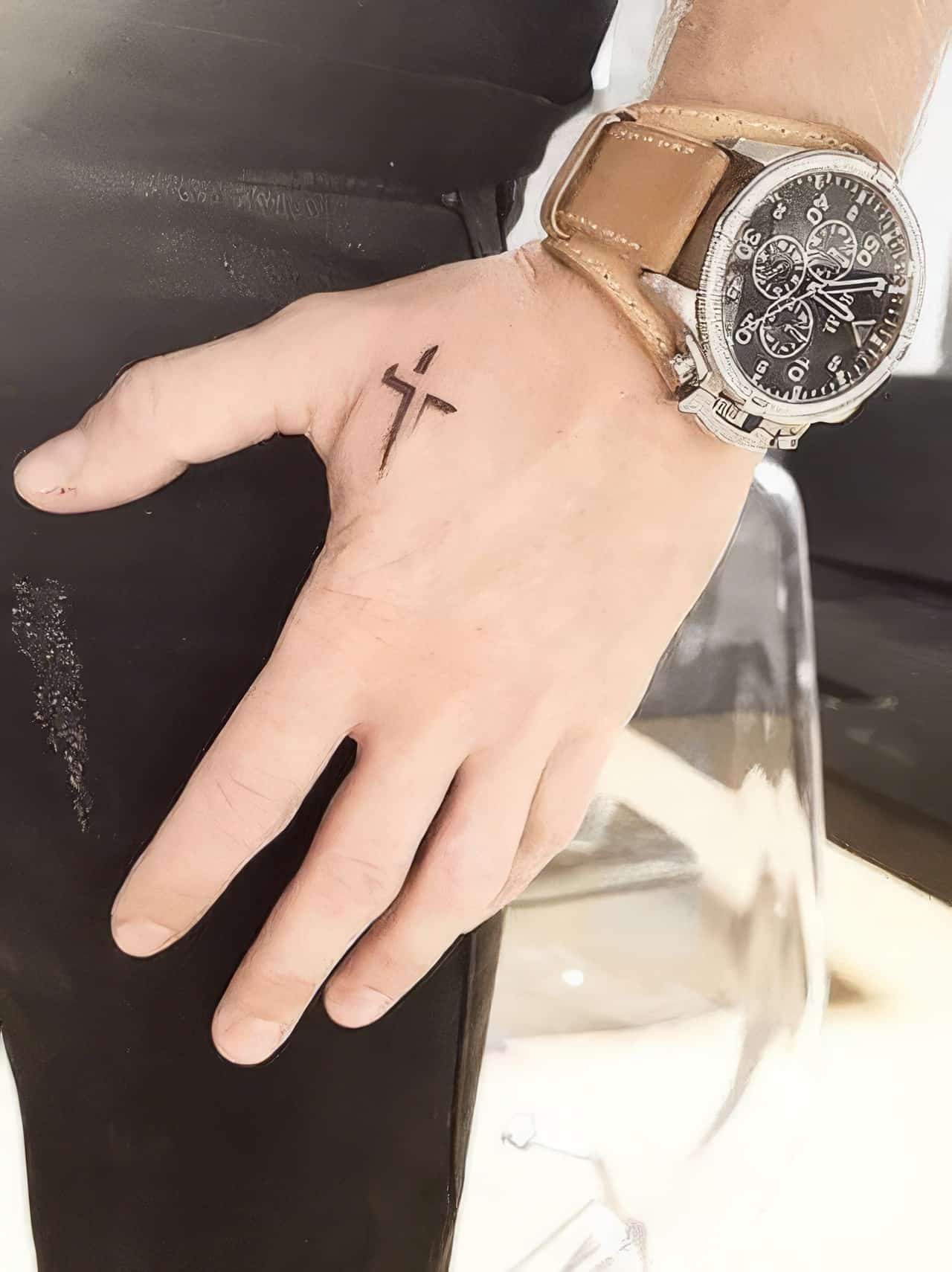
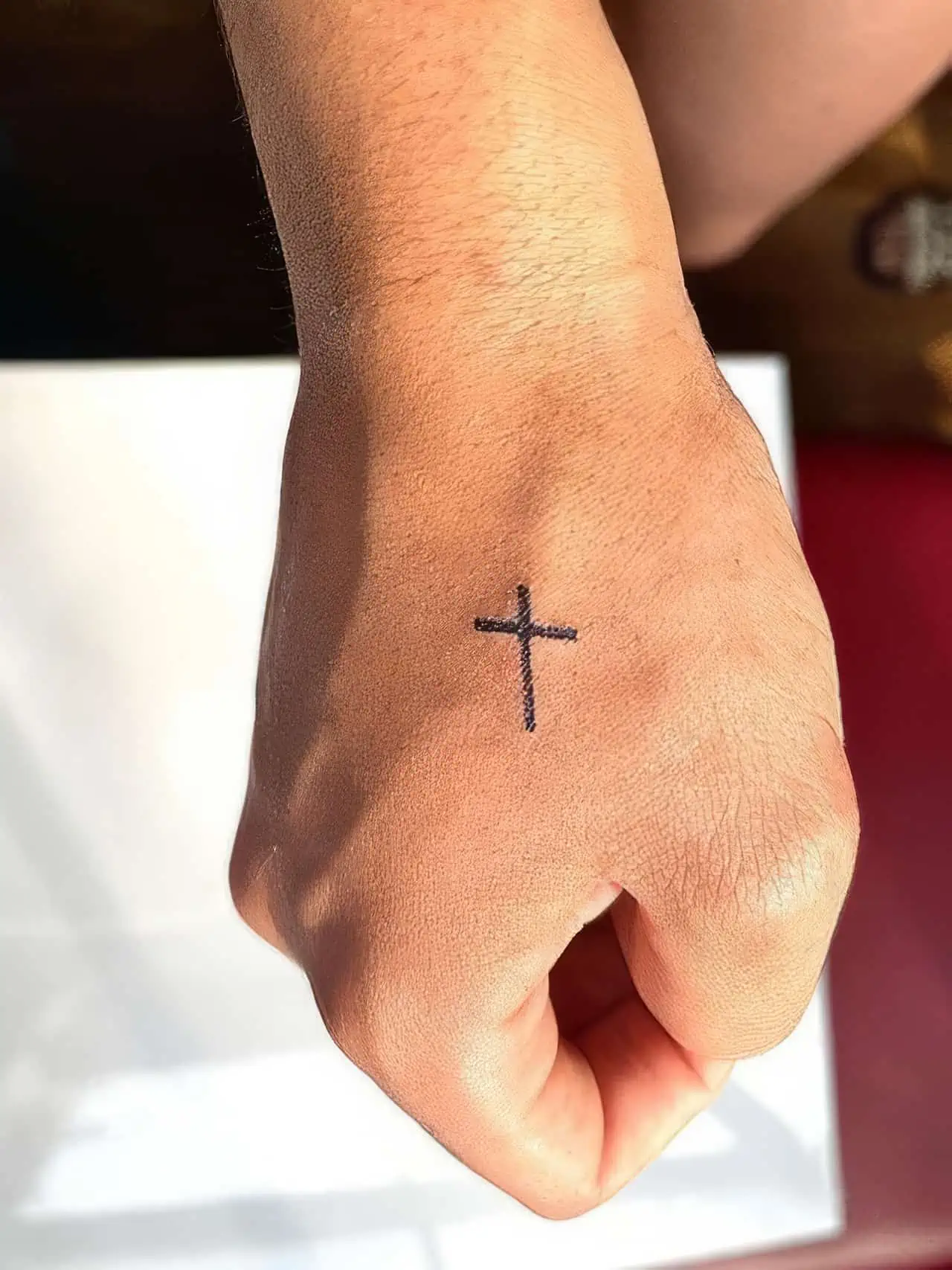
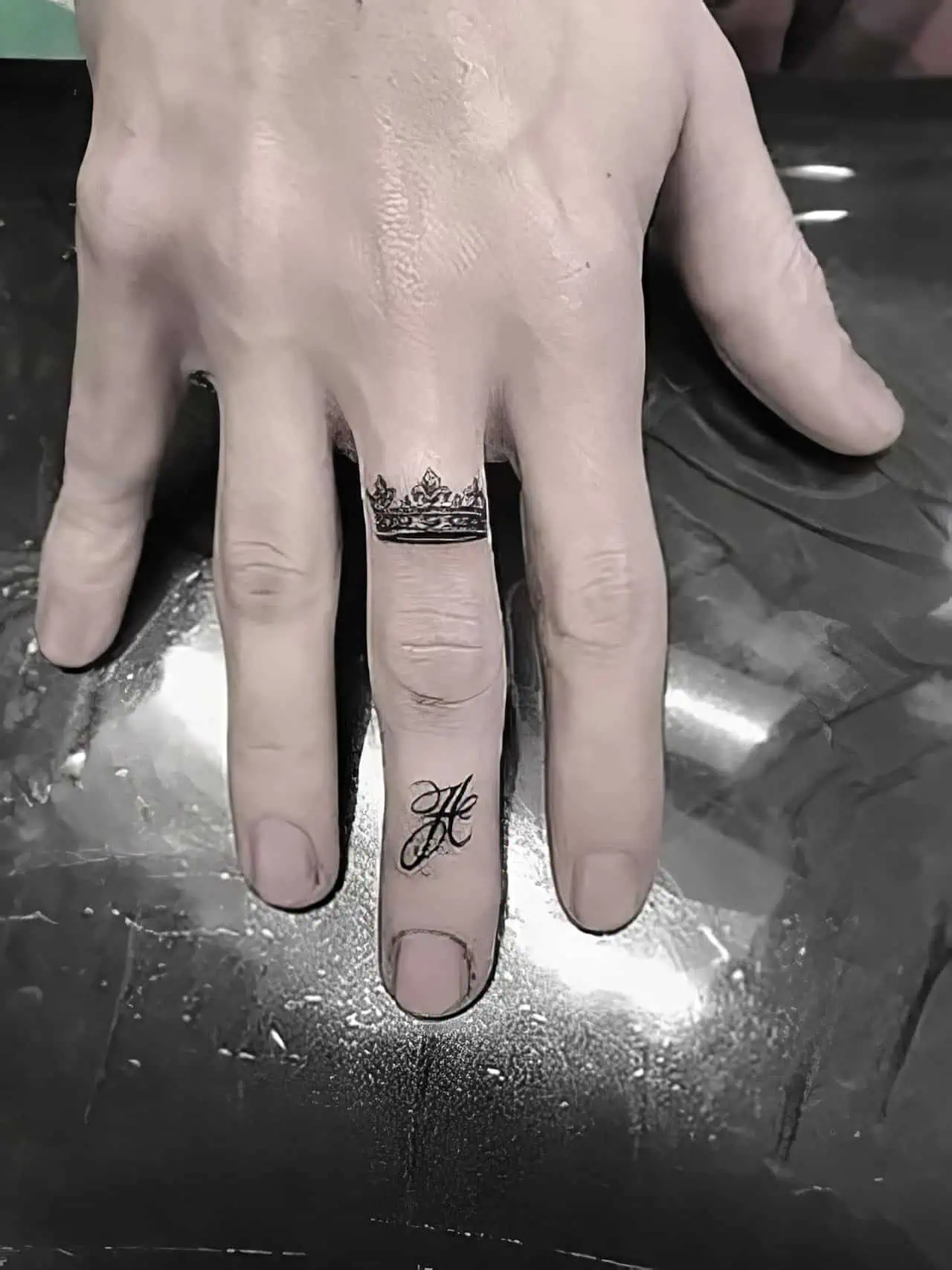
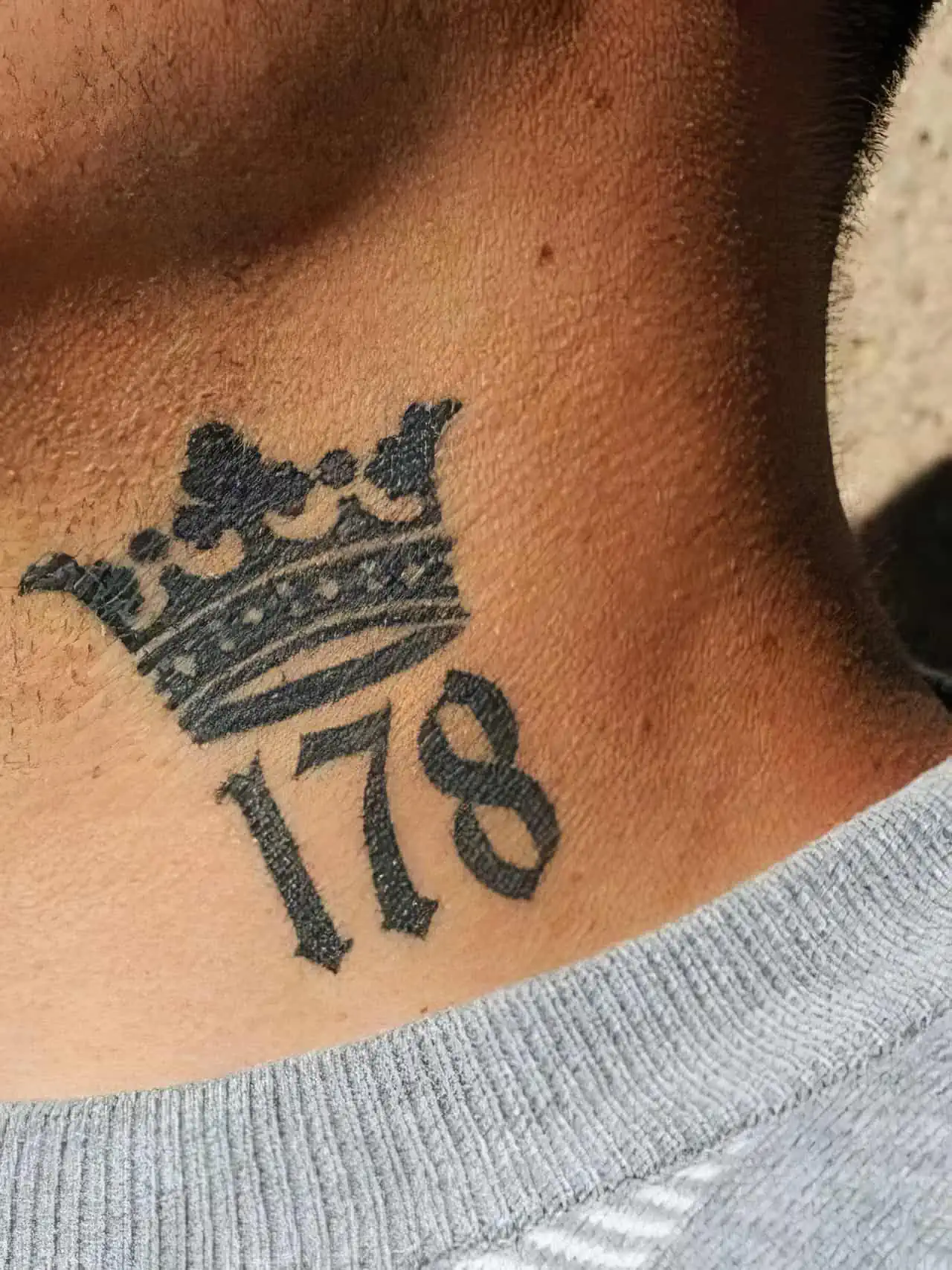
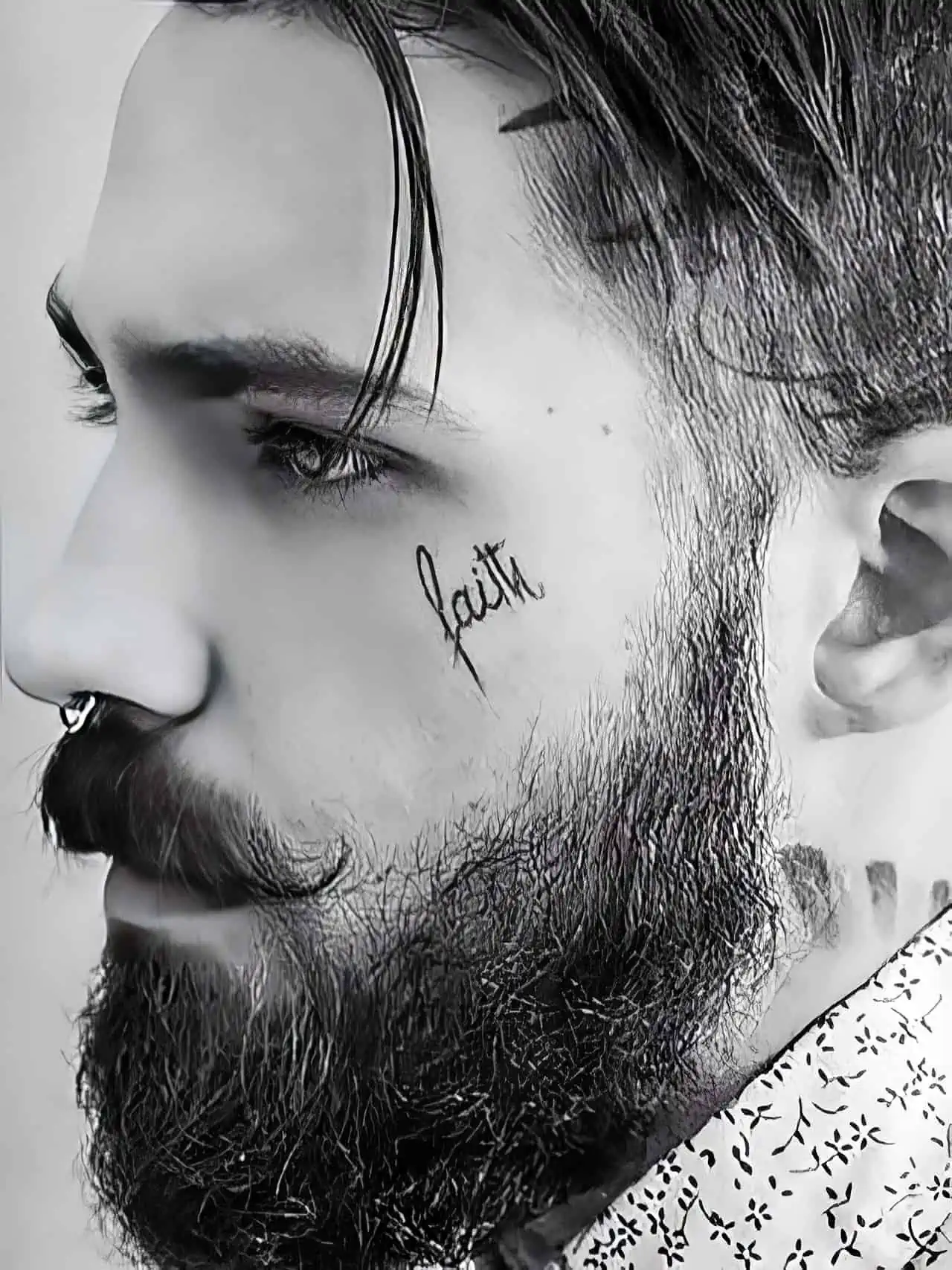
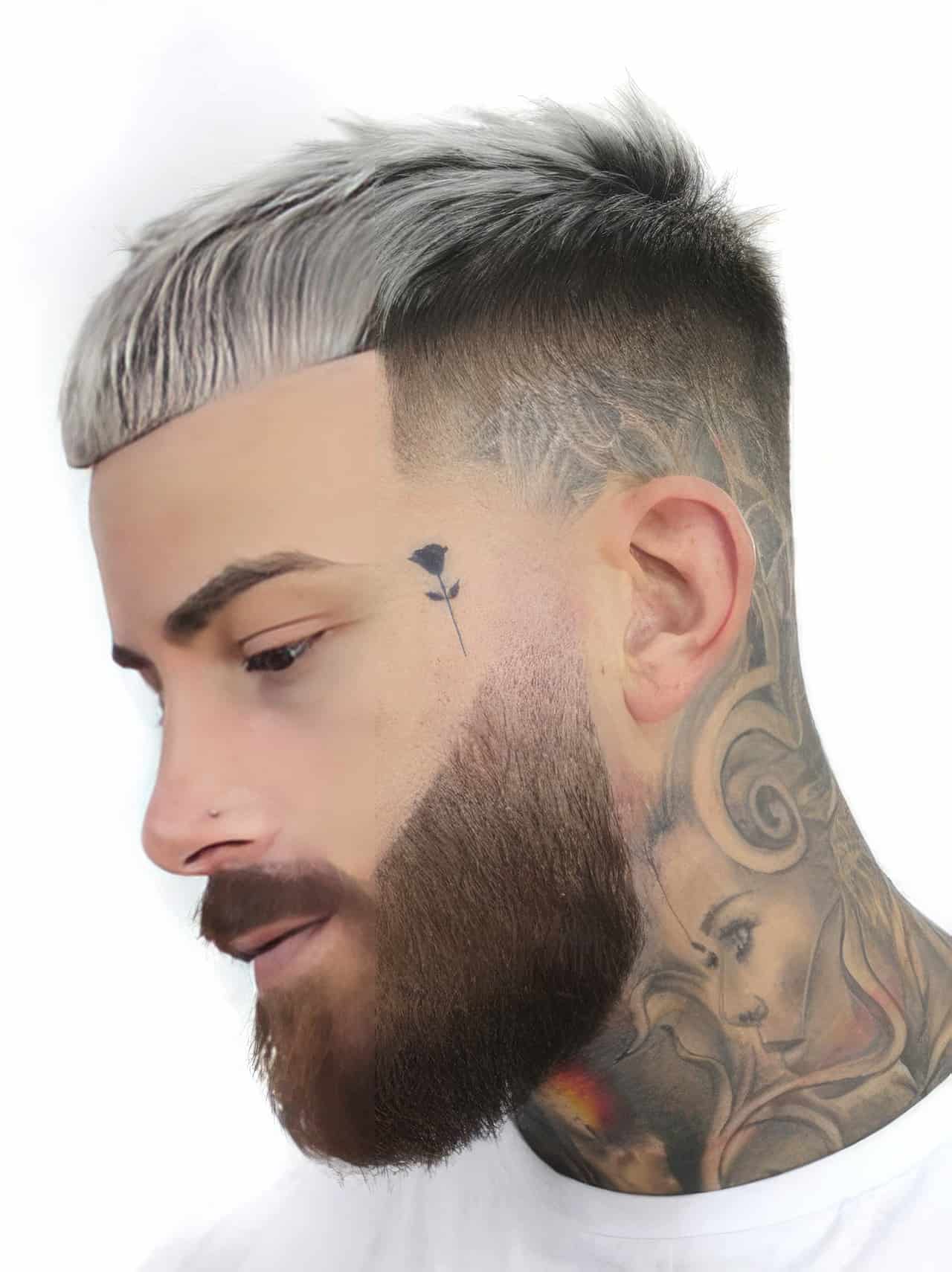
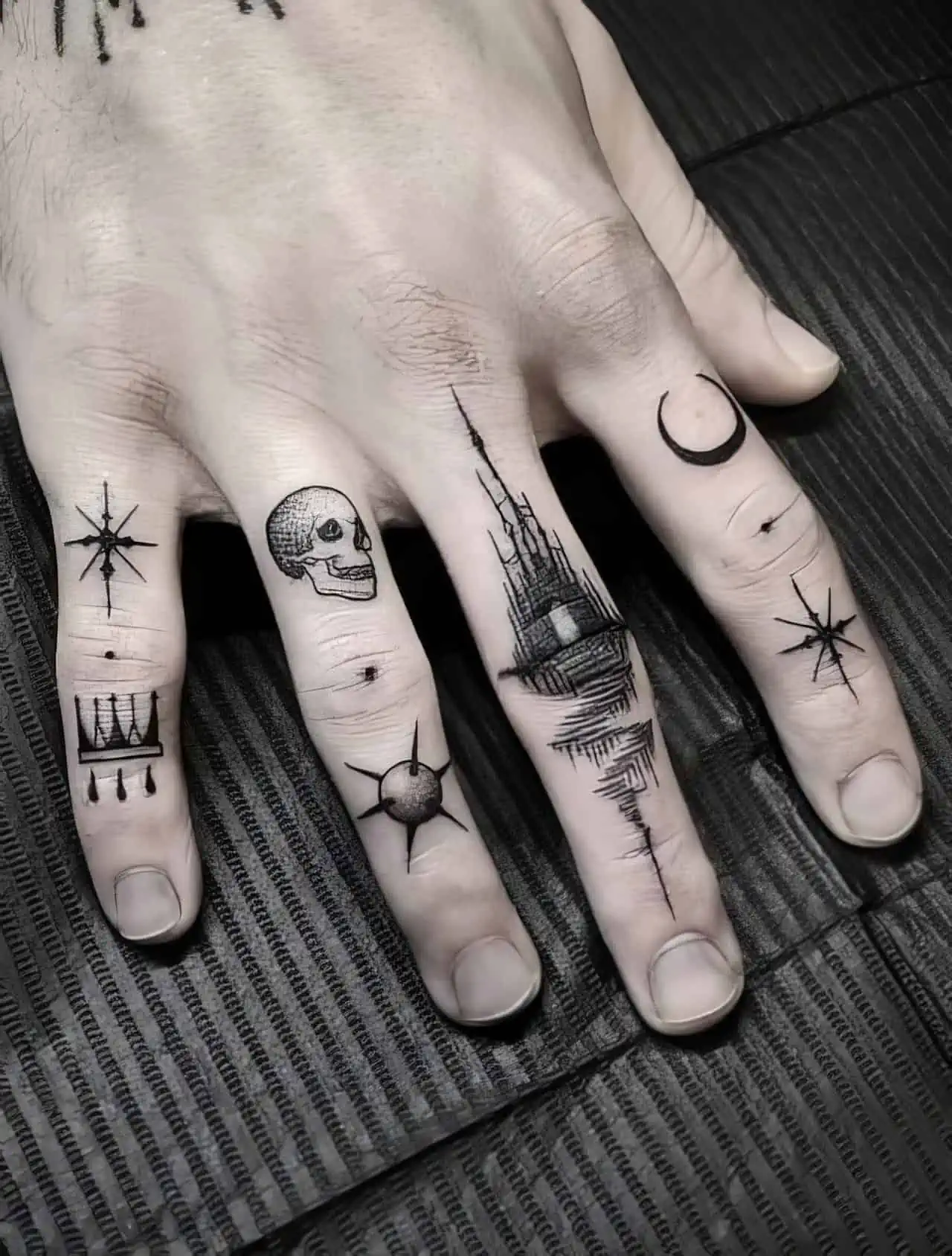
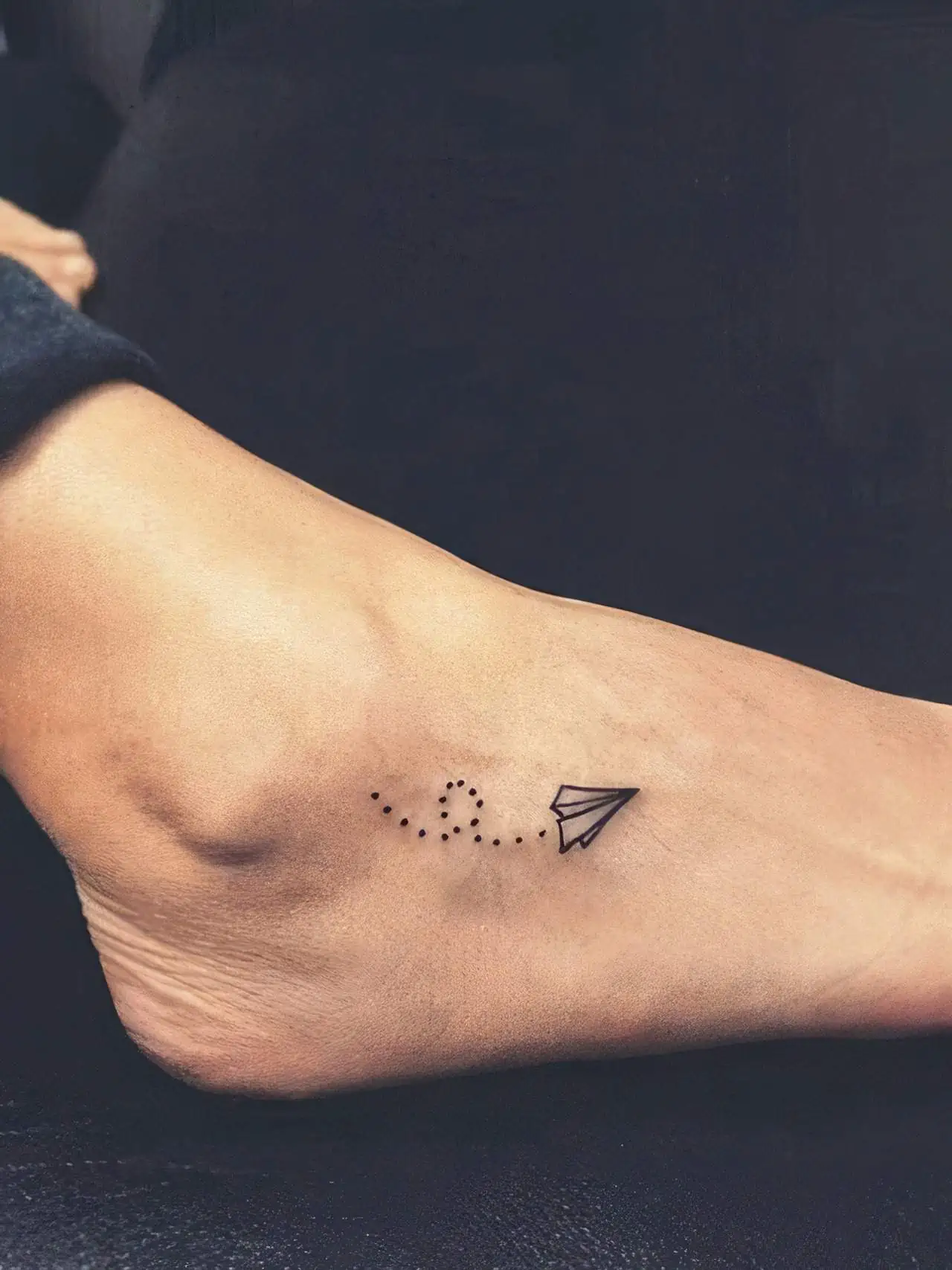
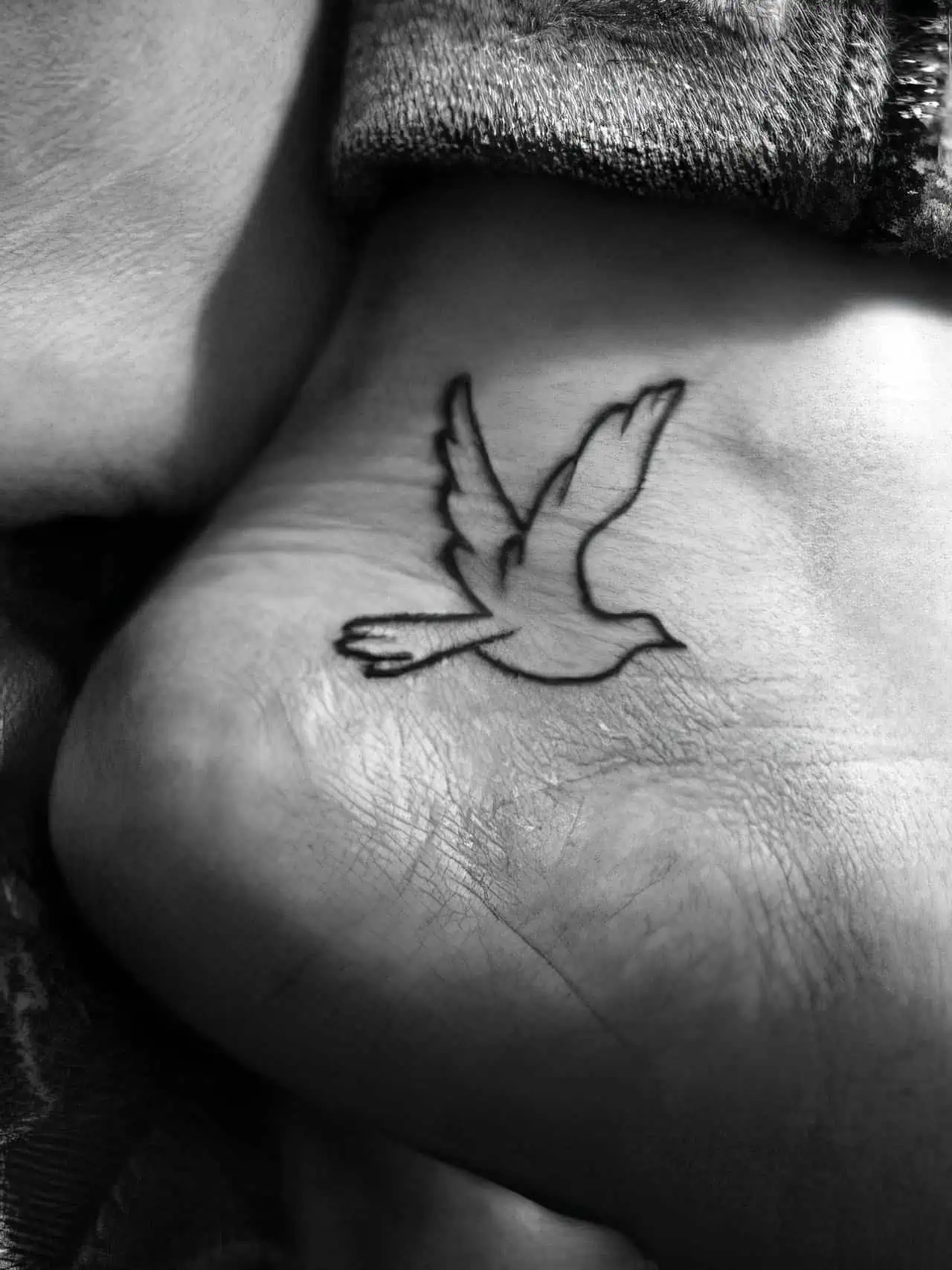
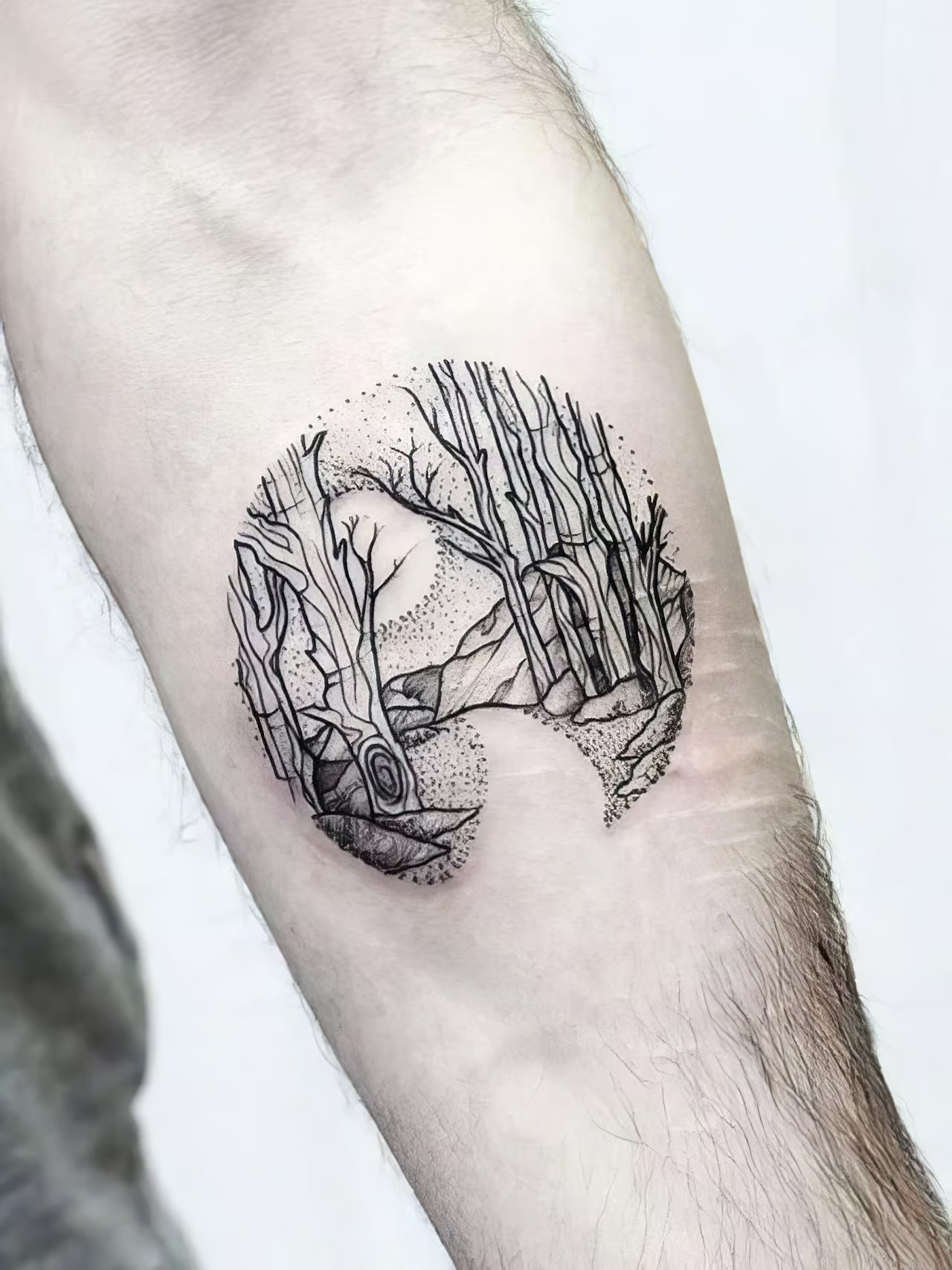
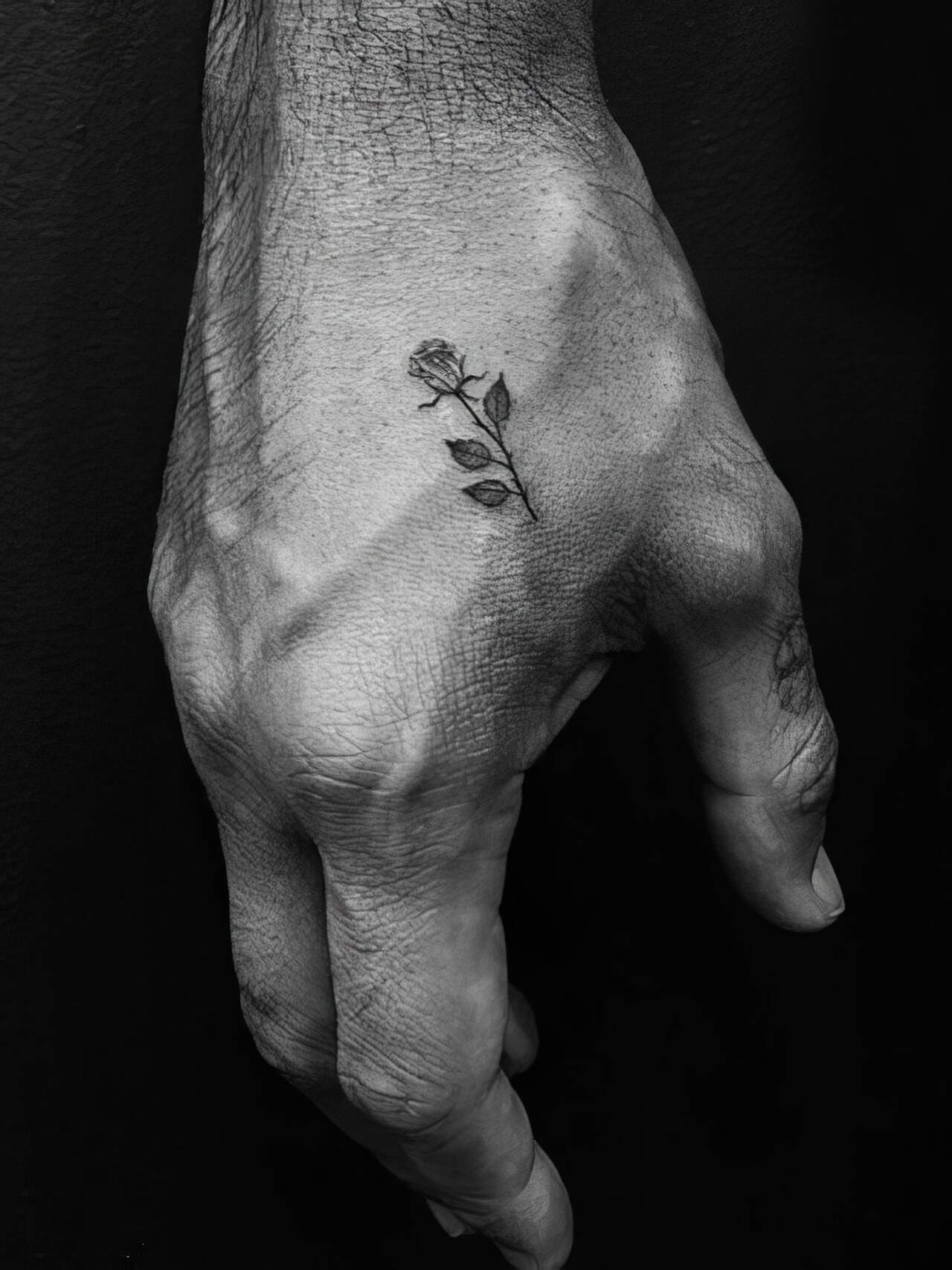
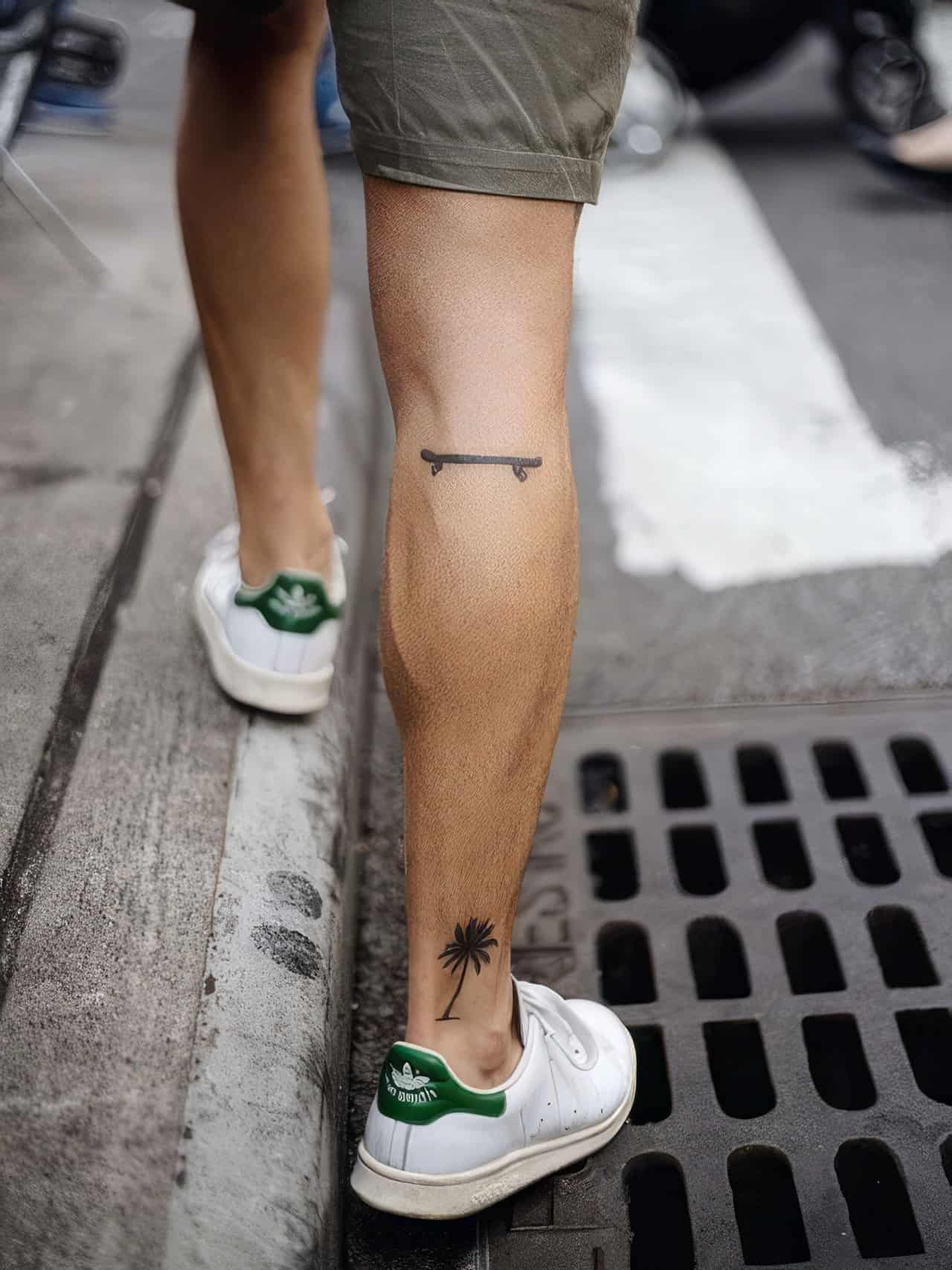
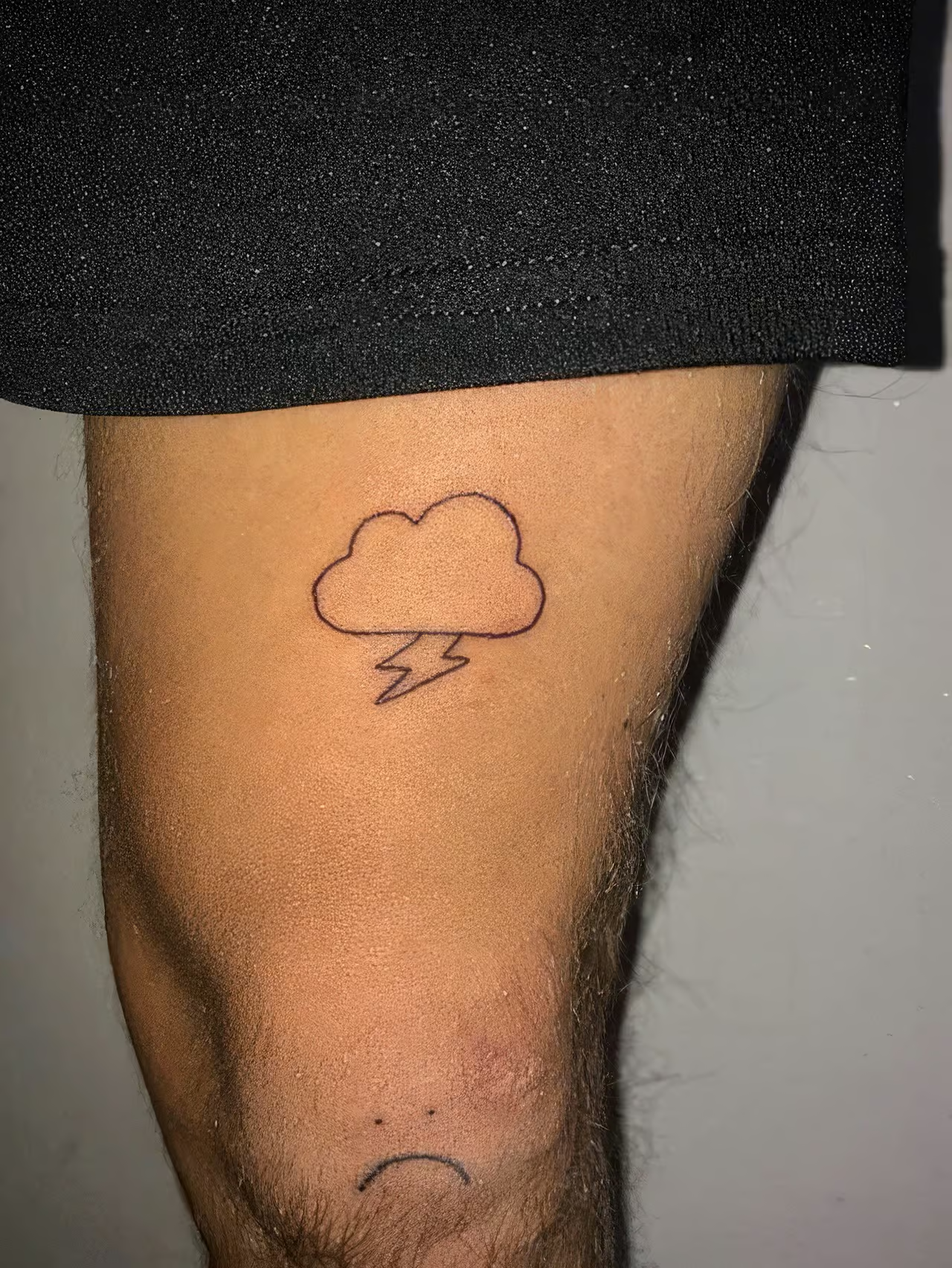
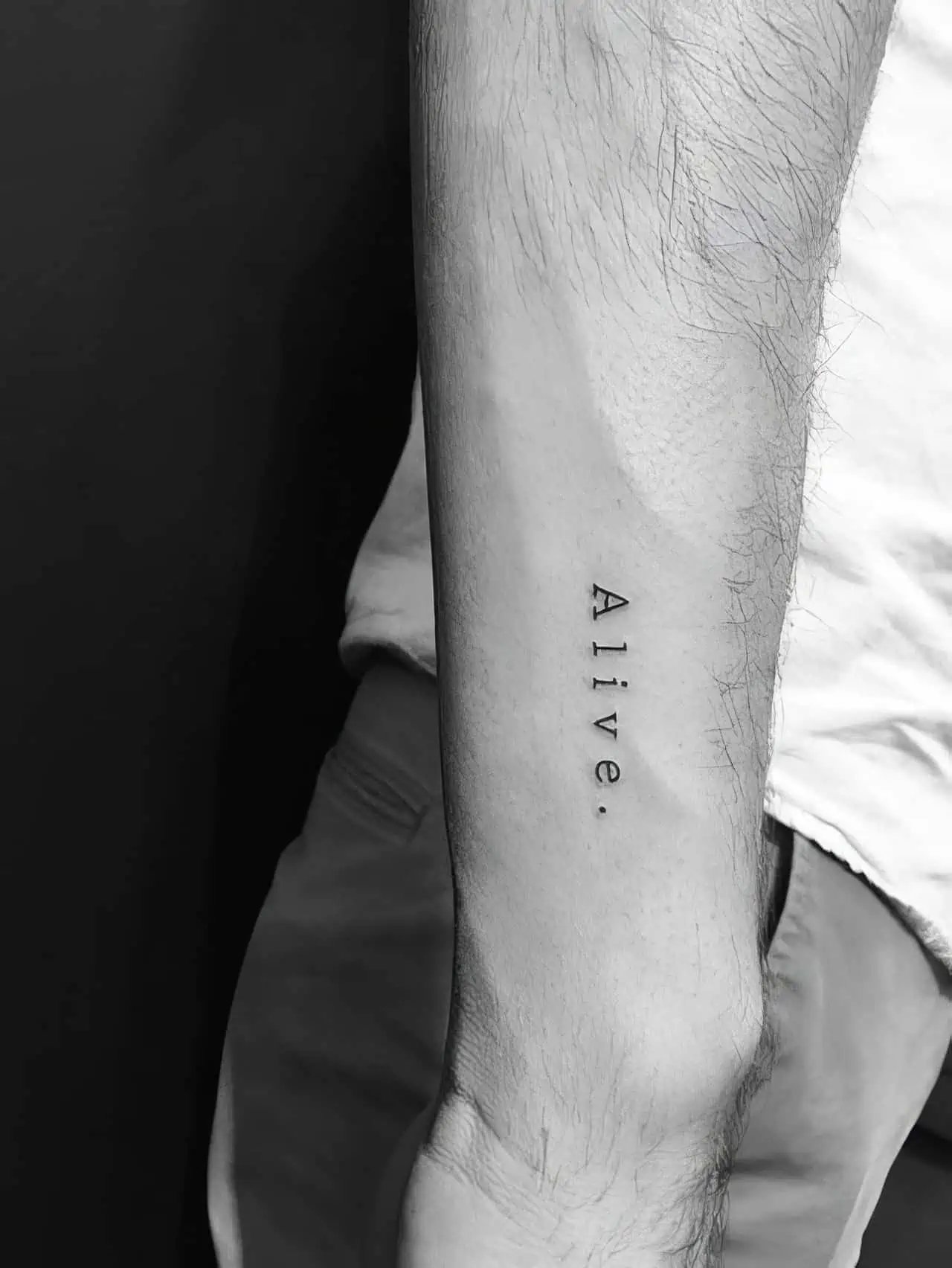
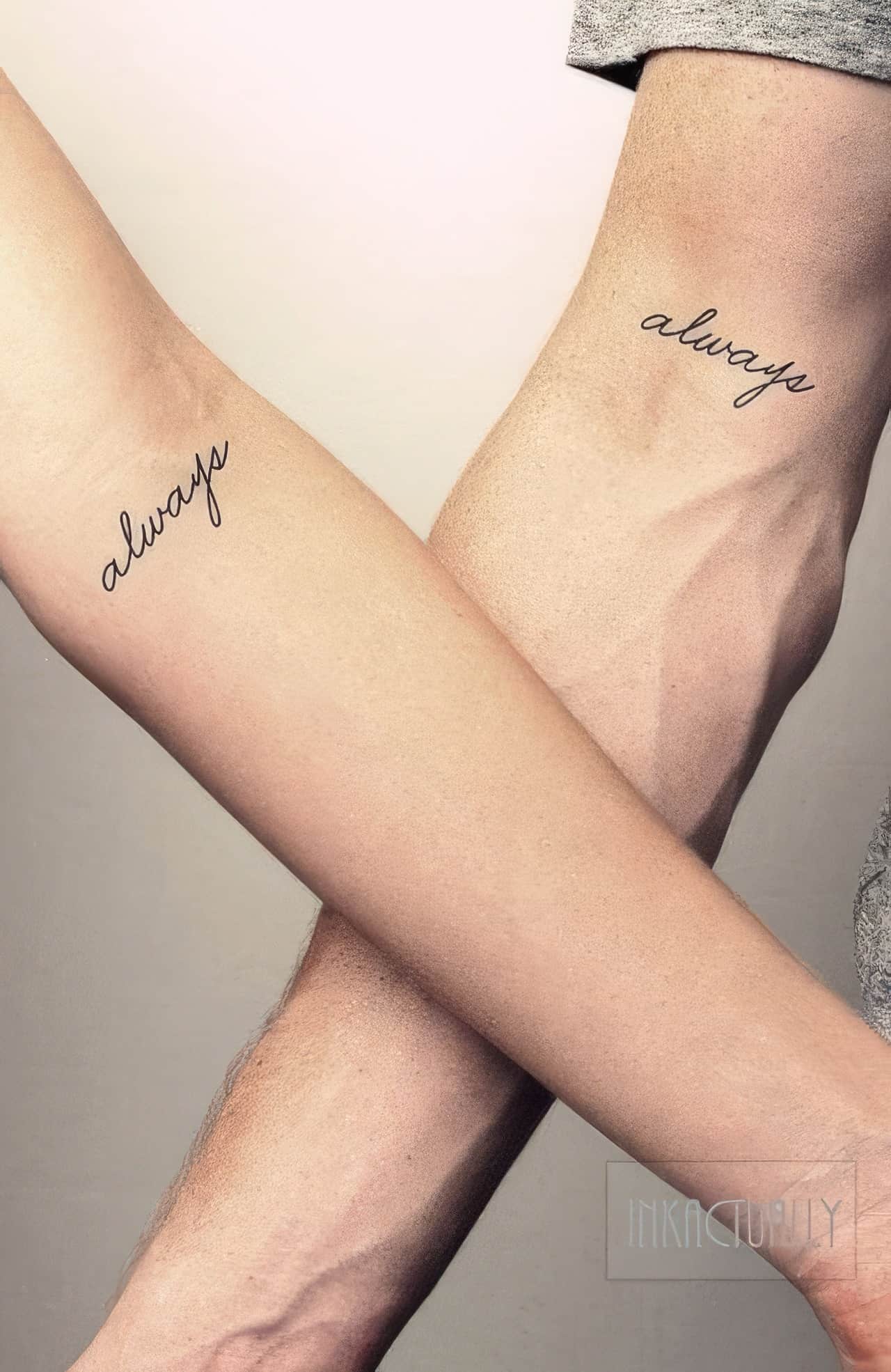
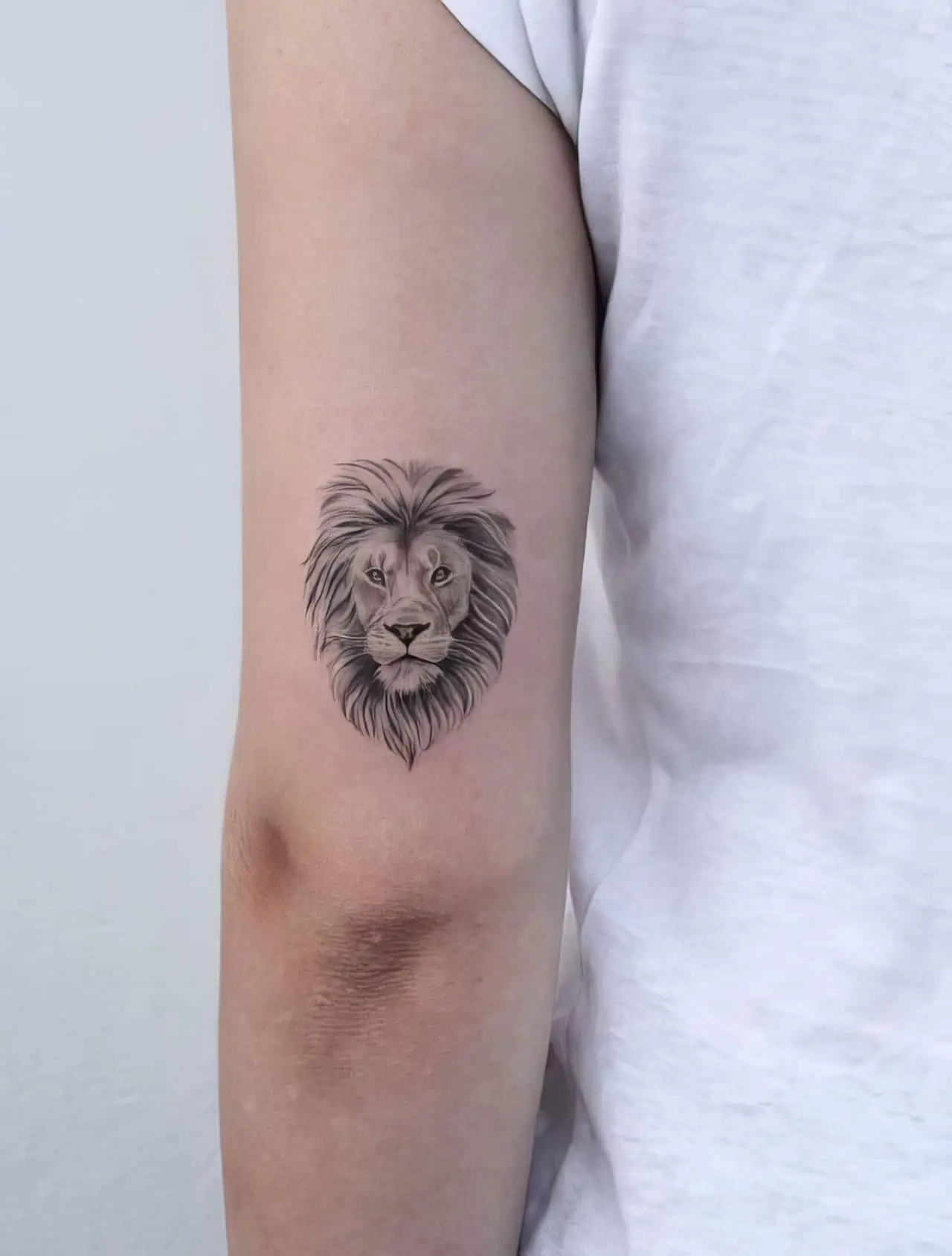
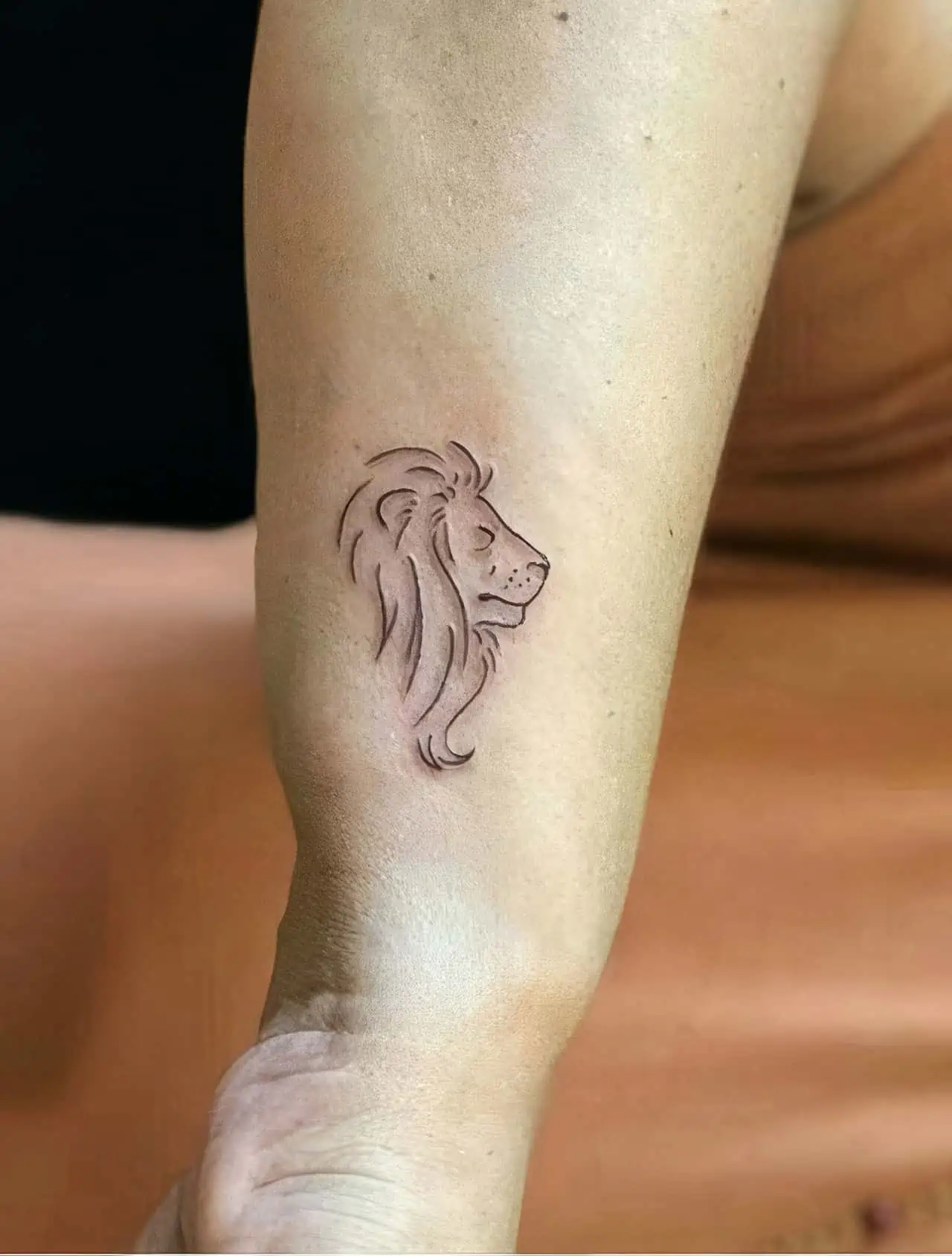
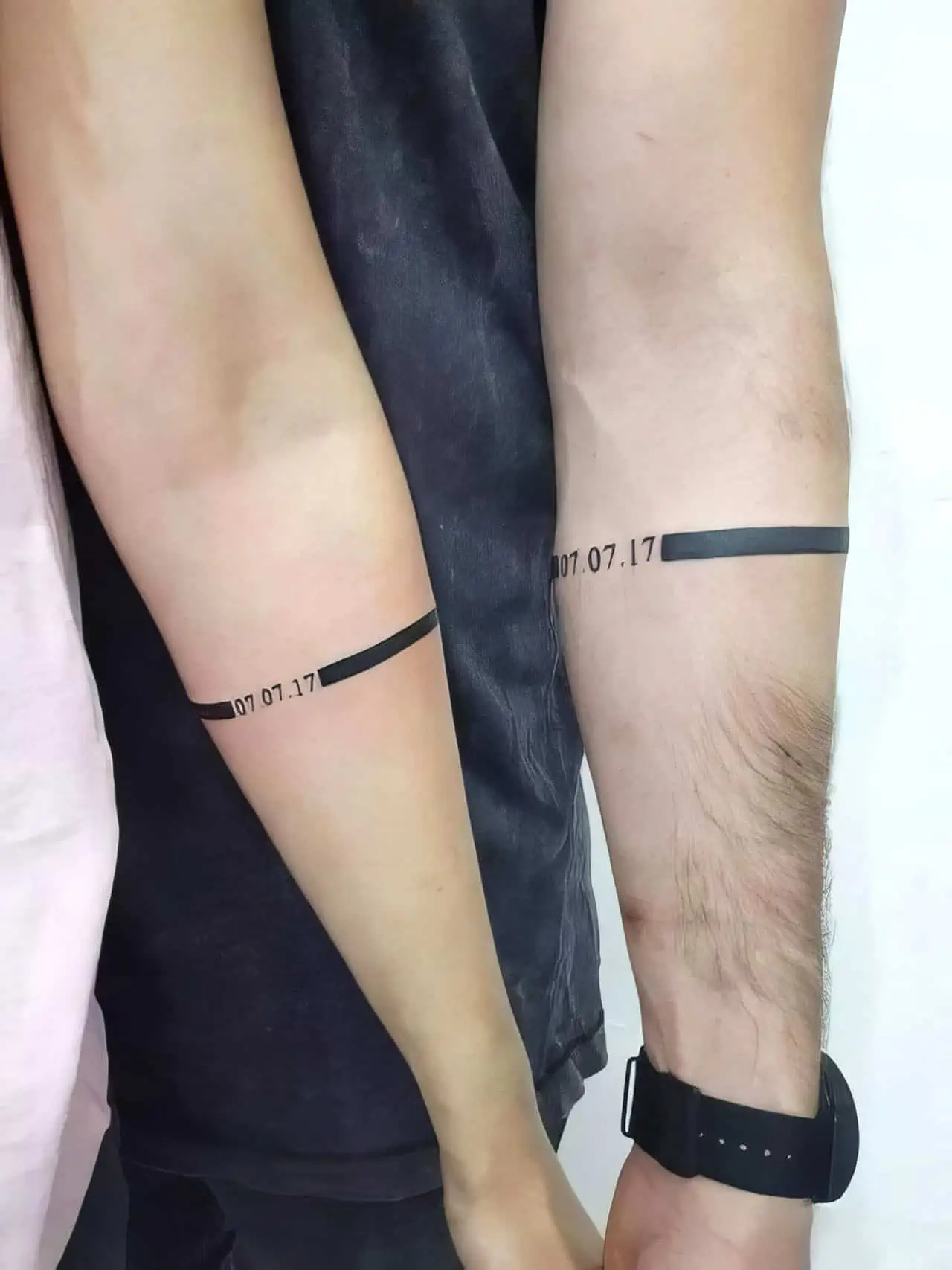
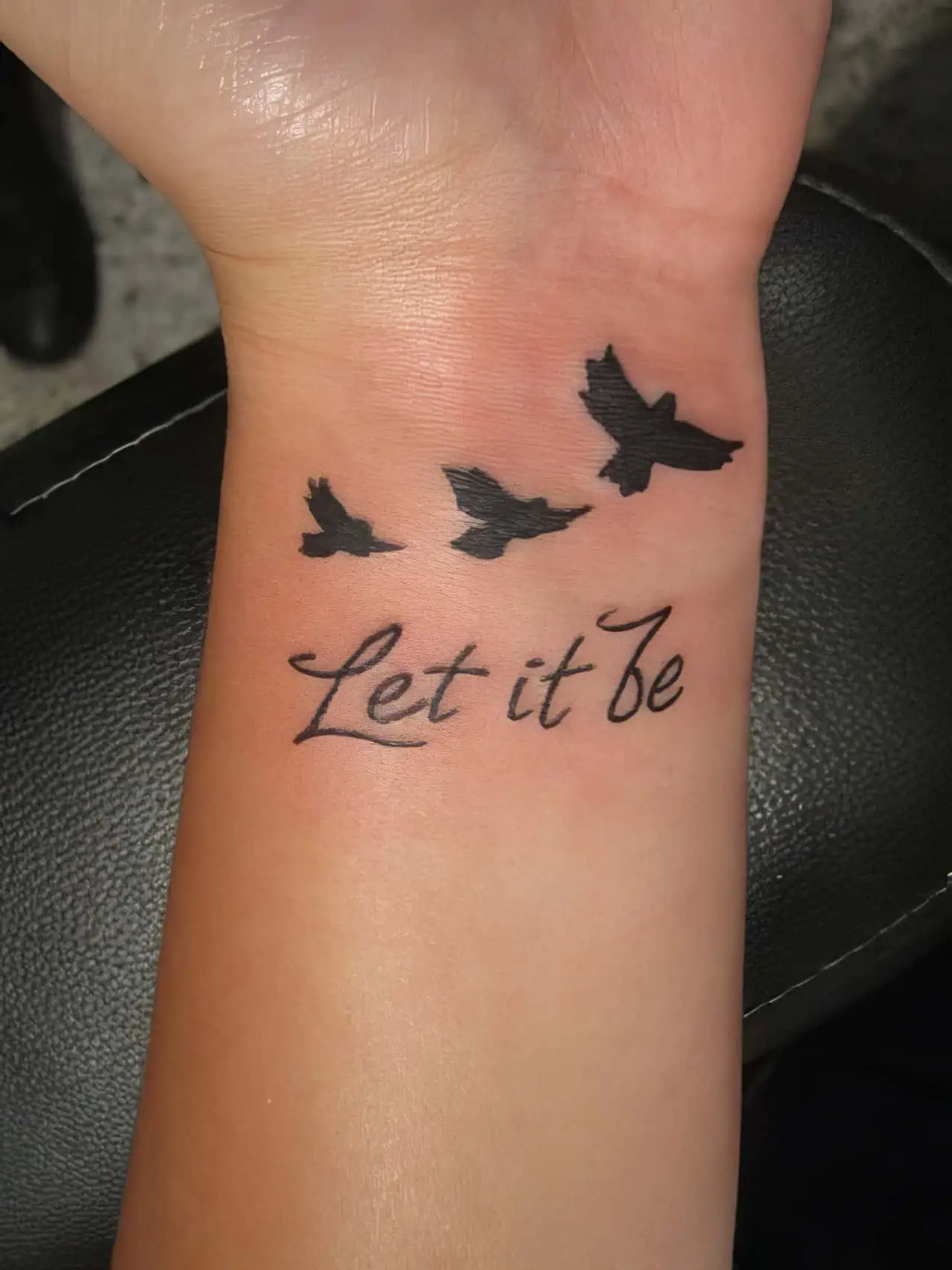
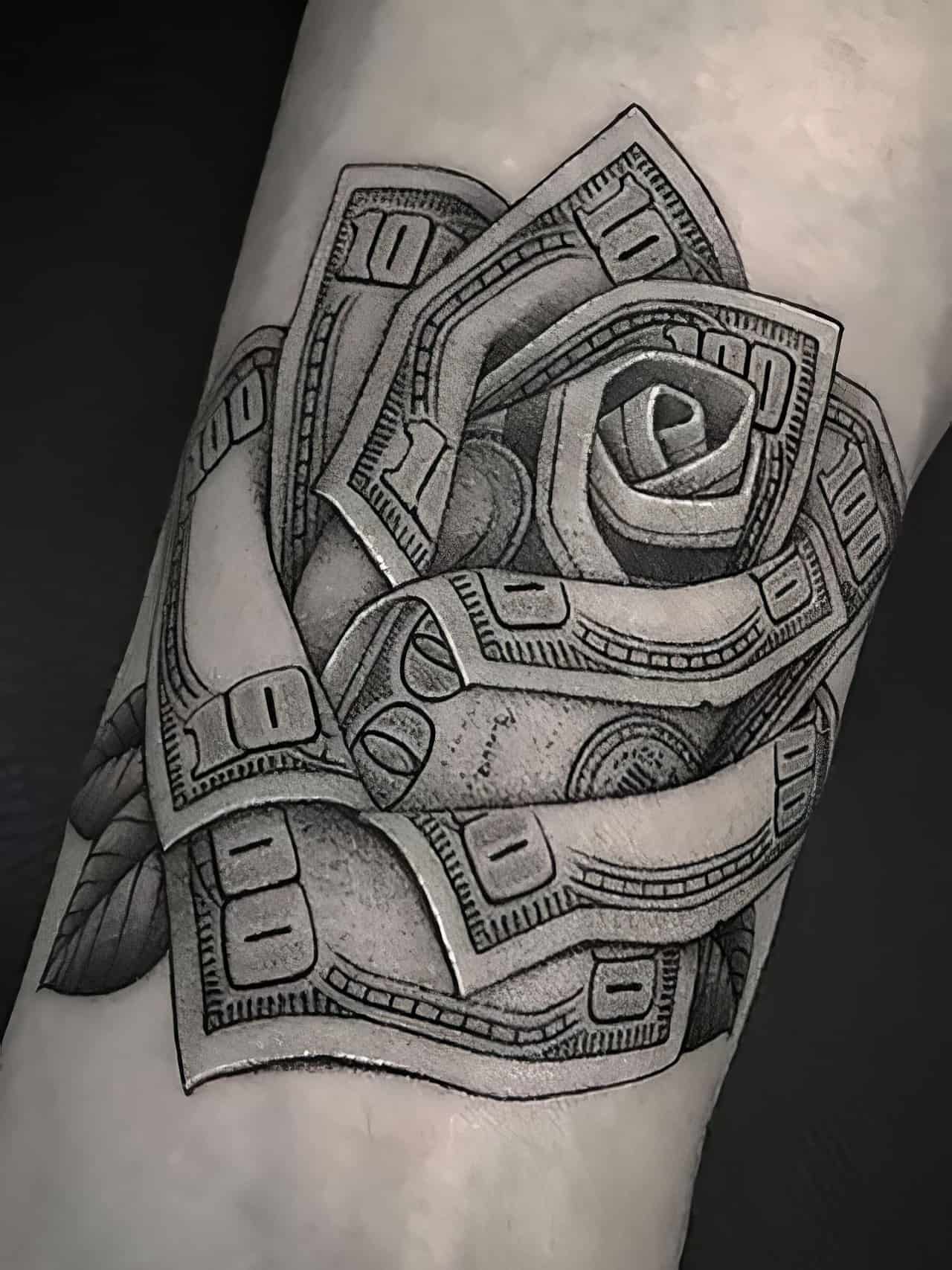
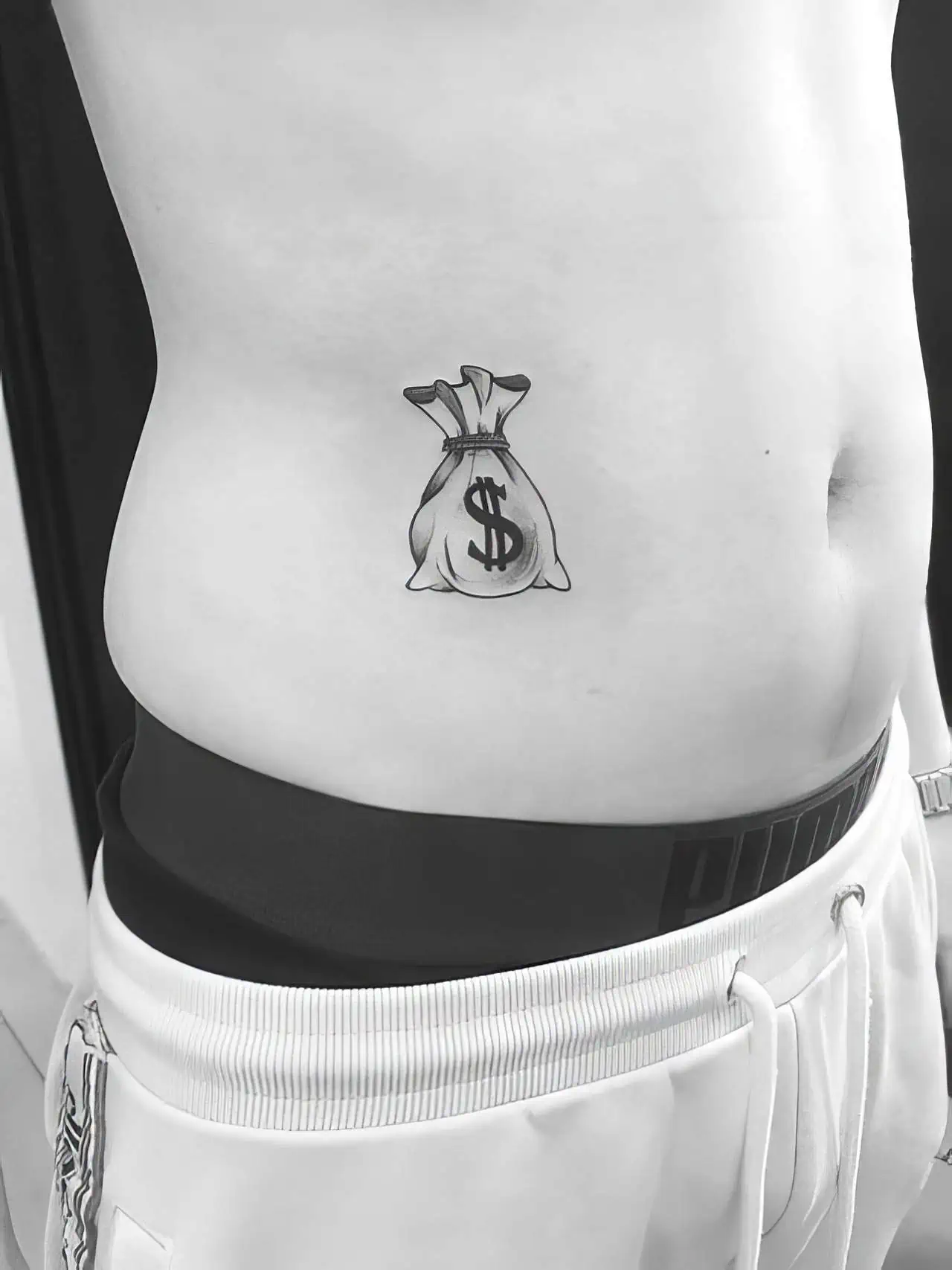
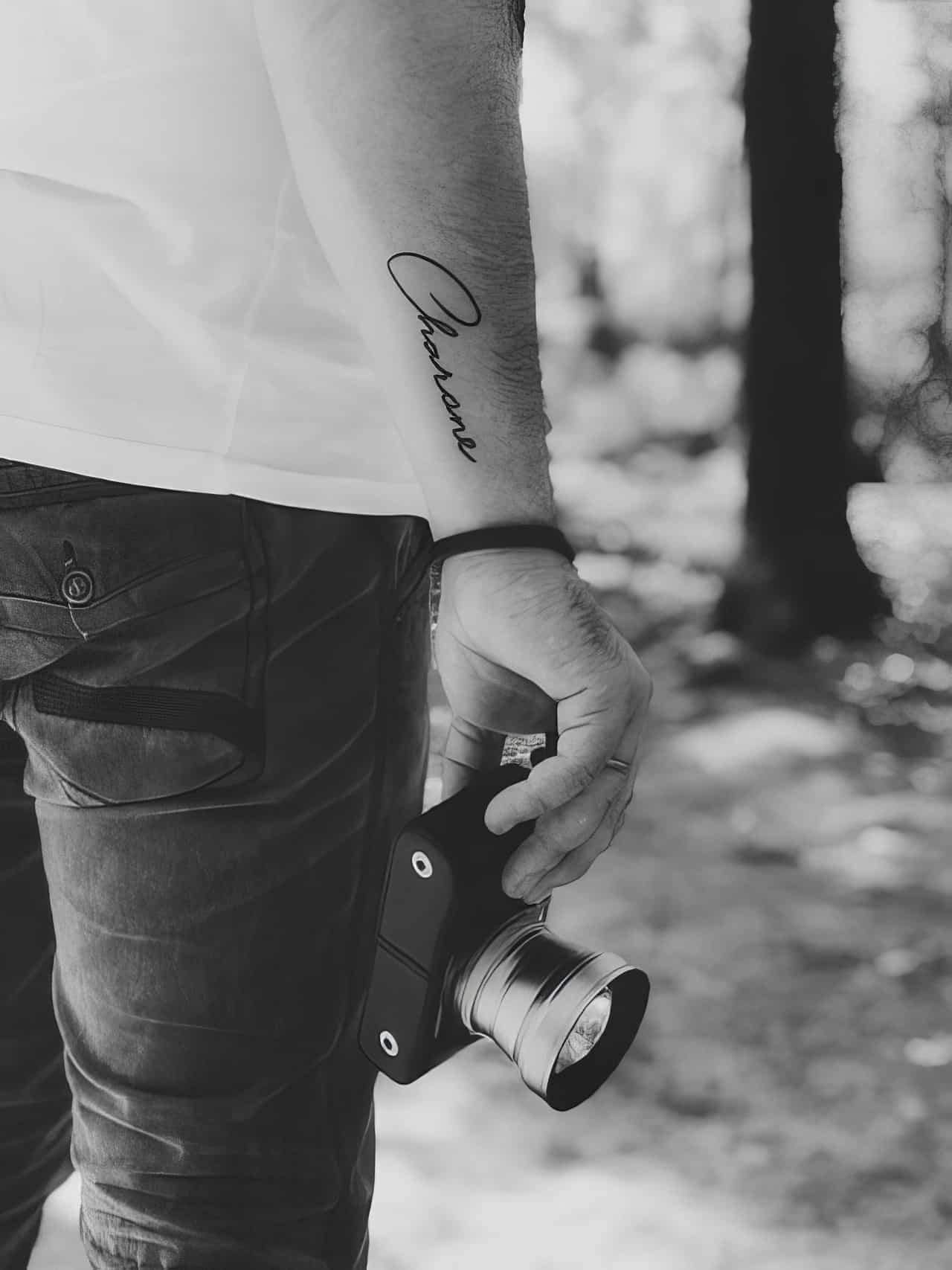
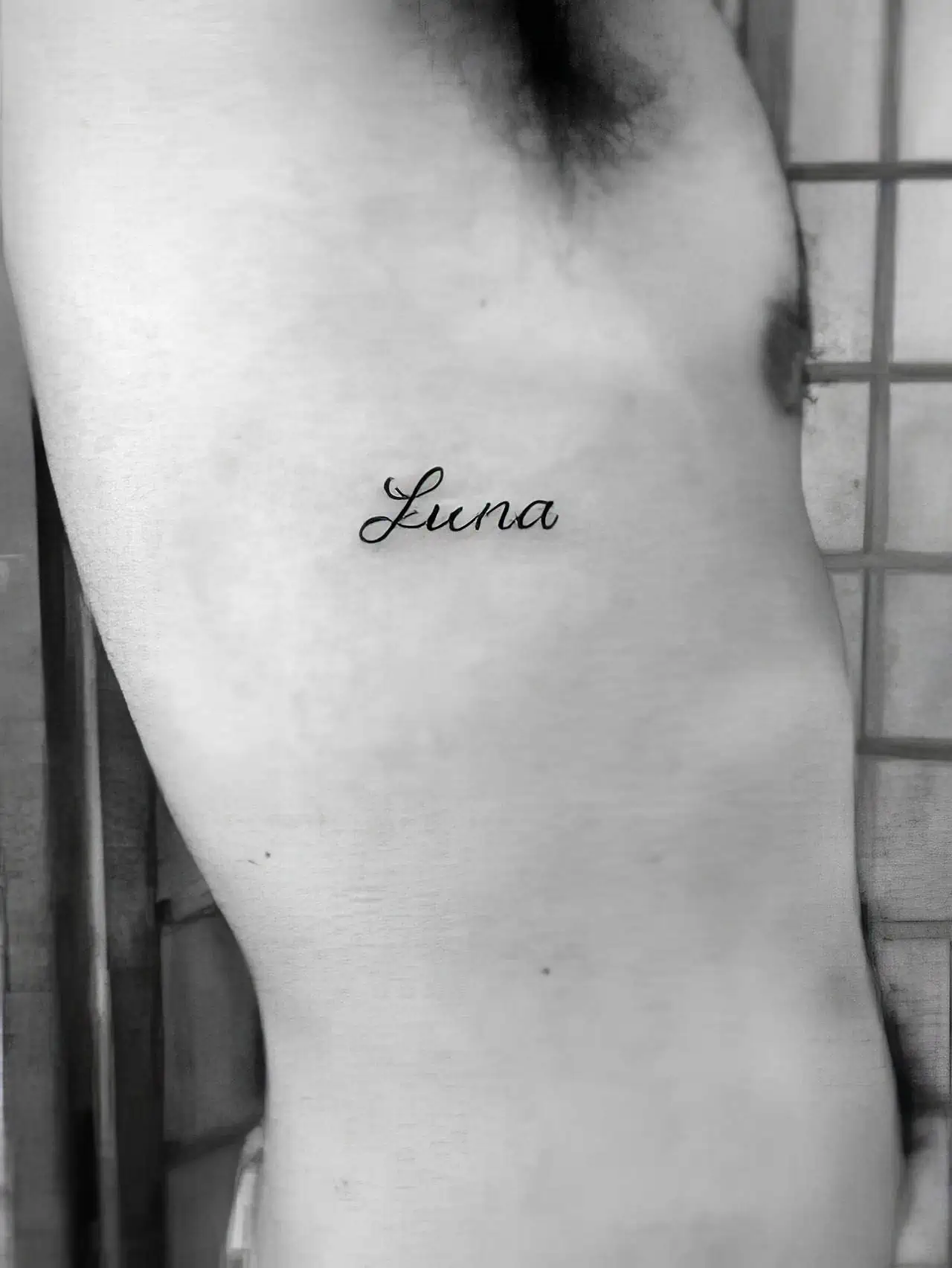
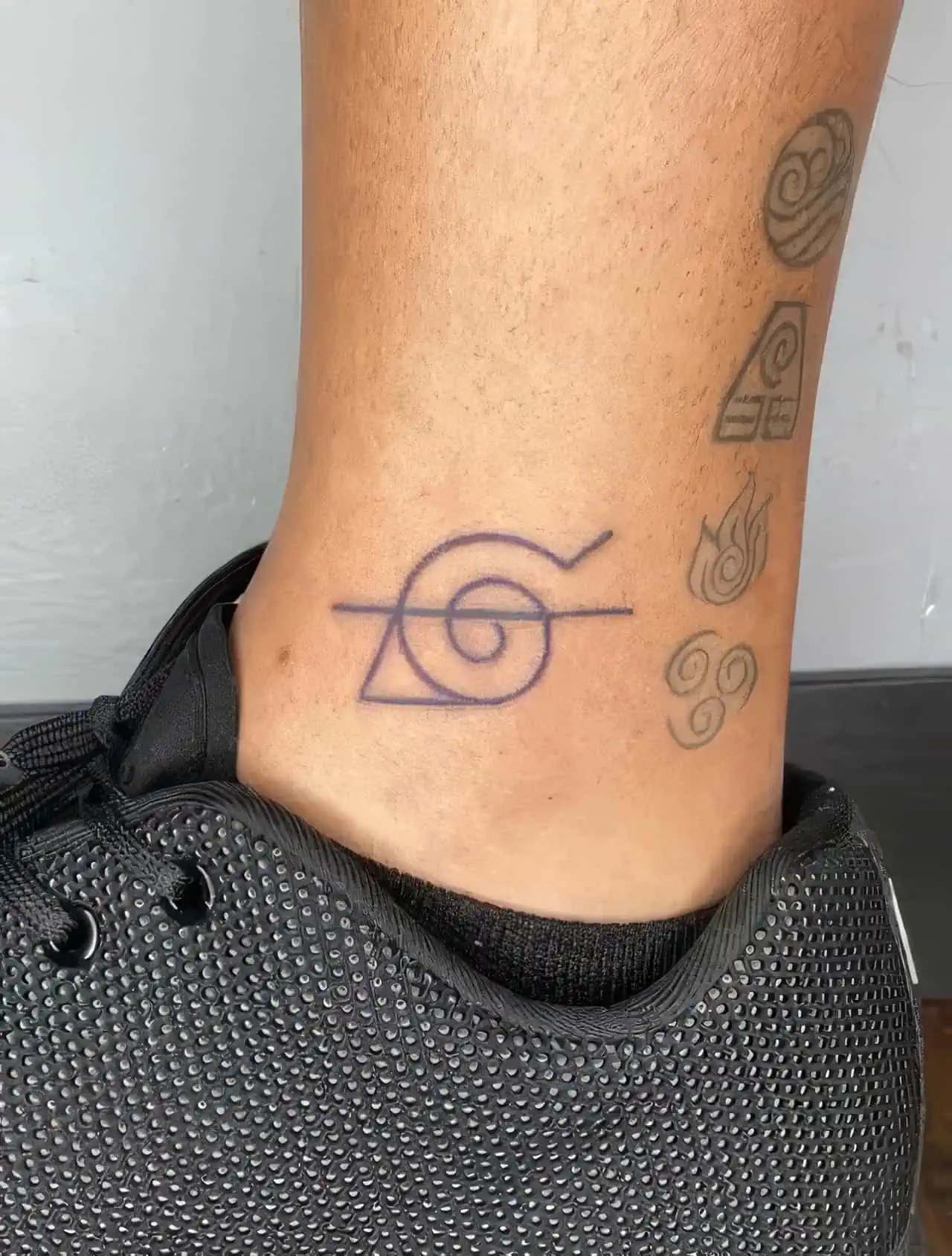
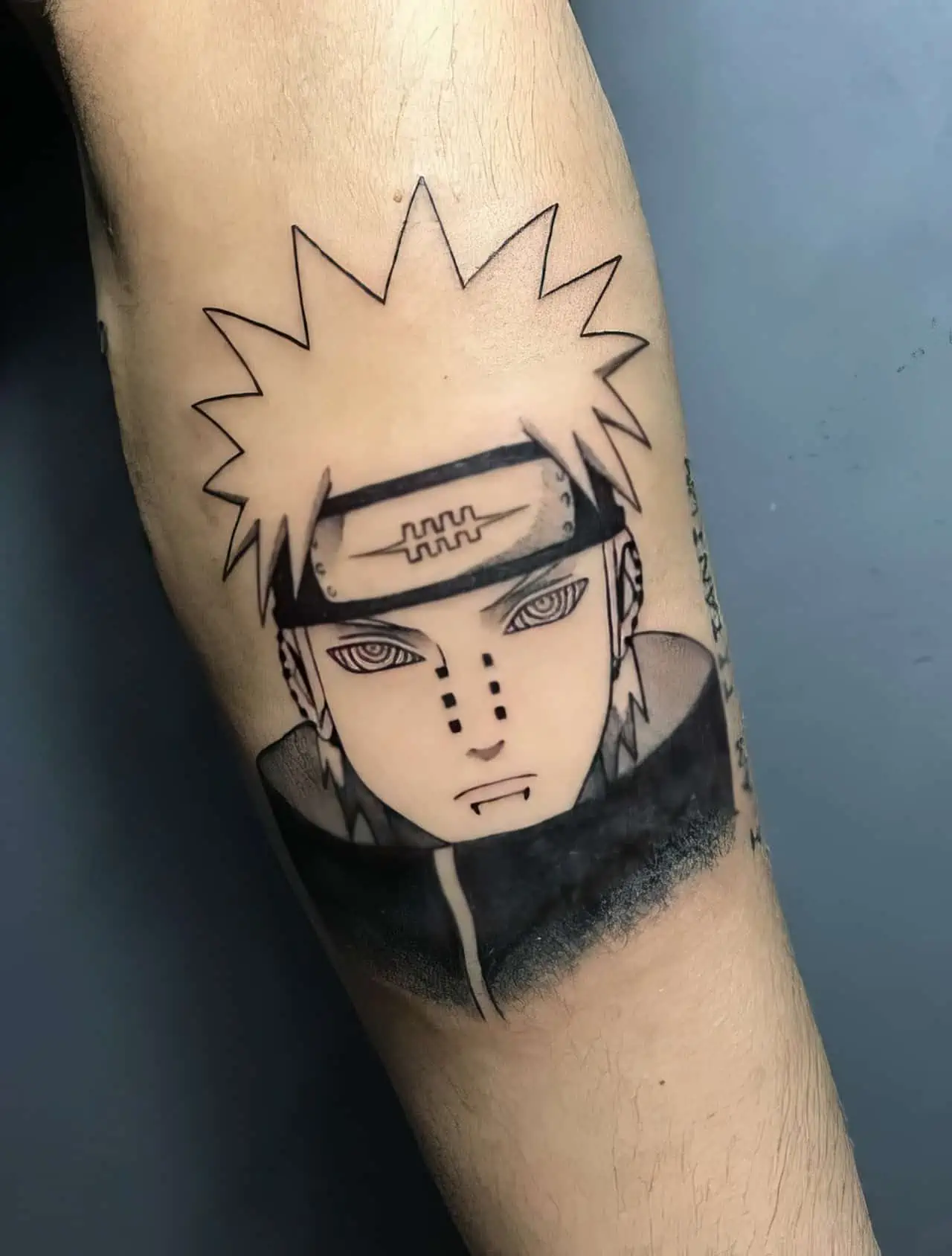
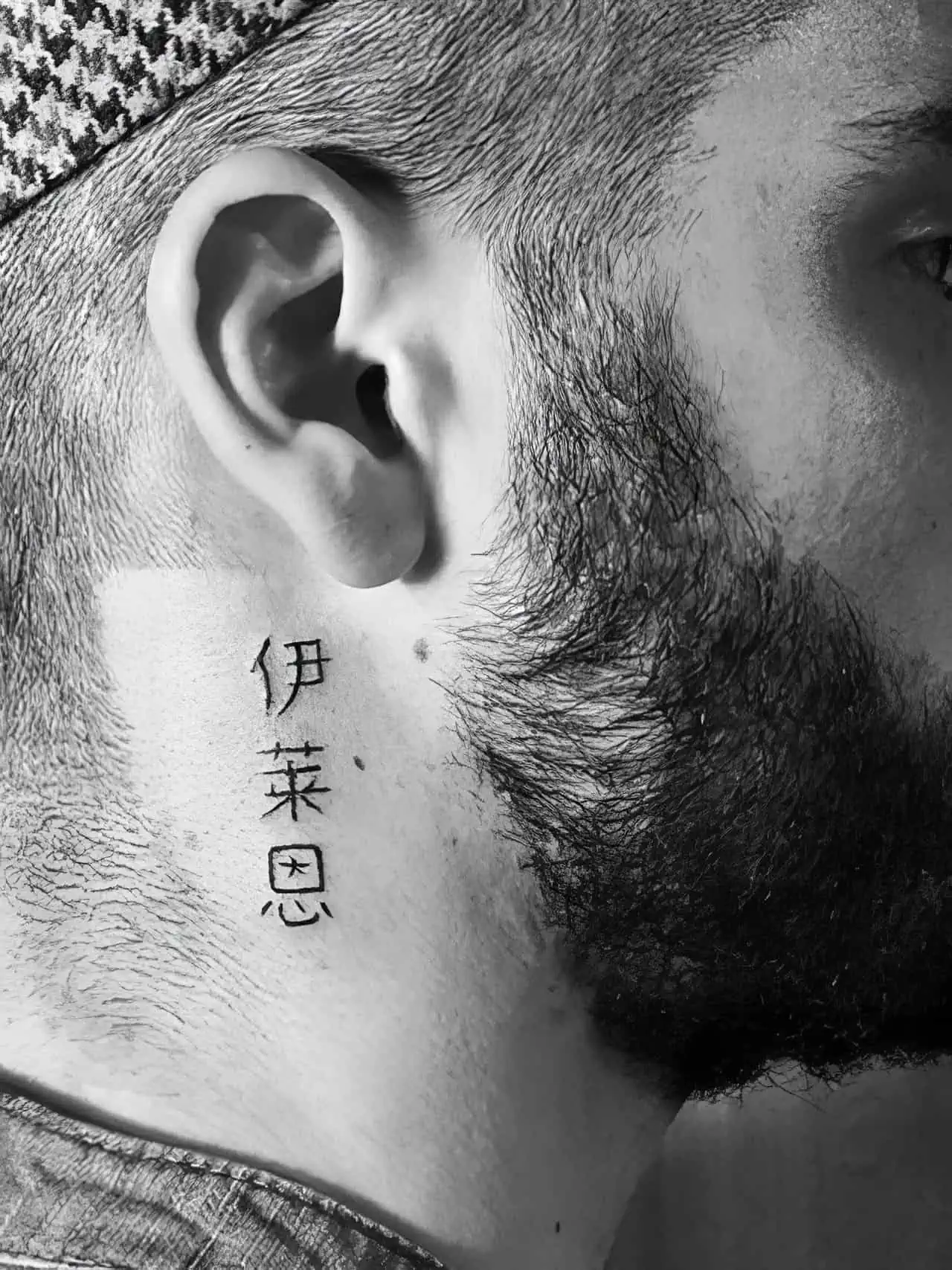
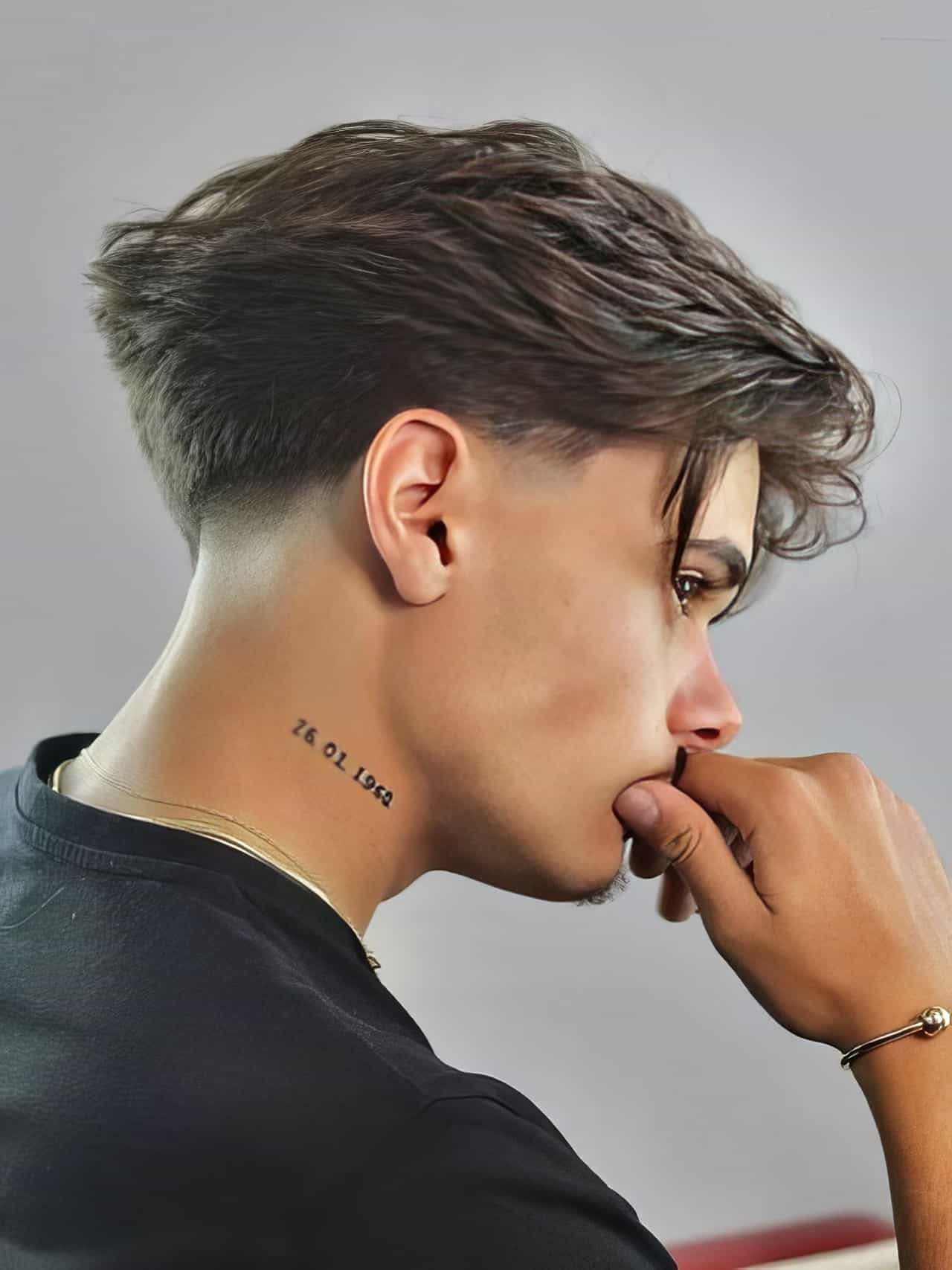
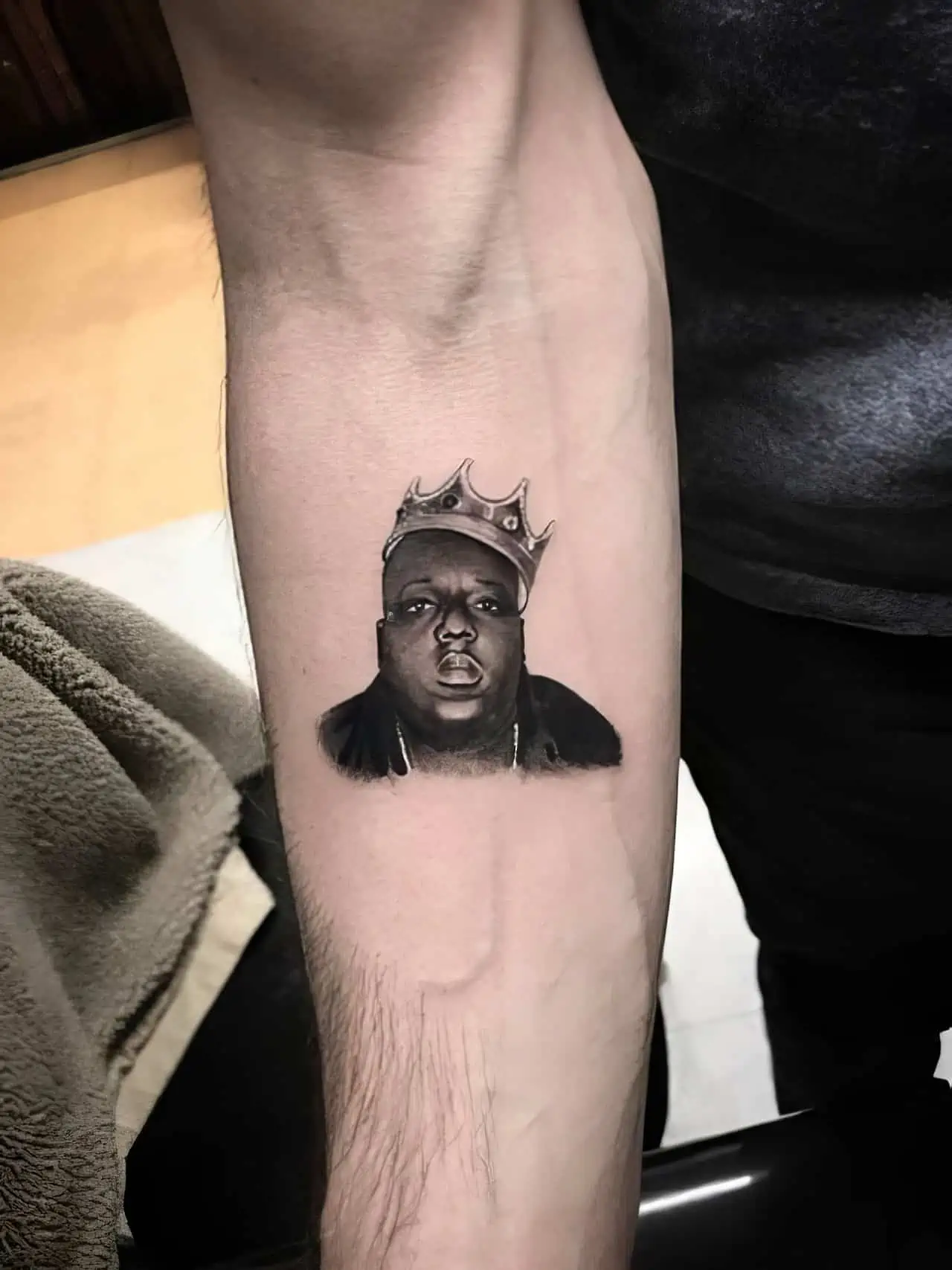
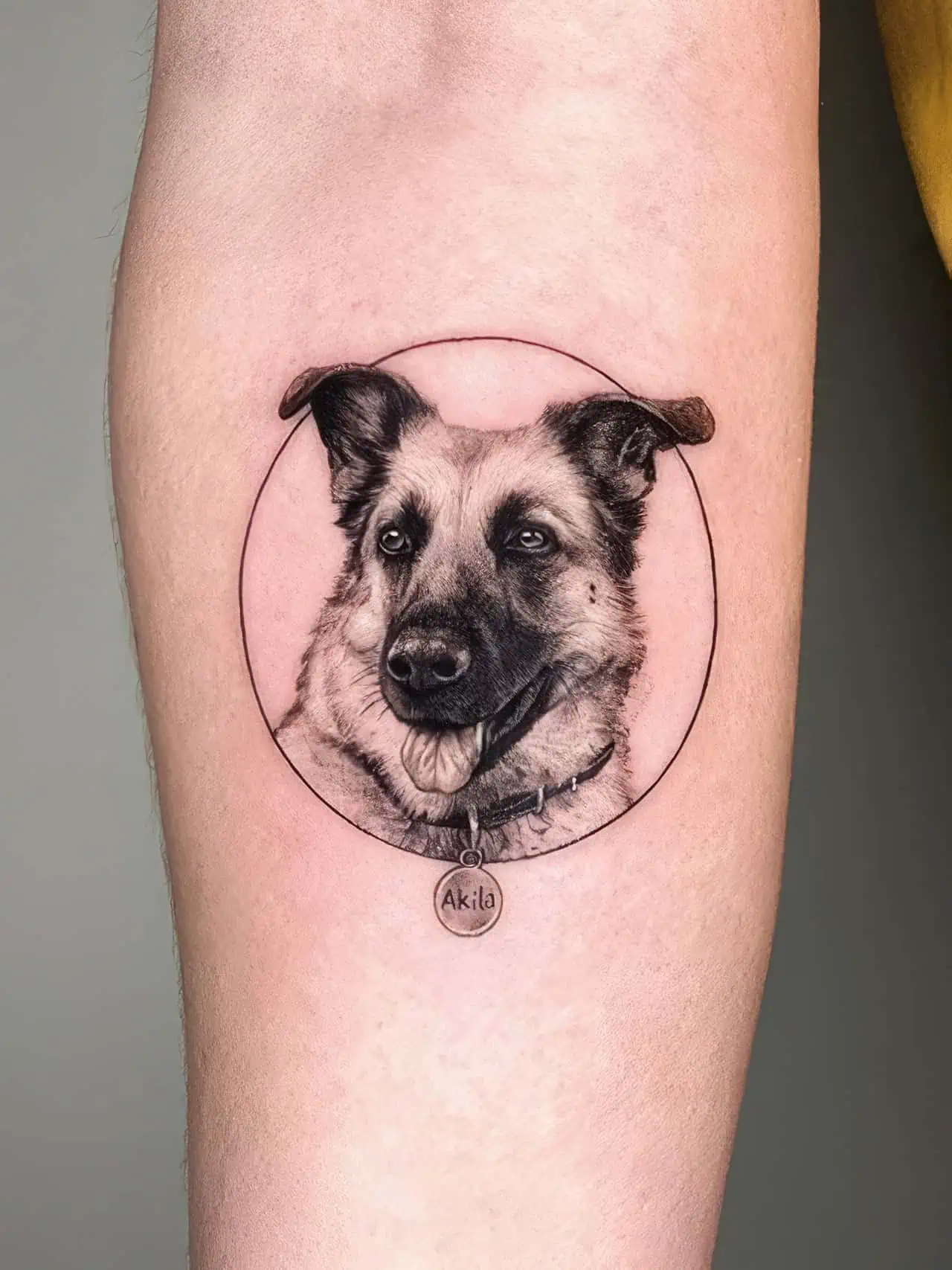
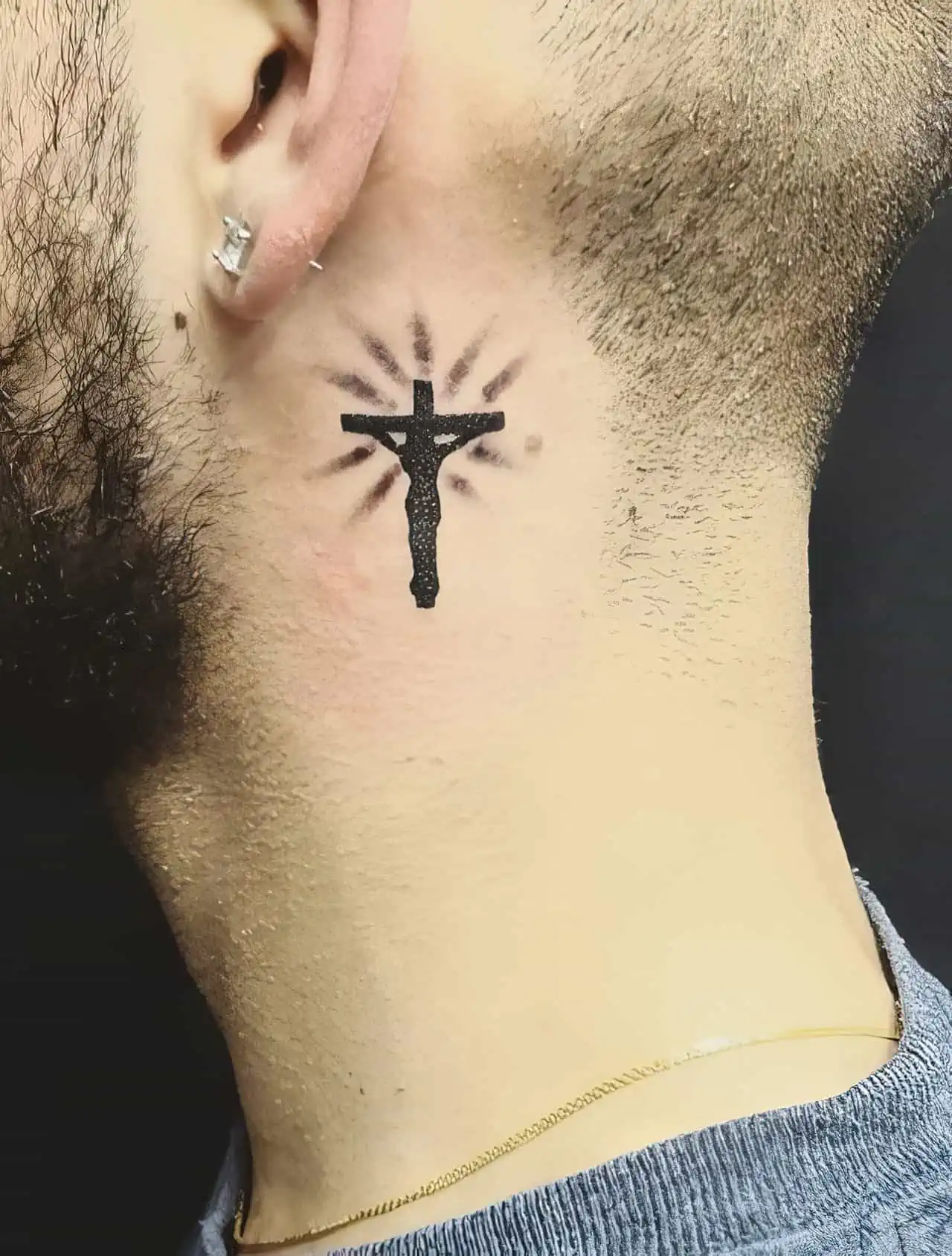
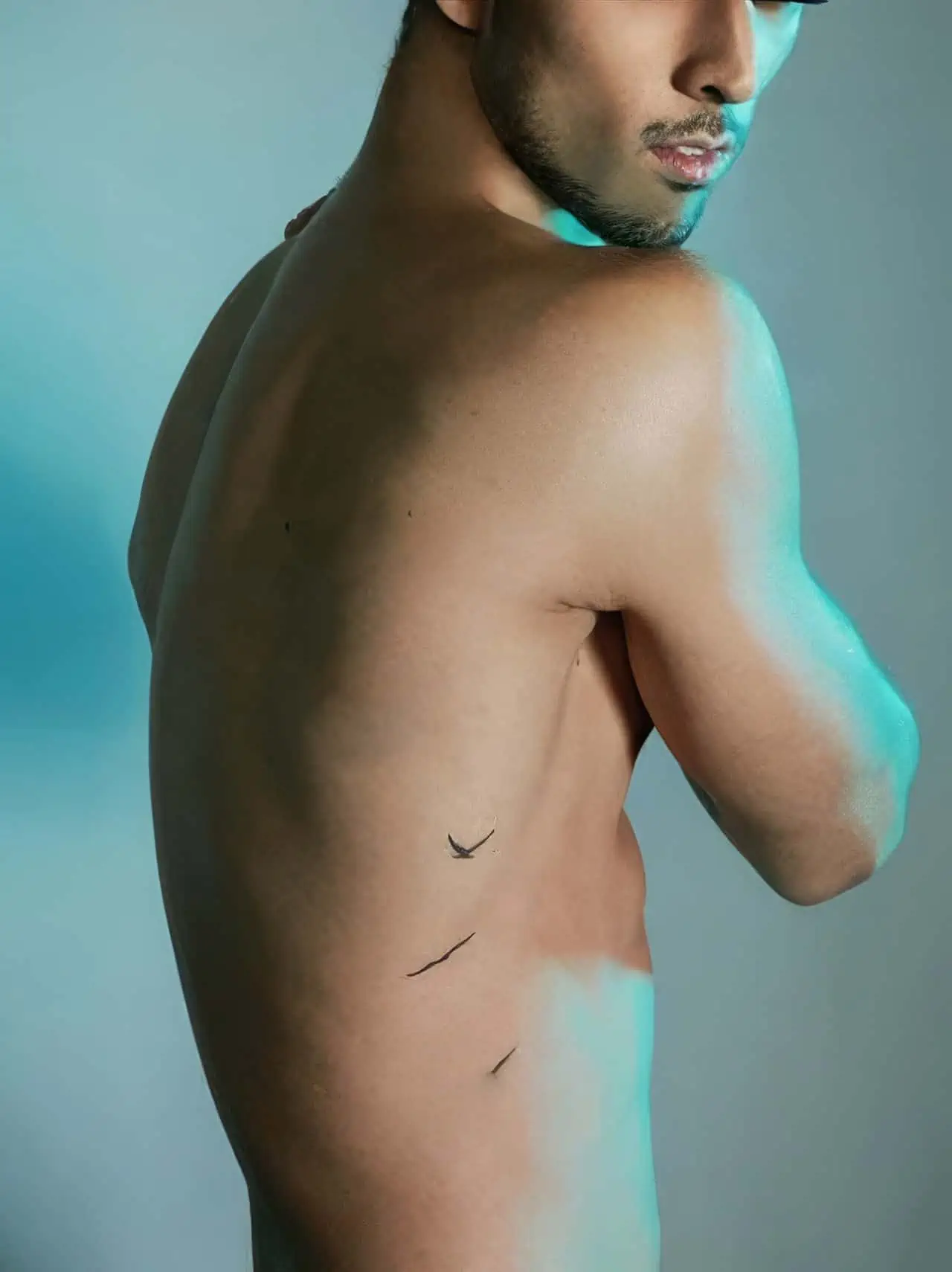
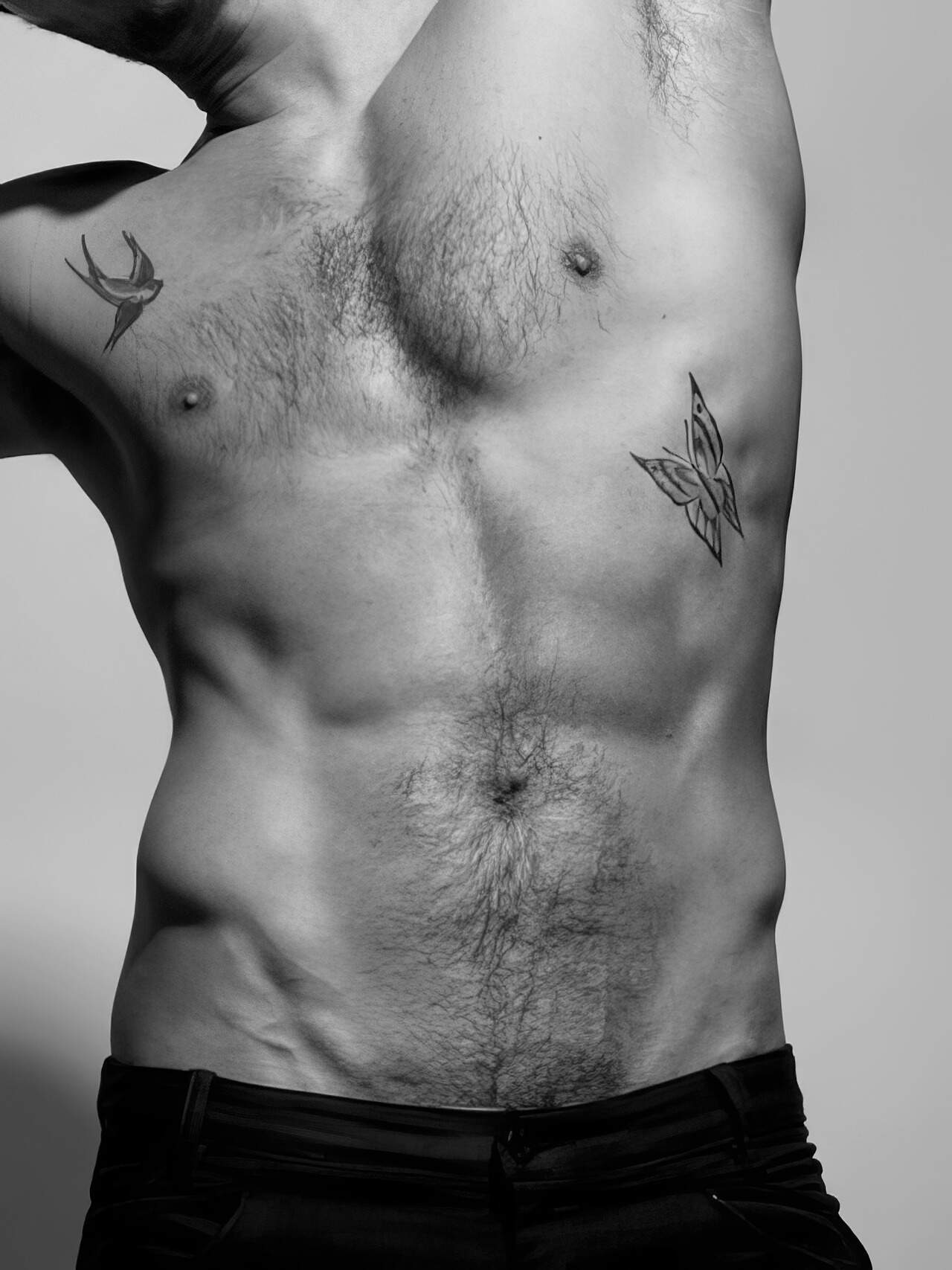
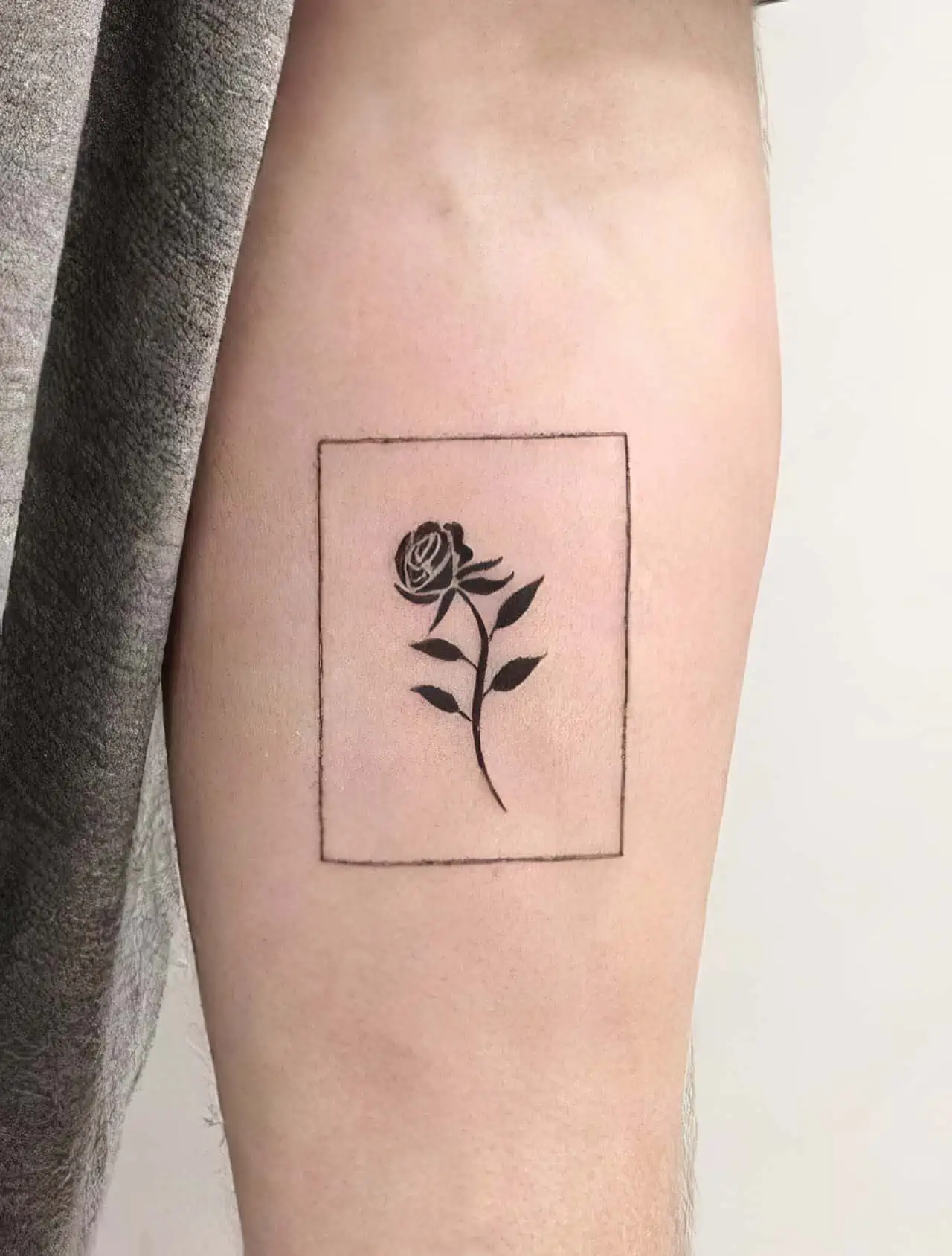
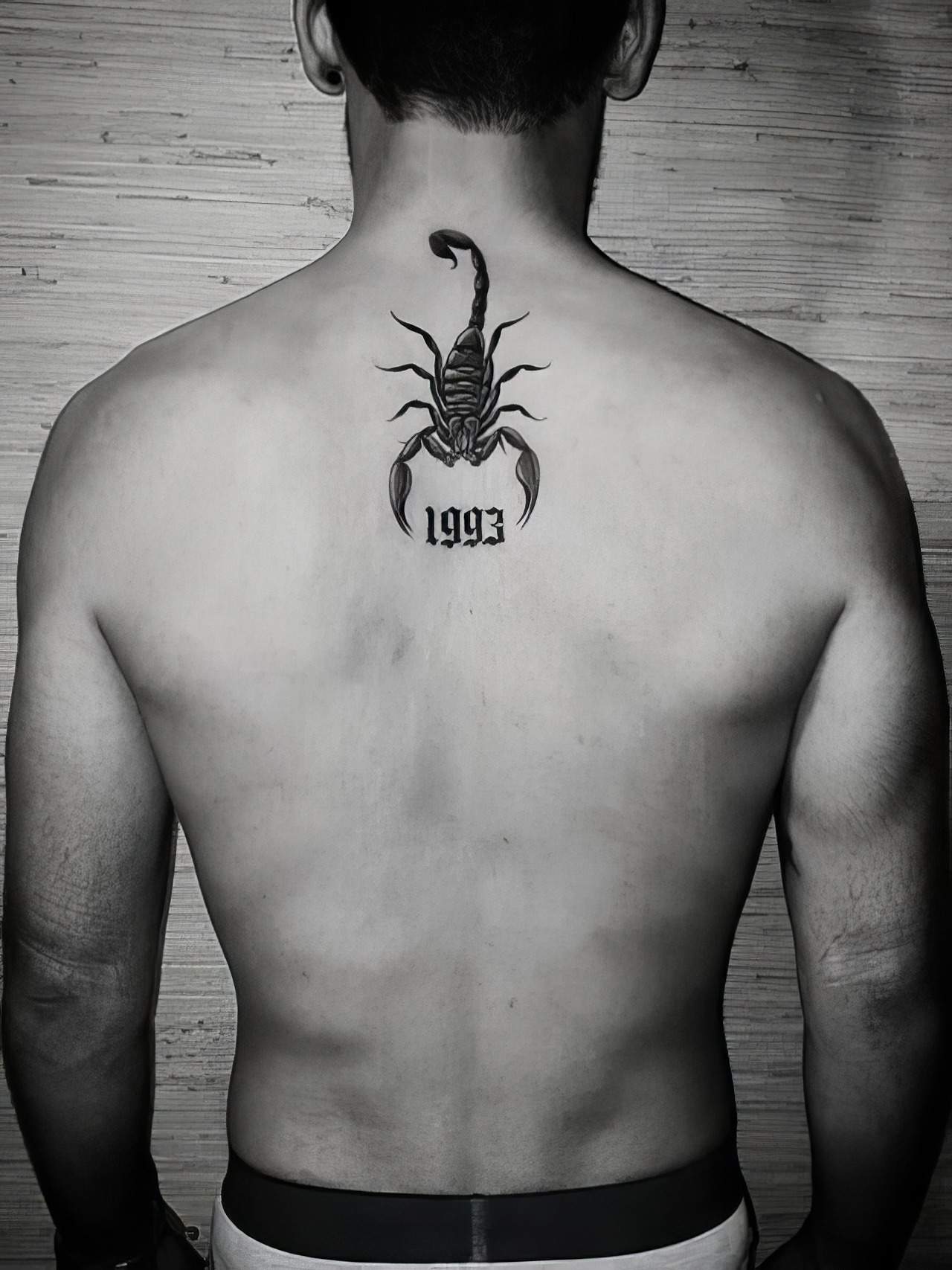
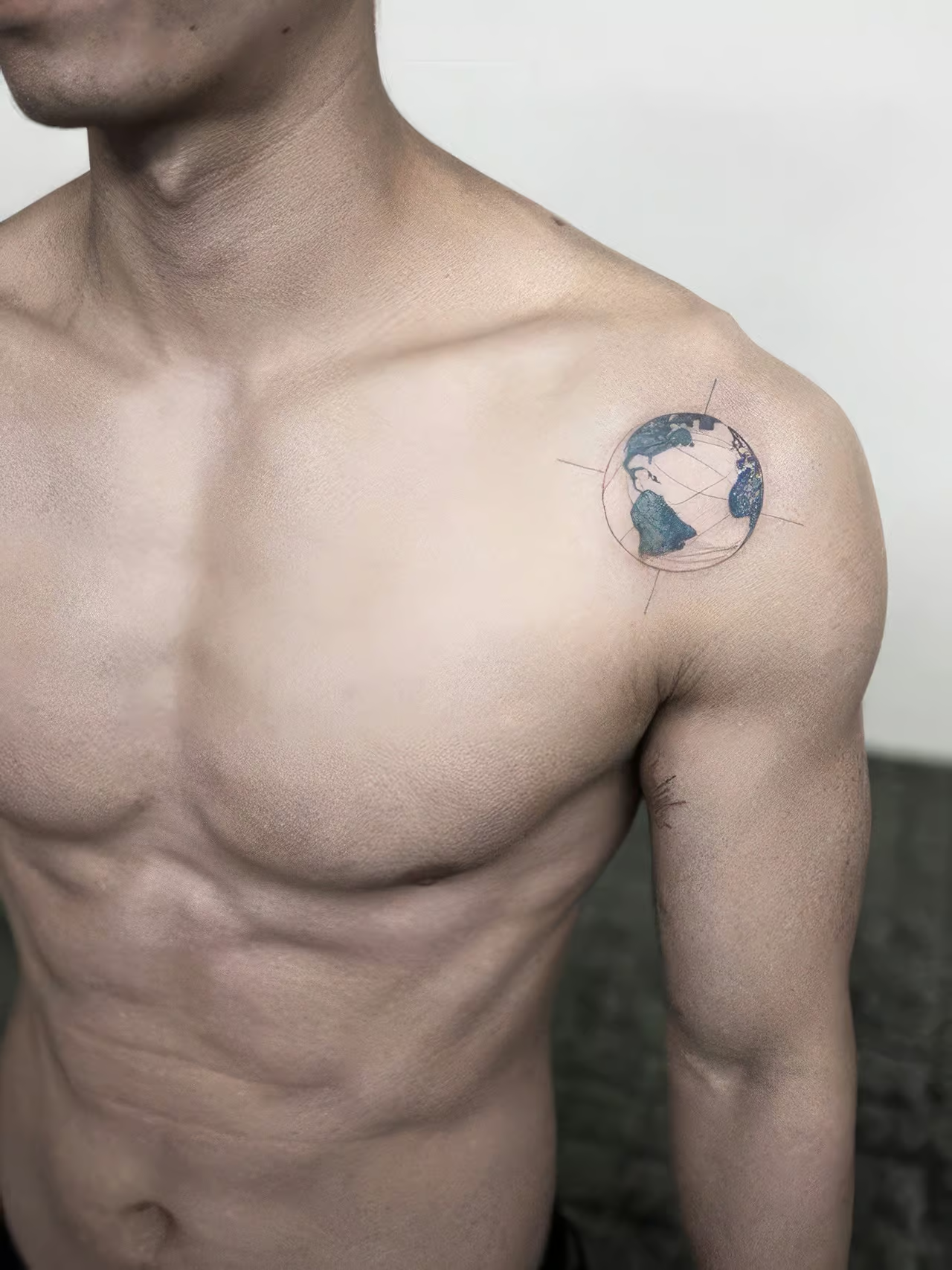
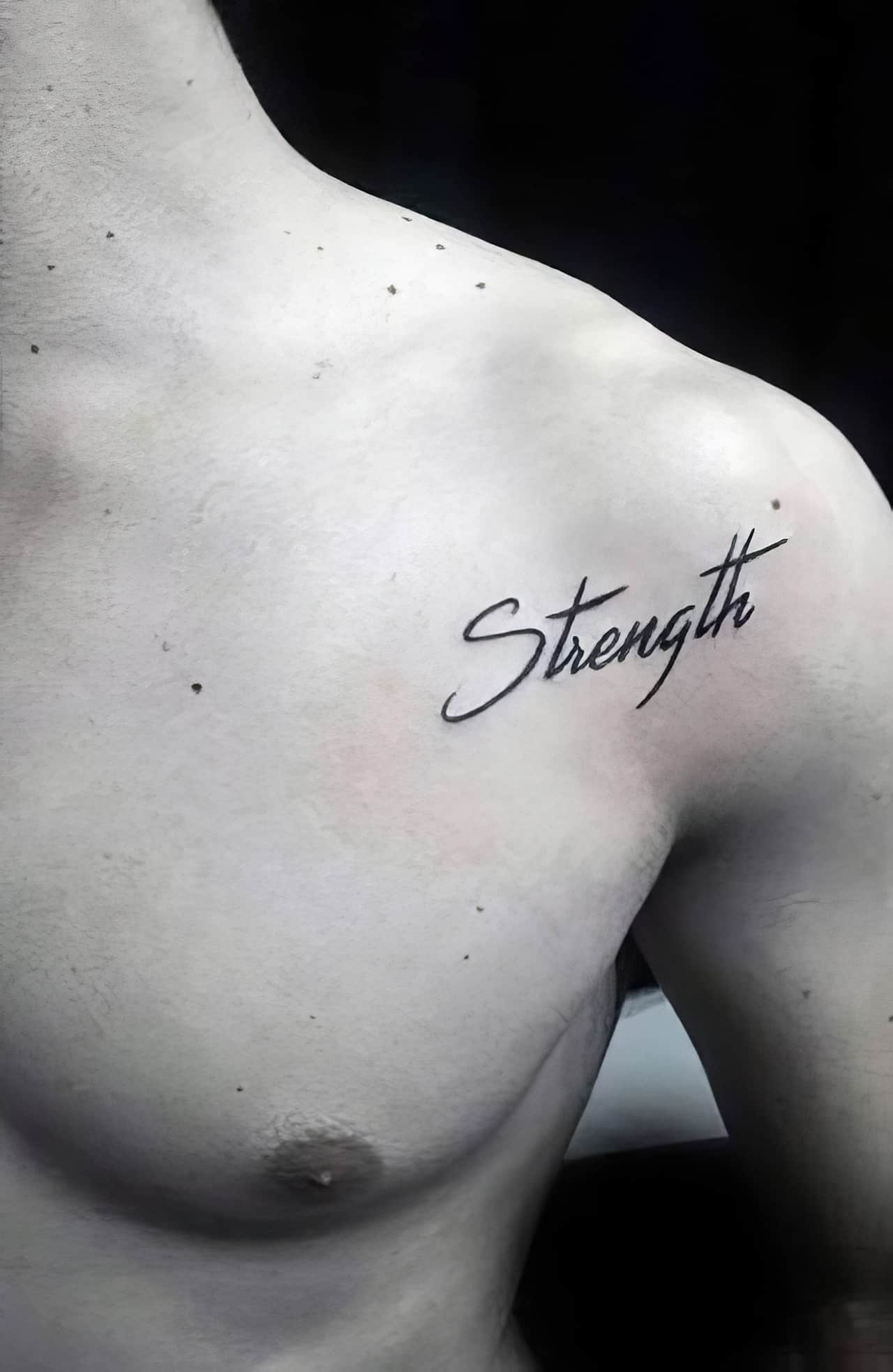
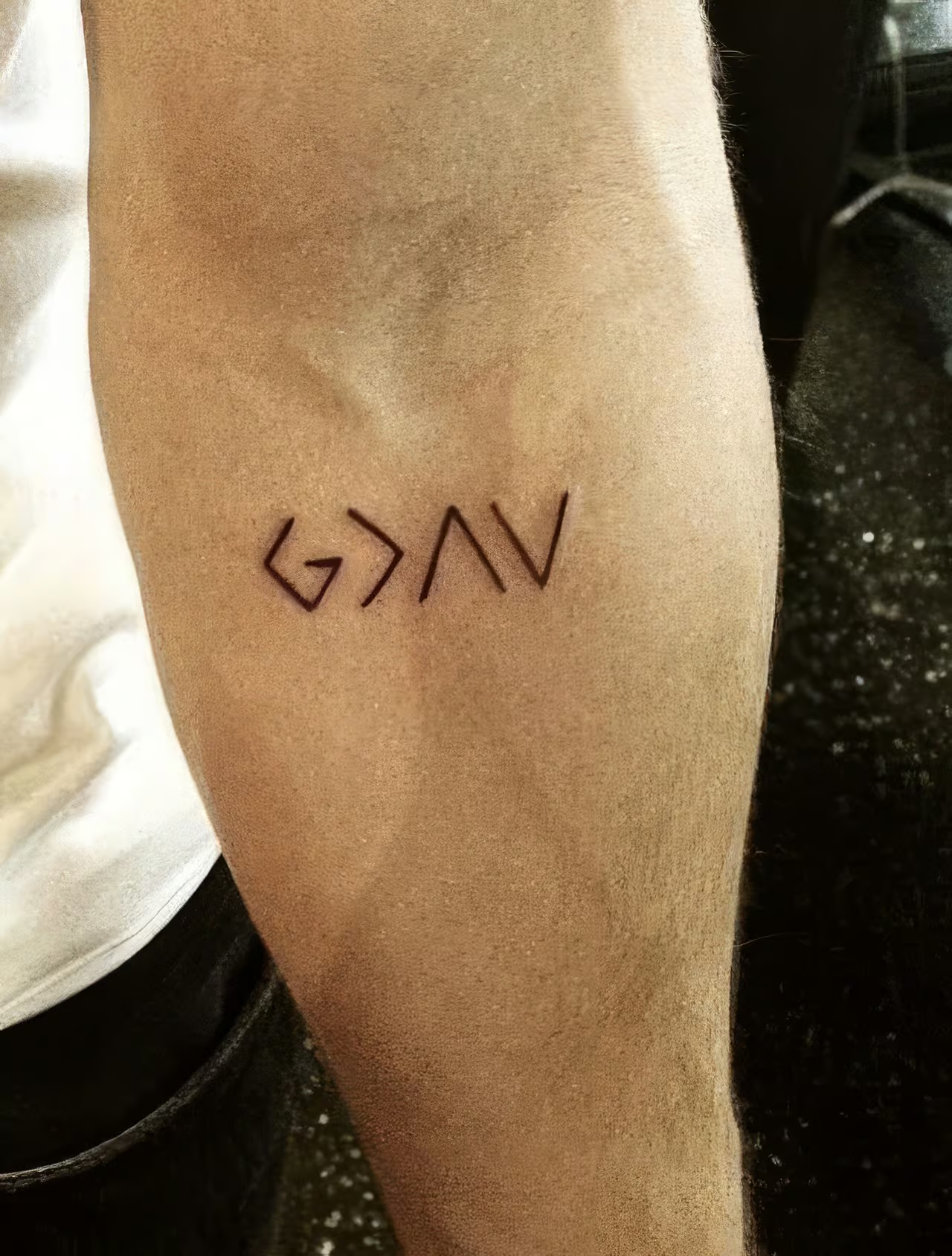
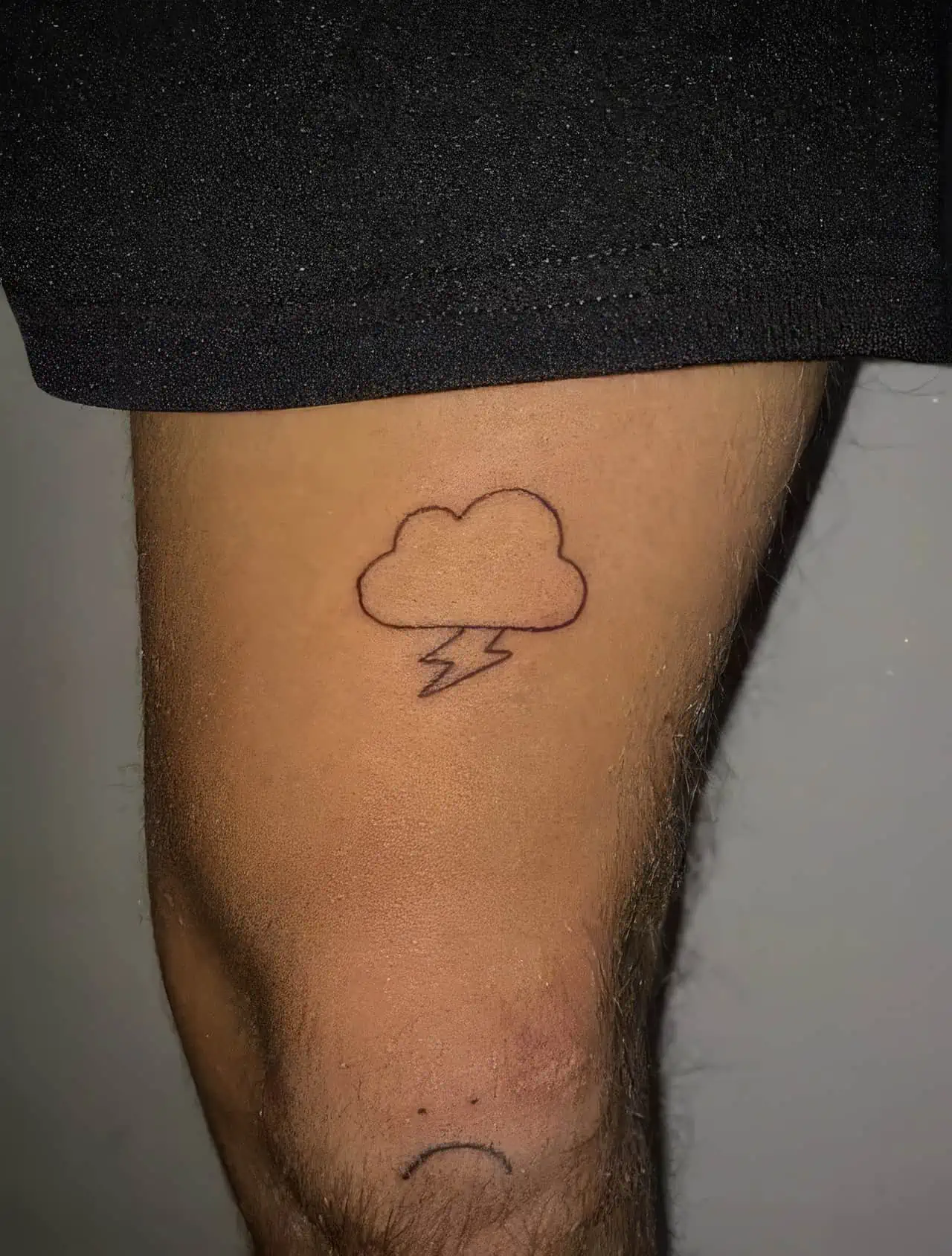
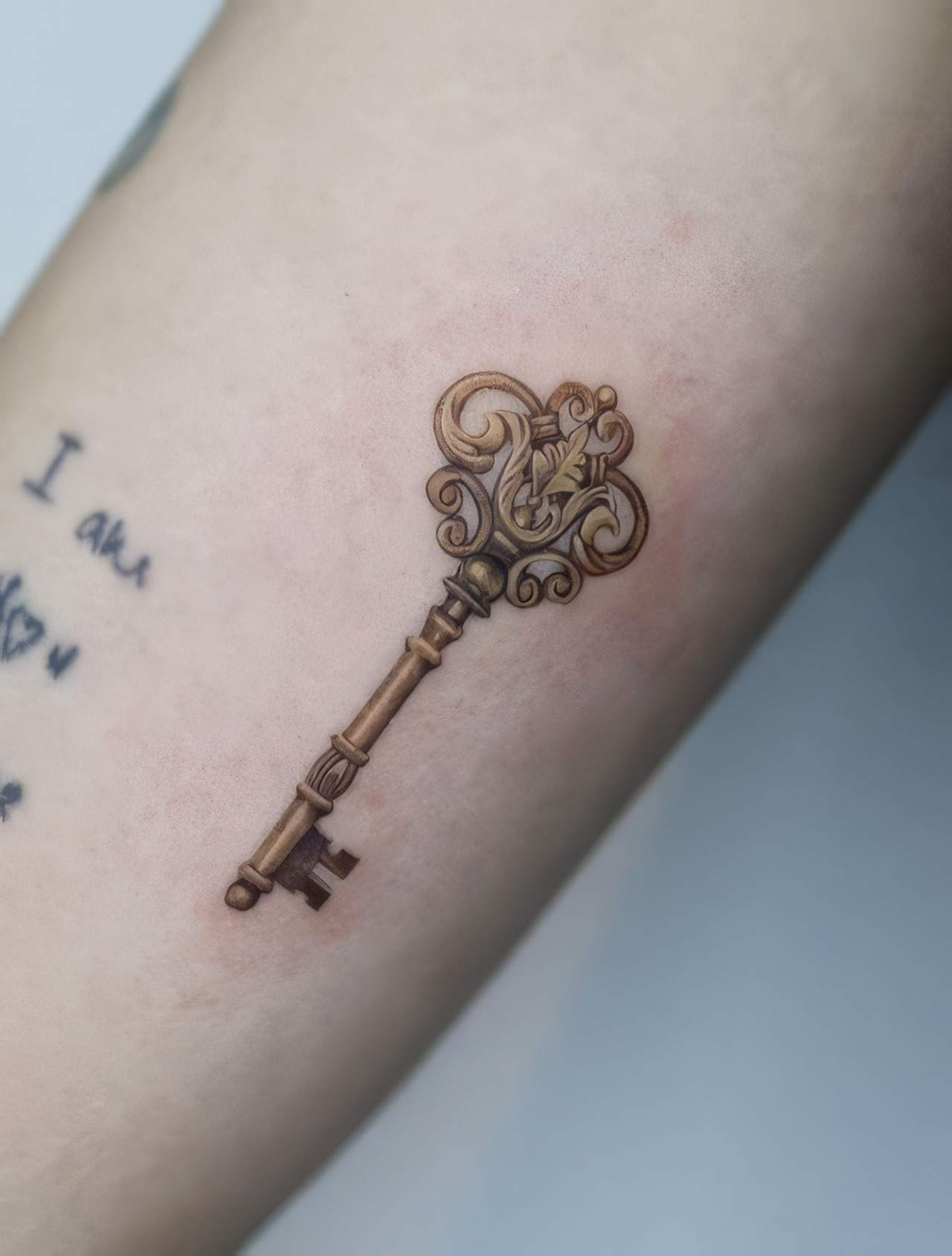
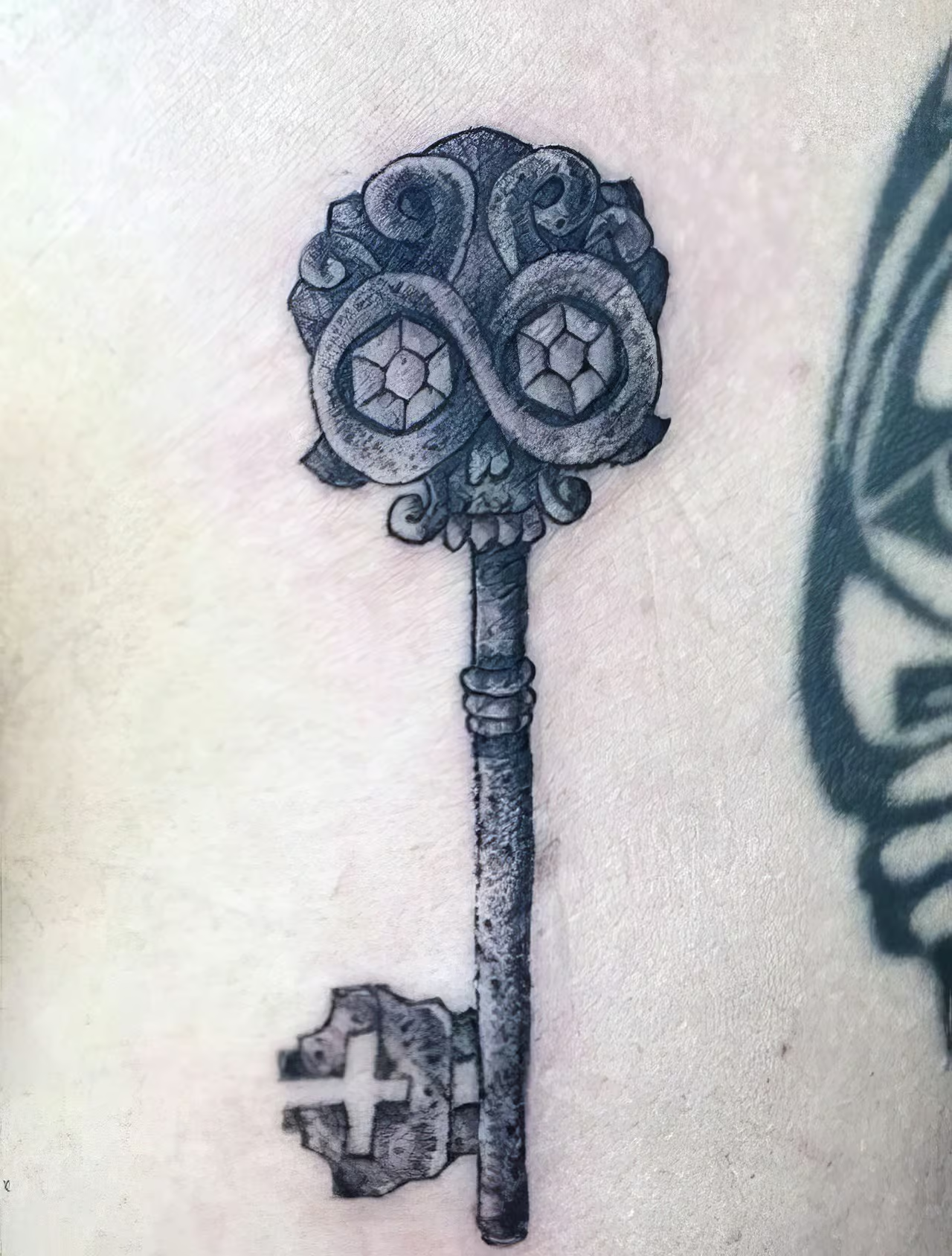
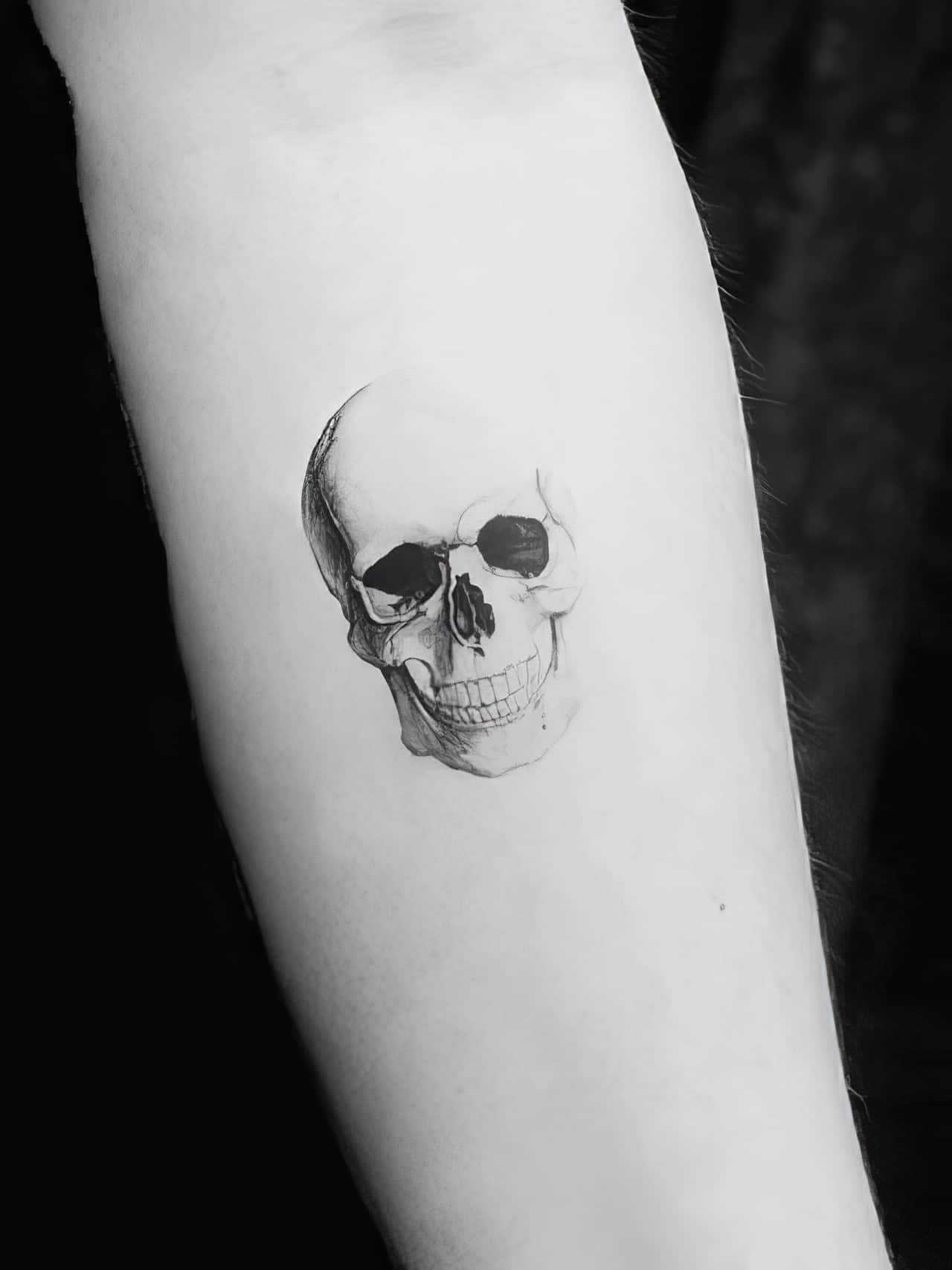
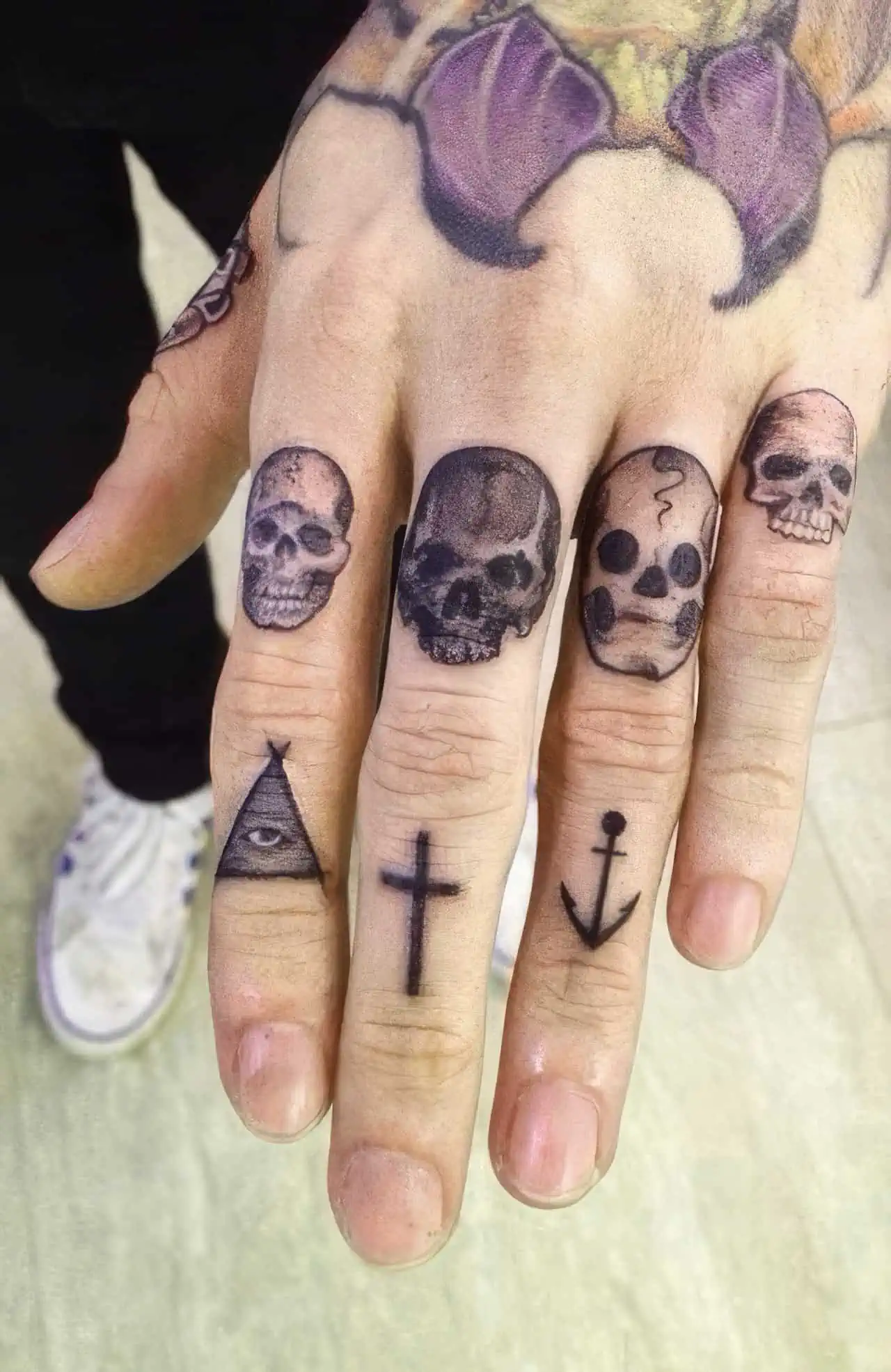
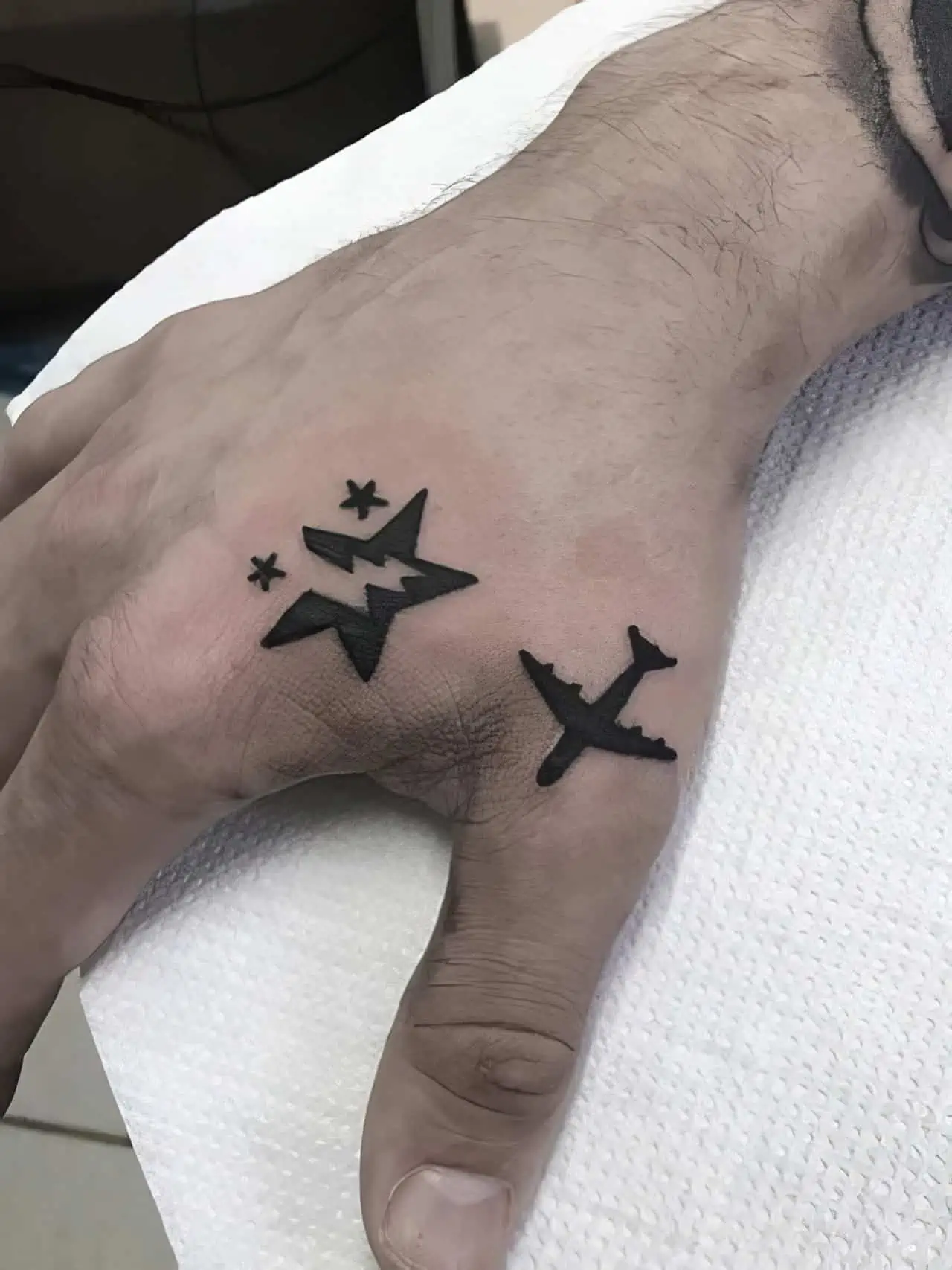
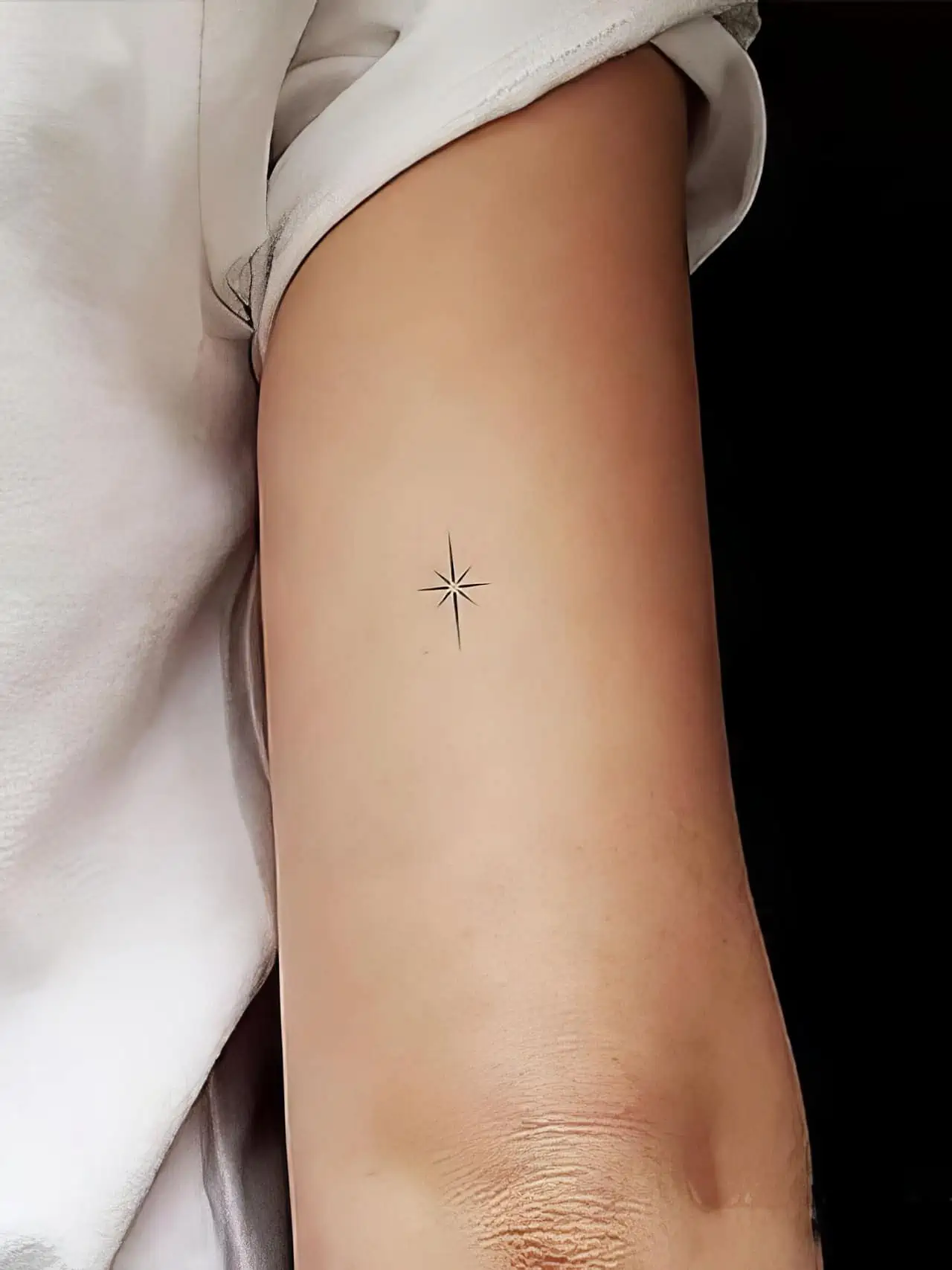
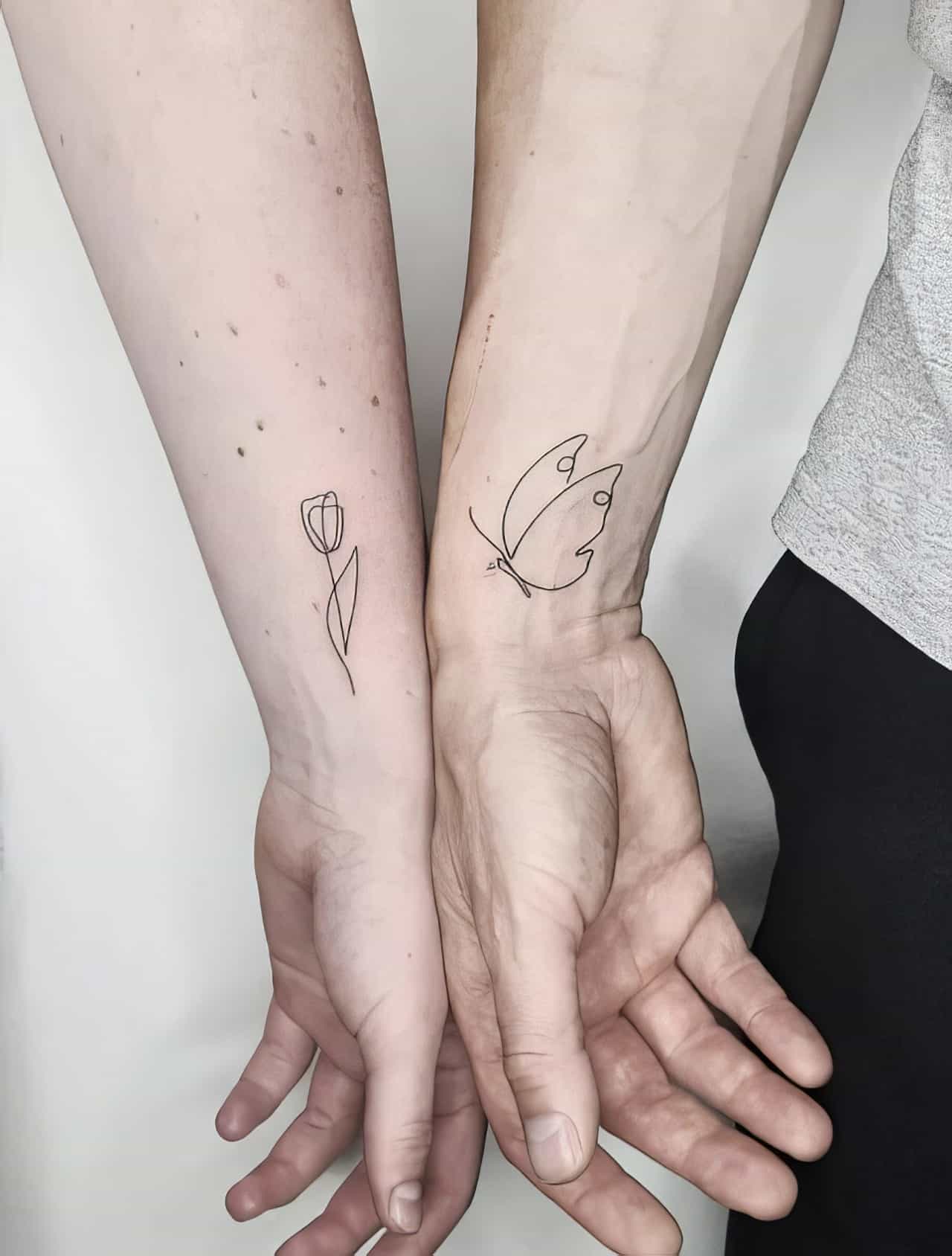
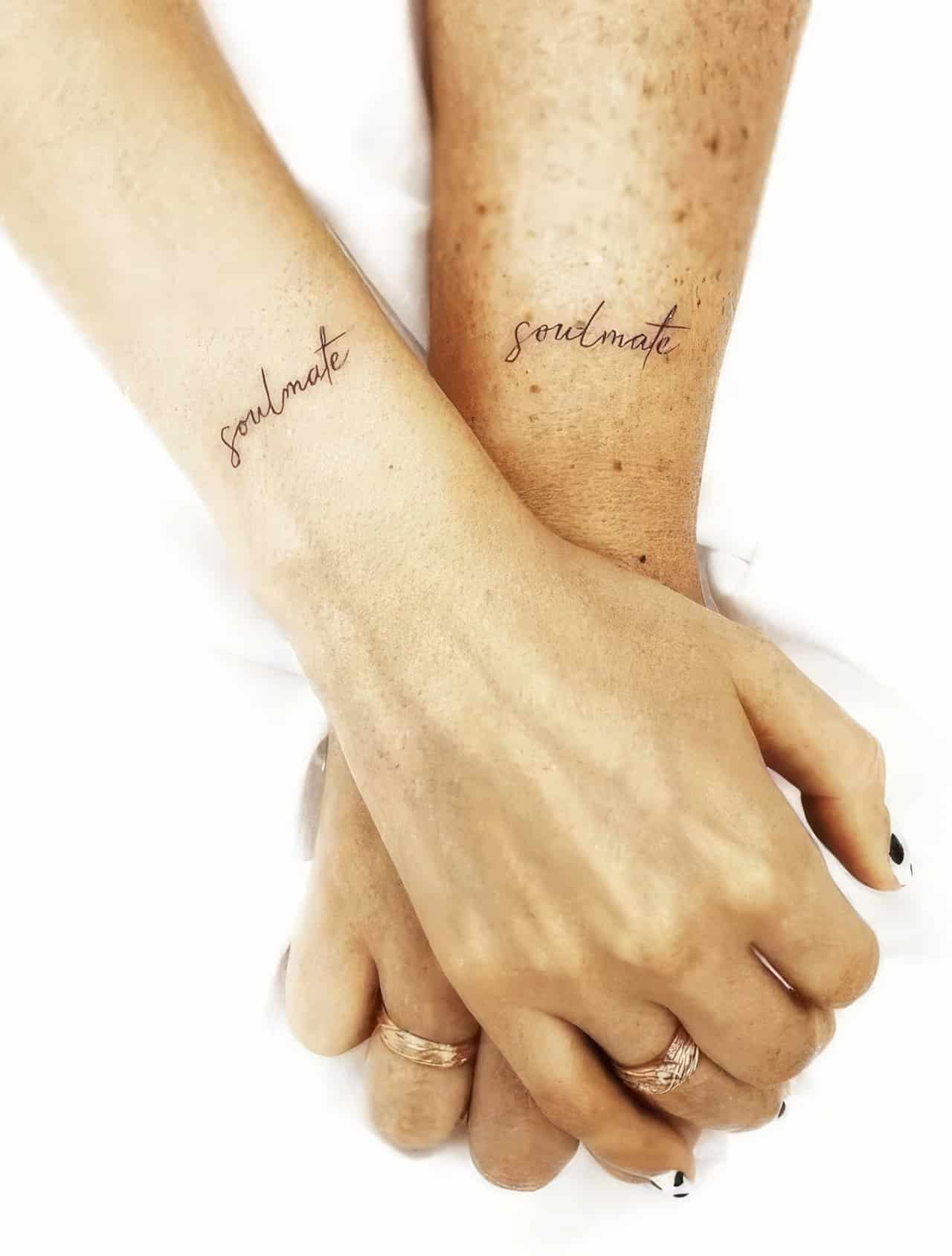
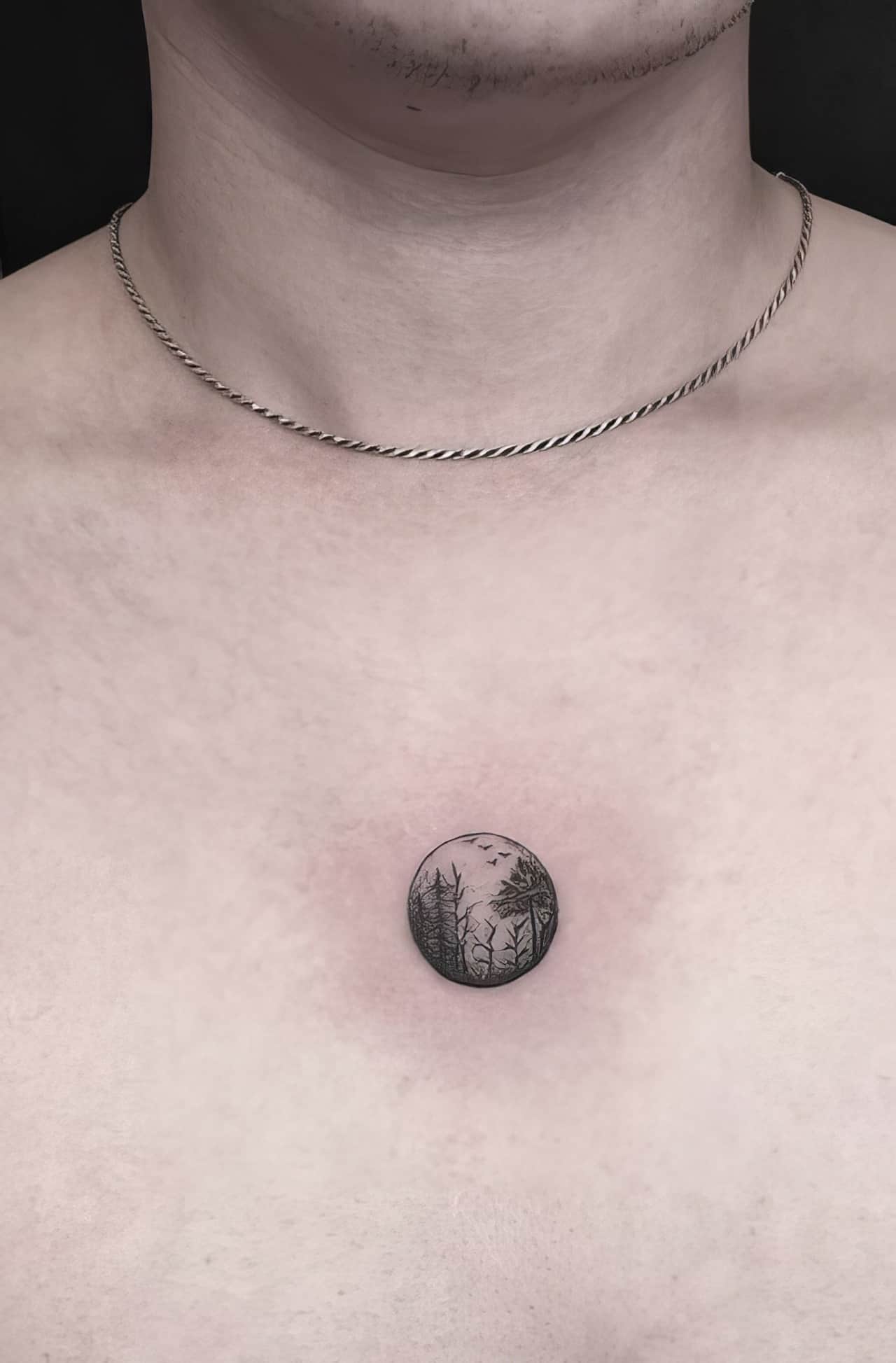
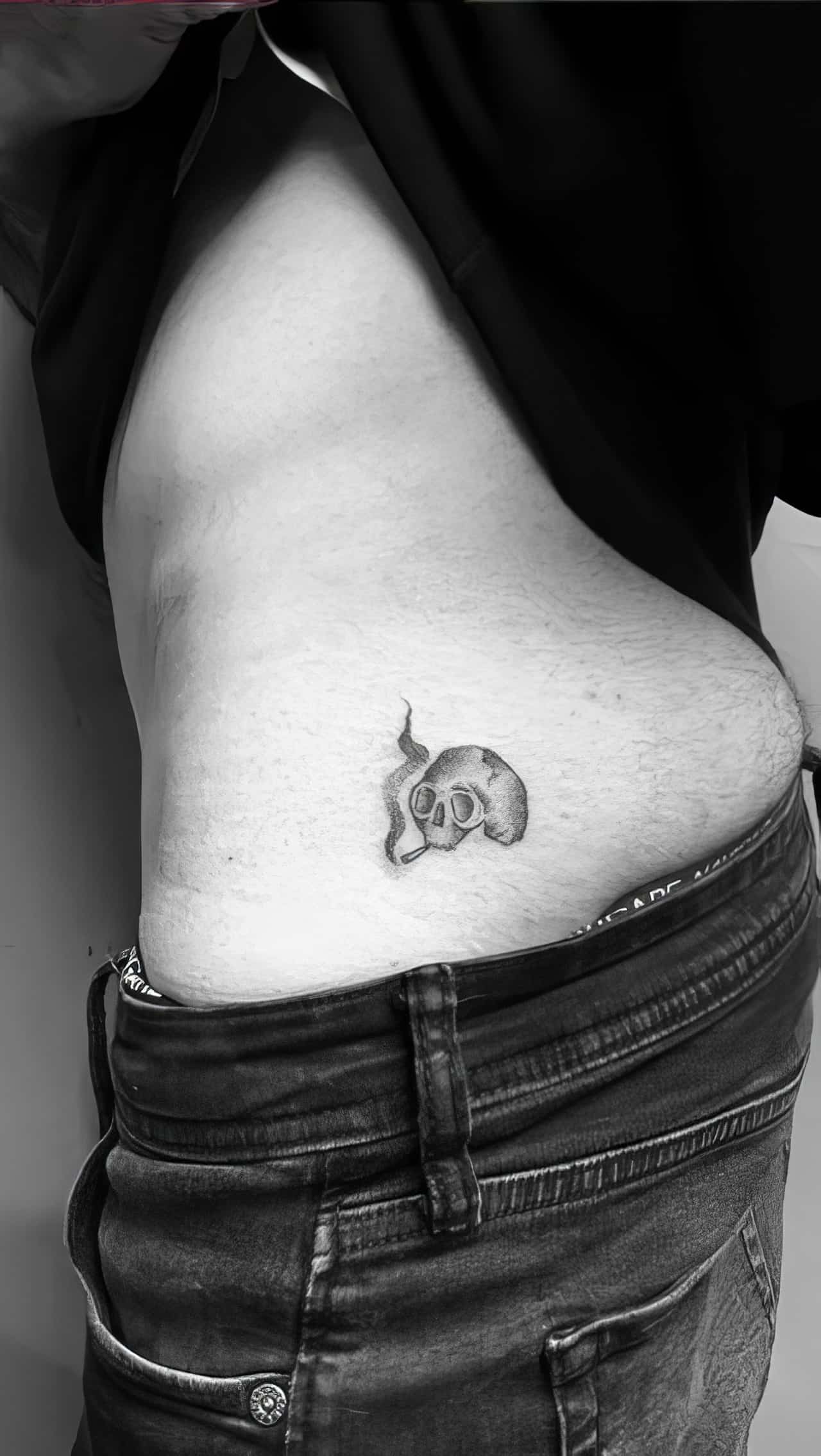
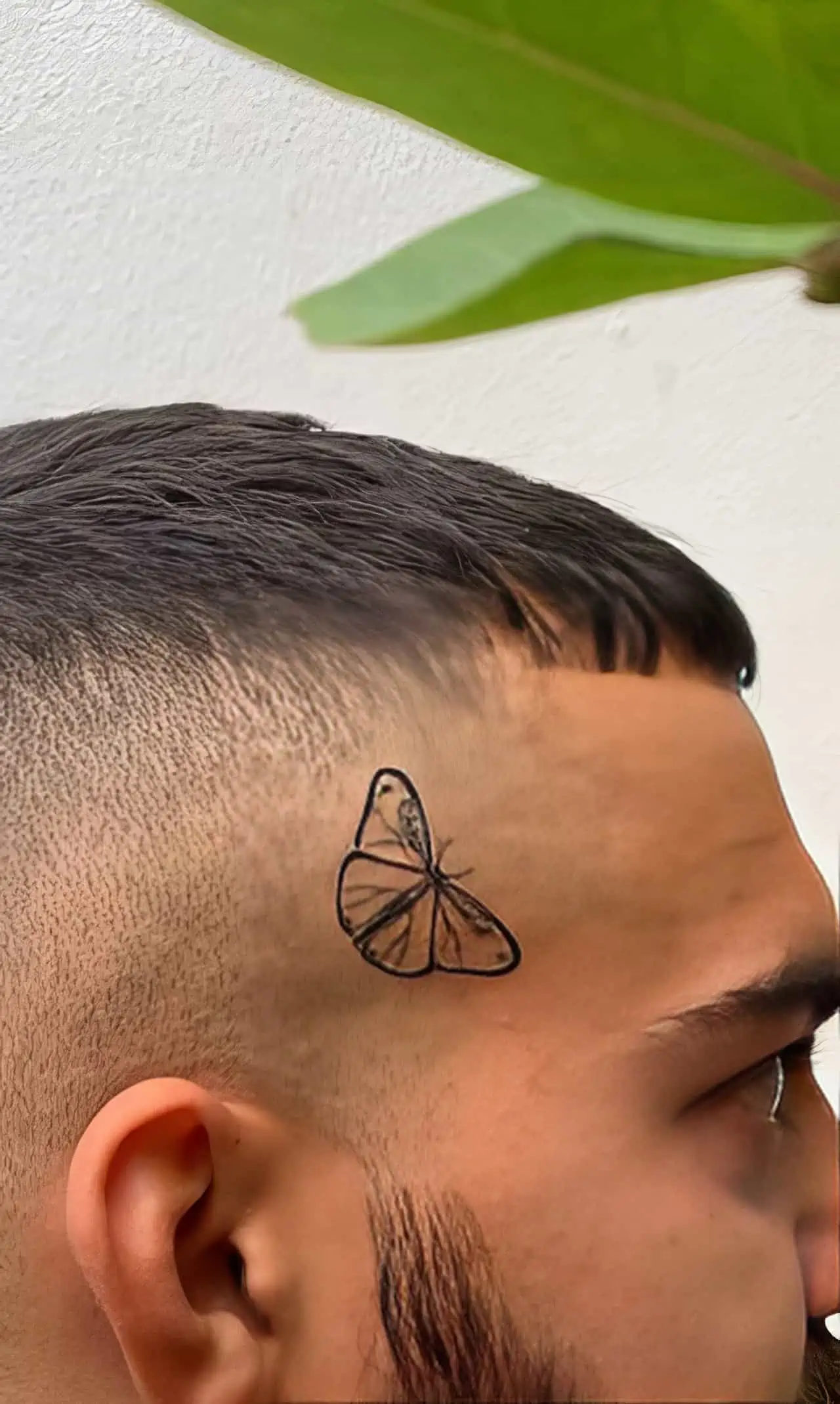
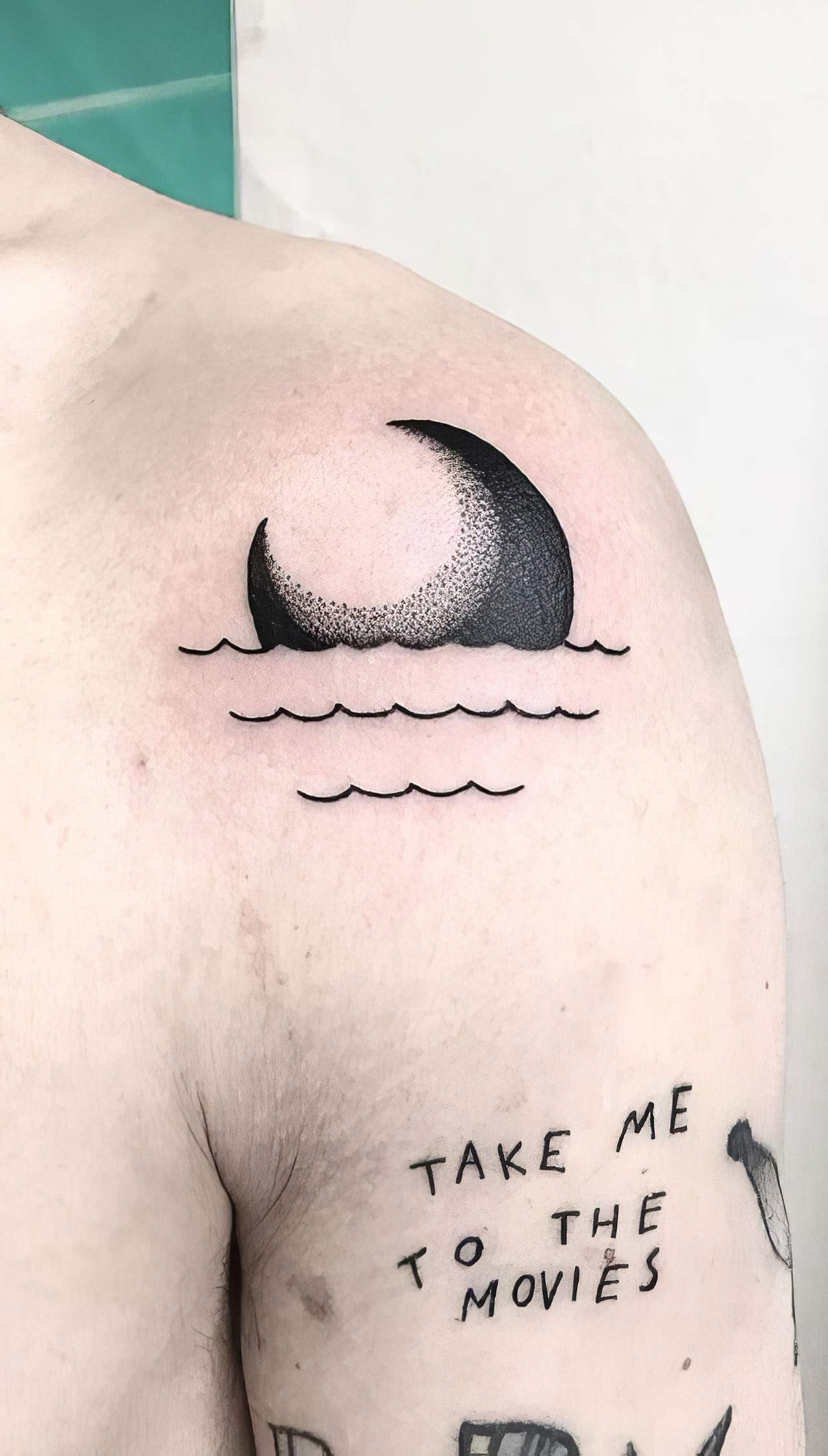
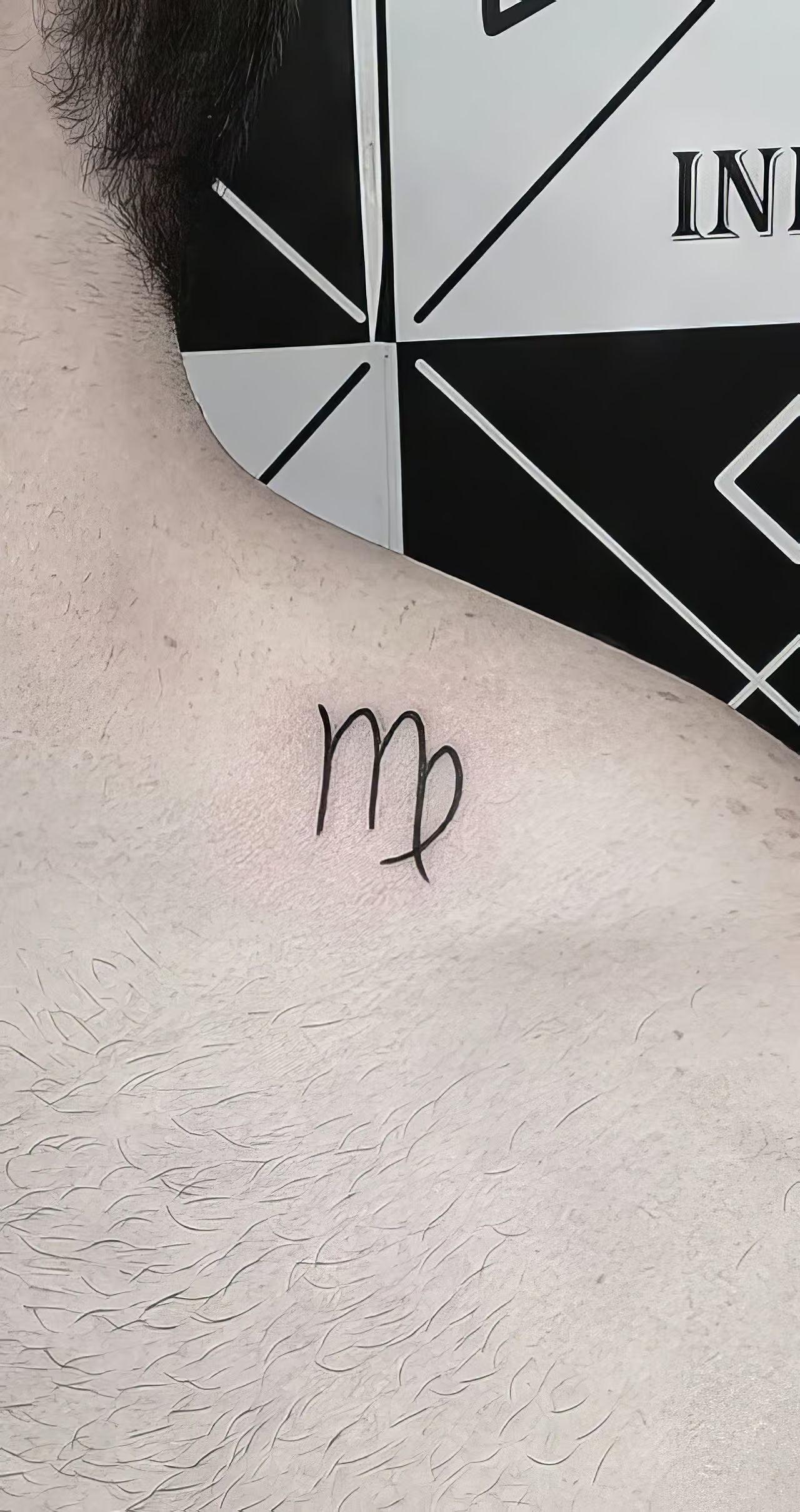
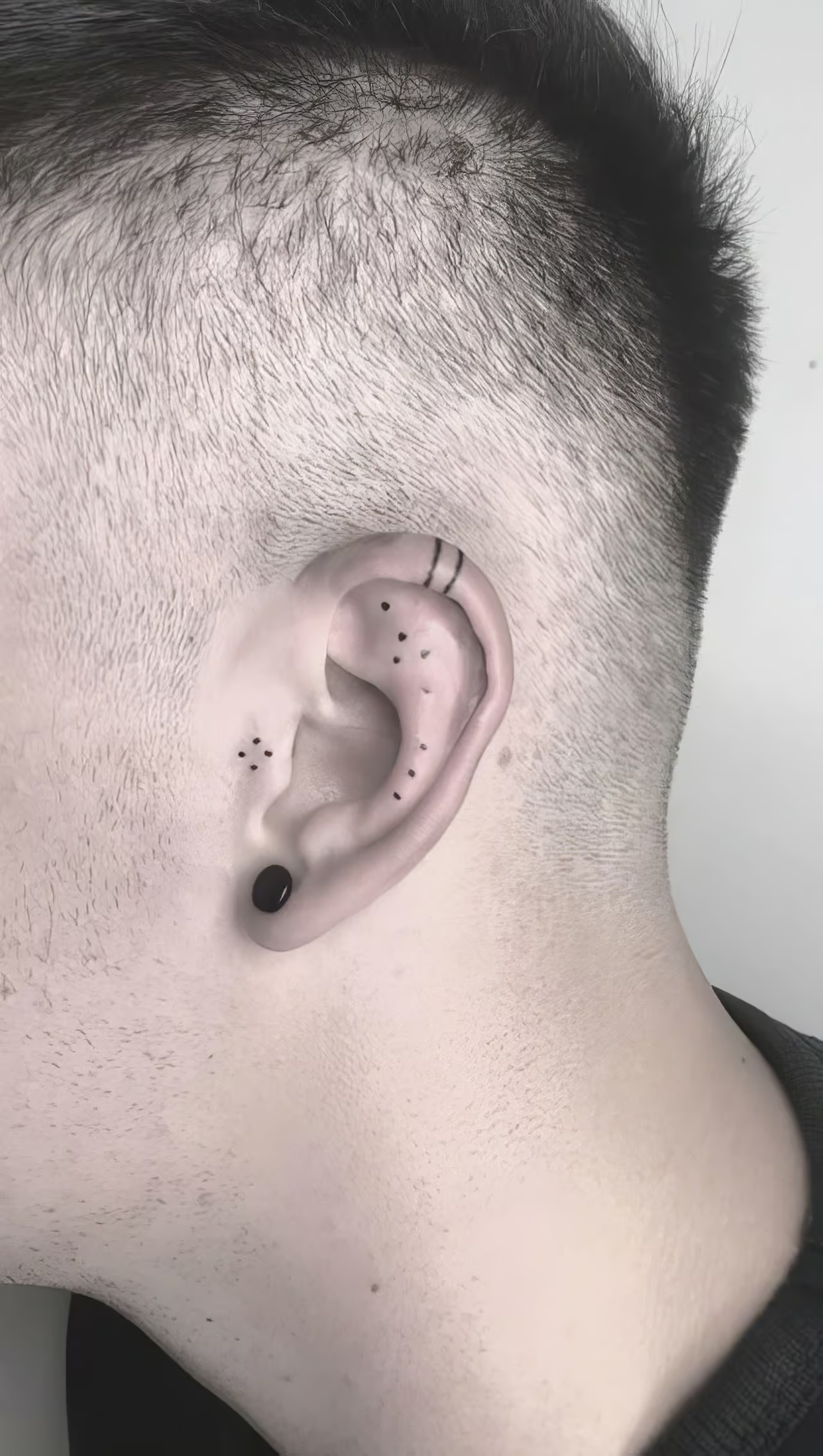
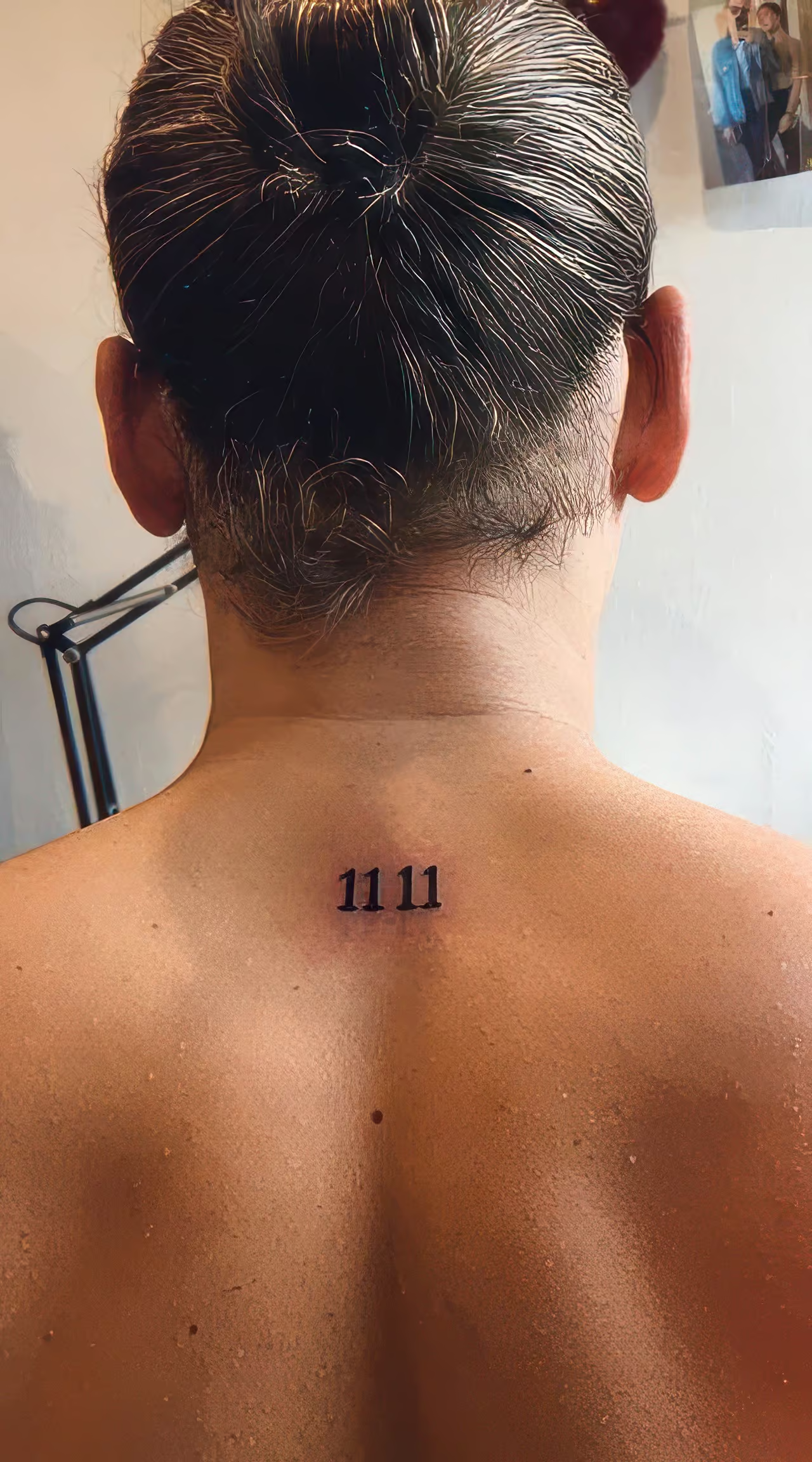
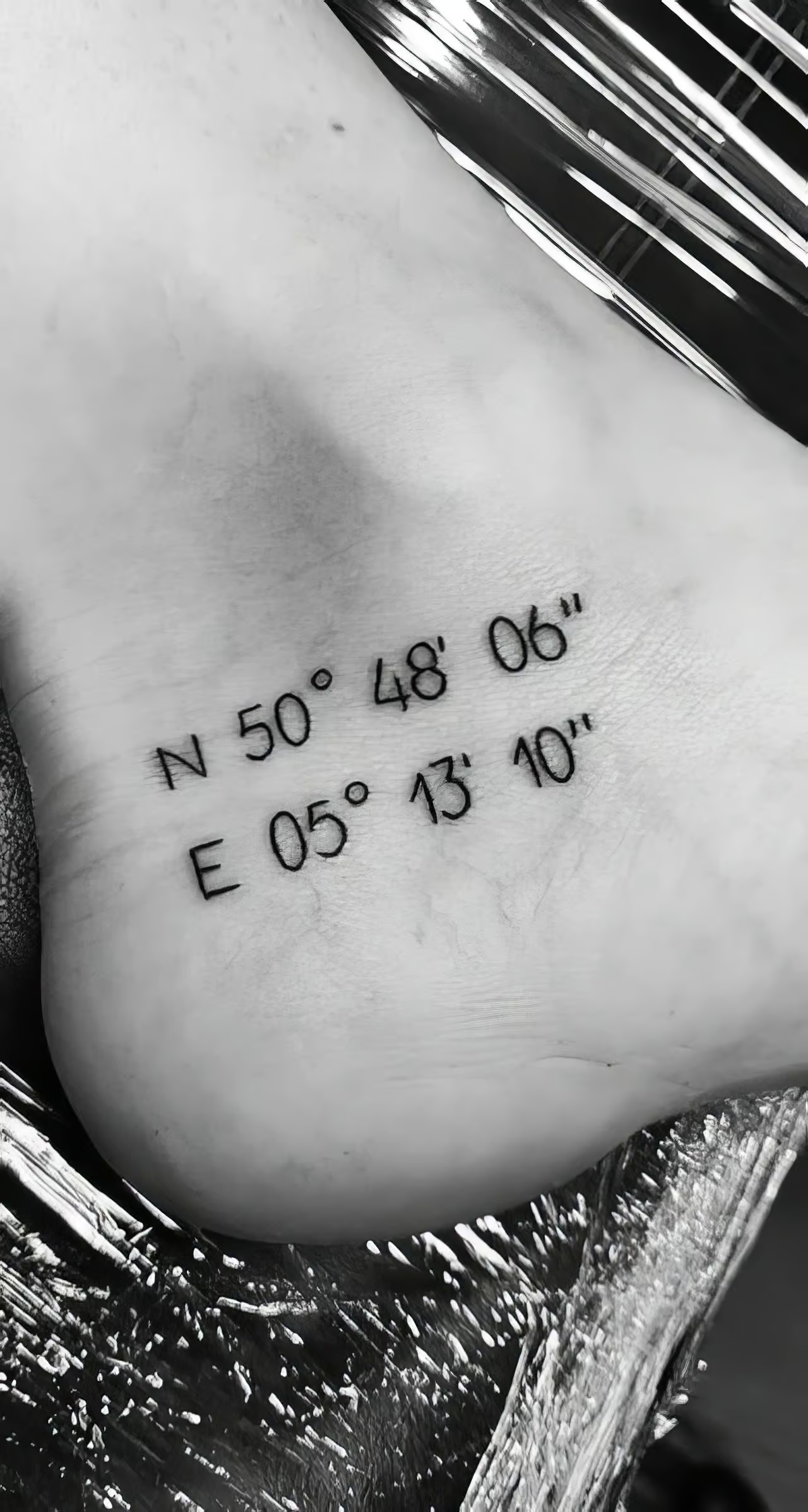
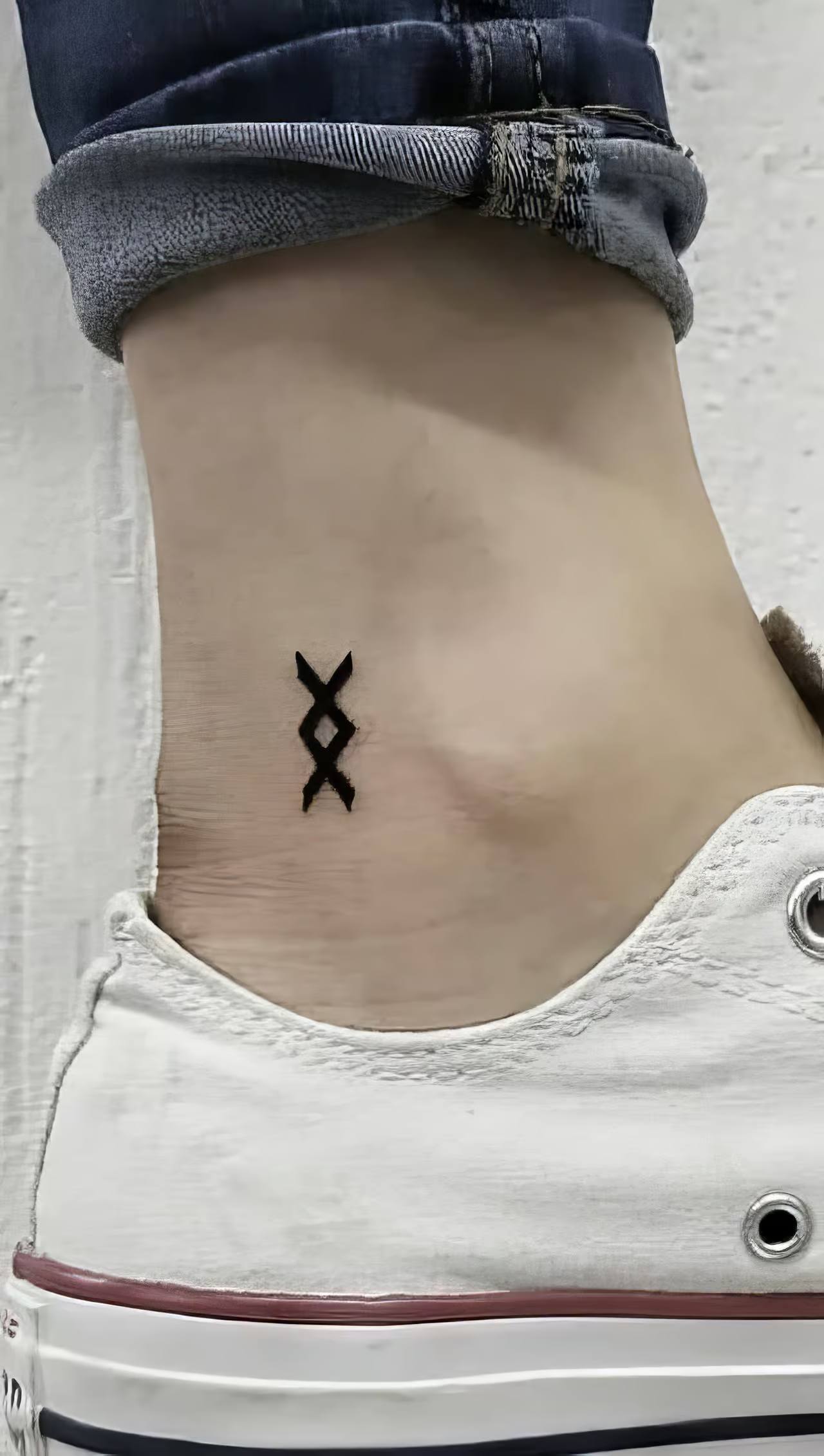
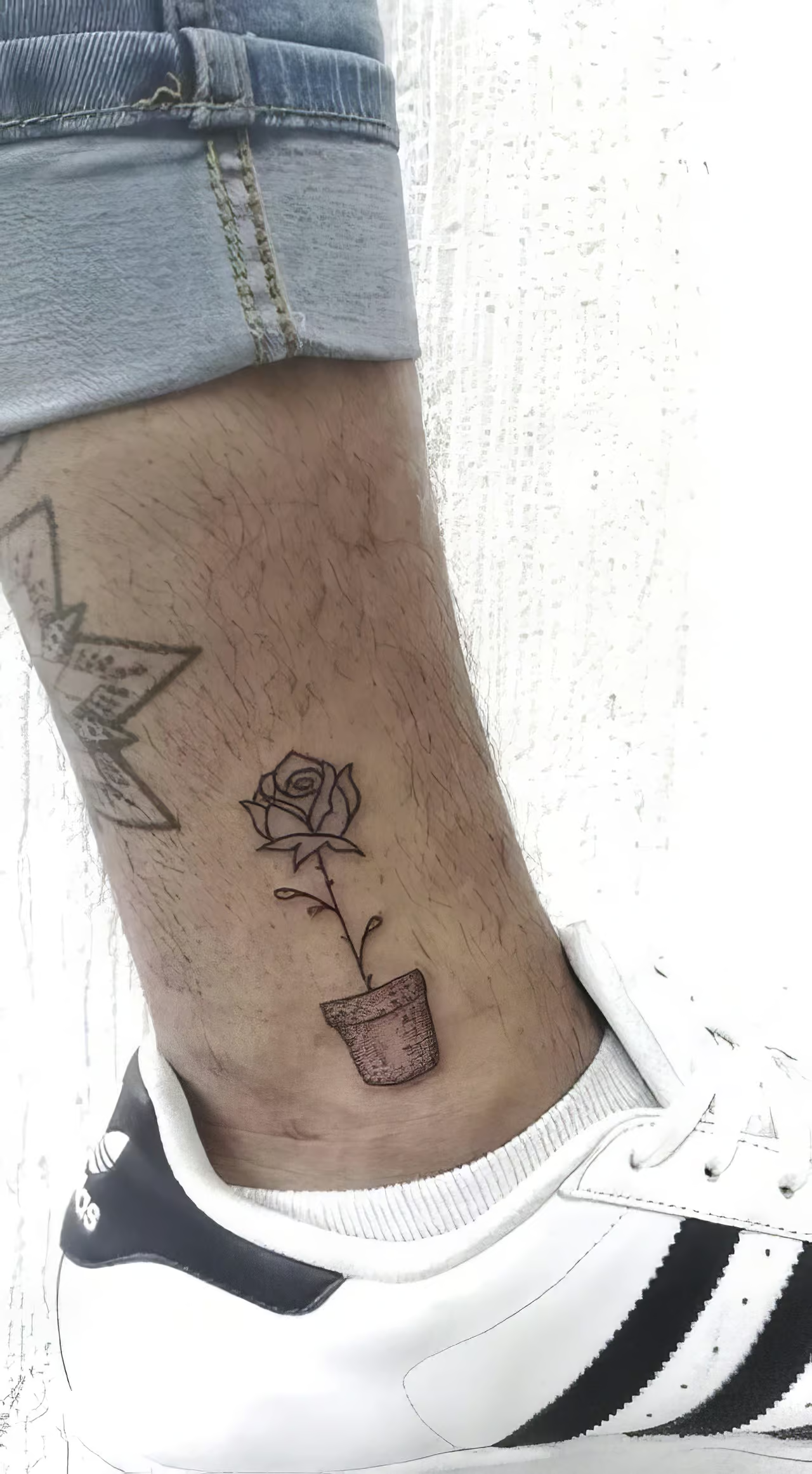
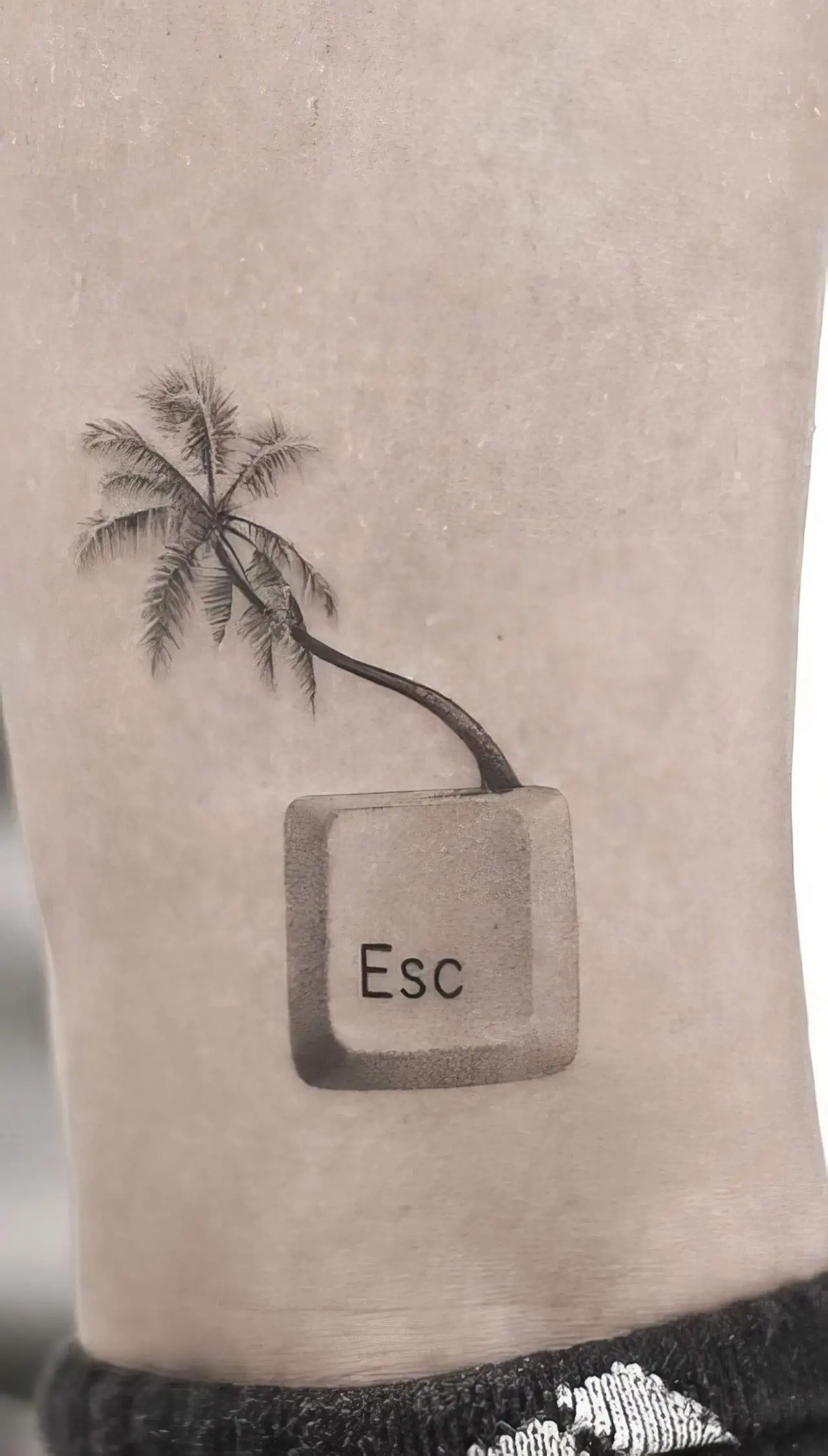
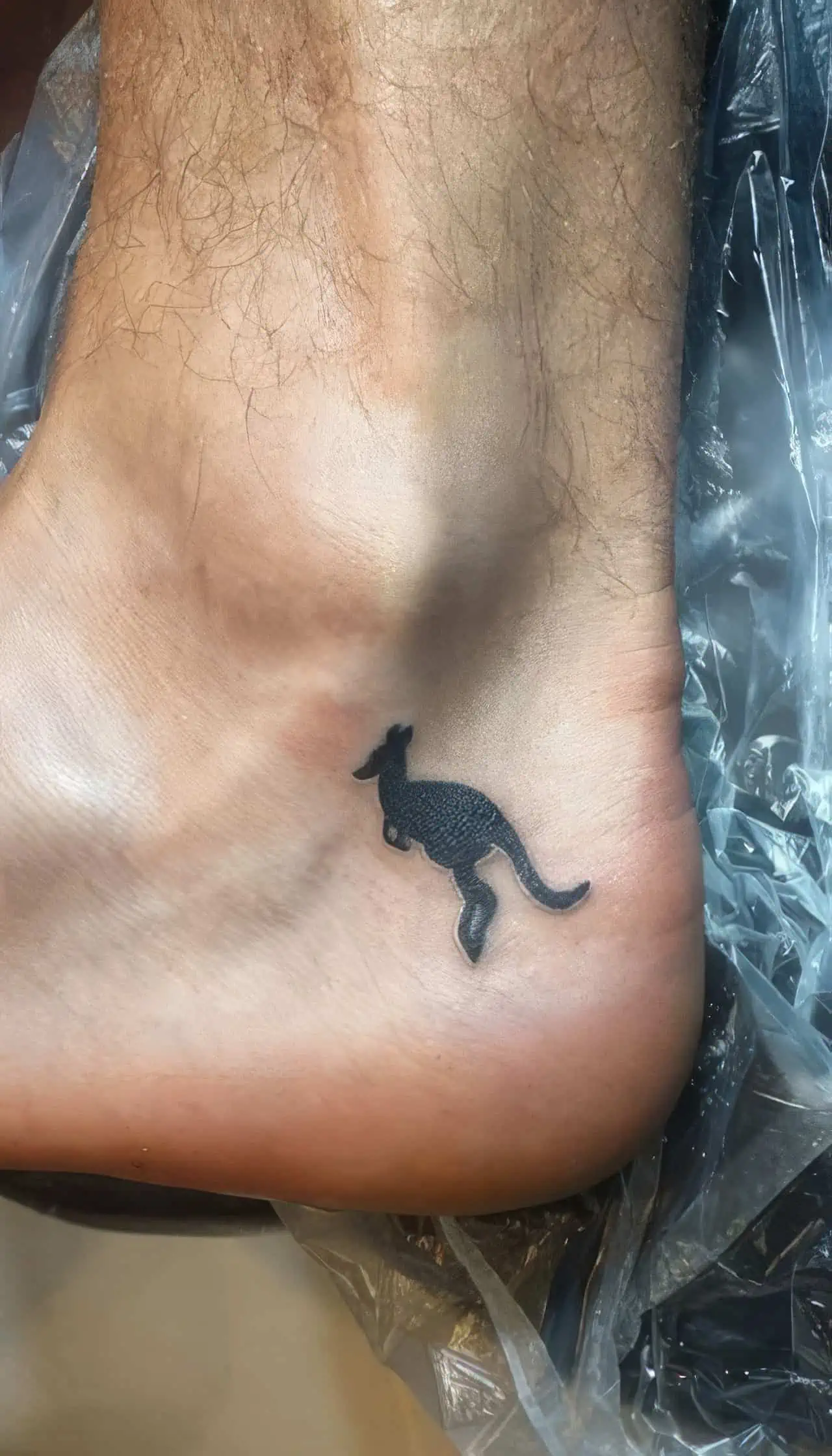
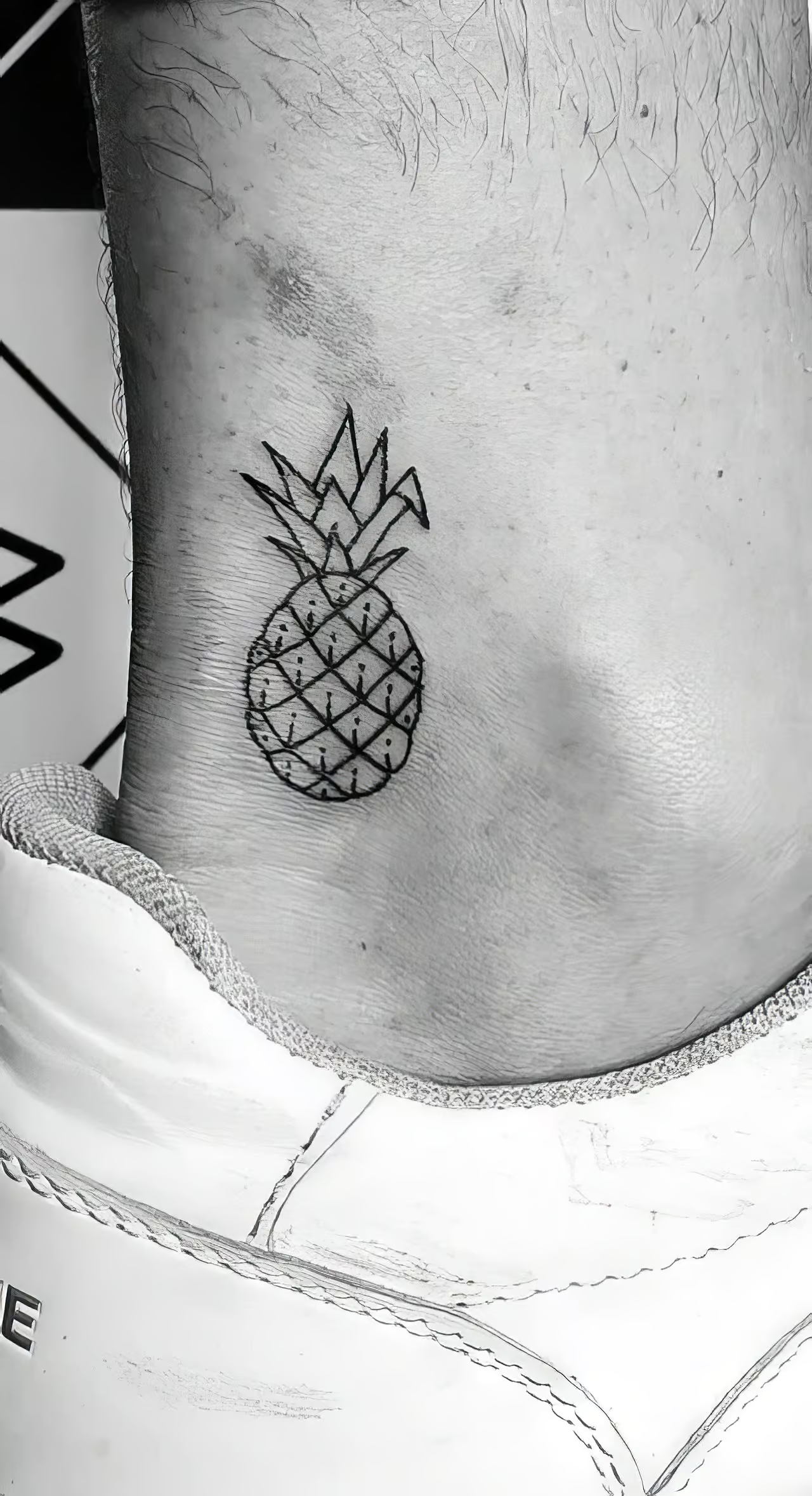
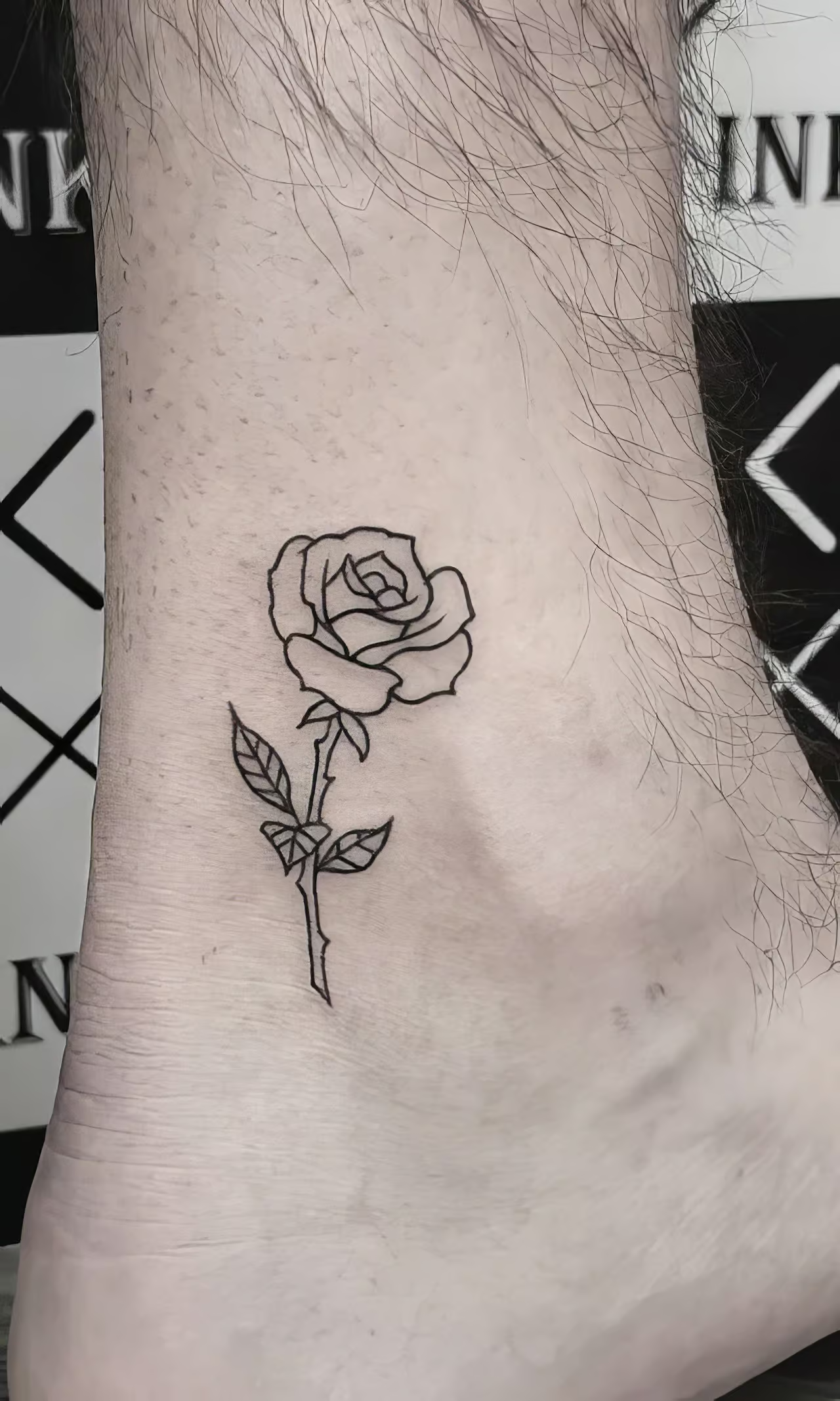
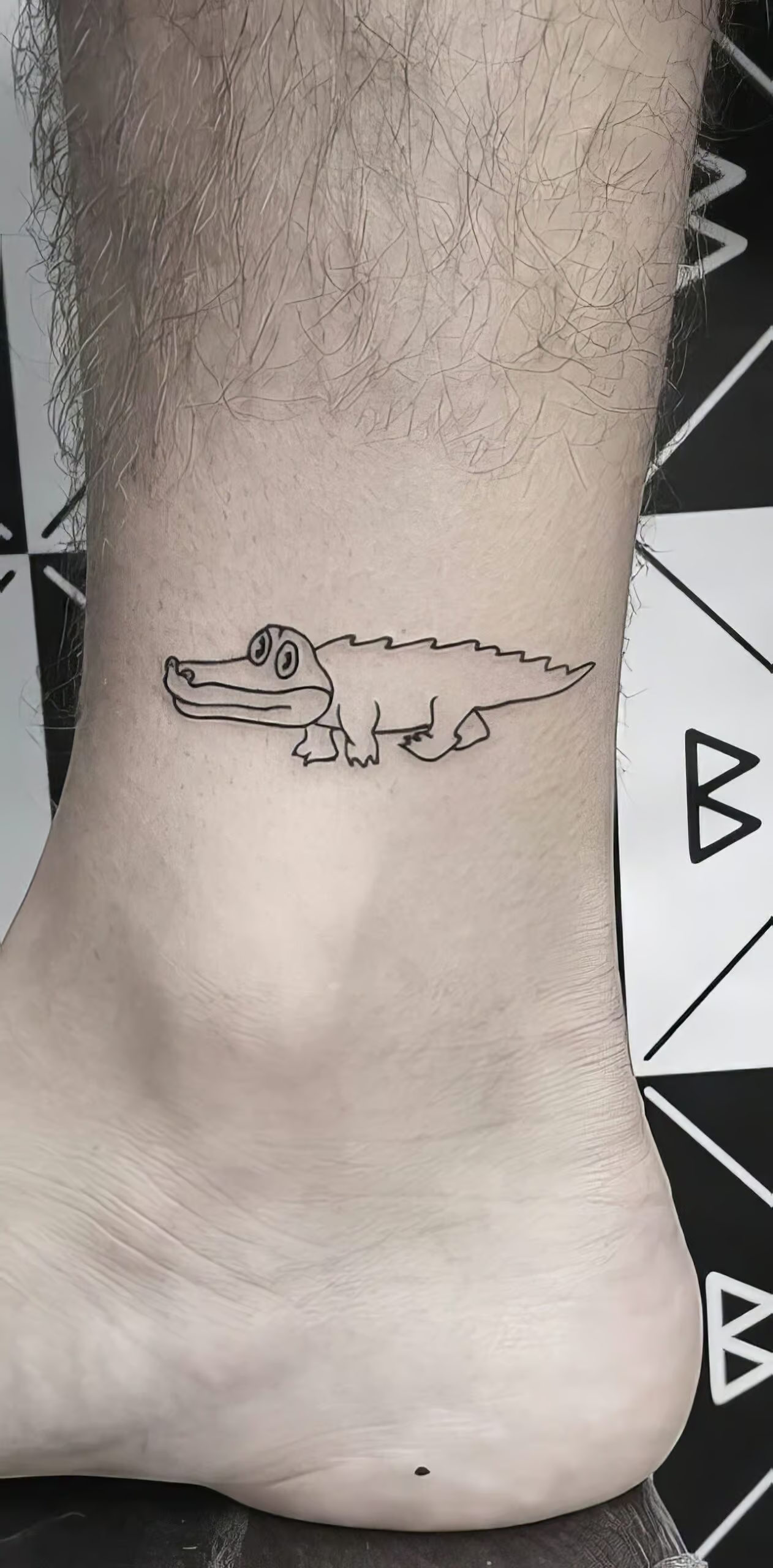
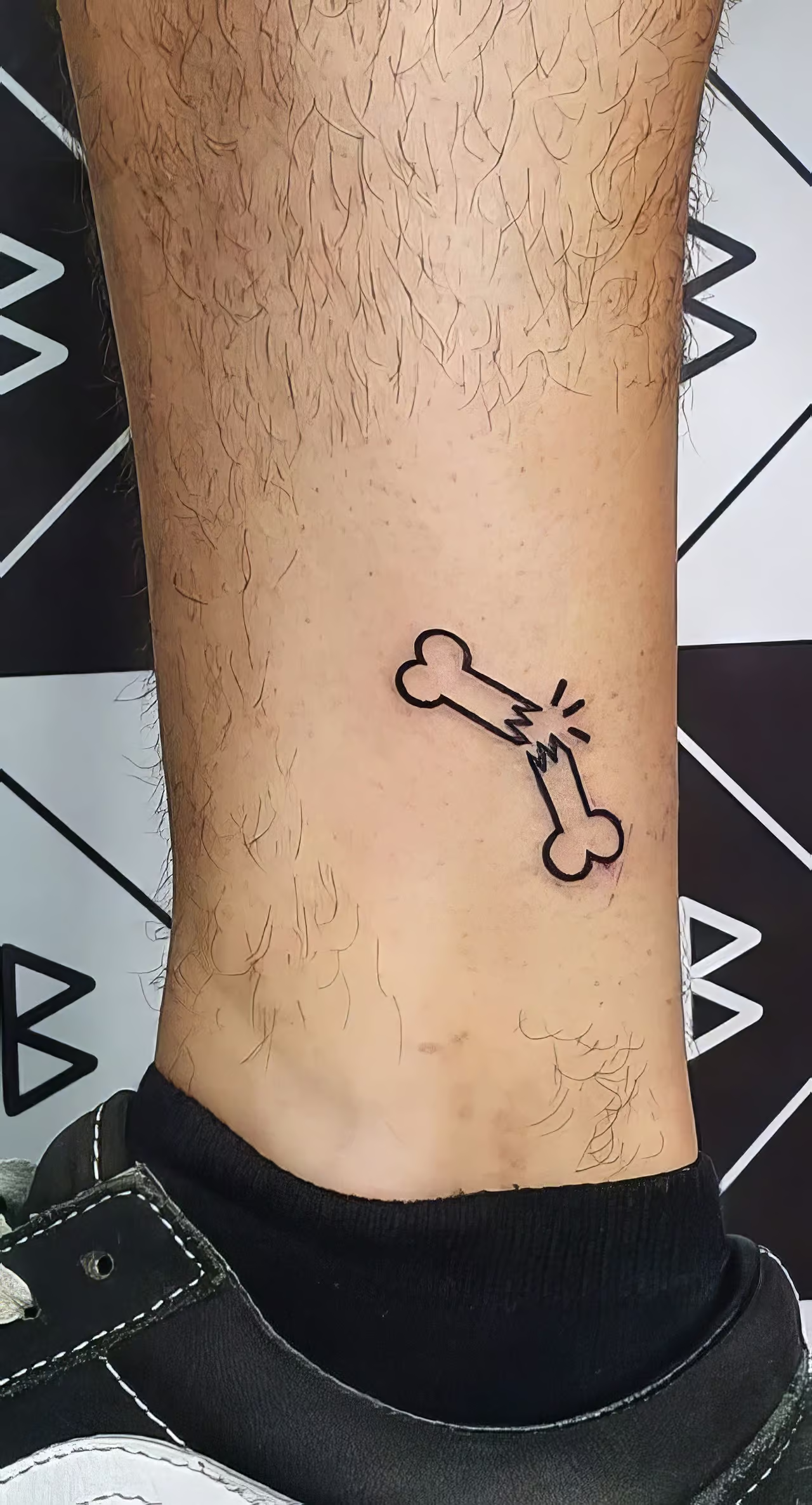
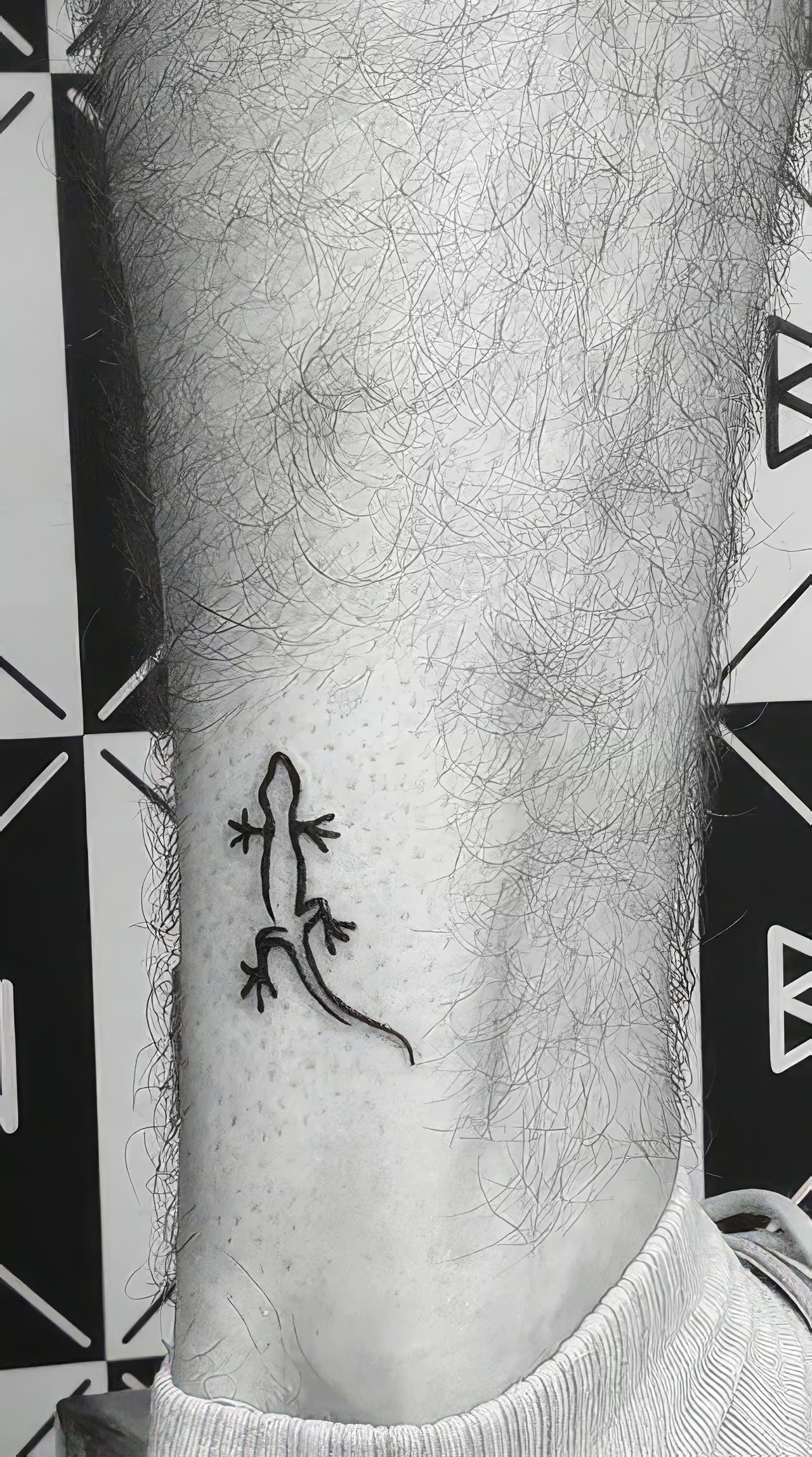
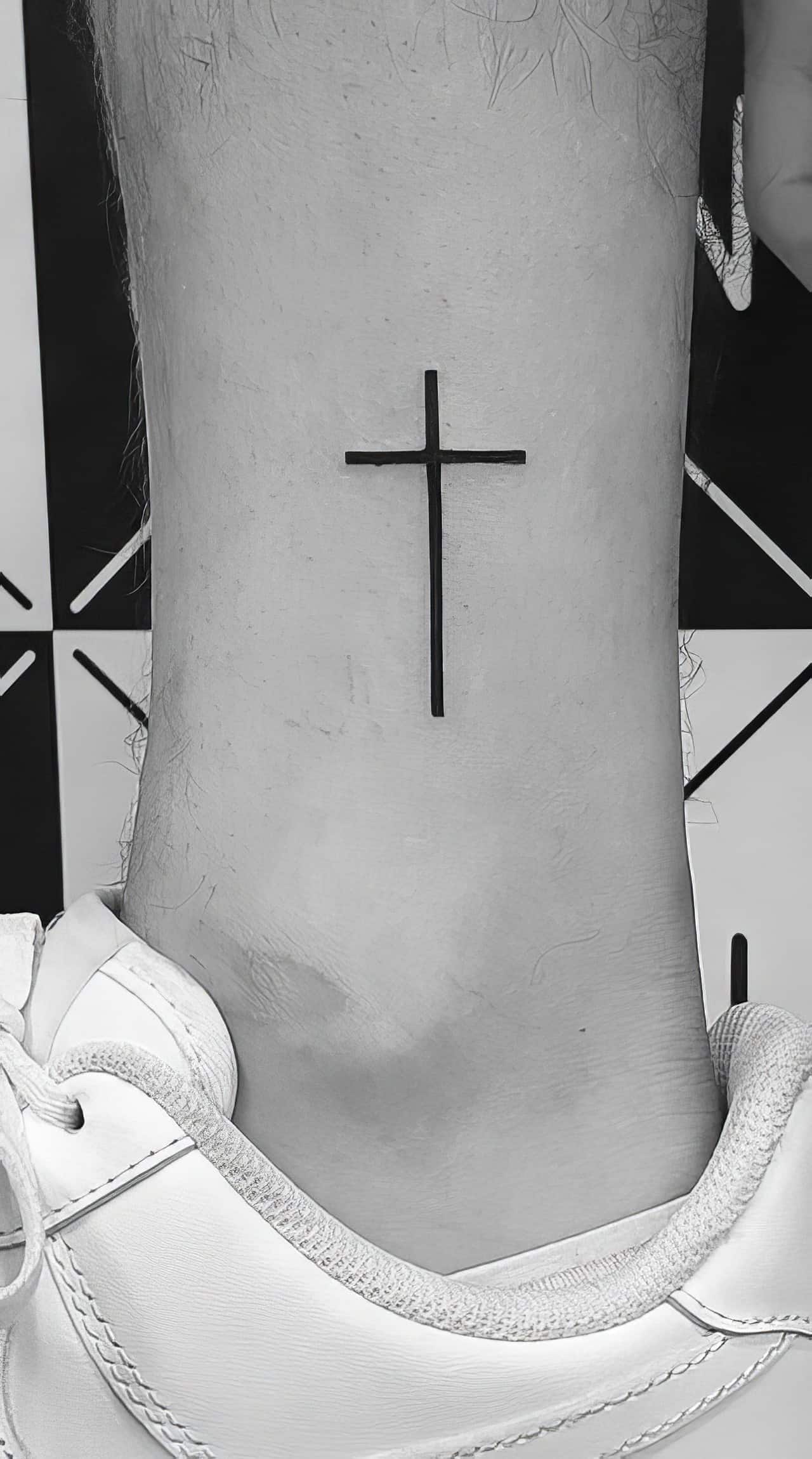
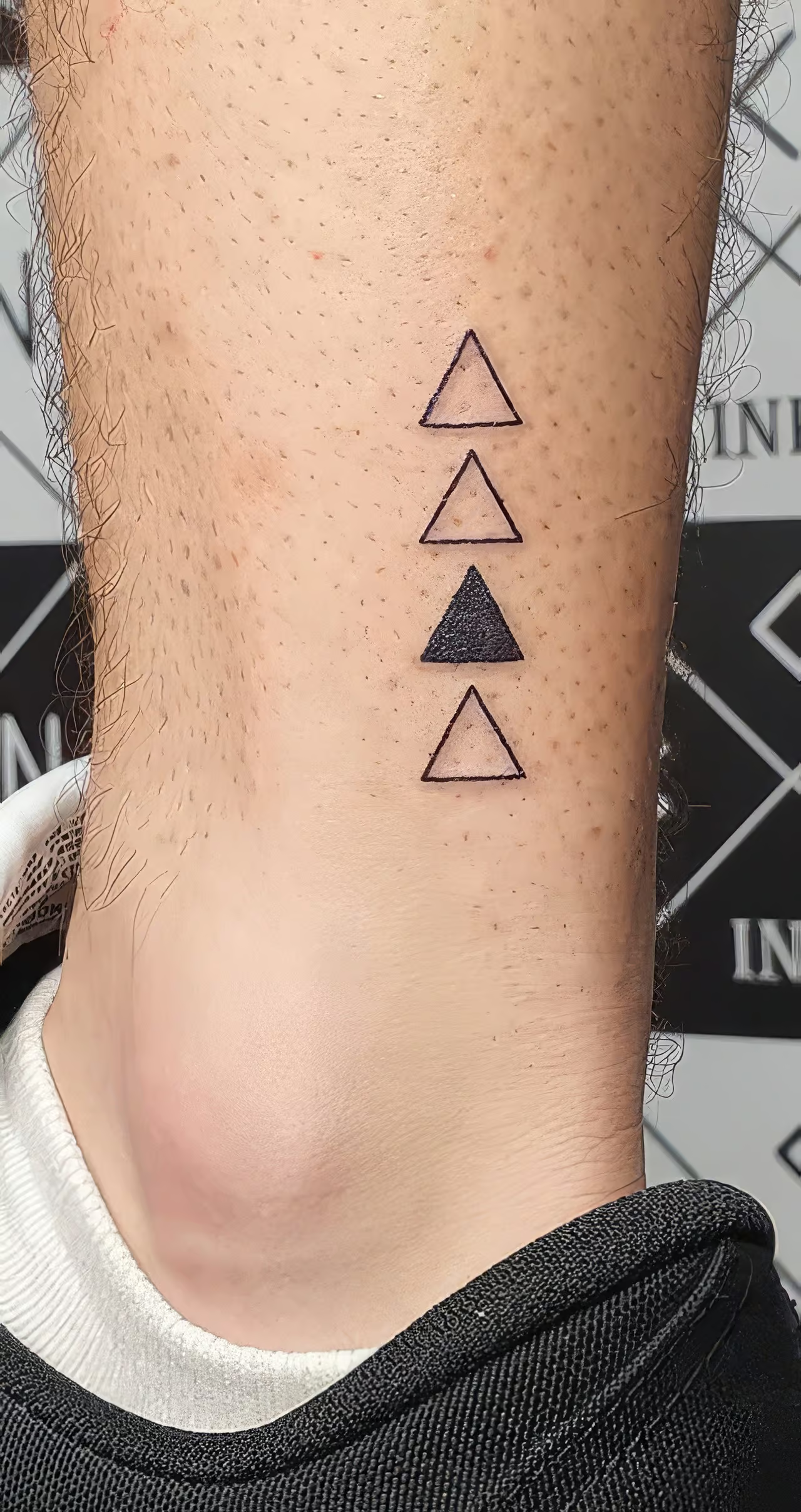
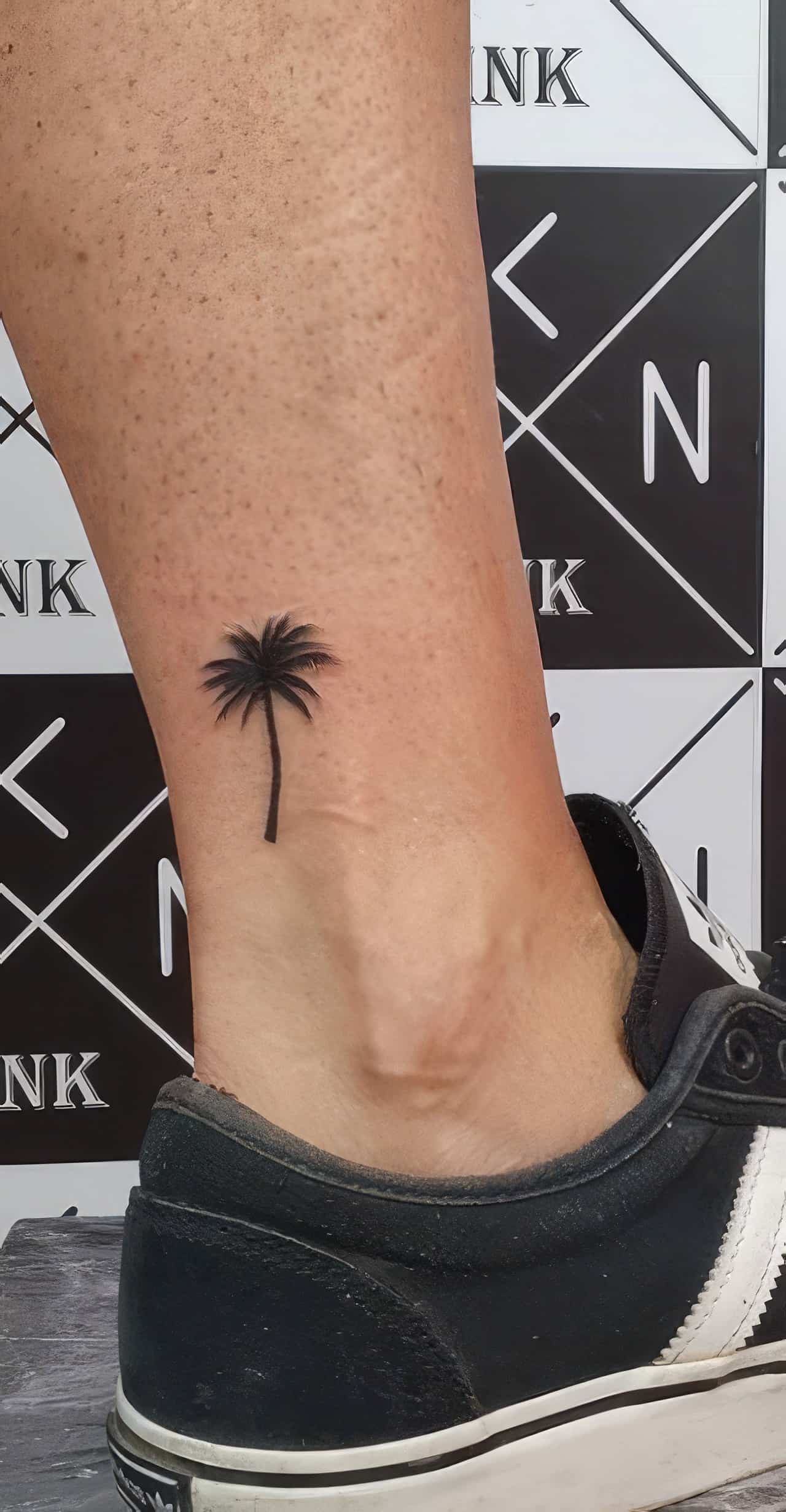
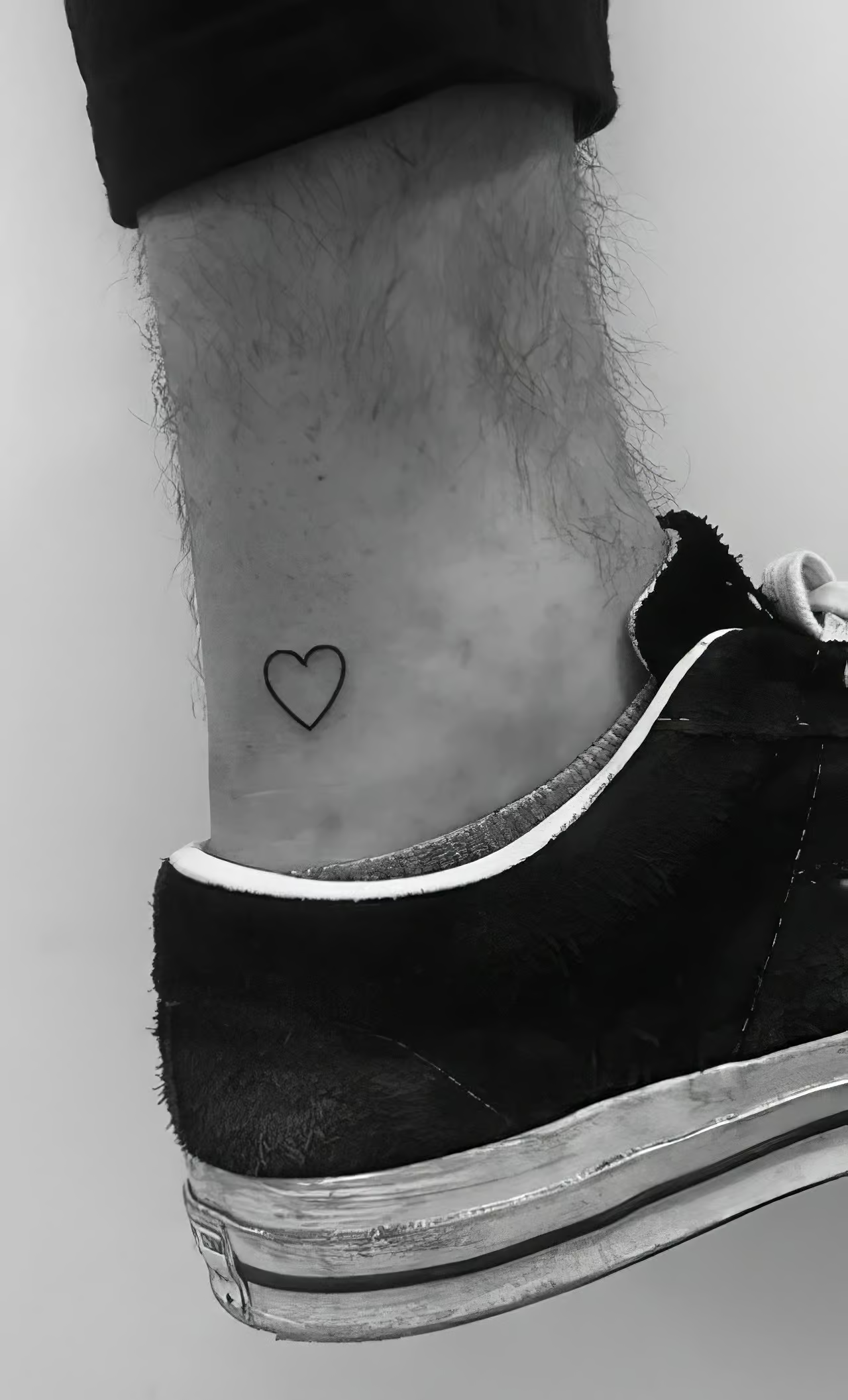
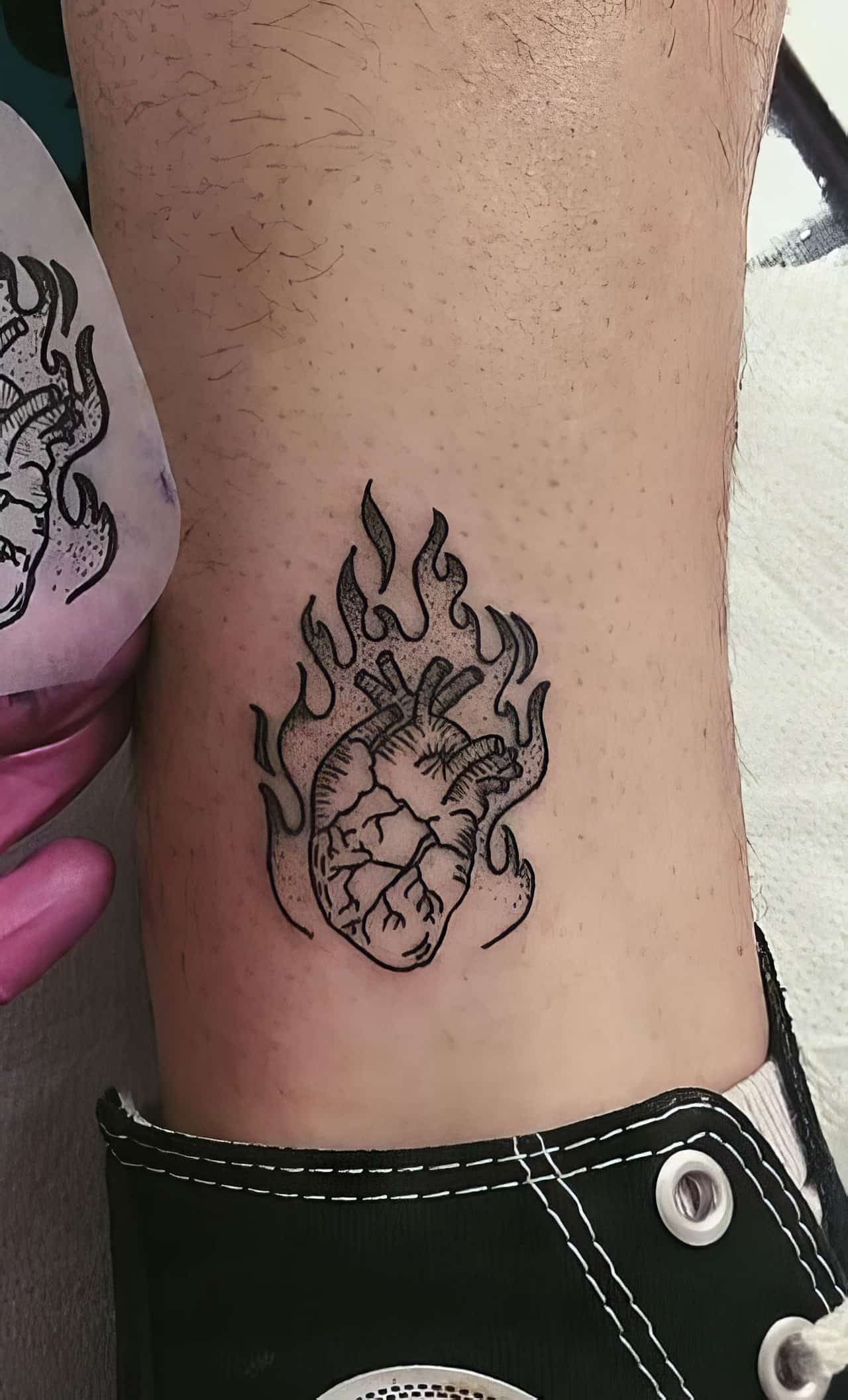
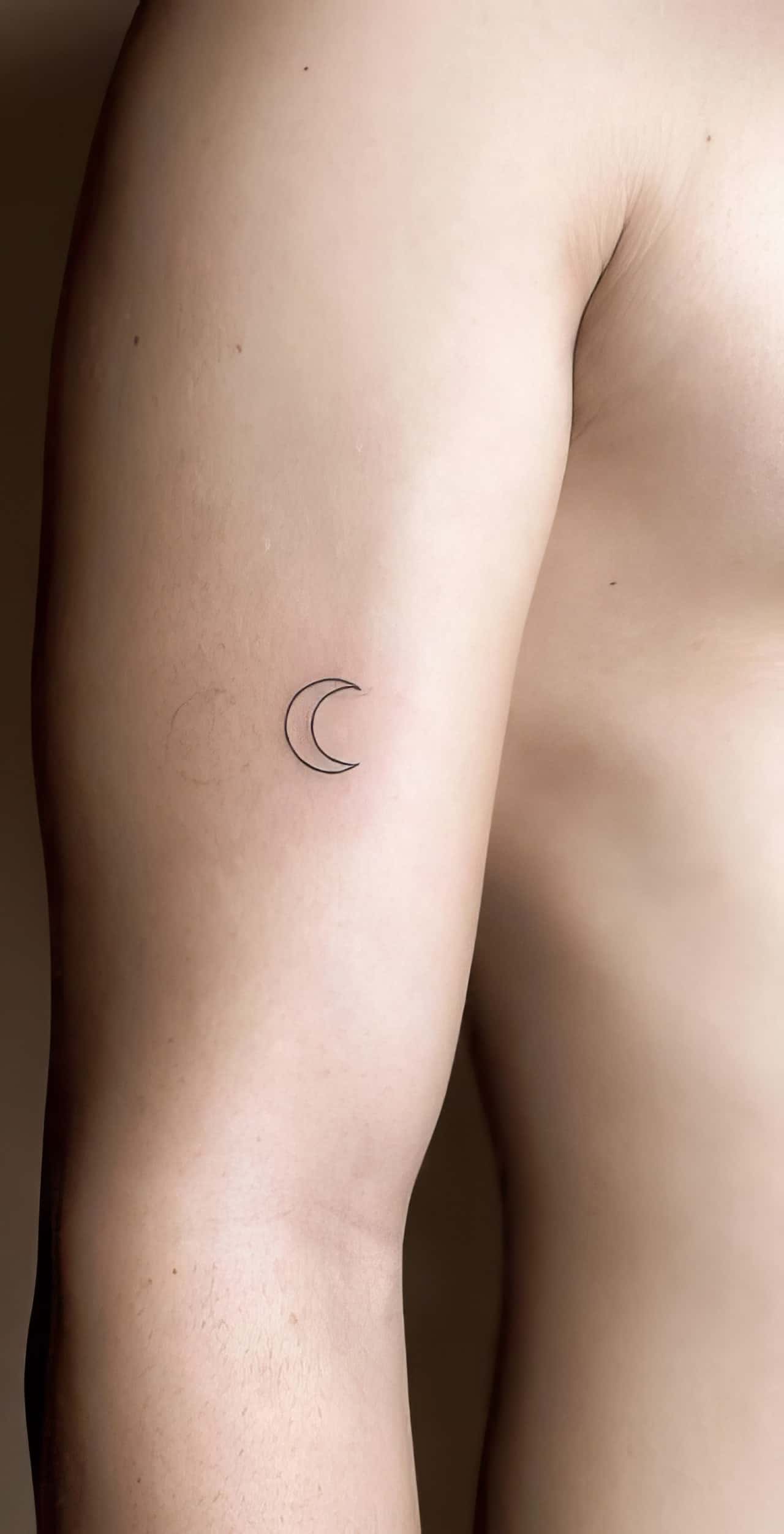
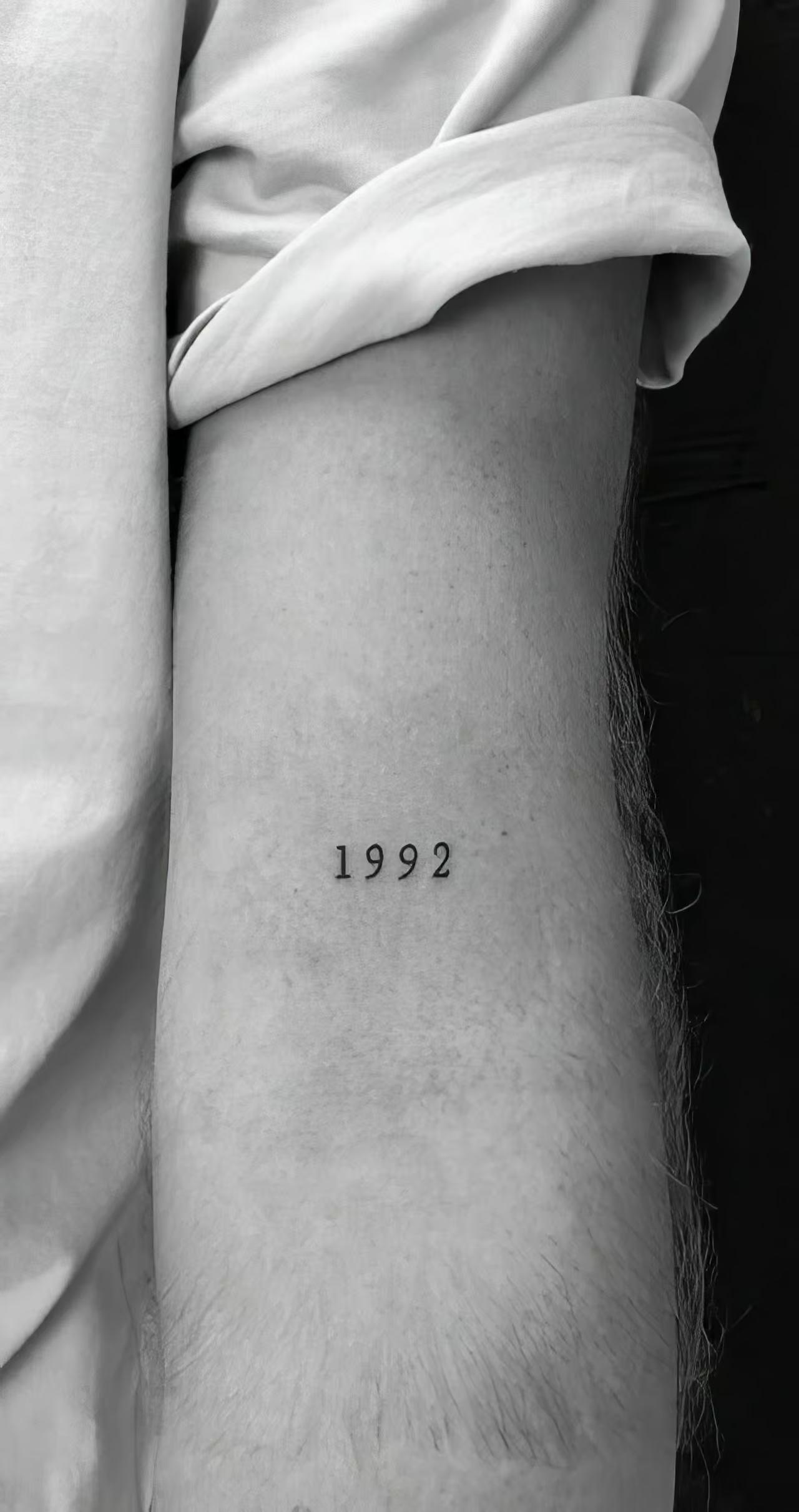
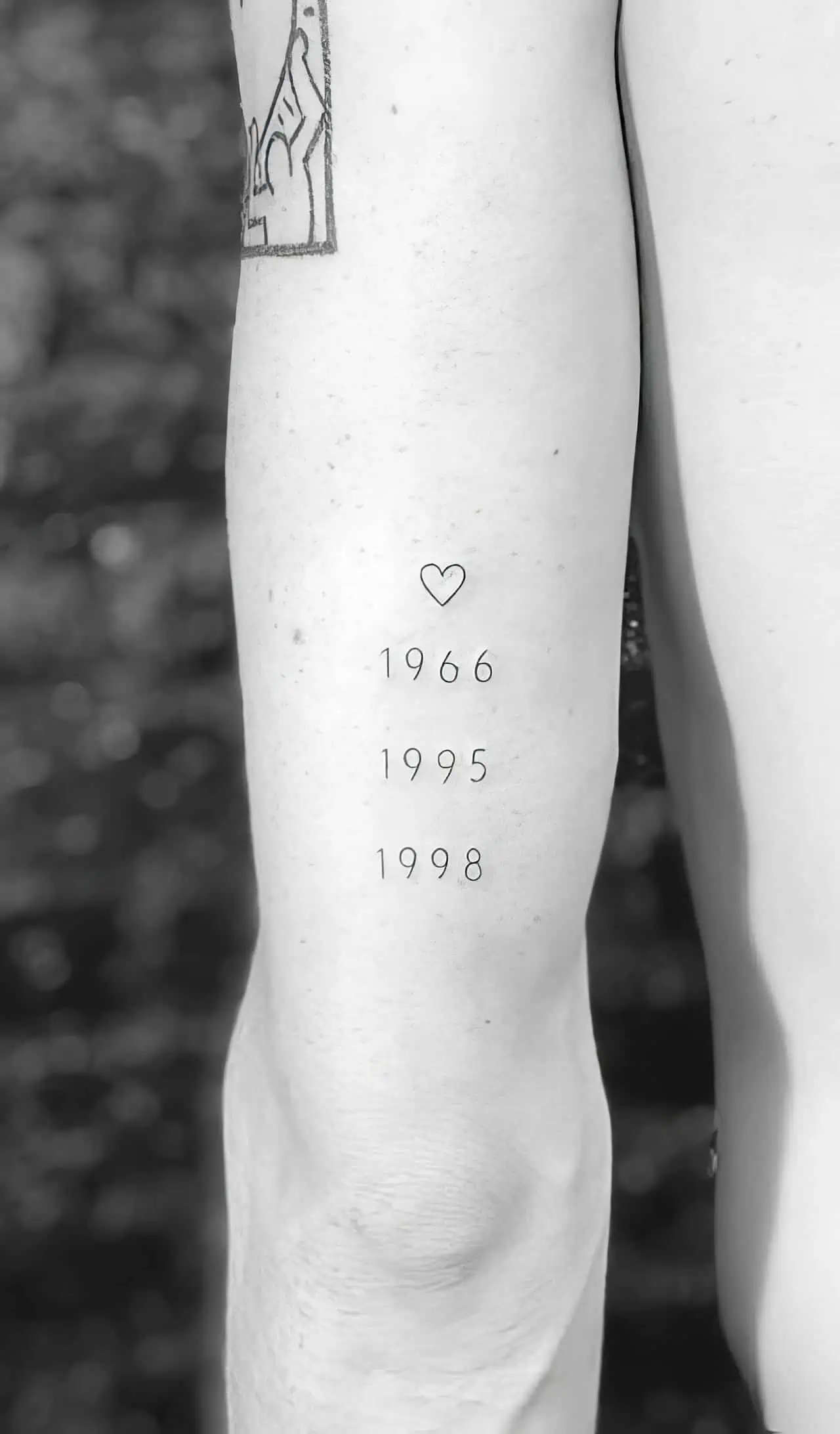
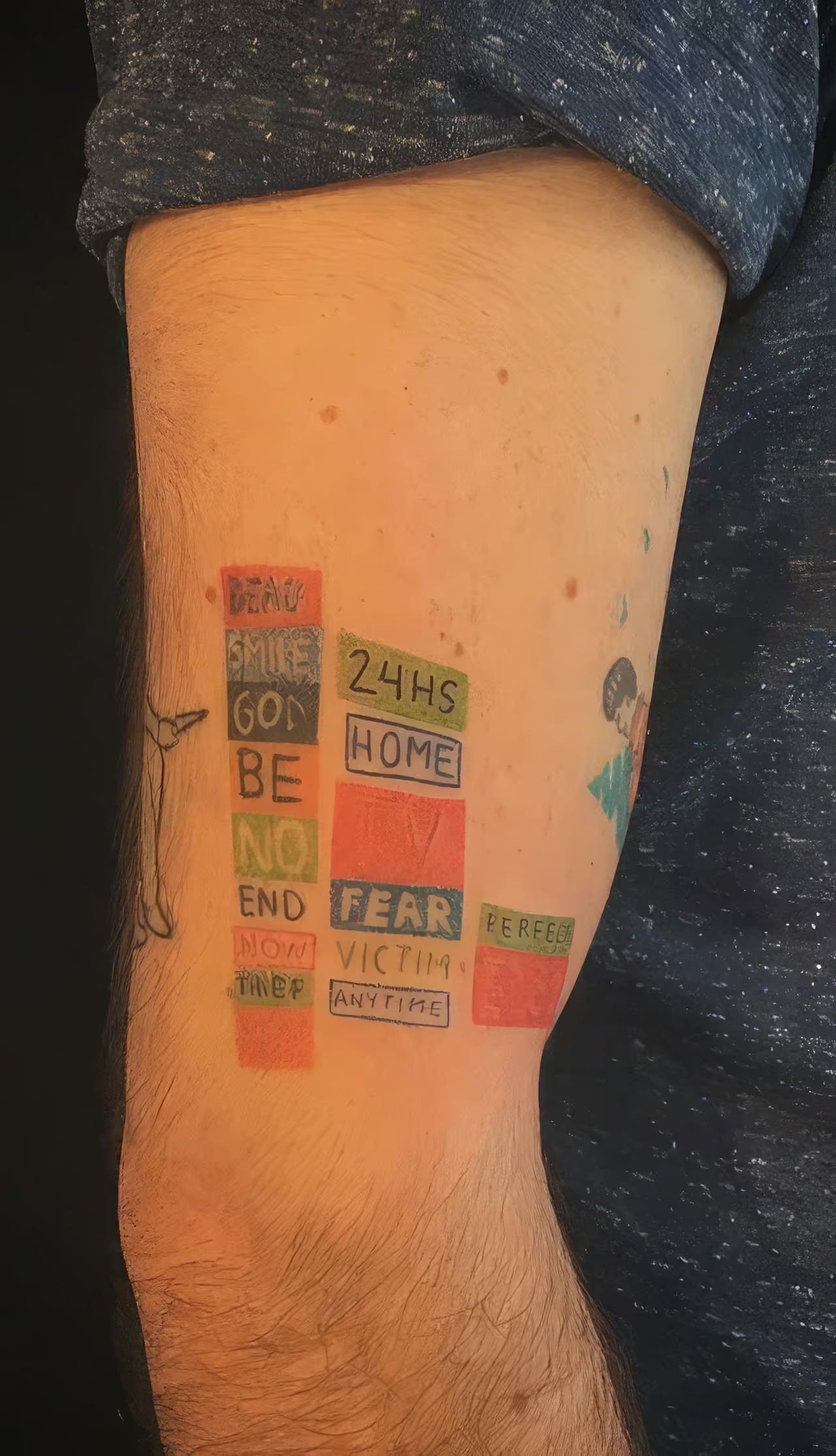
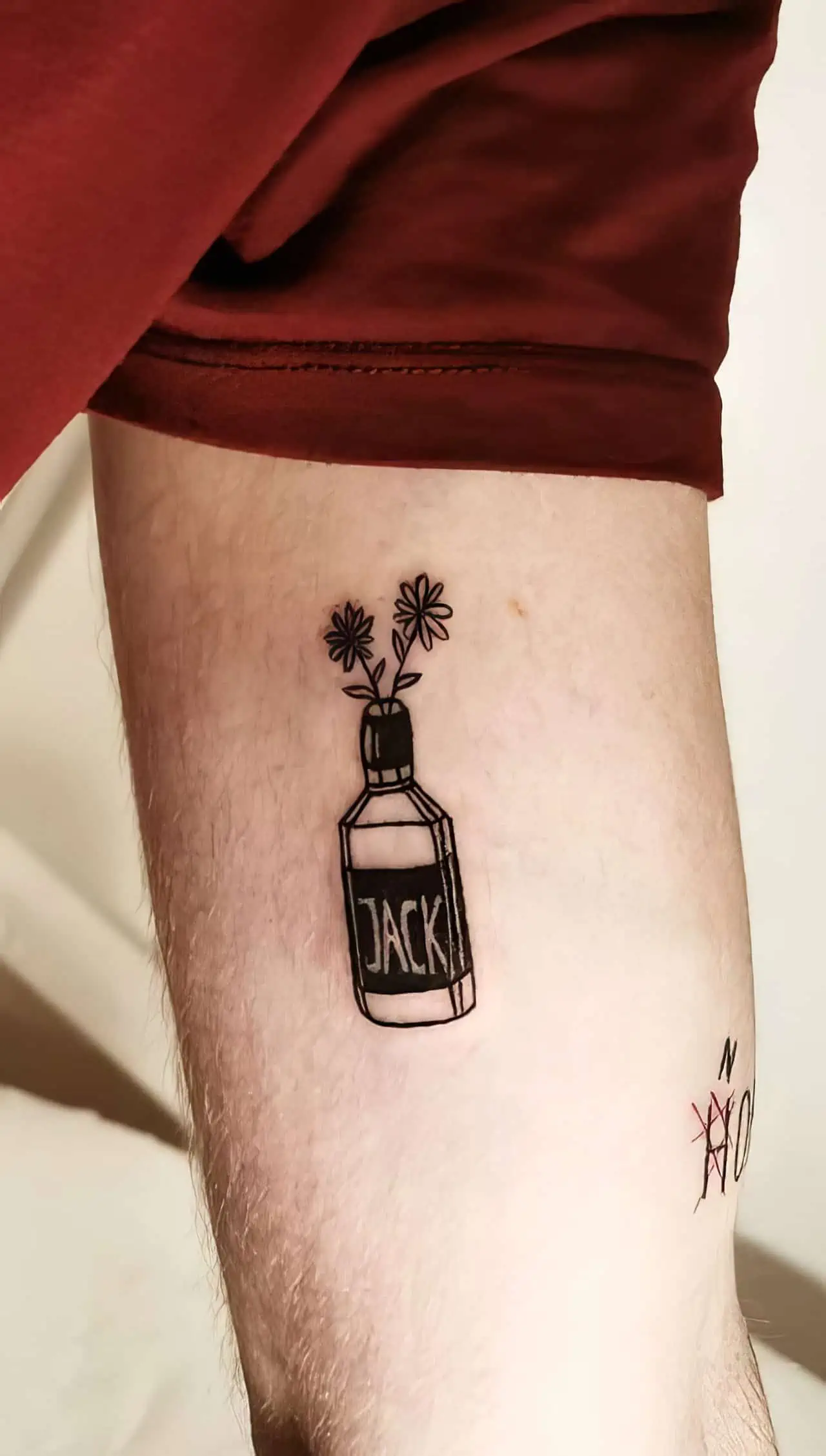
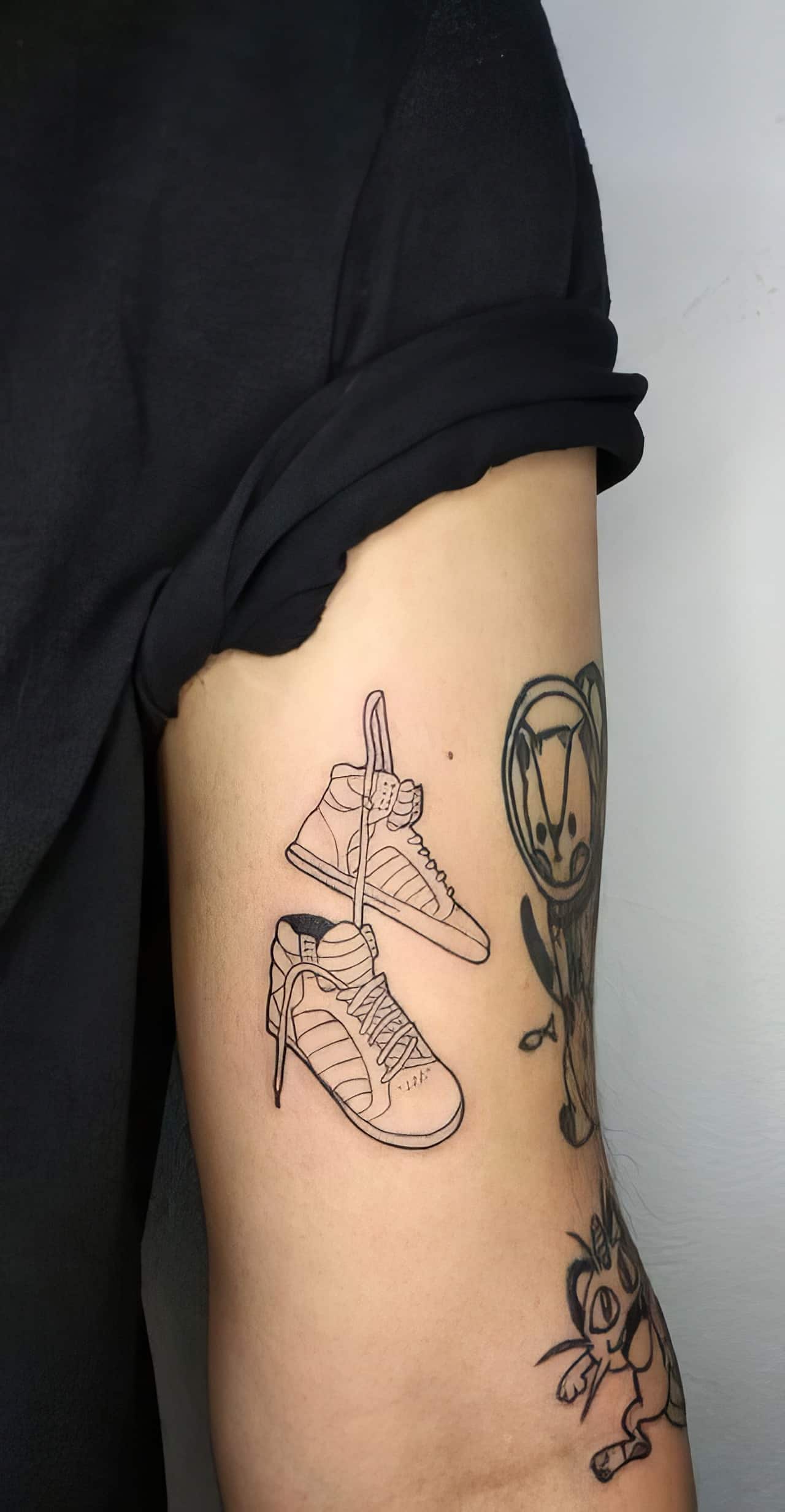
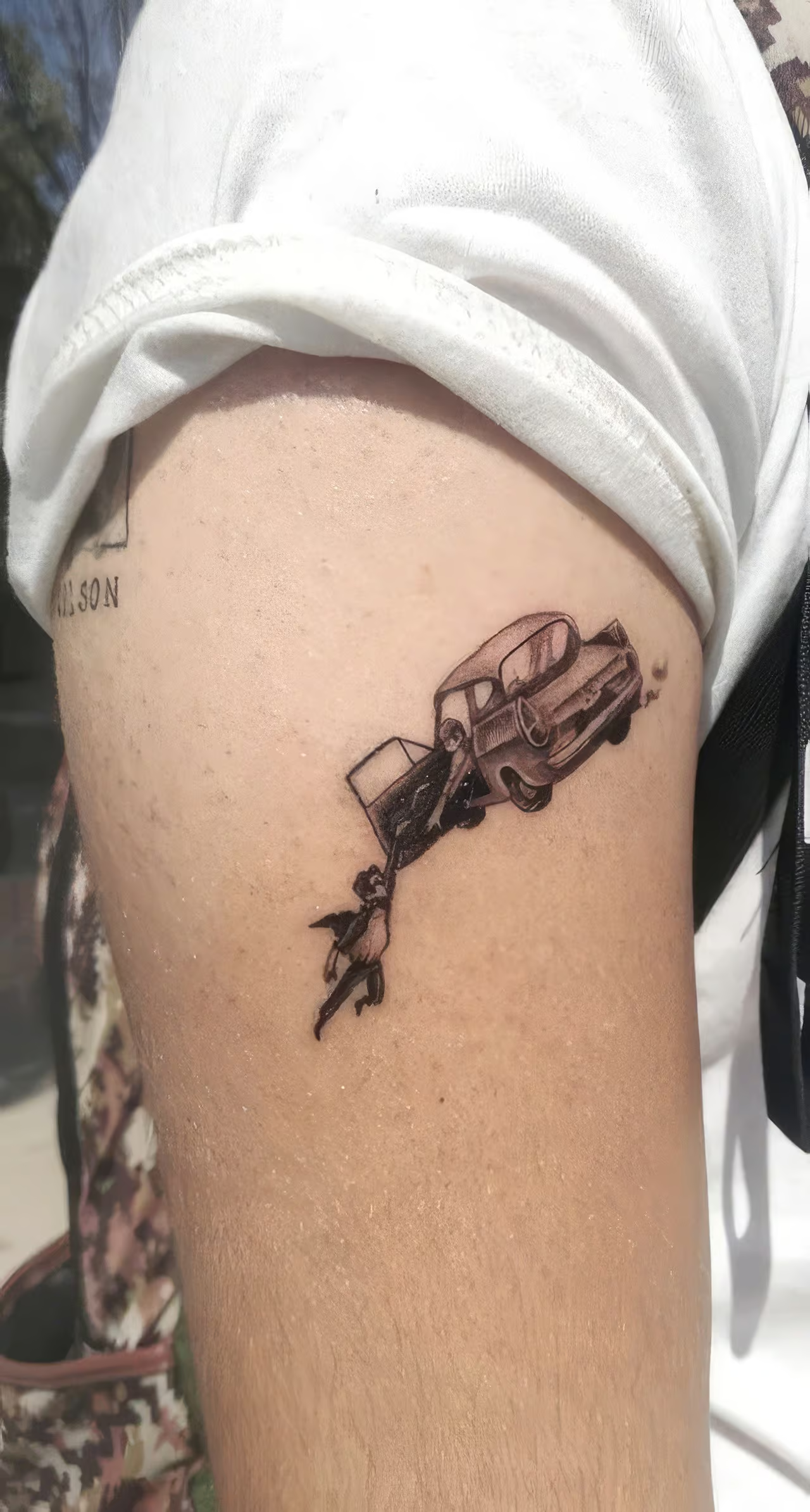
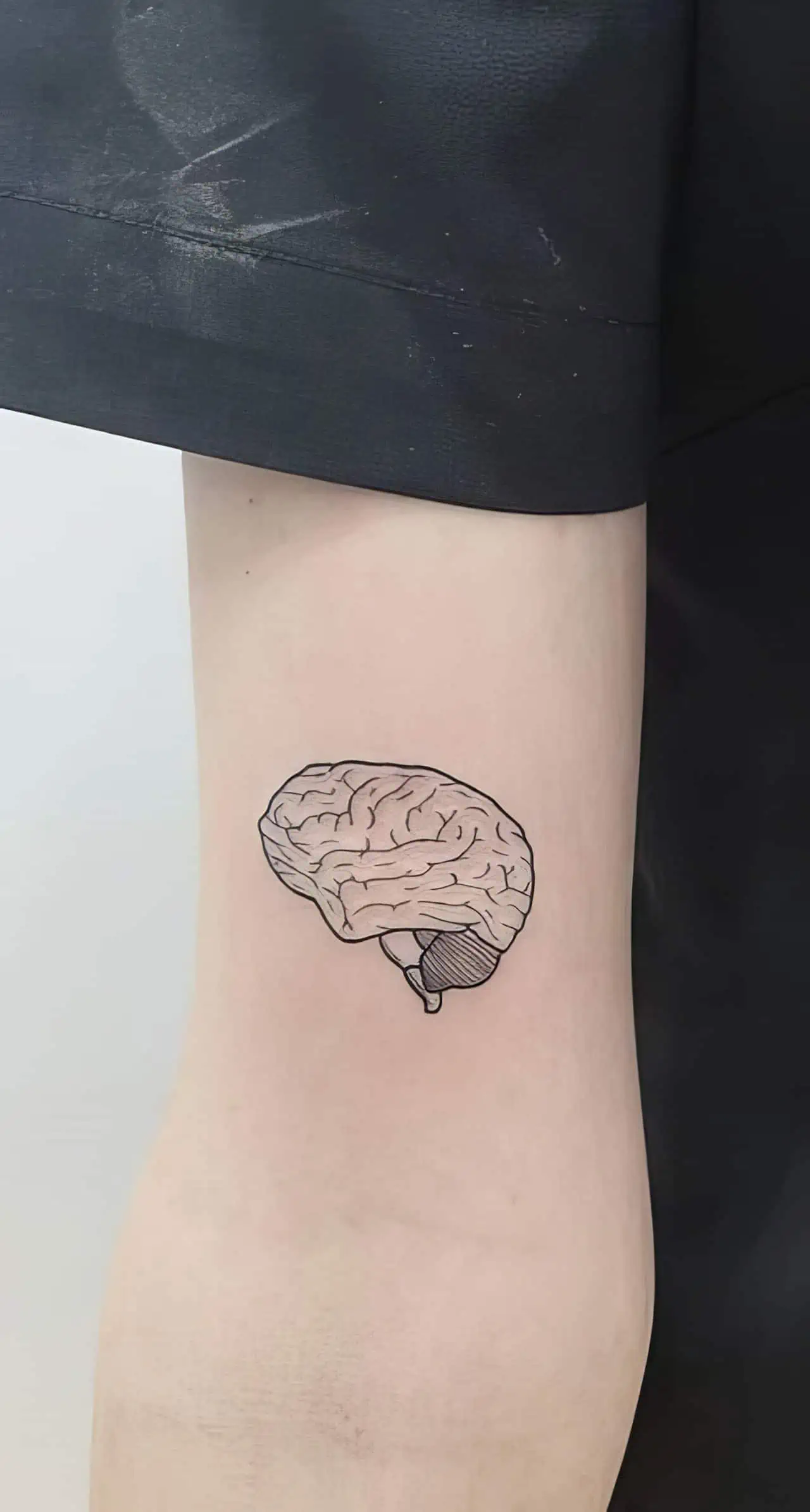
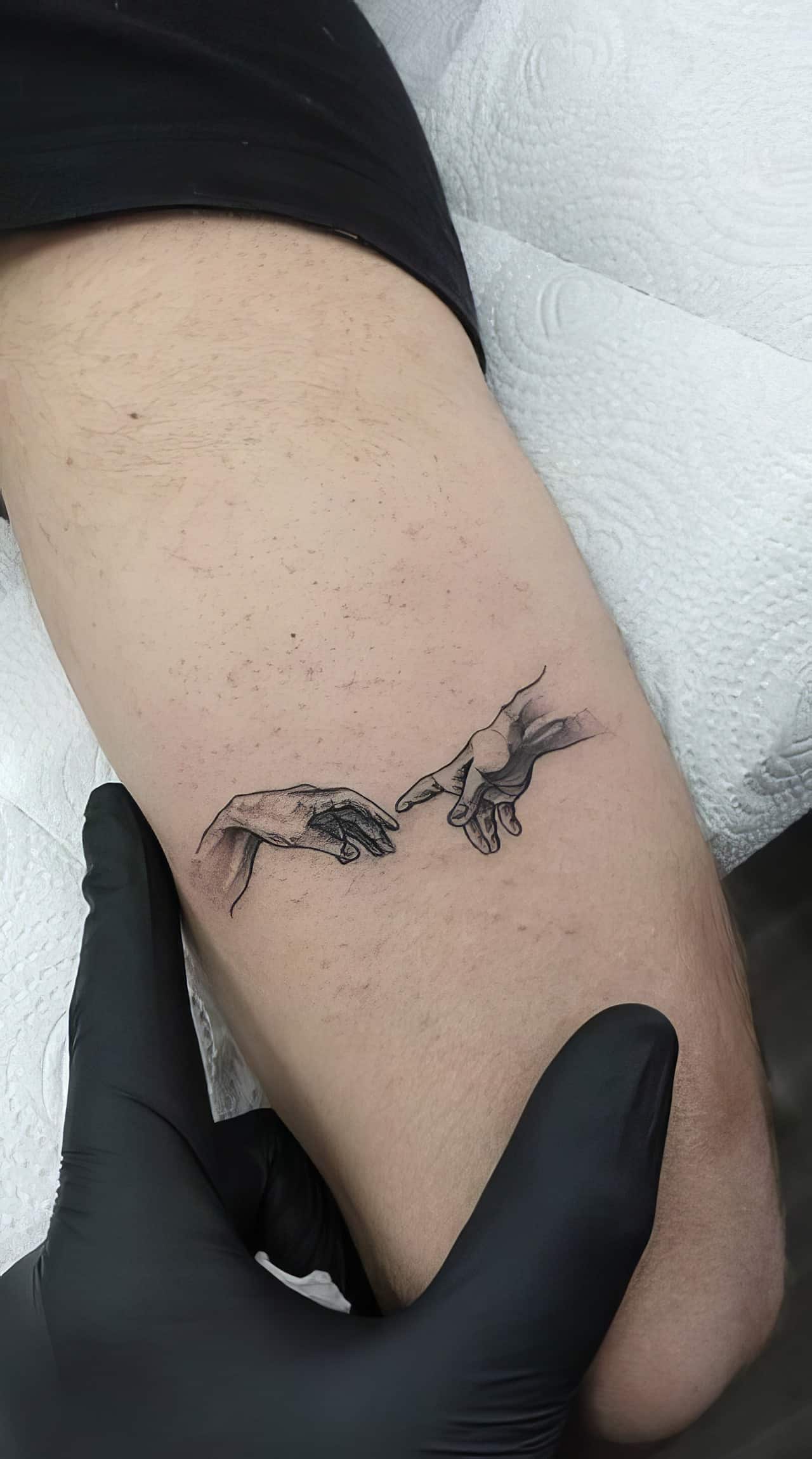
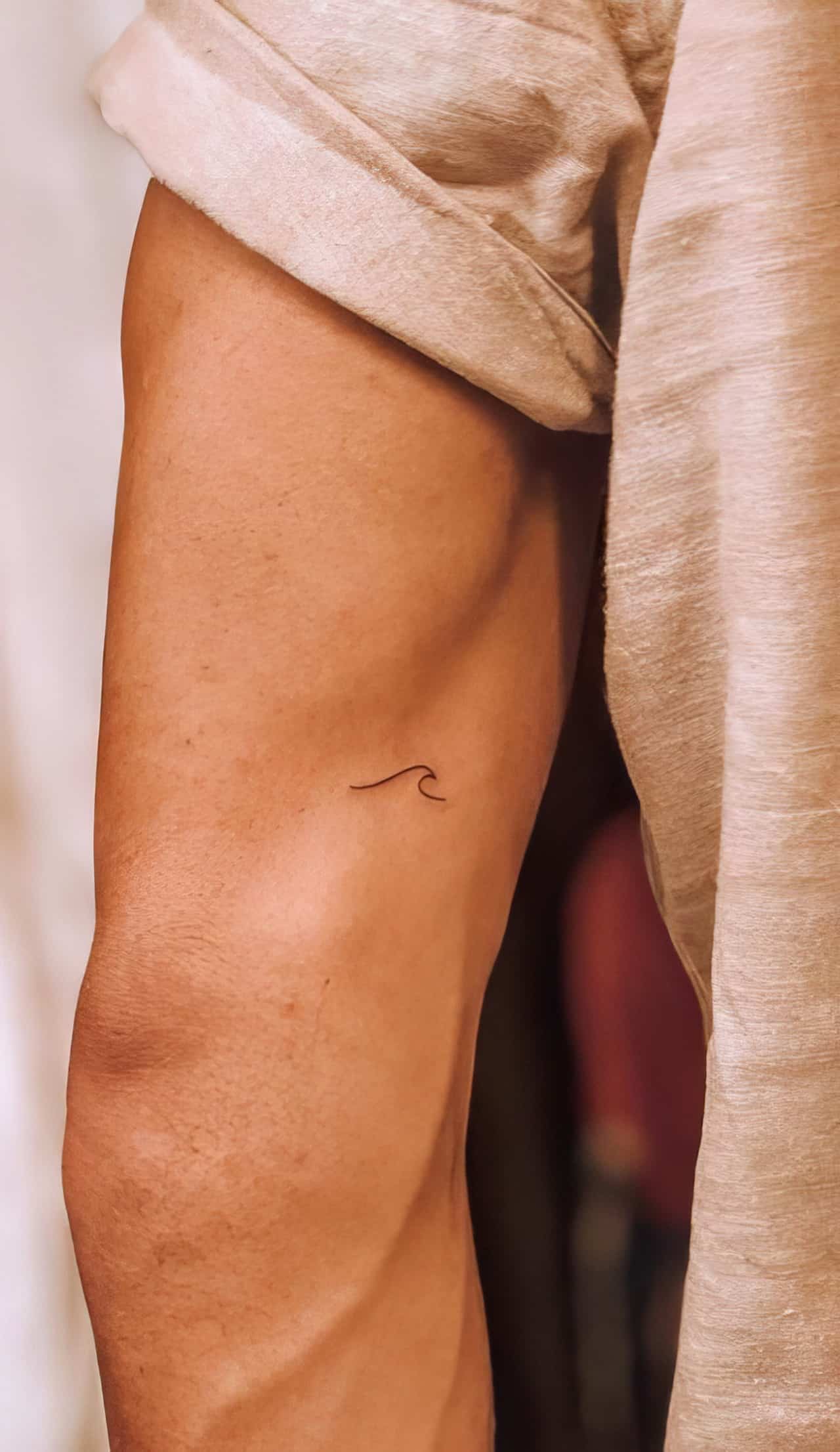
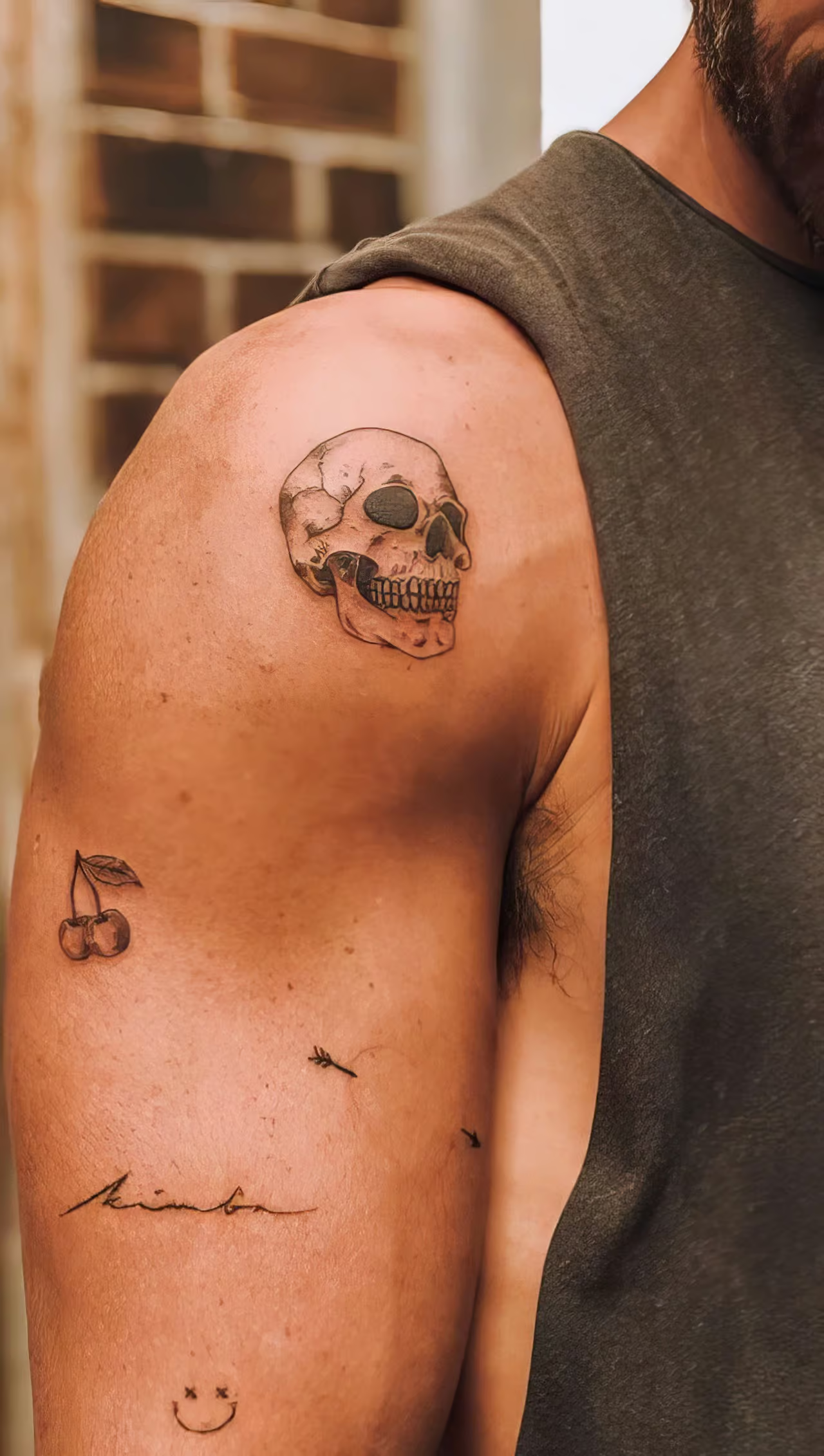
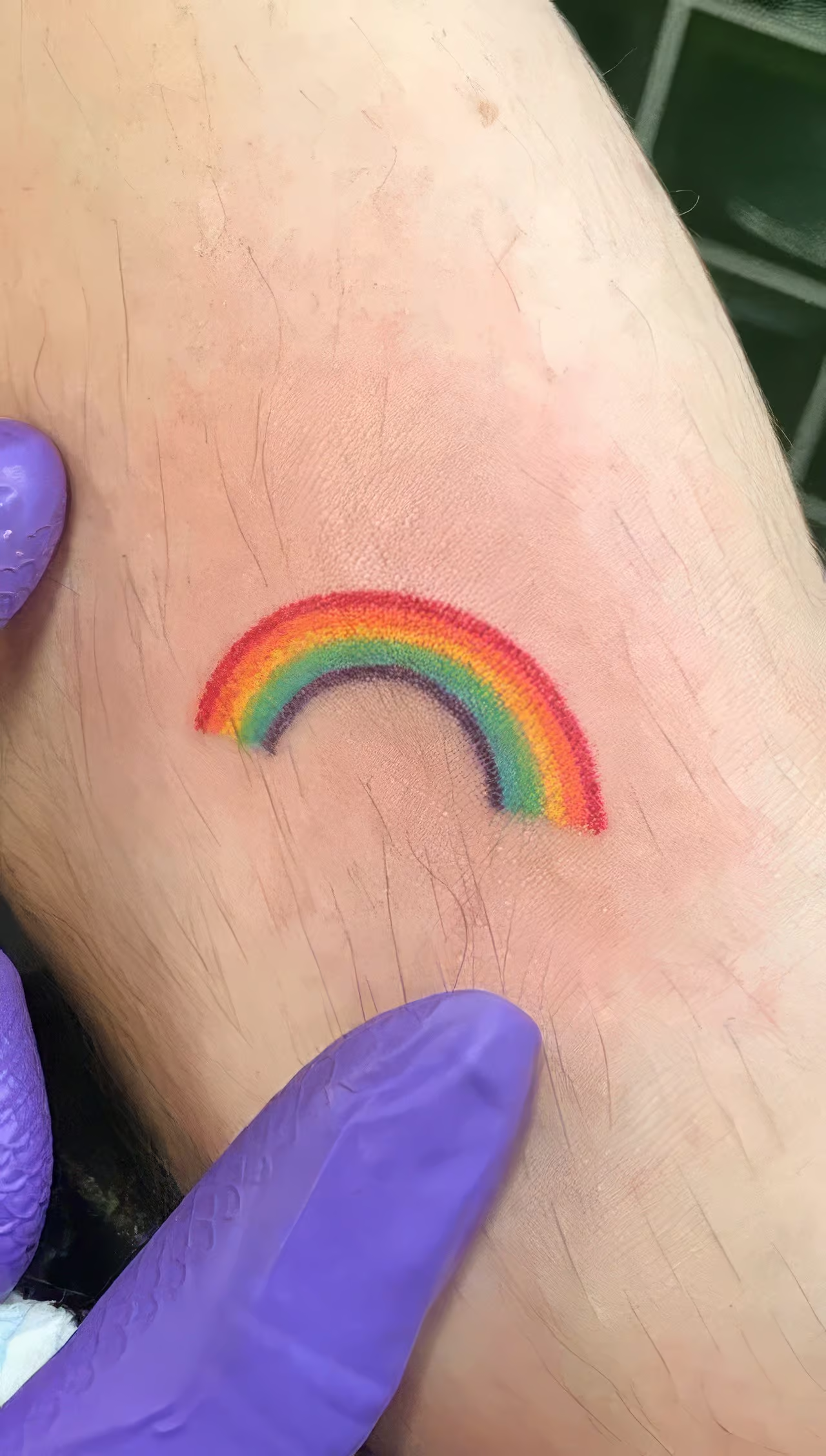
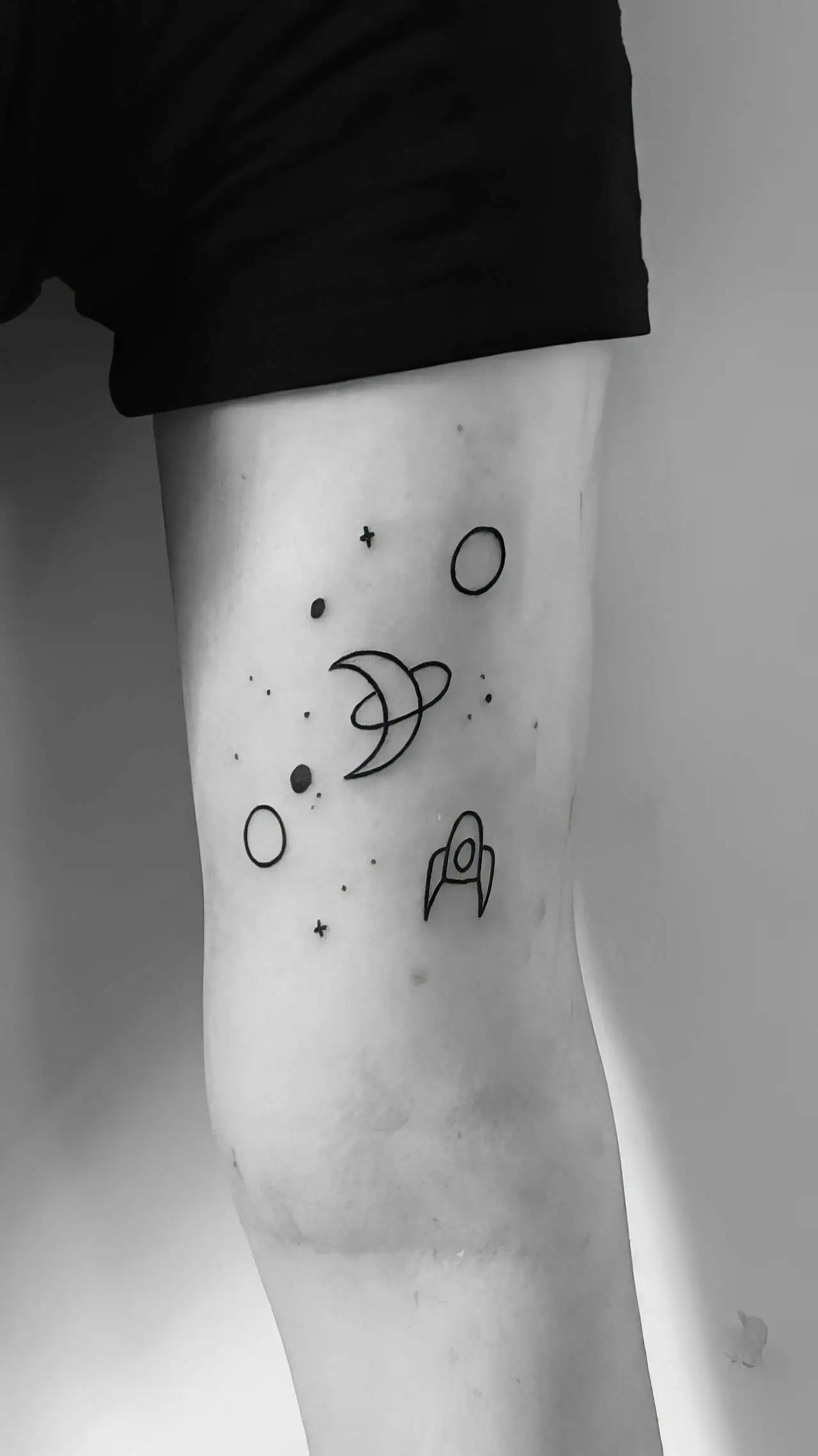
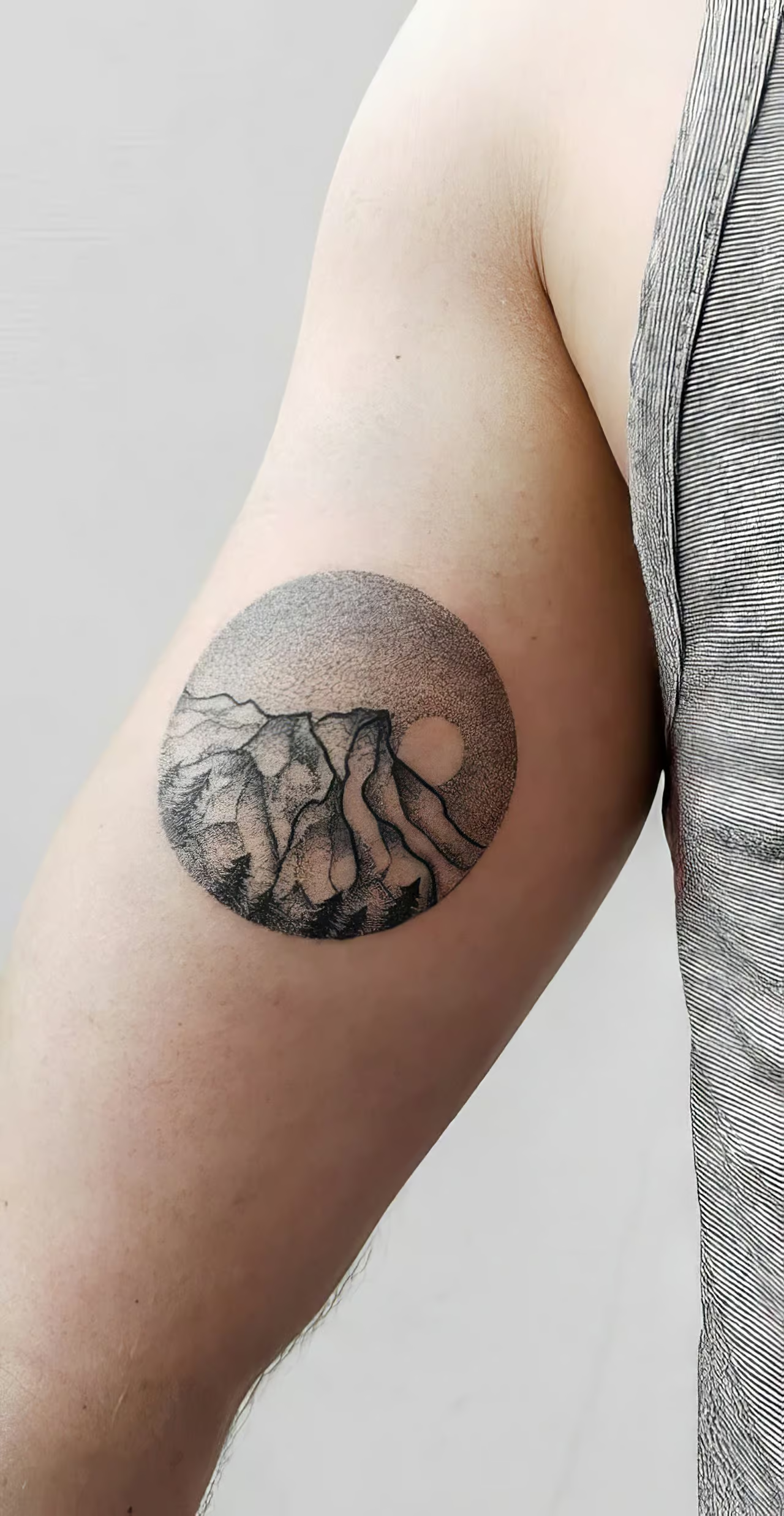
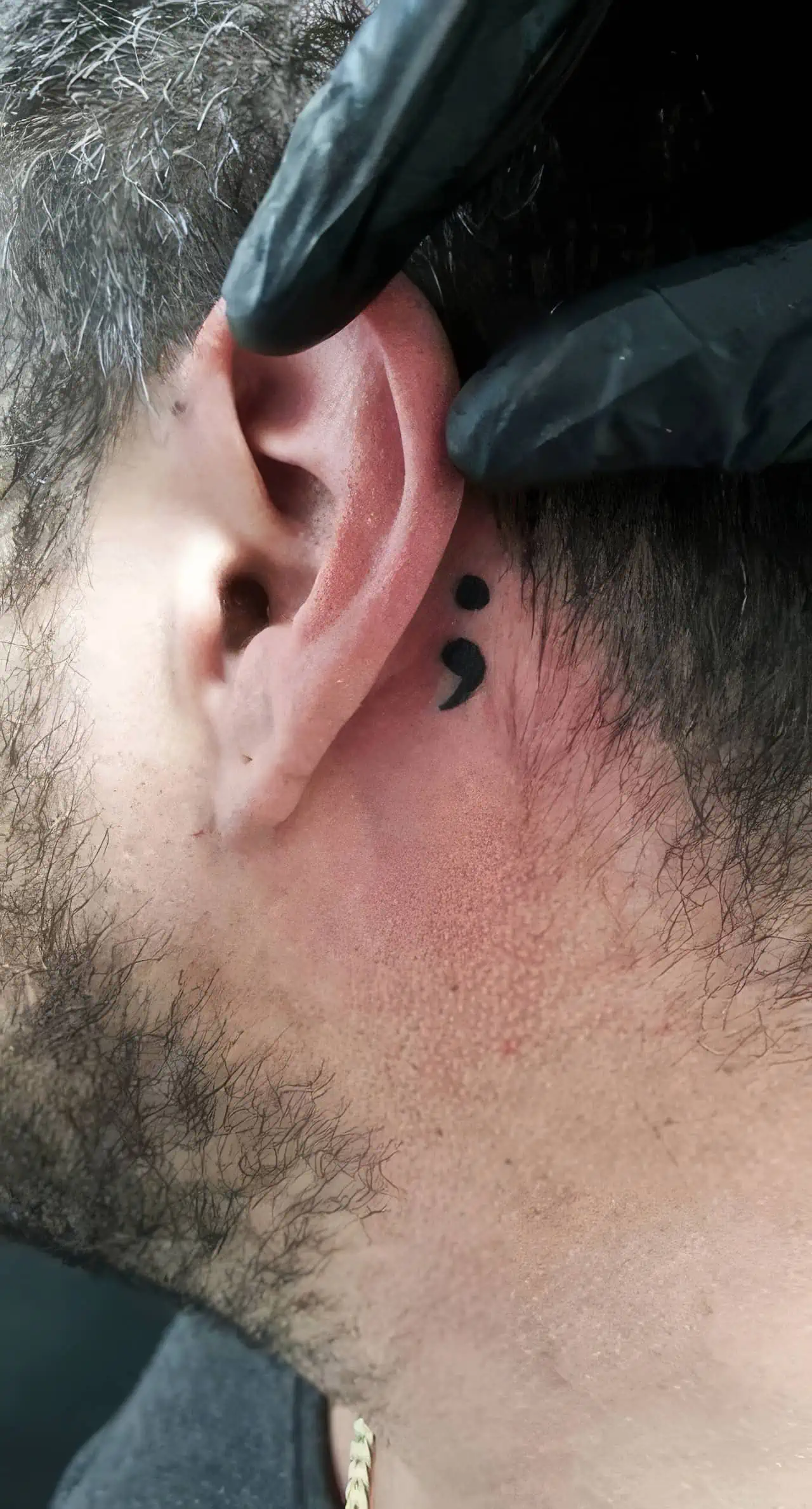
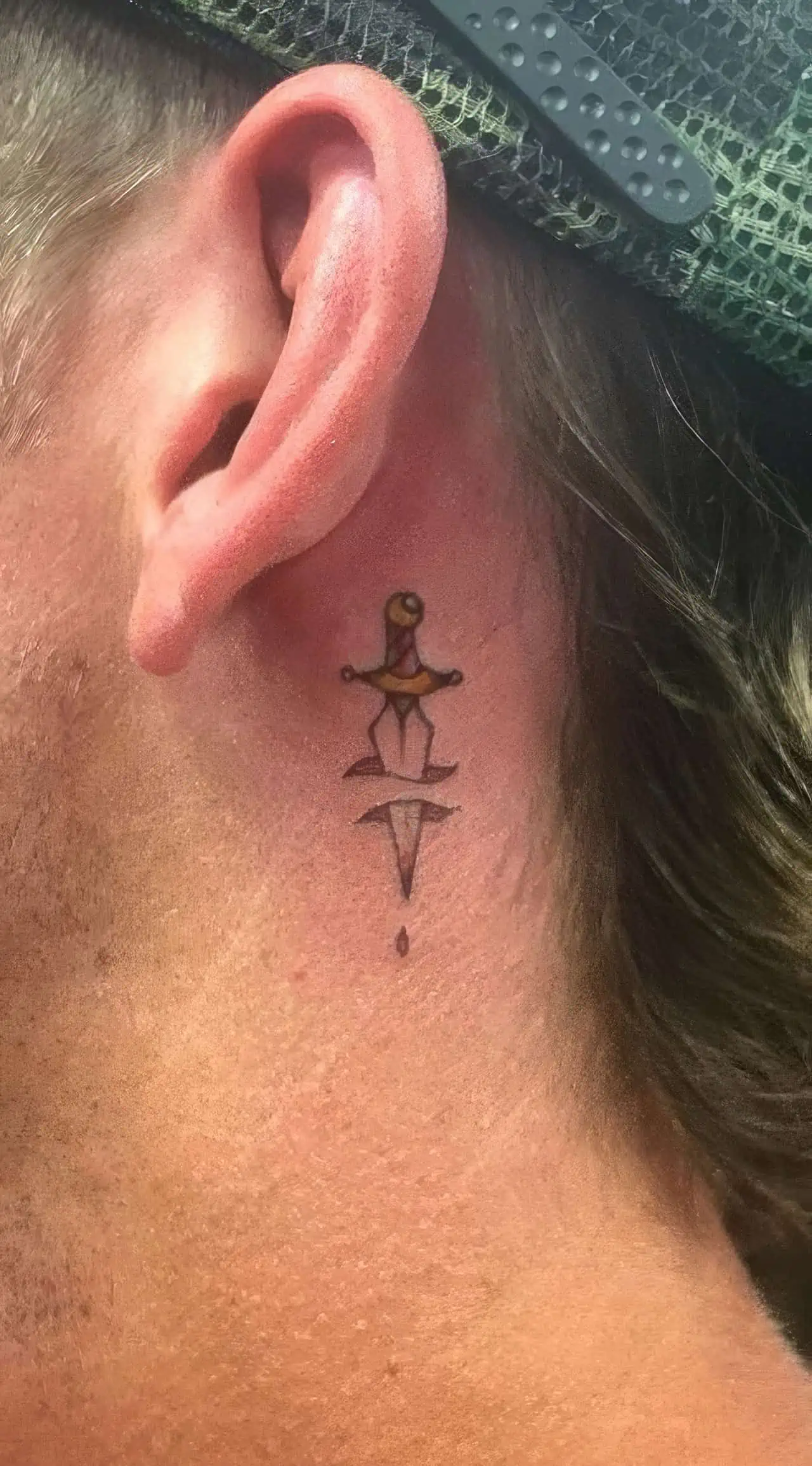
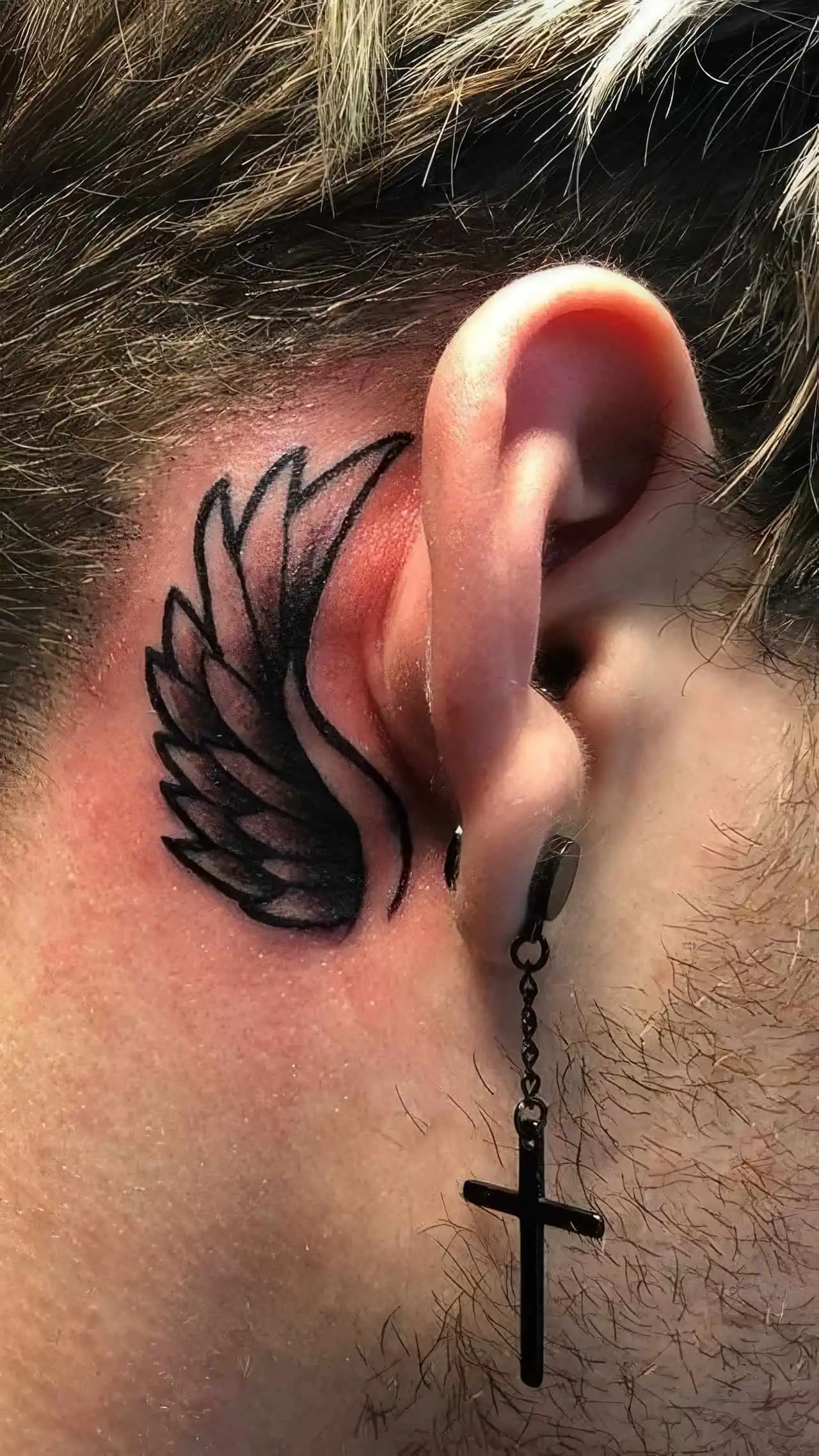
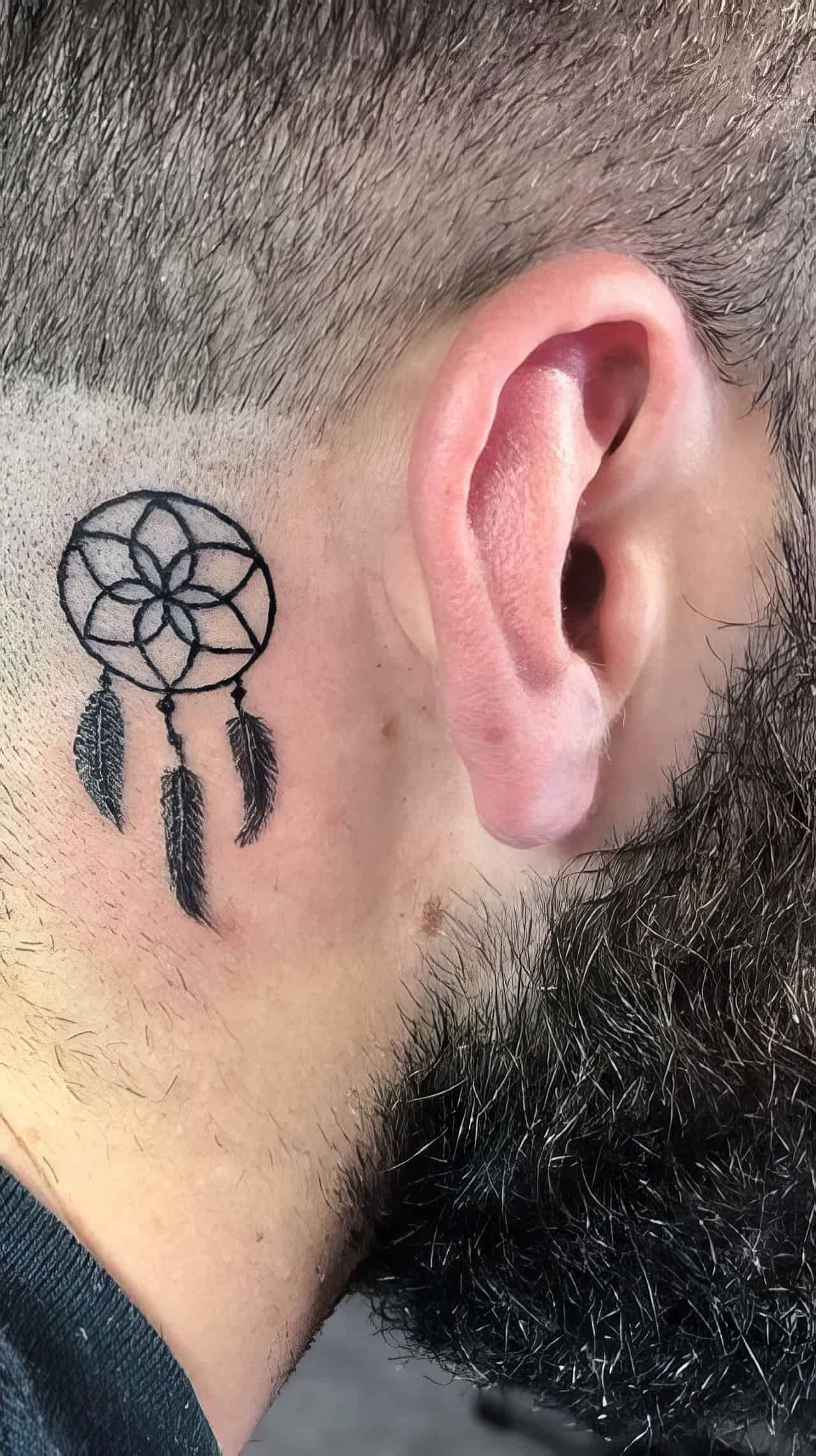
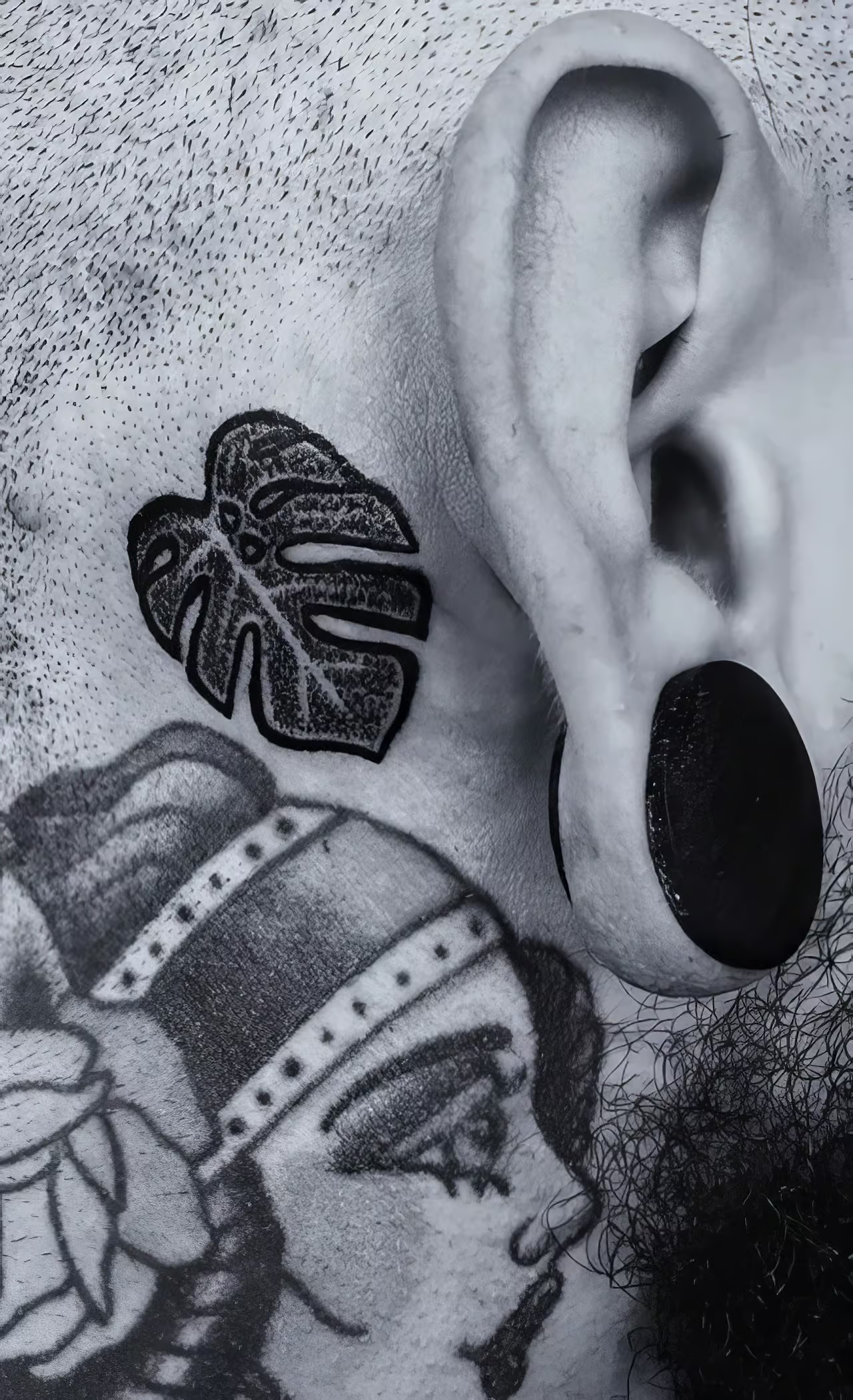
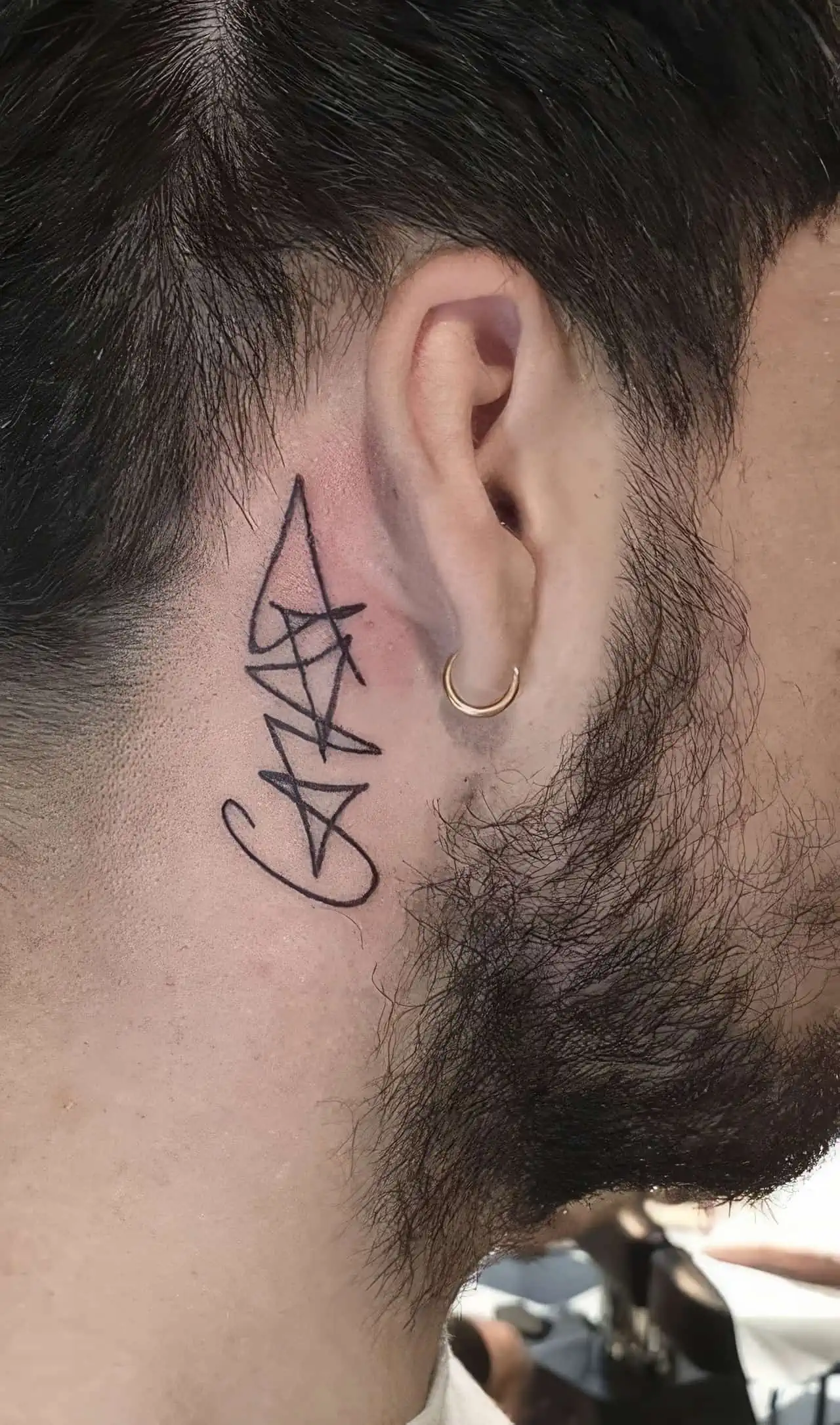
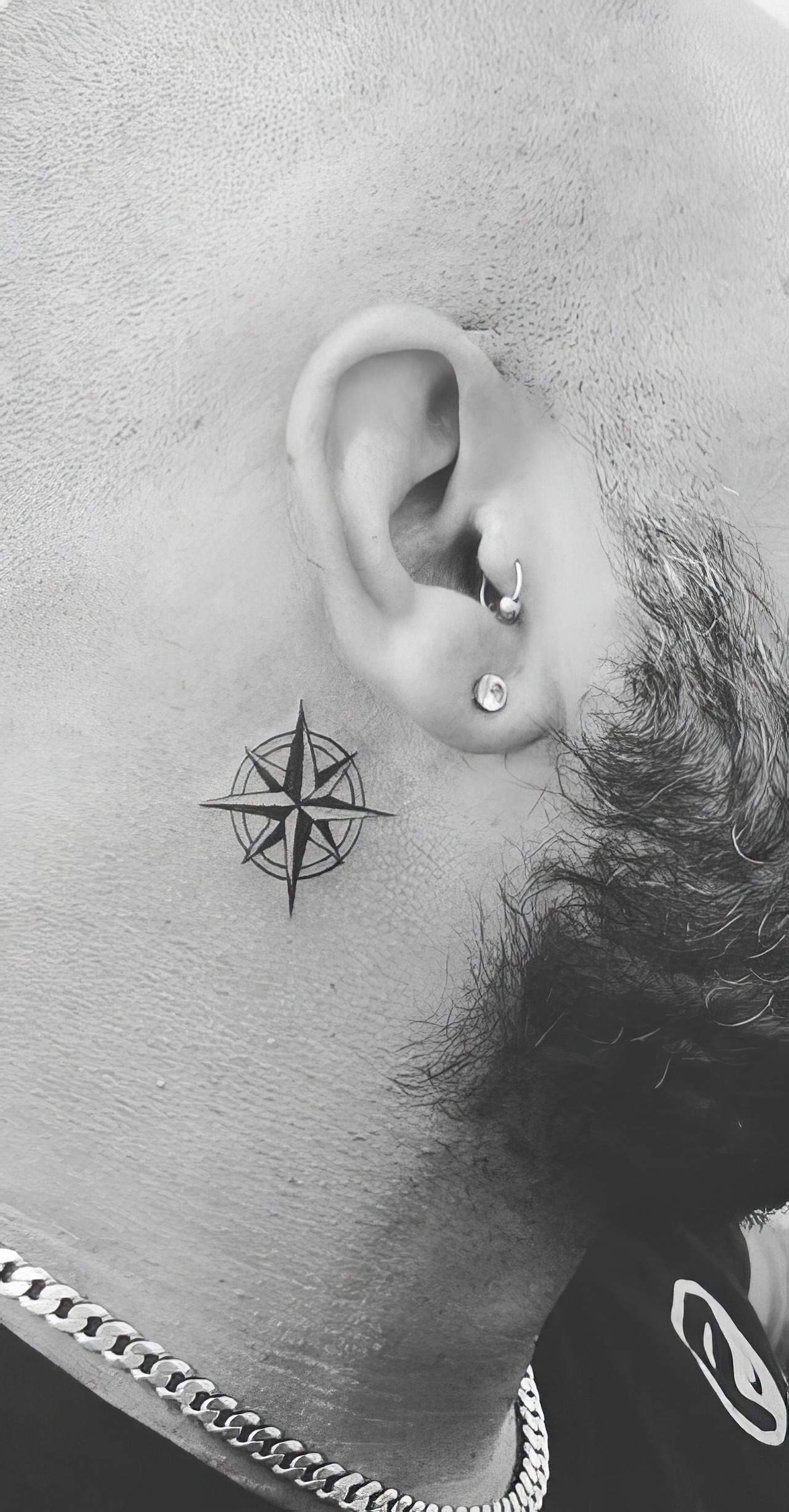
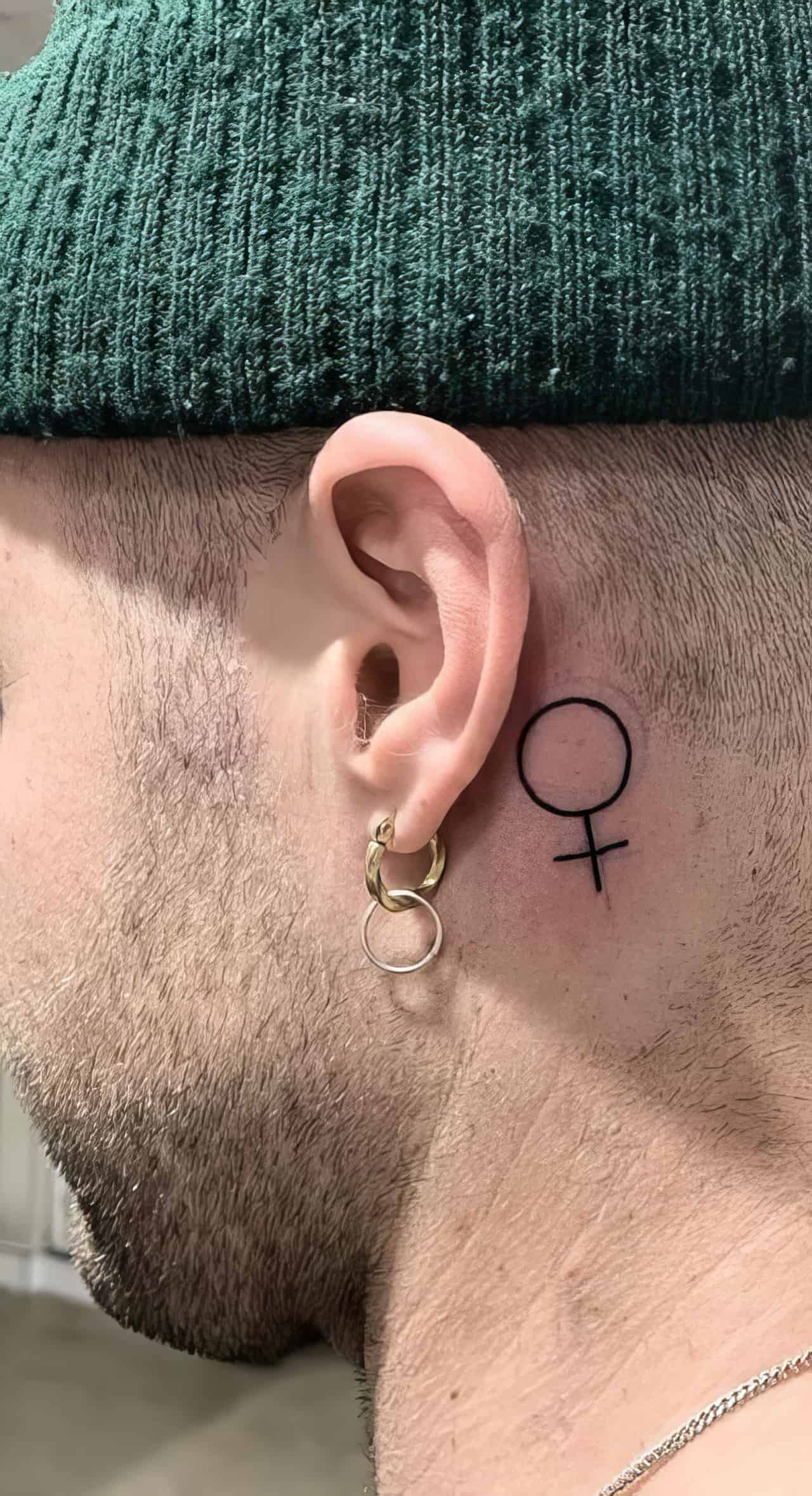
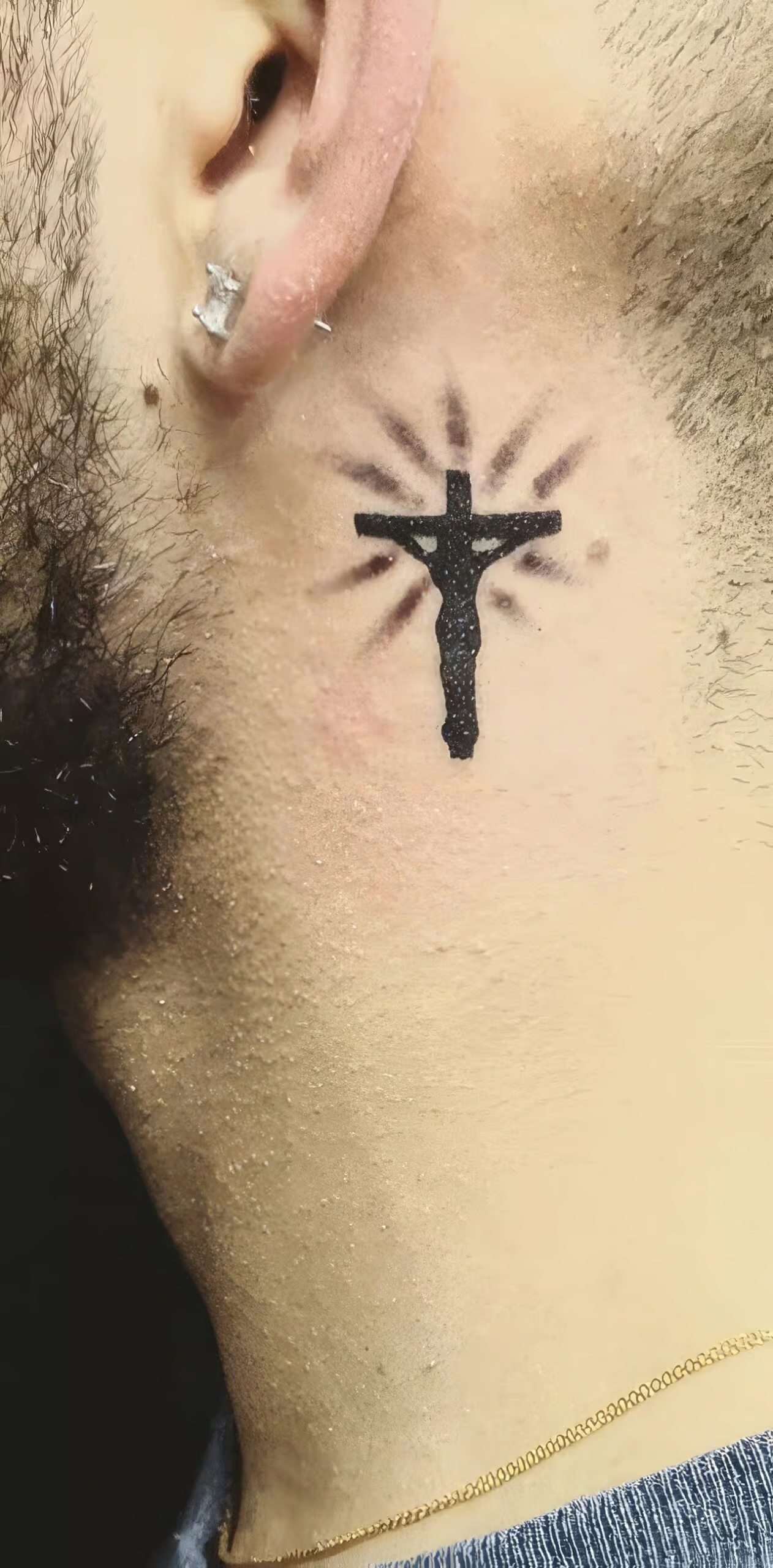
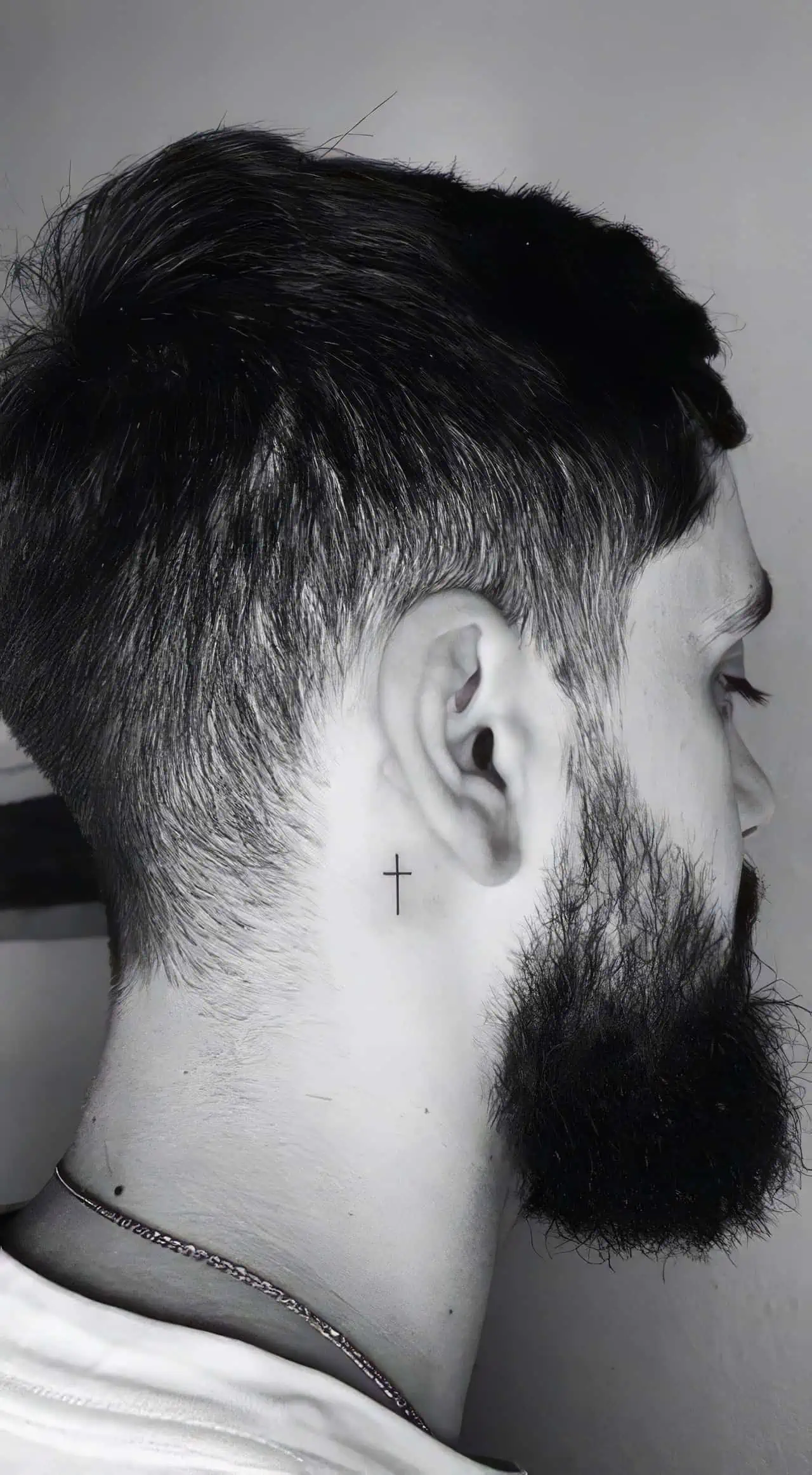
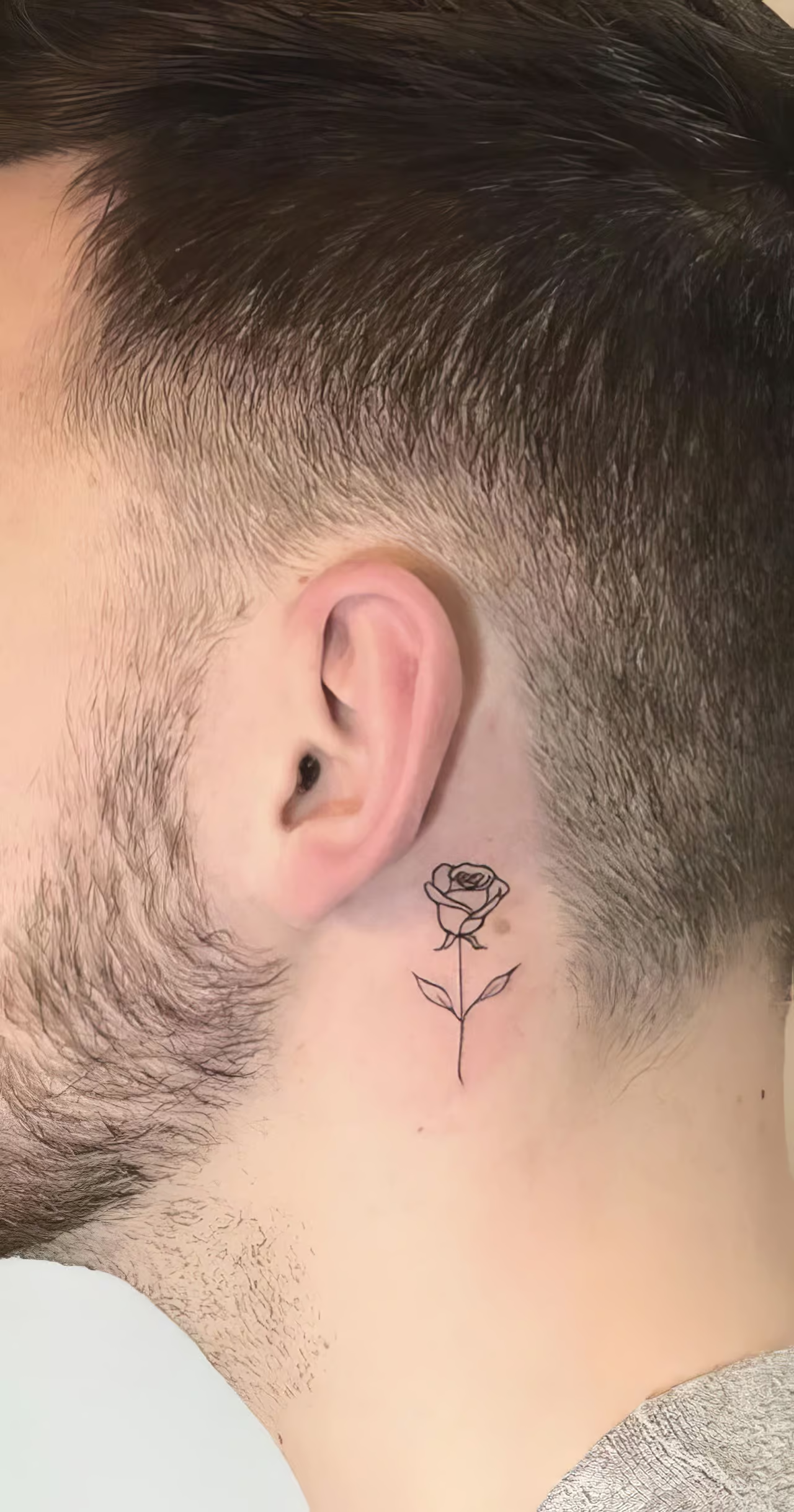
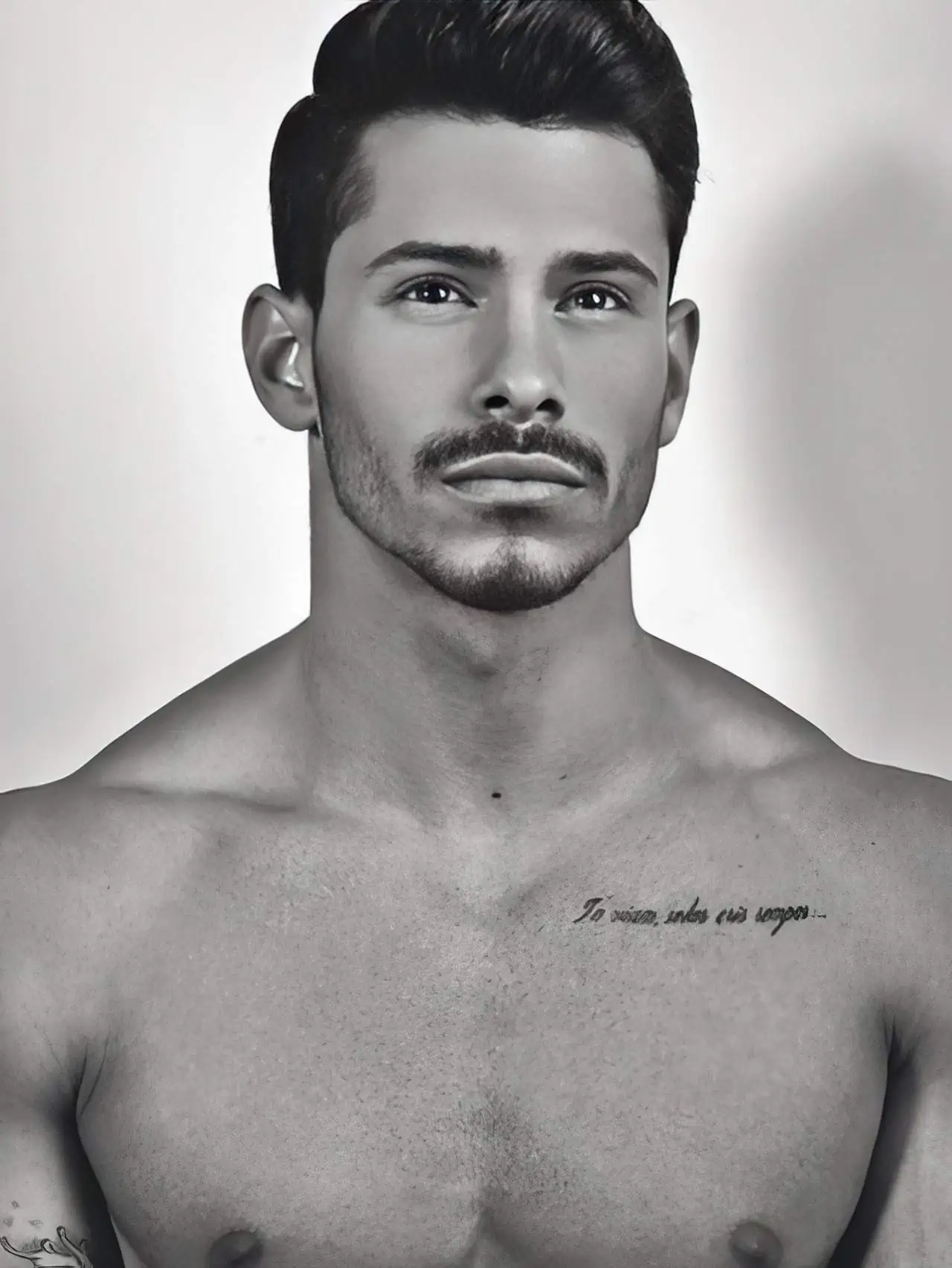
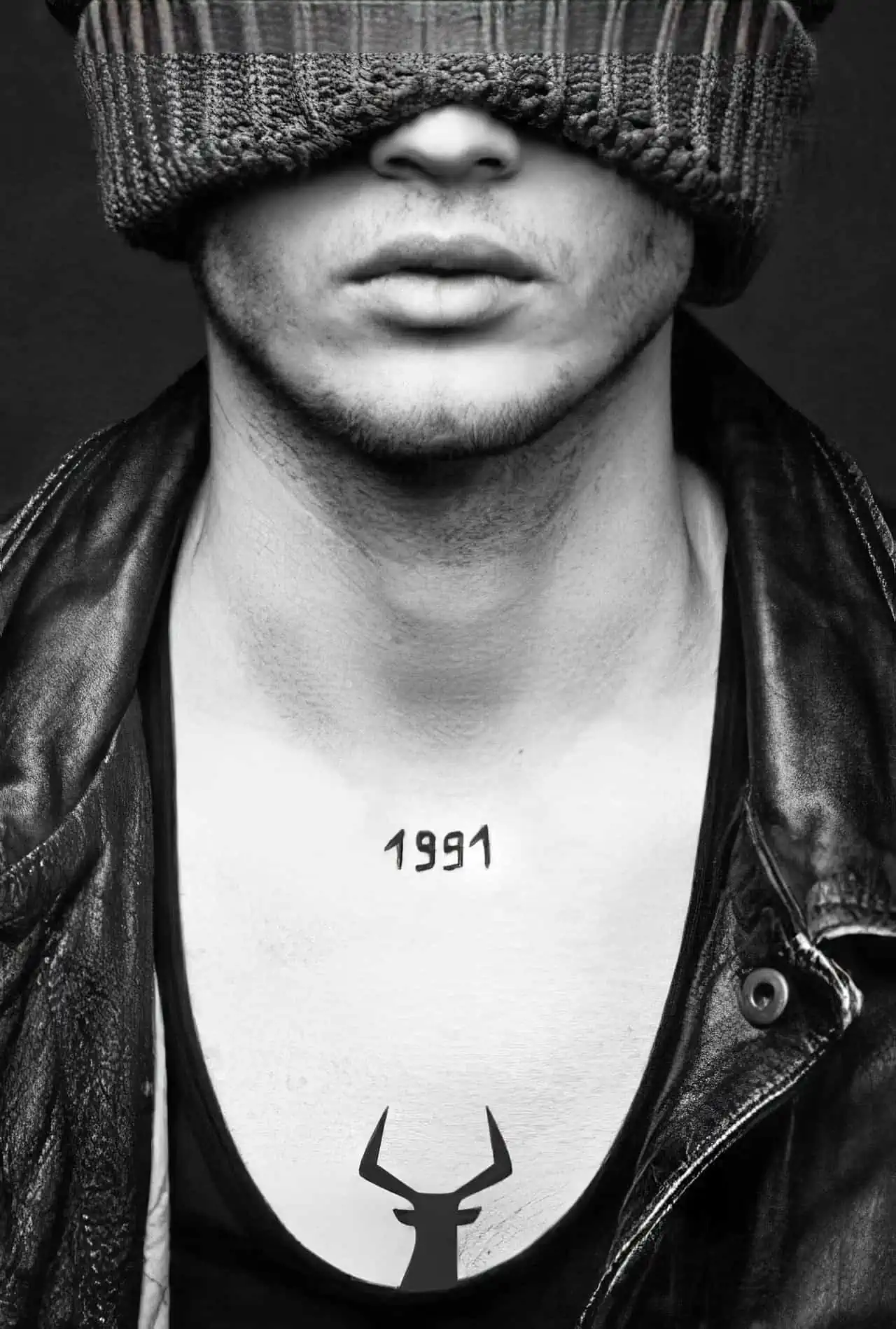
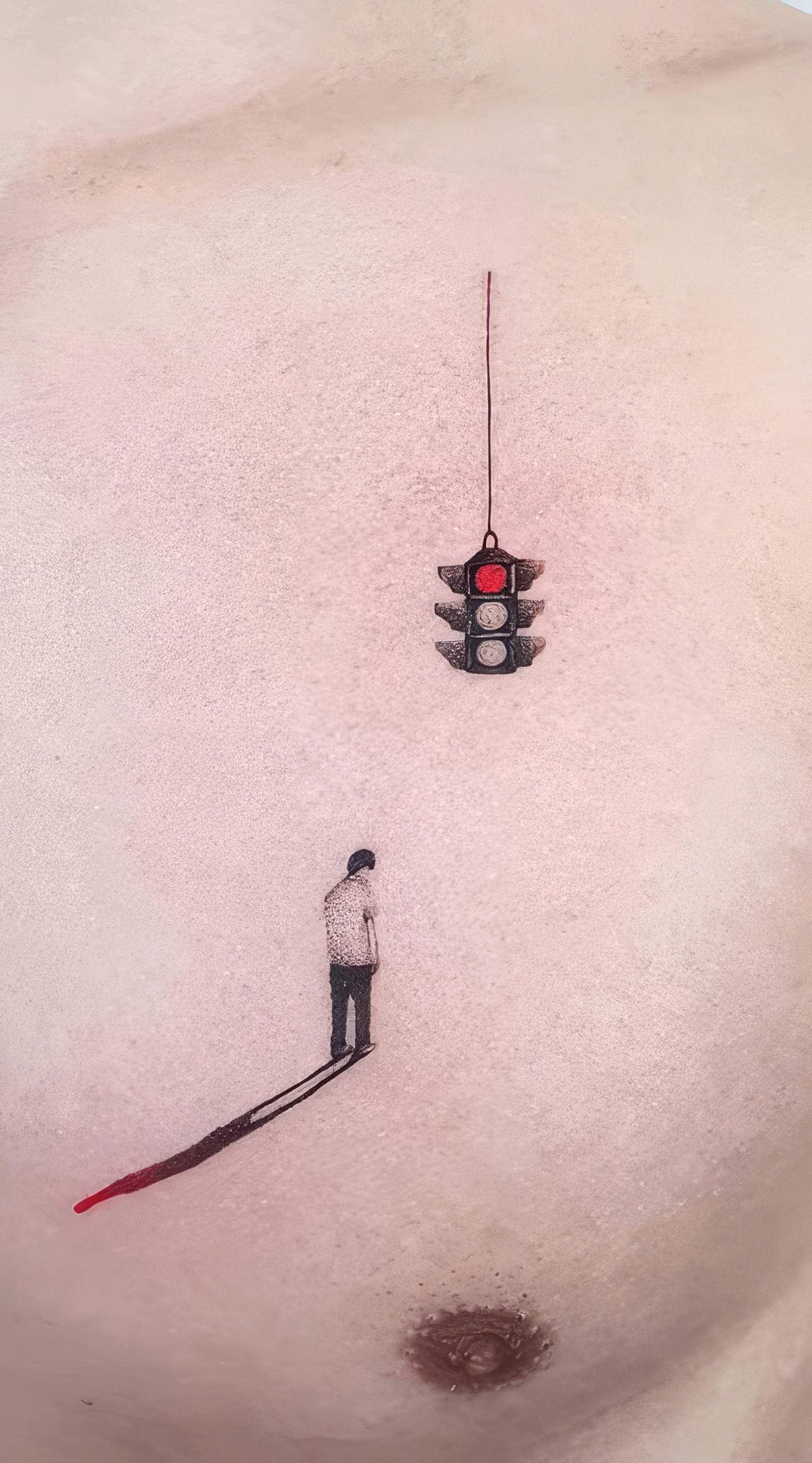
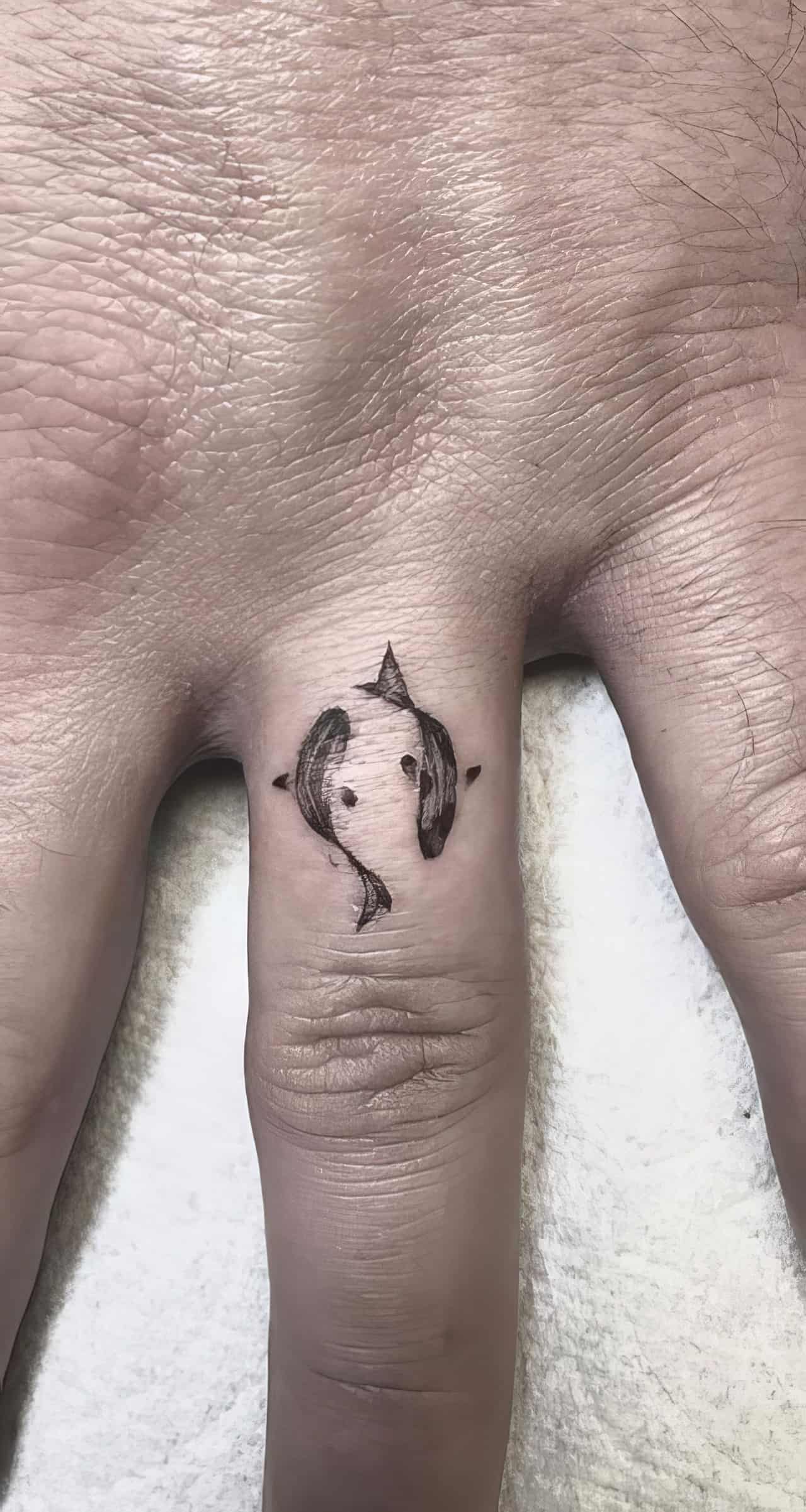
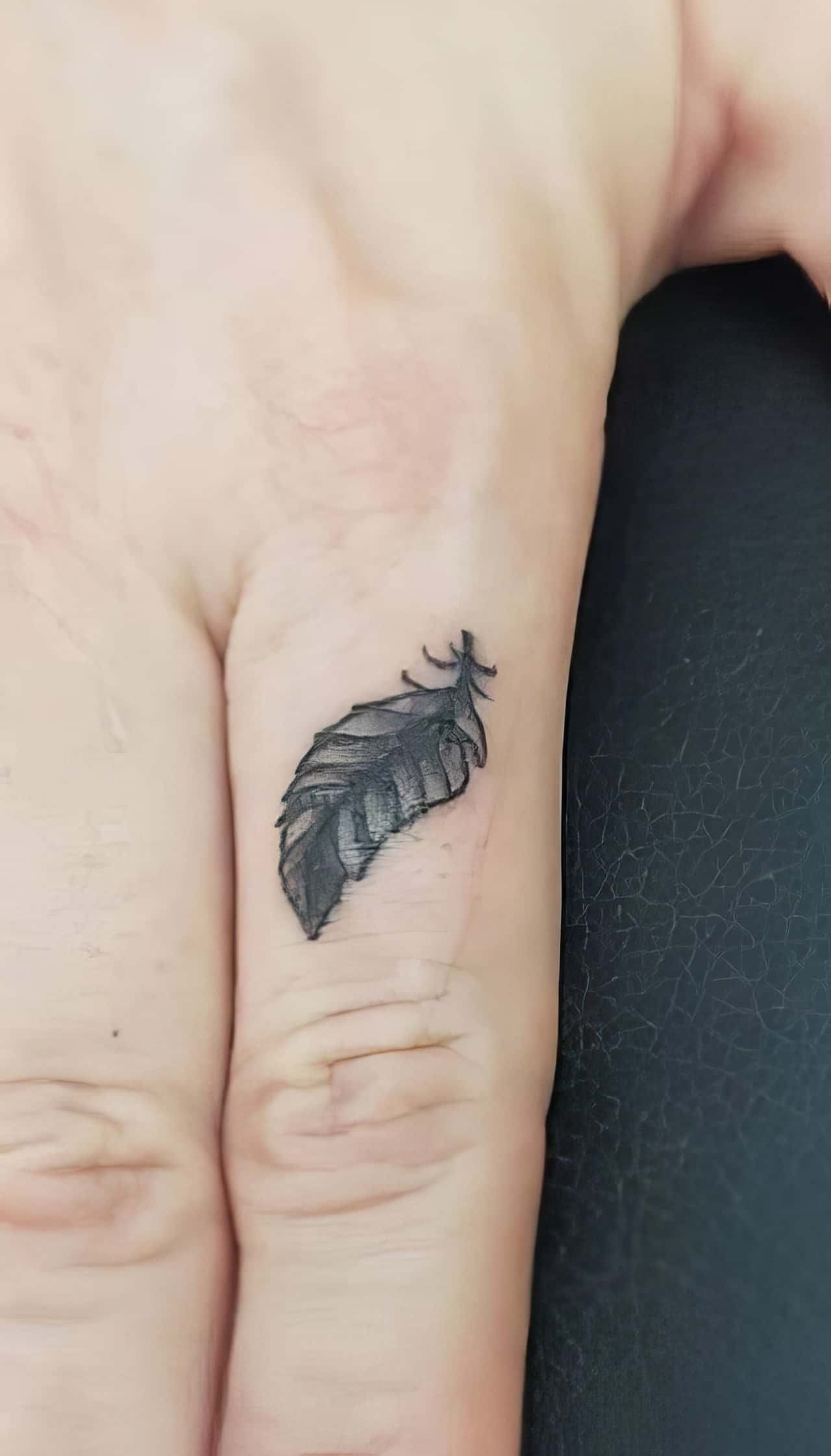
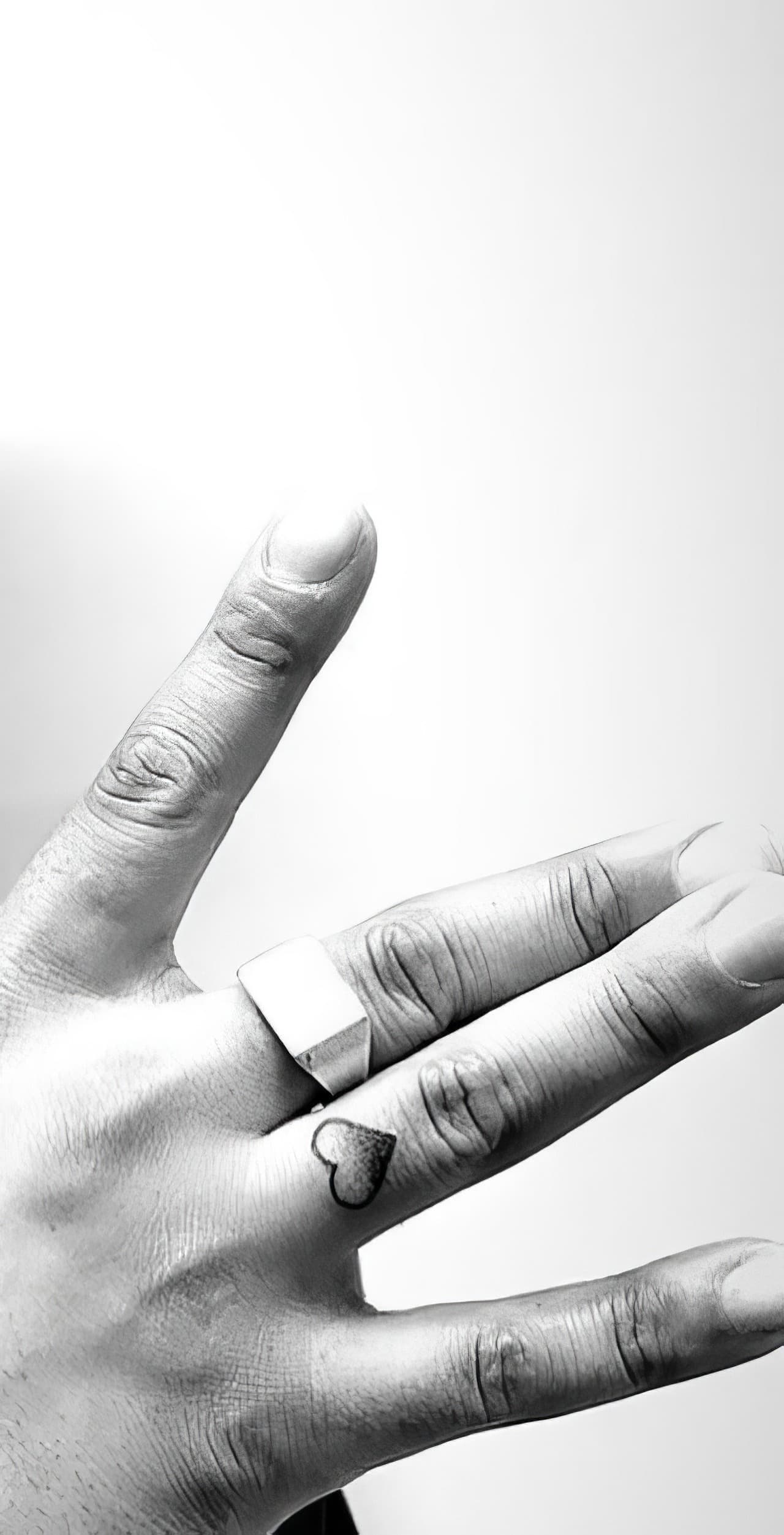
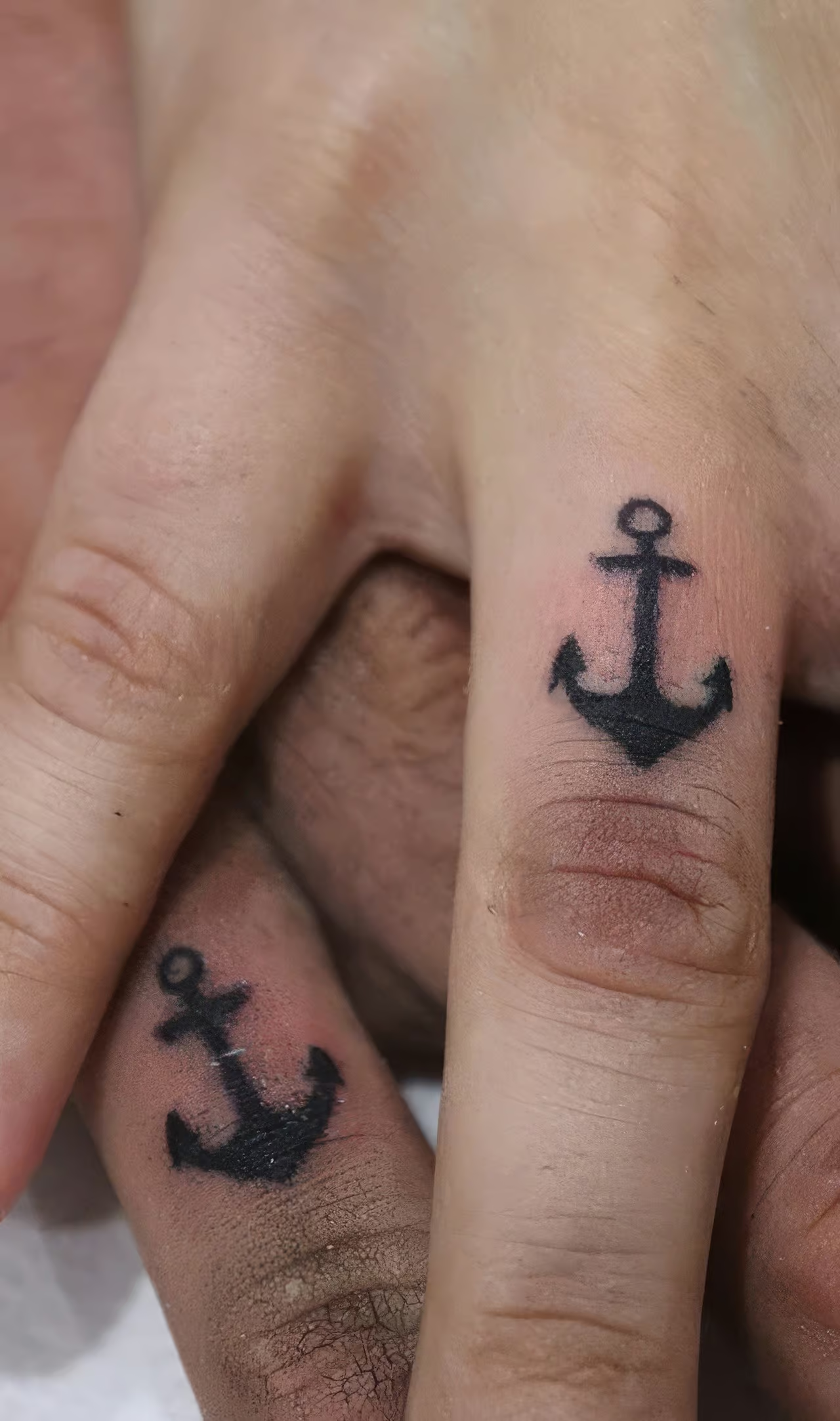
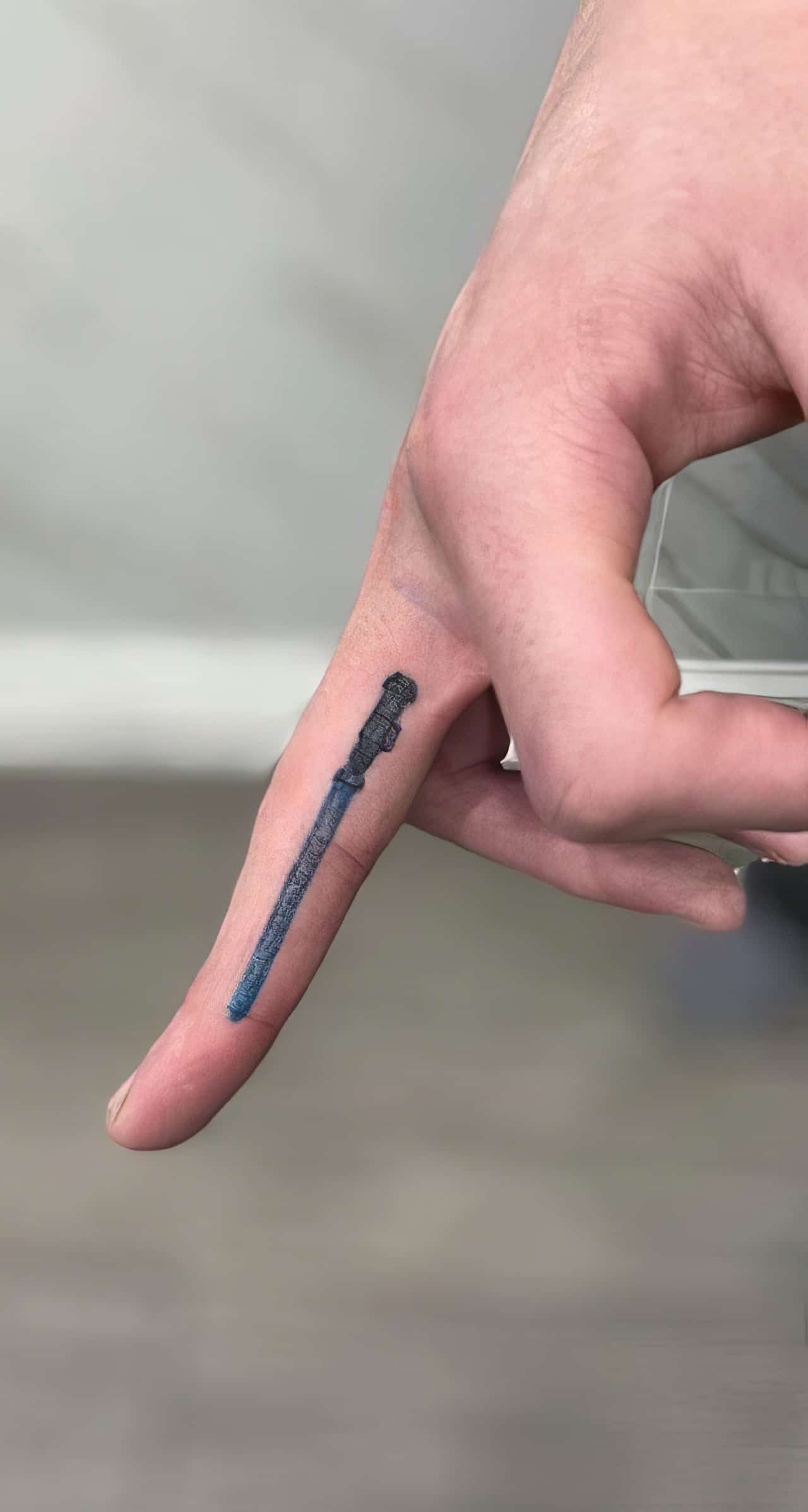
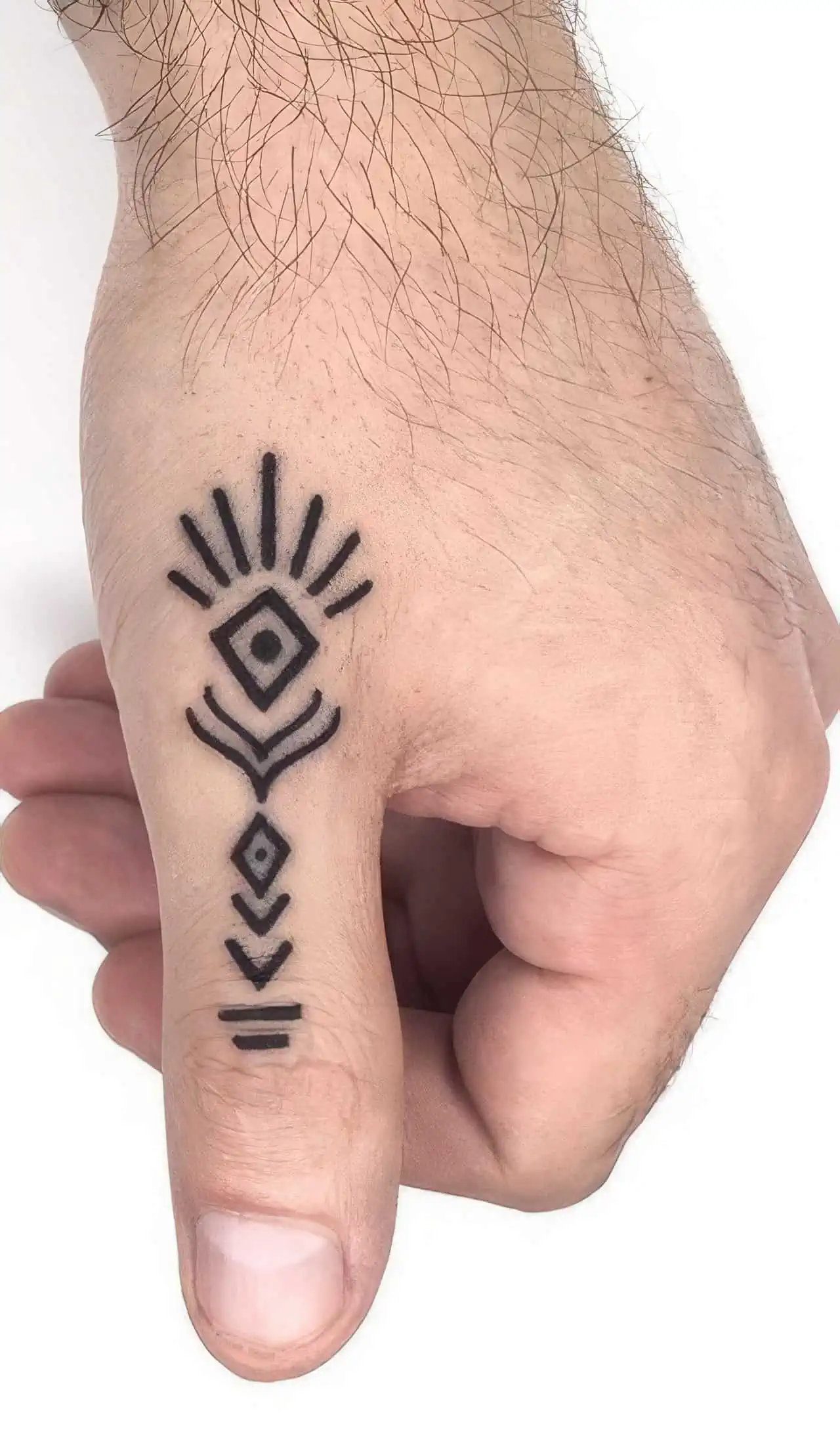
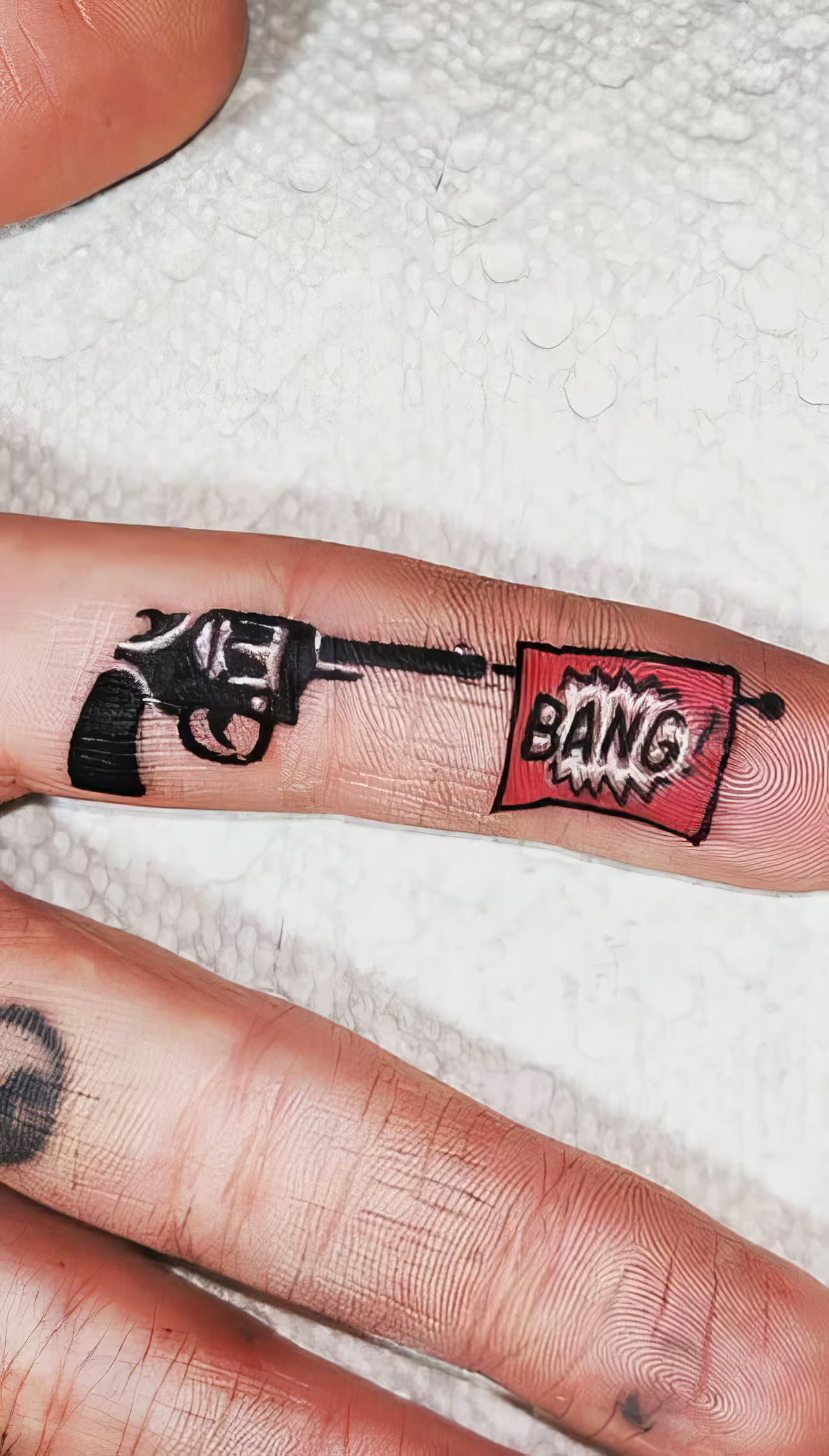
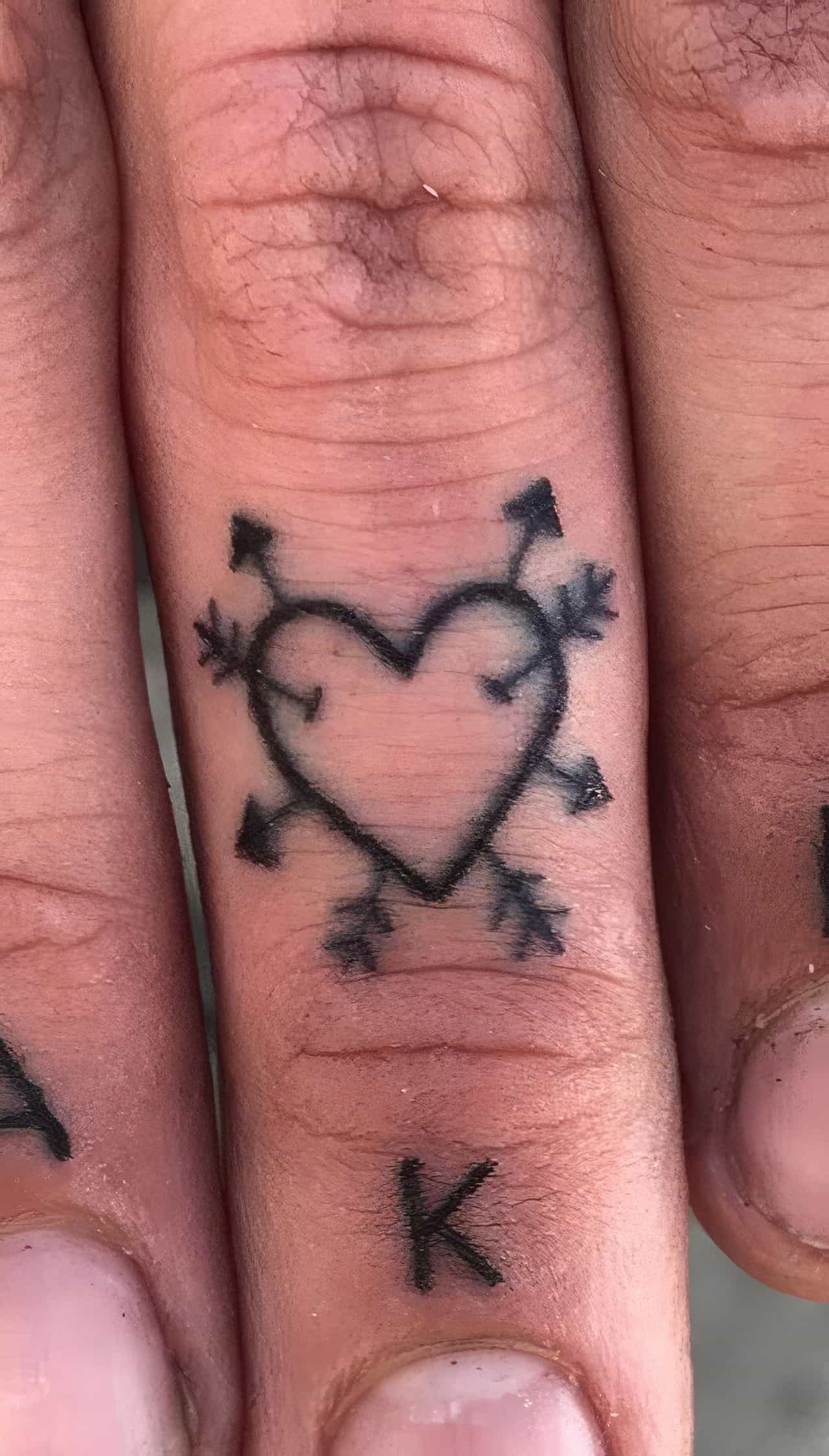
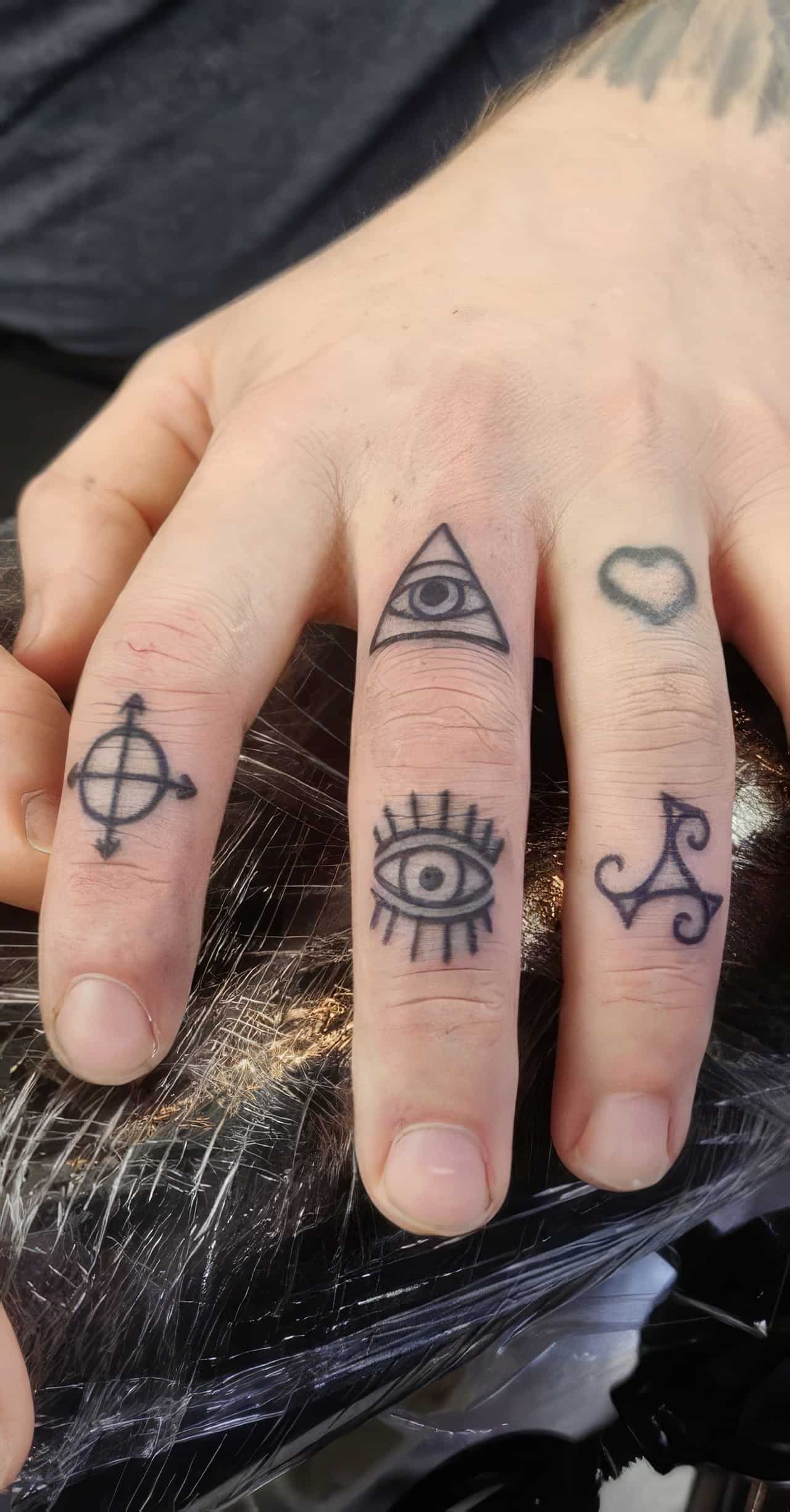
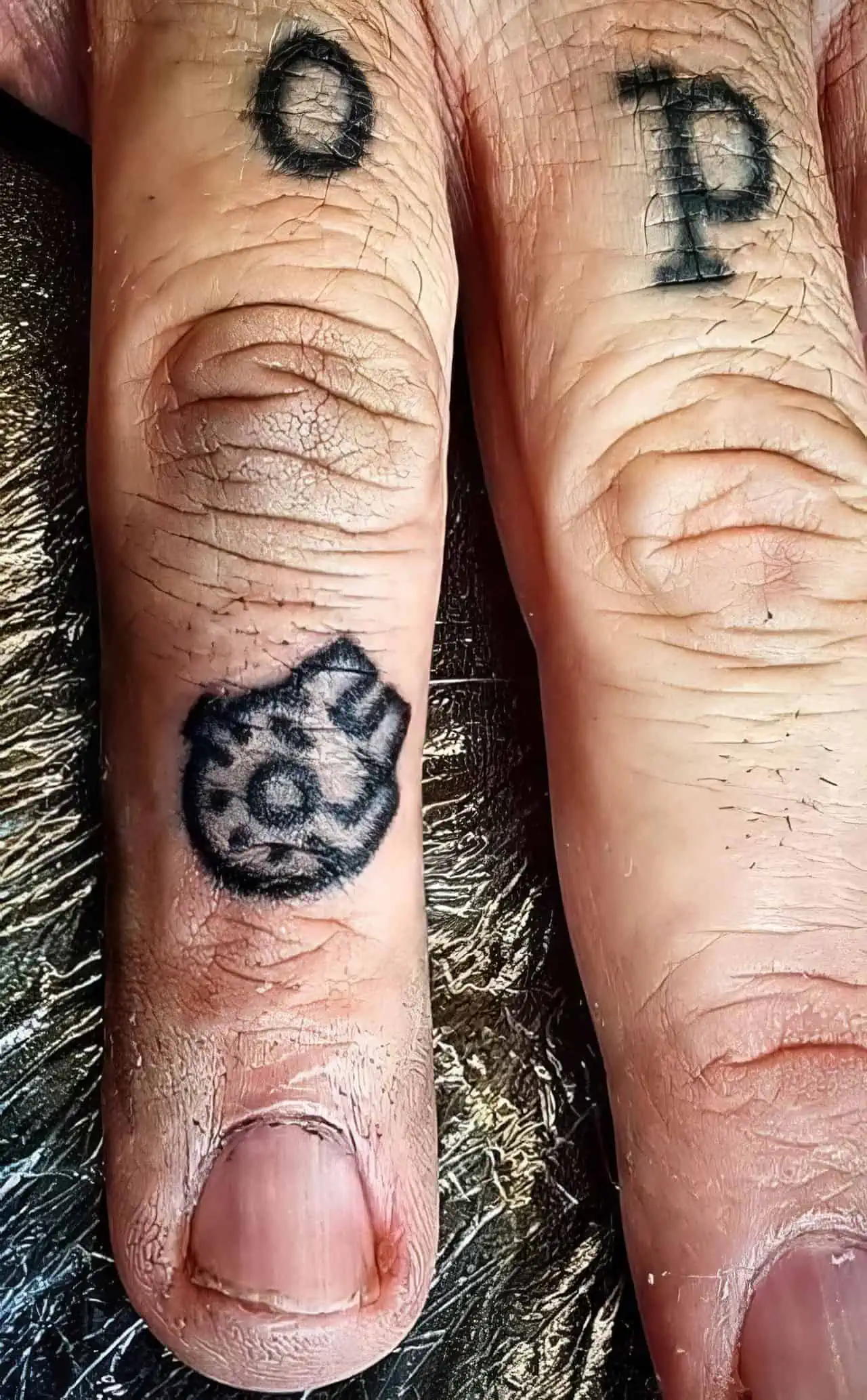
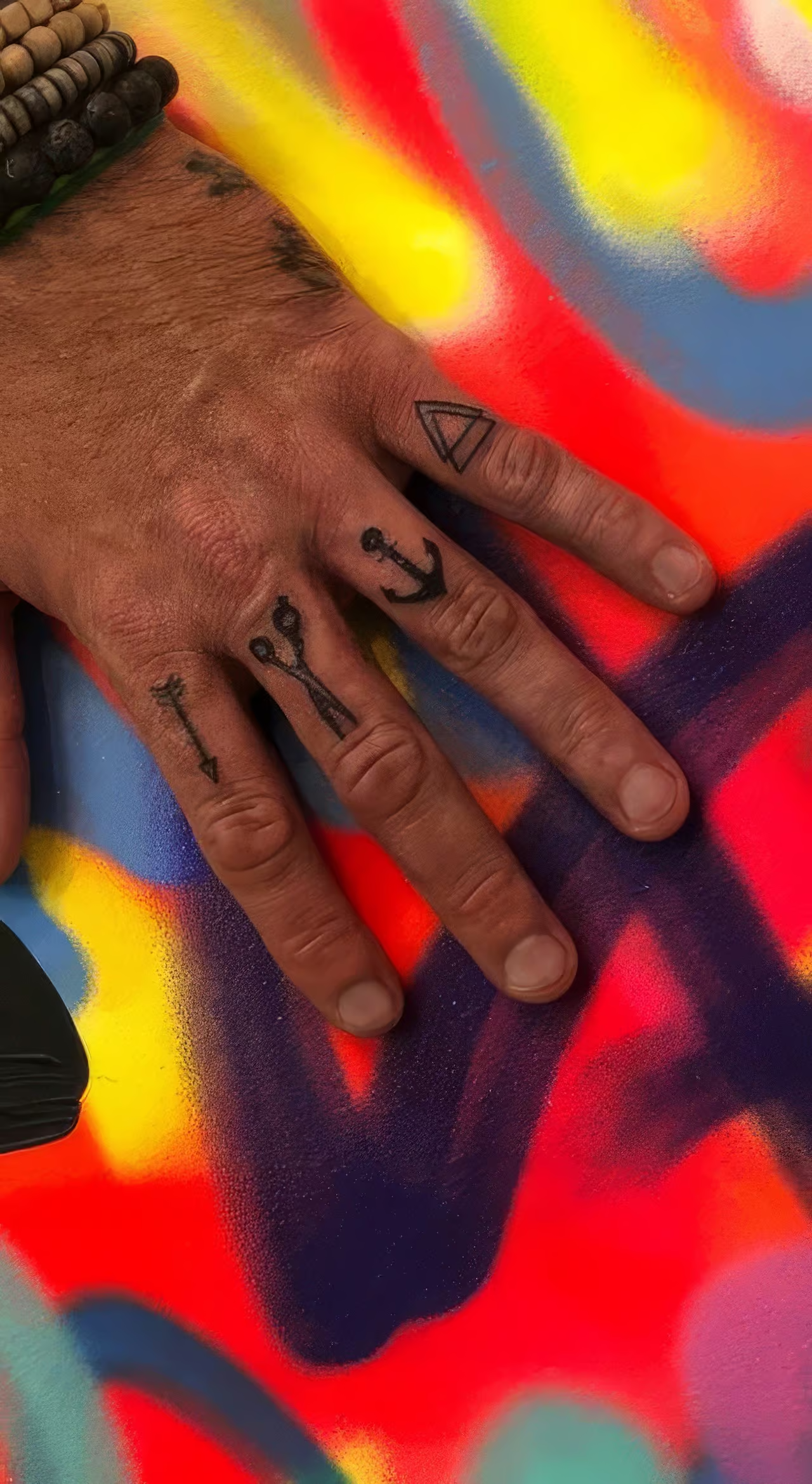
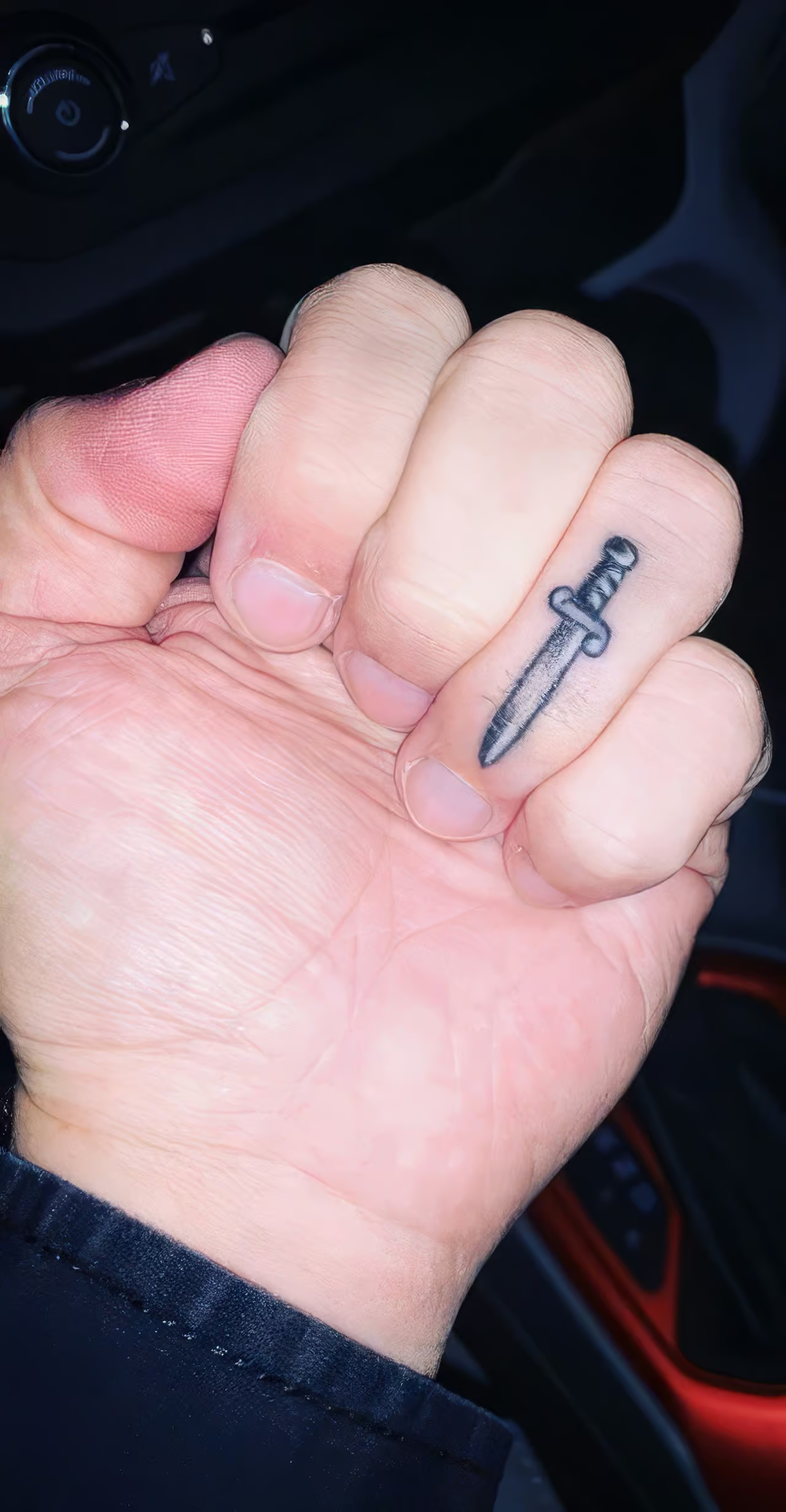
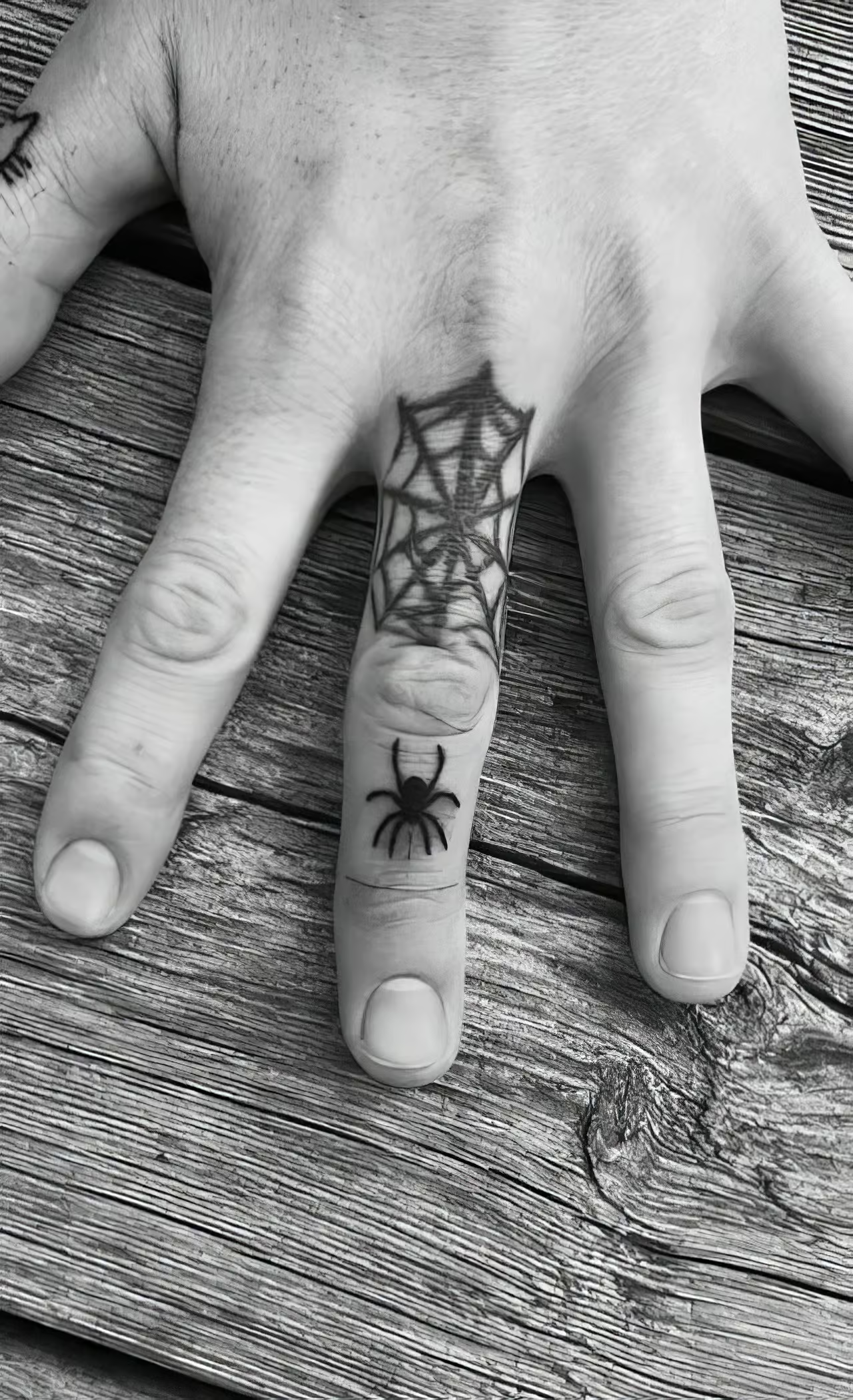
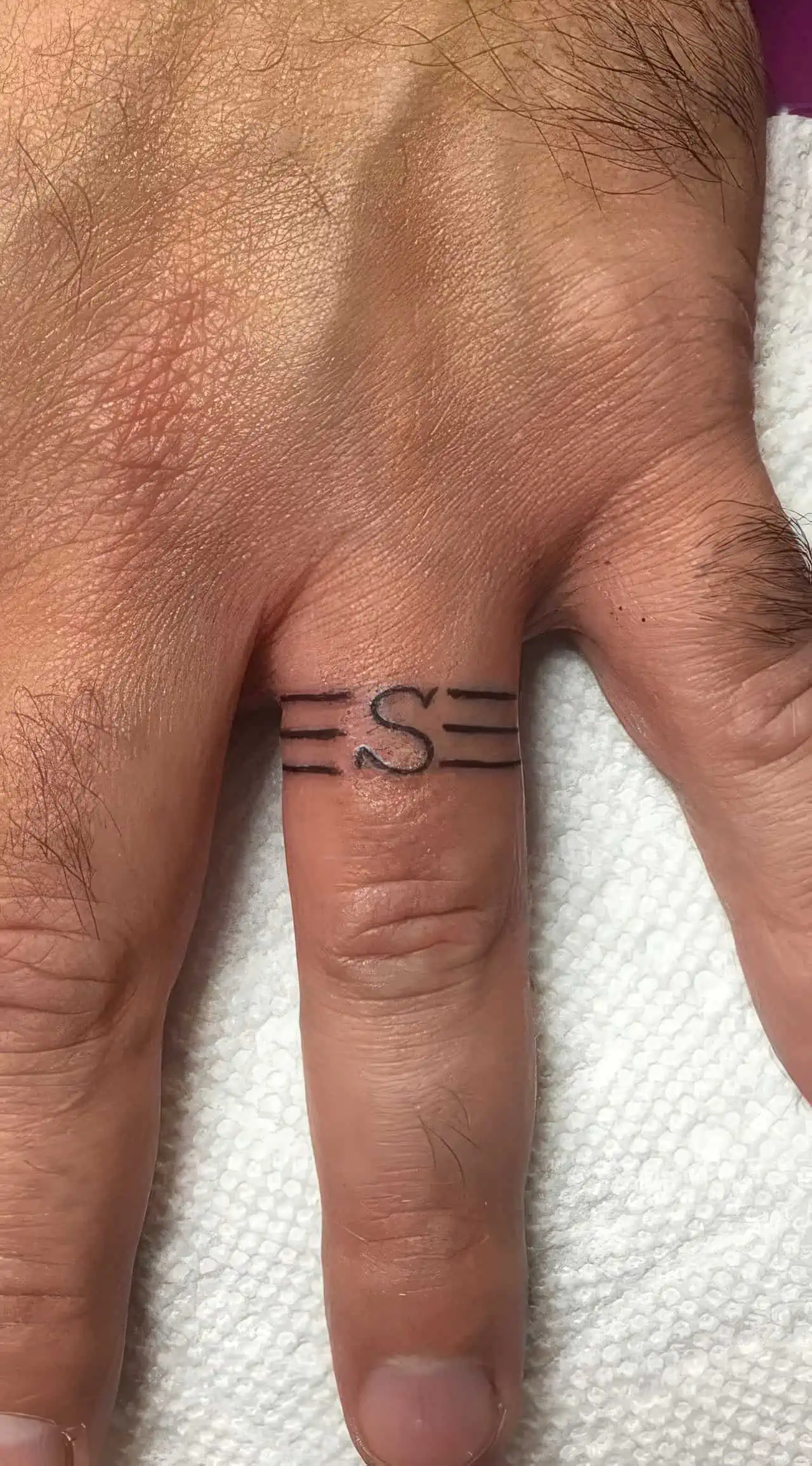
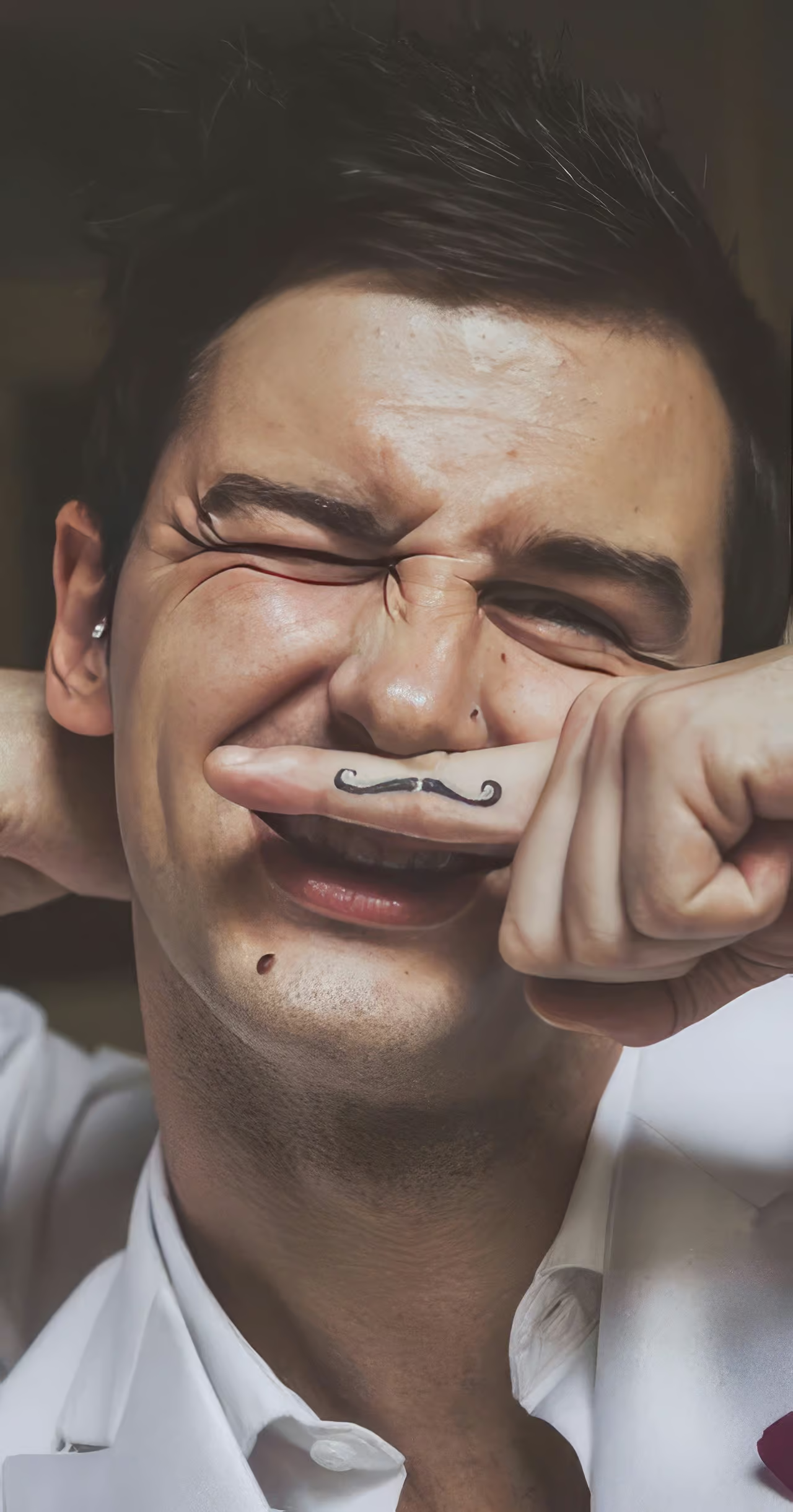
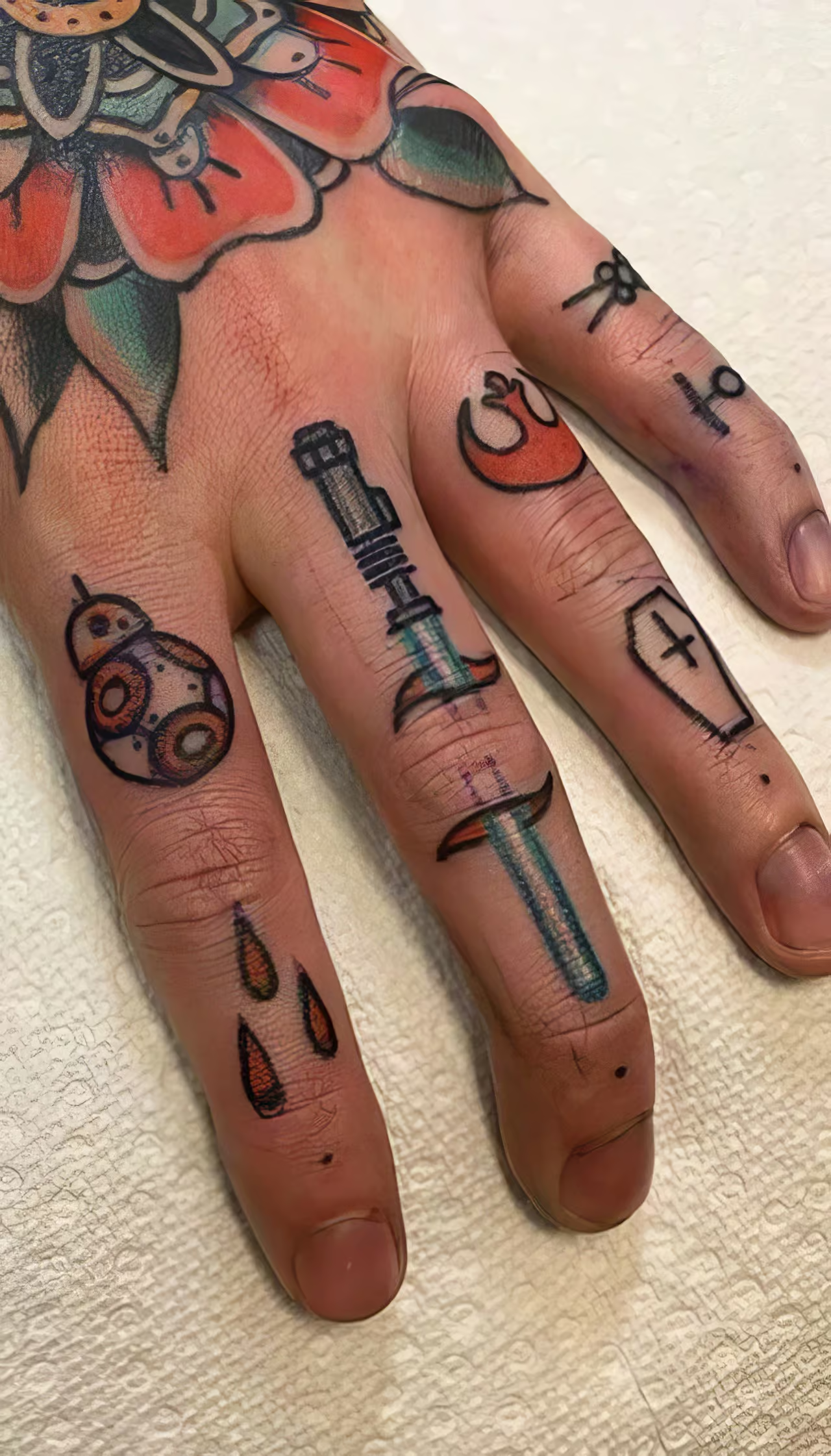
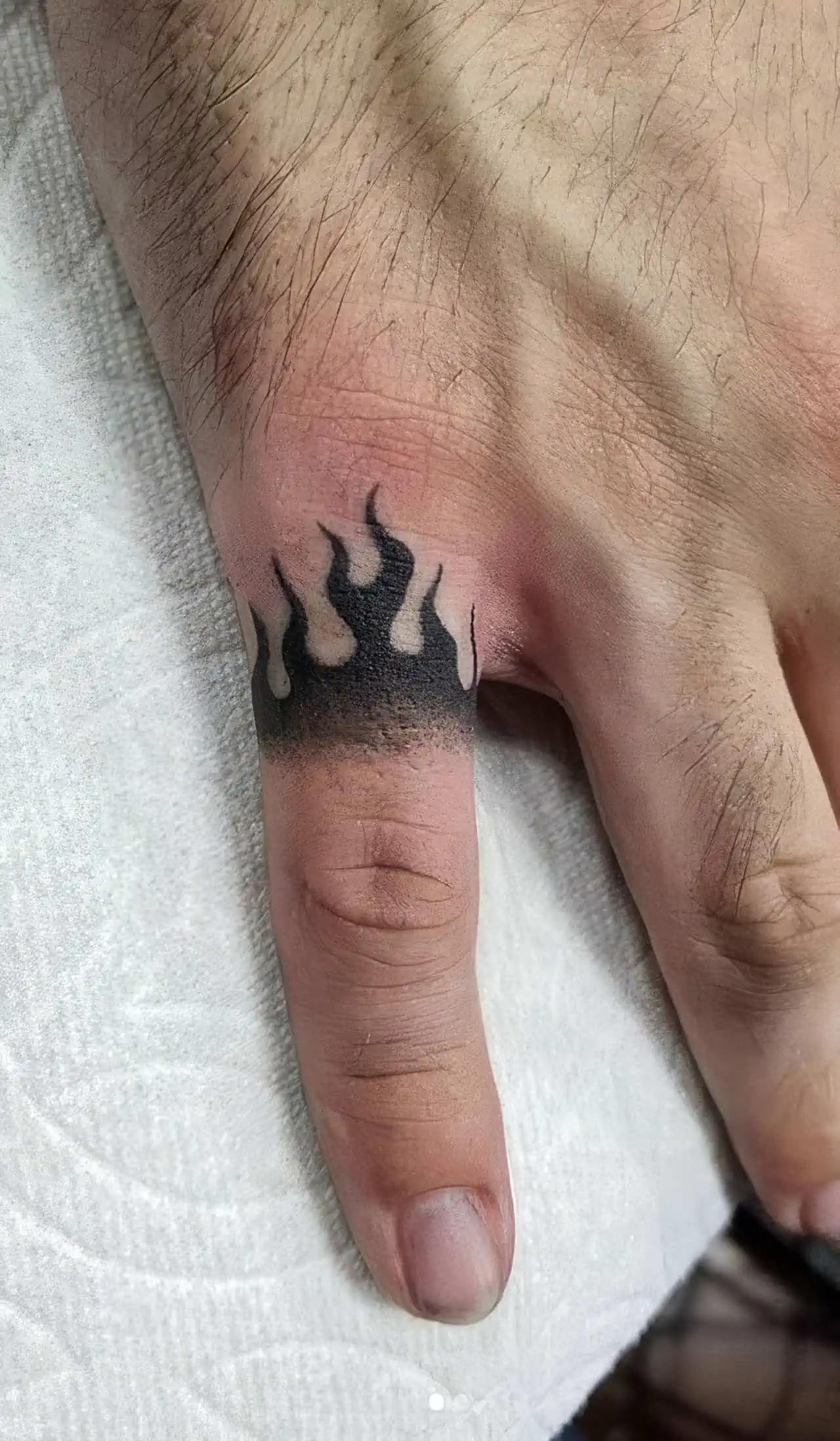
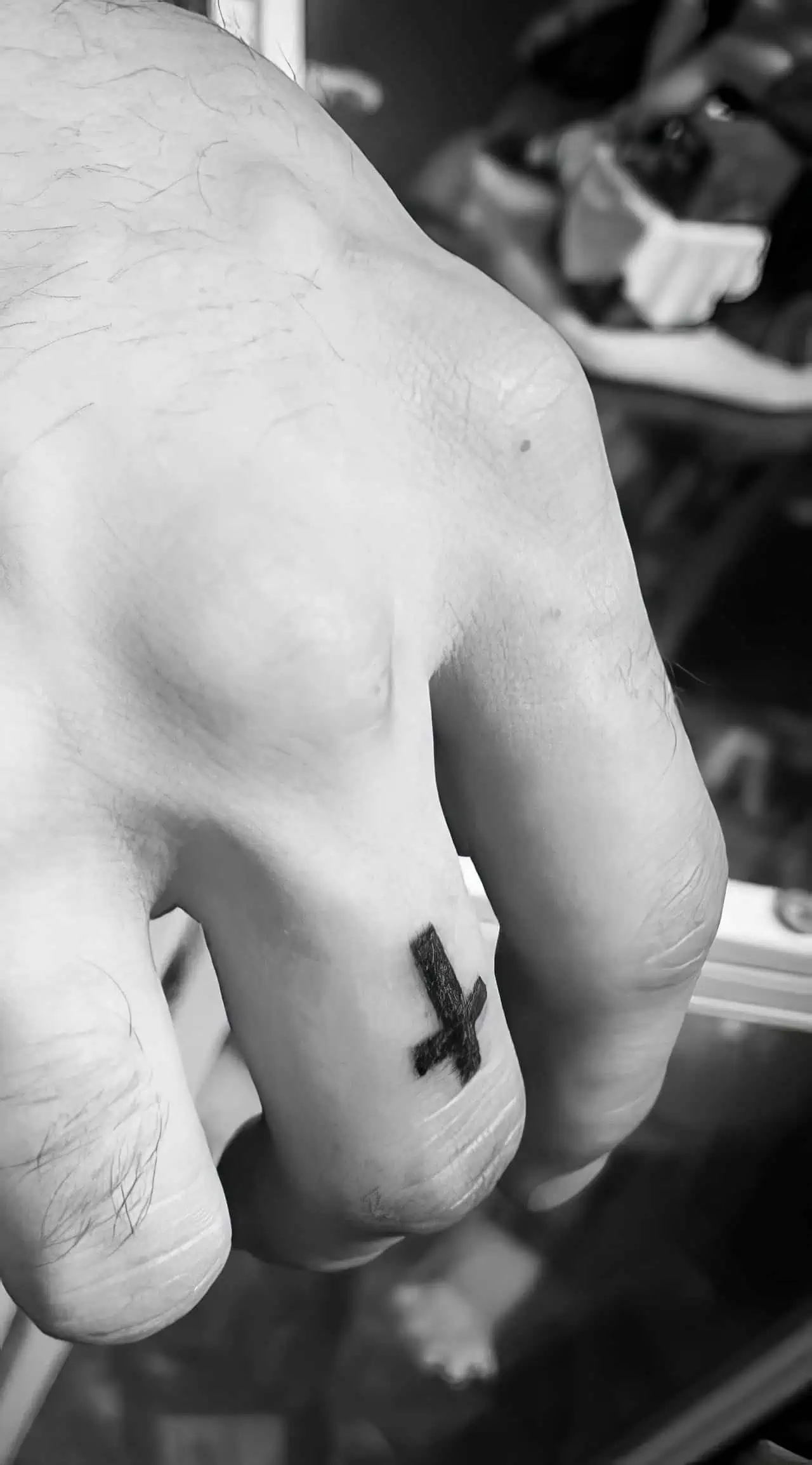
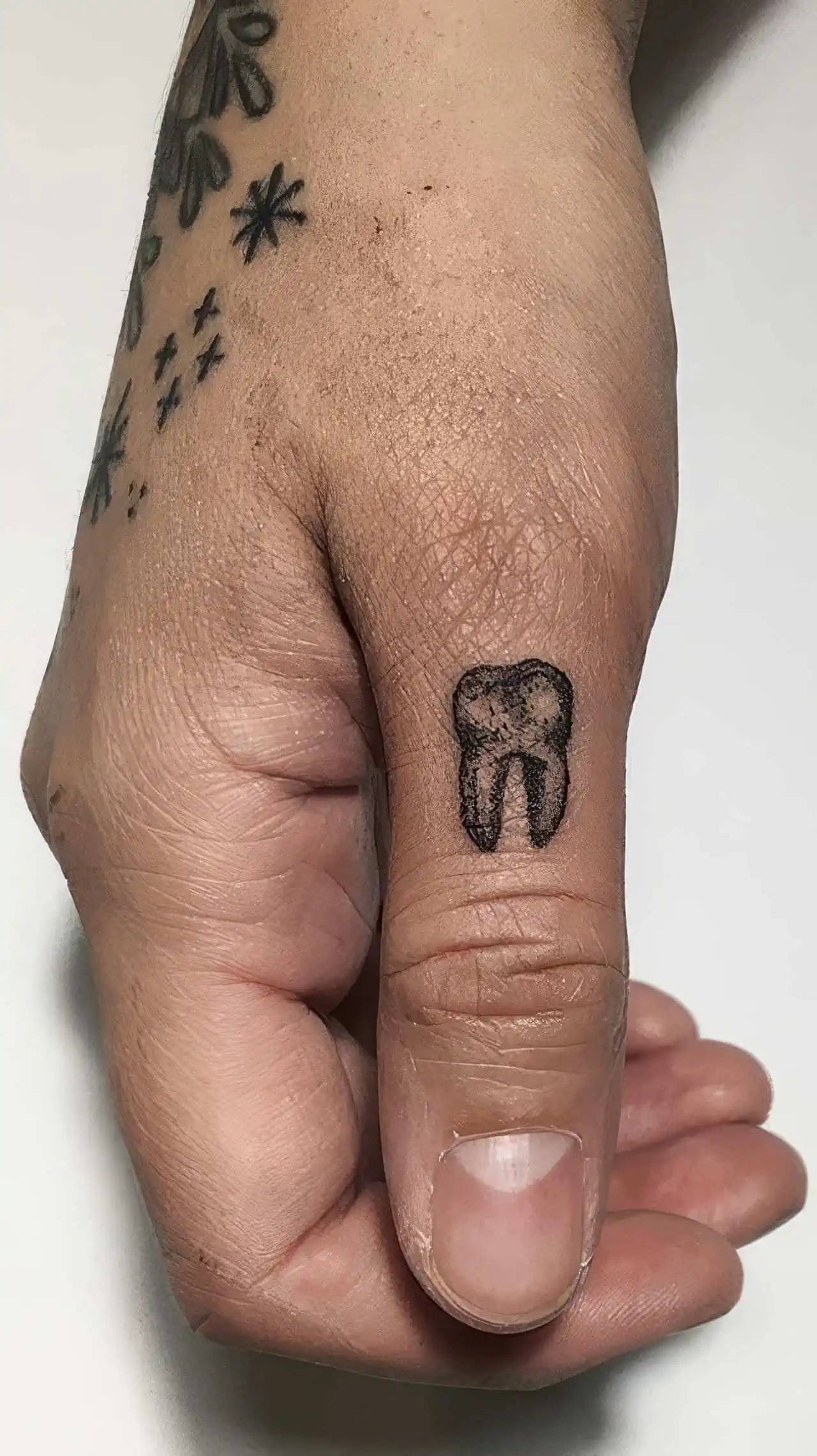
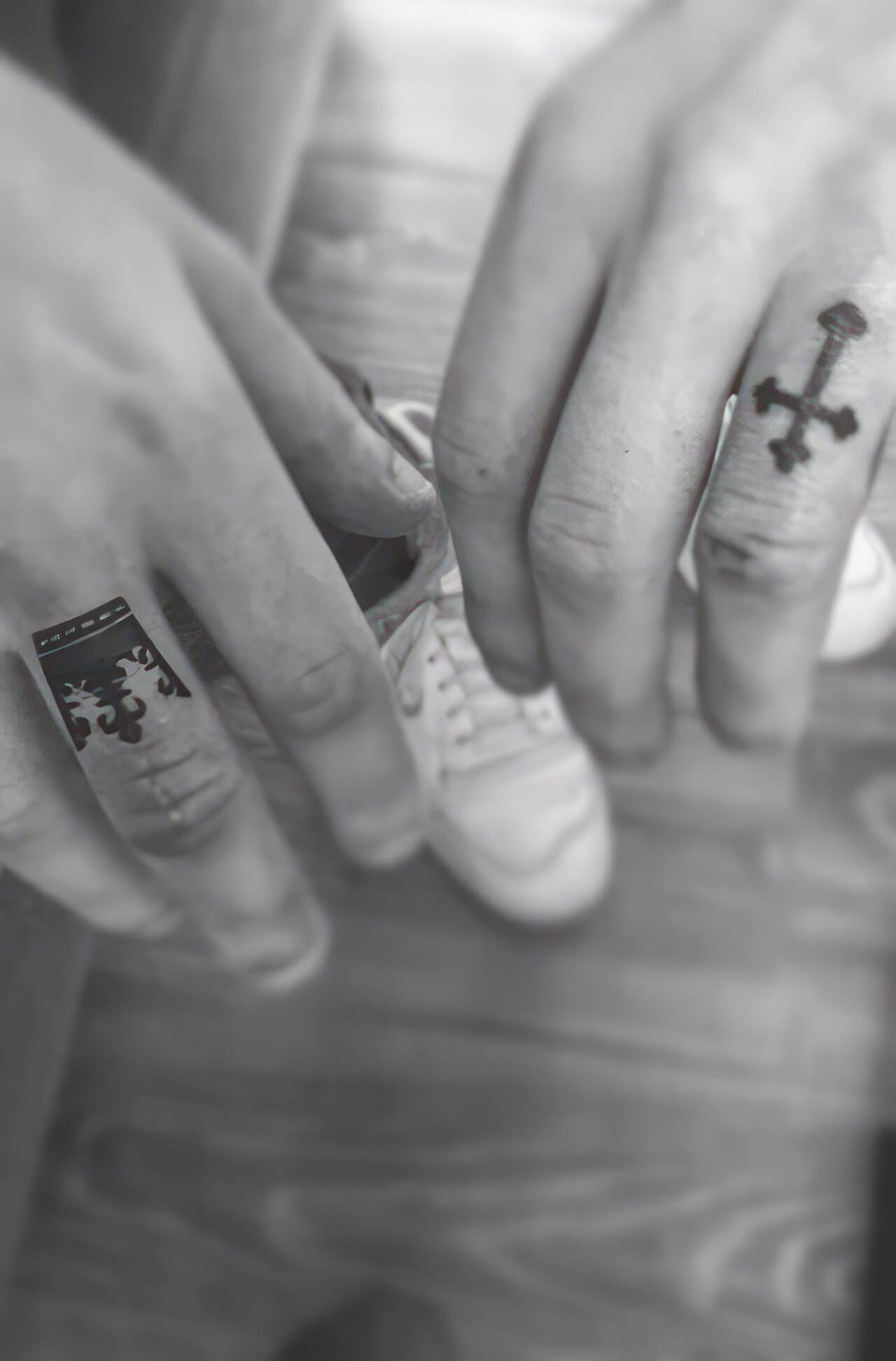
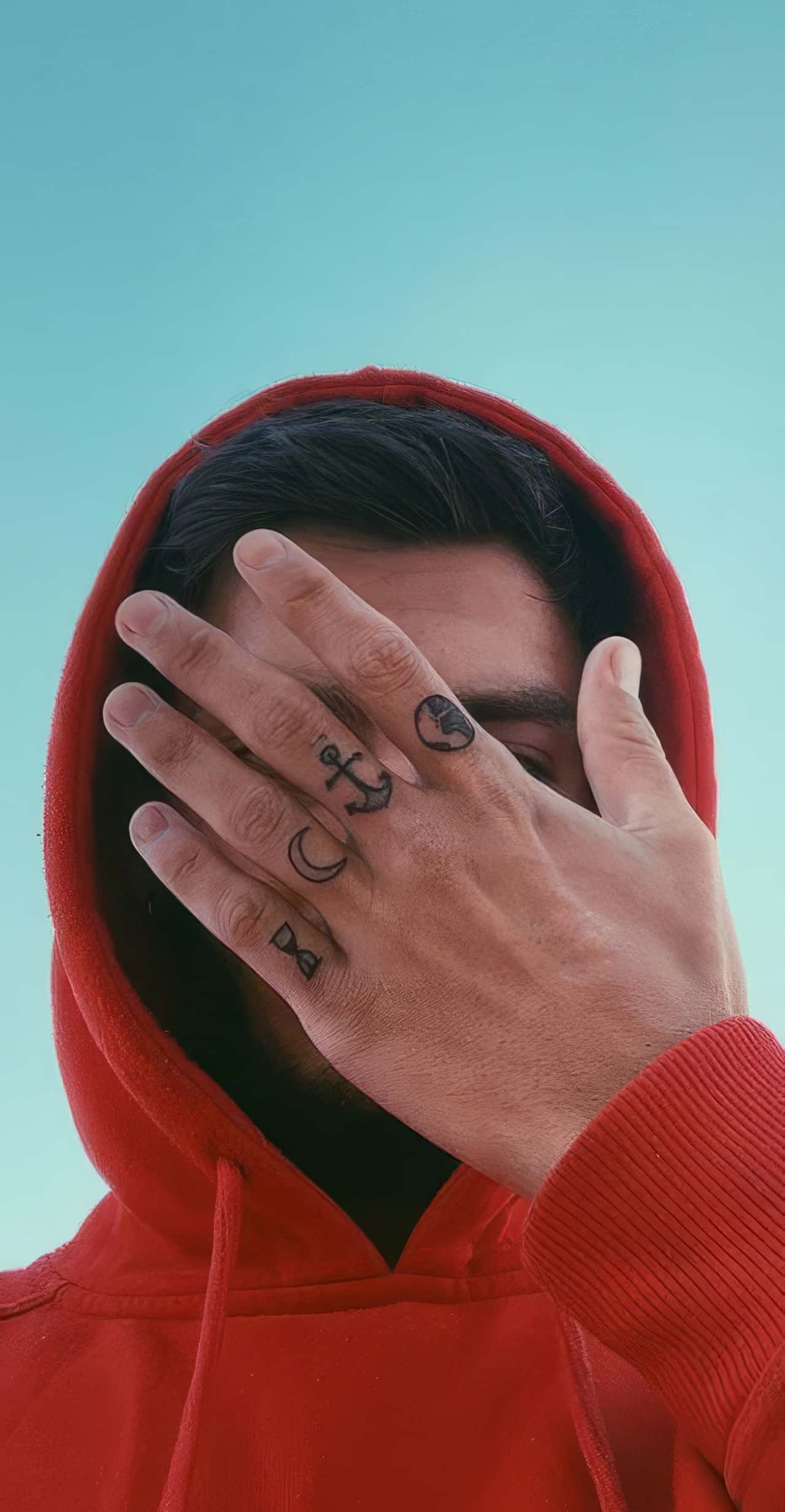
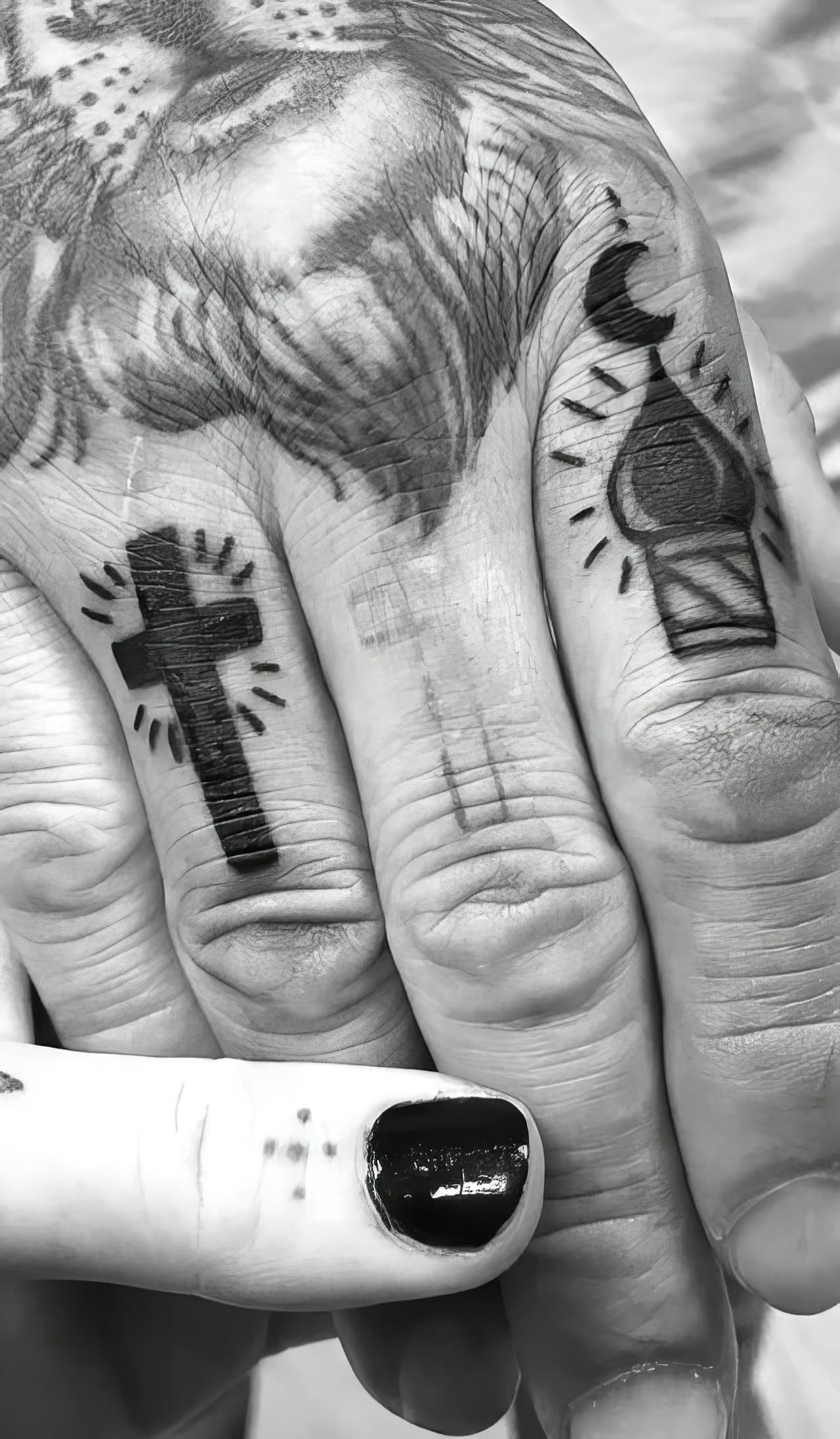
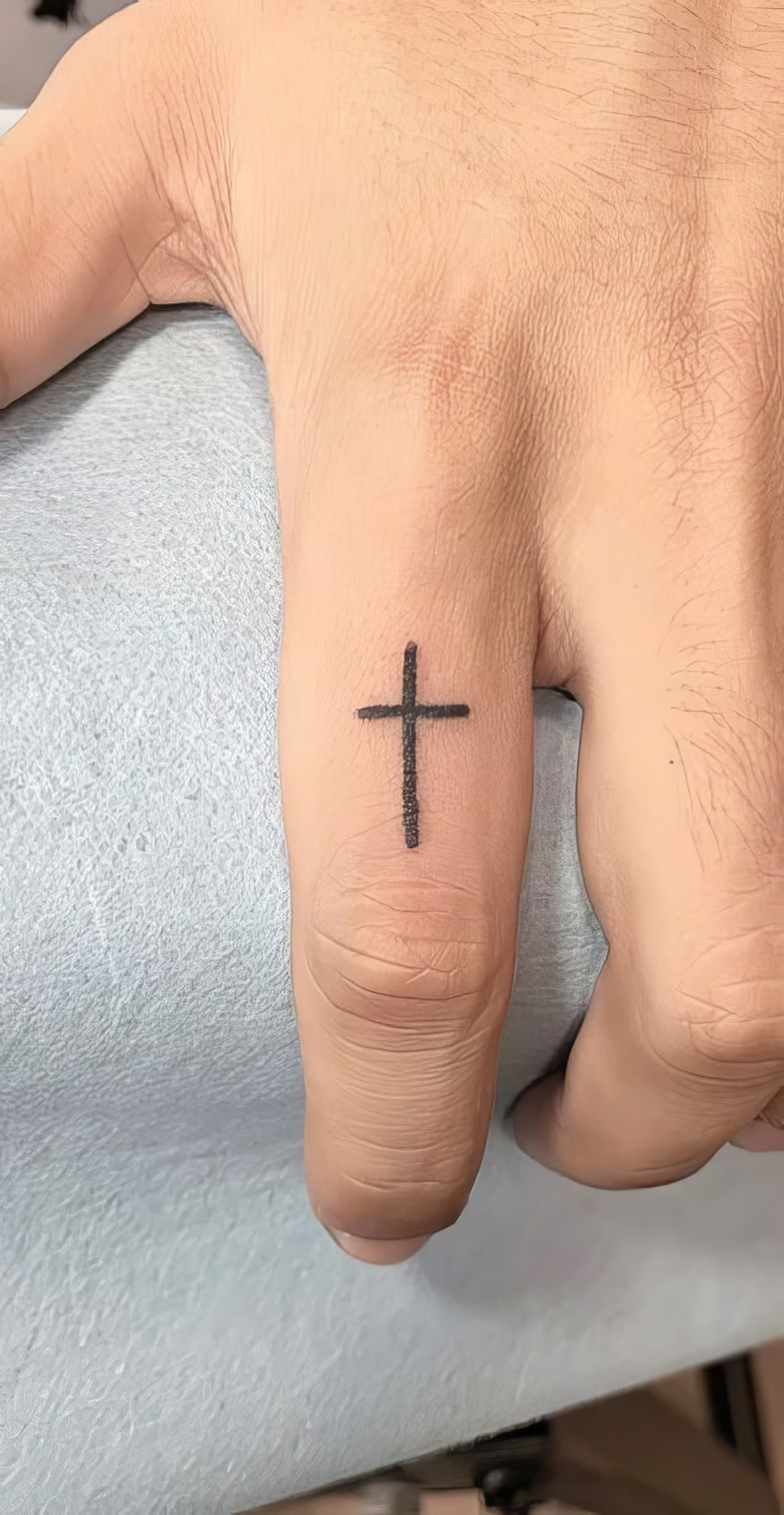
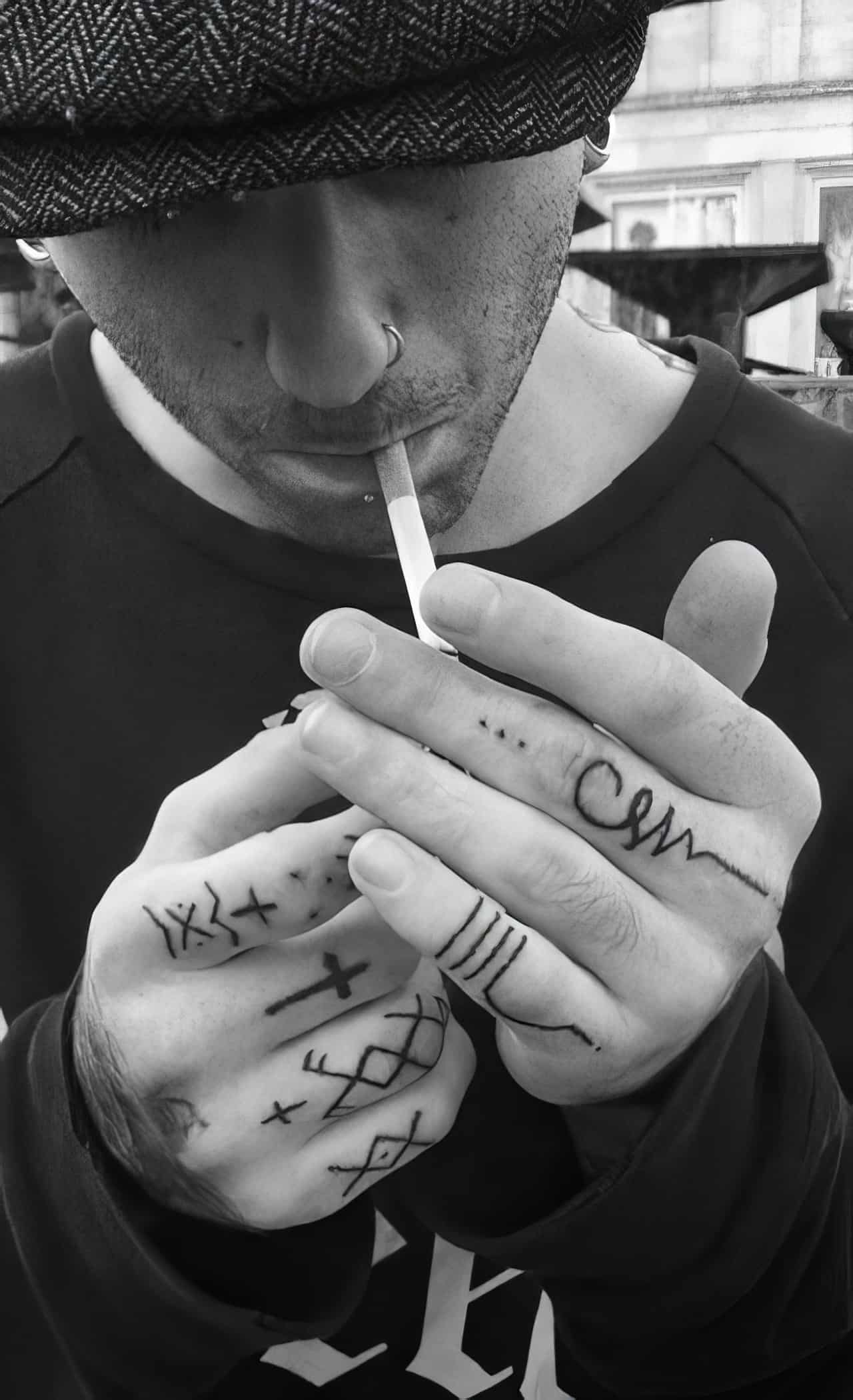
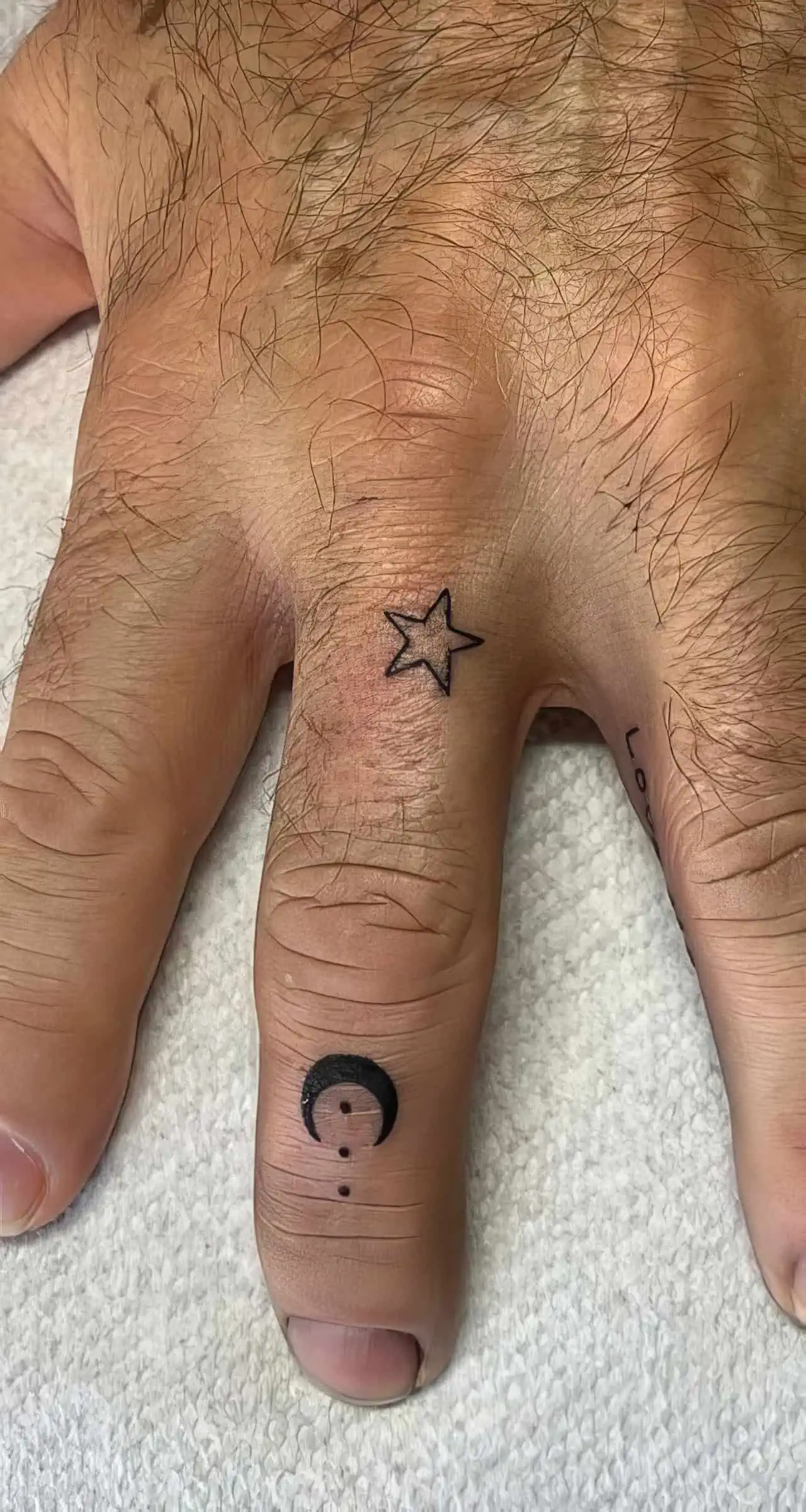
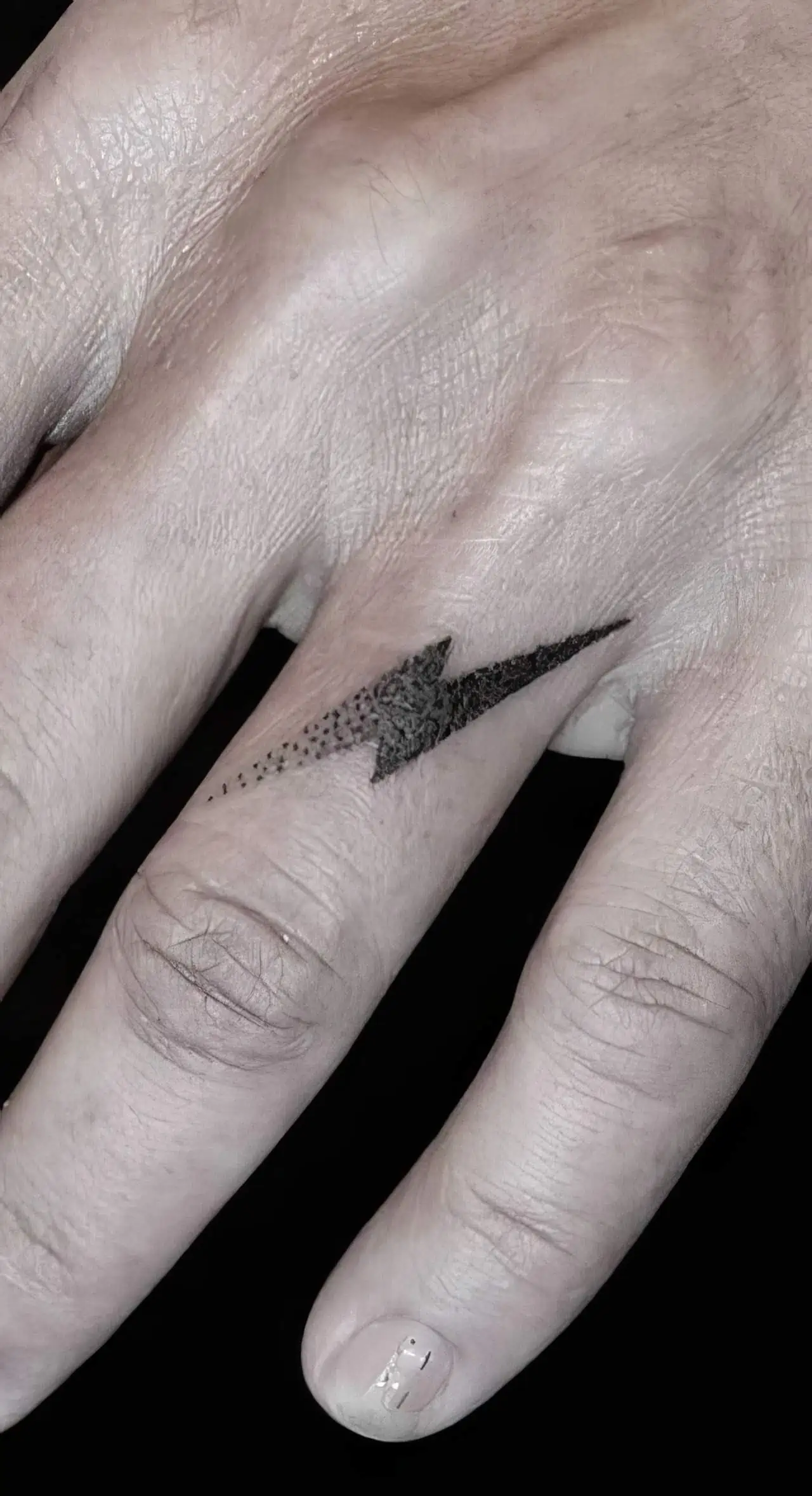
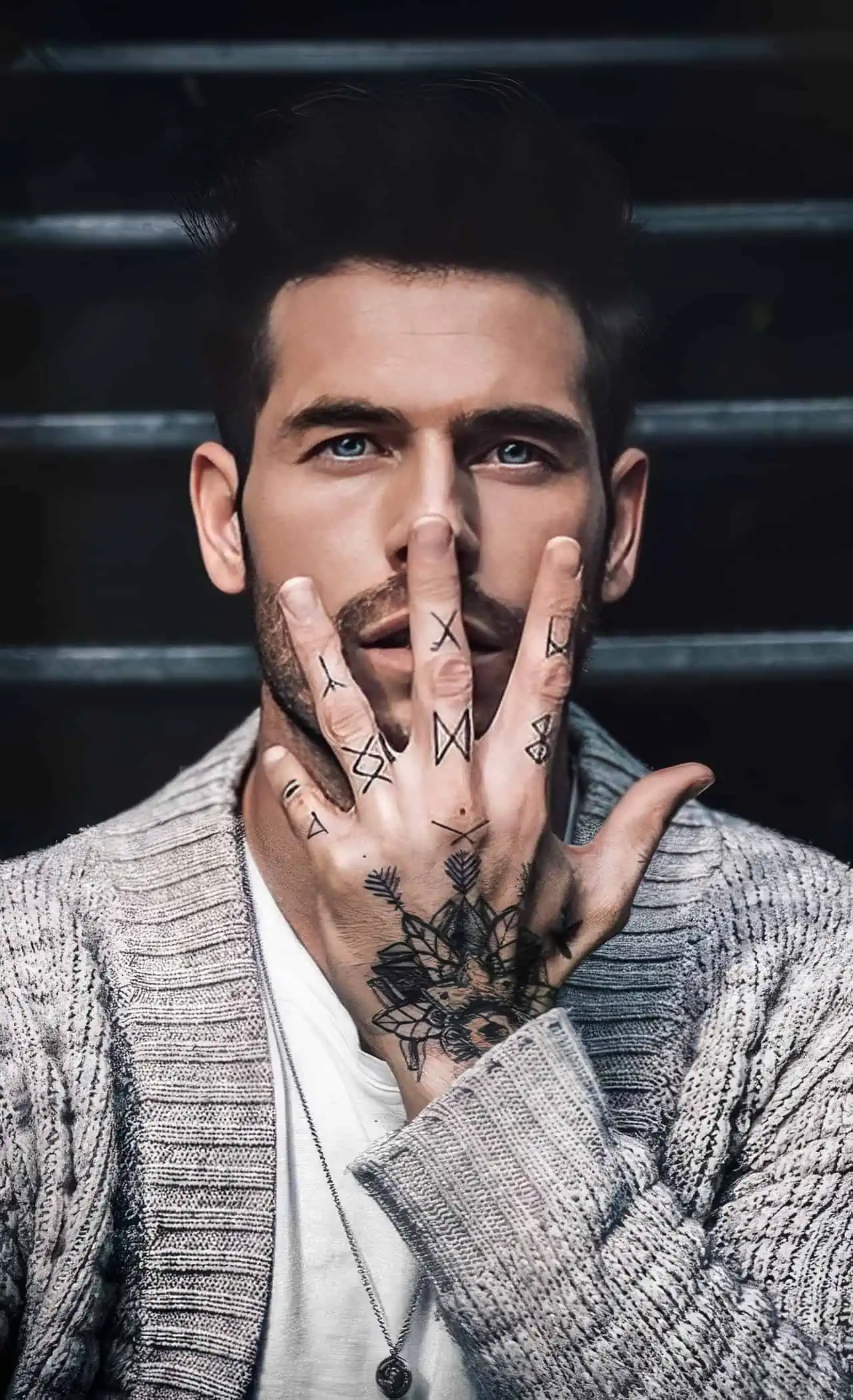
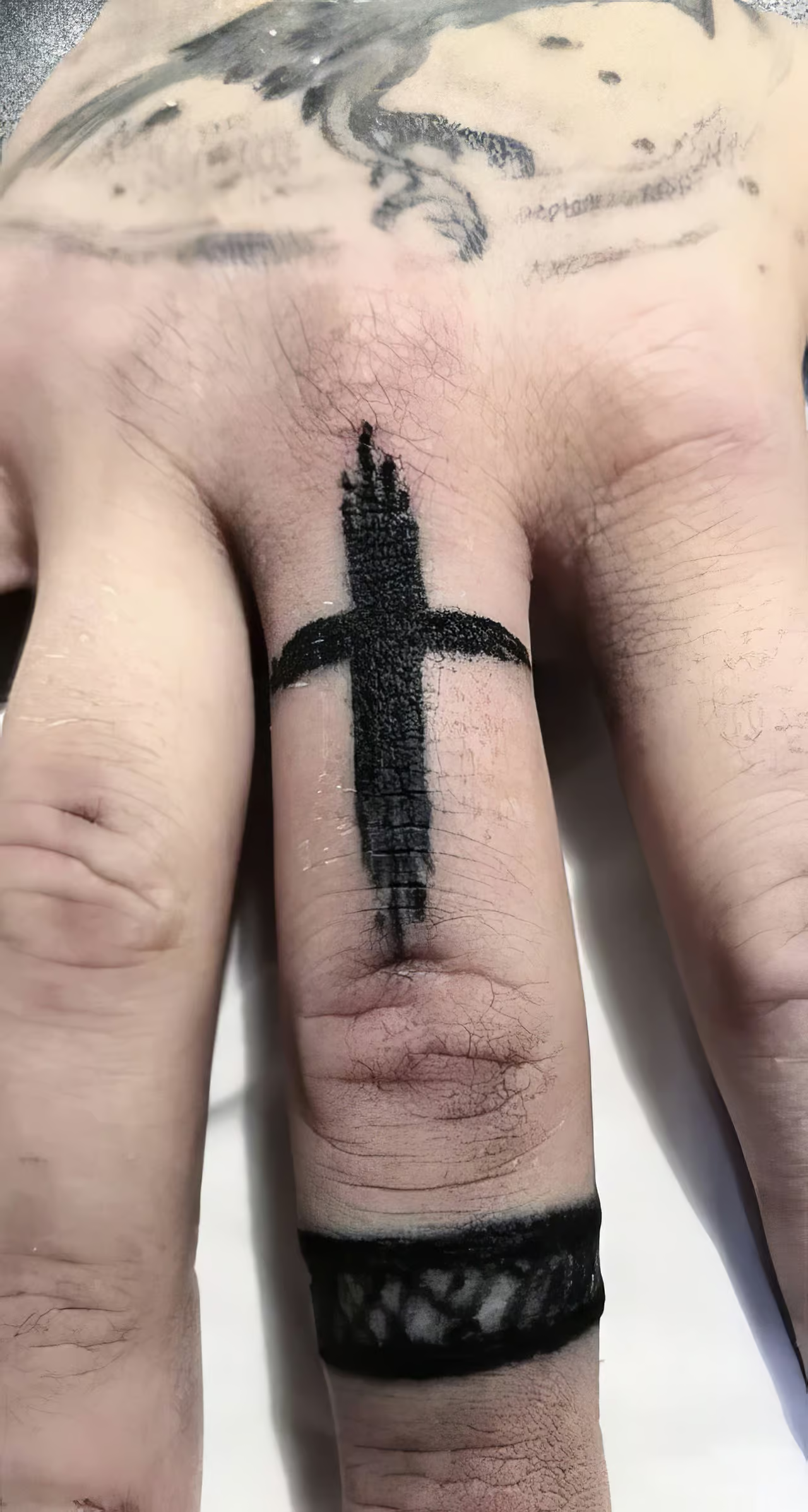
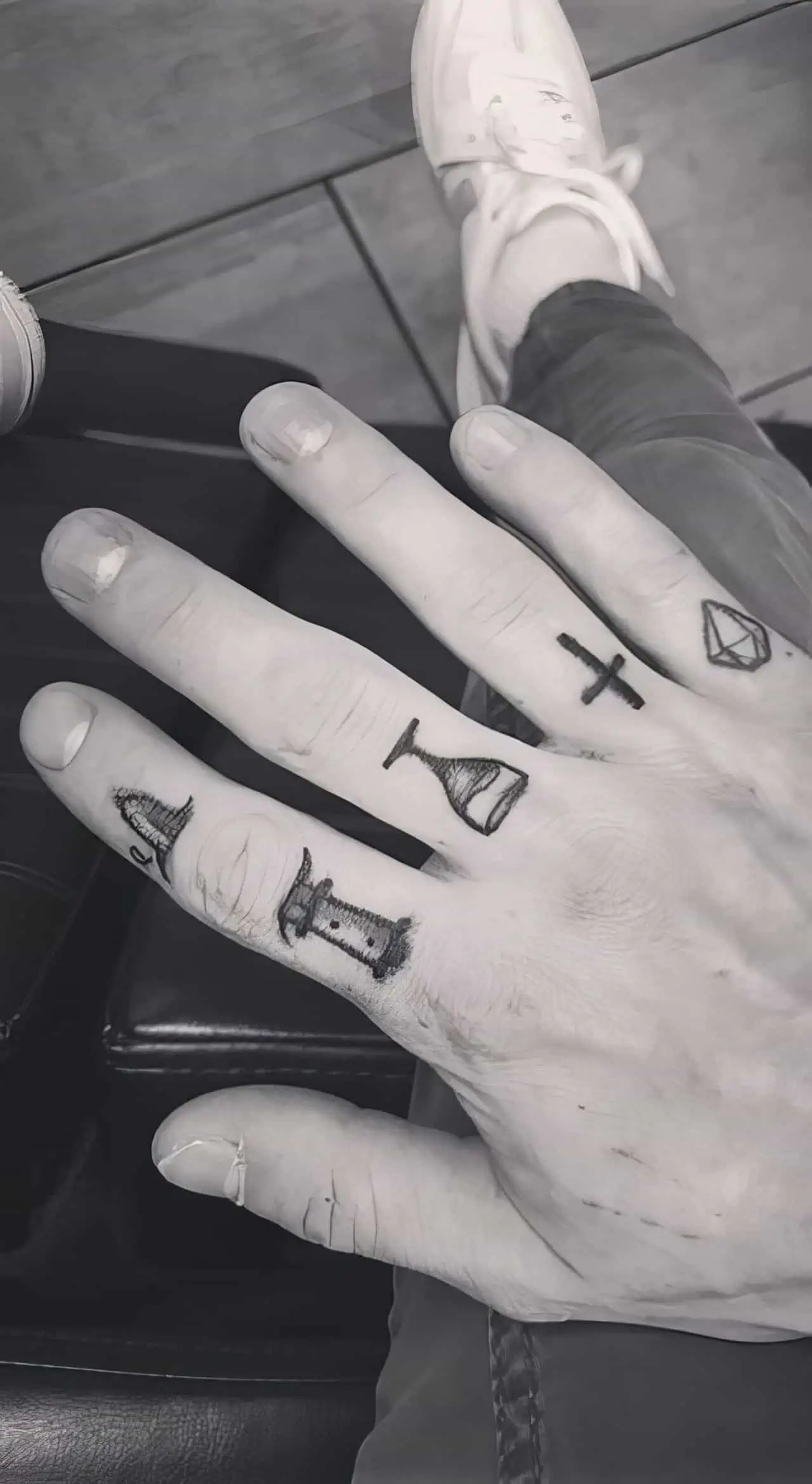
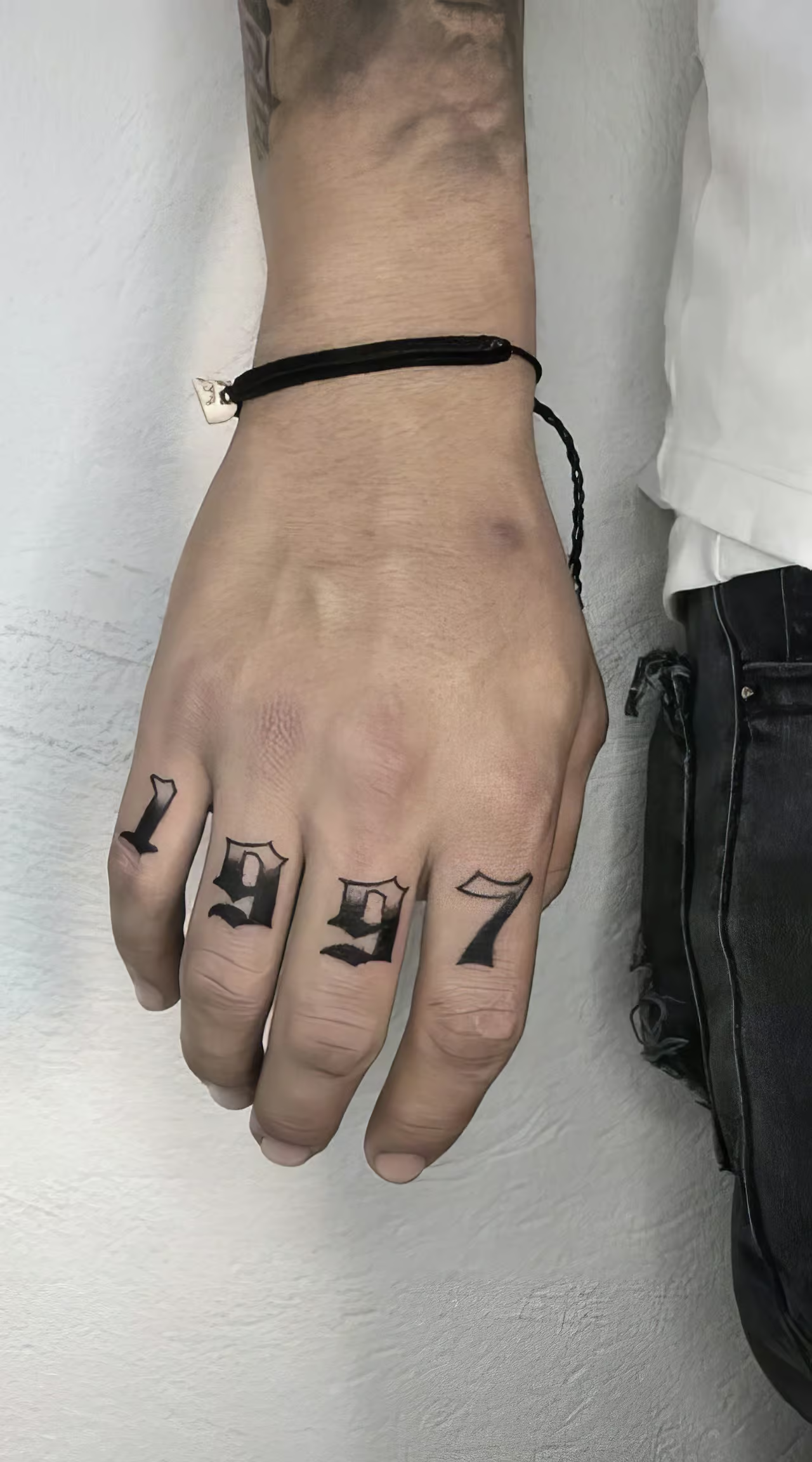
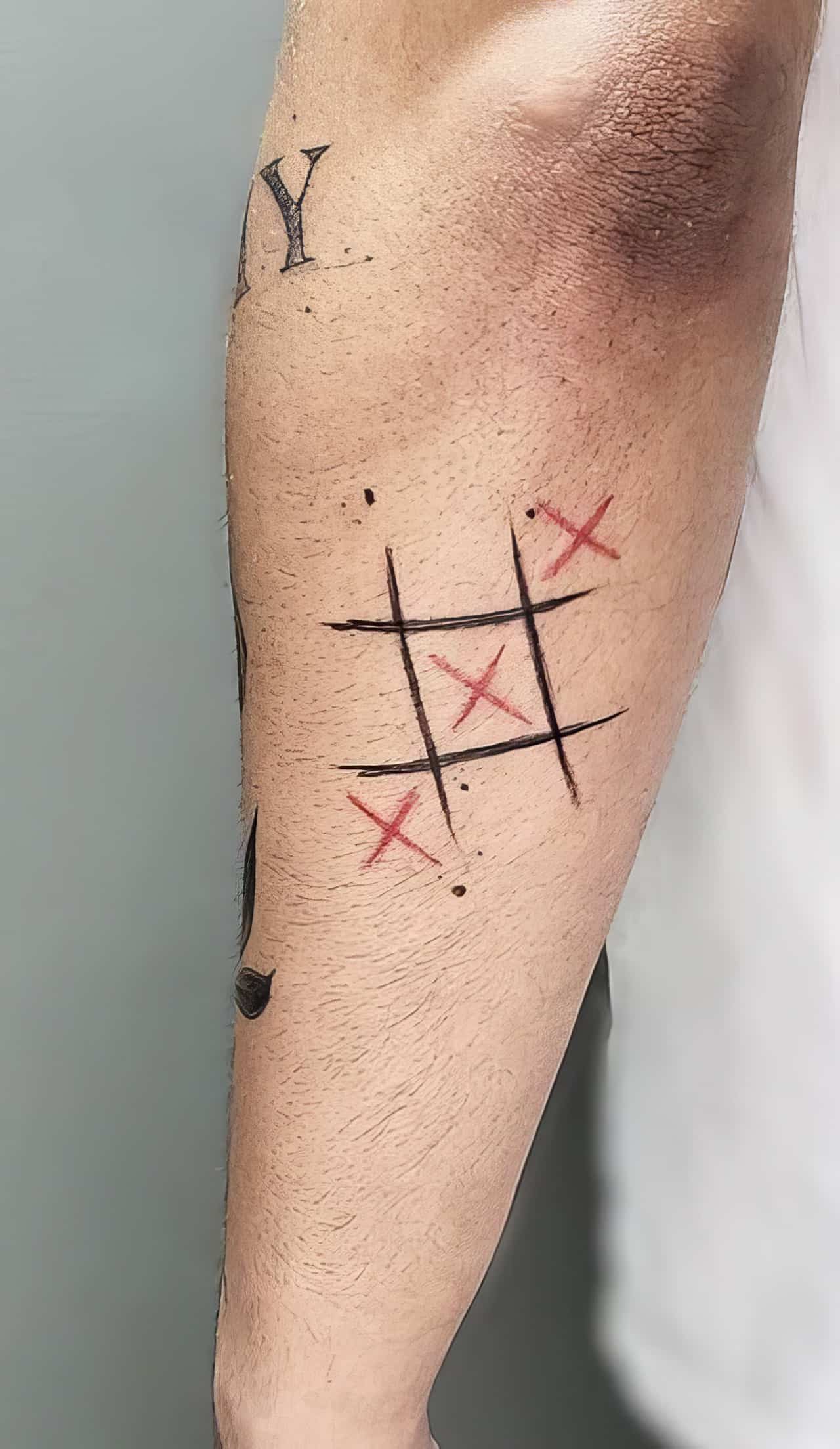
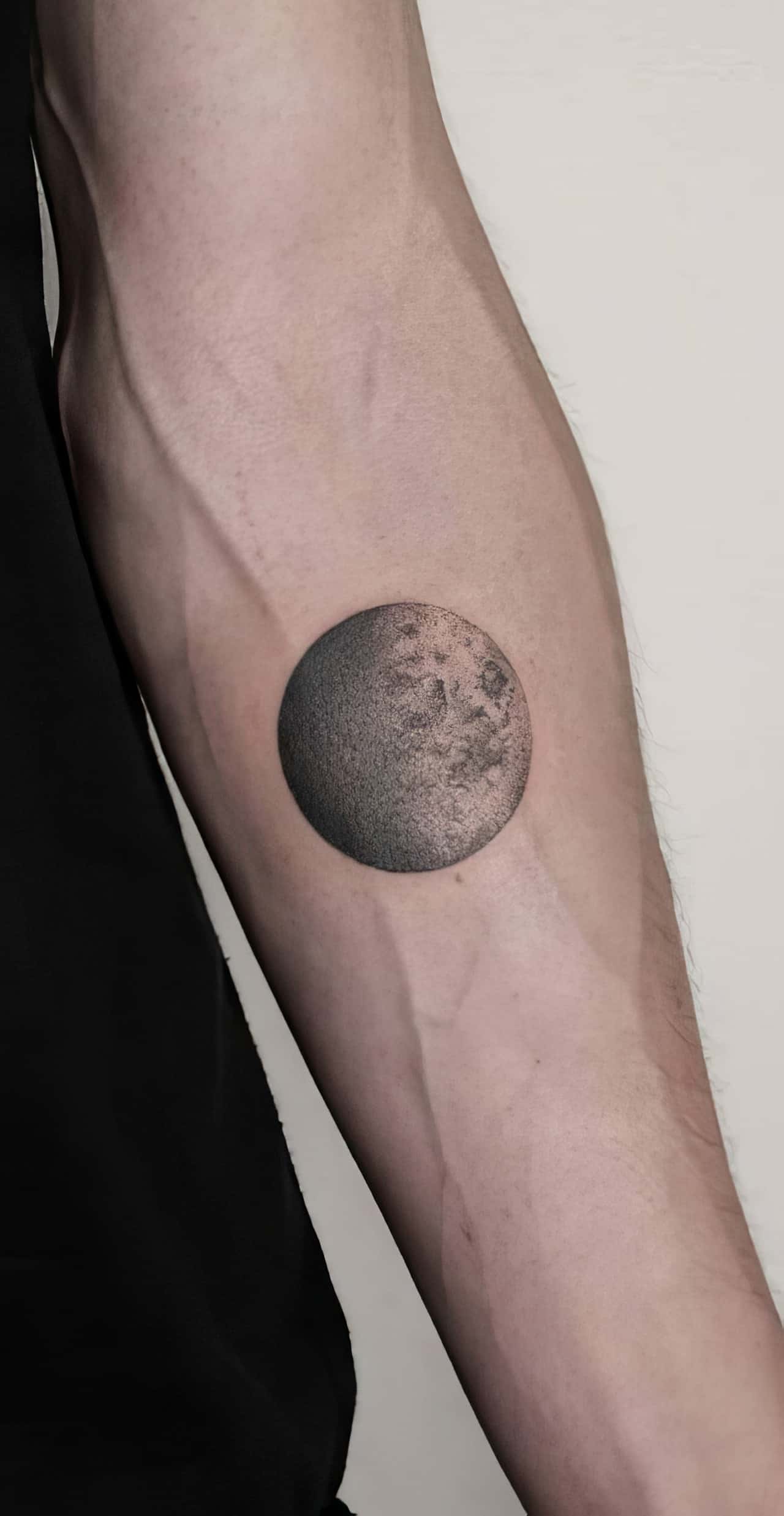
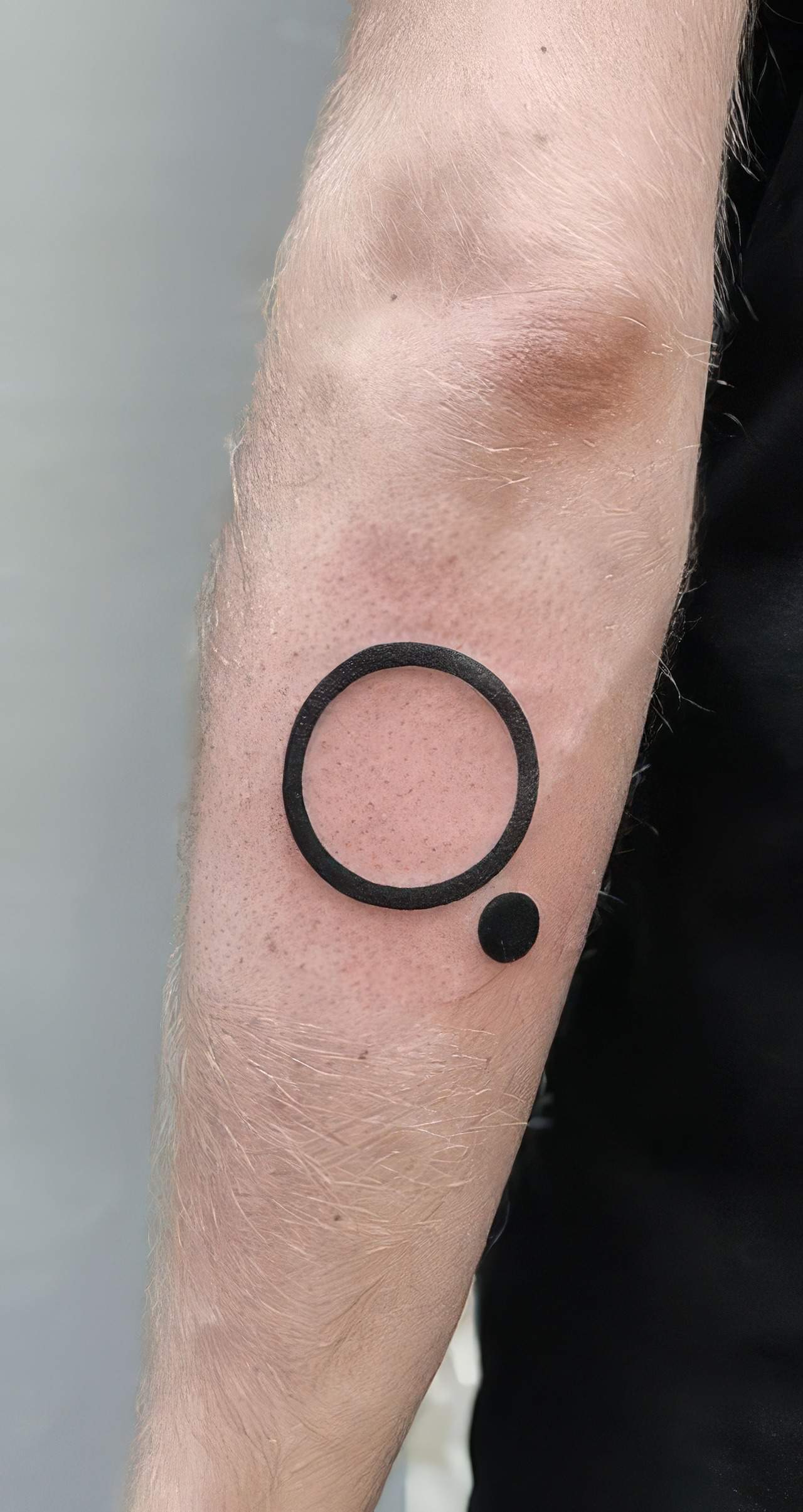
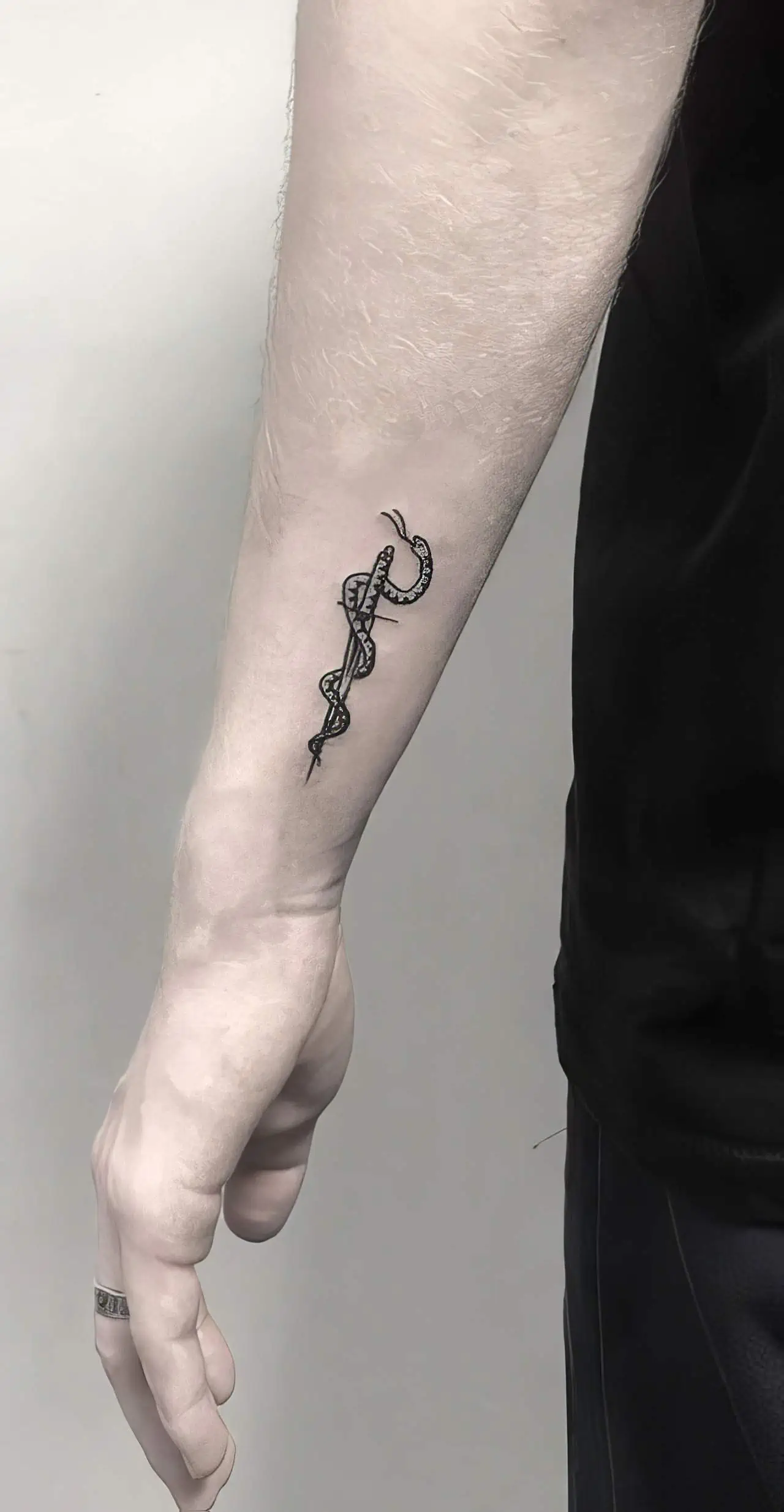
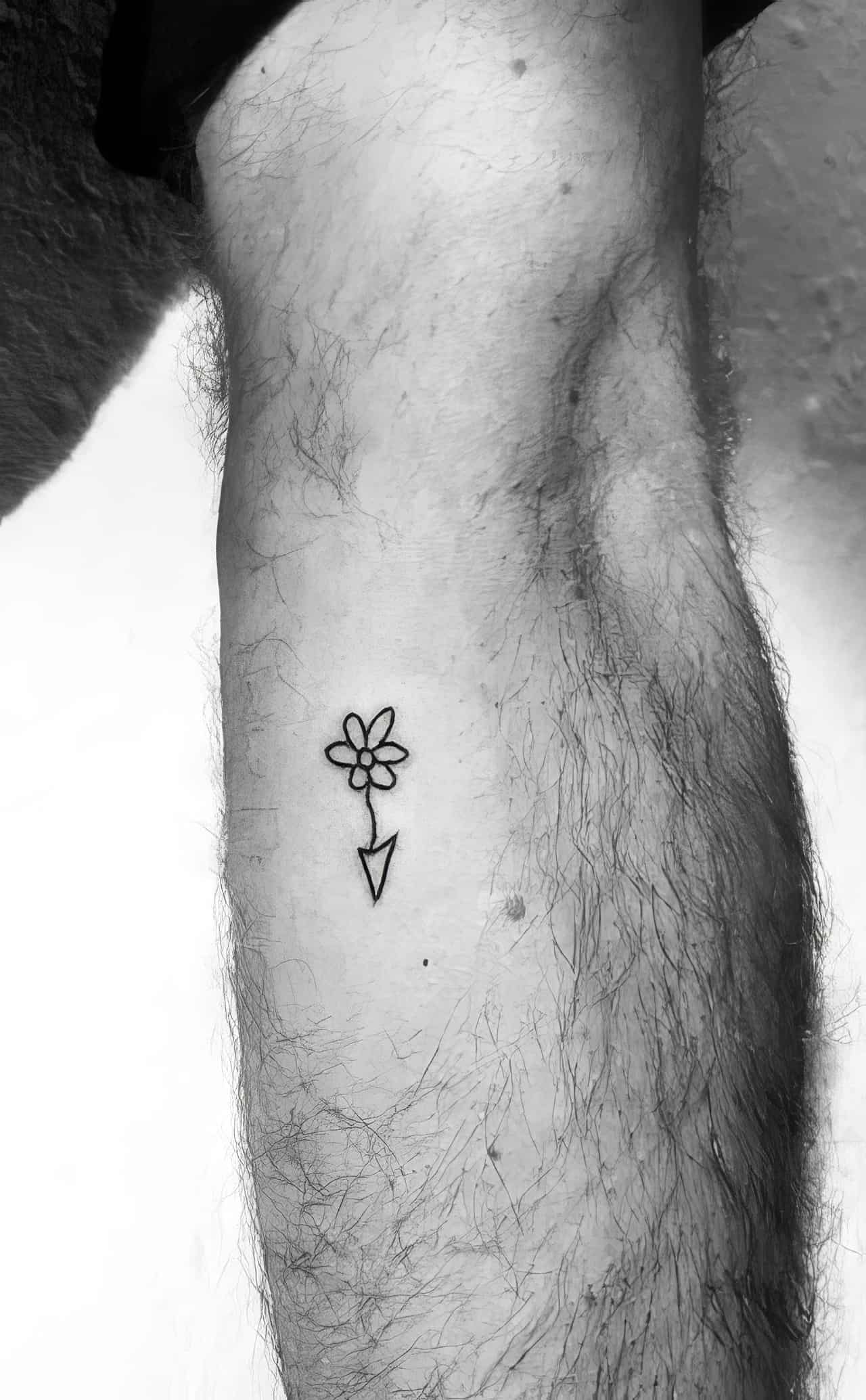
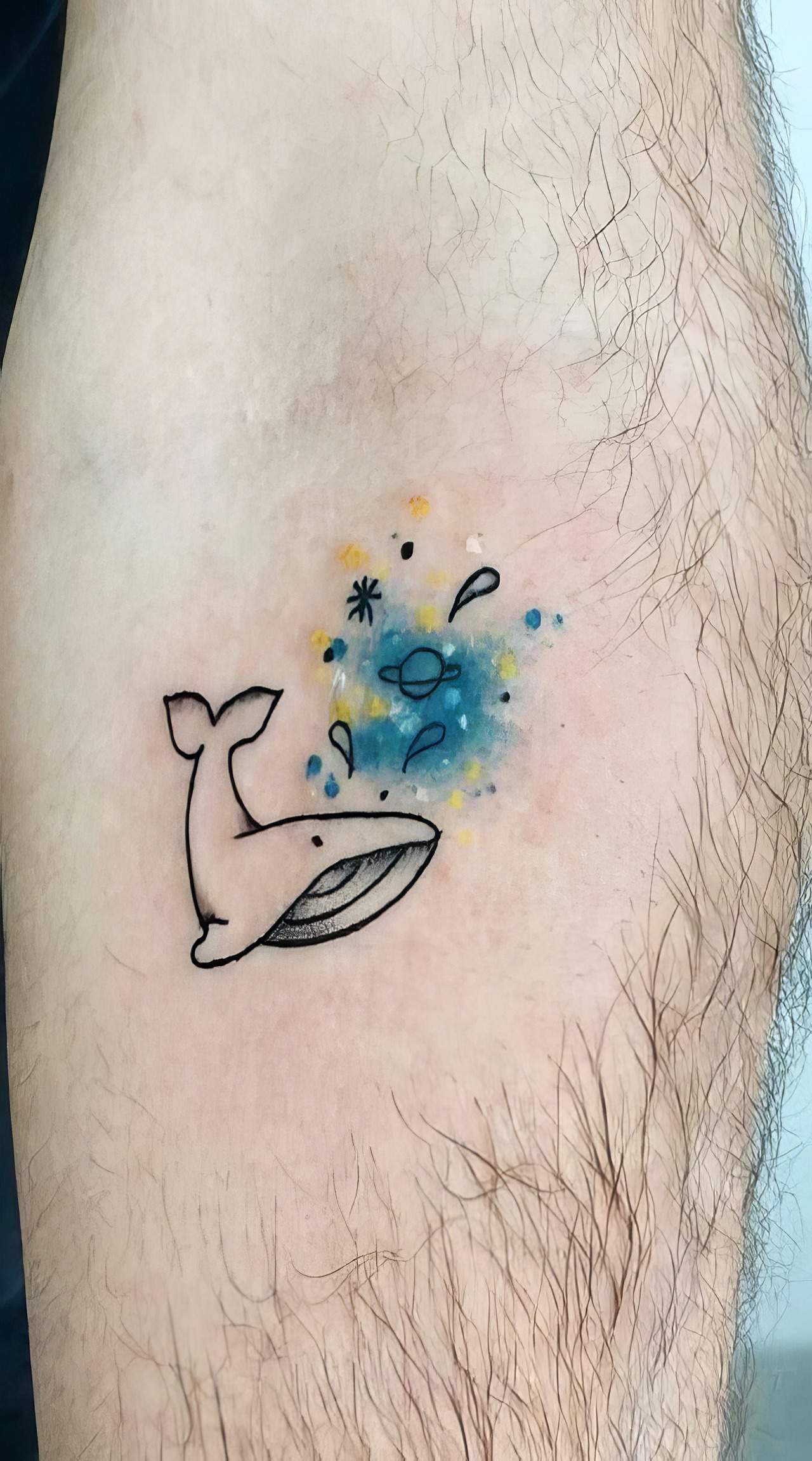
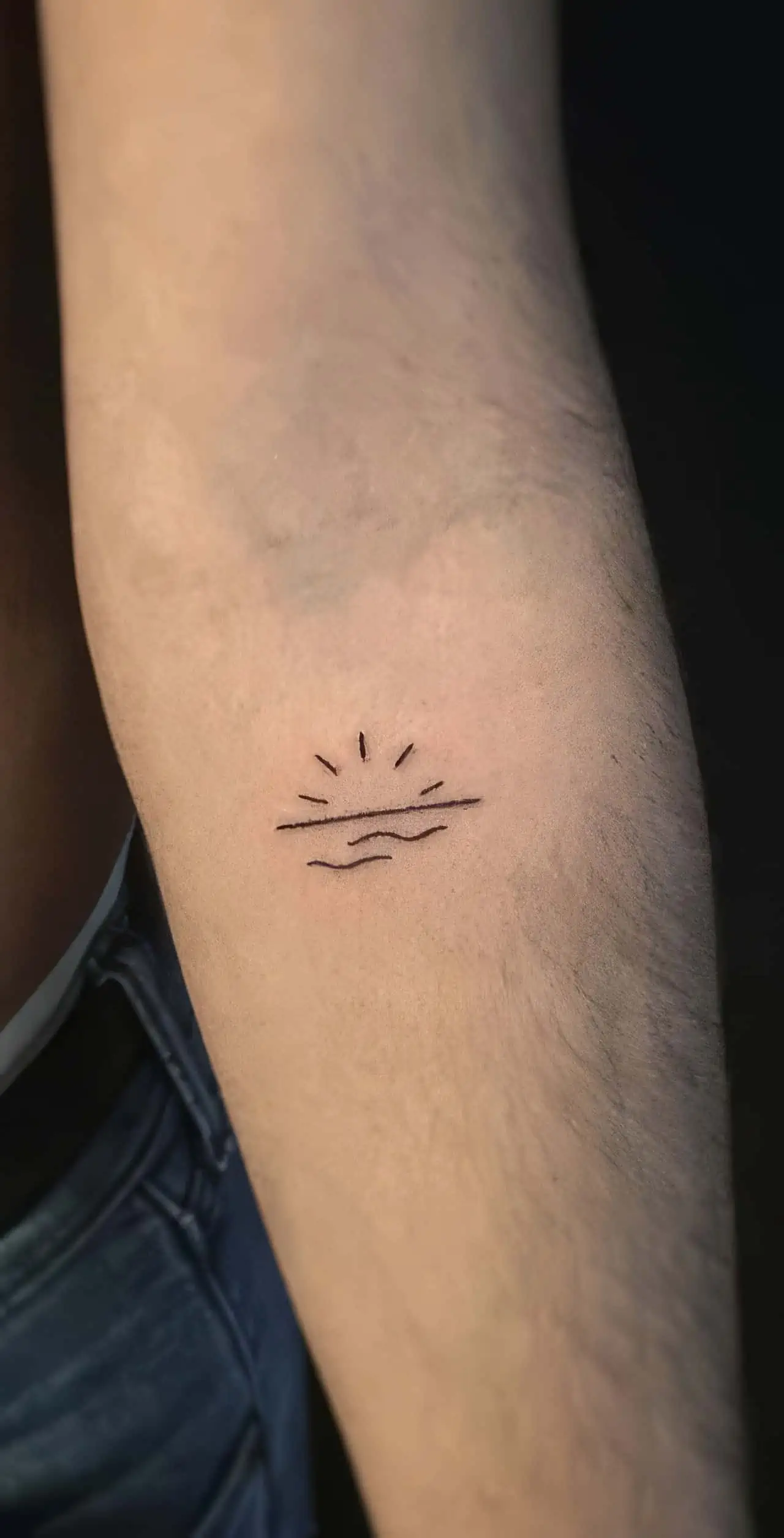
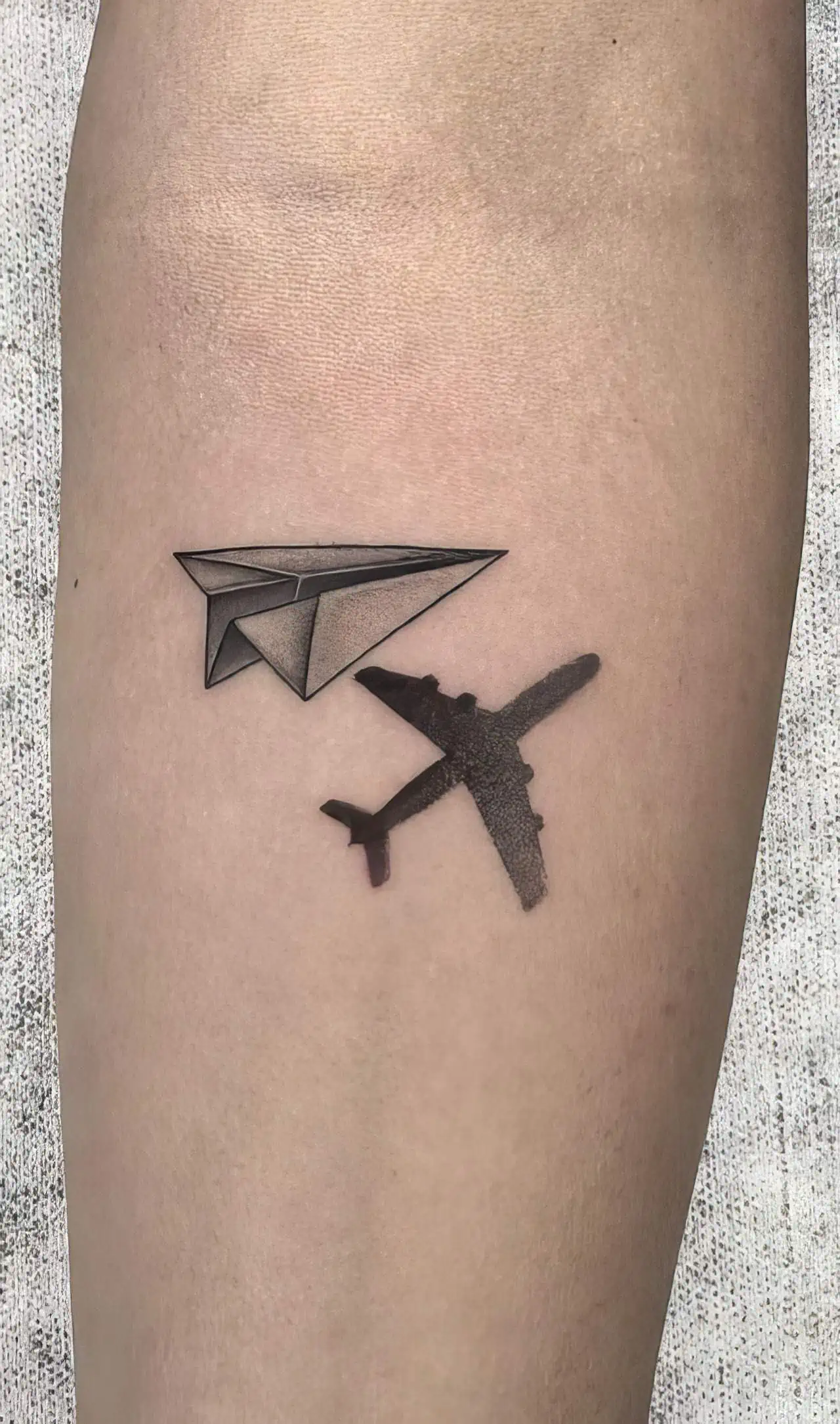
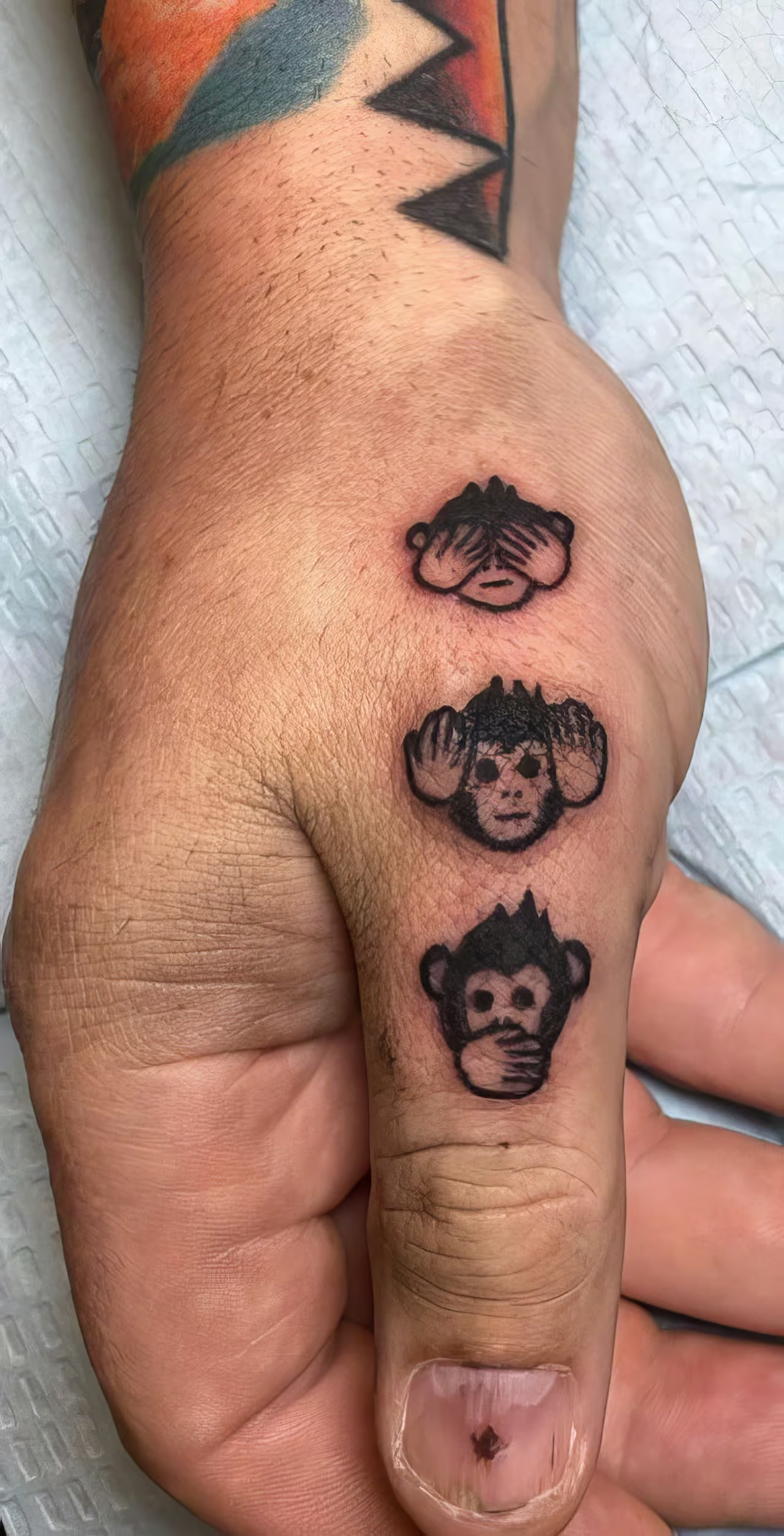
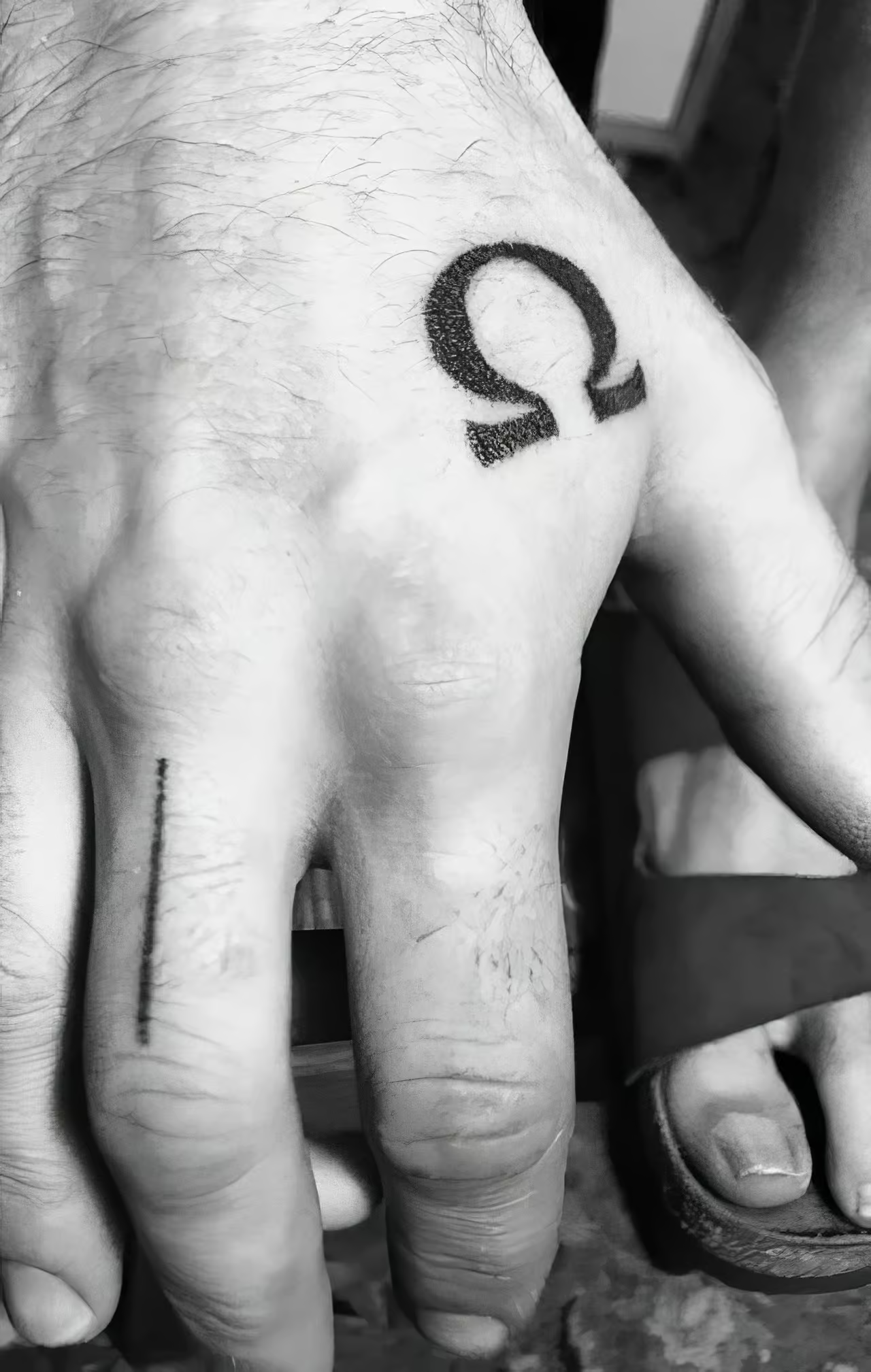
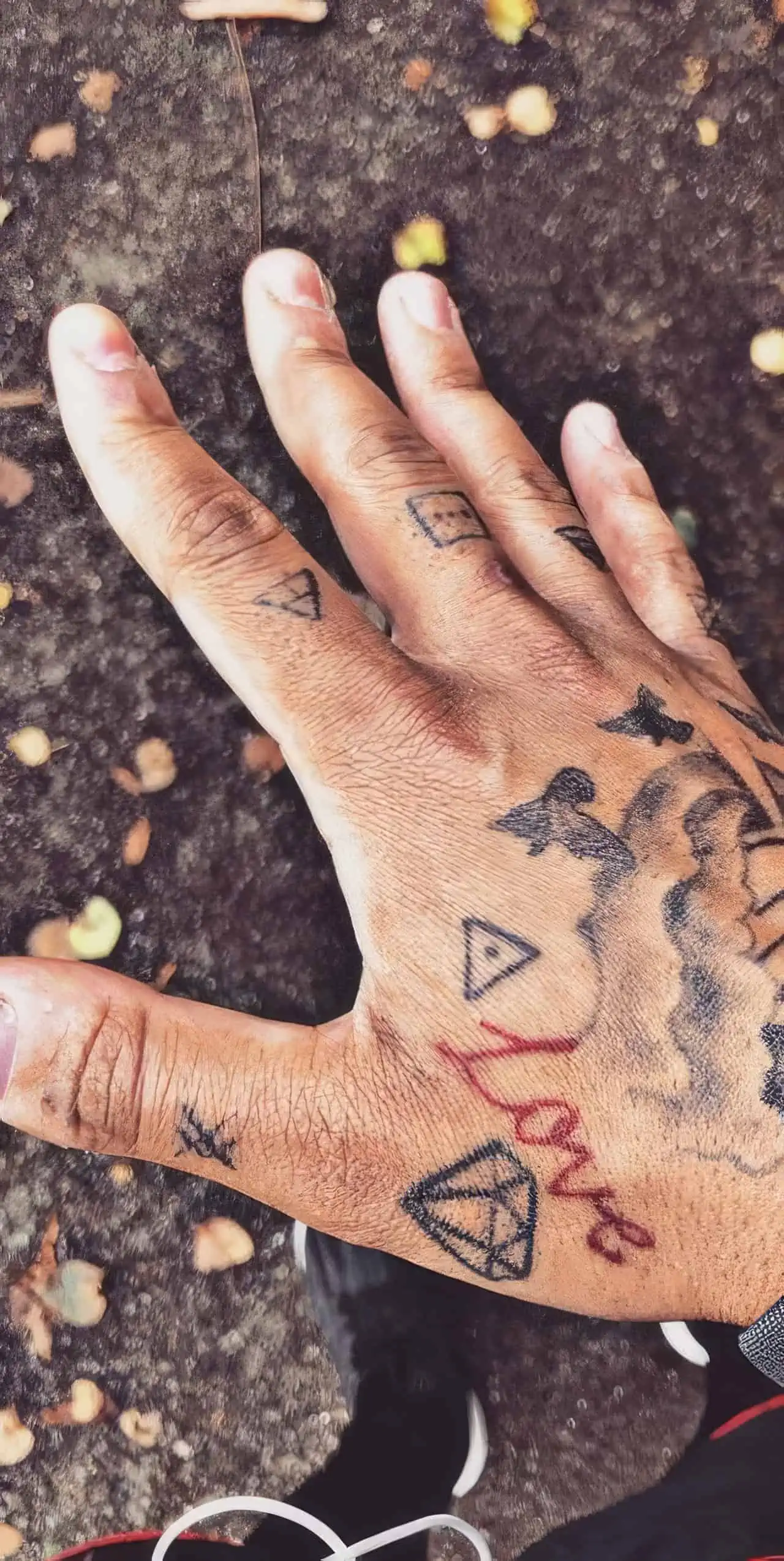
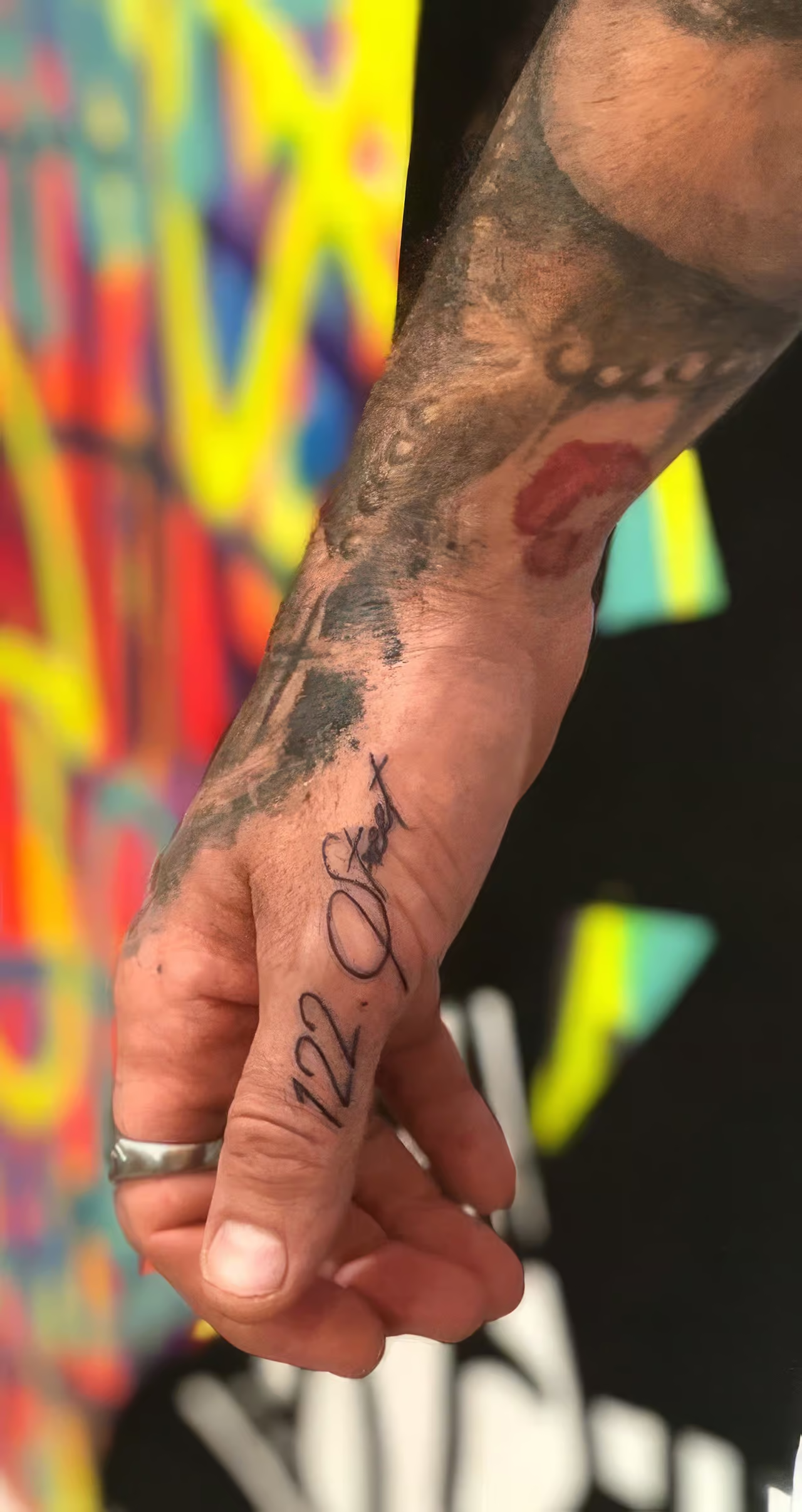
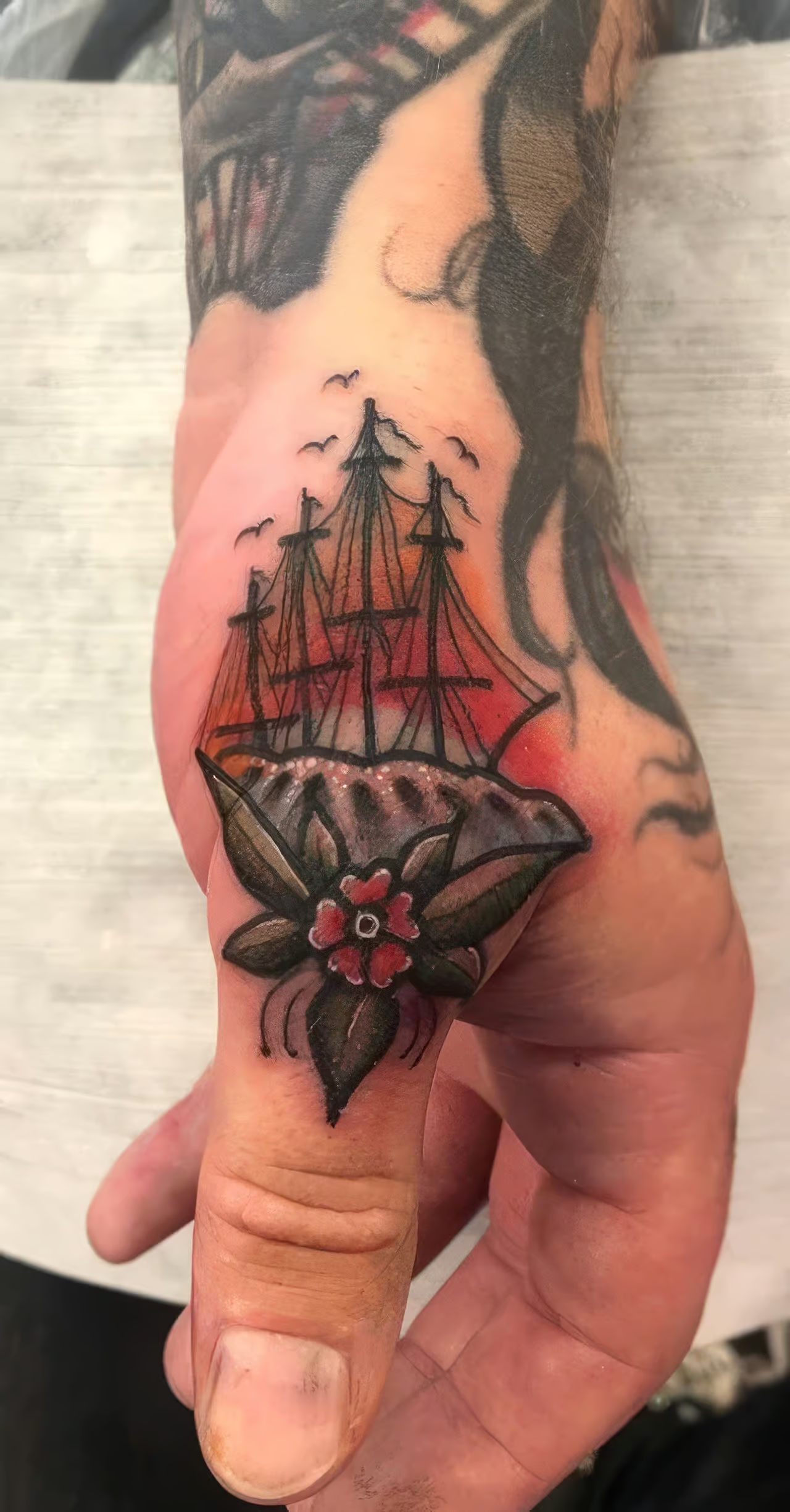
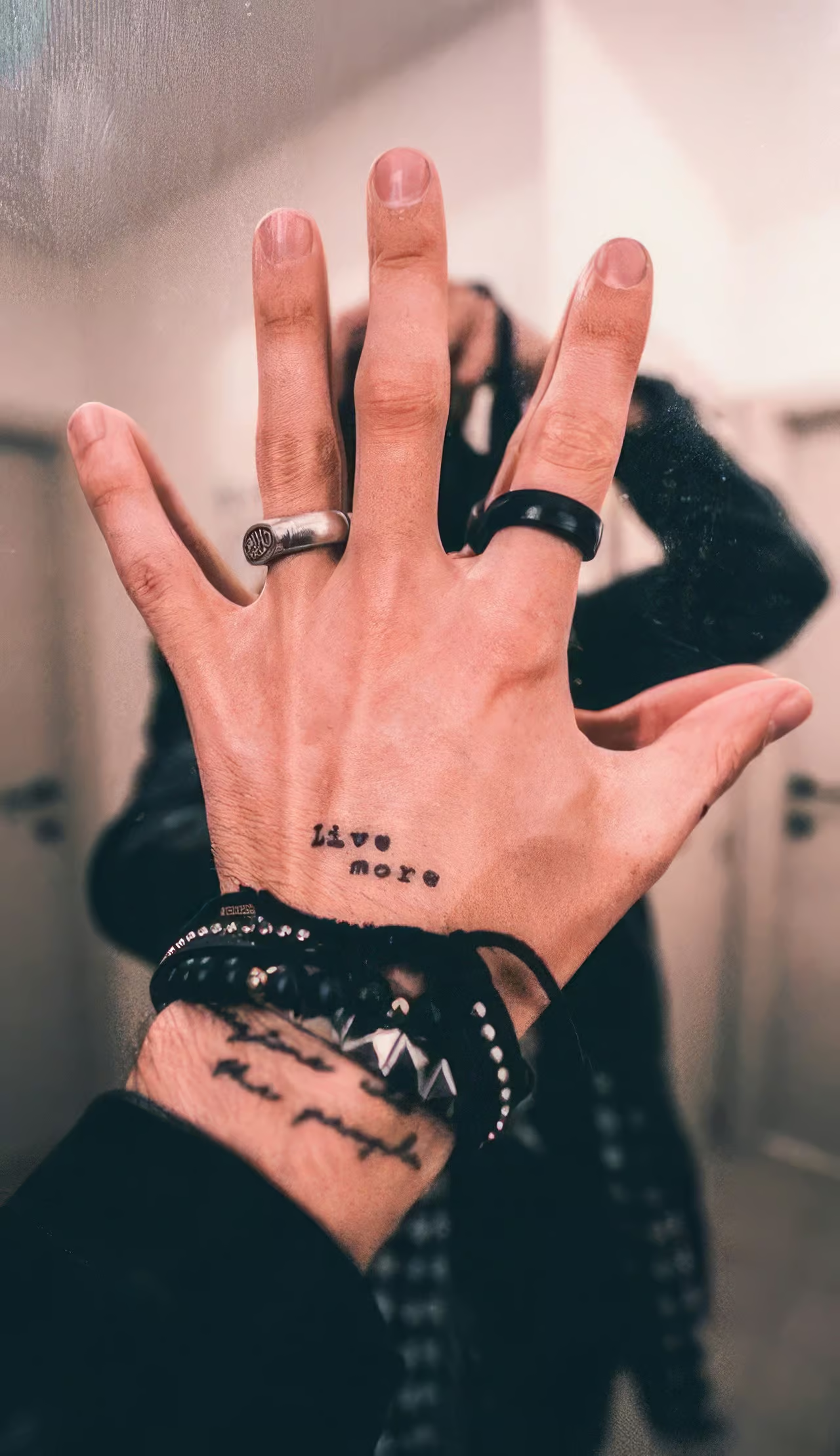
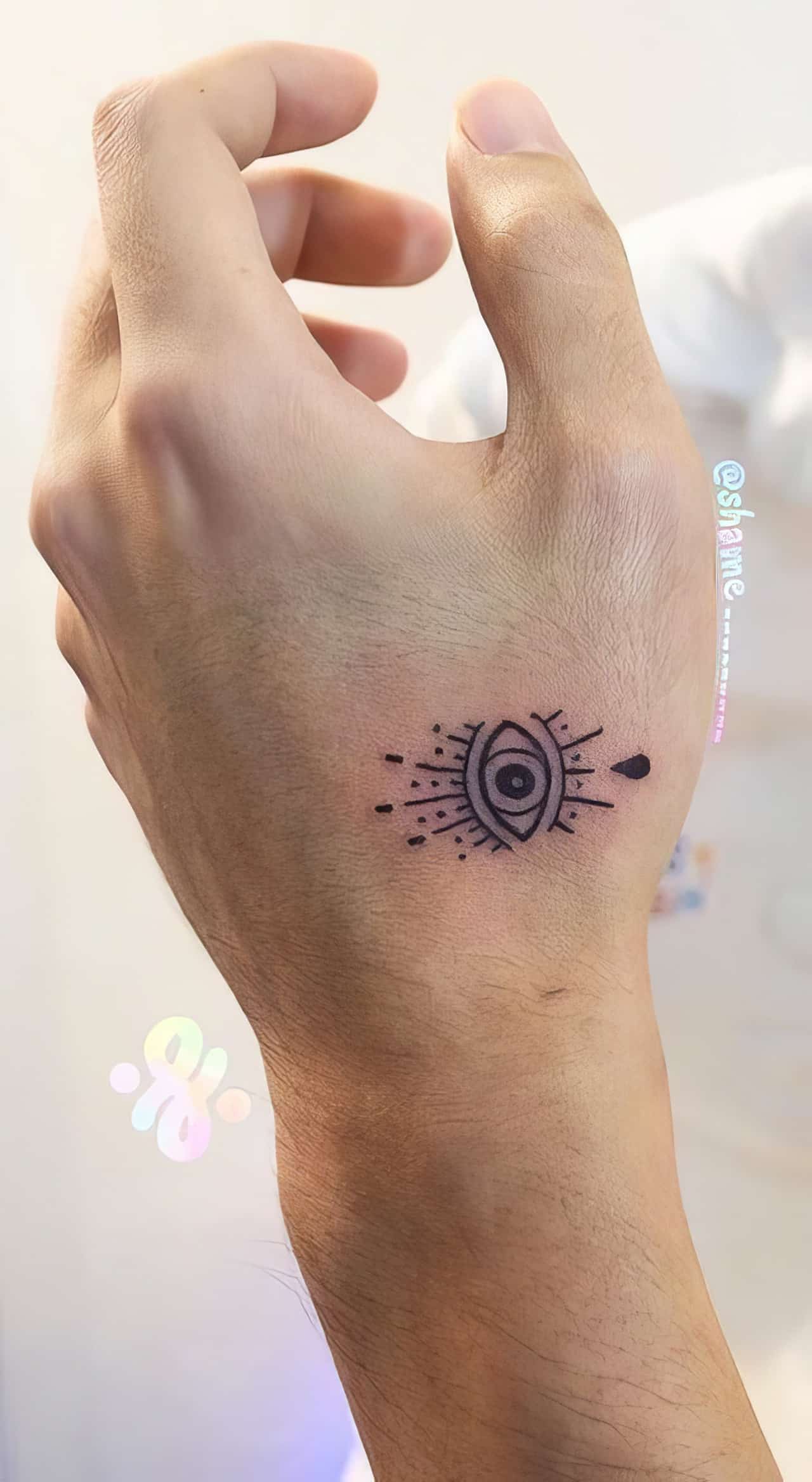
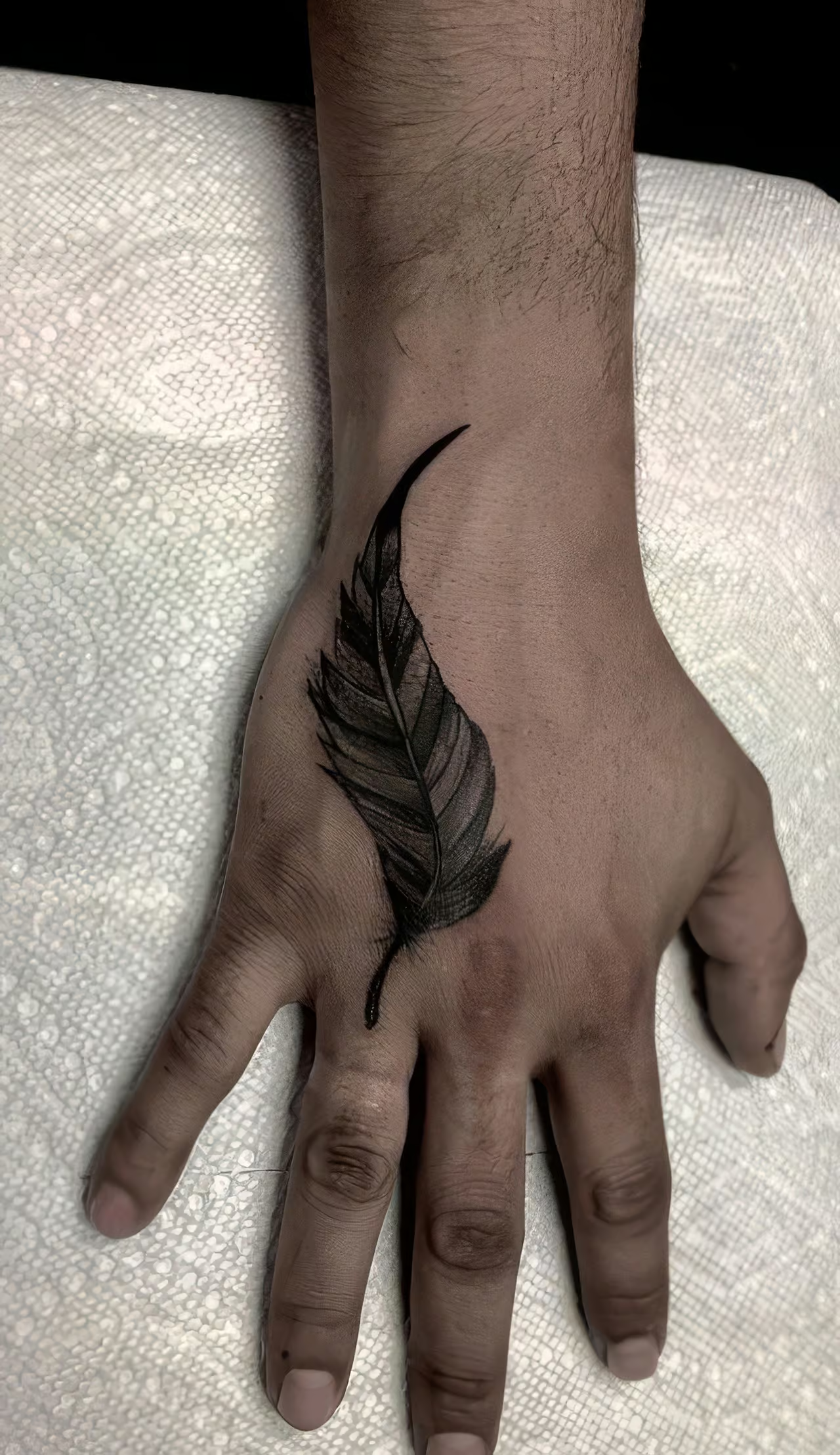
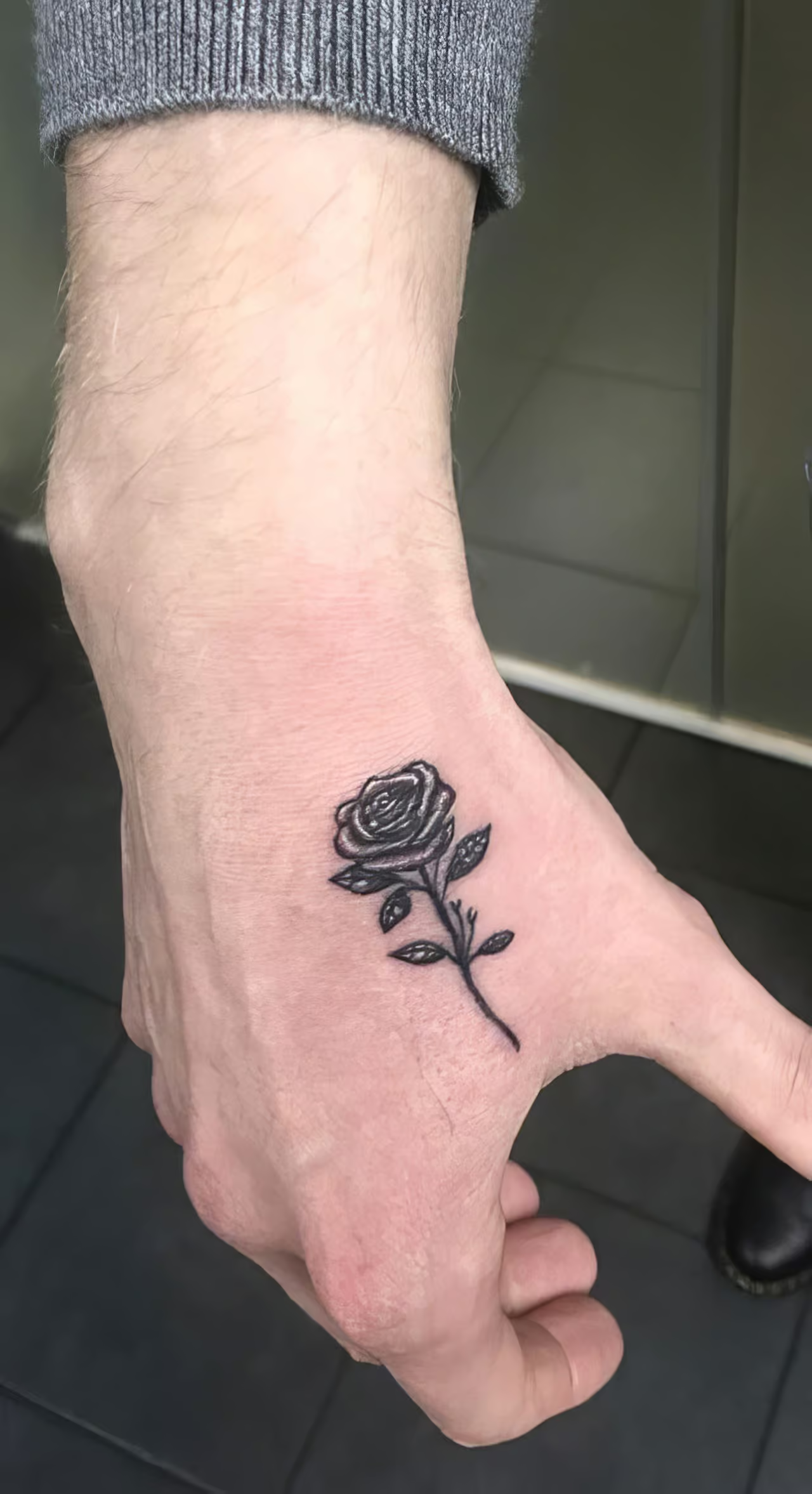
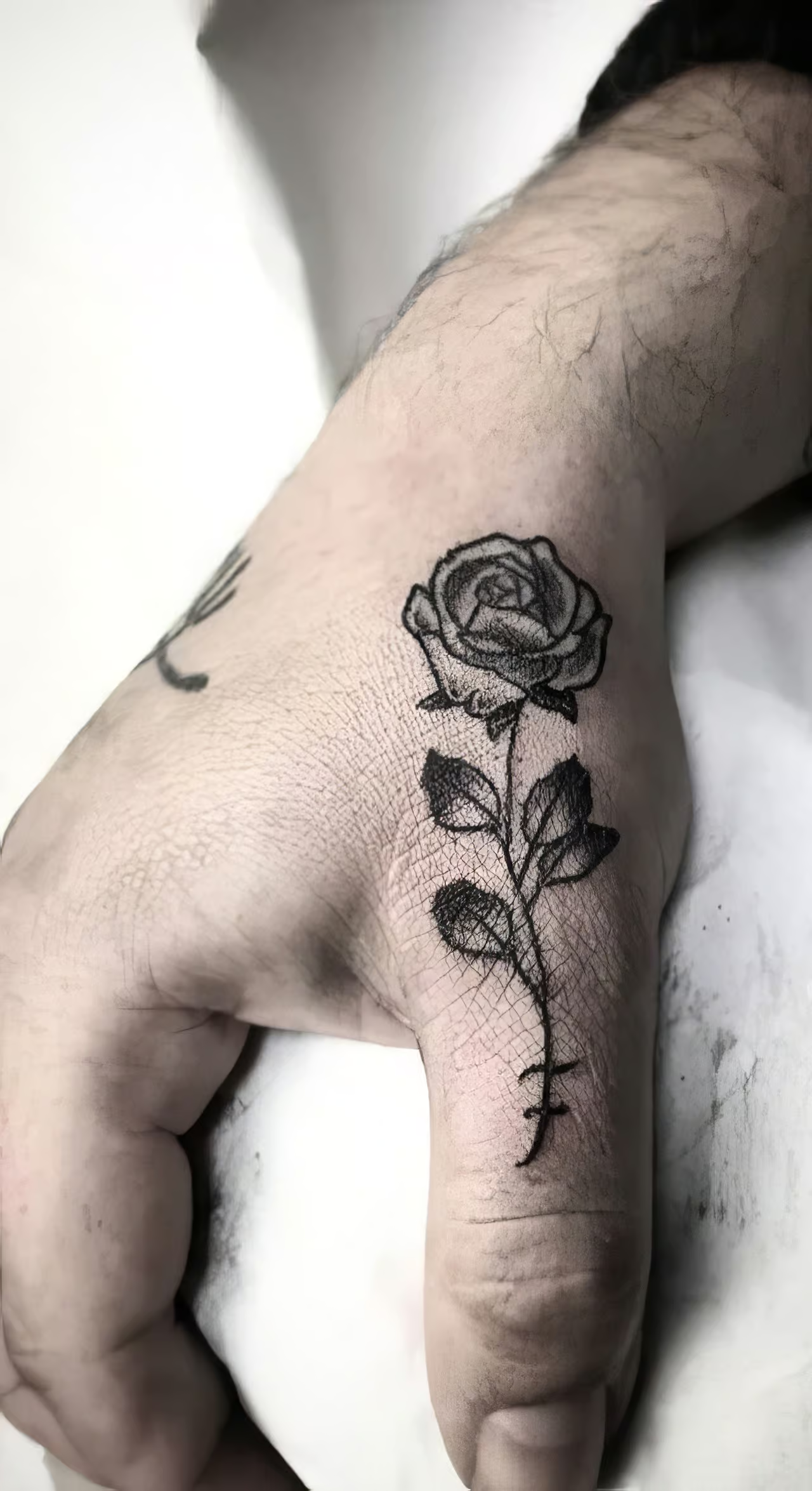
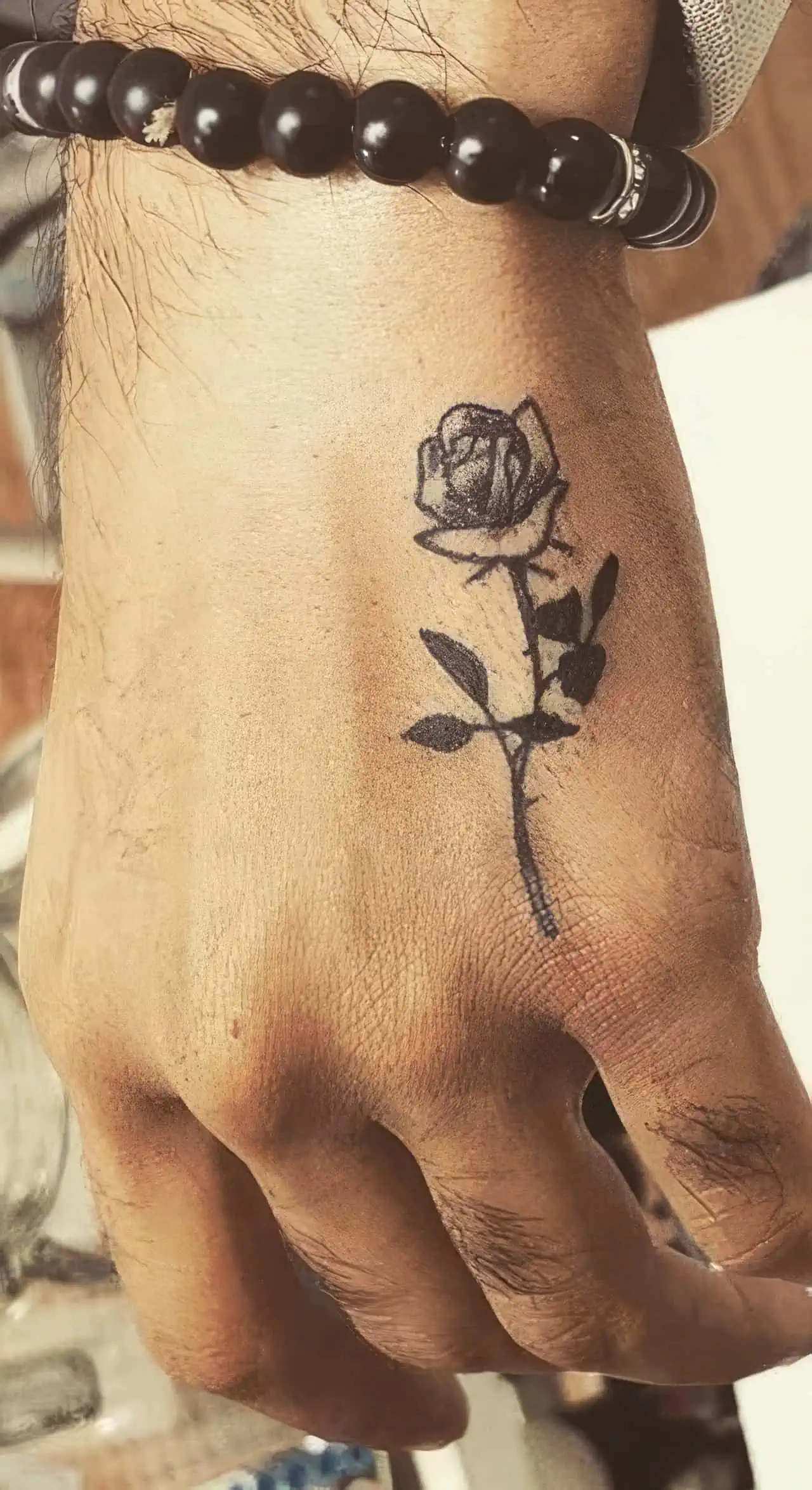
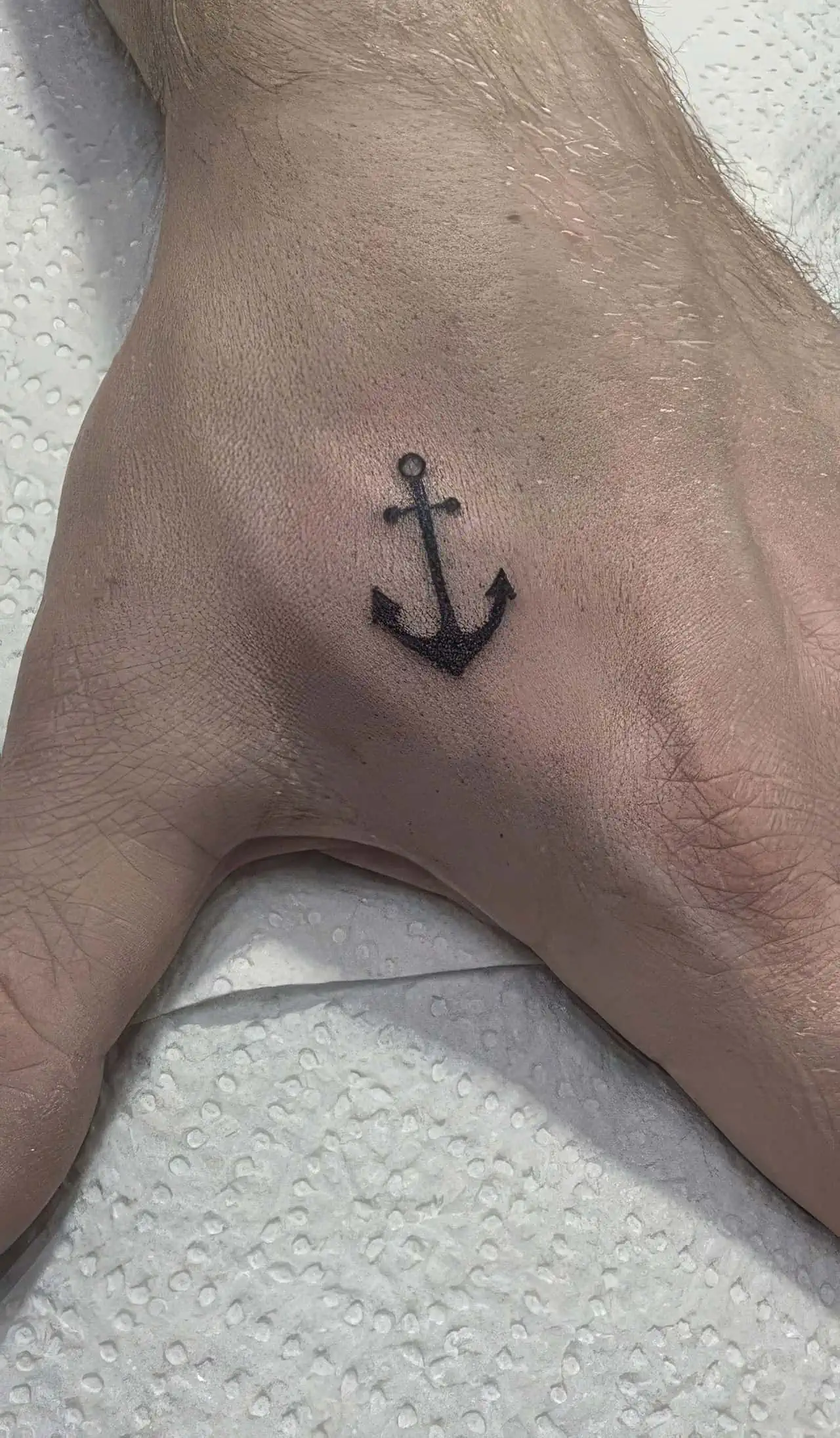
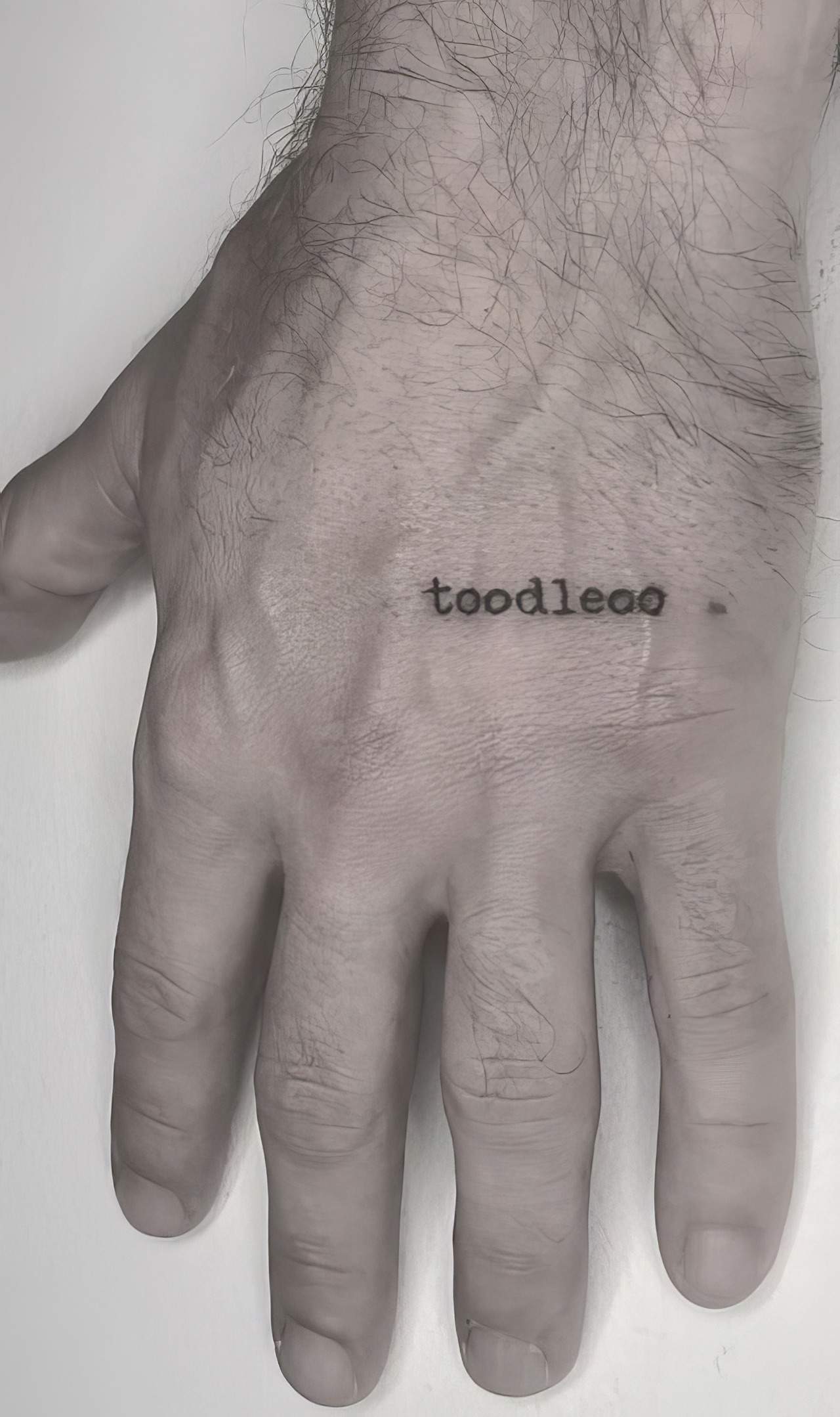
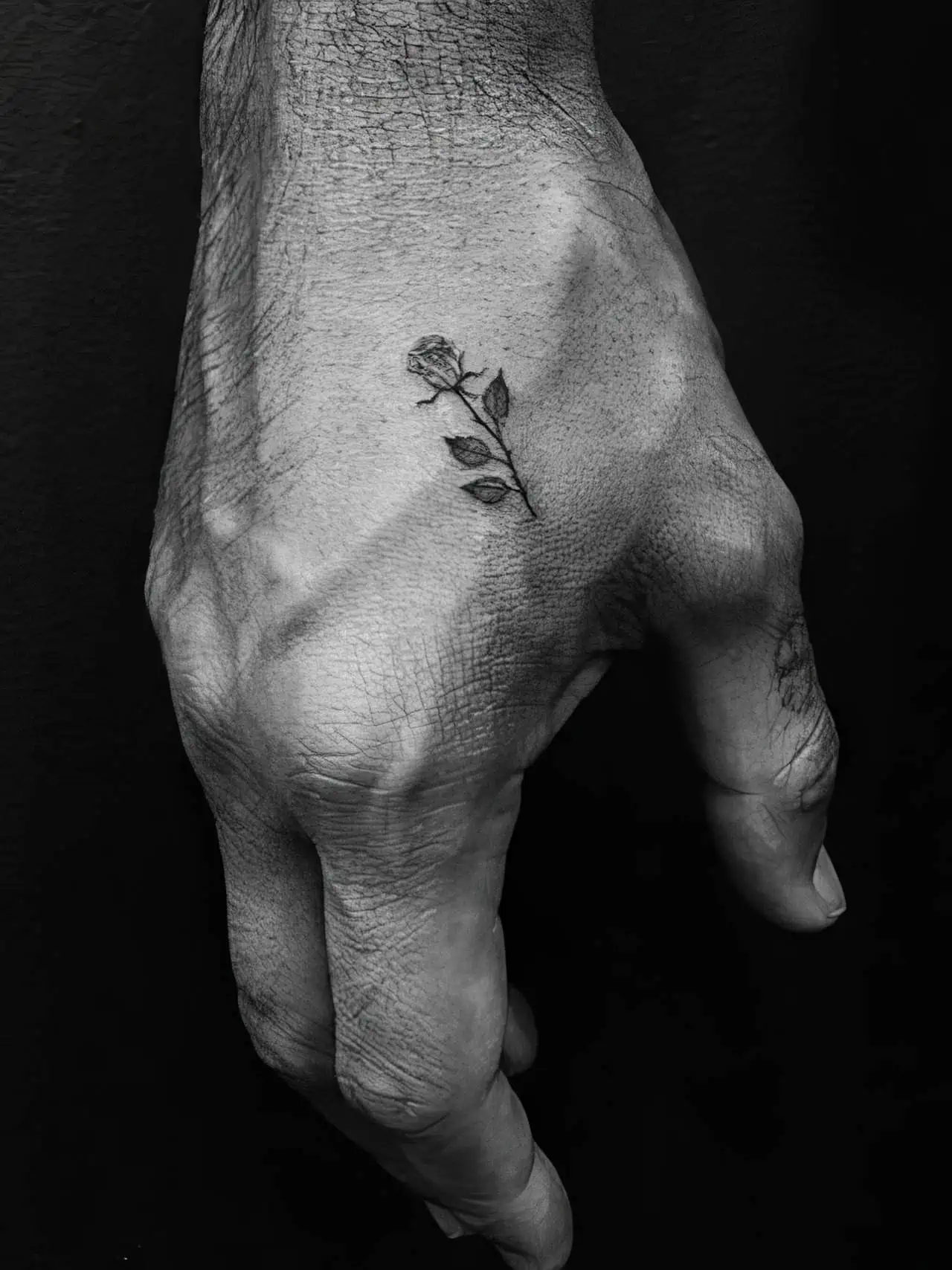
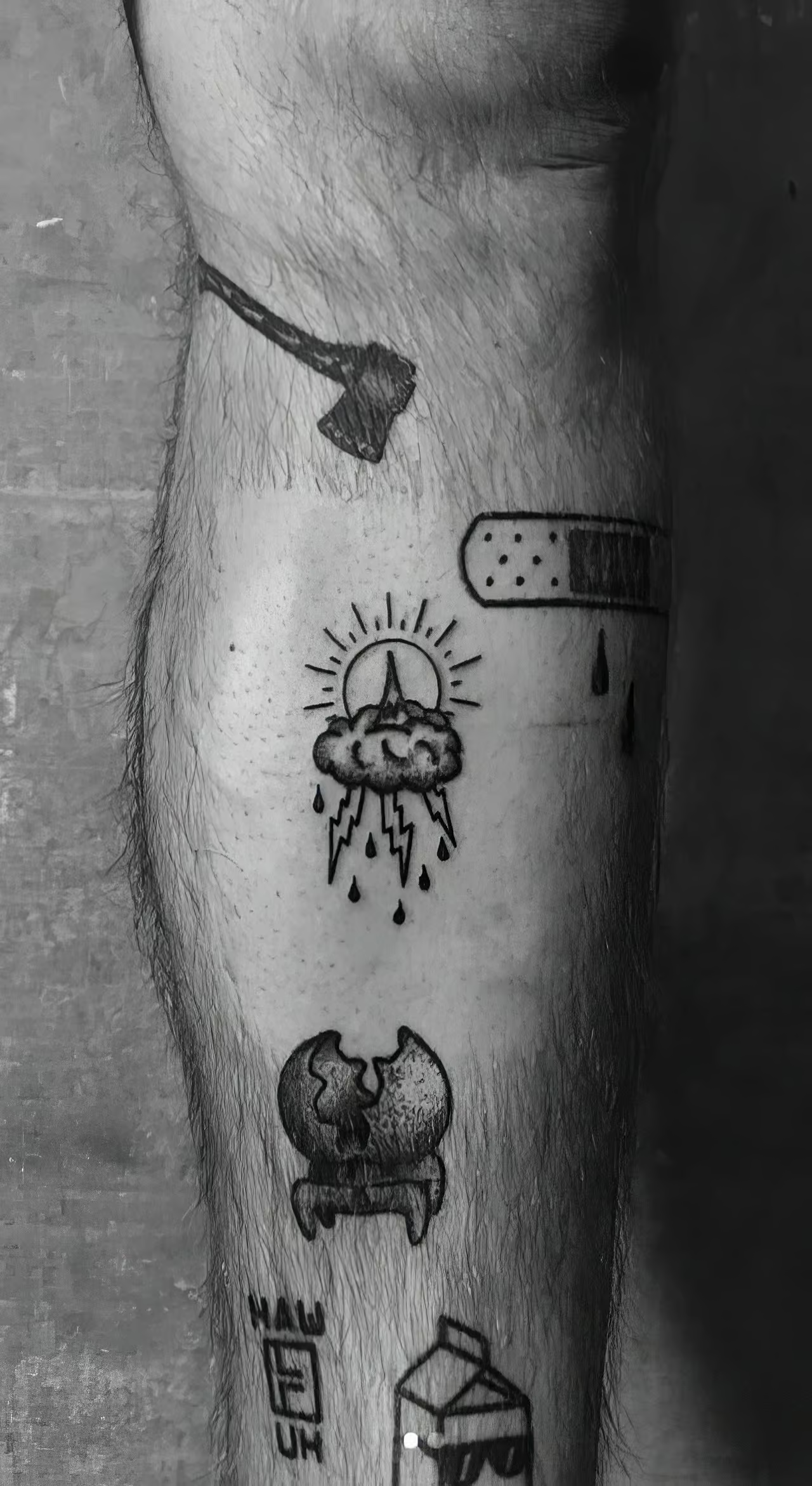
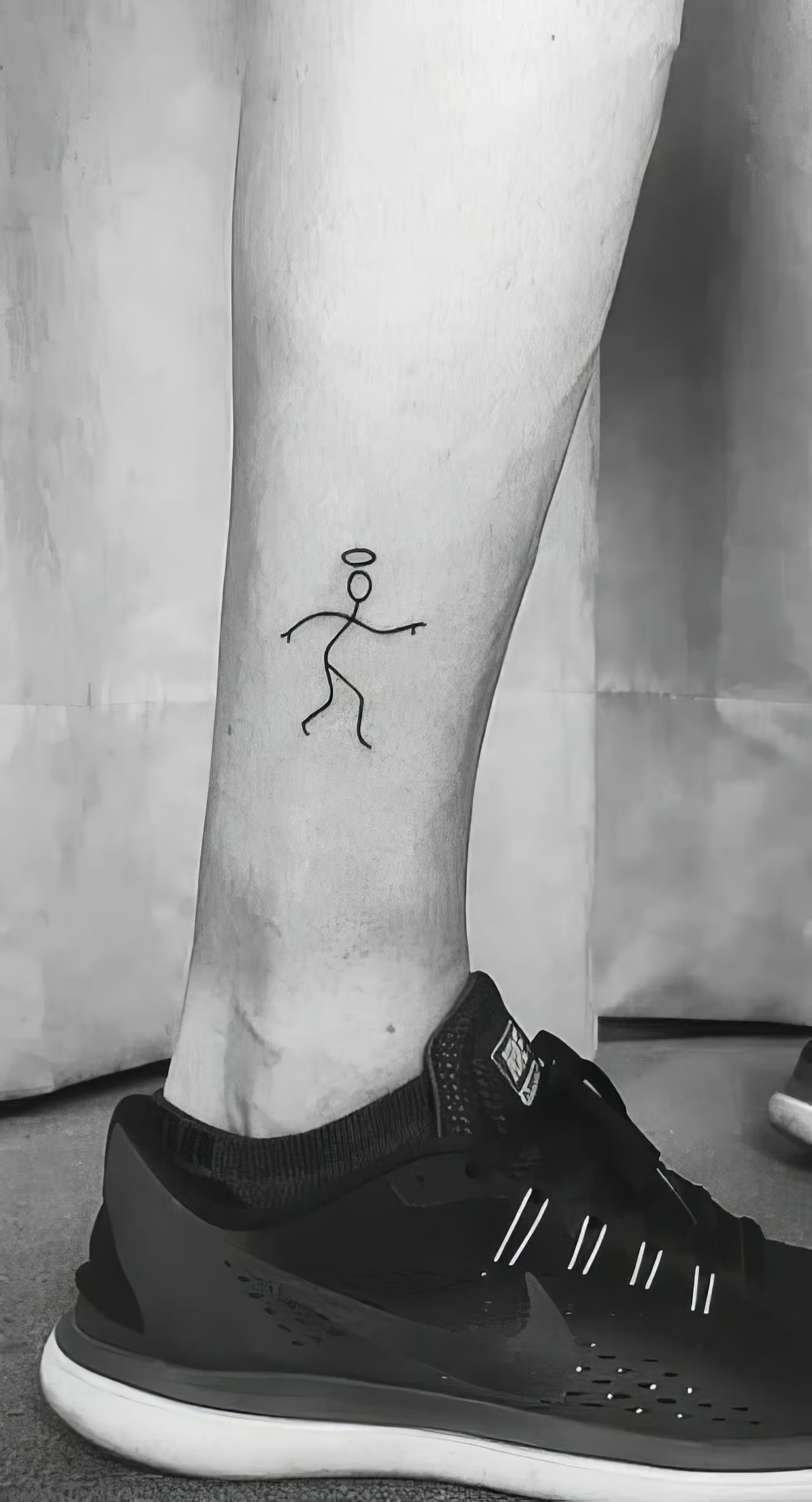
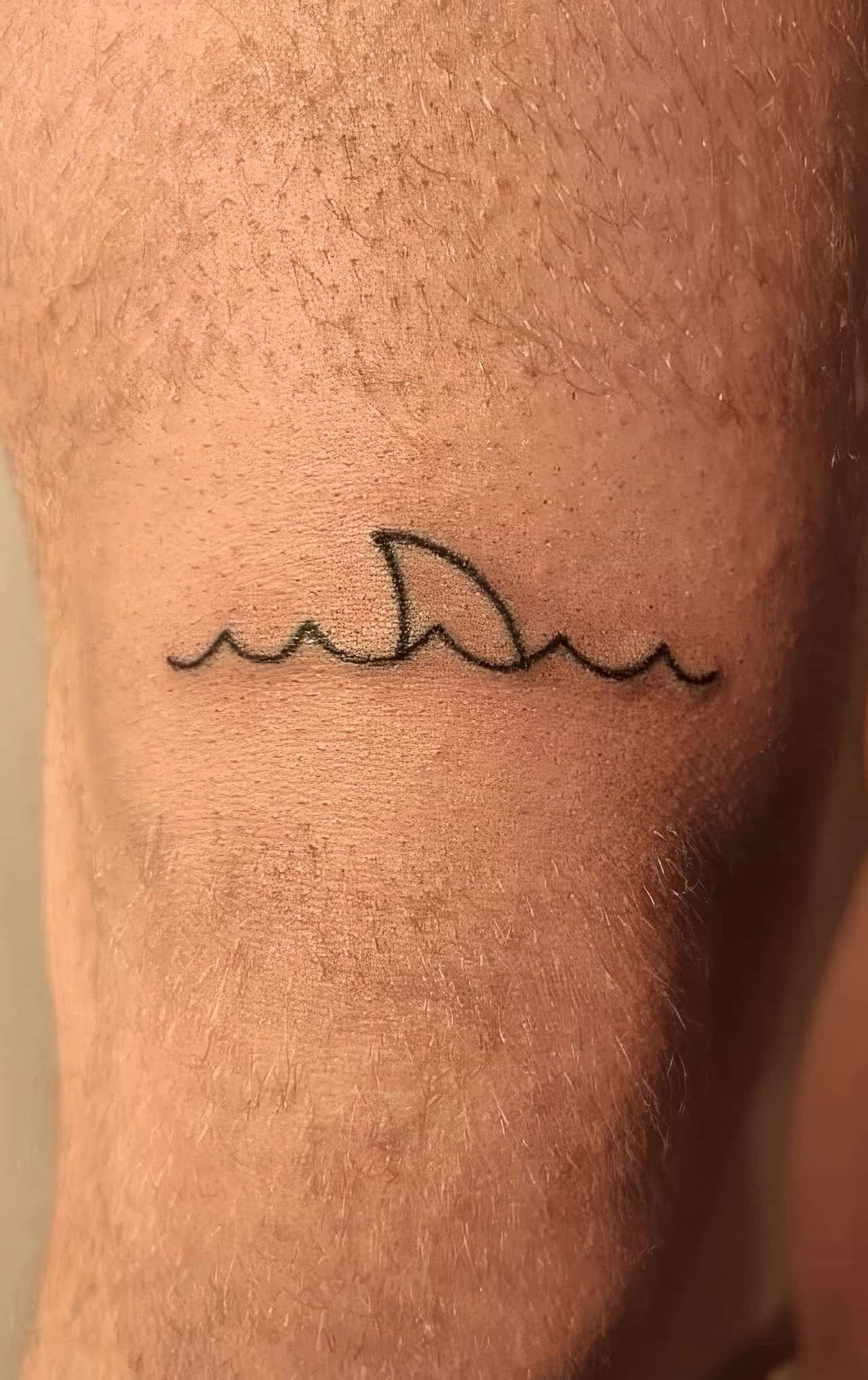
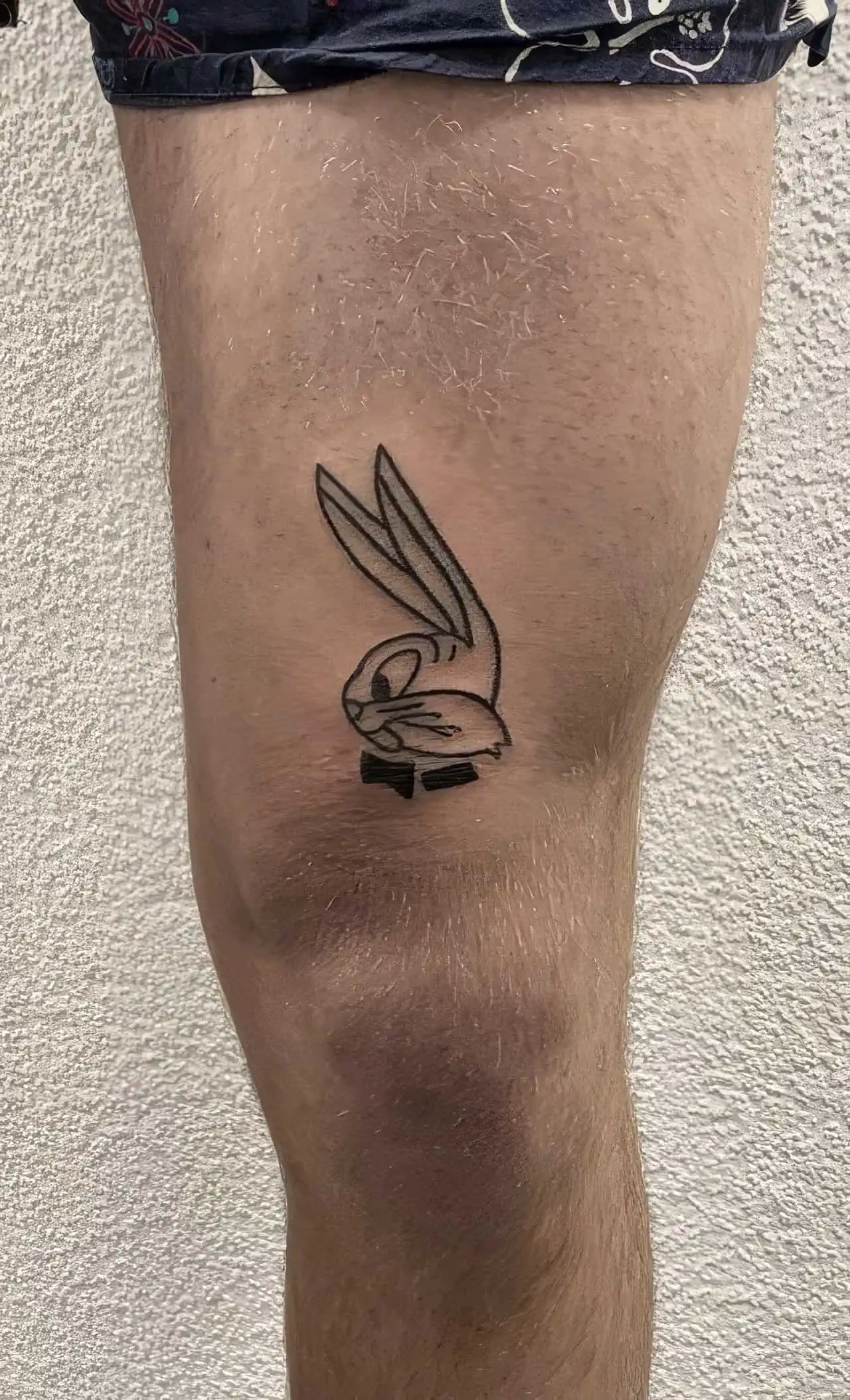
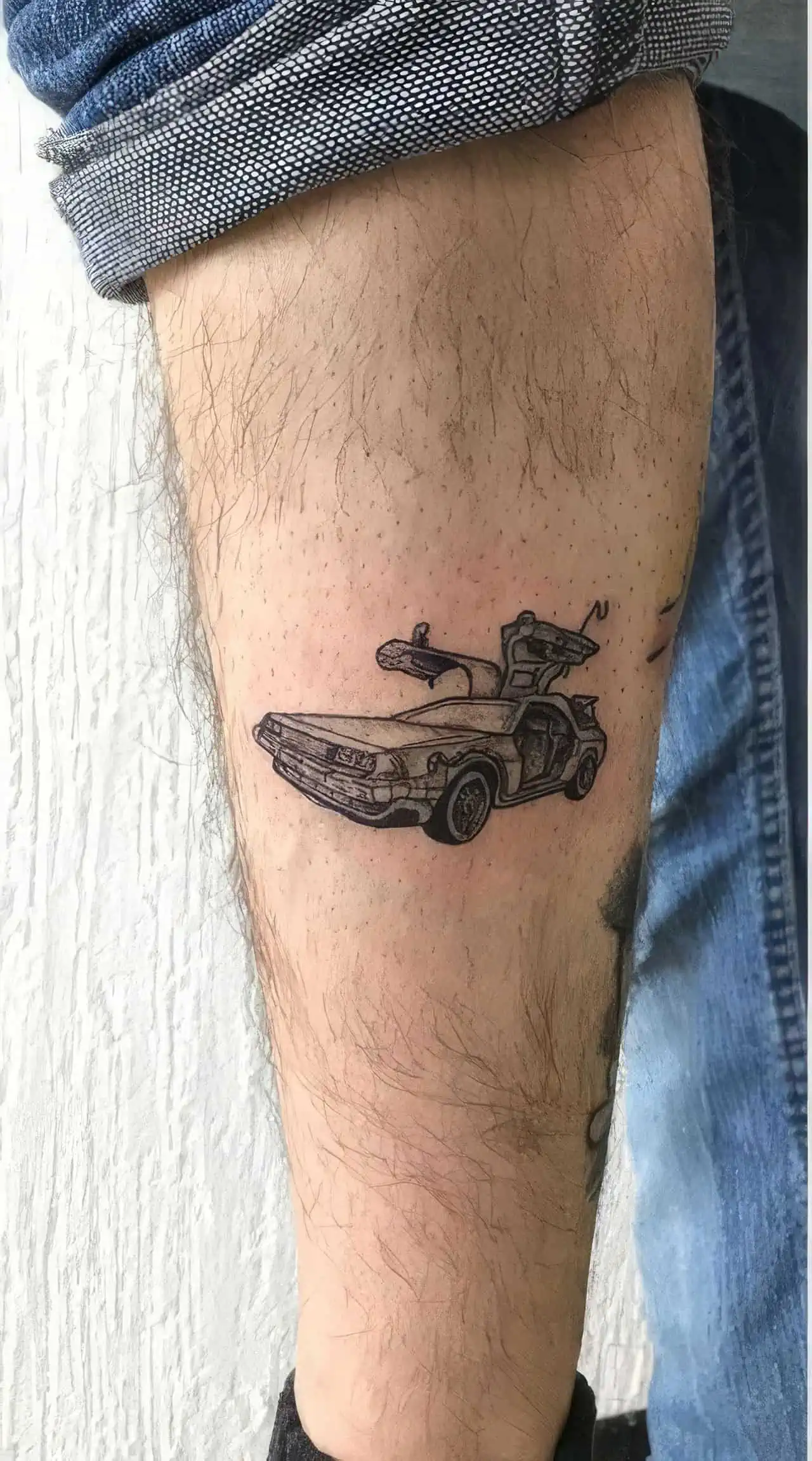
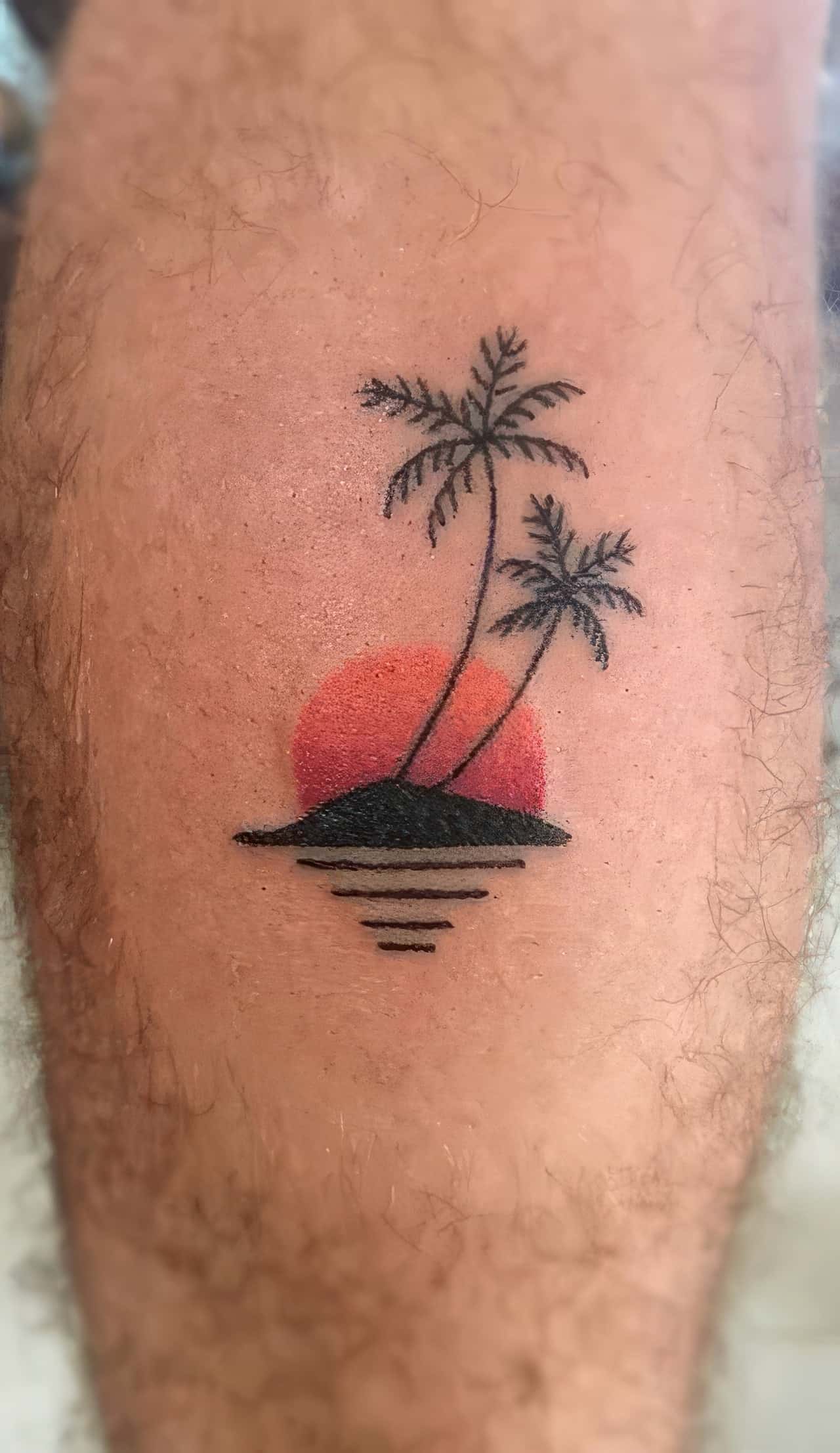
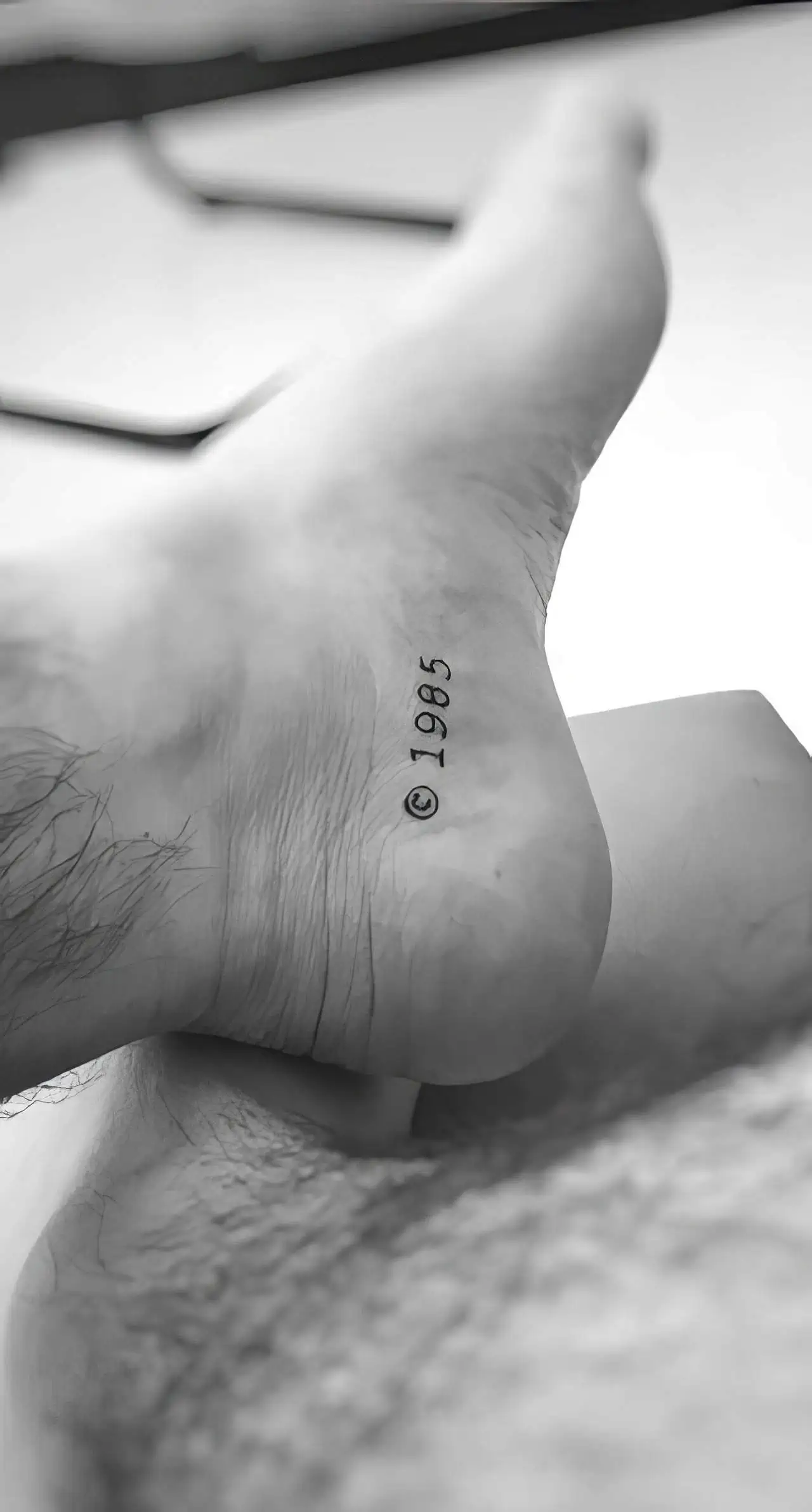
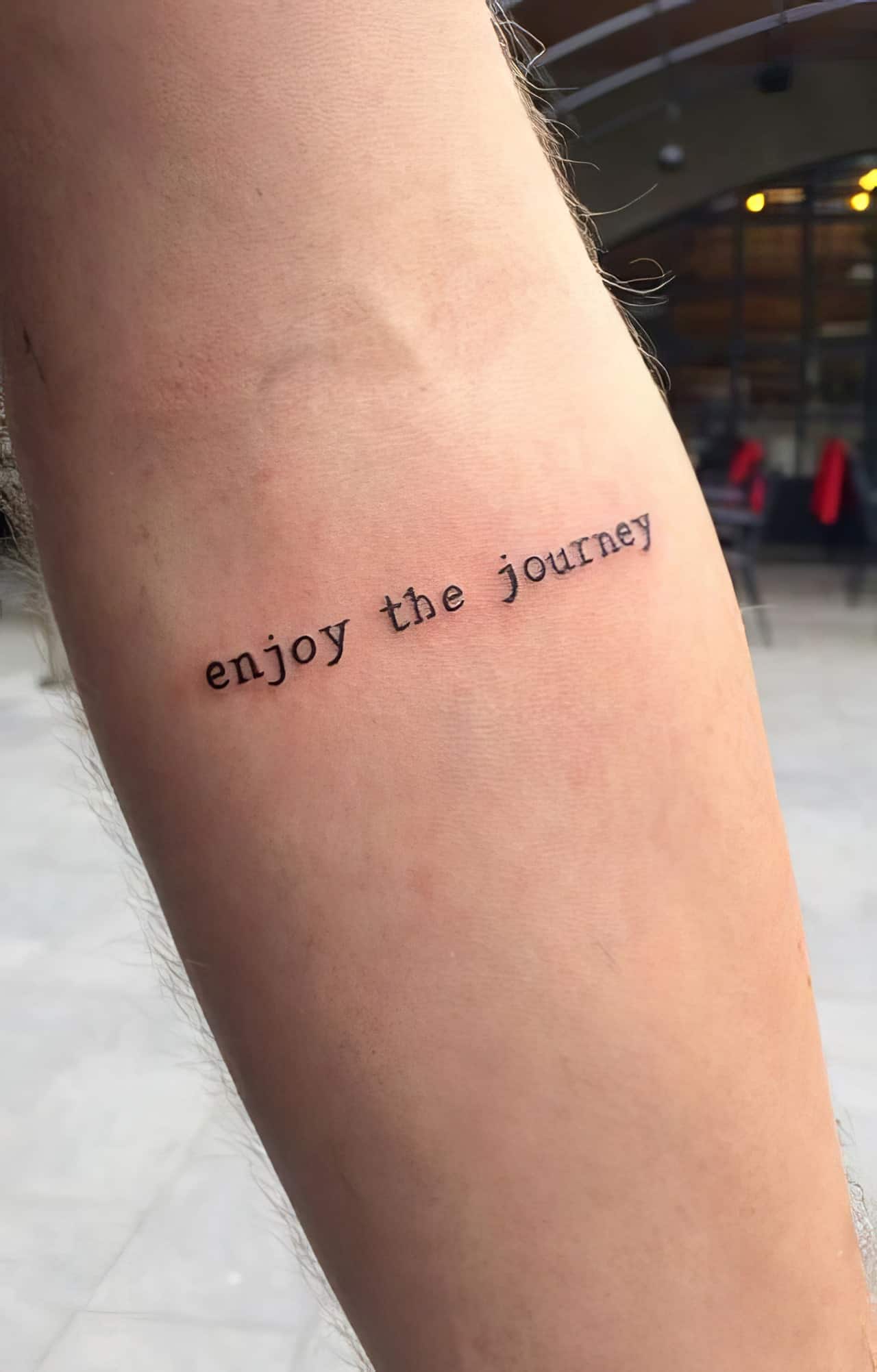
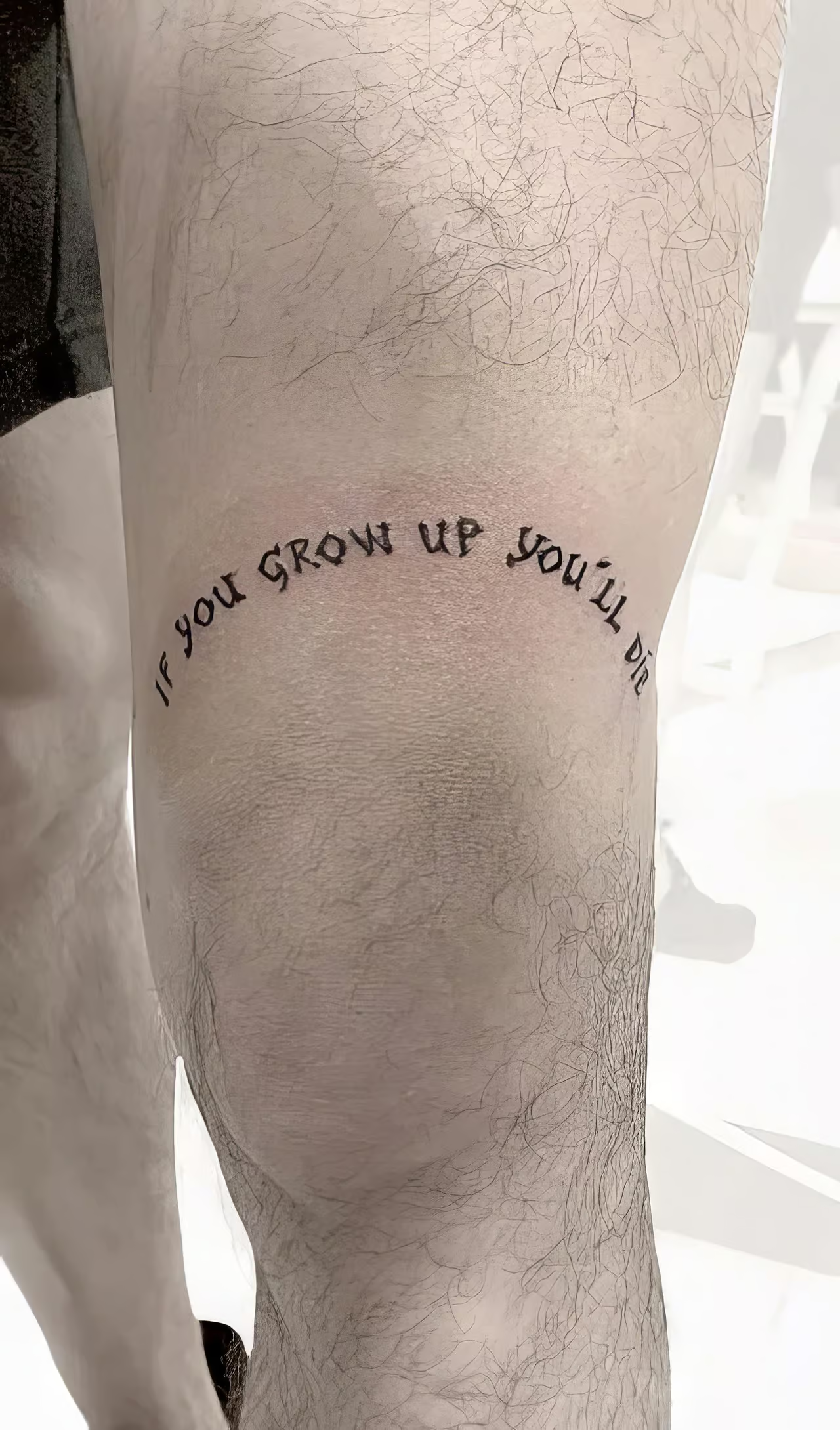
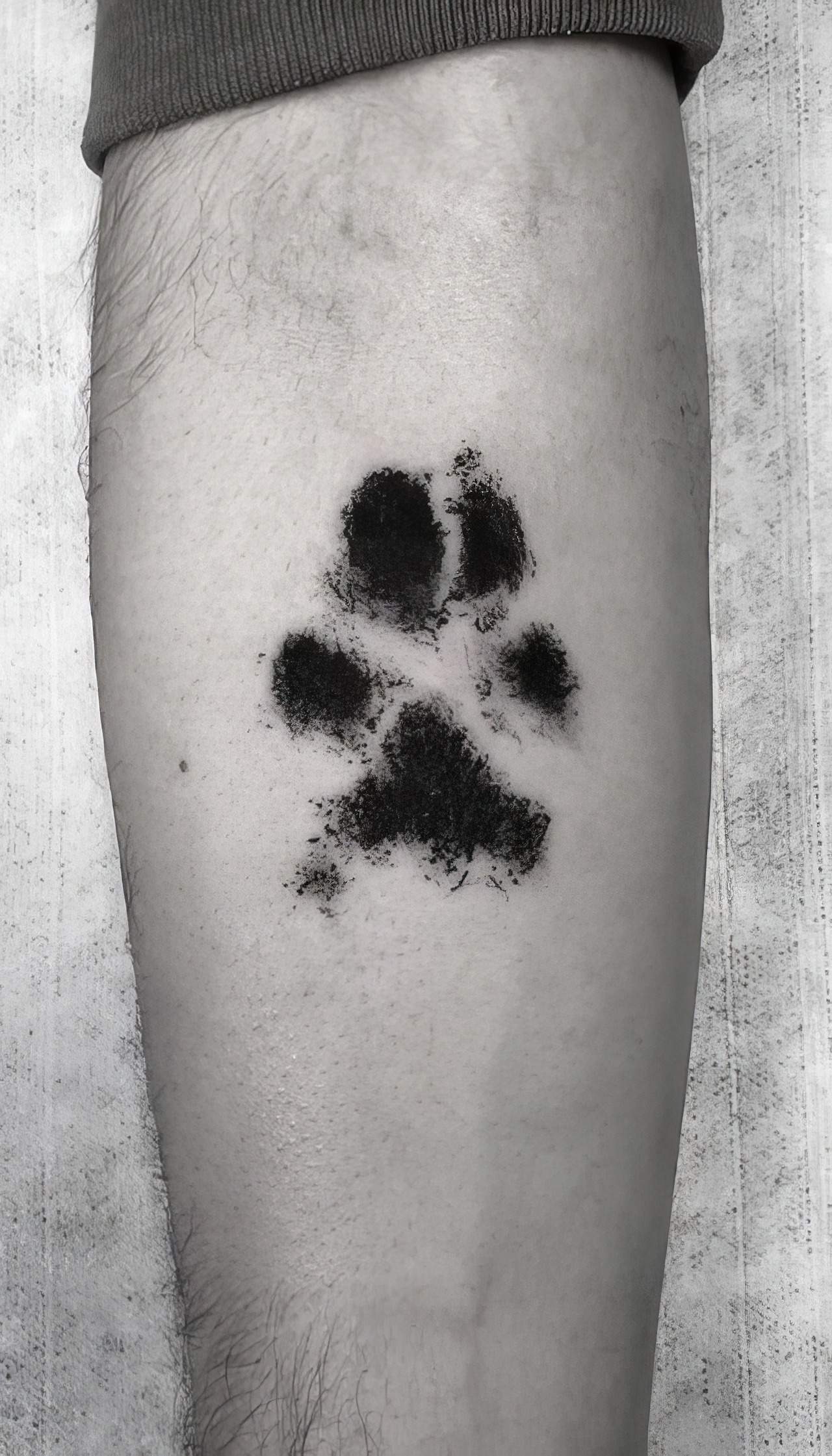
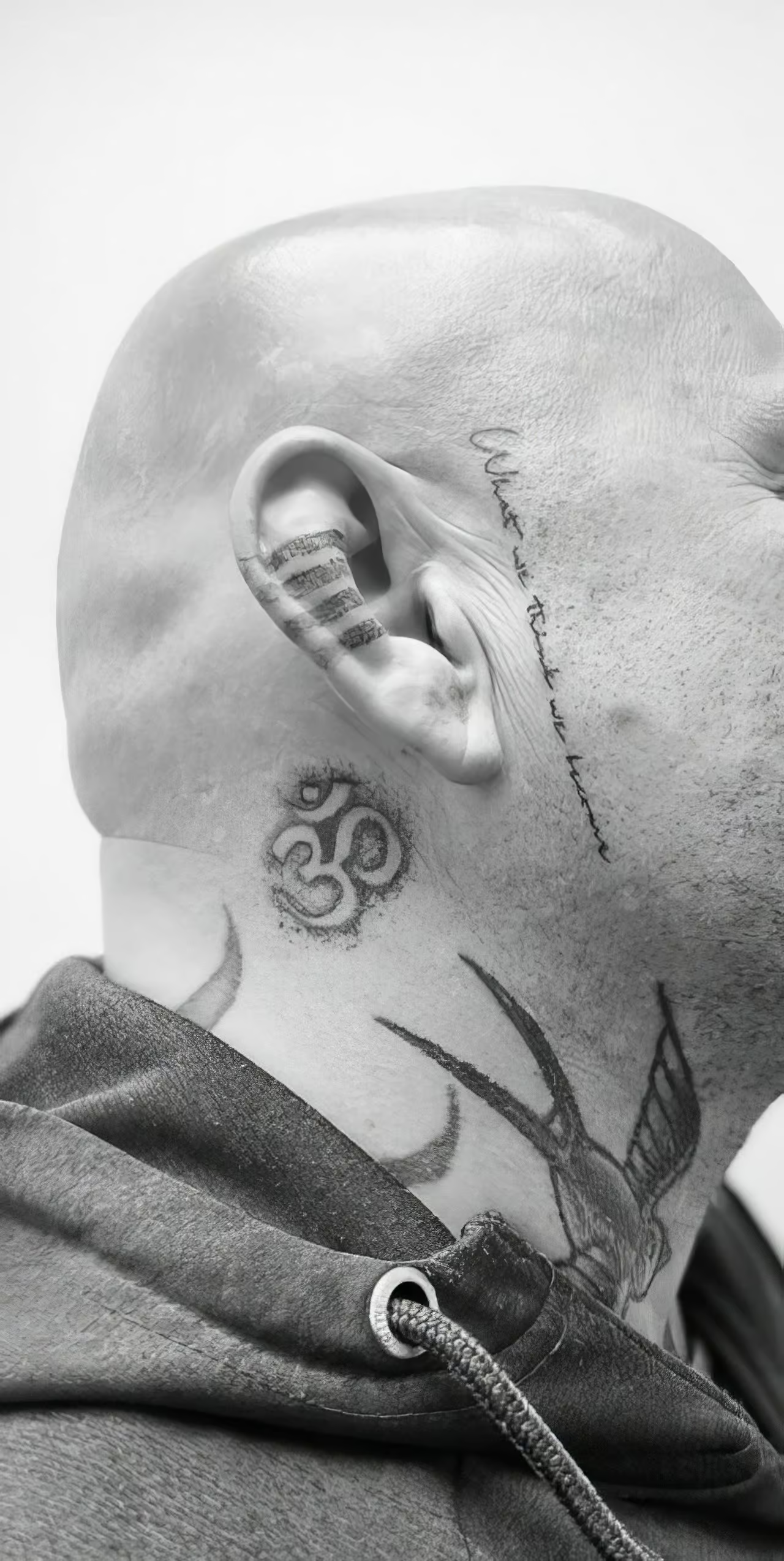
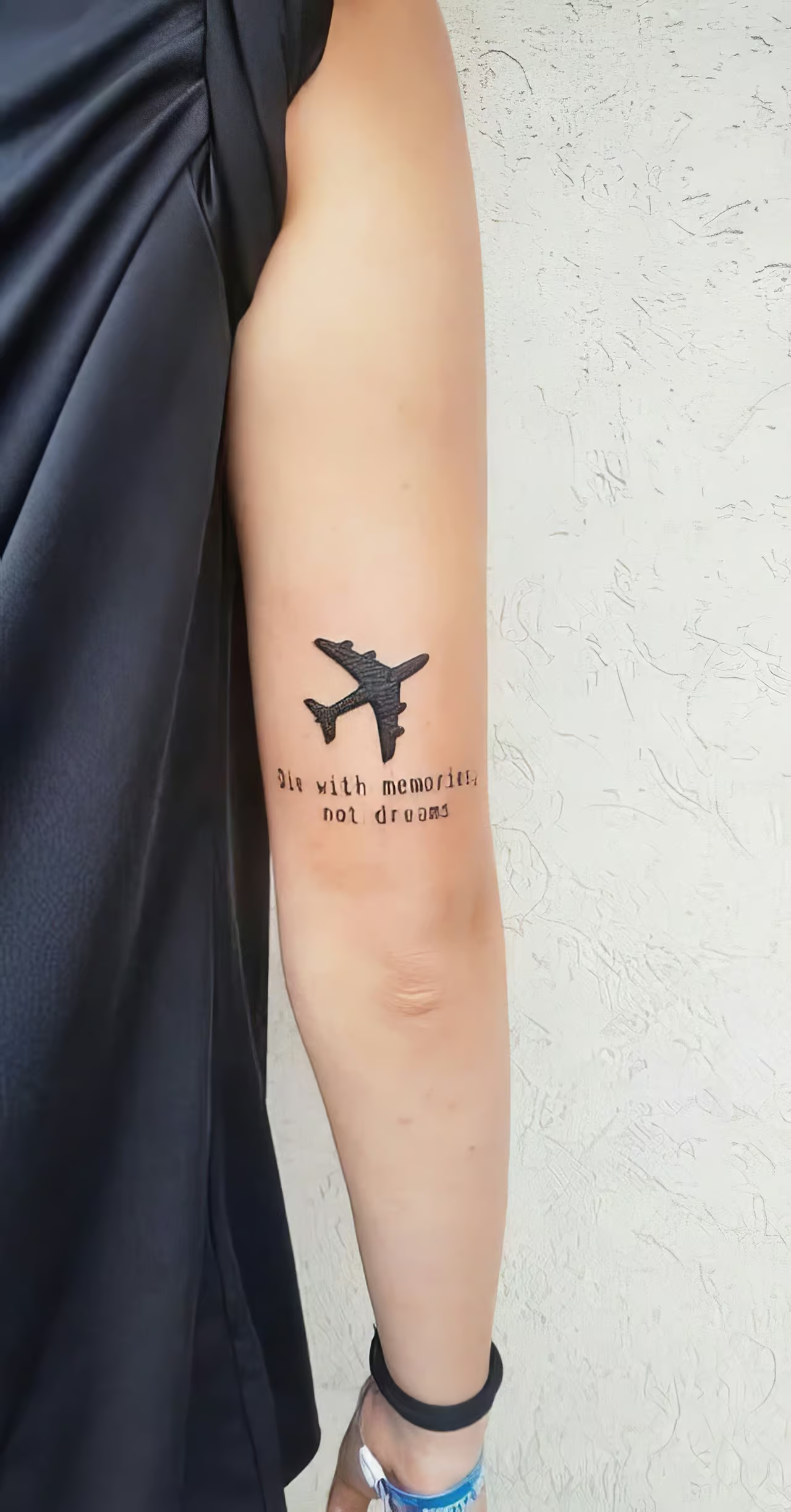
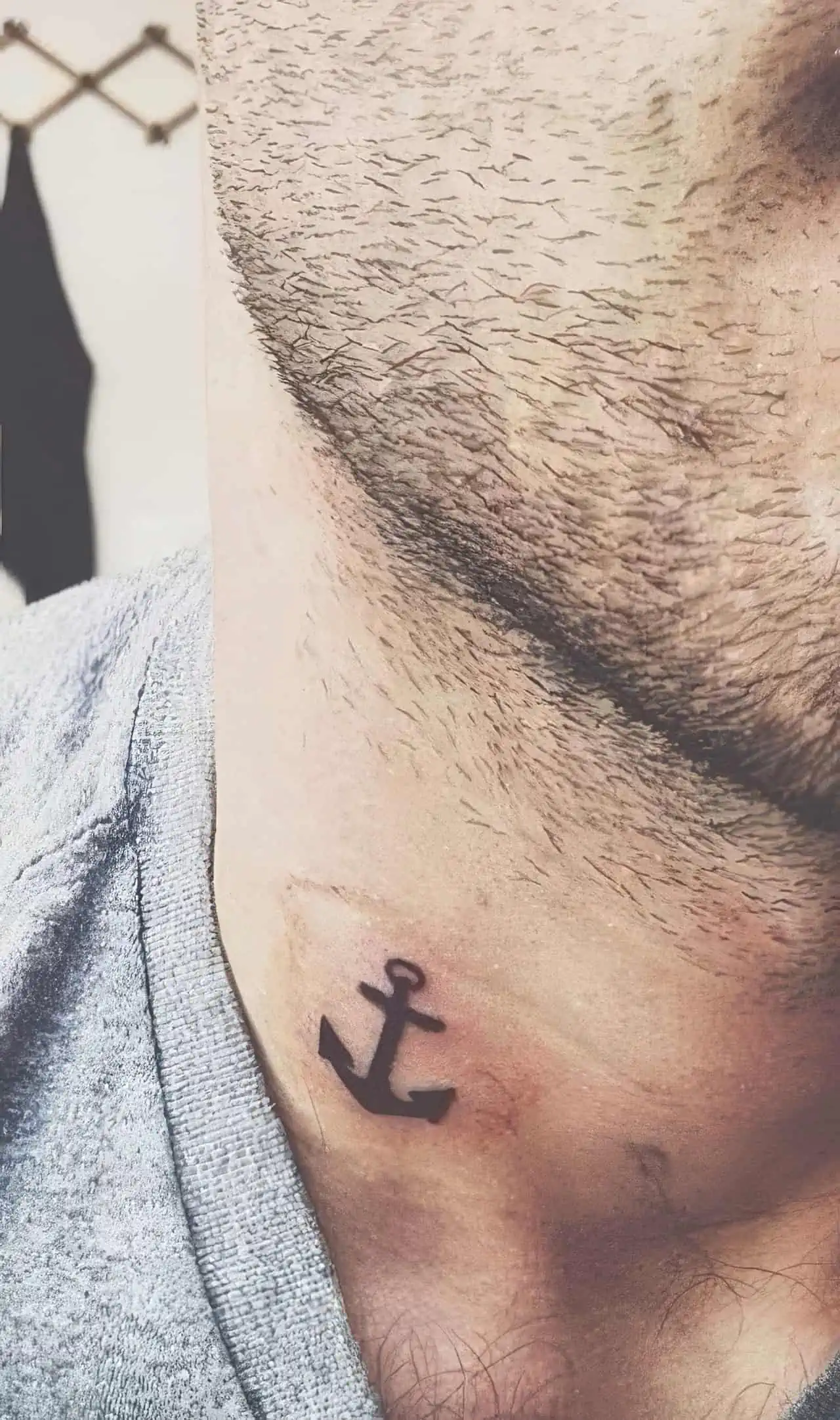
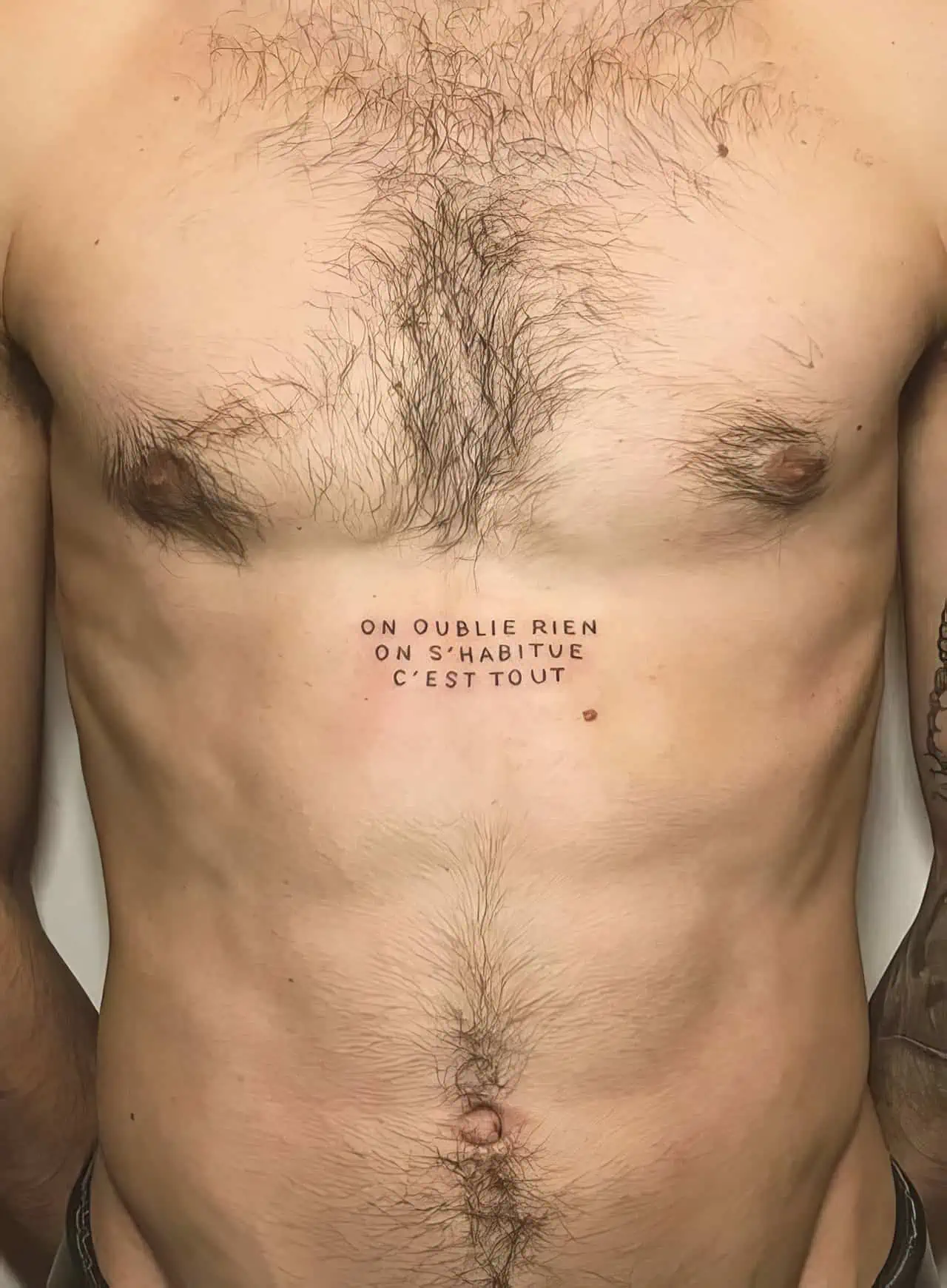
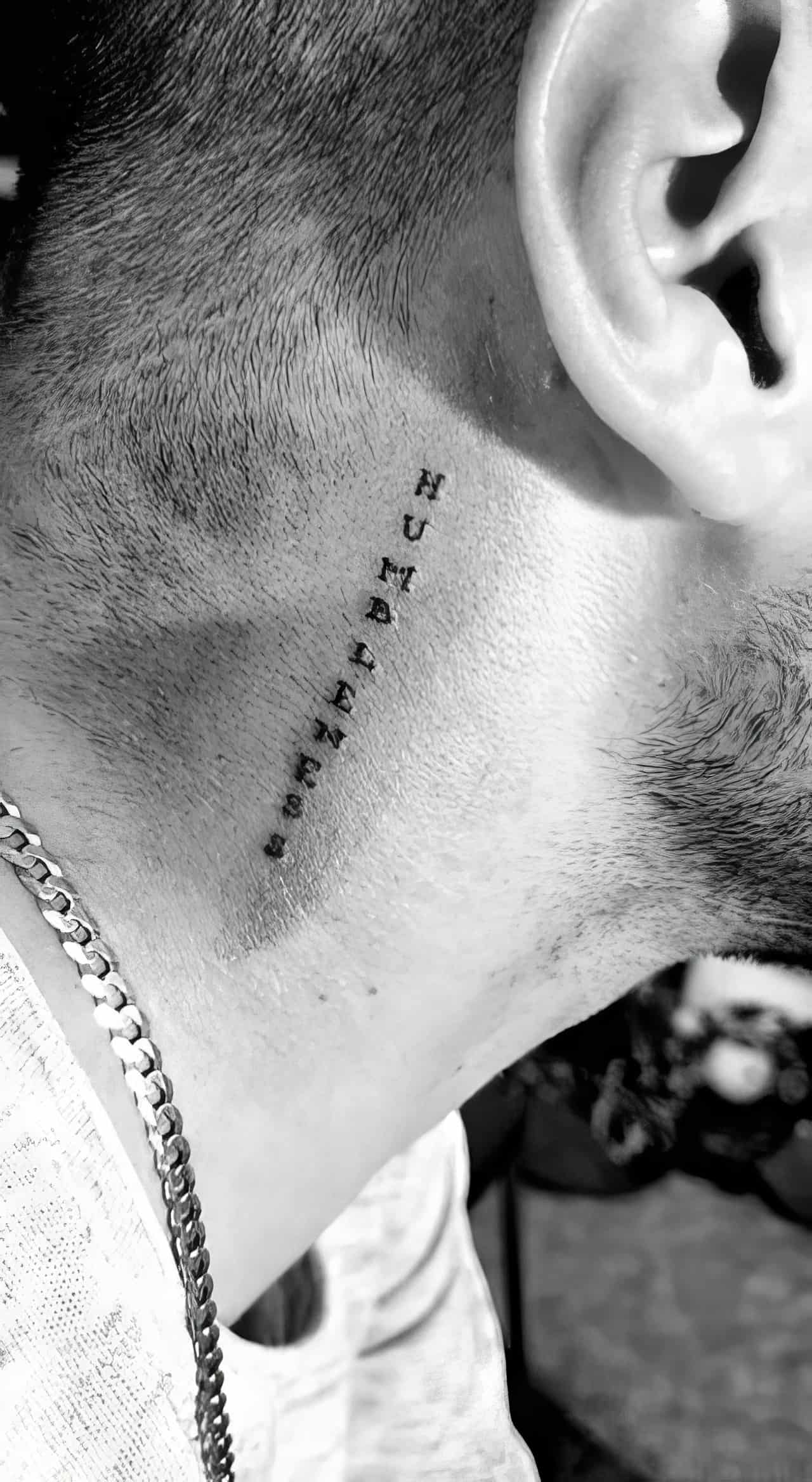
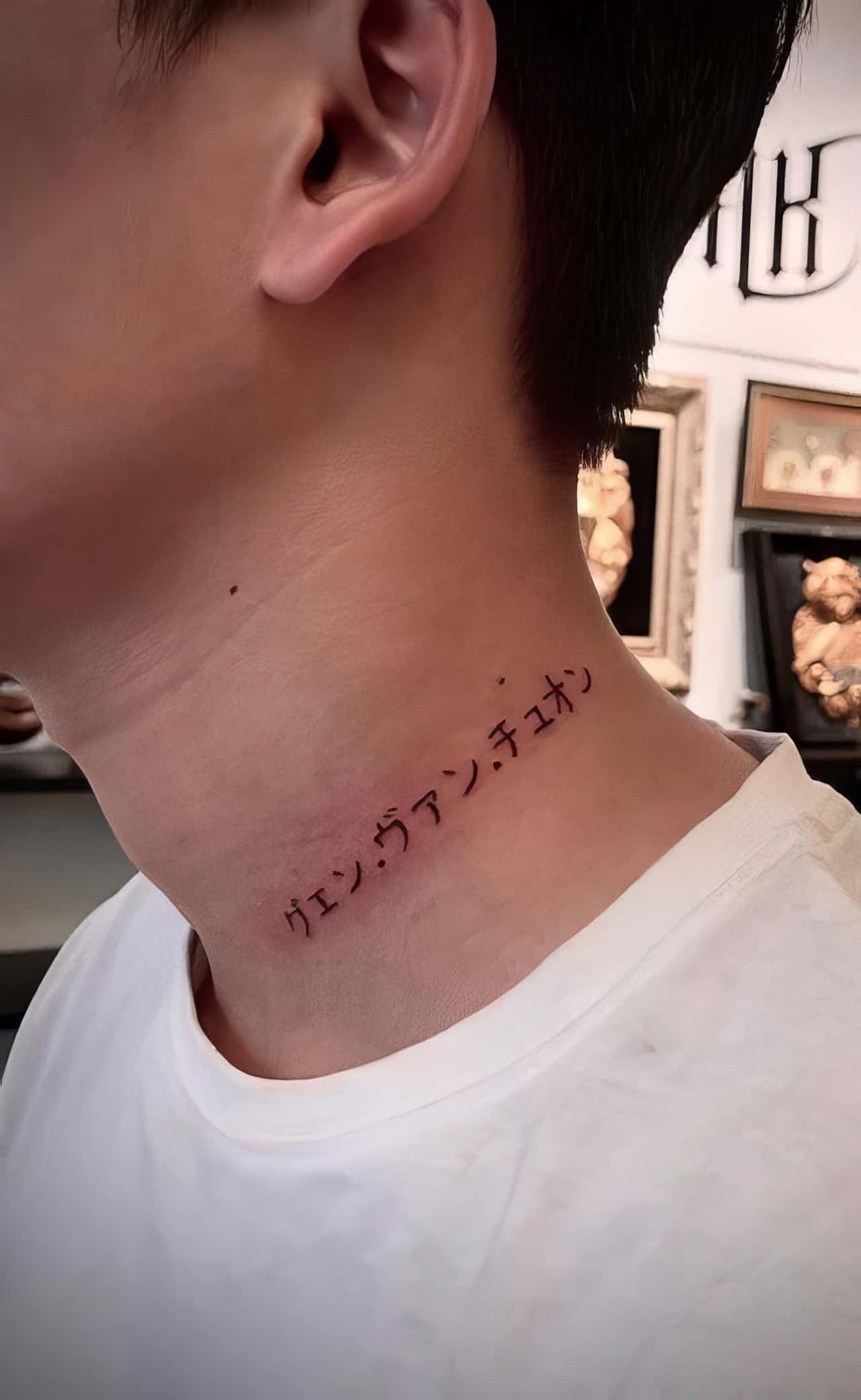
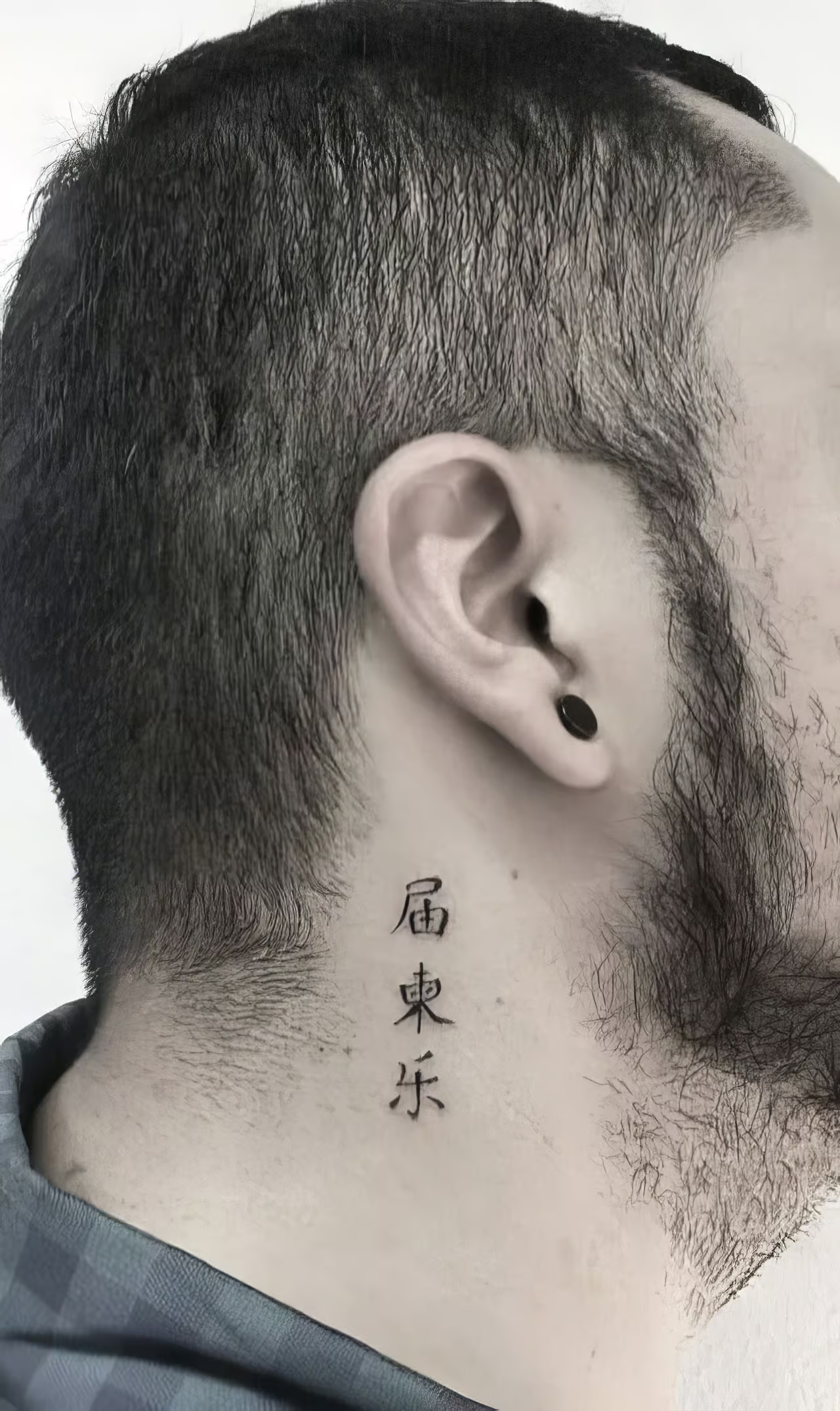
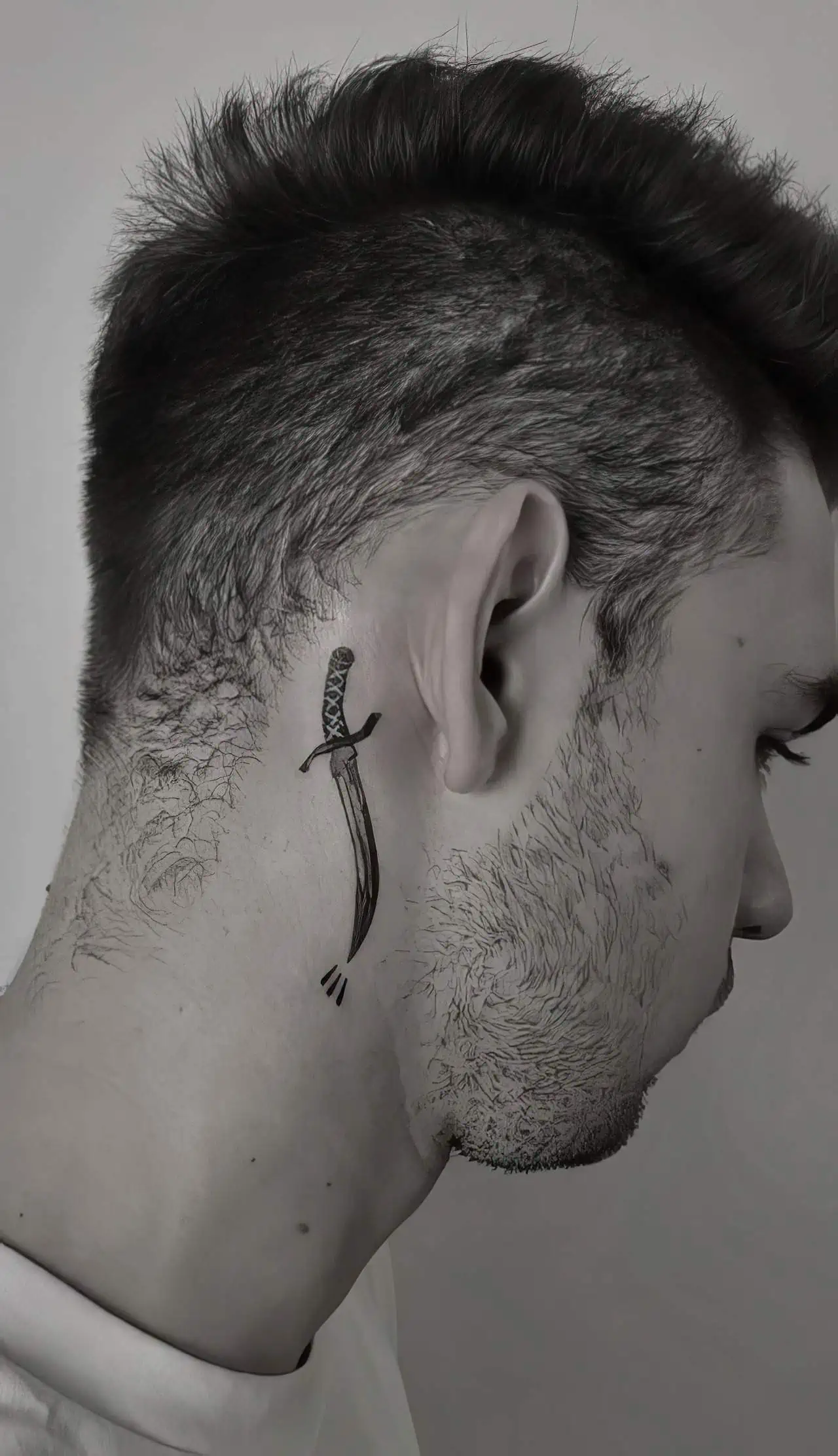
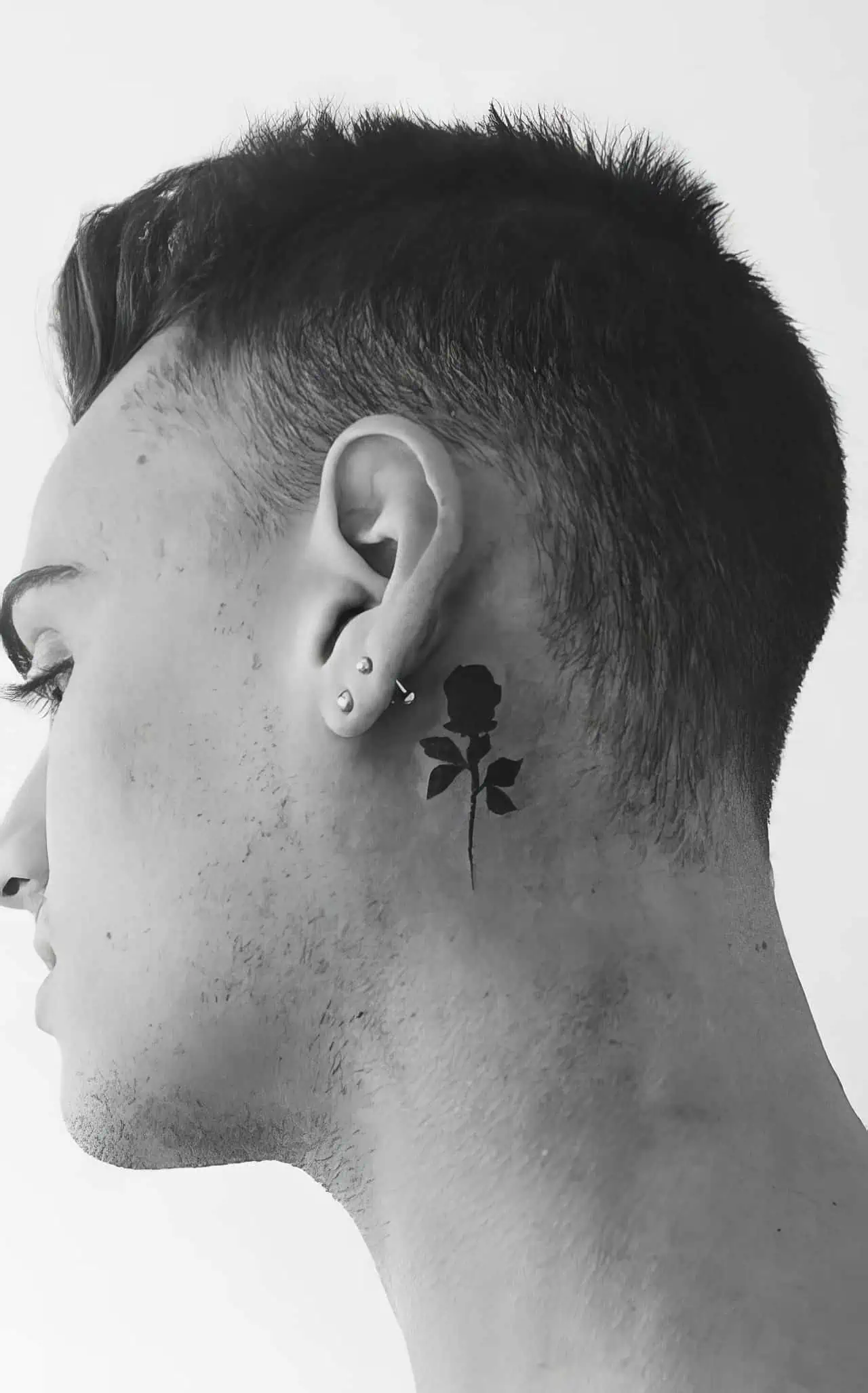
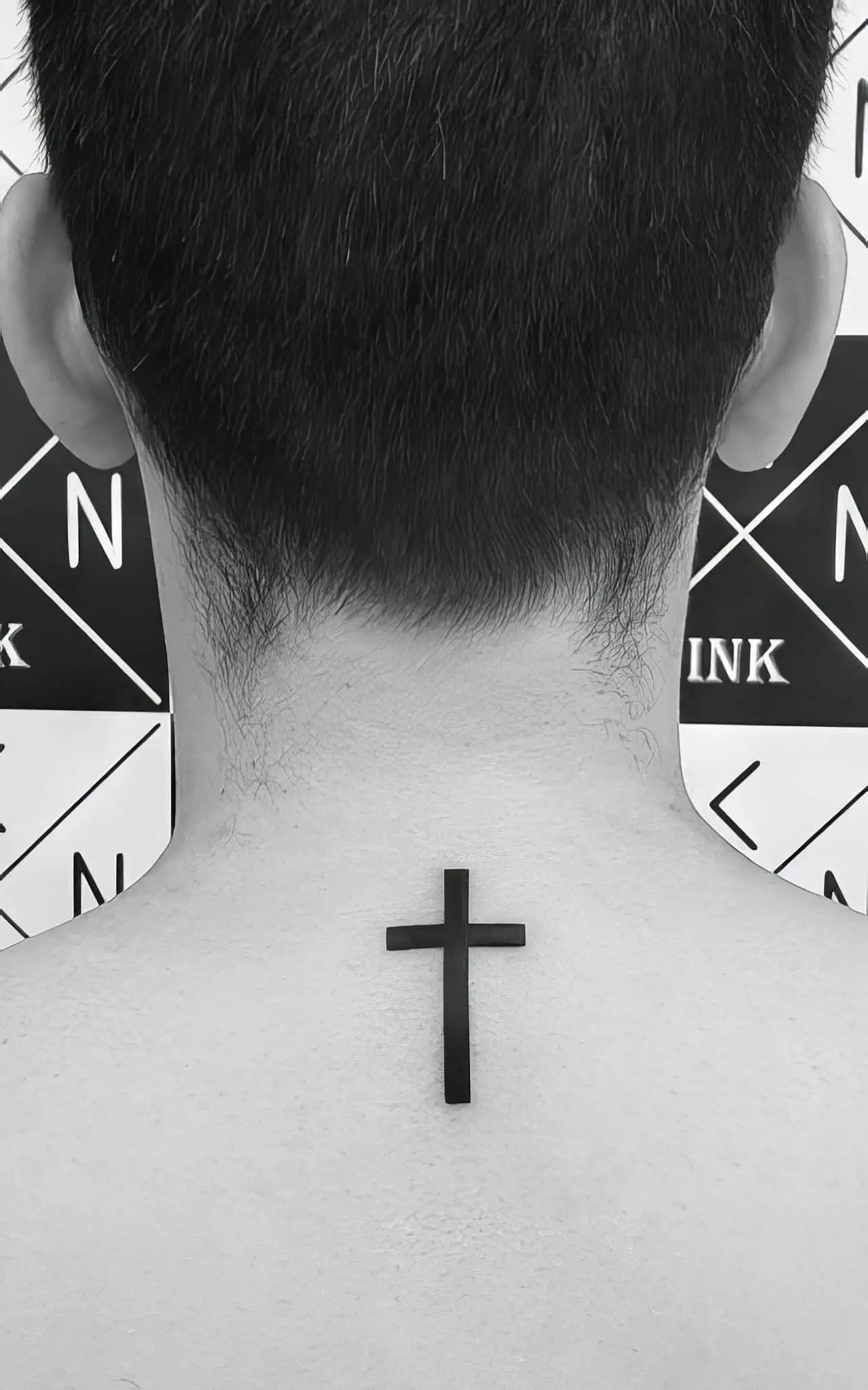
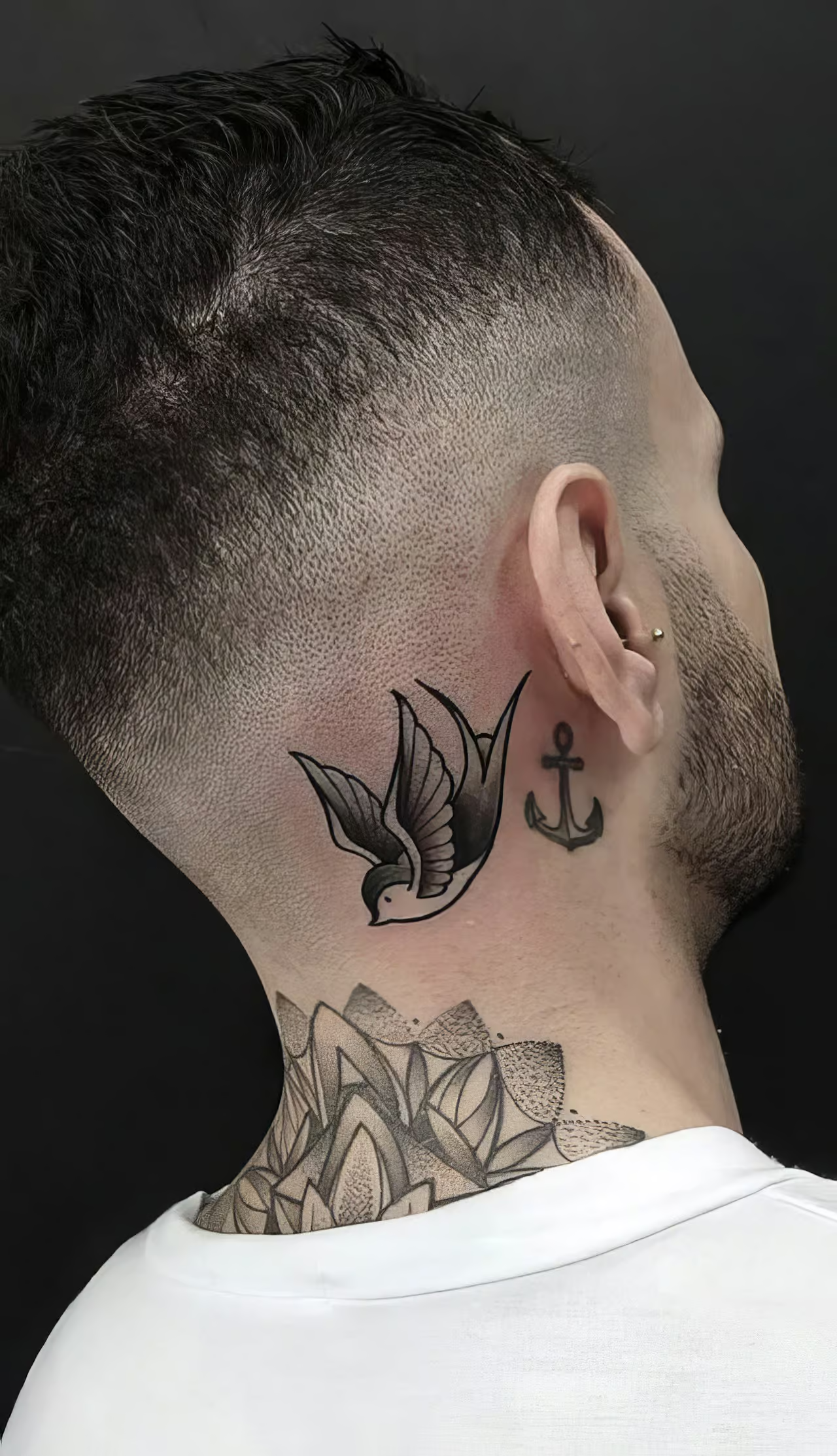
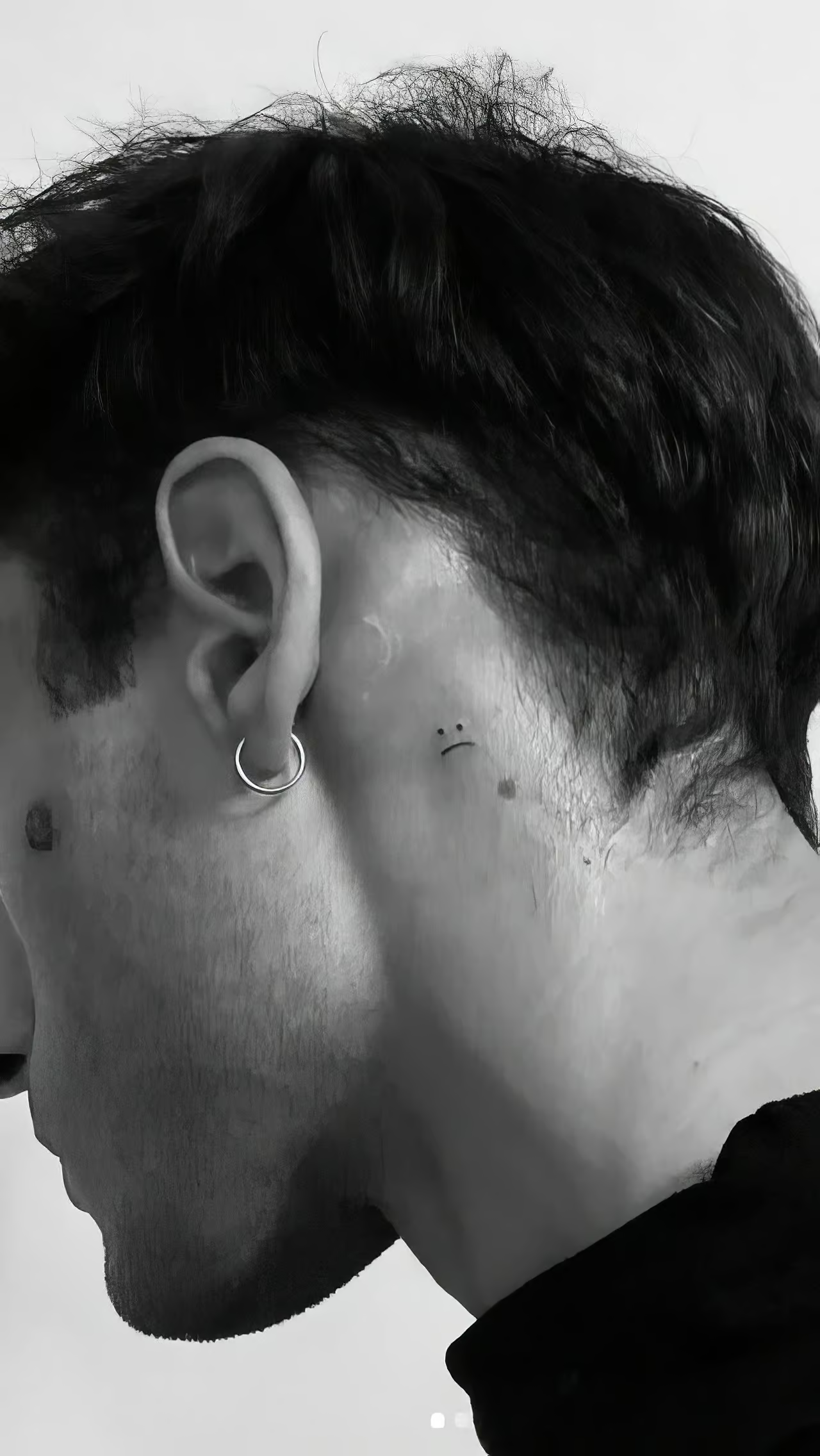
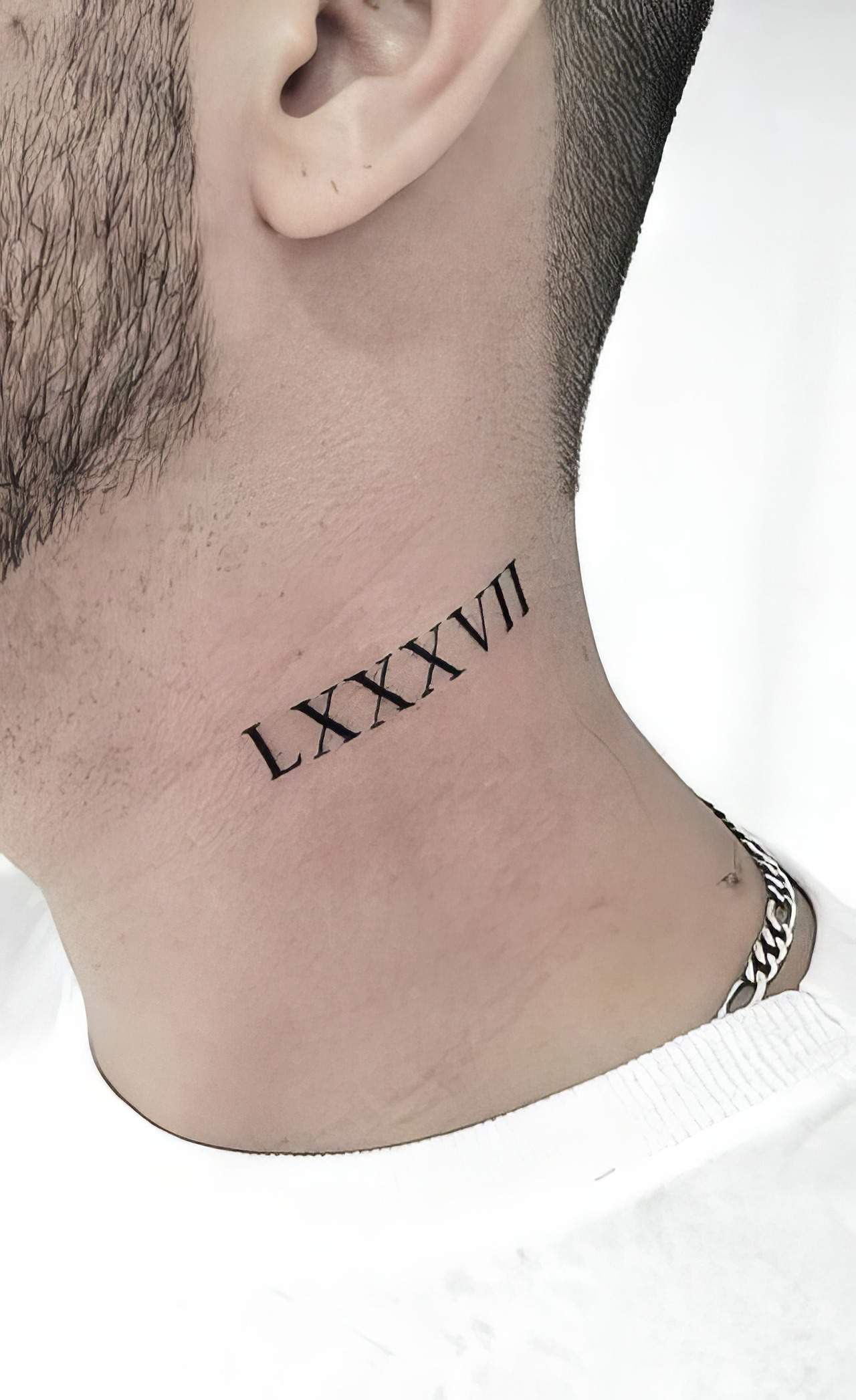
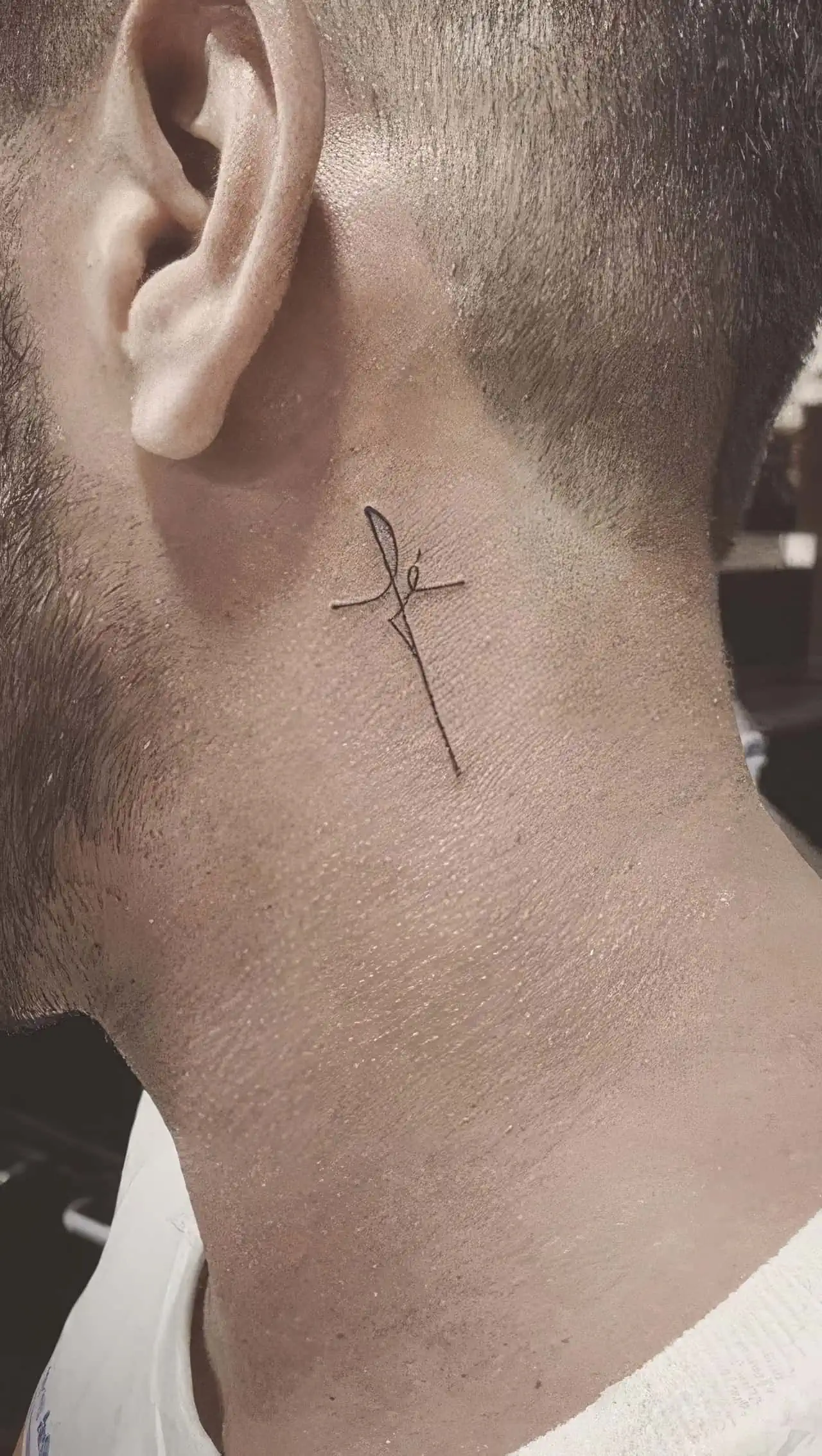
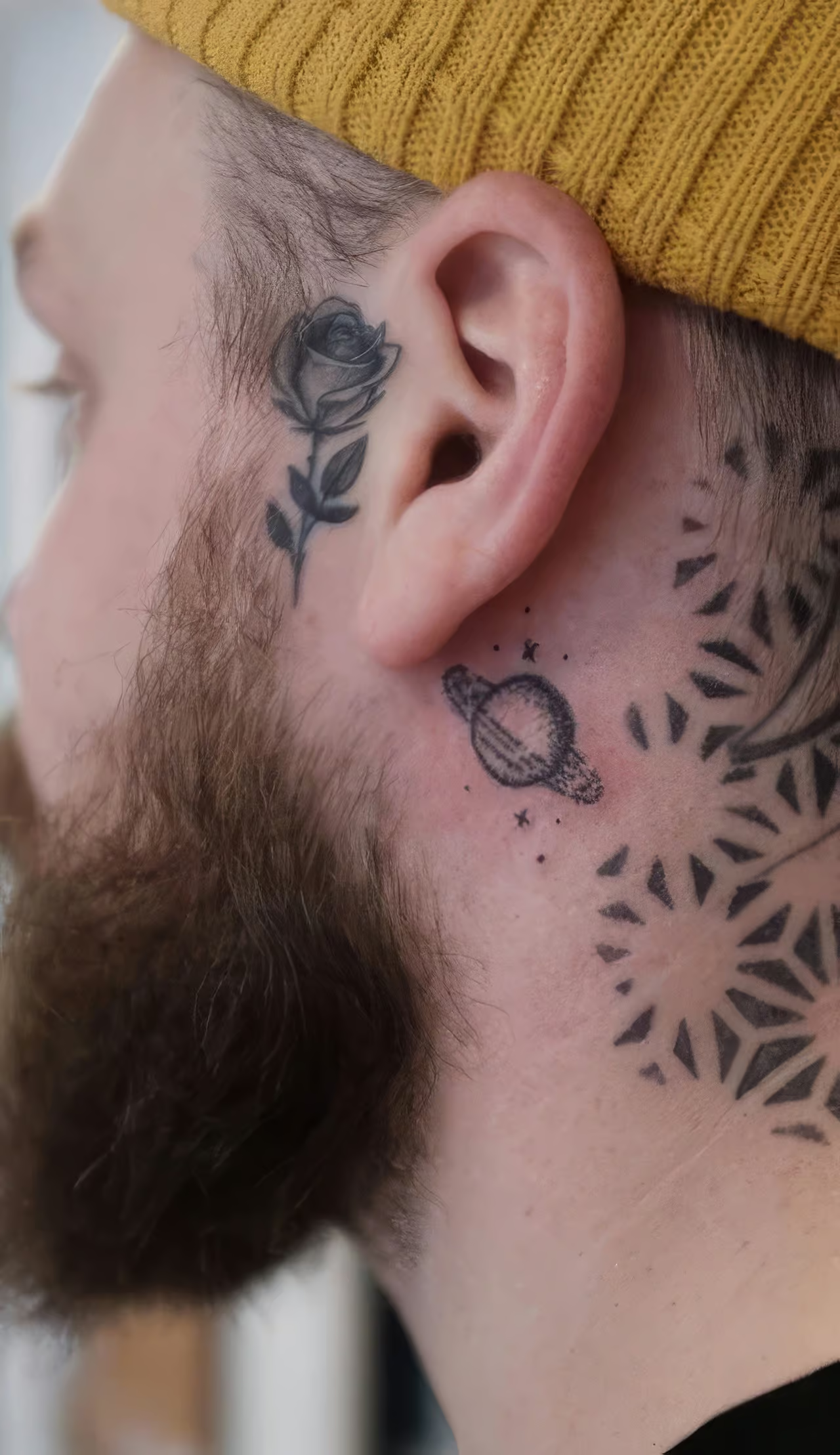
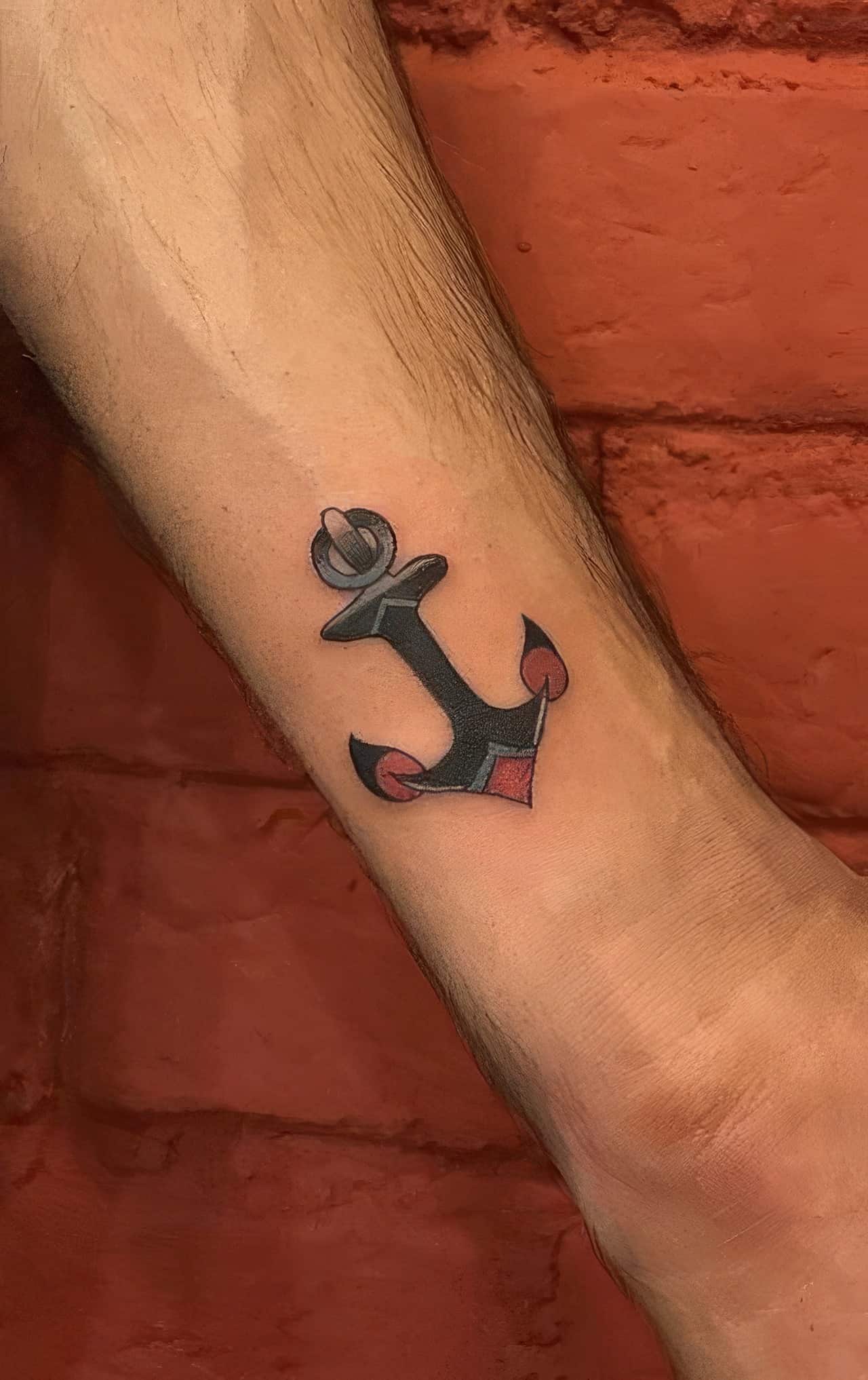
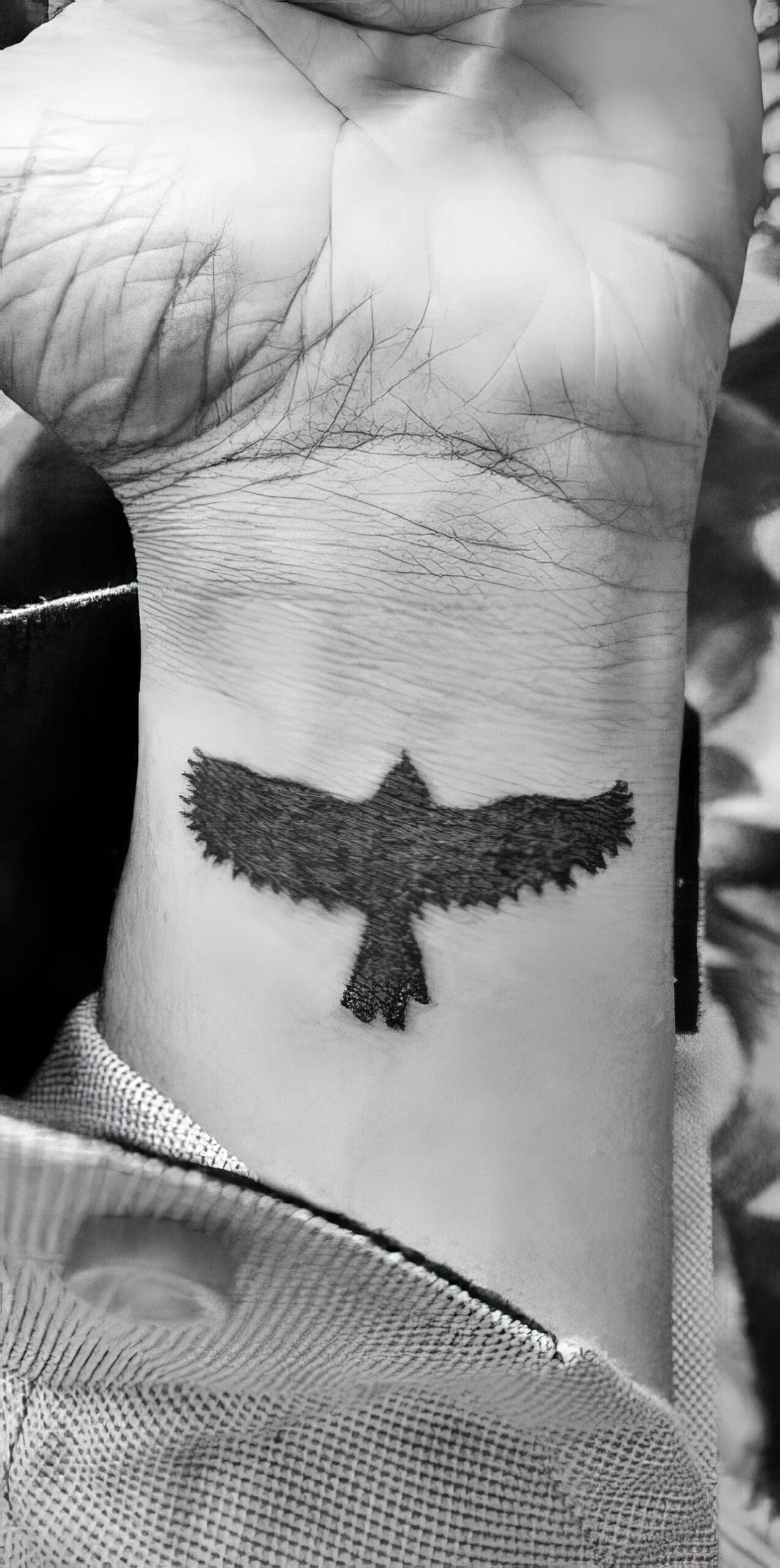
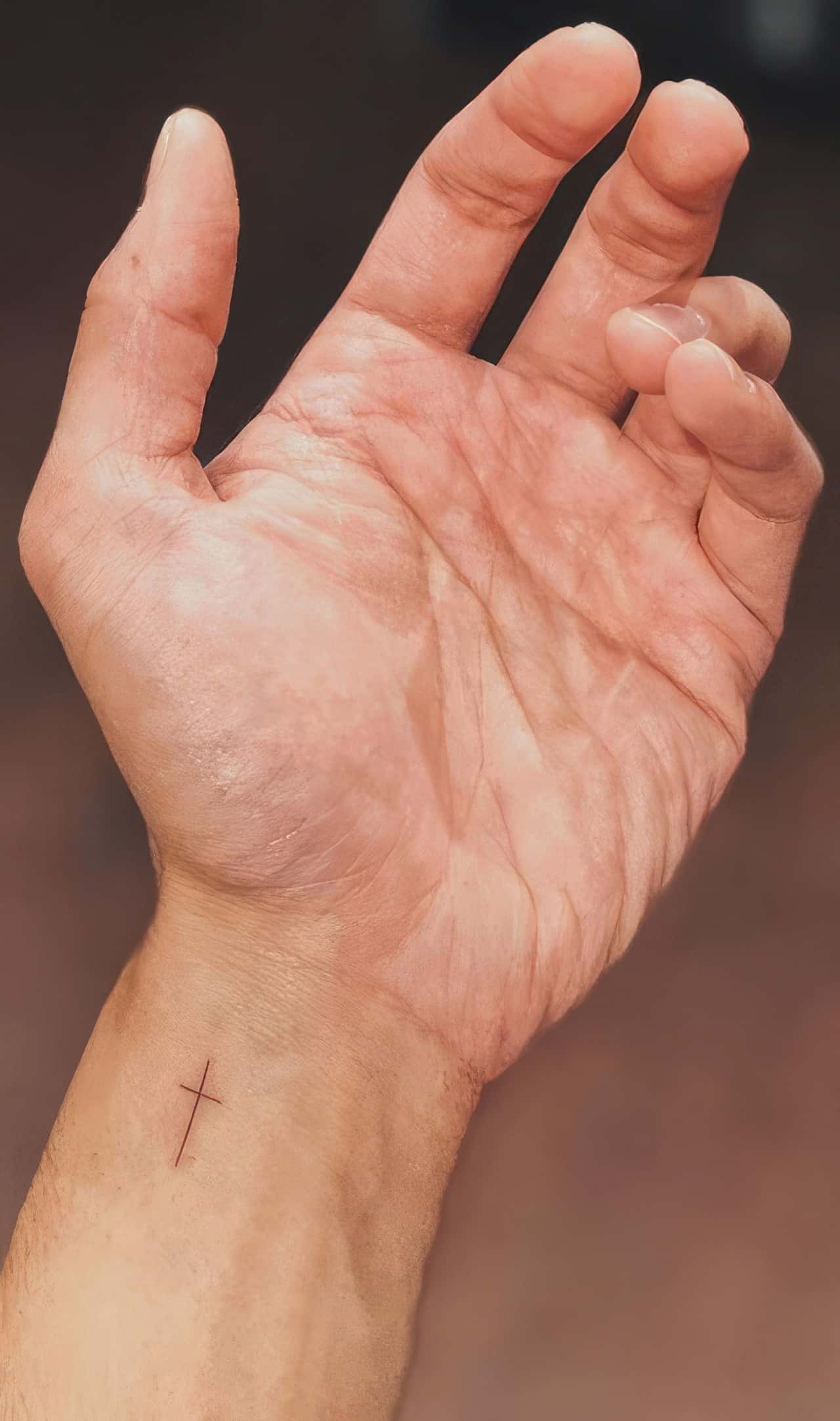
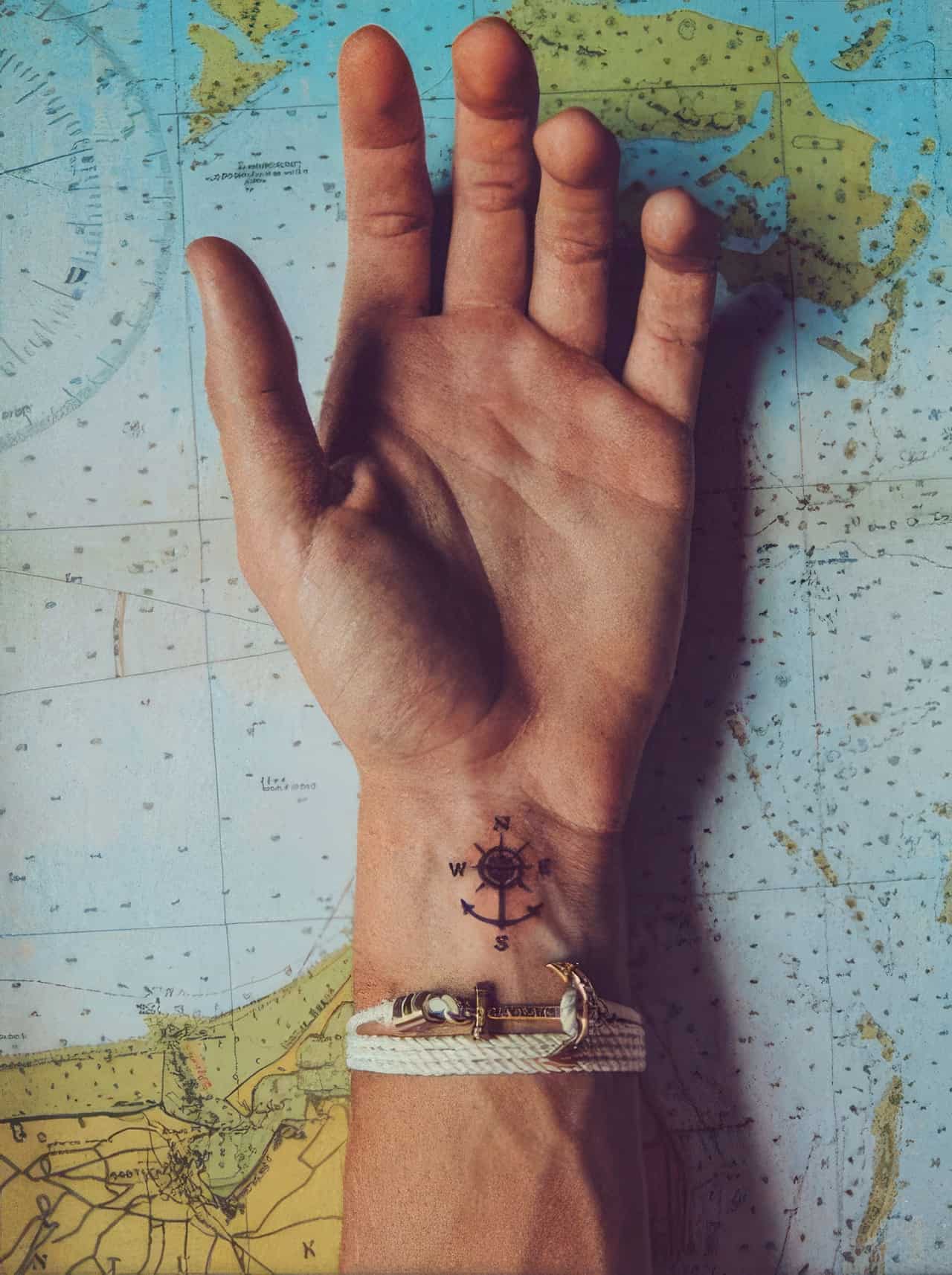
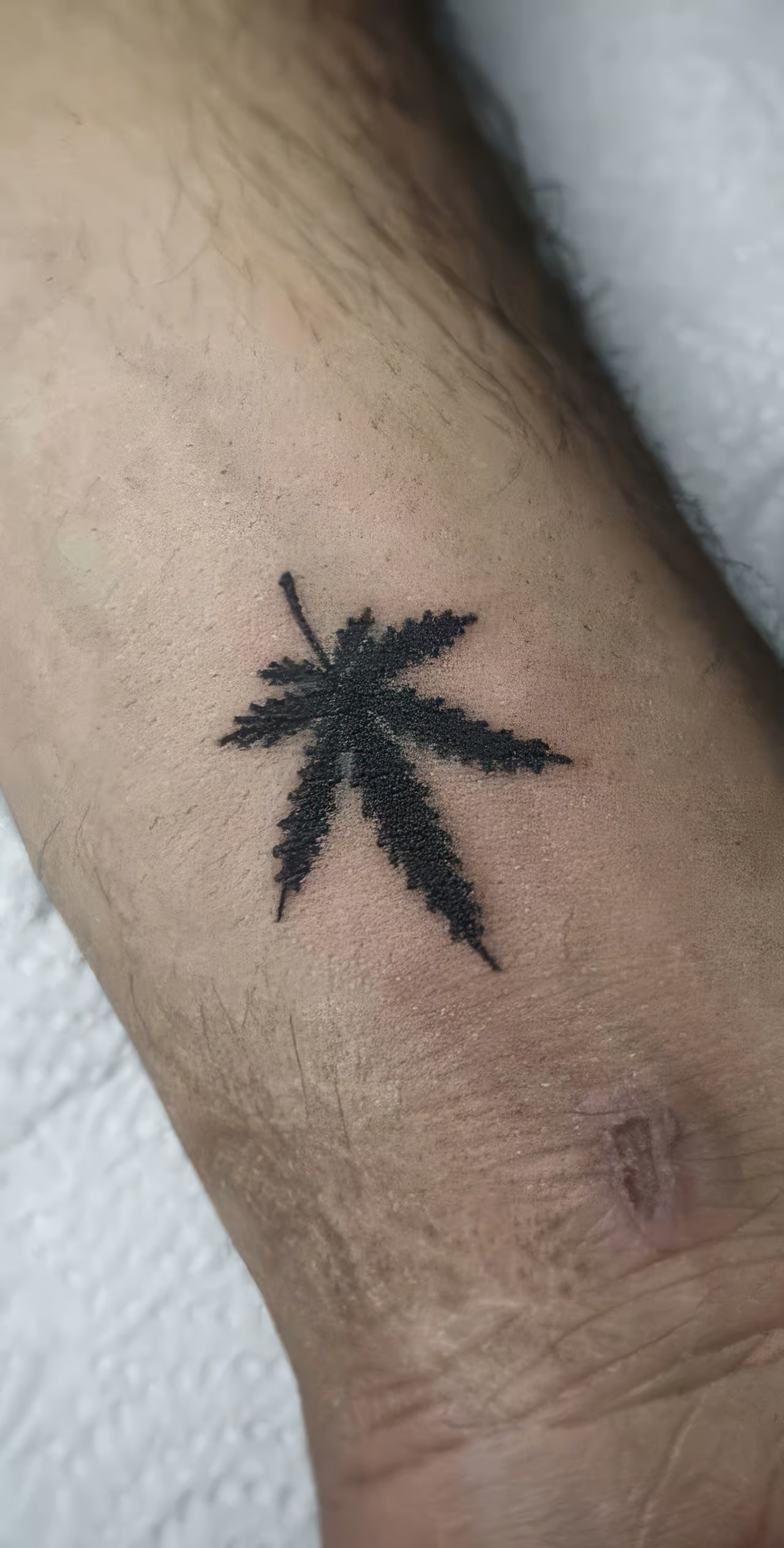
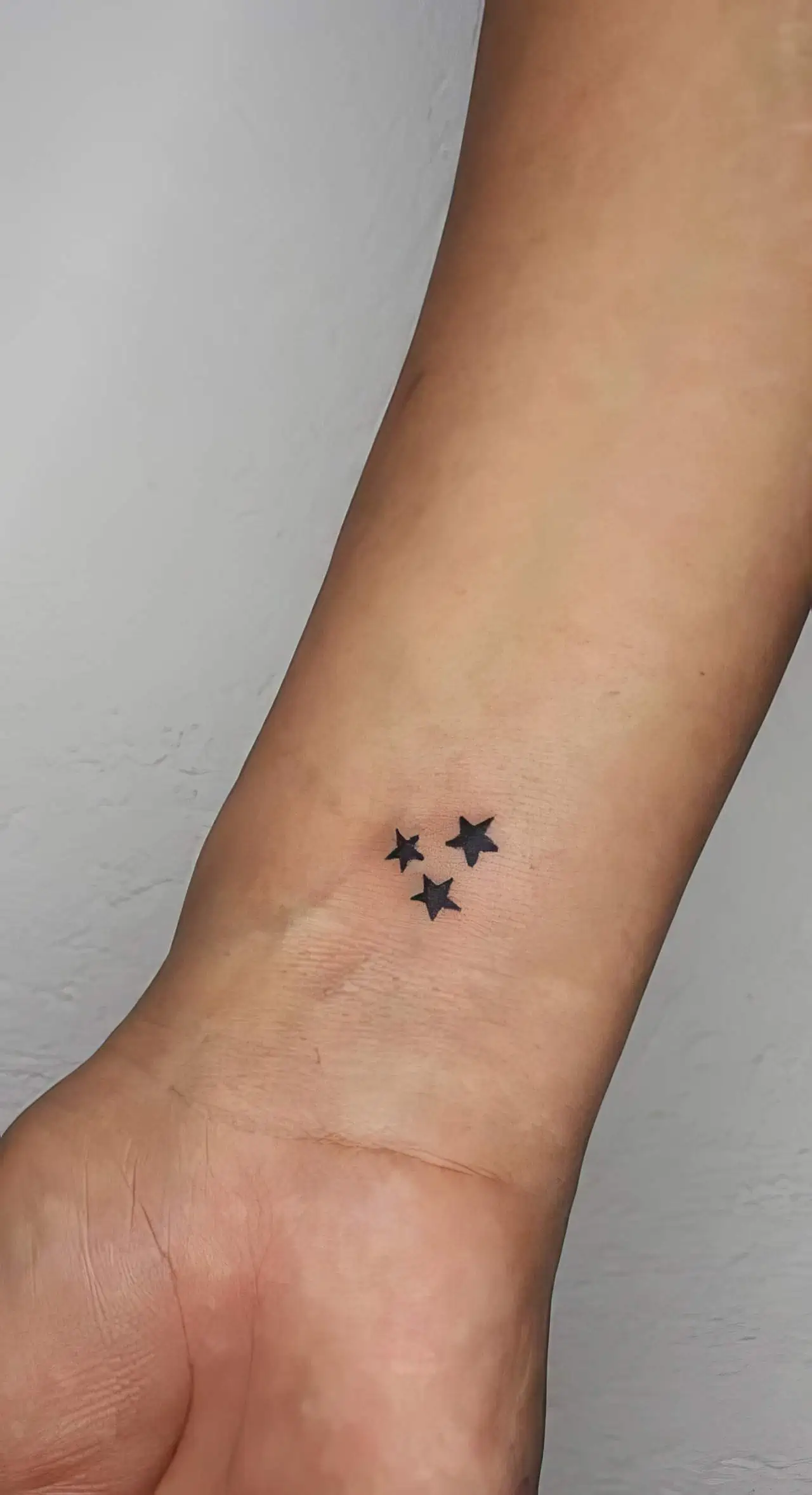
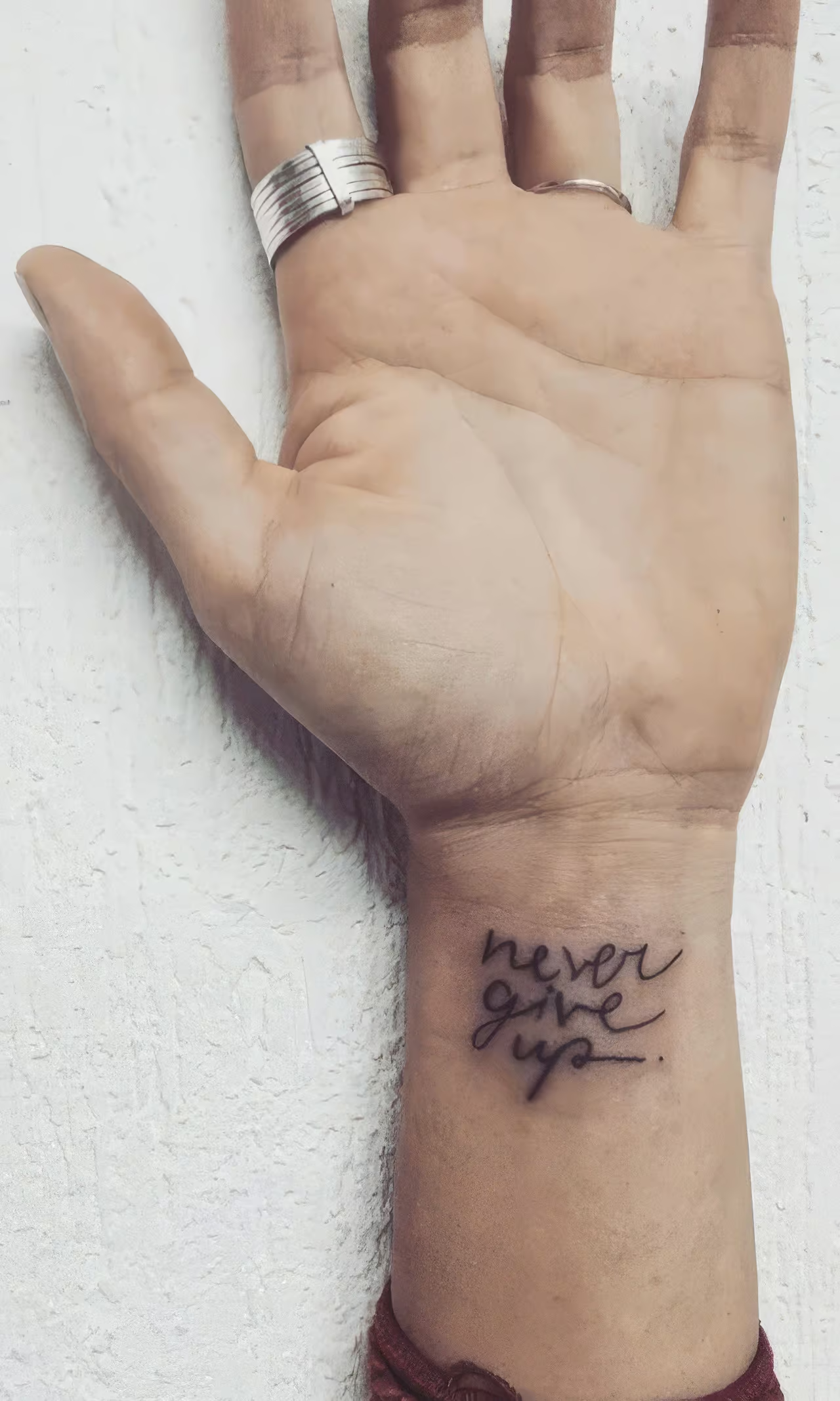
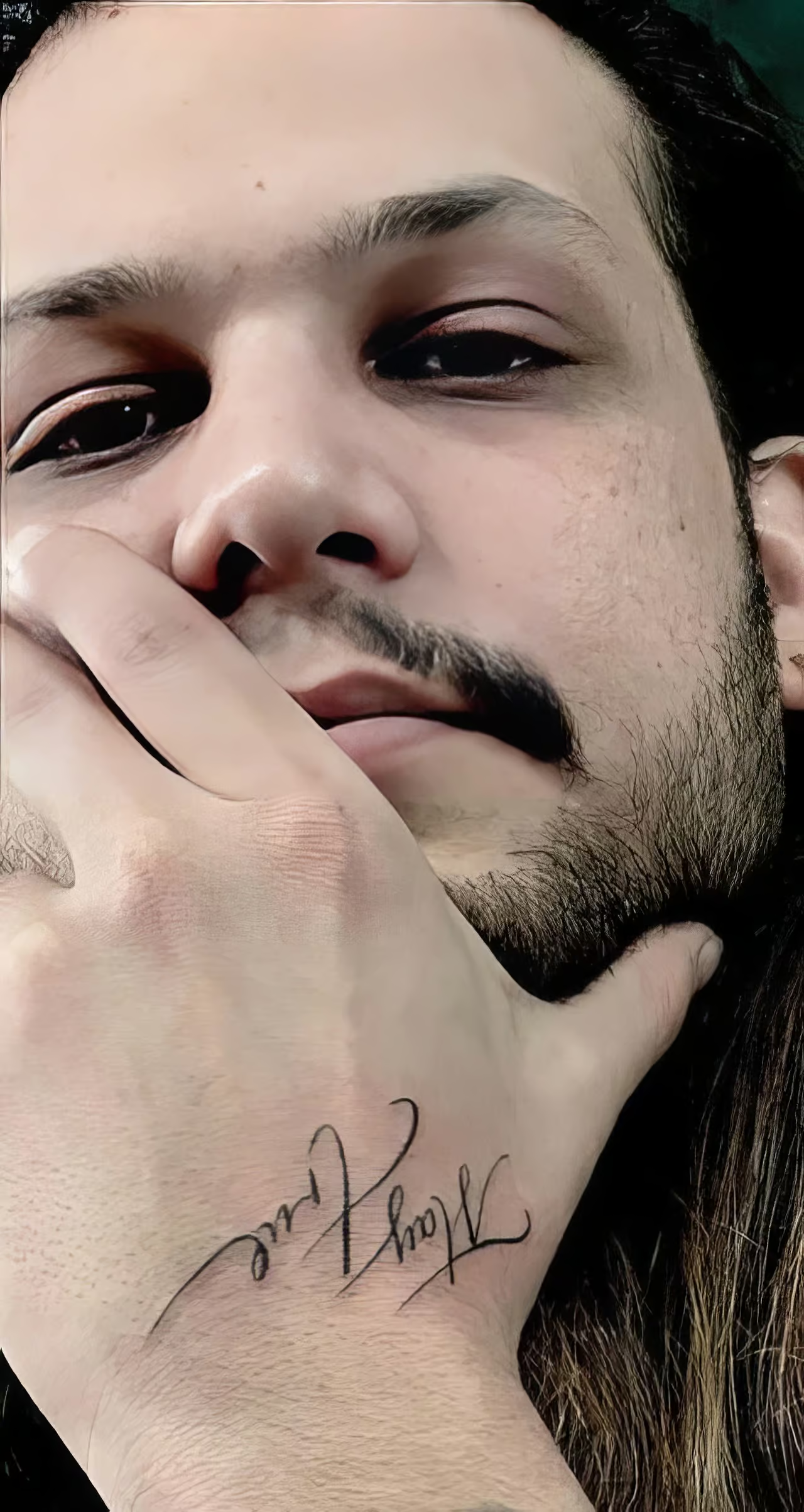
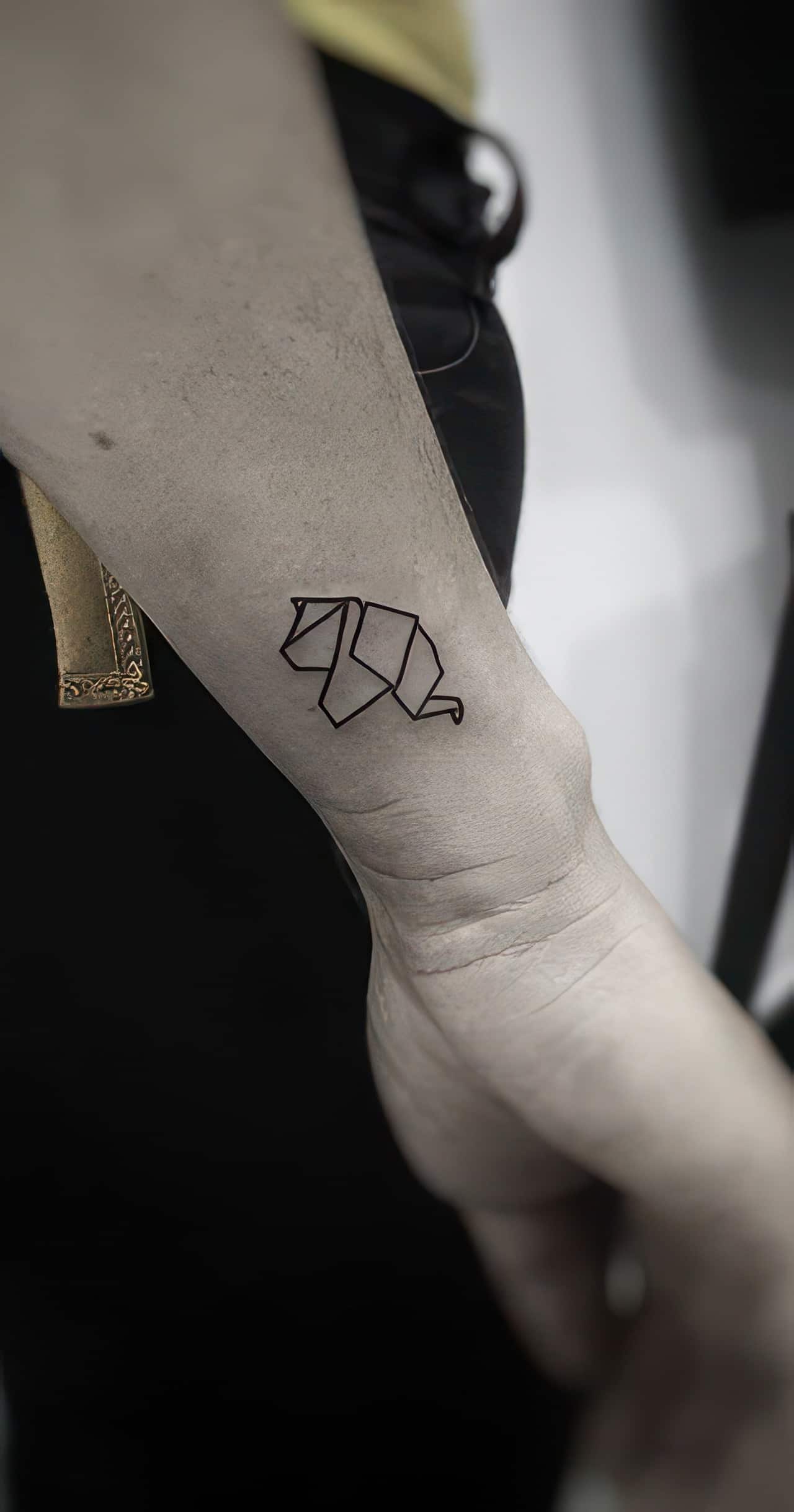
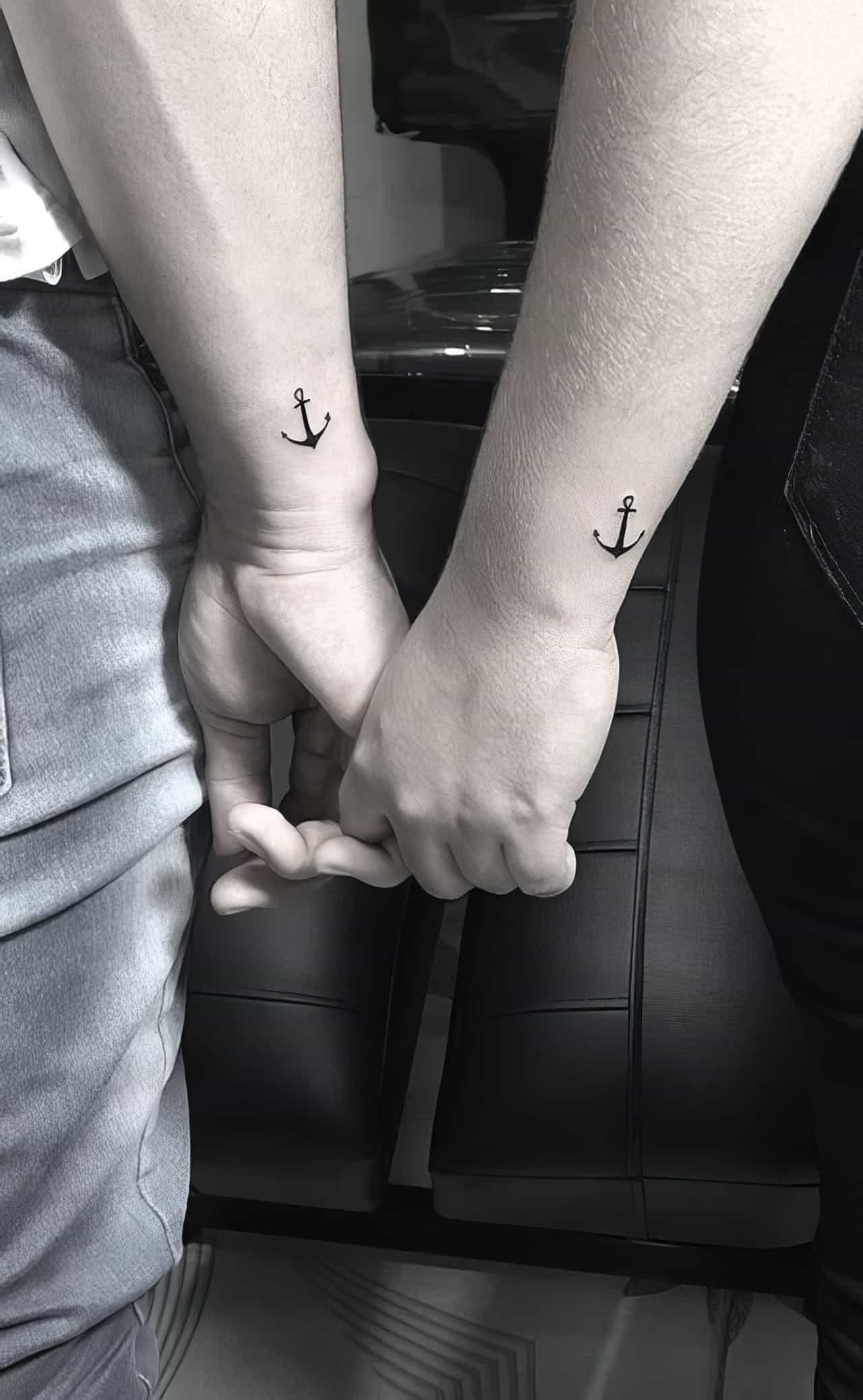
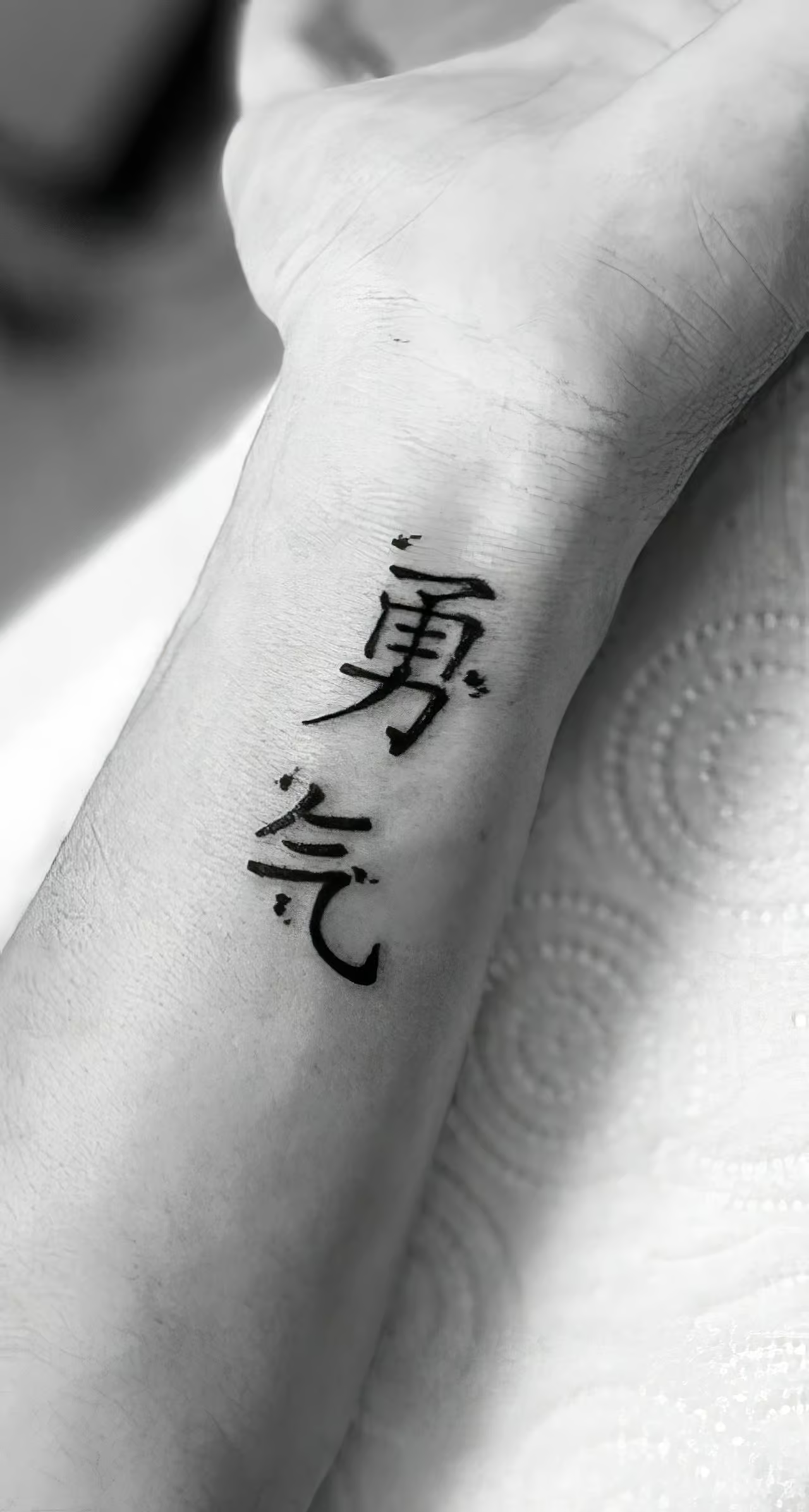
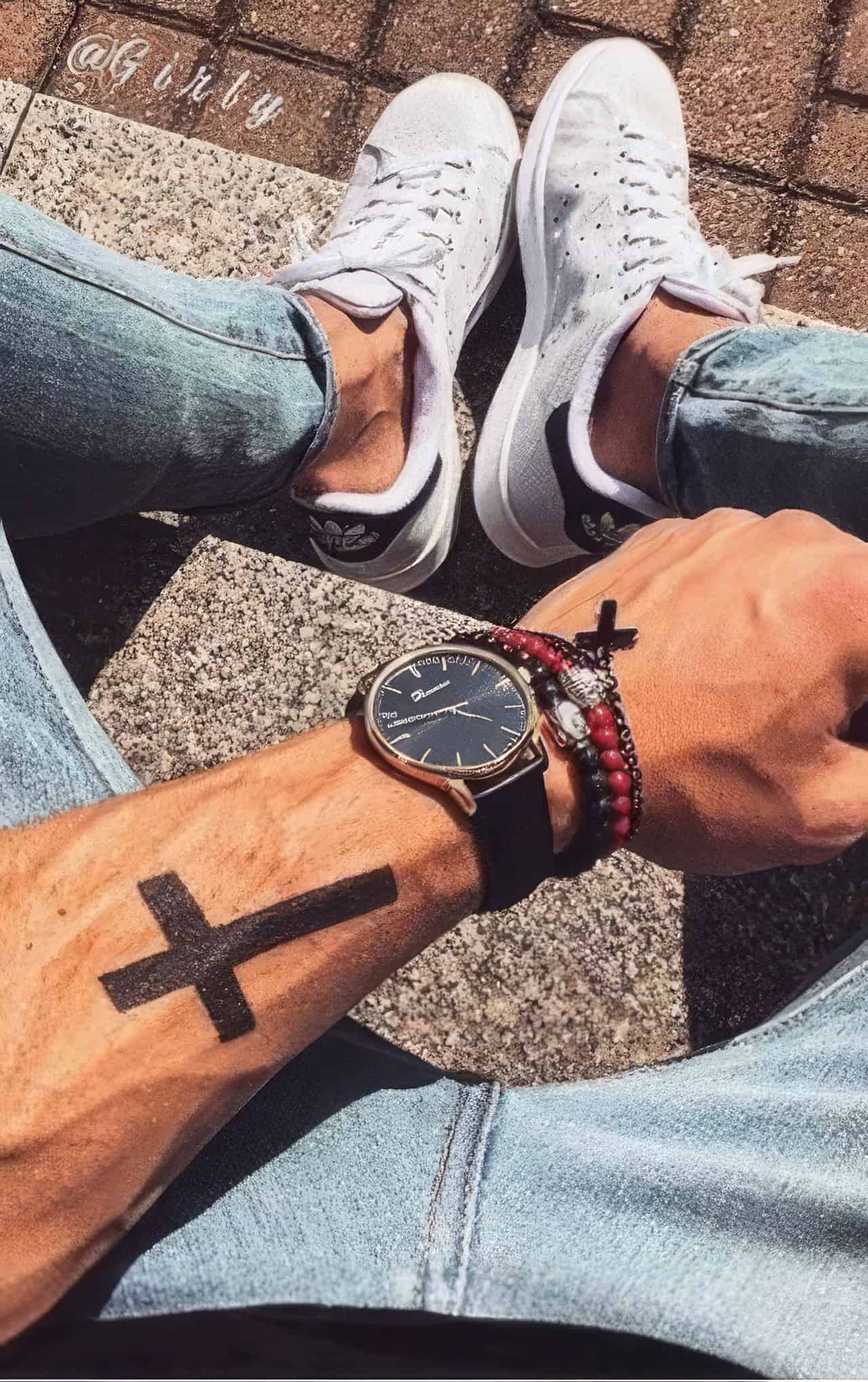
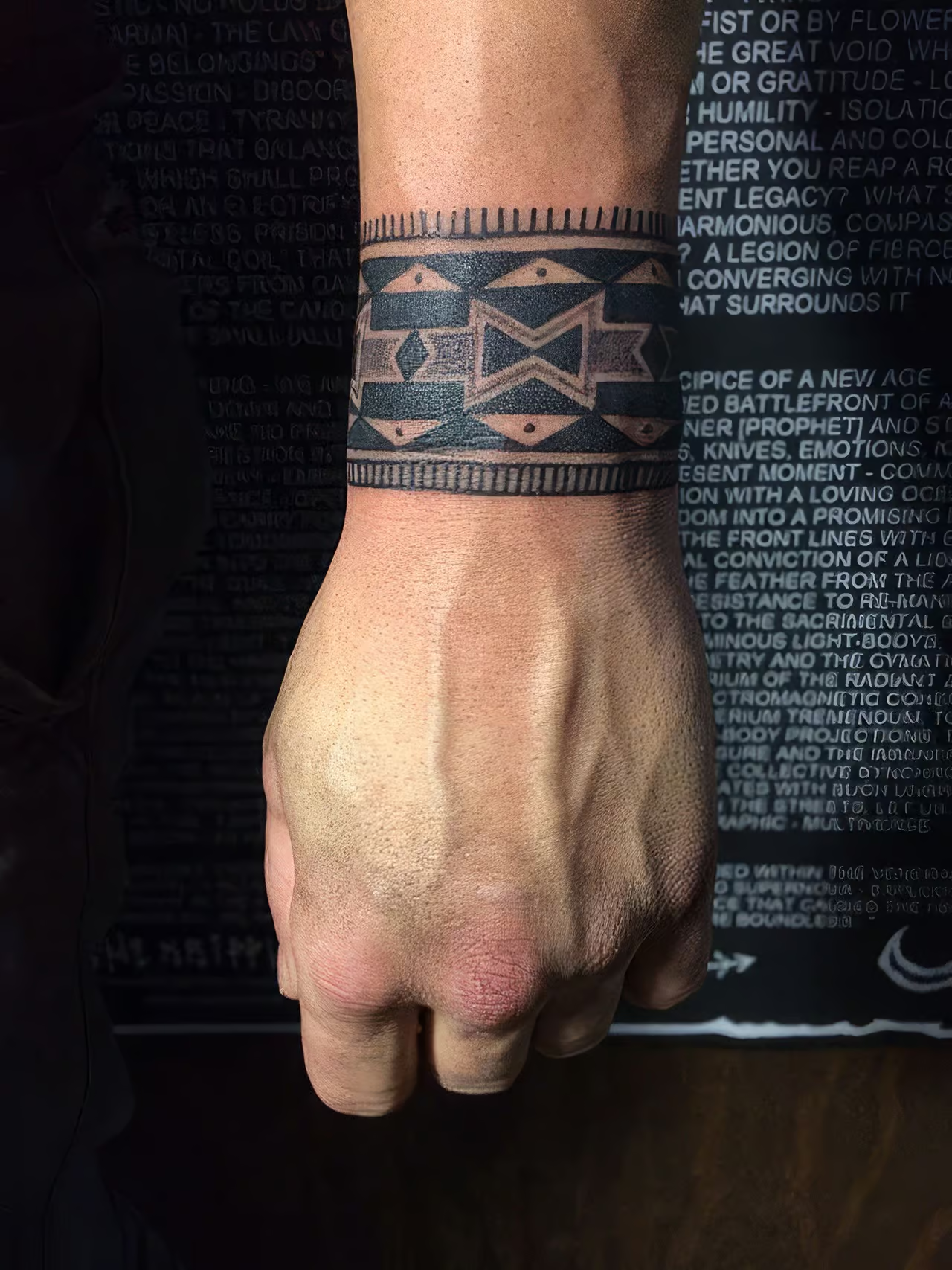
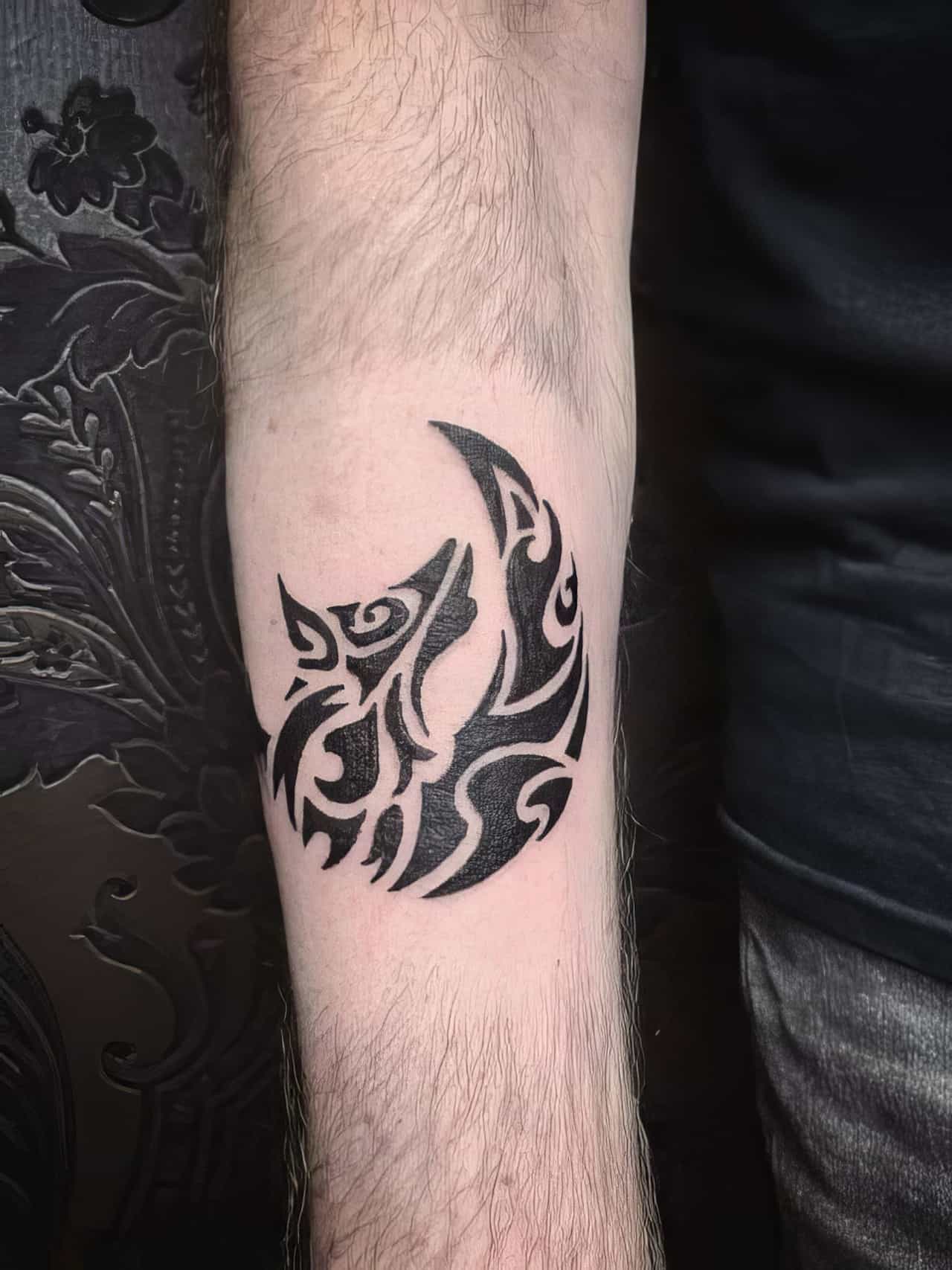
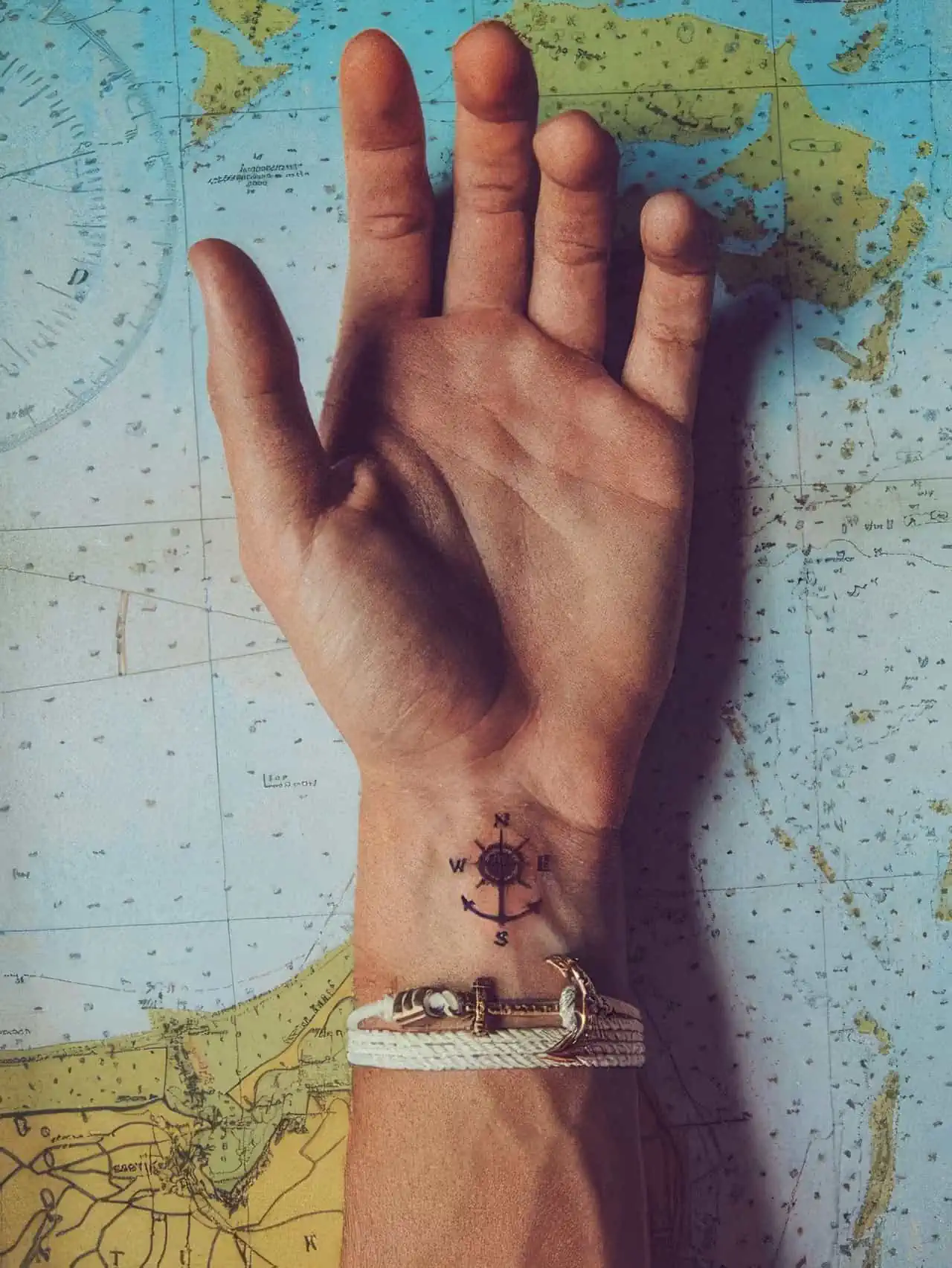
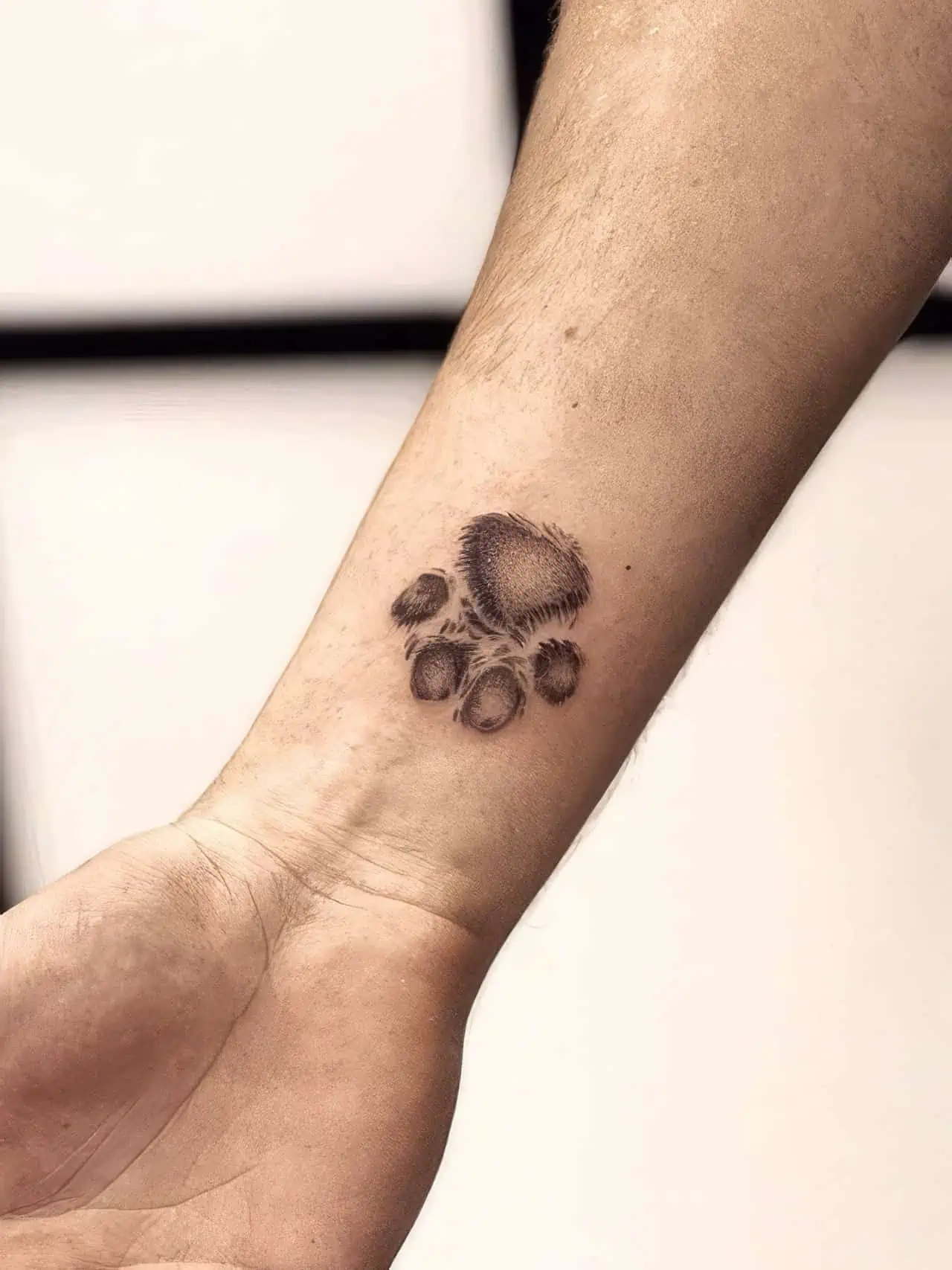
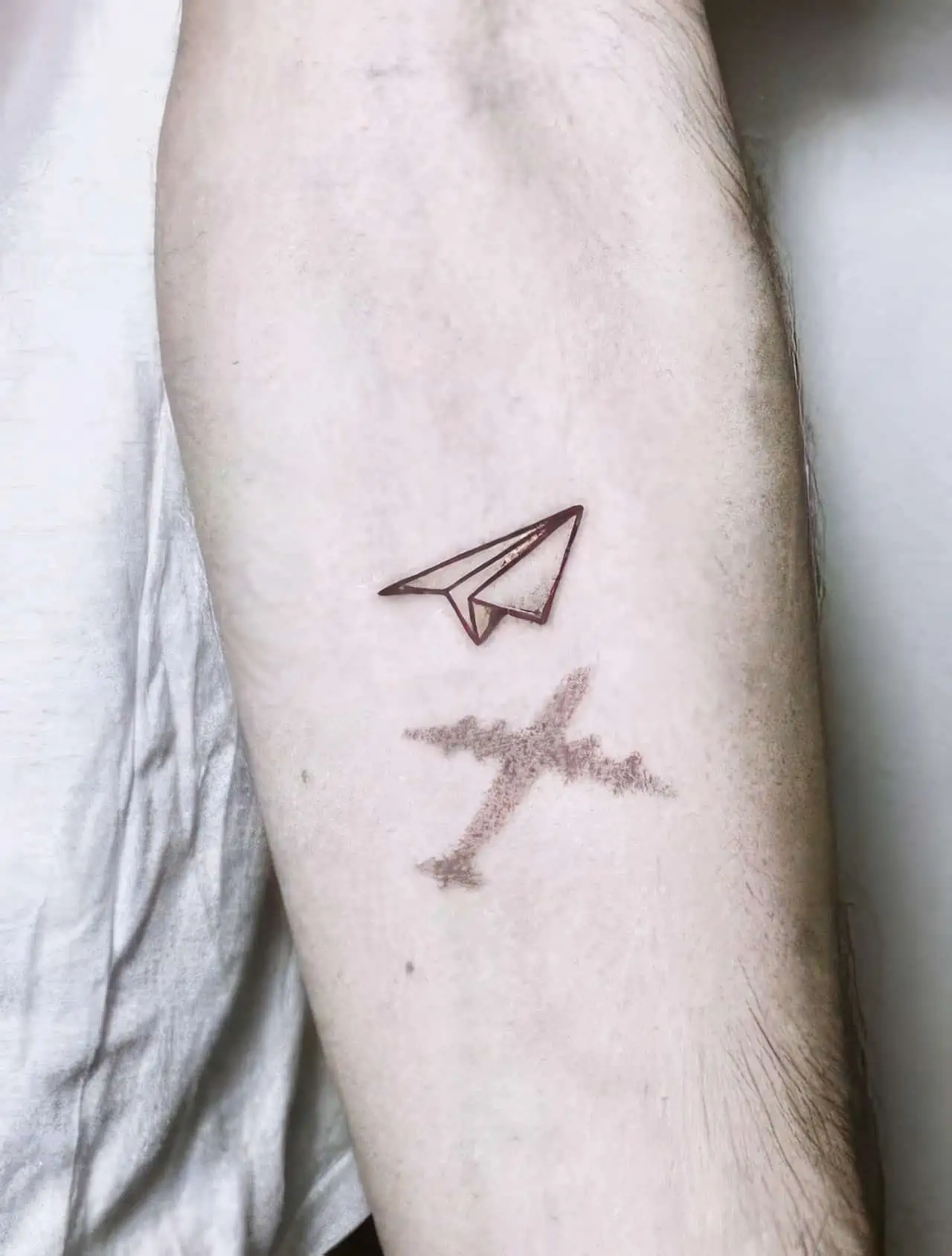
Heavy blackwork, anatomical realism, sharp angles, and bold fonts are the toolkit. You don’t always need black, either. Red ink adds boldness in most styles. White ink gives you a quieter, alternative kind of impact — less obvious, still grounded. The energy of the tattoo depends on what you want and how your artist interprets it.
For simple geometric shapes, thick lines and zero shading are what make them work. A pyramid holds its presence because it’s bold through simplicity — no extra detail, no shading, no variation. Same logic applies to an on/off switch: heavy blackwork on a tiny geometric design keeps it from feeling delicate. The shape itself is almost secondary to how you execute it.
Bottom line: Masculine small tattoos come down to sizing, line thickness, and the actual image — not the subject matter.
Choosing a design that works at small scale
Here’s the design complexity trap: trying to compress a full Norse mythology scene the size of a 10-cent coin. It won’t read. The details will blur together, and in five years, it’ll look like a smudge.
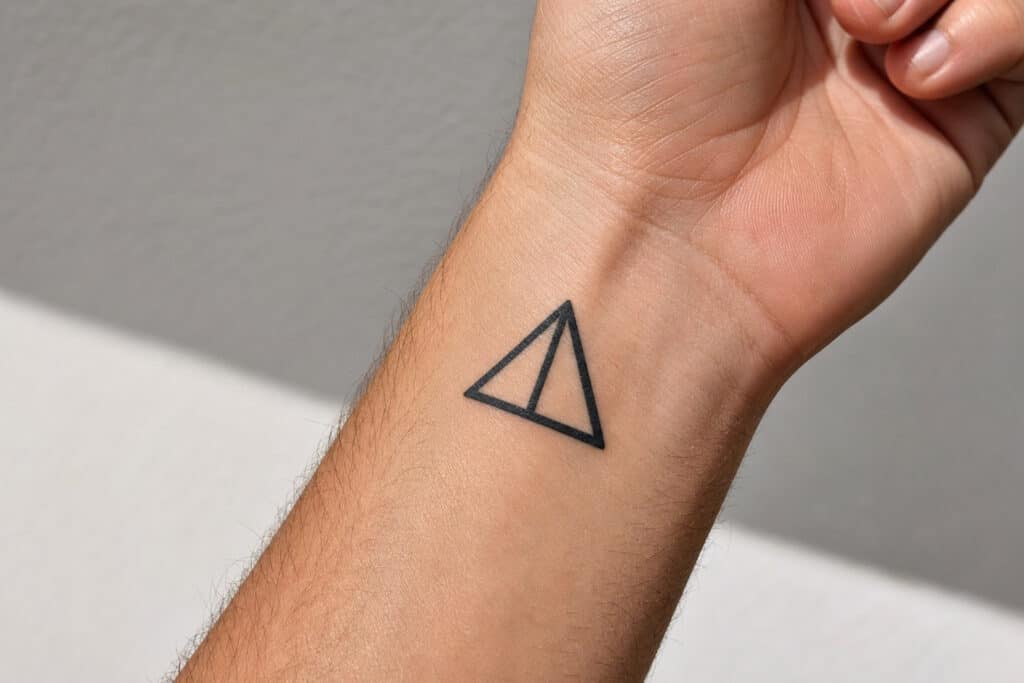
Small tattoos work best when the idea is clean and legible. The pyramid works because it’s one shape, executed boldly. A single letter works because it’s one character with thick detailing. Edit your concept down to one clean visual idea, and it’ll hold up without blurring or fading into unreadability over time.
The exception is micro-realism. This is where a highly skilled specialist packs hyper-detailed portraits, landscapes, animals, or objects into postage-stamp size — we’re talking pores, reflections, eyelashes, cinematic lighting in a few centimeters. It works when done right, but it demands an artist who specializes in exactly this. If you want realism without a full sleeve, micro-realism gives you that option. Just don’t expect your local walk-in shop to nail it.
Best placements for small tattoos on men
Placement comes down to three variables: visibility control, pain tolerance, and aging. You’re optimizing for all three at once, and some spots are better than others at balancing them.
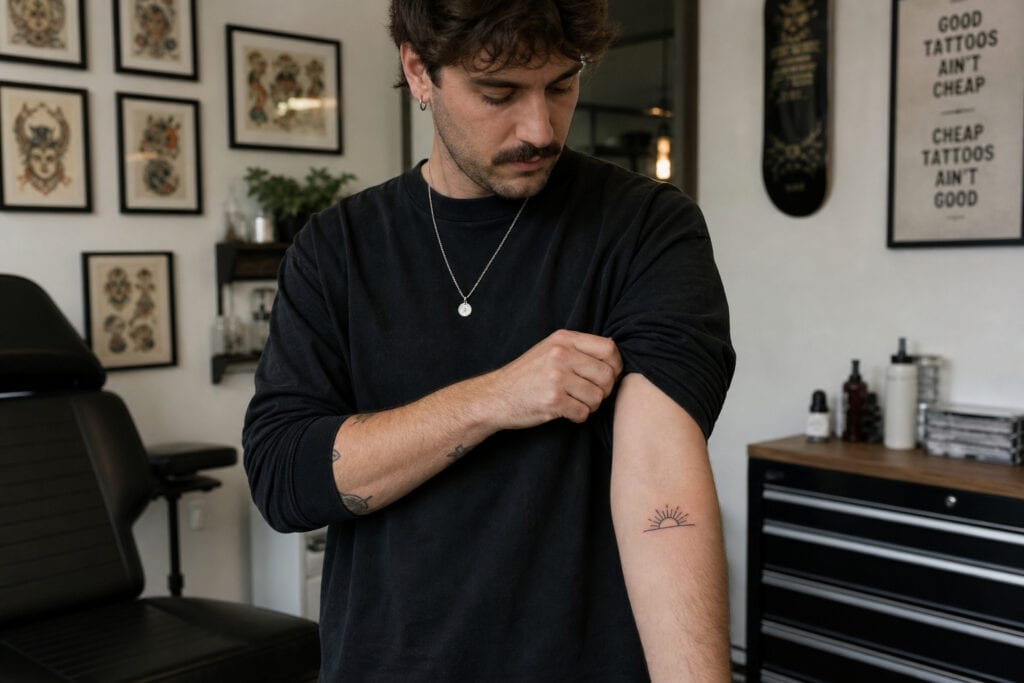
Gera Palaz at Stay Fine Studio puts it bluntly: “The arms are the kings of tattoos.” He’s right. The forearm is the winner for first-timers — flat canvas, easy to cover with a long sleeve, moderate pain, and enough room for detail. Upper arm, shoulder, and calf round out the forgiving spots. They’re easier to conceal than hands or neck, and they hurt a lot less than ribs.
Palaz also notes that the neck is among the most requested areas for men. It’s high-visibility with movement — the tattoo becomes part of how you present yourself. That’s the trade-off: more exposure, more impact, less discretion.
Areas to avoid if you’re pain-averse: spine, shin, top of foot, armpit, ankle, inner bicep, elbow, kneecap, back of knee, ribs, neck, nipple, groin. Thin skin, bone, and nerve endings equal more pain. Don’t make this harder than it needs to be for your first piece.
Quick test: Balance visibility control, pain tolerance, and aging when picking your placement — the forearm is the clear winner for beginners.
Do micro tattoos hurt less than larger pieces?
Size reduces total needle time — a smaller tattoo is done faster, period. But pain per minute depends entirely on placement. A tiny tattoo on your ribs will hurt more than a medium one on your forearm. If you want minimal discomfort, stick to the forgiving spots and let the short needle time work in your favor.
Inner wrist vs. behind the ear: discreet placement comparison
Both are popular discreet spots, but they’re not equal. The inner wrist gives you a flat surface that’s good for linework, moderate pain, and enough design space for something readable. You can cover it with a watch or long sleeve. Behind the ear is maximum discretion — basically invisible unless someone’s looking — but the design space is tiny and the pain is higher due to thin skin and bone right there. If you want more than a few characters or a simple symbol, go wrist. If you want something nobody will see unless you show them, behind the ear.
Small tattoo ideas for men: the gallery
These 35 designs work at small scale for different reasons. Some carry masculine weight through subject matter — skulls, snakes, scorpions. Others get there through technique: heavy blackwork, sharp angles, solid shading. A third group compresses meaning into minimal forms — coordinates, letters, dates. The logic behind each one is what makes it hold up at micro-scale.
One quick distinction before we get into it. Fine line and micro tattoos use single-needle linework and minimalist concepts — think clean, simple, often delicate work that’s distinct from micro-realism. Micro-realism is hyper-detailed realism packed into a tiny space, and it requires a specialist. Most of the designs below fall into the fine line or minimalist category.
Small tattoo
They’re a smart pick for a first or second tattoo — less commitment, less canvas, easier to live with. If you need discretion for work or family, they go easy in concealable areas.
Minimalist tattoo
A single clean element on skin can carry as much weight as a full sleeve, without the lifetime commitment to a complex piece.
Anatomical heart tattoo
This flips the script on the standard heart tattoo. Instead of the cartoonish, romantic version, you get something clinical and gritty — anatomically correct, with extra linework and sharp angles that give it structural weight. That’s what makes it land masculine.
Anchor tattoo
Anchors are tied to sailing and old-school tattooing — that lineage is part of the appeal. Sketch-like lines and sharp angles add to the masculine feel. Heavy shading increases the masculine effect, and it’s listed as a common small first tattoo idea — the kind of design covered in a Las Vegas first-timer tattoo guide.
Snake tattoo
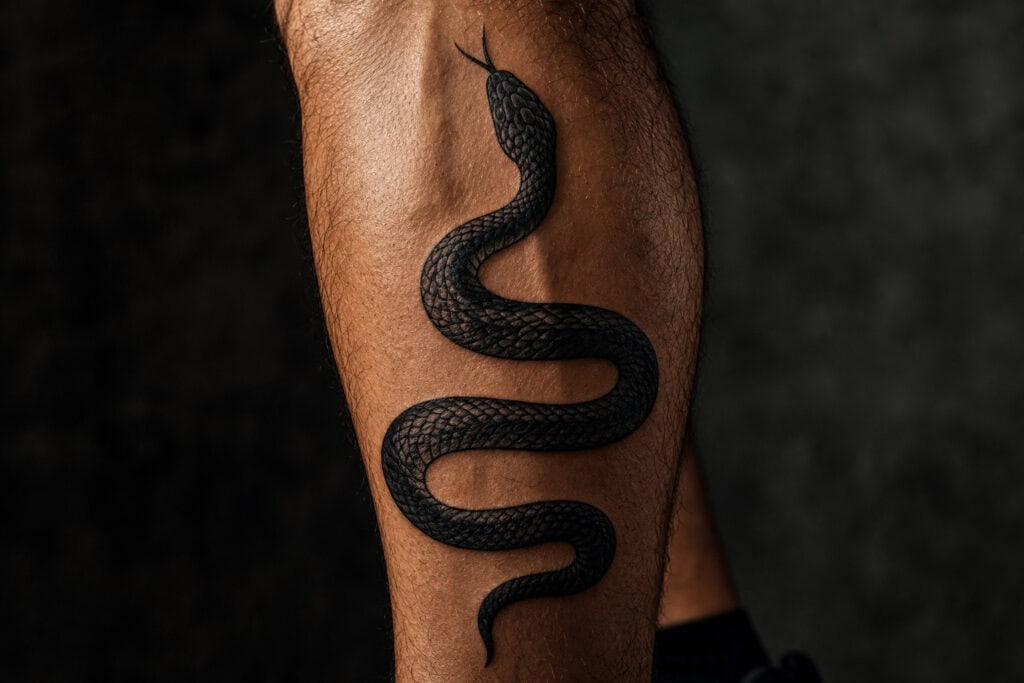
Snakes are considered masculine due to the general vibe of snakes — acknowledge it and move on. Filling the design with black pigment makes it feel bolder and heavier. The coiled form also works well wrapping around an arm or leg.
Skull & sword tattoo
Skulls and swords come from war and fighting, so they lean masculine without much effort. If you’re going fine line style, stick to dark, realistic designs. Realism adds detail and substance, which is what keeps the piece from reading as delicate.
Scorpion tattoo
Scorpions are naturally masculine because they’re predatory. They typically use bold black linework and solid shading — traditional tattooing characteristics worth keeping in mind if you’re gifting a tattoo. Adding shading keeps the design from feeling too dainty.
Horseshoe crab tattoo
This one proves masculinity isn’t only about heavy black ink. Realism and sharp angles make it look substantial even though it lacks thick lines or dark pigment. It’s an unusual pick that stands out without going soft.
Spaceman tattoo
If placed on the arm, consider having a spaceman wrap to take up more space. As Palaz says, “the arms are the kings of tattoos” — so use the canvas. Clean lines keep it readable at small scale.
Bee tattoo
Making the tattoo realistic rather than cartoonish ensures a masculine feel. Dark blackwork solidifies the look. The wing detail and body segmentation hold up well at small scale when the artist uses solid linework.
Shell tattoo
What makes this design work isn’t thin lines — its masculinity comes from slash-like details rather than thin lines. Subtle shading grounds the design without feeling dainty.
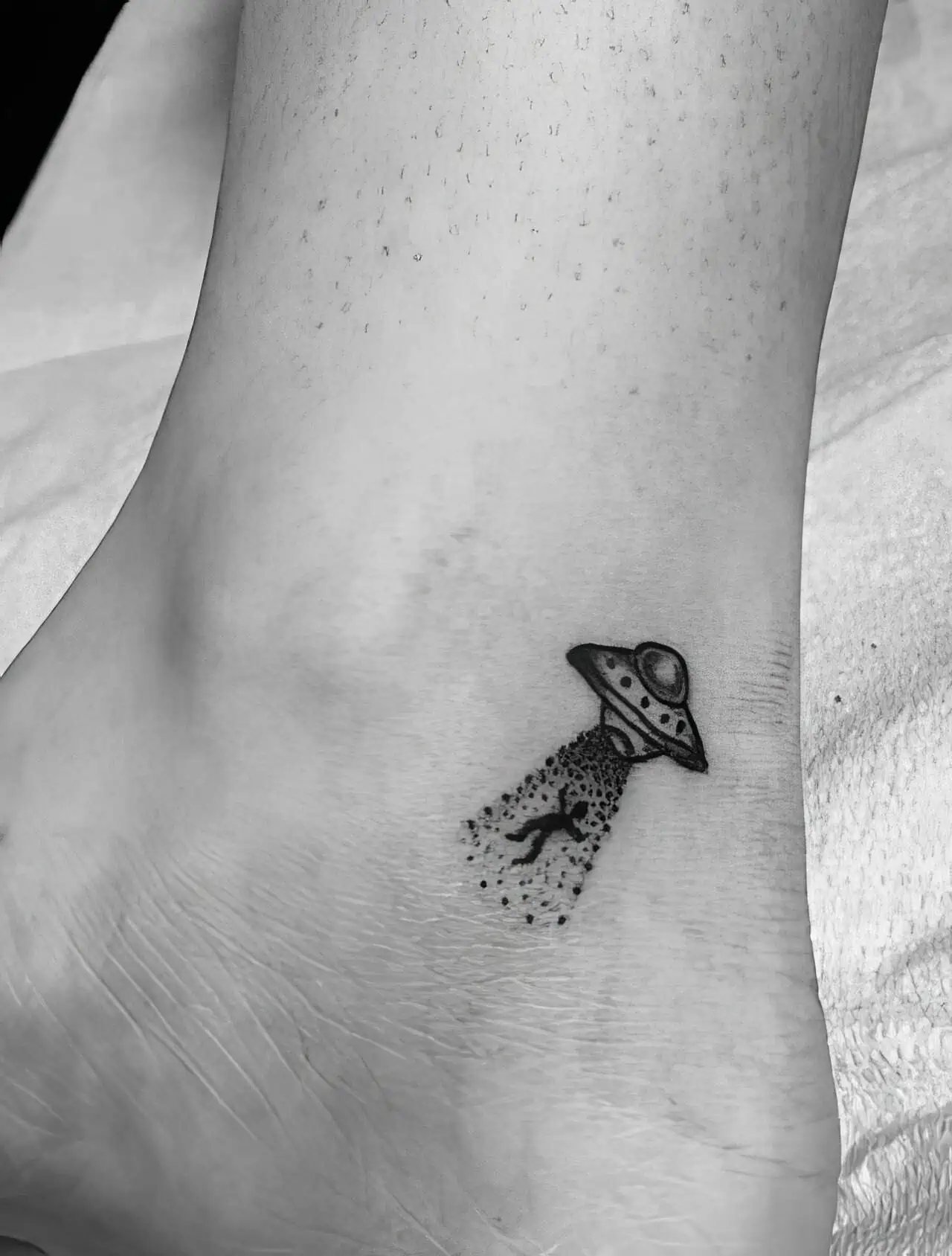
Alien tattoo
Keeping the design simple with clean lines and blackwork leans the feeling toward masculine. The symmetry and boldness of the classic alien head shape hold up at small scale. Keep it simple — no need for elaborate shading or color.
Eye tattoo
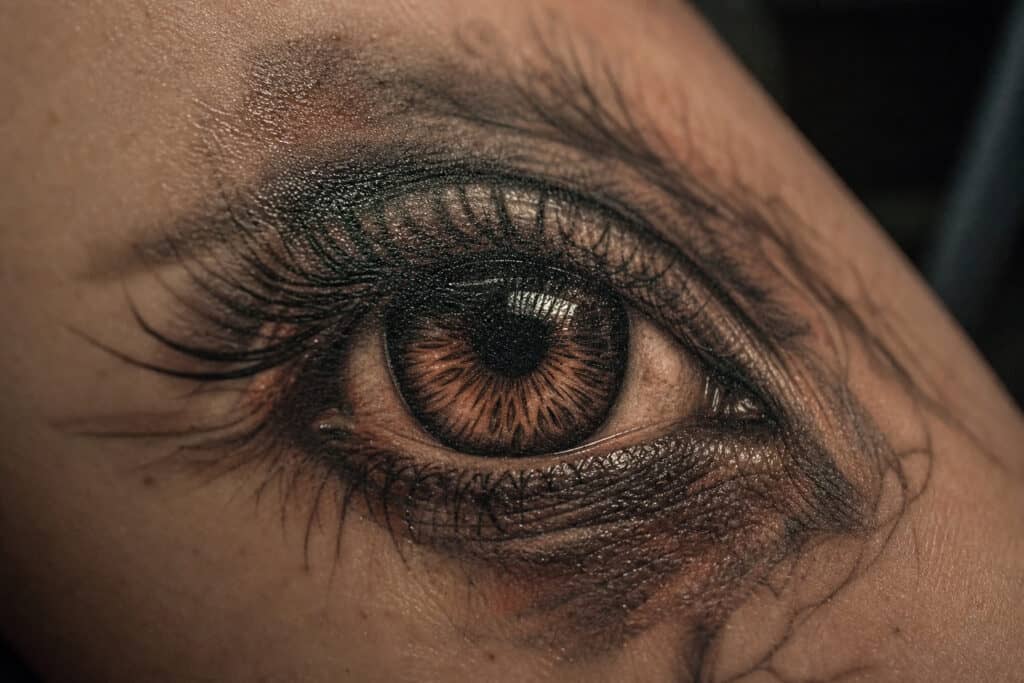
Thick lines aren’t required for a grounded look. Thinner linework can be offset by incorporating heavier shading techniques so it doesn’t feel too delicate. The eye is a good example of how technique, not subject matter, drives the read.
Pyramid tattoo
A pyramid is bold because it’s simple — no extra detail needed. It uses thick lines, no shading, and no variation for a bold look. That’s what gives it presence at any size. It’s proof that simplicity carries weight.
Match tattoo
Matches are gender-neutral as a design base, which is a good starting point. Add heavy blackwork and a withering away effect to finish the masculine look. The vertical shape works well on forearms or along a rib.
Parrot tattoo
Done in a line art style with medium-thickness lines and sharper angles to achieve a masculine look, it avoids going delicate. The beak and feather geometry hold up at small scale when the artist commits to the angles. It’s an unexpected pick that stands out.
Hands tattoo (and hand-poked technique)
A tiny tattoo on your finger pops because there’s barely any surface area — good for a guy who wants something visible but minimal. Red ink is a solid alternative to black: it works across styles and still reads bold. This is also where hand-poked technique comes in: it is done without a machine, looking more organic and textured, and appeals to those who value craftsmanship and tradition. Modern artists produce clean geometric patterns and delicate symbols.
Elements tattoo
Incorporating natural elements gives a rugged feel. The combination of bold black, faded grey, and desaturated red brings uniqueness without being loud. The abstract shapes hold up at small scale better than detailed landscapes would.
White ink tattoo
Opting for a simple but bold design in white provides a quieter impact for a masculine look. It’s an option for a guy who wants something less obvious than black ink. The subtlety is the point — it reads as intentional rather than decorative.
Dripping numbers tattoo
A dripping effect adds fun and texture to a bold base. It’s a way to add personality without going soft — the drips give the design edge. Works well on inner forearm or upper arm where there’s room for the effect to read.
On/off switch tattoo
For very small designs like an on/off switch, heavy blackwork keeps the look grounded. Keep it simple for maximum impact to avoid feeling overwhelmed. This is the kind of design that works on a finger or wrist.
Roman numerals tattoo
Roman numerals are a more masculine choice for number tattoos, and the thickness can be customized to dial in the look you want. Just as Tibetan tiger tattoos draw meaning from centuries of cultural history, here meaning gets encoded in dates — a birthday, an anniversary, a milestone.
Portrait tattoo
Lots of blackwork on a portrait immediately makes it feel grounded because of the heaviness. Minimize other details to keep the technique as the focus. Portraits can honor a special person — just maybe avoid Steve-O‘s approach of getting a giant self-portrait on your back.
Negative space tattoo
This is a twist on typical heavy blackwork — using uninked skin as the design. It flips the usual approach but still looks bold. The contrast between inked and bare skin creates the image, which holds up well at small scale.
Linework tattoo
Linework tattoos are simple, affordable, and relatively painless — a good entry point for a guy starting out. They look best on smaller areas like the wrist, hands, or upper neck. Small linework lets you show off something you care about without committing a whole arm to it.
Micro-realism tattoo
This is the exception to the simplicity rule. Micro-realism packs hyper-detailed portraits, landscapes, animals, or objects into postage-stamp size — pores, reflections, eyelashes, cinematic lighting in a few centimeters. It gives you realistic detail without a full sleeve, but it requires a highly skilled specialist.
UV / blacklight tattoo
UV ink is subtle in daylight and glows under blacklight. It’s popular with nightlife, DJ, and festival crowds. UV ink can outline existing tattoos or create designs that are invisible in normal light — two different ways to use the medium.
Coordinates tattoo
A simple coordinate design can still make a bold, masculine impact even when small. GPS numbers as ink compress meaning into digits — a specific place that matters to you. It’s proof that minimal doesn’t mean weak.
Script tattoo
A masculine tattoo can still be delicate. Script should be placed to emphasize body form or muscles to avoid feeling too dainty — the font, style, and meaning matter as much as the actual letters. Running text along a forearm or across a shoulder blade keeps it grounded.
Single letter tattoo
Illustrated style looks great for single letters. Simplicity keeps it light, while thick extra detailing makes it feel more masculine. Letters provide direct significance and meaning without metaphors. Good for a first tattoo when you want significance without complexity.
Word tattoo
A bold, uppercase font is a less dainty, more masculine look. The word itself does the heavy lifting. Works well on inner forearm, ribs, or along a collarbone.
Quote tattoo
A quote tattoo acts as a personal reminder — a life-affirming line inked on skin. Quotes work best on areas where words flow without disruption; the forearm is ideal.
Star tattoo (and star sign)
Stars symbolize protection, guidance, and always shining. A star can stand alone or fit into a larger piece later — flexibility worth having. Astrological signs and constellations as clean linework are a solid option, often used to remember a loved one’s birthday.
Arrow tattoo
Arrows symbolize direction, strength, and resilience. Simple and first-timer-friendly, an arrow design holds up at small scale because the shape is clean and recognizable. It’s the kind of design that works almost anywhere on the body.
Neck tattoo
Palaz notes that the neck is among the most requested male areas to tattoo. It has a lot of movement and visibility — the tattoo becomes part of how you present yourself. More exposure, more impact, less discretion.
Cost, artist selection, and first-timer advice
Real numbers: small tattoos run $200–$300. Medium pieces are $300–$500. Large tattoos start at $500 and go up from there. Don’t bargain-hunt for tattoos — this is on your body permanently, and specialist artists cost more for a reason.
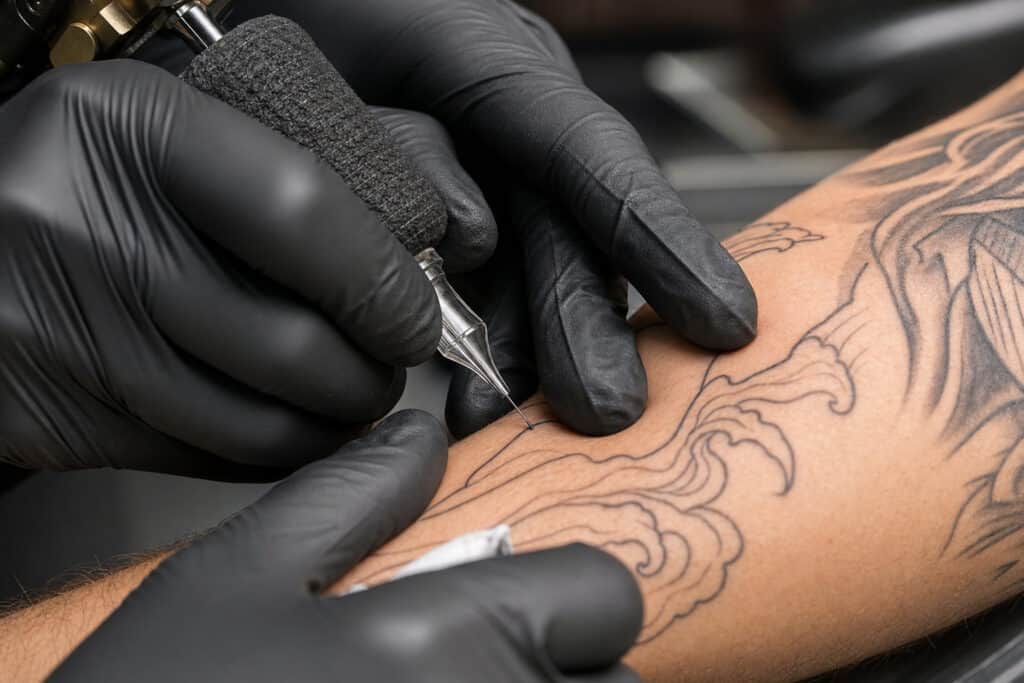
Palaz says the artist you choose plays an important role in the tattoo’s identity. He’s right. Artist selection is the most important variable, and cost shouldn’t drive it. If you want micro-realism or fine linework, you need someone who specializes in exactly that. A great traditional artist might suck at single-needle work, and vice versa.
Celebrity cautionary tales are useful here. Ben Affleck‘s phoenix is the classic “what not to do” — a massive, poorly executed piece that became a meme. Steve-O‘s giant self-portrait back tattoo is another one to skip. On the flip side, CM Punk‘s Pepsi logo is a bold-but-intentional choice: it represents his straightedge lifestyle, and he committed to it. Your skin is not the place for a limited-time offer.
Cultural and indigenous tattoos are having a resurgence — tied to ancestry, identity, and personal history. If you’re going this route, you need a recognized practitioner. Polynesian tatau, Māori tā moko, Samoan pe’a, Filipino batok, First Nations designs — these aren’t styles you can just pick off a wall. They require working with an artist trained and permitted within that community.
Respect the tradition. Also worth noting: Judaism and Islam traditionally forbid or discourage tattoos as mutilation of creation. If your faith is a factor, that’s something to weigh honestly.
What are some meaningful simple designs for a first-time tattoo?
Safe first-timer ideas: symbols, quotes, initials, dates, stars, arrows, compasses, linework. These age well because they encode meaning through abbreviation rather than complex illustration. A Roman numeral date, a single letter, a small arrow — they’re readable now and in twenty years. The simpler the design, the less likely it is to blur or fade into something unrecognizable.
How to find a reputable tattoo artist for minimalist linework
Start with the artist’s portfolio, not their price list. If you want minimalist linework, look for someone whose Instagram is full of clean, single-needle work — not someone who occasionally does it between traditional pieces. Micro-realism needs a micro-realism artist. Fine linework needs someone who does fine linework every day. Cultural designs need community-trained practitioners. With tattoos, what you pay for is permanently etched into your skin.
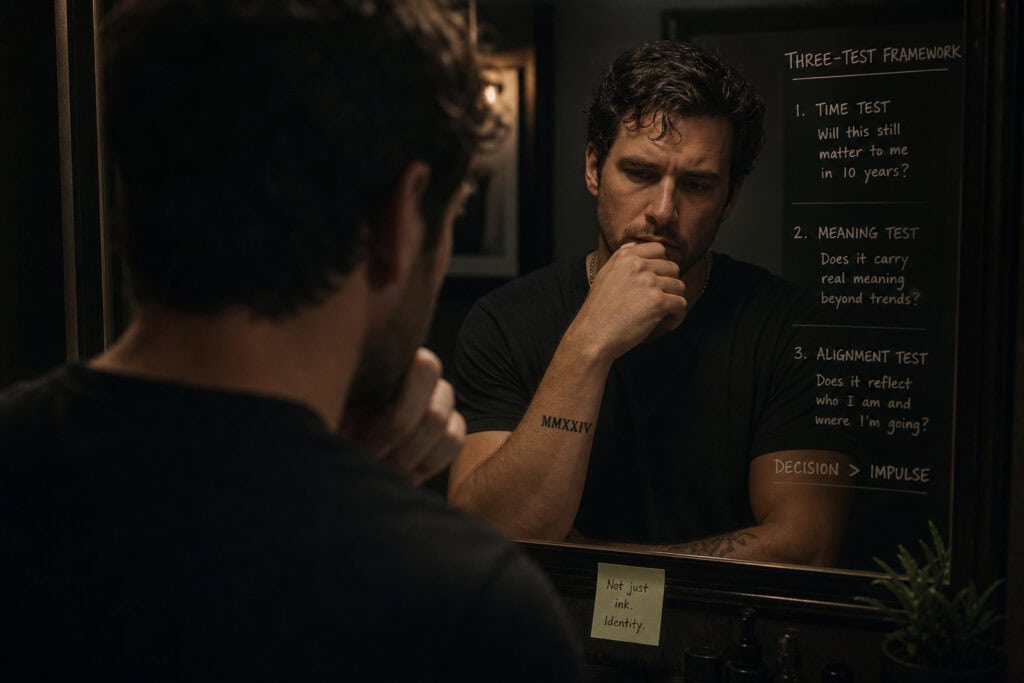
Choosing your small tattoo: the three-test framework
Three tests. Does it mean something to you? Does it suit the body part you’re putting it on? Will it still feel like you in 5–10 years?
If you can’t answer yes to all three, keep thinking. Small tattoos are a low-commitment testing ground — less canvas, less money, less regret if you get it wrong. Start simple. If it works, graduate to bigger pieces or sleeves later.
I built this gallery because the inspiration gap was real. If you’ve got a small tattoo that works — or one that didn’t — I’d like to see it. Drop a comment or send an email, and I’ll keep adding to the gallery. 208+ is a starting point, not a ceiling.
Frequently Asked Questions
What are good small tattoos for men?
Good small tattoos for men rely on heavy blackwork, sharp angles, and bold linework rather than just the subject matter. Designs like anatomical hearts, pyramids, scorpions, and on/off switches hold up well at micro-scale because they compress a single clean visual idea into a bold shape. Avoid trying to compress complex scenes like Norse mythology into a tiny space, as the details will blur into a smudge over time.
What tattoos look good on guys?
Masculine perception in tattoos comes down to three things: sizing, line thickness, and the actual image. Heavy blackwork, anatomical realism, and sharp angles carry weight, while thin linework and delicate styling tend to read more feminine. You can also use red ink for boldness or white ink for a quieter, alternative impact.
What is the difference between fine line and micro-realism tattoos?
Fine line and micro tattoos use single-needle linework and minimalist concepts for clean, simple designs. Micro-realism, on the other hand, packs hyper-detailed portraits, landscapes, or objects into a tiny space—think pores, reflections, and cinematic lighting in a few centimeters. Micro-realism is the exception to the simplicity rule and demands a highly skilled specialist.
Where is the best place to get a first tattoo?
The forearm is the clear winner for beginners because it offers a flat canvas, moderate pain, and is easy to cover with a long sleeve. The upper arm, shoulder, and calf are also forgiving spots. Avoid high-pain areas like the ribs, spine, or inner bicep if you want to keep your first session comfortable.


From minimalist designs to meaningful phrases and pop culture references, these ideas can be customized to fit any individual’s personal style. It’s important to consider size and placement when choosing a small tattoo, but with proper aftercare and touch-up appointments, they can last a lifetime.
Great roundup of minimalist tattoo ideas! As someone with both sleeves and several small pieces, I appreciate how this article highlights the versatility of subtle ink. The ‘hidden meaning’ examples (like the nautical star and arrow) are particularly smart – they prove impactful tattoos don’t need to be palm-sized.
One observation: The healing process for fine-line work (like those geometric designs) often surprises first-timers. Would love to see a follow-up on aftercare for delicate tattoos – my single-needle wrist text blurred slightly because I underestimated how much small details can spread over time.
For guys considering their first tattoo, this is gold. That microlocation advice (behind ear vs. inner bicep) could save someone from workplace headaches later. Anyone else notice their small tattoos actually get more comments than larger pieces?