Yes, influencers can get sued for their content, and they can be held personally liable for it. Posting something online grants you exactly zero immunity from the law. The undisclosed #ad, the rant about a person, the background song you never licensed, the AI image you generated in thirty seconds: any of them can turn into a legal problem with your name on the paperwork. There are two completely different ways to get in trouble.
Regulators like the FTC and state attorneys general work one side. Private plaintiffs suing over defamation, privacy, and copyright work the other. A creator the FTC never contacts can still get sued tomorrow. Catrina Richardson of Risk Placement Services put it plainly: the exposure applies at any follower count.
Key Takeaways
The FTC’s biggest influencer-adjacent settlement was Teami’s $15.2 million in March 2020, and Devumi’s October 2019 settlement carried a partially suspended $2.5 million judgment, so the dollar figures are real, not hypothetical.
Follower count filters regulators, not plaintiffs: the FTC has said it isn’t targeting smaller influencers, but civil suits over defamation, privacy, and copyright apply at any size.
Media liability insurance packages start around $3,500 a year, and no policy covers the most likely consequence of controversial old content: a brand quietly dropping you.
Table of Contents
Yes, influencers can be sued for their content
Yes, influencers can be sued for their content, because posting carries the same legal responsibilities as traditional publishing. The platform is different. The liability isn’t. Courts and regulators treat what you publish as yours, personally, and the categories of trouble are concrete rather than abstract:
- Defamation, false, damaging statements about a person or business
- Deceptive marketing and missing disclosures, paid posts that don’t say they’re paid
- Copyright infringement, most often unlicensed music
- Privacy violations, posting people’s information or likeness without a right to
- False advertising, repeating product claims nobody can back up
Both liability tracks have already produced named outcomes with dollar figures attached. On the regulatory side, Teami settled with the FTC for $15.2 million in March 2020, entered by a federal court in Florida, after the tea and skincare marketer’s health claims went unsupported and its influencers buried their disclosures. On the same regulatory track, the October 2019 FTC settlement with Devumi included a $2.5 million judgment against the company’s owner and CEO, partially suspended. Those are real numbers from real cases, not a lawyer’s worst-case slideshow.
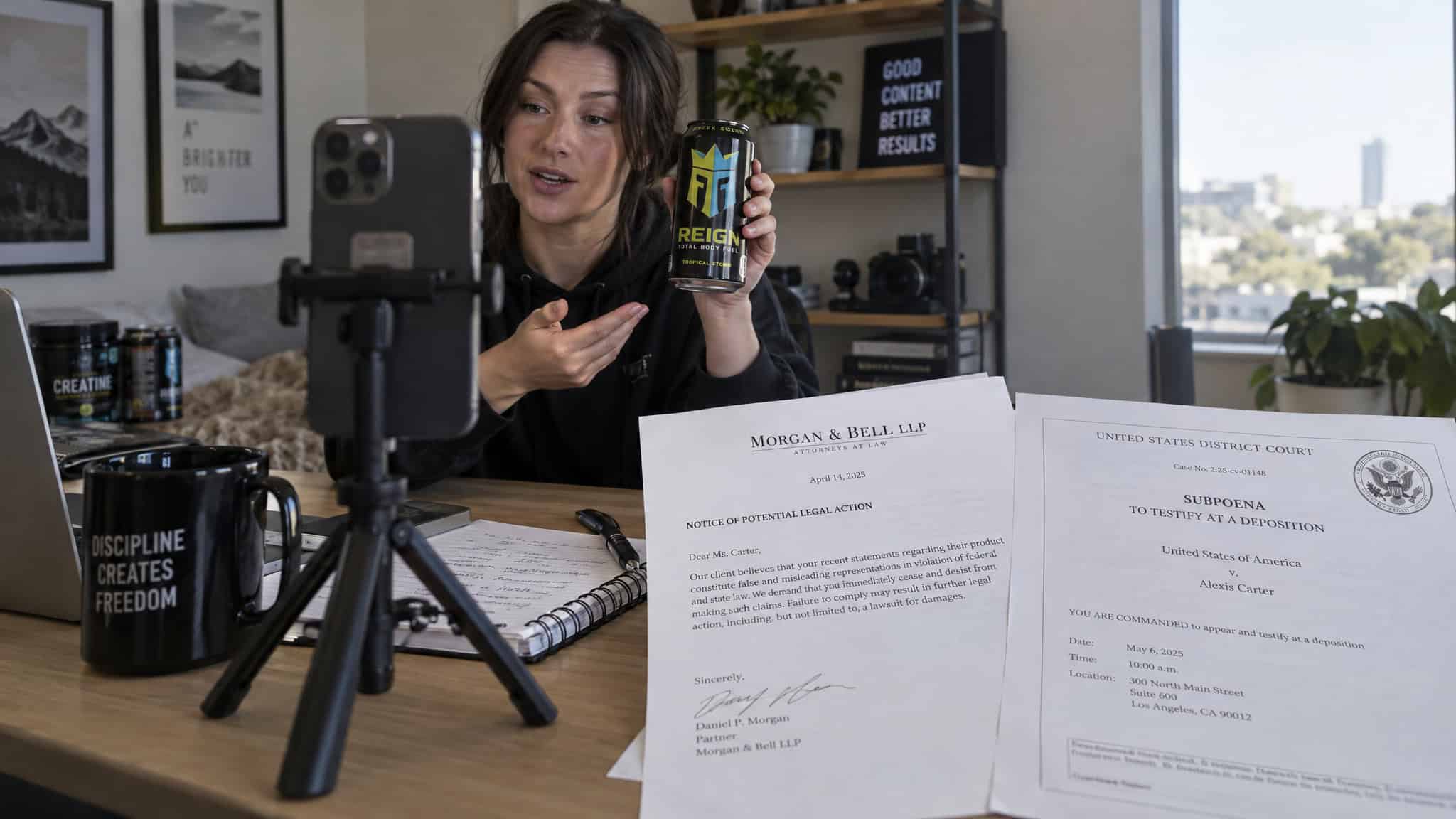
The second track is civil, and it runs through ordinary people and companies who claim your content damaged them. That’s where defamation, privacy, and copyright suits live, and none of them care how many followers you have.
One honest caveat before you picture the FTC kicking in your door: most enforcement to date has landed as settlements, usually against brands, and some carried no monetary penalty at all. The record doesn’t show the FTC routinely fining individual influencers. It shows the liability exists, and that it’s been priced.
Influencers are publishers, that’s why liability sticks
The reframe that explains everything else: if you post content, you’re a publisher, with newspaper-scale reach and none of a newspaper’s safeguards. Angela Weaver at Beazley said it plainly: influencers don’t think of themselves as publishers, “but they absolutely are.” Many command audiences bigger than the Wall Street Journal‘s or USA Today‘s readership while operating with no legal review, no compliance team, no insurance. Your post spreads instantly, gets copied and reposted around the world, and when something goes wrong, the influencer absorbs the liability.
Kurt Hines, CEO of Ovation Entertainment & Sports Underwriters, offers a working way to sort the mess. “The way I think about the risks are there’s kind of three main categories,” he said: things you say, things you do, and things that happen to you. The first bucket is by far the biggest, and the reason is structural. TV guys work off a script with lawyers somewhere upstairs. Creators get paid to riff off the cuff.
The money explains the attention. Influencer advertising hit $8 billion in 2019 and was projected toward $15 billion by 2022. COVID-19 accelerated e-commerce and influencer marketing through 2020. The return justified the spend: in 2019, influencer campaigns delivered an estimated $5.78 in earned media value per $1 spent, up from $5.20 in 2018. Treat those as single-source estimates, but the direction is not in dispute.
FTC disclosure rules and how they actually fail
Not disclosing an ad is a deceptive practice under Federal Trade Commission (FTC) rules, full stop. The rule itself is simple: any material connection to a brand has to be disclosed clearly. That includes money, free product, a sweepstakes entry, even tagging them. The endorsement guides behind this date to 1980 and were amended in 2009, which is why everyone’s confused; the rules predate the platforms. The FTC’s “Disclosures 101” guide, out since November 2019, is the one document that actually talks to influencers directly.
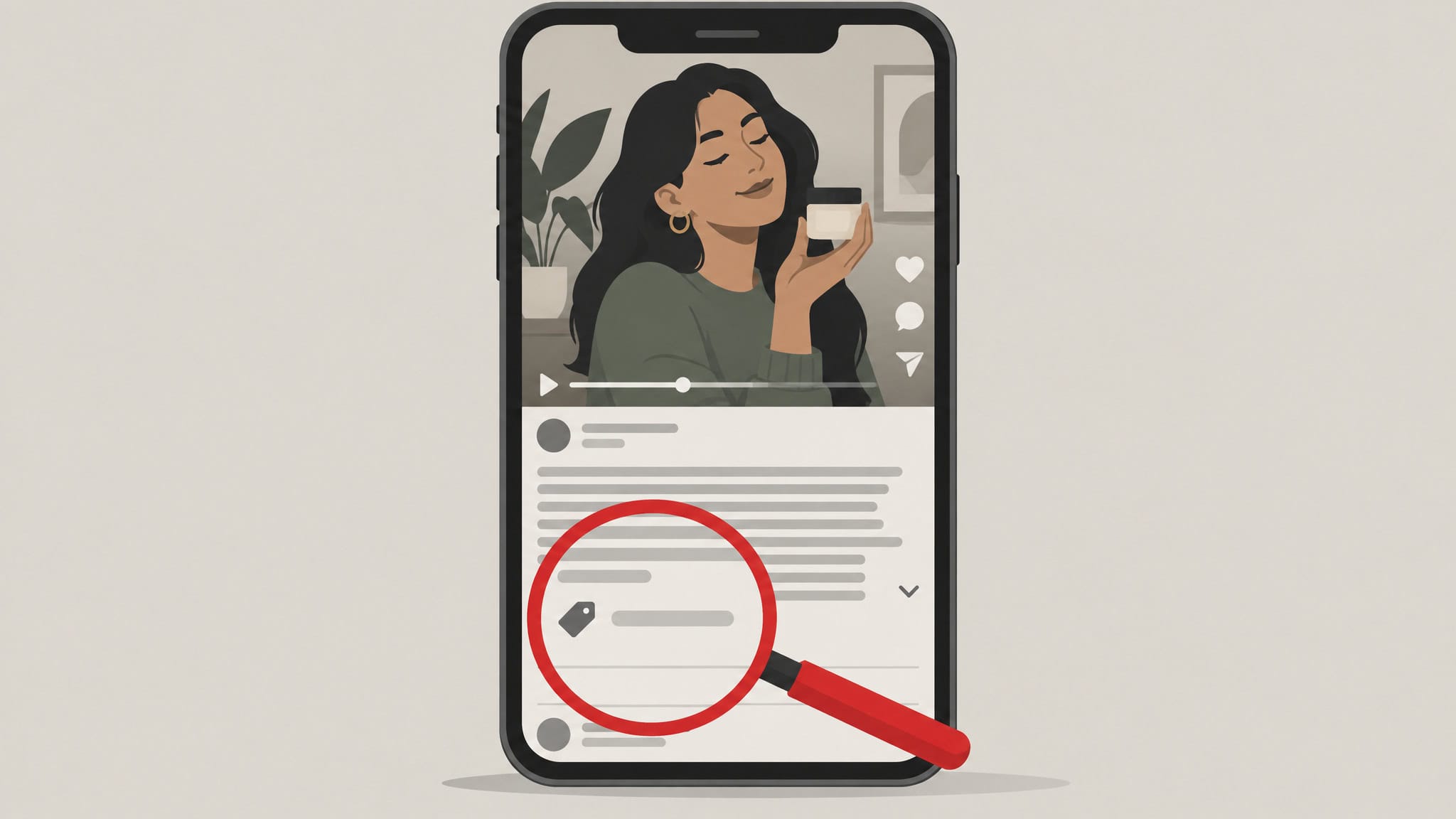
The failures are almost never “forgot the #ad.” They’re placement failures, and the practitioner coverage of them is recent: legal500’s article on the disclosure rules was published on April 8, 2021. Teami’s influencers buried their disclosures under Instagram’s more tab even after receiving direct FTC warning letters. In the Bounty case, a September 2020 ruling by BBB National Programs’ National Advertising Division (NAD) found that the #BountyPartner hashtag vanished when TikTok videos got shared over to Instagram, so the standard now is that a disclosure has to travel with the content no matter where it goes, a standard set against a Procter & Gamble brand. A technically present #ad can still fail if it died under the more tab.
How widespread is the mess? One report sampled posts and found only about 14% fully FTC-compliant, a figure cited by Commissioner Chopra from a single source, so hold it loosely. And the distinction that matters: not disclosing is a violation, but most enforcement has landed as settlements, not automatic fines.
The enforcement record: who actually got sued or fined
The FTC’s influencer enforcement record includes five named actions, and the pattern inside them is more instructive than the headlines:
- Devumi LLC, the first case declaring the sale of fake social media influence illegal. New York AG Letitia James settled with the company in early 2019, then the FTC followed in October 2019 with a partially suspended $2.5 million judgment against the owner and CEO. Fake followers are legally actionable, not just posts.
- Sunday Riley. CEO-directed fake reviews on Sephora. Settlement in 2019, final consent in November 2020, no financial penalties. The reputational damage did the work, and some commissioners publicly pushed for harsher penalties next time.
- Teami, LLC, the $15.2 million settlement from March 2020 in Florida federal court, with influencers named in the complaint.
- Creaxion/Inside Publications. February 2019. Paid athlete endorsements of a mosquito repellant dressed up as independent consumer opinions. No monetary penalties.
- CSGOLotto. November 2017. A gambling site’s president and VP posted about winning money on a site they secretly owned, and paid other gamers for positive posts. No monetary penalties.
Here’s the correction that changes how you read all of it: of the five, only Teami and Devumi carried monetary components. Most settlements targeted brands, and in the Sunday Riley pattern the real penalty was reputational destruction. “No fine” headlines misread how enforcement bites. Commissioner Chopra’s framing cuts sharpest: disguised paid endorsements are illegal payola.
Posts about people: defamation, privacy, and harassment claims
Yes, posts about people can produce lawsuits. Defamation and false light claims arise from false, damaging statements about people or businesses, and the famous proof is Coleen Rooney v. Rebekah Vardy, the UK’s biggest social-media defamation fight, better known by its nickname: Wagatha Christie. Two footballers’ wives, allegations made on social media, and a legal fight that got expensive fast. The lesson isn’t who won.
It’s what the fight cost. As Weaver put it, the costs in these cases are huge, and media lawyers are expensive, so defending yourself runs high even when you’re right. The defense itself, not the verdict, is the crushing expense.
Even jury selection can carry the stakes. In one proceeding, attorney Kevin Reddington declined to use a peremptory strike on a juror named Michael, a decision compared to Shooter McGavin missing a tap-in putt.
The extreme end deserves a hard brake. The Nolan Wells litigation in Mississippi features contested assertions by parties in a live case: alleged defamation, false light, civil conspiracy, and civil stalking (doxxing) claims, preliminary injunctions barring social media posting during litigation, and alleged writs and subpoenas against commentators’ accounts and earnings, with jurisdiction argued on the basis of streaming into Mississippi. Every one of those is an allegation in active litigation, not established law. It shows where the far end of this can go, nothing more.
Does follower count protect small creators?
No, follower count does not protect small creators from civil lawsuits. This is the point where two true claims get merged into one false comfort, so let’s keep them apart.
First claim: the FTC has explicitly said it is not targeting postings by smaller influencers. That’s a regulatory posture, nothing more. It tells you how one agency prioritizes its docket. It says absolutely nothing about civil courts.
Second claim: civil exposure, meaning defamation, privacy, and copyright, applies regardless of follower count. Richardson’s line carries it: five followers or 500,000, you’re influencing someone. A guy with 200 followers is still a publisher in the eyes of the law. The asymmetry is the whole story: regulators filter by size, but private plaintiffs, brands, and platform mechanics do not. The track creators dismiss as “too small to matter” is the one with no size floor at all.
The industry itself has stopped drawing size lines. SAG-AFTRA announced in February 2021 that influencers are eligible to join the union, defining any content creator with a brand promotional contract as an influencer regardless of follower count. Status arrives with no threshold. (The eligibility fine print: solo performance, no third-party production or editing, a written contract, and you keep your content IP. One line, and it’s color, not a barrier.)
Then the part nobody budgets for. Per Richardson, many creators remain underinsured or uninsured entirely, at every size. The union card, the brand deals, the growing audience: none of it comes with a legal department.
One caveat to keep this honest: the evidence shows exposure exists at every size. It does not show how often small creators actually get sued, and nobody should claim it does. What you can say is that nothing about being small removes the risk, and the people who sell protection against that risk price it the same way.
Copyright and unlicensed music: the most common suit
Yes, a background song can get you sued, and unlicensed music is the most frequent litigation trigger in this space. The sympathetic version is the real one: the song works fine on your personal page, and blows up the moment the content becomes sponsored, because commercial use requires a license nobody told you about. Almost everyone makes this mistake before they learn it exists.
The twist worth knowing: liability follows the content, not the creator. Brands can be sued for reposting influencer content containing unlicensed music even though they didn’t create it. Hines sees it from the insurance side, and the repost angle matters as much as the upload: “We have problems not only with people putting music onto content, but also reposting content with music on it.” Large music companies sweep up unlicensed use across brand and influencer content and go after the brand.
Reposting is not a liability shield, which is exactly why Weaver’s first due-diligence check on any creator is blunt: check for unlicensed music. It’s her first check for a reason.
Quick test: Before you post, ask whether the content is sponsored or could get reposted by a brand. If either is possible, the music needs a license.
In Hines’ three buckets, this stuff, third-party content and account compromise, falls under things that happen to you. One honest limit: the evidence establishes that this exposure exists, not how often small creators actually face these suits.
AI content: the newest liability frontier
AI-generated content is not automatically safe to post, and the newest exposure here is criminal. The law is already catching up to generated images the way it caught up to undisclosed ads and unlicensed music, and the two live pressure points are criminal prosecution and the question of whether platform protections still apply.
Criminal exposure is already live
AI-generated content is not automatically safe to post, and the newest criminal exposure is real. The Take It Down Act, sponsored by Senators Klobuchar and Cruz, criminally prosecutes sharing sexualized AI-generated “intimate visual depictions,” with platforms required to remove such images within 48 hours of victim notification. So yes, jail is on the table, and the penalties currently target the individual prompting the generation, not the platform. The FTC-enforced takedown provision doesn’t take effect until May. One gap worth knowing: the definition may not cover bikini or lingerie images, though a separate digital-forgery section might apply.
Section 230 might not save the platforms
Section 230 protection may not cover AI output when a company feature generates the content itself, and the live test is X’s GrokAI mass-generation of nonconsensual deepfakes, reported by CyberScoop on January 8, 2026. With federal enforcement uncertain, state attorneys general enforcing existing digital-forgery laws are the likelier active lane.
What a lawsuit actually costs: insurance and defense
The number you actually want: media liability insurance is the baseline coverage, and packages start around $3,500 a year, though prices vary. Media liability covers claims arising from the content itself: libel, slander, defamation, errors and omissions, copyright and music-copyright infringement, trademark disputes, privacy violations, and certain regulatory issues. Hines and Weaver call it the most critical coverage a creator can carry. When the underwriter and the broker independently agree on something, that’s a signal worth taking.
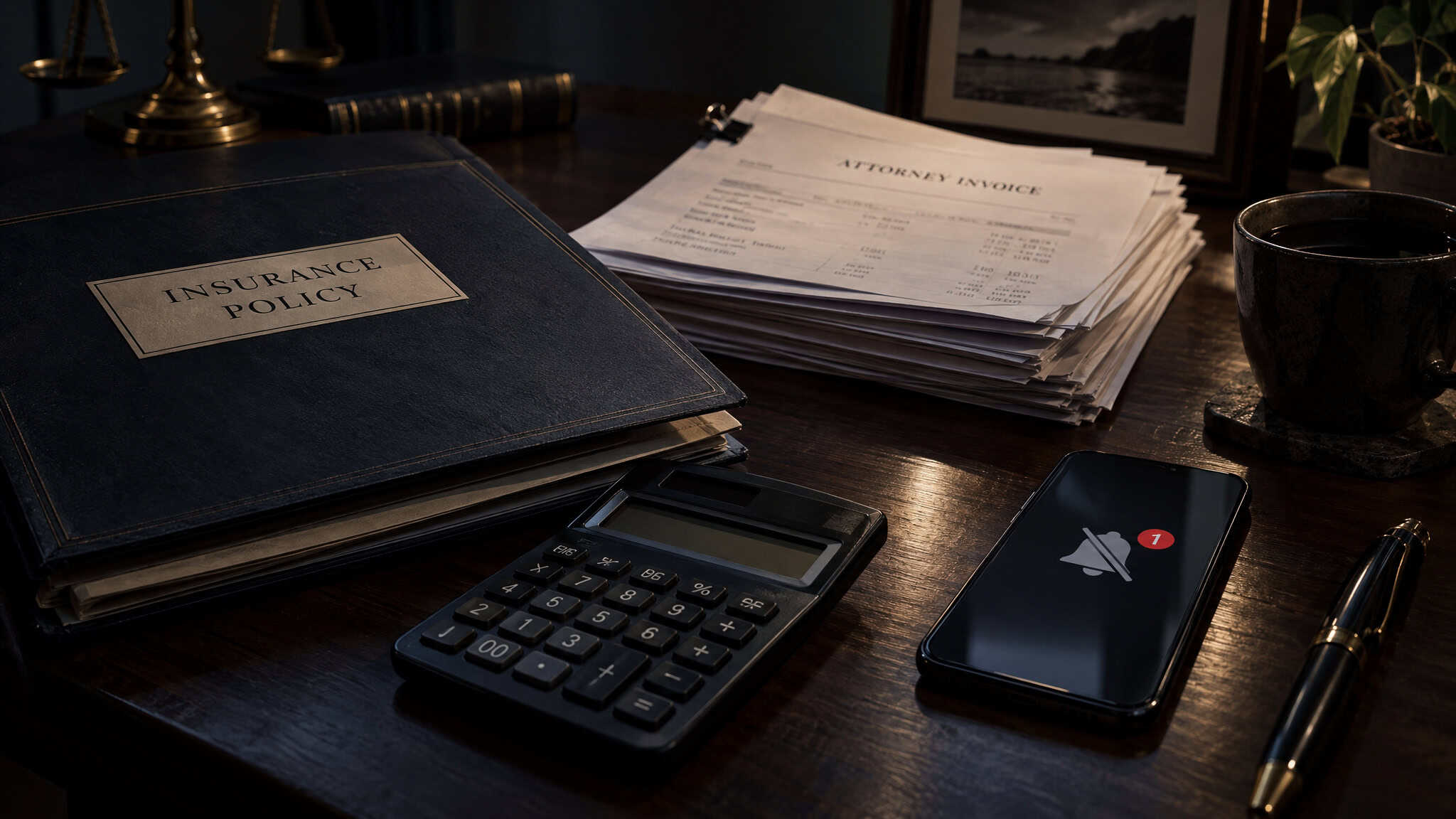
Beyond the baseline, the optional layers depend on what you actually do. Professional liability covers you if a sponsor claims you didn’t deliver what the deal promised. Cyber insurance covers hacking and account takeovers, and for someone whose livelihood is their accounts, that’s not paranoia. Product liability matters if you launch your own goods; the standard example is a skincare product causing an allergic reaction.
Now the uncomfortable truths. Many creators are underinsured or uninsured at every size; Richardson doesn’t believe they have the coverage they need. Some brands now require influencers to carry insurance before partnering. And the kicker: the most likely consequence of controversial past conduct isn’t a lawsuit at all.
It’s the brand quietly dropping you, and per Weaver, no insurance cover exists for that kind of loss. The insurance market existing at $3,500 a year is itself proof the lawsuits are real.
Brands can’t shift liability onto creators
Courts won’t let brands wash their hands of disclosure. Case law puts a non-delegable duty on brands and agencies to mandate disclosure practices, substantiate the claims, and actually monitor compliance, and it cuts sharpest for health and wellness products. Liability flows uphill: a creator’s disclosure failure becomes the brand’s legal problem. Proof this went corporate: Casper’s January 2020 IPO filing listed influencer-disclosure failure as a material risk to reputation and stock price. When a mattress company puts that in its S-1, the risk has been priced at the securities level. Some companies have gone a step further and now require influencers to carry insurance before a partnership, which tells you exactly who’s expected to pay when something goes wrong.
Flip it around and read brand contracts for what they are: risk-transfer documents. The careful-brand playbook is recognizable once you’ve seen it. They vet a creator’s history, use brand-controlled contracts with warranties, indemnities, and termination rights, attach platform-specific disclosure rules as exhibits, monitor with takedown ability, and run due diligence on past content, especially music licensing. All of that exists because old content “is still kicking around the internet” and can resurface years later.
If a brand is doing that homework, it’s not paranoia. It’s the same risk you carry, priced properly.
Where influencer enforcement is heading next
Enforcement posture is a moving target across administrations. On February 12, 2020, Commissioner Rohit Chopra announced the FTC’s review of its endorsement guides, floating new requirements and whether to “activate civil penalty liability,” and the public comment questions, on incentivized reviews, affiliate links, and children’s disclosures, read like a roadmap for what regulation comes next; during the Biden-era review, the trend favored enhanced penalties. By 2026, the firing of Democratic FTC commissioners introduced real uncertainty about federal enforcement willingness, pushing state attorneys general into the likelier active lane. The warning-letter lesson is blunter: the record only documents what happens when warnings get ignored.
Teami’s influencers received direct warning letters, persisted, and were named in the $15.2 million complaint. No formal remediation process exists in the record, so the smart move is the one law firm Crowell recommended during the comment period: get a lawyer involved.
Frequently Asked Questions
Is it illegal for influencers to not disclose ads?
Yes — not disclosing a material connection to a brand is a deceptive practice under FTC rules, full stop. The connection must be disclosed clearly whether you were paid, got free product, entered a sweepstakes, or even just tagged the brand. That said, most enforcement to date has landed as settlements rather than automatic fines, usually against brands.
Should influencers be held accountable for their content?
Legally, they already are. Courts and regulators treat what you publish as yours, personally — the platform is different from traditional media, but the liability isn’t. Many creators command audiences bigger than major newspapers’ readerships while operating with no legal review, no compliance team, and no insurance, which is exactly why liability sticks to them.
Can small influencers be sued, or does follower count matter for legal liability?
Follower count filters regulators, not plaintiffs. The FTC has said it isn’t targeting smaller influencers, but civil suits over defamation, privacy, and copyright apply at any size — five followers or 500,000, you’re still a publisher in the eyes of the law. What the evidence doesn’t show is how often small creators actually get sued, only that nothing about being small removes the risk.
Can you sue for being posted on social media?
Yes, in certain circumstances. Posting people’s information or likeness without a right to it can create privacy violation exposure, and false, damaging statements about a person can support defamation and false light claims. The UK’s Coleen Rooney v. Rebekah Vardy case — the ‘Wagatha Christie’ fight — showed how expensive these battles get, with defense costs running high even when you’re in the right.
What legal risks do influencers face beyond FTC disclosure rules?
Beyond disclosure, the main civil exposures are defamation and false light from posts about people, copyright infringement from unlicensed music (the most frequent litigation trigger in this space), and privacy violations. Unlicensed music is the classic trap: a song works fine on a personal page but becomes commercial use requiring a license the moment content is sponsored or reposted by a brand — and liability follows the content, so brands get sued for reposting too.