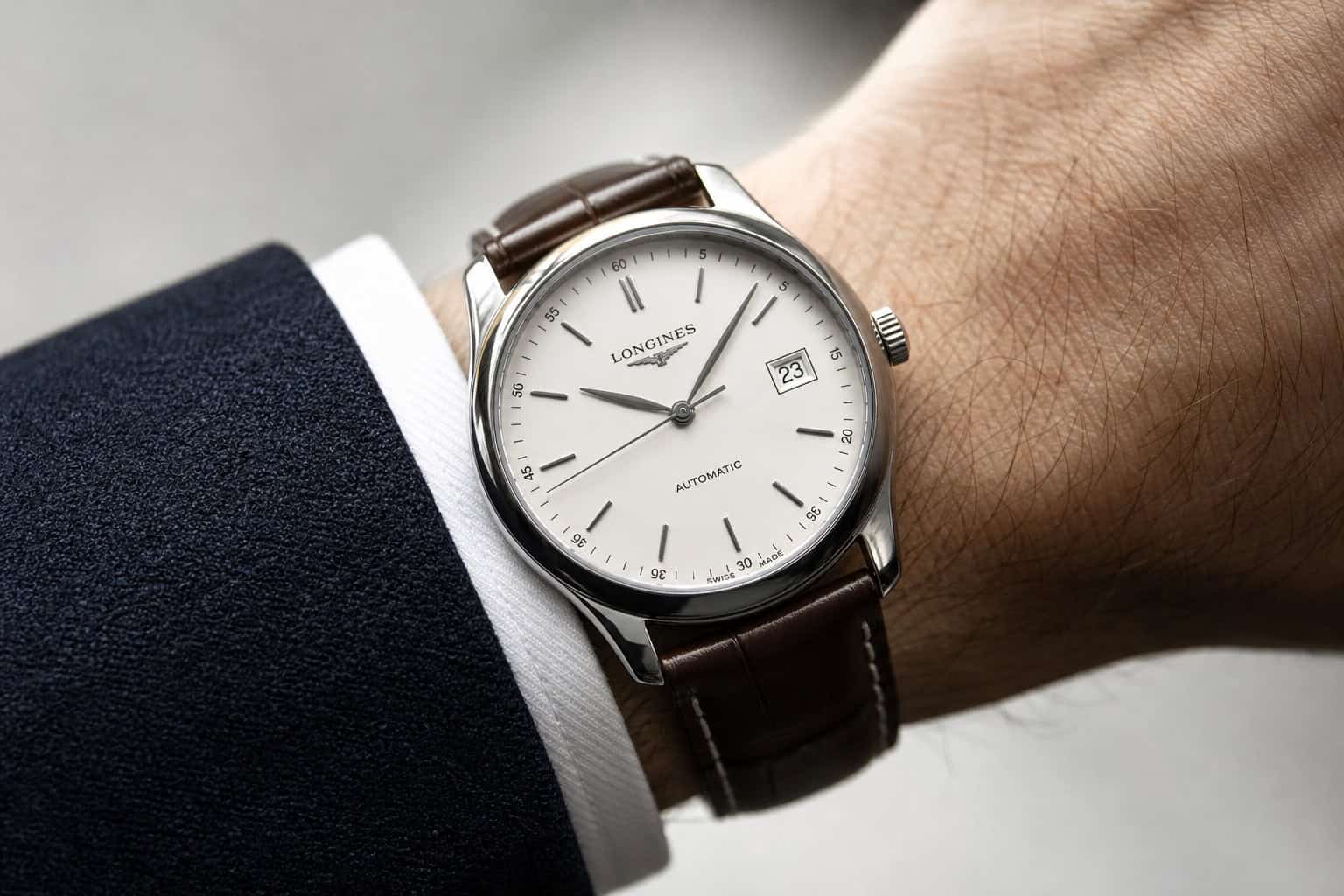
You want a watch. But scrolling through hundreds of models with different dial shapes, movement types, and water resistance numbers feels like a lottery. Buy without a plan, and you’re likely to hit one of three common regrets: sizing error (the watch that looked great online but wears like a dinner plate), impulse buyer’s remorse (the hyped collaboration like the Swatch MoonSwatch that lost its appeal after a week), or depreciation shock (the luxury piece like the Hublot Big Bang that lost half its value the moment you walked out the door). I’ve seen each of these sink a perfectly good watch purchase.
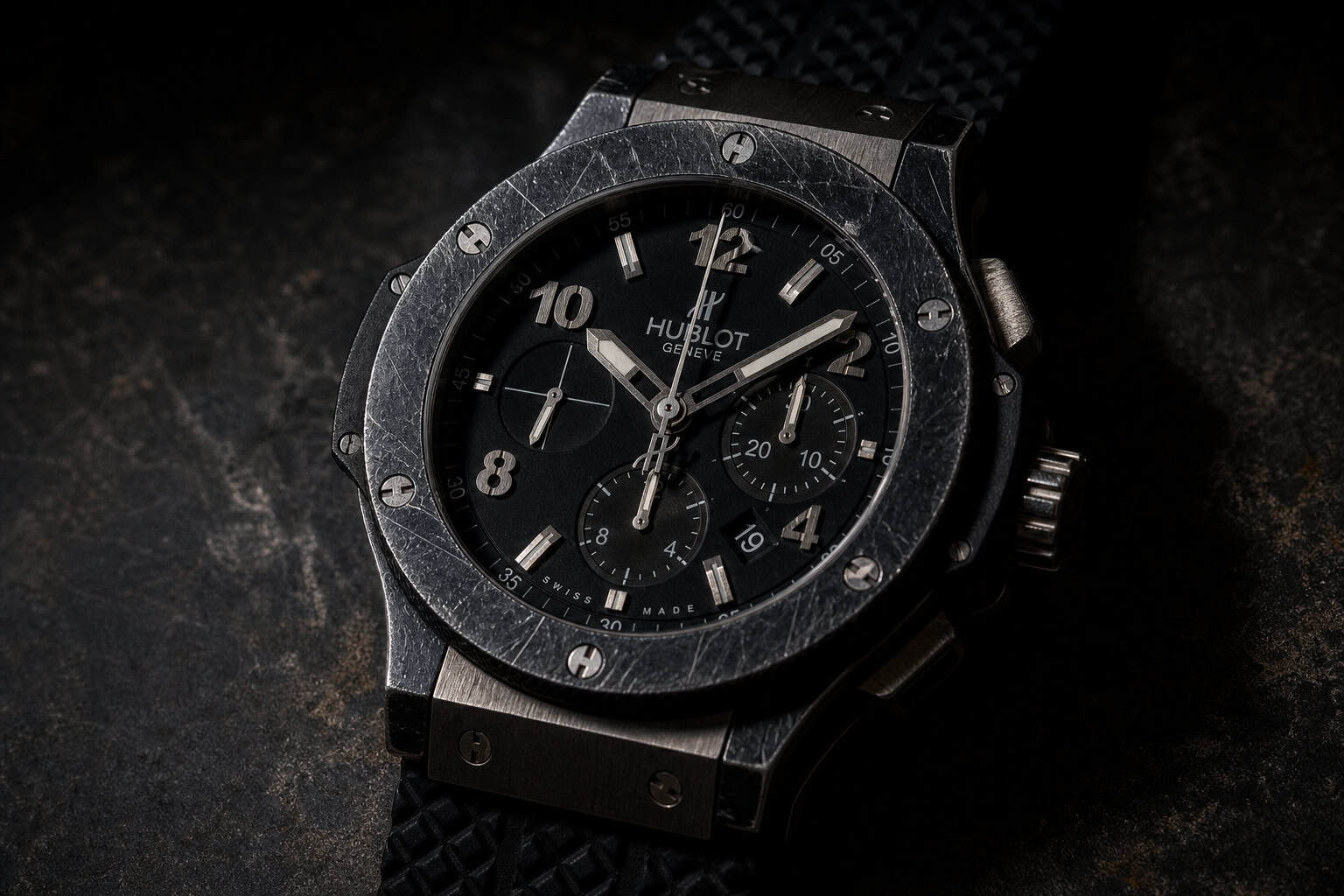
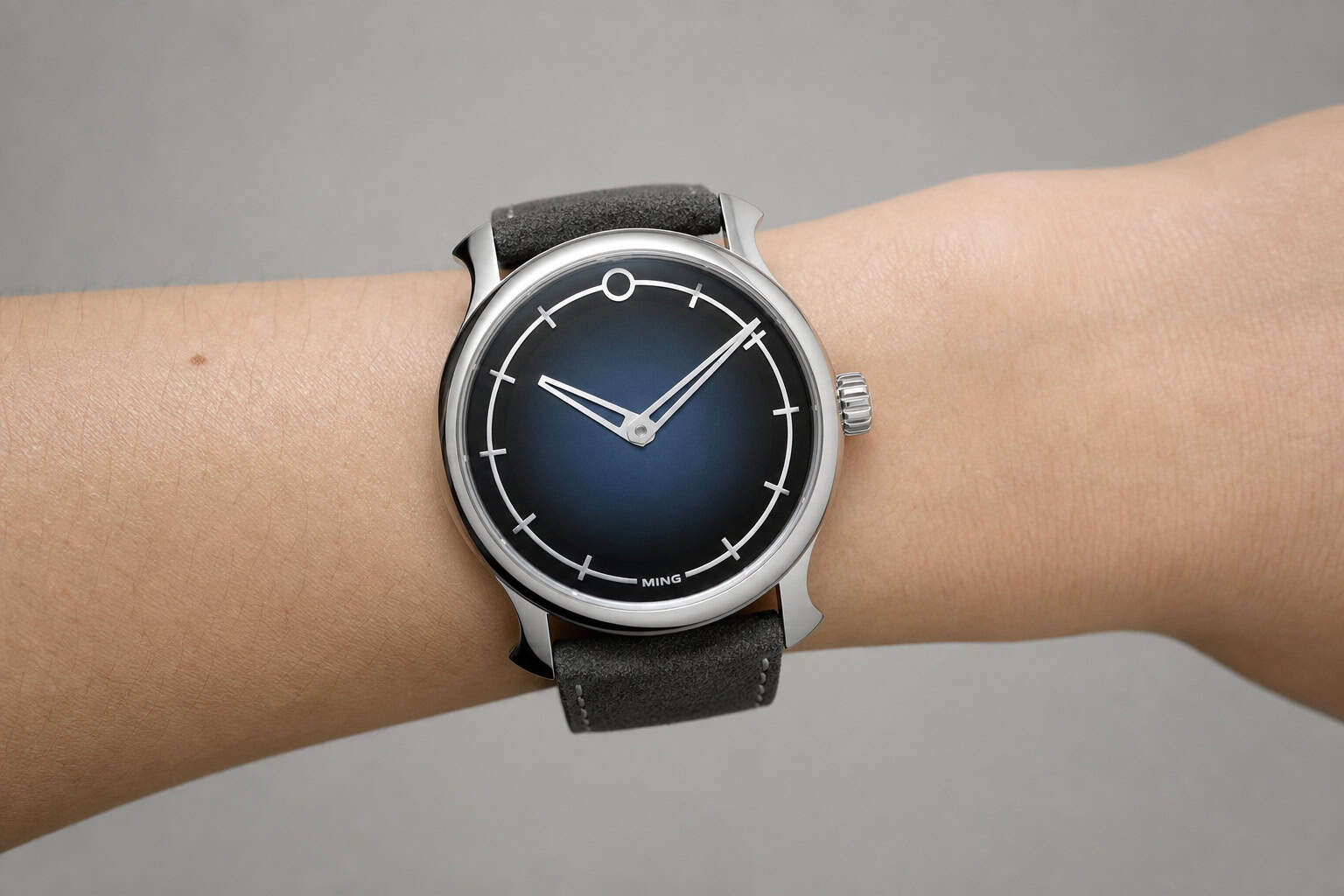
The Swatch MoonSwatch is a textbook impulse-buy trap. The Hublot Big Bang shows how brutal depreciation can hit even at high price tiers, with a $20,000 new watch selling used for $8,000–$10,000. And Ming watches prove that case diameter alone isn’t enough to know if a watch fits your wrist.
This guide walks through five decisions—budget, movement, style, size, and purchase channel—in order. Each step eliminates options. By the end, you’ll have a personal decision tree that takes you from “I want a watch” to “I know exactly which one to buy.”
Key Takeaways
Set your budget first: At $100–$300, Fossil offers 194 men’s watches across 11 collections—the sweet spot for a first real watch. Under $100 is a learning tier; $500+ opens luxury and secondhand options, but the Hublot Big Bang proves that high price doesn’t guarantee value retention.
Size matters beyond diameter: A 40mm case can wear like a 42mm if the lug-to-lug is long (Ming watches are the classic example). For wrists under 6.5 inches (17 cm), stick to cases under 40mm—and always check lug-to-lug distance before buying.
Box and papers are overrated: According to watch expert Elias Marte in GQ, condition and a trusted seller matter more than original packaging. A clean watch without box and papers is better than a beaten watch with “complete set.”
Table of Contents
Step 1: Set Your Budget — Know What Each Tier Actually Buys
Your budget is the first filter, and it’s more nuanced than “how much you can afford.” Different price tiers deliver different combinations of movement, materials, and variety. Here’s what you actually get.
Under $100: The Learning Tier
You’re getting basic quartz movement, mineral crystal, limited water resistance, and often a stainless steel case that’s not particularly refined. The value is in design and variety—you can experiment with styles without a big financial commitment. If you just need something that tells time and looks decent, this tier works.
$100–$300: The Sweet Spot
This is where Fossil’s catalog is most instructive. The brand sells 194 men’s watches, and the vast majority fall in this range. You get options across a dozen collections: the rugged Machine line (38 items), the classic Everett (20 items), the mid-century modern Neutra (19 items), the vintage-inspired Townsman (14 items), the clean Minimalist (7 items), and the dressy Carraway (9 items). That’s real variety.
At this price, entry-level automatics become available alongside quality quartz. Sapphire crystal appears on some models. Water resistance of 5 ATM (50m) is common—fine for swimming but not diving. And Fossil sweetens the deal: signing up for emails gives you a 15% discount on full-price styles.
Free shipping kicks in at $75, which covers almost any watch. The effective price is lower than the sticker.
$500+: Luxury, Depreciation, and Secondhand Opportunity
Cross the $500 threshold and you enter heritage-brand territory and microbrands. This is where you find Swiss automatics, better finishing, and more interesting designs. But it’s also where the Hublot Big Bang cautionary tale lives. A $20,000 Hublot Big Bang that sells used for $8,000–$10,000?
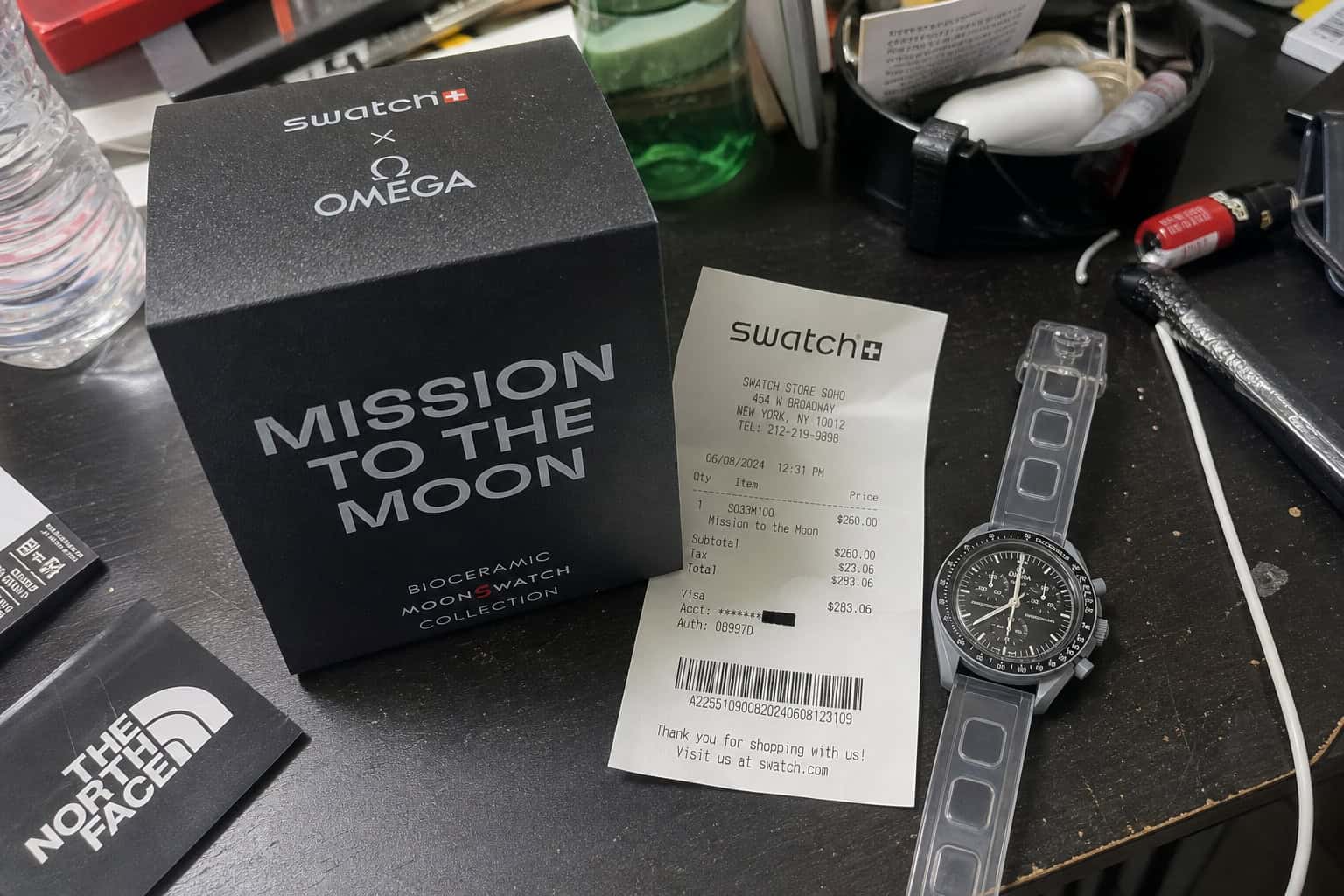
That’s not an investment—that’s a harsh lesson. Research depreciation before buying high-end. If you’re set on a luxury piece, consider buying used from a reputable seller; the secondhand market offers significant savings.
Microbrands like Studio Underd0g offer unique designs and direct-to-consumer pricing, but you trade off service network and resale value. For a first watch in this tier, a brand with global service (think Rolex, Cartier) is safer.
Step 2: Understand Watch Movements — Quartz, Automatic, or Mechanical
The movement is the engine. Here’s the tradeoff in plain language: quartz is objectively more accurate and lower maintenance; automatic and mechanical offer craftsmanship and ritual.
Quartz: The Practical Choice
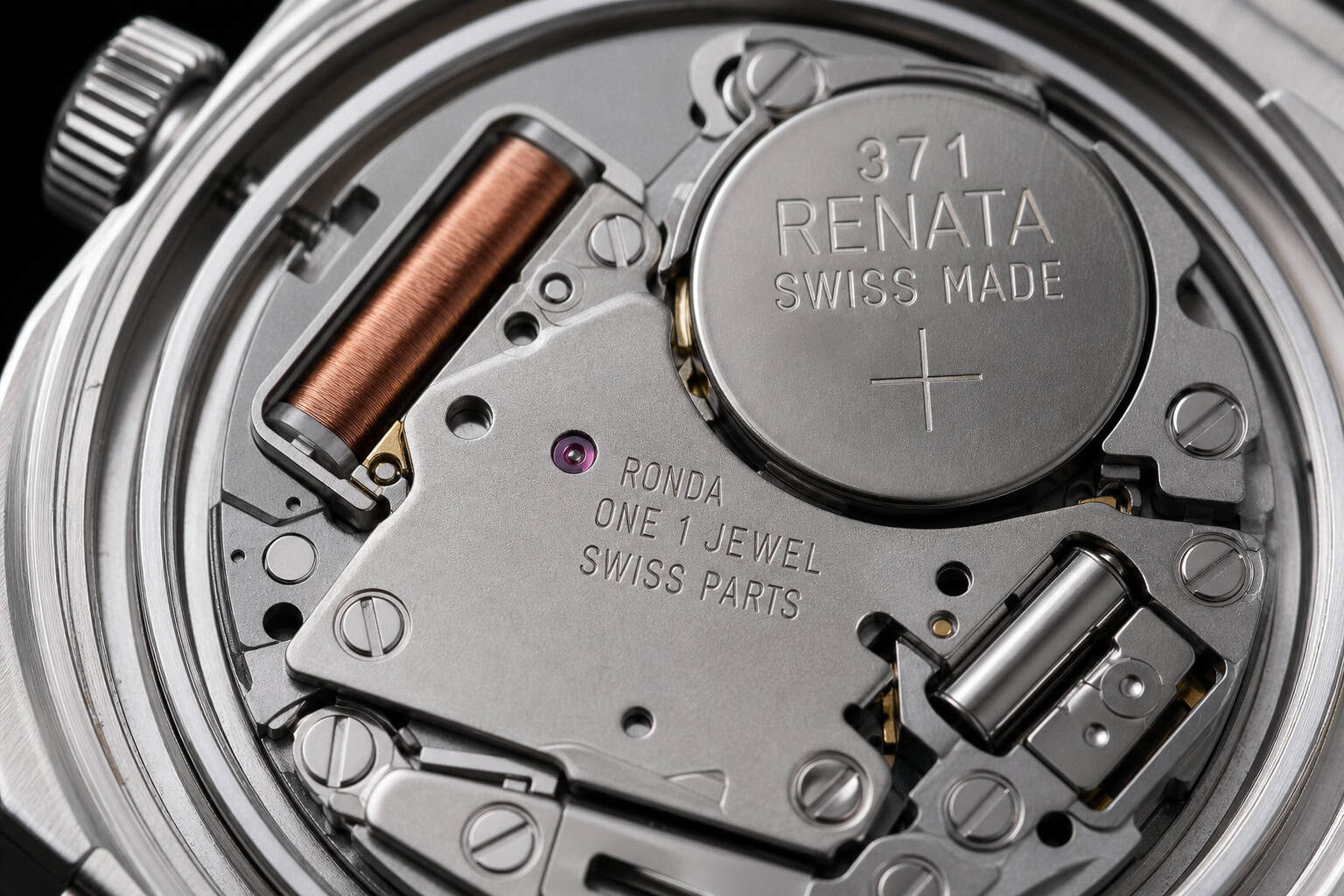
Battery-powered, accurate to ±15 seconds per month, minimal fuss. A battery change costs about $10/year. Solar quartz variants—like CITIZEN Eco-Drive—eliminate battery changes entirely. This is the best choice for a daily beater, a first watch, or anyone who values reliability over ritual.
The Swatch MoonSwatch regret example? It’s a quartz watch with a plastic case that buyers didn’t actually want long-term, not because the movement was bad, but because they bought the hype, not the watch.
Automatic: The Enthusiast’s Default
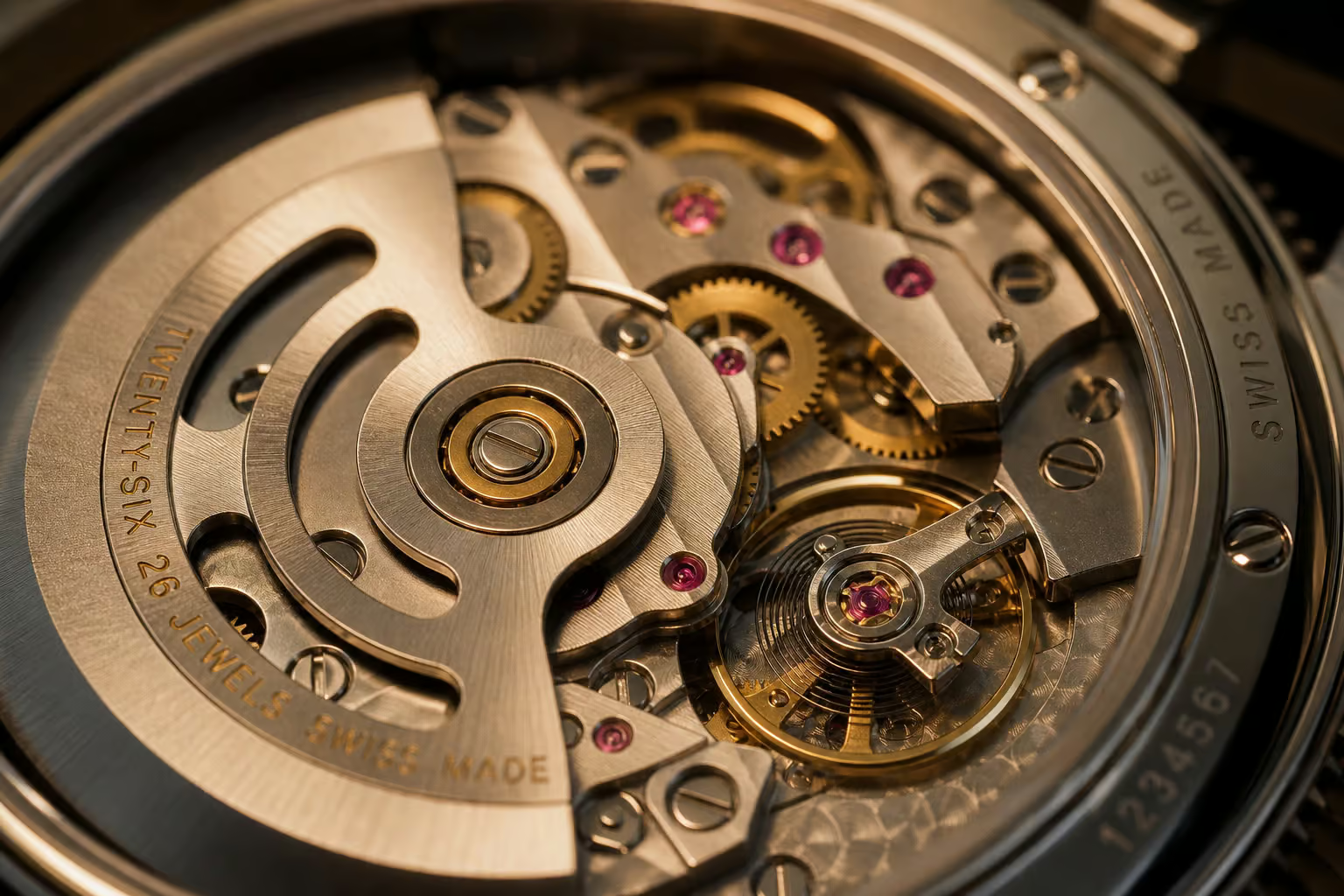
Self-winding, no battery, sweeping second hand. The rotor spins as you move, so you need to wear it regularly (about 8 hours a day) or it stops. Service every 5–7 years costs $200–$500. The tradeoff: emotional satisfaction from the mechanical heartbeat vs. the need for occasional maintenance. The Hublot Big Bang shows that even luxury automatics can depreciate hard, losing half their value, if service records are poor—so if you buy used, prioritize condition over hype.
Mechanical: The Hobbyist’s Choice
Manual winding every day. Highest craftsmanship, longest service intervals, but highest cost per service. If you don’t enjoy the daily winding ritual, a mechanical watch is an expensive ornament. This is for collectors who appreciate the connection. For everyone else, automatic or quartz will serve better.
Step 3: Pick a Style That Matches Your Lifestyle
Fossil’s collections map neatly to real-world use cases, and the item counts tell you how much variety exists.
Dress Watches (Minimalist, Carraway)
Thin case, clean dial, leather strap. The Minimalist collection has 7 items—slim, simple, perfect under a shirt cuff. Carraway (9 items) goes a step dressier with croco-embossed leather. For luxury reference, look at the Must de Cartier: same category, ten times the price. A dress watch is a dress watch regardless of price—a clean 38–42mm case with minimal complications.
Casual and Daily Wear (Machine, Everett)
This is the largest category and the most versatile. Machine has 38 items—industrial, bold, often chronographs. If you want a watch that could survive a workshop, start here. Everett (20 items) is classic and slightly dressy.
If you can only own one watch, pick from this group. These designs work with jeans, chinos, and office casual.
Sport and Active Use (Sport Tourer)
Purpose-built for athletic activities. Chronograph functions, rubber or fabric straps, higher water resistance. Sport Tourer has only 4 items—small niche, but if you need a watch for running or gym, this is where to look. Most people can skip this unless they specifically want a sports chronograph.
Diver Style (Fossil Blue)
Rotary bezel, high water resistance. Fossil Blue has 6 items at $200–$300. Clarify: 10 ATM (100m) is fine for swimming and snorkeling, not scuba. If you want the look without diving, this works. If you actually dive, you need 20 ATM (200m) and a proper dive watch.
Statement and Fun (Big Tic, World Flags, Collaborations)
Bold designs, limited editions. World Flags Big Tic has 19 items—flag-themed dials, novelty. Star Wars x Fossil and Nick Jonas x Fossil are collaborations that add collectibility but often not better specs. These are second-watch purchases. Buy for the look, not the rarity.
Step 4: Size It Right for Your Wrist
Most sizing advice stops at “try it on.” We’re going further.
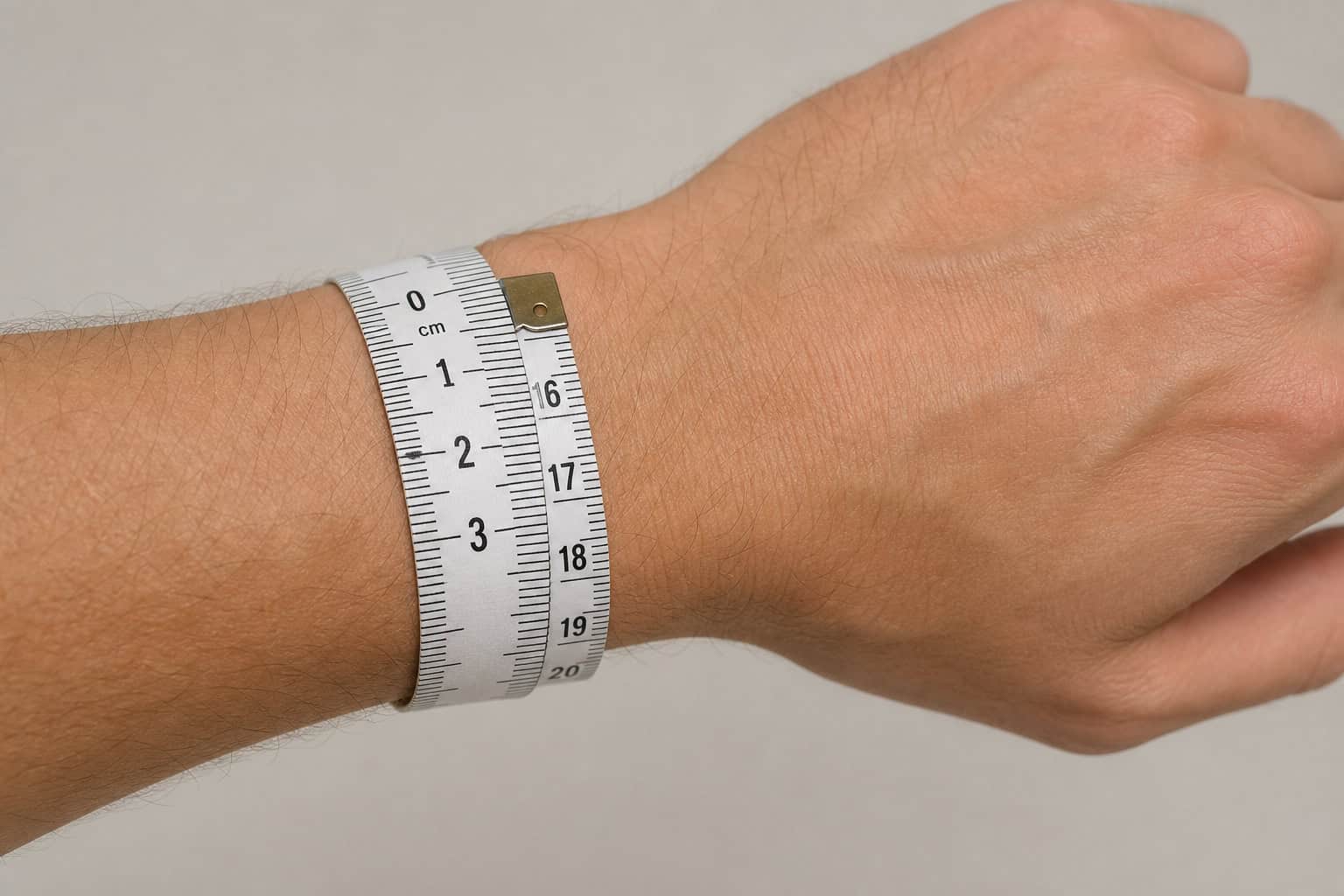
Measure Your Wrist
Use a flexible tape measure or a string and ruler. Measure just below the wrist bone. Write down the circumference. The critical threshold: under 6.5 inches (17 cm) counts as a small wrist. If that’s you, aim for a case diameter under 40mm. 38–40mm is the sweet spot.
Men’s watches range from 34mm (vintage style, small) to 50mm (practically a clock). At the extremes, the Rolex Lady Datejust (34mm) and Panerai Luminor (44mm+) show how much size varies even within heritage brands. Most people should land between 38mm and 44mm.
Lug-to-Lug: The Missing Measurement
The distance from top lug to bottom lug determines whether the watch overhangs your wrist. A 40mm case with 50mm lug-to-lug—like some Ming watches—can wear too large on a 6.5-inch wrist because the lugs stick out past the edges. Online listings rarely provide lug-to-lug. Search for “lug-to-lug [watch model]” or look at on-wrist photos. Ideal: lug-to-lug shouldn’t exceed the width of your wrist.
A 44mm watch on a 6-inch wrist looks like a dinner plate.
Step 5: Choose Where to Buy — New, Used, or Microbrand
Each purchase channel—brand site, secondhand market, or microbrand—offers a different balance of price, risk, and convenience. Here’s what you need to know about each.
Brand Site: Safest for New Buyers
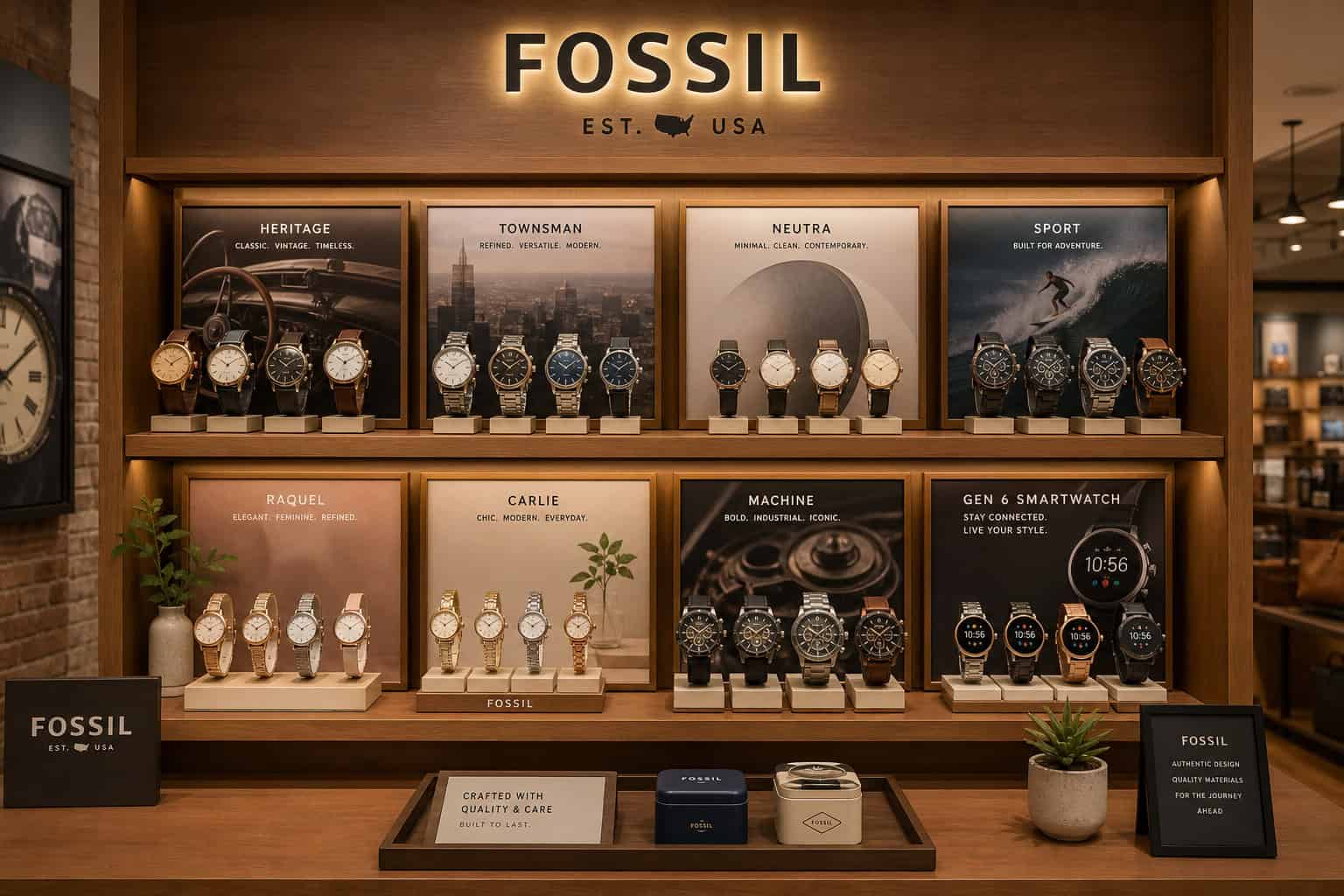
Buying directly from the brand, like Fossil.com, gives you full warranty, easy returns, and promotional offers. Fossil gives 15% off full-price styles when you subscribe to emails, plus free shipping on orders over $75. The site filters by gender, collection, color, material, movement type, and price. Use those filters to narrow 194 watches to a handful.
Sections like New Arrivals, Bestsellers, and Sale are shortcuts—Sale is where the value is. You can even personalize watches and straps.
Secondhand: Significant Savings, Higher Risk
Watchfinder is a curated dealer—they inspect and warranty each watch. You pay a premium for peace of mind. Chrono24 is a marketplace where private sellers and dealers list watches. More variety, but vet the seller and use their escrow service.
The key insight from Elias Marte (GQ): don’t overpay for box and papers. Condition and a trusted seller matter more. A clean watch without original packaging is better than a scratched-up watch with a “complete set.”
Microbrands: Uniqueness at a Cost
Direct-to-consumer brands like Studio Underd0g offer unique designs and competitive pricing. The tradeoffs: limited service network, uncertain resale value. Best for buyers who prioritize uniqueness over convenience. If this is your second or third watch, microbrands are worth exploring.
Step 6: Avoid Common Buying Mistakes (With Real Examples)
Each mistake here is anchored to a specific named product.
Impulse Buying — The Swatch MoonSwatch Trap
The MoonSwatch was a hyped collaboration between Swatch and Omega. Plastic case, quartz movement, limited appeal after the novelty wore off. Many buyers purchased on impulse without considering fit, style, or actual need. Lesson: sleep on any purchase driven by FOMO. If it won’t fit your wrist or your lifestyle, the hype doesn’t matter.
Depreciation Shock — The Hublot Big Bang Lesson
A luxury watch like the Hublot Big Bang that loses significant value on the secondhand market. A $20,000 new Hublot Big Bang might sell used for $8,000–$10,000. That’s not unusual for many luxury brands, but the Big Bang is a stark example. Lesson: luxury doesn’t equal investment.
Research depreciation before buying high-end. If you must have one, buy used.
Sizing Error — What Ming Watches Teach Us
A 40mm Ming watch case that wears like a 42mm due to long lugs. GQ documented this as a common sizing mistake. Lesson: case diameter alone isn’t enough. Always check lug-to-lug distance. If you can’t find it, look at on-wrist photos or ask the seller.
Misinterpreting Water Resistance
Water resistance ratings are pressure tests, not depth guarantees. Here’s what they actually mean:
- 3 ATM (30m): Splash resistant. Hand washing, rain, sweaty run. No swimming.
- 5 ATM (50m): Fine for swimming. Not for diving or snorkeling.
- 10 ATM (100m): Snorkeling safe. Good for most active people.
- 20 ATM (200m): Actual dive watch territory. Overkill if you’re not diving.
Many buyers damage watches by assuming 5 ATM (50m) means you can swim to 50 meters. You can’t. The seals also degrade over time—replace them every 2–3 years if you use the watch in water.
Overvaluing Box and Papers
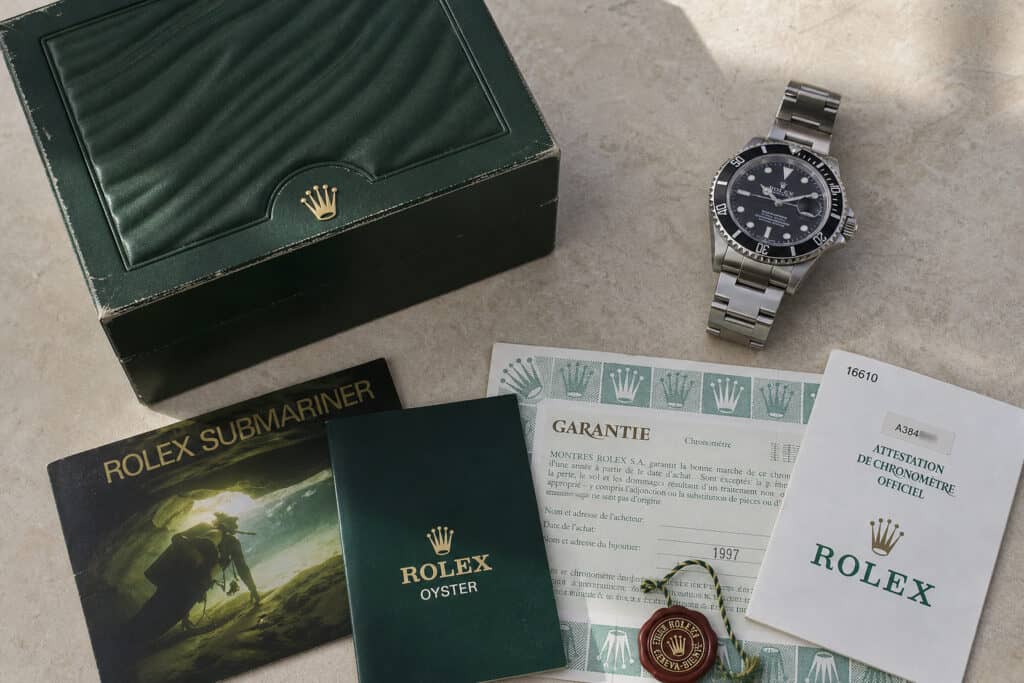
The original box and warranty card are nice, but not the key to authentication. Elias Marte puts it bluntly: condition and trusted seller matter more. Buyers often pay a premium for a “full set” when the watch itself shows wear. A clean watch without box and papers is better than a beaten-up watch with all the cardboard. Trust the seller, not the packaging.
Step 7: Know the Features That Matter
Evaluating a spec sheet means understanding tradeoffs that most guides oversimplify.
Crystal: Sapphire vs. Mineral
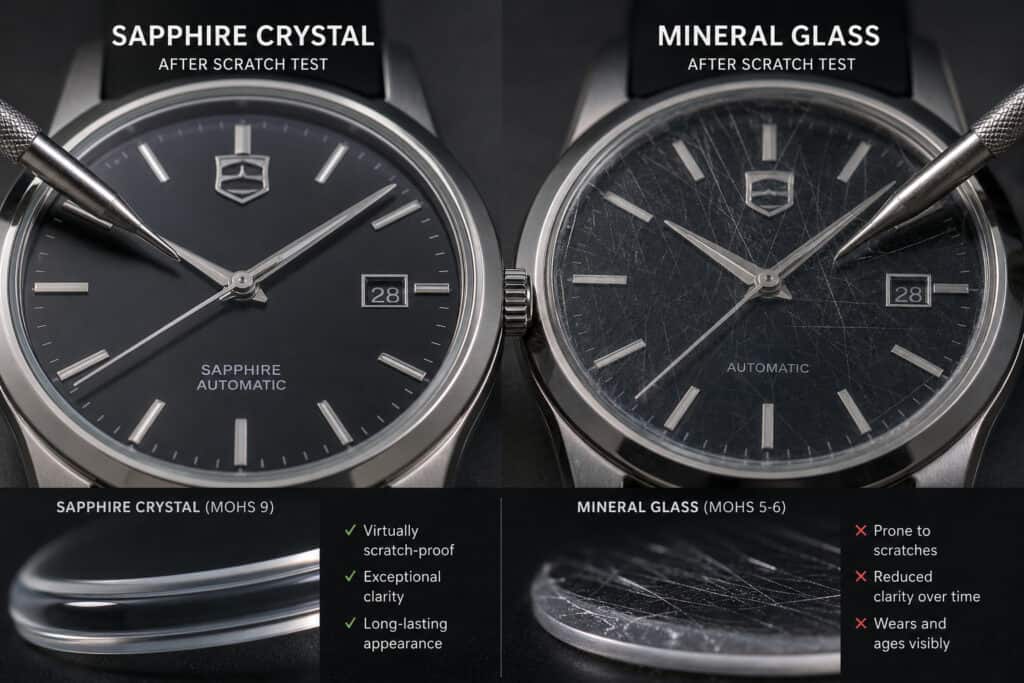
Sapphire is synthetic, extremely hard (9 Mohs), and almost impossible to scratch. It’s the gold standard for watch glass. But it can shatter if you whack it hard enough. Mineral glass (5–6 Mohs) scratches easier but is more impact-resistant.
For an everyday watch, sapphire is preferred. For a beater or sport watch, mineral’s impact resistance might be more practical. Double-domed sapphire reduces distortion but is more expensive.
Water Resistance Recap
See step 6 for the ATM conversions. One additional point: if you plan to swim with your watch, make sure the rating is at least 5 ATM (50m) and get the seals checked every few years.
Strap and Case Materials
- Leather: Formal, comfortable, needs replacement every 1–2 years. Croco-embossed leather (like Carraway) adds dressiness.
- Stainless steel: Durable, heavy, can be resized. The most common bracelet material.
- Silicone: Sporty, comfortable, easy to clean. Great for active wear.
- Fabric (nylon, canvas): Casual, breathable. NATO straps are popular.
- Titanium: Lightweight, scratches easier than steel.
- Ceramic: Scratch-resistant but can shatter.
A watch with a stainless steel bracelet and an additional leather strap gives two completely different looks. Always check if the strap is quick-release for easy swapping.
Step 8: Factor in Brand Reputation — What It Actually Means
Brand reputation goes beyond the logo. It affects service, resale value, and the overall ownership experience. Here are the three main tiers you’ll encounter.
Accessible Brands (Fossil as Case Study)
Fossil is the reliable baseline. 194 men’s watches across 11 collections, clear pricing, and promotional offers. The site is easy to navigate, with filters and gift guides.
Heritage Brands (Rolex, Cartier, Panerai)
Global service networks, better resale value, but you pay for the name and infrastructure. A Rolex Lady Datejust (34mm) and Panerai Luminor (44mm+) show the size range even within heritage brands. If you want a watch that holds value and can be serviced anywhere, this is your tier.
Microbrands and Collaborations
Uniqueness at a cost. Limited service network, uncertain resale. Studio Underd0g’s colorful dials are distinctive, but if the movement breaks, you’re mailing it back. Collaborations like Star Wars x Fossil add novelty but often no better build quality.
From Decision to Purchase
Here’s the framework you now have. Write it down:
- Budget: Under $100
- Learning tier: $100–$300
- Sweet spot for variety and quality: $500+
- Luxury, used, or microbrand
- Movement: Quartz for practicality, automatic for daily wear, mechanical for hobbyists
- Style: Dress, casual, sport, diver, or statement—match to actual use
- Size: Measure wrist, aim for case under 40mm if under 6.5 inches, and check lug-to-lug
- Purchase channel: Brand site for safety, secondhand for savings, microbrand for uniqueness
The three mistakes—MoonSwatch impulse, Hublot depreciation, Ming sizing—are each solved by one of these steps.