
When my girlfriend booked her first solo trip, to Portugal, the group chat did what group chats do: a wall of “is that safe?” from people who’d never left Ohio. Here’s the thing. Women travel alone all the time, including in developing countries, without speaking the language and without hiding out at an all-inclusive resort, and solo travel is easier with a few new tips. The best evidence comes from people who’ve actually done it. Adventurous Kate, a full-time travel blogger for a decade, got pickpocketed on her first day in Buenos Aires, was later shipwrecked in Indonesia on an overnight cruise Lonely Planet had called “one of the safer options,” and survived a stolen wallet because a backup ATM card was hidden in her main luggage.
She’s still traveling. Her honest summary: common sense is the biggest safety factor, and none of these tips are revolutionary. They just work everywhere.
One counterintuitive note before we start. Kate estimates upwards of 95% of unprepared “wing it” travelers are male. So if the women in your life plan meticulously before a trip, that’s not anxiety. That’s rational risk management, and honestly, most of us guys could borrow some of it.
Key Takeaways
Splitting cash and cards across bags meant one theft in Sri Lanka and a robbery in Colombia ended as stories, not disasters.
The gear that matters is cheap and boring: portable door lock, personal alarm, AirTag, charged power bank, and travel insurance that actually pays out (World Nomads reimbursed Kate up to $1,000 for stolen gear).
First-time solo destinations with real tourism infrastructure or a shared language, like Iceland, Austria, Japan, or Quebec City, build the judgment that keeps you safe on the ambitious trips later.
Table of Contents
Research your destination before you book anything
Kate’s biggest safety mistakes abroad came from skipping research, and she’s the first to say so. Her first day of solo travel ended in a Buenos Aires pickpocketing because she carried a big open purse that didn’t close. Her worst train ride ever happened in Bulgaria because she booked it without research; the guides all said buses were faster and far nicer on that route.
The fix is a boring checklist: which neighborhoods to avoid, which taxis are legit, where the nearby medical centers are, whether lodging reviews mention safety problems, how viable night transport actually is. Add a travel-clinic visit for vaccinations and prescriptions, and check whether your insurance covers adventure sports. Blogs, forums, and Facebook groups beat brochure copy, and solo female traveler accounts deserve the most weight. Trust facts over scary assumptions from people who’ve never been.
Keep your valuables on you in transit
Packing light for women starts with one anti-theft day bag for valuables, and those valuables never go in checked luggage. That’s the whole rule, and it matters more now than ever because everyone travels with thousands in tech: phone, laptop, tablet, camera.
First rule comes before any bag: don’t bring what you’d be despondent to lose. Heirlooms, expensive jewelry, the birth certificate. If losing it would ruin the trip, it stays home. Everything that matters travels in one dedicated day bag: passport, camera, medication, cards, phone.
Never the general backpack, never the bus hold, never a checked bag, which gets thrown around and sits out of your sight for hours. Fair warning on the viral packing hacks floating around social media: the sources here only back some of them, so treat the 30-second videos accordingly.
Carry only daily cash and lock the rest up
About $50 a day in cash, plus one backup debit card. Transferwise gets the nod for the backup. That’s the daily carry. Not $500 in cash plus every card you own plus the passport, which is the version too many travelers run.
When you’re at your lodging, hostel lockers do the job when they’re available. Otherwise, a portable slashproof safe locked to something solid covers it. The logic is simple and worth stating once: most thieves are opportunistic. You’re not defeating criminals. You’re just being less convenient than the next person.
Distribute cash and cards across compartments
Splitting cash and cards so one theft never takes everything is the hack that actually works. Watch the failure pattern at any register: the newer traveler pulls a thick stack of cards out of one wallet, and now everyone nearby knows where everything is.
Kate’s two recoveries prove the math. A wallet stolen in Sri Lanka didn’t end the trip because a backup ATM card sat in her main luggage. A robbery in Colombia got downgraded to a hassle because her cash and cards were spread across multiple bags. One stolen bag shouldn’t take everything. A little in the day bag, a little in the main bag, a card stashed somewhere separate.
Keep secret emergency cash
Bury at least $50 USD deep in your main luggage. A tampon applicator works. So does a sock. Add a backup credit card in a completely separate spot.
This sounds paranoid until you hear the worst case it solves: in Cuba, Kate’s cards and ATMs were useless, and the cash she’d hidden in her underwear covered the ride to Havana Airport and a flight to Cancun. The whole emergency exit, funded by fifty bucks sewn into a sock. It’s the move everyone skips until the day they need it.
Hidden money belts: never access them in public
The Nar RFID-blocking money belt is the named option here, though flag honestly: the RFID-blocking claim is marketing that hasn’t been verified. The physical belt still does its main job.
The one rule that matters: hidden storage gets retrieved somewhere private, like a bathroom. Then the contents move to your crossbody bag. Digging into a money belt on a sidewalk announces exactly where your valuables are, which is why some people mock the product after using it wrong.
Blend in and drop the tourist uniform
Standing out marks you as unfamiliar, and unfamiliar reads as vulnerable to the wrong people. Dress is one part of looking less like a target; research, body language, and awareness are the rest.
The specifics are almost funny. Paris pickpockets spot tourists in shorts, tees, Birkenstocks, and university sweatshirts, partly because shorts are rare in Europe, especially France and Italy. Skip the backpacker uniform entirely: no drop-crotch hippie pants, no souvenir beer tees. Casual but neat is the target.
Regionally: covered arms, legs, and chest in Muslim countries, loose clothing in India, long pants in Europe and Latin America. This is style plus practicality, not identity erasure.
Confident body language and situational awareness
These two work as a pair: body language keeps you from reading as an easy mark, and situational awareness is what actually spots trouble early. Looking confident means nothing if your head is in your phone. The habits below are how both show up on the street.
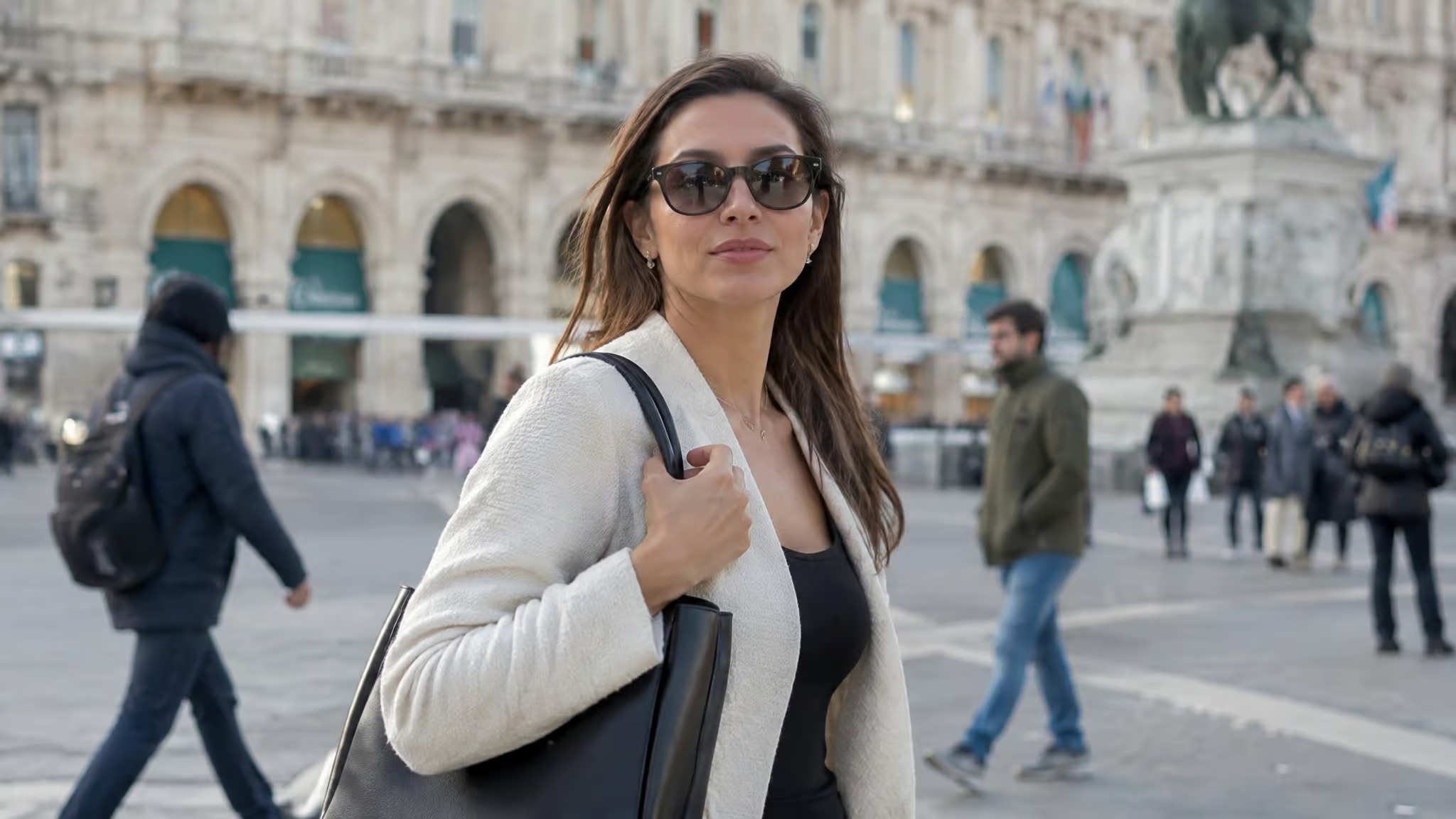
Walk with purpose
Head up, shoulders back, eyes forward, and make eye contact. Even when you have no idea where you’re going. Street harassment gets ignored while you keep moving; sunglasses help. Lost? Step into a shop or café to check the map, because fumbling with your phone on a corner paints a target.
Notice behavior, not people
Watch for the person who keeps reappearing. Test it: step into a store and see who follows. Notice someone standing too close, or a car creeping alongside you. One earbud out, listening for footsteps.
It feels paranoid. Better to look paranoid than get robbed. Or worse.
Sit like a self-defense class: seats, tables, and edge positions
Where you sit changes how easy a target you are. Packed center tables deter thieves because there’s no clean escape route. Edge tables on Las Ramblas in Barcelona and outer fuel pumps do the opposite: they offer snatchers a quick path in and out.
The lesson sharpens with an observation story from Laurie’s self-defense class: security tape from a church preschool pickup showed three completely ordinary-looking men circling a car and smashing the window the moment the driver stepped away. Watch behavior, not appearance. Normal-looking people doing odd things are the actual signal.
The anti-theft gear stack, grouped by job
The right safety gear for women is a small kit where each item has one job: delay, locate, detect, or block. None of it guarantees anything. Every piece here delays and deters opportunists, which is most of the battle.
- Zipper locks and the slash-resistant crossbody bag. Locks slow thieves down and signal your bag isn’t the easy pick. Wear the crossbody across your body even seated, swing it to your front in crowds, and keep the phone out of pockets entirely. Kate’s Buenos Aires pickpocketing happened because her large open purse didn’t close. Gear plus habit, not gear instead of habit.
- Portable door locks and hotel-room hardening. Kyley Warren’s dad handed her one before her first Europe trip, and after a man toggled her hotel doorknob at 3 a.m. at an Amsterdam boutique hotel, it goes everywhere with her. The free moves stack up too: do-not-disturb sign, TV left on to fake occupancy, the coat-hanger lock trick, a doorstop (the banana-shaped one is too bulky to travel with), key in hand before the elevator opens, Post-it over the peephole. All of it buys time. None of it is immunity.
- Personal safety alarms. Pocket-size and searingly loud. The job is drawing attention, which is the last thing a thief wants. Detection, not prevention.
- Apple AirTags. In checked luggage, sure. The smarter play is one in a pocket or backpack, so if the phone itself vanishes, you’re still trackable.
- RFID-blocking passport holders. Layered shielding fabric for passport and card data. Tie the purchase to the place, pickpocket-heavy cities like Paris or Berlin, not to fear.
- Portable charger. The least glamorous item on this list and arguably the most important. A charged power bank means a working phone in an emergency. Pretrip nonnegotiable.
Pack light, mobility is a safety variable
Here’s the test: could you run carrying all your bags? Several bags make you a prime target, and the run test answers why. Hartney’s version is three beats: pack as light as possible, handle your own luggage, stay agile.
On the packing questions everyone searches: the 5-4-3-2-1 rule is a packing heuristic, not safety advice, though it can help squeeze lightweight clothes into a tight bag. The jeans-on-a-plane debate and the packing-mistakes angle are mostly comfort and practicality calls, and the sources only partially cover them. What the sources do back on the practicality side: packers who’ve done this for everyone roll casual stuff like T-shirts and fold structured pieces like button-downs and dresses, so your jeans are a roll-them, not a fold-them, call. The right bag still enforces the habit better than willpower does.
Delsey Chatelet Carry-On
Warren’s fix for chronic overpacking. The right-size bag simply doesn’t have room for the extra stuff, so you stop bringing it. Gear that changes behavior is the best kind.
Don’t trust people too quickly
The con is old and it works: befriend travelers, get them comfortable leaving things unattended, then it’s gone. No new acquaintance watches your gear, period. Relationships abroad build slowly.
Instagram friends, Facebook group meetups, Tinder dates: first meetings in public places only. Friendly is fine. Vetted takes time.
Red flag: Any new acquaintance offering to watch your bags, hold your phone, or keep an eye on your drink. The answer is always no.
Watch your drinking (and the round-buying trap)
Booze dulls your senses and slows your reactions, same as at home, just with higher stakes. The habits are unglamorous: drink slow, eat something, alternate water, take drinks straight from the bartender.
The under-covered bit is the round-buying trap. In “shouting” cultures like Britain and Ireland, don’t try to match heavier drinkers round for round. Just say upfront you’re taking it easy. Saves face and keeps you sharp.
And when you’re unsure, ask yourself one question: do I want to be less in control than I am right now? If no, stop.
Deterrence scripts: lie, and be rude if you have to
Two scripts that work: “I’m meeting friends later” and “my partner’s at the hotel.” The observed reality, which nobody endorses as fair, is that the boyfriend/husband line registers with persistent men more than a plain “no” does. Lying is a free deterrence tactic. Use it without guilt.
And the permission slip: after 20-plus minutes of harassment in Cuba, the blogger Ciara told the guy to f, off, and that was fine. Politeness is optional when safety’s on the line. Underneath both scripts: trust your gut when someone feels off. Instinct is data, and it sharpens with miles.
Trust women first: female-solidarity as safety infrastructure
Need directions? Ask a woman, not a random man. The infrastructure goes further: all-female hostel dorms, the all-female train cart in Morocco, sitting next to women on buses and trains.
The Facebook groups earn their keep too. Solo Female Traveler Network, Girls Love Travel, and Black Travel Movement give you instant crowdsourced local intel from women who were on that street last week. And the fair caveat, said once: the biggest myth about solo travel, that it isn’t safe, especially for women, doesn’t hold up, since traveling solo can be just as safe as any other form. This isn’t “men can’t be trusted.” Women simply feel safer going to women first, and that preference is the strategy.
Treat locals with respect, it pays back in warnings
Decent body language, eye contact, a smile, a few words of the local language, asking people their names. Small efforts, outsized returns.
The payoff is concrete, not karmic: locals warned Ciara about dangers specifically because she’d been kind to them. Goodwill works as an early-warning system. That’s practical reciprocity, not a fortune cookie.
Phone safety tools, and phone discipline
Your phone is the best safety kit you already own, and everything on it gets set up before wheels-up: downloaded offline Google Maps, a translation app, and location pins dropped to family. For connectivity, Kate runs T-Mobile’s free international texting and data; an international plan, a hotspot, or a local SIM covers everyone else. For more on the general phone-and-airport stack, our broader best travel hacks roundup covers the arrival side.
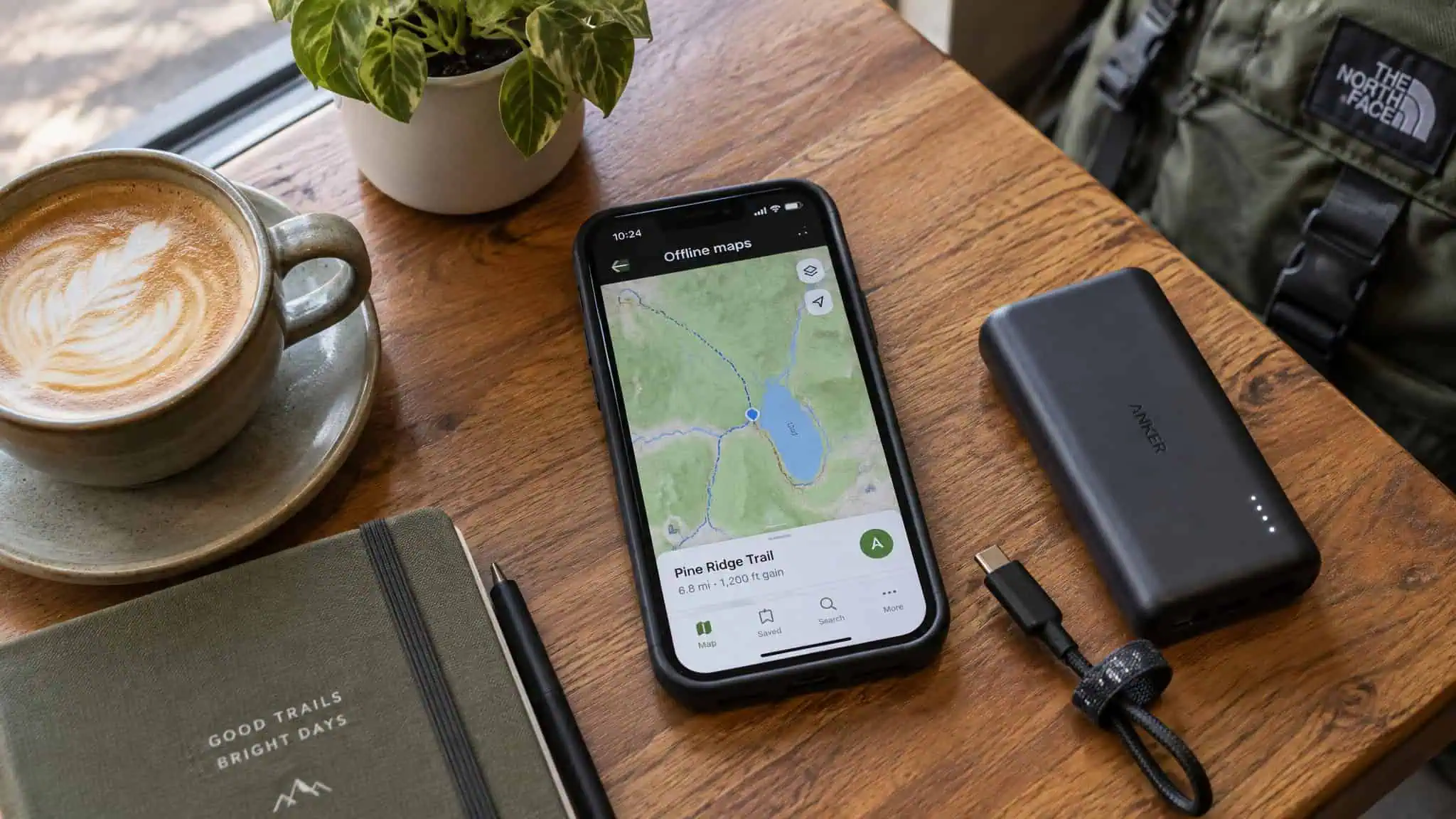
Then the discipline. In some countries a smartphone is worth months of rent, so no waving it around on the street. Check maps inside shops. Never in back pockets.
Consider a cheap backup phone. Every tool above only works if the phone is charged and still in your hand.
Don’t post locations in real time
Post the beach photo after you’ve left the beach. Waiting costs nothing, and you never know who’s following your stories. That’s the whole rule.
ATMs, directions, and arrival logistics
Indoor bank ATMs. Don’t clutch the phone loosely in public. Print directions or go offline maps.
And know your airport pickup before you land. Laurie’s Brussels trip nearly unraveled when the “free” hotel pickup required a phone call in a language she didn’t speak, and Uber felt like the safest option. Related: at a Belgium hotel, a man appeared right behind her as she unlocked her room, and she shut the door immediately. Boring logistics. They prevent the worst first-hour stories.
Spend extra money on staying safe
Saving money on travel without sacrificing safety means spending where exposure is highest and saving where it isn’t. Four things worth overpaying for: airport-pickup hotels for late-night arrivals, taxis at night instead of walking, central lively neighborhoods over cheap isolated ones, and the dive school or operator with the spotless safety record and hundreds of TripAdvisor reviews over the cheap one. You don’t haggle on parachutes.
If a place feels sketchy, upgrade the room. Danger concentrates at night when streets empty out. Yes, this cuts against the “travel hacks to save money” framing, and it should: sometimes the safe choice costs a few extra dollars, and that’s money well spent.
Daytime arrivals and night-movement rules
Book daytime arrivals. Landing at 11 p.m. in an unfamiliar city is a self-inflicted problem.
Night rules are short: take a taxi or public transport rather than walking, leave the valuables at the hotel, carry only the cash you’ll actually spend, and find a group for nights out. Pub crawls, hostel bars, people from the day tour. Built-in crew without much effort.
Uber vs. random taxis: it’s the mechanism, not the brand
Rideshare wins because of verifiable features, not the logo: driver ID, ratings, background checks, and trip tracking your people can follow in real time, including car, driver, and plate. In Colombia, locals steered Kate toward Uber or EZTaxi over random taxis, and she tracked the ride on Google Maps to confirm the route.
The honest caveat: some regulated taxi apps offer the same verification features. So evaluate any ride with one question: can I verify the driver and share the trip?
Book only reviewed accommodations, and vet reviews like a woman
Hard rule, no exceptions by property type: never book a place with zero reviews. Hostel, Airbnb, couchsurf, hotel. Zero reviews is its own red flag.
Then read for safety mentions, and weight reviews written by women. A guy’s “great vibe!” tells you less than a woman’s “felt fine walking back at night.” The classic disappointment is the well-reviewed place that turns out to sit on a dark street; women’s comments about lighting, street access, and room position catch what star ratings miss.
Insurance, documents, and check-ins: your safety net, decided in advance
Yes, travel insurance is worth it for solo female travelers, provided you read the policy closely for exclusions. Kate’s setup was World Nomads, and the proof is a specific $1,000 reimbursement, which we’ll get to.
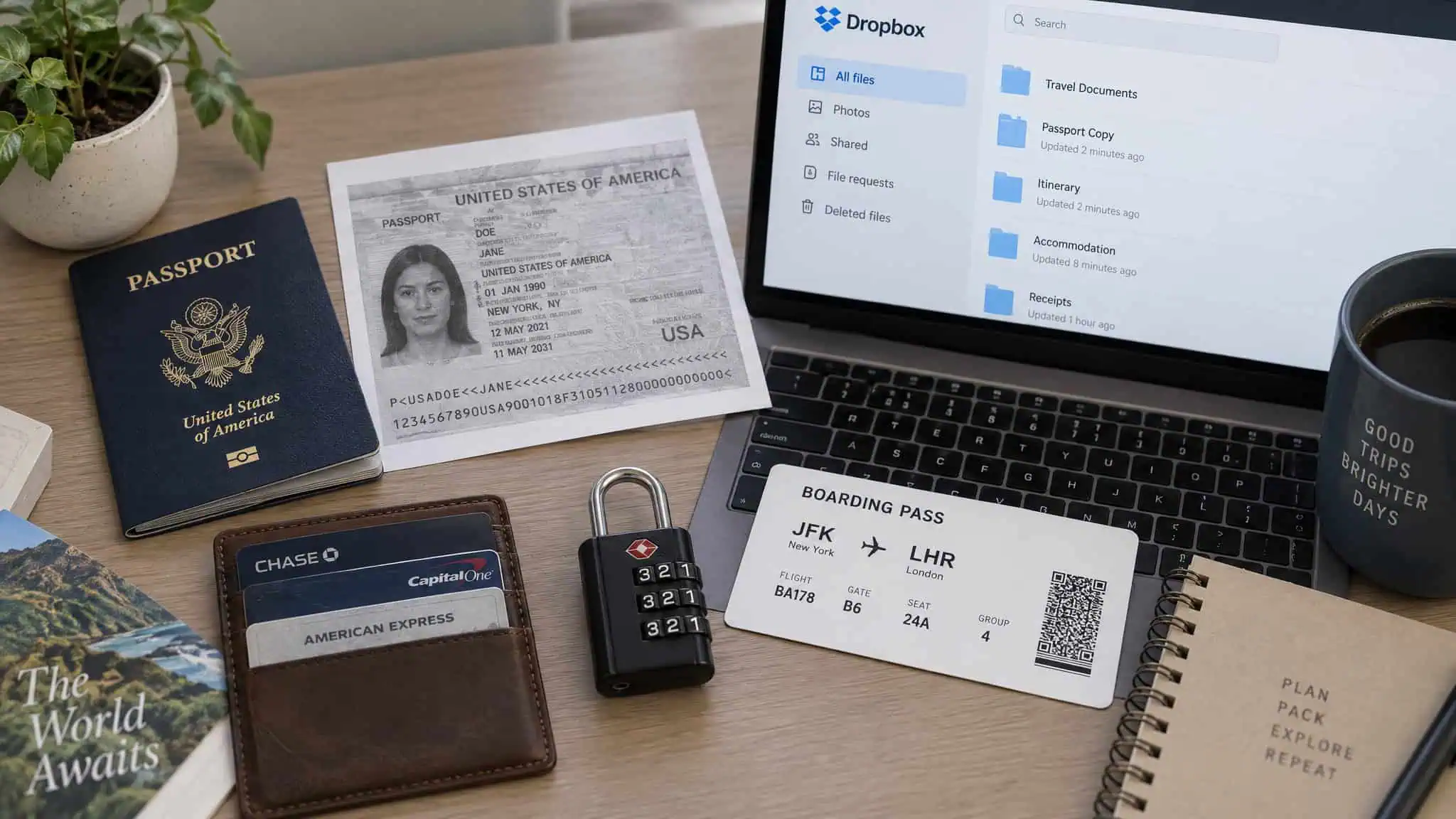
Travel insurance, what it actually covered
Coverage runs to lost luggage, hospital visits, disasters, and robbery. The grim number, stated once: without insurance, repatriation of remains can run tens of thousands. Kate’s own record is honest: she skipped insurance for 4-5 trips, finally got covered, and was robbed on the very first insured trip. World Nomads reimbursed up to $1,000 of stolen gear.
Her blunt stance: if you can’t afford insurance, you shouldn’t travel. Read the policy. Adventure sports and some countries get excluded, and electronics are often only partly covered.
Document backups
Store photos of both sides of every card, a passport copy, and your bank’s phone numbers in Google Docs or Dropbox. A printed passport copy travels on you; one goes to family by email as a last resort. The real passport stays locked up and comes out only when needed, never to the beach or the club, since a phone photo covers most ID checks. A TSA-approved lock goes on the bag with the good stuff. Ten bucks, obvious win.
Check in on a risk-tiered schedule
One designated home contact holds the itinerary, flight numbers, lodging, insurance, and card and bank info. The cadence has evolved: daily emails on the Southeast Asia trip back in 2010, every few days as the current norm, daily again in higher-risk places like Lebanon or Colombia. Hartney’s point underneath it: someone at home should always have the hotel contact info, so if something goes wrong, people know roughly where and when to start looking.
Enroll in STEP before you fly
On the check-in question: every few days normally, daily in higher-risk countries, plus location sharing with your home contact. Layer STEP on top. It’s the State Department’s free program that registers your trip with the US Embassy, and you get safety alerts, natural disaster info, and family-emergency messaging. Free, takes minutes, and most travelers never bother. Easy win hiding in plain sight.
Self-defense options, and when to surrender
Start with a rape whistle or a defense pen. Bug spray works as a pepper-spray stand-in, since the real thing is illegal in most countries. A tripod or your keys work in a pinch. Kate admits she hasn’t taken a self-defense class yet; she just knows a few moves. That candor is the right register.
The call that outranks every gadget: robbed at weapon-point, hand it over. Stuff is replaceable, especially with insurance. No hero talk.
Health and body limits are a safety system too
Your body is part of your safety equipment, and that starts before you pack. Book a travel clinic visit to check vaccinations, prescriptions, and local health issues at your destination, and confirm your insurance covers adventure sports. Then the basics hold: watch your drinking since alcohol dulls your senses and slows reaction time, don’t skip meals, stay out of deep water unless you’re a strong swimmer, and never tough out altitude sickness. Sleep counts too.
Take baby steps into solo travel
First-time solo destinations for women are the ones near home with real tourism infrastructure or a shared language. The Travel + Leisure list (from August 2, 2026) includes Iceland and Finland, regularly rated among the safest, plus Austria, Switzerland, Japan, and Costa Rica, with second cities like Bath and Quebec City over capitals. Start with nearby cities, and prior group travel like EF College Break or study abroad smooths the culture shock.
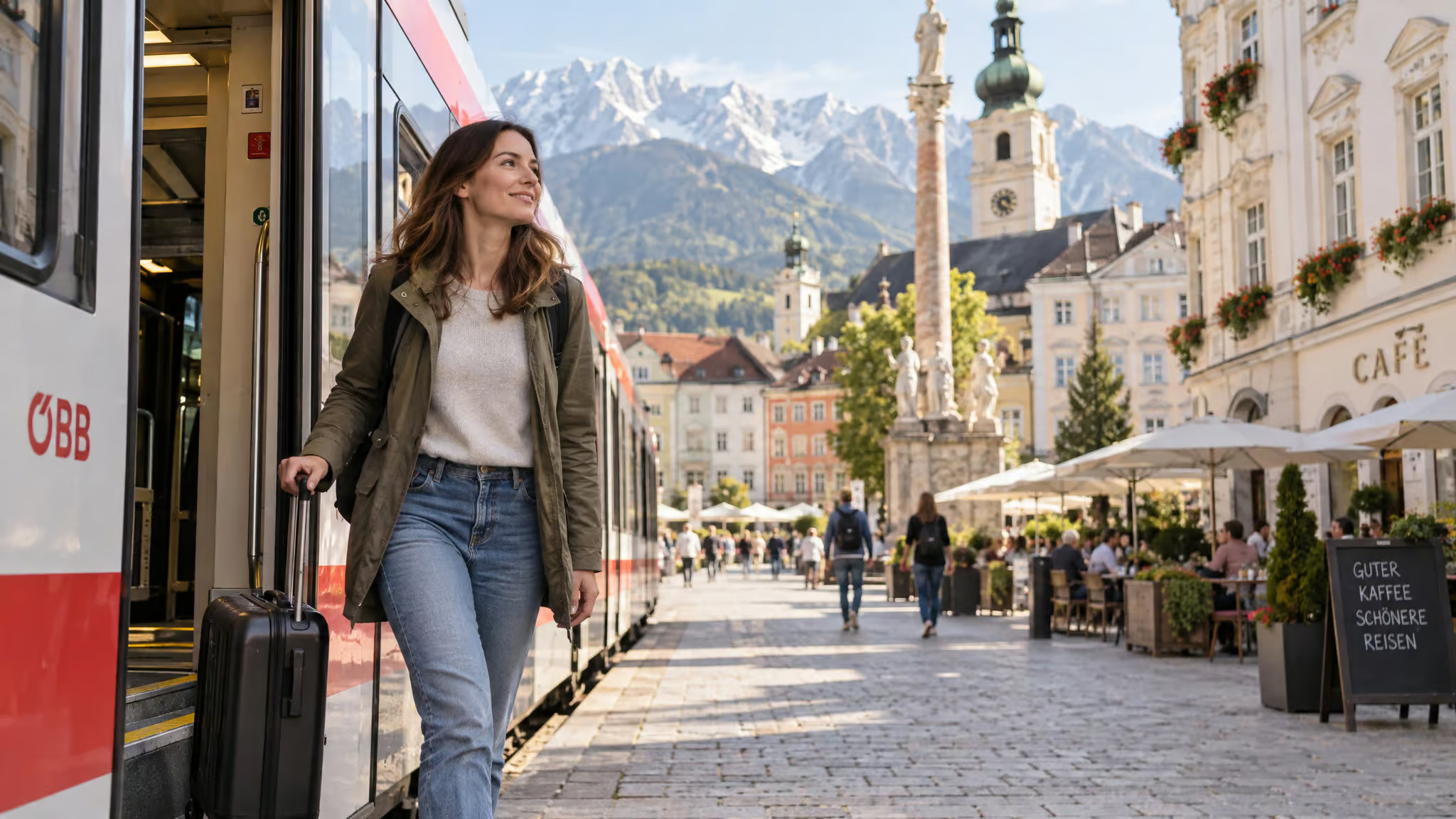
Small wins build the judgment that keeps you safe on big trips. Anxiety is manageable, not disqualifying. For grown-up travelers past the hostel phase, our travel hacks for adults piece covers the same logic with different constraints.
Choose a destination like a safety decision
Destination selection is a safety lever, not a list of pretty towns: favor walkable places with good transit and a documented safety record. One grounding example: Austria sat sixth on the Global Peace Index in its source ranking, and Vienna’s UNESCO-recognized coffee-house culture happens to suit solo diners perfectly.
When it goes wrong, and why you go anyway
Yes, solo female travel is safe in non-resort and developing destinations, when precautions lower the severity of things going wrong, which they do, without driving risk to zero. The proof the sources are honest about failure: Kate was shipwrecked in Indonesia in March 2011 on an overnight cruise Lonely Planet had called “one of the safer options.” What made that survivable, along with the pickpocketing and the robberies, was the recovery system: the backup ATM card, the insurance claim, the distributed cash.
So here’s the honest close. The odds are genuinely in your favor, and the precautions buy peace of mind and decent sleep. Fear is real; risk is manageable. Solo travel changed Ciara’s life, and Warren, an introverted only child, has made nine solo trips including Iceland and Paris. Whoever in your life is booking that first solo trip: she’s stronger and more capable than she thinks.
Frequently Asked Questions
What is the 5 4 3 2 1 rule for packing?
It’s a packing heuristic for squeezing lightweight clothes into a tight bag — not safety advice. It can help you pack less, which matters because carrying everything you brought means you can move (and run) with it all. Treat it as a convenience tool, not a security strategy.
Why not wear jeans on a plane?
It’s mostly a comfort call, not a safety one — stiff denim gets uncomfortable on long flights and takes forever to dry if it gets wet or you need to wash something in a sink. Casual but neat clothing is the target; the backpacker uniform (including worn-out denim and souvenir tees) is what actually marks you as a tourist. Pack light, quick-drying pieces instead.
What are the 5 biggest packing mistakes to avoid?
The big ones: packing anything you’d be despondent to lose (heirlooms, expensive jewelry, birth certificates), putting valuables in checked luggage, carrying all your cash and cards in one wallet, bringing a purse or bag that doesn’t close, and overpacking to the point you can’t handle your own bags. The run test catches the last one: if you couldn’t run carrying all your bags, you brought too much.
What safety gear should women pack — AirTags, portable door locks, or personal alarms?
All three, because each has a different job: the portable door lock delays an intruder at your hotel, the personal alarm detects trouble by drawing searingly loud attention (the last thing a thief wants), and an AirTag locates your stuff — put one in a pocket or backpack so you’re still trackable if your phone itself vanishes. Add zipper locks and a slash-resistant crossbody bag, and remember gear plus habit, not gear instead of habit.
Is travel insurance worth it for solo female travelers?
Yes, provided you read the policy closely for exclusions — adventure sports and some countries often get excluded, and electronics are usually only partly covered. The case is concrete: one long-term solo traveler skipped insurance for 4-5 trips, finally bought coverage through World Nomads, was robbed on that very first insured trip, and got reimbursed up to $1,000 for stolen gear. The blunt math: if you can’t afford insurance, you shouldn’t travel.
What are the biggest safety mistakes women make when traveling alone?
Skipping destination research before booking, carrying all cash and cards in one place, landing late at night in an unfamiliar city, walking at night instead of taking a taxi, trusting new acquaintances with their gear, and getting overly drunk on drinks bought in rounds. Digging into a hidden money belt in public is another one — it announces exactly where your valuables are. Common sense is the biggest safety factor; none of the fixes are revolutionary.