
It is eight o’clock on a Friday evening, and you are staring at a screen while scrolling through everyone else’s carefully curated highlight reels. The cultural narrative screams that if you are not out drinking with a massive squad, you are failing at life. That is nonsense. We believe at Unfinished Man that finding things to do alone on a Friday night should not feel like a tragic consolation prize.
When you intentionally categorize your evening by mood—productive, social, restorative, or adventurous—you instantly regain control of your weekend narrative. Deciding to stay in or explore solo is a deliberate, masculine choice, not a social failure. Choosing actionable, low-pressure activities to alleviate the creeping boredom that usually triggers weekend anxiety completely eliminates FOMO. You decide what the night means. It works.
Key Takeaways
Spending exactly 90 minutes on a dedicated cognitive reset completely prevents weekend burnout and repairs your baseline attention span.
Volunteering your evening at local shelters instantly flips internal feelings of isolation into a tangible sense of being relied upon by others.
Using platforms like eharmony or Zoosk purely as low-stakes data gathering costs $8.99–$59.95 but entirely removes the pressure of forced romantic connections.
Table of Contents
Ambient Bar Seating and Solo Dining
Yes, it is completely socially acceptable for a guy to go to a bar or restaurant alone, provided you apply a deliberate physical strategy. You can confidently venture into public dining spaces by utilizing ambient socialization to feel connected without any conversational pressure. Arriving early during happy hours allows you to firmly anchor yourself to the environment before the massive weekend crowds arrive. This proactive strategy lets you claim a prime spot at the bar, dropping the barrier to entry from awkwardly approaching strangers to engaging in natural, casual proximity banter.
You establish a relaxed baseline connection with the bartender, completely neutralizing the typical anxiety of occupying a venue surrounded by couples. Instead of feeling isolated, you absorb the local atmosphere strictly on your own terms. Solo socializing is a mechanical process; optimizing your timing and spatial positioning effectively prevents the painful awkwardness of quickly downing a drink and fleeing.

Mastering the Early-arrival Bar Strategy
Arriving early solves the logistical nightmare of walking headfirst into a crowded venue holding a drink and looking for a place to stand. Walking into a packed room at 10 PM alone feels like an interrogation spotlight is trained directly on you. Showing up at 6 PM is entirely different. When you sit at the physical bar before the rush, you get to build bartender rapport, which naturally leads to low-stakes conversation as other patrons slowly filter in.
You become a fixture of the spatial environment rather than an intruder. That changes the math. You drop the pressure of performing. If you aren’t feeling the vibe after one beer, you just pay your tab and leave.
Nobody cares. Socializing solo is purely a mechanical process of finding a neutral party and letting the room comfortably fill in around you.
Eating Out Without the Awkwardness
Going out for a solo dinner can trigger serious anxiety if you find yourself trapped at a table surrounded entirely by couples on dates. To bypass this, aim for quieter diners during off-peak hours or embrace ambient socialization by enjoying some coffee shop people watching instead. You still get the distinct psychological benefit of feeling connected to humanity, but without the exhausting obligation of actually speaking to anyone.
Most men actively avoid dining alone because it feels like a public failure, but bringing a physical book or casually catching up on local news with a copy of the Daily Times Chronicle completely flips the script. You are choosing to occupy public space strictly on your own terms. That quiet, unbothered confidence completely neutralizes the awkwardness of finishing a meal by yourself. If unscripted bar visits still feel too intimidating, you can eliminate the guesswork by attending highly structured events.
“Socializing solo is purely a mechanical process of finding a neutral party and letting the room comfortably fill in around you.”
Meetup Groups and Magic: the Gathering
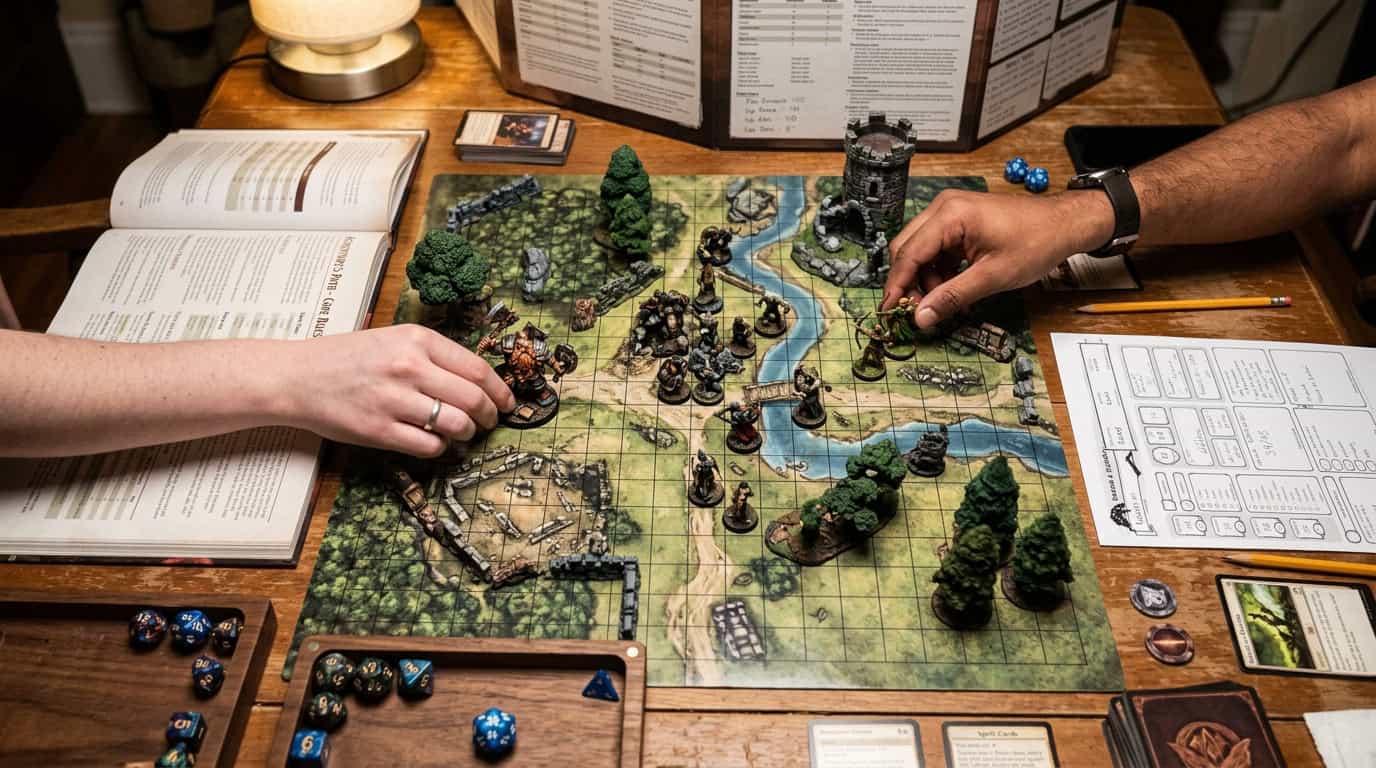
The absolute best hobbies for meeting new people as an adult revolve around highly structured tabletop games or dedicated interest clubs where the shared activity naturally does all the heavy conversational lifting. If crowded nightclubs trigger extreme social anxiety, stepping into a regulated gaming environment absorbs the intense pressure of sustaining eye contact or generating unscripted small talk. By attending weekly events dedicated to complex trading card games like Magic: The Gathering, you bypass typical hurdles because the rigid rules dictate every necessary interaction.
Utilizing community platforms like Meetup makes finding these structured adult interactions incredibly straightforward, connecting you directly with niche local groups eager for new participants. If no suitable clubs exist in your immediate area, taking the initiative to formally create one instantly positions you as an active community anchor. Engaging in these organized hobby environments drops the barrier to human connection, generating genuine, lasting camaraderie without the massive exhaustion of standard weekend mingling.
Using Rulesets to Absorb Social Pressure
Walking into a loud party or a flashing, bass-heavy disco full of strangers requires immense, exhausting social stamina. Walking into a local session of Magic: The Gathering requires almost none, because the game provides a rigid, protective framework for every interaction. Having a shared set of rules on the table means you never have to blindly scramble for small talk or force unnatural eye contact. You just focus on the board.
This kind of structured interaction is exactly why hobby groups are the ultimate hack for social anxiety. The mechanics of the game carry the conversational weight entirely on their own. This allows you to build genuine camaraderie over weeks or months without the forced exhaustion of a typical Friday night bar scene.
How to Find or Start Local Groups
If you do not already have a niche interest that fits the mold, utilizing group platforms like Meetup is the easiest way to locate highly structured local events happening on a Friday. You can browse and find everything from amateur woodworking clubs to casual weekend hiking squads. If absolutely nothing in your immediate area sounds appealing to you, take the initiative to establish your own local group.
Stepping up as the organizer gives you a distinct sense of purpose. It automatically positions you as the anchor point for everyone else in your city who happens to be looking for low-stakes Friday plans. Going out is great, but staying in is sometimes the healthiest choice you can make—provided you have a structured plan in place.
Productive Things to Do Alone on a Friday Night
The defining difference between passive digital isolation and intentional self-care is how effectively you regain control of your weekend narrative. Solo social activities usually require navigating unpredictable public dynamics, whereas staying home for dedicated self-care focuses entirely on taking command of your physical environment to actively protect your mental health. By rigorously structuring your at-home activities into defined ninety-minute intervals of cognitive rest, you completely prevent weekend burnout while repairing your baseline attention span.
Rather than viewing staying in as a social failure, you can transform mundane Friday evening chores into highly intentional domestic routines that restore your essential energy. Leveraging visual platforms like Pinterest or methodical walkthroughs on wikiHow allows you to execute these tasks cleanly, turning simple domesticity into a profound psychological reset. This deliberate structure prevents aimless scrolling, delivering an immediate dopamine hit of accomplishment through tangible, tactile victories in your home.

The 90-minute Reset Cycle
Mindless digital scrolling leaves you feeling significantly emptier than when you started the evening. Instead, try implementing a highly structured cognitive reset by breaking your evening into focused 90-minute intervals of distraction-free rest. Shutting down your devices entirely and sitting quietly in a room for these specific blocks allows your exhausted nervous system to finally, fully decompress.
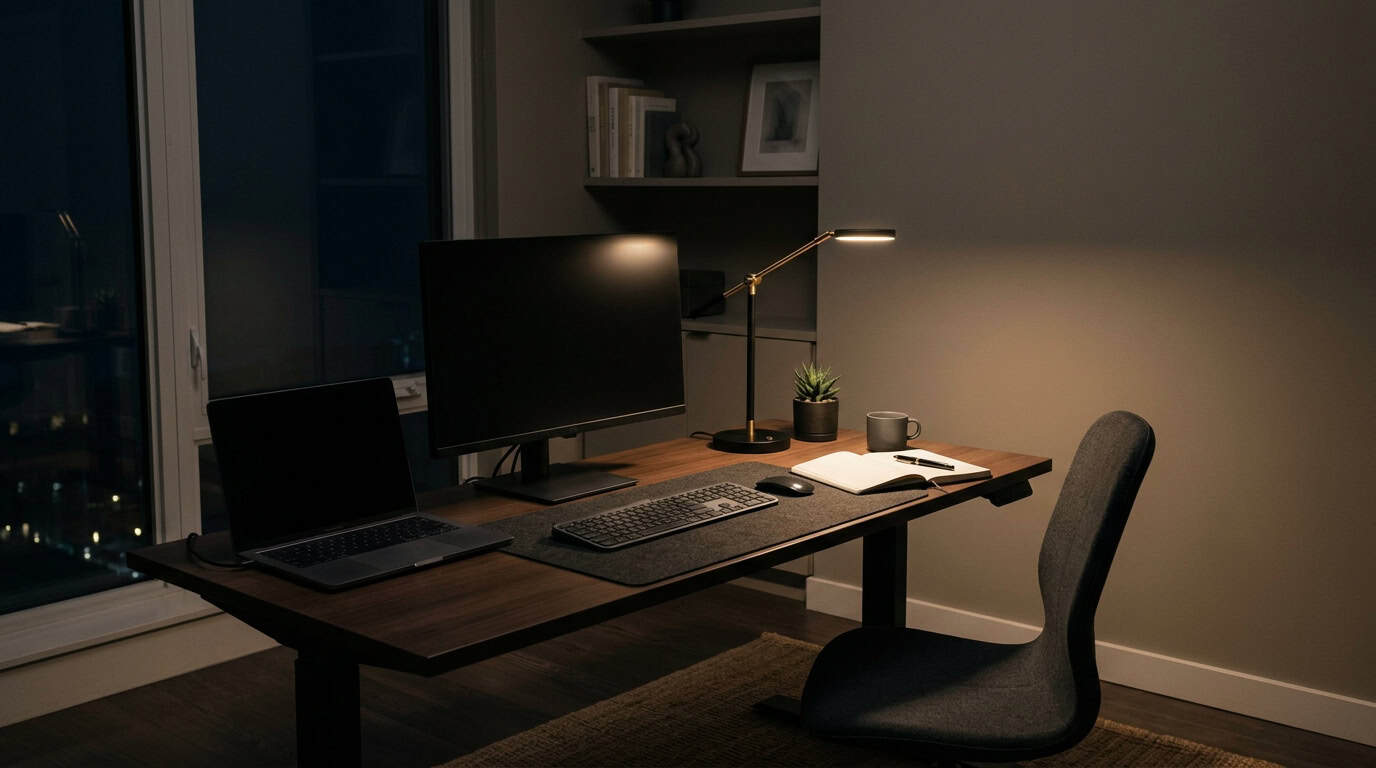
It sounds almost overly simple, but it is highly effective. Taking scheduled mental and emotional breaks forces your brain to properly power down rather than constantly scanning for new information. The immediate result is that you wake up on Saturday morning actually feeling restored and sharp, rather than hungover from endless digital consumption.
Reframing Chores as Sacred Rituals
Mundane tasks like doing the laundry or decluttering a messy closet are not signs of a failed Friday night. They are active, essential psychological resets. By using organizational guides from Pinterest or practical walkthroughs on wikiHow to systematically organize your living space, you generate immediate, tangible feelings of environmental control. If you prefer tactile domestic projects, try baking an involved, difficult recipe strictly from scratch.
We advocate heavily at Unfinished Man for embracing an internal mindset of set apart living, which transforms exhausting chores into a calming practice of intentional domesticity. Whether you are quietly gleaning ancient wisdom by reading Proverbs or simply folding your heavy winter shirts, choosing to care for your immediate physical surroundings actively repairs your mental state. Once your space is reset, you can shift that high-agency energy toward personal growth.
Micro-exploring and Active Skill Acquisition
You successfully overcome the anxiety of navigating public places alone by setting a strict geographic objective or focusing heavily on a specific physical task, turning the outing into a concrete mission rather than a social audition. Engaging in active solitude generates genuine, long-term self-worth that easily defeats weekend depression, whereas passive isolation often heavily magnifies it. Investing your Friday night hours into active skill acquisition structurally protects your free time.
This active approach might involve browsing local bookstores for research, taking unexpected road trips, or dedicating focused hours to coding. Leaving the house for a low-cost, low-friction micro-exploration walk gives you a definitive purpose, allowing you to confidently occupy complex public spaces securely on your own terms. By combining physical navigation with the intentional pursuit of difficult mechanical abilities, you permanently transform empty weekend hours into periods of intense personal growth and inoculate yourself against weekend FOMO.

Building Lasting Skills
Trading a passive evening of streaming for active solitude is the absolute fastest way to build undeniable self-worth through skill acquisition. Dedicating your Friday night hours to finally learning how to write robust code, or picking up the difficult fundamentals of graphic design, permanently changes how you view your free time.
You stop feeling like you are waiting around for social plans and start treating your solitude as a valuable, protected asset. If you enjoy processing your thoughts through writing, structure your night around drafting a compelling essay or submitting a lifestyle article to Tirzah. Building hard, marketable skills inherently insulates you against the creeping weekend depression that passive isolation usually triggers.
Micro-adventures and Confronting Public Spaces
Sometimes you just need to get out of your apartment without the massive pressure of an entire evening commitment. The practical solution is micro-exploring, which might involve going for a long walk entirely to track down a tricky local geocaching spot.
Having a highly specific geographic goal completely changes your physical posture in a public space. You are no longer nervously wandering the sidewalks; you are on a specific route with a highly logical endpoint. Confronting public spaces in this way builds quiet, durable confidence over time. Still, if focusing strictly on yourself leaves you feeling somewhat lonely, the fastest way to feel valued is to focus entirely on others.
Youth Mentoring and Outward Volunteering
Some of the most fulfilling, booze-free Friday activities involve leveraging your abundance of free time to directly serve others, such as working at local charities or helping out busy, exhausted parents.
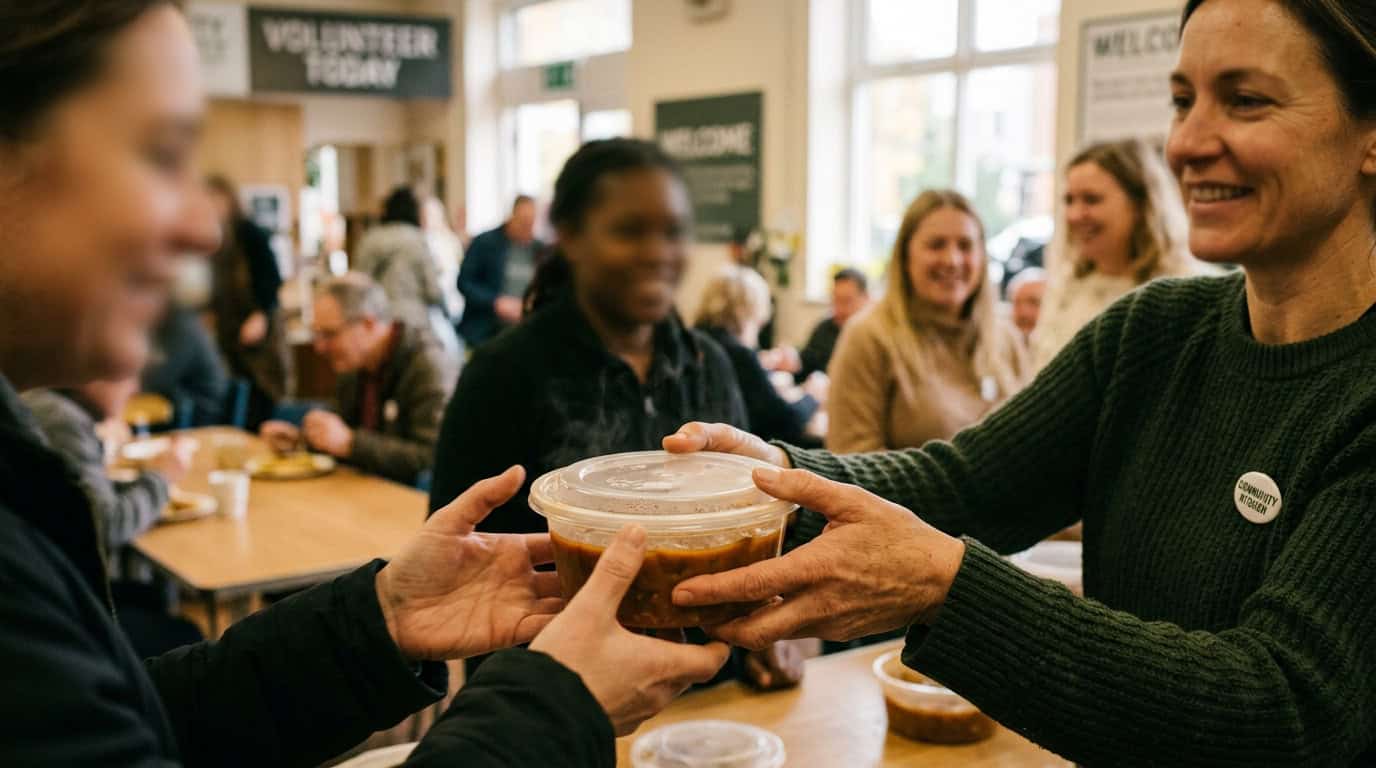
Being single on a Friday night is not a curse. It is a massive logistical advantage. Because you have absolute freedom over your schedule, you can easily adapt to the predictable routines of your married friends by simply offering to hang out or babysit after their kids go to sleep. Providing reliable outward focus through practical youth mentoring or stepping up to volunteer at local food kitchens and shelters instantly shifts your internal monologue. You immediately stop thinking “I have nobody” and realize that people actively rely on you.
Many charities and shelters desperately need extra hands during prime weekend social hours when everyone else in the city is busy partying. Serving others bridges the gap between isolation and community gracefully. Service is rewarding, but sometimes you just want to engage with the world from your couch.
RadioLab, Serial, and High-focus Audio Media
Taking a solitary evening walk while listening to premium investigative audio is one of the absolute best, most immersive ways to spend a Friday out of the house without spending a dime.

Consuming media does not have to be a numbing, brain-dead experience if you curate it intentionally. Immersing yourself in high-quality, long-form storytelling from public media networks like NPR completely satisfies your brain’s deep evolutionary need for parasocial connection. Audio series like RadioLab, This American Life, or the intricate investigative deep-dives of Serial require active listening and sustained, focused attention. Plunging deeply into these complex human narratives gives you a profound sense of company and humanity without demanding the massive physical exhaustion of going out to a loud venue.
It works wonderfully. If you prefer visually engaging, interactive screens over audio narratives, reaching into the past can provide surprising comfort.
Oregon Trail, League of Legends, and Nostalgia Gaming
Trading an aimless streaming binge for highly interactive digital environments replaces passive isolation with engaging, highly structured feedback loops that actively combat boredom.
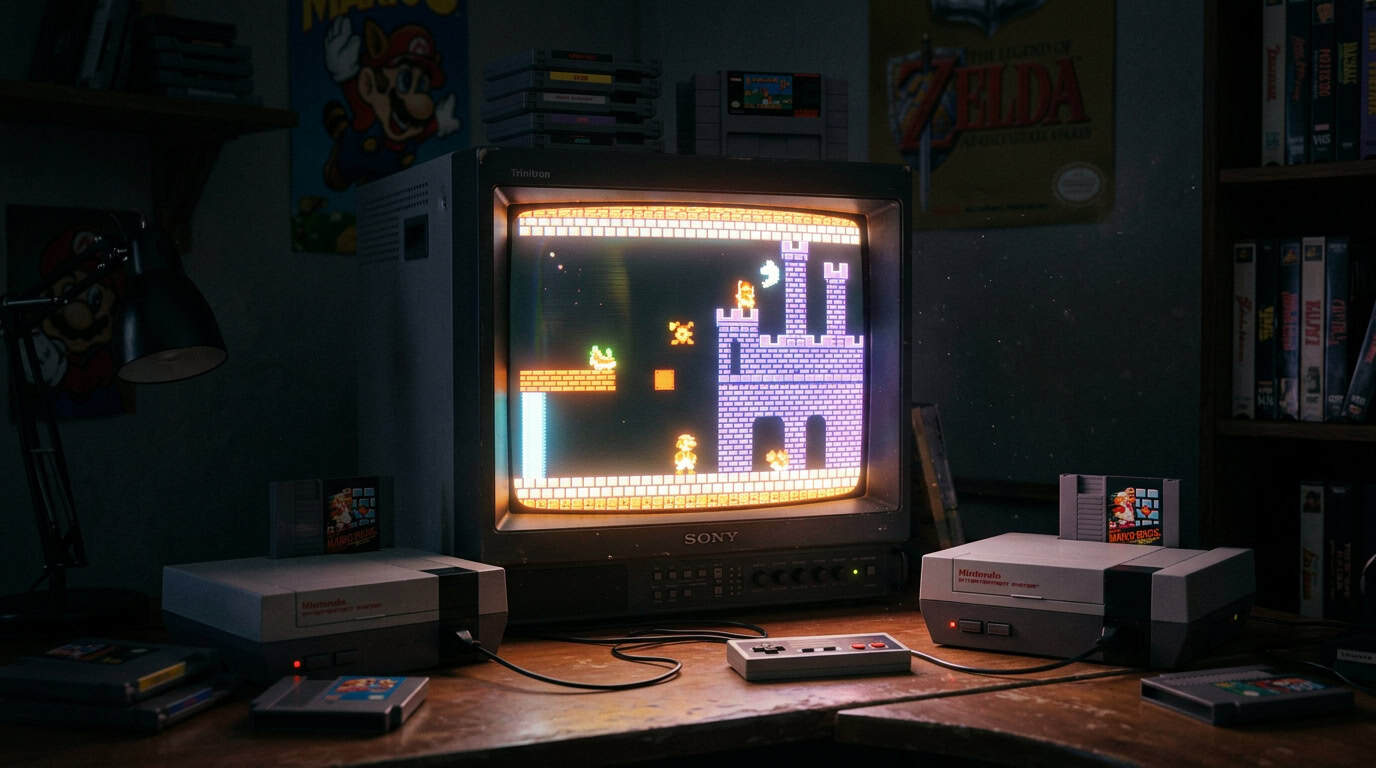
The endless dread of the social media doom-scroll actively destroys your attention span and heavily magnifies loneliness. In contrast, playing a few tough rounds of League of Legends provides a highly competitive, entirely finite feedback loop that keeps your brain engaged and aggressively challenged.
If modern multiplayer lobbies feel entirely too toxic for a relaxing evening, reaching backward into nostalgia gaming by firing up web-based classics like Oregon Trail provides a familiar, deeply comforting digital shelter. Video games are safe. They have defined rules, clear progress markers, and distinct, satisfying endings. Choosing active gaming over a mindless Netflix marathon protects your dopamine pathways from infinite scrolling while actively fighting the boredom that usually leads to late-night overthinking. Finally, if you do want to use your screen time to casually assess your local social and romantic options, you can do so completely pressure-free.
Dating Platforms as Low-pressure Market Research
When trying to find local social events, authentic event platforms like Eventbrite or Meetup Local are undeniably the best logical starting points. However, standard dating applications can secretly double as an unconventional way to smoothly survey your local demographic and spot community trends without making any real romantic commitment.
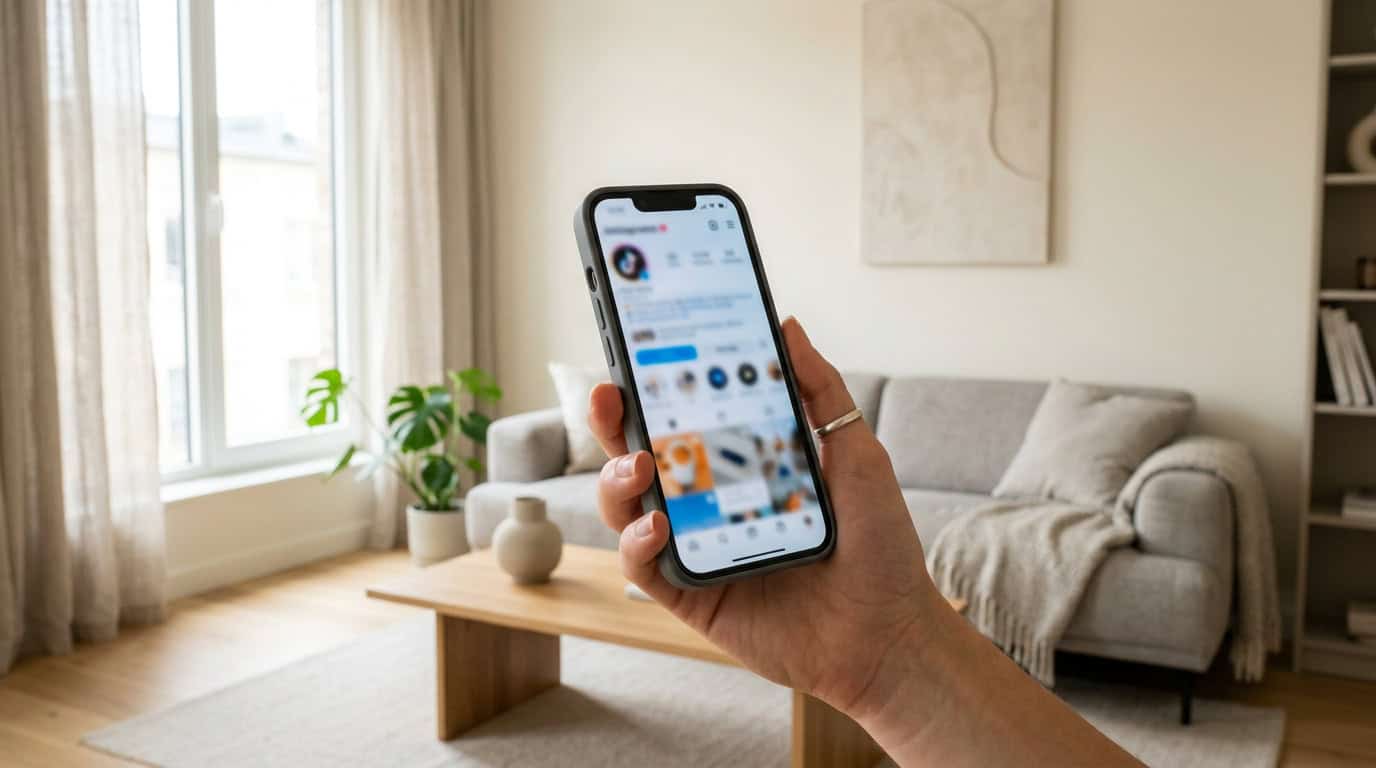
Online dating is usually treated like an urgent, high-stakes matchmaking mission, which is exactly what makes it so miserable. Reframing major matching platforms exactly like eharmony, Zoosk, or ChristianMingle.com into tools for casual, observational market research removes the emotional sting entirely. You are literally just seeing who happens to be out there in your local radius right now.
Keep your expectations firmly grounded, acknowledging that the typical $8.99–$59.95 monthly subscription cost is an eventual, long-term investment, not a strict mandatory Friday night requirement. Interacting with these profiles informally decouples the act from immediate romantic pressure, serving purely to keep you ambiently connected to your local demographic from the total comfort of your own living room.
Own Your Friday Night
By intentionally selecting just one solo activity from this list—whether it is an outward act of community service or an inward cognitive reset—you formally reclaim your Friday night as a deliberate, joyful choice.
Reframing a solitary weekend evening from something you constantly dread into something you rigorously protect is a monumental shift in maturity. Here at Unfinished Man, we believe that whether you spend the night completely reorganizing your closet, mentoring local kids, or chatting up a bored bartender, the evening is a resounding success as long as it was an intentional decision. You are not missing out on anything important by actively choosing your own peace. Pick one actionable item off this list right now, completely log off social media, and genuinely enjoy your own company.
Frequently Asked Questions
Is it considered socially acceptable for a man to go to a bar or restaurant alone?
Yes, it is perfectly acceptable, but success depends on strategy. The key is arriving early, around 6:00 PM, to secure a spot at the bar before the evening rush, which makes you a fixture of the environment rather than an intruder.
How does the 90-minute reset cycle help with weekend burnout?
Shutting down all digital devices for 90-minute blocks forces your nervous system to power down instead of scanning for constant stimuli. This structured break repairs your baseline attention span and ensures you wake up feeling sharp rather than hungover from digital consumption.
How can I avoid feeling awkward while dining alone in public?
The discomfort usually stems from feeling trapped at a table, so opt for bar seating or visit during off-peak hours. Bringing a physical book or a newspaper serves as a buffer that makes your solitude look like a deliberate choice rather than a public failure.
Why are hobby groups like Magic: The Gathering effective for combating social anxiety?
These activities provide a rigid, protective framework of rules that do the social heavy lifting for you. Because the conversation is centered on the board and the game mechanics, you never have to scramble for small talk or force unnatural eye contact.
Can dating apps be used for something other than high-pressure romantic connection?
Absolutely. You can reframe platforms like eharmony or Zoosk as low-stakes data gathering tools to survey your local demographic. By treating it as market research rather than a desperate search for a partner, you remove the emotional sting and pressure.
What is the ‘micro-exploring’ strategy for getting out of the house alone?
Micro-exploring involves setting a strict, logical geographic objective—like finding a specific geocaching spot—rather than just wandering. This gives you a clear mission, which boosts your confidence and prevents you from feeling self-conscious in public spaces.
How should I handle chores on a Friday night without feeling like a failure?
Stop viewing chores as mundane tasks and start treating them as sacred rituals of intentional domesticity. By systematically organizing your space using established guides, you generate a tangible feeling of environmental control that repairs your mental state.


This post totally changed how I see solo Friday nights! Visiting a botanical garden or going on a night drive sounds so peaceful and refreshing. I love how you turned simple ideas into something magical—especially stargazing. It’s nice to be reminded that spending time alone can actually be fun and fulfilling. Thanks, Emma, for the inspiration!