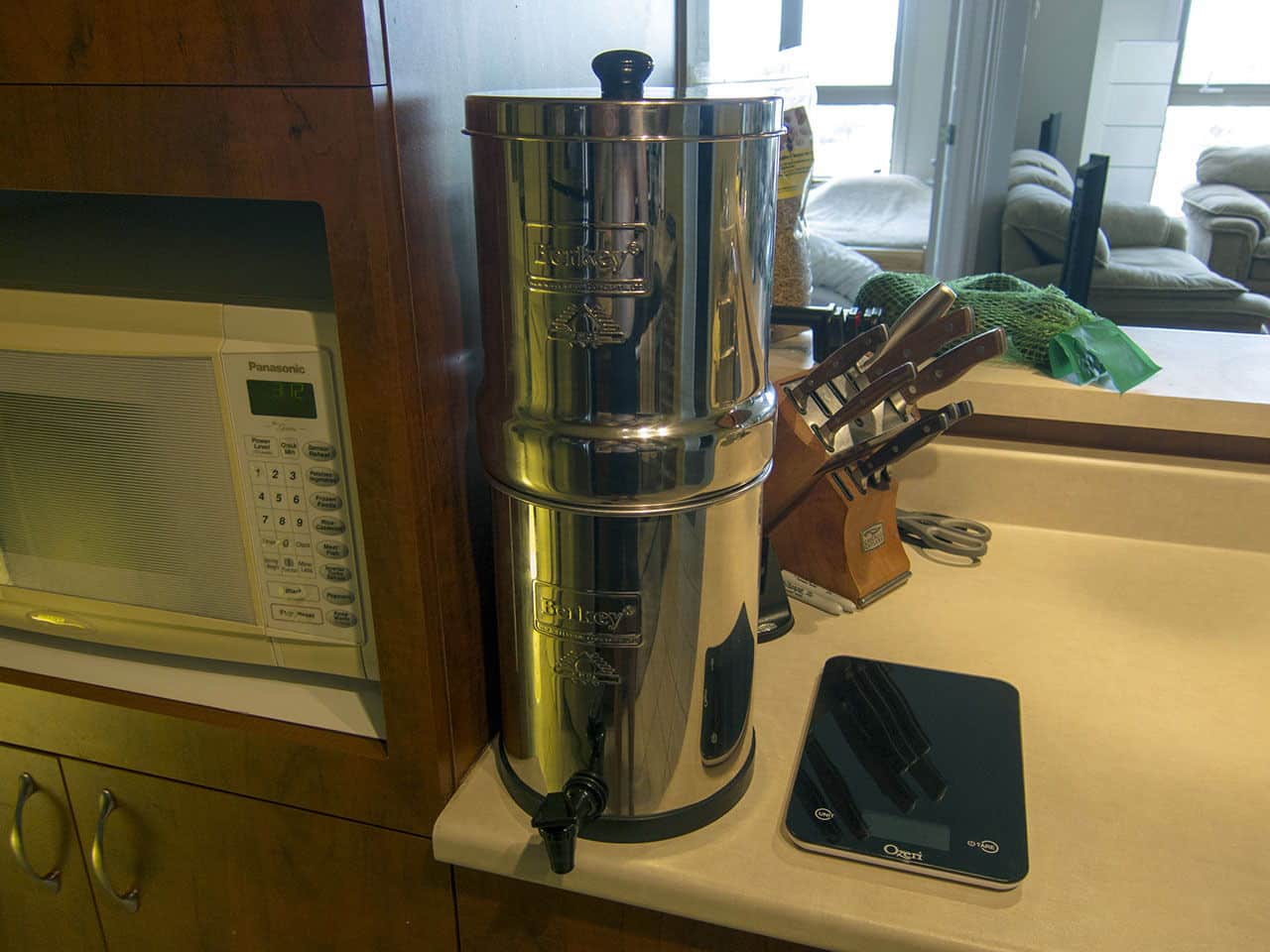
If you are hunting for a reliable Travel Berkey water filter review, you are likely trying to figure out if military-grade water purification makes sense for everyday urban apartment living—or if it is strictly overkill. The decision criteria for buying a high-end gravity filter usually come down to three things: does it actually fix terrible municipal tap water, is it portable enough for off-grid travel, and can you justify the high upfront cost?
I started asking these questions eight years ago. The tap water in North York tastes distressingly like paint thinner. I initially relied on aesthetic modern brands, but the situation forced my hand when the startup behind my Soma water filter abruptly stopped shipping replacements to Canada.
I needed industrial strength. When digging through survivalist forums, Berkey water filtration units came up repeatedly as the undisputed gold standard. This guide skips the generic 30-day honeymoon phase of most appliance reviews. Instead, we are looking at the gritty, long-term reality of relying on this stainless steel unit for almost a decade. That includes the monthly physical maintenance, the ROI math, and my recent milestone of upgrading the original elements to the newer Phoenix Gravity New Millennium Edition Filter Elements.
To understand if this system belongs in your kitchen or your camper, you first have to understand the hardware.
Table of Contents
Unboxing and setup: avoiding the sweet water priming error
The Travel Berkey arrives as a nesting set of polished steel cylinders. Setting it up feels more like assembling a piece of industrial plumbing than unboxing a standard kitchen appliance. The unit stands 18 inches tall when fully assembled. If your faucet sits too low to accommodate that towering profile, you will find yourself filling it manually. I just fill a large bowl at the sink and transfer the water over. It is a highly manual process that quickly becomes muscle memory.
The filter priming process
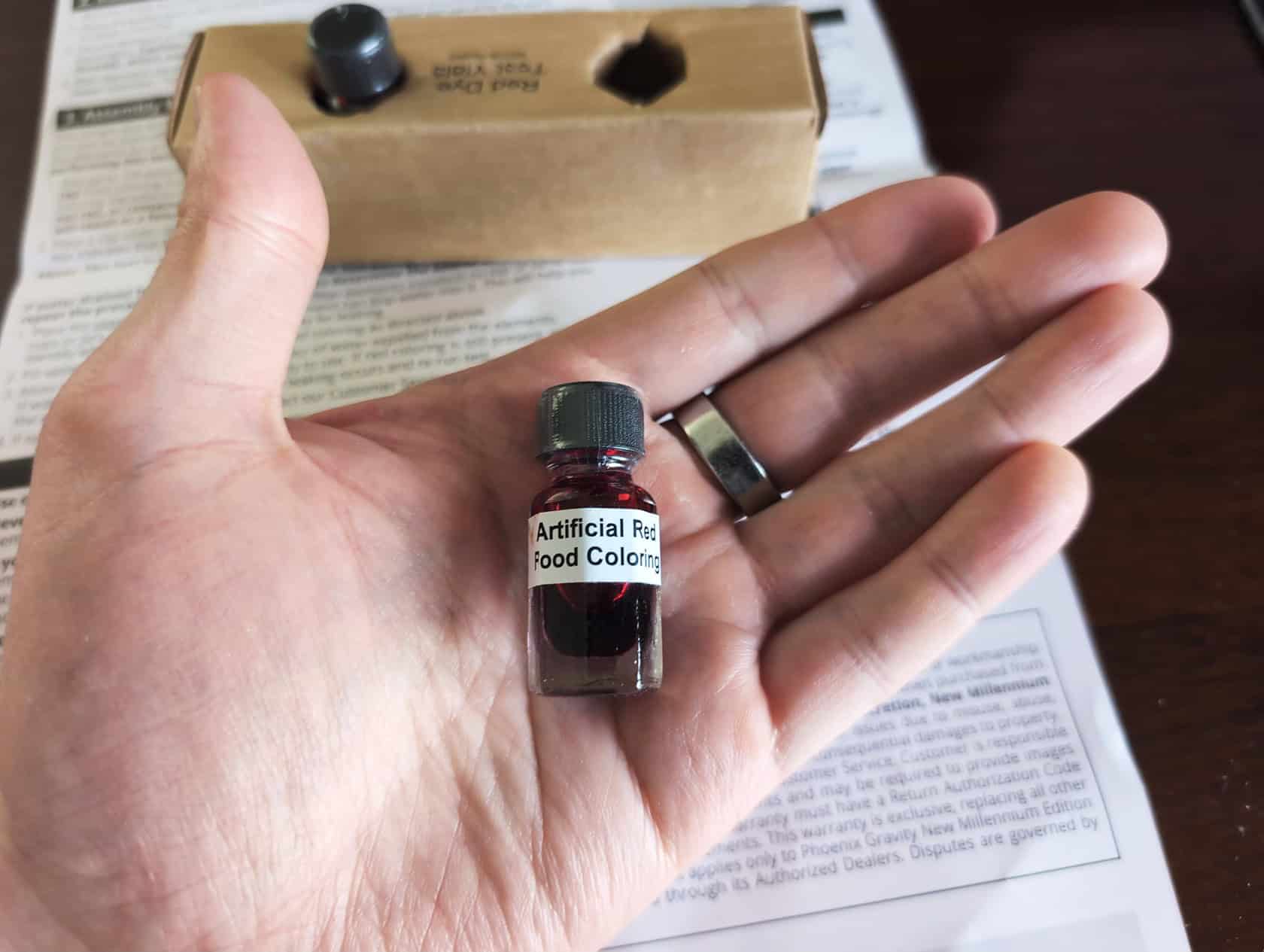
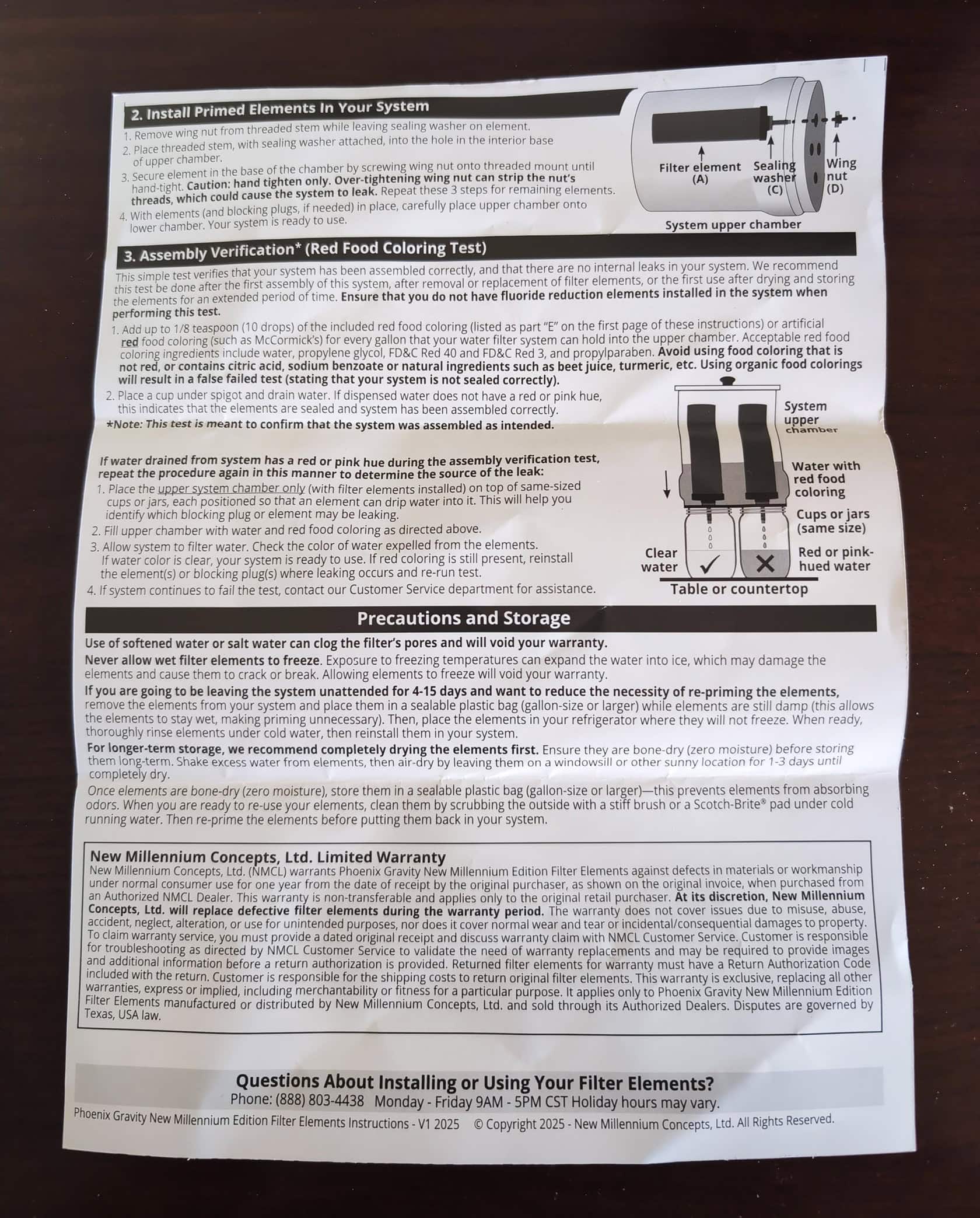
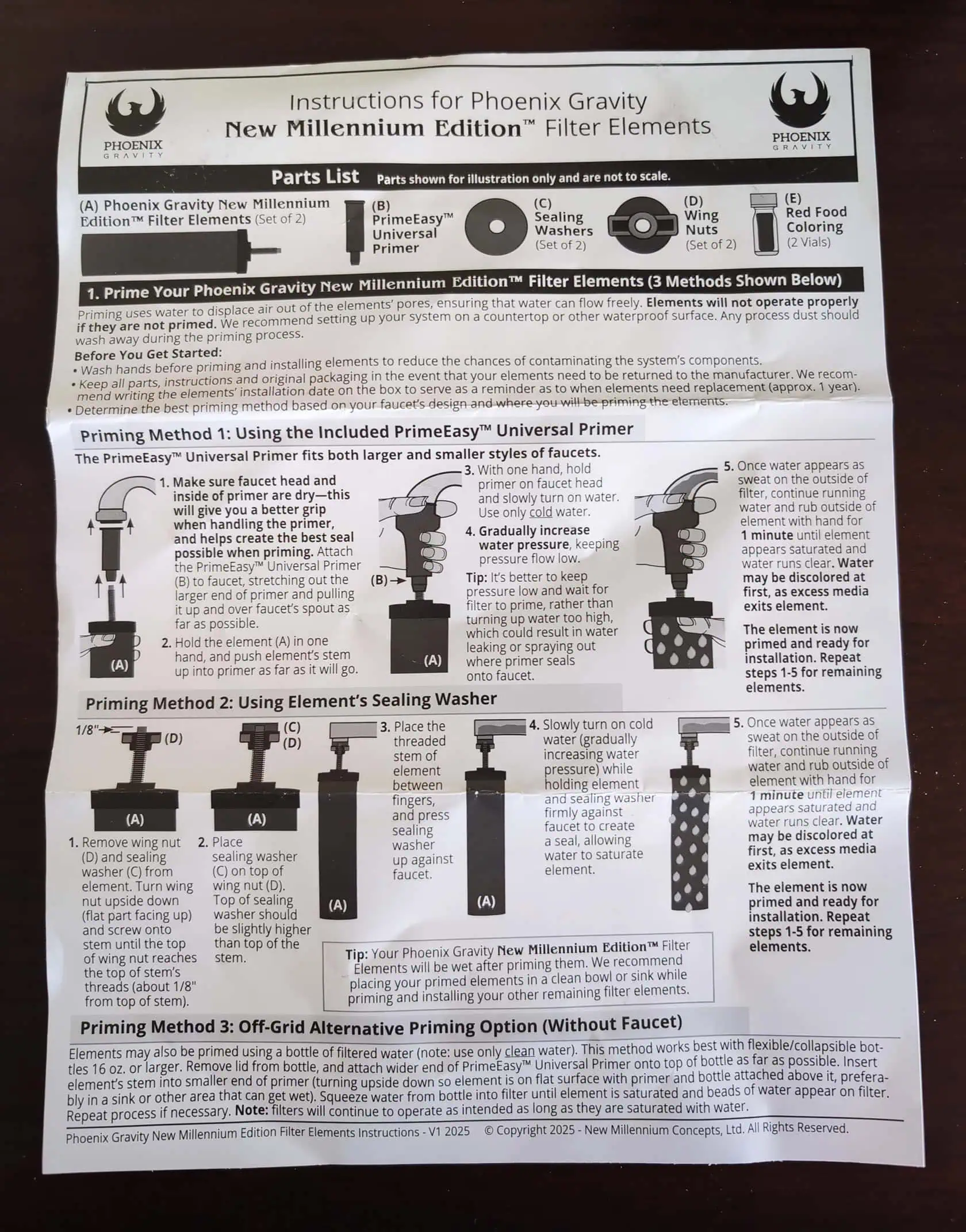
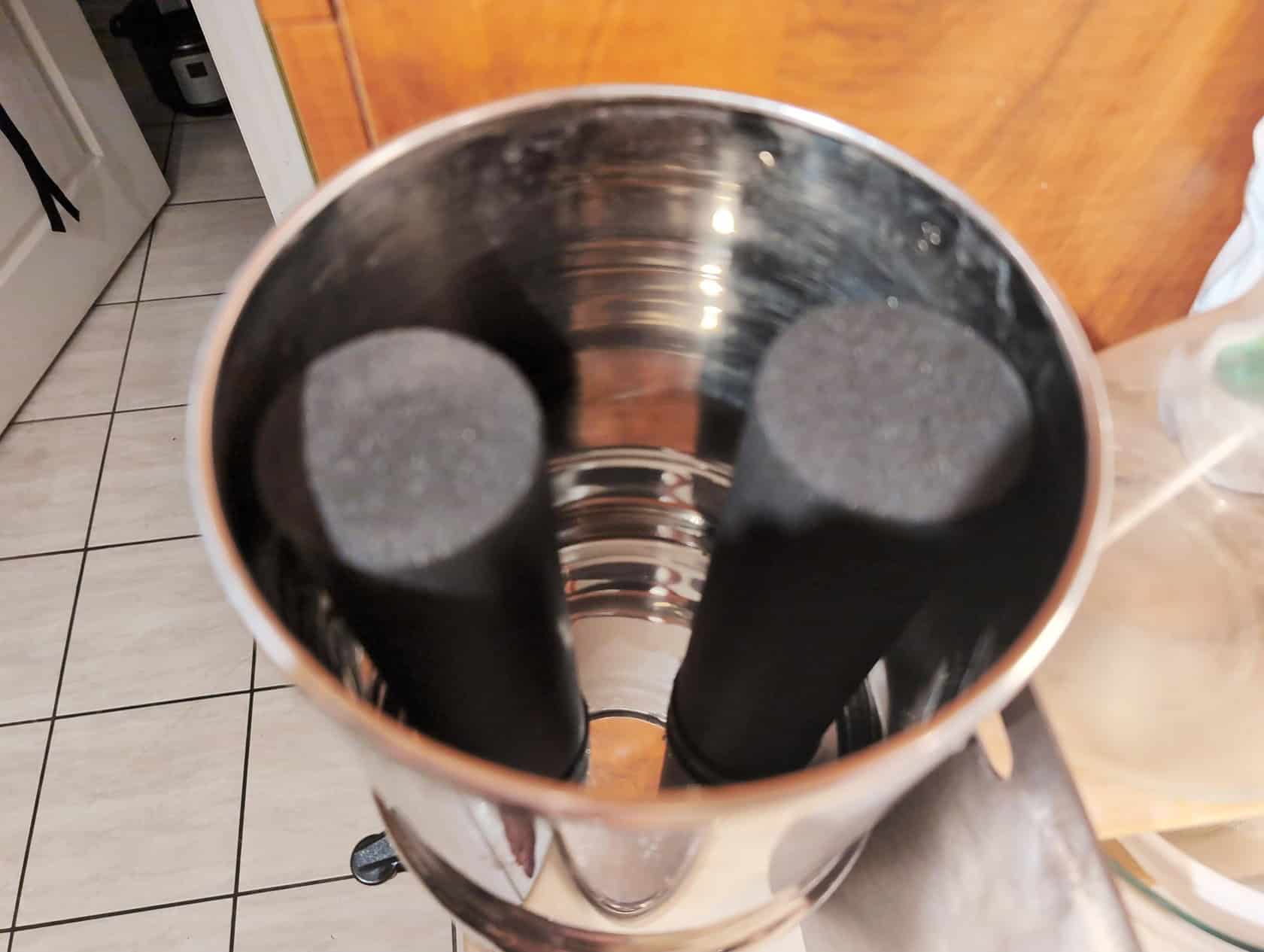
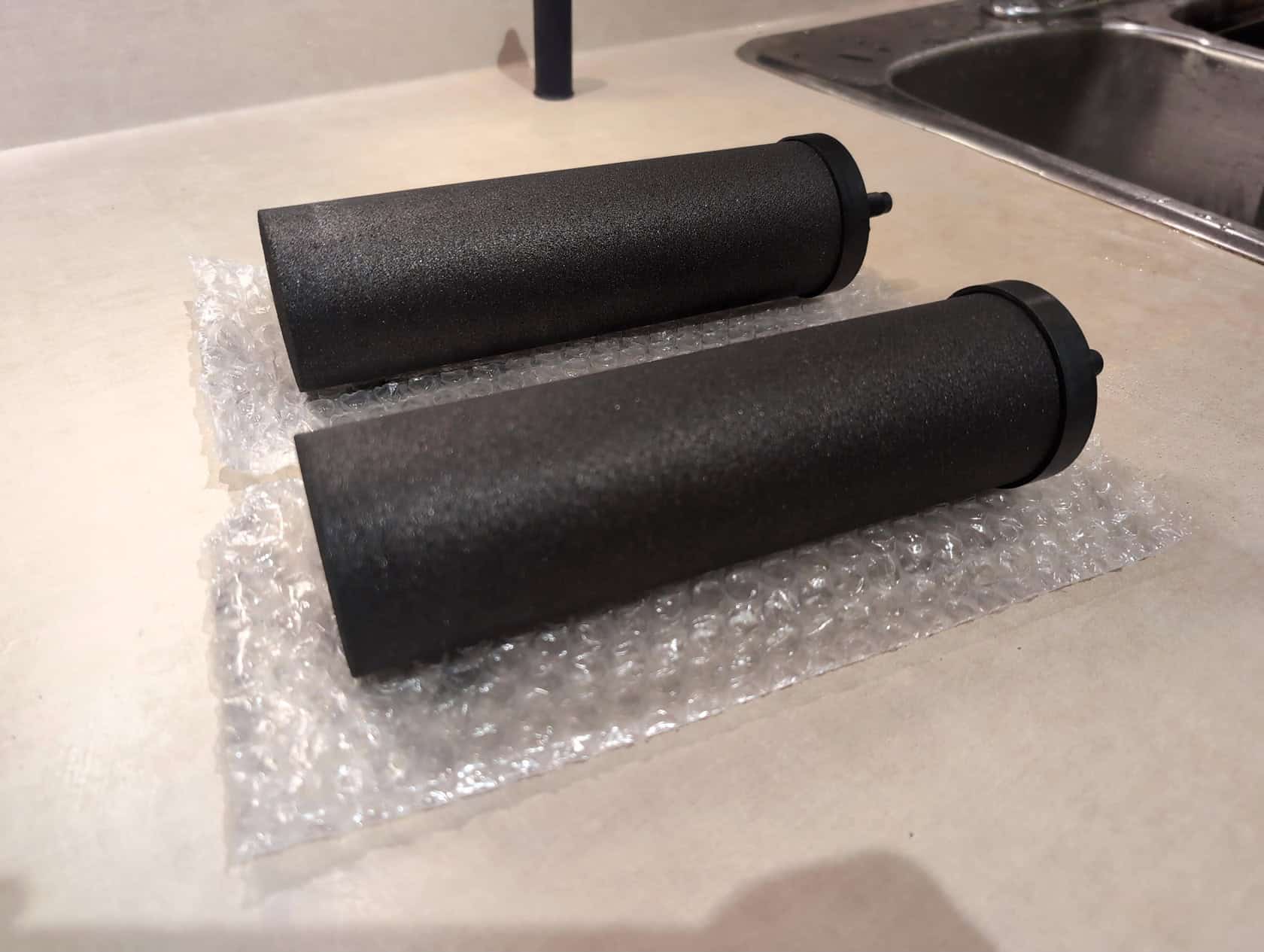
Before you can actually drink anything, you have to prep the black filtration elements. Rushing this step causes the single most common complaint among new buyers: improper initial priming results in the first few batches of water tasting bizarrely sweet. That underlying sweetness is pure user error.
To prime the filters correctly and avoid ruining your first batch, follow these steps: 1. Press the thick tan rubber priming button firmly against the faucet to create a tight water seal over the filter’s threaded stem. 2. Slowly turn on the cold water, allowing the pressure to force its way through the microscopic element wall from the inside out. 3. Keep the pressure steady until the exterior of the filter uniformly sweats beads of water from top to bottom. 4. Install the fully saturated elements into the holes of the upper steel chamber and secure them with the wingnuts.
Once you clear that initial setup hurdle, the actual mechanics of how this device cleans water will fundamentally alter how you view everyday drinking water.
Filtration performance and speed vs. reverse osmosis
This system is not a slow drip. When fully loaded and topped off, the sheer weight of the physical water pushes up to 2.75 gallons of highly filtered drinking water per hour into the lower chamber. It effortlessly tackles the chemical sludge of city tap water, removing basic municipality treatments like chlorine without stalling the flow rate.
This happens because the Black Berkey elements use a dense matrix of activated carbon. Instead of just acting like a simple sieve, this porous material relies on heavy adsorption—meaning contaminants physically stick and bind directly to the internal surface structure. This allows the filters to aggressively strip out pervasive urban byproducts while letting clean liquid flow through freely.
Why micro-porous filtration beats RO
When I first tasted my local tap water, my immediate reaction was to price out a reverse osmosis system. A sharp reader named Nanette quickly corrected that assumption on the Unfinished Man blog: Berkey units do not actually use reverse osmosis. Reverse osmosis is an intensive liquid purification process that uses extreme pressure to force molecules through a semipermeable membrane, stripping away virtually all contents.
Instead, gravity and an inner micro-porous network form the backbone of this setup.
This mechanical distinction is vital for your health and taste buds. The combination of reverse osmosis and stripped minerals leaves water tasting entirely flat, almost medicinal. By contrast, a gravity-fed microfiltration system physically blocks microbes and dangerous Heavy Metal Contaminants from passing through its tiny pores, safeguarding against a wide range of dissolved trace Metals. Yet, it specifically leaves beneficial minerals like magnesium intact.
This dual benefit of aggressive pathogen removal plus mineral retention is exactly why the resulting water tastes genuinely great. Unless your local municipality actively adds chemicals to the supply—as is the case if you need Black Berkey replacement elements combined with PF-2 attachments for heavy fluoride—you do not need extra gear. In cities like Montreal, you just pour the tap water in and let gravity do the work.
Travel Berkey portability and apartment-friendly size
When off-grid enthusiasts recommend water security gear, they are usually talking about massive 50-gallon drums or sprawling basement setups unsuited for a modern rental. The brilliance of the Travel size is that it fits 1.5 gallons of capacity into a physical footprint barely wider than a standard coffee maker.
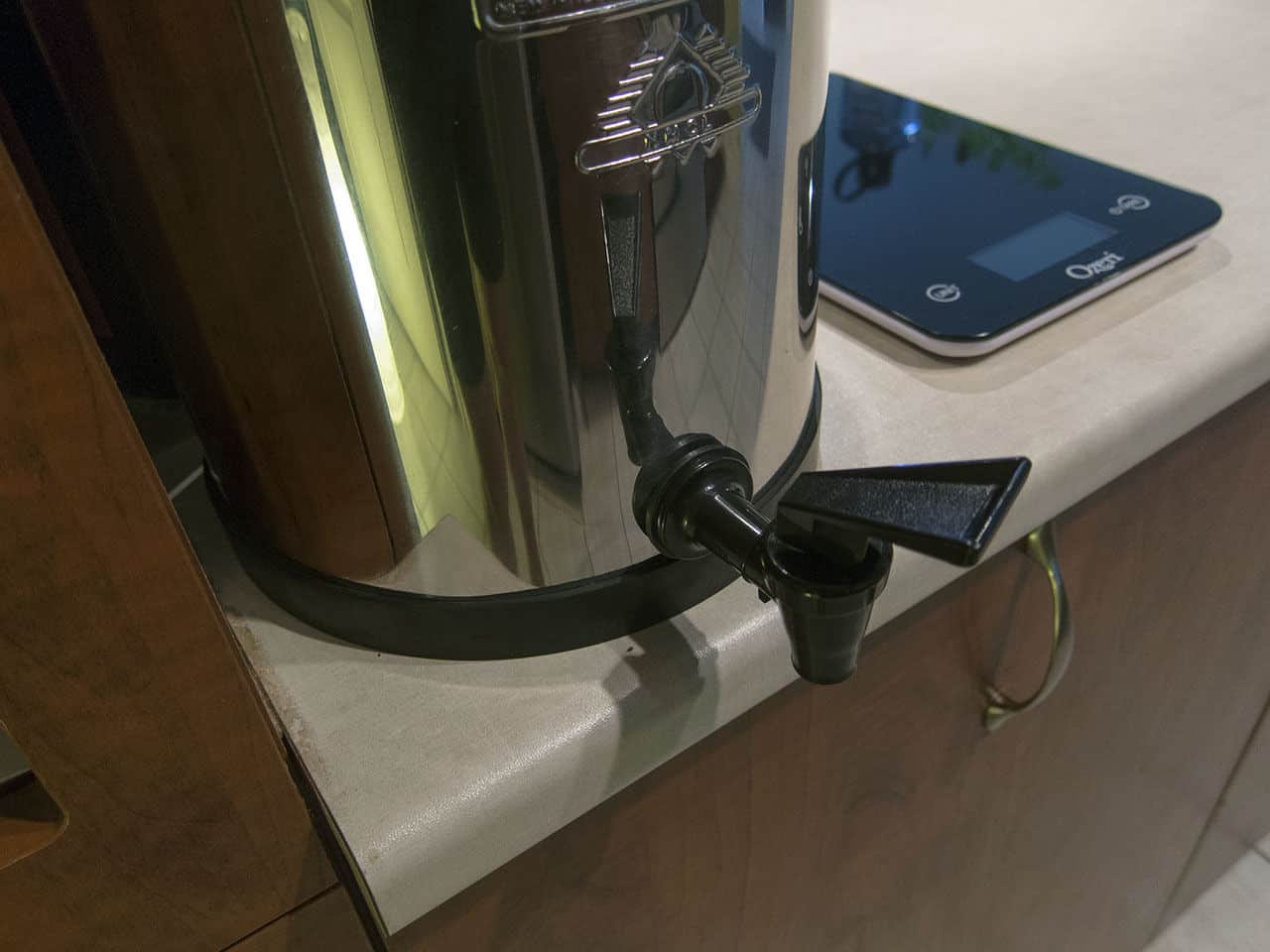
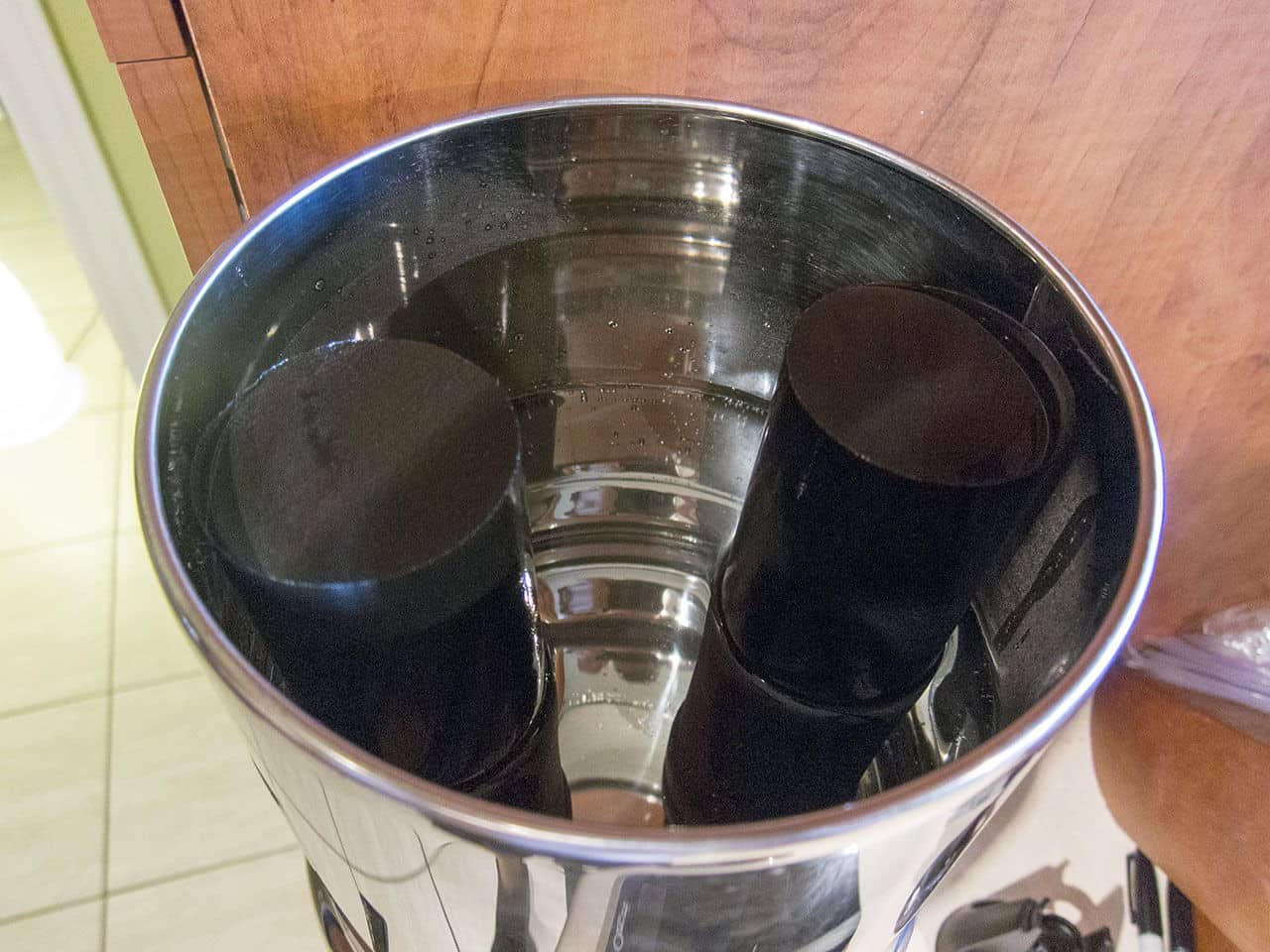
This specific dimension bridges the gap entirely between hardcore survivalism and daily convenience. The rigid boundary separating heavy prepper gear and urban apartment living dissolves when you realize military-grade water security easily fits on an apartment counter. It is small enough to throw in the trunk of a car for a weekend camping trip, yet holds more than enough volume to safely hydrate two adults throughout a long work-from-home day.
“The rigid boundary separating heavy prepper gear and urban apartment living dissolves when you realize military-grade water security easily fits on an apartment counter.”
There is one notable physical drawback. The beautiful stainless steel housing and fingerprint magnet exterior means this unit constantly looks dirty. The natural oils from your hands will leave a visible, smudged mark every single time you take the lid off to refill the upper basin. You will be wiping the steel down relentlessly.
Pros, cons, and the economic breakdown of gravity filters
Water purification is a notoriously shady, gimmick-filled consumer category. Evaluating whether this specific unit justifies its high sticker price requires looking strictly at the lifetime math.
Decision criteria checklist:
- Exceptional water taste that retains dietary minerals.
- Reliable off-grid capability requiring zero electricity.
- Massive long-term hardware durability.
- Manual refilling gets tedious over the years.
- The polished exterior shows every single handling smudge.
- Initial buy-in costs significantly more than budget plastic pitchers.
The 3,000-gallon ROI timeline
With a starting price of $327.00 USD, the initial sticker shock for a metal bucket is completely fair. The economics wildly favor the buyer in the long term. The secret to the system lies in the 3,000-gallon lifespan and front-loaded ROI. Each individual element is conservatively rated to handle thousands of gallons of usage. Under normal daily conditions, you will not need to buy replacements for literal years.
Compare this to the endless treadmill of modern direct-to-consumer filter brands. The Soma water filter and subscription abandonment issue I faced left me stranded with a useless piece of plastic when corporate shipping policies changed. With gravity hardware, you own the infrastructure outright. That absolute independence drives your per-gallon cost down to pennies.
Filter maintenance and the Phoenix Gravity upgrade path
The reality of owning this setup involves manual maintenance that standard lifestyle reviews ignore. About three months into my original testing, the impressive flow rate slowed to a frustrating crawl. I had to pull the black elements out, carry them to the sink, and scrub them aggressively with a toothbrush under cold running water.
This mandatory cycle of filter re-priming and municipal sludge removal happens about once a month. The local municipal supply is heavily polluted with microscopic rust and suspended Solids. Having to physically clean the filter is not a product flaw. As a reader named Alexa pointed out, scrubbing that thick brown slime off the carbon elements is horrifying but entirely welcome proof that the filter is actually working. It successfully keeps that garbage out of your body.
Upgrading to Phoenix Gravity elements
Eventually, even the toughest elements reach total saturation. After more than eight years of daily use, I finally retired my original Black Berkey filters and the Phoenix Gravity New Millennium Edition elements stepped in to replace them.
This highlights the absolute best feature of the entire investment: hardware longevity and cross-compatibility. The metal housing is, by design, an exceptionally well-made open-source bucket. You are not locked into one proprietary corporate ecosystem forever. Dropping the newer Phoenix elements into my eight-year-old steel housing took two minutes. The water tastes exactly as pristine as it did on day one.
Final verdict: justifying the buy-it-for-life price tag
Over the years, the Unfinished Man publication has tested highly engineered luxury items ranging from the All-New 2016 Mazda MX-5 Miata to the Land Rover Discovery Sport. Yet, it is this simple gravity system that remains the most critical, heavily used piece of equipment in my daily rotation.
The verdict is straightforward. If you expect the modern convenience of an automatic ice maker and app-connected filter alerts, this is not for you. But whether Chad is advising young professionals on lifestyle upgrades, or readers like Anh Tran are writing in to track down Canadian shipping routes, the consensus holds firm. This is a formidable buy-it-for-life tool for remote travelers, off-grid campers, and city renters who take total ownership of their baseline health.
It justifies the high initial price tag by explicitly opting you out of the disposable gadget cycle for decades to come. Knowing the drinking water won’t poison me is a massive relief; and given how nasty city pipes are, my next project is strictly to filter my shower water too.
Frequently Asked Questions
Why does my new Berkey water filter make the water taste sweet?
That underlying sweet taste is pure user error caused by skipping or rushing the initial setup. You must properly prime the filtration elements using the tan rubber button to force pressurized tap water through the microporous walls from the inside out. Once the filter uniformly sweats beads of water, the bizarre sweetness entirely disappears.
What’s the difference between a Berkey gravity filter and a reverse osmosis system?
Reverse osmosis uses extreme pressure to push liquid through a membrane, stripping away everything and leaving water tasting flat and almost medicinal. The Berkey relies on gravity and a dense carbon matrix that physically blocks microscopic pathogens and heavy metals while actively leaving beneficial minerals like magnesium intact. The result is hyper-clean water that actually retains a great taste.
Is the high upfront cost of a Travel Berkey actually worth it for an urban apartment?
Yes, because the lifecycle math heavily favors long-term ownership over cheap disposable plastic pitchers. The individual filter elements are conservatively rated to handle 3,000 gallons of usage, driving your cost down to pennies per pour over literal years. You are buying a buy-it-for-life stainless steel system that permanently frees you from annoying direct-to-consumer filter subscriptions.
How do you fix a gravity filter when the water flow rate slows to a crawl?
You need to pull the black carbon elements out and aggressively scrub the thick municipal sludge off them using a clean toothbrush under cold running water. This brown buildup of microscopic rust and suspended solids naturally clogs the microscopic exterior pores every few months. Scrubbing that horrifying slime away confirms the filter is working and immediately restores the 2.75-gallon-per-hour flow rate.
Can I use non-Berkey replacement filters inside the stainless steel housing?
Absolutely. The metal basin is essentially an exceptionally well-made, open-source bucket that does not lock you into a single proprietary corporate ecosystem. When your original elements finally reach total saturation, you can seamlessly drop in compatible cross-brand upgrades like the Phoenix Gravity elements and it will work perfectly.
How much counter space does the Travel-sized unit actually require?
The 1.5-gallon capacity fits into a compact physical footprint barely wider than a standard coffee maker, easily bridging the gap between survivalism and modern rental spaces. However, it stands 18 inches tall when fully assembled, so if your kitchen faucet sits too low to clear the rim, you will have to fill it manually using a large bowl.


I live in montreal , I ‘m looking to buy one
Would you please advise where can I find it in montreal ?
Thanks for your help .
You can’t actually buy them here in Montreal (that I know of,) but you can get them from the Berkey website. They ship to Canada.
fyi–berkey filters are not reverse osmosis, which would remove minerals and has proven to be unhealthy over time. Berkey uses a network of tiny pores through which microbes are unable to pass, and some other, patented processes in filtration. Check their website for the most accurate, updated explanation. I’m planning to buy one!
>However, what I will say is that I’ve been having to scrub the filter with a tooth-brush and re-prime it about once per month
As horrible as that is, at least that lets you know that it’s working! 😉
I just bought one (it should be here in a few days). I didn’t get the fluoride filters though, simply because Montreal doesn’t add fluoride to their water. Did you choose to?
Also, how fast is it moving through? Half an hour for a full 1.5 gallons? 10 minutes?
Thanks!
Gertrude
No, I didn’t bother with the fluoride filter either.
The speed really depends on how clean you keep the filters. I would say about an hour for a clean filter, maybe a little quicker.
Look good, but do you know anything with this stuff at $200 or less? Thanks.
Not really, but these last so long that the price is more than worth it.