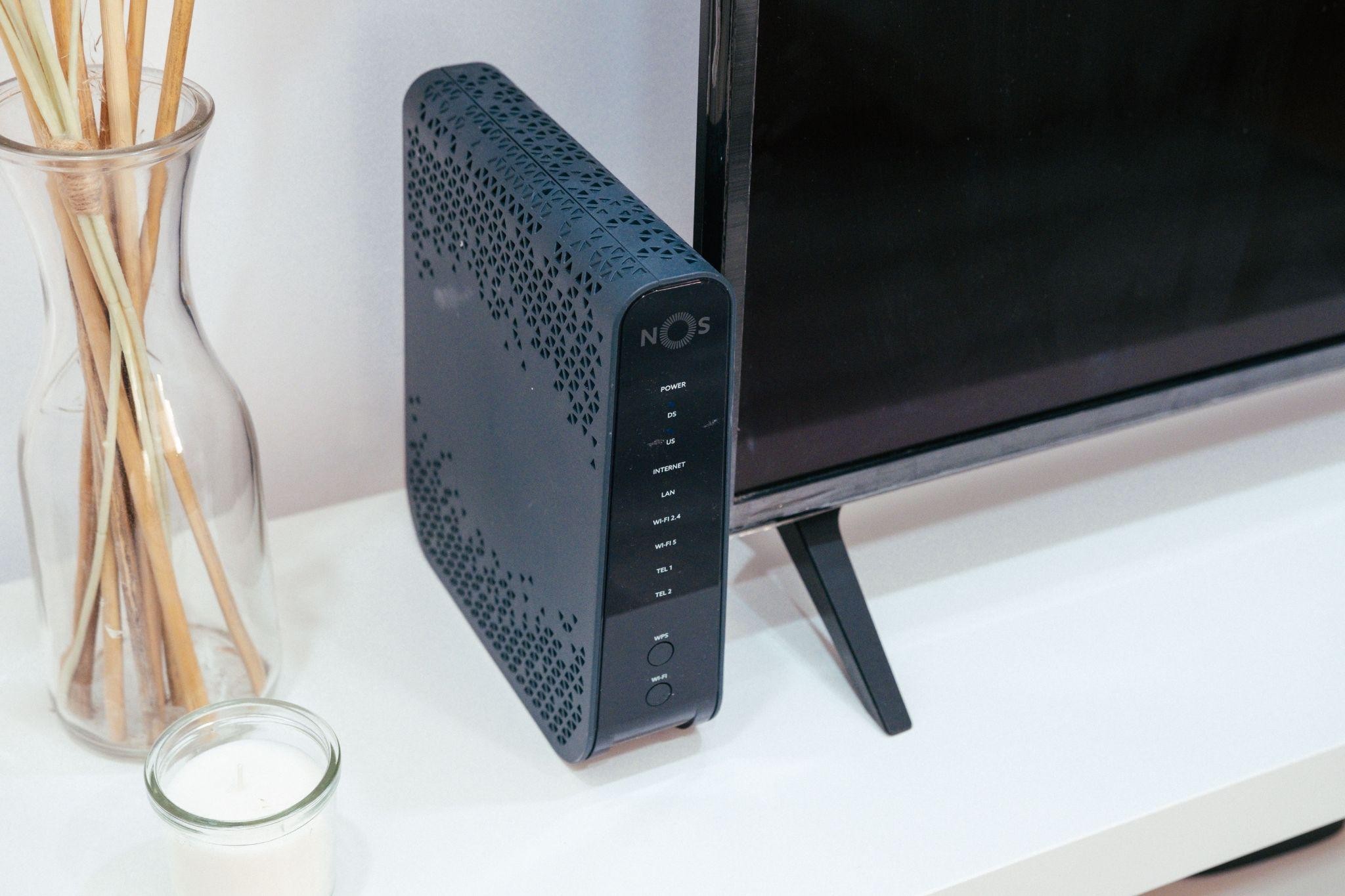
In recent years, internet connectivity has become essential for work and pleasure. As a result, a WiFi system’s connectivity capabilities are essential to consider.
Home networking has become infrastructure, not an afterthought. For a household to stay effectively connected to the internet with the many digital tools they may be using at any time, that infrastructure must be the backbone of the operation. No matter how much you pay for a device or its services, poor connectivity can nullify it, which is why WiFi has become so essential today. Fortunately, mesh WiFi systems like NETGEAR’s Orbi series are helping residents find new answers to these age-old connectivity problems.
Picture this: one person in a given home is gaming or joining a video call while someone else streams 4K video and several smart-home devices remain connected in the background. This kind of simultaneous use can put tremendous strain on a WiFi router’s capacity and leave everyone in the house with a less-than-ideal experience. As such, paying for a fast internet plan does not, by itself, determine WiFi performance in every room. Coverage is a separate problem, and that is what mesh WiFi systems are designed for.
How Home Layout Can Affect WiFi Coverage
It’s important to distinguish between the internet connection entering a home and the local wireless network distributing it. Just because a strong signal reaches the home doesn’t mean it’s distributed strongly throughout the home. If you have rooms where you are less likely to get strong connectivity, it could be due to your home’s layout and your WiFi router’s placement.
For instance, if your house has multiple stories, the floor with the router will likely have the best connectivity. Also, if you are trying to connect from a spot in your home with multiple walls and other physical objects between you and the router, your connection is less likely to be strong or reliable. This can be difficult for many, as the rise in digital devices in the average home means multiple household members often try to use connectivity at the same time, and not everyone can be positioned in a room directly next to the router. Thankfully, mesh WiFi is changing all of that.
Where Mesh WiFi Fits Into a Connected Home
Mesh WiFi uses multiple coordinated access points to provide connectivity from different locations, rather than making every wireless device depend on one centrally located unit. As with any WiFi-supplying device, performance depends on network design, equipment, building characteristics, devices, and the underlying internet connection.
Gaming, Streaming, and Smart Home Devices Have Different Network Needs
In 2026, the average household could be utilizing online connectivity for any number of purposes in which having a reliable connection matters, such as:
- A gaming PC or console where latency matters
- A television streaming high-resolution video
- A work laptop handling video conferences
- A smart doorbell or security camera outside the main living space
- Phones moving around the house
- Connected appliances operating in the background
These products rely on home connectivity and inherently lose much of their value or capability if the home’s connectivity infrastructure doesn’t match their needs.
Smart Home Security Starts With the Network
A reliable network is also essential to keeping your home devices secure. Many digital tools can connect to online capabilities today, but this also creates a major risk: it can leave users unexpectedly vulnerable and exposed.
Strong router administrator credentials, up-to-date firmware/software, modern WiFi security options where supported, and separate networks for smart devices where appropriate can help keep things safe and secure.
Building a Home Network Around How You Actually Use It
By understanding where your household and its residents most often utilize connected devices, you can better identify rooms with meaningful connectivity requirements and consider fixed devices that could use Ethernet. With these steps, you can place networking equipment thoughtfully, secure the network, and test it under normal household conditions. In 2026, a useful home network is designed around the house, the devices, and how people use them.
People Also Ask
What is a mesh WiFi system?
A WiFi system with coordinated access points that is designed to offer more comprehensive coverage.
Is mesh WiFi useful for gaming?
It can be part of a home network, but latency and performance depend on multiple factors. Wired Ethernet may still make sense for stationary gaming hardware.
How many mesh WiFi access points does a home need?
Most homes do well with two or three units. A single-story home under about 3,000 square feet usually needs two, while larger or multi-story homes benefit from a third. Floor plan and construction matter more than square footage alone, so thick walls or a finished basement may call for an extra node.
Where should WiFi access points be placed?
Open, elevated spots work best. Avoid cabinets, floor-level corners, and spots behind appliances or thick walls, since each of those weakens the signal before it reaches your devices.

