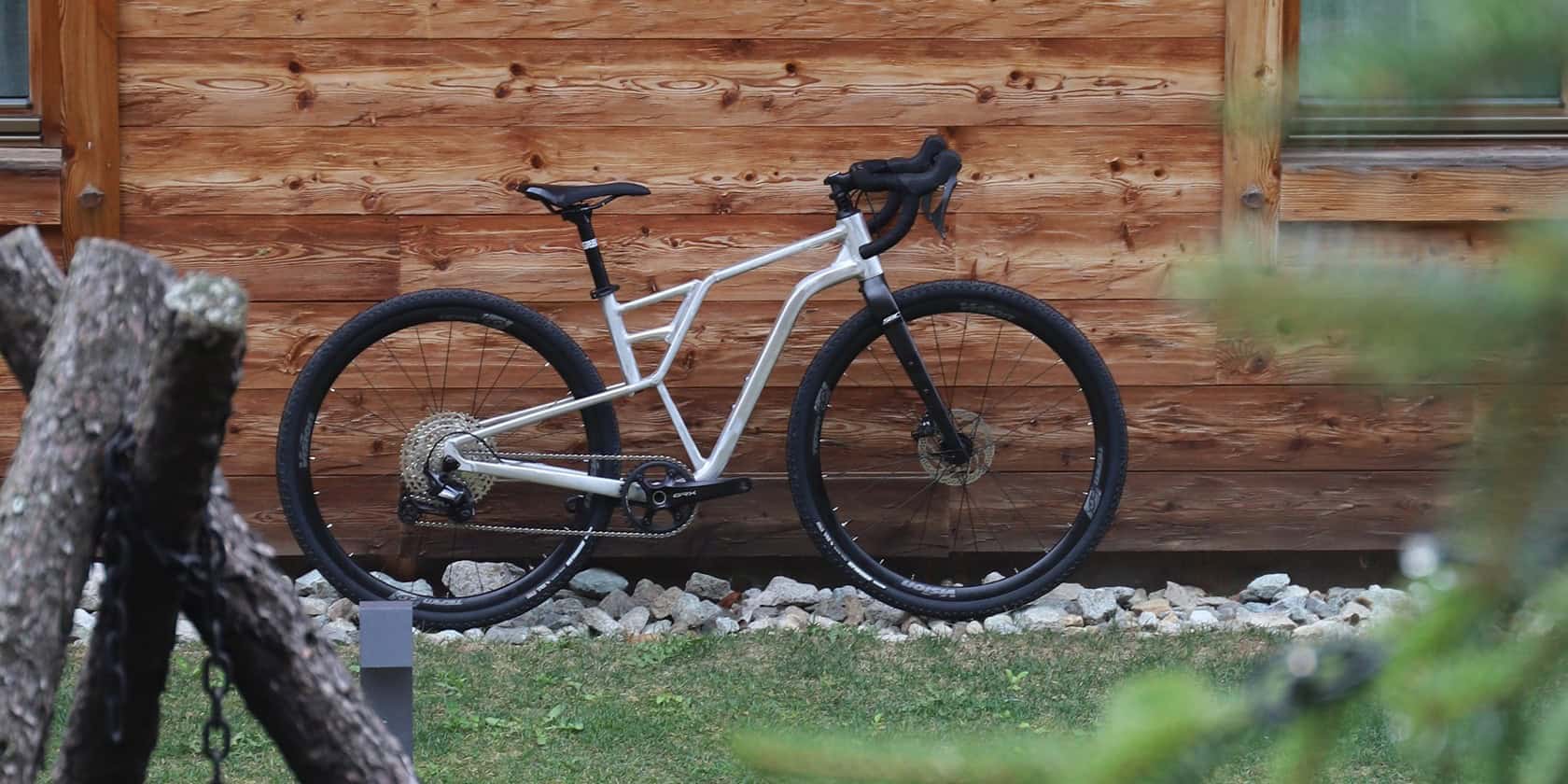
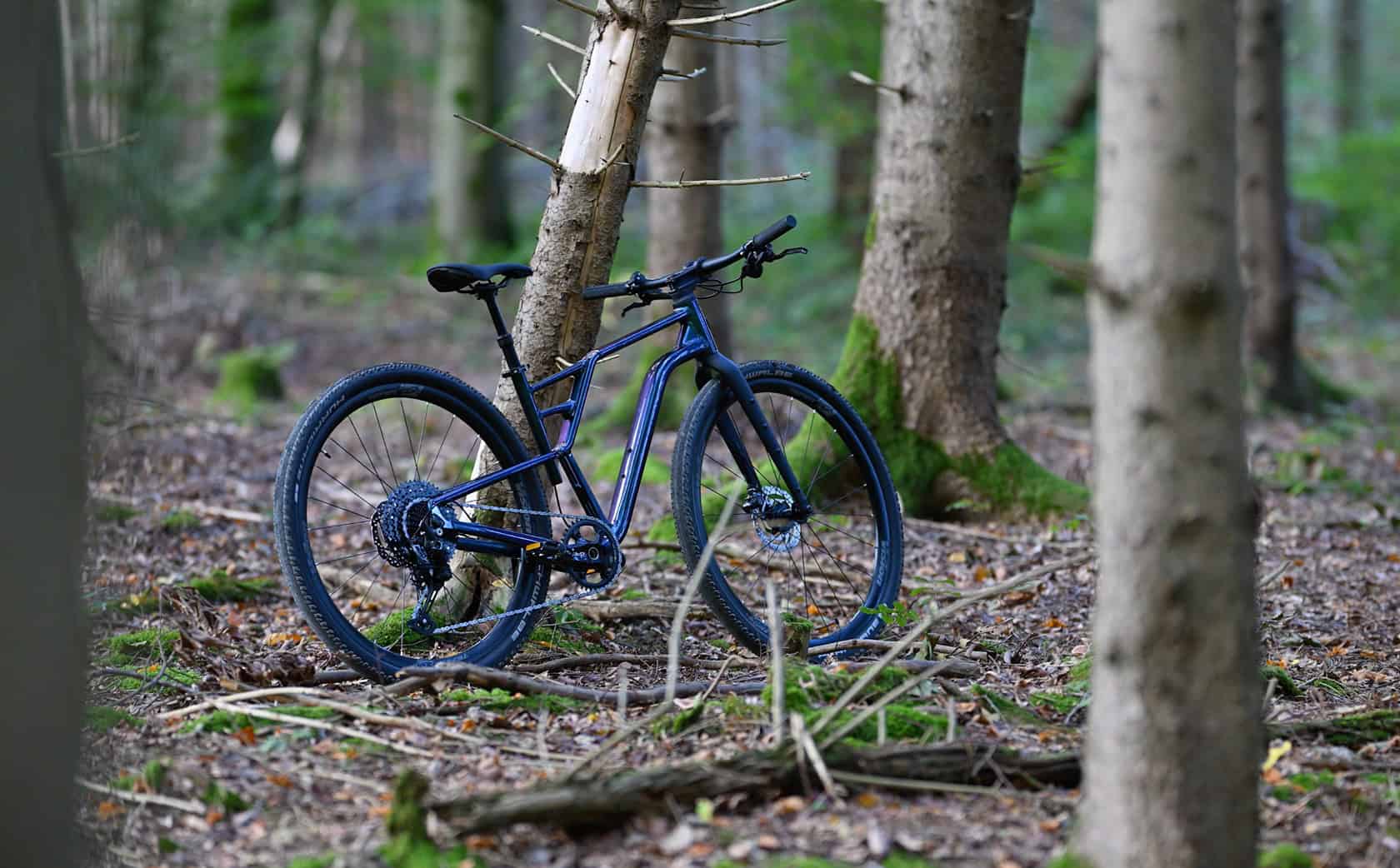
Most gravel bikes are iterations. A slacker head angle here, a bit more tire clearance there, a carbon layup tweak that shaves 100 grams. Silverback looked at the whole concept and asked a different question: what if you removed the seat tube, as the S-Tec system does?
Silverback unveiled the SilverRider Gravel Series on 21 July 2026, with the first batch shipping in late August 2026. It’s built around two patent-pending ideas — the S-Shape Skeletal Structure and the S-Tec comfort system — that change how the frame handles vibration and pedaling forces. The result is a bike that prioritizes comfort over outright stiffness via the S-Tec system, and that’s either what you want or a dealbreaker depending on your riding style.
We haven’t ridden it yet. But the specs, the engineering claims, and the pricing tell a story. Here’s what you need to know before deciding whether to buy one.
Key Takeaways
The S-Shape frame and S-Tec system remove the traditional seat tube entirely; the rear triangle absorbs vibration like a tuned leaf spring, but that may introduce torsional flex under hard sprinting
All four models share the same AL-6061 frame with an integrated dropper post; the €1499 Path, €1799 Sport, €1899 Pro Vision, and €3398 Pro Zipp differ mainly in fork, drivetrain, and included accessories
The frame is designed to accept both drop bars and flat MTB bars, and it has a mount for a front derailleur, allowing you to run 1x or 2x — rare versatility in a single frame
Table of Contents
The S-Shape Skeletal Structure – What It Does and the Tradeoff
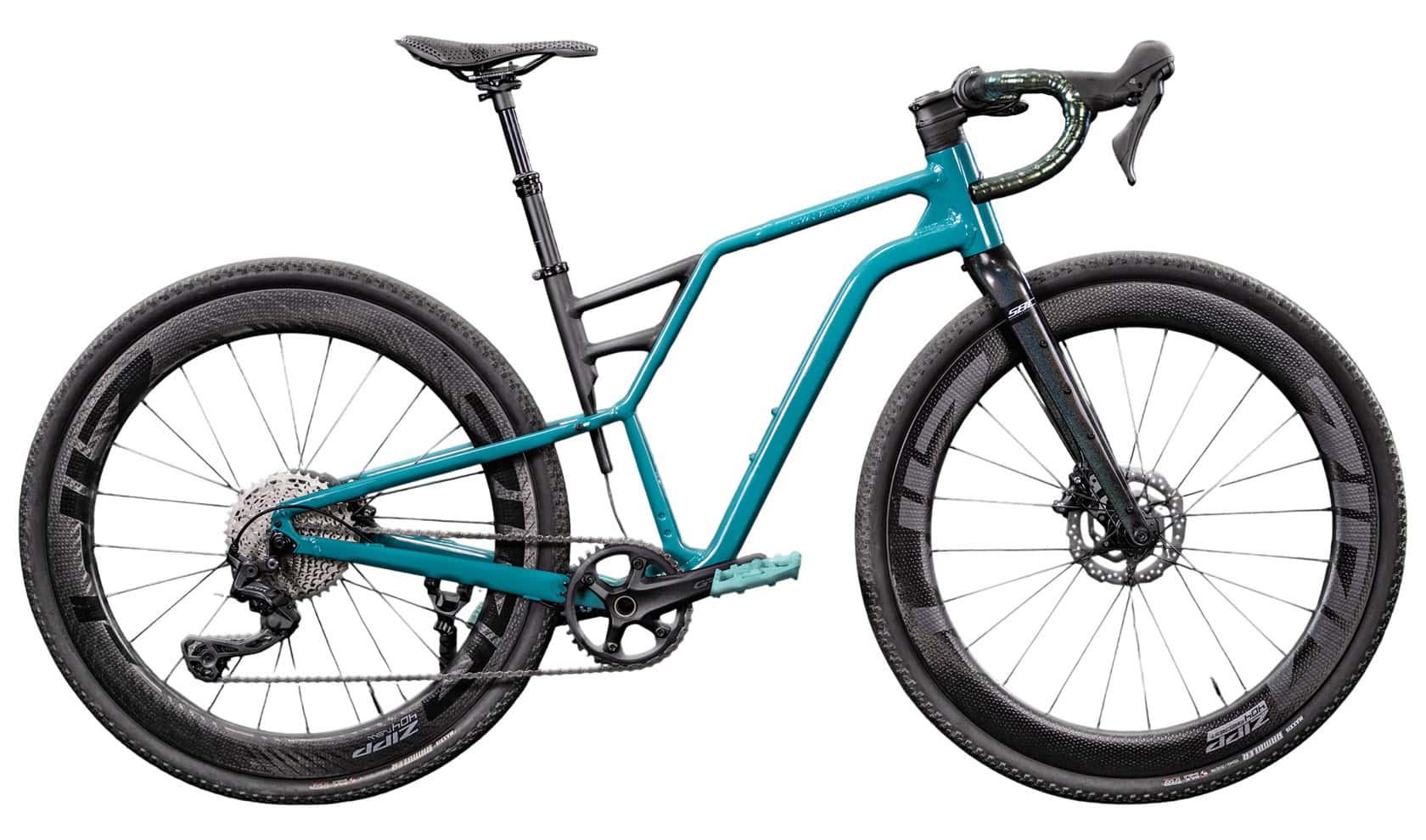
The S-Shape is the visual hook. Instead of a straight top tube and a separate seat tube, the frame curves in an S-like path from the head tube to the rear axle. It’s not cosmetic — the shape re-routes the load path through the frame. Silverback says the S-Shape balances power transfer, comfort, and visual simplicity.
The tradeoff: altering the load path via the S-Shape can introduce torsional flex under hard pedaling. Endurance riders who want comfort will benefit. Competitive racers doing sprints or steep climbs might feel a softness. Without test data, we’re taking that on faith for now.
Bottom line: The S-Shape trades pedaling stiffness for vibration damping — a smart bet for endurance riders, a potential dealbreaker for racers.
S-Tec: Why Removing the Seat Tube Changes Everything
S-Tec stands for Seat Absorption Technology. It removes the traditional seat tube. The rear frame structure itself absorbs vibration, like a leaf spring. Combine that with tire clearance up to 700×50C or 29×2.0 inches, and a low standover height (705–707mm across all sizes), and you’ve got a system that’s supposed to deliver less buzz through the saddle and less fatigue over long days.
The engineering tradeoff is real: a traditional seat tube acts as a structural stiffener, which S-Tec removes. Without it, the rear end may flex more under hard pedaling. Silverback isn’t claiming specific vibration reduction percentages, and neither are we — no independent tests exist yet.
Sustainability and German Craftsmanship – What It Means for Buyers
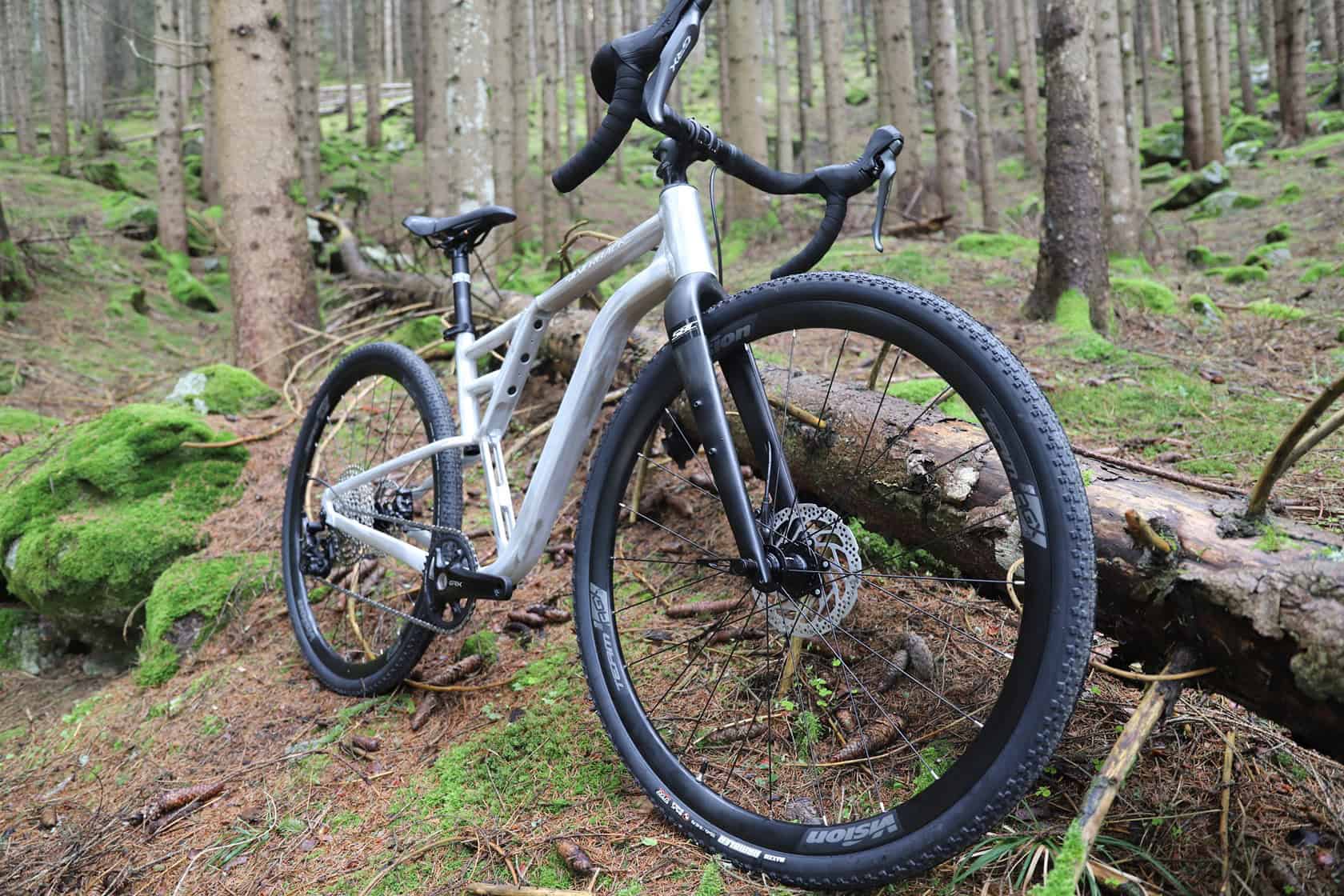
Silverback made manufacturing choices including recycled alloy, water-based paint, and laser-etched logos. The frame uses recycled alloy and composite materials. The paint is water-based, which reduces harmful emissions. Logos are laser-etched instead of decals — less plastic waste, and the etching won’t peel off over time.
Every SilverRider Series bicycle is assembled in Germany through small-batch production. The company’s phrase is “one man, one bike, one masterpiece.”
The upside: tighter quality control, faster design iteration, and a limited lifetime warranty. The downside: limited availability, potentially longer lead times for replacements, and a small operation if you need support. Customer care hours are 09:00–13:00 and 14:00–17:00.
Versatility: One Frame, Two Cockpits
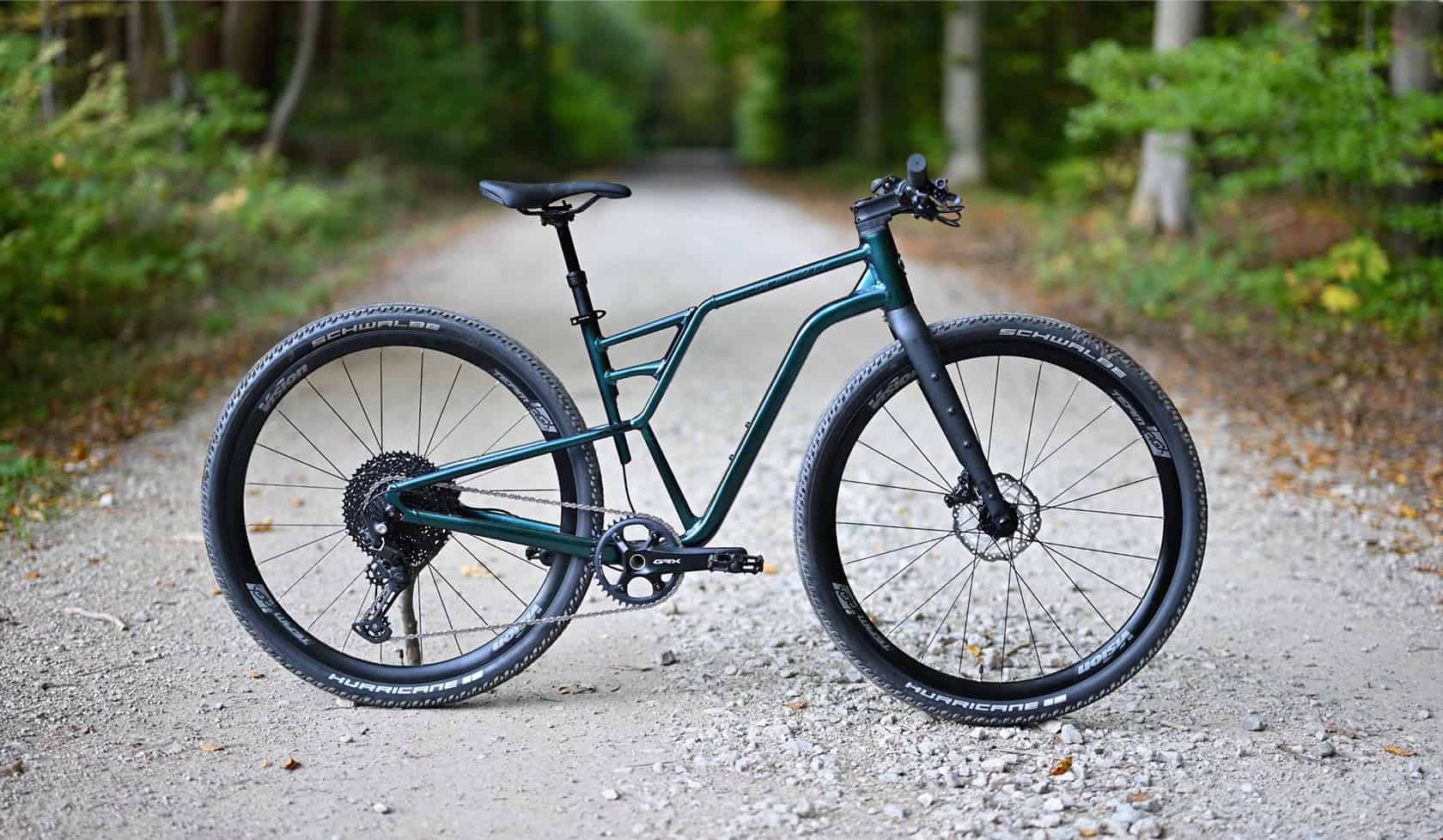
The hybrid drop/flat bar compatibility might be the SilverRider’s secret weapon. The geometry is tuned to work with both flared drop bars and flat MTB-style bars. You don’t need a different frame — the reach and stack numbers are calculated to keep handling consistent either way. That’s rare.
Drop bars give you a fast, aerodynamic position for long gravel miles. Flat bars give you an upright, confident stance for technical terrain, bikepacking, or commuting. You can buy one bike, run it as a gravel racer with drops, then swap to flats without buying a new frame. The handling won’t be identical — it’s a compromise, even if a well-engineered one, but it’s a compromise most gravel bikes don’t offer.
The frame also has an optional mount for a front derailleur, allowing you to run 1x or 2x. Most modern gravel bikes lock you into one or the other. Here, you choose: simpler shifting with 1x, or more range with 2x.
Other practical details: hidden cable routing, hydraulic disc brakes (Shimano GRX or CUES depending on model), integrated rear rack mounts, and pannier mounts on the fork. Racks are sold separately.
Which SilverRider Should You Buy? The Three Models Compared
All three models share the same AL-6061 hydroformed frame with S-Tec and a dropper post. The differences are in fork, drivetrain, wheels, and included extras.
Gravel Pro – For Racing and Aggressive Riding
Rigid carbon fork, Shimano GRX 12-speed, Vision Team30 AGX i23 wheels (or Zipp 404 Firecrest upgrade). Includes a rack, fenders, kickstand, and phone holder. Lower, more aggressive cockpit position. Best for speed-focused riders who want the lightest setup.
The Pro Zipp at €3398 is nearly double the Pro Vision at €1899 — the wheels are the reason. If you don’t need race-ready carbon out of the box, buy the Pro Vision and upgrade later.
Gravel Sport – For Endurance and Mixed Terrain
Fox 32 Performance 40mm suspension fork, Shimano CUES 11-speed, Vision wheels. Includes a rack and fenders. This is the only model with a suspension fork — 40mm of travel smooths out washboard surfaces and chatter. Best for long-distance touring, rough gravel roads, and all-day comfort.
At €1799, it’s only €100 cheaper than the Pro Vision, but you get a proper Fox fork. That’s better value for endurance riders.
Gravel Path – For Adventure, Touring, and Commuting
Rigid carbon fork, flat MTB-style bar, Shimano CUES 11-speed, Vision wheels. No extras included. Upright riding position for control and comfort. Best for utility riders, bikepackers, and commuters who don’t need a drop bar. At €1499, it’s the most affordable way into the SilverRider platform — same frame and S-Tec comfort, stripped down.
Geometry and Fit – Full Sizing Chart
Six sizes cover a wide range: XS fits riders 144–159 cm, XXL fits up to 195 cm. Inseam ranges from 65 cm to 89 cm. Here’s the chart:
| Size | Rider Height (cm) | Inseam (cm) | Reach (mm) | Stack (mm) | Standover (mm) | Chainstay (mm) | Head Tube Angle | Wheelbase (mm) |
|---|---|---|---|---|---|---|---|---|
| XS | 144–159 | 65–73 | 385 | 558 | 705 | 435 | 70° | 1037 |
| S | 155–170 | 69–77 | 396 | 562 | 706 | 435 | 70° | 1051 |
| M | 165–180 | 74–82 | 407 | 566 | 706 | 435 | 70° | 1061 |
| L | 175–188 | 79–87 | 418 | 569 | 706 | 435 | 70.5° | 1073 |
| XL | 183–193 | 82–89 | 429 | 577 | 707 | 435 | 70.5° | 1082 |
| XXL | 188–195 | 82–89 | 435 | 583 | 707 | 435 | 71° | 1087 |
One thing to flag: the chainstay is 435mm across all sizes. That’s short for a gravel bike. It keeps the rear end lively and responsive, which is great for agility. But for taller riders on the XL or XXL, a shorter chainstay means the bike may feel more “flickable” than planted at high speed. If you’re tall and prefer a stable high-speed feel, test ride before buying.
Quick test: If you’re over 183 cm, take an XL or XXL on a fast descent before committing — the short chainstay changes high-speed behavior.
Pricing and Availability – What You’ll Pay and When You’ll Get It
- Gravel Pro Zipp: €3398
- Gravel Pro Vision: €1899
- Gravel Sport: €1799
- Gravel Path: €1499
Batch One deliveries start late August 2026. Small-batch production means they’ll likely sell out. If you want one, contact Silverback directly at info@silverbacklab.com. Customer care is available 09:00–13:00 and 14:00–17:00. The address is Ohmstraße 18, 72622 Nürtingen, Germany.
Prices are in euros. If you’re outside Europe, factor in shipping and potential import duties. The source doesn’t specify a dealer network, so availability outside Germany is unclear.
Who Makes the SilverRider? – Silverback’s Story
Silverback Bicycle Technology Company, based in Stuttgart, Germany, was founded in 2004 — the same city as Mercedes, Porsche, and Bosch. Silverback’s overarching comfort-technology narrative is called “Science of Comfort,” and it’s not a tagline. It’s the reason the S-Shape and S-Tec exist. They prioritize functional engineering and durability over weight savings. They’re not trying to be the lightest bike on the market; they want to be the most comfortable for the longest ride.
Their mission statement is do good, show love for humanity with beautiful, better, functional, affordable bicycles.
The Bottom Line – What It Does Well and Where It Compromises
Here’s where that pays off and where it creates problems.
What it does well:
- The S-Shape and S-Tec are patent-pending innovations. They prioritize comfort without adding weight or complexity.
- Hybrid drop/flat bar compatibility is rare and useful.
- Sustainability choices (recycled materials, water-based paint, laser-etched logos) are specific and measurable, not greenwashing.
- Small-batch German assembly suggests tight quality control.
- Limited lifetime warranty shows confidence in the frame.
Where it compromises:
- The S-Shape and S-Tec prioritize compliance over pedaling stiffness. Under hard efforts, the frame may feel soft. No independent reviews exist yet to confirm or disprove that.
- No frame weight or overall bike weight provided. That’s a critical missing spec for competitive riders.
- Small-batch production means limited availability and potentially longer wait times for replacement parts.
- Dealer network and purchase process outside Germany are unclear.
The SilverRider is a comfort-oriented bike in a category that usually rewards speed and weight savings. If you’re chasing podium finishes, this probably isn’t your bike. If you’re doing six-hour gravel days and want to feel fresh at the end, it’s worth a look.
Frequently Asked Questions
What makes Silverback bikes unique?
Silverback’s SilverRider series features two patent-pending innovations: the S-Shape Skeletal Structure and the S-Tec comfort system, which remove the traditional seat tube entirely. The frame is designed to accept both drop bars and flat MTB bars, and it supports both 1x and 2x drivetrains — rare versatility in a single frame.
What is the S-Shape Skeletal Structure on the SilverRider?
The S-Shape is a frame design that curves from the head tube to the rear axle, replacing the traditional straight top tube and seat tube. It re-routes load paths to balance power transfer and comfort, allowing the frame to absorb vibration like a tuned leaf spring without adding a separate suspension system.
Can you run both drop bars and flat bars on the same SilverRider frame?
Yes, the SilverRider frame is engineered to work with both flared drop bars and flat MTB-style bars without needing a different frame. The reach and stack numbers are calculated to keep handling consistent either way, making it a rare and versatile option for riders who want to switch between gravel racing and bikepacking or commuting.