You’re staring in the mirror under aggressive bathroom lighting, doing the math on your hairline. For many guys, male pattern baldness begins much earlier than society pretends it does, which is why the first panic-search phase often includes everything from treatment forums and Traya reviews to whether biotin for hair actually makes a difference. With the age of thinning onset frequently hitting between 17 and 23 years old, you aren’t alone if you’re dealing with this right out of college. Hair loss onset data reflects that androgenetic alopecia begins in this developmental window for a significant portion of men.
Let’s skip the emotional denial and look at the Norwood Scale. It’s a clinical measurement that provides a check on how far your balding has progressed.
Key Takeaways
The average age of thinning onset is between 17 and 23 years old, making early hair loss a statistically common biological reality rather than an anomaly.
Splitting 5mg Finasteride tablets into quarters acts as a verified cost-saving strategy, reducing prescription intervention costs to roughly $27 for a 6-month supply.
Routine head shaving maintenance requires less than one hour per week and relies on affordable alternatives like cocoa butter for superior skin lubrication.
Table of Contents
Proactive Shaving Vs. the “Holding On” Cycle
The failure pattern of male pattern baldness isn’t just about what’s missing on top; it’s the constant, exhausting mental tax of hiding it. This concealment anxiety forces you to avoid wind, reposition thin strands, and treat a gust of air like a threat. Proactive shaving entirely removes this operational burden of scalp camouflage and style preservation. At Unfinished Man, we see men realize that the transition to the razor is less about losing hair and more about taking back control.
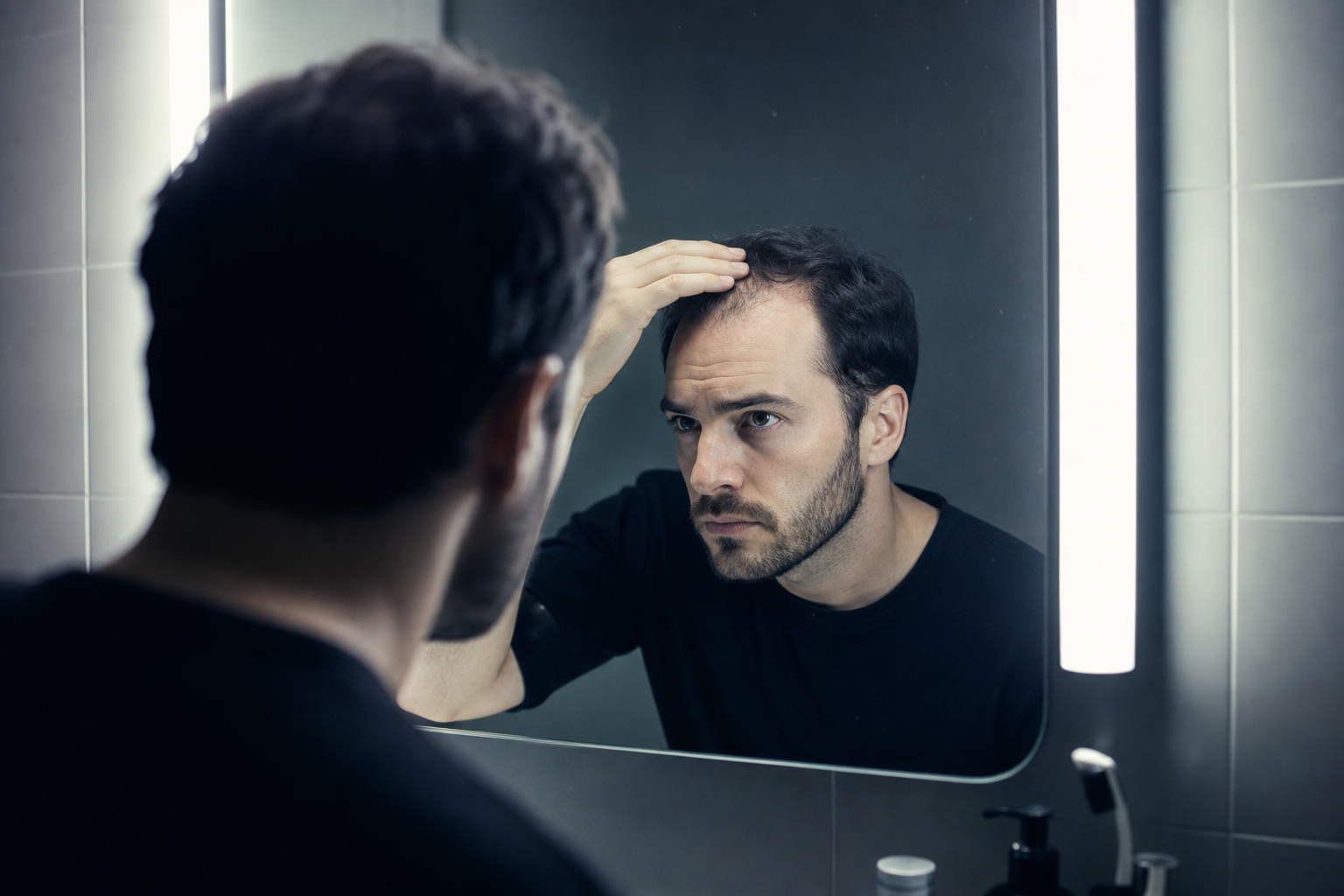
“Proactive shaving removes the daily operational burden of scalp camouflage and style preservation.”
Then there’s the paradox of the clinging strategy. Aggressively holding on to a receding or heavily patched hairline amplifies visual aging. Attempting to preserve a frayed perimeter makes the wearer appear older than the clean-shaven aesthetic, as documented in grooming shift studies. Abandoning that forced maintenance eliminates the daily effort of managing a receding or patched hairline.
Minoxidil and Finasteride: the Reality of Medical Trade-Offs
To evaluate the transition, compare the clinical efficacy, monthly monetary cost, and time commitment of medical interventions versus shaving.
Minoxidil’s Scalp Limitations
Minoxidil (Minoxidil (Rogaine/Kirkland Signature)) is the first line of defense, but it has anatomical limits. Clinical data shows a higher success rate for crown thinning compared to frontal hairline recession. However, the topical treatment frequently fails to treat a receding frontal hairline before it develops into a horseshoe hairline. Add in the time-tax.

Application is a strict twice-daily requirement. You’ll need to stick to a strict twice-daily application schedule to maintain results.
Finasteride and the Reddit Quartering Strategy
If a daily pill sounds better than a liquid routine, Finasteride (Propecia) is the widely accepted standard to reduce shedding, though reports on regrowth are inconsistent. The biggest objection is the price point. But guys searching Reddit to optimize their regimen have verified a commercial hack. By getting a prescription for generic 5mg Finasteride tablets and using a basic quartering strategy, you can secure a six-month supply for an estimated $27 USD. It’s a community-sourced economic workaround that makes holding the line financially sustainable.
Aesthetic Adjustments: Beards, Buzz Cuts, and Head Shape
Maintaining a balanced aesthetic after shaving requires pairing the new look with specific facial proportions or hair styling. Styling and aesthetic considerations are vital; choosing between a full smooth shave and a persistent stubble can change how the head shape is perceived by others.
The Professional Transition
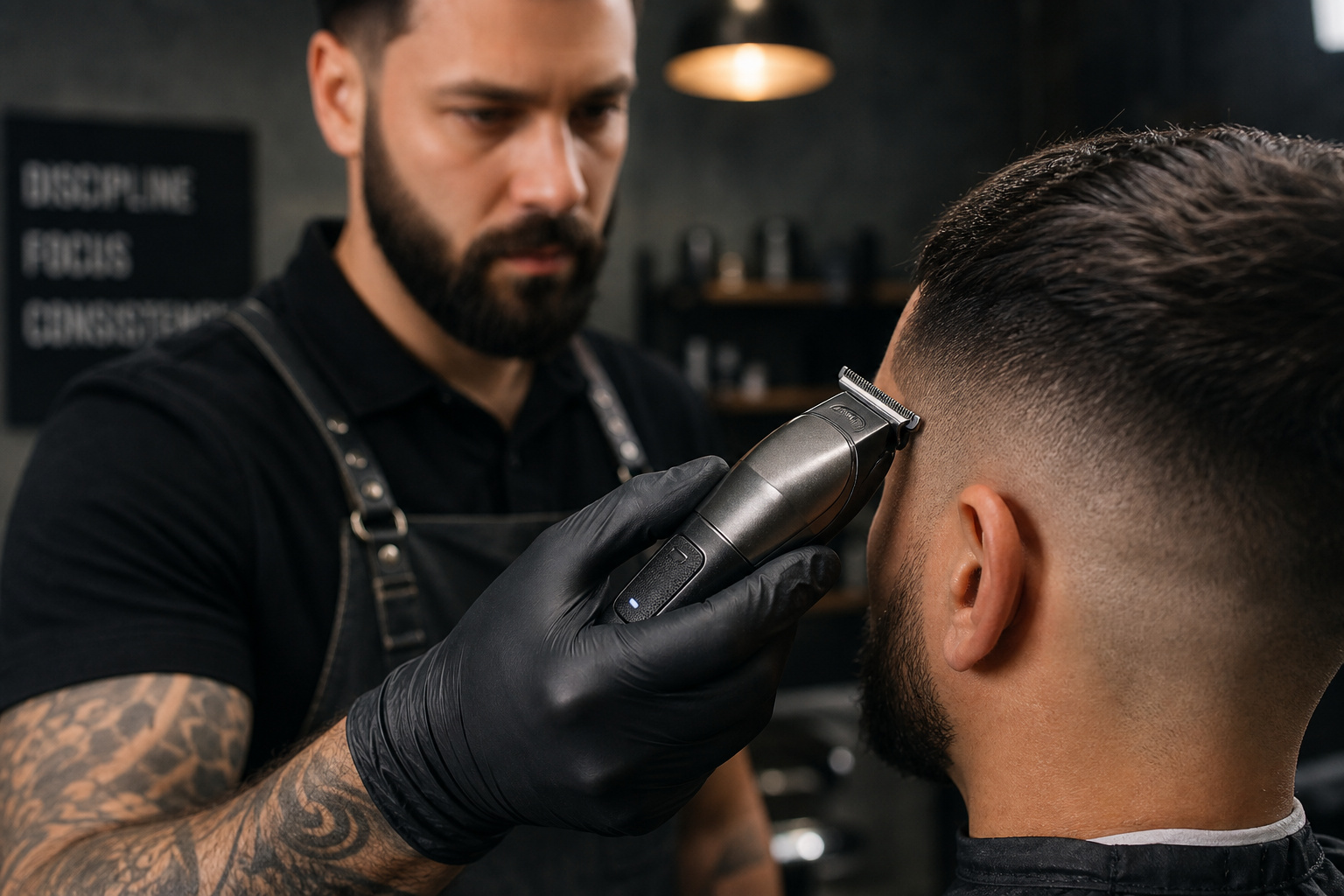
Head shape is a factor when determining the right time to transition to a shaved look. If your skull has a naturally lumpy profile, taking a razor straight to the skin might not be the most flattering move. Often, a tight #1 guard looks better than a full skin-shave. Instead of tackling it in your bathroom at midnight, book a visit to a professional men’s salon first. A barber can give you a textured, short style or a precise guard buzz. It’s a transition step that helps you test the waters before fully committing to the blade.
The “Starkness Offset”
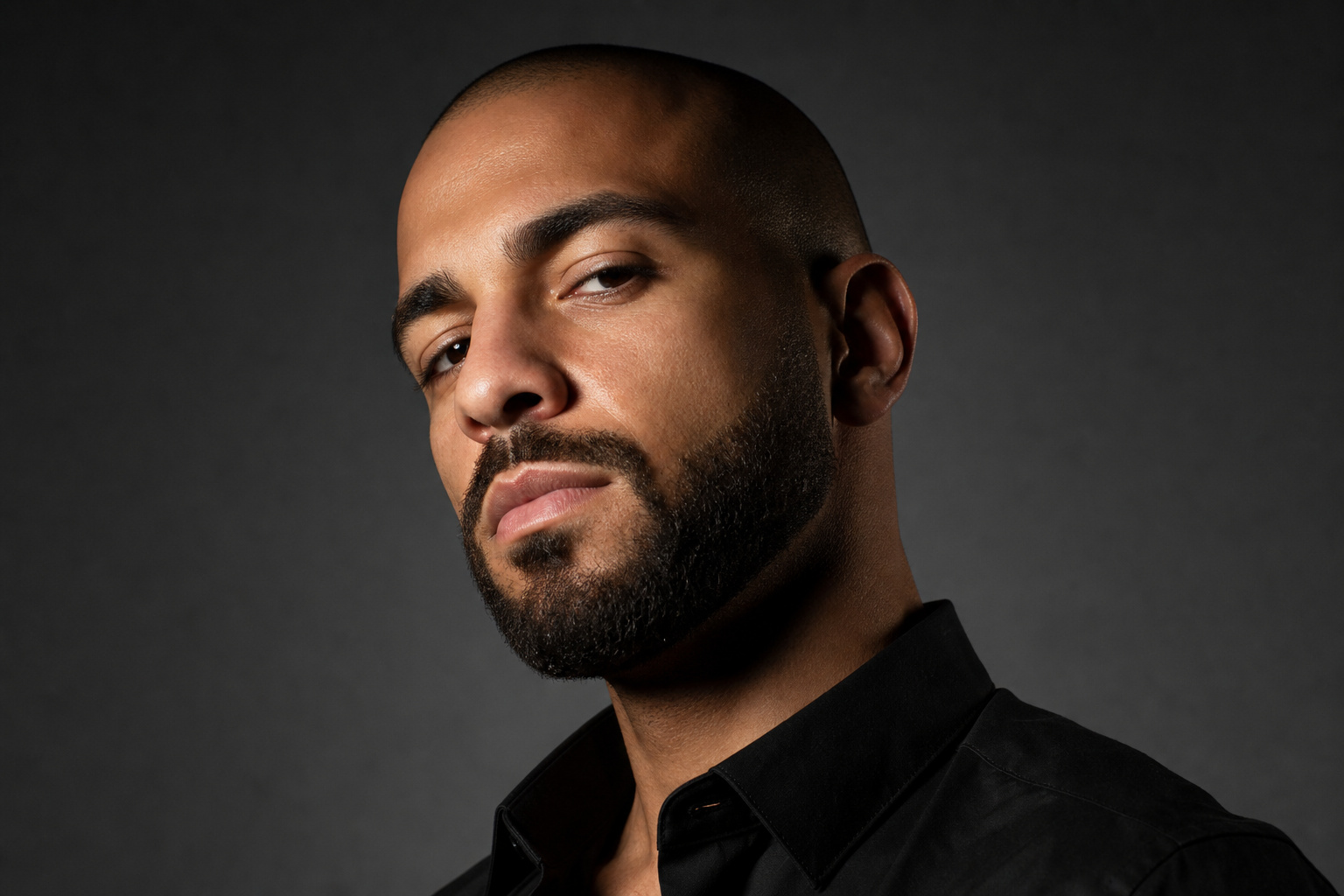
To offset the starkness of a newly shaved head, immediately pair it with a five o’clock shadow or beard. While the Jude Law scenario involves aggressive, often futile hairline preservation, this styling alternative completely restructures your face for the better. By deliberately maintaining this new facial hair, you anchor the face visually and balance your proportions.
Take user u/tjpott’s combination approach, where pharmacological treatment was paired with styling alterations like a prominent moustache. Adding deliberate facial hair shifts the vibe from an unavoidable medical necessity to a commanding, unified personal style.
Grooming Mechanics: How to Shave and Maintain a Bald Head
The final hurdle is the manual labor. In reality, the process requires less than one hour per week when you follow a clear step-by-step progression:
- Trim with guards to remove the initial hair bulk.
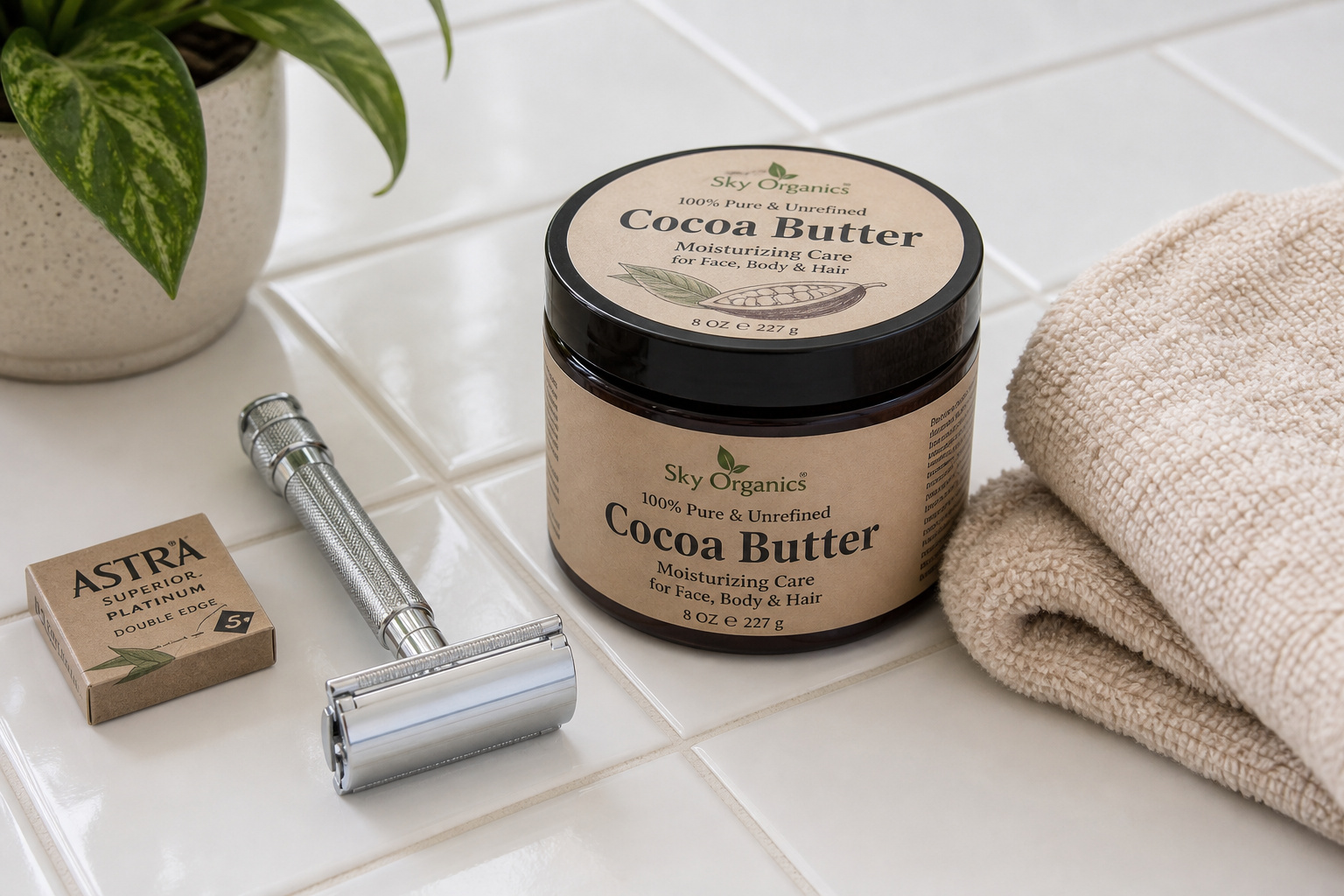
- Lubricate with cocoa butter to soften and prepare the scalp.
- Execute the wet shave for a completely smooth finish.
Community-Approved Hardware
Ditch the expensive multi-blade cartridge subscriptions. To keep your grooming time under that one-hour weekly limit, you need reliable hardware and cheap bulk consumables. Grooming enthusiasts recommend buying bulk double-edged blades for a wet shave. If you prefer electric grooming tools to take it down tight without shaving cream, investing in professional-grade gear like the Andis T-Outliner or the Wahl Custom Shave 4000 pays for itself quickly. These tools eliminate barber shop costs entirely.
Skin Acclimation and Cocoa Butter
The first time you take a razor to your scalp, your skin is going to protest. Expect some minor irritation as your scalp acclimates during the first two weeks. Pure cocoa butter helps here; it’s a skin-friendly substitute for shaving cream, providing superior blade lubrication while simultaneously moisturizing. Make sure to apply a daily SPF alongside the cocoa butter to protect the newly exposed scalp skin from UV damage. Combine this with regular care to ensure the scalp remains healthy as you finalize your maintenance routine.
Frequently Asked Questions
Should I just shave my head if my hair is thinning?
Shaving represents a shift from the exhausting mental tax of concealing hair loss to a proactive, controlled aesthetic. While attempting to preserve a receding or patched hairline often makes you appear older, a clean-shaven look eliminates the daily struggle with wind and styling, allowing you to regain control over your appearance.
Does high cortisol lead to hair loss?
While the physical mechanism of hair loss is typically genetic (androgenetic alopecia), the stress associated with hiding thinning hair creates an ongoing, avoidable anxiety. This psychological burden, often described as ‘concealment anxiety,’ is a major factor in the decision to abandon the struggle and transition to a shorter style.
What to do for GLP-1 hair loss?
While medical interventions like minoxidil or finasteride are the standard starting points, they involve significant time and financial commitments. If chemical treatments are not producing the desired results, many men find that focusing on grooming maintenance, such as adopting a buzz cut or a full shave, provides a more immediate and satisfactory aesthetic outcome.
How does the ‘quartering strategy’ for Finasteride work?
This is a cost-saving method where you obtain a prescription for 5mg tablets and use a pill cutter to split them into four roughly equal parts. This community-verified technique can lower the cost of a six-month supply to approximately $27, making long-term hair maintenance significantly more affordable.
Is a full razor shave my only option for thinning hair?
Not necessarily. If you are concerned about your head shape or prefer not to go completely smooth, a professional barber can provide a tight buzz cut using a #1 guard. This creates a textured look that allows you to test the waters before fully committing to a clean blade shave.
How much time per week should I expect to spend maintaining a shaved head?
With the right equipment, the entire process takes less than one hour per week. Professional-grade trimmers or bulk double-edged blades are more efficient and cost-effective than expensive cartridge subscription services, allowing you to maintain your look at home.
How can I make a shaved head look more natural?
The key is using a ‘starkness offset’ by pairing your shaved head with deliberate facial hair, such as a five o’clock shadow, stubble, or a full beard. This anchors your face visually, balances your proportions, and shifts the perception of your look from a medical necessity to a unified personal style.