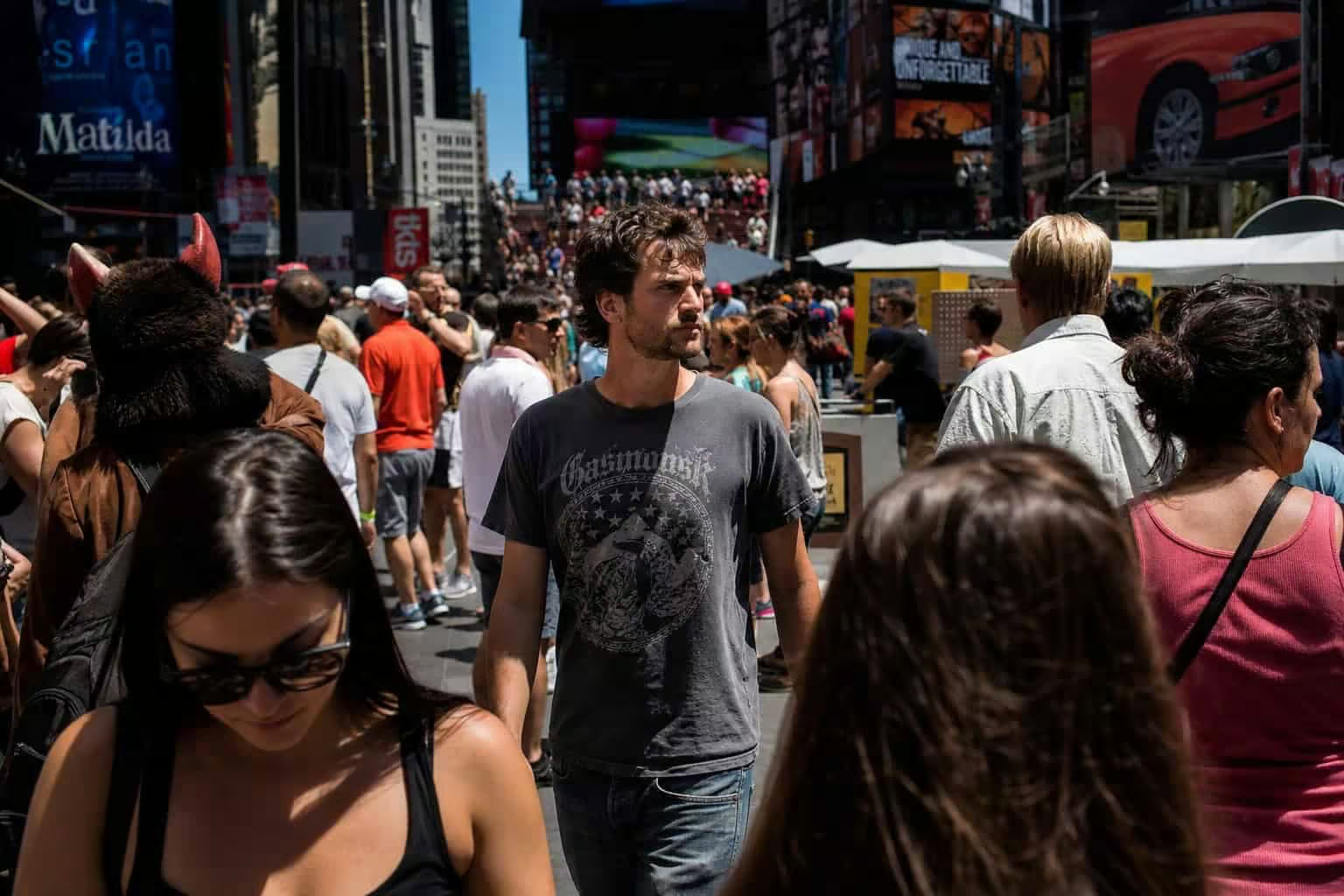
I would be lying if I said the gray man aesthetic from vigilante thriller books and blockbuster movies wasn’t my thing. Watching the cast of The Gray Man sprint through European shootouts is entertaining as hell. But if you’re trying to figure out how to be a gray man in the real world, relying on Hollywood or tactical Instagram influencers is a quick way to get yourself targeted.
The gray man concept is just about staying invisible when things get weird. It isn’t an apocalypse fantasy; it’s an exercise in extreme, calculated mediocrity. You want to project a persona that is neither wealthy enough to warrant opportunistic theft, nor vulnerable enough to attract desperation-based violence.
The ultimate goal of the gray man theory isn’t to look like a highly capable undercover operator. It’s to look forgettable. Think less about adopting a covert-ops uniform and more about channeling a modern Al Bundy, Fred Rogers, or Bob Ross—men who project a baseline, unremarkable demeanor while potentially possessing deep, unnoticed capability.
Key Takeaways
Eliminating visible pocket clips and branded tactical clothing removes the most common preparedness indicators, forcing you to rely on discreet, mundane items like a Boker Subcom or Fenix E05.
Statistically, graphic t-shirts are worn by about 75% of the general population, making them far better urban camouflage than clean, monochromatic prepper gear.
Auditory stealth requires timing loud movements with environmental noise cycles, like synchronizing a breach or sprint with a passing siren or an active HVAC condenser.
Table of Contents
Step 1: Master the aesthetics of visual camouflage
Out in the city, there’s always a tension between trying to stay hidden and accidentally looking wildly out of place. Mastering visual stealth isn’t about erasing all style; it’s about aggressively matching the baseline of your specific environment.
Avoiding the anti-surveillance “uniform”
The fastest way to blow your cover is to dress like an off-duty contractor. Lose the camo, tactical boots, and high-contrast gear. Avoid flashy brands and obvious insignia. If your clothes have zero logos, look too neat, or are all one color, you’ll stand out like a sore thumb.
Always carry an extra clothing item like a hat or jacket to quickly alter your appearance if identified. If you realize you hold someone’s attention, you can quickly put it on to alter your silhouette and color profile.
Embracing the graphic tee reality
A persistent myth in prepper circles is that graphic tees and logos compromise visual stealth. Graphic tees are common because about 75% of people wear them. They are the definition of normal. By swapping an overly aggressive amateur airsoft aesthetic for a mildly untidy, confused college student look, you reduce social friction.
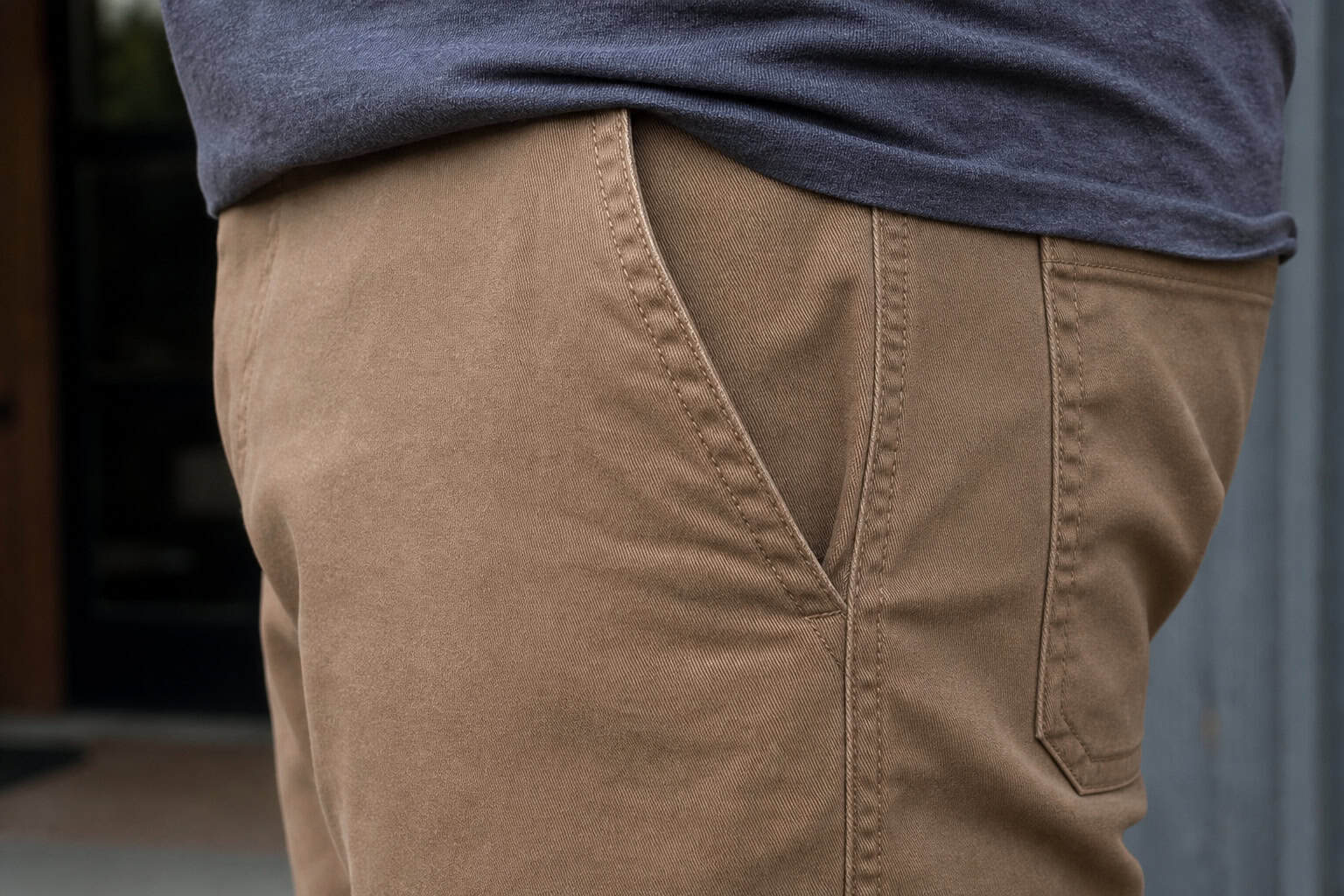
Wear what the herd wears. Let your clothes look mildly lived-in. Inconspicuousness is maintained by mimicking the exact behavioral and visual patterns of the immediate surroundings, not by dressing for a tactical photoshoot.
Step 2: Conceal capability and eliminate gear micro-tells
It doesn’t matter how capable you are if your clothes broadcast it to everyone within fifty feet. Tactical gear screams that you’re prepared, which destroys your anonymity and wrecks your plans for how to live anonymously.
The pocket clip dilemma
The easiest way guys flag themselves is the pocket clip. An exposed clip for a tactical knife—like those highlighted in a Grayman Darfur Defender review—or a heavy multi-tool hanging over the edge of your pocket is a preparedness indicator. It signals to predators, law enforcement, and opportunistic thieves that you are armed or carrying valuable gear. You must eliminate these micro-tells.
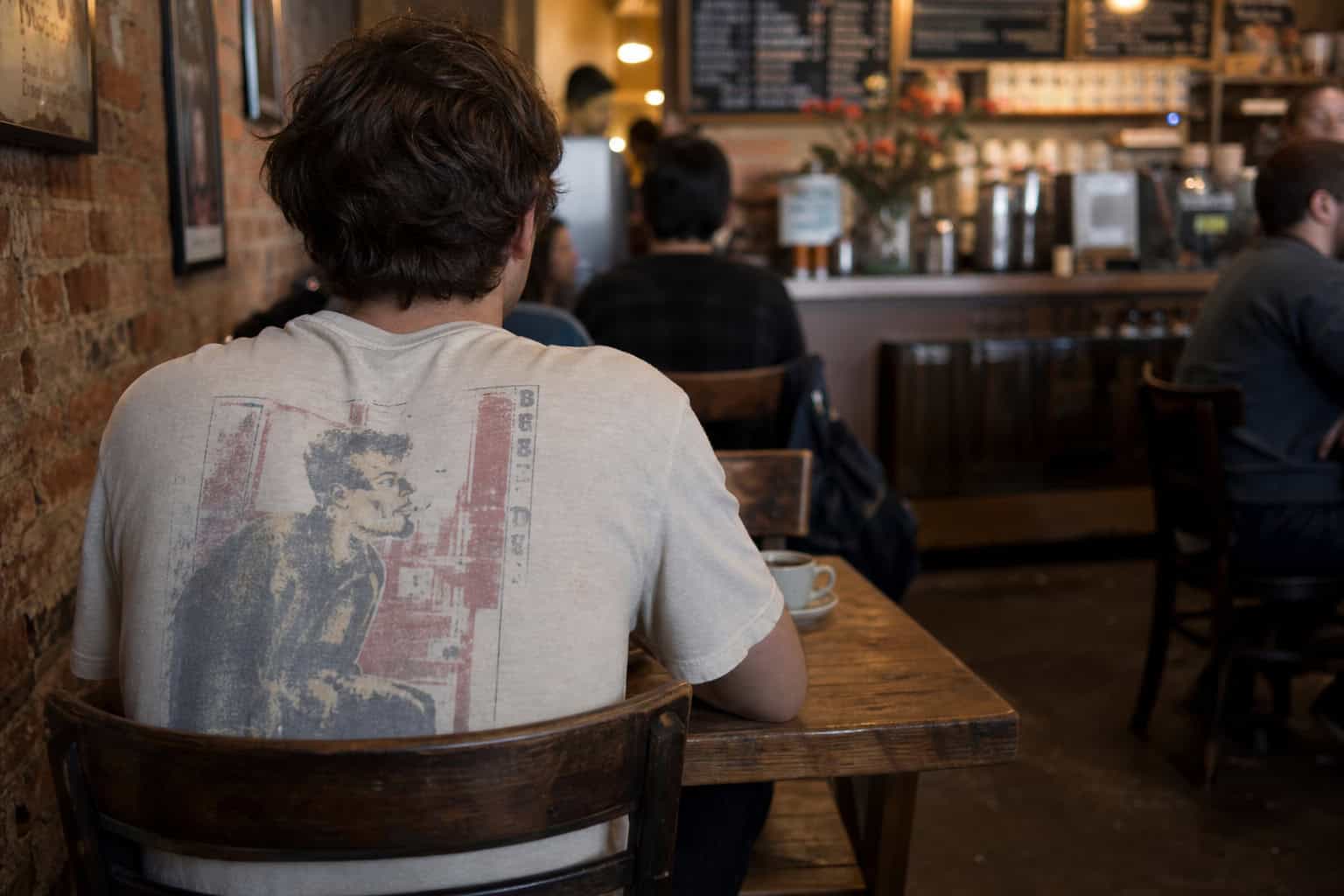
Ensure any essential tools are tucked entirely inside your pockets, jacket, or hidden vest storage. Reflective materials or bright tactical lanyards must be removed or buried deep in your kit.
Swapping tactical EDC for mundane alternatives
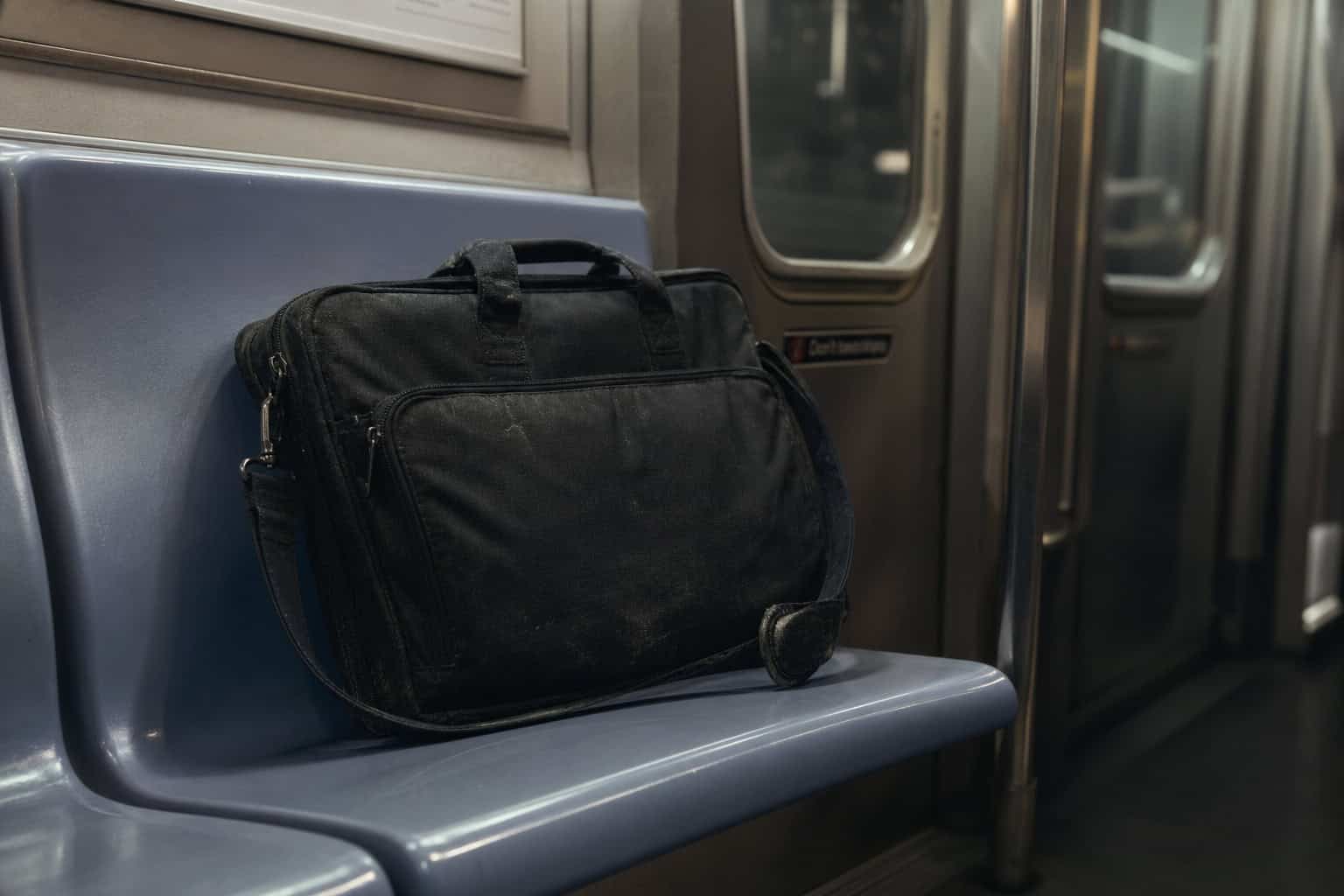
Stop carrying MOLLE-webbed combat packs to the office. Swap them for standard, universally ignored backpacks—a scuffed black laptop case or a slightly dirty gym duffel bag. You can still maintain serious physical capability; you just need to hide it inside benign, socially acceptable profiles. Since anyone wanting to be like James Bond understands the value of disguised gadgets, you should switch out aggressive everyday carry (EDC) items with mundane alternatives.
A Boker Subcom, for example, is highly capable but easily doubles as a basic money clip. A Fenix E05 provides illumination but looks like a generic keychain ornament. Capable gear only works long-term when its outward appearance matches civilian expectations.
Step 3: Combine behavioral stealth with discreet logistical planning
True situational awareness is a psychological habit, not an aggressive physical posture. You have to observe your environment efficiently without anyone realizing you’re paying attention.
Escaping the hyper-vigilance trap
A common mistake I see guys make—unlike the trained experts at Security USA private security services—is the hyper-vigilance trap. Amateurs lock onto a “tactical” mindset and end up walking around with stiff, robotic necks, aggressively scanning everyone they pass. This signals anxiety and makes you a target. Avoid giving off an aggressive vibe that makes you a target.
Use decoy objects like paper to scan areas discreetly, which allows for situational awareness without signaling. Minimize direct, memorable eye contact. Instead, rely on your peripheral vision to log threats through fleeting eye contact, keeping your head comfortably up.

Compartmentalizing physical and financial logistics
You never want to flash high-value indicators in public spaces. Avoid pulling out large wads of cash, as this invites theft. Divide cash into separate stashes in your bag. By deploying subdivided cash, you only ever expose a few dollars at a time.
Apply this discreet logistical approach to all your gear. Use older-looking bicycles to commute under the radar, and build ultralight loadouts that fit seamlessly into generic luggage. A standard, low-profile student backpack can easily conceal 400 rounds of .22 ammo alongside basic survival gear without bulging or drawing a second glance.
Step 4: Control social cues and crowd synchronization
Blending into an environment requires more than generic clothes; you have to actively master crowd dynamics through emotional mirroring. If a transformer blows and everyone on the street gasps and ducks, you need to gasp and duck. You don’t want to be the one unfazed person standing still during an anomaly.
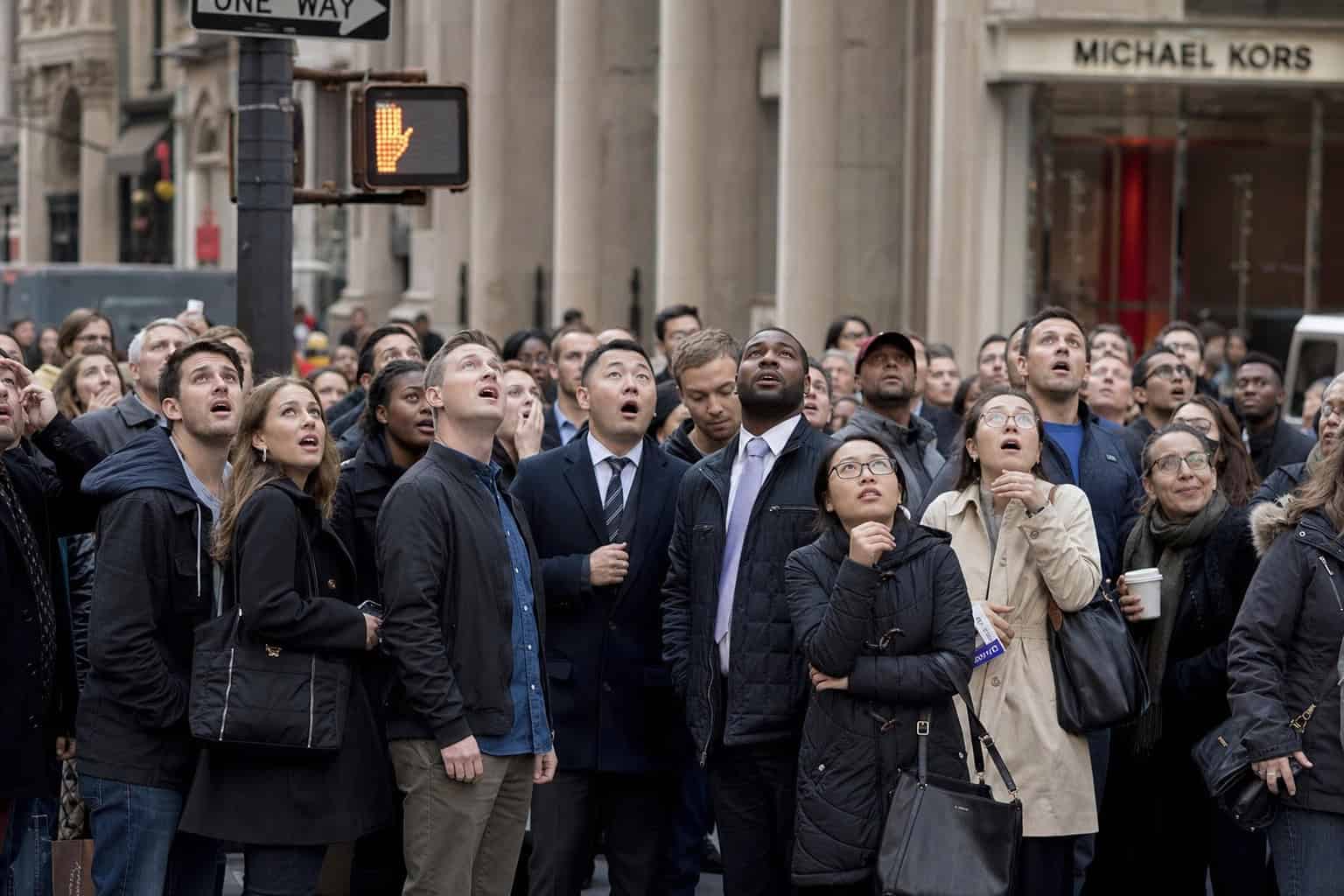
Keep your behavioral cues forgettable and polite. Aggressive posturing, loudness, or eager political debates with strangers will burn your gray man profile immediately. Walk with a sense of purpose and direction, but avoid rapid, erratic movements or cutting sharply through pedestrian traffic at aggressive angles. More importantly, avoid looking like the disconnected, oblivious victim.

Avoid looking like a ‘dumbass victim’ who is staring at a phone or distracted by music. Maintain situational awareness without signaling; walk with purpose but avoid rapid, erratic movements.
Step 5: Mask physical movement with ambient noise
In an evasion scenario, visual camouflage fails instantly if you create an auditory anomaly. Audio masking is how you bridge the gap between looking normal and moving quietly through an unpredictable environment.
You have to chain your physical movement to the city’s ambient noise cycles. If you need to breach a barrier, climb a fence, or move heavy supplies, do not do it during a lull in the background noise. Synchronize your loud actions with predictable environmental spikes—a passing bus, heavy truck traffic, or blaring sirens from emergency vehicles. For stationary concealment or picking entry points, set up near running machinery. Deep, droning industrial noises like commercial HVAC condensers or generator equipment are excellent tools for burying the sound of your gear shifting or footsteps crunching.
Step 6: Extend invisibility to your digital footprint
You can spend years refining your physical gray man philosophy, but it’s worthless if your digital footprint broadcasts your location and assets. Open-source intelligence (OSINT) gathering is easy.
Curate your public-facing social media. Limit visible ties to high-end assets, aggressive political stances, or overt demonstrations of tactical preparedness. You shouldn’t look like a high-value target on Instagram if you are trying to be invisible on the street. Also, lock down your phone’s privacy settings to stop it from broadcasting your location while you’re moving through a crowd.
Step 7: Apply gray man tactics to family group movement
The biggest flaw with the gray man approach is that it assumes you’re rolling solo. That all changes when you’re navigating a dangerous situation with a spouse and uninitiated children.
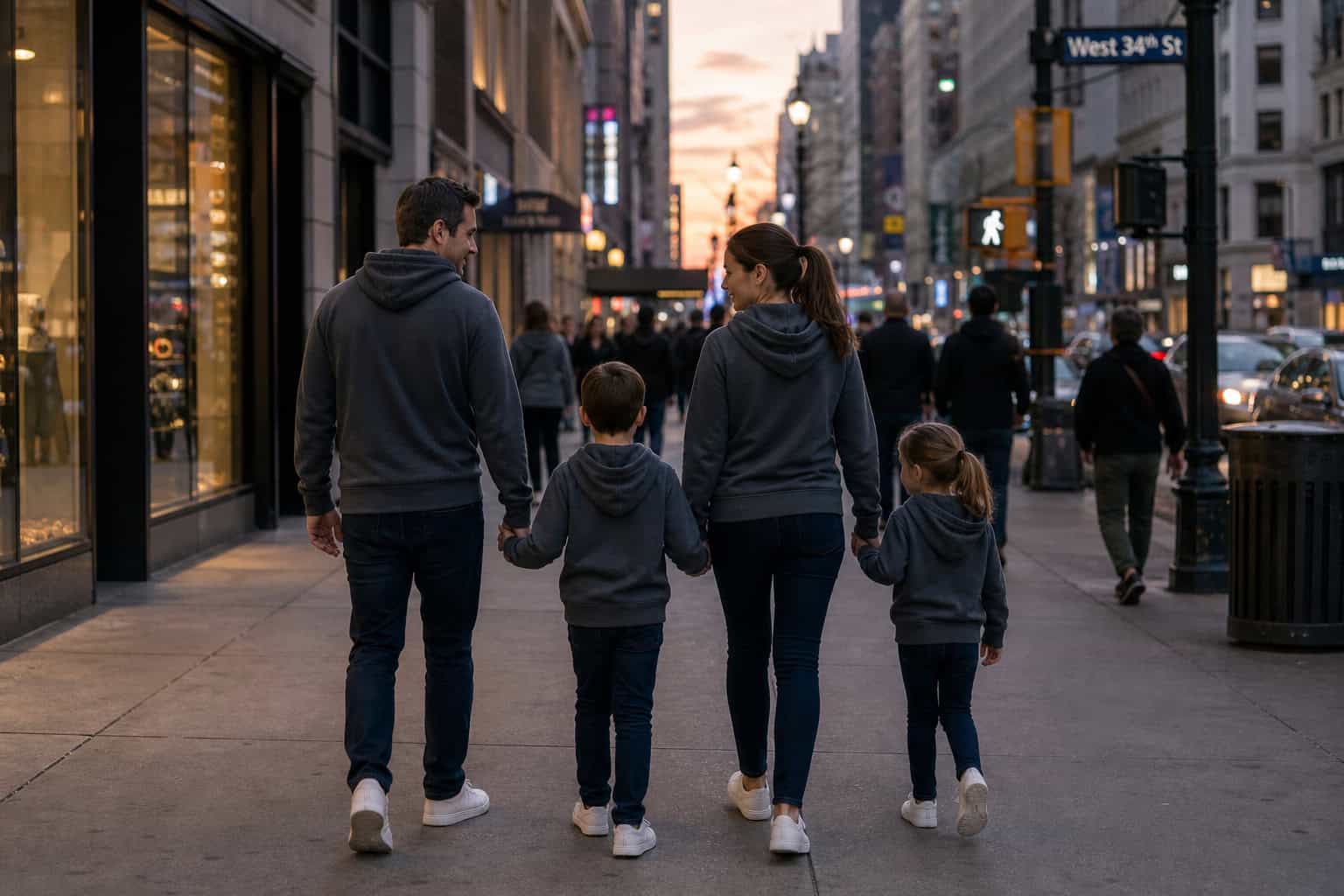
To scale this strategy for your family, standardize everyone’s wardrobe to blend evenly into the local demographic. No single member of the family should stand out visually. Coach your kids on adopting a relaxed but purposeful walking pace, and train them to drop the habit of loudly pointing out anomalies in public. Finally, establish a quiet, non-verbal signaling system—like a specific tug on a jacket or a firm hand squeeze—so you can prompt the group to shift directions or alter their situational awareness without barking loud, panic-inducing orders.
Frequently Asked Questions
What is a GREY man personality?
A gray man is someone who intentionally adopts a persona of radical mediocrity to avoid being noticed or targeted. The goal is to project an unremarkable demeanor that suggests neither significant wealth nor vulnerability, essentially allowing you to blend unnoticed into any environment.
How does one become a gray man?
You become a gray man by aggressively matching the visual and behavioral baseline of your surroundings rather than broadcasting tactical capability. This involves shedding branded outdoor gear, silencing your physical movements using ambient noise, and maintaining situational awareness through subtle, non-aggressive observation techniques.
How to be a grey person?
To successfully disappear in plain sight, you must eliminate ‘micro-tells’ like visible knife clips or tactical backpacks that scream preparedness to others. Focus on dressing like the average person in your specific area—often involving mundane items like graphic tees—and ensure your gear is contained entirely within neutral-looking, civilian-style bags.
Why does tactical gear make me a target?
Tactical gear acts as a visual signal that you are likely carrying valuable items, weapons, or specialized skills, which attracts unwanted attention from both opportunists and security personnel. By looking like a high-value target or an operator, you lose the ability to remain anonymous and invite the very scrutiny you are trying to avoid.
What’s the difference between hyper-vigilance and actual situational awareness?
Hyper-vigilance is an anxious, physical state characterized by robotic neck movements and aggressive scanning that makes you stand out as a potential threat or victim. True situational awareness is a internal psychological habit where you process your environment using peripheral vision and decoy objects to stay informed without broadcasting your alertness to the crowd.
Can I still carry tactical tools while maintaining a gray man profile?
Yes, but you must prioritize concealment by ensuring tools like knives or lights are tucked entirely out of sight inside pockets or dedicated internal storage. Avoid any gear that features exposed pocket clips, bright lanyards, or aggressive branding, opting instead for tools that appear as mundane, everyday items.
How can I practice auditory stealth in a city environment?
Auditory stealth is achieved by synchronizing your necessary but noisy actions—such as climbing a barrier or moving gear—with environmental noise cycles. Use loud, predictable industrial or urban sounds like passing buses, heavy trucks, or commercial HVAC systems to mask the sounds of your movement.