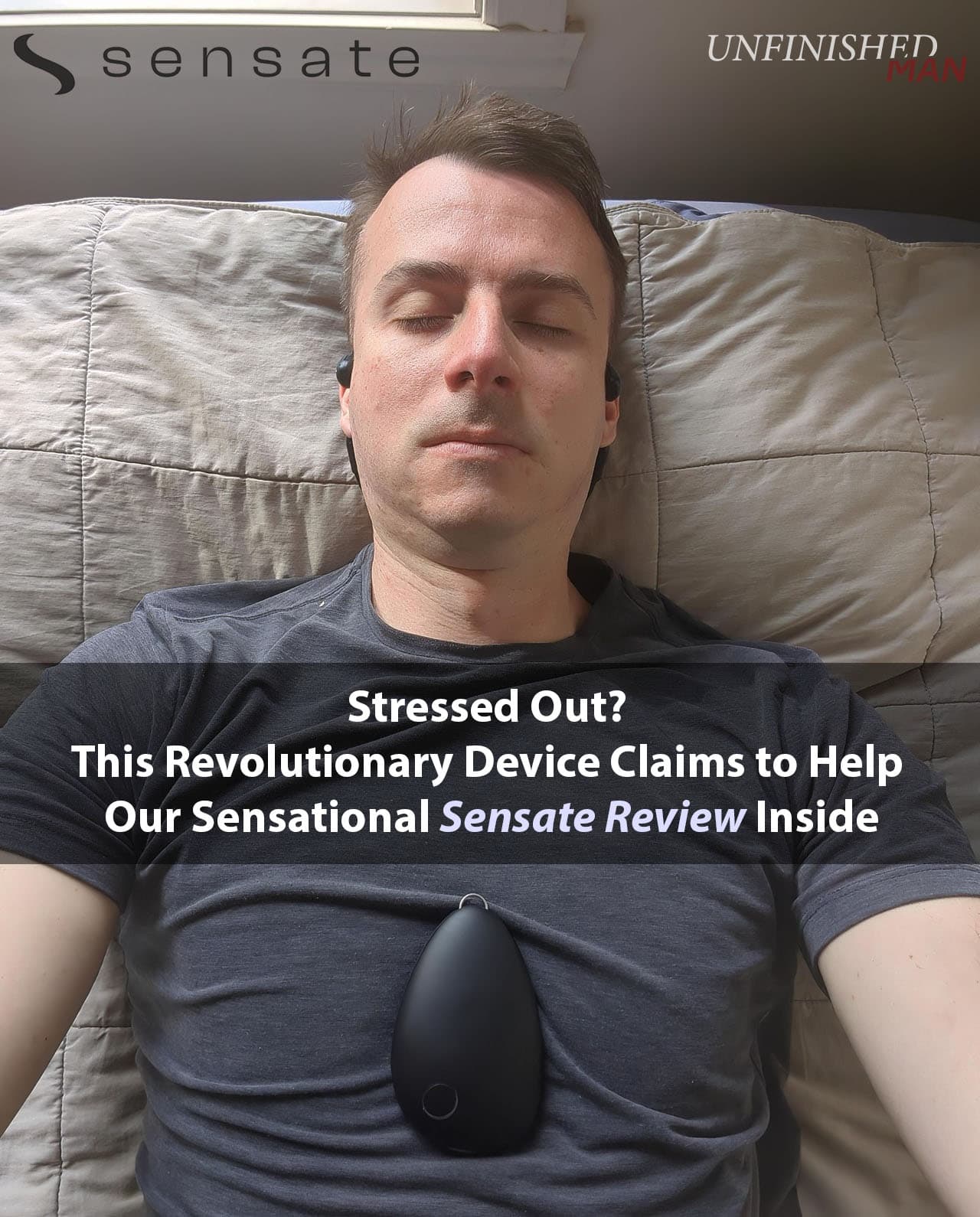
If you are an unfinished man whose nervous system is stuck in overdrive, you already know the frustration of traditional meditation. Someone tells you to sit cross-legged and “just focus on your breath” for 45 minutes, but your brain refuses to shut the hell down. You end up more stressed than when you started.
Sensate is a premium wearable chest pebble designed to passively force you to relax. It requires zero mental effort or active mindfulness. You just put it on, and it vibrates. But the real question is whether this Sensate device is a legitimate tool for anxiety relief, or an outlandishly expensive vibrating stone.
Key Takeaways
Sensate uses infrasonic bone conduction, rather than electrical shocks, to stimulate the vagus nerve and promote relaxation.
Clinical data demonstrates that over 65% of participants with anxiety disorders and over 50% with depressive disorders saw measurable symptom improvement using the device.
The hardware relies on a low-friction routine: it boasts 7 days of battery life per charge and requires you to do nothing but lie still for 10 minutes a day.
Table of Contents
The Science of Vagus Nerve Stimulation (and Why Sensate Skips Electrodes)
You’ve probably heard of the vagus nerve tossed around as a buzzword in wellness spaces. It’s the information highway connecting your brain to your gut, acting as the master switch for your body’s physiological relaxation response. Stimulating the vagus nerve directly influences the parasympathetic system’s ability to lower heart rate and cortisol levels.
Ditching the Clinical Shock Therapy
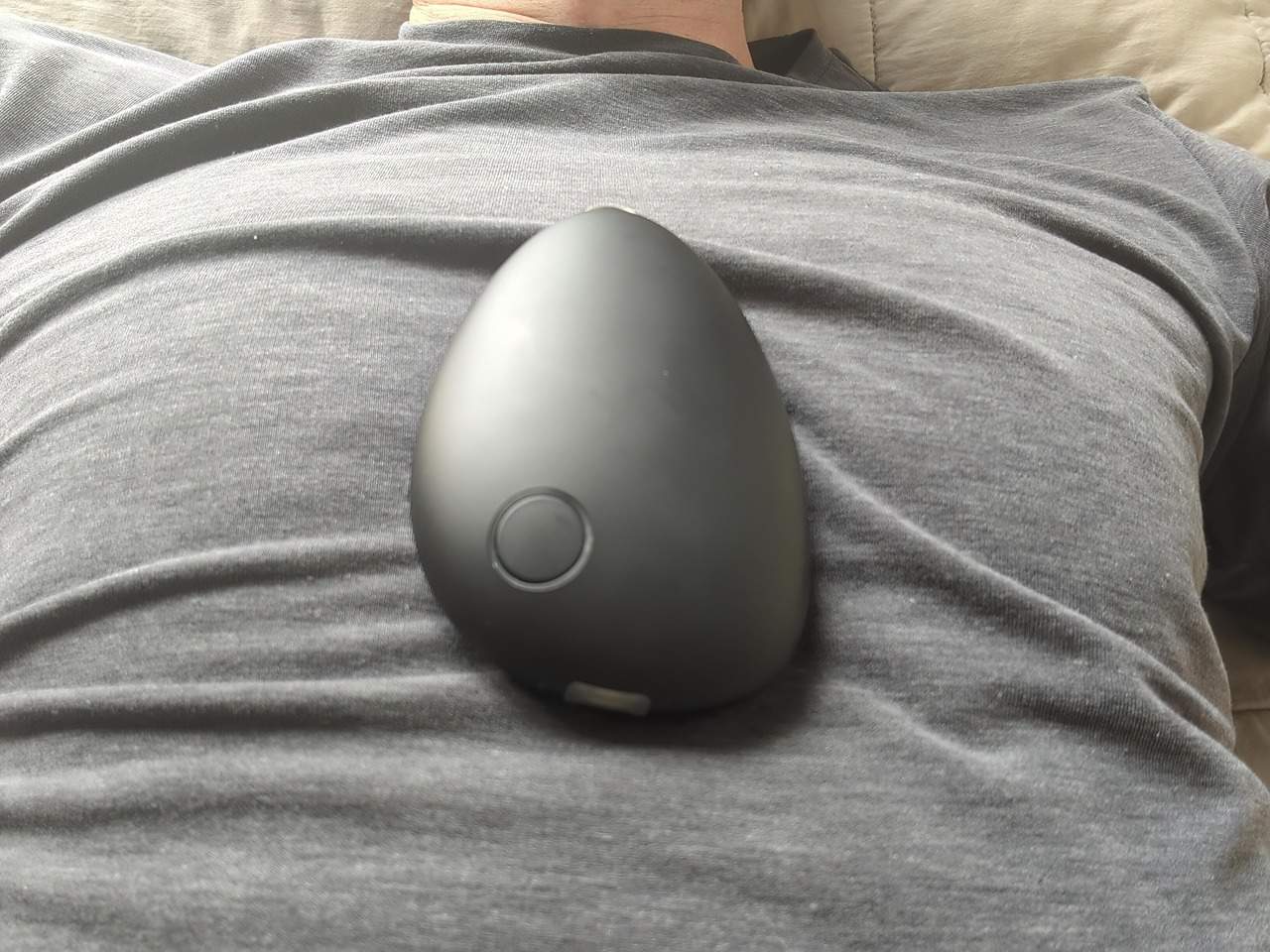
Most clinical nerve stimulation involves zaps, but Sensate takes an electrode-free approach, relying instead on physical acoustic resonance to do the heavy lifting. It uses low-frequency sound waves built on infrasonic resonance to transmit deeper into your torso via bone conduction. The goal isn’t to shock your system—it’s designed to physically “massage” the vagus nerve to manually force your parasympathetic nervous system out of its chronic fight-or-flight lockdown.
“The goal isn’t to shock your system—it’s designed to physically massage the vagus nerve to manually force your parasympathetic nervous system out of its chronic fight-or-flight lockdown.”
The Clinical Data Doesn’t Lie
Studies tracking the device showed that over 65% of participants with anxiety disorders reported measurable improvement, making it a powerful tool alongside other easy ways to relax at home. Over 50% of participants with diagnosed depressive disorders experienced positive results, too.
Real-world Efficacy, Daily Routine, and the Chest Placement Learning Curve
The Minimum Daily Dose
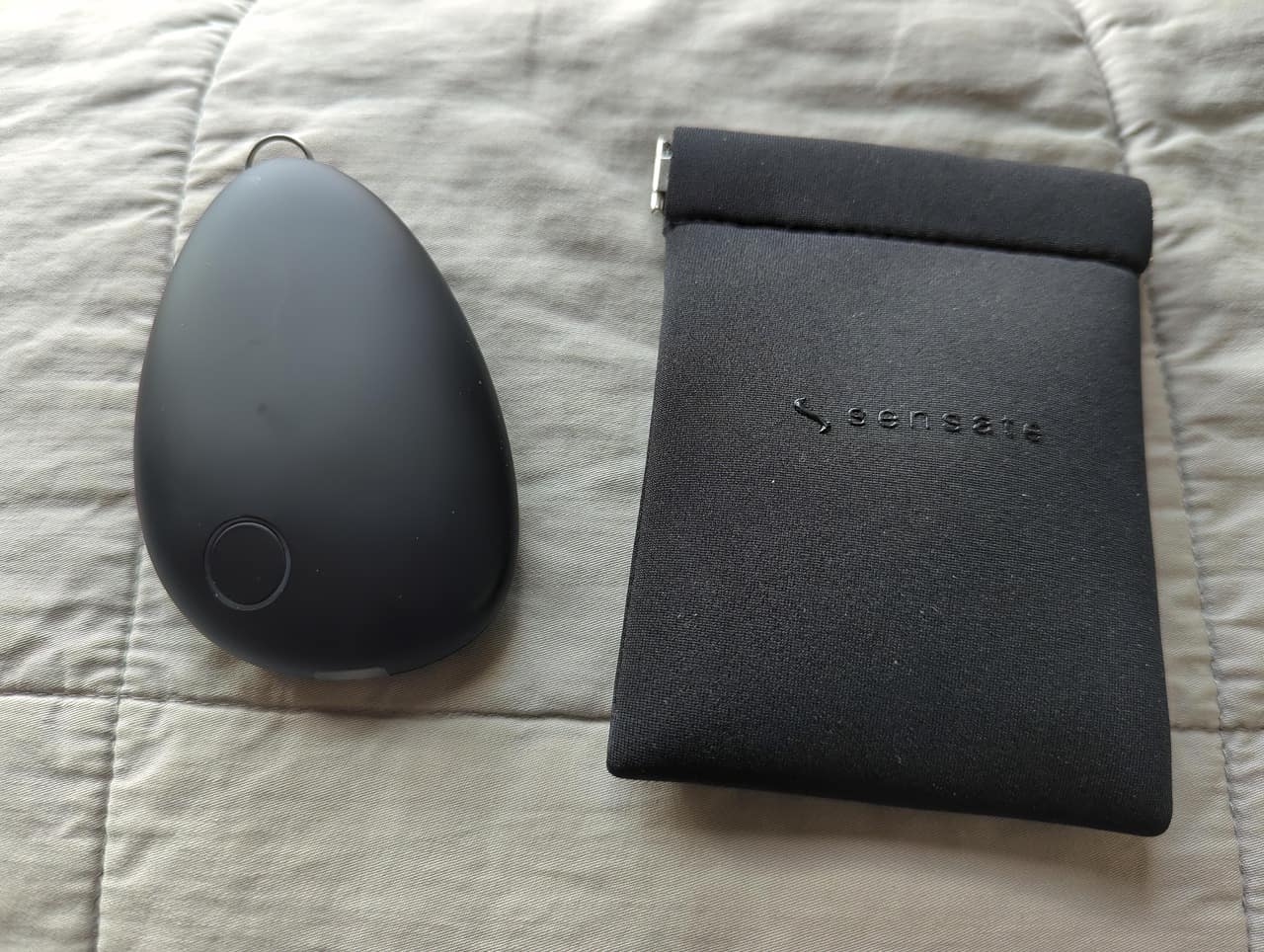
The protocol requires a baseline commitment of just 10 minutes per day to yield measurable improvements in both daytime tension and nighttime sleep quality. You lie flat, sync the hardware to the Sensate App, and position the pebble directly over your chest bone. This sternum placement is required because it delivers heavy haptic tactile vibes straight into your chest cavity, forcing your body’s physical rhythm to slow down and match the machine.
Low Friction, High Sustainability
The lack of daily friction might be its best feature. Sensate gives you 7 days of battery life on a single full charge. You aren’t constantly plugging it in to get ten minutes of relief before bed. You unbox it, sync your Bluetooth, and forget about maintenance for the rest of the week.
The Biometric Trade-off: Comparing Sensate vs Apollo Neuro and Muse
The Active Tracking Approach
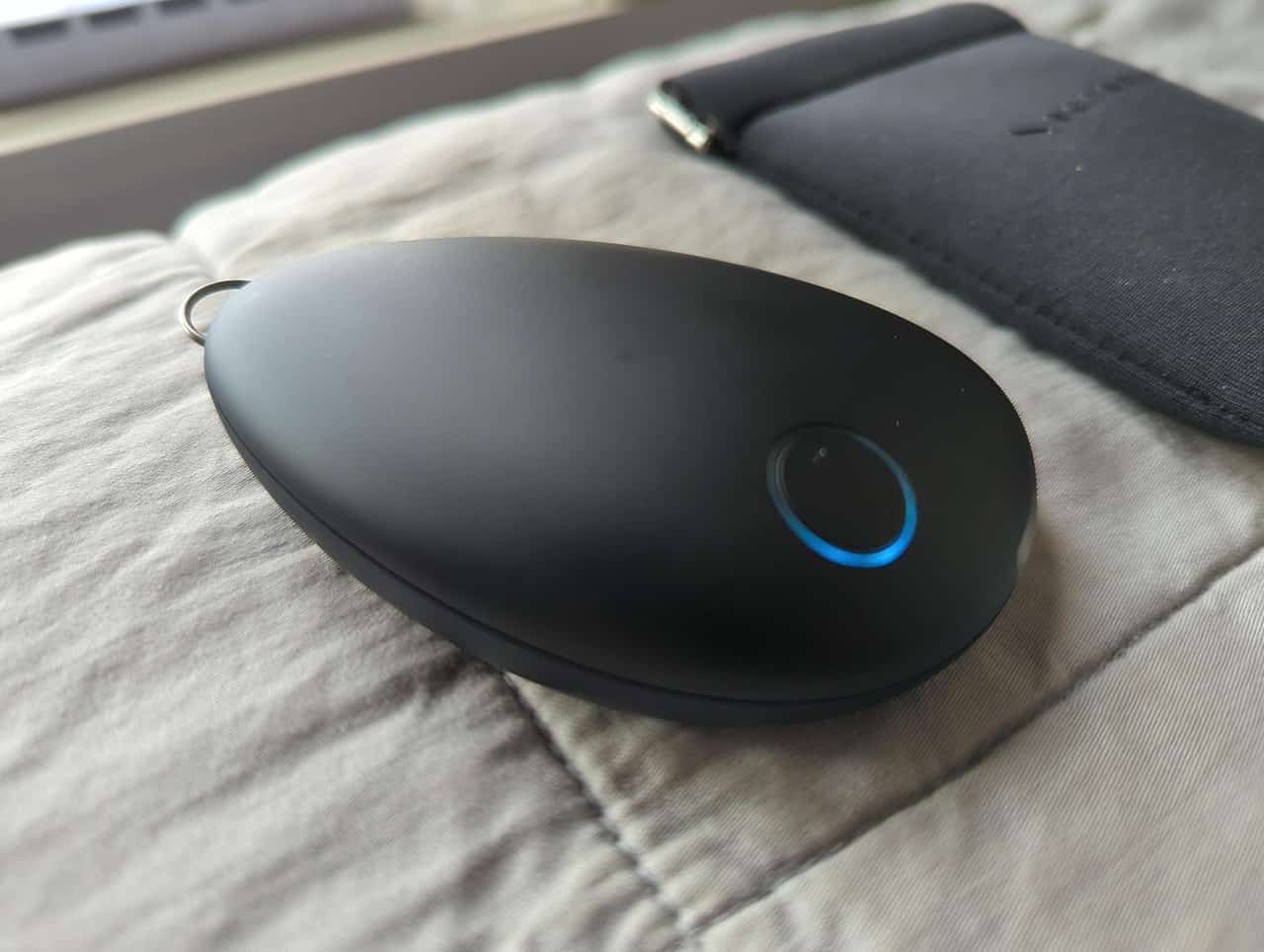
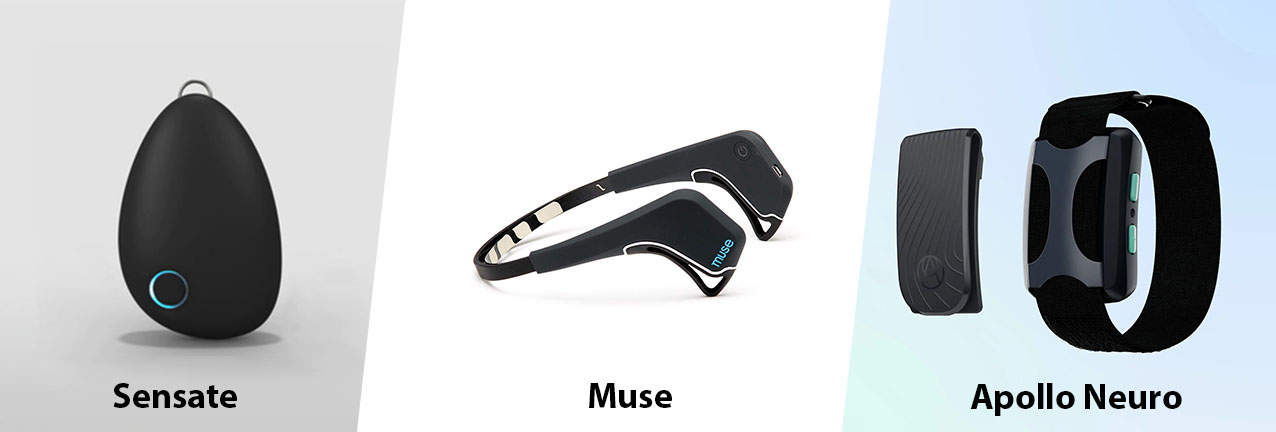
When comparing Sensate against competitors, the difference is the absence of real-time biometric feedback, a feature you’d normally expect on devices like the Apollo Neuro. Wearables like Apollo strap to your wrist or ankle to actively monitor your physiological data and hit you with vibrations throughout the day. Sensate isn’t an all-day wearable; it sits on your chest to do a specific job using vibrational vagus nerve stimulation, then goes back on your nightstand.
The Cognitive Dashboard Approach
Muse takes a heavy data approach as Apollo, but it focuses on brainwave monitoring during meditation. You put it on your head, it listens to your brain, and you get a readout of your exact cognitive state. Sensate explicitly skips all of this tracking. You get zero graphs and zero scores to share.
Why Missing Data is a Feature
If you want to actively lower your resting heart rate, improve your heart rate variability (HRV), and build long-term stress resilience, you might instinctively want a dashboard that proves your metrics are improving. But for chronically anxious guys, staring at a live biological score creates “performance anxiety” about how well they are relaxing. Removing the data dashboard forces you to rely entirely on sensory feedback. You can’t stress over failing to relax fast enough.
Separating Hardware From the Audio Placebo Effect
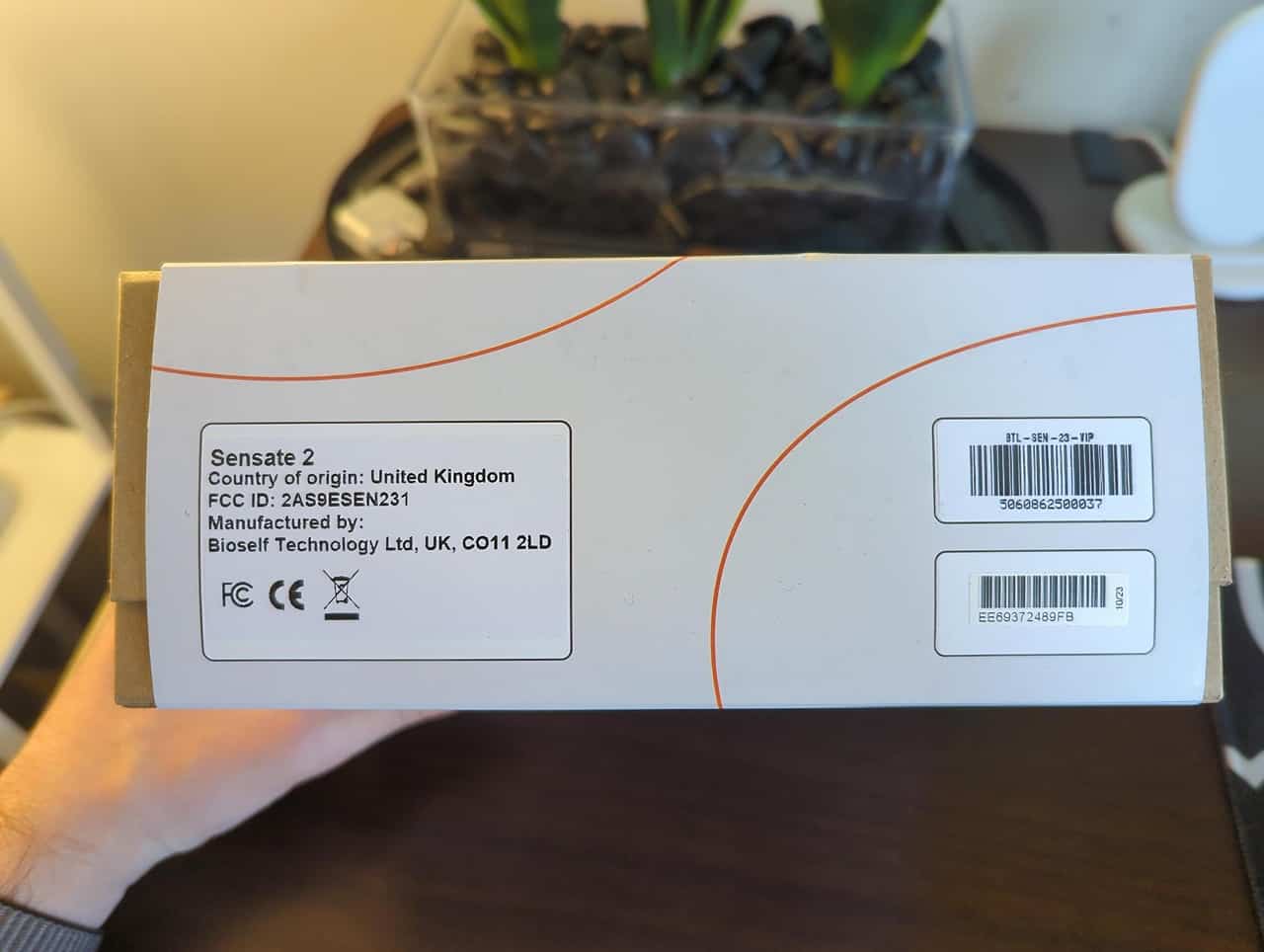
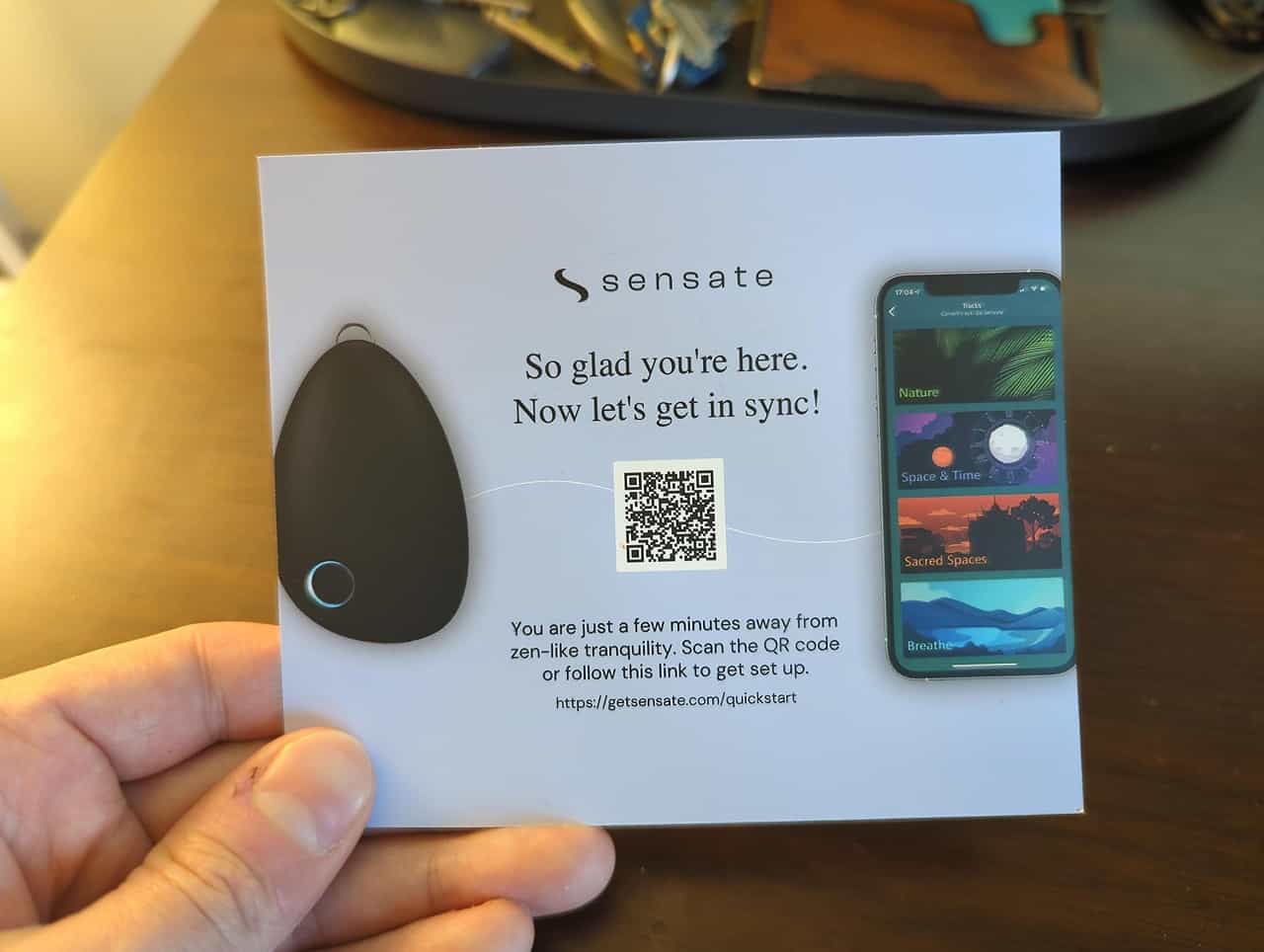
One of the most common debates you’ll spot on social media is the “expensive music box” critique. To isolate how this thing actually works, you have to realize the hardware’s sonic resonance therapy is engineered to sync with the app’s proprietary soundscape audio tracks. Critics argue that lying flat on your back in a quiet room listening to those relaxing tracks will calm you down anyway, rendering the physical pebble obsolete.
However, deep parasympathetic conditioning requires physical intervention. The chest vibration grounds your nervous system in a tangible way that listening to wind chimes on your AirPods can’t achieve. The combination of audio and physical resonance is what breaks the anxiety circuit.
Is Sensate Worth the Investment? Total Cost and Final Verdict
Factoring the True Price
Buying into the ecosystem isn’t cheap. Whether you are hunting for an original model or reading a Sensate 2 review for the latest generational upgrades, the upfront Sensate price tag is $299.
The Final Verdict
Is Sensate worth it? If your current stress-relief routine consists of doom-scrolling, drinking a beer, and telling yourself to relax, Sensate is a highly effective, low-friction circuit breaker. It is a legitimate tool for stress relief for guys who struggle to clear their minds on their own. But if a premium price tag adds more financial stress to your life than the device could ever vibrate away, stick to free breathing exercises until your budget opens up.
Save 10% by using code: UNFINISHEDMAN
Frequently Asked Questions
Is Sensate a vagus nerve stimulator?
Yes, it functions as a non-invasive vagus nerve stimulator. Rather than using electrical shocks like medical-grade devices, it utilizes infrasonic bone conduction to provide a physical massage to the nerve, aiming to force the body out of a fight-or-flight state.
Does Sensate device really work?
Clinical data suggests it is effective, with over 65% of participants with anxiety disorders and over 50% with depressive disorders reporting measurable improvements. It works by combining proprietary soundscapes with physical resonance in the chest to manually trigger the parasympathetic nervous system.
Do vagus nerve stimulators actually work?
Stimulating the vagus nerve is a well-documented method for influencing the body’s relaxation response and lowering cortisol and heart rate. While traditional clinical methods often rely on electrode-based electrical zaps, devices like Sensate use acoustic resonance to achieve similar outcomes without the need for needles or shocks.
What’s the difference between Sensate and devices like Apollo Neuro?
The primary difference is that Sensate is a passive tool meant for 10-minute sessions, whereas Apollo Neuro is an active wearable designed to track biometrics and provide feedback throughout the day. Sensate avoids data tracking entirely to prevent users from experiencing performance anxiety regarding their stress metrics.
How does Sensate stimulate the vagus nerve without electricity?
Sensate uses infrasonic bone conduction to transmit low-frequency sound waves directly into the torso. By placing the device on your sternum, it delivers haptic tactile vibrations that physically stimulate the vagus nerve, which helps manually trigger a physiological relaxation response.
Is Sensate worth the $299 price tag?
It is considered a worthwhile investment for individuals who struggle with traditional mental-effort-based relaxation techniques like meditation. However, if the cost creates additional financial strain, you are better off sticking to free breathing exercises until your budget allows for the expense.
Can I use Sensate while multitasking?
No, the device requires you to lie flat and remain still for a 10-minute session to be effective. The protocol relies on specific placement over the sternum to deliver consistent vibration that forces the body’s rhythm to align with the device’s sonic resonance.