
At Unfinished Man, we aren’t here to moralize about the media you consume. We just want to make sure you aren’t bleeding cash on a Friday night impulse purchase. Many men leak an average of $48.52 per creator monthly on digital adult platforms like OnlyFans, caught in a cycle of late-night boredom and hidden micro-transactions.
An OnlyFans subscription is not a flat utility like a Netflix account. Whether you discover a creator’s page directly or through an OnlyFans search, the advertised $5 entry fee is functionally a decoy. It exists to bypass your natural purchasing friction and funnel you into a highly engineered backend designed to extract ongoing, uncapped payments. Reclaiming control of your wallet requires acknowledging the math.
Treat adult content exactly like any other discretionary expense. Once you pull the behavior out of the shadows, you stop feeling guilty and start making calculated choices about where your disposable income actually goes.
Key Takeaways
Direct messaging and backend Pay-Per-View sales generate 69.74% of platform revenue, rendering the cheap initial subscription price highly misleading.
Platform expenditure is overwhelmingly front-loaded, with 83.3% of all subscriber payments occurring within the first 48 hours of accessing a creator’s page.
Implementing a predefined entertainment bankroll limits financial leakage and neutralizes the casino-style monetization mechanics used to extract ongoing micro-transactions.
Table of Contents
The Unspoken Reality of OnlyFans Budgeting for Men
You need to identify and itemize digital intimacy expenses in standard personal budgeting apps without moral judgment, exactly as you would a streaming service. The absence of digital adult entertainment from mainstream personal finance advice leaves the topic culturally taboo and structurally unmanaged.
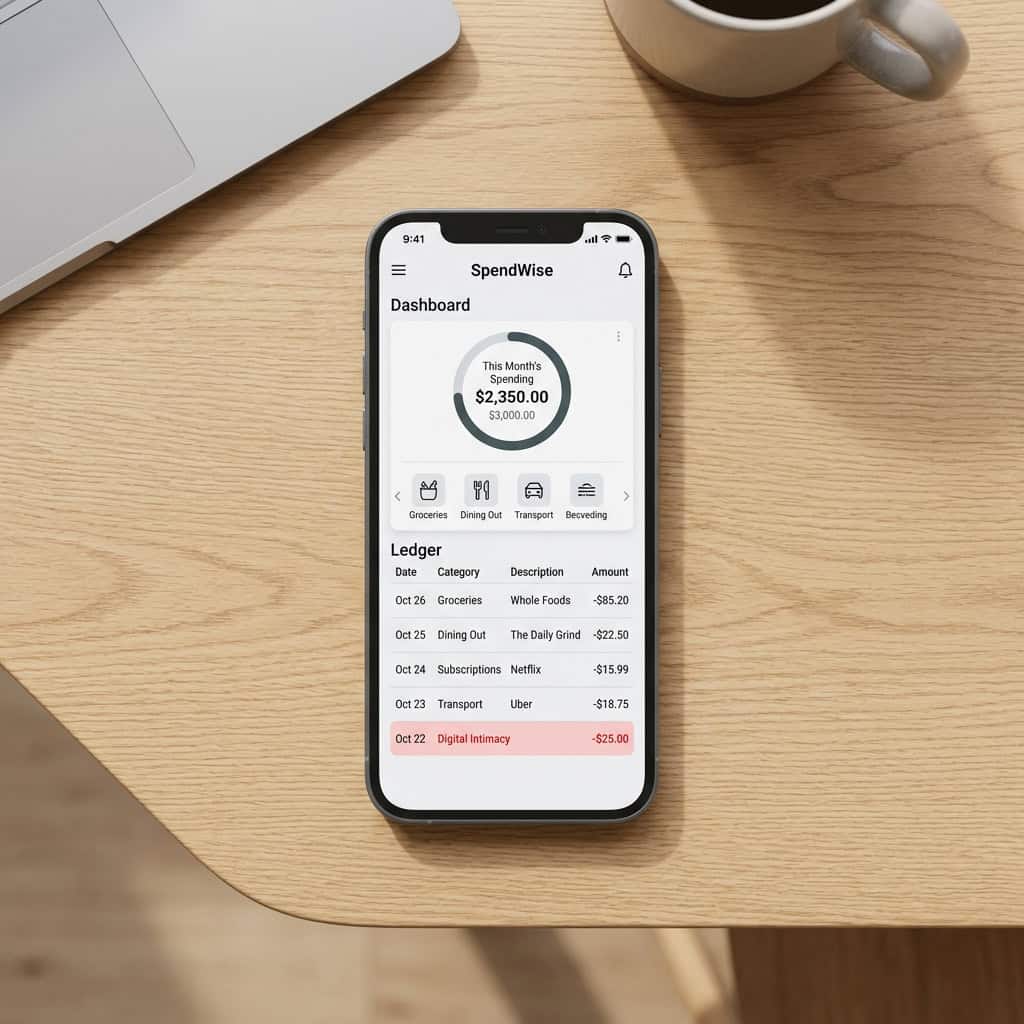
Because subscribing to platforms like OnlyFans carries a baseline of social shame, men rarely log these expenses alongside their groceries or gas. The money quietly vanishes from the checking account. Avoiding the reality of the ledger prevents you from setting up actual financial guardrails. Recognizing these costs as a concrete, quantifiable entertainment category immediately removes the guilt.
“Budgeting is essential because 69.74% of revenue is generated through variable backend Pay-Per-View sales rather than fixed subscription fees.”
The Psychological Triggers of the 48-hour Impulse Buy
Establish a mandatory 24-hour cooling-off period after discovering a creator on mainstream social media before initiating a paid subscription. Visual curiosity is stoked by algorithms on TikTok or YouTube, pushing viewers toward a paywall precisely when their guard is down.

The numbers reflect that 83.3% of payments come within the first 48 hours. This behavior mirrors seeing an appealing pastry in a window—an intense, temporary impulse purchase driven by sudden visual curiosity, rather than a commitment to long-term utility. Data shows that weekends account for 29.7% of revenue, hitting when digital consumption overlaps with unstructured free time. This rapid impulse spend is defined by a 48-hour attrition rate where the majority of value realization occurs instantly, followed by a total drop-off in sustained interest after the initial curiosity is satisfied.
The 48-hour attrition rate indicates that once the visual mystery is solved—even when viewing highly popular content from the best couples OnlyFans models—the cycle of curiosity fulfillment inevitably drives rapid subscription churn. You pay to look, and then the value plummets. Waiting a single day often kills the initial urge entirely.
Navigating Backend Monetization and Hidden Paywalls
Calculate an entertainment budget based strictly on backend tipping and Pay-Per-View messaging averages, not the upfront gateway subscription price. Traditional budget estimates fail because they rely on the advertised cover charge. Creators intentionally use a cheap gateway subscription as a decoy to funnel users toward expensive, repetitive secondary paywalls.
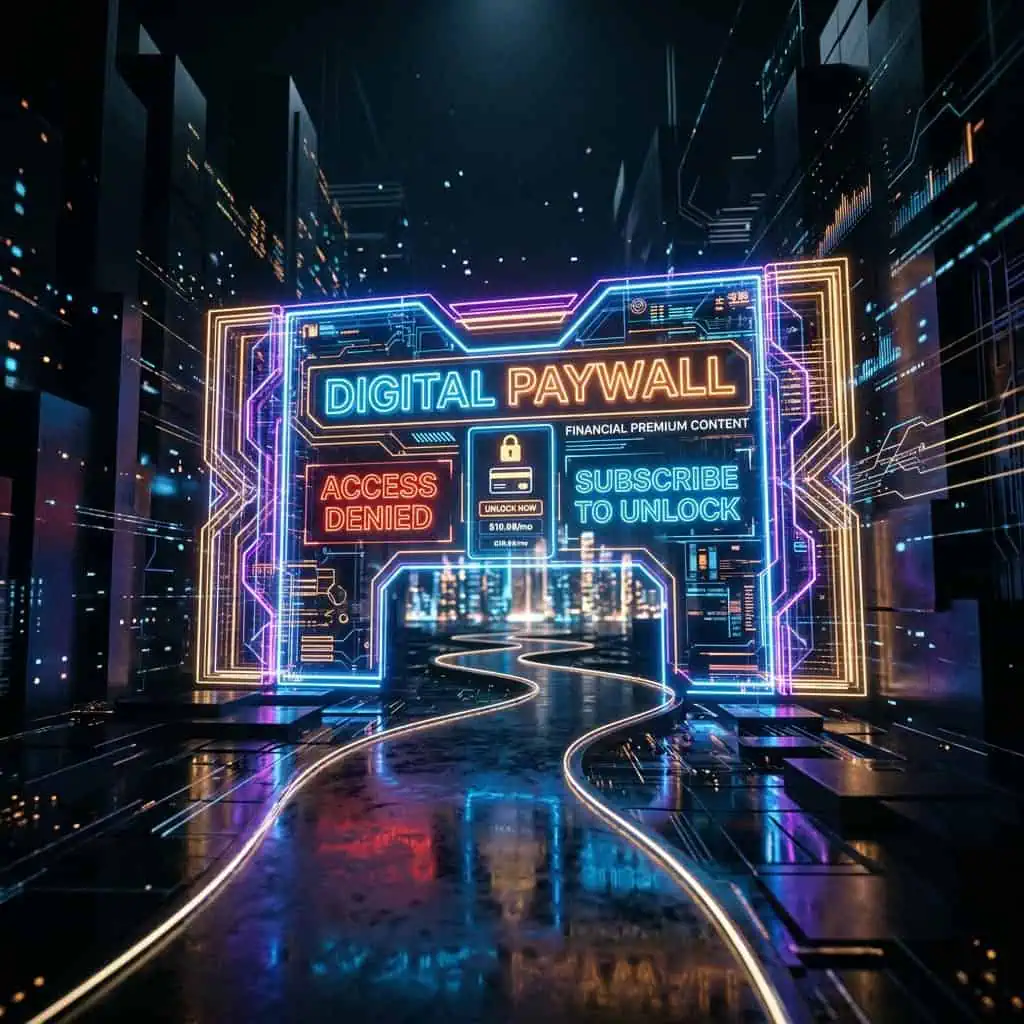
The business model relies entirely on a shift toward backend tipping. Messages provide 69.74% of revenue, even though only 17.19% of subscribers initiate communication. The system mathematically extracts capital by leveraging a lonely user’s desire for a parasocial relationship directly against aggressive backend monetization. Consumers clear a $5 hurdle, only to hit a $100 barrier for a personalized video. This information asymmetry generates paywall fatigue among casual users.
One consumer on a Reddit thread specifically cited abandoning a creator due to burdensome ‘age verification’ friction to view basic content. It becomes a chore rather than an escape.
Ethical Patronage Versus Parasocial Dependency
Many men find it incredibly difficult to stop paying for creator content because the platform actively weaponizes loneliness. Systems are designed around whale extraction and building parasocial relationships, turning a simple media subscription into an open-ended financial drain. To protect yourself, audit your current platform spending and distinguish whether the funds are allocated as a fixed ethical donation or a limitless spend attempting to maintain a digital relationship.
The Fair Trade Argument
A vocal segment of users contextualize their spending as a modern fair trade. They align their habits with ethical consumption, deliberately aiming to support an independent creator directly rather than funneling views to massive, exploitative free tube sites like Pornhub or Bangbros. In these instances, the subscription acts like a Patreon donation. The consumer values the art, pays a fixed monthly fee, and moves on without expecting an emotional return on investment.

The Reality of the Power Law
Despite the genuine intentions of many subscribers wanting to support small businesses, the platform ecosystem operates on extreme financial inequality. The landscape is heavily skewed, resulting in $146,881 average monthly earnings per top 0.1% creator. Meanwhile, a tiny fraction of lonely users bankroll the system, as 0.01% of subscribers (“whales”) generate 20.2% of revenue. This reveals how whale mechanics reflect a harsh Pareto distribution.
“The economy thrives on the 0.01% of subscribers known as whales who generate 20.2% of platform revenue through sustained interactions.”
Applying a Casino-style Entertainment Bankroll
Establish a strict, pre-paid monthly spending cap covering all adult platforms, and utilize third-party curation directories to research content before committing your payment data. Counter OnlyFans’ intermittent reward mechanics—where 83.3% of payments occur within 48 hours—with a fixed $50 monthly entertainment bankroll.
Funding the Routine
Because the platform relies heavily on intermittent psychological rewards and the illusion of specialized attention, it helps to treat your digital intimacy as a finite entertainment bankroll. The data shows that a vast majority of users browse for free, while only 4.2% of subscribers consistently spend money, averaging $48.52 per creator. Setting a hard cap matching that $50 average forces you to prioritize your spending and stops you from endlessly chasing perceived emotional connections with recurring micro-transactions.
Curation and Discovery Buffers
Relying on directories upfront prevents spontaneous reactionary purchases. Tools like OnlyGuider allow you to search and vet the quality of specific niches without committing to multiple overlapping paywalls. Looking up reviews or utilizing a discovery tool builds friction back into the system.
Recognizing the Marketing Machine
Remember that you are often interacting with an industrialized funnel. Creators frequently utilize a CPA platform (Cost Per Action) to acquire traffic via affiliate marketing on other sites. You are a metric in an acquisition model that requires keeping acquisition costs below two dollars to remain profitable. Understanding that your attention is being systematically categorized and sold makes it easier to close the tab and walk away.
Evaluating Your Spending and Enforcing Long-term Boundaries
Cancel any active digital content subscription immediately at the 30-day mark to force a manual review of whether the content provides ongoing value. A recurring billing cycle removes your agency. By killing the auto-renew, you force yourself to physically opt-in to another month. Use dedicated financial tools like Rocket Money or Monarch Money to smoothly perform these 30-day manual reviews and easily spot hidden automatic charges.
Reviewing your financial history highlights where your impulse discipline fails. When the engagement resets, the majority of casual buyers realize they have seen everything they care to see. A Reddit user reported moving on after a one-month trial due to curiosity fulfillment, proving that once the novelty wears off, so does the value.
Consistently reviewing this data ensures discretionary late-night purchases never cannibalize your savings or edge out genuine living expenses. To truly evaluate the risk, set a concrete diagnostic marker. If digital micro-transactions account for more than 10% of your monthly ‘fun money’ in a tracker like YNAB, your savings rate is fundamentally compromised.
Frequently Asked Questions
Is an OnlyFans subscription actually worth it if I only pay the advertised entry fee?
No, because the entry fee is essentially a decoy designed to bypass your purchasing friction. Over 69% of platform revenue comes from backend Pay-Per-View sales and direct messaging, meaning the advertised price rarely covers the actual cost of the content you are being funneled toward.
Why does the temptation to spend money on OnlyFans spike within the first 48 hours?
Data shows 83.3% of subscriber payments occur during this window because the initial curiosity is at its peak. Once that novelty is satisfied and the ‘mystery’ of the content is solved, the value realization drops off, leading to rapid subscription churn.
How much should I realistically budget for digital adult content each month?
A reasonable baseline is $50, which aligns with the average monthly spend of $48.52 per creator. Treating this as a fixed, pre-paid entertainment bankroll rather than an uncapped expense helps you avoid the cycle of impulsive micro-transactions.
What is the difference between an ethical donation and a parasocial dependency?
An ethical donation is a fixed amount you pay to support a creator, similar to a Patreon subscription, where you expect no emotional return. Parasocial dependency occurs when you pay hoping for a personal connection, which the platform’s ‘whale’ monetization mechanics are specifically designed to exploit.
How can I prevent myself from making impulse purchases on OnlyFans?
Implement a mandatory 24-hour cooling-off period before signing up for any new page and always cancel auto-renewals at the 30-day mark. Forcing yourself to manually opt-in for another month provides a necessary sanity check on whether the content provides ongoing value or if your curiosity has been satisfied.
Does using a curation directory like OnlyGuider actually help save money?
Yes, because these tools allow you to vet content and niche quality before you ever enter your payment information. Using a discovery buffer restores the friction that the platform tries to remove, helping you avoid spontaneous purchases you might regret later.
Can I hide these payments in my budget to avoid the social stigma?
Hiding these expenses is exactly what prevents you from taking control of your finances. You should itemize them exactly like any other streaming service; acknowledging them as a concrete, quantifiable entertainment category is the only way to neutralize the guilt and stop them from quietly bleeding your bank account.