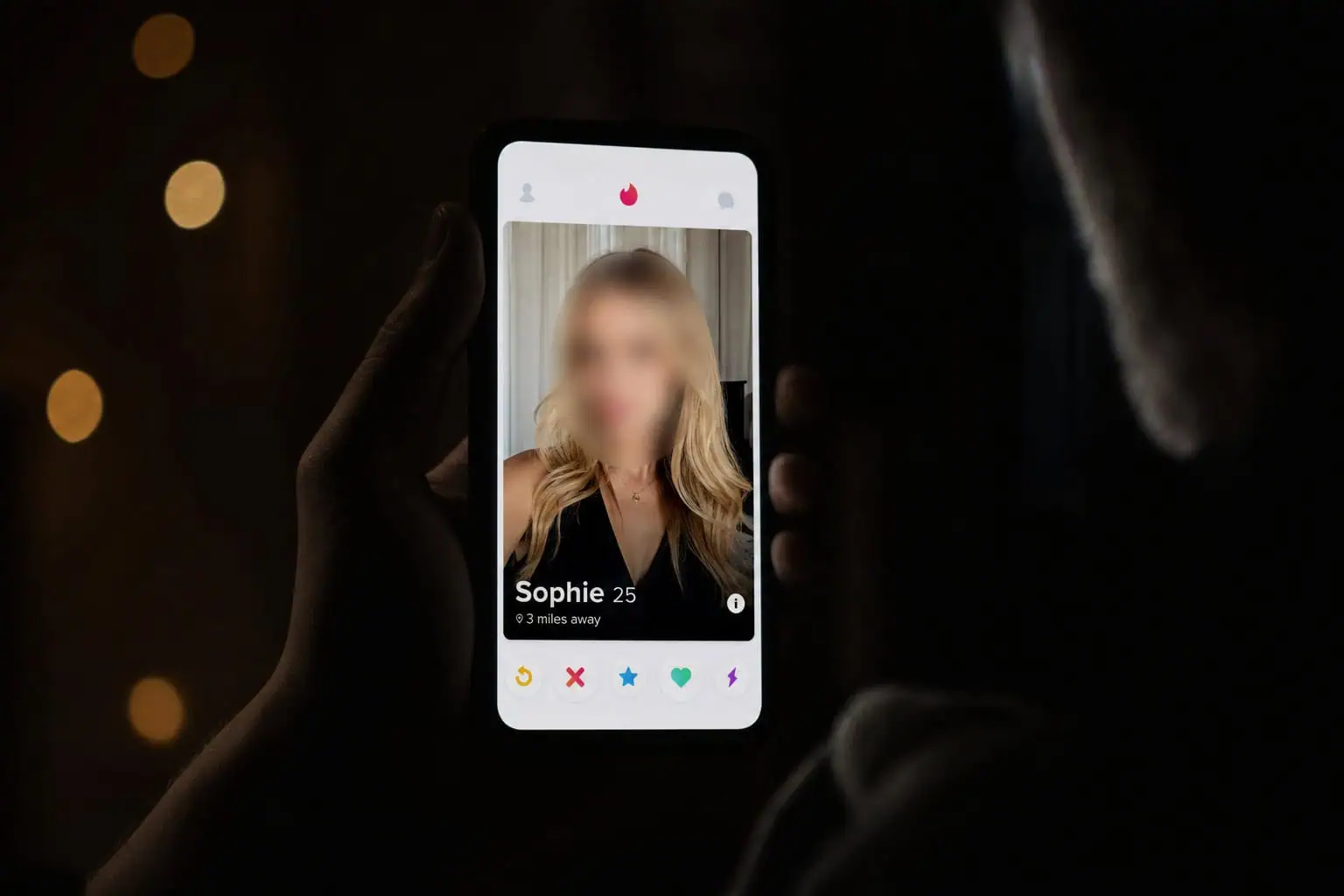
What does “most secretive” even mean?
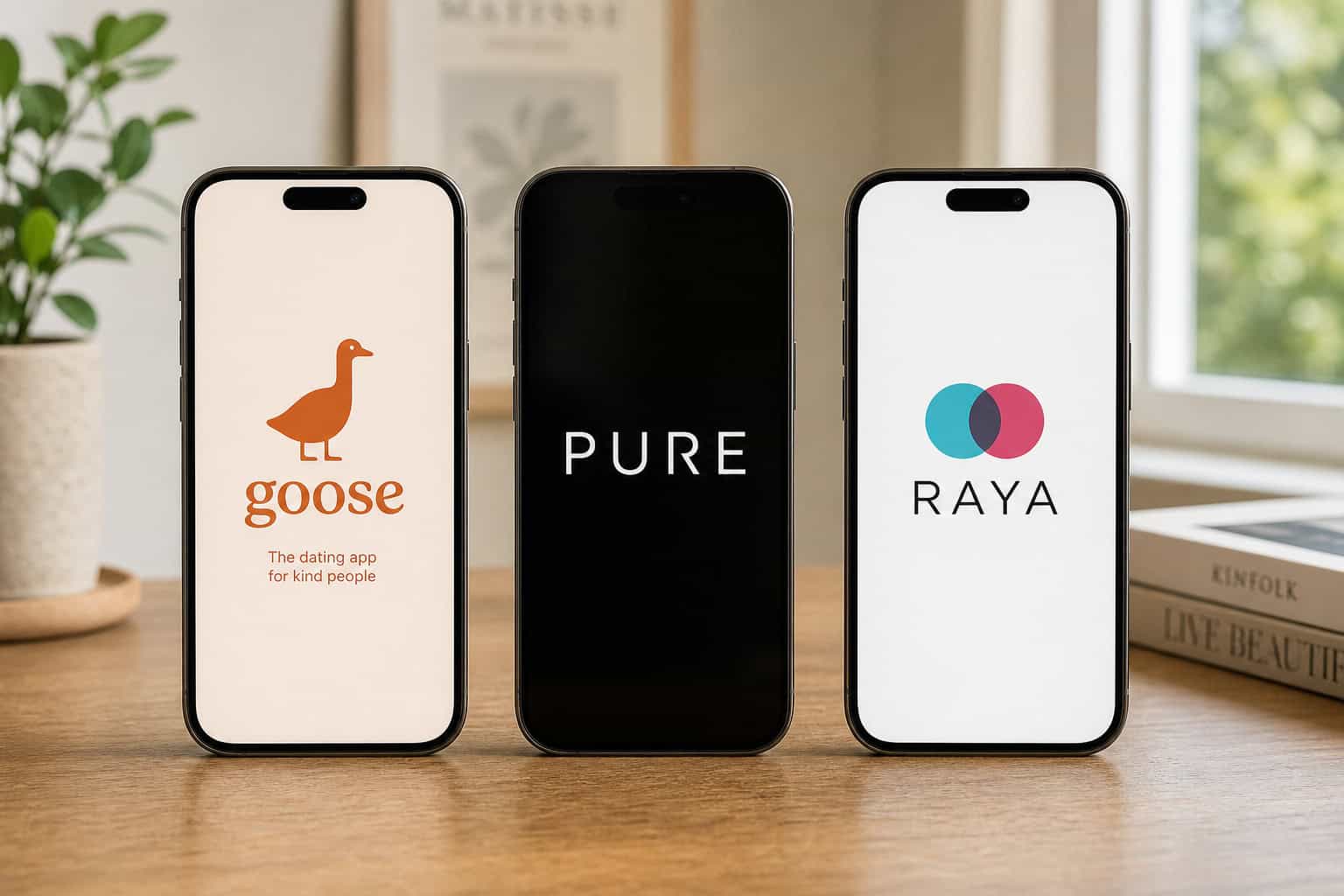
The dating app that best fits ‘most secretive’ in 2026 depends on what you mean by secretive. The three main contenders — Goose, Pure, and Raya, each claims the title, but they serve different versions of privacy. One is built for pure anonymity, one for curated exclusivity, and one is a newcomer with a smart idea that might shoot itself in the foot.
If you just want a name to throw around, Goose is the one generating the most buzz in 2026. But hype doesn’t equal privacy. The answer comes down to what you need: anonymity (no one knows your real name), privacy controls (you control who sees you), or data security (your info isn’t being sold or leaked). Those are three different problems, and no single app solves all of them.
In 2026 alone we’ve seen Tinder settle for $60.5 million over charging older users more, the FTC hit Match Group and OkCupid for sharing nearly 3 million users’ photos and location data with a facial-recognition AI company, and Goose launched as a self-described “anti-algorithm” alternative to Grindr.
Below I’ll break down each contender, compare them to the mainstream options, and give you a practical verdict based on what you care about.
Key Takeaways
Goose, launched in 2026, uses human screening instead of algorithms to approve users, but its live map broadcasts your location — a genuine privacy tradeoff.
Pure offers the strongest anonymity: no real names, 350-character profiles, chats that self-destruct in 24 hours, and screenshot blocking.
Mainstream apps like Bumble and Tinder hide your profile only behind paid subscriptions, while 2026 settlements reveal that even established platforms can leak your data to third parties.
Table of Contents
Goose: the new challenger with human screening
Goose was created by model and actor Derek Chadwick after he asked why there were no appealing gay dating apps available in 2026. The app positions itself as “social first” and “anti-algorithm” — a direct alternative to Grindr, which has been around for years and carries baggage. But what does ‘silly goose’ mean on dating apps? The playful term, which fits into Goose’s brand identity, is used to decode the flirtatious and non-aggressive tone the platform encourages.

The differentiator is that human beings review every applicant. Raya uses algorithms to vet people; Goose uses actual people. That difference is why the app has generated buzz — it feels more intentional. The onboarding process was described by Alex Reimer of Queerty as taking a couple of hours, not instant, but faster than Raya’s application process that takes days to years.
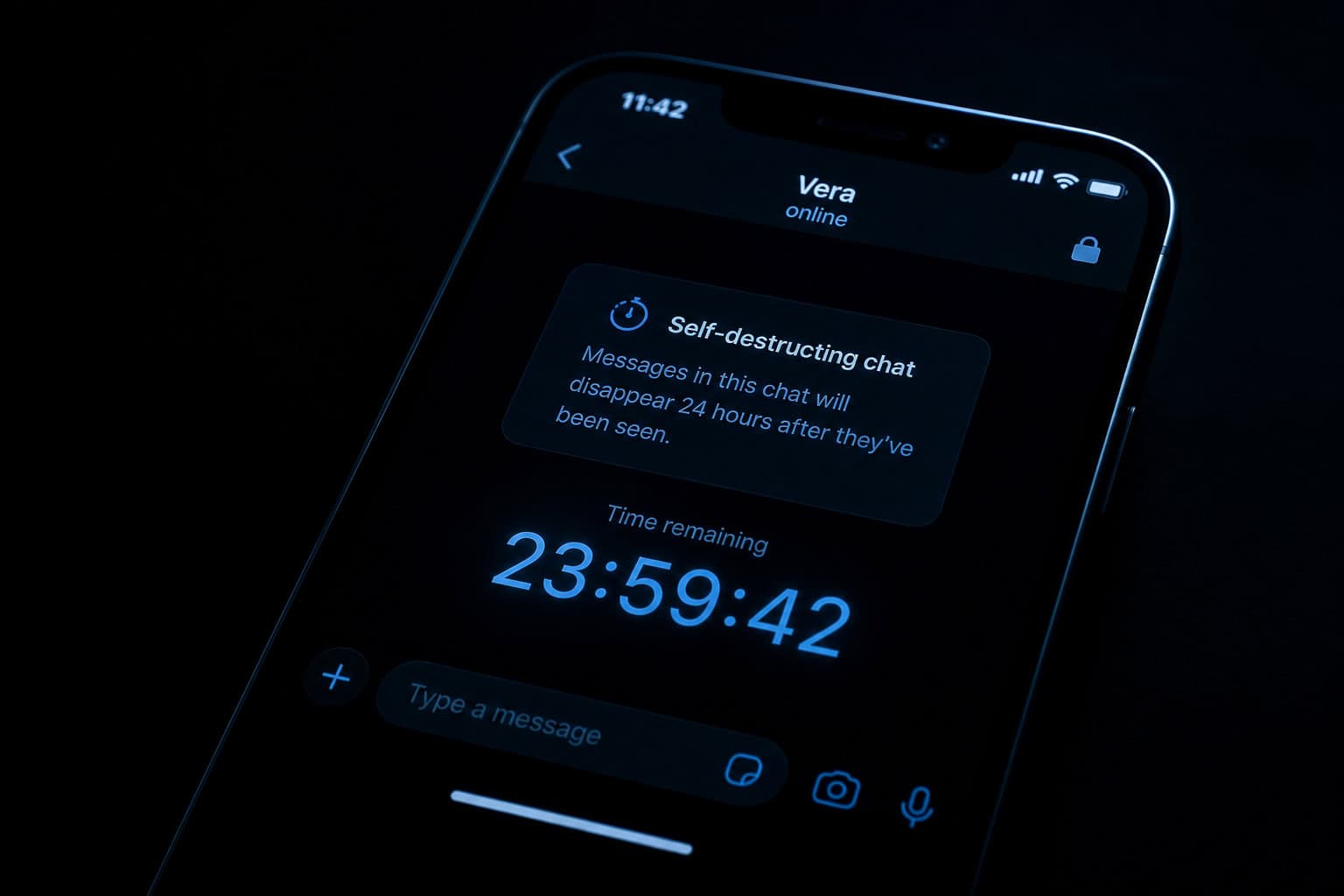
Once you’re in, the “wave” feature lets any user initiate contact without mutual matching. Profiles include photos, videos, status updates, and a live map showing nearby users.
Early reception: hype meets reality
Goose had 56,000 pre-downloads and 22,000 Instagram followers before launch. User feedback is mixed. One user named Sylvester claimed he “got 10 dates” on day one. Others report that after entering their verification code, the app breaks every time.
A user in NYC called it “Pokémon Ho.” Another named Nick said, “I give it two weeks max before it turns into yet another hook-up app.”
The app markets itself as a more meaningful alternative, but behavior suggests it might slide into the same patterns. And the live map — which shows your real-time location, is the same kind of feature that has caused privacy problems on Grindr for years.
The privacy paradox
This is the tension at the center of Goose. It claims to be secretive by using human screening and an anti-algorithm approach, but it broadcasts your location to people nearby. That’s useful for discovery, but it’s a privacy risk the moment you open the app. If “most secretive” means “nobody knows where I am,” Goose fails.
The competition: Raya, Pure, and The League
If Goose is the newest entrant, the established players offer different flavors of secrecy.

Raya: algorithm-vetted elitism
Raya is the app for people who want exclusive, curated dating. It’s called the “Soho House of dating apps.” The application process takes days to years and is algorithm-based. It’s expensive and slow.
If your goal is to join a selective, celebrity-friendly pool where everyone has been vetted by code, Raya works. But it’s not anonymous; your identity is part of the package. It’s secretive in that it’s hard to get in, not that you’re hidden.
Pure: anonymity by design
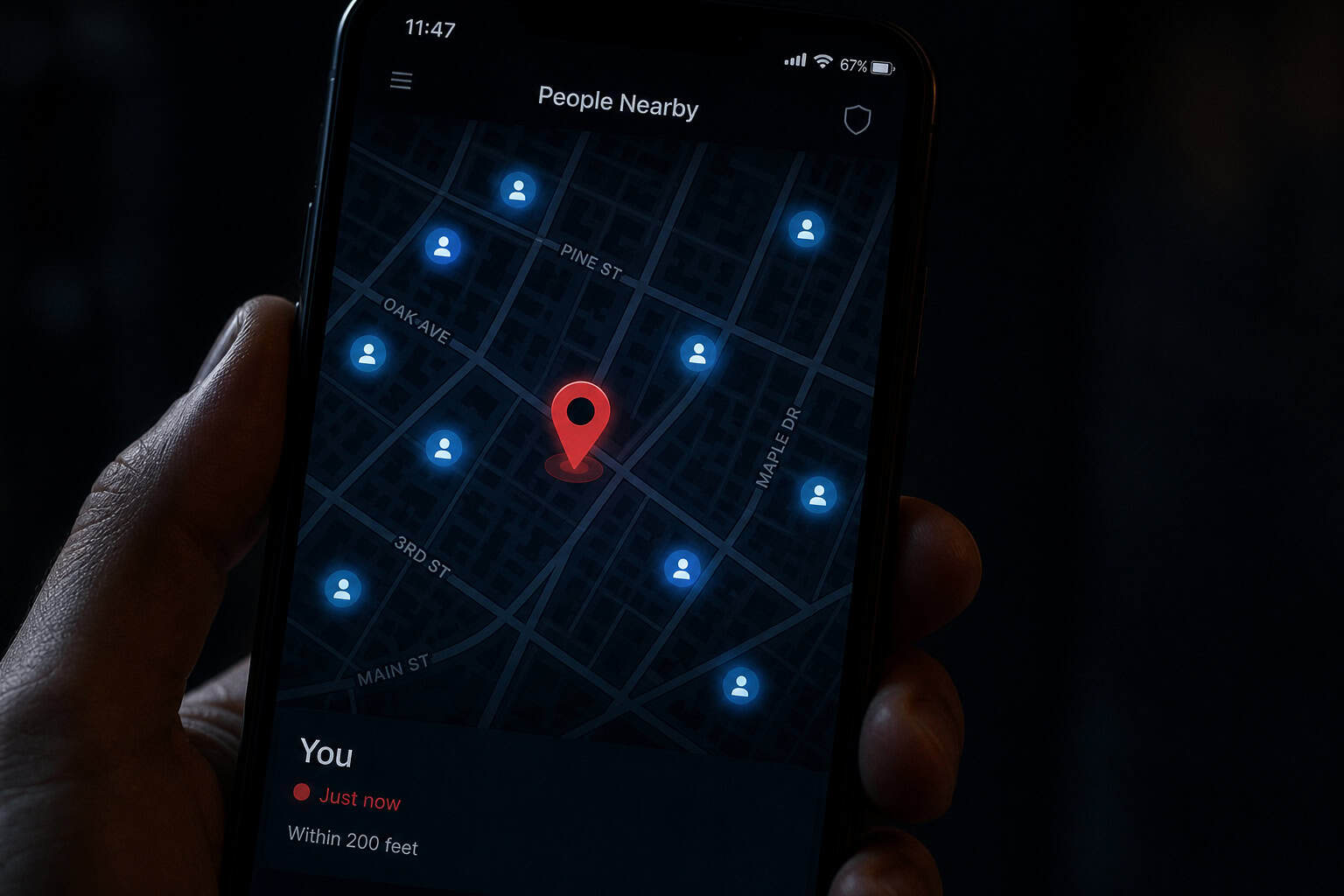
Pure is the option if you want to leave no trace. No names are required. Profiles are limited to 350 characters — think of them as ads, not full bios. Chats self-destruct after 24 hours.
Screenshots are blocked, and users are notified if someone tries to capture the screen. For verification, Pure uses True Photo requests — you can ask a match to send a live photo to confirm they’re real, and the image isn’t stored. There’s also a Photo Verification Badge, though it’s worth asking where do cheaters go to cheat when considering the app’s privacy-first appeal.
Pure is free for women; men pay. The company reported $100 million in revenue and a 95% increase in user registrations in 2026. The app is also rolling out age verification in the UK to comply with the Online Safety Act. If “most secretive” means nobody knows my name and nothing gets saved, Pure is the answer.
The League: exclusive but not anonymous
The League is another application-based app that connects to your LinkedIn profile. You get in based on your professional credentials and network. It’s exclusive in that not everyone gets approved, but your identity is visible. It’s not secretive in the anonymity sense.
The paid privacy of mainstream apps: Bumble, Tinder, Grindr
The mainstream apps offer privacy features, but they come at a cost.
Bumble: incognito behind a paywall
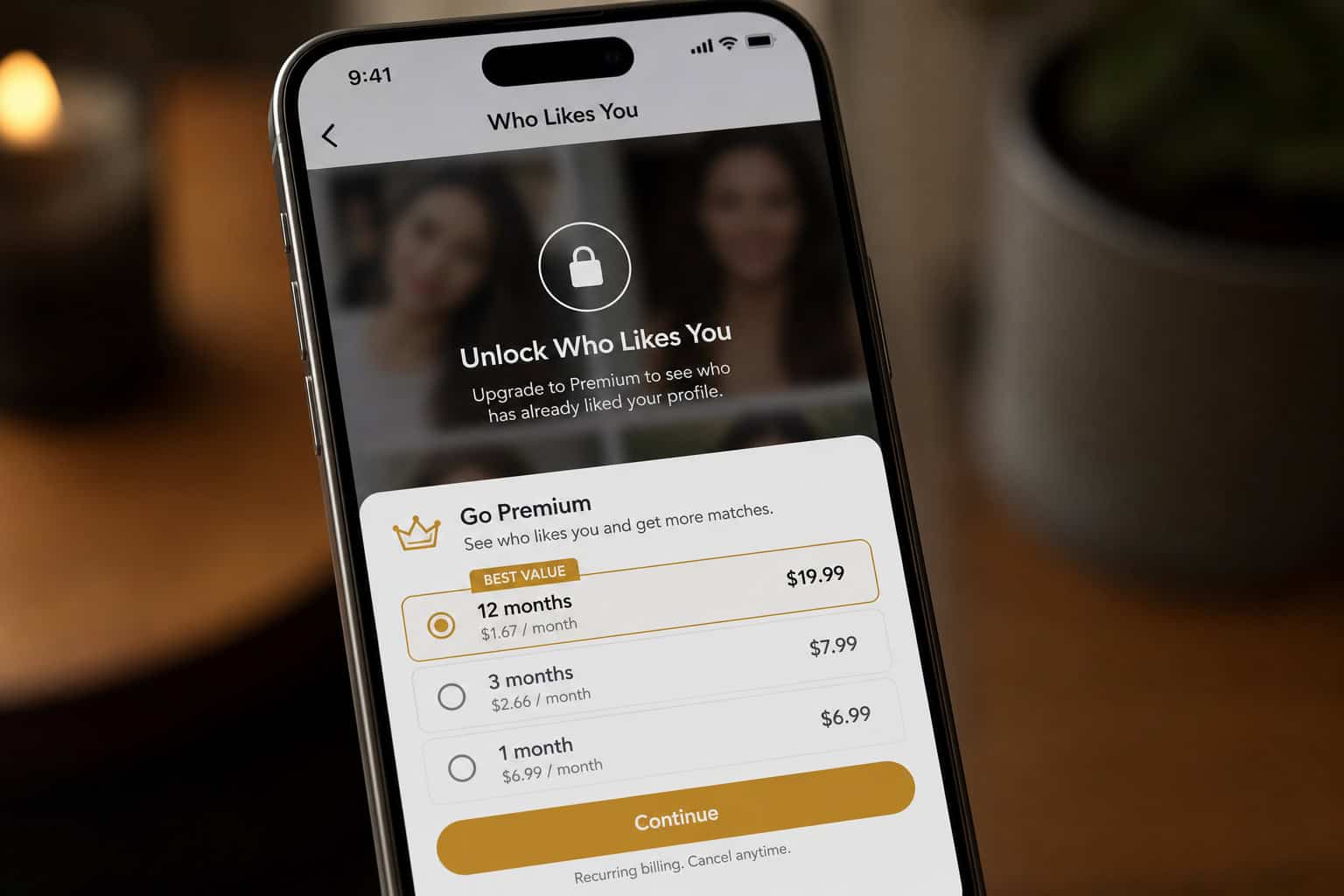
Bumble’s Incognito Mode hides your profile from everyone except the people you swipe right on. That allows browsing without being seen by coworkers or exes. But it’s a Bumble Premium feature, so you’re paying for it. Bumble offers Private Detector (blurs lewd images), Deception Detector (flags scams), and ID verification using a government ID. The women-first model is evolving — the app has started removing the “women make the first move” requirement in some markets like Mexico and Australia. Still, Bumble uses your location, so it’s not anonymous.
Tinder: default visibility, paid hiding, and a $60.5M settlement
Tinder has 50 million monthly users — 46% of all online daters. Staying hidden on Tinder is hard. Incognito features require Tinder Plus or Gold. Tinder’s data practices are under scrutiny.
In March 2026, the company settled a class-action lawsuit for $60.5 million in California for charging users over 30 more than younger users. The app has added mandatory Face Check video verification and AI-upgraded message moderation. The settlement is a reminder that your privacy on Tinder is only as good as the company’s legal team.
Grindr: geolocation as a risk
Grindr’s geolocation grid shows how close nearby users are. That’s a privacy risk by design — you can see someone is within a few hundred feet even if their profile says they are miles away. Grindr has had data breaches and privacy issues. The app has more relaxed content policies than Hinge. Goose was built as a Grindr alternative, which indicates frustration with the status quo.
The hidden risks of secretive apps
Even apps built for secrecy have risks. You can still maximize privacy on standard apps without paying for premium features by using a pseudonym where allowed, disabling location services in your phone settings, and setting an app password or PIN to prevent casual access.
In March 2026, the FTC settled with Match Group and OkCupid for sharing 3 million users’ photos, location, and demographic data with a facial-recognition AI company. Even apps that publish privacy policies can leak data, either intentionally or through third-party partnerships.
Location-based features remain the practical risk. Goose’s live map and Grindr’s grid reveal location proximity, and Goose’s live map in particular broadcasts your exact location to nearby users — a direct location-based risk. A 2026 warning was issued for people using dating apps while traveling in Mexico, location data can be dangerous.
There’s a paradox: the more exclusive an app is, the smaller the user pool. A small pool can make you easier to identify, not harder. If you’re the only guy in your neighborhood with a Goose profile, your privacy is zero.
Verdict: the most secretive dating app by use case
Here’s what I would do based on what matters to you.
Best for maximum anonymity: Pure: no names, self-destructing chats, screenshot blocking. If your main concern is that nobody can trace the conversation back to you, download Pure. It’s not perfect — the 24-hour chat limit can be annoying, but it’s the option for leaving no trace.
Best for curated, exclusive connections (for men): Goose. The human screening is a new approach, and the anti-algorithm positioning is appealing if you’re tired of Grindr’s grid. But it’s early — glitches exist, the user base is small, and the live map is a privacy tradeoff you need to accept. If you’re a gay man looking for something different, Goose is worth trying. For straight men, it’s not an option.
Best paid hidden mode on a mainstream app: Bumble Premium’s Incognito Mode. If you want to stay on a mainstream app but control visibility, this is your option. It’s not anonymous — your location is still used, but it’s the closest thing to a hidden profile on a platform with volume. Tinder’s equivalent features work similarly, but Bumble’s safety tools (Private Detector, Deception Detector) give it an advantage.
For celebrity-level exclusivity: Raya. Be prepared to wait days to years, pay a premium, and accept that your identity is part of the deal.
The bottom line: “most secretive” is not one label. It’s a tradeoff between anonymity, exclusivity, and data security. Know which one you need, pick the app that delivers it, and go in with your eyes open.
People Also Ask
Is there a dating app that can be hidden?
Yes, several dating apps offer hidden or invisible modes, but they work differently. Bumble’s Incognito Mode (paid) hides your profile from everyone except people you swipe right on, while Pure offers full anonymity with no names and self-destructing chats. The catch is that most hidden features require a subscription, and none of them make you completely untraceable — your location data can still be exposed.
Is Goose actually more private than Grindr?
Not really — Goose has a privacy paradox. It uses human screening instead of algorithms to approve users, which feels more intentional, but it also broadcasts your real-time location on a live map, the same kind of feature that has caused privacy problems on Grindr for years. If your definition of privacy means nobody knows where you are, Goose fails just as badly as Grindr.