
By the time I was 15 years old, my family had moved 11 times. When you uproot your life that often, you learn quickly that moving is not an emotional journey. It’s a ruthless physical inventory and extraction process. Staring at an apartment full of possessions and trying to conquer it with willpower is how you end up exhausted, surrounded by broken dishes at 2 a.m. What you need are moving hacks—battle-tested systems that streamline the logistics.
I’ve learned the hard way that 10 experts mostly agree on one thing. On average, packing takes a minimum of two weeks for a two-bedroom apartment, and 3+ weeks for a three-bedroom home. The “weekend warrior” move is a recipe for disaster. To get through it, you need brutal minimalism, a plan, and some common sense.
At Unfinished Man, we prefer gear that actually works. A move is the ultimate stress test for your setup. Stay organized, and you’ll actually enjoy your first night in the new place.
Key Takeaways
It takes two to three weeks to pack properly. If you think you can do it in a weekend, you’re just kidding yourself.
Get a Certificate of Insurance (COI) weeks early. If you don’t, some buildings won’t even let your movers in the door.
Rent plastic bins instead of buying cardboard. They’re stronger, and because you have to return them, they force you to unpack.
Table of Contents
Declutter and pare down possessions
Be ruthlessly honest about what you’re actually moving. If you haven’t touched it in a year, get rid of it. Why pay movers to haul stuff you don’t even use? Less junk means less fatigue and a cheaper bill.
Pare down: The 12-month rule for decluttering
Before you touch a single box, you need to execute a ruthless pre-move triage protocol. If an item hasn’t been used in 12 months, discard, donate, or sell it. Every piece of useless junk you pack is an item you have to tape, haul, and eventually unpack. By selling unwanted items early, you can even offset moving costs while ensuring you only transport what is truly necessary.
Hoarding costs money. Decluttering lowers your volume, saves your back, and keeps the movers’ bill in check.
“Every piece of useless junk you pack is an item you have to tape, haul, and eventually unpack.”
Coordinate administrative moves early
Don’t ignore the paperwork. Start a simple Google Sheet to track your utility transfers and address changes. Keep a single calendar so you don’t miss a deadline before move-in day.
Bad planning ruins moves. Apartment buildings have strict rules—reserve the service elevator early and get that Certificate of Insurance (COI) to your building manager well before the move. If you show up without it, they might lock the doors on you. Check the policies now so you don’t get screwed on move-in day.
Ditch cardboard for reusable moving bins
After moving 11 times as a kid, I learned cardboard is a trap. They crush, they use too much tape, and they’re just a mess to deal with.
Don’t switch to plastic for the environment—do it for the ease. Matt Graber of Cool Hand Movers swears by reusable bins. They snap shut, stay rigid in the truck, and because you have to return them, you’re not living out of half-unpacked boxes for months.
Schedule a one-week lease overlap
Moving fast is a myth. Trying to pack, load, unload, and clean an apartment within a 48-hour window is what causes moving trauma. By planning for a phased move-in, you avoid common logistical bottlenecks and preserve essential items from damage.
If you can swing the cost, pay for an extra week. A little double rent is cheaper than broken gear or a chiro bill from sprinting to finish in 24 hours. Use the overlap: let a trusted moving company handle the heavy stuff, then take your time cleaning the old place.
Pack heavy items in small boxes with bottom-heavy distribution
Amateurs pack by room. Professionals pack by weight class. Lumping heavy books into a large box is a rookie mistake that leads to dropped loads and injured backs. Pack dense, heavy items in small boxes that are easy to carry tight to your chest. Consistently assessing box weight ensures both your safety and the structural integrity of the containers.
When packing, keep it bottom-heavy. Throw your heaviest items on the floor of the box and fill the top with linens or pillows. It’s basic physics—you don’t want your boxes tipping over in the back of a truck.
Reinforce box seams with perpendicular tape
If you’re sticking with cardboard, don’t use the cheap tape. That’s how boxes bust open in the stairwell. Use industrial-grade tape to make sure it actually holds.
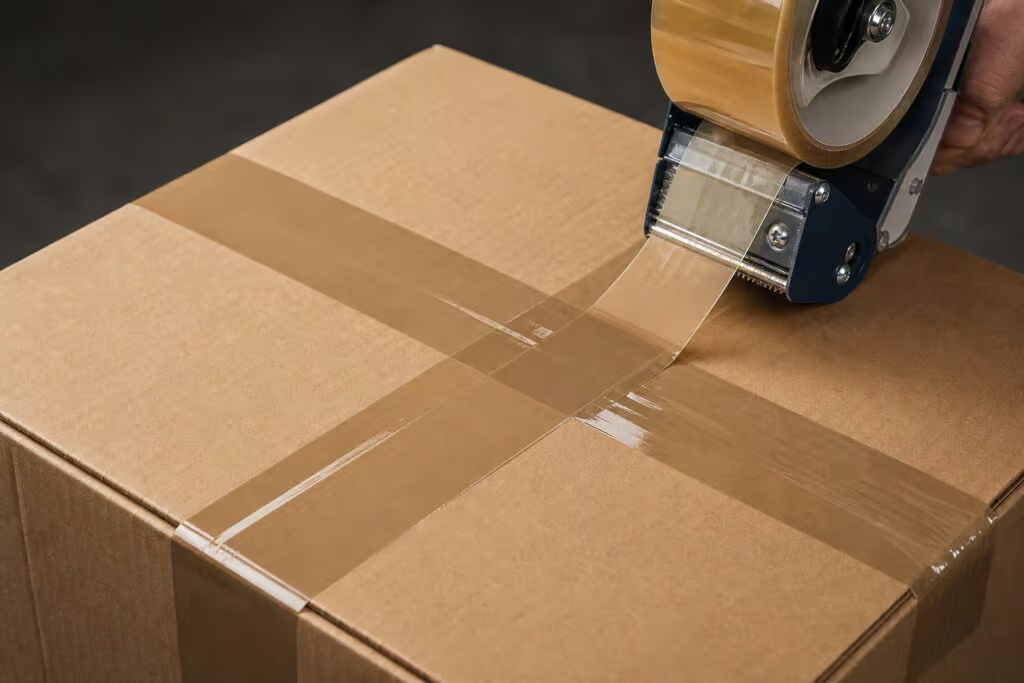
Tape in a cross-pattern: run one strip down the center seam, then lay three or four across it. It’ll lock the base so the box won’t buckle when you pick it up.
Pack fragile dishes vertically like records
Stacking plates flat is the fastest way to break them.
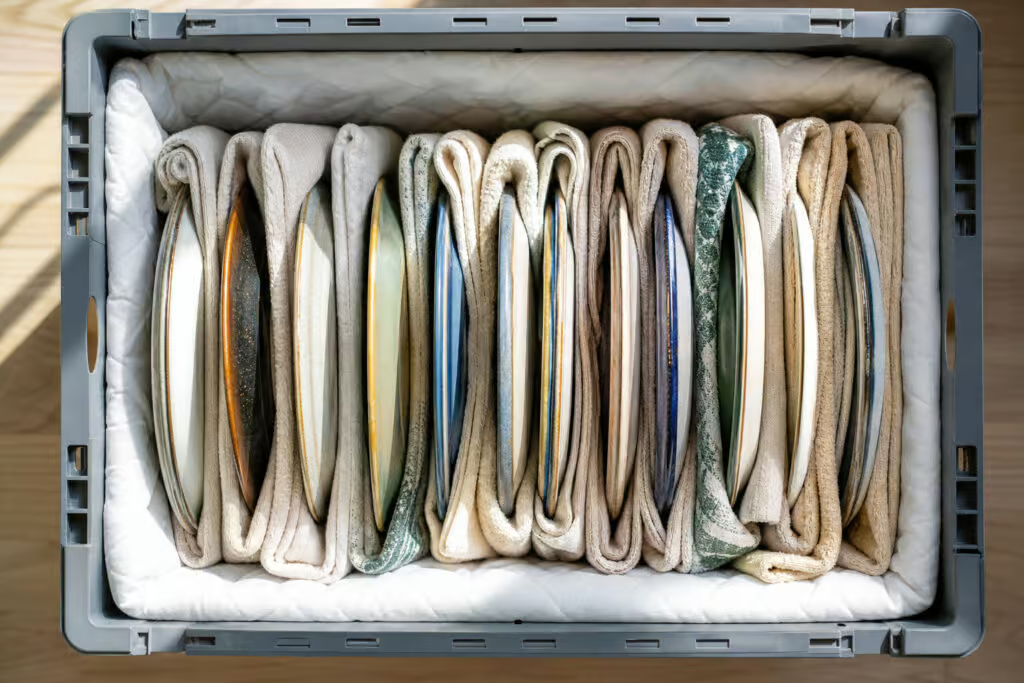
Pack them vertically, like vinyl records. Ceramic edges are much stronger than the center, and vertical packing keeps the pressure off the weak points. Just make sure you pad the bottom and put something soft between every plate.
Use soft goods as free protective padding
Don’t drop fifty bucks on bubble wrap. Use your own towels and blankets to pad your stuff instead.
Use your clothes and linens as padding. Wrap your glasses and ceramics in thick socks or towels. It saves you money and lets you pack two rooms at once.
Transport hanging clothes inside trash bags
Don’t bother with expensive wardrobe boxes for a local move. Use the trash bag trick—it keeps your clothes clean and takes about five minutes.

Grab a high-capacity, heavy-duty trash bag and cut a small hole directly in the bottom. Bundle 10 to 15 garments together on their hangers, pull the hanger hooks up through the hole, and slide the bag down over the grouping. Tie the drawstring tight around the base of the clothes. It keeps your garments clean, prevents tangling, and takes about five minutes to execute.
Tape hardware directly to disassembled furniture
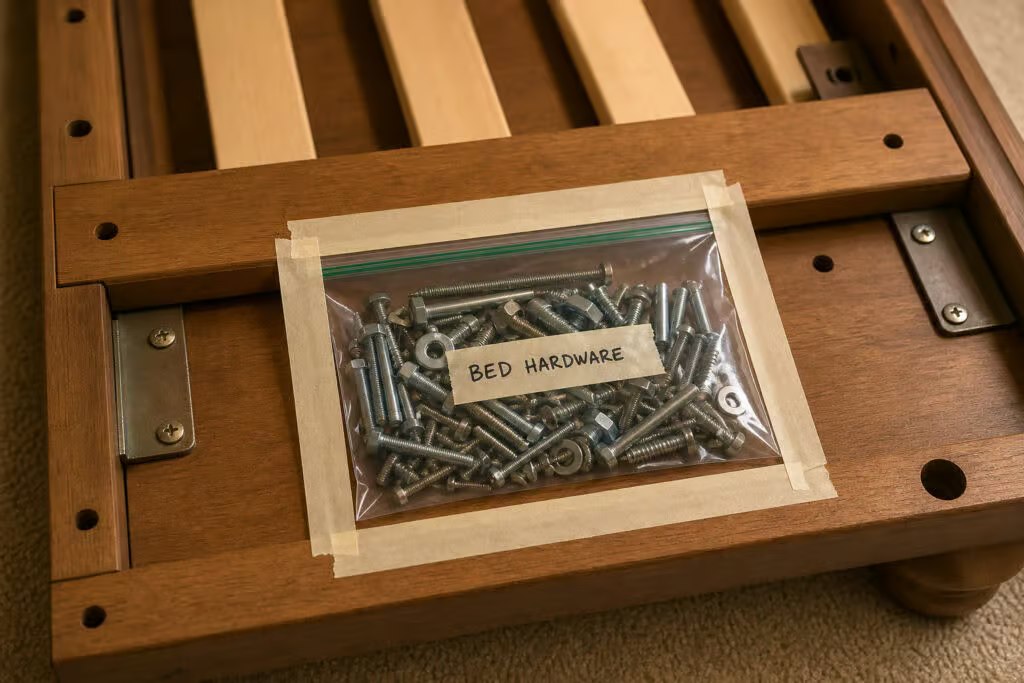
Nothing kills your momentum on the first night in a new place quite like staring at an expensive bed frame missing a single proprietary Swedish bolt. Keeping these components organized is essential for a frustration-free assembly process.
Bag all the hardware as soon as you take a piece of furniture apart. Tape the bag to the base of the item. If you keep the screws attached, you’ll actually have everything you need to put it back together.
Label items with multi-layered details
Use a tracking system that includes the room destination and the contents to easily identify boxes. Including a photo of the contents allows for a quick digital reference before opening any box.
Create a visual archive with layered labeling
Generic labels like “Kitchen” are useless when you have twelve boxes that belong in the kitchen. Clear, descriptive labeling is the foundation of an orderly move.
Label your boxes clearly: write the room, use some colored tape for zones, and number them. Before you tape them shut, snap a photo of what’s inside. Now you have a visual archive on your phone, so you aren’t digging through everything just to find the coffee maker.
Protect joints and manage awkward logistics
Most checklists forget to mention your back. Hiring pros for the heavy stuff is how you move without needing a doctor later.
Rent a dolly for the weird stuff like TVs or big plants. Don’t try to bear-hug a hundred-pound tree down three flights of stairs—let the wheels do the work.
Neutralize the pet and child moving bottleneck
Small children and pets introduce severe logistical and safety bottlenecks to active physical workspaces. You cannot safely carry a sofa backward if a toddler is wandering near the stairs.
Get the kids or pets out of the house for the day. If you can’t, lock them in a safe room with their toys. Trying to move a couch while a toddler is underfoot is a nightmare.
Outsource post-move cleans and heavy lifting
Doing it all yourself isn’t always worth the effort. Tossing your back out is way more expensive than just hiring some help.
Hire someone from Taskrabbit or Bellhop to move the heavy stuff. Also, pay for a professional cleaner to scrub the place you’re leaving. It’s the best money you’ll spend on the whole move—seriously, skip the final cleanup stress.
Prepare a first-night essentials ready box
Think of your first night like checking into a hotel. You don’t want to be ripping open boxes at midnight just to find a toothbrush.
Pack an overnight bag. Toss in your meds, a shower curtain, toilet paper, chargers, tools, a kettle, and a change of clothes. Keep this bag in your car so it doesn’t get lost in the shuffle.
Execute final miscellaneous transition hacks
Defrost your fridge the night before so you don’t leak gross water everywhere. Pack a cooler with frozen meals, too, so you aren’t stuck paying for takeout on your first night.
Take a photo of your cable setup before you unplug everything. Coil up the cords and stuff them into toilet paper rolls so they don’t turn into a rat’s nest. A little work now makes actually setting things up at the new place a lot less painful.
Frequently Asked Questions
What is the hardest room to pack when moving?
The kitchen is typically the most grueling room because it contains the highest density of fragile, oddly shaped, and heavy items. It requires extensive prep work, like wrapping every dish and packing pantry goods, which can easily derail your momentum if you don’t tackle it systematically.
What are red flags to watch for in movers?
A major red flag is any service that doesn’t provide clear guidelines or requested documentation like a Certificate of Insurance (COI) well in advance. If they seem disorganized or unwilling to coordinate with building management’s rules, they will likely cause delays or legal issues at your move-in location.
What are some moving hacks?
Effective hacks include packing dishes vertically like vinyl records to prevent breakage and using your own clothes or towels as protective padding for fragile items. You should also bag furniture hardware immediately upon disassembly and tape the bag directly to the frame so you aren’t searching for bolts on your first night.
Is a one-week lease overlap worth the cost?
Yes, paying for an extra week of overlap is almost always cheaper than the professional medical bills or damaged property costs associated with rushing your move. It provides a necessary buffer for deep cleaning and careful transport, keeping you from the physical and mental trauma of a 24-hour move-in deadline.
Why does cardboard make for a bad moving container?
Cardboard boxes are prone to crushing, require excessive amounts of tape to remain secure, and often lead to ‘living out of boxes’ for months because you don’t have an incentive to return them. Renting reusable, rigid plastic bins is a superior alternative because they provide better structural integrity and must be returned, forcing you to actually unpack.
How should I pack heavy items to avoid injury?
Forget packing by room; instead, pack by weight class by putting heavy, dense items into smaller, easy-to-carry boxes. Always keep the distribution bottom-heavy by placing the heaviest objects at the floor of the box and topping them off with lighter items like linens to prevent tipping.
Can I move hanging clothes without wardrobe boxes?
Yes, you can use the trash bag method for a simple, low-cost solution. Group a dozen garments on their hangers, cut a small hole in the bottom of a heavy-duty trash bag, pull the hooks through, and tie the drawstring at the bottom to keep the clothes clean and tangle-free during transit.