
Picture a guy with 20 years of commercial driving experience pulling out of a yard in upstate New York. He just navigated an old rig through a test run, shifting gears perfectly, proving his chops the hard way. The company’s response? They offer him $14 an hour—less than what fast-food workers currently demand in the Fight for $15.
This is the disconnect at the heart of the U.S. trucking industry. We have all heard the persistent, exhausting narrative that “nobody wants to work anymore.” Every time there is a delay at a loading dock or a rise in freight rates, megacarriers point to a devastating labor shortage. But if the American economy were on the verge of collapse over an empty talent pool, the laws of supply and demand dictate that wages for skilled operators would rise substantially. They are not.
At Unfinished Man, we advocate for guys trying to make an honest, decent living, which means we have zero tolerance for corporate spin. When you compare the national median driver wage of $57,440 against the 10 million CDL holders in the U.S., the shortage narrative falls apart. This is not about a lack of willing American workers, a fact made obvious when surveying the talent pools managed by a driver recruitment agency like Global Fleet LLC (get more info). This is a story about structural disrespect, and a system engineered to keep compensation low.
Key Takeaways
Despite industry associations claiming a massive labor deficit, there are over 10 million credentialed CDL holders in the U.S. compared to roughly 2.5 million active driving jobs.
Megacarriers actively rely on government subsidies to continually replace the 300,000 drivers who leave the long-haul industry every single year.
Immigrant drivers make up 18% of the trucking workforce, and new regulatory roadblocks threaten to heighten existing supply chain bottlenecks by cutting off this essential labor pool.
Table of Contents
The Illusion of the CDL Shortage
The so-called shortage is a statistical fiction created by the American Trucking Associations to maintain a high-turnover, low-wage employment model rather than a true absence of available domestic labor. The math does not support the existence of a labor crisis. We do not have a recruitment problem. We have a severe retention crisis, specifically isolated within the brutal long-haul truckload sector.

If you want to know if a carrier is suppressing wages below market value, compare an entry-level local commercial driving wage offer to the national median for the profession, which is $57,440. Currently, the average starting pay for a CDL rookie sits around just $40,000 annually, clearly differentiating it from that $57,440 median. When companies offer fully qualified veterans what amounts to fast-food cash, they are confirming that they refuse to compete on pay. The industry lobby demands 160,000 new drivers from the government precisely because they do not want to raise wages, hoping to buy time until self-driving trucks hit the highway.
“The so-called shortage is a statistical fiction created to maintain a high-turnover, low-wage employment model rather than a true absence of available domestic labor.”
Million Licenses but Nobody at the Wheel
The Basic Math of the Driver Labor Pool
There are currently over 10 million CDL holders in the United States, yet only around 2.5 million active trucking jobs. That math alone shatters the idea of an empty labor pool.
Millions of credentialed drivers are exiting the industry rather than accepting the long-haul sector’s stagnant pay and demanding work schedules.
Industry Lobbying Vs. Economic Data
Government data from the Bureau of Labor Statistics demonstrates a functional blue-collar labor market navigating high demand, contradicting the corporate narrative that the system needs 160,000 artificial new recruits.
When freight rates rise to signal demand for transportation, a healthy market naturally responds by increasing wages. The fact that older drivers with perfect records are handed lowball offers proves that carriers are comfortable leaving trucks empty rather than paying market rate. If millions of drivers are refusing the work, megacarriers must find a way to continually replace them with new recruits interested in becoming a truck driver. They do exactly that using your money.
How Government Subsidies Fund Megacarrier Churn
It is mathematically cheaper for fleets to indefinitely cycle through subsidized rookie drivers than to incentivize and retain experienced professionals. Large trucking firms have successfully offloaded the enormous financial risk of rookie training directly onto the public.
Identify state and federal grant programs in carrier training advertisements, and you will quickly see how public funds are masking private corporate training expenses. ATA lobbying and federal training subsidies allow megacarriers to cycle inexperienced recruits through the grueling long-haul sector, fueling a 300,000-driver annual turnover rate. Approximately 300,000 drivers leave the industry annually.
Funding mechanisms like the Workforce Innovation and Opportunity Act and Pell Grants function as stealth corporate welfare. These grants subsidize the constant onboarding of green drivers who burn out in months. This endless cycle of taxpayer-funded churn deposits rookies into an isolated, deteriorating lifestyle.
The Real Drivers Behind the Retention Crisis
Unpaid Time at the Loading Dock
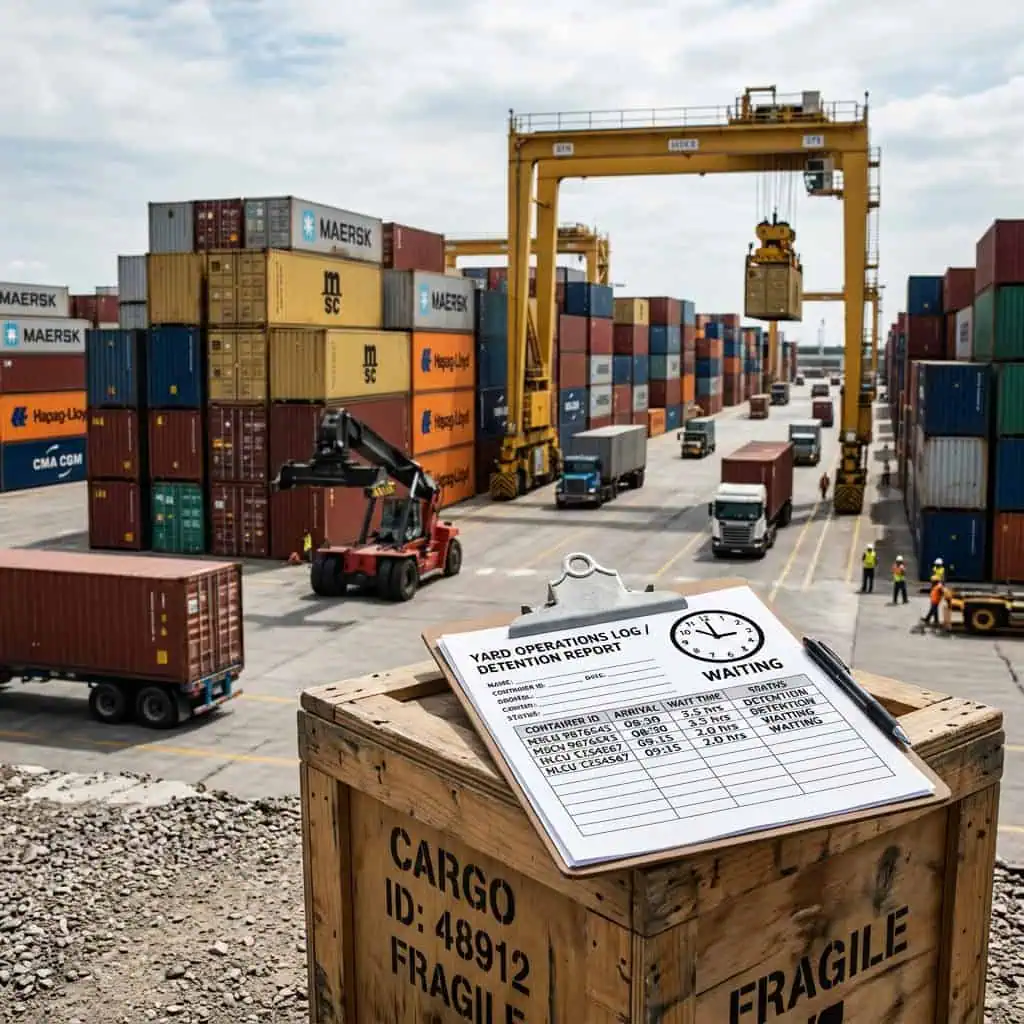
Uncompensated wait times effectively gut a driver’s hourly wage, serving as the primary reason workers voluntarily walk away. You can calculate an active driver’s precise effective hourly wage by factoring in zero-pay detention hours at loading docks.

Sitting 8 hours at a shipper without compensation means a driver makes nothing while still on the clock, a reality of unpaid detention time that acts as a primary centrifuge driving persistent driver attrition across the industry.
The Surveillance Bait-and-switch
The cultural marketing of trucking promises the romance and autonomy of the open road, but the reality is corporate hyper-surveillance. The installation of driver-facing cameras shatters the lifestyle expectations of younger recruits. You aren’t operating independently; you are monitored by hardware tracking pupil dilation and blink patterns associated with the mandatory ELD and camera mandates designed to prevent accidents.
Combine this loss of autonomy with severe physical hazards. Workplace data consistently ranks Heavy and Tractor-Trailer Drivers among the country’s most dangerous occupations, exposing operators to a high likelihood of severe highway accidents. You have high physical risk, heavy surveillance, and unpaid hours.
Trapped at the Starting Line: Training Mandates
Implementing Mandatory Entry Level Training (MELT) has paradoxically erected financial hurdles that discourage organic youth recruitment. The push for MELT standards directly creates high entry costs for 20-to-25-year-old recruits who lack upfront capital.

Young drivers are then forced into dependency. You have to weigh the upfront cash cost of mandatory entry-level training against the long-term financial penalty of signing a carrier-sponsored payback contract. Megacarriers offer “free” training in exchange for locked-in, low-wage contracts. This funnels surviving entrants straight into the corporate churn machine.
With domestic recruitment choked by entry barriers, the industry leaned heavily on immigrant labor. Now, the government is shutting that valve off, too.
Locking Out the Supply Chain’s Last Resort
Poor domestic driver retention is largely responsible for the logistics gap, making immigrant labor the only viable functional backstop. Restrictive immigration policies, processing delays for Visa applications, and costly PERM labor certification requirements are arbitrarily cutting off the immigrant labor that currently keeps the brittle U.S. supply chain functional. Roughly 18% of the trucking workforce is comprised of foreign-born drivers, including recently relocated refugees and workers navigating the backlog for green cards, picking up the regional and long-haul slack that domestic drivers reject.
The August 2025 State Department visa pause, alongside prohibitions preventing DACA recipients from renewing commercial licenses, will almost certainly trigger immediate supply chain disruptions and critical regional bottlenecks. You can anticipate these exact disruptions by monitoring how the April 2025 executive order mandating strict English language proficiency impacts the 18% foreign-born driver market. Sudden “out-of-service” classifications for thousands of currently active, safe drivers remove the industry’s last buffer against its own high-turnover flaws.
The True Cost of Cheap Freight
The United States does not have a lack of commercial drivers; it has an artificially sustained crisis of retention fueled by subsidized churn. As long as megacarriers are rewarded for burning through tax dollars, the structural disrespect toward working men will continue.
You can evaluate future industry “shortage” claims by analyzing whether they are accompanied by parallel legislative lobbying for taxpayer training subsidies. It almost always traces back to megacarriers like Swift Transportation leveraging programs like the Workforce Innovation and Opportunity Act, proving the system runs on corporate welfare rather than fair market competition. The labor exists; the industry refuses to offer a competitive wage.
Frequently Asked Questions
Is there actually a truck driver shortage in the United States?
No, the claim of a labor shortage is a statistical fiction. While industry lobbyists push this narrative to justify government subsidies, the reality is that there are 10 million CDL holders in the U.S. and only about 2.5 million active driving jobs; the problem is not a lack of drivers, but a massive retention crisis caused by stagnant wages and poor working conditions.
Why do trucking companies claim there is a labor shortage if drivers are available?
Megacarriers propagate the shortage myth to pressure the government into providing tax-funded training subsidies and to delay raising wages. By claiming they cannot find workers, they maintain a high-turnover, low-wage model that relies on constantly cycling in inexperienced recruits rather than retaining veteran drivers who demand fair pay.
How do government subsidies like the Workforce Innovation and Opportunity Act affect the trucking industry?
These programs act as corporate welfare by allowing large fleets to offload the financial costs of training new recruits onto the taxpayer. This keeps the cost of hiring low for the company, even as those same recruits burn out within months of entering the grueling long-haul sector.
What is the biggest reason experienced truck drivers quit the industry?
The primary driver of high turnover is the lack of compensation for time spent at loading docks. When drivers are forced to wait for hours without pay, their effective hourly wage plummets, making the profession unsustainable for those who have other options.
What’s the difference between the ‘romance of the open road’ and the reality of modern trucking?
While marketing materials sell autonomy, the modern reality is one of digital surveillance and extreme micro-management. Drivers are now subject to ELD requirements and driver-facing cameras that track everything from path trajectories to pupil dilation, effectively stripping the job of the independence that once defined it.
Can I trust ‘free’ company-sponsored CDL training programs?
Be cautious, because these offers are often a form of indentured servitude. Companies provide the training in exchange for strict, long-term contracts that lock drivers into significantly lower, non-competitive wages, effectively trapping them in the company’s churn cycle.
How will the 2025 visa restrictions affect the trucking supply chain?
Since roughly 18% of the trucking workforce is foreign-born, restricting this labor pool will likely trigger immediate supply chain bottlenecks. By cutting off access to these essential drivers, the industry loses its final buffer against the self-inflicted damage caused by its high-turnover domestic model.