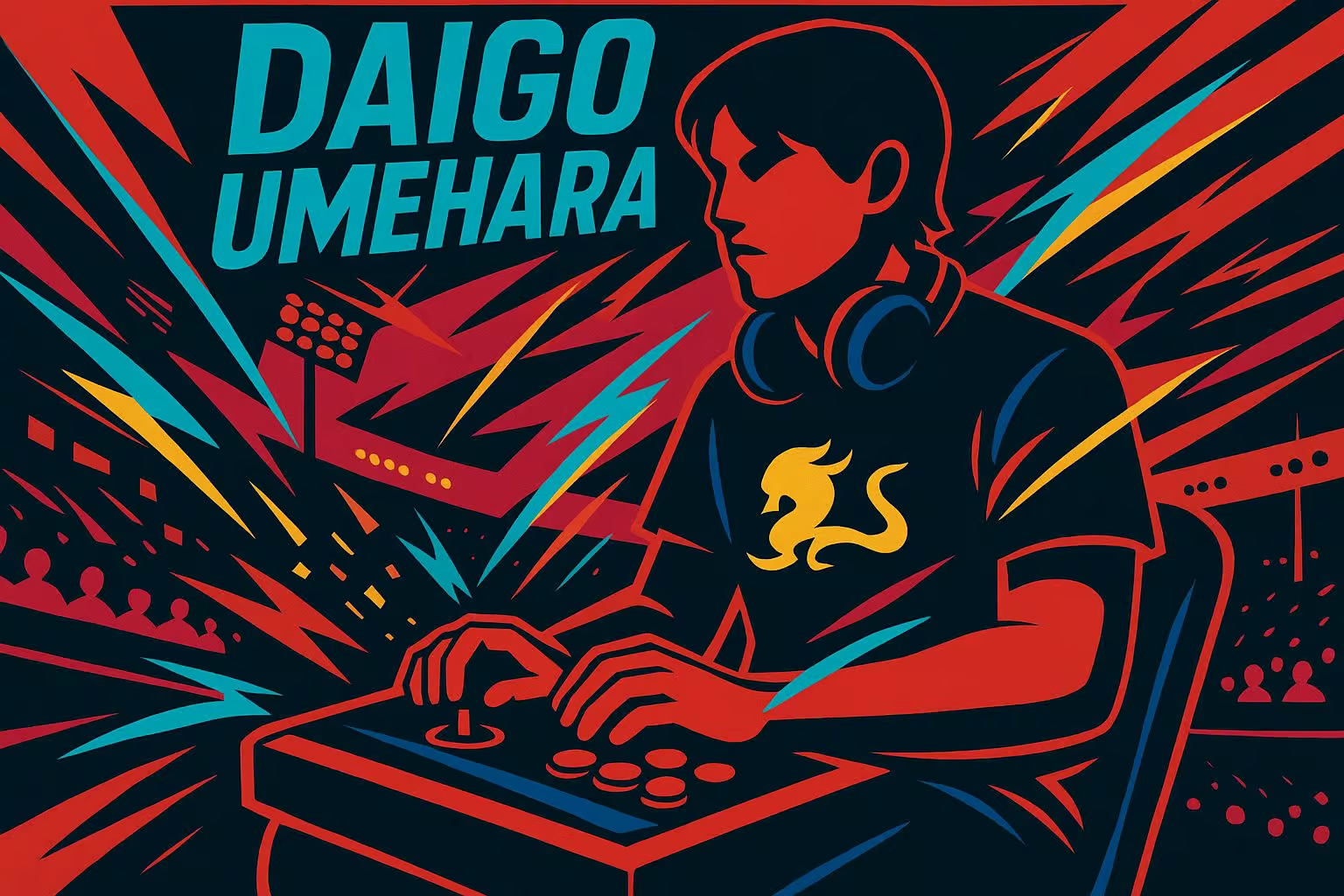
To understand Daigo Umehara, the living legend of fighting games known as “The Beast,” you have to look beyond the wins. You have to look at the moments that defined a genre.
He holds the Guinness World Record for the most wins in major Street Fighter tournaments, a testament to a career built on relentless dedication.
This guide breaks down Daigo’s complete journey. We’ll explore his early days in Japanese arcades, his rise to becoming a global EVO champion, and the mindset that keeps him at the top.
Key Takeaways
Daigo Umehara began his journey at age 10 in Japanese arcades and first gained fame at 13 with a 286-win streak in Vampire Hunter.
He won the national Vampire Savior tournament in 1997 and, on November 8, 1998, defeated Alex Valle in San Francisco to become the first international Street Fighter champion.
Daigo created one of the most iconic moments in esports, “EVO Moment #37,” in 2004 by parrying 15 consecutive hits from Justin Wong‘s Chun-Li with only a single pixel of health remaining.
He cemented his dominance by winning back-to-back EVO championships in Street Fighter IV (2009) and Super Street Fighter IV (2010).
Beyond competing, Daigo gives back to the community through his Beast TV streams, inspiring millions with his book “The Will to Keep Winning,” and donating his $60,000 prize from the 2015 Capcom Pro Tour to the NYU Evo Scholarship.
Table of Contents
How Did Daigo Umehara’s Early Career Begin?
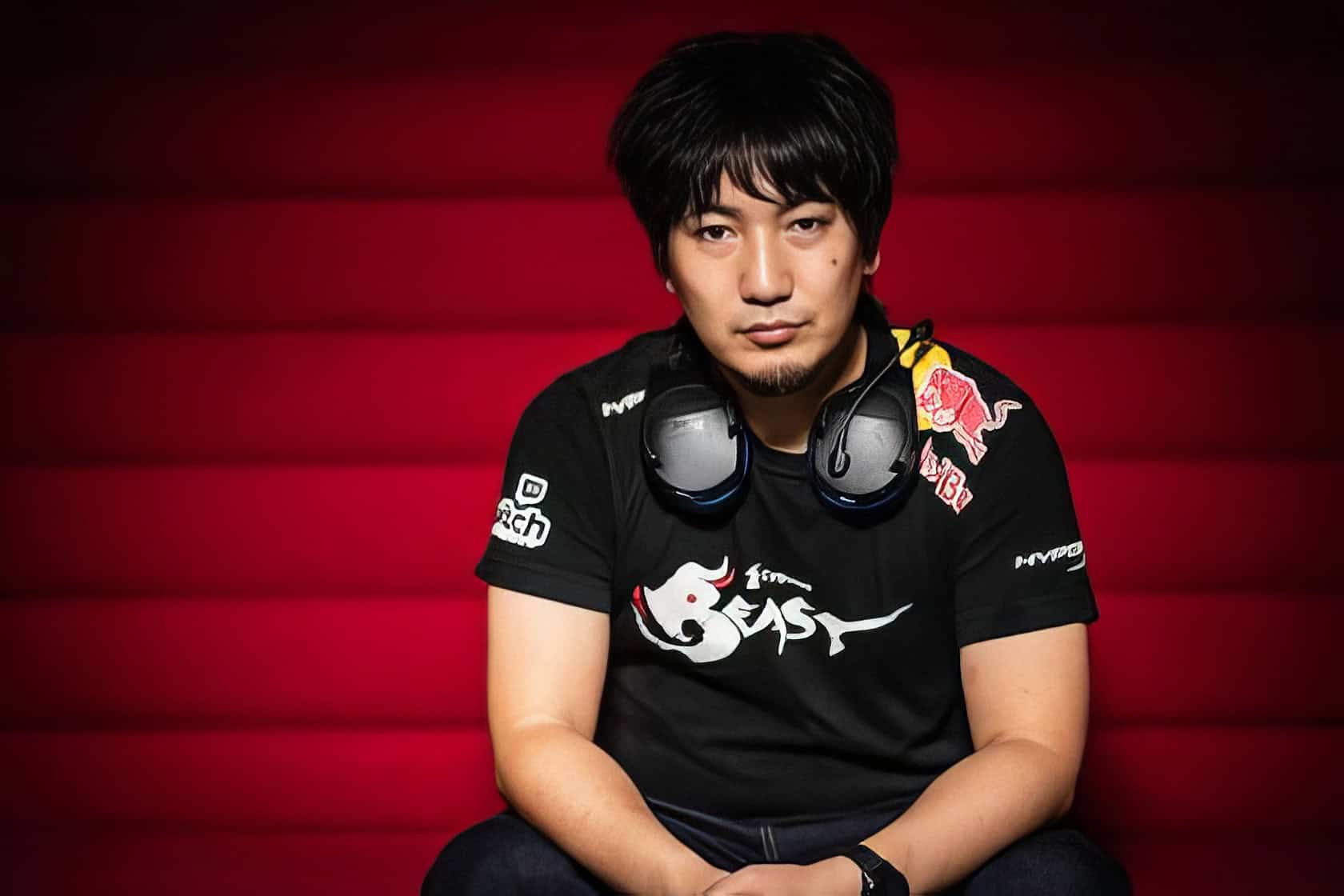
Daigo Umehara started his journey at just 10 years old, honing his skills on Street Fighter II in the competitive arcades of Japan. His natural talent for executing special attacks quickly set him apart, earning him a reputation among local players and paving the way for his entry into major tournaments like the B4 Street Fighter Championships.
How did Daigo start in competitive fighting games?
Daigo Umehara jumped into competitive fighting video games in Japanese arcades at age 10, initially focusing on titles like Street Fighter II and Fatal Fury. By 13, he had switched his main game to Vampire Hunter, where he achieved a legendary 286-win streak under the arcade name “gameinn.”
His first major competition was the GAMEST Cup’s national Vampire Hunter tournament in 1995. Though he didn’t win, his aggressive style and sharp predictive abilities made a strong impression. These early experiences in high-stakes arcade matches were crucial, shaping the analytical and resilient approach he would later apply to games like Super Street Fighter II Turbo and at the prestigious Evolution Championship Series.
If you want to be the best, play like there is no tomorrow.
What was Daigo’s first major tournament success?
At just 16 years old, Daigo won the national Vampire Savior tournament at the GAMEST Cup in 1997, a victory that officially marked his arrival on Japan’s competitive scene. Winning a national title at such a young age was a rare feat that required defeating some of the country’s most established players.
Just one year later, he conquered Capcom’s Street Fighter Zero 3 (Alpha 3) tournament on October 11, 1998. This victory earned him a trip to San Francisco for the Grand Championship finals on November 8, where he faced and defeated American champion Alex Valle. This win didn’t just earn him a title, it made him the first-ever Street Fighter World Champion and set the stage for the now-famous international rivalry between Japan and the US in fighting games.
What Was Daigo’s First International Victory?
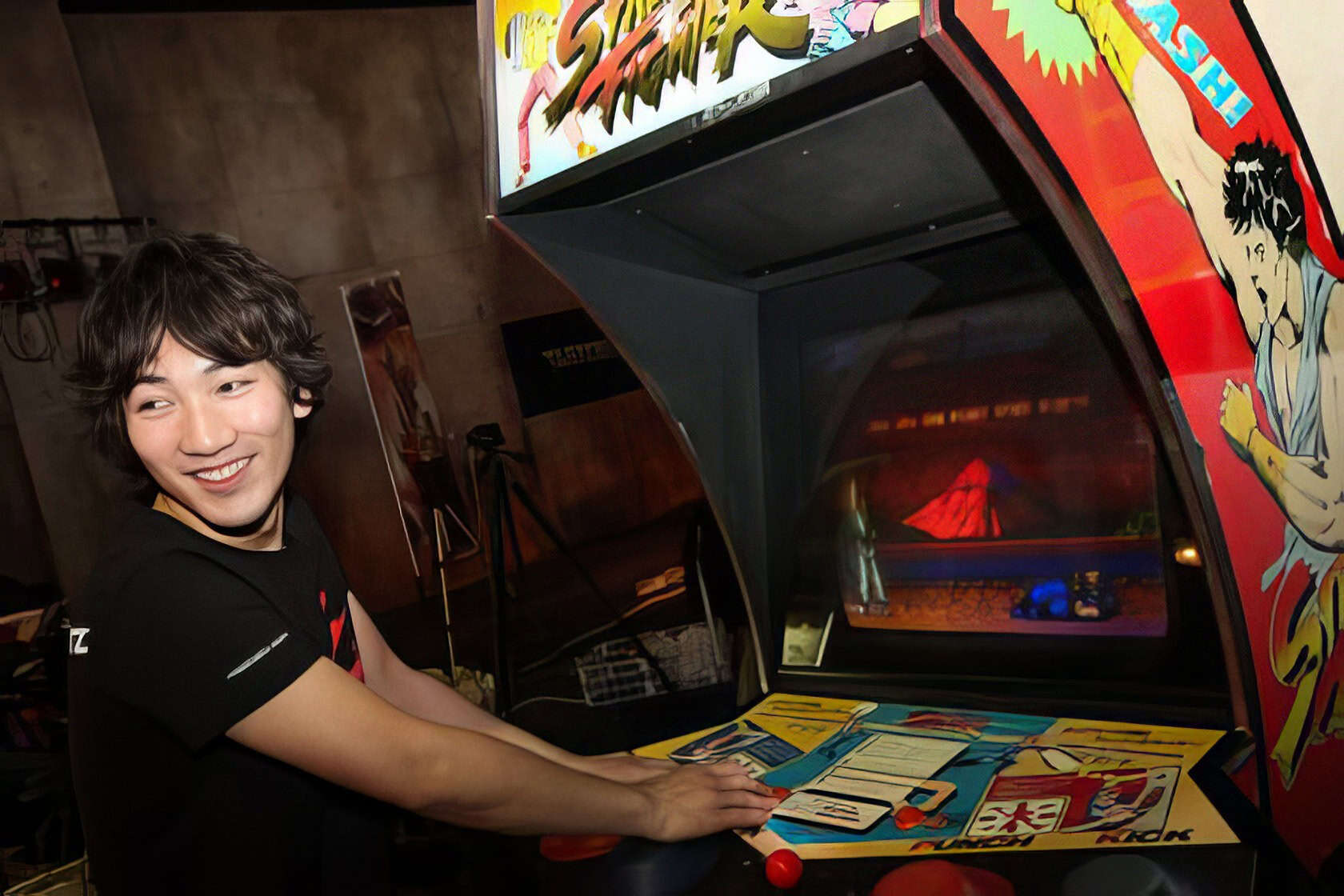
Umehara Daigo solidified his name in gaming history at the Street Fighter Alpha 3 World Championships. In a high-stakes showdown, he faced off against legendary American rivals like Alex Valle and John Choi, proving his skills were world-class.
What happened at the Street Fighter Alpha 3 World Championships?
After winning Capcom’s national Street Fighter Zero 3 tournament in Japan on October 11, 1998, a 17-year-old Daigo flew to San Francisco for the World Finals a month later. There, he faced America’s top player, Alex Valle, in a match that was seen as the first major showdown between the two powerhouse nations of the fighting game community.
Using his signature character, Ryu, Daigo showcased his masterful execution and defeated Valle to become the first international Street Fighter champion. This victory sent a clear message about the strength of Japanese players and ignited a friendly but fierce rivalry that would define international competitions for years, including future Evolution Championship Series and Capcom Cup events.
Who were Daigo’s early rivals?
Alex Valle was Daigo’s first major international rival, with their 1998 match at the Street Fighter Alpha 3 World Championships kicking off the historic U.S. vs. Japan dynamic that energized the community. Back in Japan, Daigo sharpened his skills against formidable arcade opponents like Shinya “Nuki” Ohnuki, particularly in games like Vampire Hunter and Vampire Savior.
Later, Justin Wong emerged as another key American rival, leading to some of the most memorable matches in fighting game history. These intense rivalries were critical to Daigo’s development, pushing him to refine his strategies and maintain his edge on the global stage.
Daigo versus Valle was not just a match, but East meets West.
What is the Story Behind EVO Moment #37?
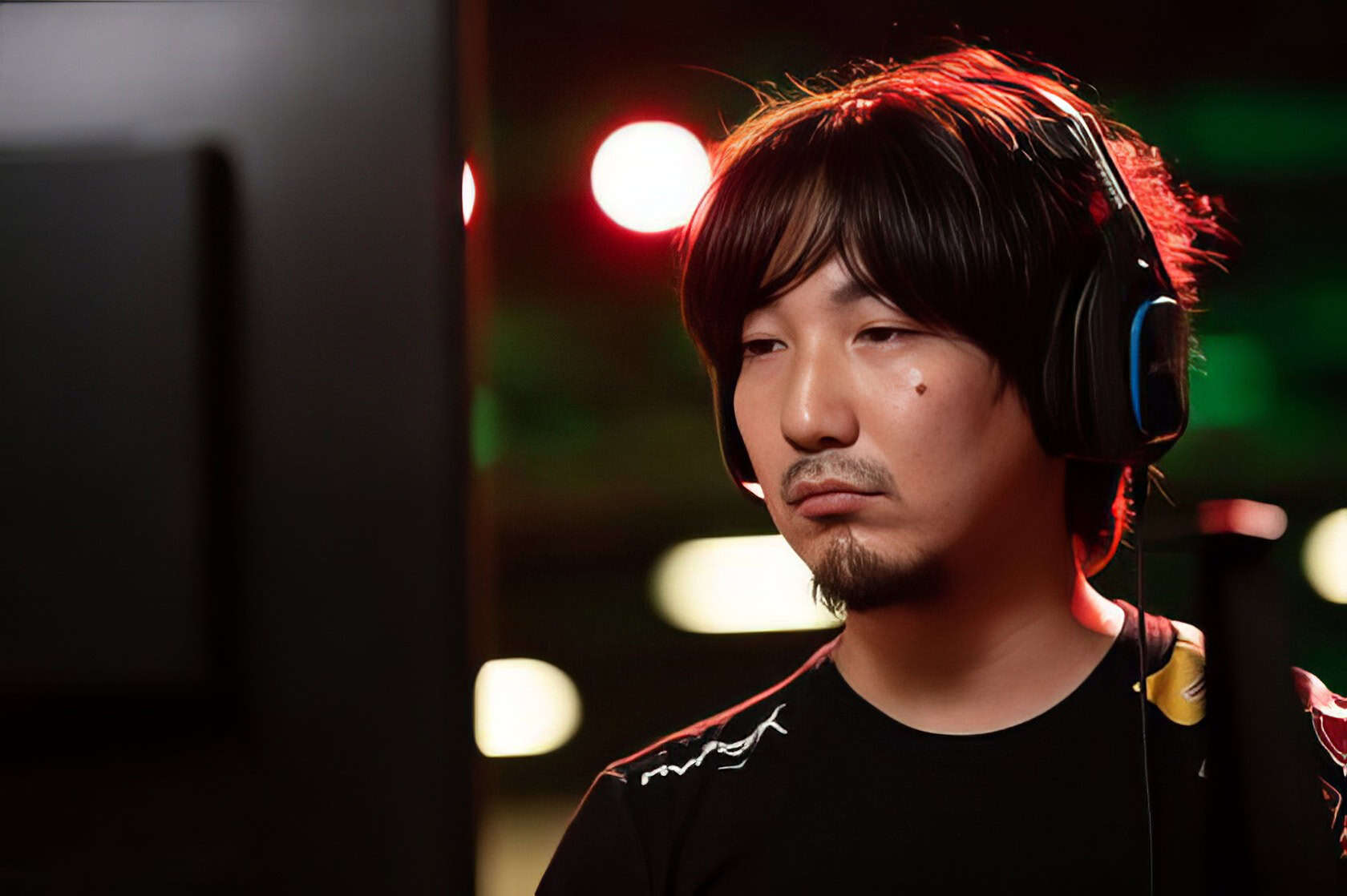
Daigo’s fame exploded during his matches in Street Fighter III: 3rd Strike, especially after his legendary encounter with Justin Wong. This single moment, now known as EVO Moment #37, involved an unbelievable full parry against Chun-Li’s super art and is still considered one of the greatest plays in esports history.
How did Daigo rise to global fame?
Daigo’s ascent to global stardom was fueled by winning championships in multiple games. In 2003, he achieved a historic double victory, winning the Super Street Fighter II Turbo tournaments at both Japan’s Super Battle Opera and the US-based EVO. He was the first player to ever win both prestigious titles in the same game within the same year.
His reputation for unshakable mental fortitude and brilliant strategic play grew with each victory. I remember watching his exhibition matches and seeing a player who was always thinking three steps ahead. However, nothing could prepare the world for what would happen at EVO 2004, a moment so incredible it would make him a household name.
What is the story behind the iconic EVO Moment 37?
At EVO 2004, during the loser’s finals for Street Fighter III: 3rd Strike, Daigo faced his American rival, Justin Wong. With only a single pixel of health left, Daigo was in a seemingly impossible situation. Wong, playing as Chun-Li, unleashed his multi-hit Super Art, an attack that would normally guarantee victory through chip damage even if blocked.
Instead of blocking, Daigo did the unthinkable, he parried all 15 hits of the super. The window to execute a parry in 3rd Strike is a mere ten frames, or about one-sixth of a second, but Daigo executed it perfectly 15 times in a row before launching his own combo to win the match. The crowd’s explosive reaction was a testament to the sheer impossibility of what they had just witnessed.
This clip, uploaded and arbitrarily named “EVO Moment #37,” became a viral sensation and set a Guinness World Record for the most-watched competitive gaming match. More than just a win, the Daigo Parry revitalized the fighting game community, inspiring a new generation of players and cementing Daigo’s legacy as “The Beast.”
How Did Daigo Dominate the Street Fighter IV Era?
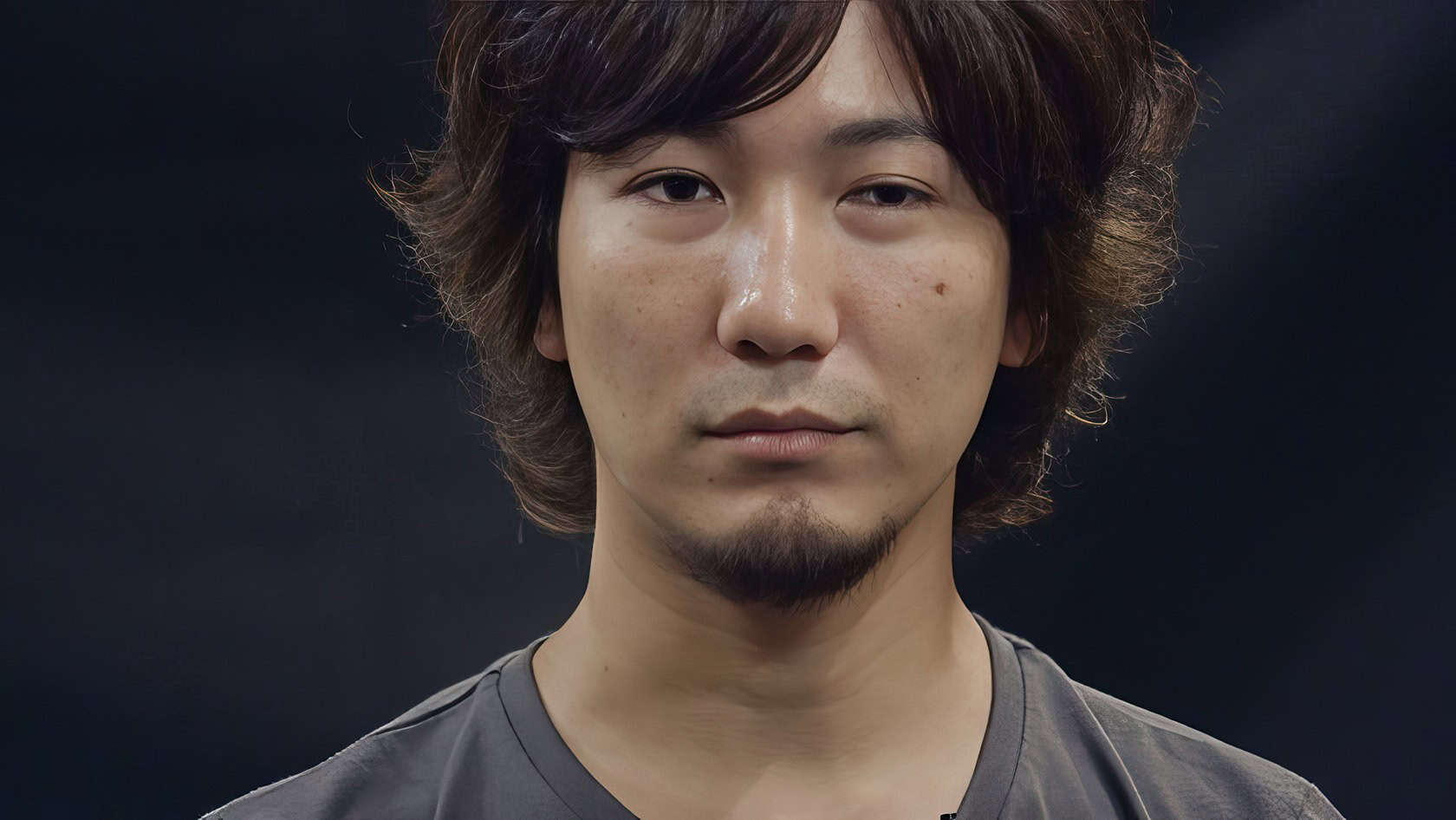
During the Street Fighter IV era, Daigo Umehara demonstrated his mastery with characters like Evil Ryu and Guile at major events like the Capcom Cup and NorCal Regionals. His intense matches against elite players such as Momochi and Infiltration captivated audiences worldwide and defined a golden age of competitive Street Fighter.
What was Daigo’s impact during the Street Fighter IV era?
When Street Fighter IV was released, Daigo returned to the competitive scene in July 2008 and immediately re-established his dominance. He secured a decisive victory at the GameStop Street Fighter IV National Tournament in 2009, defeating top players like Justin Wong and Poongko.
His winning streak continued as he claimed back-to-back championships at EVO 2009 for Street Fighter IV and EVO 2010 for Super Street Fighter IV. His EVO 2010 performance was particularly memorable, as over 48,000 people watched online as he went undefeated through the entire tournament.
During this period, Daigo’s incredible skill and high-profile victories brought massive attention to the fighting game community, contributing significantly to the growth of esports. He also began sharing his insights by writing a column for Japan’s popular Arcadia magazine, further solidifying his role as a leader in the scene.
Which major tournaments did Daigo win?
Daigo’s dominance in the Street Fighter IV era is marked by a long list of prestigious tournament victories. His ability to perform under pressure on the world’s biggest stages cemented his reputation as “The Beast.”
- EVO 2009: He took first place in Street Fighter IV, famously defeating Justin Wong in the grand finals.
- EVO 2010: Daigo became a back-to-back champion by winning the Super Street Fighter IV tournament.
- Season’s Beatings 2009: He demonstrated his versatility by winning both Super Street Fighter II Turbo HD Remix and Street Fighter IV.
- World Game Cup 2010: Competing in France, he won the 2-on-2 team event and secured second place in singles.
- Topanga Championships: Daigo claimed multiple titles at this prestigious Japanese league throughout the era.
- Capcom Pro Tour: He was a consistent top performer at CPT Premier tournaments worldwide.
How did Daigo dominate the fighting game community?
Daigo’s dominance stems from a combination of unparalleled skill and a groundbreaking analytical approach. His ability to read opponents’ intentions with near-psychic accuracy allowed him to develop counter-strategies on the fly, a style that left even elite players paralyzed. This is best exemplified by his record-setting 15 major Street Fighter tournament wins, an achievement recognized by Guinness World Records.
Beyond his in-game prowess, Daigo has been a pillar of the community. He launched his Beast TV streams to mentor aspiring players, breaking down complex strategies for games like Street Fighter V and SSFII. His influence is so profound that he has inspired everything from community-led initiatives to official comics from Udon Entertainment.
How Has Daigo Adapted to New Challenges?
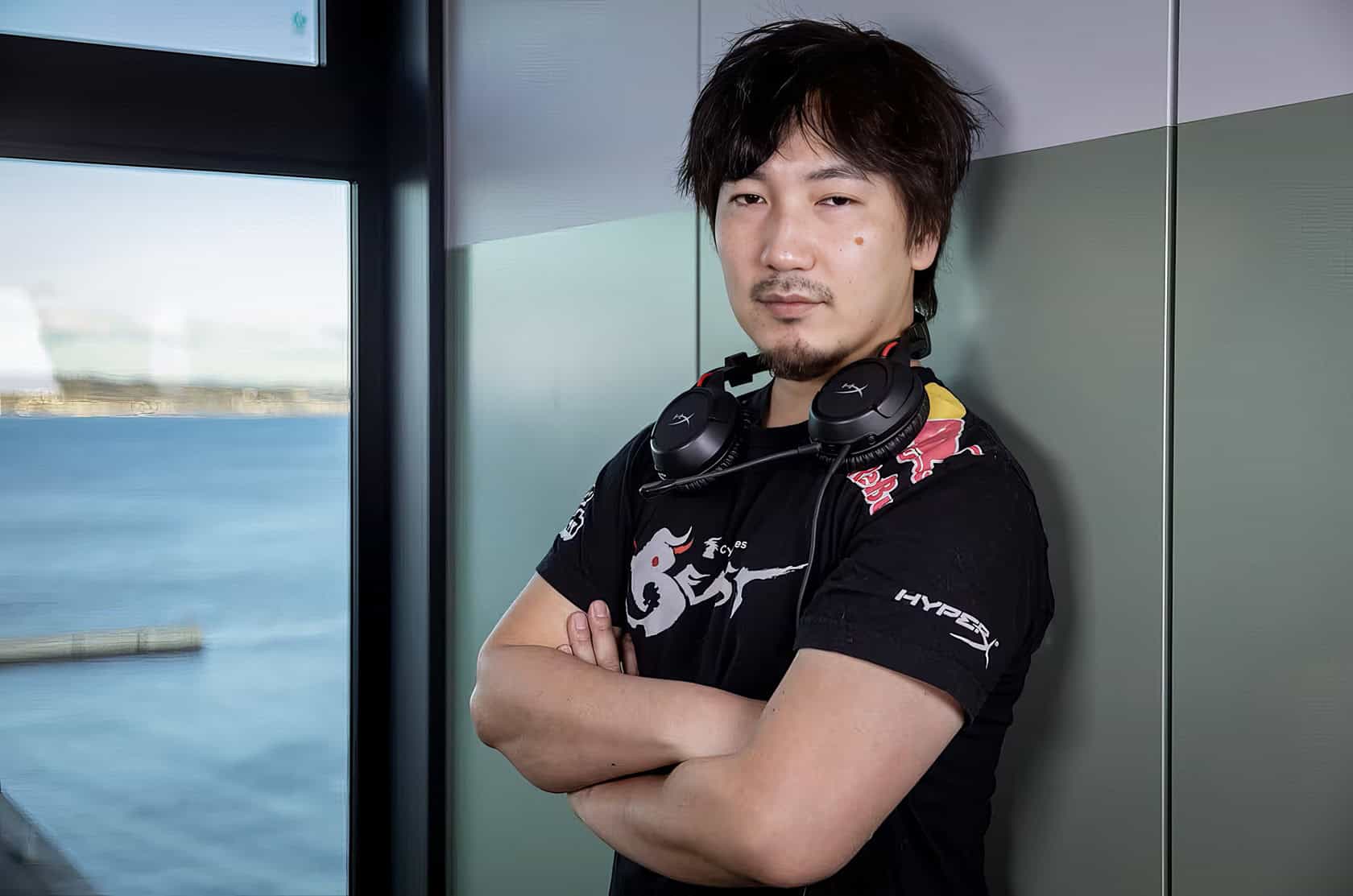
As the competitive landscape shifted with the release of Street Fighter V, Daigo faced new tests. He navigated the changing meta by refining his skills with classic characters like Ryu and Guile, consistently proving his ability to adapt and compete at the highest level in each Capcom Cup season.
How did Daigo transition to Street Fighter V?
Daigo transitioned to Street Fighter V in February 2016, initially sticking with his signature character, Ryu. However, after major balance changes in the game’s Season 2 update, he strategically switched to Guile to remain competitive at the highest level. This decision proved wise, as he continued to secure high placements in numerous tournaments under his online name, “daigothebeastv.”
On March 1, 2017, he secured a major sponsorship with Cygames, leading to the formation of his own professional team, “Cygames Beast.” Through it all, he remained a community leader, using his Beast TV streams to guide players through SFV’s complexities and advocating for technical changes, like adjusted input lag, to improve the online and offline play experience for everyone.
How has Daigo adapted to meta changes?
Daigo’s ability to adapt is a key reason for his incredible longevity. In Street Fighter V, he demonstrated this by shelving his iconic Ryu in favor of Guile when the game’s meta shifted, a move that kept him in contention for titles like the Capcom Cup 2016. He treats the game like a science, using frame data tools and studying match footage of rivals to deconstruct their playstyles.
Instead of relying on past success, he constantly seeks improvement, even employing coaches for feedback. This commitment to evolution was highlighted in 2025 when he discussed the complexities of Street Fighter 6, noting that what’s “strong” now changes depending on the opponent, requiring a deeper level of psychological gameplay than previous titles. This willingness to learn and evolve is what keeps him a threat in any game.
What are Daigo’s notable recent wins?
Even decades into his career, Daigo Umehara continues to be a formidable presence in the fighting game community. His recent performances in Street Fighter V and Street Fighter 6 show that his strategic mind and flawless execution are as sharp as ever.
- CPT 2021 Online Japan 3: Daigo took first place, showcasing his masterful Guile play against Kawano.
- CPT 2020 Online Asia East #1: He defeated his rival Fuudo, once again using Guile to control the pace of the match.
- FAV CUP 2022: Daigo secured another victory, demonstrating his consistent and methodical playstyle.
- Gamers8 2023 (SF6): He earned a top-12 finish at this massive tournament, winning a $10,000 prize and proving his quick adaptation to the new game.
- Battle of BC 6 (SF6) 2024: Daigo finished in a strong second place.
These results, along with consistent high placings at events like the Topanga Championship and Red Bull Kumite, prove that “The Beast” remains a top contender on the global stage.
What Are Daigo’s Contributions to Fighting Games?
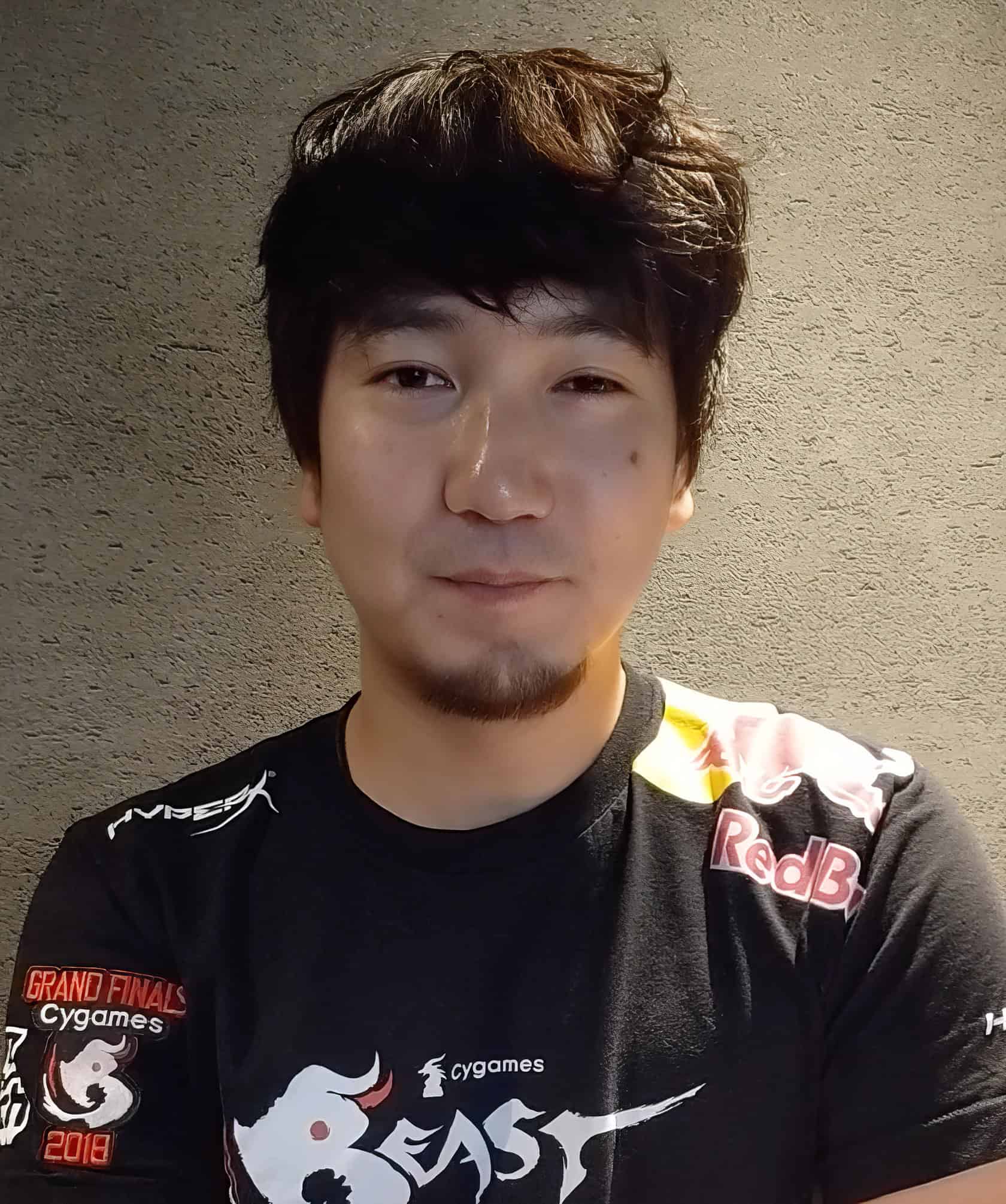
Daigo Umehara has fundamentally changed how people approach fighting games. His innovative strategies and unwavering sportsmanship have shaped the competitive scene, inspiring countless players across the globe to pursue excellence.
How has Daigo influenced the evolution of competitive fighting games?
Daigo’s influence is immeasurable, starting with EVO Moment #37 in 2004. That single play did more than win a match, it inspired a generation of players and brought global attention to the fighting game community, helping transform tournaments like EVO into the massive events they are today.
He is also a community leader who invests in its future. In 2015, he donated his entire $60,000 second-place prize from the Capcom Pro Tour Finals to the NYU Evo Scholarship, a fund established to help students study game design at NYU’s Tisch School of the Arts. Through his actions and his book, “The Will to Keep Winning,” he has elevated the standards of sportsmanship and professionalism in esports.
What impact has Daigo had on game strategy and play style?
Daigo fundamentally shifted the strategic thinking in fighting games away from pure execution and toward a more analytical, psychological approach. His matches demonstrate the importance of adapting to an opponent’s habits in real-time. He popularized a patient, defensive style known as “zoning,” using projectiles and precise spacing to control the flow of a match.
His meticulous preparation and focus on mental toughness have professionalized the way players train. Thanks to his example, top competitors now treat fighting games like any other professional sport, dedicating countless hours to studying opponents, practicing specific scenarios, and seeking coaching to gain a competitive edge.
What Defines Daigo’s Play Style?
Daigo’s play style is a masterclass in calculated aggression and psychological warfare. He is renowned for his uncanny ability to read his opponents, his impenetrable defense, and the explosive reactions that have earned him the nickname “The Beast.”
How does Daigo use an analytical approach in gameplay?
Daigo treats every match like a puzzle to be solved. He meticulously studies frame data and analyzes gameplay trends to understand the mathematical fabric of the game. He is known for identifying an opponent’s patterns and habits, categorizing their play style, and then exploiting their weaknesses with calculated precision.
Even his most famous moment, the EVO Moment #37 parry, was a product of this analytical mindset. It required not only flawless execution but also a deep understanding of the game’s mechanics and an incredible read on his opponent under immense pressure. He views every loss as a learning opportunity, dissecting his mistakes to refine his strategy for the next encounter.
What are Daigo’s signature moves and strategies?
While the full parry from EVO Moment #37 is his most famous technique, Daigo’s signature style is built on a foundation of flawless fundamentals.
He is a master of zoning, a strategy where he uses characters like Ryu or Guile to control space with projectiles, keeping opponents at an optimal distance where he can react to their actions. His spacing is so precise that he can force opponents into making mistakes.
Another key element of his style is his legendary mental fortitude. I’ve watched him in countless high-pressure situations, and his ability to remain calm and make optimal decisions is second to none. This allows him to mount incredible comebacks by making sharp reads and perfectly timed counters when his opponents are most vulnerable.
Which Games Has Daigo Played Competitively?
While best known for Street Fighter, Daigo Umehara‘s competitive career spans multiple iconic fighting game franchises, including Guilty Gear and Vampire Savior. His ability to achieve championship-level success across different games demonstrates his incredible adaptability and deep understanding of the genre.
| Game Series | Notable Achievements |
|---|---|
| Street Fighter II | This is where his journey began in Japanese arcades, building the foundational skills for his entire career. |
| Vampire Savior/Hunter | Won the 1997 GAMEST Cup National Tournament; achieved a 286-win streak in Vampire Hunter. |
| Street Fighter Alpha 3 | Became the first international Street Fighter champion by defeating Alex Valle in 1998. |
| Street Fighter III: 3rd Strike | Site of the legendary EVO Moment #37; won the Super Battle Opera (SBO) championship in 2005. |
| Street Fighter IV | Won back-to-back EVO championships in 2009 and 2010. |
| Street Fighter V | Won multiple Capcom Pro Tour events and adapted his character choice to the evolving meta. |
| Guilty Gear XX | Won back-to-back EVO championships in 2003 and 2004, proving his mastery extended beyond Capcom titles. |
| Capcom vs. SNK 2 | Competed at a high level, showcasing his ability to master complex team-based fighters. |
What Media Features Daigo Umehara?
Daigo Umehara‘s legendary career has been chronicled in numerous documentaries, interviews, and online videos, offering fans an inside look at the mind of a champion. He has also shared his philosophy on competition and life in his best-selling book and a manga series based on his journey.
What interviews and documentaries feature Daigo Umehara?
Daigo’s journey has been captured in several insightful documentaries that explore his mindset and impact on the esports world.
- “Living the Game” (2016): This documentary provides an intimate look at the lives of top fighting game players, including Daigo, as they navigate the pressures of high-level competition.
- “Mind of a Beast” (2016): A Red Bull documentary that breaks down Daigo’s thought process during matches, combining tournament footage with his own analysis.
- “The Art of Street Fighting” (2017): Another Red Bull feature that profiles Daigo’s unique play style alongside other legendary players.
- Japanese Harvard Business Review: In a 2016 issue, Daigo was featured in a twelve-page interview where he discussed his career strategies and mental approach to sustained excellence.
Where can you find Daigo’s featured videos and streams?
You can keep up with Daigo’s latest matches and get insights directly from the legend himself across several online platforms.
- Official YouTube Channel: This is a great resource for match highlights, tournament footage, and gameplay guides.
- Twitch.tv: Daigo regularly streams live gameplay and practice sessions, often interacting with viewers in the chat.
- Mildom: He also streams on this popular Japanese platform for his local fanbase.
- Tournament Archives: Channels for major events like the Evolution Championship Series and the Capcom Pro Tour host archives of his most famous tournament matches.
- Red Bull Esports: Their website and YouTube channel frequently feature exclusive interviews and highlight reels of Daigo.
For a broader collection of esports content, you can explore platforms that aggregate streams and videos, such as those detailing where people watch esports.
What Is Daigo’s Philosophy in His Book?
In his book, “The Will to Keep Winning,” Daigo Umehara shares the powerful mindset that has kept him at the pinnacle of competitive gaming for decades. It offers readers a unique glimpse into the philosophy of a true champion.
What is “The Will to Keep Winning” about?
“The Will to Keep Winning” is Daigo’s autobiography, first released in Japan on April 2, 2012, where it quickly became a bestseller. The book delves into the mindset required for sustained success, arguing that true victory comes from focusing on personal growth rather than just the outcome of a match.
He shares candid stories from his career, including the lead-up to Evo Moment #37, and explains his philosophy on practice, resilience, and maintaining passion. One of his core principles is that fixating on winning can actually prevent you from winning consistently. The book’s lessons on dedication and self-improvement are designed to be applicable not just to gaming, but to any competitive field.
What insights does Daigo share about competitive gaming?
Daigo teaches that true mastery in fighting games is a mental marathon, not a sprint. He believes that long-term success is built on a foundation of continuous self-improvement and embracing failure as a necessary part of the learning process.
“If you’re fixated on winning, you’ll be incapable of doing so consistently.”
He advocates for quality, focused practice over mindless grinding and stresses the importance of developing sustainable daily routines. He also encourages players to challenge conventional strategies and develop their own unique style. This philosophy is central to his longevity, allowing him to adapt and thrive through multiple generations of fighting games and players.
What Achievements and Records Does Daigo Hold?
Daigo Umehara‘s cabinet of achievements is a testament to his unparalleled skill and longevity in the world of fighting games. From setting world records to dominating the biggest tournament series, his accomplishments have solidified his status as a true icon.
What EVO wins and records does Daigo hold?
Daigo Umehara holds an incredible six EVO Championship Series titles, making him one of the most decorated players in the tournament’s history.
- EVO 2003: Won in both Super Street Fighter II Turbo and Guilty Gear XX.
- EVO 2004: Won again in both Super Street Fighter II Turbo and Guilty Gear XX.
- EVO 2009: Crowned champion of Street Fighter IV.
- EVO 2010: Became the back-to-back Super Street Fighter IV champion.
He also holds a Guinness World Record for being the most successful player in major Street Fighter tournaments. His iconic comeback against Justin Wong, “EVO Moment #37,” is also recognized by Guinness as the “Most Viewed Fighting Videogame Match.”
Which other major tournament titles has Daigo earned?
Beyond his legendary run at EVO, Daigo has conquered nearly every other major tournament in the fighting game community. His victories across different continents and eras demonstrate his consistent excellence.
- Super Battle Opera (SBO): He is a two-time SBO champion, winning for Super Street Fighter II Turbo in 2003 and Street Fighter III: 3rd Strike in 2005.
- Street Fighter Alpha 3 World Championship (1998): His victory here marked the first time a Japanese player won a major international Street Fighter title.
- Capcom Cup 2015: He took second place, earning $60,000 which he famously donated to charity.
- Stunfest 2015: Took first place at one of Europe’s most prestigious tournaments.
- Topanga World League: He has won this elite Japanese league on four separate occasions.
- Canada Cup Masters Series (2015): Added another international title to his resume.
What Is Daigo Umehara’s Enduring Legacy?
Daigo Umehara‘s legacy extends far beyond his tournament wins. His influence is woven into the fabric of the fighting game community, where his strategic innovations, unwavering sportsmanship, and dedication to growth continue to inspire players of all levels.
How has Daigo influenced the fighting game community?
Daigo professionalized the art of competitive Street Fighter. His analytical approach and dedication to practice set a new standard for what it means to be a top player. More importantly, he has consistently acted as an ambassador for the community, fostering a welcoming environment for newcomers while pushing veterans to new heights.
His donation of his $60,000 prize from the 2015 Capcom Cup to the NYU Evo Scholarship is a perfect example of his commitment to giving back. In a letter explaining the donation, he stated, “I would not have existed without community and I owe you.” This act solidified his role not just as a champion, but as a pillar of the entire esports ecosystem.
In what ways has Daigo inspired future generations?
Daigo’s story is a powerful example of how dedication can lead to sustained excellence. His book, “The Will to Keep Winning,” has become essential reading for aspiring competitors, teaching valuable lessons on mental strength and the importance of focusing on growth over results.
His legendary “EVO Moment #37” continues to be one of the most inspirational moments in esports history, showing new players that a match is never over until the final hit. As he continues to compete in Street Fighter 6, he bridges the gap between generations, proving that experience and an adaptive mindset can still compete with the youthful reflexes of today’s top pros.
How Will Daigo’s Legacy Evolve in 2025?
In 2025, Daigo Umehara‘s legacy continues to evolve as he remains an active and formidable competitor in Street Fighter 6. While he may be one of the scene’s veterans, his constant adaptation and deep understanding of the game keep him in the conversation at major tournaments.
He recently reflected on this, noting that Street Fighter 6 might be the “last stand” for the old guard against the new generation of players. His continued presence on the world stage serves as a living inspiration.
Beyond competition, his influence grows through his mentorship on streams and the ongoing impact of his philanthropic efforts like the Evo Scholarship. He is no longer just a player, he is a foundational figure whose philosophy on competition and personal growth will shape the fighting game community for years to come.
People Also Ask
Who is Daigo Umehara, and why do people call him “The Legendary Beast”?
Daigo Umehara is a professional Japanese fighting game player, widely considered one of the greatest of all time and recognized by Guinness World Records for his tournament success. Fans call him “The Beast” due to his aggressive playstyle and a legendary comeback at the EVO 2004 tournament, a moment so iconic it helped define his career.
What are some highlights from Daigo Umehara’s complete fighting game journey?
His journey is famously highlighted by “Evo Moment #37,” where he parried 15 consecutive hits from his rival Justin Wong’s super move to win a match with only a sliver of health remaining. He is a six-time EVO champion across multiple Street Fighter titles and was one of the first globally recognized professional gamers, securing major sponsorships with brands like Mad Catz and Red Bull.
How did Daigo Umehara change the world of competitive gaming?
He helped legitimize esports by becoming one of Japan’s first professional gamers and demonstrating that a long-term career in competitive gaming was possible. His incredible skill, particularly the viral “Evo Moment #37,” drew massive mainstream attention to the fighting game community, inspiring a new generation of players and contributing to the growth of major tournaments.
Which games made Daigo Umehara famous during his career?
While he first gained a reputation in Japanese arcades with games like Vampire Hunter and Street Fighter Alpha 3, his international fame exploded with Street Fighter III: 3rd Strike and was cemented by his long-running dominance in Street Fighter IV and Street Fighter V.
References
https://kids.kiddle.co/Daigo_Umehara
https://liquipedia.net/fighters/Daigo_Umehara (2025-07-21)
https://www.redbull.com/us-en/athlete/daigo-umehara-street-fighter-official-athlete-page
https://en.wikipedia.org/wiki/Daigo_Umehara
https://www.espn.com/esports/story/_/id/17391663/daigo-jwong-legacy-street-fighter-moment-37 (2016-08-25)
https://www.rollingstone.com/culture/rs-gaming/evo-moment-37-esports-real-story-1235061310/ (2024-07-20)
https://www.eventhubs.com/news/2023/dec/26/daigo-umehara-street-fighter-tetris/ (2023-12-26)
https://www.redbull.com/us-en/seven-questions-with-daigo-the-beast-umehara (2017-02-18)
https://www.espn.com/esports/story/_/id/18266197/street-fighter-v-daigo-beast-umehara-mission-save-street-fighter (2016-12-12)
http://www.vaccination.gov.ng/browse/oIe1NN/278049/The-Will__To_Keep__Winning-Daigo-Umehara_2.pdf
https://www.fightersgeneration.com/news1/daigo-may22.htm (2022-05-17)
https://www.eventhubs.com/news/2025/aug/12/daigo-future-fighting-games/ (2025-08-12)
https://stuchiu.medium.com/breaker-of-cycles-the-beast-the-icon-daigo-umehara-5c5979222150
https://www.redbull.com/us-en/films/mind-of-a-beast
https://www.youtube.com/c/DaigotheBeasTV/videos
https://x.com/daigothebeast?lang=en
https://www.scribd.com/document/895315030/The-Will-to-Keep-Winning-PDF
https://www.thegamer.com/daigo-the-beast-umehara-interview-evo-las-vegas-2025-fighting-games-fgc-evo-moment-37/ (2025-08-13)
https://www.theverge.com/2017/7/5/15923326/daigo-the-beast-umehara-fighting-gamers-manga