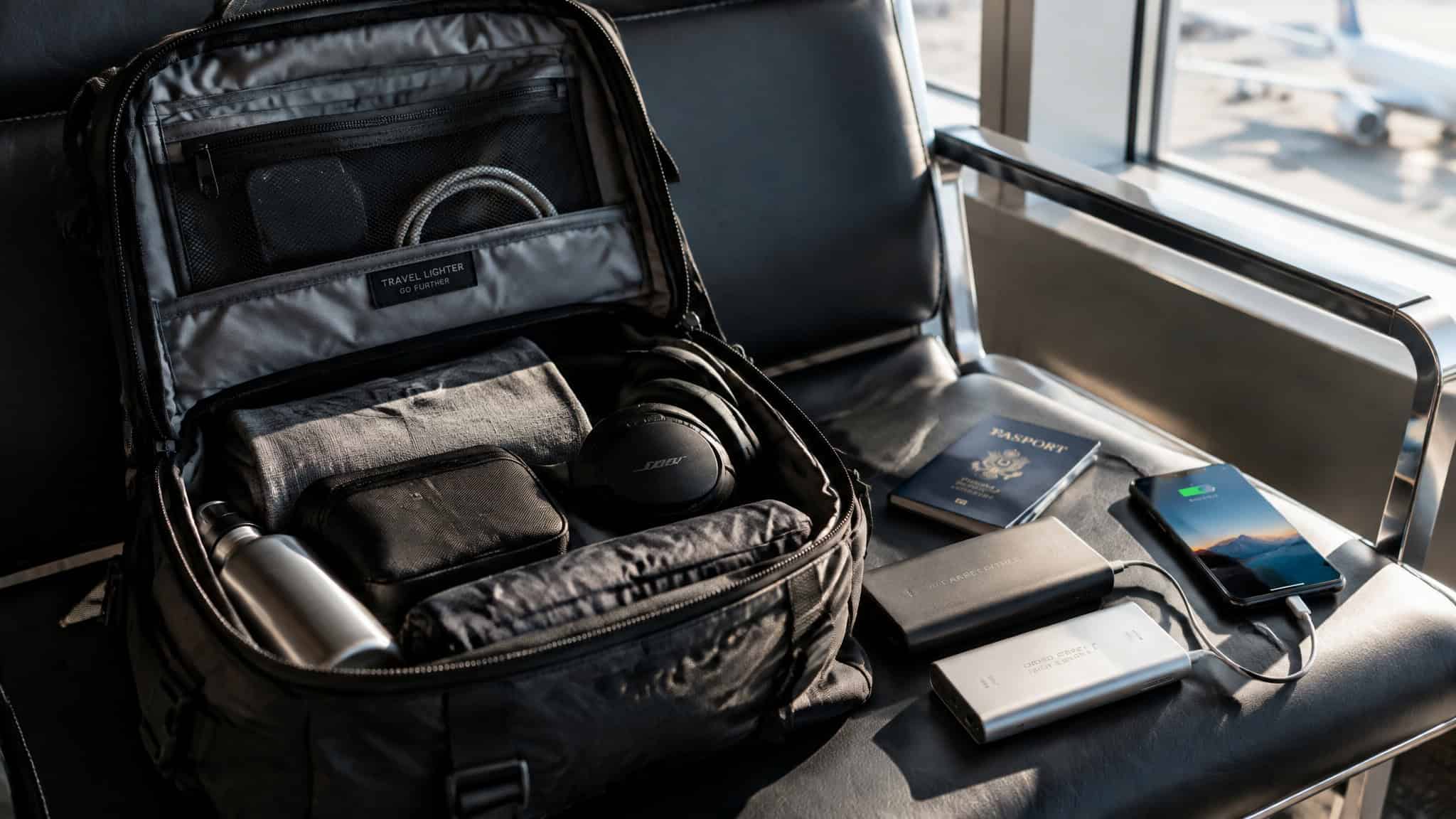
Every “best Reddit travel hacks” listicle does the same thing: it finds an upvoted comment and calls it verified. Upvotes aren’t evidence. They’re popularity. A hack with 40,000 upvotes and a hack that collapsed the first time someone tried it can look identical in a roundup.
So this one’s sorted differently. I pulled the recurring tips from r/travelhacks, r/travel, r/digitalnomad, and r/onebag, then sorted everything into three buckets: hacks that testing approved, hacks that testing busted, and hacks that remain plausible but unverified. The approved and busted calls come from a hack-testing video series that actually ran these things, not from my own lab. I read the threads and watched the testing. Here’s what survived.
Key Takeaways
Reddit’s most-recommended travel gadget isn’t one gadget, it’s two: carry two slim power banks so one is always full, and your phone, your lifeline for maps, tickets, and translation, never dies.
Four free hacks passed real-world testing: pre-flight hydration, the tennis-ball back massage, running the AC fan to keep hotel bugs away, and TripIt Pro‘s delay alerts.
Two popular hacks got busted in testing: asking a librarian for local recommendations (they steered testers to tourist traps) and the neck-pillow packing trick (failed on comfort, “less is more”).
Travel rewards cards are worth it if you can use transferable points, and Global Entry/TSA PreCheck fee credits on cards like the Chase Sapphire Preferred make expedited airport entry nearly free.
Table of Contents
| Exact model | Observed price (Sep 16, 2026) | Decisive documented advantage |
|---|---|---|
| AirFly Pro 2 Deluxe | $59.99 | AirFly Pro 2 Deluxe: Bluetooth adapter for in-flight entertainment systems; $59.99 |
| Anker Nano Travel Adapter | $25.99 | Universal travel adapter recommended by Reddit users |
| Solis Hero 4G Hotspot | $129.99 | Works in 140+ countries with 10GB global data, connecting up to 10 devices |
Prices are observed prices on the linked pages as of Sep 16, 2026 and change with promotions; the linked product page is always the current source.
Observed prices
Observed prices run $84, $188 across 1 source (checked Wednesday, September 16, 2026). Sources: wooland.com.
Two power banks: the most Reddit-recommended travel gadget
Reddit’s most-recommended travel gadget is a pair of slim power banks, not one. The r/travelhacks logic: Sometimes they are slow to charge… so one will always be full. A dead phone means losing maps, tickets, and translation all at once, which is exactly what the spare bank prevents.
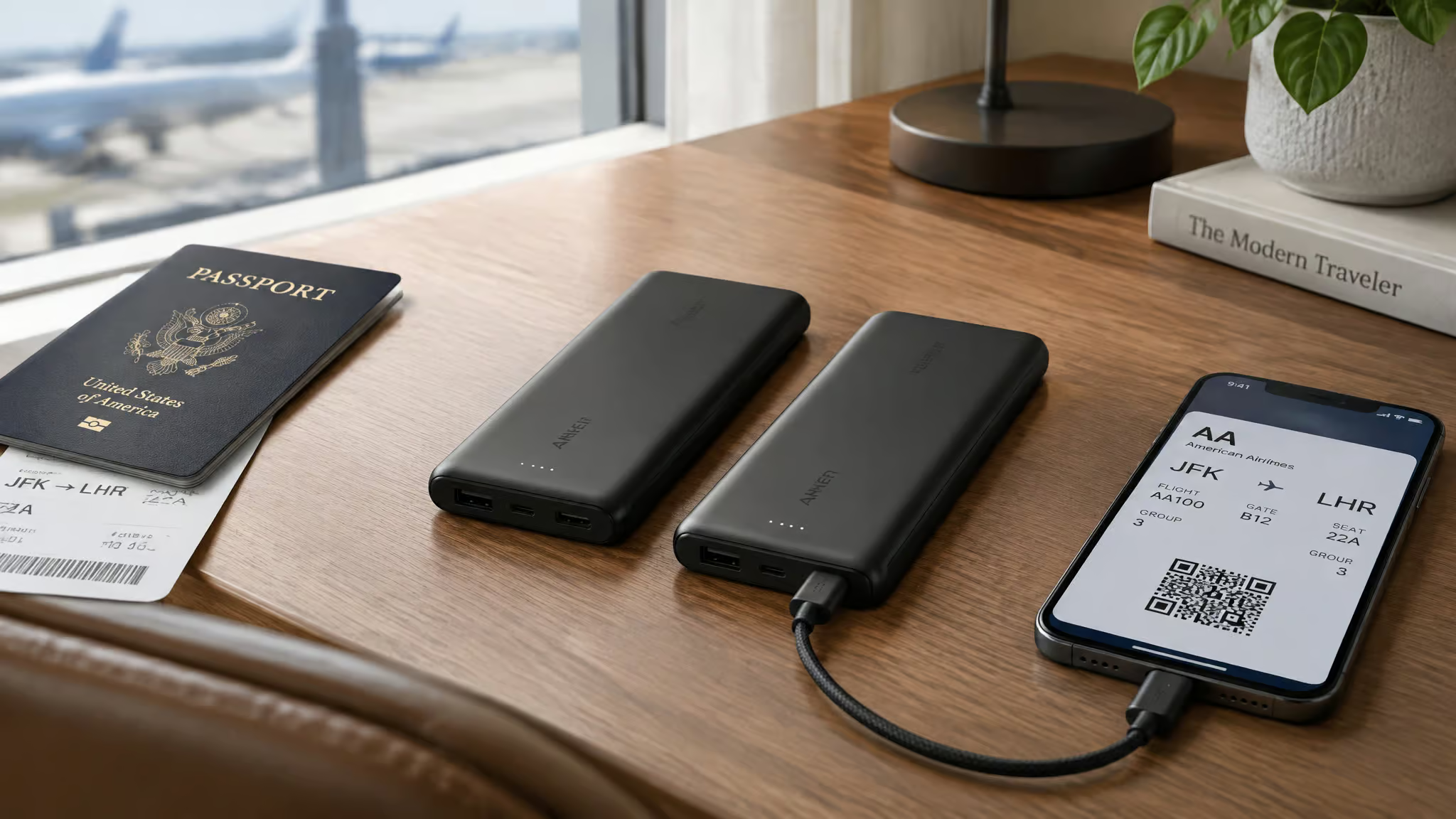
That’s the whole hack. One bank is dead or charging while the other is topped off, so you’re never stuck at a gate at 11 p.m. with 4% battery and a boarding pass living in an app. Your phone runs maps, hotel bookings, transit tickets, translation, everything. If it dies, the trip gets harder in about six different ways at once.
If you want a specific pick, the FancyBean Portable Charger runs $24.95, sits at 4.6 stars with roughly 1,000 reviews, and is exactly the kind of slim brick this hack assumes. Buy two. You’re out about fifty bucks and you’ve solved the single most common travel failure.
Here’s the stack, with the rest of the gear Reddit actually recommends:
| Gadget | Price | Why it’s on the list |
|---|---|---|
| Two slim power banks (e.g. FancyBean) | $24.95 each | One’s always full; phone never dies |
| Noise-canceling headphones | $119.99, $359 | Kills cabin drone on long flights |
| AirFly Pro 2 Deluxe | $59.99 | Bluetooth audio from seatback screens |
| Anker Nano Travel Adapter | $25.99 | One adapter, multiple plug standards |
| Solis Hero 4G hotspot | $129.99 | Data in 140+ countries |
Prices may vary, but nothing here is exotic. It’s all boring, functional, and recommended repeatedly by people who fly constantly.
Noise-canceling headphones for long flights
Cabin drone is what wrecks long flights, and noise-canceling headphones are the fix. Not the crying baby, not the chatty row, the constant low-frequency roar that leaves you fried after eight hours.
Reddit endorses three tiers, so pick by budget. The Bose QuietComfort sits at the top at $359 with 18,600+ reviews backing it up. The Beats Studio Pro drops to $169.95. And AirPods 4 come in at $119.99 if you want the cheapest entry that still cuts the drone.
None of these is a wrong answer. It’s a buy-tier decision, not a sales pitch: pay more, get more silence, but even the cheapest tier beats suffering through a transatlantic flight with earbuds from the gas station.
AirFly Pro 2 Deluxe: Bluetooth for seatback entertainment
The AirFly Pro 2 Deluxe from Twelve South runs $59.99 and pipes seatback entertainment audio into your own Bluetooth headphones. Airlines still wire their armrests for 1985, so the adapter plugs into the jack and transmits to whatever’s on your head.
It pairs naturally with the headphone investment above. The two purchases solve one problem together: the headphones kill the cabin noise, the AirFly routes the movie audio into them. Buy both and you’ve got a proper in-flight setup with zero airline cooperation required.
Anker Nano Travel Adapter
The Anker Nano Travel Adapter is a universal adapter that covers multiple plug standards in one unit, $25.99, and it shows up constantly in Reddit gear threads. The usual scenario: a multi-country trip where the regional adapter you packed for one stop is useless at the next. No fumbling with a bag of regional adapters, no buying a new one at the airport kiosk at triple the price. One brick, most of the world’s outlets. That’s it. That’s the section, and that’s all it needs.
Solis Hero 4G hotspot, and the r/digitalnomad placement hack
The Solis Hero 4G hotspot runs $129.99, sits at 4 stars with 3,000+ reviews, and includes 10GB of global data across 140+ countries for up to 10 devices. But the free counter-hack from r/digitalnomad costs nothing: put the router or hotspot where the signal is strongest, even near a door or out in a corridor. Sacrifice the room’s aesthetics for coverage. Hotel WiFi looks better hidden behind the TV and works worse.
Free hacks that beat gear: the tested-approved list
The Reddit travel hacks that passed real-world testing cost nothing: pre-flight hydration, the tennis-ball back massage, AC-fan bug prevention, and TripIt Pro flight alerts. All four verdicts come from a tested roundup of travel hacks that actually work, a hack-testing series that really ran them.
Pre-flight hydration
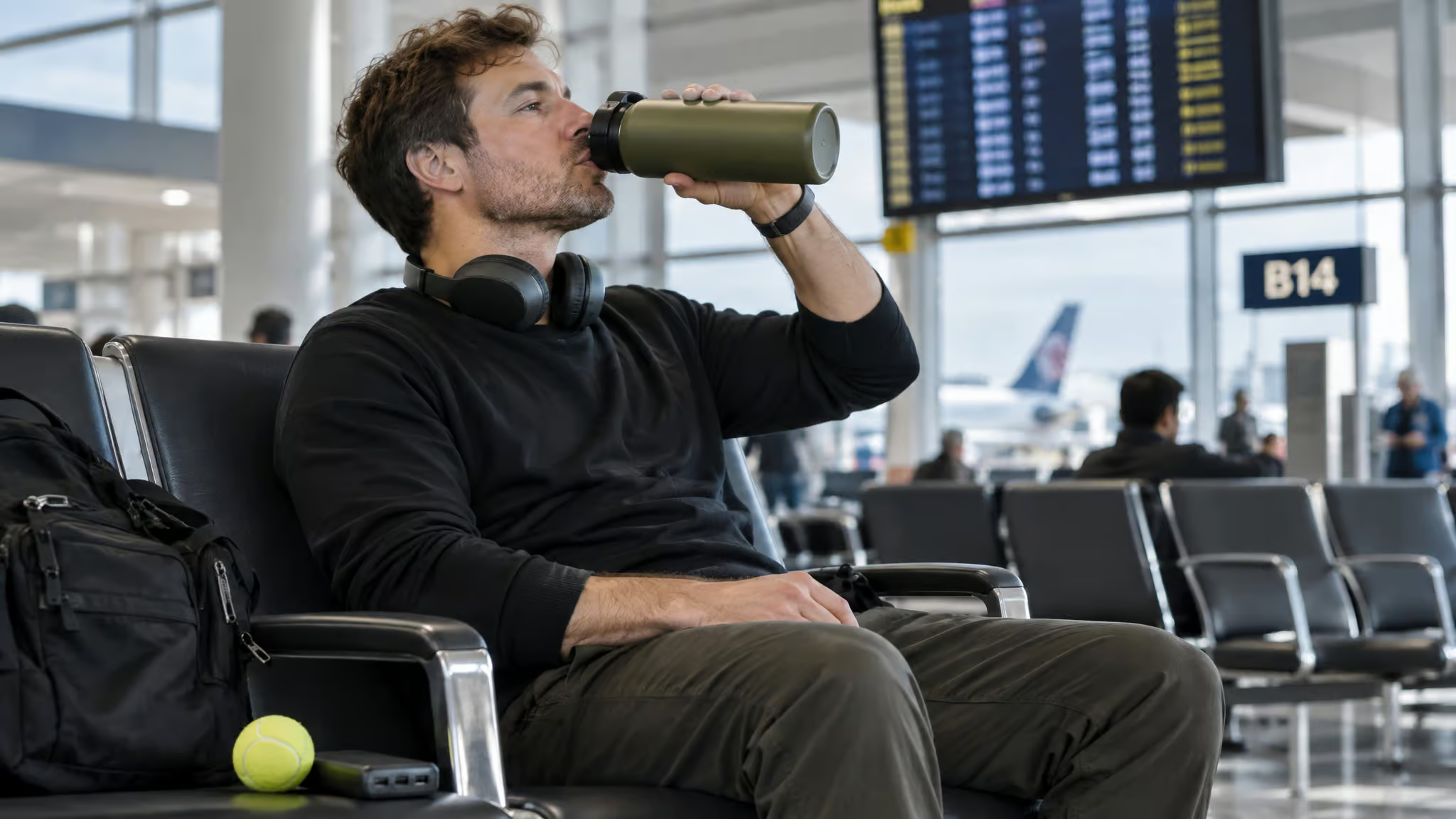
The testers gave this one the thumbs up. Hydrating hard before a long flight fights the jet lag drain, and it’s free, a few other travel hacks like compression socks can help too.
Tennis-ball back massage
A tennis ball against your back on a long flight beat the gadget alternatives in testing. Ten thousand packing cubes can’t say the same.
AC-fan bug prevention
Run the room’s AC fan when you check in. The testers approved it as bug prevention, and it costs whatever electricity the hotel already paid for.
TripIt Pro flight alerts
TripIt Pro‘s delay and route-change alerts got an approved verdict, and the story behind it is the reason: the alerts rescued a 75-year-old traveler’s trip through Turkey when things went sideways mid-itinerary. That’s the difference between finding out about a change at the gate and finding out in time to fix it. Milan Malpensa horror stories exist for a reason, and we’ll get to one shortly.
Packing rules with numbers: the one-bag formula
The one-bag system rests on three numbers: 3 shirts plus 3 bottoms, which mixes into 6+ outfits; a total loadout under 7 kg; and a laundry plan for any trip longer than 3-4 days. Those are thresholds, not vibes. Everything else in the system hangs off them.
The supporting rules are equally concrete. Vacuum Space Bags can fit a week’s clothes plus ski wear in a carry-on, which sounds like a lie until you’ve squashed one by kneeling on it. Packing cubes mean you locate any item instantly instead of excavating your bag at the hostel. Pack 2 sock and underwear sets per day.
Stick to one color scheme so everything mixes, and enforce a hard no-“maybes” rule: if you’re lukewarm on it, it stays home. Roll casual clothes, fold formal. Stuff your shoes with socks to use dead space.
Quick test: If you’re lukewarm on an item, it stays home. The one-bag system only works when everything in the bag earns its weight.
Want more of this broken down by trip stage? There’s a full tested roundup of best travel hacks for adults that covers it.
Formal wear for wedding and event trips: never check the suit
Keep formal wear in your carry-on, never checked, and then either wear it, ship it, or rent around it. That’s the answer, and here’s the protocol: wear the suit while traveling, carry-on only, one color scheme with no maybes, fold the formal stuff and roll the casual.
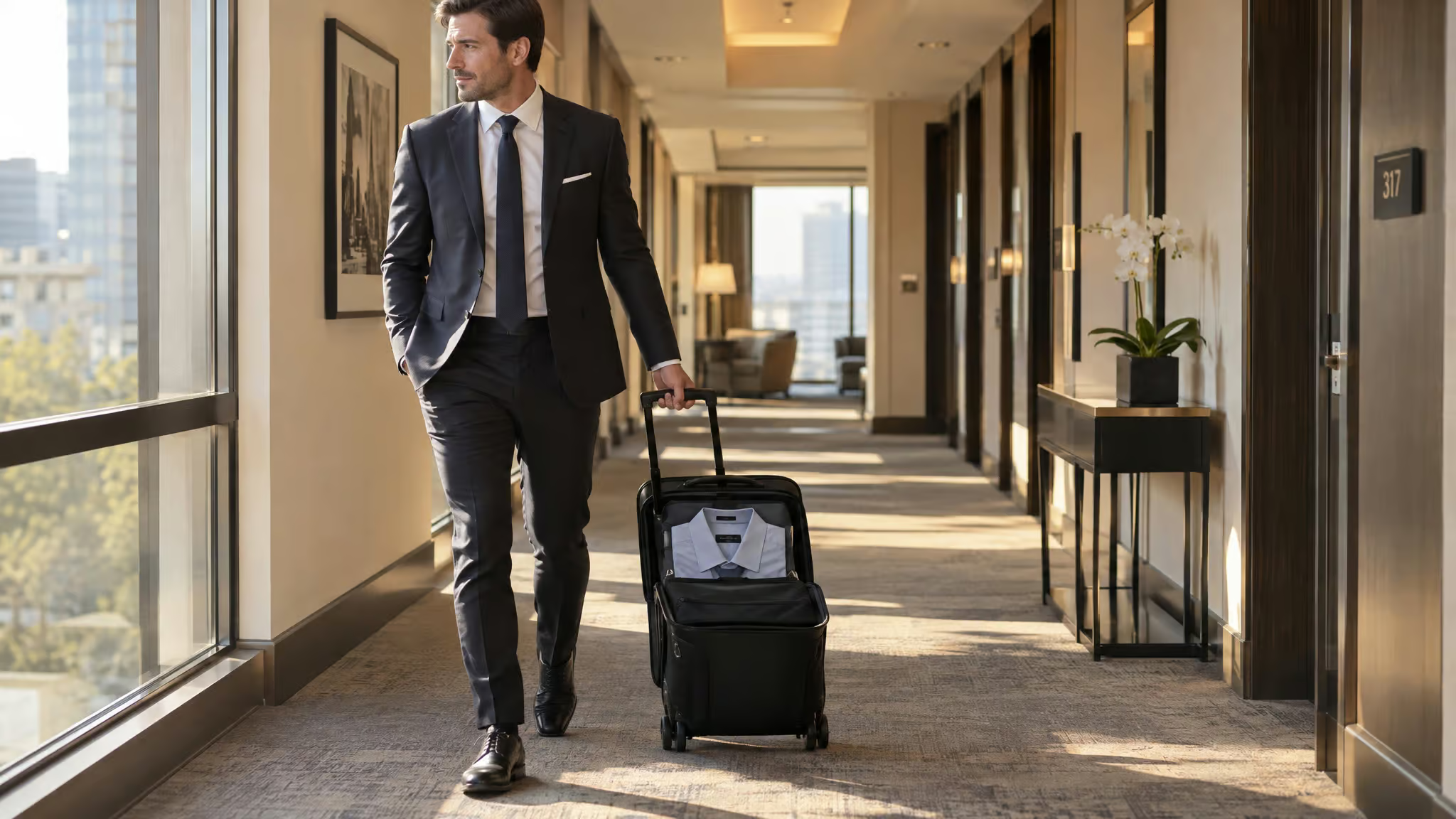
Why so rigid? Because the same story recurs across Reddit packing threads: wedding guests whose checked luggage got lost, while the outfits they kept in carry-on survived. It’s a pattern, not one unlucky guy. The luggage that goes missing is never the one holding the suit.
People run this lean. One traveler reported fitting a formal outfit, holiday clothes, and a laptop into a single backpack for 1-2 week work trips. And if you’d rather not travel in a suit at all: ship it home via UPS after the event, or skip ownership entirely and rent through Rent the Runway, though if you’re splitting those costs with friends, use a cost-splitting app. Either way, the suit never rides in the hold.
When less isn’t more: the anti-minimalist counterargument
Reddit itself contests the carry-on-only orthodoxy, and the counterargument is worth hearing. The documented version: pack the quantity you’d actually wear over a typical week, consult the actual forecast instead of packing for hypothetical weather, and remember you can usually buy forgotten items at the destination. Worst case, per the thread regulars, is a $10 hat.
Overpacking for imagined weather is the classic tell in r/onebag discussions. The other direction has its own failure mode, though, and it ties straight into the busted neck-pillow trick: “less is more” cuts both ways. Too little, and you’re shopping at your destination for things you owned already. This is a minority position in the threads, to be clear.
Most of r/onebag will die on the minimalism hill. But it’s a documented position, and it’s honestly the more reasonable one if you’re headed somewhere with a real winter.
Hacks that got busted: the myths list
Yes, two popular Reddit travel hacks were busted in documented testing: the librarian-recommendation hack and the neck-pillow packing trick. Both verdicts came out of a hack-testing video series, not my kitchen table.
The librarian recommendation hack
Sounds great on paper: ask a local librarian where locals actually eat and drink. The testers found it consistently steered them toward touristy spots instead of local gems. Nice idea, wrong mechanism. Librarians apparently know books better than brunch.
The neck-pillow packing trick
The trick of compressing clothes inside a neck pillow failed on comfort grounds. The testers’ verdict boiled down to “less is more,” and not in the inspirational way.
One more cautionary tale from the testing series, via the host’s own misadventures: an airline went defunct at Milan Malpensa, forcing a reroute through Moscow’s Sheremetyevo, a pair of disconnected terminals that don’t talk to each other. If that doesn’t argue for alert apps and buffer time, nothing will.
Travel credit cards as a points-and-perks hack
Travel rewards cards are worth it when you can use transferable points and fee credits. The cleanest example: the Chase Sapphire Preferred carries a $120 credit toward the Global Entry/TSA PreCheck/NEXUS application fee. Expedited entry, effectively paid for by a card you were getting anyway.
The strategy underneath is simple. Transferable points, meaning Chase Ultimate Rewards, Capital One miles, and Amex Membership Rewards, offer the highest redemption value because you’re not locked into one airline’s award chart. Approval typically requires a 670+ credit score, so if you’re below that, fix that first. The Global Entry/TSA PreCheck fee-credit trick repeats across multiple cards, which is the closest thing to a near-free hack in the entire travel-finance space.
Picking an entry point depends on how you travel:
| Card | Fee | Why you’d pick it |
|---|---|---|
| Chase Sapphire Preferred | $95 | Best overall value; 75,000-point bonus after $5,000 spend in 3 months |
| Chase Sapphire Reserve | $325 | $300 automatic travel credit, 1,300+ lounges, $20,000 trip cancellation coverage |
| Amex Platinum | $895 | 1,550+ lounges, $3,500+ in listed annual credits |
| Capital One Venture | Varies | 2X miles, 20+ transfer partners |
| Amex Gold | Varies | 4X on dining and US supermarkets |
| Bilt Obsidian | Varies | 3X dining/groceries up to $25,000/yr |
| Capital One VentureOne | $0 | Fee-free entry point |
| Wells Fargo Autograph | $0 | Fee-free entry point |
Anchor on outcomes, not card minutiae: free Global Entry, lounge access when your connection melts down, trip cancellation coverage worth up to $20,000 on the Reserve. That’s what you’re actually buying. The $0-fee cards (VentureOne, Autograph) also cover the budget angle, since travel hacks to save money shouldn’t start with a $895 annual fee.
Cost check: Anchor on perks you’d actually use — a fee credit or lounge access beats chasing points you may never redeem at top value.
One honest gap: the cheap-fare booking hacks that dominate searches, free-cancellation rebooking tricks and skipping airport currency exchange, are popular but unverified in the sources behind this article. I’d rather tell you that than make up savings figures. If you want broader money moves, the standalone travel hacks roundup covers the tested material.
Your flight-day playbook (and what we couldn’t verify)
Here’s the sequence, built straight from what got tested above: hydrate before boarding, plug the AirFly into the seatback, run the AC fan at the hotel. After that comes the honest ledger, hacks that sound plausible but never got tested.
The timeline
Before boarding: hydrate, per the approved verdict. In the air: AirFly Pro 2 in the seatback jack, noise-canceling headphones on, tennis ball between your back and the seat. Mid-trip: let TripIt Pro’s alerts fire on delays so you’re rebooking before the gate agent is. At the room: run the AC fan before you unpack anything.
What nobody’s verified
Some things you’ll see on Reddit are plausible but thin in the actual sources, so here they are, flagged honestly. The so-called three-seat economy trick, claiming an empty middle-seat row for the space, is a known Reddit idea, but the coverage here is thin, so treat it as luck-dependent rather than a system. The “most forgotten packing item” question has no sourced answer; the closest defensible advice is the checklist logic above: stuff shoes with socks and run the no-maybes rule so nothing forgettable makes the cut in the first place. Merino wool clothing and a thin waterproof shell are mainstream travel staples that the testing sources skipped, so call them untested here, not debunked.
Same for free-cancellation rebooking and avoiding airport currency exchange: popular, unvalidated. If a hack backfires, it’s usually one of these untested ones done in a situation the original poster never faced. And don’t bother with the packing-hack spiral: fewer pieces that do more is the whole idea, so a small kit of well-chosen staples beats stuffing the bag with one-trick solutions.
For more on what to wear instead of what you packed badly, the case against jeans on a plane is its own conversation. And travelers past the hostel phase have different constraints entirely, which is what the adult-travel hacks piece is for.
The biggest Reddit travel hack isn’t in any thread. It’s refusing to trust upvoted hacks blindly. You now hold all three lists: what testing approved, what testing busted, and what nobody’s checked. Filter everything else through that, and you’ll be ahead of every listicle still recycling the neck pillow.
Frequently Asked Questions
What is the 3 seat economy trick?
It’s the idea of claiming an empty middle-seat row in economy for extra space. It’s a known Reddit tip, but it has thin real-world coverage, so treat it as luck-dependent rather than a repeatable system — it only works when the flight is genuinely underbooked.
Is $20,000 enough to travel the world?
The bigger lever is your cost structure, not just the number: sticking to a one-bag loadout under 7 kg, paying with transferable points instead of cash, and using fee credits for Global Entry or TSA PreCheck all cut recurring trip costs. What $20,000 buys depends heavily on how aggressively you apply those habits and which regions you visit.
What is the most forgotten item when packing for vacation?
There’s no documented single answer, which is exactly why the checklist logic matters more. Stuff your shoes with socks to use dead space, and apply a hard no-maybes rule — anything you’re lukewarm on stays home — so nothing forgettable makes the cut in the first place.
Is it better to pack light or pack for the forecast when traveling?
The documented counterargument to carry-on-only minimalism says pack what you’d actually wear over a typical week, check the real forecast instead of hypothetical weather, and remember you can usually buy forgotten items at your destination — worst case is a $10 hat. It’s a minority position in the threads, but it’s the more reasonable one if you’re headed somewhere with a real winter.