
“Babe” has been around since 1150–1200. Back then, it just meant baby. By 1915–1920, it meant “hot person.” Same word, completely different meanings — and a whole lot of room for getting it wrong.
Key Takeaways
First recorded in Middle English around 1150–1200, probably a nursery word for infant; the slang sense for an attractive person didn’t show up until 1915–1920.
In romantic relationships, “babe” carries a possessive undertone (user-contributed definition from Urban Dictionary notes it “connoting possession of person addressed as such“) — not creepy, but it’s real.
Calling a stranger “babe” is risky: Oxford and Dictionary.com both flag it as potentially offensive when used by a man to a woman he doesn’t know.
Table of Contents
The Original Meaning: Baby, Child, and the Idioms That Follow
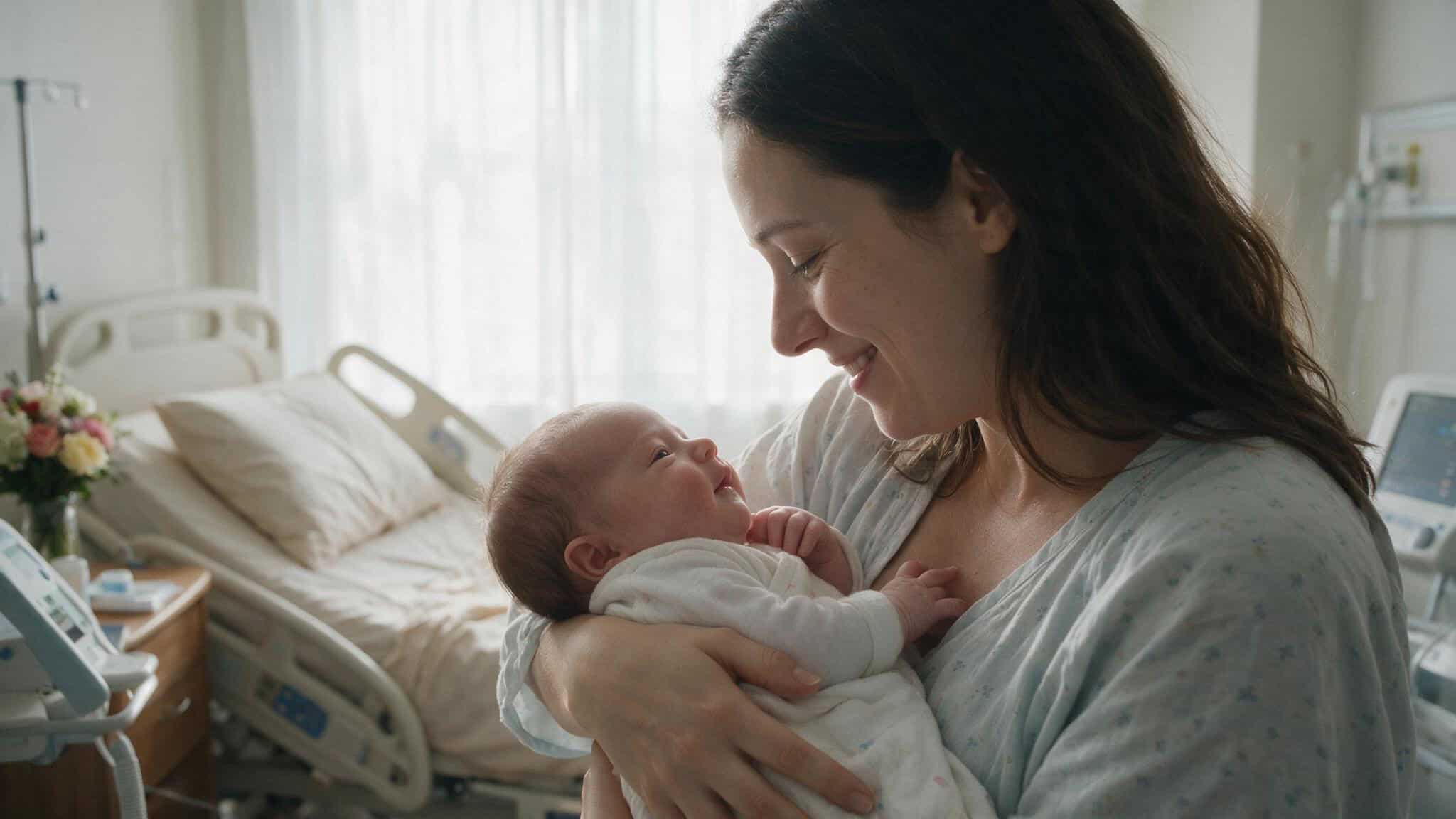
Before “babe” became a pet name or a compliment, it simply meant an infant — a meaning that’s persisted for over 800 years and still appears in formal, literal contexts today.
Literal Usage
The BBC ran a story on Jun. 28, 2025 about breastfeeding, and they used “babe” to mean an actual baby: “especially if your babe is clusterfeeding.” That’s not slang — that’s the original word, doing its original job.
Parents magazine did the same on July 1, 2026, calling Pampers Swaddlers “for growing babes.” A literary example appears in George R.R. Martin’s A Clash of Kings, where a character tries to save the babe. Formal, serious, literal.
Even when it’s not a human baby — Variety described a character in a Jim Henson fantasy film as “the babe with the power.” That’s the literal sense stretched a bit, but still recognizable.
Idiomatic Uses: “Babe in Arms” and “Babe in the Woods”
The word also stretches into idioms that describe people who aren’t babies.
Babe in arms — a very small baby that cannot yet walk. Straightforward, still in use.
Babe in the woods — a naive or inexperienced person. This one shows up more often. Dictionary.com gives the example: I worked with film for years, but I’m just a beginner as far as digital photography is concerned. Means they’re a beginner, not a literal child.
These idioms are a bit literary, but most people understand them. If you call someone a “babe in the woods,” you’re saying they’re innocent or easily fooled. It’s not an insult, but it’s not a compliment either.
Babe as a Term of Endearment: Lovers, Friends, and the Possessive Edge
This is where “babe” does most of its heavy lifting today. It’s the go-to pet name for partners and the casual affectionate address for friends.
Romantic Partners
Did you really have to take that project? I missed you all week babe! — that’s romantic, intimate, and clear.
Standard dictionaries call “babe” a gender-neutral term of endearment for a close individual. But there’s a layer they don’t always mention. User-contributed definitions on Urban Dictionary note that “babe” carries a hint of possessiveness — “connoting possession of person addressed as such.” It’s not creepy, but it is real. When a guy calls his girlfriend “babe,” part of what he’s saying is “she’s mine,” which makes the Babe meaning in chat from a girl worth considering carefully, since the same word can signal friendliness or flirtation depending on the sender.
Bottom line: “Babe” in a romantic context implies more than casual affection — it implies exclusivity. Don’t use it on a first date.
Just know that “babe” in a romantic context implies more than casual affection — it implies exclusivity. Don’t use it on a first date. Use it with someone you’re actually close to.
Close Friends
You can also call a friend “babe” with no romance involved. It’s casual, affectionate, and works for any gender.
Hey babe, what’s wrong? Johnny told me you didn’t seem too happy today at school. — That’s caring, not romantic. If your buddy calls you “babe,” it’s probably just warmth, not a come-on.
Calling Someone a ‘Babe’: When It’s a Compliment and When It’s Not
This is the most commonly misunderstood use. “Babe” as slang for an attractive person — a hot guy or a hot girl, is a compliment when you’re talking about someone, so understanding what does hot babe mean can help you avoid missteps. It’s risky when you say it to someone you don’t know.

Slang for an Attractive Person
Dictionary.com defines “babe” as a girl or woman, especially an attractive one and also “an attractive young man.” Gender-neutral. You see it all the time in media.
The LA Times wrote on Jan. 18, 2026 about a Paramore concert: the crowd sings along… for everyone’s inner emo babe. Playful, nostalgic, clearly describing an attractive or aspirational version of yourself.
Condé Nast Traveler used it as a friendly address on June 23, 2026: Pick your poison, babe, for a Swift-centric escape… — that’s between the writer and the reader, casual and peer-to-peer.
Variety called a character “the babe with the power” — referring to someone attractive and charismatic.
When you say “she’s a babe” or “he’s a babe,” you are complimenting them. The issue arises when you use “babe” as a direct address to a stranger.
The Risk
The Vulture article from July 11, 2026 makes the dismissive tone clear: This Society is only for the married women of Independence, sorry, babe. That “babe” is sarcastic. It’s not affectionate — it’s condescending.
Oxford Advanced Learner’s Dictionary explicitly says “babe” is sometimes considered offensive when used by a man to a woman he does not know. Dictionary.com goes further: Sometimes Disparaging and Offensive when used to strangers, casual acquaintances, subordinates, etc., especially by a male to a female.
So here’s the practical rule: Only use “babe” to address someone you have an established friendly relationship with. Stranger equals risky. If you’re a guy walking up to a woman you’ve never met and calling her “babe,” expect her to be annoyed. It’s not charming — it’s a warning sign.
The same word can be friendly among peers (Condé Nast Traveler) or condescending across a power gap (Vulture). The difference is who you are to the person you’re talking to.
How ‘Babe’ Varies by Region and Generation
The word doesn’t mean the same thing everywhere or to everyone. Two major variations stand out. Additionally, some readers encounter ‘babe’ in biblical contexts, such as the phrase ‘babe in swaddling clothes’ referring to the infant Jesus in the Nativity story. This usage is purely literal and carries no romantic or slang connotations, though it occasionally drives searches for the word’s meaning.
Southern U.S.
Dictionary.com Unabridged notes a specific Southern usage: Usually Babe (used, often before the surname, as a familiar name for a boy or man, especially the youngest of a family).
Think of it like “Babe Ruth” — it’s a formal nickname. If you’re the youngest son in a Southern family, you might actually be called “Babe” as your name. Not slang, not romantic, just a family label. This is the opposite of the modern slang: it’s traditional, regional, and completely non-sexual.
Gen Z
Younger people use “babe” broadly — for friends, partners, anyone they’re close to, regardless of gender. The media examples from Salon (Jun. 24, 2026), MarketWatch (Jun. 3, 2026), and the LA Times (Jan. 18, 2026) all show this. “And I’m like, babe, I would if I could” (Salon). Yep they aren’t compatible babe girl only wants a man with $$$ (MarketWatch). Casual, conversational, often dismissive but not necessarily offensive.
Gen Z has basically turned “babe” into a default address, like “dude” or “bro” but slightly more intimate. If you’re not Gen Z, be aware that younger people might use “babe” more casually than you expect — and they might not take it well if you assume it’s romantic.
Babe vs. Baby: What’s the Difference as Terms of Endearment?
They’re cousins, not twins.
“Baby” is the older, more traditional pet name. It implies cherishing, protecting. “Babe” is its shortened, slightly cooler version — more casual, sometimes carrying that possessive edge from the Urban Dictionary definition.
If someone calls you “baby,” they are likely being soft and romantic. If they call you “babe,” it could be romantic or just friendly, but it’s less formal either way. That’s basically the whole difference. Choose accordingly.
A Brief History of ‘Babe’: 800 Years of Meaning
The word first shows up in written English between 1150 and 1200, in Middle English as “baban” — probably a nursery word for infant. That’s the original meaning: a baby. Nothing else.
For centuries, that’s all it meant. Then, somewhere along the line, people started using it as a term of endearment for lovers. No exact date — it just happened.
The big shift came around 1915 to 1920, when “babe” first appeared as slang for an attractive person. That’s the meaning most people think of today. From baby to lover to “hot person” in roughly 800 years.
The word didn’t change meaning overnight. It took centuries of casual use to stretch from “infant” to “someone you want to date.” And it’s still changing — Gen Z uses it differently than your granddad did.
Choosing the Right Context for ‘Babe’
The possessive note — in romantic relationships, “babe” implies a kind of ownership. Use it with someone you’re close to, not someone you just met.
The offensiveness caveat — calling a stranger “babe” can get you ignored or snapped at. Dictionaries say it, and experience proves it.
People Also Ask
What does it mean to call someone a babe?
Calling someone a babe is slang for saying they’re attractive — it’s a compliment when you’re talking about them. But using it directly to a stranger, especially a man to a woman he doesn’t know, can come off as offensive or condescending. The word has a possessive undertone in romantic contexts, so it’s safest with people you’re close to.
What is babe in Gen Z slang?
Gen Z uses ‘babe’ as a casual, gender-neutral address for friends, partners, or anyone they’re close to — similar to ‘dude’ or ‘bro’ but slightly more intimate. It’s often used in texts or social media comments without any romantic expectation. If you’re not Gen Z, just know they might use it more broadly than you’d expect.
What does babe mean in love?
In a romantic relationship, ‘babe’ is a term of endearment that implies more than casual affection — it carries a hint of exclusivity and possessiveness. It’s not creepy, but it signals that the person is yours. That’s why it’s best used with someone you’re actually close to, not on a first date.
Is babe used for male?
Yes, ‘babe’ is gender-neutral — it can refer to an attractive man or woman. Dictionary.com defines it as both ‘a girl or woman, especially an attractive one’ and ‘an attractive young man.’ In practice, people use it for partners of any gender, and among friends it’s common regardless of gender.
What’s the difference between babe and baby as pet names?
‘Baby’ is the older, more traditional pet name that implies cherishing and protecting someone. ‘Babe’ is its shorter, cooler cousin — more casual and sometimes carrying a possessive edge. If someone calls you ‘baby,’ they’re likely being soft and romantic; ‘babe’ could be romantic or just friendly, but it’s less formal either way.
How did babe change from meaning baby to meaning attractive person?
The word first appeared in Middle English around 1150–1200 meaning simply ‘infant.’ It took centuries of casual use as a term of endearment before the slang sense for an attractive person showed up around 1915–1920. The meaning is still evolving — Gen Z now uses it as a default friendly address, like ‘dude’ but more intimate.